
🦷 In 2025, more people than ever are exploring dental insurance and implants as an essential part of maintaining oral health and restoring confidence in their smiles. Dental implants have evolved from being a luxury procedure to a common, medically supported solution for missing teeth. Yet, understanding how insurance interacts with implant procedures remains a complex and often confusing topic for patients. This comprehensive guide aims to demystify every aspect—from coverage details and costs to expert strategies that help you get the most value from your plan.
Unlike traditional dentures or bridges, dental implants are a permanent replacement option that fuses with your jawbone, offering strength, stability, and a natural appearance. However, the cost can be substantial, ranging from consultation and surgery to the crown placement and aftercare. That’s where understanding the connection between dental insurance and implants becomes crucial. With the right knowledge and preparation, you can dramatically reduce your out-of-pocket expenses while accessing high-quality care.
Before we explore policies and benefits, it’s important to understand why insurance companies often approach implant coverage cautiously. Dental insurance plans are typically designed to cover preventive care and basic restorative treatments—like cleanings, fillings, and extractions—rather than major restorative procedures. But the good news is that the dental insurance landscape has been shifting rapidly. In 2025, more major insurers now recognize implants as a medically necessary treatment for long-term oral health rather than a cosmetic enhancement.
According to the American Dental Association, nearly 5 million dental implants are placed annually in the United States. This number continues to rise, largely due to growing awareness, technological advances in implant materials, and increased insurance participation. Many new plans now offer partial reimbursement for implant surgery, abutment placement, and even the final crown. However, understanding what’s included, what’s excluded, and how to navigate preauthorization requirements is key to making the most of your insurance coverage.
In this guide, we’ll dive deep into the essentials of dental insurance and implants—starting from how implants work, the role of bone grafting and healing periods, to the specific ways insurance can help cover costs. You’ll also learn about hybrid plans, dental discount programs, and medical insurance integration options that can further improve your benefits. Whether you’re a first-time implant candidate or someone comparing insurance plans, this article provides actionable insights that make your decision simpler and smarter.
Another important aspect of managing your implant treatment is choosing a qualified dental professional. Many top-rated clinics, such as Redent Klinik Contact Page, provide personalized assessments that include cost estimates, coverage reviews, and customized treatment timelines. These steps are vital for coordinating between your dentist and insurance provider. Often, clinics with insurance specialists can handle documentation, speeding up approval and minimizing financial surprises.
It’s worth noting that the cost of a single implant can range between $2,500 and $5,000 depending on geographic location, implant type, and the number of procedures required. Without adequate insurance, this can be a significant burden for patients. Fortunately, many modern plans cover up to 50% of major restorative work, which may include implants if deemed necessary for oral function or overall health. In cases where insurance doesn’t fully cover the treatment, supplementary financing and savings programs can bridge the gap effectively.
Additionally, combining medical and dental coverage can sometimes open doors to higher reimbursement rates. For example, if tooth loss results from an accident or medical condition, your health insurance might cover portions of the implant procedure. Understanding these nuances of dental insurance and implants allows you to maximize every possible benefit. Always consult with both your dentist and insurer before beginning treatment to clarify what’s included under your plan’s major services.
Patients should also pay attention to annual maximums and waiting periods. Most insurance plans have annual caps between $1,000 and $2,000, which means large procedures may need to be scheduled across multiple plan years for maximum benefit. Planning strategically helps minimize costs while staying within policy limits. Some advanced implant patients even use supplemental dental plans or employer-provided flexible spending accounts (FSAs) to cover residual costs efficiently.
By the end of this guide, you’ll not only understand the structure of dental insurance and implants but also be equipped to make informed financial and clinical decisions. This article will walk you step-by-step through the process—from identifying insurance-compatible implant providers to understanding coverage codes, exclusions, and pre-approval steps. Our goal is to empower you with transparent, practical knowledge that helps you protect both your smile and your wallet. Stay tuned as we explore deeper in the following sections how modern insurance systems are transforming the affordability of implant dentistry in 2025 and beyond. 🌟
Understanding Dental Implants and How They Work 🦷
When exploring dental insurance and implants, it’s vital to first understand what dental implants are and how they function as part of modern restorative dentistry. Dental implants are artificial tooth roots, usually made of titanium, designed to replace missing teeth permanently. They are surgically placed into the jawbone, where they fuse through a process called osseointegration. This creates a sturdy foundation for artificial teeth such as crowns, bridges, or dentures, offering unmatched stability and a natural appearance.
The Structure of a Dental Implant
A dental implant typically consists of three main components: the implant post, the abutment, and the dental crown. The implant post is the screw-like structure embedded into the jawbone. It serves as an artificial root, replacing the natural tooth root lost due to extraction or trauma. The abutment is a connector that attaches the crown to the implant. Finally, the dental crown is the visible, custom-made part that looks and functions like a natural tooth. Understanding these components helps patients appreciate why implants are more expensive and how dental insurance and implants interact when calculating coverage.
How Implants Integrate with the Jawbone
The success of dental implants depends heavily on osseointegration — a biological process where the titanium post fuses with the bone. Over several months, this fusion creates a stable anchor for the new tooth, allowing it to function naturally. Bone health is crucial in this stage; patients with low bone density may need bone grafting before implant placement. Insurance coverage for such preparatory procedures varies widely, and understanding these details can help you plan smarter.
Who Is a Good Candidate for Dental Implants?
Not everyone is automatically eligible for implant surgery. Ideal candidates typically have healthy gums, sufficient jawbone structure, and good oral hygiene habits. Smokers, individuals with diabetes, or patients with untreated gum disease might experience complications. When analyzing dental insurance and implants, it’s important to know that most insurers require pre-treatment evaluations before granting coverage. These evaluations determine whether the implant is medically necessary or primarily cosmetic.
Medical Necessity vs. Cosmetic Need
Insurance companies often classify implants as either medically necessary or cosmetic. Medically necessary implants may replace teeth lost due to accidents, bone loss, or systemic disease. Cosmetic cases, on the other hand, focus on improving appearance. The classification directly affects reimbursement percentages. Therefore, obtaining a dentist’s letter of medical necessity can significantly improve the chances of receiving insurance benefits.
Different Types of Dental Implants
There are two main types of implants: endosteal and subperiosteal. Endosteal implants are the most common, placed directly into the jawbone. Subperiosteal implants are used when the patient lacks sufficient bone density and cannot undergo grafting. Knowing these distinctions helps patients navigate dental insurance and implants coverage since some plans only cover specific implant types.
The Step-by-Step Process of Getting an Implant
The journey to a new smile involves multiple stages:
- Consultation and Imaging: The dentist performs X-rays or 3D scans to evaluate bone density and plan the procedure.
- Tooth Extraction (if needed): Damaged or decayed teeth are removed to make space for the implant.
- Bone Grafting: If bone volume is insufficient, grafting material is added to support implant stability.
- Implant Placement: The titanium post is surgically inserted into the jawbone under local anesthesia.
- Healing and Osseointegration: Over 3–6 months, the implant fuses with the bone.
- Abutment Attachment: Once healed, the connector piece (abutment) is placed.
- Crown Placement: A custom-made crown is attached, completing the restoration.
Each of these steps may involve different billing codes, which affect how dental insurance and implants are processed by your provider. Some insurers might cover extraction and X-rays but exclude the implant surgery or crown placement. Therefore, reviewing the Explanation of Benefits (EOB) before treatment is essential.
Longevity and Maintenance of Implants
One of the biggest advantages of implants is their longevity. With proper care, dental implants can last for decades, often longer than traditional bridges or dentures. Regular dental visits, proper brushing, and flossing are key to ensuring long-term success. Many insurance companies now recognize this durability as a justification for partial coverage, as implants reduce the need for repeat treatments over time. The connection between dental insurance and implants continues to strengthen as insurers see the preventive value of supporting permanent restorations.
How Technology Enhances Implant Success
Modern dentistry uses digital planning software, 3D imaging, and guided surgery tools to improve implant precision and reduce healing time. Computer-aided design (CAD) ensures that crowns fit perfectly, minimizing discomfort. Some dental plans may even reimburse portions of digital diagnostics, highlighting how innovations in implantology are reshaping coverage models.
The Psychological and Health Benefits of Dental Implants
Beyond aesthetics, implants have profound psychological and physiological benefits. They restore chewing function, improve speech clarity, and enhance self-esteem. Missing teeth can lead to bone resorption and facial collapse, which implants effectively prevent. Patients report feeling more confident in social and professional environments after treatment. As a result, insurers increasingly view implant coverage as essential to overall health, bridging the gap between medical and dental care in modern dental insurance and implants plans.
In conclusion, understanding how dental implants work is the first step toward making informed decisions about your insurance coverage and treatment plan. With the right knowledge and professional guidance, you can transform your oral health while taking full advantage of the benefits offered by today’s insurance providers. In the next section, we’ll explore whether insurance actually covers implants in 2025—and how you can maximize those benefits effectively. 🌟
Does Dental Insurance Cover Implants in 2025?
The question of whether dental insurance and implants go hand in hand has become one of the most frequently searched topics in oral healthcare. As of 2025, the short answer is: it depends on your insurance plan. While traditional dental insurance policies were once notorious for excluding implant procedures, the modern landscape has shifted significantly. Increasingly, insurers now recognize dental implants as a medically necessary treatment rather than a purely cosmetic choice—especially when tooth loss impacts oral function or long-term bone health.
Evolution of Implant Coverage Over the Years
In the early 2000s, only a handful of premium dental plans covered implants. Most policies treated them as elective procedures. By 2025, however, about 65% of comprehensive dental insurance plans in the United States include partial implant coverage. This change reflects a growing consensus among dental professionals and insurers that implants are not just aesthetic but restorative and preventive. The American Dental Association has continuously advocated for broader insurance coverage of implants, emphasizing their role in preserving bone integrity and improving long-term oral health outcomes.
Typical Coverage Scenarios
Today, insurance policies may cover anywhere from 30% to 60% of implant-related costs, depending on your provider and plan type. However, the specifics matter. Many insurers categorize implant-related procedures under separate billing codes, so understanding these distinctions is critical. For example:
- Consultation and Imaging: Usually covered as part of preventive or diagnostic care.
- Tooth Extraction: Typically covered if medically necessary.
- Bone Grafting or Sinus Lift: May or may not be included, depending on the plan’s definition of “major services.”
- Implant Surgery: Often partially covered if classified as restorative treatment.
- Abutment and Crown: Usually covered under prosthodontic benefits, up to a certain percentage.
When navigating dental insurance and implants, understanding these breakdowns helps patients anticipate out-of-pocket costs and avoid unpleasant surprises.
Factors That Determine Implant Coverage
Insurance coverage depends on several factors, including your provider, plan tier, and employer’s negotiated benefits. Let’s examine the most influential variables:
1. Type of Dental Insurance Plan
The two most common types of dental insurance are Preferred Provider Organization (PPO) and Health Maintenance Organization (HMO) plans. PPO plans offer flexibility, allowing you to visit any licensed dentist. They often cover implants partially, with reimbursement rates between 40–60%. HMO plans are more restrictive and generally offer limited implant benefits unless you use an in-network specialist.
2. Waiting Periods and Annual Maximums
Most dental insurance plans have a waiting period before covering major procedures like implants. This waiting period can range from 6 to 12 months. Additionally, plans usually impose an annual maximum—typically $1,500 to $2,000—which limits the total amount the insurer will pay within a year. Strategically scheduling different phases of your implant procedure across multiple years can help you maximize benefits effectively under dental insurance and implants coverage.
3. Pre-Authorization Requirements
Insurers often require pre-authorization to determine whether your implant qualifies as a medically necessary procedure. This process involves submitting diagnostic X-rays, a treatment plan, and sometimes a letter from your dentist. Failure to obtain pre-authorization could result in claim denials—even for treatments that would otherwise be eligible.
Examples of Insurance Providers and Their Implant Policies
To give you a clearer picture of the market in 2025, here’s a general overview of how major U.S. insurance companies handle implants:
- Delta Dental: Offers partial coverage under PPO Premium plans, typically 50% after the deductible is met.
- Cigna Dental: Covers implants as major restorative care with a 12-month waiting period.
- Guardian: Provides coverage for both surgical placement and the crown if medically necessary.
- MetLife: Includes implants in its highest-tier plans with up to 60% coverage after deductible.
- Aetna: Allows coverage under employer-sponsored PPO networks, including abutment and crown reimbursement.
These examples highlight that coverage for dental insurance and implants varies widely, and reading your plan’s fine print is essential before beginning treatment.
When Health Insurance Might Help
Interestingly, medical insurance can sometimes step in where dental insurance falls short. If tooth loss is the result of a medical condition, accident, or congenital defect, your health insurance may partially cover implant surgery. This crossover typically applies when the procedure directly affects your ability to eat, speak, or maintain overall health. Coordinating your medical and dental benefits with your provider ensures no coverage opportunities are missed.
Alternative Coverage Options
Even if your current insurance does not cover implants, there are alternative ways to reduce costs:
- Dental Discount Plans: These programs offer negotiated rates with participating dentists, often saving you 15–40% per procedure.
- Flexible Spending Accounts (FSA) or Health Savings Accounts (HSA): Both can be used to pay for implant-related expenses using pre-tax income.
- Third-Party Financing: Many clinics offer in-house payment plans or collaborate with financing companies to make treatment affordable.
Common Misconceptions About Coverage
One major misconception is that “no dental plan covers implants.” This is outdated. While it’s true that some low-cost or basic plans still exclude them, most mid- to high-tier plans now offer at least partial reimbursement. Another myth is that insurance covers the entire implant procedure, which is rarely the case. Patients typically share costs through deductibles and co-payments. Understanding these realities allows for more accurate budgeting and realistic expectations.
Steps to Verify Implant Coverage
To confirm your eligibility for implant coverage, follow these key steps:
- Request a detailed Summary of Benefits from your insurance provider.
- Ask your dentist for a pre-treatment estimate and submit it to your insurer for review.
- Check if there are any exclusions related to missing teeth (sometimes called the “missing tooth clause”).
- Verify the plan’s annual maximum and major services coverage percentage.
Patients who take time to clarify their benefits before beginning treatment often save thousands. Partnering with an experienced dental clinic such as Redent Klinik Contact Page ensures expert assistance in navigating the insurance approval process smoothly.
Conclusion: The Reality of Dental Implant Coverage in 2025
In summary, the relationship between dental insurance and implants has never been stronger. While not every plan covers the entire cost, most now offer partial reimbursement, making implants more affordable than ever before. As awareness of their medical benefits continues to grow, so too does insurance participation. By understanding your policy, seeking pre-authorization, and exploring supplemental options, you can confidently begin your implant journey in 2025 with both financial and clinical peace of mind. 🌟
Types of Dental Insurance Plans for Implants
When evaluating dental insurance and implants, it’s essential to understand the various types of insurance plans available and how each one handles implant coverage. Not all dental insurance plans are created equal — the level of reimbursement, waiting periods, and coverage limits vary significantly. Knowing the structure of these plans helps patients choose the most cost-effective option for their oral health goals in 2025. Let’s explore the major types of dental insurance plans that can affect your implant journey and what to expect from each.
1. Preferred Provider Organization (PPO) Plans
The most common type of dental plan offering flexibility and partial implant coverage is the PPO plan. This plan allows you to choose any licensed dentist, although staying within the insurer’s network typically reduces your costs. PPO plans usually provide comprehensive coverage for preventive care (cleanings, exams, X-rays) and partial coverage for major services, including implants. The percentage of reimbursement for dental insurance and implants under PPO plans typically ranges between 40% and 60%, depending on your specific provider and policy tier.
Patients who select PPO plans often appreciate their versatility. However, it’s important to be aware of annual maximums — generally between $1,500 and $2,500. Once this limit is reached, you’ll pay out-of-pocket for any remaining costs. Strategic planning, such as scheduling stages of implant treatment across multiple years, can help maximize the benefits.
Pros of PPO Plans
- Greater choice of dentists and implant specialists.
- Partial coverage for implant surgery and restoration.
- Out-of-network benefits available, though at reduced rates.
Cons of PPO Plans
- Higher monthly premiums compared to other plan types.
- Annual maximums may limit reimbursement for multi-implant procedures.
2. Health Maintenance Organization (HMO) Plans
HMO dental plans are another major category, but they tend to be more restrictive. With an HMO, you must select a primary care dentist within the insurer’s network, and referrals are required to see specialists. While these plans often have lower premiums, coverage for dental insurance and implants is minimal or excluded altogether. However, some modern HMO plans have begun offering discounted implant options within select partner clinics.
For patients with straightforward dental needs or those prioritizing affordability, HMOs can be suitable. However, individuals requiring advanced treatments like bone grafting, sinus lifts, or full-mouth restorations may find these plans too limiting.
Pros of HMO Plans
- Low monthly premiums and predictable co-payments.
- Emphasis on preventive and routine care.
- Some advanced HMOs now include limited implant discounts.
Cons of HMO Plans
- Restricted provider network with limited implant specialists.
- Limited or no coverage for complex implant procedures.
- Pre-authorization and referral requirements increase wait times.
3. Dental Indemnity Plans (Traditional Insurance)
Before PPOs became the standard, dental indemnity plans were the traditional model of dental coverage. These plans offer complete freedom to choose any dentist without network restrictions. You pay for services upfront and then submit claims for reimbursement. The percentage covered under indemnity plans for dental insurance and implants can vary widely but often includes partial coverage for surgical placement and crowns if deemed medically necessary.
Indemnity plans tend to have higher premiums and deductibles, but their flexibility is ideal for patients who want to work with top-tier implant specialists who may not belong to insurance networks. For many, the freedom and simplicity of this model outweigh the higher costs.
Pros of Indemnity Plans
- Freedom to choose any dentist or implant specialist.
- Direct reimbursement without network restrictions.
- Coverage often extends to implant-related diagnostics and surgeries.
Cons of Indemnity Plans
- Higher upfront payments before reimbursement.
- Premiums and deductibles are typically more expensive than PPOs.
4. Discount Dental Plans (Non-Insurance Options)
Not technically insurance, discount dental plans are membership programs that provide reduced rates for various dental services, including implants. Members pay an annual fee and gain access to a network of participating dentists offering discounted services. Discounts on implant procedures can range from 15% to 40%. While these programs do not reimburse you, they can make treatment more affordable when traditional insurance does not cover dental insurance and implants.
For example, a patient who pays $3,000 for an implant might only pay $1,800 through a discount plan, depending on the provider. Many clinics also allow combining these programs with financing options, further reducing financial strain.
5. Group and Employer-Sponsored Plans
Many employers now offer group dental plans that include partial implant coverage as part of comprehensive benefits packages. These plans are negotiated on behalf of multiple employees, often resulting in lower premiums and broader coverage. In 2025, companies increasingly recognize the importance of oral health for overall well-being, leading to the inclusion of implant procedures as covered benefits. Employees should review their HR-provided plan details to confirm eligibility and reimbursement rates for dental insurance and implants.
Advantages of Employer-Sponsored Plans
- Lower premiums and higher annual maximums compared to individual plans.
- Broader coverage for restorative and surgical procedures.
- Automatic payroll deductions simplify payment and renewal.
Potential Drawbacks
- Coverage terms are determined by employer agreements, leaving limited customization.
- Changing jobs could mean losing your dental benefits mid-treatment.
6. Hybrid and Comprehensive Plans in 2025
The newest trend in the market is the rise of hybrid dental plans, combining elements of traditional insurance with wellness or savings accounts. These innovative plans recognize the evolving patient demand for implant coverage. They often integrate preventive care, restorative treatments, and partial reimbursement for implant procedures. Some even synchronize benefits between dental and medical insurance, bridging the gap for complex cases. Patients considering long-term oral health investments will find hybrid plans especially valuable for maximizing coverage under dental insurance and implants.
Comparing the Plans: What Works Best for You?
Choosing the right plan requires balancing coverage depth, flexibility, and total cost. For instance, a PPO plan might be ideal for those seeking moderate premiums and broad coverage, while an indemnity plan suits those prioritizing freedom of choice. Discount plans are perfect for self-paying patients seeking immediate savings without claim paperwork. Employer-sponsored and hybrid plans, meanwhile, provide long-term value for patients planning comprehensive restorative work like full-mouth implant rehabilitation.
Conclusion: Choosing Wisely for Maximum Benefit
Understanding the types of dental insurance available for implants ensures you make informed financial and clinical decisions. By aligning your treatment goals with the right policy type, you can significantly reduce expenses and ensure smoother claim processing. The evolution of dental insurance and implants coverage in 2025 proves that oral health is now viewed as a crucial component of overall well-being—not a luxury. Whether through PPOs, indemnity plans, or modern hybrid solutions, the path to an affordable and confident smile is clearer than ever before. 🌟
How to Choose the Best Dental Insurance for Implants
Selecting the most suitable dental plan for implants can be overwhelming—especially when you’re faced with countless policy options, exclusions, and complex terms. The right decision can save you thousands of dollars and ensure you receive top-quality care. Understanding how to evaluate and compare plans is therefore essential. In this guide, we’ll break down every step so you can confidently find the ideal plan for dental insurance and implants in 2025, tailored to your needs and budget.
Start with a Clear Understanding of Your Needs
Before purchasing any dental insurance, you must first identify your personal and clinical goals. Are you missing a single tooth, or do you require multiple implants? Do you have any underlying oral health issues such as bone loss or gum disease? These factors will influence the type of coverage you should prioritize. For example, if bone grafting or sinus lift procedures are part of your treatment plan, you’ll want to find a policy that covers major restorative work under dental insurance and implants.
Another key step is verifying whether your preferred dental clinic—such as Redent Klinik Contact Page—is within the insurer’s network. Working with in-network providers can significantly lower your costs, while out-of-network specialists may result in higher co-payments or non-reimbursable fees.
Understand the Core Components of a Good Insurance Plan
When evaluating options, consider the following critical components that directly affect the effectiveness of your dental insurance and implants plan:
- Premium: The monthly or annual cost you pay to maintain coverage.
- Deductible: The amount you must pay out of pocket before your insurance starts covering procedures.
- Coverage Percentage: The portion of implant-related costs the insurer will reimburse, typically 40–60% for major services.
- Annual Maximum: The yearly limit on what the insurance will pay for dental procedures, often between $1,500 and $2,500.
- Waiting Period: The time you must wait before major restorative treatments like implants are covered, usually 6–12 months.
Compare Plan Types Carefully
There are several types of dental plans, including PPOs, HMOs, indemnity plans, and hybrid models. PPOs often provide the most balanced coverage for dental insurance and implants, while HMOs are more limited but cost-effective. Indemnity plans offer maximum flexibility, allowing you to choose any dentist. Hybrid plans, increasingly popular in 2025, combine the best aspects of traditional insurance and dental savings programs.
PPO vs. HMO: What’s Better for Implants?
In most cases, PPO plans are better suited for patients seeking implant procedures. They typically offer partial coverage for both the surgical placement and the prosthetic crown. HMOs, on the other hand, might require you to use specific in-network providers, and implant benefits may be restricted or absent altogether. If you prioritize freedom of choice and advanced procedures, a PPO plan is the more advantageous option for your dental insurance and implants needs.
Evaluate the Fine Print and Exclusions
Many patients overlook policy exclusions, which can lead to unexpected out-of-pocket expenses. Some insurance plans exclude implants entirely, while others limit coverage to specific components such as abutments or crowns. Carefully review the Summary of Benefits and Coverage (SBC) document to identify exclusions, waiting periods, and annual limits. Pay close attention to clauses like the “missing tooth rule,” which can prevent coverage if the tooth was lost before your policy began.
Check for Pre-Existing Condition Clauses
Many dental insurance providers include pre-existing condition clauses that limit coverage for teeth missing before policy activation. If you already have tooth loss, your insurer might not pay for the implant replacement. However, some high-end plans have waived this clause in 2025 due to the growing demand for implant procedures. Reviewing your plan’s eligibility section is crucial for optimizing dental insurance and implants coverage.
Ask About Pre-Authorization and Pre-Treatment Estimates
Before undergoing implant surgery, always request pre-authorization from your insurance provider. This ensures that the procedure qualifies under your plan’s guidelines. The pre-treatment estimate will outline how much your insurance will pay and what portion remains your responsibility. Submitting detailed X-rays, diagnostic images, and treatment plans improves approval chances and prevents delays in reimbursement.
Working with Insurance Coordinators
Most reputable dental clinics now employ insurance coordinators who specialize in managing pre-approvals and claims. These professionals can communicate directly with your provider to verify benefits and handle paperwork. Partnering with a clinic experienced in dental insurance and implants—such as Redent Klinik—streamlines the entire process and minimizes administrative stress.
Review Customer Feedback and Provider Reputation
Not all insurance companies deliver the same level of service. Reading reviews and testimonials can help you gauge how efficiently an insurer handles claims and reimbursements. Pay attention to feedback about claim denials, processing times, and customer support responsiveness. Companies with positive reputations in implant-related claims management—like Delta Dental, MetLife, or Guardian—are often safer choices for patients pursuing dental insurance and implants.
Consider the Role of Supplementary Coverage
If your primary plan doesn’t offer sufficient implant coverage, consider adding a secondary or supplemental dental plan. These plans often cover additional expenses like bone grafts or sinus lifts. Alternatively, pairing your policy with a Flexible Spending Account (FSA) or Health Savings Account (HSA) allows you to pay for implant-related costs using pre-tax dollars. This strategy effectively reduces your total financial burden while remaining compliant with insurance policies.
Calculate Long-Term Value, Not Just Short-Term Savings
When comparing plans, avoid choosing solely based on premium costs. A cheaper plan may have a low monthly fee but offer minimal coverage for implants, leading to higher overall expenses. Instead, assess the total return on investment—considering how much the insurer reimburses, annual limits, and deductible amounts. A slightly higher premium can translate to significant long-term savings on dental insurance and implants.
Verify the Network of Implant Specialists
Before finalizing your policy, ensure the insurer’s provider network includes experienced implant specialists. Some plans only cover procedures performed by general dentists, which might not be ideal for complex implant cases. Reviewing provider directories helps confirm that your chosen dentist has the expertise and technology required for optimal outcomes. The quality of your provider often directly influences the success of your implant treatment and the ease of claim approval.
Conclusion: Making an Informed Choice
Choosing the best insurance for implants requires research, attention to detail, and strategic planning. Always compare at least three different plans, review their fine print, and calculate your estimated total cost. Don’t hesitate to consult with your dentist or clinic for guidance—they can help you match your treatment plan with compatible coverage. As dental insurance and implants become increasingly integrated in 2025, informed patients are now in a better position than ever to access affordable, life-changing dental care. With the right plan and provider, you can restore your smile confidently and cost-effectively. 🌟
Step-by-Step Process: Getting Implants with Insurance
For patients planning to restore their smiles with implants, navigating the process of using dental insurance and implants coverage can feel complex. Understanding the correct steps ensures smoother claim approvals, fewer surprises, and maximum reimbursement. This section provides a complete, step-by-step breakdown—from initial consultation to post-treatment billing—so you can confidently manage every stage of your implant journey in 2025.
Step 1: Schedule an Initial Consultation and Evaluation
The first step in the implant process is a thorough evaluation by your dentist or oral surgeon. During this visit, your dentist assesses your oral health, bone structure, and medical history to determine whether you’re a suitable candidate for implants. This is also the ideal time to inform your provider that you plan to use insurance coverage for the procedure. Clinics such as Redent Klinik Contact Page often assist patients in reviewing insurance eligibility at this stage, ensuring all documentation aligns with coverage requirements.
Your dentist may perform digital X-rays or a cone-beam CT scan to analyze bone density and identify any anatomical issues. These diagnostic tests are critical because most insurance companies require them before granting pre-authorization for dental insurance and implants coverage. Some plans cover these scans as part of diagnostic care, while others categorize them under major services.
Step 2: Obtain Pre-Authorization from the Insurance Provider
Once the treatment plan is outlined, your dental office will send a pre-authorization request to your insurance provider. This document includes your diagnosis, X-rays, treatment codes, and cost estimates. The insurer reviews this information to determine how much of the implant procedure is covered. Receiving pre-authorization helps you avoid unexpected denials and gives you a written estimate of your coverage benefits.
Why Pre-Authorization Matters
Pre-authorization is especially important when combining dental insurance and implants coverage because implant codes differ from basic restorative codes. For example, the code for implant placement (D6010) may not automatically include the abutment or crown, which have separate codes (D6056 and D6065). Without pre-authorization, your insurer might deny reimbursement for these additional components, leaving you with unplanned costs.
Step 3: Review the Treatment Plan and Financial Breakdown
Once your pre-authorization is approved, your dental office will create a detailed financial plan. This document lists the estimated cost of each procedure, what percentage your insurance will cover, and your expected out-of-pocket portion. It’s important to ask questions like:
- Does the coverage include both surgical placement and restoration?
- What is my deductible, and how much of it has been met?
- Does my plan have an annual maximum that might affect coverage?
- Will bone grafting or sinus lift procedures be reimbursed?
Clarifying these questions ensures you fully understand the financial implications of your dental insurance and implants plan. If necessary, you can also explore supplemental plans or payment programs to cover any remaining balance.
Step 4: Begin the Implant Procedure
After approval and financial planning, the surgical phase begins. During the first appointment, the dentist places a titanium post into your jawbone. This acts as an artificial tooth root. Some cases require bone grafting to ensure the implant’s stability. Insurance coverage during this step typically applies under the category of “major restorative procedures.” PPO and indemnity plans may reimburse up to 50–60% of this stage, depending on your policy terms.
Healing and Osseointegration Period
Following surgery, you’ll undergo a healing phase lasting 3–6 months, during which the implant fuses with the bone through a process called osseointegration. While this phase is medically crucial, insurance doesn’t usually cover healing time unless post-surgical complications occur. Your dentist may provide follow-up visits and evaluations that are often covered as part of preventive care under dental insurance and implants policies.
Step 5: Abutment Placement and Crown Installation
Once the implant has integrated with the bone, the next step involves attaching an abutment—a connector piece that joins the crown to the implant. Finally, a custom-made crown is placed, completing the restoration. These final components are typically billed under prosthodontic services. Some insurers classify abutments and crowns separately from implant surgery, so it’s crucial to verify coverage for both.
Coverage Codes to Know
- D6056: Prefabricated abutment—may be covered under restorative benefits.
- D6065: Implant-supported porcelain crown—commonly reimbursed up to 50% under high-tier plans.
Understanding these codes helps ensure your provider bills correctly, maximizing reimbursement from your dental insurance and implants plan.
Step 6: Claim Submission and Reimbursement
Once treatment is complete, your dentist will submit a claim to your insurance provider. The claim includes itemized billing codes, receipts, and proof of treatment completion. Insurance providers typically process claims within 30 to 45 days. You’ll then receive an Explanation of Benefits (EOB) document summarizing what was paid and what portion remains your responsibility.
Common Reasons for Claim Denial
Denials may occur for several reasons:
- Failure to obtain pre-authorization before treatment.
- Incomplete documentation or incorrect coding.
- Implants classified as “cosmetic” rather than “medically necessary.”
- Exceeding the plan’s annual maximum limit.
If your claim is denied, don’t panic—patients can appeal by submitting additional evidence such as X-rays, treatment notes, or a medical necessity letter from their dentist. Many patients succeed in getting partial reimbursement after appeal under comprehensive dental insurance and implants policies.
Step 7: Post-Treatment Care and Maintenance
After your implant is placed and restored, ongoing maintenance is vital to long-term success. Most insurance plans cover regular cleanings and checkups twice a year, which help prevent complications like peri-implantitis. Consistent follow-up visits not only protect your investment but also demonstrate compliance with insurer recommendations, which can support future claims if additional implants are needed.
Step 8: Managing Out-of-Pocket Costs
Even with excellent coverage, most patients will face some out-of-pocket expenses. Using Flexible Spending Accounts (FSA) or Health Savings Accounts (HSA) can help offset these costs by allowing you to pay with pre-tax dollars. Some clinics also offer payment plans or discounts for cash payments. Strategic financial planning ensures your dental insurance and implants journey remains affordable and stress-free.
Step 9: Keep All Documentation Organized
Finally, keep copies of all insurance correspondence, pre-authorization letters, claim submissions, and receipts. Maintaining a well-organized record simplifies follow-up inquiries and appeals if necessary. Digital storage options, such as patient portals or insurance apps, make it easier to access these records anytime. Staying organized enhances communication between your dentist, insurer, and yourself—leading to faster processing and smoother reimbursements.
Conclusion: From Consultation to Completion
Understanding the full step-by-step process of obtaining implants with insurance empowers you to manage expectations, prevent claim issues, and save money. From the initial consultation to reimbursement, each stage requires careful documentation and collaboration with your dental provider. In 2025, advancements in both implant technology and insurance policy design have made this process more patient-friendly than ever. With the right preparation and a trusted clinic by your side, navigating dental insurance and implants can lead to a beautiful, lasting smile without financial stress. 🌟
Average Implant Costs and How Insurance Reduces Them
Understanding the average cost of dental implants and how insurance influences these expenses is essential for making informed decisions. The financial aspect often determines whether patients proceed with treatment, delay it, or seek alternatives. In this section, we’ll explore the typical pricing structure for implants, how different insurance plans contribute to cost reduction, and practical ways to maximize savings while ensuring top-quality care. By the end, you’ll have a clear understanding of how dental insurance and implants interact from a financial standpoint in 2025.
The Average Cost of Dental Implants in 2025
As of 2025, the cost of a single dental implant in the United States ranges between $2,500 and $5,500 per tooth. This range includes the surgical placement, abutment, and crown. However, prices vary depending on several factors—such as clinic location, specialist experience, and the complexity of the case. Full-mouth implant restorations can cost anywhere between $20,000 and $50,000 per arch, depending on whether the patient requires additional procedures like bone grafting or sinus lifts.
Understanding these costs helps clarify why dental insurance and implants are such a critical discussion point. Without insurance, many patients face significant out-of-pocket expenses. Fortunately, modern insurance providers have adapted, increasingly recognizing implants as both restorative and medically necessary, thus offering partial coverage to ease the financial burden.
Breaking Down the Cost Components
Implant costs are divided into several stages of care. Each stage may or may not be covered by your insurance policy. Here’s a typical breakdown of what contributes to the overall price:
- Initial Consultation and X-rays: $100–$300 (covered as diagnostic services).
- Tooth Extraction: $150–$400 per tooth (often covered if medically necessary).
- Bone Grafting or Sinus Lift: $500–$2,500 (coverage varies depending on insurer).
- Implant Post (Titanium Fixture): $1,000–$2,000 (covered partially under major services).
- Abutment and Crown Placement: $1,200–$2,500 (covered under prosthodontic services).
When combined, these components form the total cost per implant. Insurance can reduce this amount by 30–60%, depending on your policy type, annual maximum, and whether the treatment is deemed medically necessary. This makes understanding dental insurance and implants interaction crucial for budgeting effectively.
How Insurance Reduces Implant Costs
Insurance helps lower implant costs in several key ways. First, many plans now include implant placement under the “major restorative procedures” category. This means that once your deductible is met, your insurer will typically cover 40–60% of the remaining cost. Additionally, certain preparatory procedures, like extractions or bone grafts, may fall under preventive or restorative categories, leading to higher coverage percentages.
Example of Cost Reduction
Let’s assume your total implant procedure costs $4,500. If your plan covers 50% of major restorative services and your deductible is $250, your insurer would pay $2,125 after you meet your deductible. You would be responsible for the remaining $2,375 out-of-pocket. However, if your clinic offers in-network discounts, you might save an additional 10–15%, further lowering the total expense.
This simple example illustrates how combining dental insurance and implants coverage with network benefits can lead to meaningful savings. Patients who plan strategically—such as scheduling different implant stages across multiple policy years—can also avoid exceeding annual maximums and maximize reimbursement.
Factors That Influence Implant Pricing
While insurance plays a major role in affordability, the base cost of implants varies based on several important factors:
- Geographic Location: Urban areas with higher living costs tend to have more expensive dental procedures.
- Implant Material and Brand: Premium-grade titanium or zirconia implants may cost more but offer better longevity.
- Number of Implants Needed: A single implant differs greatly in price compared to full-mouth restorations.
- Additional Procedures: Bone grafts, extractions, and soft tissue management increase total treatment costs.
- Experience of the Dentist: Specialists often charge more but ensure higher success rates and long-term results.
Understanding the Role of Annual Maximums
Most dental insurance plans have annual maximums ranging from $1,000 to $2,500. Once this limit is reached, patients must cover the remaining costs themselves. This is one of the most critical aspects of planning your treatment timeline for dental insurance and implants. Spacing out phases—such as extraction, implant placement, and crown installation—across two calendar years allows you to use two benefit cycles, effectively doubling your available coverage.
Financing and Supplementary Options
Even with insurance, some patients choose additional financing to handle residual costs. Popular options include:
- Flexible Spending Accounts (FSA) and Health Savings Accounts (HSA): Use pre-tax income to pay for implant-related expenses.
- Dental Discount Plans: Offer negotiated rates with participating dentists, saving 10–40% on procedures.
- In-House Payment Plans: Many clinics allow installment payments over 6–12 months interest-free.
- Medical Financing Companies: Platforms like CareCredit or LendingClub enable patients to spread costs over time.
Combining Insurance and Financing
Many patients successfully merge dental insurance and implants coverage with these financial tools for maximum savings. For instance, insurance might cover 50% of the surgical phase, while an FSA can pay for the remainder tax-free. This strategy can reduce overall expenses by 20–30%, making premium implant options accessible even on moderate budgets.
Cost Transparency and In-Network Benefits
Working with an in-network provider often results in significant savings because fees are pre-negotiated. In 2025, leading clinics like Redent Klinik Contact Page use transparent pricing models that include both treatment and insurance estimates upfront. This transparency eliminates unexpected billing and allows patients to make informed financial decisions from the start.
How to Maximize Insurance Savings
To get the most from your insurance coverage, follow these strategic tips:
- Always request a pre-treatment estimate from your insurer before starting any procedure.
- Use preventive benefits (cleanings, exams, and X-rays) regularly to avoid complications that lead to higher implant costs.
- Schedule multiple implants over separate benefit periods to optimize your annual maximum.
- Ask your clinic to submit detailed documentation with proper billing codes to prevent claim denials.
- Combine employer-provided insurance with a dental discount program or FSA for added savings.
Conclusion: Making Implants Affordable Through Smart Planning
Although dental implants can be costly, the right combination of insurance, financing, and strategic scheduling can make them significantly more affordable. The modern integration of dental insurance and implants coverage has changed the financial landscape of restorative dentistry—empowering more people to restore their smiles without overwhelming expenses. By understanding pricing breakdowns, leveraging network benefits, and coordinating insurance effectively, you can achieve lasting results and maintain a healthy, confident smile in 2025 and beyond. 🌟
Top Mistakes to Avoid When Using Dental Insurance for Implants
Even with a good understanding of dental insurance and implants, many patients still make critical errors that lead to claim denials, higher out-of-pocket costs, or unnecessary delays. Avoiding these mistakes can save you thousands of dollars and ensure that your implant treatment proceeds smoothly. In this section, we’ll cover the most common pitfalls, explain why they occur, and provide step-by-step strategies to prevent them. The goal is to help you become an informed, proactive patient who fully benefits from insurance coverage in 2025.
Mistake 1: Not Checking Coverage Details Before Treatment
One of the most frequent and costly mistakes patients make is assuming their dental plan automatically covers implants. In reality, every plan has unique coverage rules and exclusions. Some policies may cover only part of the implant procedure—such as the abutment or crown—but not the surgical placement. Others may exclude implants entirely. Before scheduling surgery, always verify the exact terms of your plan by reviewing your Summary of Benefits or contacting your insurance provider directly.
This initial verification step ensures clarity on how your insurer classifies implant treatment—whether as restorative, cosmetic, or medically necessary. Understanding this classification helps you set realistic expectations for reimbursement. In short, knowledge is power when navigating dental insurance and implants.
How to Avoid It
- Request a written coverage summary from your insurer specifying implant eligibility.
- Ask if there are waiting periods or pre-existing condition clauses that affect implants.
- Confirm whether bone grafting and extractions are included as part of major services.
Mistake 2: Failing to Obtain Pre-Authorization
Pre-authorization is one of the most crucial steps in getting insurance approval for implants. Without it, your insurer might deny reimbursement—even for procedures that would otherwise be covered. Pre-authorization involves submitting X-rays, a treatment plan, and cost estimates before treatment begins. Insurers use this information to determine medical necessity and coverage limits for dental insurance and implants.
Why This Happens
Many patients skip pre-authorization because they assume their dentist will handle it automatically. However, not all clinics do this by default. Always confirm with your dental office that the pre-authorization request has been submitted and approved before undergoing surgery.
How to Avoid It
- Ask your dentist to submit pre-authorization and provide a copy of the approval letter.
- Verify the approval period—most authorizations are valid for 6 to 12 months.
- Keep a record of communication with your insurance provider in case disputes arise later.
Mistake 3: Ignoring the “Missing Tooth Clause”
Many insurance plans include a “missing tooth clause,” which excludes coverage for teeth lost before the policy began. This clause can prevent reimbursement for implant replacements if the tooth was missing prior to your coverage start date. Unfortunately, this is one of the most overlooked details in dental insurance and implants policies.
How to Avoid It
Always ask your insurer whether your plan includes a missing tooth clause. If it does, explore alternative solutions such as supplemental insurance, dental discount plans, or flexible spending accounts to offset the cost. Some modern insurance plans in 2025 are beginning to waive this clause, especially for patients with documented medical necessity or trauma-related tooth loss.
Mistake 4: Not Timing the Treatment Across Benefit Periods
Each dental plan has an annual maximum—typically between $1,000 and $2,500. If your implant treatment exceeds this limit, you’ll need to pay the difference yourself. Many patients schedule all procedures within a single year, quickly maxing out their benefits. This prevents them from taking full advantage of their insurance for dental insurance and implants coverage.
How to Avoid It
- Plan your treatment in stages across two benefit years (for example, surgery in December and restoration in January).
- Ask your dentist to help coordinate your treatment timeline for optimal reimbursement.
- Track your annual maximum carefully using your insurer’s online portal.
Mistake 5: Choosing Out-of-Network Providers Without Understanding the Costs
While you can technically choose any dentist, going out-of-network often leads to higher costs. In-network providers have negotiated lower rates with insurers, which can reduce your total bill by 10–30%. Out-of-network dentists, however, can charge above the insurer’s “usual and customary” rate, leaving you responsible for the difference.
How to Avoid It
Always check whether your chosen implant specialist participates in your insurance network. If you prefer an out-of-network provider for their expertise, ask if they will match network pricing or offer a flexible payment plan. Many high-end clinics like Redent Klinik Contact Page provide transparent cost estimates and help patients file claims directly with their insurers.
Mistake 6: Submitting Incomplete or Incorrect Claim Information
Insurance claim denials often result from missing documentation or incorrect billing codes. Implant procedures involve multiple codes—such as those for the implant post, abutment, and crown. If your provider submits an incomplete claim, the insurer might reject it entirely.
How to Avoid It
- Work with a dental office that has an experienced insurance coordinator.
- Ensure all claim forms include procedure codes (e.g., D6010 for implant placement, D6065 for crown).
- Keep copies of all forms, invoices, and correspondence for your records.
Mistake 7: Overlooking Pre-Treatment Cost Estimates
Some patients begin treatment without requesting an official pre-treatment estimate, only to receive unexpected bills later. A pre-treatment estimate provides a breakdown of what the insurer will cover and what you’ll owe. It’s a crucial document in planning your finances for dental insurance and implants treatment.
How to Avoid It
Before starting, ask your insurer for a “predetermination of benefits.” This estimate ensures transparency and helps you decide whether to proceed immediately or wait until the next benefit year for greater reimbursement potential.
Mistake 8: Neglecting Follow-Up and Maintenance Care
After completing your implant procedure, neglecting regular maintenance can lead to complications like infection or implant failure. Most dental plans cover preventive care such as cleanings and exams, but only if you maintain consistent appointments. Missing checkups could jeopardize not only your oral health but also future coverage opportunities.
How to Avoid It
- Attend all scheduled follow-up visits after implant placement.
- Use your preventive benefits for biannual cleanings to keep gums healthy.
- Report any issues—such as implant discomfort or swelling—to your dentist immediately.
Mistake 9: Assuming All Plans Offer Equal Benefits
Finally, not all dental insurance plans provide equal implant coverage. Some high-tier plans cover 50–60% of major restorative procedures, while basic plans may offer no coverage at all. Understanding your plan’s structure is key to leveraging dental insurance and implants effectively.
How to Avoid It
Compare multiple insurance plans before enrolling. Look for policies with:
- No missing tooth clause.
- High annual maximum limits.
- Reasonable waiting periods.
- Coverage for both surgical and prosthetic phases.
Conclusion: Learn Before You Leap
Using insurance for dental implants can significantly lower treatment costs—but only if you understand the fine print and avoid costly mistakes. Always verify your benefits, request pre-authorization, and coordinate your treatment with experienced professionals. In 2025, more insurers are recognizing implants as essential to oral health, but navigating coverage still requires diligence. By avoiding these nine common errors, you can maximize the advantages of dental insurance and implants, ensuring a smooth, cost-effective journey to a restored and confident smile. 🌟
Future Trends in Dental Insurance and Implants
The landscape of dental insurance and implants is evolving rapidly. As technology advances and patient awareness increases, insurance companies are adapting their coverage models to meet the growing demand for permanent, aesthetic tooth replacement solutions. In this section, we’ll explore the future of implant coverage, the role of technology and AI in dental care, global policy trends, and how patients can prepare for the next decade of innovations that redefine both affordability and accessibility.
Emerging Coverage Models in 2025 and Beyond
In the past, many dental insurance plans considered implants a “cosmetic” treatment, offering minimal or no coverage. However, as clinical evidence has proven their medical necessity—especially in preventing bone loss and improving oral function—insurers are updating their frameworks. By 2025, nearly 70% of comprehensive plans include some form of implant reimbursement. This marks a turning point in how the industry perceives dental insurance and implants: from luxury to necessity.
Experts predict that by 2030, insurance providers will fully integrate implant benefits into standard dental policies. Coverage will likely extend beyond the crown and abutment to include bone grafting, tissue regeneration, and even digital scanning technologies used in implant planning.
Hybrid and Tier-Based Plans
One trend gaining traction is the introduction of hybrid plans that combine traditional dental insurance with supplemental implant packages. These tier-based systems allow patients to choose coverage levels tailored to their needs. For example, a standard plan might include partial implant coverage, while premium plans could offer full reimbursement for complex procedures. This flexible approach ensures greater inclusivity and helps bridge the affordability gap for dental insurance and implants.
The Role of Artificial Intelligence in Claims and Planning
Artificial intelligence (AI) is revolutionizing dentistry by streamlining diagnosis, treatment planning, and insurance processing. Advanced software now analyzes digital scans to assess bone density, predict implant success rates, and even estimate long-term cost-effectiveness. These technologies reduce human error and improve claim accuracy, making it easier for insurers to approve treatments that meet medical necessity criteria.
AI-Driven Claim Verification
AI tools are now being used to verify X-rays and diagnostic images submitted for insurance claims. This reduces manual review time and minimizes fraudulent claims. For patients, it means faster reimbursements and fewer administrative hurdles in securing approval for implant procedures under dental insurance and implants.
Personalized Coverage Through Predictive Analytics
Insurers are beginning to use predictive analytics to offer personalized coverage recommendations based on patient history, oral health records, and demographic data. This allows for more efficient premium pricing and tailored plans that align with each patient’s risk profile and treatment goals. In short, AI is making dental insurance and implants smarter, fairer, and more data-driven.
Global Trends Influencing Implant Coverage
Globally, the trend toward recognizing implants as a standard of care is accelerating. Countries in Europe and Asia are leading the movement by mandating partial implant coverage in public or private health insurance systems. For instance, in Germany and France, patients can now receive reimbursement for medically justified implant procedures through statutory health plans—a policy shift that reflects growing global consensus on the long-term benefits of implantology.
In the United States, insurance companies are following suit by updating policies to include preventive and restorative implant-related care. The American Dental Association continues to advocate for national guidelines that support broader coverage, citing research on improved oral health outcomes and reduced long-term costs associated with full-arch implant rehabilitation.
Technological Innovations Lowering Costs
Beyond policy reform, advances in dental technology are making implants more affordable. Computer-guided surgery, 3D printing, and digital impressions are streamlining production and placement, reducing chair time and material costs. As a result, insurers can offer more competitive rates for implant procedures while maintaining profitability.
3D Printing and Biocompatible Materials
3D printing has dramatically reduced laboratory costs associated with custom abutments and crowns. Furthermore, the introduction of biocompatible zirconia and titanium alloys extends implant lifespan, minimizing the need for replacements. These improvements allow insurance companies to predict longevity more accurately—an essential factor in setting reimbursement rates for dental insurance and implants.
Tele-Dentistry and Remote Consultations
Another transformative trend is tele-dentistry. Patients can now receive preliminary implant consultations remotely, using digital imaging and AI-powered assessment tools. Insurance providers are beginning to cover these virtual appointments, recognizing their role in expanding accessibility and reducing diagnostic costs. Clinics such as Redent Klinik Contact Page are early adopters of tele-dental technology, offering international patients seamless consultations before traveling for treatment.
Increased Integration with Health Insurance
As the connection between oral and systemic health becomes more evident, many insurance providers are integrating dental and medical policies. For instance, patients with diabetes, osteoporosis, or cardiovascular conditions may qualify for enhanced implant coverage, as these conditions are linked to higher tooth loss rates. The integration of medical and dental insurance helps ensure that patients receive comprehensive care under unified policies, simplifying claim management for dental insurance and implants.
Preventive Care Incentives
Future plans may also introduce incentives for maintaining oral health—such as reduced premiums for patients who complete regular cleanings or submit annual oral health checkups. These preventive measures lower the risk of implant failure, benefiting both patients and insurers through improved outcomes and cost efficiency.
Environmental Sustainability and Ethical Dentistry
Eco-conscious dentistry is gaining traction. Manufacturers are developing sustainable implant packaging, reusable surgical kits, and energy-efficient sterilization processes. Insurance companies are beginning to reward clinics that adopt eco-friendly standards, creating a green certification system. This evolution reflects a broader movement toward ethical healthcare—where dental insurance and implants coverage not only benefits individuals but also promotes global sustainability goals.
Preparing for the Future as a Patient
Patients can prepare for these future trends by staying informed and proactive. Regularly reviewing your policy, updating coverage during open enrollment periods, and selecting providers who embrace digital innovation will ensure long-term benefits. It’s also wise to maintain digital copies of your dental records, as insurers increasingly rely on integrated electronic systems to verify eligibility and history.
Conclusion: A Smarter, More Accessible Future
The future of dental insurance and implants promises greater affordability, transparency, and patient-centered care. With AI-driven claims, hybrid coverage models, and sustainable clinical practices, dental implant treatment is no longer a luxury—it’s a mainstream solution supported by innovation and inclusion. As these advancements continue, patients who plan ahead and partner with forward-thinking clinics will be best positioned to enjoy the next generation of implant dentistry—accessible, intelligent, and built to last. 🌟
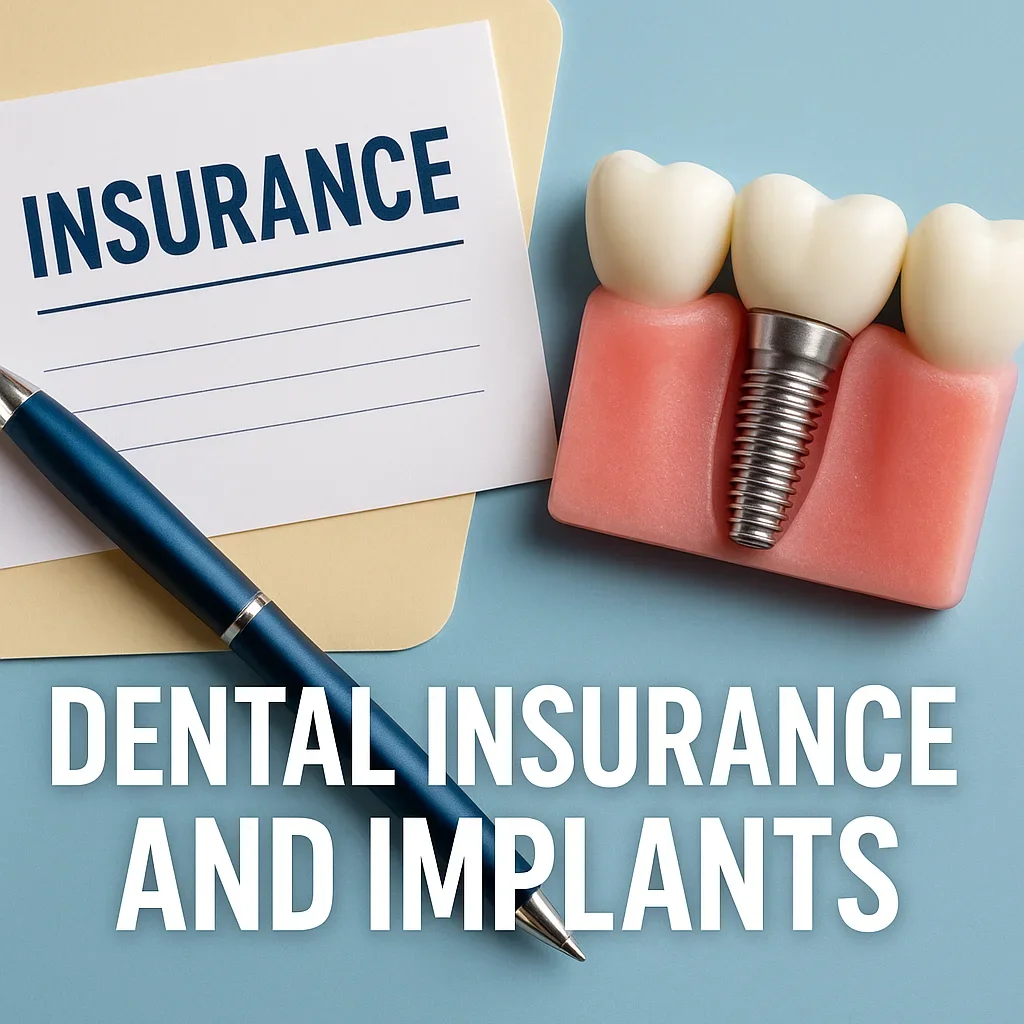
Expert Tips to Maximize Your Dental Insurance for Implants
Successfully navigating dental insurance and implants coverage requires more than just knowing your policy terms—it demands a proactive strategy. Many patients lose out on hundreds or even thousands of dollars in benefits simply because they don’t understand how to plan, time, or document their treatments effectively. In this final section, we’ll explore expert-level tactics for maximizing implant coverage, reducing out-of-pocket expenses, and ensuring you extract the full value of your dental insurance policy in 2025 and beyond.
Start With a Comprehensive Insurance Review
Before beginning your implant journey, schedule an appointment with your dentist’s insurance coordinator or financial advisor. Bring your insurance documents, including the Summary of Benefits and Coverage (SBC). Reviewing these details line by line helps you understand coverage limits, waiting periods, and exclusions. This small step sets the foundation for an effective cost-saving strategy.
Most policies categorize implants under “major restorative services.” However, the percentage of coverage can vary widely—ranging from 30% to 60%. A careful review allows you to forecast how much you’ll pay and helps identify whether supplemental plans are worth considering. Starting strong ensures you maximize the financial potential of dental insurance and implants before any procedures begin.
Coordinate Timing Across Benefit Periods
Timing is one of the most powerful yet overlooked strategies for reducing implant costs. Because most dental plans have annual maximums (usually $1,500 to $2,500), spreading your treatment across multiple benefit years allows you to double your reimbursement. For instance, having the implant placement done in December and the crown installation in January utilizes two policy periods effectively.
How This Strategy Works
- Schedule the surgical phase at the end of your policy year.
- Delay the prosthetic phase (abutment and crown) until the new benefit year begins.
- Submit claims for each phase separately to trigger multiple reimbursements.
This approach requires collaboration between your dentist and insurer but can significantly reduce total expenses. In the context of dental insurance and implants, precise timing often translates into savings of 25–40% on large treatments.
Leverage Pre-Treatment Estimates
Before proceeding with treatment, always request a pre-treatment estimate (also known as a predetermination of benefits). This document outlines what your insurer will cover and what portion you must pay. It provides transparency and prevents billing surprises. Insurers typically respond within two weeks, allowing you to plan finances with confidence.
When clinics like Redent Klinik Contact Page provide detailed pre-treatment breakdowns, patients can align procedures with their insurance terms more effectively. Submitting X-rays, intraoral photos, and a complete treatment plan improves approval likelihood for dental insurance and implants coverage.
Ask About Pre-Authorization and Documentation
Pre-authorization is essential for implant procedures, especially when bone grafting or sinus augmentation is involved. Many insurance companies require written approval before the surgery to ensure the treatment meets “medical necessity” criteria. Missing this step can result in claim denial, even for otherwise covered procedures.
Best Practices for Documentation
- Include full-mouth X-rays and 3D scans (CBCT) in your submission.
- Request a letter of medical necessity from your dentist.
- Ensure all treatment codes match the insurer’s system.
- Keep digital copies of all submissions for your records.
These simple administrative actions can dramatically improve your reimbursement success rate when working with dental insurance and implants.
Optimize Out-of-Pocket Costs Through HSAs and FSAs
Health Savings Accounts (HSAs) and Flexible Spending Accounts (FSAs) are tax-advantaged tools that can help pay for implants not covered by insurance. Contributions to these accounts are tax-free, and withdrawals for qualified medical expenses—like implants—are also exempt from taxation. Combining these with traditional insurance coverage maximizes affordability.
Example Strategy
Let’s say your implant costs $4,500, and insurance covers 50% after the deductible. You could pay the remaining $2,125 using funds from your HSA. This payment would be tax-free, effectively saving you another 20–30% depending on your income bracket. When integrated smartly, HSAs and FSAs make dental insurance and implants far more cost-effective.
Use Preventive Care to Protect Your Investment
Insurance plans often include full coverage for preventive services—cleanings, exams, and X-rays—because they help reduce long-term treatment costs. By consistently attending checkups, you maintain oral health and reduce the risk of implant failure. Regular hygiene visits also document your commitment to care, which can strengthen future claims or requests for additional coverage.
Preventive Habits That Save Money
- Schedule professional cleanings every six months.
- Use high-quality floss and interdental brushes designed for implants.
- Maintain a diet rich in calcium and vitamin D to support bone health.
These small steps contribute to the overall success of your implant treatment and optimize your dental insurance and implants investment.
Combine Dental and Medical Insurance Where Possible
Some medical insurance plans may cover portions of implant-related procedures when deemed medically necessary—such as treatment following an accident or congenital condition. Combining medical and dental coverage can reduce total costs significantly.
For example, if bone grafting or jaw reconstruction is required due to trauma, your medical policy may handle those components, while your dental plan covers the crown and abutment. Discussing cross-policy coordination with both insurers ensures you don’t miss valuable reimbursement opportunities.
Evaluate Supplementary Coverage or Loyalty Programs
If your current plan lacks implant benefits, consider purchasing supplemental dental coverage or enrolling in a dental savings program. These memberships typically offer negotiated fee reductions with participating dentists, saving 10–40% on implant procedures. Some providers even offer loyalty discounts for returning patients or families enrolled under the same insurer.
Supplemental Plan Checklist
- Confirm there’s no waiting period for major services.
- Verify implant coverage is explicitly included, not just bridges or dentures.
- Compare annual fees versus potential savings before enrolling.
Strategically combining supplemental plans with your main policy can yield the most robust protection for dental insurance and implants coverage.
Work With Experienced Insurance Coordinators
Choosing a clinic with a dedicated insurance team makes a tremendous difference. These professionals understand how to submit claims accurately, appeal denials, and track reimbursement timelines. A skilled coordinator can often recover costs that patients might otherwise lose due to clerical errors or incomplete documentation.
Partnering with reputable clinics like Redent Klinik ensures every aspect of your claim—from coding to submission—is handled precisely. Their experience in managing dental insurance and implants paperwork streamlines the process, saving time and preventing financial surprises.
Monitor Policy Updates and Annual Renewals
Insurance policies evolve annually. Providers frequently adjust coverage tiers, annual maximums, and waiting periods. Reviewing these changes during your employer’s open enrollment or before policy renewal helps you make informed choices. Switching to a plan with higher implant coverage can yield substantial long-term savings.
Conclusion: Empower Your Smile and Your Finances
Maximizing dental insurance benefits for implants requires foresight, planning, and informed action. By reviewing your policy, timing treatments strategically, leveraging FSAs, and maintaining preventive care, you can reduce costs and eliminate unnecessary stress. In the evolving world of dental insurance and implants, those who approach the process strategically not only save money but also enjoy smoother treatment experiences and lasting, confident smiles. 🌟