
As a dental professional, you dedicate your career to improving smiles, restoring oral health, and enhancing confidence. Yet, many overlook a crucial aspect of professional and personal well-being — dental insurance for dentists. This type of insurance isn’t just another policy; it’s a strategic investment that safeguards your finances, practice stability, and peace of mind. Whether you own a private clinic or work as an associate, understanding the right dental coverage ensures you’re protected against unexpected costs and medical emergencies that could affect both your career and personal life.
In today’s complex healthcare landscape, dental insurance for dentists plays a dual role: it protects your practice as a business entity while also covering your personal dental health needs. Think about it — you spend hours caring for patients, yet a single untreated dental issue or accident could disrupt your ability to work. Insurance helps prevent financial setbacks, covers preventive and restorative care, and even compensates for income loss during recovery. 🏥
Dental professionals often assume their expertise exempts them from the risks their patients face. However, statistics show that even experienced practitioners encounter oral health problems, workplace injuries, or infections. With a tailored plan, you ensure coverage for routine cleanings, crowns, orthodontic care, implants, and even cosmetic procedures depending on the policy type. Moreover, business-oriented dental insurance for dentists can include liability coverage, equipment protection, and staff benefits — a holistic safety net that goes far beyond teeth cleaning costs.
Let’s explore the core reasons why every dentist needs comprehensive coverage:
- 🦷 Financial Protection: Unexpected dental treatments can be expensive, even for professionals. Insurance spreads the cost over time, reducing sudden financial burdens.
- 👩⚕️ Workforce Stability: If you run a clinic, providing dental insurance to your staff increases loyalty and reduces turnover.
- 💼 Business Continuity: Coverage can extend to professional liability, protecting against malpractice or operational disruptions.
- 🌍 Global Coverage Options: Many plans now offer international protection for dentists working or consulting abroad.
Comprehensive dental insurance for dentists also promotes preventive care, which is vital in reducing long-term treatment costs. Preventive services — including cleanings, sealants, and fluoride treatments — are usually covered up to 100%. This approach aligns with your professional values as a dentist: prevention over cure. When selecting a policy, pay attention to deductible limits, annual maximums, and waiting periods. High-value plans may also include coverage for prosthodontics, endodontics, and oral surgery — all essential services in your field.
For dental clinic owners, insurance offers additional peace of mind through employee coverage programs. These plans enhance team satisfaction and attract top-tier talent. When your team knows their health is protected, productivity and morale rise significantly. Beyond basic coverage, specialized packages may include disability benefits or income protection in case you’re temporarily unable to perform clinical duties due to injury or illness.
It’s also wise to compare providers and seek plans specifically designed for dental professionals. For example, organizations like the American Dental Association offer exclusive dental insurance programs tailored for practicing dentists. These policies often include malpractice coverage and even retirement benefit options. Such professional-grade coverage ensures you’re not only securing your health but also strengthening your long-term career resilience.
Another key consideration is tax efficiency. Premiums paid for dental insurance for dentists can often be deducted as business expenses, particularly when they’re linked to clinic operations or employee health benefits. This means your policy not only protects you but also contributes to a more optimized financial structure. Consult your accountant or financial advisor to ensure compliance and maximize these potential savings.
Choosing the right plan requires balancing personal and professional needs. Some dentists prefer individual coverage for themselves and their families, while others integrate insurance into their clinic’s employee benefit structure. To find the best fit, compare reimbursement models (PPO vs. indemnity vs. HMO), coverage limits, and claim processing speeds. Remember: the best dental insurance isn’t just about the lowest premium — it’s about the highest reliability when you need it most.
Lastly, don’t overlook the importance of local and international support when selecting your insurer. The ability to file claims online, access telehealth consultations, or receive multilingual support is becoming increasingly valuable in 2025’s digital ecosystem. These features save time and simplify management, letting you focus more on patient care and less on paperwork.
If you’re considering professional consultation or wish to discuss suitable coverage options, you can reach out directly via the Redent Klinik Contact Page. Our team can provide guidance based on your individual circumstances, helping you select a plan that balances affordability, coverage depth, and business needs.
In conclusion, dental insurance for dentists is not just a safety net — it’s a strategic foundation for sustainable success. It shields your income, safeguards your practice, and ensures your oral health remains as exceptional as the smiles you create every day. As the healthcare landscape evolves, embracing the right insurance plan is one of the smartest, most future-ready moves you can make as a dental professional. 🪥
Understanding Dental Insurance for Dentists: What Makes It Unique?
At first glance, many assume that dental insurance for dentists is no different from a standard health or dental plan. However, the truth is far more nuanced. Dental professionals require specialized protection that accounts for the unique risks and responsibilities tied to their profession. While regular dental coverage focuses on routine care, cleanings, and restorative treatments, dental insurance designed for dentists goes beyond this—covering business-related liabilities, employee benefits, and even loss of income due to clinical downtime. 🧾
Why Dental Professionals Need Specialized Coverage
Dentists operate at the intersection of healthcare and business management. You are not only responsible for patient outcomes but also for the operational and financial health of your clinic. That’s why dental insurance for dentists needs to address both personal and professional vulnerabilities. This dual-layer protection is what sets it apart from general dental insurance plans available to the public.
For instance, a typical patient-oriented plan may reimburse costs for preventive treatments or fillings, but a dentist-specific policy may also include professional indemnity, malpractice coverage, and even protection against revenue loss due to clinic closure after equipment damage or illness. This makes such policies an essential component of your long-term career sustainability. 💼
Example of Dual Coverage Benefits
- Personal Health Coverage: Includes preventive, restorative, and emergency dental treatments to ensure you remain fit to perform clinical duties.
- Professional Liability Coverage: Protects against lawsuits, accidental injuries during treatment, and administrative errors.
- Business Interruption Coverage: Compensates for lost income during periods when you cannot practice due to injury, illness, or equipment failure.
- Employee Benefit Extensions: Allows dentists to extend dental insurance benefits to staff, increasing loyalty and retention rates.
The Financial Logic Behind Dental Insurance for Dentists
The financial structure of these insurance plans is built around the concept of risk management. As a dentist, you’re not only vulnerable to personal health issues but also to business interruptions that can quickly translate into lost revenue. By investing in dental insurance for dentists, you transform unpredictable risks into manageable, budgeted expenses. This proactive financial move ensures that your income remains stable, even during unexpected events. 📉
Insurance providers design these plans with higher coverage ceilings and faster reimbursement processes to suit the high-value, low-margin nature of dental practices. For example, while a typical plan might cap annual benefits at $1,500, specialized dentist plans may go up to $10,000 or more annually, depending on the provider and region. This allows professionals to access premium treatments and faster recovery options without incurring substantial out-of-pocket expenses.
Coverage Components That Make Dentist Plans Unique
What truly distinguishes dental insurance for dentists from other policies is the inclusion of add-on features designed specifically for dental professionals. Below are some of the most relevant elements:
1. Malpractice and Professional Liability
Even the most skilled dentist can face patient disputes or legal claims. Comprehensive insurance plans cover legal fees, settlements, and other associated costs. This is especially vital in regions where malpractice suits are common, ensuring your financial and professional stability remain intact.
2. Business Overhead and Clinic Protection
If an unforeseen event—like equipment malfunction, flood, or personal injury—disrupts clinic operations, the right policy ensures that rent, salaries, and other expenses continue to be paid. This feature is unique to dental insurance for dentists and not typically included in regular health or dental plans.
3. Disability and Income Protection
Imagine you experience a wrist or back injury, making it temporarily impossible to perform dental procedures. A specialized plan provides disability income replacement, so your household and clinic expenses remain covered while you recover. This coverage helps preserve financial security and avoids the need for emergency loans or credit-based stopgaps.
Regulatory and Professional Compliance Advantages
Many dental associations encourage or even require members to maintain certain levels of insurance coverage for ethical and operational compliance. For example, the American Dental Association provides members with policy guidelines and exclusive offers to help maintain proper coverage standards. Having a policy aligned with such recommendations not only protects your reputation but also builds trust with patients and peers.
Additionally, compliance with insurance regulations may be required to obtain or renew practice licenses in certain regions. Therefore, maintaining comprehensive dental insurance for dentists isn’t just a smart decision — it’s often a legal and professional necessity.
How to Evaluate a Dental Insurance Policy
When reviewing available plans, dentists should look for transparency in the following areas:
- Clear policy exclusions and coverage limits.
- Annual maximums suitable for clinical professionals.
- Coverage for advanced dental treatments (implants, endodontics, prosthodontics).
- Quick claim settlement timelines (under 10 business days).
- Option to integrate employee coverage extensions.
Unlike standard patient plans, which focus on individual dental care, these policies prioritize financial stability, practice continuity, and professional protection. This balance between medical and operational coverage ensures that every aspect of your work life is safeguarded.
Building a Safety Net for Your Dental Career
Ultimately, dental insurance for dentists acts as a comprehensive safety net. It prevents a single unforeseen event — such as a patient claim, an illness, or a clinic incident — from derailing years of hard work and investment. The ideal insurance plan should grow with your career, allowing you to adjust coverage as your clinic expands or your personal circumstances change.
To take the first step in understanding which plan suits your needs, you can reach out through the Redent Klinik Contact Page. Expert guidance can help you compare policies, understand exclusions, and select a coverage model aligned with your long-term professional goals.
In summary, dental insurance for dentists is more than a medical policy — it’s a comprehensive protection framework that supports your financial, legal, and operational stability. By investing in a tailored plan, you reinforce your professional foundation and ensure that your focus remains where it belongs: delivering exceptional care to your patients while maintaining your own health, reputation, and peace of mind. 🦷💼
Top Benefits of Having Dental Insurance as a Dentist
For professionals who dedicate their careers to oral health, it’s easy to overlook personal coverage needs. However, the advantages of obtaining dental insurance for dentists extend far beyond simple reimbursement for cleanings or fillings. This insurance acts as a safety mechanism — protecting your personal health, your business, your staff, and even your financial stability. Whether you are a solo practitioner or the owner of a growing dental clinic, understanding the top benefits of dental insurance can help you make smarter long-term decisions for your professional well-being. 🦷💡
1. Comprehensive Financial Protection Against Unexpected Costs
Dental professionals face unique financial risks that ordinary patients rarely experience. From accidental injuries to sudden oral health complications, costs can quickly escalate. With dental insurance for dentists, these expenses are managed efficiently, preventing personal savings or clinic budgets from being drained by emergencies. Coverage typically includes preventive care, restorative work, orthodontic treatments, and prosthetic replacements — but higher-tier plans may also extend to complex oral surgeries or cosmetic procedures relevant to dental professionals who value appearance in patient-facing roles. 💰
For instance, without coverage, a single implant procedure can cost upwards of $3,000–$5,000 depending on the country. Insurance transforms these large, unpredictable expenses into manageable monthly premiums, allowing you to maintain stable cash flow. This predictable structure is particularly beneficial for practice owners managing multiple financial responsibilities like rent, salaries, and supplies.
2. Promotes Preventive and Long-Term Oral Health
Dentists know better than anyone that prevention is always more affordable than cure. Having dental insurance for dentists encourages regular checkups, professional cleanings, and diagnostic imaging — all of which help identify minor issues before they become major problems. Many comprehensive plans cover 100% of preventive services, ensuring you maintain optimal oral health while minimizing the risk of missing work due to untreated conditions. 🪥
Why Prevention Is Crucial for Dental Professionals
- Preserves dexterity and comfort: Oral pain or untreated infections can directly affect your ability to perform delicate procedures.
- Reduces clinical downtime: Early detection means faster recovery and fewer days away from patients.
- Boosts credibility: A dentist with excellent oral health reflects professionalism and inspires patient trust.
By keeping your own dental condition stable, you also reduce occupational risks such as strain-related jaw or neck pain that can result from compensating for oral discomfort during treatments.
3. Supports Business Continuity and Practice Stability
For dentists who own or manage clinics, dental insurance for dentists doubles as a strategic business asset. It ensures that both you and your employees remain healthy, motivated, and protected against financial stress caused by dental emergencies. Providing insurance coverage for your staff not only enhances job satisfaction but also improves retention rates — a crucial factor in maintaining consistent patient care quality. 👩⚕️👨⚕️
Employee Retention and Productivity Benefits
Studies indicate that healthcare benefits rank among the top reasons employees stay loyal to an organization. Offering comprehensive dental coverage builds goodwill, attracts top dental assistants and hygienists, and enhances overall morale. A team that feels valued performs better and communicates confidence to patients, fostering a trustworthy clinic environment.
4. Tax Advantages for Self-Employed Dentists
Another underappreciated benefit of dental insurance for dentists lies in its tax efficiency. For many practitioners, premiums are tax-deductible when the insurance is part of their business operations. This means you can deduct premium payments as a business expense, effectively reducing taxable income. Dentists who employ staff may also qualify for additional deductions when offering health benefits to employees. Always verify current regulations with a financial advisor or accountant to ensure compliance and maximize deductions. 📊
5. Safeguards Income Through Disability and Injury Coverage
Unlike desk-based professions, dentistry demands physical precision, dexterity, and stamina. A hand, wrist, or back injury could temporarily halt your ability to practice. With dental insurance for dentists that includes disability protection, you receive partial income replacement during recovery. This financial cushion helps you maintain your standard of living, cover clinic expenses, and avoid financial strain while you heal.
Example Scenario
Imagine suffering a minor fracture that requires six weeks of rest. Without insurance, this downtime could lead to lost income, unpaid bills, and decreased patient flow. With the right plan, however, disability coverage compensates for a significant portion of your income — ensuring financial continuity and peace of mind.
6. Access to a Wider Network of Professionals and Discounts
Premium dental insurance policies often come with access to extensive professional networks, providing discounted rates for dental supplies, laboratory services, and advanced equipment. Additionally, partnerships with associations such as the American Dental Association can offer exclusive pricing and benefits tailored to dental practitioners. These programs amplify the value of your insurance investment by lowering overhead costs in day-to-day operations. 🔗
7. Legal and Professional Protection
Some dental insurance for dentists plans integrate malpractice and professional indemnity coverage. These elements protect against patient claims, procedural disputes, or accidental injuries that occur during treatment. Legal cases can be financially devastating without proper coverage. Having a plan in place ensures that your career, reputation, and personal assets remain protected from such incidents.
8. Enhances Patient Trust and Professional Reputation
Patients value transparency, safety, and professionalism. When your practice is backed by comprehensive insurance, it communicates that you take responsibility seriously — for yourself, your team, and your patients. This perception enhances your brand reputation and strengthens long-term patient loyalty. Moreover, discussing preventive insurance strategies with patients can create an additional layer of trust and educational value in your consultations.
9. Peace of Mind for You and Your Family
Finally, the emotional benefits cannot be understated. Knowing that dental insurance for dentists covers both your health and livelihood brings peace of mind. You can focus entirely on patient care, innovation, and professional growth without constant worry about potential risks or unexpected costs. In the demanding world of dentistry, mental and emotional security are as valuable as financial protection. 🌿
For those seeking personalized recommendations or comparisons of the best policies available, the Redent Klinik Contact Page offers professional guidance. Experts can assist in reviewing plan options, identifying hidden benefits, and ensuring your coverage matches both personal and business goals.
In conclusion, dental insurance for dentists is not an optional luxury — it’s a foundational safeguard that protects your financial health, enhances your clinic’s stability, and promotes lifelong well-being. Investing in the right coverage helps you serve your patients confidently while securing your own professional future. 🪥💼
Types of Dental Insurance Plans Available for Dentists
When exploring dental insurance for dentists, understanding the various plan types is essential to selecting the right coverage for both personal and professional needs. Unlike general patient-oriented policies, dentist-specific plans are more comprehensive and often designed to support dual protection — for personal oral health and business continuity. Each type of plan offers a distinct structure of benefits, reimbursement models, and limitations, so identifying the right fit can help maximize coverage while minimizing unnecessary costs. 🦷💡
Understanding the Structure of Dental Insurance Plans
Before choosing a specific plan, it’s important to recognize that dental insurance for dentists generally falls into two main categories: individual coverage and group coverage. Individual plans are ideal for independent practitioners or self-employed dentists, while group plans are typically tailored for clinic owners who provide benefits to employees. However, the fundamental differences lie in cost structure, claim procedures, and reimbursement methods. Let’s explore each of these options in detail. 💼
1. Preferred Provider Organization (PPO) Plans
Among the most popular forms of dental insurance for dentists are PPO (Preferred Provider Organization) plans. These offer maximum flexibility when selecting dental care providers and generally cover a wide range of treatments. With a PPO plan, you can choose to visit any dentist, but you save more when visiting a provider within the plan’s network. This type of plan works well for dental professionals who value autonomy and frequently consult other specialists for their own treatments or continuing education procedures. 🪥
Advantages of PPO Plans for Dentists
- Freedom to select any dental provider, whether in-network or out-of-network.
- Comprehensive coverage for preventive, basic, and major dental procedures.
- Partial reimbursement even when using non-network providers.
- Flexible claim process suitable for dentists who travel or work in multiple locations.
However, PPO plans generally come with higher premiums and deductibles. For dental professionals with steady income and the need for wide-ranging flexibility, PPO remains a top-tier choice within dental insurance for dentists.
2. Health Maintenance Organization (HMO) or Dental Health Maintenance Organization (DHMO) Plans
HMO or DHMO plans provide coverage through a network of contracted dental providers. These plans usually have lower premiums but require members to select a primary dentist within the network. They are cost-effective but less flexible, as coverage is limited to participating providers. For dentists who rarely move between cities or prefer predictable costs, this model offers reliable and affordable protection. 💰
Pros and Cons of HMO Plans
- Pros: Low monthly premiums, minimal paperwork, and full coverage for preventive care.
- Cons: Limited provider choices, potential waiting periods, and restricted access to specialized treatments.
For dentists working in large clinics or networks, DHMO plans are a smart option since they streamline administrative processes and control expenses. However, independent practitioners seeking greater flexibility may find PPO or indemnity plans more suitable.
3. Indemnity or Fee-for-Service Plans
Indemnity plans — sometimes known as “traditional insurance” — allow maximum freedom to choose any dentist or treatment option. These plans reimburse a percentage of the total cost after treatment, typically 70–90% depending on the policy. For dentists who understand the value of high-quality materials, modern procedures, and premium-level labs, indemnity insurance offers unmatched autonomy. 🧾
Why Indemnity Works Well for Professionals
Because indemnity insurance reimburses based on treatment costs rather than fixed network rates, it’s particularly beneficial for dentists who prioritize quality over cost. The main downside is higher upfront expenses and slower reimbursement times. However, for established practitioners, this model of dental insurance for dentists represents freedom and quality assurance.
4. Exclusive Provider Organization (EPO) Plans
EPO plans combine elements of PPO and HMO structures. Members must visit providers within a specific network, but referrals are not required for specialist visits. These plans offer an excellent balance of cost-efficiency and access flexibility. They are well-suited for clinic owners who want to maintain control over costs while ensuring that coverage remains comprehensive.
Best Scenarios for EPO Plans
- Clinics located in urban areas with dense provider networks.
- Dentists seeking dependable coverage without the need for referrals.
- Practices that balance affordability with employee satisfaction.
Because EPO plans often include lower premiums than PPOs, they make an attractive choice for newly established dental practices with limited budgets but high care standards.
5. Group Dental Insurance for Clinics
Group insurance is an essential part of dental insurance for dentists who manage their own clinics. These plans are designed to cover multiple employees under a single policy, simplifying administration and reducing per-person costs. By offering dental coverage to staff, dentists not only enhance job satisfaction but also foster a culture of wellness within their practice. 🧑⚕️👩⚕️
Employee Benefits and Practice Growth
Providing group coverage helps clinics attract top-tier hygienists and assistants. Furthermore, employees with good oral health take fewer sick days and perform better. Most group policies can also be customized to include dependents, adding even more value to your employment package.
6. Supplemental Dental Insurance
Supplemental policies work alongside primary coverage to fill in gaps left by standard plans. These are particularly valuable for dentists who need extra protection for cosmetic procedures, orthodontics, or high-cost prosthodontic treatments. Supplemental dental insurance for dentists ensures you don’t face uncovered expenses or reimbursement caps that could strain your finances.
Some advanced supplemental plans even include coverage for practice overhead, lab equipment, and accidental contamination incidents — critical for maintaining uninterrupted clinical operations. 💼
7. International and Expatriate Dental Coverage
For dentists who frequently travel for conferences, international consulting, or humanitarian work, global dental insurance provides coverage beyond borders. These plans offer worldwide emergency dental services and treatment reimbursement in multiple currencies. Partnering with global associations like the American Dental Association can also enhance access to exclusive international coverage options designed for mobile dental professionals.
Key Considerations When Selecting a Plan
Choosing the best dental insurance for dentists depends on balancing flexibility, cost, and coverage depth. Always review the following criteria before finalizing your policy:
- ✅ Annual maximums and deductible thresholds
- ✅ Waiting periods for major treatments
- ✅ Reimbursement speed and claim convenience
- ✅ Provider network size and accessibility
- ✅ Inclusion of disability or malpractice coverage
To find a tailored plan that suits your individual or clinic needs, consider consulting experts via the Redent Klinik Contact Page. Personalized guidance ensures that your coverage matches both your financial goals and professional requirements.
In summary, understanding the different types of dental insurance for dentists is the first step toward long-term protection and financial stability. From PPOs offering flexibility to DHMOs prioritizing affordability, each plan provides unique benefits aligned with different career stages. The right coverage empowers you to focus on what truly matters — creating healthier smiles while safeguarding your own professional future. 🌍🪥
How to Choose the Right Dental Insurance Plan for Your Practice
Selecting the right dental insurance for dentists is one of the most strategic decisions a dental professional can make — not only for personal protection but also for the long-term success of their practice. With so many plans offering varying degrees of coverage, premiums, and benefits, it can be overwhelming to determine which one truly fits your needs. A well-chosen plan should balance affordability with comprehensive protection, ensuring both your health and your clinic’s financial security remain intact. 🦷💼
1. Identify Your Primary Needs and Coverage Goals
Before comparing policies, start by identifying your specific priorities. Do you need a plan that primarily covers your own dental treatments, or are you also seeking insurance that protects your clinic, staff, and operational expenses? The distinction between individual coverage and practice-wide coverage is crucial in determining the type of dental insurance for dentists that best fits your situation.
Common Objectives for Dentists When Choosing Insurance
- 🩺 Personal Health Coverage: To ensure access to preventive, restorative, and emergency treatments for you and your family.
- 🏥 Practice Protection: To safeguard against income loss, malpractice claims, and operational disruptions.
- 👨⚕️ Employee Benefits: To offer staff dental plans that enhance satisfaction and retention.
- 💰 Financial Optimization: To use premiums as tax-deductible business expenses, improving cost efficiency.
Once these objectives are clearly defined, you can move forward with a more structured evaluation of available insurance providers.
2. Compare Plan Types and Coverage Levels
Understanding the main plan structures—such as PPO, HMO, EPO, and Indemnity—is key to choosing wisely. For example, PPO plans provide flexibility and wide provider access, while HMO plans focus on affordability. The right choice depends on your working environment, income flow, and risk tolerance.
Factors to Evaluate in Coverage Plans
- Preventive and Major Services: Ensure cleanings, fillings, crowns, implants, and orthodontics are adequately covered.
- Coverage Limits: Look for annual maximums that reflect a professional’s needs (typically $5,000–$10,000 per year).
- Exclusions and Waiting Periods: Be aware of restrictions that might delay access to certain services.
- Claim Processing Speed: Fast reimbursement minimizes cash flow interruptions for busy clinics.
In most cases, a PPO or indemnity plan offers the most flexibility for practicing dentists. However, smaller clinics may benefit from an EPO or HMO plan with predictable monthly premiums and straightforward management. 💳
3. Consider Business Continuity and Overhead Coverage
An often-overlooked aspect of dental insurance for dentists is overhead expense coverage. If illness, injury, or a sudden event prevents you from working, this type of insurance covers ongoing business costs such as rent, utilities, and staff salaries. Without it, even a short disruption could create severe financial strain on your clinic.
Essential Overhead Costs Typically Covered
- Office lease or mortgage payments.
- Employee wages and benefits.
- Equipment maintenance and repair.
- Loan or credit repayments tied to the practice.
Including this protection ensures that your business can continue operating smoothly even if you face temporary health setbacks. This type of insurance is especially important for solo practitioners and small clinic owners.
4. Analyze the Cost-to-Benefit Ratio
Premiums, deductibles, and co-payments are core factors in assessing any insurance plan. However, the lowest premium doesn’t always equate to the best value. Dentists must consider total financial impact, including coverage limits, out-of-pocket expenses, and claim frequency. For instance, a policy that costs slightly more each month but offers superior reimbursement rates may actually save thousands annually. 📈
How to Calculate Value Effectively
To determine real value, calculate your average annual dental expenses, estimate potential emergencies, and compare these costs to the annual premium. This gives a realistic picture of the policy’s effectiveness. Remember that a well-structured dental insurance for dentists should stabilize—not strain—your cash flow.
5. Evaluate Provider Networks and Accessibility
Always examine whether your preferred specialists and service providers are included in the plan’s network. For professionals who value freedom of choice, PPO or indemnity plans typically offer greater flexibility. However, if your practice is based in a single region with reliable local providers, an HMO or EPO plan may suffice. The ideal plan allows you to access care conveniently without sacrificing quality or reimbursement speed.
Checklist for Provider Evaluation
- Number of in-network dental specialists in your region.
- Access to emergency services and 24/7 helplines.
- Availability of modern dental technologies under covered providers.
- Tele-dentistry or virtual consultation options.
Accessibility ensures that you and your staff can receive timely care without logistical delays or unnecessary travel costs.
6. Look for Professional Association Partnerships
Many dental associations and organizations provide exclusive insurance offers. For example, the American Dental Association offers specialized insurance programs tailored to dental practitioners. These policies often include malpractice, disability, and income protection options that regular consumer policies overlook. Joining a professional network or union can unlock access to better deals, broader coverage, and enhanced support services.
7. Verify Legal and Regulatory Compliance
Before purchasing any plan, confirm that the provider complies with local and international insurance regulations. This protects you from future claim disputes and ensures your policy remains enforceable. Licensed insurers with transparent claim records and strong customer service histories are preferable. For multi-location dental practices, ensure the policy extends coverage across all operating areas.
8. Seek Expert Consultation and Personalized Guidance
Choosing the best dental insurance for dentists involves balancing complex factors such as coverage depth, financial risk, and operational goals. Consulting an independent insurance advisor can clarify these elements and help customize a policy aligned with your practice’s size and growth trajectory. For personalized assistance, you can reach out via the Redent Klinik Contact Page to receive tailored recommendations and side-by-side plan comparisons.
9. Plan for Future Scalability and Adjustments
Your insurance needs evolve as your practice grows. Ensure your policy can be upgraded to include additional employees, expanded locations, or new equipment coverage. Scalable dental insurance for dentists provides the flexibility to adapt without changing providers entirely, saving time and minimizing disruptions.
Final Thoughts
In conclusion, selecting the right dental insurance for dentists is about strategic foresight. It’s not merely an expense — it’s an investment in resilience, reputation, and peace of mind. By systematically evaluating coverage goals, cost-efficiency, and professional benefits, you can ensure that your practice remains financially stable and well-protected. The right plan allows you to focus on what matters most: delivering exceptional care and building a thriving, sustainable dental practice. 🌿🪥
Cost Breakdown: What Do Dental Insurance Policies Usually Cover?
Understanding the cost structure and coverage details of dental insurance for dentists is critical for making informed decisions about financial planning and long-term security. While many dental professionals understand the medical side of care, the nuances of insurance policy costs—such as deductibles, copayments, annual limits, and reimbursement rates—can often be overlooked. Knowing exactly what your policy covers helps avoid unexpected expenses, ensures smoother claim experiences, and allows you to maximize every dollar you invest in your coverage. 🧾💡
1. The Core Components of Dental Insurance Costs
Every dental insurance for dentists plan is built on several key financial pillars: premiums, deductibles, copayments, and annual maximums. Understanding how each of these components interacts gives you a clearer view of your real out-of-pocket expenses throughout the year.
Premiums: The Monthly Investment
Your premium is the fixed amount you pay—typically monthly or quarterly—to maintain active coverage. For professionals, the premium level depends on several factors: coverage scope, plan type (PPO, HMO, indemnity), and whether it includes business-related benefits such as overhead protection. On average, individual dentist premiums range from $60 to $200 per month, while clinic-wide plans may cost between $400 and $800 depending on staff size and coverage levels.
Deductibles and Copayments: Shared Responsibility
Deductibles represent the amount you must pay before your insurance begins covering costs. In most dental insurance for dentists policies, deductibles vary from $50 to $250 annually. Copayments (or coinsurance) refer to the portion you pay after the deductible has been met—typically 10% to 30% of the treatment cost. These shared expenses keep premiums affordable while maintaining access to comprehensive care.
Annual Maximums: Understanding the Coverage Ceiling
The annual maximum is the highest amount your insurer will pay in a single year. For dental professionals, who may require advanced treatments or high-end restorative work, choosing a plan with a higher annual maximum is essential. Many standard plans cap coverage around $1,500, but dental insurance for dentists can offer limits between $5,000 and $10,000, reflecting the more demanding oral health needs of practitioners. 🦷
2. Common Coverage Categories in Dental Insurance
To evaluate the real value of your insurance, you need to understand what specific services are covered. Coverage is typically divided into three main tiers: preventive, basic, and major procedures. Some premium plans also include cosmetic or elective care options.
Preventive Services (100% Coverage in Most Plans)
Preventive services focus on maintaining optimal oral health and preventing disease. Most dental insurance for dentists policies cover these services fully because they reduce long-term costs for both insurer and insured. Covered services usually include:
- Routine exams and cleanings (2–3 per year)
- X-rays and diagnostic imaging
- Sealants and fluoride treatments
- Oral cancer screenings
As a dental professional, preventive care helps maintain your working ability and sets an example for patients who rely on you for oral health education.
Basic Procedures (Typically 70–80% Coverage)
Basic care includes restorative treatments that correct early-stage dental problems. These services are partially covered under most policies, with the remaining balance covered by the insured. Examples include:
- Fillings for cavities
- Root canal therapy
- Periodontal maintenance and scaling
- Simple tooth extractions
For dentists, consistent access to these procedures ensures personal oral health remains in top condition—vital for maintaining dexterity, speech clarity, and patient confidence.
Major Procedures (50–70% Coverage)
Major procedures are more complex and costly, often requiring specialized equipment or lab work. Typical examples include:
- Dental crowns and bridges
- Implant placement and restoration
- Prosthodontic appliances such as dentures
- Oral surgery or bone grafting
For these advanced procedures, dental insurance for dentists ensures affordability without compromising on quality. Because professionals understand treatment complexity, it’s wise to select a policy that covers major procedures generously and offers short waiting periods before activation.
3. Additional Coverage Features for Dentists
Since dentists operate in a high-risk environment, policies often include unique features that standard plans omit. These can include business interruption coverage, instrument protection, and income replacement during recovery periods. 💼
Disability and Income Protection
If a physical injury or illness prevents you from performing clinical work, disability insurance compensates a portion of your lost income—often up to 70% of your salary. Combining this with traditional dental insurance for dentists ensures full-spectrum protection for both personal and professional life.
Business Overhead Expense (BOE) Coverage
BOE insurance covers essential operating costs—such as rent, utilities, staff salaries, and equipment maintenance—when you cannot work due to illness or injury. This feature ensures that your practice remains operational even during temporary absences, protecting your reputation and patient relationships.
4. Cosmetic and Elective Coverage Options
While traditional plans exclude purely cosmetic procedures, premium policies designed for dental professionals may include partial coverage for aesthetic treatments. Services such as veneers, teeth whitening, or digital smile design consultations can be included, reflecting the professional importance of maintaining a perfect smile in the dental field. ✨
5. Hidden Costs and Exclusions to Watch For
Every insurance policy has exclusions, and understanding them is essential to avoid surprises. Common exclusions include orthodontic treatments for adults, cosmetic enhancements, and procedures performed outside approved networks. Always read the fine print to identify services that require prior authorization or waiting periods.
Additionally, some policies may limit coverage for pre-existing conditions or replacement of prosthetics within specific time intervals. Reviewing these restrictions before signing helps align your policy with your actual needs as a dental professional.
6. International and Emergency Coverage
Global and emergency protection is increasingly valuable for dentists who travel frequently. Policies affiliated with international organizations like the American Dental Association often include worldwide emergency treatment reimbursement. This ensures you’re protected even during conferences or humanitarian missions abroad.
7. Maximizing Policy Value Through Smart Planning
To get the most from your dental insurance for dentists, combine preventive visits with long-term financial planning. Schedule expensive treatments strategically around coverage cycles to minimize out-of-pocket costs. Additionally, leveraging deductible resets at the start of each policy year allows you to optimize treatment scheduling for both cost savings and care quality.
8. Where to Get Professional Guidance
Choosing and interpreting dental insurance policies can be complex, especially when balancing clinic and personal coverage. For individualized advice or to compare policy options, consider reaching out via the Redent Klinik Contact Page. Their professional advisors can help you analyze benefit breakdowns, identify hidden savings, and ensure your coverage aligns with your career goals.
Final Thoughts
In essence, understanding the cost breakdown of dental insurance for dentists is about more than just knowing what’s covered—it’s about strategic foresight. By comprehensively assessing premiums, deductibles, coverage tiers, and special inclusions, you can select a plan that supports both your health and your professional longevity. The right insurance transforms unpredictable risks into manageable investments, ensuring that every aspect of your dental career remains protected, profitable, and sustainable. 🪥💰
Common Mistakes Dentists Make When Choosing Dental Insurance
Even the most experienced dental professionals can make costly mistakes when selecting dental insurance for dentists. The process involves numerous layers of detail — from coverage limits and deductible structures to legal exclusions and long-term scalability. Because these decisions affect both personal health and business operations, understanding and avoiding common pitfalls is crucial. Choosing an ill-suited plan can lead to coverage gaps, denied claims, and financial strain for both you and your practice. Let’s explore the most frequent errors dentists encounter and how to avoid them. 🦷⚠️
1. Focusing Only on Premium Cost Instead of Total Value
One of the most common errors is choosing a plan solely based on its monthly premium. While lower premiums might seem attractive at first glance, they often come with high deductibles, limited coverage, or restrictive provider networks. The true value of dental insurance for dentists lies not in its price tag, but in the balance between cost and coverage benefits. A slightly higher premium can save thousands over time by providing better reimbursement rates and faster claims.
Tip for Dentists:
Before deciding, calculate your total annual cost, including premiums, deductibles, copayments, and potential out-of-pocket expenses. For example, a plan that costs $20 more per month but covers 90% of major procedures could save you hundreds in the long run.
2. Ignoring Policy Exclusions and Waiting Periods
Another major mistake is failing to thoroughly read the fine print. Many dental insurance for dentists policies exclude certain treatments or impose waiting periods before coverage begins. This often leads to disappointment when claims for essential services like implants or orthodontics are denied.
Typical Exclusions You Might Overlook:
- Cosmetic treatments (veneers, whitening, aesthetic bonding).
- Adult orthodontics and Invisalign.
- Replacement of prosthetics within 5–10 years.
- Coverage for pre-existing oral health conditions.
Understanding these limitations upfront prevents financial surprises later. Review the exclusions carefully and, if necessary, ask your insurer to provide written clarification on gray areas.
3. Choosing the Wrong Type of Plan (HMO vs. PPO vs. Indemnity)
Dentists often choose a plan model without considering its operational impact. For instance, HMO (Health Maintenance Organization) plans offer low premiums but restrict care to network providers. PPO (Preferred Provider Organization) plans provide flexibility but cost more. Indemnity plans reimburse based on service costs but require upfront payments.
Each plan type under dental insurance for dentists serves different purposes. If you frequently collaborate with specialists or travel for work, a PPO or indemnity plan may offer the best freedom. However, if your practice and residence are in one location, an HMO plan could be more economical.
Best Practice:
Map your professional lifestyle and treatment expectations before committing to a specific plan type. Choosing based solely on cost can lead to restrictions that affect your long-term satisfaction.
4. Overlooking Business-Related Coverage Needs
Many dental professionals forget that dental insurance for dentists extends beyond personal health — it should also protect their practice. Business-related coverage options, such as overhead expense protection and liability insurance, are essential for clinic owners.
Why Business Coverage Matters:
- Protects your clinic from operational losses during health-related absences.
- Covers staff dental benefits, enhancing employee loyalty and productivity.
- Ensures that your business remains financially stable during unforeseen disruptions.
Failing to integrate these elements into your insurance portfolio can result in personal coverage that doesn’t translate into professional security. To maintain a well-rounded safety net, consider combining personal and business-focused insurance under a single provider.
5. Not Reviewing Annual Maximums and Coverage Limits
Every dental policy includes a maximum annual benefit cap — the total amount the insurer will pay per year. A common mistake is choosing a plan with a low annual maximum (e.g., $1,000–$1,500) when your average treatment costs far exceed that. For practicing dentists, who often require advanced or specialized procedures, this limit should ideally be higher.
Smart Selection Strategy:
Opt for plans with higher maximums (between $5,000 and $10,000). Even though premiums may increase slightly, the added protection ensures financial flexibility and comprehensive care coverage for complex procedures. 📈
6. Neglecting Network Accessibility
Some dentists sign up for insurance without checking the accessibility of provider networks. Limited provider availability can lead to higher out-of-pocket costs or long wait times for appointments. In areas where specialized dental providers are sparse, this becomes a significant problem.
Before finalizing a policy, verify that your preferred dental specialists, labs, and suppliers are within the insurer’s network. Accessible, high-quality provider networks improve claim speed and service reliability — essential for professionals who can’t afford downtime. 🦷
7. Forgetting to Reassess Insurance Regularly
Insurance needs evolve as your practice grows. A plan that once met your requirements may no longer offer sufficient coverage after staff expansion or new service offerings. Unfortunately, many dentists keep outdated policies for years without review, losing out on better rates and features.
When to Reevaluate:
- When expanding your clinic or hiring new employees.
- After acquiring expensive dental technology or new equipment.
- When local insurance laws or tax regulations change.
- Every 12 to 18 months as a routine financial health check.
Regular reassessment ensures that your dental insurance for dentists evolves alongside your career, maintaining optimal protection and cost efficiency.
8. Not Leveraging Professional Associations for Better Plans
Organizations like the American Dental Association offer tailored insurance options that many professionals overlook. These plans often include added legal, liability, and disability protections specifically designed for dental practitioners. Failing to explore such options may mean missing out on superior coverage at competitive rates.
9. Skipping Professional Consultation
Finally, one of the costliest errors is choosing insurance without expert guidance. Insurance policies can be complex, and misinterpreting terms can result in denied claims or unexpected costs. Consulting a financial advisor or insurance specialist experienced in dental policies can prevent such errors and optimize your coverage plan.
To receive expert help in evaluating your current plan or exploring new options, you can visit the Redent Klinik Contact Page for personalized assistance. Their consultants specialize in identifying the most beneficial and cost-effective solutions for dental professionals. 💬
Final Thoughts
In conclusion, avoiding these mistakes when selecting dental insurance for dentists can save you significant time, money, and stress. The right policy provides not only personal peace of mind but also business resilience and long-term stability. By reading the fine print, evaluating total value, and aligning coverage with your professional lifestyle, you ensure that your insurance truly works for you — not against you. Strategic planning today will protect both your smile and your practice tomorrow. 🪥💼
Comparing Private and Group Dental Insurance for Dentists
Choosing between private and group dental insurance for dentists can significantly influence both your financial stability and your clinic’s operational efficiency. While both options aim to provide comprehensive coverage, they differ in cost structure, eligibility, flexibility, and benefits. For individual practitioners, private insurance often provides freedom and customization. For clinic owners or those managing teams, group policies deliver cost savings and staff satisfaction. Understanding these two paths in depth allows you to make a strategic choice that aligns with your professional and business objectives. 🦷💼
1. What Is Private Dental Insurance for Dentists?
Private dental insurance is an individually purchased policy designed to cover your personal oral health needs. This option is ideal for independent dentists, self-employed practitioners, or professionals who are not part of a group practice. Private plans can be tailored to personal preferences, offering flexibility in choosing coverage levels, preferred providers, and add-ons such as cosmetic or orthodontic care.
Key Features of Private Plans
- Customizable coverage levels based on your specific dental needs.
- Freedom to choose providers without network restrictions.
- Eligibility for enhanced benefits such as disability and income protection.
- Option to include family members under the same plan.
Private dental insurance for dentists is also more portable — it follows you even if you change locations or professional roles. This flexibility makes it a popular choice for consultants, traveling dentists, and academic professionals who work across different states or institutions. 🌍
2. Understanding Group Dental Insurance for Dental Practices
Group dental insurance is a policy purchased by an employer or clinic owner to provide benefits to all employees under one umbrella. This type of dental insurance for dentists offers collective coverage that reduces per-person costs and enhances employee retention. Group plans are structured around shared risk, which typically results in lower premiums compared to individual plans.
Common Characteristics of Group Insurance
- Coverage applies to all full-time employees (and sometimes part-time staff).
- Premiums are partially or fully paid by the employer.
- Plan terms are standardized, limiting individual customization.
- Enhanced affordability through collective bargaining and volume discounts.
For dental practice owners, offering group insurance is a competitive advantage. Employees view health benefits as a sign of professional commitment and stability, leading to better morale and lower turnover rates. 🧑⚕️👩⚕️
3. Comparing Coverage and Flexibility
The key difference between private and group dental insurance for dentists lies in the balance between flexibility and cost efficiency. Private plans are personalized, while group plans are standardized for scalability. Understanding this distinction helps align the policy with your specific needs.
Private Plan Advantages
- High customization for preventive, restorative, or cosmetic care.
- No need for employer sponsorship.
- Freedom to choose network or out-of-network providers.
- Eligibility for advanced add-ons such as malpractice and income protection.
Group Plan Advantages
- Lower overall cost per insured person.
- Employer contributions reduce employee expenses.
- Fewer administrative burdens for individuals.
- Comprehensive employee coverage fosters loyalty and teamwork.
In short, private insurance provides independence, while group insurance strengthens your business ecosystem. Deciding which model works best depends on your professional role and long-term vision for growth.
4. Cost Analysis: Which Option Saves More?
Cost efficiency is often a deciding factor when comparing these plans. On average, private dental insurance for dentists ranges from $60–$150 per month for individuals, whereas group insurance can cost $400–$800 monthly for a small clinic of 5–10 employees. Although the group plan appears more expensive, employers usually benefit from tax deductions for health-related benefits, and employees enjoy reduced premium contributions. 💰
Example Scenario
Suppose a solo practitioner pays $120/month for a PPO plan with a $5,000 annual maximum. In contrast, a clinic with 6 employees may pay $700/month for a group plan that covers everyone with a $3,000 maximum per person. In the latter case, both employer and employees gain from shared coverage and business tax deductions — making group plans financially efficient in the long term.
5. Employee Retention and Workplace Morale
Providing dental benefits demonstrates that you value your employees’ health and well-being. Studies show that 72% of healthcare workers consider insurance benefits a top reason for job satisfaction. By integrating group dental insurance for dentists, clinic owners can attract and retain top talent, ensuring continuity of care for patients and reducing hiring costs. 🧠
Added Advantages for Practice Owners
- Enhances the clinic’s reputation as an ethical employer.
- Reduces employee absenteeism related to untreated oral health issues.
- Promotes a culture of wellness and professionalism.
6. Tax Implications and Financial Planning
Private and group plans differ significantly in their tax treatment. Premiums paid for group policies are often deductible as a business expense, reducing taxable income. For private policies, deductions depend on whether you’re self-employed or have an incorporated business entity. Consulting a financial advisor ensures compliance with local tax regulations while maximizing deductible benefits.
Additionally, offering dental insurance for dentists under a group plan can qualify your business for certain employer health credit programs, especially if your clinic employs fewer than 25 people. These programs can offset a portion of premium costs and make the plan more affordable overall. 📊
7. The Role of Association and Professional Plans
Both private and group options can be enhanced through professional associations such as the American Dental Association. These organizations often negotiate special rates and provide exclusive access to coverage packages designed for dental professionals. Joining such associations can lead to better claim handling, specialized coverage for malpractice, and even access to legal or financial counseling.
8. Choosing the Right Option for Your Career Stage
Your choice between private and group dental insurance for dentists should align with your current career phase:
- Early-career dentists: Private insurance offers flexibility while establishing a client base.
- Clinic owners: Group plans strengthen employee relations and offer tax advantages.
- Consultants and educators: Hybrid plans (part private, part employer-based) provide optimal balance between cost and mobility.
Reevaluating your insurance every few years ensures your coverage evolves alongside your professional development.
9. Getting Professional Help to Decide
Because both types of plans involve complex legal and financial considerations, consulting experts is strongly recommended. You can request a detailed cost-benefit comparison through the Redent Klinik Contact Page. Professional advisors can analyze your clinic structure, employee count, and projected growth to identify the most cost-efficient coverage model tailored to your specific goals.
Final Thoughts
Ultimately, the choice between private and group dental insurance for dentists depends on balancing flexibility, affordability, and professional priorities. Private plans offer independence and personalization, while group plans enhance collaboration, retention, and tax efficiency. By aligning your insurance strategy with your career trajectory, you not only protect your health but also strengthen the financial foundation of your dental practice — ensuring long-term success, stability, and peace of mind. 🪥💼
How Dental Insurance Impacts Practice Management and Patient Care
The relationship between dental insurance for dentists and the overall efficiency of a dental practice is deeper than many realize. Insurance plans not only influence how practitioners handle billing, claims, and treatment planning but also shape the patient experience, financial stability, and professional reputation of a clinic. Understanding this dynamic helps dental professionals build smarter, patient-friendly systems that balance profitability with quality care. 🦷💼
1. Streamlining Administrative Operations Through Insurance Integration
One of the most tangible impacts of dental insurance for dentists is on administrative workflow. Properly managing claims, verifications, and patient eligibility checks can either streamline operations or cause costly bottlenecks. Clinics that integrate insurance management tools or hire dedicated billing staff often experience fewer payment delays and better patient satisfaction.
Key Administrative Benefits
- Automated insurance verification reduces front-desk workload.
- Electronic claims submissions speed up reimbursements.
- Transparent billing improves patient trust and retention.
- Accurate coding prevents denied or delayed claims.
By implementing effective systems, dentists can focus more on patient care instead of chasing insurance payments. This balance is especially crucial for smaller practices where administrative staff is limited. 💻
2. Financial Stability and Predictable Cash Flow
A well-chosen dental insurance for dentists policy contributes significantly to financial predictability. Regular reimbursement from insurers ensures steady revenue streams, even during seasonal fluctuations in patient volume. Conversely, choosing incompatible plans with low reimbursement rates can strain a practice’s finances.
How Insurance Affects Financial Health
- Consistent Income: Timely reimbursements stabilize cash flow, reducing reliance on out-of-pocket payments.
- Reduced Bad Debt: Patients are more likely to follow through on treatments when insurance coverage reduces their direct costs.
- Budget Forecasting: Predictable reimbursement cycles simplify expense planning for payroll, equipment, and supplies.
Financially stable practices can reinvest in advanced technology, staff training, and facility upgrades—all of which elevate patient satisfaction and clinical excellence.
3. Influence on Treatment Planning and Case Acceptance
One subtle yet significant impact of dental insurance for dentists lies in treatment acceptance. Patients with comprehensive insurance are more likely to agree to recommended procedures because their out-of-pocket costs are minimized. On the other hand, limited coverage may discourage patients from pursuing essential treatments, forcing dentists to find creative solutions.
Strategies to Improve Case Acceptance
- Provide transparent cost breakdowns and pre-authorization estimates.
- Educate patients about long-term value versus short-term cost.
- Offer payment plans or phased treatments for uncovered procedures.
- Maintain open communication about what insurance does and doesn’t cover.
When patients understand their coverage clearly, they trust their dentist more and make informed decisions that benefit their oral health and long-term well-being. 🦷🤝
4. Enhancing Patient Retention and Loyalty
Patients value convenience, affordability, and clarity. Having a seamless insurance experience contributes to loyalty and word-of-mouth referrals. Dentists who effectively manage insurance coordination often see higher patient retention rates compared to those who require complex payment procedures.
Patient Loyalty Drivers
- Efficient claim processing that minimizes billing stress.
- Personalized guidance on maximizing insurance benefits.
- Timely reminders about unused benefits before policy renewal periods.
By integrating dental insurance for dentists management into patient communication systems, practices can boost engagement and strengthen patient-practitioner relationships.
5. Impact on Staff Productivity and Morale
Insurance systems that are confusing or inconsistent can frustrate front-office staff, leading to burnout and errors. A clear, well-organized insurance workflow enhances job satisfaction and productivity. Staff members who understand coverage limitations can confidently guide patients and maintain smoother daily operations.
Best Practices for Staff Efficiency
- Conduct regular training sessions on insurance coding and updates.
- Use digital management software to reduce manual paperwork.
- Encourage collaboration between clinical and administrative teams.
Empowered staff leads to fewer claim denials and happier patients, which ultimately benefits the practice’s financial health and reputation. 🧑💼
6. The Role of Insurance in Risk Management
Beyond financial benefits, dental insurance for dentists plays a vital role in protecting professionals from legal and operational risks. Some policies include malpractice coverage or liability extensions that safeguard practitioners against claims arising from clinical errors or dissatisfied patients. This layer of protection is indispensable for peace of mind and long-term practice continuity.
Risk Mitigation Areas Covered
- Professional liability (malpractice).
- Property and equipment damage.
- Data breach and cyber liability.
- Business interruption due to illness or emergencies.
Having comprehensive insurance helps ensure that your practice can recover quickly from unexpected events without significant financial loss.
7. Insurance-Driven Technological Advancements
Modern insurance systems are increasingly linked to digital tools such as electronic health records (EHR), AI-based claim analysis, and tele-dentistry integrations. These innovations make it easier for practices to process data accurately and deliver faster service to patients. Integrating insurance with technology is now a hallmark of efficient, forward-thinking dental clinics. 💡
Emerging Technologies Transforming Insurance Management
- AI-driven claim approval systems that minimize denials.
- Cloud-based patient portals for real-time insurance tracking.
- Digital pre-treatment estimates to enhance transparency.
By embracing these systems, dental professionals not only save time but also elevate the quality of patient care and operational accuracy.
8. Building Trust Through Transparency
Transparency is at the core of every successful patient relationship. When patients clearly understand how their insurance works, they feel more confident in committing to care. Dentists who proactively explain insurance terms, limitations, and billing practices reinforce their credibility and trustworthiness.
Practices that communicate effectively about dental insurance for dentists often see improved patient compliance, fewer disputes, and a stronger reputation within their local community. This transparency contributes to long-term loyalty and positive online reviews—both critical for SEO and brand growth.
9. Accessing Professional Guidance and Continuous Support
For those unsure about managing insurance processes, consulting experts can simplify decision-making. Dental advisors and consultants—like those accessible via the Redent Klinik Contact Page—offer customized guidance on optimizing coverage selection, claim handling, and compliance with insurance regulations.
Moreover, organizations like the American Dental Association provide continuous updates on best practices, helping dentists stay informed about industry trends and policy reforms affecting insurance operations.
Final Thoughts
Ultimately, dental insurance for dentists is more than a financial safety net—it’s a strategic component of practice management that influences every aspect of a dental clinic’s success. From administrative efficiency to patient satisfaction, insurance shapes how a practice operates and thrives. By selecting the right coverage, training your team, and embracing transparency, you can turn insurance into an asset that enhances profitability, builds trust, and ensures sustainable growth for years to come. 🌿🪥
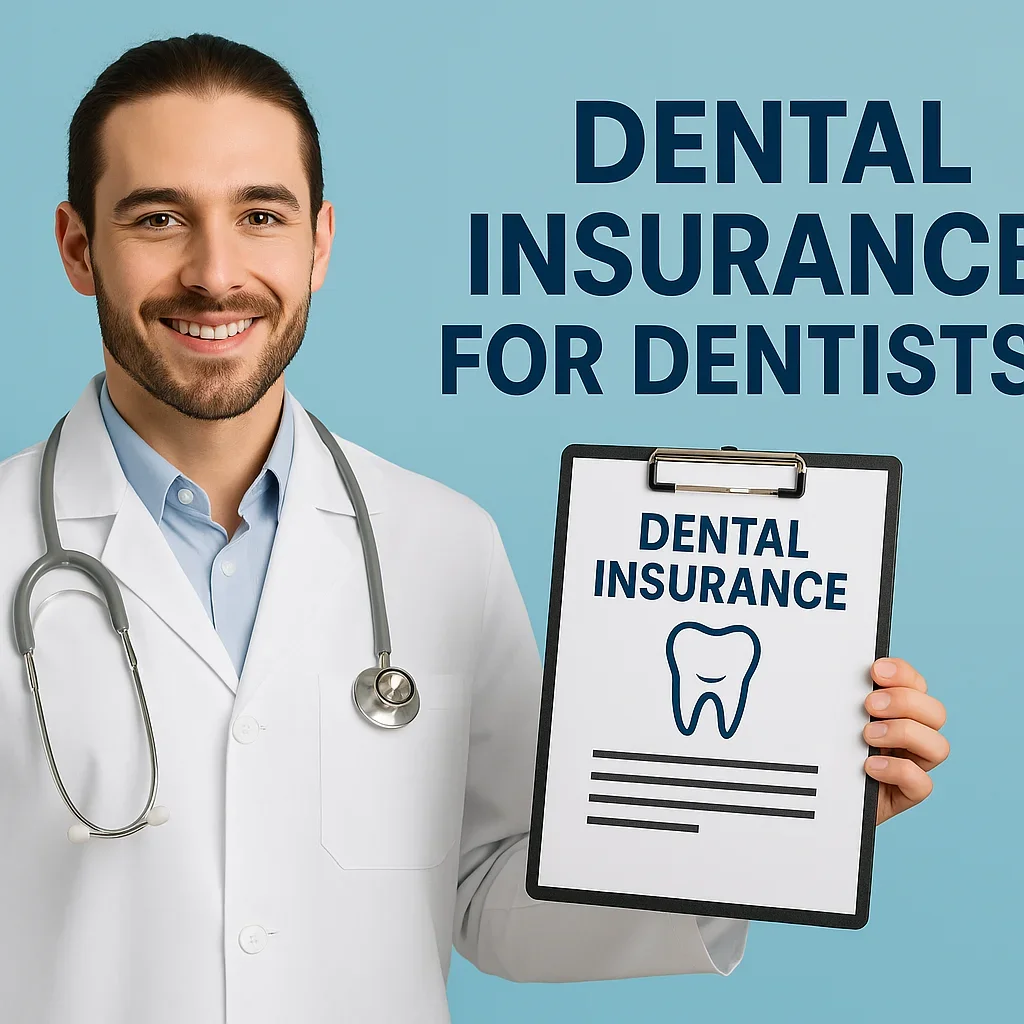
Future Trends and Innovations in Dental Insurance for Dentists
The landscape of dental insurance for dentists is rapidly evolving, driven by technological innovation, data-driven healthcare, and a growing emphasis on preventive and personalized care. As dental practices modernize, insurance providers are adapting their policies to match new models of treatment delivery, patient engagement, and financial transparency. Understanding these trends allows dental professionals to stay ahead of the curve—ensuring their practice remains both competitive and compliant in a changing healthcare ecosystem. 🚀🦷
1. The Rise of Digital and AI-Powered Insurance Platforms
Artificial intelligence (AI) is revolutionizing how dental insurance for dentists is processed and managed. From automating claim approvals to detecting fraud and optimizing pricing models, AI technologies are making insurance more efficient, accurate, and transparent. Dentists now benefit from faster reimbursements, better claim tracking, and predictive analytics that help forecast patient needs and coverage utilization.
How AI Is Transforming Dental Insurance
- 🤖 Automated Claims Processing: Reduces paperwork and shortens reimbursement timelines.
- 📊 Predictive Analytics: Helps insurers and clinics estimate risk and optimize plan pricing.
- 🧾 Error Detection: AI systems flag inconsistencies in billing codes, minimizing claim rejections.
- 💬 Chatbot Integration: Provides instant responses to patient insurance queries 24/7.
By leveraging these systems, dentists can focus more on patient care while maintaining a financially stable practice.
2. Personalized Insurance Plans Tailored to Dentists’ Needs
The future of dental insurance for dentists lies in personalization. Traditional “one-size-fits-all” policies are being replaced by modular plans that allow professionals to choose coverage based on their specific requirements—ranging from individual protection to multi-location practice coverage. These personalized plans take into account a dentist’s risk profile, income bracket, practice size, and even specialization.
Examples of Customizable Coverage Options
- Advanced restorative and implant coverage for prosthodontists.
- Professional liability and business interruption add-ons for clinic owners.
- Comprehensive family coverage for self-employed dentists.
- Hybrid policies combining personal and business insurance benefits.
This flexible structure ensures that every dental professional gets exactly the level of protection they need—no more, no less. 🧩
3. Blockchain Technology for Secure and Transparent Claims
Blockchain is emerging as a powerful tool for ensuring trust and transparency in insurance transactions. By decentralizing record storage, blockchain prevents fraud, reduces administrative errors, and allows real-time claim verification. For dental insurance for dentists, this means faster settlements, secure data management, and reduced dependency on intermediaries.
Advantages of Blockchain in Dental Insurance
- Immutable claim records that cannot be altered or deleted.
- Instant verification of patient coverage and eligibility.
- Enhanced data security compliant with HIPAA and GDPR standards.
- Smart contracts that automate claim payouts upon validation.
As more insurers adopt blockchain, dentists can expect smoother claim experiences and stronger protection for patient data integrity. 🔒
4. Expansion of Preventive and Wellness-Oriented Coverage
The modern insurance model is shifting from treatment-based reimbursement to prevention-based rewards. New dental insurance for dentists programs incentivize healthy behaviors, regular checkups, and digital oral health monitoring. This preventive focus not only reduces long-term costs for insurers but also promotes better oral health outcomes for both patients and practitioners.
Wellness-Oriented Insurance Innovations
- Coverage for nutritional counseling and oral hygiene education.
- Discounts or cashback for regular preventive visits.
- Integration with mobile apps that track oral health habits.
- Gamified reward systems encouraging patient compliance.
This model transforms insurance from a reactive safety net into a proactive wellness partner, creating mutual value for dentists and patients alike. 🌿
5. Integration with Teledentistry and Remote Care
Teledentistry, once considered a niche service, has become a mainstream feature in modern practice management. As a result, dental insurance for dentists is expanding to include coverage for virtual consultations, remote diagnostics, and AI-assisted dental assessments. These changes improve accessibility, especially in rural or underserved areas, while helping dentists expand their patient base beyond geographic limitations.
Benefits of Teledentistry-Covered Insurance
- Patients receive convenient consultations without in-office visits.
- Dentists can provide follow-up care or emergency advice remotely.
- Insurers benefit from reduced treatment costs through early intervention.
This approach represents the future of hybrid dental care—merging technology, accessibility, and affordability. 🖥️
6. Eco-Friendly and Sustainable Insurance Practices
Environmental responsibility is influencing every industry, including dental healthcare. Insurance providers are beginning to reward eco-conscious practices by offering discounts or incentives for sustainable operations. This includes clinics using biodegradable materials, digital documentation, and energy-efficient equipment. Aligning dental insurance for dentists with sustainability goals reflects a global movement toward green healthcare.
Eco-Incentive Examples
- Premium reductions for paperless claim systems.
- Incentives for energy-efficient clinic upgrades.
- Bonuses for adopting digital radiography or waste-reduction programs.
Sustainability isn’t just good for the planet—it’s becoming a key differentiator in patient perception and brand reputation.
7. Cross-Border and Global Coverage Expansion
As more dental professionals participate in international conferences, training programs, and humanitarian missions, demand for global coverage is increasing. Modern dental insurance for dentists now includes cross-border plans that cover emergency care and liability protection worldwide. This trend ensures seamless protection for mobile professionals who practice or consult internationally.
Global Coverage Benefits
- Access to emergency care in foreign countries.
- Coverage for participation in global volunteer dental missions.
- Reimbursement for international continuing education expenses.
Insurers partnering with organizations like the American Dental Association and similar global entities are leading this transformation, enabling a truly international standard of care and protection. 🌍
8. Data-Driven Policy Customization and Predictive Analytics
Big data analytics are allowing insurers to design smarter, adaptive plans. By analyzing years of claims, demographic data, and treatment outcomes, insurers can predict future risks and create more cost-effective premiums. For dental insurance for dentists, this means plans that evolve dynamically as your practice grows or as patient demographics change.
Practical Applications
- Usage-based premium adjustments for low-risk practitioners.
- Customized family coverage options based on treatment history.
- Real-time data dashboards for monitoring claim trends.
This data-centric approach ensures fairness, affordability, and precision in policy design—benefiting both practitioners and insurers alike.
9. Collaboration Between Insurers and Dental Associations
Industry collaboration is becoming central to innovation. Partnerships between insurers, academic bodies, and associations such as Redent Klinik are fostering better educational outreach, regulatory alignment, and patient awareness. These collaborations help standardize coverage guidelines and reduce discrepancies between different policy providers.
Key Outcomes of These Collaborations
- Unified claim coding standards across regions.
- Shared research on dental risk factors and treatment costs.
- Improved access to continuing education for practitioners.
Collaboration ensures that future dental insurance for dentists policies are not only comprehensive but also equitable and globally consistent.
10. Looking Ahead: The Next Decade of Dental Insurance
The next decade promises a paradigm shift in how dental insurance operates—integrating digital ecosystems, personalized coverage, and real-time adaptability. For dentists, embracing these trends early means securing financial resilience and professional competitiveness. By staying informed, leveraging technology, and collaborating with trusted providers, you ensure that your practice thrives in the evolving digital era of oral healthcare. 🪥✨
Final Thoughts
The future of dental insurance for dentists is undeniably bright and innovative. As new technologies reshape claims, coverage, and patient relationships, dental professionals stand to benefit from faster reimbursements, customized plans, and greater transparency. By adapting to these trends today, dentists can build smarter, more sustainable, and globally connected practices—ensuring long-term success for both their business and their patients’ well-being. 🌟