
Dental office emergencies are unexpected oral health situations that require immediate professional attention to relieve pain, stop bleeding, prevent infection, or save a tooth. Unlike routine dental visits, dental office emergencies often arise suddenly and can significantly affect a person’s comfort, health, and daily life. Understanding what qualifies as a dental emergency, how it is treated, and when to seek urgent care can make a critical difference in outcomes.
Dental office emergencies can happen to anyone, at any age, and often without warning. A severe toothache in the middle of the night, a knocked-out tooth during sports, or sudden facial swelling are classic examples. These situations are not just inconvenient; they can become dangerous if ignored. Infections can spread, pain can intensify, and permanent tooth loss may occur if dental office emergencies are not addressed promptly 😬.
One of the most important aspects of dental office emergencies is timing. Many dental problems worsen rapidly. For example, an untreated dental abscess can spread bacteria into the bloodstream, leading to serious systemic issues. This is why dental office emergencies are treated as a priority in professional dental clinics. Emergency dental care focuses first on stabilizing the condition, managing pain, and preventing complications before planning long-term treatment.
Patients often feel confused about whether their situation truly counts as a dental emergency. In general, dental office emergencies include intense pain, uncontrolled bleeding, trauma to the teeth or jaw, visible swelling, signs of infection, or loss of a tooth. Conditions such as cracked teeth with nerve exposure, broken crowns causing pain, or post-procedure complications also fall under dental office emergencies. If daily activities like eating, speaking, or sleeping are affected, urgent dental care is usually necessary.
Another key reason dental office emergencies matter is their impact on overall health. Oral health is closely connected to general health, and infections in the mouth can influence the heart, immune system, and respiratory health. Prompt management of dental office emergencies reduces these risks and supports whole-body well-being. Organizations such as the American Dental Association emphasize the importance of immediate care for emergency dental conditions.
Dental office emergencies are also emotionally stressful. Sudden pain or visible dental damage can cause anxiety and fear, especially for patients who have had limited dental experiences. Modern dental clinics are trained to handle dental office emergencies calmly and efficiently, using advanced diagnostics and pain-control techniques to keep patients comfortable 😊. Knowing that professional help is available can greatly reduce stress during an emergency.
Many dental offices now have dedicated emergency protocols in place. These include same-day appointments, triage assessments, and emergency contact systems. When a patient calls with dental office emergencies, the dental team evaluates symptoms quickly to determine urgency. This structured approach ensures that the most critical cases receive immediate attention while still maintaining high-quality care for all patients.
It is also essential for patients to know what to do before reaching the clinic. Simple first-aid steps, such as rinsing with warm salt water, applying a cold compress to reduce swelling, or preserving a knocked-out tooth in milk, can improve outcomes in dental office emergencies. However, these steps are temporary measures and should never replace professional treatment.
If you are unsure whether your condition qualifies as a dental emergency, it is always safer to contact a dental professional. Clinics like Redent Klinik encourage patients to seek guidance early, as early intervention often prevents complications. You can reach professional assistance through the Redent Klinik Contact Page, where emergency dental concerns are addressed promptly and professionally.
In summary, dental office emergencies are serious oral health events that require fast, expert care. They matter because they protect not only your teeth but also your overall health, comfort, and quality of life. Recognizing the signs of dental office emergencies, understanding their urgency, and knowing where to seek help empowers patients to act decisively and confidently when it matters most 🦷.
What Are Dental Office Emergencies and Why They Matter
Dental office emergencies refer to urgent oral health situations that require immediate evaluation and treatment by a dental professional. These conditions go beyond routine discomfort or cosmetic concerns and involve symptoms that can rapidly worsen if ignored. Understanding what qualifies as dental office emergencies is essential for patients, because timely action often determines whether a tooth can be saved, pain can be controlled, or serious health complications can be avoided.
Many people underestimate oral problems, assuming they will resolve on their own. However, dental office emergencies rarely improve without professional care. In fact, delaying treatment often leads to increased pain, higher costs, and more complex procedures. This is why recognizing dental office emergencies early plays a critical role in protecting both oral and overall health 😟.
Defining Dental Office Emergencies in Simple Terms
At their core, dental office emergencies involve any dental condition that causes severe pain, active bleeding, trauma, infection, or functional impairment. These are situations where waiting days or weeks is not safe. Dental office emergencies typically interfere with eating, speaking, sleeping, or normal daily activities.
Examples include sudden toothaches that do not respond to painkillers, facial swelling, dental abscesses, broken teeth exposing the nerve, or teeth that have been knocked out due to accidents. Even complications following dental procedures, such as excessive bleeding or signs of infection, are considered dental office emergencies and should be addressed immediately.
Why Dental Office Emergencies Require Immediate Attention
The urgency of dental office emergencies lies in how quickly oral conditions can escalate. The mouth contains a large number of bacteria, and infections can spread rapidly from teeth and gums to surrounding tissues. In severe cases, untreated dental office emergencies may lead to jaw infections, sinus involvement, or systemic infections that affect overall health.
Another reason dental office emergencies matter is pain control. Dental pain is often intense and persistent, significantly affecting quality of life. Emergency dental care focuses on rapid relief, stabilizing the condition, and preventing further damage. Acting early during dental office emergencies often allows dentists to use more conservative treatments, preserving natural teeth whenever possible 🦷.
The Link Between Dental Emergencies and General Health
Dental office emergencies are not isolated to the mouth. Research consistently shows strong connections between oral infections and systemic conditions such as heart disease, diabetes complications, and weakened immune response. An untreated dental abscess, for example, can allow bacteria to enter the bloodstream. This makes dental office emergencies a broader health concern, not just a dental one.
Professional organizations like the American Dental Association emphasize that emergency dental care is a vital part of preventive healthcare. Addressing dental office emergencies promptly reduces the risk of long-term health consequences and supports overall wellness.
Common Misconceptions About Dental Office Emergencies
One widespread misconception is that dental office emergencies only involve trauma, such as accidents or sports injuries. While trauma is a major category, many dental office emergencies develop silently. Infections, cracks, or failing dental restorations may worsen gradually until sudden severe symptoms appear.
Another misunderstanding is believing that over-the-counter medication is enough. Painkillers may temporarily reduce discomfort, but they do not treat the underlying cause. Dental office emergencies require diagnosis and professional intervention to prevent recurrence and complications.
Emotional and Practical Impact on Patients
Dental office emergencies often create emotional stress alongside physical discomfort. Sudden pain, swelling, or visible dental damage can cause anxiety, especially when patients are unsure where to turn. Emergency dental services are designed to provide reassurance as well as treatment, guiding patients through each step calmly and professionally 😊.
From a practical standpoint, untreated dental office emergencies can disrupt work, travel, and daily responsibilities. Prompt care minimizes downtime and helps patients return to normal routines faster. Clinics that prioritize emergency care understand these challenges and aim to deliver efficient, compassionate treatment.
Why Awareness Saves Teeth and Lives
Awareness is one of the most powerful tools against dental office emergencies. Knowing the warning signs empowers patients to act decisively instead of waiting until the condition becomes severe. Early intervention often means simpler procedures, lower risk, and better outcomes.
Clinics like Redent Klinik encourage patients to seek advice as soon as symptoms appear. If you are uncertain whether your situation qualifies as dental office emergencies, professional guidance is always the safest option. You can reach expert support through the Redent Klinik Contact Page, where urgent dental concerns are handled with priority.
In conclusion, dental office emergencies matter because they protect oral health, relieve pain, and prevent serious medical complications. Understanding what they are and why they demand immediate care helps patients make informed decisions, avoid unnecessary suffering, and safeguard their long-term health. Recognizing dental office emergencies is not just about saving teeth—it is about preserving overall well-being and peace of mind.
Most Common Dental Office Emergencies Seen in Clinics
Dental office emergencies occur daily in professional clinics, and while each patient’s situation is unique, many emergencies fall into well-defined categories. Understanding the most common dental office emergencies helps patients quickly recognize when a problem is serious and requires immediate care. Early recognition often prevents complications, reduces pain, and increases the likelihood of saving natural teeth.
Clinics that manage dental office emergencies regularly see patterns related to pain, trauma, infection, and post-treatment complications. These emergencies are not limited to dramatic accidents; many develop from untreated dental issues that suddenly worsen. Knowing these common scenarios empowers patients to act quickly instead of waiting until the situation becomes critical 😣.
Severe Toothache and Sudden Dental Pain
One of the most frequent dental office emergencies is intense tooth pain. While mild sensitivity can often wait, severe or throbbing pain usually indicates a deeper problem such as nerve inflammation, advanced decay, or infection. Dental office emergencies involving pain often worsen at night and may not respond to standard painkillers.
This type of pain should never be ignored. In many cases, early intervention during dental office emergencies allows the dentist to treat the cause before it leads to abscess formation or tooth loss. Prompt care can mean the difference between a simple procedure and complex restorative treatment.
Dental Trauma From Accidents or Sports
Trauma-related dental office emergencies are common in both children and adults. Falls, sports injuries, car accidents, or workplace incidents can result in chipped, cracked, loosened, or completely knocked-out teeth. These emergencies require immediate attention, as time is a critical factor in saving damaged teeth 🏃♂️.
In cases where a tooth is knocked out, seeing a dentist within the first hour significantly improves the chance of successful reimplantation. Dental office emergencies involving trauma may also include jaw injuries or damage to surrounding soft tissues, all of which require professional evaluation.
Broken Crowns, Fillings, and Dental Restorations
Another common category of dental office emergencies involves damaged restorations. Broken crowns, lost fillings, or fractured bridges can expose sensitive tooth structures, leading to pain and infection risk. While these issues may seem minor at first, they often escalate quickly without treatment.
Dental office emergencies related to restorations are particularly important for patients with existing dental work. Addressing these problems early protects the underlying tooth and prevents further structural damage.
Infections, Abscesses, and Facial Swelling
Infections represent some of the most serious dental office emergencies seen in clinics. A dental abscess is a pocket of pus caused by bacterial infection and is often accompanied by swelling, fever, bad taste, and severe pain. Facial swelling, especially when it spreads rapidly, should always be treated as an urgent dental office emergency.
Ignoring infections can lead to serious health risks, as bacteria may spread to the jaw, sinuses, or bloodstream. Emergency dental care focuses on draining infection, relieving pain, and stopping the spread before it becomes life-threatening.
Uncontrolled Bleeding and Post-Procedure Complications
Bleeding that does not stop after a dental procedure is another reason patients seek emergency care. While mild bleeding is normal after extractions or surgery, excessive or prolonged bleeding qualifies as dental office emergencies. This may occur due to clotting issues, trauma, or improper healing.
Dental office emergencies also include complications such as severe pain, swelling, or signs of infection following recent treatment. Prompt evaluation ensures proper healing and prevents further complications.
Soft Tissue Injuries in the Mouth
Injuries to the gums, tongue, lips, or cheeks can also result in dental office emergencies. Deep cuts, puncture wounds, or tears caused by accidents or sharp objects may bleed heavily and require professional care. Dentists are trained to manage both hard and soft tissue injuries safely.
These dental office emergencies are especially common in children and during physical activities. Early treatment reduces infection risk and supports proper healing.
Why These Emergencies Should Never Be Ignored
What all these dental office emergencies have in common is their potential to worsen rapidly. Delaying care often leads to more pain, higher costs, and permanent damage. Clinics prioritize these cases because early intervention produces better outcomes and protects long-term oral health.
If you experience any of these symptoms and are unsure how serious they are, it is always safer to contact a dental professional. Clinics like Redent Klinik provide guidance and rapid response for dental office emergencies. You can seek immediate assistance through the Redent Klinik Contact Page, where emergency concerns are handled with care and urgency.
In summary, the most common dental office emergencies include severe pain, trauma, infections, uncontrolled bleeding, and damaged restorations. Recognizing these situations early allows patients to receive timely treatment, minimize complications, and protect both their oral and overall health 😊.
Severe Tooth Pain: When It Becomes a Dental Emergency
Severe tooth pain is one of the most common reasons patients seek urgent care, and it frequently signals dental office emergencies that should never be ignored. While mild discomfort or temporary sensitivity can sometimes wait for a routine appointment, intense, persistent, or worsening pain usually indicates an underlying problem that requires immediate professional attention. Understanding when tooth pain crosses the line into dental office emergencies helps patients act quickly and avoid serious complications.
Tooth pain can vary in intensity and character, ranging from sharp and stabbing to deep and throbbing. Dental office emergencies involving pain often disrupt sleep, concentration, and daily activities. When pain becomes constant, radiates to the jaw or ear, or is accompanied by swelling or fever, it is almost always a sign that urgent dental care is needed 😖.
Common Causes of Severe Tooth Pain
Many dental office emergencies begin with untreated dental decay. When cavities progress deep into the tooth and reach the nerve, inflammation and infection can cause severe pain. This type of pain often worsens at night or when lying down due to increased blood flow to the head.
Another frequent cause of dental office emergencies is cracked or fractured teeth. Cracks may be invisible to the naked eye but can expose sensitive inner layers of the tooth. Biting or chewing may trigger sharp pain, signaling structural damage that requires immediate evaluation.
Dental Infections and Nerve Involvement
Infections are a leading reason why tooth pain becomes one of the most urgent dental office emergencies. When bacteria enter the pulp of the tooth, they can cause pulpitis or form an abscess. This often results in severe, throbbing pain that does not subside with medication.
Dental office emergencies involving infection may also include symptoms such as swelling of the gums or face, bad taste in the mouth, fever, or sensitivity to pressure. These signs indicate that the infection is spreading and must be treated promptly to prevent further health risks.
Referred Pain and Jaw-Related Emergencies
Not all tooth pain originates directly from the tooth itself. Dental office emergencies sometimes involve referred pain from the jaw joint or surrounding tissues. Conditions affecting the temporomandibular joint can mimic tooth pain and become severe enough to require urgent care.
In such cases, professional diagnosis is essential. Treating dental office emergencies correctly depends on identifying the true source of pain, whether it is dental, muscular, or joint-related.
Why Painkillers Are Not a Solution
Many patients attempt to manage severe tooth pain with over-the-counter pain relievers. While these medications may offer temporary relief, they do not address the underlying cause. Dental office emergencies require professional intervention to stop infection, repair damage, or relieve pressure on the nerve.
Relying on painkillers alone can mask symptoms and delay treatment, allowing the condition to worsen. This often results in more complex procedures and longer recovery times. Acting quickly during dental office emergencies helps preserve oral health and reduces overall treatment burden.
How Dentists Treat Severe Tooth Pain in Emergencies
When patients present with dental office emergencies related to pain, dentists focus first on diagnosis and relief. X-rays and clinical examination help identify the cause, whether it is decay, infection, or structural damage. Emergency treatment may include draining infection, stabilizing the tooth, or initiating root canal therapy.
The goal of emergency care is not only to relieve pain but also to prevent recurrence. Dental office emergencies are managed with a combination of immediate treatment and a clear follow-up plan to restore full oral function 🦷.
When Tooth Pain Requires Immediate Action
Tooth pain should be treated as one of the most urgent dental office emergencies when it is severe, persistent, or accompanied by swelling, fever, or difficulty swallowing. Pain that suddenly worsens or spreads to the face or neck is especially concerning and should never be delayed.
If you are experiencing intense tooth pain and are unsure what to do, seeking professional guidance is always the safest choice. Clinics like Redent Klinik prioritize dental office emergencies and provide prompt evaluation and care. You can contact experienced professionals through the Redent Klinik Contact Page to receive timely assistance.
In conclusion, severe tooth pain is one of the clearest warning signs of dental office emergencies. Recognizing when pain is more than a minor issue allows patients to act decisively, protect their oral health, and prevent serious complications. Prompt treatment not only relieves suffering but also preserves teeth and supports long-term well-being 😊.
Dental Trauma and Accidents: Broken, Chipped, or Knocked-Out Teeth
Dental trauma is one of the most dramatic and time-sensitive categories of dental office emergencies. Accidents can happen suddenly during sports, daily activities, falls, or vehicle incidents, and they often involve visible damage to the teeth or jaw. When teeth are broken, chipped, loosened, or completely knocked out, immediate professional care is essential to reduce pain, prevent infection, and maximize the chances of saving the affected tooth.
Dental office emergencies caused by trauma are particularly urgent because the outcome is highly dependent on how quickly treatment begins. Minutes and hours matter. Proper action during this short window can be the difference between preserving a natural tooth and facing permanent tooth loss 😨.
Common Causes of Dental Trauma
Most dental office emergencies related to trauma result from everyday situations. Contact sports such as football, basketball, and cycling are common causes, especially when protective mouthguards are not used. Slips and falls at home, playground accidents involving children, and workplace injuries also frequently lead to dental trauma.
Car accidents are another significant source of dental office emergencies, often involving multiple teeth or the jawbone. Even minor collisions can cause teeth to crack internally, creating damage that may not be immediately visible but still requires urgent evaluation.
Broken and Chipped Teeth as Dental Emergencies
Broken or chipped teeth are among the most frequently seen dental office emergencies. While small chips may not always cause pain, fractures that expose the inner layers of the tooth can lead to sensitivity, sharp pain, and infection risk. Larger breaks often result in bleeding, nerve exposure, and difficulty eating or speaking.
Dental office emergencies involving fractured teeth should always be assessed by a dentist, even if pain is minimal at first. Cracks can spread over time, weakening the tooth and making future restoration more difficult.
Immediate Steps After a Tooth Breaks
If a tooth breaks, gently rinse the mouth with clean water and avoid chewing on the affected side. Applying a cold compress to the outside of the face can help reduce swelling. These first-aid steps are helpful, but they do not replace professional care. Dental office emergencies require clinical evaluation to determine the extent of damage and the appropriate treatment.
Knocked-Out Teeth: A True Dental Emergency
A completely knocked-out tooth, also known as avulsion, is one of the most critical dental office emergencies. The success of reimplanting the tooth depends largely on how quickly the patient reaches the dental clinic and how the tooth is handled during transport.
If possible, the tooth should be picked up by the crown (not the root), gently rinsed if dirty, and placed in milk or saline. Keeping the tooth moist is crucial. Seeing a dentist within 30 to 60 minutes offers the best chance of saving the tooth 🦷.
Jaw Injuries and Associated Trauma
Dental office emergencies related to trauma are not limited to teeth alone. Injuries to the jaw can cause misalignment, difficulty opening or closing the mouth, and severe pain. Jaw fractures or dislocations often accompany dental trauma and require immediate professional assessment.
In such cases, dentists work closely with medical professionals to ensure comprehensive care. Early diagnosis and stabilization are key to preventing long-term complications.
Why Dental Trauma Should Never Be Delayed
Delaying treatment for trauma-related dental office emergencies significantly increases the risk of infection, nerve damage, and permanent tooth loss. What may initially appear as a minor chip or crack can worsen rapidly if left untreated.
Emergency dental care focuses on stabilizing the injury, relieving pain, and creating a plan for long-term restoration. Acting quickly not only protects oral health but also reduces the emotional stress associated with visible dental damage 😊.
Professional Emergency Care and Follow-Up
When patients present with trauma-related dental office emergencies, dentists perform a thorough examination using imaging and clinical tests to assess damage. Emergency treatment may include splinting loose teeth, restoring fractures, or initiating procedures to save the tooth.
Clinics like Redent Klinik are equipped to handle dental office emergencies efficiently and compassionately. If you experience dental trauma and are unsure how serious it is, seeking immediate guidance is always the safest option. You can contact experienced professionals through the Redent Klinik Contact Page for urgent assistance.
In summary, dental trauma involving broken, chipped, or knocked-out teeth represents some of the most urgent dental office emergencies. Quick recognition, proper first aid, and immediate professional care dramatically improve outcomes. Knowing how to respond empowers patients to protect their smiles and their long-term oral health when accidents happen.
Infections, Abscesses, and Swelling as Dental Office Emergencies
Infections are among the most serious dental office emergencies because they can escalate rapidly and affect not only oral health but also overall well-being. Dental infections often begin quietly, with mild discomfort or sensitivity, but can suddenly progress into severe pain, swelling, and systemic symptoms. Recognizing infections early and understanding why they qualify as dental office emergencies is essential for preventing life-threatening complications.
Unlike minor dental issues, infections do not resolve on their own. When bacteria penetrate deep into the tooth or gum tissue, they multiply quickly. Dental office emergencies related to infection require immediate professional treatment to stop the spread, relieve pain, and protect surrounding structures 😷.
What Is a Dental Abscess?
A dental abscess is a localized collection of pus caused by a bacterial infection. It is one of the most common and dangerous dental office emergencies seen in clinics. Abscesses may form at the tip of the tooth root (periapical abscess) or in the gums near the tooth (periodontal abscess).
Symptoms of an abscess often include severe, throbbing pain, swelling of the face or gums, sensitivity to pressure, fever, and a bad taste in the mouth. These signs indicate that the body is fighting an infection that requires urgent dental intervention.
Why Infections Are True Dental Emergencies
Dental office emergencies involving infections are especially dangerous because bacteria can spread beyond the mouth. Without prompt treatment, infections may extend into the jawbone, sinuses, neck, or even the bloodstream. This can lead to serious medical conditions that require hospitalization.
Swelling is a key warning sign. Facial or neck swelling associated with dental pain should always be treated as a dental office emergency. Difficulty breathing, swallowing, or opening the mouth are red flags that demand immediate professional care 🚨.
The Role of the Immune System
While the immune system works to fight infection, it often cannot eliminate dental infections without professional treatment. Antibiotics alone are rarely sufficient because they do not remove the source of infection. Dental office emergencies require procedures such as drainage, root canal treatment, or extraction to fully resolve the problem.
Delaying care places unnecessary strain on the immune system and increases the risk of complications, especially for individuals with diabetes or weakened immunity.
Gum Infections and Periodontal Emergencies
Not all dental office emergencies originate from the tooth itself. Severe gum infections can also cause swelling, bleeding, and intense discomfort. Periodontal abscesses may develop suddenly and are often associated with advanced gum disease.
These dental office emergencies can cause loosening of teeth and damage to supporting bone if left untreated. Prompt periodontal care helps control infection and preserve oral structures.
How Dentists Treat Infection-Related Emergencies
When patients present with dental office emergencies related to infection, dentists prioritize controlling the infection and relieving pain. Diagnostic imaging helps identify the source and extent of the problem. Emergency treatment may involve draining the abscess, cleaning infected tissue, or starting urgent endodontic therapy.
Antibiotics may be prescribed as a supportive measure, but they are always combined with definitive dental treatment. The goal is to eliminate the infection at its source and prevent recurrence 🦷.
What Patients Should Do if They Suspect an Infection
If you notice swelling, severe pain, fever, or a persistent bad taste, do not wait. These are classic signs of dental office emergencies that require immediate attention. Rinsing with warm salt water and using a cold compress may provide temporary comfort, but they do not replace professional care.
Seeking help early often leads to simpler treatment and faster recovery. Clinics like Redent Klinik are experienced in managing infection-related dental office emergencies efficiently and safely. If you are concerned about symptoms, you can contact professionals directly through the Redent Klinik Contact Page for prompt guidance.
Why Early Treatment Protects Overall Health
Addressing dental office emergencies caused by infection protects more than just your teeth. It reduces the risk of systemic illness, shortens recovery time, and prevents chronic oral health issues. Organizations such as the American Dental Association stress that untreated dental infections pose serious health risks and should never be ignored.
In conclusion, infections, abscesses, and swelling are among the most critical dental office emergencies. They demand immediate professional care to prevent serious complications and ensure full recovery. Recognizing symptoms early and acting decisively helps patients safeguard their oral health, overall health, and peace of mind 😊.
Uncontrolled Bleeding After Dental Procedures
Uncontrolled bleeding is one of the most alarming dental office emergencies for patients, especially when it occurs unexpectedly after a dental procedure. While mild bleeding is normal following treatments such as tooth extractions, gum surgery, or implant placement, bleeding that continues excessively or does not slow down is a clear warning sign that immediate professional care is required. Understanding why uncontrolled bleeding happens and how it is managed helps patients respond calmly and effectively during dental office emergencies.
Dental office emergencies involving bleeding can be frightening because blood loss is visible and often accompanied by pain or swelling. However, with timely intervention, most bleeding-related emergencies can be controlled quickly and safely. The key is recognizing when bleeding is no longer within normal limits and should not be managed at home 😟.
What Is Considered Normal vs. Abnormal Bleeding?
After dental procedures, light bleeding or oozing for several hours is generally normal. Dentists often place gauze over the treatment area and advise patients to bite down gently to promote clot formation. In contrast, dental office emergencies involve bleeding that soaks through gauze repeatedly, continues for many hours, or resumes after initially stopping.
Bleeding that fills the mouth rapidly, flows continuously, or is accompanied by dizziness should always be treated as a dental office emergency. These signs indicate that the body is unable to form a stable clot or that a blood vessel may be involved.
Common Causes of Uncontrolled Bleeding
Several factors can contribute to dental office emergencies related to bleeding. One common cause is disruption of the blood clot at the surgical site. Actions such as vigorous rinsing, spitting, smoking, or using straws too soon after a procedure can dislodge the clot and restart bleeding.
Underlying medical conditions also play a role. Patients with clotting disorders, high blood pressure, or those taking blood-thinning medications are at higher risk of bleeding-related dental office emergencies. This is why sharing a complete medical history with the dental team is essential.
Surgical Complexity and Tissue Trauma
More complex procedures, such as impacted tooth extractions or extensive gum surgery, naturally involve more tissue manipulation. In these cases, dental office emergencies may occur if healing is disrupted or if post-operative instructions are not followed closely.
Even minor trauma to the surgical site, such as accidental biting or brushing too aggressively, can trigger renewed bleeding.
Immediate Steps Patients Can Take
If uncontrolled bleeding occurs, patients should remain calm and apply firm, steady pressure with clean gauze for at least 20 to 30 minutes without checking frequently. Sitting upright and avoiding physical exertion can also help reduce blood flow to the area.
However, these steps are temporary measures. Persistent bleeding is one of the dental office emergencies that requires professional evaluation. Delaying care may worsen the situation and increase the risk of complications.
How Dentists Manage Bleeding Emergencies
When patients arrive with dental office emergencies involving bleeding, dentists act quickly to identify the source. Treatment may include cleaning the area, placing sutures, applying local hemostatic agents, or using medications to promote clotting.
The goal is to stabilize the site, protect the healing tissue, and ensure that bleeding stops completely. In rare cases, coordination with a physician may be necessary, particularly if an underlying medical condition is involved 🦷.
Why Ignoring Bleeding Can Be Dangerous
Uncontrolled bleeding should never be ignored, even if pain is minimal. Ongoing blood loss can lead to weakness, delayed healing, and increased infection risk. Dental office emergencies related to bleeding are treated urgently to prevent these outcomes.
Ignoring symptoms may also result in the need for more invasive interventions later. Early treatment is always safer, faster, and more comfortable for the patient.
When to Seek Immediate Professional Help
If bleeding does not stop after applying pressure for 30 minutes, or if it worsens, immediate dental care is required. These situations clearly qualify as dental office emergencies and should be addressed without delay.
Clinics like Redent Klinik are prepared to manage bleeding-related dental office emergencies promptly and effectively. If you experience excessive bleeding and are unsure what to do, you can contact professionals through the Redent Klinik Contact Page for urgent guidance.
In conclusion, uncontrolled bleeding after dental procedures is a serious dental office emergency that demands immediate attention. Understanding what is normal, recognizing warning signs, and seeking prompt professional care ensures safe healing and protects overall health. Acting quickly during dental office emergencies provides peace of mind and prevents unnecessary complications 😊.
How Dental Offices Handle Emergencies Step by Step
Understanding how dental clinics respond to urgent situations can greatly reduce anxiety when dental office emergencies occur. Many patients imagine chaos or long waiting times, but in reality, modern dental practices follow structured, well-tested protocols designed to deliver fast, safe, and effective care. Knowing what happens behind the scenes helps patients feel more confident and prepared when facing dental office emergencies.
Dental office emergencies are handled differently from routine appointments. Clinics prioritize these cases, often adjusting schedules and mobilizing the dental team immediately. The primary goals are to assess risk, control pain, stabilize the condition, and prevent further complications. This step-by-step approach ensures consistent, high-quality care even under urgent circumstances 😌.
Step 1: Emergency Contact and Initial Triage
The process usually begins when a patient contacts the clinic describing symptoms. Dental office emergencies are first evaluated through a triage system, either by phone or online. The dental staff asks targeted questions about pain level, swelling, bleeding, trauma, fever, and medical history.
This initial assessment helps determine urgency. Life-threatening symptoms such as severe swelling affecting breathing, uncontrolled bleeding, or intense pain are flagged as immediate dental office emergencies and prioritized for same-day care.
Step 2: Rapid Clinical Assessment at the Clinic
Once the patient arrives, the dental team performs a focused examination. Unlike routine checkups, emergency evaluations are highly targeted. Dentists look for the source of pain, infection, trauma, or bleeding using visual inspection, palpation, and diagnostic imaging.
Dental office emergencies require quick yet accurate diagnosis. X-rays are often taken immediately to assess hidden damage, infections, or fractures. This step is crucial for choosing the correct emergency treatment plan.
Vital Signs and Medical Considerations
In certain dental office emergencies, especially those involving infection or bleeding, vital signs such as blood pressure and temperature may be checked. Medical history is reviewed to identify conditions or medications that could affect treatment decisions.
This careful assessment ensures patient safety and helps tailor emergency care to individual needs.
Step 3: Immediate Pain Relief and Stabilization
One of the first priorities in dental office emergencies is relieving pain. Dentists may use local anesthesia, temporary fillings, drainage of infection, or splinting of loose teeth to stabilize the condition. The goal is to make the patient comfortable as quickly as possible.
Stabilization also means preventing further damage. For example, covering exposed nerves, controlling bleeding, or securing injured teeth helps protect tissues until definitive treatment can be completed 🦷.
Step 4: Definitive Emergency Treatment
After stabilization, dentists proceed with the most appropriate emergency intervention. This may include starting root canal therapy, draining an abscess, reimplanting a tooth, or placing sutures. Dental office emergencies are treated with the least invasive option that effectively resolves the problem.
In some cases, full treatment may require multiple visits. Emergency care focuses on stopping progression and reducing risk, with follow-up appointments planned for long-term restoration.
Step 5: Clear Aftercare Instructions and Follow-Up
Once the immediate issue is addressed, patients receive detailed aftercare instructions. These include medication guidance, activity restrictions, oral hygiene tips, and warning signs to watch for. Clear communication is essential in dental office emergencies to support healing and prevent recurrence.
Follow-up appointments are scheduled to ensure the condition resolves fully. This continuity of care is a key part of successful emergency management 😊.
Why This Structured Approach Matters
A step-by-step emergency protocol ensures that dental office emergencies are handled efficiently and safely. It minimizes guesswork, reduces complications, and improves patient outcomes. Clinics that follow structured systems can respond quickly even under pressure.
Patients benefit from faster pain relief, clearer explanations, and confidence that their situation is being managed professionally.
Accessing Emergency Dental Care
If you experience sudden pain, trauma, swelling, or bleeding, contacting a dental clinic immediately is the safest course of action. Clinics like Redent Klinik are equipped to manage dental office emergencies with organized, patient-centered care.
You can reach professional support and guidance through the Redent Klinik Contact Page, where urgent concerns are addressed promptly and clearly.
In summary, dental office emergencies are not handled randomly or reactively. They follow a clear, step-by-step process designed to protect patient health, relieve discomfort, and prevent serious complications. Understanding this process helps patients feel reassured and empowered when urgent dental care is needed 😊.
When to Visit an Emergency Dental Office vs. Hospital ER
One of the most common questions patients face during sudden oral pain or injury is whether they should go to an emergency dental office or a hospital emergency room. This uncertainty often leads to delayed care, increased pain, and unnecessary stress. Understanding the difference between these two options is essential when dealing with dental office emergencies, as choosing the right place can significantly affect treatment outcomes.
Dental office emergencies are best handled by dental professionals who have the tools, training, and experience to diagnose and treat oral health problems directly. Hospital emergency rooms, while critical for life-threatening situations, are often not equipped to provide definitive dental treatment. Knowing when to choose each option empowers patients to act confidently and quickly 😌.
What an Emergency Dental Office Is Designed to Handle
Emergency dental offices specialize in managing dental office emergencies such as severe tooth pain, dental trauma, infections, abscesses, broken teeth, and uncontrolled bleeding after dental procedures. These clinics are equipped with dental imaging, anesthesia, and specialized instruments needed to treat the root cause of dental problems.
When patients visit an emergency dental office, they receive targeted care that goes beyond temporary pain relief. Dentists can drain infections, stabilize damaged teeth, perform emergency root canal treatment, or repair fractures. This makes dental offices the most effective choice for the majority of dental office emergencies 🦷.
What Hospital Emergency Rooms Can and Cannot Do
Hospital ERs play a vital role in managing medical emergencies, but their capabilities for dental care are limited. In most cases, ER physicians are not trained to perform dental procedures. For dental office emergencies, hospitals typically provide pain medication, antibiotics, or referrals rather than definitive treatment.
This means that while a hospital visit may temporarily reduce symptoms, it often does not resolve the underlying dental problem. Patients with dental office emergencies may still need to see a dentist afterward, leading to delays and repeated discomfort.
Situations Where the Hospital ER Is Appropriate
There are specific scenarios where a hospital emergency room is the right choice. These include dental office emergencies accompanied by difficulty breathing, severe facial trauma, uncontrolled bleeding that threatens life, or swelling that compromises the airway. In these cases, immediate medical stabilization is critical.
Once the patient is stable, follow-up care with a dental professional is usually required to address the oral component of the emergency.
Comparing Speed, Cost, and Effectiveness
Emergency dental offices are often faster and more cost-effective for dental office emergencies. Because they focus solely on dental care, wait times are typically shorter, and treatment is more direct. Patients are less likely to undergo unnecessary tests or receive incomplete care.
Hospital ER visits for dental issues may involve long waits and higher costs, especially when definitive dental treatment is not provided. Choosing the appropriate setting saves time, money, and discomfort.
Why Correct Decision-Making Matters
Choosing the right care setting during dental office emergencies reduces complications and improves recovery. Prompt dental treatment can prevent infections from spreading, preserve natural teeth, and minimize the need for complex procedures later.
Delays caused by visiting the wrong facility may worsen the condition and increase emotional stress. Understanding the distinction helps patients feel prepared rather than panicked 😊.
Guidance for Patients Unsure Where to Go
If you are unsure whether your situation qualifies as a dental or medical emergency, contacting a dental clinic for guidance is often the best first step. Dental professionals can help determine whether immediate dental care is appropriate or if hospital evaluation is necessary.
Clinics like Redent Klinik are experienced in advising patients during dental office emergencies and can direct you to the most appropriate care quickly. You can reach professional assistance through the Redent Klinik Contact Page for prompt advice.
Trusted Professional Recommendations
Organizations such as the American Dental Association consistently advise patients to seek dental care directly for dental office emergencies whenever possible. Dentists are uniquely qualified to diagnose and treat oral health issues effectively.
This guidance reflects years of clinical experience and research showing that specialized care leads to better outcomes.
Making the Right Choice With Confidence
In summary, most dental office emergencies are best treated at an emergency dental office rather than a hospital ER. Dental clinics provide faster, more effective, and more targeted care for oral health problems. Hospital ERs are reserved for situations involving life-threatening complications or severe trauma.
Understanding this distinction allows patients to respond calmly and decisively when emergencies occur. Acting quickly and choosing the right care setting protects oral health, reduces pain, and ensures the best possible outcome during dental office emergencies 😊.
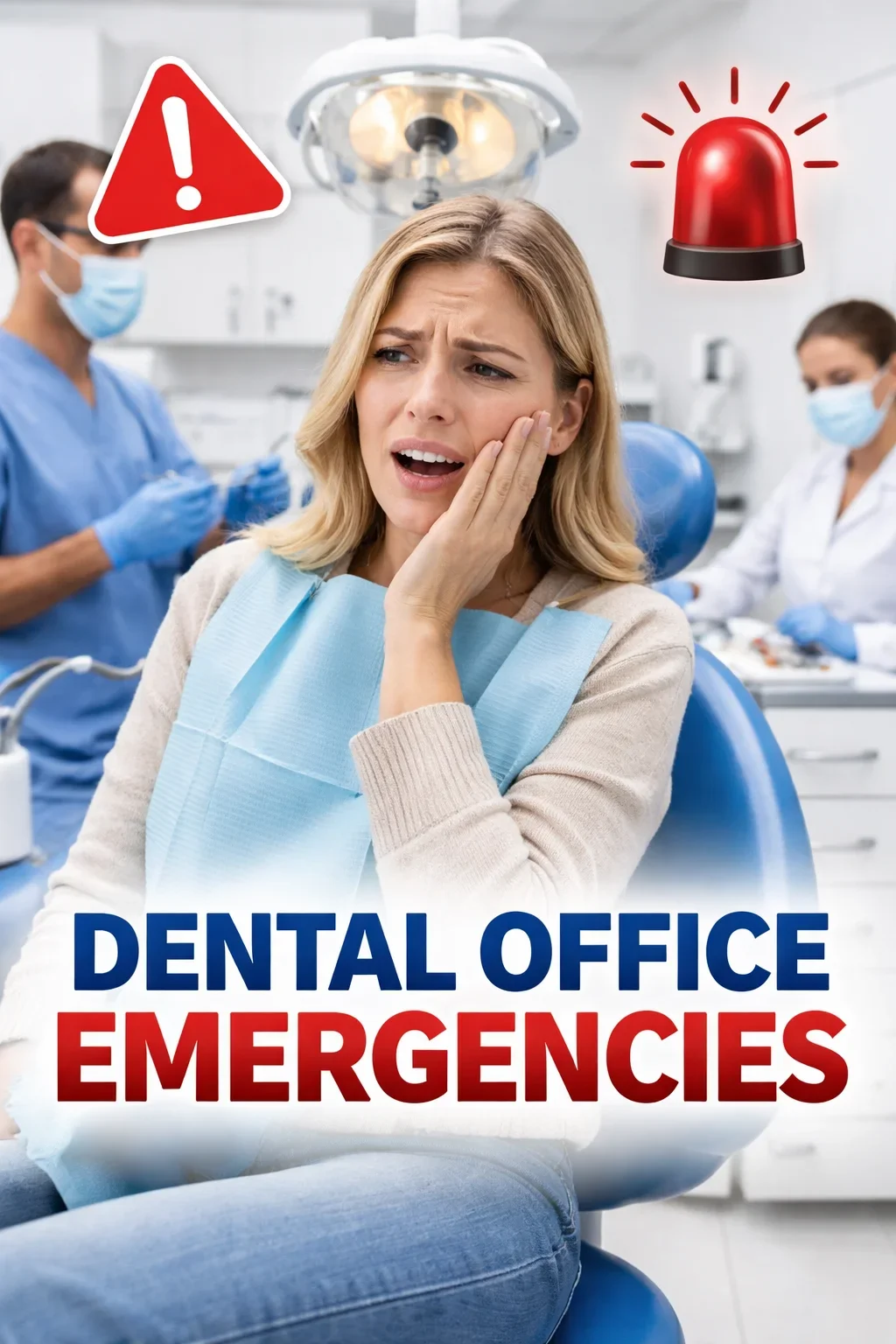
Preventing Dental Office Emergencies With Proper Care
While dental office emergencies often feel sudden and unavoidable, many of them can actually be prevented with consistent care, awareness, and healthy habits. Prevention does not mean eliminating all risk, but it significantly reduces the likelihood of severe pain, trauma, infection, and urgent dental visits. Understanding how daily routines and proactive dental care influence outcomes is one of the most powerful tools patients have to avoid dental office emergencies.
Preventive care focuses on identifying small problems before they escalate. Most dental office emergencies begin as minor issues—early decay, small cracks, gum inflammation, or overlooked restorations—that worsen over time. With the right preventive approach, these problems can often be managed long before they require emergency intervention 😊.
The Role of Routine Dental Checkups
Regular dental visits are the foundation of preventing dental office emergencies. During routine checkups, dentists examine teeth, gums, and restorations, looking for early signs of decay, cracks, infection, or bite issues. X-rays help detect problems that are not visible to the naked eye.
By addressing these issues early, dentists can prevent them from turning into painful dental office emergencies. Simple treatments such as fillings, adjustments, or cleanings are far less stressful and invasive than emergency procedures.
Daily Oral Hygiene as a Protective Barrier
Consistent oral hygiene plays a major role in reducing dental office emergencies. Brushing twice a day with fluoride toothpaste, flossing daily, and using antimicrobial mouth rinses help control bacteria that cause decay and gum disease.
Poor oral hygiene allows plaque and bacteria to accumulate, increasing the risk of infections and abscesses—two of the most serious dental office emergencies. Maintaining clean teeth and healthy gums lowers this risk significantly 🦷.
Special Considerations for High-Risk Patients
Some individuals are more prone to dental office emergencies due to factors such as diabetes, dry mouth, weakened immune systems, or a history of extensive dental work. These patients benefit from more frequent checkups and personalized preventive plans.
Working closely with a dental professional ensures that risk factors are managed proactively rather than reactively.
Protective Measures Against Dental Trauma
Many dental office emergencies result from accidents and trauma. Wearing protective mouthguards during sports and physical activities is one of the most effective ways to prevent broken or knocked-out teeth.
Custom-fitted mouthguards provided by dental clinics offer superior protection compared to over-the-counter options. This simple preventive measure can dramatically reduce trauma-related dental office emergencies, especially in children and athletes.
Addressing Dental Issues Before They Escalate
Ignoring minor symptoms is one of the most common pathways to dental office emergencies. Sensitivity, mild pain, bleeding gums, or loose restorations are warning signs that should not be dismissed.
Early intervention prevents these issues from progressing into severe pain, infection, or tooth loss. Patients who seek care promptly often avoid the physical and emotional stress associated with dental office emergencies 😌.
Diet and Lifestyle Choices That Matter
Diet plays an important role in oral health. Frequent consumption of sugary or acidic foods increases the risk of decay and erosion, both of which contribute to dental office emergencies. Staying hydrated, limiting sugar intake, and maintaining a balanced diet support strong teeth and healthy gums.
Lifestyle habits such as smoking or excessive alcohol use also increase the likelihood of infections and delayed healing. Reducing these habits lowers the risk of emergency dental situations.
Post-Treatment Care and Compliance
Many dental office emergencies occur after procedures when post-treatment instructions are not followed. Ignoring guidance related to activity restrictions, oral hygiene, or medication use can lead to complications such as infection or uncontrolled bleeding.
Following aftercare instructions carefully supports proper healing and prevents avoidable dental office emergencies. Clear communication between dentist and patient is key to successful recovery.
Knowing When to Ask for Help Early
Prevention also means knowing when to seek advice. If something feels “off,” contacting a dental professional early is always the safer option. Many emergencies can be prevented with a timely phone call or evaluation.
Clinics like Redent Klinik encourage patients to reach out with concerns before they escalate. You can easily get professional guidance through the Redent Klinik Contact Page, helping you avoid unnecessary dental office emergencies.
Long-Term Benefits of Preventive Care
Preventing dental office emergencies offers long-term benefits beyond avoiding pain. It preserves natural teeth, reduces treatment costs, and supports overall health. Preventive care also builds trust and comfort between patients and their dental team.
In conclusion, while not all dental office emergencies can be prevented, many can be avoided with consistent care, protective habits, and early action. Investing in prevention empowers patients to maintain healthy smiles, reduce stress, and minimize the risk of urgent dental situations. A proactive approach today is the most effective way to stay out of the emergency chair tomorrow 😊.