
In today’s fast-paced dental industry, efficiency, accuracy, and organization play a crucial role in a clinic’s success. One of the most transformative innovations in this regard is the dental office ordering system. This intelligent software solution helps dental professionals manage their supplies, track inventory, automate reorders, and prevent costly shortages — all while ensuring smooth day-to-day operations. By optimizing procurement and logistics, a dental office ordering system directly improves productivity and patient satisfaction, making it an indispensable tool for any modern dental clinic.
Traditionally, dental offices relied on manual ordering processes — paper-based lists, supplier phone calls, or scattered spreadsheets. This outdated approach often led to inefficiencies such as overstocking, understocking, and wasted time. However, the emergence of digital tools has revolutionized how clinics handle their operational workflows. A well-implemented dental office ordering system serves as the central hub for managing all supply-related tasks with automation and transparency.
🦷 What exactly does a dental office ordering system do? It streamlines how dental professionals request, approve, and track orders for everything from dental implants and anesthesia supplies to disposable gloves and hygiene products. It eliminates guesswork by providing real-time inventory tracking, automated alerts when stock levels are low, and even vendor comparison features for cost optimization. Instead of flipping through catalogs or calling suppliers, staff can order necessary materials with just a few clicks.
One of the most important benefits of a dental office ordering system is time efficiency. In a busy dental practice, every minute counts — whether it’s attending to patients or sterilizing instruments. Automating the ordering process frees administrative staff from repetitive manual tasks and allows them to focus more on patient care. This leads to improved workflow, reduced stress, and a more organized work environment for everyone in the clinic.
From a financial perspective, an advanced dental office ordering system can significantly cut unnecessary expenses. By analyzing usage data and forecasting demand, the system ensures that supplies are ordered only when needed and in the right quantities. This avoids waste and helps maintain a lean, cost-efficient inventory. According to studies, dental clinics using automated ordering platforms report up to 25% savings on operational costs annually — a remarkable return on investment for such a simple implementation.
Another crucial advantage lies in error reduction. Manual ordering is prone to human mistakes such as duplicate orders, miscommunication with suppliers, or misplaced invoices. With digital automation, every order is documented and tracked, ensuring that errors are virtually eliminated. Moreover, most dental office ordering systems integrate seamlessly with other software tools like dental practice management or billing systems, enabling data synchronization across all operational fronts.
When it comes to compliance and quality control, these systems also provide a distinct edge. They often include audit trails, expiration tracking, and supplier verification tools that help clinics stay compliant with healthcare regulations. For example, when managing critical materials like anesthetics or surgical equipment, the system can notify the team of approaching expiration dates and recommend replacements, thus maintaining patient safety and regulatory compliance.
🌍 Global accessibility is another benefit of cloud-based ordering platforms. Many modern dental office ordering systems allow remote access, meaning that dentists or managers can monitor orders and stock levels even outside the clinic. This feature is particularly beneficial for multi-location dental practices that need centralized control over their supplies.
To illustrate its impact, consider a mid-sized dental clinic that previously spent hours every week managing inventory manually. After implementing a dental office ordering system, they cut administrative time in half, reduced inventory waste by 30%, and improved patient scheduling consistency since procedures were no longer delayed due to missing materials. This kind of operational transformation showcases why digital ordering systems are becoming standard practice in the dental industry.
For clinics seeking guidance or wishing to upgrade their supply management processes, consulting experts can help. You can reach out to Redent Klinik Contact Page to learn more about how technology can streamline your dental operations and improve patient experience.
Moreover, aligning with industry standards is crucial. The American Dental Association provides valuable resources on best practices and compliance for dental professionals. Implementing a dental office ordering system that adheres to such guidelines not only ensures operational excellence but also boosts patient trust.
In summary, a dental office ordering system is more than just a digital tool — it’s a strategic upgrade that transforms how a dental clinic functions. From minimizing human error and reducing costs to optimizing workflow and compliance, it touches every aspect of the dental business. As the industry continues to evolve toward data-driven management, embracing this technology is no longer optional — it’s essential for growth, efficiency, and long-term sustainability.
How Automated Ordering Improves Workflow Efficiency 🦷
Efficiency is the backbone of every successful dental clinic. Whether you manage a small local practice or a multi-branch dental center, optimizing your daily workflow directly impacts patient satisfaction, staff morale, and overall profitability. This is where a dental office ordering system comes into play. By automating procurement and inventory management, this digital solution eliminates redundant manual processes and keeps your clinic running smoothly — ensuring that no critical supplies are ever missing when you need them most.
Automation as the Foundation of Modern Dental Practice
In a traditional dental office, managing supply orders involves multiple steps — identifying low stock, contacting suppliers, negotiating prices, and tracking delivery schedules. Each of these actions consumes time and increases the risk of oversight. An advanced dental office ordering system automates all of these stages. It can automatically detect when items such as anesthetic cartridges, dental burs, or gloves run low, then create and send purchase orders to approved vendors without human intervention. This eliminates tedious manual labor and ensures continuous operational flow.
One of the most powerful features of automation is its ability to integrate with existing dental management software. For instance, when your patient scheduling system anticipates a week full of restorative procedures, the dental office ordering system can automatically increase the supply of composite materials and bonding agents in advance. This level of predictive efficiency ensures that your staff always has what they need to provide excellent care, without interruptions or delays.
Reducing Bottlenecks in Daily Operations
Every dental clinic faces bottlenecks — moments when time, communication, or resources slow down productivity. Automated systems remove many of these barriers. The dental office ordering system allows you to centralize supplier communication, monitor delivery timelines, and track approvals from one unified dashboard. Staff no longer need to chase purchase confirmations or manually record inventory data. Instead, they receive automated alerts, digital invoices, and instant stock updates — all visible in real time.
Another major efficiency gain comes from reducing administrative workload. Dental assistants and front-desk staff often juggle multiple responsibilities — patient intake, sterilization, billing, and supplier coordination. By delegating repetitive supply management tasks to the system, your team can focus on higher-value activities such as patient care and clinical preparation. This not only boosts productivity but also minimizes burnout and errors caused by multitasking.
Enhanced Coordination Between Departments
In larger dental facilities, coordination between administrative staff, dental hygienists, and dentists is essential. A modern dental office ordering system enhances internal communication by allowing role-based access. Hygienists can log low-supply alerts, administrative staff can review them, and managers can approve orders — all in one seamless digital environment. This streamlined communication reduces confusion and prevents missed orders or double purchasing.
Moreover, cloud-based solutions make remote collaboration possible. Managers can oversee inventory levels, track pending deliveries, and approve orders even when working offsite. This flexibility ensures that operations never stall due to physical absence or delayed decision-making. In fact, clinics that adopt such systems often report a 30–40% improvement in task turnaround times.
Data-Driven Insights for Smarter Decision-Making
Automation not only saves time but also provides valuable insights. A dental office ordering system continuously collects data about supply usage, order frequency, and supplier performance. These analytics help managers identify purchasing trends and forecast future needs more accurately. For example, if a clinic consistently runs out of disposable cups or anesthetics on Mondays, the system highlights this pattern and suggests preemptive restocking before the weekend ends.
Additionally, data transparency fosters better budgeting. By visualizing spending patterns, clinics can pinpoint wasteful practices and negotiate better prices with suppliers. Some systems even include cost-comparison tools that automatically display the most affordable options among trusted vendors, ensuring maximum value for every order.
Seamless Supplier Integration
Another key to workflow efficiency lies in supplier integration. Many modern dental office ordering systems allow clinics to connect directly to supplier databases or dental product catalogs. This feature simplifies procurement by removing the need for third-party communication. Staff can browse real-time product availability, view specifications, and place orders instantly through the system interface. This reduces delays caused by back-and-forth correspondence and ensures fast delivery of critical materials.
Integration also guarantees consistency. When all orders are logged through one platform, you build a digital trail that supports accountability, compliance, and audit readiness. This is especially beneficial for dental offices operating under strict health regulations, where documentation accuracy is paramount.
Optimizing Time and Costs Simultaneously
While the time savings of automation are evident, the financial impact is equally impressive. Clinics using a robust dental office ordering system report significant reductions in waste and procurement costs. By automatically reordering supplies only when necessary, the system avoids both overstocking and emergency purchases. Additionally, it can consolidate multiple small orders into a single shipment, lowering shipping costs and reducing the clinic’s carbon footprint — an important factor for eco-conscious practices.
Furthermore, automation minimizes the risk of missed appointments due to stock shortages. When materials like crowns, impression kits, or sterilization pouches are unavailable, it disrupts schedules and damages patient trust. The system’s predictive algorithms ensure this never happens, keeping your operations consistent and professional.
Supporting Long-Term Growth
Efficiency is not just about short-term convenience — it’s a long-term growth strategy. The data, automation, and integration capabilities of a dental office ordering system allow dental clinics to scale their operations with confidence. As the clinic expands, the system adapts by managing larger inventories, multiple locations, and higher order volumes without losing accuracy or speed.
For clinics that aim to elevate their digital infrastructure, expert consultation is key. The Redent Klinik Contact Page provides access to professionals who understand how to tailor such systems to fit specific business needs. Following the American Dental Association’s digital best practices further ensures that the chosen software aligns with international healthcare standards.
In essence, automation is not just a technological upgrade — it’s a fundamental transformation in how dental clinics operate. By integrating a dental office ordering system, you move away from reactive problem-solving toward proactive, data-driven management. The result is a more efficient, reliable, and future-ready dental practice where both staff and patients benefit from seamless operations every single day.
Essential Features Every Dental Office Ordering System Should Have
Not all management tools are created equal — and when it comes to optimizing dental practice operations, the right dental office ordering system can make all the difference. To ensure your investment truly enhances efficiency, accuracy, and cost control, it’s vital to understand which features define a high-performing platform. Below, we explore the key components every modern dental clinic should look for when selecting an automated ordering solution that aligns with daily workflows and regulatory standards.
1. Real-Time Inventory Tracking and Notifications
One of the foundational features of a reliable dental office ordering system is real-time inventory management. The ability to monitor supply levels as they fluctuate throughout the day allows clinics to stay proactive rather than reactive. When stock levels fall below a set threshold, the system automatically generates alerts or even initiates purchase orders to prevent shortages. This feature is especially crucial for materials with short shelf lives — such as sterilization pouches, composite resins, or anesthetics — where waste or delays can directly affect patient care.
For example, an automated low-stock alert can notify the clinic manager when only five boxes of disposable gloves remain. Instead of discovering the shortage mid-procedure, the order is placed in advance. This proactive approach ensures continuous patient care without interruption.
2. Vendor Integration and Price Comparison Tools
A powerful dental office ordering system should simplify supplier communication. Built-in vendor integration connects the software directly to preferred suppliers’ catalogs, allowing staff to browse available products, view prices, and place orders instantly. Even better, systems equipped with price comparison tools automatically display competitive rates from multiple vendors for the same item, enabling data-driven purchasing decisions.
This transparency not only saves time but also maximizes savings. Instead of manually checking supplier websites or negotiating over email, the system does the heavy lifting — identifying the best options and reducing procurement costs by up to 20%. Over time, this results in significant financial efficiency for any clinic, large or small.
3. Automated Purchase Order Generation
Automation is at the core of an effective dental office ordering system. Once inventory data is analyzed, the system can automatically create and send purchase orders to approved suppliers. Each order includes detailed information — item codes, quantities, supplier details, and expected delivery dates. This removes the risk of human error while maintaining complete transparency and documentation.
Moreover, the system can schedule recurring orders for frequently used items such as disinfectants, paper products, and impression materials. This ensures that essential supplies are always available without manual oversight.
Smart Approval Workflow
To maintain financial control, most systems include a built-in approval hierarchy. Before any order is finalized, designated managers can review and approve purchases digitally. This prevents unauthorized spending while allowing the process to continue smoothly without unnecessary delays.
4. Comprehensive Reporting and Analytics
Data-driven management is a hallmark of modern dental administration. A high-quality dental office ordering system provides detailed reports on consumption patterns, supplier performance, and spending trends. Managers can easily identify which products are overused, which suppliers offer better deals, and which items frequently go to waste.
Advanced analytics modules may include visual dashboards that display monthly expenditures, cost-per-patient ratios, and order fulfillment rates. These insights enable decision-makers to optimize stock levels, negotiate better contracts, and streamline budgeting processes. Clinics that rely on such data typically see reduced supply waste and improved cost predictability.
5. Integration with Dental Practice Management Software
Interoperability is key to digital success. A strong dental office ordering system should seamlessly integrate with your existing dental practice management software. This integration ensures that scheduling, billing, and ordering systems communicate effectively. For instance, when a new patient appointment for a root canal is booked, the system can automatically verify that the necessary endodontic tools and materials are in stock.
This synchronization prevents operational friction. Staff no longer have to switch between multiple systems or manually transfer data — saving time, reducing errors, and creating a unified, efficient digital ecosystem.
Cloud-Based Access and Security
Modern systems are increasingly cloud-based, allowing authorized users to access the platform from any device or location. This is particularly beneficial for multi-location dental groups. Strong encryption protocols and user authentication layers protect sensitive business and patient data, ensuring compliance with health privacy regulations such as HIPAA.
6. Expiration Tracking and Compliance Management
Dental supplies often have expiration dates that must be monitored carefully. An intelligent dental office ordering system includes expiration tracking features that automatically flag soon-to-expire products. The software can also generate compliance reports to prove adherence to safety and quality standards — vital during audits or inspections.
Beyond expiry tracking, the system may include barcode scanning capabilities. This allows quick product check-in, automatic logging, and instant removal of expired items from usable inventory. These automated safeguards uphold clinical safety and patient trust.
7. Customizable Dashboard and User Roles
Every dental clinic operates differently, so customization is essential. A robust dental office ordering system offers configurable dashboards where users can adjust alerts, approval limits, and performance metrics. It also supports multiple user roles — from dentists and hygienists to procurement officers — each with tailored access permissions. This level of customization ensures that everyone can use the platform efficiently without compromising data security.
8. Multi-Location and Multi-Supplier Management
For clinics with several branches, managing separate inventories can be complex. A high-end dental office ordering system allows centralized control across multiple locations. It consolidates all procurement data into one interface, ensuring transparency and consistency. This also prevents duplicate orders and simplifies bulk purchasing, which can reduce per-unit costs through supplier discounts.
Similarly, managing multiple suppliers becomes effortless. The system tracks supplier reliability metrics — such as delivery time, accuracy rate, and defect frequency — helping managers make informed partnership decisions based on performance data rather than guesswork.
9. Cost Forecasting and ROI Analysis
Financial visibility is crucial in every dental business. Advanced systems include ROI analysis tools that project cost savings over time. These features evaluate ordering trends, price fluctuations, and seasonal variations in supply usage. By forecasting expenses, clinic owners can allocate budgets more intelligently and reduce financial surprises. In many cases, a well-implemented dental office ordering system pays for itself within the first year through savings and operational improvements.
Support and Training Resources
Even the best system requires user adaptation. That’s why top platforms come with dedicated training modules, 24/7 technical support, and video tutorials to help staff learn quickly. Some vendors also offer personalized setup services, ensuring the platform aligns perfectly with each clinic’s workflow.
To explore how these features can be tailored for your clinic, visit the Redent Klinik Contact Page. You can also consult industry guidelines through the American Dental Association, which outlines best practices for digital procurement and compliance in dental care.
In short, an ideal dental office ordering system combines automation, intelligence, and adaptability. Its features not only improve day-to-day operations but also set the foundation for sustainable growth. When thoughtfully implemented, it becomes the silent backbone of an efficient, future-ready dental clinic — ensuring that your team spends less time managing supplies and more time delivering exceptional smiles.
Integrating Your Ordering System with Dental Practice Management Software
As dental clinics continue to embrace digital transformation, integrating a dental office ordering system with existing dental practice management software has become a strategic necessity rather than a luxury. When these two systems work together seamlessly, they create an ecosystem where administrative, clinical, and logistical processes synchronize effortlessly — saving time, reducing costs, and minimizing human error. Integration connects the dots between patient care, supply chain management, and financial operations, ensuring a more efficient and data-driven dental practice.
Why Integration Matters in Modern Dental Operations
Every successful dental practice runs on coordination — between patient scheduling, billing, supply management, and clinical documentation. Unfortunately, when these functions operate in isolation, inefficiencies multiply. A disconnected system often leads to stock shortages, delayed procedures, and administrative bottlenecks. By contrast, an integrated dental office ordering system aligns supply management with clinical demand in real time. For example, if your schedule shows a surge in orthodontic procedures next week, the system can automatically forecast supply needs and generate appropriate purchase orders.
Integration also provides centralized visibility. Clinic managers, hygienists, and suppliers can all view relevant information without switching between platforms. This transparency improves decision-making and ensures that supply availability always matches upcoming patient appointments.
Key Components of Integration
Connecting your dental office ordering system to a practice management platform involves synchronizing several critical data points:
- Inventory and Supply Levels: Real-time updates ensure that every treatment room always has adequate materials for scheduled procedures.
- Patient Scheduling: The system predicts supply usage based on the volume and type of appointments in the calendar.
- Financial Data: Integrated billing automatically accounts for supply costs and updates accounting records.
- Vendor Management: Supplier data is linked for fast ordering and automated reordering when thresholds are reached.
- Reporting Dashboards: A unified view of inventory, expenses, and clinical usage across all locations.
With this synchronization in place, clinics achieve operational continuity — where scheduling, supply management, and financial tracking coexist within one digital infrastructure.
Data Flow Between Systems
Once integrated, data flows dynamically. For instance, when a dentist logs a completed root canal in the patient management system, the dental office ordering system automatically deducts related materials such as endodontic files and sealants from the inventory. If stock levels fall below the set minimum, the system triggers a reorder notification. This kind of automatic communication between systems eliminates the need for manual tracking and ensures uninterrupted clinical workflows.
Benefits of Seamless Integration
1. Enhanced Efficiency and Time Savings
The most immediate benefit of integration is improved efficiency. Staff no longer have to input the same information across multiple platforms. Once data is entered into the management software, the ordering system processes it automatically. This reduces administrative redundancy and allows the clinical team to focus more on patient care rather than paperwork.
2. Improved Financial Management
Integrated systems provide real-time cost analysis. Every order made through the dental office ordering system reflects instantly in the practice’s financial dashboard. Managers can track how much is spent per department, per treatment, or per supplier. This helps identify unnecessary expenses and optimize purchasing strategies. Over time, these insights contribute to a healthier bottom line and better long-term planning.
3. Accurate Forecasting and Resource Planning
Forecasting becomes more accurate when your dental office ordering system is connected to patient flow data. The system can analyze historical appointment patterns — such as the frequency of restorative or cosmetic treatments — and use predictive analytics to anticipate future supply needs. As a result, clinics can maintain optimal inventory levels without overspending or facing last-minute shortages.
4. Better Communication and Collaboration
Integration encourages collaboration between departments. Dentists, hygienists, and procurement staff can all see the same data, reducing communication errors. For example, if a dental assistant reports low stock of sterilization pouches, the system automatically flags the issue in the procurement dashboard. There’s no need for back-and-forth emails or phone calls; the system ensures everyone stays on the same page.
Technical Considerations for Successful Integration
System Compatibility and APIs
Before integrating, ensure that your dental office ordering system supports Application Programming Interfaces (APIs). APIs enable different software tools to “talk” to each other securely and efficiently. Without them, data synchronization becomes fragmented, leading to incomplete records or update delays. Choosing software that supports open API integration ensures flexibility and long-term scalability as your clinic grows.
Data Security and Compliance
Because these systems handle sensitive business and patient data, cybersecurity is paramount. Choose platforms that comply with HIPAA and GDPR regulations, offering data encryption, user authentication, and role-based access. This ensures that only authorized personnel can view or modify information. Many cloud-based dental office ordering systems include built-in security audits to track all activity and detect irregularities instantly.
Training and Implementation
Integration should not disrupt daily operations. A structured onboarding process — including staff training and gradual system rollout — guarantees a smooth transition. Reputable vendors often provide hands-on support and detailed documentation to help your team adapt quickly. To learn about professional implementation support, visit the Redent Klinik Contact Page for expert consultation.
Long-Term Impact on Patient Experience
Although system integration primarily benefits internal operations, it indirectly enhances patient care as well. With smoother workflows and reliable inventory, procedures start on time, and treatment quality remains consistent. Patients experience fewer appointment delays and greater trust in your clinic’s professionalism. The ability to focus on patients instead of supply logistics strengthens the clinic’s reputation and improves retention rates.
Scalability and Future-Proofing
As dental technology evolves, scalability is essential. Integrated platforms can easily expand to accommodate new branches, advanced treatment modules, or updated compliance regulations. They also pave the way for adopting emerging innovations like AI-driven supply prediction and IoT-based inventory sensors. Aligning your system design with global standards — such as those outlined by the American Dental Association — ensures longevity and reliability for years to come.
In summary, integrating a dental office ordering system with your dental practice management software bridges the gap between clinical operations and business efficiency. It creates a cohesive digital environment where every process — from scheduling to invoicing — works harmoniously. By leveraging automation, data analytics, and secure connectivity, your clinic can operate at its full potential, achieving consistency, profitability, and superior patient satisfaction in a rapidly evolving healthcare landscape.
Reducing Human Error and Waste Through Smart Automation
In a busy dental practice, even small mistakes in inventory management can lead to significant losses — whether financial, operational, or reputational. From ordering incorrect materials to forgetting to restock essential supplies, human error is a constant risk in manual systems. A dental office ordering system equipped with smart automation eliminates these problems by standardizing and digitizing every step of the procurement and inventory workflow. This technology not only minimizes human mistakes but also reduces waste, saves time, and ensures smoother day-to-day operations.
The Hidden Costs of Manual Errors
Manual ordering processes depend heavily on human attention and memory. A misplaced decimal in an order form, an unrecorded supply shipment, or a forgotten restock can disrupt clinic operations. These errors often lead to appointment delays, dissatisfied patients, and increased overhead costs. When dental assistants and administrative staff juggle multiple responsibilities — patient scheduling, billing, and supply tracking — mistakes are inevitable. This is where a dental office ordering system becomes indispensable.
By automating repetitive tasks such as tracking inventory levels, sending purchase orders, and reconciling invoices, the system reduces the cognitive burden on staff. In addition, automated verification ensures that only approved suppliers and materials are ordered, maintaining both financial control and clinical quality.
How Smart Automation Works
Modern dental office ordering systems use a combination of artificial intelligence, predictive analytics, and predefined rules to manage stock efficiently. These systems continuously monitor usage data, detect trends, and automatically reorder items when they fall below a designated threshold. The goal is not only to prevent shortages but also to optimize the entire supply lifecycle.
1. Automated Stock Level Detection
Using barcode scanners or integrated inventory sensors, the system records each product’s consumption in real time. As supplies are used during daily procedures, the system updates the stock count automatically. When levels dip below the set minimum, an automatic reorder alert is generated. This eliminates manual counting and ensures that essential materials like dental composites, sterilization pouches, and gloves never run out.
2. Intelligent Reorder Triggers
One of the smartest features of a dental office ordering system is its ability to analyze usage history. For example, if your clinic performs more whitening treatments during certain months, the software anticipates higher demand for related products and adjusts reorder thresholds accordingly. This predictive capability minimizes both shortages and overstocking — two major sources of waste in dental practices.
3. Supplier Error Prevention
When ordering manually, it’s easy to select the wrong product variant or quantity. Automation prevents this by enforcing product codes, approved vendor lists, and digital confirmations. Once an order is placed, it is automatically verified against previous purchase history to flag anomalies such as duplicate orders or unexpected price changes.
Reducing Material Waste and Expired Supplies
Waste reduction is one of the most measurable benefits of automation. Expired materials, unused stock, and inefficient order quantities often account for thousands of dollars in lost revenue each year. A smart dental office ordering system combats this problem through expiration tracking, FIFO (first-in, first-out) inventory control, and consumption analytics.
Expiration Alerts and Batch Management
The system tracks expiration dates for every batch of supplies and automatically sends alerts when items near their expiration. For instance, if a batch of anesthetic cartridges will expire within 30 days, the system notifies staff to prioritize their use or reduce future orders. This ensures that no valuable supplies are wasted and regulatory compliance is maintained at all times.
First-In, First-Out (FIFO) Automation
FIFO is a best practice in dental inventory management, and modern software enforces it automatically. The system ensures older stock is used before newer stock, maintaining rotation and preventing losses. By aligning with inventory control standards recommended by the American Dental Association, the system supports efficient and safe material handling.
Improving Staff Accountability and Accuracy
Automation enhances accountability by logging every transaction and user action. Every supply withdrawal, order placement, and approval is recorded in a digital audit trail. This transparency allows managers to identify inefficiencies and correct process gaps before they cause operational issues. Additionally, it reduces the reliance on memory-based communication between staff members — a common source of error in busy environments.
Automated Approval Workflows
In traditional settings, miscommunication can lead to duplicate or unauthorized purchases. A dental office ordering system automates the approval chain. Orders require digital authorization from designated managers before submission, preventing accidental spending. The system’s built-in notifications ensure that pending approvals are addressed quickly, keeping procurement cycles efficient and accurate.
Financial and Environmental Impact
Reducing error and waste doesn’t just improve operations — it also has direct financial and environmental benefits. Automated ordering systems reduce the need for emergency purchases, which are typically more expensive due to rush shipping or supplier premiums. Moreover, by preventing overstocking, clinics consume fewer materials and reduce packaging waste, aligning with eco-friendly and sustainable business practices.
Financially, clinics that switch from manual processes to an automated dental office ordering system often report savings of 20–30% annually in supply-related expenses. These savings can be redirected toward staff training, technology upgrades, or patient experience improvements — creating a cycle of continuous growth and efficiency.
Building a Culture of Precision
When automation becomes part of your clinic’s daily operations, it cultivates a culture of precision and consistency. Staff members trust the system to handle repetitive, error-prone tasks, allowing them to focus on patient-centered responsibilities. As a result, morale improves and stress decreases, especially during high-demand periods. Clinics that adopt such systems report smoother workflows, fewer interruptions, and a more professional working environment overall.
For clinics looking to implement this technology effectively, consultation and setup guidance can be obtained through the Redent Klinik Contact Page. The experts there can help customize automation rules, reporting preferences, and supplier integrations to fit your practice’s specific needs.
In conclusion, automation is not just about speed — it’s about precision, reliability, and sustainability. A dental office ordering system empowered by smart automation eliminates human error, minimizes waste, and strengthens financial control. By combining intelligent algorithms, predictive analytics, and structured workflows, it creates an environment where both staff and patients benefit from accuracy, efficiency, and confidence in every procedure.
Cost Savings and ROI: Is a Dental Office Ordering System Worth It?
Implementing a dental office ordering system requires an initial investment — in software, training, and sometimes hardware — but the long-term financial benefits far outweigh these costs. When properly deployed, this technology not only reduces waste and human error but also drives measurable cost savings, enhances efficiency, and delivers an impressive return on investment (ROI). For dental practices aiming to improve profitability while maintaining top-quality care, understanding how these savings accumulate is crucial.
Understanding the Financial Impact of Automation
Manual inventory management is often one of the least efficient areas in dental operations. It consumes valuable staff time, causes unnecessary purchases, and leads to losses due to expired or misplaced items. Studies across the healthcare industry show that clinics without automation lose up to 15% of their annual supply budget to inefficiencies. A robust dental office ordering system tackles these problems head-on by introducing automation, visibility, and accountability at every level of the procurement process.
For instance, by automating reorders and tracking consumption in real time, a dental clinic can reduce unnecessary stockpiling and emergency purchases — both of which are common culprits behind inflated costs. The savings aren’t just financial; they extend to improved time efficiency, reduced staff burnout, and smoother operational flow.
How Much Can a Dental Practice Save?
Quantifying the ROI of a dental office ordering system depends on the clinic’s size, supply volume, and purchasing patterns. However, average estimates based on industry benchmarks show that clinics can expect:
- 20–30% reduction in procurement-related expenses through price comparisons and bulk ordering automation.
- 25% increase in staff productivity by eliminating manual data entry and follow-ups.
- 10–15% lower waste costs due to real-time expiration tracking and optimized stock levels.
- 5–10% overall operational cost savings within the first 6–12 months of implementation.
These savings compound over time, meaning the system pays for itself — typically within the first year. For larger dental chains or clinics operating multiple branches, centralized control amplifies these savings even further.
Breaking Down the ROI Equation
Return on Investment (ROI) can be calculated using a straightforward formula:
ROI = (Financial Gains from System – Total Investment Cost) ÷ Total Investment Cost × 100
Let’s consider a practical example. Suppose a clinic invests $3,000 annually in a cloud-based dental office ordering system. Within the first year, the system saves $8,000 by preventing overordering, minimizing waste, and reducing labor hours. Using the formula above, the ROI would be:
ROI = ($8,000 – $3,000) ÷ $3,000 × 100 = 166%
This example illustrates that a well-implemented system can generate substantial financial returns while enhancing workflow stability and accuracy.
Areas Where Savings Are Achieved
1. Supply Optimization and Vendor Management
A smart dental office ordering system tracks usage trends and consolidates vendor data, allowing clinics to buy strategically. Instead of placing multiple small orders, the system groups purchases into bulk shipments, which lowers per-unit costs and shipping fees. It also compares supplier prices in real time, ensuring clinics always pay competitive rates.
2. Reduction in Administrative Costs
Manual procurement requires extensive staff hours spent on order creation, approvals, and follow-up communications. Automation reduces this workload dramatically. Staff can process orders in minutes instead of hours, redirecting their focus toward patient care or clinical support. In many practices, this results in an effective labor cost reduction equivalent to one full-time administrative salary per year.
3. Waste Minimization and Expiration Control
One of the most overlooked sources of financial loss is expired or unused materials. A dental office ordering system with built-in expiration tracking prevents this by automatically prioritizing older stock and alerting teams when products near expiration. Clinics that implement this feature report up to 40% less material waste annually — directly translating into thousands of dollars saved.
4. Energy and Resource Efficiency
Digital ordering eliminates the need for paper forms, faxed approvals, and printed supplier lists. Not only does this reduce office supply costs, but it also supports environmentally sustainable operations. By minimizing physical paperwork, the clinic decreases both waste and storage requirements while aligning with eco-friendly practices endorsed by the American Dental Association.
Long-Term Financial Benefits
The financial advantages of adopting a dental office ordering system extend beyond direct cost reductions. Over time, clinics also gain:
- Predictable budgeting: With automated analytics, financial forecasting becomes more accurate, helping clinics plan inventory budgets with confidence.
- Improved supplier relationships: Reliable order patterns lead to better negotiation power and loyalty discounts from vendors.
- Reduced downtime: Clinics avoid income loss caused by supply-related cancellations or rescheduling.
- Enhanced patient satisfaction: Efficient resource management means fewer treatment delays and consistent service quality.
Each of these improvements reinforces the clinic’s overall profitability. By linking automation with financial control, the system becomes more than just a procurement tool — it evolves into a comprehensive cost management solution.
Scalability and Return on Expansion
For multi-location dental practices, scalability plays a major role in long-term ROI. A cloud-based dental office ordering system consolidates inventory and procurement across all branches, eliminating redundant purchases and improving supply standardization. The system can manage separate budgets for each location while providing corporate-level reporting, allowing executives to see exactly where money is being saved or overspent.
Data-Driven Decision Making
By collecting and analyzing data over time, the system identifies which supplies yield the best return, which vendors offer the most value, and how ordering patterns affect operational costs. These insights help management make smarter decisions — not just for cost reduction but for overall business optimization.
Calculating the True Value Beyond Money
ROI shouldn’t be measured in dollars alone. The intangible benefits — time savings, staff satisfaction, reduced stress, and improved reputation — have long-term effects that contribute to sustainable growth. A dental office ordering system creates a more predictable and professional environment, where both employees and patients benefit from consistency and reliability.
To explore how your clinic can maximize both financial and operational returns, consider reaching out via the Redent Klinik Contact Page for expert insights into cost-saving implementations tailored to your specific needs.
In summary, the investment in a dental office ordering system is one of the most financially strategic decisions a dental practice can make. With proven cost savings, a high ROI, and measurable improvements in workflow efficiency, it represents not just a purchase — but a long-term commitment to smarter, leaner, and more profitable dental management.
How to Choose the Best Dental Office Ordering Software in 2025
With an increasing number of digital tools available, selecting the right dental office ordering system for your clinic can feel overwhelming. Each software promises automation, savings, and better efficiency — but not all deliver the same level of functionality, usability, and scalability. Choosing wisely requires a detailed understanding of your clinic’s size, workflow, and future goals. In 2025, as artificial intelligence and cloud-based integrations dominate healthcare technology, making an informed choice can set your dental practice apart from competitors in both performance and patient satisfaction.
Understanding Your Practice’s Needs Before Buying
Before evaluating software vendors, assess your clinic’s operational workflow and pain points. A solo dental practice will have vastly different needs than a multi-branch group. For example, a single-location clinic might prioritize an easy-to-use interface and automated reordering, while a larger network may require multi-site inventory control, centralized vendor management, and analytics dashboards.
Start by listing daily challenges: Are there frequent shortages of key materials? Do staff members spend too much time on supply tracking? Are invoices or purchase orders often misplaced? The best dental office ordering system will solve these specific issues without adding unnecessary complexity. Always align your software choice with practical needs — not just features that sound appealing in marketing brochures.
Step 1: Evaluate Inventory Complexity
Dental clinics handle hundreds of unique items, from disposable gloves to precision instruments. Choose a system that can categorize, track, and analyze usage for all product types. Advanced platforms also support barcode scanning and automatic expiration tracking, which are essential for high-volume practices.
Step 2: Determine Integration Requirements
If your clinic already uses practice management software or accounting tools, ensure the dental office ordering system integrates seamlessly with them. Integration avoids redundant data entry and ensures smooth communication between financial and operational departments. In 2025, open API compatibility is non-negotiable for scalable clinics.
Key Factors to Consider When Selecting Software
1. Ease of Use and User Interface
A sophisticated system is useless if staff find it confusing. The software should have a clean, intuitive dashboard that minimizes training time. Many leading solutions now use drag-and-drop functions, visual analytics, and AI-powered search to simplify navigation. Ask for a demo before purchasing to ensure it fits your team’s technical comfort level.
2. Automation and Smart Alerts
The most valuable dental office ordering systems leverage automation to save time and reduce human error. Look for features like predictive reordering, automatic supplier selection, and configurable low-stock alerts. The system should learn from your usage trends and recommend restocking before a shortage occurs. In advanced setups, AI modules can even adjust reorder quantities seasonally based on appointment patterns and treatment types.
3. Vendor Management and Cost Optimization
Since suppliers play a huge role in cost efficiency, the software should include a vendor management portal. This allows your clinic to store supplier data, compare prices, and monitor delivery performance. Some platforms automatically rank vendors by reliability, helping managers make data-driven purchasing decisions. This feature alone can reduce procurement costs by up to 25% over time.
4. Cloud Accessibility and Mobile Support
In 2025, mobility is key. A modern dental office ordering system should be cloud-based, allowing you to access it from any device — computer, tablet, or smartphone. Whether you’re reviewing stock from your office or approving orders while traveling, cloud connectivity ensures uninterrupted control. Additionally, automatic cloud backups safeguard your inventory data from loss or corruption.
5. Data Analytics and Reporting Tools
Comprehensive analytics transform raw data into actionable insights. Choose software with reporting tools that can visualize trends in supply usage, cost per patient, and supplier performance. Predictive analytics powered by AI can forecast future needs, preventing both overstocking and supply shortages. These data-driven insights are critical for long-term efficiency and financial health.
Advanced Features to Look for in 2025
Artificial Intelligence and Predictive Ordering
AI integration is no longer optional; it’s essential. Advanced dental office ordering systems use AI to analyze historical consumption and recommend optimal order timing and quantities. This prevents both under-ordering and surplus accumulation. Predictive systems can even account for seasonal trends, upcoming appointments, or special promotions that may affect material demand.
Multi-Branch and Multi-User Scalability
If you manage several clinics, scalability becomes a top priority. A centralized system allows management to oversee supply levels across all branches in real time. Individual users can have custom permissions — for instance, dental assistants may view inventory data while administrators control supplier contracts. This structure ensures operational flexibility without compromising security.
Compliance and Regulatory Support
Regulatory compliance is another critical consideration. The best dental office ordering systems include tools that align with health and safety regulations like HIPAA and ISO standards. They also generate compliance-ready reports, audit logs, and supplier certifications, which can be invaluable during inspections. This ensures that every purchase adheres to professional guidelines recommended by the American Dental Association and similar authorities.
Budget Planning and Cost Considerations
Price shouldn’t be the sole deciding factor, but it’s important to balance features with affordability. Subscription-based (SaaS) models are now the industry standard, offering flexibility through monthly or annual plans. Smaller clinics may benefit from entry-level packages, while larger organizations often need enterprise solutions with API customization and multi-user access. Always calculate your expected ROI before committing to a platform.
Transparent Pricing and Support Packages
Be wary of hidden fees for onboarding, integration, or technical support. A trustworthy vendor will provide transparent pricing, clear service-level agreements (SLAs), and responsive support channels. Look for systems that include 24/7 technical assistance and free updates — both essential for maintaining performance and security over time.
Vendor Reputation and Post-Purchase Service
Beyond software features, the reliability of the vendor matters greatly. Research customer reviews, testimonials, and support responsiveness. Leading providers often publish case studies showcasing how their dental office ordering systems improved efficiency for real clinics. Ask about user communities or webinars that provide ongoing learning and updates.
Implementation and Staff Training
Even the best system requires a well-planned rollout. Choose vendors that offer onboarding assistance, staff training sessions, and integration support. Training ensures that every team member understands how to use the platform efficiently, maximizing ROI. To learn about expert setup and customization services tailored for dental practices, visit the Redent Klinik Contact Page.
Final Thoughts on Choosing the Best Software
Ultimately, the best dental office ordering system in 2025 will combine automation, intelligence, and flexibility in a secure, user-friendly package. It should evolve with your practice — not restrict it. Whether you run a boutique clinic or a large network, prioritize scalability, AI-driven forecasting, vendor transparency, and seamless integration. By taking a strategic approach to software selection, your clinic can enjoy reduced costs, streamlined workflows, and a future-ready infrastructure built for success.
Real-World Case Studies: Success Stories from Dental Clinics
While theoretical benefits are valuable, nothing demonstrates the effectiveness of a dental office ordering system better than real-world examples. Across the globe, dental clinics — from small independent practices to multi-location dental groups — have implemented ordering automation to achieve measurable improvements in efficiency, cost savings, and patient satisfaction. In this section, we’ll explore how these clinics transformed their operations, eliminated waste, and gained a competitive edge through the smart use of technology.
Case Study 1: A Mid-Sized Urban Clinic Cuts Costs and Improves Stock Accuracy
One of the most common challenges faced by dental practices is managing unpredictable supply consumption. A mid-sized dental clinic in London, serving roughly 200 patients weekly, struggled with inconsistent ordering and frequent stockouts of essential materials like dental composites, sterilization pouches, and anesthetics. After implementing a dental office ordering system, the clinic achieved a 35% reduction in procurement costs within six months.
Before Implementation
Prior to automation, staff manually tracked supplies using spreadsheets. Orders were placed ad hoc, often leading to duplicate purchases or shortages during peak patient times. These inefficiencies caused rescheduling, delayed treatments, and even patient dissatisfaction.
After Implementation
Post-deployment, the dental office ordering system automatically tracked inventory in real time, flagged low-stock items, and generated optimized purchase orders. Integration with the clinic’s scheduling software allowed predictive restocking based on the weekly appointment load. The result? Zero stockouts, reduced overtime hours for staff, and improved budget predictability. Management also reported fewer administrative errors and a noticeable improvement in daily workflow consistency.
Case Study 2: Multi-Location Dental Group Achieves Centralized Procurement
A large dental network in the United States operating 12 clinics faced logistical chaos managing multiple vendors. Each branch handled its own orders, often at different prices, causing inconsistent supply quality and inflated costs. By adopting a centralized dental office ordering system with multi-branch capabilities, the group unified its procurement under one digital platform.
Key Results and Benefits
- 20% savings in total supply expenses due to bulk purchasing and vendor consolidation.
- 100% visibility into all branch inventories, preventing duplicate orders and overstocking.
- 50% reduction in administrative workload, freeing staff to focus on patient-facing duties.
Additionally, by leveraging supplier analytics and automated performance reports, the dental network was able to renegotiate contracts with underperforming vendors and improve delivery timelines. Their leadership team emphasized that the dental office ordering system was instrumental in standardizing supply processes across all locations — an efficiency gain that would have been impossible with manual systems.
Case Study 3: Small Boutique Dental Clinic Boosts Sustainability
Environmental consciousness is increasingly becoming part of modern healthcare. A boutique dental practice in Amsterdam implemented a dental office ordering system not only for operational benefits but also to reduce waste and promote eco-friendly procurement. The clinic had previously been discarding large quantities of expired materials due to poor tracking and overordering.
Eco-Friendly Impact and ROI
After switching to automation, the clinic reduced expired product waste by 45% in one year. The system’s FIFO (first-in, first-out) algorithm ensured older supplies were used first, while expiration tracking sent alerts before materials became unusable. Additionally, the platform generated sustainability reports highlighting consumption patterns and carbon footprint metrics. The clinic shared these insights publicly, boosting its reputation as a “green dental care” provider.
The financial return was equally impressive — the clinic saved nearly €4,000 annually in wasted inventory while enhancing its brand image. The owners reported that the dental office ordering system aligned perfectly with their ethical and professional values, merging efficiency with environmental stewardship.
Case Study 4: Integration Success in a High-Volume Hospital Setting
In a dental department within a major hospital in Canada, managing supplies across multiple treatment rooms and specialties presented complex challenges. Each department — orthodontics, endodontics, prosthodontics — operated independently, creating inconsistencies in procurement and reporting. The hospital decided to deploy an integrated dental office ordering system connected to its enterprise resource planning (ERP) software.
Operational Transformation
The integration synchronized inventory data with patient scheduling and billing, allowing procurement to align directly with procedural demand. For example, when several implant surgeries were scheduled, the system automatically adjusted material thresholds for implant kits, anesthetics, and impression materials. This coordination eliminated shortages and improved cross-departmental collaboration.
The hospital reported a 40% improvement in supply chain visibility and a 25% reduction in annual procurement costs. Staff productivity also increased, as inventory management tasks that previously took hours per week were now completed in minutes. According to the operations director, “The dental office ordering system has become as essential to our workflow as our patient management software.”
Case Study 5: Technology and AI Integration in 2025
One of the most recent success stories comes from a tech-forward dental chain in Singapore. In 2025, the group integrated an AI-enhanced dental office ordering system capable of predictive forecasting and automated supplier negotiations. The AI monitored real-time treatment data, cross-referenced supplier availability, and even suggested the most cost-efficient combinations of materials per treatment type.
Results from AI Implementation
- Supply costs reduced by 28% due to AI-driven order optimization.
- Elimination of 95% of manual errors and near-total automation of the ordering cycle.
- Improved supplier reliability scores through algorithm-based vendor rating.
This innovation represented the next evolution in dental automation — shifting from reactive inventory control to proactive, data-driven supply management. The clinic’s managers noted that AI-driven decision-making not only cut expenses but also improved patient scheduling accuracy, as no appointments were delayed due to missing materials.
Lessons Learned from Real-World Experiences
These success stories highlight recurring themes: automation leads to savings, integration enhances control, and data analytics drives smarter decision-making. Across all cases, implementing a dental office ordering system created measurable improvements in financial performance, workflow precision, and patient satisfaction. Importantly, clinics that invested in staff training during the rollout phase experienced faster adaptation and higher ROI than those that skipped this step.
Best Practices for Replicating Success
- Start with a thorough audit of your existing supply processes before automation.
- Choose software with predictive analytics and strong vendor management capabilities.
- Involve staff in the setup process to encourage smooth adoption.
- Regularly review system reports to identify inefficiencies and track cost savings.
- Stay updated with compliance standards from the American Dental Association to ensure ongoing regulatory alignment.
To explore similar implementation strategies or seek expert advice tailored to your clinic’s needs, visit the Redent Klinik Contact Page. With proper guidance, your clinic can replicate these real-world results — reducing waste, improving profitability, and delivering consistent patient care through the strategic adoption of a dental office ordering system.
Training Your Dental Team to Use an Ordering System Effectively
Even the most advanced dental office ordering system can fail to deliver its full potential if the team using it isn’t properly trained. Successful implementation relies on the human element—staff understanding how to interact with the system, interpret data, and use automation to their advantage. Training ensures that every employee, from dental assistants to office managers, knows how to leverage the platform for daily operations. A well-trained team not only avoids costly mistakes but also accelerates the return on investment (ROI) from the system.
The Importance of Proper Training
Transitioning from manual processes to a digital dental office ordering system can feel intimidating for staff, especially those accustomed to traditional ordering methods. Without structured training, adoption rates may be low, leading to inconsistent data entry and wasted potential. By contrast, when training is approached strategically, clinics experience smoother workflows, improved morale, and stronger collaboration between departments.
Effective training also minimizes downtime and reduces dependency on technical support. A staff member who understands how to correct errors, manage supplier data, or adjust reorder settings independently becomes a valuable asset to the clinic.
Phases of Training Implementation
Training your team for a dental office ordering system should be treated as a phased process, rather than a one-time event. Each stage builds confidence and familiarity while ensuring that the clinic’s operations remain uninterrupted during the transition.
Phase 1: Introduction and Orientation
In this stage, employees are introduced to the system’s interface and primary functions. The goal is to help them understand the purpose of the system—automating procurement, reducing waste, and improving inventory accuracy. Demonstrations should highlight real-world scenarios such as reordering anesthetics, managing implant kits, or tracking sterilization pouch usage. This context helps staff connect the software to their everyday tasks.
Phase 2: Role-Specific Training
Different team members interact with the system differently. Dental assistants may focus on recording material usage, while managers handle purchase approvals and supplier communication. Tailored training ensures that each role receives focused instruction. For instance:
- Assistants: Logging consumed supplies, verifying quantities, and understanding alerts.
- Managers: Reviewing analytics, setting reorder levels, and approving vendor contracts.
- Administrators: Managing user permissions, running reports, and ensuring compliance with internal policies.
Phase 3: Hands-On Practice and Feedback
Once theory is covered, practical experience solidifies learning. Staff should simulate common tasks in a controlled environment — creating a purchase order, adjusting stock levels, or checking expiration dates. Supervisors can provide immediate feedback, helping users correct mistakes early. This hands-on approach builds confidence and ensures that team members are comfortable navigating the dental office ordering system independently.
Phase 4: Continuous Improvement and Updates
Technology evolves rapidly, and so should your training. Schedule periodic refresher sessions to review new features or updates. Encourage feedback from staff to identify pain points or confusing functions. Ongoing learning prevents stagnation and ensures the clinic stays current with best practices, especially as AI and analytics become increasingly integrated into dental management systems.
Best Practices for Maximizing Training Efficiency
1. Appoint a “System Champion”
Designate one or two tech-savvy employees as in-house experts. These champions can assist colleagues, manage troubleshooting, and communicate with the vendor when issues arise. This internal support structure reduces dependency on external technical teams and ensures smoother adoption.
2. Use Vendor Resources
Most providers of dental office ordering systems offer comprehensive onboarding materials such as video tutorials, live webinars, and support manuals. Leverage these resources instead of reinventing the wheel. For example, many vendors partner with institutions like the American Dental Association to ensure compliance with safety and procurement standards. Integrating these materials into your internal training program adds credibility and structure.
3. Implement a Gradual Rollout
Instead of switching entirely to the new system overnight, consider a phased launch. Begin with one department or a small group of users to identify challenges early. Once the process is refined, expand the rollout to the rest of the clinic. This method reduces disruption and allows team members to learn collaboratively.
4. Track Training Progress and Competence
Set measurable goals for training completion, such as “all staff should be able to create a purchase order within 3 minutes” or “inventory accuracy should exceed 95% after 30 days.” Regular assessments reinforce accountability and help identify team members who need additional support.
Overcoming Common Training Challenges
While adopting a dental office ordering system offers many benefits, some staff may resist change due to fear of technology or perceived complexity. The key to overcoming resistance lies in communication and inclusion. Show employees how automation simplifies their workload — for example, how the system automatically reorders gloves when stock runs low, eliminating the need for manual counting.
Building a Positive Attitude Toward Technology
Encourage open discussions and address misconceptions early. Demonstrate how the software enhances accuracy, transparency, and job satisfaction. Once staff recognize how the system supports them rather than replacing them, adoption becomes much smoother.
Incentivizing Engagement
Reward progress and engagement during training. A small recognition program — such as a “Tech Star of the Month” award — can motivate staff to embrace the dental office ordering system enthusiastically. Gamifying the process keeps morale high and promotes active participation.
Post-Training Support and Continuous Learning
Training doesn’t end once the system is live. Post-implementation support is critical to sustaining momentum. Schedule regular meetings to review performance reports and discuss any challenges users face. Encourage team members to share tips or shortcuts they’ve discovered, fostering a culture of collaboration and improvement.
Moreover, new staff onboarding should include dedicated sessions on how to use the dental office ordering system. This ensures consistency, prevents data entry errors, and maintains long-term operational excellence. To access expert consultation or request tailored training support, clinics can reach out via the Redent Klinik Contact Page.
Final Thoughts: Empowering Your Team for Success
Training is the bridge between technology and transformation. A well-executed educational strategy ensures your dental office ordering system becomes more than just a digital tool — it becomes an integral part of your clinic’s DNA. When staff understand, trust, and effectively use the system, the entire practice benefits from streamlined operations, reduced waste, and happier patients. Ultimately, the investment in staff training returns far greater dividends than any technological upgrade alone.
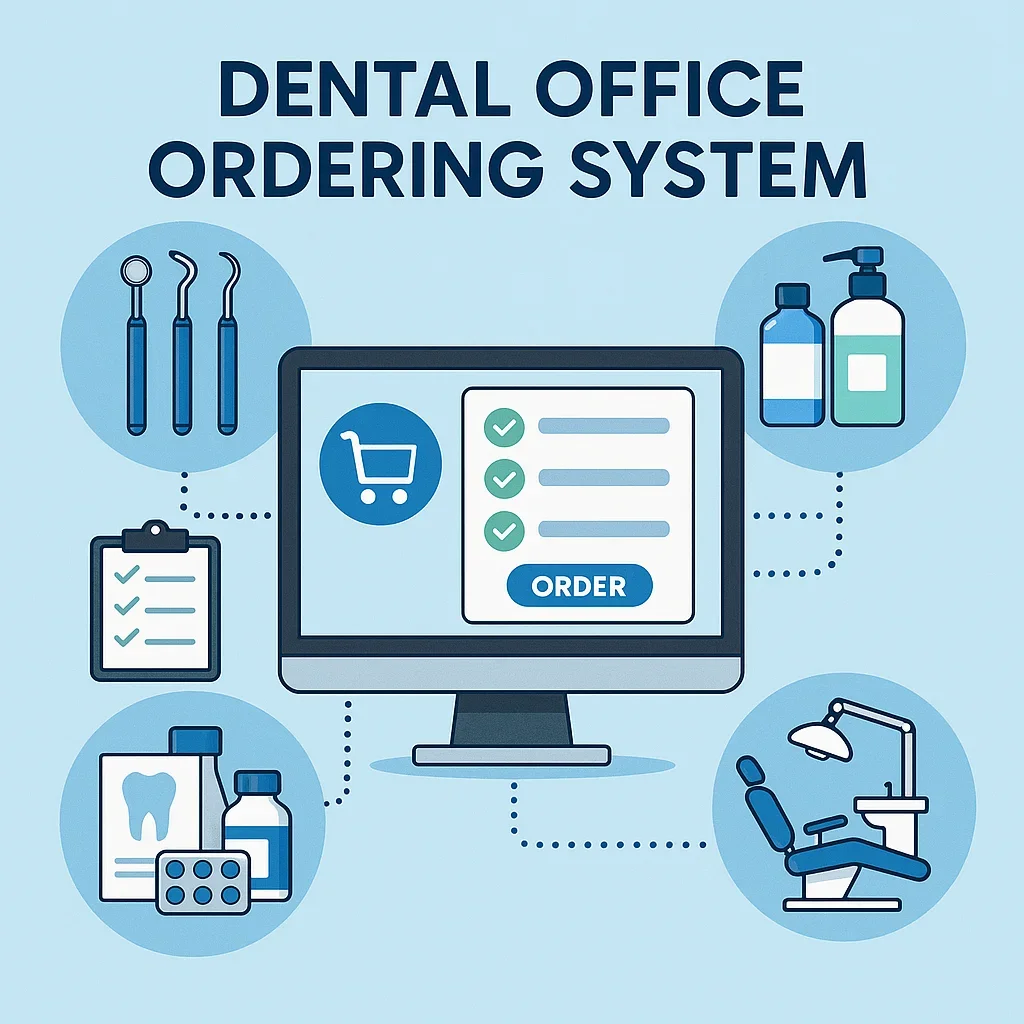
Future Trends in Dental Office Ordering Systems: What to Expect
The dental industry is undergoing rapid digital transformation, and the dental office ordering system is no exception. What started as a simple inventory management solution is now evolving into an intelligent ecosystem that combines artificial intelligence (AI), cloud computing, and real-time analytics. These innovations promise to make procurement smarter, faster, and more cost-effective than ever before. In this section, we’ll explore the emerging trends that are shaping the future of dental supply management and how clinics can prepare to stay ahead of the curve.
1. Artificial Intelligence and Predictive Analytics
AI is revolutionizing the way clinics interact with their inventory. In the near future, a dental office ordering system will do far more than just track supplies — it will anticipate demand before it happens. Using predictive analytics, the software can analyze past consumption data, treatment schedules, and seasonal trends to forecast future needs automatically. This level of intelligence ensures clinics always maintain optimal stock levels without overordering or experiencing shortages.
AI-Driven Procurement Optimization
AI doesn’t just predict — it learns. By analyzing patterns in vendor performance, delivery times, and pricing, advanced systems can suggest the most reliable and cost-effective suppliers for each product. Over time, these algorithms refine themselves, helping clinics make better purchasing decisions. For instance, if a supplier consistently delays shipments, the system will flag it and recommend alternatives that meet ADA-approved standards, ensuring operational reliability.
Automation and Smart Reordering
In the future, reordering may happen with zero human involvement. The dental office ordering system will automatically generate and approve purchase orders based on AI-defined rules and clinical data integration. This will drastically reduce administrative workload while ensuring complete accuracy and traceability in every order placed.
2. Integration with IoT (Internet of Things) Devices
Another exciting development is the integration of Internet of Things (IoT) technology. Smart shelves, RFID tags, and barcode scanners will soon communicate directly with the ordering system to update stock levels in real time. Imagine a sterilization cabinet that automatically logs how many pouches were used or an implant tray that alerts the system when specific components run low — all without human input. This hands-free connectivity ensures clinics always have precise data about their materials.
Real-Time Monitoring and Alerts
IoT integration allows real-time monitoring of inventory across multiple rooms or branches. The dental office ordering system can send instant alerts for critical supplies nearing depletion, preventing disruptions during procedures. Some systems even monitor environmental factors like temperature and humidity, ensuring sensitive materials such as composites or adhesives remain in optimal condition.
Cross-Platform Synchronization
As IoT adoption increases, systems will synchronize across platforms — from dental chairs to sterilization units — ensuring cohesive communication between hardware and software. This synchronization supports a fully automated workflow where supply management becomes an invisible yet essential part of clinic operations.
3. Cloud-Based Collaboration and Data Security
Cloud technology is already transforming dental data management, and its impact on ordering systems will only grow stronger. A cloud-based dental office ordering system allows authorized users to access inventory and purchasing data from anywhere, making it ideal for clinics with multiple locations or mobile dental units. All updates occur in real time, eliminating version conflicts or outdated records.
Enhanced Data Security and Backup
With cybersecurity concerns on the rise, modern ordering systems will adopt advanced encryption protocols and compliance standards. Multi-layer authentication, encrypted databases, and HIPAA-aligned frameworks will become the norm. Furthermore, automated cloud backups ensure that no inventory data is lost — even in cases of hardware failure or accidental deletion.
Collaboration Between Teams and Vendors
Cloud platforms also enable seamless collaboration. Managers, dental assistants, and suppliers can work together within the same interface, ensuring transparency in every order. Vendors can upload invoices or shipment updates directly into the system, streamlining the entire supply chain and reducing communication delays.
4. Blockchain for Transparency and Authenticity
Blockchain technology, once limited to finance, is finding new relevance in healthcare procurement. In the future, a dental office ordering system may use blockchain to authenticate products and verify supply chain integrity. Each transaction, from manufacturing to delivery, would be recorded on an immutable ledger, guaranteeing authenticity and preventing counterfeit materials from entering the market.
Benefits of Blockchain Integration
- Verification of ADA-certified dental materials.
- Immutable transaction history for legal and compliance audits.
- Enhanced traceability in the event of product recalls or defects.
These benefits make blockchain one of the most promising future technologies for dental procurement transparency and patient safety.
5. Sustainability and Green Procurement
Environmental sustainability will play a crucial role in future ordering systems. As eco-conscious practices gain traction globally, dental clinics will prioritize suppliers who offer biodegradable packaging, energy-efficient equipment, and recyclable materials. Advanced dental office ordering systems will include “green rating” features, allowing clinics to evaluate environmental impact before purchasing.
Automated Carbon Footprint Tracking
Upcoming platforms will calculate the environmental cost of each order — from production to shipping — empowering clinics to make greener decisions. This aligns with the sustainability initiatives encouraged by the American Dental Association and other health organizations worldwide.
Eco-Friendly Inventory Control
Systems will also help minimize waste through optimized batch tracking and expiration management. The combination of automation and sustainability metrics ensures clinics meet both operational and ethical standards without compromising quality.
6. Personalized and Adaptive Interfaces
Future systems will move beyond static dashboards. Using machine learning, the dental office ordering system will adapt its interface based on user behavior. For example, a practice manager may see financial reports by default, while an assistant might view supply levels and restock alerts. This personalization increases efficiency by providing relevant insights to each user instantly.
7. Global Vendor Networks and Instant Ordering
Another emerging trend is the rise of global vendor marketplaces within the platform itself. Clinics will soon be able to compare international suppliers directly through their dental office ordering system, complete with verified reviews, ratings, and shipping timelines. Smart algorithms will automatically select the best vendor based on price, delivery speed, and regulatory compliance.
Direct Integration with Manufacturers
Instead of relying solely on distributors, some systems will connect clinics directly with manufacturers for cost savings and transparency. This direct link reduces markup costs and ensures access to genuine products at competitive prices.
Preparing for the Future
As technology continues to evolve, dental clinics must remain proactive in embracing these innovations. Investing in a forward-compatible dental office ordering system ensures your clinic can integrate future upgrades smoothly. Staff should also receive continuous training to keep up with evolving tools, guaranteeing maximum efficiency and compliance.
To learn how your clinic can adopt next-generation digital procurement solutions tailored to your needs, visit the Redent Klinik Contact Page for consultation. The future of dental supply management is not just about automation — it’s about intelligence, sustainability, and global connectivity working together to redefine the modern dental experience.