
In today’s rapidly evolving healthcare environment, the role of dental office staff has become more critical than ever. Patients expect a seamless, friendly, and efficient experience from the moment they enter a clinic until the time they leave. Behind this smooth operation stands a team of skilled, well-trained individuals who ensure that every part of the dental care process runs flawlessly. These professionals are not just administrative helpers—they are the backbone of every dental practice, ensuring comfort, trust, and clinical excellence. 🦷
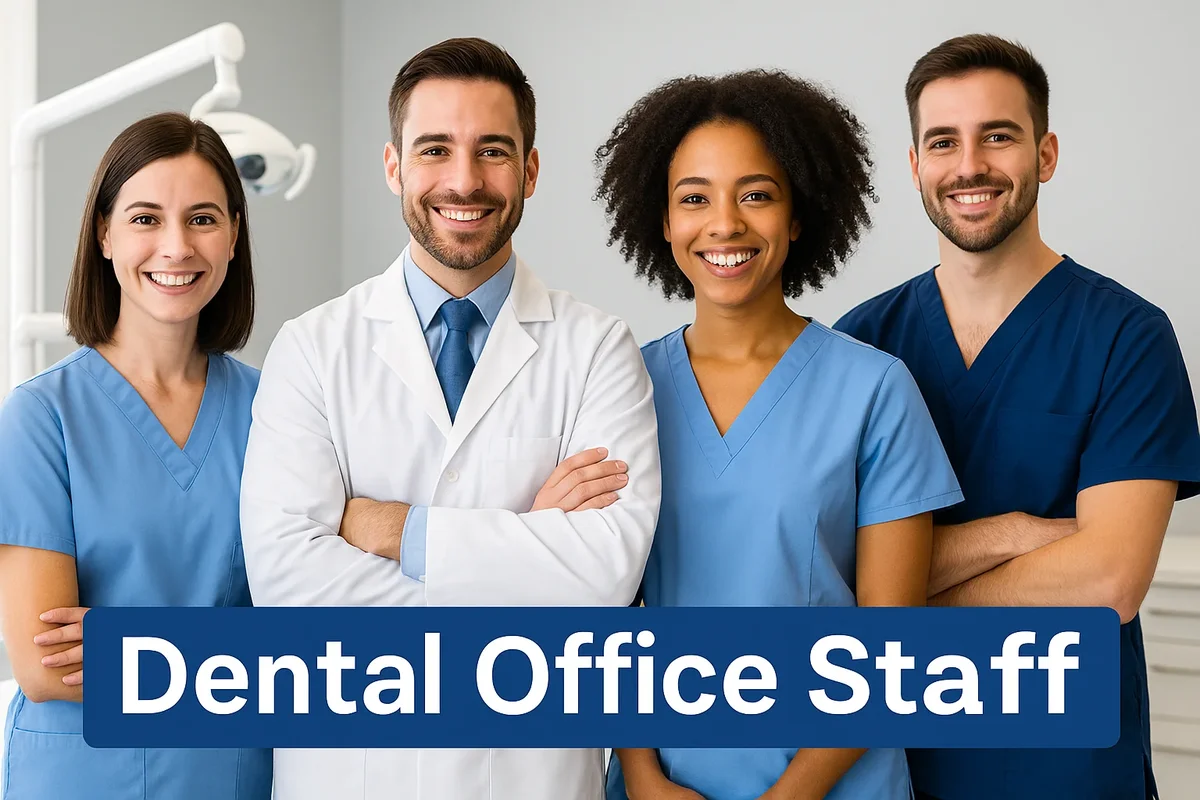
The dental office staff team typically includes receptionists, dental assistants, hygienists, office managers, and sometimes treatment coordinators or billing specialists. Each plays a vital role in maintaining patient satisfaction and supporting the dentist in clinical and administrative duties. From handling appointment schedules to sterilizing equipment and assisting during procedures, their diverse expertise allows the entire clinic to function efficiently. A well-organized staff can elevate patient trust, improve workflow, and increase the clinic’s overall success rate.
At the front desk, the receptionists are often the first point of contact. They manage calls, greet patients with a smile, and ensure that the schedule runs on time. Their work may seem simple, but it directly affects how patients perceive the clinic’s professionalism. Friendly, organized front desk operations create a positive first impression that can influence patient loyalty and word-of-mouth referrals. In modern dental offices, receptionists also use digital tools to handle patient records, insurance claims, and follow-ups—making them essential for smooth communication between the dental team and patients.
Meanwhile, dental assistants and hygienists represent the clinical side of the dental office staff. Dental assistants help prepare the treatment rooms, manage sterilization, and assist the dentist during procedures. Hygienists, on the other hand, focus on preventive care, patient education, and maintaining oral health. Both roles require strong technical skills and a compassionate attitude, as they often deal with anxious patients who need reassurance and understanding. Their attention to detail ensures that every treatment is safe, effective, and patient-centered.
Equally important is the role of the office manager. This member of the dental office staff ensures that business operations run smoothly—handling finances, overseeing compliance, managing staff schedules, and implementing new technologies. They bridge the gap between patient care and business strategy, ensuring that the clinic remains profitable while maintaining the highest standards of care. Office managers also coordinate with external entities such as insurance providers and regulatory bodies to keep the practice in good standing.
Teamwork among the dental office staff cannot be overstated. Every successful clinic relies on effective communication, cooperation, and mutual respect among team members. For example, a receptionist might coordinate with the dental assistant to prepare for a specific treatment, while the hygienist ensures the patient’s records are up to date. When all members of the dental office collaborate effectively, patients receive a seamless, professional experience that enhances trust and retention. 🤝
Another critical aspect of a successful dental office is patient communication. The dental office staff plays a crucial role in explaining procedures, answering questions, and ensuring patients understand aftercare instructions. Many patients fear dental treatments, but with a kind and empathetic staff, that fear can quickly transform into comfort and confidence. Excellent communication skills help reduce misunderstandings, prevent missed appointments, and encourage patients to follow through with their treatment plans.
Technology has also reshaped the duties of dental office staff. Digital radiography, electronic health records, and online appointment systems have made workflows faster and more efficient. Modern software tools help staff track treatment plans, manage inventory, and process insurance claims with greater accuracy. As a result, staff members can spend more time focusing on patient interaction and less time dealing with administrative bottlenecks. Integrating advanced tools also improves data security and ensures compliance with regulations such as HIPAA.
For patients who wish to experience a well-coordinated, professional dental environment, visiting a trusted clinic like Redent Klinik Contact Page can make all the difference. Their highly trained dental office staff ensures that every visit is stress-free, efficient, and centered on patient comfort. This level of service is what defines excellence in modern dental care.
In addition, dental professionals and office administrators often rely on reputable organizations such as the American Dental Association for continuing education, ethical guidelines, and best practices. Staying connected with such resources helps dental office staff members stay updated with evolving industry standards and maintain exceptional care quality.
In summary, the dental office staff is the heartbeat of every successful clinic. Their roles go beyond administrative or assisting tasks—they embody the clinic’s values, professionalism, and dedication to patient care. From managing daily operations to comforting nervous patients, their contribution is vital to every aspect of the dental experience. Without their commitment, even the most skilled dentists would struggle to maintain efficiency and patient satisfaction. Therefore, investing in well-trained, compassionate, and tech-savvy staff is not a luxury—it’s a necessity for any dental practice aiming to thrive in today’s competitive healthcare landscape. 💼✨
Essential Duties and Responsibilities of Dental Office Staff
The smooth functioning of any dental practice depends heavily on the efficiency and commitment of its dental office staff. From front-desk coordination to patient care and administrative management, every role contributes to creating a positive clinical environment. Understanding these responsibilities not only highlights their importance but also shows how their expertise directly affects patient satisfaction and clinic success. 🦷
Front Desk and Administrative Management
One of the most visible roles within the dental office staff is the front desk or administrative assistant. These professionals serve as the first point of contact for patients, greeting them with warmth and professionalism. They handle appointment scheduling, patient registration, and verification of insurance coverage. Their organizational skills ensure that the clinic’s schedule is optimized and that no double bookings occur. Moreover, administrative staff maintain accurate patient records, process billing, and handle correspondence with insurance companies. Their attention to detail prevents financial errors and helps build patient trust through transparent communication and efficient service. 💻
Clinical Assistance and Chairside Support
Another crucial component of the dental office staff is the dental assistant. Their work extends beyond helping the dentist during procedures. They prepare the treatment room, sterilize instruments, and ensure that all necessary materials are available for upcoming appointments. During procedures, they pass instruments, use suction devices, and manage patient comfort. This role requires strong technical skills and an understanding of dental terminology, infection control, and procedural sequencing. Dental assistants are also responsible for post-treatment cleanup and documentation, ensuring that the dentist’s time is used efficiently while maintaining strict hygiene protocols.
Instrument Sterilization and Infection Control
In modern clinics, infection control is non-negotiable. The dental office staff follow rigorous sterilization procedures to ensure patient safety. Instruments are cleaned using ultrasonic devices, autoclaved at high temperatures, and stored properly. Staff members also monitor sterilization indicators and maintain detailed logs to comply with health regulations. Consistent adherence to these standards not only prevents cross-contamination but also upholds the clinic’s reputation for professionalism and patient safety. 🌡️
Dental Hygienists and Preventive Care Specialists
Hygienists, often considered part of the extended dental office staff, play a vital role in preventive oral care. Their responsibilities include cleaning teeth, performing fluoride treatments, and educating patients about oral hygiene practices. They also assist in detecting gum diseases, taking X-rays, and updating patient records. Hygienists must maintain empathy and communication skills, as they spend significant time explaining procedures and encouraging patients to adopt better dental habits. This preventive approach reduces the need for more complex treatments and promotes long-term oral health.
Office Management and Financial Coordination
The office manager acts as the organizational backbone of the dental clinic. This member of the dental office staff oversees administrative systems, ensures compliance with healthcare regulations, and supervises the overall workflow. They coordinate between the clinical and administrative sides of the practice, manage payroll, oversee inventory, and maintain financial health. Effective managers also implement new technologies such as electronic health records and cloud-based appointment systems. Their leadership ensures that both patients and staff experience a stress-free and efficient environment.
Handling Insurance and Billing Procedures
Dental insurance can often be confusing for patients. The dental office staff—particularly billing coordinators—bridge the gap between insurance providers and patients. They process claims, verify eligibility, and help patients understand their coverage. By simplifying complex billing issues, they enhance transparency and minimize misunderstandings. Many clinics also train their staff to handle digital claim submissions and follow-ups efficiently, ensuring steady cash flow for the practice while reducing administrative delays.
Patient Communication and Education
Effective communication is at the heart of every successful dental practice. The dental office staff play a key role in ensuring patients feel informed and comfortable. They explain procedures in simple language, remind patients about appointments, and provide aftercare instructions. This communication not only improves patient cooperation but also reduces anxiety. When patients trust their dental team, they are more likely to maintain regular visits and follow treatment recommendations. 🗣️
Conflict Resolution and Patient Satisfaction
Sometimes, misunderstandings or concerns arise regarding treatment costs, waiting times, or discomfort during procedures. In these cases, it is the responsibility of the dental office staff to handle situations calmly and professionally. Staff members trained in customer service and conflict resolution can de-escalate issues quickly, maintaining the clinic’s reputation for care and respect. Patient satisfaction surveys and feedback systems can help identify areas for improvement and reinforce a culture of continuous quality enhancement.
Team Coordination and Workflow Optimization
Behind every efficient dental practice lies a team that communicates and collaborates effectively. The dental office staff coordinate between multiple roles—dentists, hygienists, assistants, and receptionists—to ensure smooth patient flow. For instance, when one patient’s procedure takes longer than expected, front desk staff may adjust upcoming appointments or notify waiting patients promptly. This adaptability prevents disruptions and enhances patient satisfaction. The use of digital scheduling systems and team messaging platforms has made coordination easier and more transparent across departments.
Regulatory Compliance and Documentation
Adhering to healthcare regulations is another vital duty of the dental office staff. They ensure that all patient information remains confidential and that procedures align with legal and ethical standards such as HIPAA in the United States. Documentation accuracy is essential—not only for continuity of care but also for protecting the clinic against legal issues. Staff regularly undergo compliance training to stay informed about updated regulations, recordkeeping protocols, and ethical considerations in dentistry.
In conclusion, the dental office staff perform a broad range of duties that directly influence the quality of patient care and the success of the clinic. Their ability to multitask, communicate effectively, and uphold the highest standards of professionalism defines how smoothly a dental office operates. Whether it’s managing appointments, assisting in treatments, or ensuring compliance, their combined efforts create a foundation for excellence in modern dentistry. Investing in training, technology, and teamwork ensures that this foundation remains strong for years to come. 🌟
How Dental Office Staff Ensure a Smooth Patient Experience
Delivering exceptional dental care goes beyond the skill of the dentist—it relies on the efficiency, empathy, and professionalism of the dental office staff. Every interaction a patient has, from booking an appointment to receiving aftercare instructions, is influenced by how well the staff performs their duties. Their ability to anticipate patient needs, manage workflow, and maintain a welcoming atmosphere directly impacts satisfaction levels and retention rates. 🦷✨
First Impressions Start at the Front Desk
The patient journey begins long before they sit in the dentist’s chair. When patients first contact the clinic—whether by phone, email, or online booking—the dental office staff are responsible for creating a positive first impression. A warm tone, professionalism, and quick responses immediately signal trust and competence. At the reception, a friendly smile, efficient registration, and minimal waiting times reinforce that perception. In fact, studies show that patients are more likely to return to a clinic where they feel personally acknowledged and respected.
Appointment Scheduling and Time Management
Effective time management is one of the most critical skills of the dental office staff. They ensure the dentist’s schedule is balanced, reducing long waits while maximizing patient flow. Using modern software, they can coordinate appointments, send reminders, and even manage cancellations without confusion. Automated systems allow for seamless rescheduling and help prevent no-shows. This precision ensures that both patients and practitioners benefit from a well-organized, predictable daily routine.
Comfort and Communication During Visits
Once a patient arrives, the dental office staff play a vital role in reducing anxiety and providing reassurance. Dental anxiety is a common concern for many individuals, and how staff handle these emotions can make or break the experience. Receptionists greet patients by name, dental assistants offer calming explanations before procedures, and hygienists engage in friendly conversation to ease tension. These seemingly small gestures create a relaxed environment where patients feel cared for and safe. 🪥
Clear Explanations and Patient Education
Clarity in communication is essential. The dental office staff must explain treatments, timelines, and aftercare instructions in easy-to-understand language. For example, before a procedure, assistants can outline each step, helping the patient feel informed and in control. After treatment, they can provide written and verbal guidance for recovery or preventive care. This proactive approach minimizes misunderstandings and empowers patients to take ownership of their oral health, strengthening their bond with the clinic.
Coordination Between Staff and Clinical Team
A seamless experience depends on coordination across all departments. The dental office staff must synchronize tasks with dentists, hygienists, and specialists to ensure no patient feels overlooked or delayed. For instance, while a dental assistant prepares the room for a filling procedure, the receptionist confirms the next patient’s insurance details, and the office manager ensures the necessary materials are stocked. This behind-the-scenes teamwork creates a rhythm that patients perceive as smooth and professional, even if they never see the coordination in action.
Technology Integration for Patient Convenience
Modern dental offices rely on digital tools to streamline the patient experience. The dental office staff use appointment management software, digital imaging systems, and online billing platforms to enhance convenience. Patients can now complete forms electronically, receive automated reminders, and view treatment plans through secure portals. This technological sophistication not only saves time but also builds trust by demonstrating that the clinic values efficiency and accuracy. 🌐
Empathy and Emotional Intelligence in Patient Care
Empathy is a cornerstone of a positive dental visit. The dental office staff are trained to recognize emotional cues, such as nervous body language or hesitant speech, and respond accordingly. For example, an anxious patient might appreciate being offered extra time before a procedure or reassurance about pain management. Staff who display compassion transform the clinical environment into a space of comfort and understanding. This emotional connection leads to stronger patient loyalty and glowing online reviews, which in turn attract new patients.
Managing Post-Visit Follow-Ups and Feedback
The patient experience doesn’t end when they leave the clinic. The dental office staff continue to nurture relationships through follow-up communication. Sending thank-you messages, post-treatment surveys, and reminders for upcoming cleanings ensures patients feel valued even after their appointment. Follow-ups also provide valuable feedback that helps the clinic identify opportunities for improvement. Many practices that implement these post-visit engagement strategies report higher return rates and improved online reputations.
Handling Patient Complaints with Professionalism
Even the most organized clinic occasionally faces complaints or misunderstandings. The dental office staff are often the first to hear patient frustrations and must handle them tactfully. By listening attentively, apologizing when necessary, and offering clear solutions, they can turn a negative experience into a positive resolution. Training in conflict resolution and emotional intelligence helps staff manage these situations gracefully, maintaining the clinic’s credibility and reputation.
Enhancing Accessibility and Inclusivity
Ensuring accessibility for all patients is another vital duty of the dental office staff. They must accommodate individuals with disabilities, language barriers, or unique health needs. Providing ramps, accessible restrooms, and multilingual support enhances inclusivity and patient comfort. Additionally, offering flexible scheduling options or teleconsultations can make care more accessible to those with busy lifestyles or mobility issues. By promoting inclusivity, the staff reflect the clinic’s dedication to community-wide oral health.
Maintaining Consistency Across the Entire Experience
A truly smooth experience depends on consistency at every step. Whether it’s the warm greeting at the front desk, the care provided in the operatory, or the clarity of aftercare communication, the dental office staff ensure that each interaction aligns with the clinic’s values. Regular staff meetings, training sessions, and process audits help maintain these standards. Consistency not only builds patient confidence but also strengthens the clinic’s brand identity over time.
Ultimately, the success of any dental practice lies in the dedication of its dental office staff. Their coordination, empathy, and professionalism transform dental visits from stressful chores into positive experiences. By combining modern technology with human warmth, they create a lasting impression that encourages loyalty and referrals—two pillars of long-term growth in the dental industry. 🌟
The Importance of Teamwork Among Dental Office Staff
Teamwork is the cornerstone of every successful dental clinic. The dental office staff operate much like the gears of a well-oiled machine—each member playing a unique yet interconnected role. Whether it’s coordinating patient appointments, assisting during treatments, or ensuring hygienic conditions, collaboration ensures that the clinic runs smoothly and patients receive top-quality care. Without strong teamwork, even the most skilled dentist would struggle to deliver consistent, efficient, and compassionate service. 🤝
How Collaboration Improves Workflow Efficiency
When members of the dental office staff work together harmoniously, workflow becomes seamless. A well-coordinated team can reduce delays, minimize errors, and maximize productivity. For instance, while the dental assistant preps the treatment room, the receptionist confirms the next appointment, and the office manager ensures supplies are stocked. This synchronization saves valuable time and creates a sense of rhythm throughout the clinic day. It’s this efficiency that allows clinics to serve more patients while maintaining high standards of care.
Role Delegation and Task Clarity
One of the greatest strengths of effective teamwork is clear role delegation. Each member of the dental office staff understands their specific responsibilities—from sterilizing instruments to handling insurance paperwork. This clarity prevents overlap, reduces stress, and boosts morale. Team leaders often hold morning briefings or “huddles” to assign tasks and address any schedule adjustments. Such communication ensures that every team member starts the day aligned with clinic priorities and patient needs.
Enhancing Communication for Better Coordination
Open communication is the backbone of teamwork. The dental office staff must communicate effectively not only with each other but also with patients and external partners such as suppliers and insurance companies. For example, when a dentist needs additional materials during a procedure, assistants and hygienists must respond swiftly and accurately. Similarly, receptionists should communicate with clinical staff regarding any patient delays or last-minute cancellations. Regular feedback sessions and cross-department meetings foster transparency and trust, leading to fewer misunderstandings and smoother operations.
Digital Communication Tools in Modern Clinics
With technological advancements, communication within the dental office staff has evolved significantly. Many clinics now use instant messaging apps, digital scheduling boards, and cloud-based management systems to share updates in real time. This reduces the need for verbal reminders and eliminates confusion. For instance, an assistant can instantly alert the front desk when a patient is ready for checkout or when a procedure is running behind schedule. These tools help create a connected, agile environment that supports fast decision-making and superior patient service. 💻
Building Trust and Mutual Respect
Trust is the invisible bond that keeps a dental team strong. Every member of the dental office staff relies on others to fulfill their duties with competence and dedication. When a hygienist trusts that sterilization is done properly, or when a receptionist trusts that the clinical team will manage time efficiently, the entire clinic benefits. Mutual respect also fosters a positive workplace culture, where individuals feel valued and motivated to perform their best. Team-building activities, appreciation events, and professional development programs can strengthen these relationships and reinforce a sense of belonging.
Reducing Stress and Preventing Burnout
Dental environments can be high-pressure due to tight schedules, patient anxiety, and complex treatments. Effective teamwork among the dental office staff distributes the workload evenly and reduces individual stress. When staff members support each other—stepping in to help during busy periods or covering shifts when needed—it creates a culture of solidarity. This shared responsibility prevents burnout, promotes mental well-being, and improves job satisfaction. In the long run, happy staff members provide better patient care and contribute to a more stable clinic environment. 🌿
Recognizing Team Contributions
Recognition plays a vital role in maintaining morale. Acknowledging the achievements of the dental office staff—whether it’s handling a difficult patient with grace or completing an audit flawlessly—reinforces positive behavior. Managers who regularly celebrate team wins foster motivation and inspire continuous improvement. Small gestures like monthly appreciation meetings or “Employee of the Month” awards go a long way in nurturing commitment and enthusiasm within the team.
Conflict Resolution and Maintaining Harmony
Even in cohesive teams, disagreements can occur. Effective dental office staff understand that resolving conflicts promptly and respectfully is essential for maintaining harmony. Clinics that provide training in conflict management and emotional intelligence empower staff to address issues without escalation. Clear communication, empathy, and active listening are the best tools for resolving internal disputes. When conflicts are handled constructively, relationships strengthen and teamwork becomes even more resilient.
The Role of Leadership in Encouraging Teamwork
Leadership has a profound impact on how well the dental office staff collaborates. The office manager or lead dentist sets the tone by modeling respectful communication, accountability, and empathy. Leaders who involve staff in decision-making and provide consistent feedback foster trust and engagement. Additionally, investing in leadership development programs for senior staff can further improve coordination and inspire others to perform at their best.
Mentorship and Peer Learning
Strong teams embrace mentorship. Senior members of the dental office staff often mentor new hires, sharing their experience and insights. This not only accelerates onboarding but also helps preserve clinic culture and standards. Encouraging peer-to-peer learning promotes mutual respect and knowledge transfer, ensuring the entire team evolves together. In some clinics, mentorship programs even include structured progress tracking and feedback loops to maximize effectiveness.
Creating a Culture of Continuous Improvement
Finally, teamwork thrives in an environment that values continuous learning. The dental office staff can regularly attend workshops, conferences, and online courses to refine their skills. Sharing new knowledge during team meetings encourages innovation and adaptability. For example, learning new sterilization techniques or digital record-keeping methods can streamline operations further. When every team member contributes ideas and improvements, the practice becomes a dynamic ecosystem focused on excellence and growth. 🚀
In summary, teamwork among the dental office staff is not a luxury—it is the foundation of a thriving dental practice. Effective collaboration leads to higher productivity, stronger patient relationships, and a healthier work environment. By fostering open communication, mutual trust, and continuous learning, dental offices can ensure that every member of their team contributes meaningfully to the clinic’s success. Together, they transform routine dental visits into exceptional patient experiences and build lasting reputations for care and professionalism. 🌟
Training and Qualifications Required for Dental Office Staff
The success of any dental practice depends largely on the competence and professionalism of its dental office staff. Behind every smooth appointment, precise record, and efficient patient experience is a team that has undergone thorough training and skill development. The dental industry demands a balance of technical knowledge, administrative precision, and interpersonal empathy. To meet these standards, dental office employees must possess both formal qualifications and a commitment to lifelong learning. 🦷🎓
Educational Background and Certification Requirements
Most roles within the dental office staff require specific educational backgrounds. Administrative staff, such as receptionists and office managers, often hold degrees or certifications in healthcare administration, business management, or related fields. For clinical positions, such as dental assistants or hygienists, more specialized education is needed. Dental assistants typically complete accredited training programs that cover radiology, sterilization techniques, chairside procedures, and patient communication. Many states and countries also require dental assistants to pass certification exams before practicing.
Dental Hygienist Education and Licensure
Dental hygienists, an integral part of the dental office staff, usually earn associate or bachelor’s degrees in dental hygiene. They must also obtain licensure by passing national and regional board examinations. These programs include coursework in anatomy, periodontology, radiography, and dental materials, along with hundreds of hours of supervised clinical experience. This combination of theoretical and practical training ensures hygienists can provide high-quality preventive care and patient education with confidence and precision.
Technical Training for Clinical Competence
Modern dental practices rely on advanced tools and software to streamline operations and improve patient outcomes. The dental office staff must therefore be adept in using digital radiography systems, practice management software, and sterilization equipment. Many clinics invest in ongoing technical workshops to help staff stay current with technological advancements. For instance, learning to operate CAD/CAM systems for digital impressions or mastering electronic health record (EHR) platforms significantly enhances efficiency and reduces human error. 💻
Hands-On Experience and On-the-Job Learning
While classroom education provides the foundation, real-world experience is where dental office staff refine their skills. Many clinics offer internships or externship programs for new graduates, allowing them to gain practical experience under professional supervision. During this stage, they learn how to interact with patients, manage stress, and apply theoretical knowledge in a live clinical setting. Mentorship from experienced team members ensures consistency in procedures and upholds the clinic’s quality standards.
Soft Skills: The Hidden Strength of Dental Office Staff
Beyond technical training, the success of dental office staff hinges on their interpersonal abilities. Patients often arrive anxious or uncertain, and it’s the staff’s empathy and communication skills that help ease their concerns. Soft skills such as active listening, patience, adaptability, and emotional intelligence are critical. These qualities transform routine interactions into meaningful relationships and contribute to higher patient satisfaction. Clinics that invest in communication and empathy workshops often see improved patient retention and positive online reviews. 😊
Customer Service and Front-Desk Etiquette
Front-desk members of the dental office staff represent the clinic’s first impression. Training in customer service etiquette, phone communication, and digital scheduling is essential. Staff are taught to manage calls politely, handle complaints diplomatically, and maintain confidentiality while assisting patients. Additionally, they must master multi-tasking—balancing administrative duties like billing and data entry with personal interactions that create a welcoming environment. Their professionalism sets the tone for the entire visit.
Regulatory and Compliance Training
Every member of the dental office staff must understand healthcare laws and ethical responsibilities. Compliance training covers privacy protection under HIPAA (Health Insurance Portability and Accountability Act), infection control, and occupational safety. Staff also receive training in handling hazardous materials, sterilization documentation, and emergency protocols. This ensures that all operations align with national and international standards, protecting both patients and the clinic from legal or ethical risks.
CPR and Emergency Response Preparedness
Preparedness for medical emergencies is another essential component of training for the dental office staff. Most clinics require employees to be certified in CPR (Cardiopulmonary Resuscitation) and first aid. Some go further by offering training in managing allergic reactions, fainting episodes, or sudden cardiac arrest. Quick, coordinated responses in such situations can save lives and reinforce patient confidence in the professionalism of the clinic.
Continuous Education and Professional Development
Because dental technology and best practices evolve rapidly, the dental office staff must embrace continuous learning. Many professional organizations, such as the American Dental Association, offer seminars, webinars, and certification courses. These programs cover topics like digital dentistry, patient safety, and leadership development. Some clinics even reimburse continuing education costs to encourage career growth and improve team expertise. This ongoing investment in education keeps the practice competitive and compliant with modern standards.
Specialization and Career Advancement Paths
Career advancement opportunities are plentiful for ambitious members of the dental office staff. Dental assistants can specialize in orthodontics, pediatric dentistry, or oral surgery assistance. Office managers may pursue certifications in healthcare administration or project management to oversee larger practices. Hygienists often continue their education to become educators or clinical coordinators. These pathways not only enhance professional fulfillment but also strengthen the clinic’s reputation for excellence.
Team Training and Interdepartmental Coordination
Training is not limited to individual skill development—it also fosters teamwork. The dental office staff regularly participate in group training sessions that focus on communication, coordination, and workflow optimization. Role-playing exercises, scenario-based learning, and regular feedback meetings build unity and prepare the team to handle diverse patient situations effectively. By learning together, staff members create a culture of mutual respect and shared accountability that enhances both efficiency and morale. 🤝
In conclusion, the dental office staff form the backbone of any dental clinic’s operations. Their training and qualifications go far beyond basic education—they encompass empathy, adaptability, and technical mastery. A well-trained team ensures safe, effective, and compassionate patient care while supporting the dentist in achieving operational excellence. Continuous investment in education and development is not merely an option but a strategic necessity for clinics aiming to remain leaders in modern dental care. 🌟
Communication Skills That Define Successful Dental Office Staff
In the world of modern dentistry, technical skills alone are not enough. The effectiveness and reputation of any dental clinic depend heavily on how well its dental office staff communicates—with patients, dentists, and one another. Exceptional communication builds trust, reduces misunderstandings, and enhances overall patient satisfaction. Whether it’s greeting a nervous patient, explaining a complex treatment plan, or resolving a billing issue, every word spoken by the staff shapes the clinic’s image. 🦷💬
The Power of Clear and Compassionate Communication
Patients often arrive at dental clinics feeling anxious or uncertain. This is where the dental office staff step in as the bridge between clinical expertise and patient comfort. They must convey empathy, clarity, and reassurance in every interaction. A simple “How are you feeling today?” or “We’ll take good care of you” can make an enormous difference in a patient’s perception of care. The tone of voice, facial expressions, and even body language play vital roles in making communication effective and comforting. Strong communication not only makes patients feel valued but also builds loyalty over time.
Listening Skills and Emotional Awareness
Successful dental office staff are not just good speakers—they are excellent listeners. Active listening allows them to understand a patient’s concerns, fears, or confusion about treatments. For example, when a patient expresses hesitation about a procedure, a staff member who listens attentively can respond with empathy and detailed explanations. Emotional awareness helps them read subtle cues such as tone, posture, or nervous behavior. By responding with patience and compassion, they create a calm environment where patients feel safe to express themselves. 🫶
Internal Communication Among Staff Members
Beyond patient interactions, smooth communication within the team is equally crucial. The dental office staff must exchange information quickly and accurately between departments. For instance, receptionists inform hygienists when patients arrive early, and assistants update the dentist on equipment readiness. Any miscommunication can lead to scheduling errors, treatment delays, or patient dissatisfaction. Many clinics use internal chat systems or digital dashboards to share real-time updates, ensuring the entire team stays synchronized throughout the day.
Daily Huddles and Briefings
Effective clinics often hold short morning meetings, sometimes called “huddles.” During these briefings, the dental office staff review the day’s appointments, discuss special cases, and identify potential bottlenecks. This proactive communication approach ensures everyone is aligned and prepared. It also encourages collaboration and minimizes last-minute surprises. These meetings can also serve as motivational sessions, reinforcing a positive attitude before the day begins.
Explaining Treatments and Procedures Clearly
For many patients, dental terminology can be confusing. It’s the responsibility of the dental office staff to simplify complex information without losing accuracy. Whether explaining the steps of a root canal or the importance of oral hygiene, staff should use clear, jargon-free language. Visual aids such as diagrams, models, or short videos can also enhance understanding. This approach not only educates patients but also fosters transparency and confidence in the clinic’s professionalism. 🪥
Handling Difficult Conversations
Occasionally, the dental office staff must deliver unpleasant information—such as treatment delays, insurance denials, or unexpected costs. How they handle these moments determines whether a patient leaves frustrated or understanding. The key is honesty delivered with empathy. Instead of offering excuses, staff should focus on solutions, such as rescheduling options or financing alternatives. A calm, understanding tone helps de-escalate tense situations and preserve trust.
Cross-Cultural and Multilingual Communication
In multicultural environments, the dental office staff often interact with patients from diverse linguistic and cultural backgrounds. Miscommunication due to language barriers can lead to confusion or dissatisfaction. Multilingual staff or translation tools can greatly enhance patient comfort. Additionally, being culturally sensitive—understanding customs, gestures, and expectations—shows respect and inclusion. Clinics that prioritize cross-cultural communication are better equipped to serve international patients and expand their clientele. 🌍
Nonverbal Communication in Dental Settings
Words aren’t the only way staff communicate. The dental office staff also use nonverbal cues such as body posture, facial expressions, and gestures. A friendly smile, eye contact, or gentle touch on the shoulder can ease tension. Conversely, poor nonverbal communication—like avoiding eye contact or appearing rushed—can create discomfort. Training staff to be aware of their body language ensures that their nonverbal cues align with the message of care and professionalism the clinic wants to convey.
Utilizing Technology for Effective Communication
Technology has revolutionized how the dental office staff interacts with patients. Automated reminders via text or email, online booking systems, and digital consultation platforms make communication faster and more efficient. Staff members should be trained to use these tools effectively while maintaining a human touch. Personalized messages such as birthday greetings or post-visit follow-ups help strengthen patient relationships and show that the clinic values each individual. Integrating modern communication tools into daily operations enhances accessibility and reliability for all patients.
Conflict Management Through Communication
Conflicts can arise between staff members or between patients and staff. The dental office staff must learn to address these situations diplomatically. Using active listening, empathy, and factual clarity can prevent misunderstandings from escalating. For instance, if two staff members disagree about a scheduling issue, discussing it calmly and focusing on solutions maintains harmony. Similarly, if a patient expresses dissatisfaction, listening patiently before responding helps de-escalate the situation. Clinics that emphasize transparent and respectful dialogue foster a supportive and cohesive work environment. ⚖️
Training in Professional Communication
Many leading clinics invest in communication workshops for their dental office staff. These programs focus on active listening, conflict resolution, persuasive communication, and empathy development. Role-playing exercises simulate real-world patient scenarios, allowing staff to practice their responses. Some clinics even hire communication coaches to refine customer service and tone consistency across all interactions. This investment not only improves patient relations but also strengthens internal teamwork and staff morale.
Building Trust Through Consistent Communication
Consistency is key to successful patient relationships. The dental office staff should ensure that every patient receives accurate, timely, and consistent information—whether it’s about appointment times, treatment plans, or billing. Consistent messaging builds reliability, reduces confusion, and reinforces the clinic’s reputation for professionalism. Over time, this trust transforms one-time visitors into loyal, long-term patients who confidently refer friends and family. 💎
In conclusion, communication is the lifeblood of any thriving dental practice. The dental office staff who master verbal, nonverbal, and technological communication create a patient-centered experience that builds trust and satisfaction. Through empathy, clarity, and professionalism, they elevate everyday interactions into opportunities for lasting relationships. Effective communication not only enhances patient outcomes but also strengthens teamwork and harmony within the clinic—making it a defining trait of truly successful dental professionals. 🌟
Technology and Tools Used by Dental Office Staff Today
Modern dentistry is evolving rapidly, and technology now plays a central role in ensuring precision, efficiency, and patient satisfaction. The dental office staff are at the heart of this digital transformation, using advanced tools to streamline administrative tasks, enhance clinical procedures, and improve communication. From appointment scheduling software to digital X-rays and 3D imaging systems, the modern dental office is a hub of innovation—and the staff must stay updated with each advancement to keep operations smooth and patient care seamless. 🦷💻
Practice Management Software: The Core of Modern Operations
At the center of every successful clinic lies robust practice management software. The dental office staff use these systems to manage appointments, maintain patient records, and process billing efficiently. Popular platforms such as Dentrix, Eaglesoft, and Open Dental allow staff to automate reminders, track patient histories, and integrate insurance claims. These tools reduce human error and eliminate the need for paper files, making the office more environmentally friendly and organized. By mastering this software, staff can ensure that the clinic operates at peak efficiency from check-in to check-out. ⚙️
Appointment Scheduling and Patient Communication
Scheduling is one of the most critical daily tasks for the dental office staff. Advanced software allows real-time booking, automated text reminders, and even online rescheduling. Patients can confirm appointments from their phones, reducing no-shows and cancellations. Integration with email and SMS systems ensures timely communication. Many clinics also use cloud-based solutions that sync across devices, allowing staff to manage the calendar remotely or coordinate between multiple clinic locations.
Digital Imaging and Diagnostic Tools
The role of the dental office staff extends beyond clerical work—they also handle the operation of digital diagnostic tools that enhance clinical accuracy. Traditional film-based radiography has been replaced by digital X-rays, which provide high-resolution images instantly. Staff can store, share, and analyze these images using integrated software, allowing dentists to diagnose and treat more efficiently. Other innovations, such as cone-beam computed tomography (CBCT) and intraoral cameras, give a 3D view of dental structures, making patient education and treatment planning much more precise.
Intraoral Scanners and 3D Printing
Cutting-edge dental clinics now utilize intraoral scanners to capture digital impressions of teeth. The dental office staff trained in these technologies can assist in creating accurate 3D models for restorations, crowns, and aligners. This replaces messy traditional molds and speeds up the fabrication process. Some clinics even integrate 3D printing technology on-site, allowing staff to produce custom trays, retainers, and temporary crowns within hours instead of days. These innovations significantly enhance the patient experience while minimizing clinic wait times.
Electronic Health Records (EHR) and Data Security
Efficient record management is essential for patient safety and compliance. The dental office staff use electronic health record (EHR) systems to securely store and update patient data. These digital platforms allow instant access to medical histories, allergies, and previous treatments. Proper training ensures staff maintain HIPAA-compliant standards, protecting sensitive information. Many EHR systems also include built-in analytics tools that help track patient trends and clinic performance, enabling smarter decision-making and continuous improvement. 🔒
Data Backup and Cloud Integration
With the rise of digital storage, the dental office staff must ensure that patient data is safely backed up. Cloud-based systems provide secure off-site backups, protecting information from physical damage or cyberattacks. Automated daily backups and encrypted servers ensure that records are always accessible yet fully protected. This approach not only enhances data safety but also supports remote work and inter-clinic collaboration when necessary.
Financial and Billing Technologies
Billing and insurance processing are integral parts of the dental office staff workflow. Automated billing software simplifies invoicing, insurance claims, and payment tracking. It helps staff manage multiple insurance providers and reduces the time spent on manual calculations. Integration with accounting tools like QuickBooks ensures accurate financial reporting. Patients also benefit from digital payment portals that offer credit card processing, installment plans, and instant receipts. Transparent billing enhances patient trust and improves the clinic’s cash flow management. 💳
Insurance Verification and Claim Submission
The dental office staff often deal with complex insurance claims, which can be time-consuming if done manually. Modern verification systems instantly check eligibility and coverage details before treatment begins. Automated claim submission portals reduce delays and minimize rejections by ensuring data accuracy. This technological support not only saves time but also enhances patient satisfaction by providing quick, clear billing updates.
Tele-Dentistry and Virtual Consultations
Tele-dentistry is transforming how clinics connect with patients. The dental office staff coordinate virtual consultations, allowing patients to discuss concerns with dentists from the comfort of their homes. This is especially beneficial for post-treatment follow-ups, rural patients, or those with mobility challenges. Staff ensure the smooth setup of video sessions, handle consent forms digitally, and assist with uploading photos or X-rays before appointments. Tele-dentistry extends accessibility and ensures continuity of care, even in challenging circumstances. 📱
Patient Education and Digital Presentation Tools
Educating patients about procedures is easier with technology. The dental office staff often use digital presentation tools to display before-and-after images, treatment animations, and oral hygiene tutorials. Tablets or touchscreen monitors in waiting areas help patients understand complex treatments visually. When patients grasp the value of recommended procedures, they are more likely to follow through with care, improving treatment outcomes and clinic revenue.
Inventory and Supply Management Systems
Keeping track of dental supplies is another vital responsibility of the dental office staff. Advanced inventory software tracks usage rates, expiration dates, and reorder levels automatically. Alerts notify staff when materials run low, ensuring uninterrupted operations. Integration with suppliers allows for automatic restocking and bulk order discounts. Efficient inventory management reduces waste, cuts costs, and ensures that essential materials are always available when needed.
Training and Adapting to New Technologies
Technology evolves continuously, and the dental office staff must adapt quickly. Ongoing training is essential to stay ahead of updates and innovations. Many clinics partner with software vendors for workshops and webinars. Some even allocate weekly training sessions where staff learn new system features or troubleshoot challenges together. By cultivating a culture of learning, dental teams ensure that technology becomes an empowering tool rather than an obstacle.
In conclusion, technology has revolutionized every aspect of dental care—from administrative duties to advanced diagnostics. The dental office staff are the driving force behind this transformation, ensuring that every tool is used efficiently to enhance patient care and clinic performance. By mastering modern technologies, maintaining cybersecurity, and embracing continuous training, they help dental practices stay competitive and future-ready. 🌟
Common Challenges Faced by Dental Office Staff and How to Overcome Them
Working in a dental clinic is both rewarding and demanding. While patients see the smiles and professionalism at the front desk or in the treatment room, the reality is that the dental office staff face numerous behind-the-scenes challenges daily. These range from managing tight schedules to handling anxious patients, staying compliant with regulations, and adapting to evolving technologies. Yet, what distinguishes great dental teams is their ability to overcome these challenges with teamwork, communication, and proactive problem-solving. 🦷💪
Managing High Patient Volume and Tight Schedules
One of the most common difficulties for the dental office staff is managing busy appointment calendars without compromising care quality. Clinics often face sudden walk-ins, late arrivals, or last-minute cancellations. Juggling these situations requires strong organization and quick decision-making. Staff use practice management software to optimize schedules and ensure minimal downtime between appointments. Automated reminders and online booking systems help reduce no-shows, while well-coordinated time blocks between patients prevent burnout and chaos. Flexibility and foresight remain key tools in maintaining balance during high-demand days. ⏰
Strategies for Scheduling Efficiency
To manage time effectively, many dental office staff apply color-coded scheduling, where procedures are categorized by duration and complexity. For example, shorter procedures like cleanings may be grouped in the morning, while longer treatments such as crowns or implants are reserved for afternoons. This structured scheduling approach maximizes productivity while minimizing patient waiting times. Regular team meetings at the start of the day also help align everyone’s workflow and anticipate any challenges.
Handling Patient Anxiety and Emotional Stress
Dental anxiety is widespread, and managing nervous or fearful patients can be emotionally draining for the dental office staff. Staff must remain calm, compassionate, and patient, even when faced with resistance or panic. Gentle explanations, soft tones, and reassuring gestures go a long way in creating comfort. Providing noise-canceling headphones, relaxing music, or warm blankets can transform an anxious visit into a pleasant one. Additionally, staff can undergo training in behavioral psychology or empathy-based communication to better understand and ease patient fears. 😌
Dealing with Children and Special Needs Patients
The dental office staff also face unique challenges when treating young or special-needs patients. These visits require additional preparation, patience, and adaptability. Techniques such as “Tell-Show-Do” (explaining and demonstrating before treatment) help reduce fear. For special-needs individuals, staff must be familiar with accessibility standards and sensory-friendly adjustments, like dimmed lights or extended appointment times. A calm, inclusive environment ensures every patient feels safe and valued.
Balancing Administrative and Clinical Duties
Multitasking is a daily reality for the dental office staff. They must balance administrative responsibilities—such as billing and insurance verification—with clinical support, including sterilization and assisting during procedures. This dual workload can cause fatigue if not managed properly. Clear role definitions and delegation are crucial. Office managers can implement task rotation schedules so that no single team member becomes overwhelmed. Using automation tools for repetitive tasks, such as claim submissions or appointment confirmations, frees up time for patient-focused care. ⚖️
Maintaining Focus During High-Stress Situations
Busy clinics can become chaotic, especially when unexpected emergencies occur. The dental office staff must remain composed and prioritize effectively. Time management training and mindfulness practices help staff handle pressure without losing productivity. Encouraging short breaks between shifts can also improve focus and morale. A calm, organized team can adapt quickly even in hectic circumstances, maintaining professionalism throughout the day.
Dealing with Insurance and Billing Complexities
Insurance verification and billing remain among the toughest tasks for the dental office staff. Each insurance company has its own rules, and patients often have limited understanding of coverage details. This leads to confusion and, at times, frustration. Staff must stay updated on claim procedures, reimbursement timelines, and policy changes. Digital claim submission systems help minimize errors, while clear communication ensures patients understand their financial responsibilities. Transparency is key—providing detailed estimates before treatment helps prevent disputes later. 💳
Preventing Billing Errors and Disputes
To minimize mistakes, the dental office staff should double-check treatment codes and patient information before submitting claims. Cross-verification between clinical and administrative teams ensures that procedures are recorded accurately. Regular training on coding systems, such as CDT codes in the U.S., also helps maintain compliance and reduce denials. When disputes arise, maintaining professionalism and providing written documentation allows for quick resolution.
Adapting to Rapid Technological Changes
As dentistry continues to modernize, keeping up with new software and equipment poses another challenge for the dental office staff. Frequent updates to practice management systems or diagnostic devices require ongoing training. Some team members may initially resist these changes due to fear of complexity or workload increase. To overcome this, clinics can provide hands-on training sessions and mentorship programs that make adoption easier. Encouraging a culture of learning helps ensure smooth transitions and continuous improvement in efficiency. 💻
Data Security and Privacy Concerns
With digitalization comes responsibility. The dental office staff must protect patient information by following strict cybersecurity protocols. Common issues include phishing attacks, weak passwords, or improper data storage. Staff must receive cybersecurity training to recognize potential threats and follow HIPAA compliance measures. Regular software updates and encrypted communication systems help prevent data breaches and maintain patient trust.
Maintaining Team Harmony and Preventing Burnout
Workplace stress and interpersonal conflict can negatively impact productivity and morale. The dental office staff spend long hours together, so teamwork and respect are essential. Open communication channels and scheduled feedback meetings help prevent misunderstandings. Recognizing individual achievements and organizing team-building activities can improve morale. To prevent burnout, encouraging breaks, setting realistic workload expectations, and offering wellness programs make a significant difference. 🌿
Leadership and Support from Management
The office manager or lead dentist plays a critical role in supporting the dental office staff. By fostering an inclusive, encouraging environment, leaders can help staff feel valued and motivated. Offering continuing education opportunities, flexible scheduling, and recognition programs cultivates loyalty and job satisfaction. Leadership should focus not only on performance metrics but also on mental health and emotional well-being.
Compliance and Legal Responsibilities
Staying compliant with local regulations and ethical standards is an ongoing challenge for the dental office staff. Mistakes in documentation or sterilization procedures can have legal consequences. To prevent this, staff undergo regular compliance audits and training. Maintaining proper records, ensuring equipment sterilization, and adhering to infection control protocols are non-negotiable. The goal is to uphold patient safety while avoiding costly penalties.
In conclusion, the challenges faced by the dental office staff are as diverse as their responsibilities. However, through structured organization, ongoing education, technological adaptation, and supportive teamwork, these challenges can be transformed into opportunities for growth. When staff feel empowered, valued, and well-trained, they not only overcome obstacles but also deliver a level of care that sets the standard for excellence in modern dentistry. 🌟
How Dental Office Staff Support Dentists and Hygienists
Behind every successful dental practice stands a team of dedicated professionals who ensure everything runs seamlessly. The dental office staff are the invisible backbone of the clinic, providing essential support to dentists, hygienists, and patients alike. Their roles extend far beyond answering phones or filing records—they coordinate treatment plans, prepare clinical tools, maintain sterilization, and ensure every patient receives the best possible care. By fostering smooth communication, technical precision, and emotional support, the staff make it possible for dental professionals to focus entirely on their craft. 🦷🤝
Creating a Cohesive and Efficient Clinical Workflow
Efficiency in a dental clinic depends heavily on how well the dental office staff coordinate with the dental team. They organize daily schedules, ensure the availability of instruments, and anticipate the dentist’s needs during procedures. By preparing everything in advance—such as patient files, sterilized tools, and treatment setups—they allow dentists and hygienists to focus on clinical precision rather than logistics. This coordination not only speeds up procedures but also enhances accuracy and patient satisfaction.
Chairside Assistance and Procedural Support
Chairside assistance is one of the most vital responsibilities of the dental office staff. Dental assistants play a key role by passing instruments, controlling suction, mixing dental materials, and maintaining sterile conditions throughout the treatment. Their attentiveness ensures that dentists can concentrate entirely on the patient’s mouth without distractions. They also manage patient comfort, offering reassurance and explaining each step of the process in a calm, professional manner. This combination of technical and interpersonal skill makes dental procedures smoother and more pleasant for everyone involved. 💺
Supporting Hygienists in Preventive Care
The dental office staff provide crucial support to dental hygienists, who focus primarily on prevention and patient education. Assistants may help hygienists prepare tools for cleaning, set up X-rays, and manage patient flow between rooms. Administrative staff schedule follow-up appointments, record treatment outcomes, and ensure that hygiene instruments are properly sanitized and ready for use. This teamwork enhances efficiency and allows hygienists to devote more time to patient care and education about oral health maintenance. 🪥
Patient Education and Communication
One of the ways the dental office staff support clinicians is through patient communication. They help reinforce the dentist’s or hygienist’s recommendations, ensuring patients fully understand treatment plans, aftercare instructions, and preventive measures. This communication bridge minimizes confusion, increases patient compliance, and builds trust. The staff’s approachable manner and ability to explain procedures in layman’s terms turn technical information into actionable guidance for patients.
Ensuring Sterilization and Infection Control
Infection control is one of the highest priorities in any dental clinic. The dental office staff play a key role in maintaining a sterile environment that protects both patients and practitioners. They follow strict protocols for cleaning, disinfecting, and autoclaving instruments. Sterilization logs are kept meticulously to ensure compliance with regulatory standards. This behind-the-scenes work safeguards patient health and prevents cross-contamination, allowing dentists and hygienists to focus on clinical excellence with peace of mind. 🧼
Monitoring Equipment and Supply Inventory
The dental office staff also oversee the management of clinical supplies and equipment. They track inventory, reorder materials, and report maintenance issues promptly. Ensuring that all instruments and devices function properly minimizes treatment delays and prevents costly downtime. Staff members trained in equipment calibration and maintenance support the entire dental team by keeping every tool ready for immediate use. This attention to detail ensures that procedures run smoothly from start to finish.
Facilitating Communication Between Team Members
Strong internal communication is essential for delivering seamless dental care. The dental office staff act as the communication hub between front-office operations and clinical teams. Receptionists coordinate schedules, assistants update charts in real-time, and office managers ensure the dentist is informed about any urgent cases or cancellations. By maintaining this continuous flow of information, they eliminate confusion and keep the day running efficiently. Clear communication is the foundation of a positive and collaborative clinic culture. 💬
Coordinating Complex Treatment Plans
When a patient requires multiple procedures—such as implants, root canals, or orthodontics—the dental office staff play a pivotal role in organizing care. They coordinate appointments, manage digital records, and liaise with external specialists if necessary. By keeping every aspect of the plan synchronized, they reduce errors and ensure that patients experience a seamless journey from diagnosis to recovery. This structured coordination allows dentists to focus solely on treatment quality rather than logistics.
Administrative Support for Clinical Efficiency
Beyond the treatment room, the dental office staff handle the essential administrative framework that keeps the clinic operational. They process insurance claims, prepare invoices, manage digital documentation, and maintain compliance with healthcare regulations. These tasks, though less visible, are critical for ensuring financial stability and legal integrity. With the administrative workload expertly managed, dentists and hygienists can devote their full attention to clinical care, knowing that the business side of the practice is running efficiently. 💼
Supporting Patient Follow-Ups and Record Keeping
Once a procedure is completed, the dental office staff take charge of post-treatment coordination. They schedule follow-up visits, call patients to check on their recovery, and record progress notes in the patient management system. These efforts enhance continuity of care and demonstrate the clinic’s dedication to patient well-being. In addition, maintaining accurate records supports clinical decision-making and ensures compliance with regulatory standards such as HIPAA or GDPR, depending on the region.
Contributing to a Positive Patient Experience
Perhaps the most impactful way the dental office staff support dentists and hygienists is by cultivating a welcoming environment. From the moment patients enter the clinic, staff members greet them warmly, handle paperwork efficiently, and make them feel at ease. This positive atmosphere extends into the treatment room, where assistants provide reassurance and empathetic support. Such gestures may seem small, but they have a profound effect on patient trust and comfort—qualities that encourage long-term loyalty and referrals. 🌟
Team Collaboration and Professional Development
The most effective clinics foster a culture of collaboration where every dental office staff member continuously learns and grows. Cross-training programs enable staff to understand multiple roles, allowing them to step in when others are absent. Regular workshops on communication, technology, and safety practices improve team efficiency and cohesion. This ongoing professional development ensures that staff can provide superior support to both clinicians and patients while adapting to changes in the dental field.
In summary, the dental office staff are the unsung heroes who make modern dental care possible. Their ability to coordinate, communicate, and execute tasks with precision directly impacts the success of dentists and hygienists. By combining technical expertise with empathy and teamwork, they create a seamless patient experience and elevate the overall standard of care. Every successful dental practice thrives on their commitment, adaptability, and professionalism—the true pillars of a world-class dental team. 🏆
Future Trends and Career Growth Opportunities for Dental Office Staff
The dental field is evolving faster than ever before, with new technologies, treatment methods, and patient expectations reshaping how clinics operate. For the dental office staff, this evolution presents not only challenges but also unprecedented opportunities for growth and specialization. As clinics become more digitized, patient-centered, and preventive-focused, the role of support staff is expanding beyond traditional administrative or assisting duties. Understanding these future trends allows dental professionals to prepare, adapt, and build rewarding, long-term careers in modern dentistry. 🌟
Embracing Digital Transformation in Dentistry
Digitalization is redefining the daily operations of dental practices. The dental office staff now rely heavily on technology to perform administrative, diagnostic, and communication tasks. This includes using cloud-based software for scheduling, electronic health records (EHR) for patient management, and AI-assisted tools for treatment planning and insurance processing. Those who master these systems position themselves as indispensable team members. As digital workflows become the standard, staff proficient in software integration, cybersecurity awareness, and data analytics will enjoy higher job security and advancement potential. 💻
Artificial Intelligence and Automation in Dentistry
Artificial intelligence (AI) is set to revolutionize dentistry. The dental office staff will soon work alongside intelligent systems capable of automating appointment reminders, analyzing X-rays, predicting treatment needs, and even managing inventory levels. Far from replacing humans, AI will empower staff to focus on personalized patient care and complex problem-solving. Understanding how to interpret AI-generated data and use it for decision-making will be a critical skill in the next decade of dental practice management.
Expanding Roles and Specializations
As dental clinics grow more sophisticated, the dental office staff can pursue specialized roles tailored to their interests and skills. These might include positions such as treatment coordinators, insurance specialists, compliance officers, or digital workflow managers. In some regions, expanded function dental assistants (EFDAs) can perform limited clinical procedures under supervision, bridging the gap between traditional assistants and hygienists. This diversification not only enhances professional satisfaction but also increases earning potential and job stability.
Becoming a Patient Care Coordinator
One emerging career path for the dental office staff is the patient care coordinator role. This professional manages all aspects of patient communication—from initial consultation to post-treatment follow-ups. Coordinators are responsible for explaining procedures, scheduling appointments, and ensuring every patient receives consistent, empathetic care. As patient experience becomes a key metric in clinic success, this position will become even more valuable in future dental teams. 🦷
The Rise of Tele-Dentistry and Remote Support Roles
Tele-dentistry, which gained momentum during the global pandemic, continues to grow in popularity. The dental office staff play a central role in managing these virtual care systems. They schedule online consultations, assist with digital paperwork, and ensure secure data transfer. Remote administrative positions—such as virtual receptionists or billing coordinators—are becoming more common, allowing staff to work from home or manage multiple locations simultaneously. This flexibility appeals to many seeking work-life balance while staying engaged in dental healthcare.
Integrating Virtual Consultation Platforms
Many clinics are adopting HIPAA-compliant video platforms for patient consultations. The dental office staff must learn to navigate these technologies, troubleshoot technical issues, and guide patients through virtual check-ins. Proficiency in digital communication tools like Zoom for Healthcare, Teledentix, or Doxy.me ensures smooth patient interactions and reflects professionalism in the digital age.
Growing Importance of Continuing Education
Continuous learning is now essential for every member of the dental office staff. As dental science and technology advance, those who invest in certifications, workshops, and online training gain a competitive edge. Many professional organizations, including the American Dental Association, offer specialized programs covering infection control, dental radiography, digital records management, and leadership skills. Employers increasingly prefer candidates who demonstrate commitment to lifelong education, as it directly translates into better patient outcomes and smoother operations. 🎓
Online and Hybrid Learning Opportunities
Modern education platforms allow the dental office staff to pursue certifications at their own pace. Whether through dental assistant programs or management-focused courses, hybrid learning combines online theory with hands-on practice. Some institutions even offer micro-credentials in areas like data privacy, telehealth communication, or advanced scheduling systems. These flexible programs empower staff to upskill without leaving their current roles.
Leadership and Management Pathways
With experience and advanced training, many members of the dental office staff move into leadership or administrative management roles. These include positions such as office manager, operations director, or compliance supervisor. These professionals oversee hiring, budgeting, marketing, and staff coordination—ensuring the entire clinic operates efficiently. Leadership roles also allow professionals to mentor newer employees, fostering a collaborative culture of excellence and accountability. 🌿
Developing Soft Skills for Leadership
Technical expertise alone is not enough for advancement. The dental office staff aspiring to leadership must cultivate emotional intelligence, conflict resolution, and strategic thinking. Understanding how to motivate team members, delegate responsibilities, and manage change are hallmarks of effective leaders. Many clinics encourage leadership development through mentorship programs and seminars focused on communication and business management.
Global Opportunities and Cultural Competence
As dental tourism continues to expand worldwide, the dental office staff with multilingual skills and cross-cultural understanding will be in high demand. Clinics catering to international patients—such as Redent Klinik Contact Page—seek professionals who can handle inquiries, explain procedures, and manage travel logistics in multiple languages. Cultural competence not only enhances patient satisfaction but also opens global career opportunities in leading dental centers abroad. 🌍
Working in International and Multi-Language Clinics
The globalization of dental services means that the dental office staff can pursue roles beyond their local regions. International clinics often require employees who understand different healthcare systems, billing practices, and patient expectations. Those who demonstrate adaptability, multilingual communication, and familiarity with global compliance standards are best positioned for international assignments or remote collaboration with global dental brands.
Sustainability and Eco-Friendly Practices in Dentistry
Another growing trend shaping the future of the dental office staff involves environmental responsibility. Green dentistry initiatives encourage clinics to reduce waste, minimize water consumption, and adopt sustainable materials. Staff trained in eco-friendly sterilization methods, recycling systems, and energy-efficient workflows can help clinics achieve “green certification” status. Patients increasingly value environmentally conscious practices, making this knowledge a marketable skill for the next generation of dental professionals. 🌱
Implementing Sustainable Office Protocols
The dental office staff can lead eco-initiatives by switching to digital paperwork, reducing single-use plastics, and promoting biodegradable alternatives. Monitoring supply chains and choosing sustainable vendors are part of this evolving role. As sustainability becomes a competitive differentiator, staff who contribute to greener operations will play an essential role in shaping the public image of their clinics.
In conclusion, the future of the dental office staff is bright, dynamic, and filled with opportunity. With advancements in technology, the rise of tele-dentistry, and an increasing emphasis on education and leadership, dental professionals are entering an era of greater recognition and growth. Those who embrace change, pursue specialized skills, and uphold patient-centered values will not only secure stable careers but also help shape the next generation of modern dentistry. 🌟