
A dentist consult is the first and most important step in maintaining long-term oral health 🦷. Whether you’re experiencing tooth pain, planning cosmetic work, or simply checking your dental hygiene, this appointment sets the foundation for everything that follows. During a dentist consult, you’ll discuss your symptoms, treatment options, and preventive care methods tailored specifically to your needs. Many people underestimate the value of this initial visit, but it plays a crucial role in detecting early signs of dental issues, saving you from costly and painful procedures in the future.
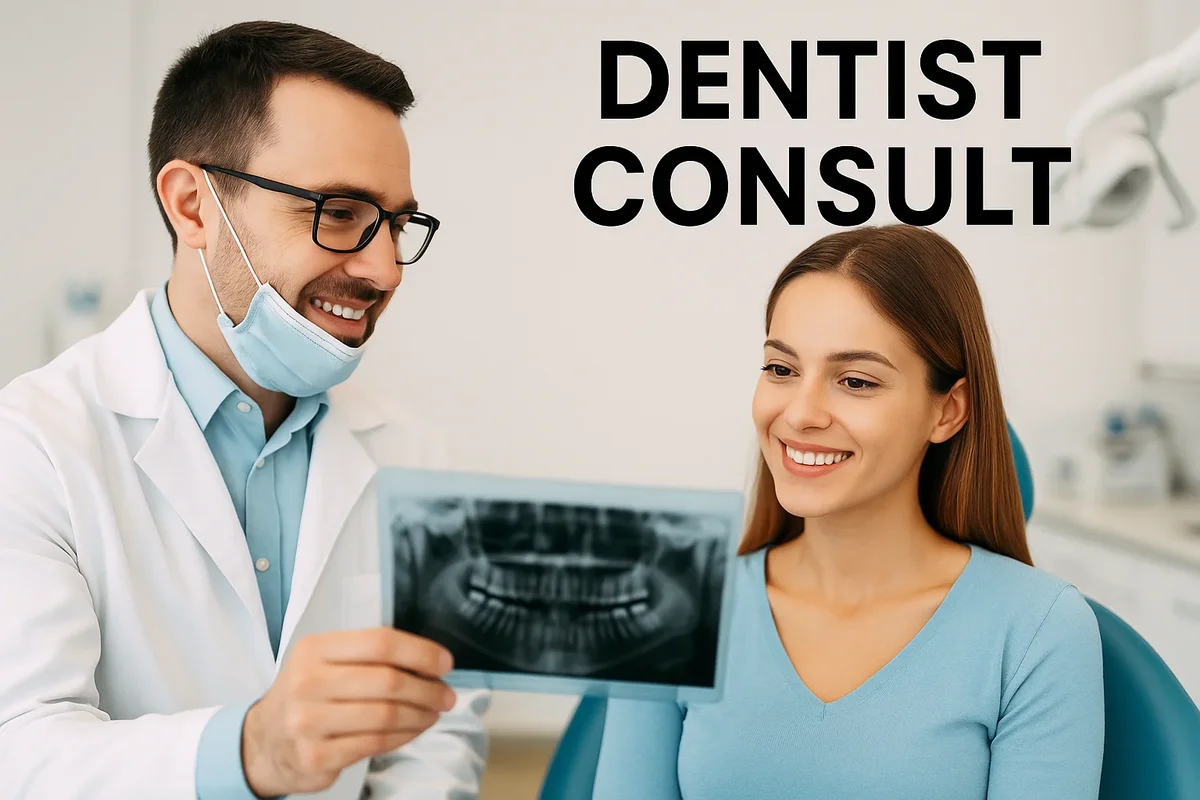
When you schedule a dentist consult, the first thing your dental professional will do is gather a detailed medical and dental history. This helps them understand your previous conditions, allergies, or medications that may influence treatment decisions. After that, an oral examination follows — where your dentist will check the gums, teeth, jaw alignment, and soft tissues. Using modern digital tools like intraoral cameras and panoramic X-rays, the dentist can detect issues invisible to the naked eye, such as cavities between teeth or early bone loss associated with gum disease.
Patients often arrive at a dentist consult with a mix of curiosity and anxiety. That’s perfectly normal! The key is preparation. Before your appointment, make a list of your oral concerns — sensitivity, bleeding gums, or persistent bad breath — so your dentist can address them in detail. If you’re planning aesthetic procedures like veneers, whitening, or implants, bring reference photos and previous dental records. This will help your dentist design a personalized treatment plan that aligns with your goals and budget. Transparency between patient and dentist is the cornerstone of trust and successful outcomes.
Another major aspect of a dentist consult involves education. Dentists don’t just treat; they teach. You’ll receive valuable guidance on brushing techniques, flossing methods, fluoride use, and the importance of regular cleanings. In fact, many dental conditions stem from minor daily habits. For example, brushing too hard or using the wrong toothbrush can damage your enamel and gums over time. Your dentist will assess these habits and provide tailored advice to improve them. This educational component transforms a simple appointment into a lifelong oral health investment.
Technology has also revolutionized the dentist consult experience. Digital scanning replaces uncomfortable molds, and AI-assisted imaging can predict tooth decay patterns before they progress. Modern clinics, like Redent Klinik Contact Page, offer a patient-centered experience where every step — from consultation to follow-up — is streamlined and efficient. The comfort of patients is now as important as clinical accuracy. Some clinics even provide music therapy or visual entertainment during the consult to reduce stress and create a welcoming atmosphere 🎶.
Cost transparency is another vital part of a dentist consult. Your dentist should clearly explain treatment options, expected duration, and any potential costs. In some cases, preventive care like fluoride applications or sealants can be recommended to avoid expensive restorative work later. While discussing finances might feel uncomfortable, open dialogue ensures that your treatment plan matches both your oral needs and your financial comfort. Remember, regular dental checkups every six months can help you avoid major interventions altogether.
Beyond clinical discussions, a dentist consult is also a chance to assess your emotional comfort with the dental team. Trust, empathy, and communication matter just as much as technical skill. If you feel understood and supported, your dental journey becomes smoother and more pleasant. According to the American Dental Association, consistent communication and preventive consultations are among the top predictors of long-term oral health success.
After your first dentist consult, your dentist may recommend follow-up visits or specialized treatments depending on your condition. These could include professional cleaning, orthodontic evaluations, or oral cancer screenings. Following their advice diligently ensures that problems are caught early and managed effectively. Think of your dentist consult as a partnership — you provide feedback and lifestyle details, while your dentist offers expertise and solutions. Together, you build a preventive and sustainable dental care plan that keeps your smile healthy for years to come 😁.
Ultimately, a dentist consult is more than just a formal appointment — it’s the beginning of a proactive approach to your overall well-being. Oral health is directly linked to heart health, digestion, and even cognitive function. Neglecting dental visits can have far-reaching effects beyond your mouth. By prioritizing routine consultations, you invest in both your smile and your long-term health. So, whether it’s your first visit or your fiftieth, treat every dentist consult as a vital step toward a confident, pain-free, and radiant smile 🌟.
What to Expect During Your First Dentist Consult
Your first dentist consult is an essential step in your journey toward maintaining strong, healthy teeth and gums 🦷. Whether you’re seeking treatment for an existing issue or simply visiting for a routine evaluation, understanding what happens during this initial appointment can help ease anxiety and prepare you for a productive session. A well-structured dentist consult combines examination, education, and planning — all designed to ensure that your oral health receives the attention it deserves. This detailed guide will walk you through every stage of the consultation, helping you feel confident before you even sit in the chair.
Initial Paperwork and Medical History
The process typically begins with gathering information about your medical and dental background. Your dentist or hygienist will ask you to complete a brief health questionnaire detailing your current medications, allergies, past dental procedures, and general health conditions such as diabetes or hypertension. This information is vital because certain systemic diseases and medications can influence oral health. For example, high blood pressure medications may cause dry mouth, which increases the risk of cavities. Providing accurate details ensures that your dentist consult is both safe and personalized to your needs.
Comprehensive Oral Examination
Once your background is reviewed, the dentist performs a thorough oral examination using modern diagnostic tools. This involves inspecting the teeth, gums, tongue, jaw alignment, and soft tissues for any abnormalities. The dentist may also use an intraoral camera to display close-up images of your mouth on a screen. This visual feedback allows you to understand what your dentist sees, making the consultation interactive and educational. During a standard dentist consult, you might also receive digital X-rays or panoramic imaging to check for bone density, hidden cavities, or early signs of gum disease.
Professional Cleaning and Preventive Measures
Depending on the time available, your first dentist consult may include a professional dental cleaning. This involves the removal of plaque, tartar, and stains using ultrasonic tools and polishing pastes. A clean mouth allows for a clearer assessment of your dental health. After cleaning, your dentist may recommend fluoride treatment or sealants to strengthen the enamel and prevent decay. If necessary, they will schedule a follow-up appointment for more advanced cleaning or scaling. These preventive steps protect your oral health and delay the need for invasive treatments later on.
Discussion of Findings and Treatment Planning
One of the most valuable parts of a dentist consult is the one-on-one discussion that follows the examination. Your dentist will review the findings with you, highlighting any issues such as cavities, misalignment, gum inflammation, or signs of wear from teeth grinding. You’ll also learn about available treatment options, including restorative, cosmetic, or orthodontic solutions. At this point, your dentist will also address your aesthetic goals — whether it’s improving your smile’s appearance or restoring function with crowns or implants. You should never hesitate to ask questions; this dialogue builds trust and ensures mutual understanding.
Personalized Treatment Recommendations
Every patient is unique, so the dentist will design a customized treatment plan based on your condition, preferences, and budget. For instance, if you have gum disease, your plan may include scaling and root planing followed by regular maintenance cleanings. If you’re interested in cosmetic dentistry, options like whitening, bonding, or veneers may be discussed. Many clinics, including Redent Klinik Contact Page, provide written summaries of treatment plans with estimated timelines, helping you visualize your journey toward better oral health. Transparency during a dentist consult ensures there are no surprises down the road.
Patient Education and Preventive Guidance
Your dentist consult is not just about treatment — it’s about education. Dentists use this opportunity to teach patients proper brushing and flossing techniques, the benefits of fluoride, and how diet affects dental health. For example, frequent consumption of acidic drinks like soda or citrus juices can erode enamel over time. Understanding these habits empowers you to take better care of your teeth. You’ll also receive recommendations on dental products such as electric toothbrushes, interdental brushes, and mouth rinses suitable for your oral condition.
Addressing Dental Anxiety and Comfort Options
Many people feel nervous before a dentist consult, especially if it’s their first time in years. Modern dentistry recognizes this and offers various comfort solutions to help patients relax. From gentle communication techniques to sedation options for more complex procedures, dentists prioritize patient comfort. Clinics today also create welcoming environments with relaxing music, aromatherapy, or virtual entertainment to reduce anxiety 🎵. This patient-first approach ensures that your dental experience is as pleasant and stress-free as possible.
Financial Transparency and Insurance Clarifications
Before concluding your dentist consult, the clinic staff will discuss financial details, including payment options and insurance coverage. Understanding what your insurance covers prevents unexpected costs. Reputable dental offices provide written estimates for procedures like fillings, root canals, or whitening. Some even offer membership plans for patients without insurance, which include discounted preventive care. Clear financial discussions make it easier for you to plan and commit to recommended treatments without hesitation.
Scheduling Follow-Up Appointments
Your first dentist consult usually ends with scheduling follow-up visits or specialist referrals if needed. These could include periodontal therapy, orthodontic evaluation, or oral surgery consultation. Keeping up with your scheduled appointments helps maintain consistent progress toward improved oral health. Your dentist may also remind you about semi-annual checkups — the cornerstone of preventive dentistry. These visits allow early detection and intervention, ensuring that small issues don’t develop into major dental concerns.
Final Thoughts on Your First Dentist Consult
Ultimately, your initial dentist consult is more than just an exam — it’s a partnership built on trust, communication, and professional care. It’s the gateway to a healthier, more confident smile. Through advanced diagnostics, personalized treatment planning, and patient education, your dentist becomes your long-term ally in oral wellness. According to the American Dental Association, early and consistent dental consultations significantly reduce the risk of chronic oral diseases. So, if you’ve been delaying your first visit, take the step today and experience how transformative a single dentist consult can be for your health and self-confidence 😁.
Why a Dentist Consult Is Essential for Your Oral Health
A dentist consult is more than just a formality — it’s a preventive and diagnostic step that directly impacts your overall health. Many individuals wait until pain or visible issues appear before visiting a dentist, but regular consultations are the cornerstone of maintaining a healthy mouth and preventing future complications. Oral health is deeply connected to systemic health, meaning that what happens in your mouth often reflects and influences the rest of your body. Understanding the importance of a dentist consult will help you make smarter choices, avoid long-term dental problems, and even protect your heart and immune system 💪.
The Preventive Power of Regular Dentist Consults
Prevention is always better than cure, and that principle applies perfectly to dental care. During a dentist consult, your dentist doesn’t just look for existing problems — they focus on early detection. Small cavities, gum inflammation, or enamel erosion can be identified and treated before they turn into serious conditions. Regular consultations also allow for professional cleanings, which remove plaque and tartar buildup that daily brushing can’t handle. Over time, these simple preventive measures save you from painful treatments and expensive restorative procedures.
Many people assume that brushing and flossing at home are enough, but studies show that over 80% of adults miss hard-to-reach areas where bacteria thrive. A professional dentist consult ensures these areas are examined and cleaned properly. This proactive approach keeps your teeth healthier for longer and minimizes the need for root canals or extractions later in life.
Early Detection of Oral and Systemic Diseases
One of the most critical benefits of a dentist consult is early disease detection. Oral cancers, for instance, often begin with subtle symptoms such as small white patches or sores that go unnoticed. Dentists are trained to identify these early warning signs through routine screenings, significantly improving recovery outcomes when treatment starts early. Similarly, gum disease (periodontitis) has been linked to serious conditions like diabetes, stroke, and heart disease. Detecting and managing gum inflammation during a dentist consult not only protects your teeth but also supports your overall health and longevity.
Improving Oral Hygiene and Lifestyle Habits
Every dentist consult includes a segment dedicated to education and personal care advice. Your dentist will assess your brushing technique, flossing habits, and dietary choices that affect your oral health. For instance, excessive sugar consumption and acidic drinks weaken enamel and increase cavity risk. Dentists also educate patients about the dangers of smoking and vaping, both of which contribute to gum disease and bad breath. Through personalized guidance, a dentist consult empowers you to make healthier lifestyle decisions, reducing the risk of long-term oral issues.
Customized Prevention Plans
Each mouth is unique — that’s why every dentist consult includes a customized prevention plan. This might involve fluoride treatments for cavity prevention, sealants for children, or desensitizing gels for patients with sensitive teeth. Some patients may also benefit from night guards to prevent teeth grinding (bruxism), while others require orthodontic referrals to correct bite misalignment. Personalized plans ensure you receive the exact care your mouth needs, maximizing the results of every dental visit.
Enhancing Confidence and Quality of Life
Your smile is one of your most powerful social tools 😁. A regular dentist consult ensures that your teeth and gums look and feel their best, boosting your confidence in personal and professional interactions. Dentists can also detect aesthetic concerns like discoloration, uneven spacing, or chipped teeth and offer cosmetic options such as whitening, bonding, or veneers. These improvements not only enhance your appearance but also contribute to your mental well-being. Feeling good about your smile encourages better self-care habits and promotes a positive outlook on health.
Reducing Dental Anxiety Through Familiarity
Ironically, one of the main reasons people avoid dental visits is fear — often caused by a lack of familiarity. Regular dentist consults help overcome this by creating a sense of comfort and trust between you and your dentist. As you build rapport through consistent visits, anxiety diminishes. Modern clinics use soothing music, aromatherapy, and friendly communication to create a welcoming environment 🌿. The more familiar you become with the process, the less intimidating future visits will feel. This psychological benefit is a vital but often overlooked advantage of maintaining regular consultations.
Link Between Oral Health and Overall Wellness
Multiple studies, including those from the American Dental Association, confirm that oral health is closely linked to cardiovascular and metabolic health. Inflammation from untreated gum disease can enter the bloodstream, increasing the risk of heart disease and stroke. Regular dentist consults act as an early warning system for these interconnected conditions. By monitoring your gums and oral tissues, your dentist can identify signs that may indicate broader health issues. This makes dental consultations a crucial part of holistic healthcare, not just oral care.
Encouraging Consistent Maintenance and Accountability
Scheduling routine dentist consults encourages accountability. When patients commit to regular checkups — usually every six months — they are more likely to maintain good daily oral hygiene. Knowing that your dentist will evaluate your progress motivates better brushing, flossing, and dietary habits. Moreover, follow-up appointments allow your dentist to adjust care recommendations based on your changing needs, ensuring that your oral health stays on track.
Choosing the Right Clinic for Long-Term Care
Finally, establishing a trusted dental home is essential. Clinics like Redent Klinik Contact Page emphasize personalized care and advanced technology, making each dentist consult efficient and comfortable. When you consistently visit the same dental team, they become familiar with your oral history, preferences, and sensitivities. This continuity of care ensures that any changes in your oral health are detected early and managed effectively. Over time, your dentist becomes not just a healthcare provider but a partner in your lifelong wellness journey 🌟.
In summary, a dentist consult is not a luxury — it’s a necessity. It’s your gateway to early detection, prevention, education, and confidence. Beyond keeping your teeth clean, it helps safeguard your overall health and well-being. So, if it’s been a while since your last visit, consider scheduling your next appointment today. The small investment of time and care during a single dentist consult can yield lifelong rewards for your smile, confidence, and general health.
Common Dental Issues Discussed in a Dentist Consult
A dentist consult serves as a comprehensive review of your oral health and is often the first step in identifying and addressing common dental problems. From tooth decay to gum inflammation, your dentist evaluates every aspect of your mouth to catch early signs of potential issues. Understanding what topics typically come up during a dentist consult helps patients feel more informed and confident during their appointments. Below, we’ll explore the most frequent dental conditions discussed during consultations — and how they’re treated or prevented — so you can recognize them before they become serious problems 🦷.
Tooth Decay and Cavities
One of the most frequently discussed issues during a dentist consult is tooth decay, commonly known as cavities. This condition occurs when bacteria in plaque produce acids that erode your tooth enamel. Left untreated, decay can progress into deeper layers of the tooth, leading to pain, infection, or even tooth loss. During the consultation, your dentist will examine the surfaces of your teeth with a small mirror and probe for soft spots or discoloration. Digital X-rays may also be used to detect hidden cavities between teeth.
Treatment usually involves removing decayed material and filling the space with materials like composite resin or porcelain. For severe decay, your dentist may suggest a crown or, in advanced cases, root canal therapy. The good news is that early detection during a dentist consult can prevent extensive damage. Regular fluoride treatments and professional cleanings also help to strengthen enamel and lower the risk of future decay.
Gum Disease (Gingivitis and Periodontitis)
Another major concern that surfaces during a dentist consult is gum disease. This starts as gingivitis — characterized by swollen, red, or bleeding gums — and can progress to periodontitis if not treated. Periodontitis involves the breakdown of gum tissue and bone that support the teeth, leading to tooth mobility or loss. The dentist checks your gum health by measuring pocket depths (the space between your teeth and gums) and assessing inflammation levels.
Treatment depends on the severity. For mild cases, professional cleaning and improved oral hygiene are sufficient. In advanced cases, scaling and root planing or even surgical intervention might be required. Gum disease doesn’t just affect your mouth — it has been linked to heart disease and diabetes, making regular dentist consults crucial for both oral and overall health. Preventive steps like proper brushing, flossing, and quitting smoking are also emphasized during consultations.
Tooth Sensitivity
Many patients bring up sensitivity during their dentist consult. This condition occurs when the enamel wears down or gums recede, exposing the dentin underneath. When dentin is exposed, hot, cold, sweet, or acidic foods can trigger discomfort or sharp pain. Your dentist will first rule out other issues such as cavities, cracked teeth, or gum disease. Based on the cause, they might recommend desensitizing toothpaste, fluoride varnish, or gum grafting to cover exposed roots.
Habit and Lifestyle Adjustments
In some cases, sensitivity results from habits like brushing too aggressively or using a hard-bristled toothbrush. During the dentist consult, your dentist will demonstrate proper brushing techniques and suggest switching to a soft-bristle brush. They may also recommend avoiding acidic foods and beverages that erode enamel, such as soda or citrus drinks. These lifestyle changes can significantly reduce sensitivity and improve comfort over time.
Bad Breath (Halitosis)
Bad breath is another common topic during a dentist consult. While it may be caused by poor oral hygiene, it can also signal underlying conditions such as gum disease, dry mouth, or even digestive issues. Dentists perform a comprehensive assessment to determine the root cause. If dry mouth is to blame, your dentist may recommend hydration, sugar-free gum, or saliva-stimulating rinses. If plaque buildup or infection is responsible, a professional cleaning or antimicrobial mouthwash can help.
Addressing bad breath is not only about social confidence but also about detecting health problems early. For persistent halitosis, your dentist might refer you to a specialist for further evaluation. Regular dentist consults ensure that oral hygiene habits stay effective and up-to-date with your specific needs.
Tooth Grinding (Bruxism)
Bruxism — or involuntary teeth grinding — often comes up during a dentist consult because it can cause tooth wear, jaw pain, and headaches. Dentists identify this habit by examining wear patterns on teeth and asking about related symptoms such as morning jaw tension. The condition can stem from stress, sleep disorders, or misaligned teeth. Treatment typically involves wearing a custom night guard to protect teeth during sleep. Additionally, stress management techniques and relaxation exercises can help reduce grinding episodes 🌙.
Oral Cancer Screening
Every comprehensive dentist consult includes an oral cancer screening. This involves examining the tongue, cheeks, gums, and throat for unusual patches, lumps, or lesions. Early detection is critical — when found early, oral cancer has a high survival rate. According to the American Dental Association, dentists play a vital role in early cancer diagnosis through routine screenings. Patients who smoke, consume alcohol frequently, or have a family history of cancer are at higher risk and benefit greatly from regular checkups.
Tooth Alignment and Bite Issues
Misaligned teeth and bite irregularities (malocclusion) are also common discussion points during a dentist consult. Crooked teeth not only affect appearance but can also lead to chewing difficulties, jaw pain, and uneven enamel wear. Your dentist may recommend orthodontic treatments such as clear aligners or braces to correct the issue. Addressing bite problems early prevents more complex dental concerns and contributes to better oral function and aesthetics 😁.
Cracked or Chipped Teeth
Minor chips or cracks can occur due to accidents, grinding, or biting hard foods. During your dentist consult, the dentist assesses the severity of the damage. Small chips may only need cosmetic bonding, while deeper fractures could require crowns or root canal treatment. Prompt attention prevents further cracking and infection, ensuring that your teeth remain strong and functional.
Integrating Preventive Advice
Every dentist consult concludes with preventive recommendations to maintain optimal oral health. These include dietary guidance, home care routines, and scheduling regular follow-up visits. Clinics such as Redent Klinik Contact Page emphasize education and patient involvement in every step of dental care. Preventive strategies help patients reduce future risks and maintain bright, healthy smiles for life 🌟.
In summary, a dentist consult covers a wide range of dental health discussions — from cavities and gum disease to oral cancer and aesthetics. Understanding these common issues empowers you to take control of your oral hygiene, prevent complications, and ensure your smile stays healthy and confident for years to come.
How to Prepare for Your Dentist Consult Like a Pro
Preparing properly for your dentist consult ensures you make the most of your appointment and helps your dentist provide an accurate, efficient, and comfortable experience. Whether it’s your first visit or a follow-up, preparation can make the difference between a smooth session and an uncertain one. From bringing essential medical records to planning your questions, there are several steps you can take to feel confident and ready. Let’s explore how to prepare for a dentist consult like a pro, covering every detail from mindset to paperwork 🦷.
Gather Your Dental and Medical History
Before your dentist consult, collect all relevant medical and dental records, including past X-rays, treatment notes, and any prescriptions. This information helps your dentist understand your complete oral health background. If you’ve had major dental work such as implants, root canals, or orthodontic treatment, bring a list of dates and clinic names. Also include information about ongoing medical conditions such as diabetes, hypertension, or autoimmune diseases, since these can affect your dental health. A thorough history allows your dentist to identify risk factors and avoid complications during treatment.
Medication and Allergy Details
Be sure to list any medications, supplements, or allergies you have. For instance, certain antibiotics or pain relievers may interact with dental anesthesia or prescribed treatments. Sharing this during your dentist consult ensures safety and allows your dentist to make informed choices. If you’re unsure about medication names, take photos of the labels or bring the bottles with you. Transparency helps build a strong foundation of trust between you and your dental care provider.
List Your Symptoms and Concerns
It’s easy to forget small symptoms when sitting in the dental chair, so jot them down in advance. Examples include tooth sensitivity, gum bleeding, jaw pain, or bad breath. Writing these down ensures nothing is overlooked during your dentist consult. You might also note aesthetic concerns like teeth discoloration, crowding, or uneven spacing. Bringing these points up helps the dentist create a personalized care plan that aligns with your health goals and appearance preferences.
Know Your Dental Goals and Expectations
Another important step before your dentist consult is clarifying your dental goals. Are you looking for preventive care, restorative treatment, or cosmetic improvements? Identifying your expectations helps the dentist tailor recommendations effectively. If you’re considering whitening, veneers, or orthodontics, gather photos of your desired results. This visual reference helps communicate your expectations clearly. Patients who come prepared with realistic goals usually experience more satisfying outcomes and better communication during their appointments 😁.
Prepare Financial and Insurance Information
Financial preparation is often overlooked, but it’s a crucial aspect of any dentist consult. Bring your dental insurance card, photo ID, and any pre-authorization forms if applicable. Confirm whether your clinic accepts your insurance provider and understand your copayments or coverage limits. If you don’t have insurance, don’t worry — many dental clinics offer payment plans or discounts for regular patients. Clinics such as Redent Klinik Contact Page provide transparent quotes before beginning any treatment, ensuring you’re never surprised by hidden costs.
Oral Hygiene Before the Appointment
Maintaining good oral hygiene before your dentist consult helps your dentist perform a more effective evaluation. Brush and floss thoroughly on the day of your visit, but avoid brushing so aggressively that your gums bleed. Clean your tongue as well to reduce bacteria and bad breath. However, don’t try to mask any issues with mouthwash — your dentist needs to see your oral condition in its true state to make the best recommendations. Avoid eating just before your appointment to keep your mouth fresh and comfortable during examination.
What Not to Do Before a Dentist Consult
While preparation is helpful, overdoing it can sometimes backfire. Avoid whitening treatments or using harsh mouth rinses before your dentist consult, as they can temporarily alter gum color and hide early signs of disease. Likewise, skip wearing strong fragrances since dental offices use sensitive instruments that can be affected by aerosols or scents. For anxious patients, it’s best not to consume caffeine right before the appointment — instead, opt for calming breathing exercises to steady your nerves 🌿.
Bring Questions and Be Ready to Engage
A dentist consult is a two-way conversation, not just a medical check-up. Prepare questions that matter to you — such as what treatments are most suitable, how long they last, or what materials are used. Asking questions builds confidence and helps you understand every recommendation. You can also inquire about the frequency of follow-ups, dietary advice, or the best oral care tools to use. The more engaged you are, the better your dentist can tailor their advice. Don’t hesitate to ask for visual aids or diagrams — most dentists appreciate active participation.
Plan Your Schedule and Arrive Early
Arriving 10–15 minutes early for your dentist consult gives you time to complete paperwork and relax before the session. Many clinics offer digital pre-check forms, allowing you to update your information ahead of time. If you’re anxious or have mobility needs, inform the clinic in advance so they can make arrangements. Being punctual not only shows respect for your dentist’s time but also allows you to get the most out of your visit without feeling rushed.
Emotional Preparation and Comfort Tips
Dental anxiety is common, but preparation helps reduce it. Practice deep breathing or mindfulness before your dentist consult to calm nerves. Bring headphones if your clinic allows it — listening to relaxing music during waiting times can make the experience more pleasant 🎵. Remember that modern dentistry focuses on patient comfort and communication. Let your dentist know if you’re nervous; they can explain each step in advance, giving you a sense of control throughout the visit.
Confirm Post-Consultation Steps
Before leaving your dentist consult, ask about follow-up procedures, prescriptions, or next appointment dates. Take note of post-visit care instructions if you’ve undergone cleaning or diagnostic imaging. It’s wise to store your treatment plan summary digitally so you can access it easily later. If any new medications were prescribed, clarify dosage and possible side effects before leaving the clinic. This ensures safety and continuity of care, which are crucial for maintaining oral health.
In conclusion, a well-prepared dentist consult paves the way for accurate diagnosis, personalized treatment, and long-term oral wellness. By organizing your records, clarifying your goals, and communicating openly with your dentist, you set yourself up for success. Taking these simple yet effective steps turns a routine appointment into a productive, empowering experience. According to the American Dental Association, proactive preparation not only improves treatment outcomes but also strengthens the patient–dentist relationship — the foundation of lifelong oral health 🌟.
The Role of Digital Imaging and X-Rays in a Dentist Consult
Modern dentistry relies heavily on technology, and one of the most critical tools used during a dentist consult is digital imaging. Gone are the days when dentists had to depend solely on mirrors and manual tools to detect problems. Today, high-resolution X-rays, 3D scans, and intraoral cameras allow for precise, early diagnosis that protects patients from more complex issues down the line. Understanding how digital imaging enhances your dentist consult can help you appreciate the technology behind your care and ensure you receive the most accurate treatment possible 🖥️.
Why Digital Imaging Matters in Dental Care
During a dentist consult, your dentist must evaluate areas of your mouth that are not visible to the naked eye — such as the spaces between teeth, beneath the gums, and inside the jawbone. This is where digital imaging comes in. These tools capture detailed visuals that help identify decay, bone loss, infections, or structural abnormalities at an early stage. This technology doesn’t just improve accuracy; it minimizes unnecessary procedures and allows dentists to design personalized treatment plans that fit your oral health needs precisely.
Types of Dental Imaging Used in a Dentist Consult
Different imaging methods serve different purposes during a dentist consult. Here’s an overview of the most commonly used ones and what they reveal:
1. Digital X-Rays (Radiographs)
Digital X-rays are the backbone of every dentist consult. They use low levels of radiation to capture detailed images of your teeth, roots, and jawbone. Unlike traditional X-rays, digital ones appear instantly on the dentist’s computer screen, allowing for immediate analysis. These images can be enhanced, zoomed, or color-adjusted to detect even the tiniest cavities or bone irregularities. Moreover, digital systems reduce radiation exposure by up to 90%, making them far safer for patients. Dentists also store these images electronically for future comparisons, making follow-up care more efficient.
2. Panoramic X-Rays
Panoramic radiographs offer a full view of your mouth in one image, including the teeth, upper and lower jaws, sinuses, and surrounding bone structure. This imaging is particularly useful during a dentist consult for patients planning orthodontic treatment, dental implants, or wisdom tooth extractions. It helps dentists evaluate jaw alignment and detect hidden cysts, tumors, or impacted teeth. Panoramic scans also aid in diagnosing temporomandibular joint (TMJ) disorders by showing how the jaws move and fit together.
3. Cone Beam Computed Tomography (CBCT)
CBCT is a 3D imaging technology that gives dentists a complete, three-dimensional view of the patient’s oral and maxillofacial structure. During an advanced dentist consult, CBCT helps plan surgical or implant procedures by mapping nerve pathways, bone density, and tooth orientation. This level of detail ensures precision and minimizes risk during procedures. CBCT imaging is also essential for detecting fractures, sinus issues, and complex root canal anatomy that traditional X-rays might miss.
4. Intraoral Cameras
Intraoral cameras are small, wand-shaped devices that allow dentists to capture real-time images inside your mouth during a dentist consult. These visuals are displayed on a monitor, so you can see exactly what your dentist sees. It’s an excellent educational tool — patients often find it eye-opening to witness the condition of their gums or teeth up close. Intraoral imaging enhances transparency, enabling you to participate actively in discussions about your treatment options and progress 📸.
Benefits of Digital Imaging During a Dentist Consult
The integration of digital imaging into a dentist consult brings multiple benefits for both patients and practitioners:
- Accuracy: Detects minor issues before they become severe, ensuring precise diagnosis.
- Safety: Modern imaging techniques use minimal radiation exposure.
- Speed: Instant image results allow faster decision-making during appointments.
- Environmentally Friendly: Digital storage eliminates the need for chemical film processing.
- Better Communication: Dentists can share visuals and discuss treatment plans clearly with patients.
Integration with Artificial Intelligence and Software
Artificial intelligence (AI) is transforming how images are interpreted during a dentist consult. AI-powered diagnostic software can automatically detect cavities, bone loss, and other anomalies by analyzing radiographs in seconds. This enhances diagnostic precision and reduces human error. Moreover, image comparison tools allow dentists to track changes in oral health over time, identifying patterns that might otherwise go unnoticed. These innovations make every dentist consult more data-driven and proactive, ensuring long-term dental health through predictive analysis.
Patient Education and Transparency
One of the best aspects of digital imaging during a dentist consult is how it improves communication. Instead of simply describing issues verbally, dentists can show patients detailed images on a screen. This visual evidence helps patients understand conditions like cavities, fractures, or gum recession clearly. It also builds trust, as patients can visually confirm the dentist’s diagnosis and see the results of previous treatments. Clinics such as Redent Klinik Contact Page emphasize this interactive, transparent approach to care, empowering patients to take ownership of their oral health decisions.
Before-and-After Comparisons
Another advantage of digital imaging is its ability to show progress over time. During each dentist consult, your dentist can compare new images with older ones to evaluate treatment results. This is especially useful for orthodontic adjustments, gum recovery, and post-implant healing. Seeing visible improvement motivates patients to maintain oral hygiene routines and attend regular checkups 💪.
Limitations and Safety Considerations
While digital imaging is generally safe, certain precautions are taken during every dentist consult. Pregnant patients, for example, may be advised to postpone unnecessary X-rays unless it’s an emergency. Dentists use lead aprons and thyroid collars to further minimize radiation exposure. Modern equipment is highly regulated, ensuring compliance with health and safety standards established by organizations like the American Dental Association. Patients are encouraged to inform their dentist about any health changes to maintain optimal safety during imaging procedures.
How Digital Imaging Shapes the Future of Dentistry
The evolution of imaging technology continues to redefine what’s possible in dental care. From 3D printing of custom crowns to augmented reality-based treatment planning, digital tools are making dentist consults more efficient, accurate, and patient-centered. In the near future, AI integration will make real-time risk prediction and fully automated diagnosis routine parts of consultations. For patients, this means less waiting, more precision, and improved long-term outcomes 🌟.
In summary, digital imaging is the invisible hero of every dentist consult. It allows for early detection, detailed planning, and effective communication between dentist and patient. The combination of technology and expertise creates a safer, faster, and more comfortable dental experience. Whether it’s your first visit or a follow-up, the use of digital tools ensures that every smile receives the most advanced care possible.
Questions You Should Ask During a Dentist Consult
Many patients attend a dentist consult without realizing how valuable it is to ask the right questions. A dental consultation isn’t just a check-up — it’s an opportunity to learn about your oral health, treatment options, and preventive strategies directly from an expert. Asking informed questions during your dentist consult ensures that you understand every step of your care plan and make confident, well-informed decisions. Whether you’re visiting for preventive care, cosmetic dentistry, or a specific concern, having the right questions ready will make your appointment more productive and empowering 🦷.
Why Asking Questions Matters
Engaging with your dentist transforms a dentist consult from a passive appointment into an interactive, educational experience. By asking questions, you demonstrate interest in your health and gain valuable insights into your current condition. It also helps your dentist tailor explanations and treatments to your needs. Patients who actively participate in their consultations often have better oral hygiene outcomes and reduced anxiety. This communication also fosters transparency — a vital component of trust between patient and dentist.
Key Questions About Oral Health Status
One of the first areas to cover in your dentist consult is your overall oral health. You can start with general but essential questions such as:
- What is the current condition of my teeth and gums?
- Are there any signs of cavities, gum disease, or other oral issues?
- How often should I schedule checkups or cleanings?
- Do my lifestyle habits — such as diet or smoking — affect my dental health?
These questions give you a comprehensive picture of your dental health and allow your dentist to explain areas that need attention. If you’ve experienced bleeding gums, pain, or bad breath, now is the time to discuss those symptoms. Your dentist may use visual aids like intraoral images to show exactly what’s happening in your mouth, making the discussion more interactive and clear.
Questions About Preventive and Routine Care
Prevention is the cornerstone of oral health. During your dentist consult, you should ask how to maintain a strong daily routine. Some examples include:
- What brushing and flossing techniques do you recommend for my gum type?
- Should I use mouthwash daily, and if so, which type suits me best?
- Are there foods or drinks I should avoid to prevent enamel erosion?
- Do I need fluoride treatments or sealants for added protection?
These preventive questions help you build a long-term strategy for oral hygiene. Dentists often share personalized advice depending on your enamel thickness, gum health, and lifestyle. If you wear braces, implants, or dentures, your dentist can also guide you on cleaning tools and techniques suited for your specific situation.
Questions About Treatment Plans and Procedures
A major purpose of any dentist consult is to identify treatment options. Understanding what comes next helps you prepare mentally, physically, and financially. Don’t hesitate to ask:
- What are the treatment options for my dental issue, and which do you recommend?
- How long will each procedure take, and what kind of recovery should I expect?
- Are there alternative or less invasive treatments available?
- What materials will be used for fillings, crowns, or implants?
Discussing Risks and Benefits
Every dental procedure comes with benefits and potential risks. During the dentist consult, ask your dentist to explain both clearly. For example, while teeth whitening offers aesthetic improvement, excessive bleaching might cause temporary sensitivity. Understanding side effects allows you to weigh your choices intelligently. Clinics like Redent Klinik Contact Page ensure transparency by outlining all options, associated costs, and expected results upfront. This helps patients feel confident and secure in their dental care decisions.
Financial and Insurance Questions
Many patients are hesitant to ask about finances, but it’s an essential part of a dentist consult. Dental treatments can vary significantly in cost depending on the materials, techniques, and equipment used. To avoid surprises, ask:
- Can I get a detailed estimate of treatment costs before starting?
- Does my insurance cover these procedures?
- Are payment plans or financing options available?
Transparent communication about finances builds trust and ensures you can plan your treatments comfortably. Reputable clinics provide written cost breakdowns and even digital quotes for your reference. Knowing your options beforehand prevents financial stress and helps you focus on your dental health instead of unexpected bills.
Questions About Technology and Techniques
With rapid advancements in dental technology, it’s wise to ask your dentist what tools and methods they use during your dentist consult. For example:
- Do you use digital X-rays or 3D imaging for diagnosis?
- Are laser treatments available for gum therapy or whitening?
- What materials are used for restorations, and how long do they last?
Understanding your dentist’s technology and approach ensures that you receive modern, safe, and efficient care. Practices that use advanced tools typically offer faster, more comfortable treatments with minimal recovery time. You can even ask to see before-and-after results from previous patients with similar conditions to gauge the expected outcome.
Questions About Long-Term Oral Health
Good dental care doesn’t end with one appointment. Your dentist consult should also focus on long-term oral health strategies. Ask your dentist how often you should return for checkups, what warning signs to watch for, and how to protect your gums and teeth as you age. You might also discuss preventive screenings for oral cancer, especially if you use tobacco or alcohol. According to the American Dental Association, consistent dental checkups can reduce oral disease progression by up to 60%, highlighting the importance of long-term monitoring.
Personalized Questions for Your Lifestyle
Each person’s oral care needs are different. If you play sports, wear mouthguards, or consume certain foods frequently, your dentist consult is the time to ask how these factors affect your oral health. For example:
- Should I wear a custom mouthguard for sports or teeth grinding?
- What’s the best way to care for my teeth if I drink coffee or wine regularly?
- How can I protect my teeth from stress-related clenching?
These personalized questions give your dentist insight into your lifestyle, allowing them to make more accurate recommendations tailored to your habits. They also strengthen your commitment to preventive care since the advice is practical and relevant to your daily routine.
Summing Up: The Value of Asking the Right Questions
Asking smart, relevant questions during your dentist consult not only improves your understanding but also strengthens your role in your own dental care. It fosters collaboration between you and your dentist, turning each appointment into a personalized learning experience. Don’t hesitate to take notes or request written summaries for later review. The more informed you are, the better your oral health outcomes will be. A successful dentist consult is not just about diagnosis — it’s about dialogue, education, and empowerment 🌟.
Understanding Treatment Options Explained in a Dentist Consult
When you attend a dentist consult, one of the most important moments comes when your dentist explains your treatment options. This is where you gain clarity about what can be done to address your dental issues, enhance your smile, and protect your oral health in the long term. Every patient’s needs are unique, and understanding your options during a dentist consult empowers you to make informed decisions about care, cost, and timing. From preventive and restorative procedures to cosmetic and surgical treatments, a well-structured consultation transforms uncertainty into confidence 🦷.
The Purpose of Discussing Treatment Options
The goal of a dentist consult is not only to diagnose problems but also to present suitable solutions tailored to your condition, budget, and expectations. Your dentist will discuss multiple approaches, explaining the pros, cons, longevity, and costs associated with each. This helps you understand which option provides the best balance between function, aesthetics, and affordability. For instance, if you have a cracked tooth, your dentist might recommend a filling, crown, or veneer — and each comes with different benefits depending on your goals.
Categories of Dental Treatments Commonly Explained
During a dentist consult, treatment options are usually divided into several categories to simplify your decision-making process. Understanding what each category covers will make your discussion with the dentist much clearer.
1. Preventive Treatments
Preventive care is the foundation of dental health. These treatments aim to stop problems before they start. During your dentist consult, preventive options such as professional cleanings, fluoride applications, sealants, and oral hygiene education may be discussed. Dentists also provide guidance on diet, brushing techniques, and routine checkups. Prevention is cost-effective and painless — it keeps your smile healthy and reduces the likelihood of needing more complex procedures later on.
2. Restorative Treatments
If you already have decay, fractures, or missing teeth, restorative treatments come into play. During a dentist consult, your dentist may recommend fillings, inlays, crowns, bridges, or dental implants. Fillings repair small cavities, while crowns restore strength and shape to severely damaged teeth. Implants and bridges replace missing teeth, preventing bone loss and bite imbalance. These treatments are not only functional but also aesthetic, ensuring you can chew, speak, and smile confidently again.
3. Cosmetic Treatments
Cosmetic dentistry is one of the most discussed topics in a modern dentist consult. It focuses on improving appearance while maintaining oral health. Procedures like teeth whitening, veneers, and bonding are designed to enhance the color, shape, and alignment of your teeth. Your dentist might use digital smile design software to show you how your teeth could look after treatment. Cosmetic options are especially popular among patients who want to boost confidence and achieve a radiant smile 😁.
4. Orthodontic Treatments
If alignment or bite issues are detected during your dentist consult, orthodontic treatments will be discussed. These include traditional braces and modern alternatives like clear aligners (Invisalign). The dentist will explain how each option works, how long the process takes, and which suits your lifestyle. Orthodontic treatments not only create a beautiful smile but also improve function by reducing strain on your jaw and preventing premature wear of tooth enamel.
5. Periodontal (Gum) Treatments
For patients with gum inflammation or bleeding, the dentist consult will likely cover periodontal therapy. This can range from non-surgical deep cleaning (scaling and root planing) to more advanced procedures like laser-assisted therapy. Healthy gums are vital because they support your teeth and prevent bacteria from entering your bloodstream. Your dentist will also discuss daily maintenance tips and follow-up appointments to ensure full recovery and long-term stability.
6. Surgical and Advanced Procedures
Sometimes, your dentist consult may include discussions about surgical options. These may involve extractions, dental implants, bone grafts, or wisdom tooth removal. Surgical procedures are carefully explained — from anesthesia types to recovery steps. Digital imaging and 3D scans help your dentist map out the treatment precisely. Clinics such as Redent Klinik Contact Page use advanced technology to minimize discomfort and ensure successful results.
Questions to Ask About Treatment Options
When multiple treatment choices are presented, it’s natural to feel unsure. During your dentist consult, don’t hesitate to ask:
- What are the advantages and disadvantages of each option?
- What is the estimated recovery time?
- How long will the results last, and what maintenance is required?
- Are there potential side effects or risks?
- What materials will be used in the treatment (ceramic, metal, composite)?
Your dentist’s answers will help you compare each procedure objectively. For instance, crowns made of zirconia are more durable and aesthetic but may cost more than metal-based alternatives. Understanding these details allows you to balance cost, comfort, and long-term results effectively.
Evaluating Cost and Insurance Coverage
During a dentist consult, your dentist or office staff will explain the cost structure of each procedure. Dental insurance may cover part of the treatment, especially for preventive or restorative care. Cosmetic treatments, however, are usually elective and not covered. Clinics provide detailed written quotes outlining what’s included — consultation, lab fees, materials, and follow-up care. Transparency in pricing helps you plan ahead and avoid hidden charges.
Technology’s Role in Treatment Planning
Modern technology has revolutionized how treatment options are explained during a dentist consult. 3D imaging, AI-based diagnostic tools, and computer-aided design (CAD/CAM) systems allow dentists to visualize treatment outcomes with precision. For instance, implant placement can be simulated digitally before surgery, reducing errors and increasing comfort. The use of digital smile design also lets patients preview their cosmetic results before committing — ensuring complete satisfaction 🌟.
Collaboration Between Dentist and Patient
The best treatment decisions arise from open collaboration. A dentist consult is not a one-way lecture but a conversation between patient and dentist. Your preferences, fears, and goals all shape the final treatment plan. Many modern clinics encourage shared decision-making, where you and your dentist agree on the most suitable, safe, and realistic path to optimal oral health. This cooperative approach builds trust and improves both experience and results.
Long-Term Maintenance After Treatment
Every treatment discussed during a dentist consult comes with follow-up care instructions. Maintenance may involve periodic checkups, hygiene visits, or special cleaning routines for prosthetics. Your dentist will also guide you on how lifestyle habits — like smoking, diet, and oral hygiene — affect treatment longevity. According to the American Dental Association, adherence to post-treatment care instructions can extend results by up to 40%, ensuring your investment in oral health lasts for years to come.
In summary, understanding your treatment options during a dentist consult empowers you to make confident, informed, and personalized decisions. From preventive to surgical solutions, each option plays a unique role in protecting your smile. Taking the time to ask questions, evaluate alternatives, and plan follow-ups ensures not only a healthy mouth but also a lifetime of confident, beautiful smiles 😄.
Follow-Up Care After a Dentist Consult
A dentist consult doesn’t end when you leave the clinic — in fact, follow-up care is just as important as the consultation itself. Proper aftercare ensures that any treatments or recommendations discussed during your appointment lead to long-lasting results. Whether you’ve had a cleaning, X-rays, restorative work, or just an oral health checkup, following your dentist’s instructions will maintain the benefits of your visit and prevent complications. In this section, we’ll explore what happens after a dentist consult, including the steps you should take to ensure optimal healing, hygiene, and preventive care 🦷.
Why Follow-Up Care Is Important
Many patients underestimate the importance of post-consultation care, assuming that once their dentist consult is over, they’re done. However, dentistry is a continuous process — maintaining results requires consistency and discipline. The period after your appointment is crucial because your dentist may have detected early-stage issues that need monitoring or prescribed preventive measures. Following these instructions minimizes the chance of recurring problems such as gum inflammation, tooth decay, or plaque buildup. It also allows your dentist to track progress during subsequent visits and modify your treatment plan if necessary.
Immediate Steps After a Dentist Consult
After your dentist consult, there are a few key steps you should take to ensure you’re following your dentist’s recommendations effectively:
- Review your treatment notes: Most dental offices provide written or digital summaries of your consultation. Read them carefully to understand your diagnosis, prescribed treatments, and recommended home care routines.
- Schedule follow-up appointments: Don’t wait until you experience discomfort. If your dentist recommended a cleaning, filling, or specialist referral, schedule it immediately to stay on track.
- Purchase recommended products: Your dentist may suggest a specific toothbrush, toothpaste, mouthwash, or floss type. Using these ensures that you’re maintaining results between visits.
Oral Hygiene Practices Post-Consultation
Your dentist consult likely included personalized hygiene advice. Implementing these changes right away helps maintain oral health. Brush your teeth twice daily with fluoride toothpaste, floss at least once per day, and rinse with an antibacterial mouthwash. If you received professional cleaning during your appointment, avoid staining foods like coffee or red wine for 24 hours to preserve the whiteness. Patients with sensitive gums should use soft-bristled brushes and avoid harsh scrubbing. Consistency is the key — your dentist’s recommendations are designed for long-term protection, not just short-term relief.
Adjusting Diet and Lifestyle Habits
Diet plays a vital role in your post-dentist consult care. Reduce sugary foods and acidic drinks, which weaken enamel and increase the risk of decay. Opt for calcium-rich foods such as yogurt, cheese, and leafy greens to strengthen your teeth naturally. Stay hydrated, as saliva neutralizes acids and supports remineralization. If you smoke or vape, consider quitting — nicotine restricts blood flow to the gums, slowing healing and increasing the risk of periodontal disease. Small adjustments in daily habits can significantly enhance the results of your dental visit.
Managing Discomfort or Sensitivity
After certain procedures discussed during your dentist consult, you may experience temporary discomfort, swelling, or sensitivity. This is normal and usually resolves within a few days. Use any prescribed medications or over-the-counter pain relievers as directed by your dentist. Avoid extremely hot, cold, or crunchy foods that could irritate the treated area. For gum sensitivity, rinsing gently with warm salt water can reduce inflammation. If pain persists beyond 72 hours or worsens, contact your dentist immediately to rule out complications.
Monitoring Healing and Progress
Follow-up evaluations are often part of a long-term dental plan. Your dentist will schedule checkups to monitor healing and ensure that treatments such as fillings, crowns, or implants are functioning correctly. During these visits, your dentist can also assess whether your hygiene habits are working effectively. Regular follow-ups after a dentist consult are crucial for detecting potential issues early — saving you from more invasive treatments later. Many clinics, like Redent Klinik Contact Page, use digital imaging to compare progress over time and adjust care accordingly.
Communication and Feedback
Always communicate openly with your dental team after your dentist consult. If you experience discomfort, have questions about prescribed care, or are unsure about the next steps, reach out. Dental care is a partnership — your feedback helps your dentist refine treatment plans to better suit your needs. Some clinics even offer digital follow-up consultations for convenience, allowing you to check in remotely without a physical visit 🖥️.
Specialized Aftercare for Specific Treatments
The instructions following a dentist consult vary depending on the procedure. Here are examples of specific aftercare guidelines:
- After fillings: Avoid chewing on the treated side until anesthesia wears off. Refrain from hard or sticky foods for 24 hours.
- After whitening: Skip dark-colored drinks and acidic foods for 48 hours to prevent staining.
- After extractions: Bite gently on gauze to control bleeding and avoid using straws or smoking to prevent dry sockets.
- After implants: Maintain soft foods for several days and clean gently around the surgical area using an antimicrobial rinse.
Each treatment requires personalized instructions, so always adhere to what your dentist specifies for your case. Proper aftercare ensures optimal healing, better aesthetics, and the long-term success of any dental work.
Long-Term Maintenance After a Dentist Consult
The effectiveness of a dentist consult extends beyond a single appointment — it’s the beginning of a preventive care cycle. Dentists generally recommend visiting every six months for cleanings and exams. Between appointments, maintain excellent hygiene habits, stay hydrated, and avoid harmful oral behaviors like nail-biting or using your teeth as tools. Adopting these habits not only protects your dental investments but also supports systemic health, since oral infections can influence heart and immune function.
The Role of Professional Support and Education
Many modern clinics focus on educating patients after each dentist consult. They provide resources, brochures, or video tutorials that demonstrate brushing and flossing techniques. According to the American Dental Association, patient education significantly reduces oral disease recurrence rates. Understanding your role in maintaining dental results transforms a one-time visit into a continuous care routine. Clinics that combine technology, education, and empathy — like Redent Klinik — make this process easy and effective 🌟.
In conclusion, follow-up care after a dentist consult is the key to long-term oral wellness. It ensures that treatments last, problems don’t recur, and your smile remains bright and healthy. By following your dentist’s instructions, maintaining good habits, and attending regular checkups, you turn your initial consultation into a lifelong commitment to strong, confident dental health 😁.
How Often Should You Schedule a Dentist Consult?
Many people wonder how frequently they should have a dentist consult. The answer depends on your oral health condition, lifestyle, and previous dental history. While the general recommendation from experts such as the American Dental Association is at least twice a year, some individuals may need more frequent visits for preventive or restorative reasons. Understanding the right schedule for your dentist consult is essential for keeping your teeth and gums healthy, preventing costly procedures, and catching potential problems before they escalate 🦷.
The Importance of Regular Dental Consultations
Scheduling regular dentist consult appointments helps maintain both oral and overall health. The mouth is the gateway to the body — bacteria and inflammation in the gums can influence systemic conditions such as diabetes, heart disease, and respiratory problems. Regular checkups allow your dentist to remove plaque and tartar, examine soft tissues, and identify signs of infection or decay early. They can also provide professional advice on brushing techniques, diet, and lifestyle adjustments to strengthen your teeth. By keeping your consultation routine consistent, you reduce the risk of emergencies and enjoy a cleaner, healthier smile 😁.
Standard Recommendation: Twice a Year Rule
The “every six months” guideline for a dentist consult is based on decades of clinical evidence. Most people accumulate plaque and tartar within this period, and professional cleaning prevents buildup from leading to gingivitis or cavities. For the average adult with no major dental problems, a biannual consultation strikes the perfect balance between prevention and practicality. These appointments typically include X-rays, oral exams, and professional cleaning — all of which contribute to a well-rounded preventive strategy.
Why Six Months Is Ideal
Six months is sufficient time for minor dental issues to appear but not worsen beyond control. During a dentist consult, small cavities can be detected and treated with a simple filling before they grow into larger, more expensive problems like root canals or crowns. Likewise, early gum inflammation can be reversed with scaling and improved hygiene rather than requiring surgical intervention. The six-month schedule keeps your oral health under continuous supervision, ensuring that problems never go unnoticed for too long.
When More Frequent Consultations Are Needed
Some individuals benefit from scheduling a dentist consult every three to four months. This category includes patients with certain medical or dental risk factors such as:
- Gum disease (periodontitis): Regular cleaning prevents bacteria from accumulating in deep gum pockets.
- Diabetes: High blood sugar can slow healing and increase the risk of infections, making more frequent dental monitoring necessary.
- Pregnancy: Hormonal changes can cause gum sensitivity and inflammation, requiring closer supervision.
- Smokers: Smoking accelerates plaque buildup and reduces gum oxygen levels, increasing the risk of oral complications.
- Braces or aligners: Frequent visits ensure that cleaning is effective and no hidden plaque remains around orthodontic devices.
- Weakened immune systems: Regular dentist consult appointments help prevent infections in immunocompromised individuals.
For these patients, dentists tailor consultation intervals according to their specific condition. Shorter intervals also allow for early detection of recurring issues like decay or sensitivity that could otherwise progress silently.
Children and Teenagers: Early and Frequent Visits
Children should begin having a dentist consult as soon as their first tooth appears — usually around six months of age. Early dental care establishes positive habits and prevents early childhood caries (cavities). For kids and teens, every six months is also recommended, though some may require more frequent checkups during orthodontic treatment or if they have cavities. Pediatric dentists focus on education, fluoride application, and sealants to protect developing teeth. Regular appointments also reduce dental anxiety by making visits a familiar part of their lives 🧒.
Adults and Seniors: Maintaining Lifelong Dental Health
For adults, the frequency of a dentist consult depends on oral health history and current needs. Adults who maintain excellent hygiene may only need biannual visits, whereas those with ongoing issues such as bruxism (teeth grinding) or gum recession may need quarterly exams. Seniors, on the other hand, should not reduce visit frequency — aging increases the risk of dry mouth, tooth wear, and oral cancer. Routine consultations allow dentists to monitor dentures, restorations, and bone density, ensuring comfort and stability for older patients.
Oral Cancer Screenings for Older Adults
During a dentist consult for senior patients, oral cancer screening is essential. Dentists examine the tongue, throat, and soft tissues for abnormal lesions. Early detection dramatically improves treatment success. Regular checkups play a life-saving role by identifying symptoms that might otherwise go unnoticed, particularly in those with tobacco or alcohol habits.
Emergency Consultations: When to See the Dentist Immediately
Even with regular dentist consult appointments, unexpected issues can arise. Don’t wait for your next scheduled visit if you experience any of the following symptoms:
- Severe toothache or swelling
- Bleeding gums or persistent bad breath
- Cracked or knocked-out teeth
- Jaw pain or clicking
- Loose crowns, fillings, or implants
These symptoms indicate underlying issues that need urgent professional attention. Clinics such as Redent Klinik Contact Page often offer same-day emergency appointments, ensuring that acute problems are treated before they worsen.
Benefits of Staying Consistent with Appointments
Consistency with your dentist consult schedule offers many advantages. It allows your dentist to track your oral health over time, spot trends, and customize care accordingly. Regular visits also reduce anxiety — familiar faces and predictable routines make dental care more comfortable. Financially, preventive care is always cheaper than restorative procedures. Simply put, two short consultations per year can save thousands in future treatment costs while protecting your smile and confidence 🌟.
Creating a Personalized Dental Calendar
To maintain regular dentist consult appointments, consider setting reminders in your digital calendar or syncing them with family schedules. Dentists often send email or SMS reminders to help you stay on track. You can also align appointments with other health checkups for convenience. If you travel frequently, schedule visits around your home base to ensure continuity of care. A consistent plan transforms dental care from an obligation into a routine part of a healthy lifestyle.
In summary, the frequency of a dentist consult depends on your individual oral health, risk factors, and lifestyle. For most people, visiting twice a year is ideal — but those with special conditions may need more frequent monitoring. Regular checkups are not just about cleanings; they’re an investment in your long-term well-being. By maintaining a consistent schedule and following your dentist’s advice, you ensure that your smile remains bright, strong, and healthy for life 😄.