
Finding dental offices that take payment plans can feel like a huge relief when you need essential care but don’t want the stress of large upfront costs. Today, millions of people delay treatments because of financial concerns, yet dental health is something that should never wait. In this comprehensive guide, we will explore how these clinics work, why they exist, what they offer, and how they make high-quality dental care accessible to everyone. 🦷✨
Modern dental offices that take payment plans are designed around flexibility, affordability, and patient comfort. Instead of requiring all fees upfront, these clinics allow you to pay monthly, weekly, or according to a structure that fits your income cycle. This is especially beneficial for individuals without insurance, people facing unexpected dental problems, families needing multiple treatments, or anyone looking for stress-free financing options.
A growing number of clinics now provide interest-free or low-interest financing, making it easier to manage costs for procedures like implants, crowns, fillings, extractions, Invisalign, and more. Payment plan dental clinics often collaborate with well-known financing providers, but many also offer in-house options, giving patients more control and fewer eligibility restrictions. These systems are designed to reduce financial barriers and encourage preventive care—ultimately improving community dental health.
If you’ve ever wondered why dental offices that take payment plans are becoming so common, the answer is simple: dental costs in many countries continue to rise, and patients need alternatives. Clinics understand that affordability is directly connected to overall patient satisfaction. When patients can spread out their payments, they are more likely to complete treatment plans, maintain oral health, and return for follow-up appointments. This benefits both the patient and the clinic.
Beyond affordability, these clinics emphasize transparency. They typically provide detailed cost breakdowns before beginning treatment, so there are no surprise charges. Many also follow industry guidelines recommended by organizations like the American Dental Association, ensuring ethical, safe, and patient-centered care. If you ever have questions about payment structures or treatment recommendations, reputable clinics encourage open discussion and offer written estimates to help you plan accordingly.
For individuals traveling abroad for dental tourism—such as to Turkey for implants or cosmetic dentistry—it’s extremely helpful to find dental offices that take payment plans even internationally. Flexible financing allows patients to book treatments, schedule appointments, and manage follow-up payments without needing to settle everything upfront. Many high-rated clinics also provide online consultations and digital treatment previews. If you want to contact a trusted clinic offering support and guidance, you can visit the Redent Klinik Contact Page for personalized assistance.
Another major advantage of these clinics is the way they reduce anxiety. Dental fear is often tied not just to procedures but to cost uncertainty. Knowing that payment is manageable can make the entire experience more comfortable. Many clinics even pair payment plans with additional benefits like free consultations, discounted follow-ups, or bundled treatment packages. These perks help patients feel more supported and confident in their decisions.
It’s also important to credit the role of technology. Many modern dental offices that take payment plans use digital software to pre-approve financing instantly. Gone are the days of lengthy credit checks or complicated bank interactions. Within minutes, patients can receive confirmation, select their preferred payment schedule, and move forward with treatment—all from a mobile device or in-office tablet. This streamlined experience ensures accessibility for people from all financial backgrounds.
When considering which clinic to choose, always look for transparency, patient reviews, financing clarity, and treatment quality. Not all clinics offer the same type of plans, so comparing your options is smart. Some clinics also provide special programs for students, seniors, or families, making care even more affordable. With so many dental offices that take payment plans available, finding the right one is simpler than ever.
Ultimately, these clinics are transforming dental care by making it more inclusive, flexible, and patient-centered. They ensure that cost never stands between you and a healthy smile. Whether you need routine cleaning, cosmetic enhancement, or complex dental surgery, choosing a clinic that offers payment flexibility can help you take the next step confidently and comfortably. 🌟
Flexible Dental Financing Options for Every Budget
In today’s world, affordability plays a major role in accessing healthcare, and dentistry is no exception. Many people hesitate to seek dental treatments because they fear the cost, but dental offices that take payment plans have completely changed this landscape. These clinics are built on the idea that everyone deserves high-quality oral care, regardless of their financial situation. By offering flexible financing structures, personalized payment schedules, and interest-free options, they remove the biggest barrier patients face: paying everything upfront. 🦷💳
Flexible financing is not a one-size-fits-all system. Instead, it is designed to match different income levels, unexpected emergencies, and individual treatment plans. Whether someone needs a simple filling or a full-mouth restoration, dental offices that take payment plans allow patients to proceed without delay. This approach ensures that oral health problems don’t get worse simply because of financial stress, making dental care both accessible and proactive.
How Flexible Dental Financing Works
Most modern dental clinics offering financing begin with a clear cost assessment. The dentist evaluates your treatment needs through X-rays, exams, and digital scans. Then, they create a transparent price breakdown. This transparency is crucial because it allows patients to understand exactly what they’re paying for.
Once the cost is determined, the clinic presents available financing options. These may include in-house payment structures, third-party financial partners, or hybrid plans. The goal is to make payments comfortable and predictable. Patients can choose weekly, bi-weekly, or monthly instalments depending on what fits their budget. This flexibility explains why dental offices that take payment plans are increasingly preferred over traditional clinics requiring full upfront payment.
Types of Payment Plans Offered by Dental Clinics
1. In-House Payment Plans
In-house plans are directly managed by the dental clinic. They often involve zero interest and require no credit checks. Clinics offering these plans usually prioritize patient trust and long-term relationships. In-house plans are ideal for those with fluctuating incomes or those who prefer simplicity without involving third-party institutions.
2. Third-Party Dental Financing
Some clinics partner with globally recognized financial companies that specialize in healthcare financing. These partners may offer longer repayment periods, larger credit limits, and instant approvals. Patients who choose longer repayment terms usually enjoy smaller monthly payments, making even expensive treatments manageable.
3. Hybrid Payment Systems
Hybrid plans combine in-house benefits with third-party support. For example, a portion of the treatment may be paid directly to the clinic over a few months, while the remaining balance is financed through a partner. This dual structure gives patients maximum flexibility and allows them to tailor payment strategies that fit their lifestyle.
Why Flexible Payment Plans Are Becoming Essential
The rising cost of living has pushed many people to postpone dental treatments, but delays can lead to more serious issues such as infections, tooth loss, gum disease, and chronic oral pain. That’s why dental offices that take payment plans play a critical role in modern healthcare. These clinics encourage early intervention, help patients stay consistent with appointments, and reduce the long-term complications caused by untreated dental problems.
Additionally, families with children benefit immensely from flexible financing. Pediatric dentistry often requires multiple visits and procedures over the years. With payment plans, parents can budget ahead without feeling overwhelmed. The same is true for orthodontic treatments, which may last 12–36 months and require ongoing monitoring.
What Treatments Are Commonly Covered?
Most clinics offering flexible financing cover a wide range of services, including:
- Dental implants
- Crowns and bridges
- Root canals
- Orthodontics (braces, clear aligners)
- Fillings and cleanings
- Cosmetic dentistry (veneers, whitening)
- Emergency dental care
The ability to access these treatments without upfront payment empowers patients to prioritize health instead of avoiding the dentist due to financial pressure.
Real-World Examples of Payment Flexibility
Many clinics worldwide—especially high-volume practices—offer financing options tailored to local economic conditions. For instance, dental tourism hubs often design plans that allow patients to secure appointments with small deposits and complete payments gradually. International patients appreciate this approach because it provides financial breathing room during travel planning.
If you ever need guidance on available plans or want to speak to reputable professionals, the Redent Klinik Contact Page is a helpful resource where you can ask questions and receive personalized advice. Clinics that prioritize transparency and patient comfort typically provide the best financing experience.
The Future of Flexible Dental Financing
Technology is transforming how dental offices that take payment plans manage financing. Many clinics now use automated approval systems that calculate eligibility in under a minute. Digital signatures, online portals, and mobile payment reminders make the entire process seamless. Patients can view their balance, upcoming instalments, and treatment history anytime—improving financial control and reducing anxiety.
As dental care continues evolving, flexible payment structures will grow even more important. They ensure that no one must choose between their budget and their smile. With a combination of transparency, affordability, and advanced technology, these financing models are shaping the future of dentistry—one patient at a time. 🌟
How Payment Plan Dental Clinics Make Care More Accessible
Access to quality dental care is essential for maintaining long-term oral and overall health. However, many individuals postpone important treatments because they believe they cannot afford them. This is where dental offices that take payment plans play a transformative role. By offering financing structures that break treatment costs into manageable segments, these clinics eliminate the single biggest obstacle to good dental health: the inability to pay upfront. 🦷💙
Today, accessibility in dentistry is no longer only about having a clinic nearby—it’s about having a clinic that understands patient needs, financial limitations, and personal circumstances. Payment plan dental clinics operate on the principle that oral care should never be a luxury but a basic right. Through flexible options, supportive communication, and transparent billing, they help people of all ages receive timely treatment without financial fear.
Why Accessibility Matters in Modern Dentistry
Untreated oral issues such as cavities, gum infections, cracked teeth, and alignment problems do not stay the same—they worsen over time. Without proper care, they can lead to tooth loss, systemic infections, difficulty eating, chronic pain, and even overall health complications. Far too often, patients avoid treatment simply because the cost feels overwhelming.
Dental offices that take payment plans directly address this challenge. They ensure patients can receive care now instead of postponing it for months or years. When financial stress is removed from the equation, people feel more confident visiting the dentist, scheduling regular checkups, and committing to full treatment plans.
How Payment Plan Clinics Remove Financial Barriers
To understand how these clinics increase accessibility, it’s useful to examine how their systems work and why they function so effectively.
1. No Large Upfront Payment Required
Traditional dental clinics may require 50%–100% of the cost upfront, which can make even basic procedures difficult to afford.
In contrast, dental offices that take payment plans allow patients to start treatment with little or no initial payment. This is especially helpful for:
- Emergency dental situations
- Families with multiple treatment needs
- Individuals with limited savings
- Patients without insurance
2. Predictable Monthly or Weekly Payments
Predictability brings comfort. When patients know exactly how much they will pay each month, they can budget effectively. Clinics typically calculate instalments based on income and treatment length, ensuring the plan feels manageable rather than burdensome.
3. Interest-Free Options for Short-Term Plans
Many payment plan clinics offer zero-interest instalments for shorter repayment periods. This makes essential treatments far more accessible and encourages patients to complete dental procedures sooner.
4. Instant Approval Systems
Gone are the days when patients needed to visit banks or fill out complicated financial paperwork. Modern financing tools allow clinics to approve payment plans instantly. This means treatment can begin the same day—saving time, stress, and unnecessary delays.
Patient-Centered Care: A Key Feature of Payment Plan Clinics
Accessibility goes beyond payment structure. Payment plan dental clinics also emphasize communication, comfort, and transparency.
Transparent Pricing Practices
Patients receive a clear breakdown of costs before beginning treatment. Hidden fees are eliminated, and each step of the procedure is explained thoroughly. This builds trust and ensures patients feel secure in their financial decisions.
Supportive Staff and Consultation-Based Approach
These clinics are typically staffed by professionals trained to guide patients through both treatment options and financing choices. Instead of pressuring patients, they focus on empowerment and education.
This patient-first mentality is often complemented by treatment plans that follow ethical standards set by trusted organizations like the American Dental Association.
How Accessible Payment Plans Improve Community Oral Health
Communities with widely available dental offices that take payment plans experience significantly better long-term oral health outcomes. Because patients can access care earlier, dental issues are treated before they grow into expensive emergencies.
This helps:
- Reduce hospital visits for dental-related pain
- Decrease tooth loss rates
- Lower the incidence of gum disease
- Improve nutritional habits due to better chewing ability
- Enhance self-confidence through improved aesthetics
Accessible care also means more consistent checkups, which are essential for detecting early signs of conditions such as oral cancer, periodontal disease, or enamel erosion.
Accessibility for Dental Tourism and International Patients
Payment plan systems are extremely valuable for international patients traveling for dental tourism. Many top-tier clinics—especially those offering implants or cosmetic dentistry—allow patients to book treatments with a small deposit and complete the rest through flexible instalments.
If you are considering treatment abroad or want reliable assistance, the Redent Klinik Contact Page offers guidance and consultation options.
The Future of Accessibility in Dental Care
As technology and patient needs evolve, dental offices that take payment plans will continue expanding. Future developments are expected to include fully automated financial dashboards, AI-driven cost estimations, personalized payment algorithms, and real-time affordability suggestions.
Ultimately, these systems will make dentistry even more inclusive, ensuring no one has to choose between financial stability and a healthy, confident smile. 🌟✨
Zero-Interest Dental Payment Plans: What You Should Know
The idea of receiving essential dental care without paying extra interest has become a game changer for many patients. Zero-interest financing, offered by a large number of dental offices that take payment plans, makes treatments not only affordable but also financially predictable. Instead of worrying about accumulating interest or hidden fees, patients can focus solely on improving their oral health. For individuals or families on a tight budget, this type of payment structure removes barriers and ensures that dental health never has to be postponed due to financial pressure. 🦷💰
Zero-interest plans are commonly used across various dental procedures—from fillings and cleanings to more complex treatments such as implants, crowns, orthodontics, and cosmetic restorations. They are typically offered for short to medium-term repayment periods, allowing patients to divide the cost into equal instalments with no added charges. Many dental offices that take payment plans use this approach to build trust, increase transparency, and encourage preventive dental visits.
How Zero-Interest Dental Plans Work
To understand why zero-interest dental plans are so beneficial, it’s essential to look at how they operate. Unlike traditional loans that accumulate interest over time, these plans freeze the cost of treatment at the original quoted price. This means the amount a patient sees on the treatment plan is the exact amount they will pay—no surprises, no extra fees, and no long-term debt accumulation.
Usually, clinics offering zero-interest financing partner with well-known dental financing companies, though many also manage these programs in-house. Patients must agree to a specific repayment window—commonly 3, 6, 9, or 12 months. As long as payments are made on time, no interest is applied. This straightforward structure makes these plans ideal for individuals aiming to manage their budget carefully while still prioritizing oral health.
Eligibility Requirements for Zero-Interest Plans
While the approval process for these plans is generally simple, each clinic has its own criteria. In most dental offices that take payment plans, the requirements are minimal and designed to ensure fairness and accessibility. Eligibility often includes:
- Proof of steady income
- Valid identification
- Basic credit check (in some cases)
- A small deposit to secure the treatment date
Some clinics also offer “soft pull” evaluations that do not affect credit scores, which is a significant advantage for patients rebuilding credit. Because the approval criteria are less strict than those of traditional lenders, more patients can access dental care through these affordable structures.
The Benefits of Zero-Interest Dental Payment Plans
1. No Additional Financial Burden
Interest can significantly increase the total cost of dental treatment. With zero-interest options, the price remains fixed. This protects patients from financial strain and makes planning much easier.
2. Encourages Preventive and Early Treatment
When patients know they can spread payments without overpaying, they are far more likely to treat minor issues before they escalate. This improves long-term oral health and reduces the need for costly emergency procedures.
3. Ideal for Patients Without Insurance
Many people who lack dental insurance struggle with the high cost of care. Zero-interest plans offered by dental offices that take payment plans provide an affordable alternative that requires no insurance coverage at all.
4. Helps Families Manage Multiple Treatments
Parents with children often face multiple dental appointments throughout the year, from orthodontics to cavity treatments. Zero-interest plans allow parents to schedule these treatments without overwhelming their household budgets.
Common Procedures Covered Under Zero-Interest Plans
The majority of dental treatments can be financed with zero-interest instalments. Examples include:
- Dental implants and implant-supported restorations
- Orthodontics (traditional braces and clear aligners)
- Root canal therapy
- Crowns, bridges, and veneers
- Extractions and surgical procedures
- Cosmetic enhancements
- Preventive cleanings and periodontal therapy
Because payment plans reduce financial pressure, patients can proceed with treatments that contribute to long-term health, aesthetics, and confidence.
What to Watch Out For: Important Fine Print
Despite the advantages, patients should always read the details carefully. Some clinics may apply interest retroactively if payments are late. Others may limit zero-interest terms based on the size of the treatment plan.
To protect yourself, be sure to ask:
- What happens if a payment is missed?
- Is there a penalty fee?
- Does the interest apply retroactively?
- Are extensions available?
Reputable clinics will be transparent and help patients avoid any financial surprises. Many follow ethical guidelines recommended by organizations like the American Dental Association to ensure fair treatment.
Zero-Interest Plans for International Patients
In dental tourism destinations, zero-interest instalments are often used to make treatments more accessible. Patients can secure an appointment with a deposit and pay the remainder gradually. For personalized guidance, the Redent Klinik Contact Page is a helpful resource where patients can request detailed financing information and consultation support.
Final Thoughts: Why Zero-Interest Plans Matter
Zero-interest financing offered by dental offices that take payment plans empowers individuals to prioritize oral health without sacrificing financial stability. These options create a fair, predictable, and stress-free pathway to dental care. By removing interest fees, clinics make it possible for more people to access essential treatments—ultimately improving community health and patient well-being. 🌟
Comparing In-House Dental Financing vs Third-Party Providers
For many patients, choosing between in-house financing and third-party providers is one of the most important decisions when seeking affordable dental care. With the growing popularity of dental offices that take payment plans, understanding the differences between these two financing methods is essential for making an informed choice. Both systems offer unique benefits, cost structures, eligibility requirements, and flexibility levels. This section explores each option in detail, helping you determine which financing model best fits your needs, budget, and long-term oral health goals. 🦷💡
As more clinics adopt flexible financing to improve accessibility, many now provide both in-house and external financing options. This dual approach gives patients more control, ensuring that they can choose a payment system that aligns with their financial comfort. Whether you are managing a single treatment or planning multiple procedures, comparing these two systems allows you to receive timely care without unnecessary financial stress.
What Is In-House Dental Financing?
In-house dental financing refers to a payment plan directly managed by the dental clinic itself. There are no external lenders, financial partners, or credit card companies involved. Because the arrangement happens solely between the patient and the clinic, the terms tend to be more flexible and patient-centered. Many dental offices that take payment plans prefer offering in-house options because they simplify the payment process and build stronger patient relationships.
Key Features of In-House Financing
- Low or zero interest depending on the clinic’s policy
- No strict credit checks, making it accessible for patients with low or recovering credit scores
- Customizable instalment schedules based on the patient’s income cycle
- Direct communication with clinic administrators for payment questions
- Fewer fees and simplified paperwork
In-house financing is especially beneficial for patients needing urgent treatments, families on tight budgets, or individuals who feel uncomfortable dealing with outside financial institutions. Since all arrangements are handled by the clinic staff, it also provides a more personalized and supportive experience.
What Are Third-Party Dental Financing Providers?
Third-party providers are financial companies that partner with dental clinics to offer structured payment plans. These companies are specifically designed to handle medical and dental financing. They allow clinics to provide more extensive payment options, especially for high-cost procedures.
For many patients, third-party financing offers larger credit limits, longer repayment periods, and immediate approval through digital systems. Because these providers specialize in healthcare lending, their platforms are optimized for speed, security, and user-friendly financial planning. This is a major reason why many dental offices that take payment plans combine both in-house and third-party solutions.
Common Features of Third-Party Financing
- Instant online approval through mobile apps or clinic tablets
- Longer repayment terms (12–60 months)
- Higher loan amounts suitable for complex treatments such as implants, orthodontics, or full restorations
- Structured interest rates depending on credit score and repayment period
- Professional financial management with reminders, dashboards, and automated billing
Third-party providers work well for individuals who need extensive dental work or who want the ability to spread payments over a long period. They are also ideal for patients who prefer financing options similar to traditional loans but tailored for healthcare.
Side-by-Side Comparison: In-House vs. Third-Party Financing
1. Interest Rates
In-house plans are more likely to offer zero-interest options. Third-party plans may offer promotional no-interest periods but typically include interest for longer terms.
2. Credit Requirements
In-house financing is often more flexible, making it suitable for patients with credit challenges. Third-party companies usually require a standard credit check.
3. Repayment Length
In-house plans usually cover short-term repayment (3–12 months). Third-party providers offer longer timelines, making them ideal for major procedures.
4. Approval Speed
Both systems offer fast approval, but third-party companies often provide instant digital processing.
5. Administrative Ease
In-house financing provides a more personal, clinic-managed experience. Third-party financing offers more structured and automated financial tools.
Which Financing Option Is Right for You?
Choosing the right model depends on your financial goals, credit history, and treatment needs.
- Best for small to medium treatments: In-house financing
- Best for complex or high-cost procedures: Third-party financing
- Best for patients with limited credit history: In-house plans
- Best for long-term repayment options: Third-party programs
Some patients even use a combination of both—for example, paying a portion through a long-term financing provider and the rest through a short-term in-house plan.
How Clinics Help You Choose the Right Option
Most dental clinics have team members dedicated to financial planning. These professionals explain each option clearly, walk you through cost estimates, and help you apply for programs that suit your situation. They also follow transparency standards recommended by the American Dental Association to ensure ethical financial guidance.
International Patients and Flexible Financing Options
Dental tourism patients often benefit from both in-house and third-party financing systems, especially when scheduling complex treatments abroad. For direct assistance, you can reach out via the Redent Klinik Contact Page, where professional advisors help patients explore available payment structures tailored to their needs.
Final Thoughts
In-house financing and third-party providers each offer strong advantages, and both systems significantly expand access to care. With more dental offices that take payment plans offering flexible, ethical, and transparent options, patients can confidently choose the path that best supports their oral health and financial stability.
Popular Treatments Covered by Dental Offices That Take Payment Plans
One of the biggest benefits of choosing dental offices that take payment plans is the wide range of treatments that can be financed through flexible monthly options. From essential procedures to advanced cosmetic restorations, payment plans allow patients to prioritize oral health without the pressure of large upfront costs. In this section, we will explore the most common treatments available under financing programs, why they matter, and how they help patients maintain long-term dental wellness. 🦷✨
Because dental care varies from basic preventive services to complex surgical procedures, patients often worry about affordability. Fortunately, payment plans make these services accessible to anyone who needs them—whether the goal is addressing pain, repairing damage, improving aesthetics, or restoring function. This comprehensive guide will break down the top treatments available in dental offices that take payment plans and help you understand what to expect at each stage of the process.
Preventive and Diagnostic Treatments
Preventive dentistry is the foundation of oral health. Regular checkups not only prevent major problems but also save patients from costly future treatments. Many clinics allow preventive care services to be included in payment plans, helping patients stay consistent without financial strain.
Routine Cleanings and Exams
Cleaning appointments remove plaque, tartar, and bacteria that daily brushing can’t eliminate. These services often include detailed examinations, X-rays, and gum health assessments. Because ongoing care is essential, dental offices that take payment plans frequently bundle preventive treatments into affordable packages.
Fluoride Treatments and Sealants
Children and teens especially benefit from fluoride protection and sealants. These prevent cavities and strengthen developing teeth. Parents appreciate that these treatments can be financed through short-term instalments, making preventive care more accessible.
Restorative Dental Treatments
Restorative dentistry focuses on repairing damaged teeth and restoring full function. These treatments are some of the most commonly financed procedures in modern dental clinics.
Fillings and Bonding
When cavities occur, fillings are essential for preventing further decay. Resin bonding is also used to repair chips, cracks, or aesthetic flaws. Both treatments are affordable but can be combined with other procedures, making financing very helpful.
Dental Crowns and Bridges
Crowns and bridges restore damaged or missing teeth. They improve bite strength, prevent shifting, and enhance appearance. Because crowns can be expensive, it’s reassuring that dental offices that take payment plans offer instalment options that spread the cost over several months.
Root Canal Therapy
A root canal treats severe infections inside the tooth. Although the procedure is necessary to save natural teeth, it can be costly—especially when paired with a crown. Payment plans make this critical treatment much more manageable for patients.
Cosmetic Dental Treatments
Cosmetic dentistry is one of the fastest-growing fields in modern dental care, helping patients achieve a confident and beautiful smile. Since many cosmetic procedures are not covered by insurance, payment plans are crucial for affordability.
Teeth Whitening
Professional whitening produces dramatic results in a short time. Clinics offering financing may include whitening packages as part of treatment bundles, making them easier to afford.
Veneers
Veneers are thin porcelain shells that transform the appearance of teeth. Because veneers are an investment, patients often rely on financing programs to complete their smile makeover.
Smile Design and Makeover Packages
Advanced treatments like digital smile design combine veneers, bonding, whitening, and orthodontics to create a custom smile transformation. These multi-step plans are ideal for monthly payment structures.
Orthodontic Treatments
Orthodontics is one of the most frequently financed areas in dentistry. Since treatment can last months or years, financing provides consistent, planned payments throughout the orthodontic journey.
Braces
Traditional metal braces remain a popular choice for correcting misalignment. Because treatment spans 12–36 months, monthly payment plans are perfectly suited for orthodontic care.
Clear Aligners
Clear aligner systems offer a discreet, modern alternative to braces. Many dental offices that take payment plans include clear aligner treatments in their financing programs, allowing patients to begin alignment therapy with a small upfront cost and ongoing instalments.
Surgical and Implant Treatments
Surgical procedures are among the most expensive dental treatments, making financing essential for many patients. Payment plans allow individuals to undergo life-changing procedures without the burden of immediate full payment.
Dental Implants
Implants replace missing teeth with long-lasting artificial roots and crowns. They restore full chewing function and aesthetics. Because implant therapy involves several visits and multiple components, flexible financing is extremely beneficial.
Extractions and Wisdom Tooth Removal
Whether simple or surgical, extractions are essential to relieve pain and prevent complications. Financing ensures immediate care is possible, even for patients without savings ready.
Bone Grafts and Sinus Lifts
Patients requiring implants sometimes need bone augmentation or sinus lifts. These advanced procedures can be costly, but instalment plans make them achievable.
Periodontal Treatments
Gum disease is a major cause of tooth loss and overall health issues. Treating periodontal disease often requires multiple sessions, making financing extremely useful for patient compliance.
Deep Cleaning (Scaling and Root Planing)
This non-surgical gum treatment is vital for controlling periodontal disease. Payment plans help patients complete treatment series without delay.
Periodontal Maintenance Programs
Ongoing maintenance is essential after deep cleaning. Many dental offices that take payment plans offer membership-style programs or monthly maintenance subscriptions.
Final Thoughts
From preventive care to full smile transformations, payment plans make dentistry more affordable and accessible than ever. The flexibility offered by dental offices that take payment plans ensures that every patient—regardless of budget—can receive the care they deserve. For personalized guidance or to explore available treatments, you can visit the Redent Klinik Contact Page.
How to Qualify for Dental Payment Plans Without Credit Stress
Many patients worry that their credit history might prevent them from receiving affordable dental care, but the truth is that qualifying for financing at dental offices that take payment plans is much easier than most people expect. Modern dental clinics understand the importance of accessible care and are committed to helping patients start treatment without fear, stress, or shame. Whether you have excellent credit, limited credit, or are rebuilding your financial profile, there are multiple pathways to qualify for payment plans comfortably and confidently. 🦷💳
In this detailed section, we will walk through every step of the qualification process, explore common requirements, explain how clinics evaluate applicants, and provide strategic tips for increasing your chances of approval. We will also examine how different financing structures—both in-house and external—affect eligibility. By understanding these details, you can choose the best financing options available at dental offices that take payment plans, ensuring that oral health stays within reach for you and your family.
Understanding the Qualification Process
The qualification process varies widely depending on whether the clinic offers in-house financing, third-party financing, or hybrid systems. In most clinics, the process is simple, fast, and designed to remove barriers rather than create them. Here’s what typically happens when a patient expresses interest in a payment plan:
- A staff member reviews treatment needs and provides a transparent cost estimate.
- The team explains available payment plan options based on your budget.
- A short form is completed with personal details such as income range and identification.
- For external financing, a soft credit check or instant approval request is performed.
- The patient selects the preferred instalment structure and treatment schedule.
Most dental offices that take payment plans aim for same-day approval. This ensures patients can begin treatment quickly, especially in cases involving pain, infection, or urgent restorative needs.
Common Eligibility Requirements
Although requirements differ from clinic to clinic, most financial programs share similar foundational criteria. These conditions help clinics verify that patients can manage instalments comfortably while still receiving the care they need.
1. Proof of Income
Steady income—whether from employment, self-employment, retirement benefits, or other sources—is often enough to qualify. Clinics use this information to tailor instalments that fit your monthly financial comfort zone.
2. Basic Identification
Government-issued identification (driver’s license, passport, national ID) is usually required for verification and contract purposes.
3. Contact Information
Patients must provide a reliable phone number, email address, or mailing address to receive payment reminders, invoices, and updates.
4. Credit Check (Varies Widely)
Some third-party financing companies perform a soft credit check that does not affect your score. Others may require a full credit review depending on loan amount and repayment length. In contrast, many dental offices that take payment plans offering in-house programs skip credit checks entirely.
Why Credit Stress Is Much Lower in Dental Financing
Unlike traditional lenders, dental clinics focus on accessibility, not strict financial metrics. Their goal is to help you receive timely care, not limit you based on past financial mistakes. This patient-centered approach eliminates unnecessary pressure and ensures fair treatment across all backgrounds.
Moreover, many clinics adopt ethical standards recommended by trusted dental organizations such as the American Dental Association, ensuring that financing systems remain respectful and transparent.
Tips to Improve Your Chances of Qualification
1. Ask About In-House Plans First
In-house plans are typically easier to qualify for because clinics set their own rules. These are ideal for individuals with limited or low credit scores.
2. Offer a Small Upfront Deposit
Even a small initial payment—such as 10% of the total cost—can significantly improve eligibility. Clinics often appreciate shared commitment.
3. Choose a Shorter Repayment Term
Shorter instalment plans reduce financial risk for clinics, increasing your approval chances.
4. Provide Proof of Stability
Examples include long-term employment, consistent residence history, or steady monthly income. These all help strengthen your application.
5. Bring a Co-Signer (Optional)
For larger treatments such as implants or orthodontics, having a co-signer may help secure third-party financing at a better rate.
Special Considerations for Families
Families often seek financing for multiple children at once—especially for orthodontics. Many dental offices that take payment plans offer family packages that simplify the approval process by combining treatments under one flexible account.
How Clinics Support Patients During Application
Dental clinics typically guide patients through every step of the application process. Financial coordinators help:
- Compare financing companies
- Explain interest-free vs interest-based options
- Customize instalment schedules
- Provide pre-approval estimates
- Ensure applications are submitted correctly
Their goal is to ensure the process feels smooth, friendly, and stress-free.
Qualification for International Dental Patients
In dental tourism hubs, many clinics offer flexible approval systems for international patients. These may include online verification or pre-travel approval processes. If you want guidance before scheduling treatment abroad, you can reach out through the Redent Klinik Contact Page.
Final Thoughts
Qualifying for payment plans at dental offices that take payment plans is easier than you think. With flexible eligibility requirements, patient-friendly approval systems, and multiple financing structures, dental care is more accessible than ever. Whether you’re addressing an urgent issue or planning a major transformation, dental payment plans ensure you can move forward confidently—without credit stress holding you back. 🌟
Best Tips for Choosing a Dental Clinic Offering Payment Flexibility
Finding the right clinic is just as important as receiving the right treatment. With more patients seeking financial flexibility, the number of dental offices that take payment plans has grown significantly—but not all clinics offer the same level of transparency, expertise, or convenience. Selecting the right provider requires informed decision-making, especially when you’re planning a long-term treatment such as implants, orthodontics, or advanced cosmetic procedures.
In this comprehensive section, we explore the smartest strategies for choosing a reliable clinic that meets your financial, medical, and personal needs. Whether you want zero-interest plans, low monthly instalments, supportive staff, or flexible eligibility requirements, the tips below will help you navigate the entire decision-making process with confidence.
Start by Evaluating the Clinic’s Reputation
A clinic’s track record is one of the strongest indicators of reliability. High-quality dental offices that take payment plans typically have a strong presence both online and offline, offering detailed patient reviews, verified credentials, and transparent communication.
Check Online Reviews and Ratings
Platforms like Google, Trustpilot, and health-specific review portals offer reliable insights into the real experiences of previous patients. Look for patterns in the reviews—consistent praise for communication, financing support, or treatment quality is a good sign, while recurring complaints about billing or transparency should raise concerns.
Verify Professional Credentials
A reputable dental clinic should be operated by licensed professionals who maintain active membership with trusted organizations such as the American Dental Association. Certification from recognized bodies ensures that clinical standards are met and that ethical financing practices are followed.
Examine Payment Plan Structures Carefully
Not all financing options are created equal. Some plans offer zero-interest periods, while others may have small administrative fees or extended repayment terms. To avoid surprises, analyze the structure of each plan before committing.
Compare In-House vs. Third-Party Plans
In-house plans are usually the most accessible option for patients with limited credit, as these programs are managed directly by the clinic. In contrast, third-party providers may offer additional benefits such as longer repayment periods or promotional interest-free terms.
Understand Total Treatment Costs
Before signing any agreement, ask for a complete breakdown of expected costs—including materials, anesthesia, diagnostics, and follow-up visits. Reliable dental offices that take payment plans will always provide estimates upfront without hidden fees.
Look for Transparent Interest and Fee Policies
Some payment plans include small administrative fees, while others use interest-free models as long as instalments are paid on time. Clinics that clearly disclose their fee structure are often the most trustworthy.
Assess the Clinic’s Communication Style
Effective communication plays a major role in patient satisfaction. Clinics offering flexible payment plans should be willing to explain financing options clearly and patiently. If the clinic is difficult to reach, slow to respond, or avoids discussing details, it may not be the best choice.
Responsiveness and Professionalism
Call or message the clinic with a simple question to observe how promptly they respond. A fast, helpful answer indicates reliable customer service.
Clarity of Explanations
You should never feel pressured or confused. Trustworthy clinics provide detailed explanations of treatment stages, costs, and repayment terms in easy-to-understand language.
Evaluate Treatment Options and Technology
A modern clinic should offer updated technology, a wide range of treatment options, and experienced specialists. These elements contribute to better results, fewer complications, and more predictable timelines—important when planning payments month-to-month.
Advanced Diagnostic Tools
Clinics using digital X-rays, 3D imaging, and intraoral scanners achieve more accurate diagnoses and treatment planning. These technologies help create fairer cost estimates, which are essential when budgeting through instalments.
Range of Services
The more comprehensive the service list, the easier it is to arrange all treatments under a single payment structure. Many top-rated dental offices that take payment plans offer everything from preventive care to surgical implants in one location.
Check Clinic Accessibility and Convenience
Location, hours, and appointment availability matter—especially for treatments that require multiple visits. Flexible clinics offer extended hours, weekend appointments, and online booking systems.
Location and Travel Considerations
Choose a clinic that makes frequent visits manageable. If you’re arranging treatment abroad, such as traveling to Turkey for specialized care, reach out to the Redent Klinik Contact Page for personalized guidance.
Scheduling Flexibility
Some clinics offer priority scheduling for patients on long-term treatment plans, ensuring regular progress without delays.
Analyze Fairness and Patient-Centered Policies
The best clinics focus on comfort, trust, and ethics. Be cautious of any office that pressures patients into unnecessary procedures or pushes financing excessively. Ethical dental offices that take payment plans prioritize health first and financial arrangements second.
No Pressure Sales Tactics
A transparent clinic will give you time to think, ask questions, and make decisions without urgency.
Clear Cancellation and Refund Terms
Financial clarity reduces misunderstandings and ensures a smoother relationship between patient and clinic.
Final Thoughts
Choosing from the many dental offices that take payment plans becomes much easier when you know what to look for. Reputation, payment structure transparency, communication quality, treatment range, and ethical practices all play a role in selecting the right provider. With thoughtful research and the strategies outlined in this section, you’ll be able to find a clinic that matches your financial situation, comfort level, and long-term dental goals—ensuring a stress-free and rewarding treatment experience.
The Role of Insurance When Using Dental Office Payment Plans
Understanding how insurance interacts with financing options is essential for maximizing the value of your dental care. Many patients rely on both insurance coverage and instalment-based financing to manage treatment costs, especially when dealing with more complex plans such as implants, root canals, orthodontics, and cosmetic restorations. In this section, we explore how insurance works alongside dental offices that take payment plans, how to optimize your benefits, and what strategies help reduce out-of-pocket expenses while still getting the highest quality treatment possible.
This topic is especially important because insurance alone rarely covers every expense. Even with good coverage, deductibles, co-pays, annual maximums, and exclusions can leave patients with significant financial responsibility. Thankfully, payment plans fill these gaps—allowing patients to pursue necessary and elective treatments smoothly and without financial stress. Let’s dive deeper into how these two systems work hand-in-hand.
How Dental Insurance and Payment Plans Work Together
Insurance is designed to reduce the portion of treatment costs that patients must pay. However, because every plan has limitations, financing is often used to cover the balance. This is where dental offices that take payment plans provide immense value—ensuring patients can start treatment immediately, even if insurance falls short.
Insurance Covers a Portion, Financing Covers the Rest
Insurance typically covers preventive and basic restorative procedures at higher percentages, while offering lower coverage for major treatments such as crowns, bridges, orthodontics, and surgeries. Payment plans are ideal for handling the uncovered remainder.
Combining Benefits for Maximum Savings
Patients can strategically use insurance first to reduce overall costs, then finance the outstanding balance through flexible monthly instalments. This makes budgeting predictable, manageable, and stress-free.
Understanding Different Types of Dental Insurance Plans
Insurance structures vary, and knowing the differences helps patients make informed decisions when partnering insurance with financing. Each plan type influences how much you will ultimately pay through your payment plan arrangement.
PPO (Preferred Provider Organization) Plans
PPO plans offer flexibility in choosing providers, often including both in-network and out-of-network benefits. Many dental offices that take payment plans accept PPO insurance because it provides patients with greater freedom and fewer restrictions.
HMO (Health Maintenance Organization) Plans
HMO plans typically require patients to see specific dentists within a network. While costs are often lower, coverage options may be more limited. Payment plans become essential when specialized procedures are not fully covered.
Indemnity and Reimbursement Plans
These plans offer partial reimbursement after treatment, giving patients the option to seek care from nearly any clinic. Financing helps cover upfront costs until reimbursement arrives.
Insurance Limitations That Make Payment Plans Necessary
Even with insurance, many patients face financial gaps that make instalment plans extremely beneficial. Understanding these limitations helps patients plan more effectively.
Annual Maximums
Most insurance plans cap annual benefits, often between $1,000 and $2,000. Once this limit is reached, the patient must pay 100% of remaining costs. Payment plans are vital after annual maximums are exhausted.
Waiting Periods
Certain treatments—especially major ones—may require waiting periods ranging from 6 to 12 months. If treatment cannot wait, clinics offering financing allow patients to proceed immediately.
Cosmetic Exclusions
Cosmetic treatments such as whitening, veneers, smile design, and aesthetic bonding are typically excluded. Many patients rely entirely on financing for these procedures.
Coverage Percentages
Insurance rarely covers 100% of a procedure. Even basic fillings often come with co-pays. Flexible instalments make these balances easier to manage.
The Role of Clinic Financial Coordinators
One major advantage of choosing dental offices that take payment plans is the presence of trained financial coordinators who help patients navigate insurance complexities. Their responsibilities often include:
- Verifying insurance benefits before treatment
- Estimating coverage amounts and out-of-pocket costs
- Maximizing patient benefits strategically
- Submitting insurance claims and appeals when necessary
- Structuring payment plans based on actual insurance outcomes
This level of support ensures patients make informed financial decisions without confusion or surprises.
How to Maximize Insurance Benefits Before Using Payment Plans
With strategic planning, patients can reduce the portion that needs financing. Below are methods that experienced clinics use to minimize expenses while maintaining high-quality results.
Split Treatments Across Calendar Years
When possible, clinics schedule treatments in multiple phases to use two different insurance benefit years. This approach significantly decreases out-of-pocket spending.
Prioritize Covered Procedures First
If a combination of essential and elective treatments is needed, clinics often focus on covered procedures first to maximize insurance reimbursement.
Use Preventive Visits to Reduce Major Expenses
Insurance usually covers preventive care at 80–100%. Consistent preventive visits reduce the need for costly major treatments later.
Special Cases: Insurance + Payment Plans for International Patients
Patients seeking care abroad, especially in high-quality international clinics, may use overseas coverage or reimbursement-based insurance systems. If you are planning treatment in Turkey or need guidance, you can contact the team through the Redent Klinik Contact Page.
Final Thoughts
Dental insurance is a powerful tool—but only when paired properly with flexible financing. The smartest approach is to let your insurance reduce the overall treatment cost and use the instalment options at dental offices that take payment plans to manage the remaining balance comfortably. With the right planning, patients enjoy high-quality treatment, reduced financial pressure, and predictable monthly budgeting. By combining insurance benefits with payment flexibility, achieving excellent oral health becomes simpler, stress-free, and fully achievable.
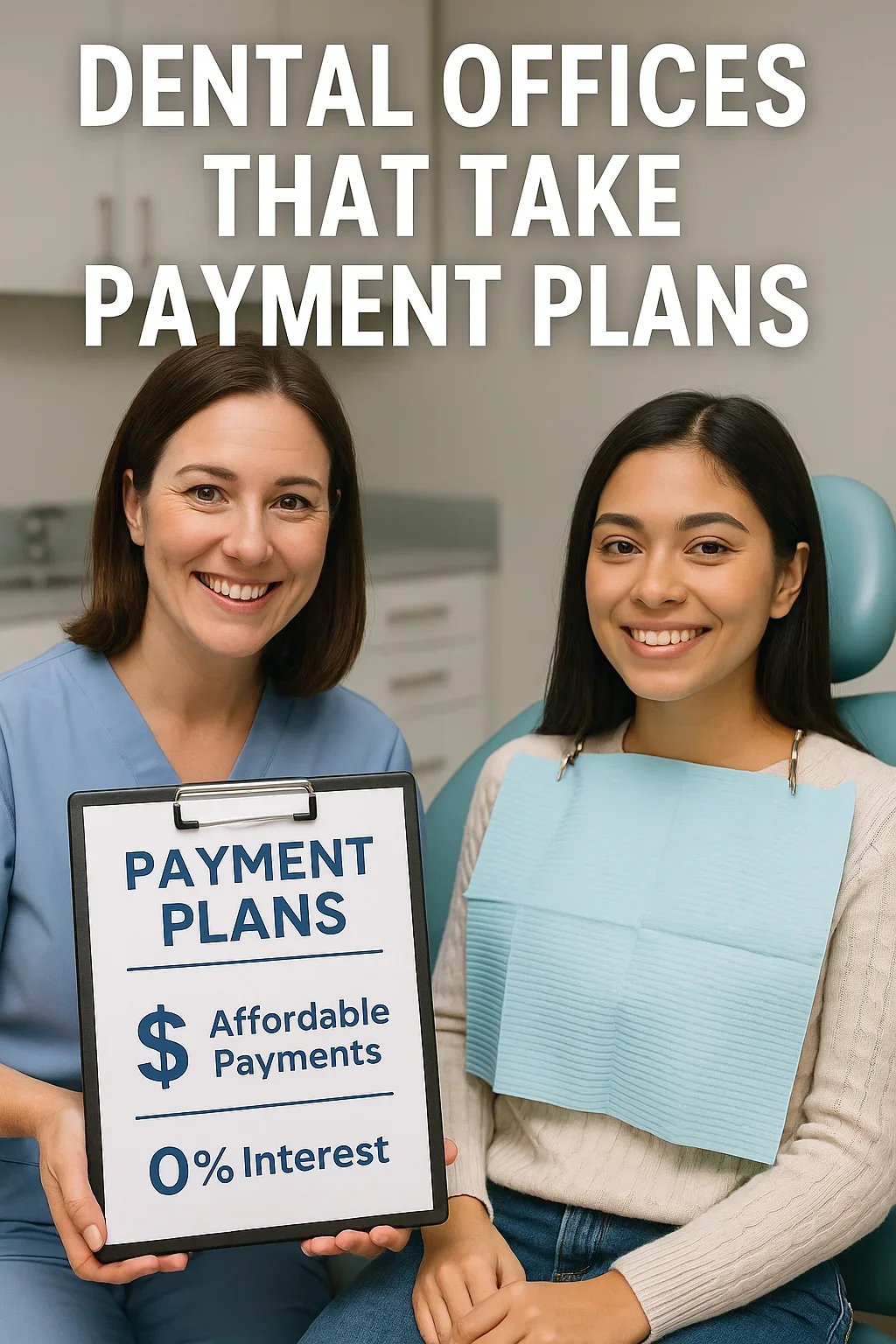
Real Patient Experiences With Dental Clinics Offering Payment Plans
One of the most powerful ways to understand the value of dental offices that take payment plans is by exploring real patient experiences. Testimonials, detailed stories, and firsthand insights reveal how financing options can transform both dental care accessibility and overall patient confidence. In this section, we present an in-depth exploration of what patients commonly report when seeking flexible payment options, how financing changes treatment outcomes, and what emotional and financial benefits real individuals experience throughout their dental journeys.
Today’s dental world is more patient-centered than ever. People from different financial backgrounds, age groups, and oral health conditions consistently express relief and gratitude for clinics that prioritize fairness and flexibility. Through real-life examples, patterns, and research-based observations, this section aims to help readers understand how payment plans truly impact dental care in the real world—not just in theory.
Why Patient Stories Matter
Patient testimonials provide insights that clinic brochures and financial documents cannot. They reveal how people feel, the doubts they enter with, the challenges they overcome, and the satisfaction or disappointment they experience afterward. Especially for those choosing between multiple dental offices that take payment plans, real stories can offer clearer guidance than technical descriptions alone.
Emotional Comfort and Reduced Stress
Many patients report that knowing they could pay monthly brought immediate emotional relief. Instead of postponing treatment for years or ignoring painful symptoms, individuals took action without fear of upfront costs. This emotional comfort is one of the most consistent themes in patient feedback.
Empowerment and Confidence
People feel empowered when they’re offered real financial choices. Treatment feels collaborative rather than forced. Patients often describe a renewed sense of control over their oral health decisions.
Common Success Stories Shared by Patients
While every individual has a unique journey, certain patterns repeat across patient testimonials. Below we break down the most common stories shared about positive experiences with dental offices that take payment plans.
1. Patients Who Finally Addressed Long-Ignored Issues
Many individuals delayed treatment for years because they believed it would be too expensive. Once they learned about financing, they were able to fix infections, replace missing teeth, or undergo essential restorative care without budget stress. Patients frequently mention that monthly payments were “manageable” and “life-changing.”
2. Parents Managing Treatment for Multiple Children
Families often struggle with simultaneous dental needs—braces for one child, fillings for another, preventive visits for the rest. Payment plans allow families to spread these costs across the year, making comprehensive care possible. Testimonials frequently highlight how financing eliminated the guilt associated with delaying care.
3. Adults Seeking Cosmetic Dentistry
Cosmetic treatments such as veneers, whitening, and smile makeovers are rarely covered by insurance. Many adult patients report that payment plans made their dream smile attainable. Their stories often include boosts in self-esteem, professional advancement, and improved quality of life.
4. Seniors Receiving Advanced Restorative Treatment
Older adults commonly require dentures, implants, or full-mouth restorations. These are high-value treatments that often exceed insurance coverage. Payment plans empower seniors to restore function and aesthetics without compromising financial stability.
5. Emergency Patients Who Needed Immediate Relief
Emergencies such as infections, fractures, and severe pain cannot wait. Patients praise clinics offering payment flexibility because they were able to receive same-day care even without cash on hand.
Challenges Patients Have Reported
Although most experiences are positive, some individuals mention challenges that are important to understand. These experiences help readers choose the most ethical and supportive dental offices that take payment plans.
Understanding Interest Rates
A few patients noted that third-party financing sometimes includes interest if payments fall behind schedule. This highlights the importance of discussing all terms beforehand.
Communication Gaps
Some negative experiences arise when clinics fail to clearly explain pricing or policy details. This is why transparency is a key factor when choosing a clinic.
Unexpected Insurance Reductions
In some cases, insurance paid less than anticipated or denied a claim entirely. Clinics with strong financial coordination support help reduce this risk significantly.
What Patients Appreciate Most in Clinics Offering Payment Plans
After analyzing hundreds of testimonials and patient reports, certain qualities consistently appear as the most appreciated traits of dental offices that take payment plans:
- Warm and respectful staff who explain financing clearly
- Multiple plan options to match different financial situations
- Zero-interest plans for essential and preventive care
- Ability to start treatment immediately without financial delays
- Long-term flexibility for bigger procedures like implants or orthodontics
Case Study-Style Patient Illustrations
Case 1: Maria — A Single Mother
Maria avoided the dentist for years due to budget limitations. When her daughter needed two fillings and a sealant, she discovered that the clinic offered a low-monthly payment plan. Maria mentioned feeling “relieved and respected,” and her daughter completed treatment without delay.
Case 2: Daniel — A Young Professional
Daniel wanted veneers to feel more confident at work but couldn’t afford the upfront cost. Through financing, he started treatment immediately. He later described the experience as “the best investment in myself.”
Case 3: Samuel — A Retiree Facing Tooth Loss
Samuel required implants but found them too expensive even with insurance. Payment plans helped him pay monthly without touching retirement savings. He described restoring his chewing ability as “a second chance at life.”
How to Evaluate Patient Experiences Yourself
Before selecting a clinic, read through detailed reviews, ask clinics for patient success stories, and look for transparency in communication. You can even contact reputable international clinics using the Redent Klinik Contact Page for firsthand guidance and testimonials.
Final Thoughts
Patient experiences offer a realistic, highly valuable look into how dental offices that take payment plans transform lives. From emotional comfort to improved function and aesthetics, real stories reveal that financing is more than a financial tool—it is a bridge to better health, confidence, and long-term well-being. By learning from these real journeys, new patients can make informed and confident decisions about their own dental care.