
Experiencing a dentist surprise can happen to anyone, whether it’s during a routine check-up, a cosmetic consultation, or even an urgent dental visit. Many patients walk into a dental clinic expecting a simple cleaning and walk out learning far more about their oral health than they anticipated. In this detailed guide, we will break down exactly what a person should expect, how to prepare, and how to turn any dentist visit into a positive, empowering experience. This comprehensive explanation is designed to help readers eliminate fear, understand the reasons behind unexpected findings, and know how to proactively manage their oral health 🌟.
First, it’s important to recognize that a dentist surprise is not always a negative experience. Sometimes, it’s a pleasant discovery—such as realizing a procedure will be less invasive than expected, or learning that a long-standing dental concern has a simple solution. In other cases, it can refer to an unforeseen issue like early gum recession, micro-cavities, or an infection that hasn’t yet shown symptoms. Dentists frequently uncover issues patients cannot detect on their own, because oral health problems often develop silently.
Most people expect a quick cleaning when they schedule a visit, but what they often do not realize is that every appointment also involves a professional evaluation of teeth, gums, bone structure, and, in some cases, overall facial health. This evaluation is essential because the mouth reveals early signs of systemic health problems. Understanding this helps reduce the emotional impact of a sudden dentist surprise, transforming it into a learning moment rather than a stressful one.
A significant portion of dentist-related anxiety comes from uncertainty. Patients fear discovering unexpected problems. However, when you understand what typically happens during a full dental assessment, those fears decrease. Your dentist checks for plaque buildup, enamel erosion, early decay, gum inflammation, bite alignment, jaw function issues, and signs of oral cancer. Even if a dentist surprise occurs, it often means the issue is being caught early—before it becomes painful or expensive to treat. In fact, many dental surprises involve small cavities, hairline cracks, or minor infections that are easily manageable when discovered promptly.
Another aspect of the dentist surprise experience involves modern dental technology. Digital X-rays, intraoral cameras, and AI-assisted diagnostic tools allow dentists to detect problems with incredible precision. What once required exploratory work can now be identified in seconds. This is where many patients encounter the “surprise” effect: seeing high-resolution images of their teeth from angles they’ve never seen before. In these images, hidden decay, damaged fillings, or early periodontal issues become surprisingly clear 🦷.
Sometimes the surprise comes from realizing how interconnected oral health is with overall wellness. For example, inflammation in the gums can indicate systemic inflammation, while enamel erosion may reflect dietary habits or digestive issues. Learning this can be eye-opening and empowering. Instead of viewing a dentist surprise as negative news, patients can treat it as a wake-up call to improve daily habits—brushing technique, flossing consistency, hydration, or nutrition.
To avoid negative surprises, preventive care is essential. Regular professional cleanings, annual X-rays, and routine oral exams dramatically reduce the likelihood of major unexpected findings. Brushing twice daily, flossing once a day, and using fluoride mouthwash help maintain a stable oral environment. Patients who follow these habits often report fewer unexpected discoveries during dental checkups.
Additionally, some surprises relate to treatment options. Many patients don’t realize they can choose among multiple types of restorations—composite fillings, ceramic inlays, zirconia crowns, or minimally invasive bonding. Dentists may also suggest cosmetic treatments such as whitening, veneer placement, or gum contouring, which can produce immediate and positive results. These pleasant “surprise upgrades” can make a patient feel more confident about their smile 😊.
If you ever need to consult or schedule an appointment, you can easily reach out through the Redent Klinik Contact Page. For authoritative information on dental guidelines, prevention, and standards of care, you can visit the American Dental Association, which provides high-quality resources without using any nofollow attribute.
In conclusion, a dentist surprise does not need to be intimidating. Whether it involves advanced technology, early detection, or new treatment options, the goal is always the same: to protect, preserve, and enhance your oral health. By approaching dental visits with knowledge and preparedness, patients can turn any unexpected findings into opportunities for improved wellness. Embracing the possibility of a “clinical surprise” creates a healthier mindset—one that values long-term oral care and the expert guidance of dental professionals.
Understanding the Most Common Dentist Surprise Moments
Many patients walk into their dental appointments expecting a quick cleaning, only to encounter an unexpected dentist surprise that reveals more about their oral health than they anticipated. These moments can range from discovering hidden cavities to uncovering early signs of gum disease or learning about underlying issues that cannot be seen without professional tools. This section provides a complete, detailed exploration of the most frequent dentist surprises encountered in clinics worldwide, how they occur, and how patients can prepare for them with confidence and clarity 🦷.
The truth is that dentistry involves far more than surface-level care. The mouth is a complex system of teeth, nerves, soft tissues, jaw structures, and blood vessels. Problems can remain invisible for months or even years until symptoms become noticeable. By then, what started as a small issue may have developed into something more serious. This is why the dentist surprise phenomenon is so common—professionals are trained to detect what patients cannot see or feel. Understanding these surprises helps reduce fear, build trust, and promote proactive oral health habits.
Hidden Cavities and Early Tooth Decay
One of the most frequent forms of a dentist surprise is the discovery of small cavities or early enamel demineralization. These issues rarely cause symptoms in the early stages. Patients may feel perfectly fine, but digital X-rays or intraoral cameras may reveal areas of concern. Dentists can identify a developing cavity long before it becomes painful. This early detection is a positive surprise, as catching decay early prevents the need for complex treatments such as root canals or crowns.
It’s important to remember that tooth decay forms beneath the surface long before it becomes visible. Sugar exposure, acidic drinks, poor brushing technique, and infrequent flossing are all contributing factors. When a dentist reveals these early signs, patients may initially feel alarmed, but this type of dentist surprise is beneficial. It offers an opportunity to strengthen enamel through fluoride treatments, improve home care habits, and prevent worsening damage.
Unexpected Gum Problems: Gingivitis and Periodontal Disease
Another very common dentist surprise occurs when patients learn that their gums are inflamed or infected. Mild gingivitis often shows no symptoms beyond occasional bleeding during brushing. Even moderate gum disease can progress silently, with no pain. Dentists use periodontal probes and imaging tools to evaluate gum recession, pocket depth, and bone support. If soft tissues show signs of inflammation, it’s a signal that bacteria are accumulating beneath the gumline.
For many patients, discovering early periodontal issues is shocking. They may believe their brushing habits are adequate, unaware that plaque buildup beneath the gums requires professional removal. Although such a dentist surprise can be concerning, it empowers patients to take immediate action. Early gum disease is reversible with proper care, deep cleaning procedures, and improved oral hygiene techniques.
Old or Damaged Restorations
A surprising number of patients have outdated dental fillings, cracked crowns, or worn-down restorations that need attention. These conditions often produce no symptoms, but they may allow bacteria to enter spaces beneath the restoration. When a dentist identifies a failing filling or fractured tooth that the patient never noticed, it is often a significant dentist surprise. Repairing damaged restorations promptly prevents further decay, tooth fractures, and infections.
Why Restorations Fail Without Warning
Dental materials expand and contract over time. Old fillings, particularly metal ones, can loosen or create tiny gaps. Chewing pressure, grinding, and natural aging also contribute to wear. Although many restorations last years, none last forever. When a dentist shows a high-resolution photo of a cracked crown or deteriorated filling, it often becomes a wake-up call—another example of how a dentist surprise can lead to long-term oral protection.
Alignment and Bite Problems
Another common surprise involves bite alignment. Even adults who never had orthodontic treatment—or completed it years ago—may learn that their bite is shifting. This can cause uneven tooth wear, jaw discomfort, or even headaches. In many cases, patients are unaware their teeth are moving.
How Dentists Detect Alignment Issues
Dentists analyze bite patterns, jaw joint function, and tooth wear. Uneven enamel, small fractures, or increased sensitivity may signal misalignment. Discovering these issues early is crucial. Many patients experience a dentist surprise when learning that a simple night guard, orthodontic retainer, or minor adjustment can prevent future complications.
Oral Cancer Screening Surprises
One of the most important and unexpected aspects of dental visits is oral cancer screening. Most patients are unaware that this evaluation is part of routine check-ups. Using special lights, palpation techniques, and visual inspection, dentists identify unusual tissue changes. While most findings are benign, discovering an abnormal patch or lesion can be a powerful dentist surprise that potentially saves lives through early detection.
Regular screenings are especially important for smokers, alcohol consumers, and individuals with a family history of cancer. Even those without risk factors benefit greatly from these evaluations. The key is early intervention—an unexpected finding does not automatically indicate danger. It simply highlights the importance of consistent check-ups.
By understanding the most common reasons behind a dentist surprise, patients can approach their appointments with greater confidence and less anxiety. Each discovery, whether small or significant, serves a purpose. Early detection leads to simpler, more affordable treatments, healthier outcomes, and improved long-term wellness. Instead of fearing dental surprises, patients can embrace them as essential tools for maintaining a strong, healthy smile.
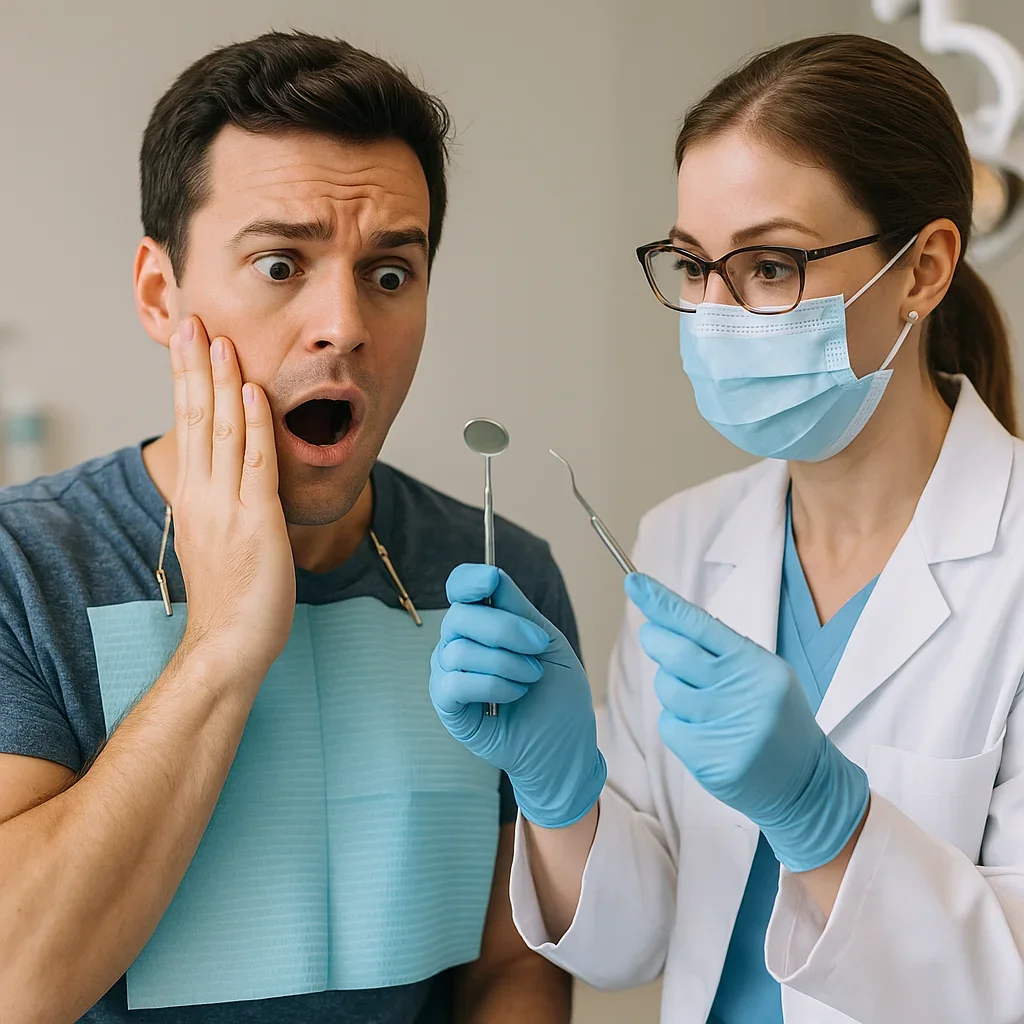
Dentist Surprise Cases: Real Patient Experiences Explained
For many people, the phrase dentist surprise immediately brings to mind unexpected findings during a dental check-up. These moments—ranging from discovering hidden decay to uncovering early gum disease—can dramatically influence a patient’s understanding of their oral health. In this detailed section, we explore real-world scenarios and explain why these surprises happen, how dentists identify them, and how patients can turn unexpected discoveries into opportunities for better long-term health 🦷.
Every appointment is unique, and no two patients encounter the same conditions. Yet, patterns emerge across thousands of cases. Many surprises stem from silent oral diseases that progress without symptoms. Others arise from lifestyle habits, genetics, or simply not visiting the dentist regularly. Understanding these real patient experiences helps readers prepare emotionally and practically for their own visits, reducing anxiety and promoting proactive care.
Case 1: Hidden Cavities That Never Hurt
One of the most frequent dentist surprise scenarios involves cavities that develop without causing pain. A patient may come in expecting a routine cleaning, only to hear that they have multiple early-stage cavities. Because tooth enamel has no nerves, decay can progress quietly. Dentists use digital X-rays, transillumination devices, and high-resolution cameras to detect decay long before symptoms appear.
In many real-life cases, patients who brush consistently still experience decay because they neglect flossing or consume a high-sugar diet. A surprising number of individuals also brush too hard—weakening enamel and creating vulnerable spots. When dentists reveal these issues through imaging, patients are often shocked, but this type of dentist surprise is actually beneficial. Early discovery means the decay can be reversed or treated with minimal intervention, avoiding complex procedures later.
Case 2: Gum Disease Revealed During a Standard Exam
Some of the most serious dental surprises involve gum disease. Patients may believe their gums are healthy simply because they don’t feel pain. Yet dentists frequently find moderate gingivitis or early periodontal disease during routine assessments. Bleeding during probing, deepened gum pockets, or tartar buildup beneath the surface are strong indicators of developing problems.
This type of dentist surprise often occurs in patients who brush regularly but skip flossing. Plaque hardens into tartar in areas the toothbrush cannot reach, allowing bacteria to thrive beneath the gums. Mild gum disease can be reversed, but advanced conditions require deep cleaning or ongoing periodontal maintenance. Real patient experiences show that early intervention saves both money and long-term health.
Case 3: Cracked Teeth That Patients Never Noticed
Another common dentist surprise involves discovering cracks in the teeth. Many people grind or clench their teeth in their sleep without realizing it. Over time, micro-fractures develop, which can weaken the structure of the tooth. Dentists often detect these cracks during exams or when reviewing imaging.
How Stress, Lifestyle, and Habits Contribute
Stress is a major factor. Studies show that nighttime grinding increases during periods of emotional strain. Athletes, heavy coffee drinkers, and people with sleep disorders also experience higher risk. Patients often feel shocked when a dentist shows magnified images of cracks they never felt. This dentist surprise usually leads to recommendations like night guards or bite adjustments to prevent further damage.
Case 4: Oral Cancer Screenings That Reveal Early Warning Signs
Perhaps the most profound dentist surprise involves the discovery of abnormal tissue or lesions during oral cancer screenings. These screenings are painless and routine, yet many patients are unaware that dentists perform them. In numerous documented cases, patients with no smoking history or known risk factors were found to have early signs of oral abnormalities.
Why This Matters
Early detection dramatically improves survival rates. Most lesions caught early are benign or precancerous and treatable. Real patient testimonies consistently highlight gratitude for timely detection. This type of dentist surprise underscores the importance of regular exams and reinforces the vital role of dental professionals in overall health—not just oral care.
Case 5: Cosmetic Surprises—Rapid Smile Transformations
Not all surprises are negative. Many patients experience a pleasant dentist surprise after learning that cosmetic concerns they’ve lived with for years—like minor chips, discoloration, or gaps—can be corrected quickly and affordably. Dental bonding, whitening treatments, and contouring often deliver instant improvements that patients never expected.
Some individuals come in asking about braces, only to learn that clear aligners or minor adjustments are all that’s needed. Others receive digital simulations showing how veneers could transform their smile. This type of positive dentist surprise often boosts confidence and encourages long-term oral health commitment 😊.
Case 6: Discovering Systemic Health Clues Through Oral Signs
The mouth reflects overall health. Dentists sometimes identify signs of diabetes, vitamin deficiencies, acid reflux, or autoimmune disorders during routine exams. Excessive dry mouth, erosion patterns, swollen gums, or unusual sores can indicate deeper issues. For many patients, this becomes a powerful dentist surprise that leads to early medical diagnosis and critical preventive care.
Real cases show dentists playing key roles in discovering systemic conditions long before symptoms appear elsewhere in the body. This reinforces the idea that dental visits are essential for whole-body wellness—not just teeth maintenance.
These real patient scenarios demonstrate why a dentist surprise is such a common and meaningful part of dental care. Whether it involves early detection, advanced imaging, bite issues, gum problems, or cosmetic solutions, each discovery serves a purpose. By understanding these examples, readers can approach their next appointment with more confidence, less fear, and a deeper appreciation for the value of regular care.
Unexpected Oral Health Issues Your Dentist Might Find
Many patients walk into a dental office feeling confident about their oral hygiene—only to leave experiencing an unexpected dentist surprise. These hidden oral health issues often remain unnoticed because the mouth is incredibly complex, and early symptoms of disease are subtle or nonexistent. This section explains the most common unexpected findings dentists uncover, why they happen, and how patients can use this knowledge to protect their long-term oral and overall health 🦷.
Even with excellent brushing habits, the mouth can develop issues deep beneath the surface. The gums, bone structure, enamel, nerves, and soft tissues all work together, and any imbalance can lead to complications. A dentist surprise happens when an underlying problem is detected during imaging, probing, or physical inspection—something the patient was unaware of due to lack of visible symptoms or pain. Understanding these silent problems helps patients approach dental visits with a more informed and empowered mindset.
1. Silent Cavities and Hidden Decay
One of the most frequent dentist surprise discoveries involves cavities that form between teeth or beneath the enamel surface. These areas are difficult for the naked eye to detect and often painless until the decay reaches the dentin. Patients may believe their brushing routine is sufficient, unaware that flossing is essential to prevent interproximal decay.
Digital X-rays reveal these hidden areas clearly. Dentists may also use special illumination tools that show dark spots where mineral loss has begun. When patients see these images, they often feel shocked that such decay existed without pain. But early detection is a positive dentist surprise—it prevents root canals, infections, and costly restorative work later.
2. Early Gum Disease Without Symptoms
Gum disease often progresses quietly. In real-world cases, patients with perfectly healthy-looking teeth are surprised to learn their gums are inflamed, infected, or receding. Gingivitis and early periodontal disease frequently produce no symptoms beyond mild bleeding, which many people dismiss as normal. However, bleeding is never normal—it is the body’s early alarm.
When dentists measure gum pocket depth during an exam, they often reveal pockets deeper than 3 mm. This measurement becomes a common dentist surprise moment. Patients may also learn that tartar beneath the gumline has hardened to the point where only professional scaling can remove it. Left untreated, gum disease leads to bone loss, loose teeth, and chronic inflammation.
3. Misalignment Issues and Bite Problems
Sometimes a patient believes their teeth look straight, but the dentist identifies bite alignment problems they cannot see. This silent dentist surprise manifests as uneven wear, enamel thinning, or small fractures caused by an improper bite. Over time, misalignment strains the jaw joint, causing headaches, neck pain, or nighttime grinding (bruxism).
Dentists analyze bite forces using articulating paper and digital imaging. Patients often feel astonished when shown how their teeth hit unevenly or why their enamel is thinning more on one side. This discovery allows dentists to recommend night guards, orthodontics, or minor contouring to protect the smile from future damage.
4. Cracks, Chips, and Structural Weaknesses
Many cracks in teeth develop from clenching, grinding, or biting hard foods. These cracks may be impossible for patients to feel initially. During an exam, a dentist may use magnification tools or special lights that highlight fractures invisible to the naked eye. This type of dentist surprise can be alarming, especially when patients realize a cracked tooth may worsen without treatment.
Catching cracks early prevents severe issues like nerve exposure or infection. It may also save the tooth from needing a root canal or crown. In many cases, dentists can reinforce a cracked tooth with bonding or protective restorations before the condition escalates.
5. Hidden Infections and Abscesses
Another major dentist surprise involves discovering infections deep within the tooth root or gum tissues. These infections can exist without pain, particularly in chronic cases where the body adapts to the inflammation. Dentists use imaging to identify dark areas around the root, indicating bone loss or infection.
Patients often react strongly when they learn an infection has been silently progressing for months. Fortunately, early diagnosis means faster, simpler treatment and protection from further systemic impact. Dental infections are medically significant—they can spread through the bloodstream if ignored.
6. Oral Cancer Warning Signs
Regular dental exams include oral cancer screenings, even if patients are unaware. A dentist surprise may occur when the dentist detects a suspicious lesion, patch, or texture on the soft tissues. While most findings are benign, early identification is crucial. Dentists may recommend monitoring, further imaging, or referral to a specialist.
Oral cancer screening surprises save lives. Many at-risk individuals—smokers, alcohol users, or those exposed to HPV—rely on dental visits for early detection.
7. Sinus-Related Dental Pain
Some patients come in believing they have a severe toothache, only to receive a dentist surprise diagnosis that the pain originates from the sinuses. Upper teeth sit extremely close to the sinus cavities, and inflammation often radiates downward. Dentists identify this through gentle pressure testing and imaging.
Patients are often relieved when they learn the tooth itself is healthy. This discovery prevents unnecessary dental procedures and redirects them to appropriate medical care.
8. Nutritional and Systemic Health Indicators
The mouth reveals deficiencies and systemic issues long before the rest of the body does. Dentists may detect signs of anemia, diabetes, acid reflux, or vitamin deficiencies through enamel erosion, gum condition, and overall oral tissue health. For many patients, this becomes a surprising but valuable dentist surprise that leads to early medical evaluation.
These findings reinforce the strong connection between oral and general health and highlight the importance of routine visits.
In short, unexpected oral health discoveries are more common than people realize. Each dentist surprise plays a critical role in revealing hidden problems and preventing serious complications. By understanding how these silent issues develop—and how dentists uncover them—patients become better prepared, calmer, and more proactive about their oral care.
How Preventive Care Helps Avoid Any Dentist Surprise
Many patients experience a dentist surprise because dental issues often develop silently. Preventive care is the most powerful way to stop problems before they begin—and to ensure that every dental visit is predictable, stress-free, and focused on maintaining long-term health rather than correcting unexpected damage. In this comprehensive section, we break down the essential components of preventive care, explain how each step reduces the risk of sudden discoveries, and highlight strategies that strengthen oral health from multiple angles 🦷.
Preventive care is not just about brushing and flossing. It is a complete system of habits, professional cleanings, imaging, lifestyle choices, and early interventions that collectively protect the teeth, gums, and jawbone. When done consistently, patients can dramatically reduce the likelihood of an unpleasant dentist surprise appearing during routine check-ups. Instead, dental appointments become opportunities for optimization rather than correction.
The Foundation of Prevention: Effective Daily Oral Hygiene
Strong daily habits form the first line of defense. Most dental problems—cavities, gum irritation, plaque accumulation—begin at home. While these issues often remain invisible to patients, they eventually emerge as a significant dentist surprise during a professional exam. But with consistent care, the risk is minimized.
Brushing Technique and Frequency
Proper brushing removes plaque, the sticky film responsible for decay and gum disease. However, many people brush too hard, too quickly, or with the wrong technique. Dentists frequently find unexpected enamel wear or gum recession caused by aggressive brushing—another example of an avoidable dentist surprise. Using a soft-bristled toothbrush, brushing gently for two minutes, and covering all surfaces helps maintain enamel strength and gum health.
Importance of Daily Flossing
Flossing is the most overlooked preventive habit. Without flossing, up to 40% of plaque remains in the mouth. Most hidden cavities between teeth and early gum problems discovered during exams stem from insufficient flossing. Patients often express shock when a dentist uncovers interproximal decay—yet with consistent flossing, this dentist surprise becomes rare.
Adding Fluoride and Mouthwash
Fluoride strengthens enamel, while antimicrobial rinses lower bacteria levels. These tools help prevent decay and gum inflammation before they develop into serious issues. Many patients only begin using these after experiencing a dentist surprise diagnosis, but adding them early provides long-term protection.
The Power of Professional Cleanings
No matter how well a person brushes, professional cleanings remain essential. Tartar (hardened plaque) forms in areas difficult to reach with regular tools. This tartar buildup is one of the most common triggers of a dentist surprise during routine visits.
Why Tartar Removal Matters
Tartar irritates the gums, leads to bleeding, and traps bacteria under the gumline. Only a dental professional can remove it. Regular cleanings every 6 months—sometimes every 3–4 months for those with gum issues—prevent these unexpected findings.
Polishing and Stain Prevention
Stains from coffee, tea, or smoking can make tooth surfaces rougher, which traps more bacteria. Polishing removes these micro-irregularities, helping prevent both cosmetic and health-related surprises.
Routine Dental Exams: The Key to Early Detection
Most dentist surprise cases emerge during routine exams, not because the dentist is delivering bad news, but because early signs of disease are detected before symptoms occur. The earlier a dentist identifies an issue, the easier and more affordable it is to treat.
Visual and Tactile Examination
During the exam, dentists look for cracks, enamel thinning, gum recession, and early signs of inflammation. These small changes can signal future problems. Patients who skip exams often return years later to a major dentist surprise—something that could have been prevented.
Digital X-rays and Imaging Technologies
Hidden infections, bone loss, decay under fillings, and impacted teeth can only be detected through imaging. Many patients do not realize they have these conditions until the dentist reveals the findings. Routine imaging every 12–24 months dramatically reduces the risk of serious surprises.
Diet and Lifestyle Choices
Diet plays a more significant role than most people realize. Sugar, acidic drinks, dehydration, and nutrient deficiency all contribute to oral problems. When patients learn that dietary habits caused enamel damage or increased decay risk, it often becomes a major dentist surprise.
Foods That Protect Teeth
Calcium-rich foods, crunchy vegetables, seeds, nuts, lean proteins, and water all support oral health. They help neutralize acids, strengthen enamel, and support gum tissue repair.
Habits That Increase Risk
Smoking, alcohol consumption, excessive caffeine, and grinding (bruxism) can all lead to unexpected findings. Addressing these habits early minimizes unpleasant surprises and long-term damage.
The Role of Preventive Appliances
Night guards, retainers, and mouthguards protect against grinding, shifting teeth, and sports injuries. Many cracked teeth detected during exams could have been prevented with these devices. When patients discover they have been grinding at night—another common dentist surprise—a night guard becomes essential.
Regular Specialist Referrals
Sometimes preventive care requires collaboration with periodontists, orthodontists, or oral surgeons. A referral often comes as a surprise to patients, but it ensures early and specialized treatment before issues escalate.
In summary, preventive care is the most reliable strategy for avoiding any unpleasant dentist surprise. By maintaining strong habits, attending regular cleanings, undergoing routine imaging, and adopting a healthy lifestyle, patients can protect their oral health and enjoy stress-free dental visits for years to come.
The Psychological Side of Dentist Surprise and Dental Anxiety
Experiencing a dentist surprise is not only a physical or clinical event—it is also a psychological one. For many patients, the unexpected nature of dental findings triggers emotional reactions such as stress, fear, embarrassment, or even avoidance of future appointments. Understanding the psychological dimension of these moments is crucial, because emotional wellbeing plays a major role in how individuals respond to oral health information and treatment recommendations. This comprehensive section explores the mental and emotional factors behind dental anxiety, explains how a dentist surprise can amplify certain fears, and offers science-backed strategies to maintain calm, trust, and confidence during dental visits.
Patients often feel vulnerable in the dental chair. Lying back, unable to see what is happening, and hearing unfamiliar sounds can create tension. When this environment combines with an unexpected diagnosis or recommendation, the dentist surprise effect becomes even more significant. The goal of understanding the psychological aspect is not merely to label the emotions involved—it is to transform them into healthy responses that protect long-term oral and mental wellness.
Why a Dentist Surprise Triggers Emotional Reactions
Humans naturally fear the unknown. The dental environment includes tools, lights, textures, and sensations that can feel foreign. When a patient believes the appointment will be routine but learns they have decay, gum issues, or other unexpected findings, the brain interprets this as a threat. This activates the fight-or-flight response: heart rate increases, muscles tighten, and anxiety levels rise.
Another factor is the personal significance of oral health. A smile is tied to identity, confidence, and social interaction. Therefore, a dentist surprise may feel like more than a health update—it may feel like a direct challenge to one’s self-image. For some, the surprise triggers embarrassment (“Did I not brush well enough?”), while others feel worry about treatment, cost, or the possibility of discomfort.
The Role of Previous Dental Experiences
Past negative experiences shape how individuals perceive new ones. A patient who had painful procedures in childhood may react strongly to even minor dentist surprises. The mind stores sensory memories—sounds of drilling, bright lights, uncomfortable instruments—and can replay them instantly when triggered.
Studies show that dental anxiety can persist for decades unless addressed. This is why it’s essential to understand how deeply a dentist surprise can affect the emotional state of certain individuals. Once these reactions are acknowledged, they can be properly managed.
The Importance of Trust in Reducing Anxiety
Trust is the foundation of positive dental experiences. When patients trust their dentist, unexpected findings are less intimidating and easier to process. Building this trust requires clear communication, transparency, empathy, and an environment where concerns are listened to rather than dismissed.
How Dentists Build Trust
A caring dentist explains what they are doing, why they are doing it, and what the patient should expect. They show images, use gentle techniques, and provide realistic but reassuring explanations. This reduces the shock factor of a dentist surprise and encourages patients to remain calm and engaged.
How Patients Strengthen Trust
Patients can bring questions, express fears, communicate discomfort, and ask for pauses or breaks during procedures. Open communication transforms dental visits into collaborative experiences, reducing anxiety and minimizing the emotional impact of any unexpected discovery.
Common Fears Connected to a Dentist Surprise
A dentist surprise can trigger multiple concerns. Some of the most common include:
- Fear of pain: Even though modern dentistry is highly advanced, many still associate treatment with discomfort.
- Fear of cost: Treatment recommendations can lead to financial stress if the patient is unprepared.
- Fear of judgment: Patients often worry the dentist will criticize their hygiene habits.
- Fear of losing control: Sitting still while someone works inside your mouth can feel overwhelming.
These fears are valid, and understanding them helps patients manage emotional responses when encountering a significant dentist surprise during their appointment.
Techniques to Reduce Dental Anxiety Before and During Appointments
Managing anxiety begins long before sitting in the dental chair. Proven strategies help reduce stress, improve emotional resilience, and make patients feel more in control.
1. Breathing and Mindfulness Exercises
Slow breathing reduces heart rate and calms the nervous system. Mindfulness helps patients stay present, preventing panic from building during a dentist surprise.
2. Listening to Music or Guided Relaxation
Many clinics allow patients to use headphones. Relaxing music or guided meditation can dramatically reduce tension and create a sense of calm.
3. Bringing a Support Person
Having a trusted friend or family member nearby can provide emotional comfort, reduce fear, and make unexpected news easier to process.
4. Asking for Explanations and Visuals
Understanding what the dentist is seeing helps eliminate guesswork. When patients can view digital images or X-rays, the dentist surprise becomes less abstract and more manageable.
The Long-Term Benefits of Addressing Dental Anxiety
Patients who actively manage their anxiety experience more positive outcomes. They attend appointments regularly, follow treatment recommendations, and build stronger oral health habits. This reduces the likelihood of severe or shocking dental surprises in the future.
Ultimately, the psychological aspect of a dentist surprise is deeply interconnected with emotional wellbeing. By understanding fears, building trust, and using effective stress-management techniques, patients can transform dental visits into empowering, predictable, and even relaxing experiences.
Dentist Surprise in Cosmetic Dentistry: What Changes Instantly
Cosmetic dentistry is one of the most transformative areas of oral health care, and it often brings the most memorable form of dentist surprise. Patients frequently enter the clinic with concerns about stains, misalignment, chips, or uneven gums, only to discover that many aesthetic improvements can be completed faster, easier, and more affordably than they ever imagined. The power of cosmetic dentistry lies not only in its visual impact but also in its ability to boost confidence, reshape self-perception, and improve long-term dental stability. This section explores the most common instant transformations, the techniques behind them, and how these pleasant surprises help create life-changing outcomes 🌟.
While some surprises in dentistry involve unexpected problems, cosmetic dentistry often delivers positive revelations. The emotional effect of an improved smile can be profound—patients report feeling more confident in social settings, more motivated to maintain oral hygiene, and more empowered to pursue personal and professional opportunities. Understanding what kinds of cosmetic procedures produce these instant results helps patients set realistic expectations and make informed decisions.
The “Instant Smile Upgrade” Experience
Many people assume cosmetic treatments require weeks or months of work. This assumption creates emotional distance—they imagine discomfort, long appointments, or major reconstruction. However, many cosmetic procedures deliver same-day or same-week transformations. This leads to a positive dentist surprise when patients realize how quickly their smile can change.
The psychological impact of immediate results is powerful. A brighter, more aligned, or more symmetrical smile influences first impressions, self-esteem, and even everyday behaviors such as smiling more often. These rapid enhancements motivate people to take better care of their teeth, returning for cleanings more regularly and committing to preventive care routines.
Teeth Whitening: The Fastest Cosmetic Dentist Surprise
Professional whitening is one of the most popular cosmetic dental treatments because results appear instantly—sometimes within an hour. The process typically involves applying a concentrated whitening gel activated by a specialized light. Patients often sit back expecting mild improvement, but they experience a dramatic dentist surprise when they see their teeth brighten by several shades.
Unlike over-the-counter products, professional whitening penetrates deeper into enamel, removing stubborn stains from coffee, tea, wine, tobacco, and age-related discoloration. Some clinics even provide digital previews beforehand, helping patients visualize their post-whitening smile. These quick, bright results frequently inspire patients to maintain better oral habits.
How Whitening Works Scientifically
The whitening gel breaks down chromogenic molecules responsible for discoloration. This chemical action lifts the stains rather than covering them. Understanding this process reassures patients that professional whitening is both effective and safe, reducing fear and increasing trust.
Dental Bonding: A Subtle but Powerful Transformation
Dental bonding is another common source of a positive dentist surprise. Using a tooth-colored composite resin, dentists repair chips, fill gaps, reshape uneven edges, or mask discoloration in a single appointment. The transformation is often immediate. Patients who have lived with tiny imperfections for years view the results with astonishment because bonding blends seamlessly with natural enamel.
Why Patients Love Bonding
Bonding requires little to no removal of tooth structure, is pain-free, and offers same-day results. It is one of the most conservative cosmetic treatments available. For those dealing with small aesthetic concerns, bonding can have an outsized impact on confidence and overall appearance.
Veneers: Dramatic Makeovers With Predictable Results
Porcelain veneers provide one of the most striking transformations in cosmetic dentistry. While veneer placement typically requires two visits, the change is so dramatic that patients often describe it as the ultimate dentist surprise. Veneers correct multiple issues at once—staining, misalignment, gaps, irregular shapes, and worn enamel.
The process begins with a digital smile design simulation. Patients can view the projected outcome before treatment even starts. This enhances trust and excitement, reducing anxiety and elevating anticipation. Once placed, veneers deliver a flawless, harmonious smile that can last 10–20 years.
Digital Smile Design Technology
This technology creates a blueprint for the new smile using high-resolution imaging. Patients see their future smile from multiple angles, which eliminates uncertainty and reduces emotional stress. For many, seeing the digital preview itself becomes a delightful dentist surprise.
Laser Gum Contouring: Instant Symmetry and Harmony
Laser gum contouring reshapes the gumline to create symmetry and balance. Many people don’t realize that a “gummy smile” or uneven gums can be corrected quickly. The procedure uses a precise dental laser to remove excess tissue painlessly. Patients experience immediate improvement, making this a remarkably fast dentist surprise that enhances the appearance of both the teeth and the smile as a whole.
The Benefits Beyond Aesthetics
Correcting the gumline also helps maintain gum health by reducing areas where plaque accumulates. This makes long-term oral hygiene easier and contributes to healthier dental structures.
The Emotional Impact of Cosmetic Dentist Surprises
Cosmetic improvements are not just aesthetic—they influence mental health and self-perception. Many individuals who struggled with self-consciousness due to their teeth report significant boosts in confidence after cosmetic treatment. These positive changes lead to improved communication, better social interactions, and even enhanced professional opportunities.
In many cases, the emotional transformation becomes the biggest dentist surprise of all. Patients expect physical improvement but do not anticipate how profoundly a new smile can influence their daily lives. This connection between cosmetic dentistry and emotional wellbeing highlights the importance of addressing aesthetic concerns holistically—not as vanity, but as a legitimate part of overall health.
Ultimately, the world of cosmetic dentistry delivers some of the most rewarding—and empowering—surprises available in modern dental care. Whether through whitening, bonding, veneers, or gum contouring, these enhancements offer immediate, dramatic improvements that reshape both appearance and confidence.
Financial Dentist Surprise: Treatment Costs Patients Don’t Expect
One of the most impactful—and often stressful—forms of dentist surprise is related to unexpected treatment costs. Patients typically enter a dental appointment with limited expectations: perhaps a routine cleaning or a quick check-up. But when dentists uncover hidden decay, gum disease, fractures, or advanced wear, the recommended treatments can be more extensive than the patient anticipated. This leads to financial surprises that trigger anxiety, confusion, or hesitation. In this comprehensive section, we explore the most common cost-related surprises, explain why they happen, and help patients understand how to prepare financially and emotionally for both routine and unexpected dental expenses.
Dental care is an investment in long-term health. However, because many oral conditions develop silently, patients may not realize the severity of an issue until it requires immediate attention. When a dentist surprise comes in the form of a financial estimate, it can feel overwhelming. But learning how dental pricing works helps patients feel more empowered, informed, and in control.
Why Dental Costs Often Come as a Surprise
Dental pricing varies widely depending on the complexity of the treatment, materials used, technology involved, and the overall health of the patient. Most people are accustomed to small, predictable medical copays—but dentistry is structured differently. Because dental issues can escalate quickly when left untreated, costs also increase the longer a problem goes unnoticed.
This is why preventive care is so essential. Without it, patients experience a dentist surprise when they learn that something as simple as a small cavity has progressed into a more serious—and costly—condition.
Factors Affecting Dental Pricing
- Severity of the condition: Deep decay or advanced gum disease requires more time and expertise.
- Dental materials: Options like zirconia, porcelain, or composite resin vary in cost and durability.
- Technology used: Digital imaging, lasers, and CAD/CAM systems improve precision but add costs.
- Location: Urban clinics often have different pricing than rural ones due to operational costs.
- Dentist experience: Specialists and highly trained professionals may charge more for advanced treatments.
Understanding these factors helps put the financial dentist surprise into perspective, reducing emotional stress when unexpected expenses arise.
The Most Common Cost-Related Dentist Surprises
Patients often encounter unexpected financial recommendations during dental visits, especially when issues have been developing silently for months or years. Below are the most frequent scenarios.
1. Deep Cleanings (Scaling and Root Planing)
Many patients assume a standard cleaning is sufficient, only to learn that they need a deeper, more detailed periodontal cleaning. This is one of the most common dentist surprise moments, especially for individuals with bleeding gums, tartar buildup, or early gum disease.
Typical Market Range:
Deep Cleaning (Per Quadrant): $150 – $350
Full Mouth Deep Cleaning: $600 – $1,400
Because insurance coverage varies, patients may be responsible for a significant portion of these costs.
2. Fillings and Restorations
Simple cavities are affordable to treat—if caught early. But many patients experience a dentist surprise when a small cavity has grown into a deep lesion requiring large fillings, inlays, or even crowns.
Typical Market Range:
Composite Filling: $90 – $300
Inlay/Onlay: $400 – $1,200
Crown (Porcelain/Zirconia): $900 – $2,000
The progression from a simple filling to a full crown is one of the most financially surprising scenarios for patients who delay visits.
3. Root Canals and Extractions
When infections reach the tooth nerve, root canal therapy becomes the only solution to save the tooth. If patients wait too long, extraction may be required. This type of dentist surprise often carries both emotional and financial weight.
Typical Market Range:
Root Canal (Front Tooth): $300 – $900
Root Canal (Molar): $700 – $1,800
Extraction (Simple): $100 – $300
Extraction (Surgical): $250 – $600
Avoiding treatment early is often the main reason costs escalate.
4. Dental Implants
Implants are one of the most advanced solutions for missing teeth. Patients often underestimate their cost, making implant consultations a major dentist surprise in terms of pricing.
Typical Market Range:
Single Implant (Complete): $3,000 – $6,000
However, their lifetime durability and natural appearance make them a long-term investment.
Why Financial Dentist Surprises Happen
Most dental conditions progress silently. Pain is a late-stage symptom. Therefore, many issues require more advanced—and costly—treatment by the time they’re discovered. Additionally, patients often underestimate the importance of routine imaging, which helps detect problems earlier and reduce costs.
Another reason for a financial dentist surprise is the gap between perceived oral health and actual clinical findings. Patients may believe their teeth “feel fine,” but dentists use diagnostic tools that reveal underlying decay, structural weakness, gum problems, or bone loss.
How Patients Can Prepare Financially
1. Commit to Routine Preventive Appointments
Preventive visits—professional cleanings, X-rays, and exams—help avoid costly surprises later. Preventive care is far cheaper than restorative care.
2. Ask for Detailed Treatment Plans
A written plan helps patients understand costs, timelines, and alternatives. It also reduces fear associated with a sudden dentist surprise.
3. Explore Financing Options
- Dental savings plans
- 0% interest payment plans
- Third-party financing companies
4. Improve Home Care
Even simple changes—better brushing, regular flossing, fluoride toothpaste—can prevent expensive treatments.
In conclusion, financial surprises in dentistry are common, but they can be minimized with education, preventive care, and open communication. By understanding how costs arise, patients can reduce the likelihood of a negative dentist surprise and make informed decisions that protect both their smile and their budget.
How to Make Sure Your Next Appointment Brings a Positive Dentist Surprise
Most patients associate a dentist surprise with something negative—like unexpected decay, gum issues, or unplanned treatment recommendations. But with the right preparation, lifestyle habits, mindset, and communication, dental appointments can deliver overwhelmingly positive surprises instead. Whether it’s discovering that your oral hygiene routine is working beautifully, learning that you don’t need as much treatment as expected, or even receiving encouraging feedback about gum health and enamel strength, positive surprises at the dentist are achievable for everyone. This section explores practical, evidence-backed strategies to shift the dental experience from fear and uncertainty toward confidence, empowerment, and proactive care.
The goal is to help patients understand exactly how they can influence the outcome of their visit. A positive dentist surprise does not happen randomly—it is shaped by consistent habits, preventive appointments, and open communication with the dental team. Through the guidance below, you will learn how to create the best possible conditions for a successful, stress-free, and even uplifting dental appointment.
Start With Consistent Preventive Care
Preventive care is the foundation of every positive dentist surprise. Instead of discovering cavities or gum issues, patients who maintain consistent cleanings and check-ups often hear feedback like “Your gums look great!” or “Your enamel is incredibly strong!” This creates a rewarding experience and strengthens trust between patient and dentist.
Why Preventive Care Matters
- Early detection: Dentists spot issues long before symptoms appear.
- Lower cost: Preventive treatments are significantly cheaper than restorative ones.
- Better comfort: Early-stage conditions require less invasive procedures.
Attending appointments every six months (or more frequently if recommended) dramatically lowers the chance of an unpleasant dentist surprise and increases the likelihood of receiving positive news instead.
Master Daily Oral Hygiene Habits
The daily choices patients make at home have a significant impact on what happens during dental visits. Effective brushing and flossing prevent plaque, decay, tartar buildup, and gum disease—meaning fewer unexpected findings in the clinic. With excellent home care, patients often experience a dentist surprise in the form of praise for their oral hygiene routine.
Essential Habits for a Positive Outcome
- Brush twice daily using fluoride toothpaste and a soft-bristle brush.
- Use proper brushing technique: 45-degree angle, gentle circular motions.
- Floss daily to remove plaque where toothbrushes cannot reach.
- Add mouthwash for an extra layer of protection against bacteria.
Consistency is key. When patients commit to routine home care, their oral health dramatically improves—and so does the likelihood of a genuinely positive dentist surprise.
Communicate Clearly With Your Dentist
Many negative surprises at the dentist happen because patients do not communicate concerns, symptoms, or changes in habits. The more your dentist understands about your lifestyle, dental history, and goals, the better they can guide your care. Clear communication reduces the chance of unexpected findings and increases the possibility of receiving encouraging news.
What to Tell Your Dentist
- Any sensitivity, discomfort, or unusual tastes or smells.
- Changes in medication, diet, or health conditions.
- Your cosmetic goals or concerns about your smile.
- Your anxiety level or fear triggers.
When dentists have full context, they can tailor treatments to deliver a positive dentist surprise rather than unpleasant news.
Use Technology to Stay Ahead of dental issues
Modern dental clinics use advanced technologies that help detect problems early, increase transparency, and improve patient comfort. Patients who engage with these tools often experience pleasant surprises—such as discovering that their oral hygiene is excellent or that previously concerning areas have improved.
Helpful Technologies
- Digital X-rays: Identify decay, bone changes, and structural issues earlier than ever.
- Intraoral cameras: Allow patients to see their teeth in real time, eliminating guesswork.
- Laser diagnostics: Measure early decay without drilling or discomfort.
- Caries detection tools: Pinpoint microscopic weaknesses in enamel long before they form cavities.
Using these tools, dentists provide clearer explanations—and patients often receive a positive dentist surprise when they see improvement in their dental health over time.
Adopt Lifestyle Habits That Support Oral Health
Beyond brushing and flossing, dietary and lifestyle choices can dramatically influence clinical outcomes. Healthy habits reduce the risk of decay, gum disease, and enamel erosion—leading to more positive feedback during appointments.
Top Lifestyle Practices
- Drink more water, especially after eating.
- Reduce sugary snacks and acidic drinks.
- Chew sugar-free gum to stimulate saliva.
- Limit alcohol and quit smoking entirely.
- Use a nightguard if you grind your teeth.
Over time, these habits create a healthier mouth—and increase the odds of a pleasant dentist surprise when the dentist compliments enamel strength, gum stability, or reduced plaque accumulation.
Ask for Preventive Treatments to Avoid Future Problems
Preventive treatments are a powerful way to reduce risk and strengthen oral health. Patients who use them regularly often hear encouraging news during check-ups.
Recommended Preventive Treatments
- Fluoride applications: Strengthen enamel and reduce decay risk.
- Dental sealants: Protect grooves of molars from plaque buildup.
- Professional cleanings: Remove tartar and prevent gum disease.
Using these treatments consistently helps create a protective layer against common issues that cause negative surprises—and instead leads to positive dentist surprise moments during visits.
Bring Up Any Concerns Before They Become Serious
Small symptoms should never be ignored. Early intervention prevents minor problems from developing into major concerns, and this significantly improves the experience during your next visit.
For example:
- Gum bleeding may indicate early gingivitis.
- Sensitivity may signal enamel wear or early decay.
- Jaw pain could mean clenching or grinding.
Addressing these symptoms early virtually eliminates the chance of a negative dentist surprise down the road.
Conclusion: Take Control of Your Dental Experience
A positive dental experience is not luck—it is the result of consistent effort, communication, prevention, and trust. By following these strategies, patients can shift the narrative from unexpected problems to encouraging dental news. The next time you sit in the dental chair, your dentist surprise may be one of confidence, progress, and healthy improvement rather than worry or shock.
Ultimately, your habits shape your outcomes. And with the right approach, every visit can bring a pleasant—and motivating—surprise.
Unexpected Oral Health Issues Your Dentist Might Find
Even with good brushing, regular flossing, and a generally healthy routine, many patients still experience a dentist surprise when hidden oral conditions are discovered during routine checkups. These issues often develop silently, without pain or visible symptoms, which makes them even more shocking when the dentist reveals them. While some surprises are minor and easily resolved, others require more advanced treatment to prevent complications. Understanding what kinds of unexpected oral health conditions can emerge—and why they happen—helps patients feel more prepared and less anxious during dental appointments.
This comprehensive guide explores the most common hidden issues that lead to a dentist surprise, explains how dentists detect them, and provides practical advice on prevention. Knowing what’s lurking behind the scenes can help you stay one step ahead of your oral health and avoid costly or stressful treatments in the future.
Why Oral Health Issues Develop Without Symptoms
Many patients assume that if something is wrong in their mouth, they will feel pain or notice swelling. However, most dental problems begin painlessly. The absence of symptoms does not mean the absence of disease. This is why dentist surprise moments are so common—disease tends to stay “quiet” until it becomes severe.
The Silent Nature of Early Dental Problems
- Tooth decay begins at the enamel where there are no nerves.
- Gum disease starts with inflammation, which may not hurt.
- Cracks can be too small to feel but large enough to compromise the tooth.
- Bone loss around the teeth develops slowly and silently.
Because of this quiet progression, detection often happens only during dental exams, X-rays, or digital imaging—leading to an unexpected dentist surprise for many individuals.
The Most Common Hidden Oral Health Issues
1. Early-Stage Cavities
Small cavities are one of the most frequent reasons for a dentist surprise. They begin beneath the enamel surface and can go unnoticed for months or years. Dentists detect them using X-rays or special light-based devices.
Why they happen: sugary diets, acidic drinks, poor brushing, dry mouth, and inconsistent flossing.
How to prevent: brush twice daily with fluoride, limit sugar, drink more water, and maintain regular cleanings.
2. Hidden Gum Disease
Gum disease is extremely common and often painless in its early stages. Many patients are shocked when their dentist reveals pockets, inflammation, or early clinical attachment loss.
Symptoms patients often miss:
- Bleeding during brushing (often ignored)
- Bad breath
- Mild swelling
Because early gum disease does not hurt, it frequently becomes a dentist surprise during routine evaluations.
3. Cracked Teeth
Microcracks or hairline fractures can occur from grinding, chewing hard foods, or old fillings. These cracks can be nearly impossible to see without magnification or special lighting.
Typical causes:
- Nighttime grinding
- Hard candy or ice chewing
- Aging dental work
Cracks can eventually lead to severe pain, nerve involvement, or breakage. Early detection is crucial to avoid a worsening dentist surprise.
4. Bone Loss Around Teeth
Bone loss happens beneath the gum line and cannot be seen without X-rays. This makes it one of the most stunning findings for patients who believed they had healthy gums.
Why bone loss occurs: untreated gum disease, genetics, smoking, severe bruxism, or systemic inflammation.
Because bone supports the teeth, any loss is a serious dentist surprise that requires immediate attention.
5. Impacted Wisdom Teeth
Many people feel no symptoms from impacted wisdom teeth until complications arise. Dentists often find them on X-rays during routine exams.
Why this is surprising: Patients assume wisdom teeth cause pain immediately, but many remain silent for years.
A silent, impacted tooth can push other teeth, damage bone, or create infections—making this a frequent dentist surprise.
6. Enamel Erosion
Enamel erosion weakens the outer layer of teeth and leads to sensitivity, cavities, and cosmetic concerns. Many patients learn about erosion only when their dentist points out thinning enamel or translucent edges.
Main causes: acidic foods, sodas, GERD, bruxism, and aggressive brushing.
Because erosion is gradual, it easily becomes an unexpected dentist surprise.
7. Failed Old Dental Work
Fillings, crowns, and bridges can degrade over time. While patients often assume these restorations last forever, they have life spans. Issues such as leakage, cracks, or bacterial infiltration may only be detectable during an exam.
- Old fillings may leak and create decay beneath.
- Crowns may loosen without symptoms.
- Bridges may trap bacteria and weaken gums.
When patients hear that a restoration must be replaced, it often becomes a stressful dentist surprise.
How Dentists Detect These Hidden Issues
Advanced detection tools help dentists uncover oral health problems before symptoms arise. These include:
- Digital X-rays – identify decay, bone loss, fractures.
- Intraoral cameras – highlight cracks, plaque, and gum issues.
- Laser diagnostics – detect early decay without drilling.
- Periodontal probes – measure gum pocket depth.
When patients see the images themselves, the dentist surprise feels more understandable and less intimidating.
How to Reduce the Likelihood of Negative Dentist Surprises
1. Maintain routine check-ups
Skipping dental visits increases the odds of major issues going unnoticed.
2. Upgrade your home-care routine
Fluoride toothpaste, flossing, gentle brushing, and mouthwash reduce disease risk.
3. Share any new symptoms with your dentist
Even mild discomfort can signal early problems.
4. Use recommended preventive treatments
- Sealants
- Fluoride varnish
- Nightguards
Conclusion: Turn the Dentist Surprise Into Awareness
Unexpected oral health issues can cause stress, confusion, and worry. But with knowledge, prevention, and early care, patients can minimize the risk of unpleasant surprises. By taking charge of their daily habits, staying consistent with dental exams, and using modern diagnostic tools, individuals can transform the dentist surprise from a negative experience into an opportunity for learning, improvement, and proactive oral health management.