
Welcome to the ultimate guide to dental pediatric dentistry — a specialized branch of dentistry dedicated to the oral health of children from infancy through adolescence 👶🦷. It’s not just about filling cavities or cleaning teeth; it’s about creating a positive foundation for lifelong oral care. Pediatric dentists are trained to manage the emotional, behavioral, and developmental needs of children while ensuring their smiles grow healthy and strong. This detailed guide explains why dental pediatric dentistry is vital, how it differs from general dentistry, and how it shapes a child’s overall well-being.
Children’s oral health requires unique attention because their teeth, gums, and jaws are constantly developing. In dental pediatric dentistry, the focus goes beyond simple treatment — it’s about prevention, education, and early intervention. Pediatric dentists use specialized tools and child-friendly communication to reduce fear and anxiety during visits. They teach kids about brushing, diet, and the importance of regular checkups, ensuring that dental care becomes a natural habit rather than a stressful experience. 🪥
One of the major goals of dental pediatric dentistry is early detection. Since children’s teeth and bones grow rapidly, even small issues can escalate quickly if left untreated. Regular dental exams help identify early signs of decay, misalignment, or developmental problems. By addressing these issues early, parents can prevent complex and costly treatments later. According to the American Dental Association, early dental visits improve a child’s overall health and confidence, reducing the risk of chronic dental diseases later in life.
Unlike adult dentistry, dental pediatric dentistry focuses on behavior management, communication, and emotional comfort. Pediatric dental offices are designed with bright colors, engaging toys, and welcoming staff to help children feel safe. A calm, positive experience during the first visit can set the tone for a lifetime of trust in dental professionals. 💫 Pediatric dentists often use techniques such as “tell-show-do,” where they explain procedures in simple terms, demonstrate them, and then perform them — helping kids feel more in control.
The scope of dental pediatric dentistry is extensive. It includes preventive care such as fluoride treatments, sealants, and cleanings; restorative care like fillings and crowns; and guidance on habits such as thumb sucking or pacifier use. Pediatric dentists also monitor jaw development and eruption patterns to ensure that permanent teeth come in properly aligned. In cases where trauma or accidents occur — such as chipped or knocked-out teeth — they provide specialized emergency care that minimizes long-term damage.
Nutrition plays an essential role in dental pediatric dentistry. Pediatric dentists educate parents about the impact of sugary snacks, juices, and poor diet choices on enamel strength and cavity formation. Teaching children to enjoy water, milk, and healthy snacks helps establish strong habits that protect their teeth. Furthermore, pediatric dentists emphasize the importance of fluoride exposure, both through toothpaste and professionally applied varnishes, to prevent early decay.
Another key area of dental pediatric dentistry is collaboration with parents. Parents are considered partners in maintaining their child’s oral health. Dentists guide them on topics like teething, brushing frequency, toothpaste selection, and when to introduce flossing. They also provide reassurance and support for children with special healthcare needs, ensuring personalized and compassionate care. For parents seeking expert advice or wanting to book an appointment, the Redent Klinik Contact Page offers a simple and professional way to reach qualified specialists.
Preventive strategies form the heart of dental pediatric dentistry. Regular visits every six months allow dentists to monitor growth, apply protective sealants, and reinforce good oral hygiene habits. These visits also give children the opportunity to build trust and familiarity with their dentist, turning routine checkups into positive experiences rather than fearful ones. The result is not just healthy teeth but confident smiles that last a lifetime. 😁
Ultimately, dental pediatric dentistry is about empowerment — helping children and parents understand that oral health is integral to overall health. It’s an investment in the future, ensuring that children grow up free from pain, infections, or dental anxiety. With advancements in technology, modern pediatric dental clinics now offer digital X-rays, laser treatments, and minimally invasive techniques to make care safer and more comfortable. These innovations continue to transform how we protect and nurture young smiles.
In conclusion, dental pediatric dentistry serves as the cornerstone of preventive health for children. It fosters healthy habits, early intervention, and a deep sense of confidence in dental care. By choosing compassionate professionals who specialize in children’s dentistry, parents can ensure their little ones receive the highest standard of care in a supportive, joyful environment. 🌟
Understanding Dental Pediatric Dentistry and Its Importance
Dental pediatric dentistry is the specialized branch of dental medicine dedicated to maintaining and improving the oral health of infants, children, and teenagers 🦷. It combines preventive, diagnostic, and therapeutic techniques tailored to the specific needs of developing teeth and gums. While general dentists focus on adult patients, pediatric dentists are trained to manage the emotional and developmental aspects of children’s care, creating an environment where little patients feel comfortable and confident during their visits. The goal of dental pediatric dentistry is not only to treat problems but to prevent them from occurring in the first place.
The Foundation of Pediatric Dental Health
Children’s oral health begins even before their first tooth erupts. Dental pediatric dentistry emphasizes early education for parents and caregivers, teaching them about oral hygiene habits, dietary guidance, and the importance of regular checkups. From the eruption of the first tooth to the growth of permanent teeth, each developmental stage requires unique attention. Pediatric dentists track jaw growth, tooth eruption patterns, and facial development to ensure everything progresses normally.
According to the American Dental Association, the first dental visit should occur within six months after the first tooth appears or by the child’s first birthday. This early introduction helps establish a “dental home” — a continuous relationship between the dentist, child, and family. This concept lies at the heart of dental pediatric dentistry and sets the foundation for proactive rather than reactive oral care. It also allows early detection of dental issues such as enamel defects, teething discomfort, or tongue-tie, which can affect speech and feeding.
Why Early Dental Care Matters
The importance of dental pediatric dentistry goes beyond preventing cavities. Healthy teeth are essential for proper chewing, speech development, and facial aesthetics. Neglected baby teeth can lead to pain, infection, and misalignment of permanent teeth. When dental decay in children — also called Early Childhood Caries (ECC) — progresses unchecked, it can interfere with nutrition, growth, and school performance. By identifying issues early, pediatric dentists can use minimally invasive treatments like fluoride varnishes or sealants, reducing the need for more complex procedures later.
In addition to the physical benefits, regular visits to a pediatric dentist help establish a positive mindset toward oral health. Children who grow up seeing dental care as a normal and friendly routine are far less likely to develop dental anxiety as adults. This emotional conditioning is one of the hidden strengths of dental pediatric dentistry — it builds trust, confidence, and lifelong healthy habits.
Preventive Strategies in Dental Pediatric Dentistry
Prevention is the cornerstone of dental pediatric dentistry. Pediatric dentists focus on controlling plaque, monitoring fluoride intake, and encouraging balanced nutrition. They often recommend fluoride treatments to strengthen enamel and sealants to protect molars from decay. Routine cleaning appointments allow early detection of gum inflammation, improper brushing, or harmful habits like thumb sucking and prolonged bottle use. Pediatric dentists also educate parents about the dangers of sugary drinks and the role of saliva in maintaining oral balance.
One of the best aspects of dental pediatric dentistry is its family-centered approach. Dentists work closely with parents, explaining every step of a child’s treatment plan. They often use visual aids, digital imaging, and child-friendly explanations to make visits interactive and fun. This teamwork helps children feel secure while empowering parents to reinforce healthy behaviors at home. For families seeking expert advice or consultations, the Redent Klinik Contact Page provides an easy way to connect with trusted professionals specializing in pediatric care.
Special Considerations for Growing Children
As children grow, their oral cavity undergoes constant changes. Baby teeth guide the eruption of permanent ones, maintain space in the jaw, and support facial structure. Losing these teeth too early due to decay or trauma can cause spacing problems or orthodontic issues later. That’s why dental pediatric dentistry includes interceptive care — a proactive approach to correct issues before they worsen. For instance, if a child loses a baby molar prematurely, space maintainers can be used to prevent crowding of permanent teeth.
Moreover, pediatric dentists monitor oral habits like thumb sucking, lip biting, or tongue thrusting. These habits, if prolonged, can alter the bite and jaw shape. Through gentle guidance, behavioral interventions, and sometimes orthodontic referrals, dental pediatric dentistry ensures that the child’s bite and alignment develop correctly.
Building Emotional Trust Through Compassionate Care
What truly distinguishes dental pediatric dentistry is its human approach. Pediatric dentists often receive training in child psychology, allowing them to manage fear, anxiety, and behavioral challenges with empathy. Their clinics are typically decorated with bright colors, toys, and murals to make the environment less intimidating 🎨. Techniques like “tell-show-do,” distraction with cartoons, or rewards for cooperation help children feel proud of their visits. Over time, this trust transforms dental appointments into positive experiences rather than sources of stress.
Integrating Technology in Pediatric Dentistry
Modern dental pediatric dentistry embraces advanced technology to ensure accurate, safe, and comfortable care. Digital X-rays reduce radiation exposure, intraoral cameras help visualize small details, and laser dentistry allows painless cavity treatments. Computerized charting and educational animations help parents understand treatment options in real time. These advancements make pediatric dental visits more efficient and engaging for both children and caregivers.
The Broader Impact on Public Health
Ultimately, dental pediatric dentistry contributes significantly to community health. By promoting prevention, early diagnosis, and education, it reduces the burden of dental diseases on healthcare systems. Schools and public programs often partner with pediatric dentists to conduct screenings, fluoride applications, and oral health education. Teaching children the value of oral hygiene from a young age not only preserves their teeth but also cultivates a generation that prioritizes wellness, confidence, and self-care. 🌟
In summary, understanding the role and importance of dental pediatric dentistry empowers both parents and professionals to nurture healthier, happier smiles. It’s a comprehensive system that integrates science, compassion, and prevention — the perfect combination for building lifelong oral health.
When Should a Child First Visit a Pediatric Dentist?
Parents often wonder when to schedule their child’s first dental appointment, and the answer is simpler than most expect. According to experts in dental pediatric dentistry 🦷, a child should see a pediatric dentist either by their first birthday or within six months of the eruption of their first tooth. This early start ensures that dental care becomes part of a child’s routine while allowing professionals to detect potential problems at their earliest stages. Pediatric dentists play a vital role in guiding both parents and children through the stages of dental development, prevention, and lifelong oral hygiene habits.
Why the First Dental Visit Matters
The first dental visit serves as more than just an examination — it’s an introduction to dental pediatric dentistry and an opportunity to establish what’s known as a “dental home.” This term refers to the consistent relationship between the child, parent, and pediatric dentist that supports preventive and ongoing care. Early visits allow dentists to examine tooth eruption, check bite alignment, and identify signs of teething discomfort, cavities, or tongue-tie conditions that can affect feeding and speech development. By catching these issues early, dental pediatric dentistry minimizes future complications and helps children feel comfortable in the dental environment.
Timing and Preparation for the First Visit
For most children, the initial appointment in dental pediatric dentistry should occur around age one. This timing aligns with the eruption of the first baby teeth, which are highly susceptible to early decay. Parents are advised to schedule the appointment during a time when the child is well-rested and fed to reduce anxiety. Pediatric dentists use simple, gentle procedures during this first visit — often involving visual examinations, parental guidance, and education rather than invasive treatment.
Preparing for the first dental visit is just as important as the visit itself. Parents should talk positively about the dentist, avoiding negative words like “pain” or “injection.” Reading children’s books about dental visits or role-playing “dentist games” can also help familiarize kids with what to expect. Many clinics specializing in dental pediatric dentistry design their spaces with bright colors, cartoon characters, and interactive toys to make the atmosphere welcoming. These small details create big impacts, especially for young patients experiencing their first healthcare encounter.
What Happens During the First Visit?
During the first appointment, pediatric dentists typically perform a gentle oral examination to check for tooth development, gum health, and potential abnormalities. The visit also includes a discussion about teething, proper brushing techniques, and fluoride use. Parents receive advice on bottle feeding, pacifier habits, and nutrition — all critical factors in preventing early childhood caries. In dental pediatric dentistry, prevention always comes before treatment, so even a brief appointment offers long-term benefits.
Depending on the child’s comfort level, the dentist may also perform a brief cleaning or apply fluoride varnish to strengthen enamel. Fluoride application is a core part of dental pediatric dentistry because it helps protect developing teeth against acid attacks caused by bacteria and sugary foods. Pediatric dentists are trained to communicate in a friendly, reassuring tone, using age-appropriate language that makes the experience enjoyable rather than frightening. 😊
Common Concerns Addressed in Early Visits
Many parents express concerns about thumb sucking, nighttime bottle feeding, or the use of sippy cups. During the visit, the dentist explains how these habits affect dental alignment and jaw growth. They may suggest strategies for gradual habit correction to ensure proper bite development. Another common topic in dental pediatric dentistry is the importance of fluoride — when to start using fluoride toothpaste, how much to apply, and how to prevent ingestion.
Parents are also educated on recognizing early signs of decay, such as white or brown spots on the enamel, which may indicate demineralization. Addressing these symptoms early can prevent the need for restorative procedures later. By promoting proactive care, dental pediatric dentistry builds confidence in parents and helps establish a collaborative relationship focused on the child’s health.
How Pediatric Dentists Build Trust with Young Patients
One of the hallmarks of dental pediatric dentistry is its patient-centered approach. Pediatric dentists are experts in communication, often using techniques such as “tell-show-do” to build trust. For example, the dentist might explain a tool (“This is our magic mirror”), show how it works on a toy, and then use it gently on the child’s teeth. This approach transforms anxiety into curiosity, allowing children to feel involved and safe. Over time, repeated positive experiences encourage cooperation and long-term comfort with dental care.
Creating a Fear-Free Environment
The success of early visits largely depends on how enjoyable the experience feels. Clinics that focus on dental pediatric dentistry often integrate music, cartoons, and themed rooms to reduce anxiety. Dentists and staff wear friendly attire and use humor or storytelling to keep children engaged. When dental care becomes fun, children look forward to their visits — a psychological win that supports lifelong oral health. 🪥
Long-Term Benefits of Early Dental Visits
Starting dental checkups early yields measurable long-term benefits. Regular monitoring allows for the early detection of crowding, bite issues, and developmental delays. Pediatric dentists can provide referrals for orthodontic evaluations or habit appliances if needed. Moreover, establishing a dental routine from infancy reduces the likelihood of cavities, gingivitis, or dental fear in adolescence. Through continuous guidance and education, dental pediatric dentistry nurtures both confidence and discipline in children’s oral hygiene practices.
Parents who maintain consistent dental appointments also gain peace of mind. They learn the right way to clean their child’s teeth, select age-appropriate toothbrushes, and handle emergencies such as knocked-out or chipped teeth. Should any issue arise, they already have an established dental home to turn to. For personalized pediatric care and scheduling, parents can reach the Redent Klinik Contact Page for trusted advice and appointments.
Conclusion: Building Healthy Habits from the Start
In conclusion, the first visit to a pediatric dentist is a milestone moment for both child and parent. It’s not just a checkup — it’s the beginning of a lifelong commitment to oral wellness. By embracing the principles of dental pediatric dentistry, families create a foundation of trust, health, and education that extends well into adulthood. The earlier a child’s journey begins, the brighter and healthier their smile will be. 🌟
Common Dental Problems in Children and Their Treatments
Childhood is a critical time for building strong oral health foundations, but it’s also when many dental problems can begin to surface. Understanding these issues and how they’re treated is an essential part of dental pediatric dentistry 🦷. From cavities and gum inflammation to misalignment and tooth trauma, children’s teeth face unique challenges that require specialized care. Pediatric dentists not only diagnose and treat these conditions but also educate families to prevent them before they occur. This section explores the most common dental problems in children, their causes, and the modern treatments available through dental pediatric dentistry.
1. Early Childhood Caries (Tooth Decay)
The most frequent issue in dental pediatric dentistry is tooth decay, often referred to as Early Childhood Caries (ECC). This occurs when sugary foods, formula, or fruit juices linger on a child’s teeth for prolonged periods. Bacteria feed on these sugars, producing acids that weaken the enamel and cause cavities. Left untreated, decay can spread rapidly, leading to pain, infection, and even early tooth loss.
In the field of dental pediatric dentistry, treatment depends on the severity of the decay. Small cavities are treated with fluoride varnishes or dental sealants, while larger lesions may require fillings or crowns made from child-safe materials like resin or stainless steel. Prevention remains the best defense: pediatric dentists advise brushing with fluoride toothpaste twice daily, minimizing sugary snacks, and scheduling checkups every six months.
Baby Bottle Tooth Decay
A specific type of early decay, called “baby bottle tooth decay,” is a major concern in dental pediatric dentistry. It often develops when infants fall asleep with bottles containing milk, juice, or formula. The sugars pool around the front teeth, feeding bacteria that erode enamel overnight. Pediatric dentists recommend cleaning the baby’s gums with a soft cloth after feeding and introducing water as the bedtime drink. Teaching proper habits early ensures lifelong dental protection.
2. Gum Disease and Gingivitis in Children
Many parents believe gum disease affects only adults, but children are also at risk. Dental pediatric dentistry identifies early-stage gum problems such as gingivitis, which causes redness, swelling, and bleeding during brushing. Common causes include poor brushing habits, plaque buildup, and hormonal changes during growth.
Treatment focuses on deep cleaning, improving oral hygiene techniques, and reinforcing good nutrition. Regular professional cleanings remove plaque and tartar that can’t be reached by brushing alone. In severe cases, medicated mouth rinses or specialized treatments may be recommended. By managing gum health early, dental pediatric dentistry helps prevent long-term complications like periodontal disease in adulthood.
3. Tooth Misalignment and Bite Problems
Improper tooth alignment is another frequent issue addressed by dental pediatric dentistry. Crowded teeth, overbites, and crossbites often stem from genetic factors, thumb sucking, or prolonged pacifier use. These conditions can affect chewing, speech, and jaw development.
Pediatric dentists work closely with orthodontists to monitor growth and suggest early interventions known as interceptive orthodontics. These treatments may involve spacers, retainers, or gentle corrective appliances that guide teeth into proper alignment. Early evaluation, typically around age seven, ensures timely correction before permanent teeth fully develop. The proactive approach of dental pediatric dentistry helps minimize the need for complex orthodontic work later on.
Jaw Development and Orthodontic Evaluation
Monitoring jaw growth is vital in dental pediatric dentistry. Pediatric dentists assess whether the upper and lower jaws are developing proportionally and may recommend exercises, appliances, or referrals to orthodontic specialists if irregularities are detected. Addressing these problems early leads to improved facial symmetry, proper breathing, and a balanced bite. 😁
4. Tooth Sensitivity and Enamel Defects
Tooth sensitivity is another common issue seen in dental pediatric dentistry. Children may complain of discomfort when eating cold or hot foods. This can be due to enamel erosion, cavities, or exposed dentin. In some cases, genetic enamel defects such as hypomineralization weaken the tooth structure from birth.
Treatment options include fluoride applications to strengthen enamel, desensitizing toothpaste, or resin coatings that protect exposed areas. Pediatric dentists also educate families on proper brushing techniques — using soft-bristled brushes and avoiding excessive pressure — which can worsen enamel wear. Through continuous care and monitoring, dental pediatric dentistry ensures children maintain strong, comfortable teeth as they grow.
5. Oral Habits: Thumb Sucking and Teeth Grinding
Habits such as thumb sucking, tongue thrusting, or bruxism (teeth grinding) can cause long-term dental and skeletal problems. Dental pediatric dentistry focuses on breaking these habits using positive reinforcement, habit reminder devices, or behavioral counseling. Persistent thumb sucking can push upper teeth forward, causing open bites or speech issues.
For teeth grinding, dentists may recommend mouthguards to prevent enamel wear, especially if stress or anxiety is a factor. Behavioral therapy and relaxation techniques are often integrated into treatment plans. These interventions align with the holistic approach of dental pediatric dentistry, which considers both physical and emotional factors in child health.
Helping Children Overcome Harmful Habits
Parents play a key role in addressing these issues. Pediatric dentists provide practical guidance, encourage consistency, and celebrate small victories when children make progress. Through patience and teamwork, most oral habits can be corrected without invasive procedures. For individualized help or consultation, parents can contact the experts through the Redent Klinik Contact Page.
6. Dental Injuries and Emergency Care
Active children often face dental trauma from sports or play. Dental pediatric dentistry includes emergency care for chipped, fractured, or knocked-out teeth. Quick action can make all the difference. For example, if a permanent tooth is avulsed, placing it back in the socket or in a container of milk before reaching the dentist can help preserve it. Pediatric dentists are trained to manage pain, prevent infection, and restore both aesthetics and function with child-friendly techniques.
Custom mouthguards are a common preventive measure in dental pediatric dentistry, especially for young athletes. Made from soft, durable materials, they protect teeth and reduce the risk of jaw injuries during physical activities.
7. Conclusion: The Power of Early Treatment
Most dental issues in children are preventable with regular checkups, good hygiene, and professional care. By addressing concerns early, dental pediatric dentistry not only treats immediate problems but also lays the foundation for lifelong oral wellness. Whether it’s a simple cavity or complex alignment issue, pediatric dentists combine compassion, science, and technology to restore healthy smiles. 🌟 Parents are encouraged to partner with qualified clinics and establish consistent visits — ensuring their children grow up with the confidence of strong, healthy teeth for life.
How to Prepare Your Child for a Dental Appointment
For many parents, taking their child to the dentist for the first time can be an anxious experience. The key to success lies in preparation — both mental and practical. In dental pediatric dentistry, the first step toward a positive dental journey begins at home, long before the appointment. Preparing children properly helps reduce fear, ensures cooperation, and transforms what could be a stressful experience into a fun and educational one. This section explores proven strategies that parents can use to help their children feel confident, relaxed, and ready for their dental visit. 🦷
Understanding the Child’s Perspective
Children often fear the unknown. A visit to the dentist may seem intimidating — strange sounds, bright lights, and unfamiliar faces can easily overwhelm them. Dental pediatric dentistry professionals understand this and approach each child with empathy and patience. They create a safe, friendly environment where curiosity replaces fear. However, preparation at home can make this transition even smoother. Parents should talk to their children in simple, positive terms about what the dentist does — “helps keep your teeth strong and shiny” rather than “fixes bad teeth.”
It’s crucial not to use negative or threatening language. Avoid saying things like “It won’t hurt” or “Be brave,” as these phrases can trigger fear instead of comfort. Instead, explain that the dentist will count their teeth, clean them, and make their smile sparkle. By aligning with the principles of dental pediatric dentistry, parents can help their children perceive dental care as a normal and even exciting part of staying healthy. 🌟
At-Home Preparation: Building Familiarity
One of the most effective techniques in dental pediatric dentistry is desensitization — helping children become familiar with what they’ll experience. Parents can practice mock dental visits at home. Use a small mirror to “examine” your child’s teeth, count them aloud, and show them how to open wide. Let them practice on a favorite toy or doll to reinforce comfort through play. This approach turns an unfamiliar situation into a familiar and manageable one.
Reading storybooks or watching short videos about dental visits also helps children visualize what to expect. Choose stories featuring friendly characters visiting the dentist with happy outcomes. These educational resources support the same gentle introduction that pediatric dentists use in their clinics. Dental pediatric dentistry prioritizes emotional safety as much as oral health, so creating positive mental associations before the appointment is invaluable.
Choosing the Right Time and Setting Expectations
Timing matters in dental pediatric dentistry. Schedule appointments at a time when your child is well-rested and not hungry — typically in the morning or after a nap. Tired or irritable children are more likely to resist or feel anxious. Keep discussions about the appointment light and cheerful, focusing on the fun aspects like seeing cool tools or getting a new toothbrush afterward. For very young children, bringing a comfort object such as a favorite stuffed toy can provide reassurance during the visit. 🧸
It’s also essential to set realistic expectations. Tell your child the dentist will look at their teeth, clean them, and maybe take pictures (X-rays). Avoid overexplaining or making promises like “You won’t feel anything.” Instead, emphasize that the dentist and their team are friendly helpers who take care of children’s smiles every day — a core principle of dental pediatric dentistry.
What to Bring to the Appointment
Before heading out, gather essentials that will make the visit smoother. Bring your child’s medical and dental history, any relevant X-rays, and a list of medications if applicable. If it’s your child’s first appointment, dental pediatric dentistry clinics may ask for information about habits like thumb sucking, fluoride use, or dietary routines. Sharing these details helps the dentist provide personalized recommendations and detect risk factors early.
Parents can also bring comfort items like a favorite book or soft toy. These familiar objects create a sense of safety and continuity. Pediatric dental clinics often have play areas and kid-friendly decorations, but bringing something from home helps children stay calm from the waiting room to the treatment chair.
Parent Involvement During the Visit
In dental pediatric dentistry, parental presence can be both supportive and strategic. Younger children often prefer having their parent nearby, while older kids may benefit from some independence. Pediatric dentists usually guide parents on when to stay close and when to let the child interact directly. The goal is to balance comfort with confidence building.
During the visit, the dentist may explain tools and procedures in a fun, interactive way — using phrases like “tooth counter” for mirror tools or “rain shower” for the water spray. This technique, known as “tell-show-do,” is a cornerstone of dental pediatric dentistry because it teaches through trust and play. Parents should observe quietly, offering smiles or gentle encouragement rather than directing the child, which helps maintain the dentist-child connection.
After the Appointment: Reinforcing Positive Associations
Once the visit is over, it’s vital to reinforce the experience positively. Praise your child for their bravery and cooperation, regardless of how the visit went. A small reward — like a sticker or a fun activity afterward — reinforces that going to the dentist is something to be proud of. Consistency is key; regular visits every six months normalize dental care and eliminate fear over time.
Parents can talk about what they learned together and how to apply it at home. For example, if the dentist introduced new brushing techniques or dietary tips, practice them as a family. By keeping the conversation positive, you strengthen the trust your child builds with their dentist and with oral health routines in general. 💫
Special Tips for Nervous or Special-Needs Children
Some children require additional patience and strategies due to sensory sensitivities, developmental differences, or past medical experiences. Dental pediatric dentistry accommodates these needs through gentle behavior management, desensitization sessions, and, if necessary, mild sedation under professional supervision. Pediatric dentists undergo specific training to provide compassionate care for children with autism, ADHD, or anxiety disorders.
Parents can assist by discussing their child’s needs in advance and providing comfort cues (like music or weighted blankets). Many clinics also offer visual schedules, noise-canceling headphones, or quiet rooms. This individualized care demonstrates how inclusive and adaptable dental pediatric dentistry can be for every child.
Conclusion: Turning Fear into Confidence
Preparing a child for a dental visit isn’t about eliminating fear; it’s about replacing it with understanding and comfort. With the right approach — clear communication, familiarization, and emotional support — parents can transform dental visits into positive milestones. Dental pediatric dentistry provides the structure, expertise, and compassion to make this possible. For parents seeking professional guidance or scheduling assistance, the Redent Klinik Contact Page offers direct access to trusted pediatric specialists who make every child’s smile a confident one. 😁
Preventive Care in Pediatric Dentistry: Brushing, Fluoride, and Diet Tips
Preventive care lies at the heart of dental pediatric dentistry 🦷. It’s the proactive approach that protects a child’s smile long before problems arise. Unlike treatment-based dentistry, preventive pediatric dentistry focuses on daily habits, regular checkups, and professional interventions that stop cavities and gum diseases in their earliest stages. A well-designed preventive care plan ensures that children grow up with strong, healthy teeth, fewer dental visits, and a positive relationship with oral hygiene. In this section, we’ll explore the essential elements of preventive dental care — brushing, fluoride, and diet — and how they work together to form a complete oral health strategy for children.
The Philosophy of Prevention in Dental Pediatric Dentistry
Dental pediatric dentistry emphasizes that prevention begins at home. The first line of defense against dental decay is consistent, effective oral hygiene. Pediatric dentists educate both parents and children on how to care for their teeth correctly, using techniques appropriate for every age group. Regular professional checkups complement this home care, allowing early identification of potential issues such as enamel weakness, gum inflammation, or misalignment. By focusing on prevention, pediatric dentists reduce the need for invasive treatments like fillings or extractions, ensuring a pain-free dental experience throughout childhood. 🌟
Proper Brushing Techniques for Children
Brushing is the cornerstone of all preventive strategies in dental pediatric dentistry. Parents should begin cleaning their child’s mouth even before the first tooth erupts by wiping the gums with a soft, damp cloth. Once teeth appear, a small, soft-bristled toothbrush with a pea-sized amount of fluoride toothpaste becomes essential. For children under three, a rice-grain-sized amount of toothpaste is recommended.
Pediatric dentists teach the “small circles” brushing method — gently cleaning every tooth surface for two minutes twice daily. Children should be supervised until they develop the dexterity to brush effectively on their own, typically around age seven. Incorporating fun elements like singing songs or using colorful toothbrushes can make brushing enjoyable and consistent. This approach aligns with dental pediatric dentistry’s goal of transforming dental hygiene into a habit rather than a chore. 🪥
Flossing: The Forgotten Hero
Flossing is equally vital but often overlooked. As soon as two teeth touch, flossing becomes necessary to remove food particles and plaque between them. In dental pediatric dentistry, dentists recommend child-friendly floss picks for easier handling. Establishing a flossing routine early prevents gum irritation and teaches children the importance of comprehensive oral care. Parents can model the behavior by flossing alongside their kids, turning it into a family activity that reinforces consistency.
The Importance of Fluoride in Strengthening Enamel
Fluoride is one of the most powerful tools in dental pediatric dentistry. It works by remineralizing enamel, making teeth more resistant to decay caused by acids and bacteria. Pediatric dentists use professional fluoride treatments — in varnish, foam, or gel form — to provide concentrated protection during routine visits. These applications are safe, quick, and highly effective, reducing the risk of cavities significantly.
At home, fluoride toothpaste and fluoridated drinking water continue this protection. Parents should ensure children spit out excess toothpaste to prevent swallowing it, especially during the early learning phase. In regions where tap water lacks fluoride, pediatric dentists may prescribe supplements or recommend additional applications. The proper balance of fluoride ensures strong teeth without the risk of fluorosis, reflecting the precision and science-driven approach of dental pediatric dentistry.
Sealants: Invisible Shields for Molars
Another cornerstone of preventive care in dental pediatric dentistry is the use of sealants. Dental sealants are thin, protective coatings applied to the chewing surfaces of molars, where decay often begins. These areas are particularly vulnerable because their grooves and pits trap food particles. By sealing them, pediatric dentists create a smooth surface that resists bacteria and plaque buildup.
Sealants are painless to apply, requiring no drilling or anesthesia. The process involves cleaning the tooth, applying a bonding agent, and curing the sealant with a special light. Studies show that sealants can reduce the risk of molar cavities by up to 80%. Many insurance plans cover sealants for children, making this an affordable and effective preventive tool. 💎
Dietary Guidance in Dental Pediatric Dentistry
Nutrition plays a pivotal role in dental pediatric dentistry. A balanced diet rich in calcium, vitamin D, and phosphorus supports strong teeth and bones. On the other hand, frequent consumption of sugary snacks, juices, or sticky candies fuels bacterial growth, leading to acid production and enamel erosion. Pediatric dentists often provide personalized dietary counseling to parents, helping them plan tooth-friendly meals that promote both oral and overall health.
Healthy Snack Alternatives
Encouraging children to snack on cheese, yogurt, crunchy fruits, and vegetables instead of sweets significantly lowers cavity risk. Water, particularly fluoridated water, should be the beverage of choice instead of sugary drinks. In dental pediatric dentistry, dentists emphasize the importance of frequency — it’s not just what children eat but how often. Allowing time between meals gives saliva a chance to neutralize acids and repair enamel naturally.
Professional Checkups and Cleanings
Even with perfect home care, professional checkups remain essential. Regular dental visits every six months allow pediatric dentists to clean areas that brushing and flossing may miss, remove tartar buildup, and monitor developmental milestones. During these visits, fluoride treatments and sealants can be applied as preventive reinforcements. The early detection of any issue — from misalignment to mild gum inflammation — ensures quick, minimally invasive intervention.
Additionally, these appointments provide an opportunity for education. Pediatric dentists use demonstrations and fun visual aids to teach brushing and flossing techniques. In dental pediatric dentistry, this hands-on learning builds confidence and helps children take ownership of their dental health.
Establishing a Lifetime of Healthy Habits
Perhaps the most important goal of dental pediatric dentistry is habit formation. When preventive care starts early, children internalize the importance of oral hygiene, nutrition, and regular visits as part of their lifestyle. These early lessons have lasting benefits, significantly lowering the risk of cavities, gum disease, and costly treatments later in life. Parents play a vital role by modeling good behavior and maintaining open communication with their child’s dentist.
Families looking to establish a preventive care plan can consult with trusted specialists through the Redent Klinik Contact Page. By combining professional expertise with at-home consistency, every child can achieve a bright, healthy smile that lasts a lifetime. 🌈
Conclusion: Prevention Is the Best Investment
In summary, preventive care forms the foundation of dental pediatric dentistry. Brushing, flossing, fluoride, balanced nutrition, and routine checkups together create a comprehensive defense system against dental disease. This proactive approach not only saves time and cost but also builds confidence and trust in dental health from an early age. By embracing prevention as a lifelong practice, parents ensure that their children’s smiles remain strong, radiant, and free from fear. 💖
The Role of Pediatric Dentists in Early Orthodontic Evaluation
One of the most valuable yet often overlooked aspects of dental pediatric dentistry is early orthodontic evaluation. Pediatric dentists are not only responsible for maintaining healthy teeth and gums — they also play a vital role in assessing how a child’s jaw, bite, and facial structure develop. Detecting misalignment, crowding, or bite irregularities early gives children the best chance at achieving a functional and beautiful smile without extensive corrective treatment later in life. This section explores how early orthodontic evaluation works, why it’s essential, and how dental pediatric dentistry helps ensure healthy, well-aligned smiles for growing children. 😁
Understanding the Link Between Growth and Alignment
Children’s jaws and facial bones grow rapidly during the first 12 years of life, making this period crucial for orthodontic evaluation. Dental pediatric dentistry focuses on guiding that growth properly. Pediatric dentists are trained to recognize developmental patterns that may cause future alignment issues, such as an overbite, underbite, or crossbite. Early diagnosis allows for interceptive orthodontics — treatments that gently correct or guide jaw and tooth development while the bones are still malleable.
For example, a child with a narrow upper jaw may struggle with crowding or breathing difficulties. Pediatric dentists can recommend palatal expanders or other devices to create more space before permanent teeth erupt. This approach, central to dental pediatric dentistry, prevents complex orthodontic treatments during adolescence and promotes natural alignment.
When Should Orthodontic Evaluations Begin?
The American Dental Association recommends that every child receive an orthodontic assessment by the age of seven. At this stage, a mix of primary and permanent teeth are present, allowing dentists to spot potential issues early. Dental pediatric dentistry uses this window to monitor eruption patterns, evaluate jaw growth, and determine whether preventive or interceptive measures are needed. Regular checkups every six months help track these changes over time and ensure early intervention if necessary.
Children with prolonged thumb sucking, pacifier use, or mouth breathing habits should be evaluated even earlier, as these behaviors can influence bite development and facial symmetry. Pediatric dentists in dental pediatric dentistry specialize in identifying these habits and providing gentle corrective guidance before they cause permanent changes.
Key Developmental Signs to Watch For
- Difficulty chewing or biting food properly
- Persistent thumb or finger sucking beyond age four
- Early or delayed loss of baby teeth
- Speech difficulties or lisping
- Protruding, crowded, or misaligned teeth
- Mouth breathing or snoring during sleep
Recognizing these signs early allows pediatric dentists to coordinate care with orthodontic specialists, ensuring that a child’s smile develops harmoniously — a hallmark of comprehensive dental pediatric dentistry.
The Process of Early Orthodontic Evaluation
During an evaluation, pediatric dentists use visual assessments, panoramic X-rays, and digital imaging to study the position and growth of teeth and jaws. These diagnostic tools form the foundation of dental pediatric dentistry’s preventive philosophy. With this data, dentists can map out how permanent teeth are likely to erupt and whether space maintenance or early correction is needed.
If spacing issues are present, simple interventions — such as space maintainers or guidance appliances — can be used to ensure proper alignment. These devices are painless and help preserve room for permanent teeth. In cases where jaw discrepancies are identified, growth modification appliances may be recommended to correct skeletal imbalances before puberty, when the bones are most adaptable.
Interceptive Orthodontics: Gentle Guidance, Big Results
Interceptive orthodontics is a central component of dental pediatric dentistry. Rather than waiting for full misalignment to occur, interceptive methods gently influence jaw development to prevent future problems. Examples include expanders to widen the palate, partial braces to guide erupting teeth, or habit correction appliances to stop thumb sucking or tongue thrusting. These treatments often shorten — or eliminate — the need for braces in later years, saving time, cost, and discomfort.
Interceptive care also supports proper facial growth and breathing. By ensuring correct alignment, dental pediatric dentistry contributes not just to aesthetics but to overall health — improving airflow, posture, and even sleep quality in children.
Collaboration Between Pediatric Dentists and Orthodontists
Dental pediatric dentistry thrives on collaboration. Pediatric dentists act as the first line of defense, detecting problems early and referring children to orthodontic specialists when needed. This team-based approach ensures seamless care throughout the child’s growth stages. Regular communication between professionals allows them to track progress and adjust treatment plans according to developmental changes.
For example, if a pediatric dentist notices that a child’s permanent molars are erupting in a way that may cause crowding, an orthodontist can step in early with space management techniques. This proactive partnership reflects the preventive philosophy that makes dental pediatric dentistry so effective.
Parental Involvement in Orthodontic Health
Parents play an integral role in supporting early orthodontic care. Pediatric dentists educate parents about maintaining oral hygiene with braces or appliances, monitoring growth changes, and encouraging compliance with wearing retainers or expanders. They also stress the importance of diet — avoiding sticky candies, hard foods, and sugary snacks that can damage orthodontic devices or promote decay. 👨👩👧👦
Through open communication and routine follow-ups, dental pediatric dentistry ensures parents stay informed and empowered throughout their child’s orthodontic journey. When families actively participate, results are faster, more stable, and more comfortable for the child.
Modern Technology in Pediatric Orthodontics
Recent advancements have made orthodontic evaluation safer and more precise. Digital X-rays and 3D imaging minimize radiation exposure while providing detailed visualization of jaw structure and tooth position. Computer-guided orthodontic simulations also allow dentists to predict future changes with remarkable accuracy. This integration of technology embodies the innovation at the core of dental pediatric dentistry.
Long-Term Benefits of Early Orthodontic Evaluation
Early orthodontic assessment leads to numerous benefits beyond alignment. It improves chewing efficiency, prevents speech difficulties, reduces the risk of tooth trauma, and enhances facial symmetry. Children who undergo evaluation as part of dental pediatric dentistry often require shorter, simpler orthodontic treatments later and enjoy more stable results. Moreover, early intervention promotes confidence — children feel happier smiling, speaking, and socializing, which contributes to their emotional development.
For parents seeking professional guidance, the Redent Klinik Contact Page connects families with pediatric dental experts who specialize in preventive orthodontic evaluations. By addressing problems before they escalate, dental pediatric dentistry ensures that every child grows up with a healthy, harmonious, and radiant smile. 🌈
Conclusion: Setting the Stage for a Lifetime of Healthy Alignment
In conclusion, the role of pediatric dentists in early orthodontic evaluation extends far beyond monitoring teeth. It’s about guiding growth, preserving balance, and preventing future problems. Dental pediatric dentistry provides the foundation for these efforts, combining science, care, and compassion to shape not only healthy teeth but confident, well-balanced children. By embracing early evaluation and continuous monitoring, parents give their children a priceless gift — a lifetime of smiles that are as functional as they are beautiful. 💖
Managing Dental Anxiety in Children: Expert Techniques
One of the most significant challenges in dental pediatric dentistry is helping children overcome dental anxiety. Fear of dental visits is common among young patients and, if left unmanaged, can persist into adulthood, leading to avoidance of care and worsening oral health. Fortunately, pediatric dentists are specially trained to manage fear and anxiety with empathy, patience, and scientifically proven behavioral techniques. This section explores the root causes of dental anxiety in children, professional strategies used by dental pediatric dentistry experts, and practical tips for parents to ensure stress-free dental experiences for their little ones. 😌
Understanding the Causes of Dental Anxiety
Dental fear doesn’t appear out of nowhere. It’s often the result of a combination of unfamiliarity, sensitivity to sounds or sensations, or negative past experiences. In dental pediatric dentistry, identifying these triggers is the first step toward effective anxiety management. Some children may be frightened by the dental chair, bright lights, or even the sound of suction tools. Others might have observed a parent’s nervousness, learning to associate dental visits with discomfort or fear.
Pediatric dentists are trained to recognize these emotional cues and adapt their communication and treatment style accordingly. Through gentle reassurance, child-friendly explanations, and a calm environment, dental pediatric dentistry transforms the dental visit into a positive learning experience. When children feel safe and respected, their cooperation and trust naturally grow over time.
The Role of Behavior Management in Dental Pediatric Dentistry
Behavior management is at the heart of dental pediatric dentistry. Dentists use a variety of evidence-based methods designed to help children relax and understand what’s happening during their appointments. The goal is not just to complete the dental procedure but also to nurture long-term comfort and confidence in dental care.
The “Tell-Show-Do” Technique
This foundational method in dental pediatric dentistry involves three simple steps: telling the child what will happen using age-appropriate language, showing them how the instruments work in a non-threatening way, and then performing the procedure. For example, the dentist might say, “I’m going to use my magic mirror to count your teeth,” show the mirror tool, and then gently use it in the mouth. This transparency builds trust and eliminates surprises that could trigger anxiety.
Positive Reinforcement and Praise
Children thrive on encouragement. In dental pediatric dentistry, dentists reward cooperation with praise, stickers, or small toys. These positive reinforcements help children associate dental visits with accomplishment and pride. Over time, this conditioning reduces fear and fosters consistent, stress-free attendance.
Distraction Techniques
Modern pediatric clinics incorporate creative distractions to keep children calm and engaged. Visual elements like colorful wall art, ceiling TVs playing cartoons, or virtual reality glasses turn the clinic into a friendly, playful environment. Some dental pediatric dentistry practices even play soft music or use bubble machines to make the visit more enjoyable. These techniques divert attention from anxiety triggers and create an atmosphere of fun and comfort. 🎈
Communication: The Key to Reducing Fear
Clear, empathetic communication is one of the strongest tools in dental pediatric dentistry. Dentists and hygienists speak slowly, use positive words, and avoid terms that may sound scary, such as “needle” or “drill.” Instead, they use phrases like “sleepy juice” or “tooth tickler.” By simplifying language and focusing on reassurance, children begin to understand that dental visits are safe and beneficial.
Parents also play a major role. Before the visit, they can talk about the dentist positively and emphasize that the dentist helps keep smiles healthy. Avoid using the dental office as a threat (“If you don’t brush, you’ll have to go to the dentist!”), as this creates unnecessary fear. Together, parents and dental pediatric dentistry professionals can form a supportive partnership that builds confidence in children.
Special Techniques for Highly Anxious Children
For children who experience extreme fear, dental pediatric dentistry offers advanced management techniques tailored to their comfort level. These include desensitization, relaxation exercises, and, in certain cases, sedation dentistry. Each method is carefully chosen based on the child’s age, temperament, and treatment needs.
Desensitization and Gradual Exposure
This approach involves introducing the child to the dental environment gradually. For example, during the first visit, the child might only sit in the chair and look at the tools. The next visit may involve a simple tooth count or gentle cleaning. Gradual exposure helps children build familiarity and trust at their own pace. It’s one of the most effective strategies in dental pediatric dentistry for long-term cooperation.
Conscious Sedation and Nitrous Oxide
When traditional methods are not enough, mild sedation may be used to ensure comfort and safety. Dental pediatric dentistry practices often use nitrous oxide, commonly known as “laughing gas,” to help children relax during treatment. It induces a calm, happy feeling while allowing the child to remain awake and responsive. Sedation is always administered by trained professionals under strict safety guidelines. For more complex cases, pediatric dentists may work alongside anesthesiologists for deeper sedation options when necessary.
Creating a Child-Friendly Environment
The design and atmosphere of a pediatric dental clinic play a crucial role in anxiety management. Dental pediatric dentistry offices are intentionally designed to be bright, colorful, and interactive. Murals, toys, and themed decor transform the space from a medical setting into an adventure zone. Even the dental chairs are smaller and shaped to look fun and inviting. This child-centered design philosophy helps lower stress before the visit even begins.
In some clinics, staff members wear cheerful uniforms or cartoon-themed scrubs, making children feel like they’re among friends rather than doctors. Many dental pediatric dentistry offices also offer a “show and tell” session before appointments, allowing children to see the environment and meet the team before their actual treatment day.
The Parent’s Role in Anxiety Reduction
Parents serve as emotional anchors during dental visits. Pediatric dentists often advise parents to remain calm, as children can pick up on their anxiety. Maintaining a relaxed, encouraging attitude helps normalize the experience. Parents should avoid negative dental stories and instead celebrate every visit as an achievement. For children with persistent anxiety, scheduling shorter and more frequent visits helps build comfort gradually.
Parents looking to support their child’s emotional and dental health can consult with experts through the Redent Klinik Contact Page. By working hand in hand with professional teams, they ensure a smooth and positive experience that reinforces trust in dental pediatric dentistry.
Long-Term Benefits of Overcoming Dental Anxiety
Helping children manage fear early has lifelong rewards. Children who grow up trusting their dentist are more likely to maintain regular dental visits as adults, preventing major oral health issues. Overcoming anxiety also improves cooperation, making treatments faster, safer, and more effective. Most importantly, it builds confidence — children learn that the dentist is a friend who helps them smile brighter. 🌟
Conclusion: Turning Fear into Confidence
In conclusion, managing dental anxiety is one of the greatest achievements of dental pediatric dentistry. Through empathy, communication, and creative behavioral techniques, pediatric dentists transform fear into trust. By creating a child-friendly environment and involving parents as partners, they ensure every child leaves the dental chair smiling — both literally and emotionally. Over time, these positive experiences cultivate a generation of adults who value and prioritize oral health without fear or hesitation. 💖
Modern Technologies Used in Dental Pediatric Dentistry
The field of dental pediatric dentistry has evolved dramatically over the past few decades, thanks to rapid advancements in technology. Today’s pediatric dental clinics combine science, innovation, and compassion to provide safer, faster, and more comfortable treatments for children. From digital imaging and laser dentistry to AI-assisted diagnostics and minimally invasive techniques, technology helps reduce anxiety, improve accuracy, and enhance the overall patient experience. In this section, we’ll explore the modern tools and systems that are transforming the way pediatric dentists care for young smiles. 🦷💡
Digital Imaging and Radiation-Free Diagnostics
One of the most revolutionary developments in dental pediatric dentistry is digital imaging. Traditional X-rays have been replaced with digital radiography, which provides clearer, more detailed images using up to 90% less radiation exposure — a critical advantage when treating children. These digital images allow pediatric dentists to detect cavities, monitor jaw development, and evaluate tooth eruption patterns with precision.
In addition to safety, digital imaging enhances efficiency. The results appear instantly on-screen, enabling real-time discussion with parents about findings and treatment options. Many clinics also use 3D cone-beam computed tomography (CBCT) to visualize jaw structures in three dimensions, helping detect abnormalities invisible to standard X-rays. This technology is especially useful in dental pediatric dentistry when planning orthodontic evaluations, assessing impacted teeth, or managing facial growth concerns.
Intraoral Cameras for Interactive Learning
Intraoral cameras — small, pen-sized devices with high-resolution lenses — are widely used in dental pediatric dentistry to capture close-up images of a child’s teeth and gums. These visuals help dentists explain conditions clearly and show both children and parents what’s happening in the mouth. By involving children in the process, intraoral cameras turn dental visits into educational experiences, reducing fear and encouraging better oral hygiene at home. 🌟
Laser Dentistry: Painless and Precise Care
Laser dentistry is another transformative advancement in dental pediatric dentistry. Using focused beams of light, dental lasers can perform soft and hard tissue procedures with exceptional accuracy and minimal discomfort. For children, this means fewer injections, no drilling noise, and faster healing times — features that make laser treatments particularly appealing for anxious patients.
Soft tissue lasers are commonly used for procedures such as frenectomies (treating tongue-tie or lip-tie), gum contouring, and removing small lesions. Hard tissue lasers can treat cavities by removing decayed areas without generating heat or vibration. Since lasers sterilize the treated area, the risk of infection is significantly reduced. In dental pediatric dentistry, these benefits make lasers a game-changer for gentle, efficient care.
Benefits of Laser Dentistry for Children
- Virtually painless procedures that reduce the need for anesthesia
- Minimal bleeding and faster recovery
- Reduced fear due to the absence of drilling noise or vibration
- Precision that preserves more healthy tooth structure
- Fewer follow-up visits and improved treatment outcomes
These features align perfectly with the preventive and patient-centered philosophy of dental pediatric dentistry.
CAD/CAM and 3D Printing: Custom Solutions for Tiny Teeth
Computer-Aided Design and Computer-Aided Manufacturing (CAD/CAM) systems, along with 3D printing, have revolutionized restorative and orthodontic care in dental pediatric dentistry. These technologies allow dentists to create perfectly fitted crowns, retainers, and aligners within hours instead of weeks. Digital impressions eliminate the need for traditional molds, which many children find uncomfortable or intimidating. Instead, a quick digital scan captures every contour of the teeth accurately and comfortably.
3D printing also plays a crucial role in fabricating custom mouthguards and space maintainers. This precision ensures not only better comfort but also improved protection and functionality. As a result, dental pediatric dentistry has become more efficient, less invasive, and far more child-friendly than ever before. 🖥️
AI-Assisted Diagnostics and Predictive Care
Artificial intelligence (AI) is redefining how dental professionals interpret data in dental pediatric dentistry. AI-powered software can analyze X-rays and photographs to detect early signs of decay, misalignment, or developmental issues that might be missed by the human eye. This predictive capability allows dentists to intervene sooner, preventing small problems from becoming major ones.
Furthermore, AI systems help track patient progress over time. For instance, when monitoring orthodontic development or cavity progression, AI can compare historical scans and provide accurate growth predictions. These insights enhance treatment planning and make dental pediatric dentistry more proactive and personalized.
Data-Driven Preventive Strategies
AI doesn’t just improve diagnostics — it also assists in education and prevention. By analyzing dietary habits, brushing patterns, and genetic predispositions, AI tools can recommend personalized care plans. In dental pediatric dentistry, this helps families take targeted preventive steps, reducing the likelihood of future dental issues and reinforcing good habits from an early age.
Tele-Dentistry and Remote Consultations
Tele-dentistry is another innovation transforming accessibility in dental pediatric dentistry. Through secure video calls, dentists can assess minor issues, provide dietary counseling, or guide parents on oral hygiene techniques without requiring an in-person visit. This approach is especially beneficial for families living in remote areas or children with mobility challenges.
Tele-dentistry also supports follow-up care. After procedures like fillings or orthodontic adjustments, dentists can monitor healing and answer questions virtually, ensuring continuous care and convenience. By integrating technology with communication, dental pediatric dentistry extends beyond the clinic, bringing expert advice directly into homes.
Digital Behavior Management Tools
Managing anxiety and ensuring cooperation are key aspects of pediatric care. Some clinics now use digital behavior management systems that employ virtual reality (VR) or augmented reality (AR) headsets to distract children during treatment. These interactive experiences — such as flying through space or exploring underwater worlds — transform dental procedures into adventures. 🎮
By engaging children’s imaginations, these systems reduce stress and improve cooperation, making treatments faster and smoother. This technology-driven approach represents the compassionate innovation that defines modern dental pediatric dentistry.
Eco-Friendly and Sustainable Technologies
Many pediatric dental offices are also adopting eco-friendly technologies to protect both children’s health and the environment. Digital recordkeeping reduces paper waste, energy-efficient sterilization systems minimize resource use, and biodegradable materials are increasingly used in restorations. The sustainability movement within dental pediatric dentistry emphasizes that caring for young patients also means caring for the planet they’ll inherit. 🌿
Conclusion: Technology with a Human Touch
Modern innovations are transforming dental pediatric dentistry into a blend of science, art, and empathy. With digital tools, lasers, AI, and tele-dentistry, pediatric care is now safer, more precise, and less intimidating than ever before. Yet, behind every machine and software is the compassionate expertise of pediatric dentists — professionals who use technology not to replace the human touch but to enhance it. For parents seeking state-of-the-art care for their children, the Redent Klinik Contact Page offers access to clinics that embrace these advancements, ensuring brighter, healthier smiles for the next generation. 🌈
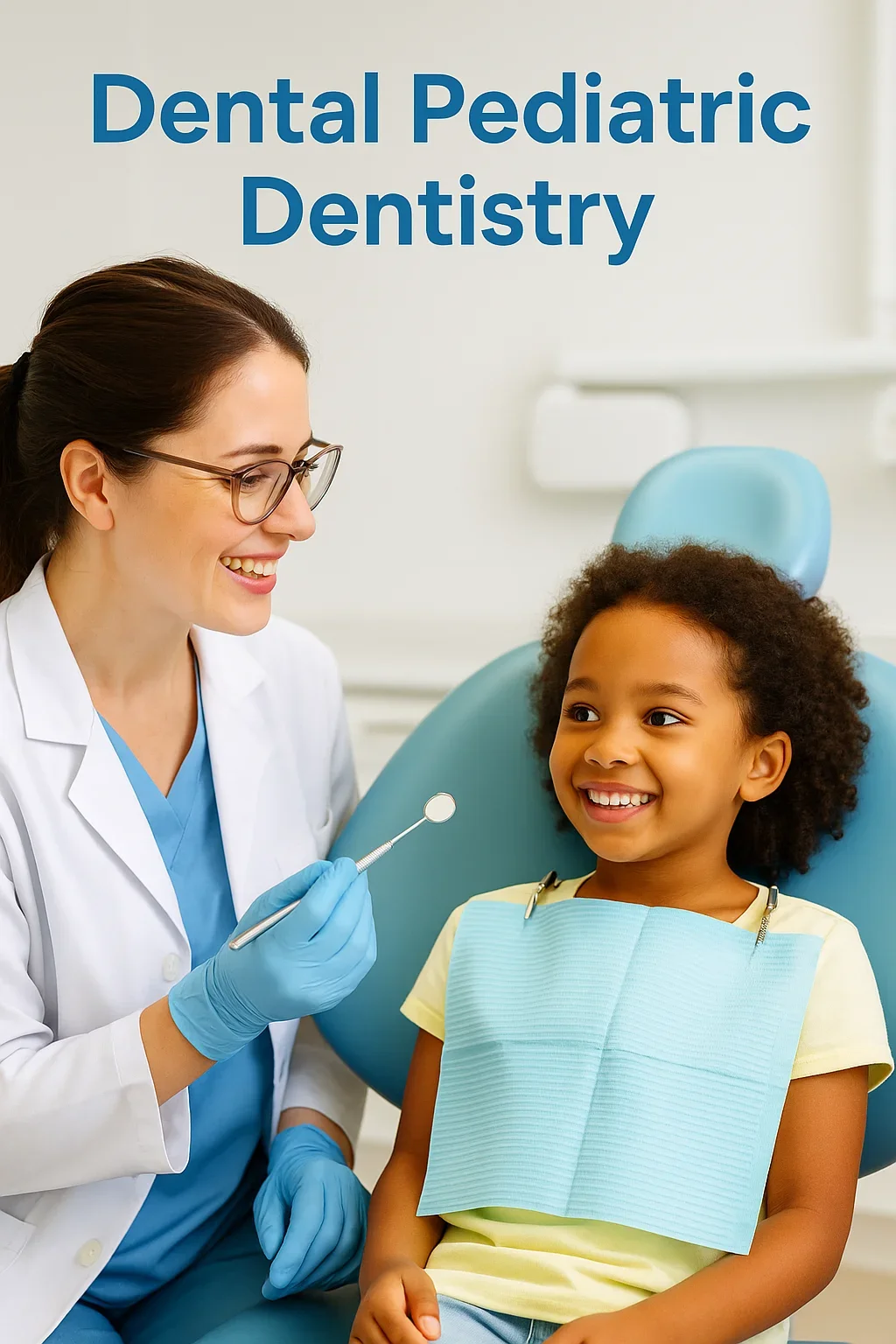
How to Choose the Right Pediatric Dentist for Your Child
Finding the right pediatric dentist is one of the most important decisions a parent can make for their child’s long-term oral health. The ideal professional in dental pediatric dentistry is not only skilled in clinical techniques but also compassionate, communicative, and able to create a positive experience for young patients. This section provides a detailed, step-by-step guide on how to choose a qualified, trustworthy, and child-centered pediatric dentist who can help your child develop a lifelong love for oral care. 🦷❤️
Understanding the Importance of a Specialized Pediatric Dentist
Unlike general dentists, professionals in dental pediatric dentistry receive additional years of training focused on the unique needs of children, infants, and teenagers — including those with special health care requirements. Their education covers child psychology, growth and development, and behavior management techniques, ensuring that treatments are gentle and age-appropriate.
Because children’s teeth and jaws are still developing, pediatric dentists are trained to recognize early signs of potential orthodontic or developmental issues. This early detection helps prevent future complications. In essence, dental pediatric dentistry bridges the gap between medical care and emotional nurturing, ensuring that each child feels safe and supported during every visit.
Qualifications to Look For
- Graduation from an accredited dental school
- Completion of a 2–3 year residency in pediatric dentistry
- Membership in reputable organizations such as the American Dental Association or the American Academy of Pediatric Dentistry (AAPD)
- Ongoing education in the latest techniques and technologies in dental pediatric dentistry
Verifying these qualifications ensures that your child receives care from a professional with proven expertise and dedication to pediatric oral health. 🌟
Assessing the Clinic Environment
Children form impressions quickly. That’s why the clinic environment is one of the key factors to consider in dental pediatric dentistry. A well-designed pediatric dental clinic should feel welcoming, colorful, and comforting rather than intimidating. Look for clinics that feature kid-friendly décor, interactive play areas, and cheerful staff who understand how to communicate with children at their level.
The right environment helps minimize anxiety and builds trust. In dental pediatric dentistry, the atmosphere isn’t just about aesthetics — it’s a strategic part of behavior management and emotional care. Clinics that invest in creating a calm and engaging atmosphere often see better cooperation and more positive long-term outcomes.
Checklist for a Child-Friendly Clinic
- Bright, clean, and cheerful environment
- Child-sized dental chairs and instruments
- Distraction options like cartoons, music, or virtual reality
- Staff trained in pediatric communication techniques
- Safety and cleanliness standards that meet or exceed regulations
A positive first impression in the clinic can set the tone for a lifetime of comfort in dental care — one of the key goals of dental pediatric dentistry. 😃
Evaluating the Dentist’s Communication Style
The best pediatric dentists in dental pediatric dentistry know how to connect with both parents and children. They use clear, empathetic communication to explain procedures in simple terms and reassure young patients. A good dentist will never rush through explanations or dismiss a child’s fears. Instead, they’ll take time to build trust and make the child feel heard and respected.
Observe how the dentist interacts during your first visit. Do they address your child directly? Do they explain what they’re doing in a calm and friendly manner? These are strong indicators of a professional who understands child psychology — a cornerstone of successful dental pediatric dentistry.
Checking Experience with Special Needs and Anxiety Management
If your child has sensory sensitivities, developmental disorders, or medical conditions, it’s vital to find a dentist experienced in special-needs care. Many experts in dental pediatric dentistry undergo additional training to accommodate these children. They adapt their approach, scheduling, and techniques to create a safe, comfortable, and effective experience.
Additionally, children with dental anxiety benefit greatly from professionals who offer gentle sedation options or advanced anxiety-management techniques. A knowledgeable pediatric dentist will discuss these methods openly and prioritize your child’s emotional well-being as much as their dental health. 💕
Technology and Modern Equipment
Modern tools play a huge role in enhancing comfort and precision in dental pediatric dentistry. When selecting a dentist, look for clinics that use up-to-date technology such as digital X-rays, intraoral cameras, and laser dentistry. These advancements make treatments less invasive and reduce discomfort. Moreover, technology-driven diagnostics improve accuracy and speed, allowing for shorter, stress-free appointments.
Clinics equipped with interactive education tools — like touch screens or animated brushing demonstrations — can also make visits educational and fun. This combination of innovation and engagement reflects the evolving, patient-focused spirit of dental pediatric dentistry.
Parental Reviews and Reputation
In today’s digital world, online reviews and testimonials can offer valuable insights into a clinic’s quality of care. Look for consistent feedback about professionalism, patience, cleanliness, and child-friendliness. Word of mouth from other parents in your community can also be a powerful indicator. A reputable clinic in dental pediatric dentistry will have a proven track record of creating positive, lasting relationships with families.
Don’t hesitate to ask the dentist for references or before-and-after photos of treatments (especially for orthodontic or restorative work). Transparency and openness are signs of confidence and reliability.
Questions to Ask Before Choosing
- How do you handle anxious or uncooperative children?
- Do you provide preventive education for parents and kids?
- What emergency procedures do you have in place?
- How do you involve parents in treatment decisions?
- Are fluoride treatments and sealants part of your preventive plan?
These questions help ensure that your chosen professional in dental pediatric dentistry values communication, prevention, and family collaboration.
Convenience and Accessibility
Location, scheduling flexibility, and emergency support also matter when selecting a pediatric dentist. Ideally, the clinic should be close to home or school to reduce travel stress. Flexible hours and efficient appointment systems are essential for working parents. In dental pediatric dentistry, accessibility goes beyond distance — it includes availability, responsiveness, and consistent support for families when urgent care is needed.
Building a Long-Term Relationship
The most successful outcomes in dental pediatric dentistry come from long-term relationships built on trust and continuity. When children visit the same dentist regularly, they feel secure and confident. The dentist, in turn, becomes familiar with the child’s growth patterns, personality, and needs, allowing for more personalized care. Establishing this relationship early leads to healthier habits and fewer dental problems in adulthood. 🌈
Parents seeking professional, compassionate, and modern pediatric care can reach out to experts through the Redent Klinik Contact Page. Their team exemplifies the principles of dental pediatric dentistry — combining technical excellence with empathy and care tailored to every child.
Conclusion: Choosing with Heart and Knowledge
In conclusion, selecting the right pediatric dentist is about more than credentials — it’s about finding someone who truly understands children. A great specialist in dental pediatric dentistry blends expertise with patience, kindness, and innovation. By considering qualifications, environment, communication, technology, and reputation, parents can ensure that every dental visit becomes a positive milestone in their child’s growth. The right dentist doesn’t just care for teeth — they shape healthy, confident smiles that last a lifetime. 💖