
Finding the right special needs pediatric dentist can make a world of difference in your child’s oral health and overall comfort. Children with developmental, physical, or cognitive challenges often require a dentist who is not only highly skilled but also deeply compassionate and patient. This guide is designed to help parents understand what makes these professionals unique, how they work with children with special needs, and why specialized dental care matters so much. 🦷💙
Unlike general dentists, a special needs pediatric dentist receives advanced training in managing children who have conditions such as autism spectrum disorder, Down syndrome, cerebral palsy, sensory processing disorders, or other developmental challenges. They are taught to create an environment that is calm, safe, and supportive. This not only reduces anxiety but also ensures effective and gentle treatment, tailored to each child’s individual requirements.
One of the most important roles of a special needs pediatric dentist is to establish trust and familiarity. Many children with special needs experience high levels of anxiety in medical or dental environments. These dentists use desensitization techniques, positive reinforcement, and sensory-friendly tools to make each visit less intimidating. For example, they may introduce the dental chair gradually, allow the child to touch instruments, or play soothing music to create a relaxed atmosphere. 🎵
Parents often wonder what differentiates a special needs pediatric dentist from a regular pediatric dentist. While both focus on children’s oral health, the former undergoes additional training through residency programs that emphasize behavior management, oral care strategies for patients with complex medical histories, and effective communication with caregivers and multidisciplinary teams. This expertise enables them to treat children who might not tolerate standard dental procedures easily or who require hospital-based care.
In many cases, children with special needs may face unique oral health challenges such as delayed tooth eruption, gum inflammation, bruxism (teeth grinding), or difficulties maintaining proper hygiene at home. A special needs pediatric dentist recognizes these risks early and develops preventive strategies accordingly. This might include fluoride applications, sealants, or customized brushing routines that parents can continue at home. By doing so, these specialists prevent small issues from escalating into painful or costly problems later on.
Communication is another crucial aspect of this care. A special needs pediatric dentist not only treats the child but also guides parents with empathy and clarity. They provide educational support about how to maintain dental hygiene in a way that aligns with the child’s abilities and sensitivities. For instance, if a child struggles with brushing due to motor challenges, the dentist might recommend adaptive toothbrushes or specific oral rinses that make the process easier and safer.
Moreover, the environment of a specialized dental office is carefully designed to minimize sensory overload. Soft lighting, quiet rooms, and visual aids are commonly used to make children feel more comfortable. Some clinics even offer weighted blankets or sensory toys to keep children calm during treatment. These thoughtful details distinguish a special needs pediatric dentist as a professional who genuinely understands and accommodates neurodiversity. 🌈
It’s also worth noting that collaboration plays a huge role in the success of dental treatment. A special needs pediatric dentist often works closely with occupational therapists, speech-language pathologists, pediatricians, and psychologists to ensure a holistic approach. This coordination helps in addressing both the physical and emotional aspects of dental care, ensuring that the child receives consistent, well-rounded support.
Parents seeking professional help should also look for credentials such as board certification in pediatric dentistry and experience working with children who have similar conditions. You can visit the American Dental Association for a list of certified professionals and resources on special care dentistry. If you are located in Europe or looking for a reliable clinic, consider reaching out through the Redent Klinik Contact Page for expert guidance and compassionate service.
In conclusion, a special needs pediatric dentist is much more than a healthcare provider—they are a trusted partner in your child’s well-being. Their advanced training, gentle techniques, and understanding of behavioral and sensory differences allow children to receive the dental care they deserve in a setting that feels safe and encouraging. Whether your child needs a routine check-up or more complex treatment, choosing a qualified specialist ensures that every visit builds confidence, promotes oral health, and supports lifelong positive dental habits. 💫
What Is a Special Needs Pediatric Dentist and Why It Matters 🦷
A special needs pediatric dentist is a dental professional who specializes in providing compassionate, individualized oral care to children with physical, developmental, sensory, or cognitive disabilities. These children often have unique medical or behavioral needs that require a customized approach—something beyond what general pediatric dentistry typically offers. The goal of a special needs pediatric dentist is to create a safe, comfortable, and effective dental experience that promotes lifelong oral health and builds trust between the child, the dentist, and the family. 💙
Understanding the Role of a Special Needs Pediatric Dentist
Unlike standard pediatric dentists, a special needs pediatric dentist receives extensive postdoctoral training to manage children who require special care. This includes education in advanced behavior management, sedation dentistry, hospital dentistry, and the use of assistive communication tools. These professionals also study medical conditions like autism spectrum disorder (ASD), cerebral palsy, Down syndrome, ADHD, and epilepsy, learning how each can affect oral health and dental treatment tolerance.
Children with such conditions often have difficulty understanding instructions or may experience heightened anxiety, sensory sensitivities, or muscle coordination challenges. A special needs pediatric dentist recognizes these issues and adjusts their approach—using patience, gentle communication, and sensory-adapted tools to make the child’s experience as smooth as possible.
Why Specialization Matters for Children with Disabilities
Regular dentists may have the technical skills to treat children, but a special needs pediatric dentist brings a deeper layer of understanding and empathy. Their training focuses not only on the mechanics of dental procedures but also on psychology and communication strategies. For example, they learn how to use “tell-show-do” techniques—first explaining, then demonstrating, and finally performing a dental action—to reduce fear and build trust. 🧸
Furthermore, children with special needs often take medications that impact oral health, such as those that reduce saliva flow or increase the risk of gum inflammation. A special needs pediatric dentist monitors these side effects carefully and collaborates with the child’s medical team to design a preventive care plan. This can include frequent cleanings, fluoride varnishes, or specialized mouth rinses to maintain balance in the oral microbiome.
Creating a Comforting and Safe Environment
One of the defining characteristics of a special needs pediatric dentist is their ability to design a sensory-friendly environment. From calming color schemes and dimmed lighting to quiet background music and weighted blankets, every detail aims to minimize stress. Some offices also provide visual aids or practice visits to help the child become familiar with the dental chair and instruments before any procedure is performed. 🎶
Parents are encouraged to be part of the process. A special needs pediatric dentist often invites caregivers into the operatory to comfort the child and provide reassurance. This cooperative approach fosters a sense of safety and continuity between home routines and clinical care.
Advanced Training and Clinical Expertise
The journey to becoming a special needs pediatric dentist involves years of education beyond dental school. After earning a dental degree, professionals enter a pediatric dentistry residency, followed by specialized coursework focused on treating patients with disabilities. This includes training in anesthesia, emergency response, oral surgery adaptations, and behavior guidance. The result is a clinician capable of handling everything from minor cleanings to complex dental surgeries under general anesthesia.
In some cases, treatment may need to occur in a hospital setting. A special needs pediatric dentist is qualified to perform dental procedures under general anesthesia safely and effectively, ensuring that children who cannot tolerate traditional chair-side care still receive necessary treatments.
Holistic Care and Interdisciplinary Collaboration
A key principle of special care dentistry is collaboration. A special needs pediatric dentist works closely with other professionals—pediatricians, occupational therapists, speech-language pathologists, and psychologists—to form a holistic care plan. For instance, if a child has oral motor difficulties that affect chewing or swallowing, the dentist may coordinate with a speech therapist to develop strengthening exercises that also support oral hygiene habits.
This interdisciplinary collaboration ensures consistency across healthcare disciplines and helps identify early signs of oral disease or developmental concerns. It also enables parents to receive unified advice and practical tools for at-home care.
Emotional Intelligence and Empathy in Dentistry
Beyond technical skills, emotional intelligence defines the work of a special needs pediatric dentist. Understanding the emotional triggers and fears of each child is essential. Some children may be afraid of dental instruments or lights; others might dislike certain sounds or textures. Skilled dentists use positive reinforcement, distraction techniques, or storytelling to ease tension. This emotional connection transforms dental visits into positive learning experiences that build long-term confidence. 🌈
How Parents Benefit from Specialized Care
Parents of children with special needs often face additional challenges when managing oral hygiene. Home brushing and flossing can be difficult, and finding a patient, understanding dentist can be stressful. A special needs pediatric dentist provides not only professional care but also emotional support and education for caregivers. They teach brushing techniques using adaptive tools, suggest ideal toothpaste options, and explain how to maintain dental routines at home. This partnership helps families feel empowered and informed about their child’s oral health journey.
Trusted Resources and Finding Qualified Dentists
If you are looking for a reputable special needs pediatric dentist in your area, you can consult the American Dental Association for certified specialists. Alternatively, parents in Europe or Turkey can reach out via the Redent Klinik Contact Page to connect with professionals experienced in treating children with disabilities. These trusted sources ensure that your child receives expert, ethical, and safe dental care.
Ultimately, the importance of a special needs pediatric dentist cannot be overstated. They combine clinical skill, empathy, and patience to ensure that every child—regardless of their challenges—receives quality dental care. Their mission is not just to treat teeth but to nurture confidence, reduce fear, and promote a lifelong appreciation for oral health. By choosing the right specialist, parents can give their children the gift of healthy smiles and positive dental experiences that last a lifetime. 💫
How Special Needs Pediatric Dentists Support Children with Disabilities
A special needs pediatric dentist plays a critical role in ensuring that children with disabilities receive safe, compassionate, and effective dental care. These children often face unique challenges that extend far beyond traditional dentistry—ranging from sensory sensitivities and motor limitations to communication barriers and complex medical histories. To provide high-quality care, a special needs pediatric dentist integrates clinical expertise with empathy, advanced technology, and a deep understanding of behavioral psychology. 💙
Building Trust and Reducing Anxiety
Many children with disabilities experience significant anxiety during dental visits due to unfamiliar environments or past traumatic experiences. A special needs pediatric dentist uses trust-building strategies tailored to each child’s personality and condition. This might include “first visit desensitization,” where the dentist introduces tools and procedures gradually, or sensory-friendly appointments that minimize noise and light stimuli. For example, children with autism spectrum disorder often feel more comfortable when routines are predictable. Dentists who specialize in special needs care use visual schedules, calm language, and repetition to make each visit less stressful and more structured. 🧩
Parents are also encouraged to participate during appointments. Their presence offers comfort and continuity, helping the child associate dental care with safety. A special needs pediatric dentist understands that trust must be earned slowly, and every positive experience contributes to a foundation of confidence that can last a lifetime.
Adapting Communication for Every Child
Effective communication is one of the most powerful tools a special needs pediatric dentist can use. Many children with disabilities may have difficulty processing verbal instructions or expressing discomfort. Dentists trained in special care dentistry learn alternative communication techniques, such as using picture boards, gestures, or assistive devices to explain each step of a procedure. Some even use apps or tablets to visually guide the patient through what will happen next.
For children with hearing impairments, dentists might employ basic sign language or written explanations. For those with developmental delays, repetition and simplified phrases are often used to enhance understanding. This inclusive communication ensures that the child feels respected, informed, and in control throughout the experience.
Behavioral and Emotional Support Techniques
Emotional regulation is often a challenge for children with disabilities, especially in high-stimulation environments. A special needs pediatric dentist utilizes behavioral techniques designed to keep the child calm and cooperative. Techniques like “tell-show-do,” where each step is explained and demonstrated before being performed, help eliminate fear of the unknown. Positive reinforcement—praising cooperation or offering small rewards—encourages good behavior and builds positive associations with dental visits. 🌟
In cases where anxiety or physical movement prevents treatment, dentists may also use mild sedation or general anesthesia. These options are carefully evaluated in collaboration with the child’s medical team, ensuring that all procedures remain safe and appropriate for the individual’s health condition.
Customized Treatment Planning
Every child with special needs has different dental health requirements. For this reason, a special needs pediatric dentist develops personalized care plans based on the child’s abilities, medical history, and oral health goals. The plan may include shorter appointment times, frequent check-ups, or specialized cleaning tools designed for sensory comfort.
Children with motor impairments might struggle to brush effectively, leading to plaque buildup and gum disease. Dentists address this by recommending adaptive toothbrushes, electric brushes with ergonomic handles, or mouth props to help keep the mouth open comfortably. For children with dietary restrictions or medication-related oral side effects, fluoride varnishes and remineralization treatments may be recommended to strengthen enamel and prevent cavities.
Collaborating with Healthcare Teams
Children with disabilities often see multiple healthcare providers, including neurologists, occupational therapists, and speech-language pathologists. A special needs pediatric dentist collaborates closely with these professionals to provide holistic care. For example, if a child’s physical therapist identifies difficulty with jaw movement or chewing, the dentist can recommend oral exercises that complement therapy goals. Similarly, coordination with pediatricians ensures that dental procedures align with the child’s overall health plan and medication schedule.
This multidisciplinary approach prevents conflicts between treatments, enhances safety, and ensures the child receives consistent, comprehensive care across all aspects of their health.
Creating a Safe and Supportive Environment
The dental environment itself is carefully designed to accommodate children with disabilities. A special needs pediatric dentist often modifies the clinic to include wheelchair-accessible spaces, soft lighting, and quiet waiting areas. Sensory-friendly tools—such as vibration-free cleaning devices and flavored fluoride gels—are chosen to reduce overstimulation. Some clinics even allow the child to bring a favorite toy or blanket to feel secure during treatment. 🧸
For children prone to seizures or involuntary movements, specialized safety equipment and padded chairs are used to protect them during procedures. Every detail is considered to ensure physical comfort and emotional stability, turning the dental office into a welcoming, non-threatening place.
Empowering Parents and Caregivers
A special needs pediatric dentist recognizes that parents play a vital role in maintaining their child’s oral health. Dentists provide step-by-step training on home care routines—teaching parents how to brush and floss safely, how to choose adaptive tools, and how to identify early signs of oral problems. They may also guide families on nutrition, suggesting foods that promote dental strength without triggering sensory discomfort or medical complications.
In some cases, dentists recommend specific fluoride treatments or xylitol products to control bacteria growth and prevent cavities. Parents are given detailed follow-up plans that outline how to support ongoing dental hygiene between visits.
Accessing Specialized Care and Resources
Parents searching for the right care can find certified professionals through the American Dental Association or directly contact trusted clinics like Redent Klinik Contact Page. These institutions specialize in connecting families with experienced special needs pediatric dentists who understand the complexities of disability-focused dental care.
Ultimately, the mission of a special needs pediatric dentist extends beyond oral health—it’s about dignity, inclusion, and empowerment. By combining medical expertise with compassion, these dentists ensure that every child, regardless of disability, can smile confidently and enjoy the benefits of a healthy mouth. Their work not only improves dental outcomes but also enhances self-esteem, quality of life, and overall well-being for both children and their families. 🌈
Common Dental Challenges Faced by Children with Special Needs
Children with disabilities or developmental conditions often experience a unique set of oral health challenges that require the expertise of a special needs pediatric dentist. These challenges may stem from physical limitations, sensory sensitivities, dietary habits, medications, or difficulties with daily oral hygiene routines. Understanding these common dental issues is essential for parents and caregivers who want to ensure their child maintains a healthy, confident smile. 🦷
1. Oral Hygiene Difficulties and Motor Limitations
Many children with special needs struggle with fine motor skills, making it difficult to brush and floss effectively. Conditions such as cerebral palsy, muscular dystrophy, or Down syndrome can limit hand control or jaw movement. As a result, plaque accumulates more quickly, leading to cavities and gum disease. A special needs pediatric dentist recognizes these challenges and provides adaptive solutions—like using toothbrushes with larger handles, electric brushes, or customized mouth props that make cleaning easier and safer.
For some children, sensitivity to textures or tastes may also make toothbrushing uncomfortable. Dentists trained in special needs care can suggest flavorless or mild-flavored toothpaste options, or even desensitization exercises that help children gradually adapt to the sensation of brushing. These small adjustments can make daily routines far less stressful for both the child and their caregivers.
2. Tooth Eruption and Developmental Delays
Delayed tooth eruption is a common issue among children with developmental disorders or genetic conditions. A special needs pediatric dentist closely monitors the timing and alignment of erupting teeth to ensure proper spacing and prevent crowding. Early intervention may involve space maintainers, orthodontic evaluation, or fluoride treatments to protect newly erupted teeth from decay.
Children with Down syndrome, for example, often have smaller teeth and may experience delayed eruption by up to two years compared to their peers. Understanding these variations allows the dentist to adapt treatment plans appropriately and avoid unnecessary interventions.
3. Oral Sensitivities and Behavioral Challenges
Children on the autism spectrum or those with sensory processing disorders frequently experience hypersensitivity in the mouth. This can make even routine cleanings challenging. A special needs pediatric dentist uses a gradual, step-by-step approach—introducing dental tools slowly, minimizing noise, and providing breaks as needed. The goal is to create a sense of predictability and control for the child. 🌈
Some children also exhibit self-stimulatory behaviors such as teeth grinding (bruxism) or biting, which can wear down enamel or cause jaw pain. Dentists may recommend night guards or behavioral strategies to reduce these habits and protect the child’s teeth over time.
4. Medication-Related Oral Health Issues
Many children with chronic health conditions take medications that can impact oral health. Anticonvulsants, antihistamines, and certain antidepressants may reduce saliva flow, leading to dry mouth and an increased risk of cavities. A special needs pediatric dentist recognizes these side effects and may recommend saliva substitutes, sugar-free gum, or xylitol-based products to stimulate saliva production and neutralize acids in the mouth.
In some cases, medications may also cause gum overgrowth (gingival hyperplasia) or discoloration of teeth. Regular monitoring by a special needs pediatric dentist ensures that any such changes are detected early and managed appropriately through professional cleaning and medication review in coordination with the child’s physician.
5. Diet and Nutrition-Related Dental Risks
Many children with disabilities have specialized diets that may include pureed foods, high-carbohydrate supplements, or frequent snacking due to feeding difficulties. Unfortunately, these eating patterns can increase the risk of cavities and enamel erosion. A special needs pediatric dentist works closely with parents and nutritionists to create oral care strategies that reduce sugar exposure and maintain balanced oral pH levels.
Dentists often advise rinsing with water after meals or using fluoride mouth rinses to strengthen enamel. They also teach caregivers how to clean the child’s mouth gently after feeding to prevent food residue buildup, especially for children who cannot rinse or spit easily.
6. Bruxism and Tooth Grinding Habits
Bruxism—habitual grinding or clenching of teeth—is another common issue seen by a special needs pediatric dentist. It often occurs in children with cerebral palsy, autism, or anxiety-related conditions. Chronic grinding can cause enamel wear, jaw discomfort, and even fractured teeth. Treatment options include custom-made night guards, relaxation techniques, or behavioral therapy coordinated with other healthcare professionals.
In severe cases, the dentist may recommend bite adjustments or specialized mouthpieces to prevent damage and relieve muscle tension. Continuous monitoring ensures that any long-term effects are managed before they progress.
7. Oral Trauma and Safety Concerns
Children with neuromuscular disorders or seizures may be at a higher risk of accidental oral injuries. A special needs pediatric dentist educates parents about using protective equipment like mouthguards and keeping the environment safe during play or therapy sessions. If trauma occurs, these dentists are trained to handle dental emergencies, including chipped or knocked-out teeth, with a gentle and reassuring approach.
8. Dental Anxiety and Behavioral Management
Fear of dental care is common among all children, but especially among those with disabilities who may struggle with sensory overload. A special needs pediatric dentist uses specialized behavior management techniques to ease anxiety. This may include positive reinforcement, gradual exposure, or sedation options for children who cannot tolerate traditional care. Sedation dentistry—administered safely under professional supervision—helps ensure the child’s comfort while allowing the dentist to complete necessary procedures effectively. 🧸
Comprehensive Support and Parental Education
Parents and caregivers play a vital role in managing these dental challenges. A special needs pediatric dentist not only treats oral conditions but also provides ongoing education and guidance for families. They teach parents how to modify oral hygiene routines, select suitable products, and monitor signs of dental distress. Collaboration with a supportive dental team empowers parents to maintain their child’s oral health confidently at home.
Families can also seek additional guidance from reputable sources like the American Dental Association, which offers resources on special care dentistry. For professional consultation and compassionate care in Europe or Turkey, parents can contact the Redent Klinik Contact Page to connect with expert pediatric specialists.
In summary, a special needs pediatric dentist understands the complex and diverse dental challenges faced by children with disabilities. Through preventive strategies, adaptive equipment, gentle techniques, and close collaboration with families and healthcare providers, these professionals ensure that every child—regardless of their limitations—can achieve optimal oral health, comfort, and confidence. 🌟
Advanced Techniques Used by Special Needs Pediatric Dentists
A special needs pediatric dentist combines medical knowledge, behavioral expertise, and technological innovation to provide safe, effective, and compassionate dental care to children with disabilities. Every child has unique physical, emotional, and sensory needs—so these dentists use specialized methods that go far beyond traditional dentistry. From sedation and behavior management to assistive communication tools and adaptive dental equipment, these advanced techniques help ensure a positive experience for every patient. 🦷💙
1. Behavior Guidance and Desensitization Techniques
Behavior management is one of the core skills that sets a special needs pediatric dentist apart. Many children with developmental or sensory challenges may become anxious or uncooperative in a dental setting. To address this, dentists employ desensitization therapy—a gradual process of familiarizing the child with the dental environment before performing any treatment.
This may include letting the child sit in the dental chair, hear the sound of instruments, or touch mirrors and brushes without any procedure being done. Over time, the dentist introduces each step slowly, allowing the child to build confidence and reduce fear. A visual “social story,” often used for children with autism, can also help the patient understand what to expect during their visit. 🌈
2. Tell-Show-Do and Positive Reinforcement
One of the most widely used techniques by a special needs pediatric dentist is the “Tell-Show-Do” approach. The dentist first explains what will happen (Tell), then demonstrates using tools on a model or finger (Show), and finally performs the procedure (Do). This structured, predictable pattern reassures children and helps them feel in control.
In addition, dentists rely on positive reinforcement—praising cooperative behavior, giving small rewards, or celebrating milestones—to motivate children. This approach builds trust and transforms dental care into a rewarding experience rather than a frightening one. 🧸
3. Use of Sedation Dentistry for Comfort and Safety
For some children, anxiety, movement disorders, or sensitivity issues can make dental treatment extremely difficult. A special needs pediatric dentist is trained in safe sedation techniques, offering several levels of sedation based on the child’s needs and health condition:
- Minimal sedation (nitrous oxide) – Commonly known as “laughing gas,” this helps the child relax while remaining awake and responsive.
- Moderate sedation – Medications administered orally or intravenously allow deeper relaxation while maintaining safety.
- Deep sedation or general anesthesia – Used in hospital settings for extensive dental work or when a child cannot tolerate treatment while awake.
Before any sedation procedure, a thorough medical assessment is conducted, and the child’s physician may be consulted to ensure full safety. A special needs pediatric dentist ensures that every sedation is performed under strict monitoring using advanced equipment and trained personnel.
4. Adaptive Equipment and Dental Office Modifications
The dental office of a special needs pediatric dentist is specifically designed to accommodate children with different physical or sensory abilities. Wheelchair-accessible operatories, adjustable dental chairs, and padded restraints ensure both comfort and safety. For children with muscle tone issues or involuntary movements, specialized head supports and stabilizing cushions are used to maintain proper positioning.
Lighting and sound adjustments are also key features of adaptive dental offices. Many special needs pediatric dentists use dimmable lights, soft background music, and minimal noise equipment to reduce overstimulation. Visual aids such as picture cards or color-coded signals are used to communicate each step of the treatment in a way the child can easily understand. 🎶
5. Sensory Integration and Gentle Techniques
Children with sensory sensitivities may react negatively to the sensations of dental tools, bright lights, or strong smells. A special needs pediatric dentist uses sensory integration techniques—such as providing weighted blankets, soft-textured bibs, and calming scents—to help regulate the child’s sensory response. The dentist’s tone of voice and slow pacing are also crucial in maintaining calmness throughout the visit.
For example, instead of using traditional polishing tools that produce vibration and noise, air-polishing systems or hand scaling may be used. This minimizes discomfort and helps the child stay relaxed during the cleaning process.
6. Technology-Assisted Dental Care
Modern dental technology plays a significant role in improving comfort and precision for children with special needs. A special needs pediatric dentist may use:
- Digital X-rays for faster, low-radiation imaging and reduced chair time.
- Intraoral cameras to help children visually understand their treatment progress.
- Laser dentistry for painless cavity treatments and gum care, reducing the need for drills or injections.
These technologies not only make procedures quicker and less invasive but also allow the dentist to engage the child visually, turning the visit into an educational experience rather than a stressful one.
7. Collaboration with Medical and Therapeutic Teams
A special needs pediatric dentist often works as part of a multidisciplinary team, coordinating with pediatricians, neurologists, occupational therapists, and psychologists. This ensures that all aspects of the child’s care are considered—especially if they are taking medications, undergoing therapy, or have underlying health concerns. For instance, a dentist might consult an occupational therapist to develop adaptive brushing strategies or coordinate with an anesthesiologist for complex procedures under sedation.
This collaborative approach leads to safer, more effective outcomes and ensures that dental care complements the child’s overall medical plan.
8. Preventive and Minimally Invasive Dentistry
Prevention is always the best treatment—especially for children with disabilities who may have difficulty tolerating complex dental procedures. A special needs pediatric dentist emphasizes preventive care through regular check-ups, fluoride varnishes, sealants, and dietary counseling. Techniques like silver diamine fluoride (SDF) can halt early tooth decay without drilling, making it an excellent alternative for children with high anxiety or limited cooperation.
Minimally invasive approaches not only reduce discomfort but also build trust, helping children associate the dental office with positive experiences.
Professional Resources and Parental Guidance
Parents play an active role in continuing care at home. A special needs pediatric dentist provides training on daily oral hygiene routines, nutritional tips, and adaptive tools suitable for the child’s abilities. They may also direct families to reliable resources such as the American Dental Association for detailed guidance on special care dentistry. For families in Europe or Turkey, professional consultations are available through the Redent Klinik Contact Page—a trusted source for expert pediatric dental support.
In conclusion, advanced techniques used by a special needs pediatric dentist combine innovation, compassion, and precision to make dental care accessible for every child. From sensory adaptation to modern sedation and minimally invasive treatments, these methods empower children to receive the care they deserve—comfortably, safely, and without fear. 🌟
The Role of Sedation Dentistry for Children with Special Needs
For many children with disabilities or developmental conditions, dental treatment can be intimidating or even overwhelming. Bright lights, unfamiliar sounds, and physical sensations may trigger anxiety or behavioral responses that make traditional dental care difficult. This is where the expertise of a special needs pediatric dentist becomes invaluable. Through sedation dentistry, these specialists ensure that every child can receive necessary oral care safely, comfortably, and without distress. 🦷💙
Understanding Sedation Dentistry in Pediatric Care
Sedation dentistry refers to the use of medication to help patients relax during dental procedures. The main goal isn’t to “put the child to sleep,” but to minimize stress, prevent movement that could cause injury, and allow the dentist to perform treatments efficiently. A special needs pediatric dentist carefully tailors the sedation plan to each child’s medical condition, developmental level, and dental needs. This individualized approach ensures safety while also making the experience as gentle as possible for the child and family.
In children with conditions such as autism, cerebral palsy, Down syndrome, or ADHD, dental appointments can be particularly challenging due to anxiety, sensory sensitivities, or involuntary movements. A special needs pediatric dentist uses sedation as a supportive tool—never as a replacement for behavioral techniques—to create a calm and positive environment where care can be delivered effectively.
Types of Sedation Used by Special Needs Pediatric Dentists
There are several levels of sedation that may be used depending on the child’s age, health, and the complexity of the dental procedure. The special needs pediatric dentist evaluates these factors carefully before recommending the safest and most effective option.
- Minimal Sedation (Nitrous Oxide) – Also known as “laughing gas,” this is the mildest form of sedation. The child breathes a mixture of oxygen and nitrous oxide through a small mask, which produces a calm, euphoric feeling. The effects wear off quickly, allowing the child to return to normal activities soon after treatment.
- Moderate Sedation – This level helps children who may not respond well to nitrous oxide alone. Oral medications or IV sedation may be used to promote deeper relaxation while keeping the child conscious and responsive to verbal cues.
- Deep Sedation or General Anesthesia – For children with severe anxiety, uncontrolled movements, or extensive dental needs, general anesthesia may be performed in a hospital setting. Under this method, the child is fully asleep, and the dentist can complete all required treatments safely and efficiently.
Each of these sedation types requires specific monitoring and expertise. A special needs pediatric dentist works alongside anesthesiologists and nurses to track the child’s vital signs, oxygen levels, and heart rate throughout the procedure, ensuring complete safety. 🏥
When Is Sedation Dentistry Recommended?
Sedation isn’t used for every patient but becomes a critical option when a child:
- Experiences severe dental anxiety or phobia
- Has strong gag reflexes or difficulty sitting still
- Requires multiple or lengthy dental procedures
- Has medical or behavioral conditions that make cooperation difficult
- Needs extensive dental work that cannot be completed in multiple short visits
A special needs pediatric dentist always begins with the least invasive approach, attempting to build trust and tolerance through behavioral guidance before turning to sedation. However, when anxiety or physical limitations prevent safe treatment, sedation provides a humane and effective alternative.
Safety Protocols and Pre-Sedation Evaluation
Before proceeding with sedation, a special needs pediatric dentist conducts a comprehensive pre-sedation assessment. This includes reviewing the child’s medical history, medications, allergies, and any underlying health conditions such as asthma, epilepsy, or heart disease. The dentist may also consult the child’s pediatrician or specialist to ensure there are no contraindications.
On the day of treatment, the dental team ensures that emergency equipment, monitoring devices, and trained personnel are present. During sedation, the child’s vital signs are continuously observed, and recovery is carefully supervised afterward until the child is fully alert and stable.
Benefits of Sedation for Children with Special Needs
For many families, sedation dentistry offers relief and reassurance. It allows necessary dental work to be completed without trauma or struggle, helping children maintain healthy teeth and gums even if they cannot tolerate traditional treatment. The benefits include:
- Reduced fear and anxiety during dental visits
- Safe management of involuntary movements or muscle tension
- Minimized risk of injury during procedures
- Efficient completion of complex treatments in a single session
- Improved cooperation in future appointments due to positive experiences
A special needs pediatric dentist uses sedation strategically to make dental care accessible rather than intimidating, ensuring every child receives equal opportunity for oral health.
Post-Sedation Care and Recovery
After sedation, recovery is carefully monitored to prevent complications. The special needs pediatric dentist advises parents on what to expect—such as temporary drowsiness or mild nausea—and provides detailed aftercare instructions. Children are encouraged to rest and avoid physical activity until the sedation effects completely wear off. The dentist also schedules follow-up visits to assess oral healing and reinforce positive dental habits.
Parental Involvement and Emotional Support
Parents play an essential role in preparing children for sedation dentistry. A special needs pediatric dentist guides caregivers on how to explain the procedure using simple, reassuring language, and may recommend familiar comfort items to bring to the appointment. After treatment, emotional support at home—combined with praise and encouragement—helps the child develop trust in future dental visits.
Finding Reliable Sedation Dentistry for Special Needs
Choosing the right clinic is critical. Parents can look for board-certified special needs pediatric dentists who are trained in hospital dentistry and anesthesia safety. Trusted organizations such as the American Dental Association provide listings of qualified professionals who meet these standards. Families in Europe or Turkey can contact the Redent Klinik Contact Page for expert assistance in locating child-friendly clinics equipped for sedation dentistry.
Ultimately, sedation dentistry under the care of a special needs pediatric dentist transforms what could be a stressful experience into one that is calm, controlled, and comfortable. It enables children with disabilities to receive the same level of oral health care as their peers—safely, effectively, and with compassion. 🌟
Preparing Your Child for a Visit to a Special Needs Pediatric Dentist
Visiting a special needs pediatric dentist for the first time can be an emotional experience—for both children and parents. However, with careful preparation, this visit can become a positive, empowering, and even enjoyable milestone. Children with disabilities often need more structure and predictability to feel safe, and specialized dentists are trained to make this possible. Preparing your child before the appointment not only reduces anxiety but also builds trust, allowing the dentist to provide care effectively and comfortably. 🦷💙
Understanding the Importance of Preparation
A special needs pediatric dentist recognizes that successful dental visits begin long before the child sits in the chair. Preparation helps reduce fear of the unknown and improves cooperation during treatment. Children with autism spectrum disorder, sensory processing disorder, Down syndrome, or other developmental challenges may react strongly to new environments or physical sensations. By taking small, thoughtful steps at home, parents can help their children adapt to dental routines and environments with greater confidence. 🌈
1. Start with Familiarization at Home
The first step in preparing your child is to introduce them to the idea of visiting a special needs pediatric dentist through familiar and comforting routines. Parents can read illustrated books about dental visits or watch educational videos featuring friendly dentists and children. Allow your child to role-play—pretend to be the dentist and the patient using a toothbrush, flashlight, and mirror. This hands-on activity helps desensitize them to basic dental tools and reduces the surprise factor during the real appointment.
Using a mirror to show the child their teeth, counting together, and discussing “healthy smiles” also reinforces a sense of curiosity rather than fear. This early exposure lays the foundation for a cooperative mindset and positive associations with dental care. 🪥
2. Communication Is Key: Explain What Will Happen
Children with special needs often rely on consistent, clear communication to feel secure. A special needs pediatric dentist recommends using simple, predictable language to describe what will happen during the visit. For example: “The dentist will count your teeth,” or “They will clean your teeth with a soft brush.” Avoid negative words such as “pain,” “needle,” or “drill,” which can trigger fear even before the visit begins.
Parents can also create a “visual schedule” with pictures showing each step of the dental appointment—from entering the clinic to receiving a sticker at the end. This structured explanation provides reassurance by turning the unknown into something familiar and expected.
3. Scheduling the Appointment Strategically
The timing of the visit can make a big difference. A special needs pediatric dentist often recommends scheduling appointments at times when the child is most alert and calm—typically in the morning or after a nap. Avoiding peak hours ensures a quieter environment with fewer distractions. Many clinics that specialize in special needs care even offer extended appointment times or private sessions to accommodate sensory sensitivities and behavioral needs.
Parents should inform the clinic in advance about their child’s preferences, triggers, or comfort items (like a blanket or toy). The dentist and staff will then adapt the environment—adjusting lighting, sounds, and pacing—to create a tailored experience for the child.
4. Bringing Comfort Items and Familiar Objects
Comfort items play a powerful role in helping children self-soothe during stressful experiences. A special needs pediatric dentist encourages families to bring familiar objects such as a favorite stuffed animal, fidget toy, or noise-canceling headphones. These sensory aids help children feel grounded and secure, reducing overstimulation. 🧸
Some dentists even allow children to hold their comfort object during the examination, which provides reassurance without interfering with treatment. Parents may also play calming music or use a preferred blanket to create a sense of continuity between home and the clinic.
5. Meeting the Dentist Before the Appointment
Before the first official visit, parents can request a “meet and greet” with the special needs pediatric dentist. This short, non-treatment visit allows the child to become familiar with the office, meet the dental team, and explore the environment at their own pace. During this introduction, the dentist might show the child simple tools, like a mirror or suction straw, without performing any procedure.
This step is especially beneficial for children who experience anxiety in new situations. Familiarity reduces uncertainty, which in turn builds trust and cooperation during future appointments. Many parents report that this approach transforms what was once a fearful experience into a manageable and even enjoyable one. 🌟
6. Collaborating with the Dental Team
Parents play an essential role in the collaboration process. A special needs pediatric dentist appreciates detailed information about the child’s medical history, communication style, and behavioral preferences. This might include notes on sensory sensitivities, medications, triggers, or effective calming strategies. Sharing this information enables the dentist to plan an individualized approach that minimizes discomfort and maximizes cooperation.
In some cases, collaboration extends beyond the dental office. The dentist may consult with occupational therapists, speech-language pathologists, or pediatricians to ensure consistent care and aligned strategies across all healthcare settings.
7. Practicing Oral Hygiene Routines at Home
Consistent oral care at home not only supports dental health but also familiarizes the child with oral sensations. A special needs pediatric dentist often provides personalized guidance on toothbrushing techniques for children with sensory or motor challenges. This might involve using soft-bristled brushes, vibrating electric toothbrushes, or flavored toothpaste that the child enjoys.
Parents can make brushing a game—counting teeth, singing songs, or offering small rewards after completion. The goal is to make oral hygiene part of the child’s daily routine so that dental visits feel like a natural extension of what they already practice at home.
Helpful Resources and Professional Support
Parents can access professional resources such as the American Dental Association to find qualified special needs pediatric dentists and educational materials about dental care for children with disabilities. For those in Europe or Turkey, the Redent Klinik Contact Page provides an excellent starting point to connect with clinics specializing in gentle, individualized pediatric dental care.
Ultimately, preparation is the foundation of success. When parents, caregivers, and the dental team work together, even the most anxious child can learn to approach dental visits with calmness and confidence. By choosing a compassionate special needs pediatric dentist and taking time to prepare thoughtfully, families can turn what was once a stressful experience into an empowering step toward lifelong oral health. 💫
How to Find the Best Special Needs Pediatric Dentist Near You
Finding the right special needs pediatric dentist is one of the most important steps a parent can take toward ensuring their child’s lifelong oral health and comfort. Unlike general dentists, these specialists possess advanced training, empathy, and the right tools to manage dental care for children with physical, emotional, or developmental disabilities. Whether your child has autism, Down syndrome, cerebral palsy, or sensory sensitivities, the right dentist will make every visit safe, gentle, and positive. 🦷💙
1. What Makes a Dentist “Special Needs Certified”?
Not every pediatric dentist is fully equipped to handle complex behavioral or medical needs. A true special needs pediatric dentist undergoes two to three years of additional residency training after dental school, focusing on behavior management, sedation techniques, and clinical care for children with disabilities. Many also gain hospital privileges, allowing them to perform procedures under general anesthesia when necessary.
These professionals are also trained in communication strategies that help children who may struggle with verbal interaction or sensory regulation. They know how to adjust their tone, body language, and pacing to create a calming, non-threatening environment.
2. How to Begin Your Search for the Right Dentist
Parents can start by asking for recommendations from their child’s pediatrician, therapist, or school support team. Another great option is to search professional directories, such as those maintained by the American Dental Association, which list certified special needs pediatric dentists by location and specialty. You can also contact local hospitals or children’s clinics that often collaborate with special care dental professionals.
Online reviews can offer valuable insights too—but look beyond star ratings. Read what parents say about how the dentist interacts with children, handles anxiety, and accommodates medical needs. Positive feedback from families with similar conditions can be a strong indicator that the clinic provides the compassionate care your child deserves.
3. What to Look for in a Special Needs Pediatric Dentist
A truly exceptional special needs pediatric dentist is defined not only by their credentials but by their attitude, patience, and adaptability. Here’s what to pay attention to when evaluating potential clinics:
- Experience and Credentials: Verify postgraduate training and certifications in pediatric or special care dentistry.
- Clinic Environment: The office should be quiet, sensory-friendly, and wheelchair-accessible, with child-focused design elements.
- Communication Skills: The dentist and staff should be warm, patient, and able to explain procedures clearly to both parent and child.
- Availability of Sedation or Hospital Dentistry: For children who require extensive treatment or have severe anxiety, ensure the dentist can offer safe sedation options.
- Collaborative Approach: The dentist should work alongside your child’s medical and therapy teams to provide consistent, holistic care.
4. Visiting the Clinic Before Making a Decision
Before committing, schedule an introductory visit. A special needs pediatric dentist will often invite parents and children to tour the facility before any treatment begins. This allows the dentist to observe the child’s responses to sensory input and helps the child feel familiar with the environment. 🌈
During your visit, note how the staff interacts with your child. Do they take time to explain each step? Do they respect the child’s boundaries and give them space to adapt? A welcoming atmosphere and gentle communication style are strong signs of a good match.
5. Questions to Ask During the Consultation
To ensure you choose the best care provider, prepare a list of questions such as:
- How much experience do you have treating children with my child’s specific condition?
- What behavior management or sedation options do you offer?
- Are you affiliated with any hospitals for more complex procedures?
- How do you communicate treatment plans and progress with parents?
- What steps do you take to make your office sensory-friendly?
A qualified special needs pediatric dentist will welcome these questions and answer them with patience and transparency. They understand that parents need to feel fully informed and comfortable before entrusting their child’s care to a new provider.
6. The Importance of Location and Accessibility
Practicality matters when choosing a dentist. Ideally, the special needs pediatric dentist should be located within reasonable distance from home or school to reduce travel stress. Check for easy parking, wheelchair access, and elevator availability. A shorter commute means less fatigue and anxiety for children who may already find new environments overwhelming.
7. Building a Long-Term Relationship with the Dentist
Consistency is key for children with special needs. Once you’ve found a compatible special needs pediatric dentist, maintaining a steady schedule of visits helps reinforce positive experiences. The child becomes familiar with the setting and routines, while the dentist gains deeper insight into the child’s needs and behaviors over time. This ongoing relationship allows preventive care to be more effective, reducing the need for stressful emergency visits.
8. Collaboration Between Parents and the Dental Team
Open communication between parents and the special needs pediatric dentist ensures that care remains customized and coordinated. Parents should feel encouraged to share updates about behavioral changes, medications, or new therapies. In return, the dental team provides progress reports, at-home care recommendations, and early intervention for potential dental issues.
Trusted Resources for Finding Professional Help
Parents can visit the American Dental Association website for certified listings or connect directly through the Redent Klinik Contact Page for specialized pediatric dental services in Europe and Turkey. These sources ensure that you’re choosing experienced professionals who truly understand the nuances of treating children with disabilities.
Ultimately, choosing the right special needs pediatric dentist is about finding someone who not only treats teeth—but also respects, supports, and celebrates your child’s individuality. With the right preparation, research, and empathy-driven care, your child’s dental journey can become one filled with confidence, smiles, and trust. 💫
Tips for Maintaining Oral Health at Home for Special Needs Children
Maintaining good oral hygiene at home is one of the most powerful ways to support the work of a special needs pediatric dentist. While professional cleanings and check-ups are essential, the daily habits practiced at home play the biggest role in preventing tooth decay, gum disease, and discomfort. Children with special needs often face unique challenges in brushing, flossing, and diet control—so parents must adopt creative, structured, and patient-centered strategies to make oral care effective and stress-free. 🦷💙
1. Understanding the Challenges of Home Oral Care
Many children with disabilities have physical, cognitive, or sensory difficulties that affect how they tolerate and perform oral hygiene tasks. A special needs pediatric dentist helps families understand these barriers and create individualized plans. For example, children with autism may struggle with texture sensitivity from toothbrush bristles, while those with cerebral palsy may have limited muscle coordination. Recognizing the source of resistance allows parents to adapt tools and techniques instead of forcing traditional routines that cause distress.
Patience and flexibility are key. The dentist often provides step-by-step guidance for introducing oral hygiene gradually—starting with short sessions, rewarding cooperation, and slowly increasing duration and complexity. 🌈
2. Choosing the Right Tools for Your Child’s Needs
Using adaptive tools can dramatically improve success in maintaining oral health. A special needs pediatric dentist may recommend specific toothbrushes designed for children with motor or sensory challenges. Some effective options include:
- Electric toothbrushes with soft bristles for easier, consistent cleaning.
- Toothbrushes with thick, non-slip handles for children with limited grip strength.
- Three-sided toothbrushes that clean multiple surfaces at once, reducing brushing time.
- Flavored or unflavored toothpaste depending on the child’s sensory preferences.
Parents can experiment with brush types, toothpaste flavors, and brushing positions (for instance, standing behind the child or lying them down) until they find what works best. The goal is not perfection but consistency and comfort. 🪥
3. Building a Consistent Routine
Consistency helps children feel secure. A special needs pediatric dentist emphasizes routine because it establishes predictability, which reduces anxiety. Parents can make brushing a daily ritual by scheduling it at the same time each morning and evening. Visual schedules, timers, or songs can make the process more structured and fun. Using reward systems—such as stickers or verbal praise—encourages cooperation and positive reinforcement.
For children with attention or sensory difficulties, short brushing intervals (like 30 seconds per section) are often more manageable. Over time, these can be extended to the full two minutes recommended by dentists.
4. Making Flossing Easier and More Enjoyable
Flossing can be particularly difficult for children with limited dexterity. A special needs pediatric dentist might suggest floss holders, interdental brushes, or water flossers as alternatives. These tools make it easier to clean between teeth without requiring fine motor control.
Parents can introduce flossing slowly—starting with just one or two teeth per night—until the child becomes comfortable with the sensation. Some families find it helpful to let the child practice on a toy or mirror the parent’s flossing behavior for imitation learning.
5. Diet and Nutrition for Healthy Teeth
Diet plays a crucial role in preventing cavities and gum disease. A special needs pediatric dentist advises limiting sugary snacks, juices, and processed foods. Children who require frequent medications or special diets may be more prone to cavities due to altered saliva flow or increased sugar intake. Incorporating crunchy fruits and vegetables like apples or carrots can naturally clean teeth and stimulate saliva production.
Parents should also consult with both their child’s dentist and nutritionist to ensure dietary balance that supports oral health while meeting the child’s medical and sensory needs.
6. Managing Sensory Sensitivities During Brushing
Sensory sensitivities can make oral care stressful. A special needs pediatric dentist teaches parents desensitization techniques to gradually increase tolerance. This may include letting the child hold or play with the toothbrush before using it, brushing just one area at a time, or using a mirror to give visual feedback. Calming music, dim lighting, or deep-pressure comfort (like a weighted blanket) can also help create a soothing environment.
When children experience oral aversions, progress should be gradual. Forcing the routine can lead to long-term resistance, while gentle exposure promotes acceptance and comfort.
7. Monitoring Oral Health Changes
Regular monitoring is crucial for early detection of dental issues. A special needs pediatric dentist advises parents to check for warning signs such as bleeding gums, white or brown spots on teeth, bad breath, or sudden sensitivity. Since children with communication challenges may not express pain clearly, visual checks become especially important. Keeping a small flashlight in the bathroom for weekly inspections can make this easier.
If any irregularities appear, parents should contact their dentist promptly to prevent escalation. Many clinics also offer teleconsultations for preliminary assessments before an in-person visit. 💫
8. Involving Caregivers and Therapists
For children who receive assistance from caregivers, teachers, or therapists, coordination is vital. A special needs pediatric dentist can provide written instructions or demonstrations for all adults involved in the child’s care. Occupational or speech therapists can also incorporate oral exercises into therapy sessions, reinforcing brushing and chewing skills.
Professional Guidance and Reliable Resources
Parents should maintain ongoing communication with their dental team. Routine visits allow the dentist to adjust home care recommendations as the child grows. For educational materials and certified professionals, families can consult the American Dental Association. In Europe or Turkey, the Redent Klinik Contact Page offers direct access to compassionate experts in pediatric special care dentistry.
In conclusion, daily oral hygiene at home is not just a routine—it’s an opportunity to build independence, confidence, and health for your child. With guidance from a special needs pediatric dentist, proper tools, and patience, parents can create a nurturing environment where dental care becomes a positive part of everyday life. 🌟
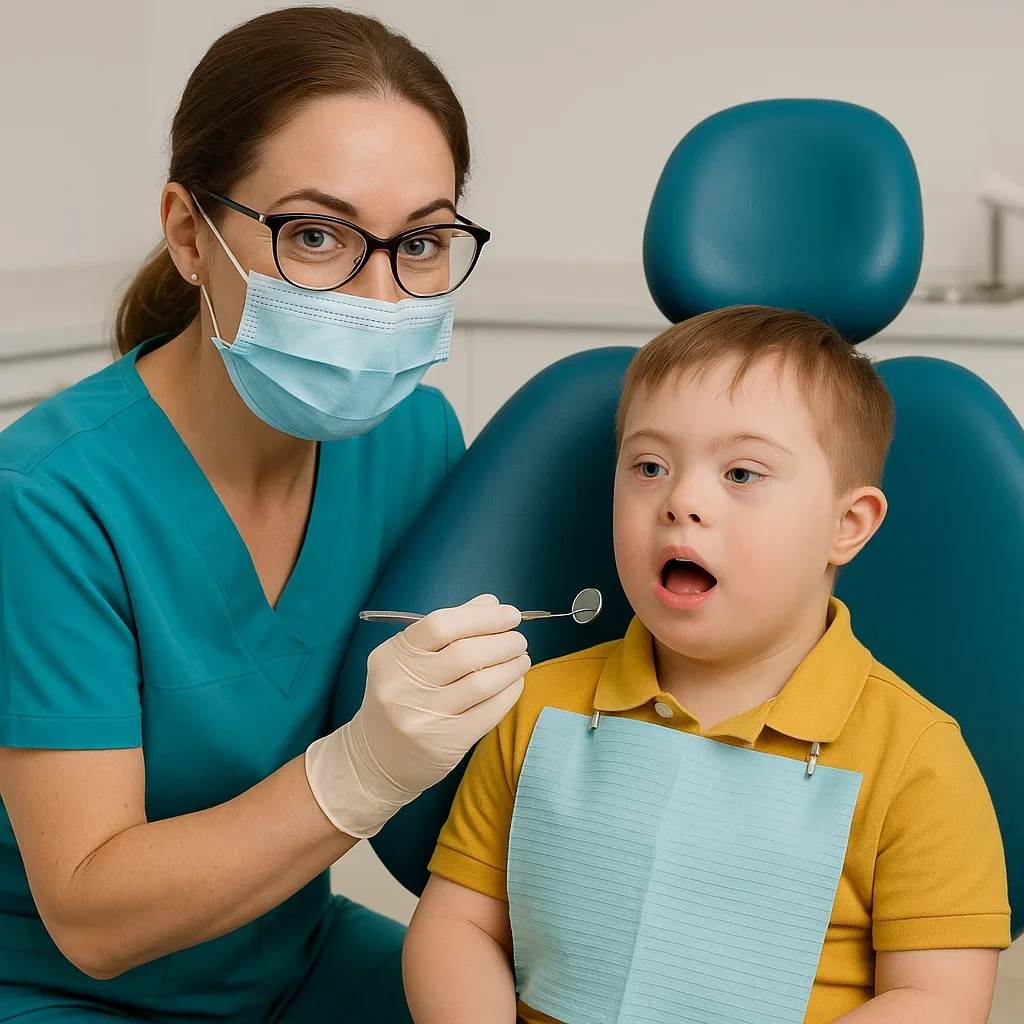
The Long-Term Benefits of Visiting a Special Needs Pediatric Dentist
Choosing a special needs pediatric dentist for your child is more than just a short-term solution—it’s an investment in their lifelong health, confidence, and quality of life. Regular dental visits with a compassionate and trained specialist can transform not only your child’s oral health but also their overall well-being. These benefits extend far beyond clean teeth; they include emotional comfort, improved communication, better nutrition, and the prevention of complex medical complications. 🦷💙
1. Building Trust and Reducing Dental Anxiety
One of the greatest long-term advantages of working with a special needs pediatric dentist is the development of trust between the child and the dental team. Children with sensory or developmental differences often struggle with fear or uncertainty in medical settings. A specialized dentist knows how to use gentle communication, positive reinforcement, and sensory-friendly techniques to gradually replace fear with familiarity and comfort.
Over time, this positive association leads to reduced anxiety not just during dental visits but also in other healthcare environments. By starting early, parents help their children develop resilience and confidence, which makes future treatments easier and less stressful. 🌈
2. Preventing Serious Dental and Health Issues
Preventive care is the cornerstone of pediatric dentistry, and for children with special needs, early intervention is even more vital. A special needs pediatric dentist closely monitors oral development, growth patterns, and emerging issues that could cause pain or complications later. Conditions such as malocclusion (misaligned bite), gum disease, and enamel defects can progress faster in children with certain medical or genetic conditions.
Through regular cleanings, fluoride treatments, sealants, and personalized care plans, these dentists prevent small issues from becoming major problems. This proactive approach also helps avoid hospitalizations, emergency dental extractions, or infections that might affect overall health.
3. Enhancing Speech and Nutrition
Oral health directly impacts speech and nutrition—two essential aspects of a child’s development. A special needs pediatric dentist plays a crucial role in maintaining the oral structures that support clear speech and comfortable chewing. For example, untreated cavities or missing teeth can cause pain that limits a child’s ability to eat a balanced diet or form words correctly.
By ensuring proper alignment, bite strength, and oral comfort, the dentist supports better speech clarity and easier food intake. This, in turn, improves nutrition, energy levels, and growth—especially important for children who already face developmental challenges. 🍎
4. Supporting Behavioral and Emotional Development
Repeated positive experiences with a special needs pediatric dentist teach children how to cope with structured environments, follow directions, and tolerate mild discomfort—all of which are transferable life skills. These visits help develop patience, communication, and emotional regulation in a safe, supportive setting.
For many families, dental visits become therapeutic opportunities rather than stressful events. The child learns self-regulation through routines such as opening the mouth on command or signaling discomfort in appropriate ways. Over time, this fosters independence and confidence both in and out of the dental chair. 💪
5. Customized Care Throughout Growth Stages
Children’s dental needs evolve as they grow, and a special needs pediatric dentist provides consistent, age-appropriate care through every stage—from baby teeth to adolescence. These dentists track growth patterns, emerging permanent teeth, and orthodontic concerns, adjusting care plans as needed. They also educate parents about developmental milestones, teething, and changes in oral habits like thumb-sucking or grinding.
Because the same trusted professional follows the child for years, the dentist develops an in-depth understanding of their personality, tolerance, and medical history. This continuity ensures better clinical outcomes and smoother transitions into adult dental care later in life.
6. The Connection Between Oral and Overall Health
Modern research confirms a strong link between oral health and systemic health. A special needs pediatric dentist helps protect more than just teeth—they help safeguard the entire body. Oral infections or inflammation can contribute to serious conditions such as heart disease, diabetes, or respiratory illness, particularly in children with weakened immune systems or complex medical diagnoses.
Routine dental visits allow early detection of these risks and coordination with other healthcare providers. By preventing oral infections and maintaining healthy gums, dentists reduce the burden of disease and support overall vitality and comfort. 🩺
7. Empowering Parents and Caregivers
Parents are an integral part of the dental care team. A special needs pediatric dentist educates caregivers on how to perform daily oral hygiene, handle resistance, and identify early warning signs of dental issues. This empowerment helps parents feel confident and capable in managing their child’s health needs at home.
Regular consultations also allow parents to stay informed about treatment options, from fluoride varnishes to sedation techniques. The collaborative relationship between dentist and family ensures that care decisions are made with understanding, compassion, and mutual respect.
8. Creating a Foundation for Lifelong Oral Health
Starting dental care early under the guidance of a special needs pediatric dentist sets the stage for a lifetime of healthy habits. As children mature, they carry forward the lessons of consistent hygiene, comfort with dental professionals, and awareness of their own health. This foundation significantly reduces the risk of severe oral diseases, painful emergencies, and costly procedures in adulthood.
Furthermore, children who grow up with supportive dental care tend to develop a positive self-image associated with their smile—an essential aspect of social confidence and emotional well-being. 🌟
Trusted Resources and Professional Support
Families seeking specialized dental services can refer to the American Dental Association for credible information and certified professionals. In Europe or Turkey, the Redent Klinik Contact Page offers access to compassionate experts trained in pediatric dentistry for children with special needs.
In summary, the benefits of visiting a special needs pediatric dentist extend far beyond oral care—they encompass trust, comfort, and empowerment for both child and family. With early and consistent attention, children with special needs can enjoy not only healthier smiles but also greater confidence and happiness in every aspect of life. 💫