
In today’s world, achieving a confident and beautiful smile has become easier than ever thanks to advanced dental technology — especially with aligners to straighten teeth. These innovative devices offer a clear, comfortable, and modern alternative to traditional metal braces 😁. Whether you’re a teenager, adult, or professional who wants a discreet orthodontic option, aligners provide an effective way to align your teeth and enhance your overall dental health without the discomfort or appearance of wires and brackets.
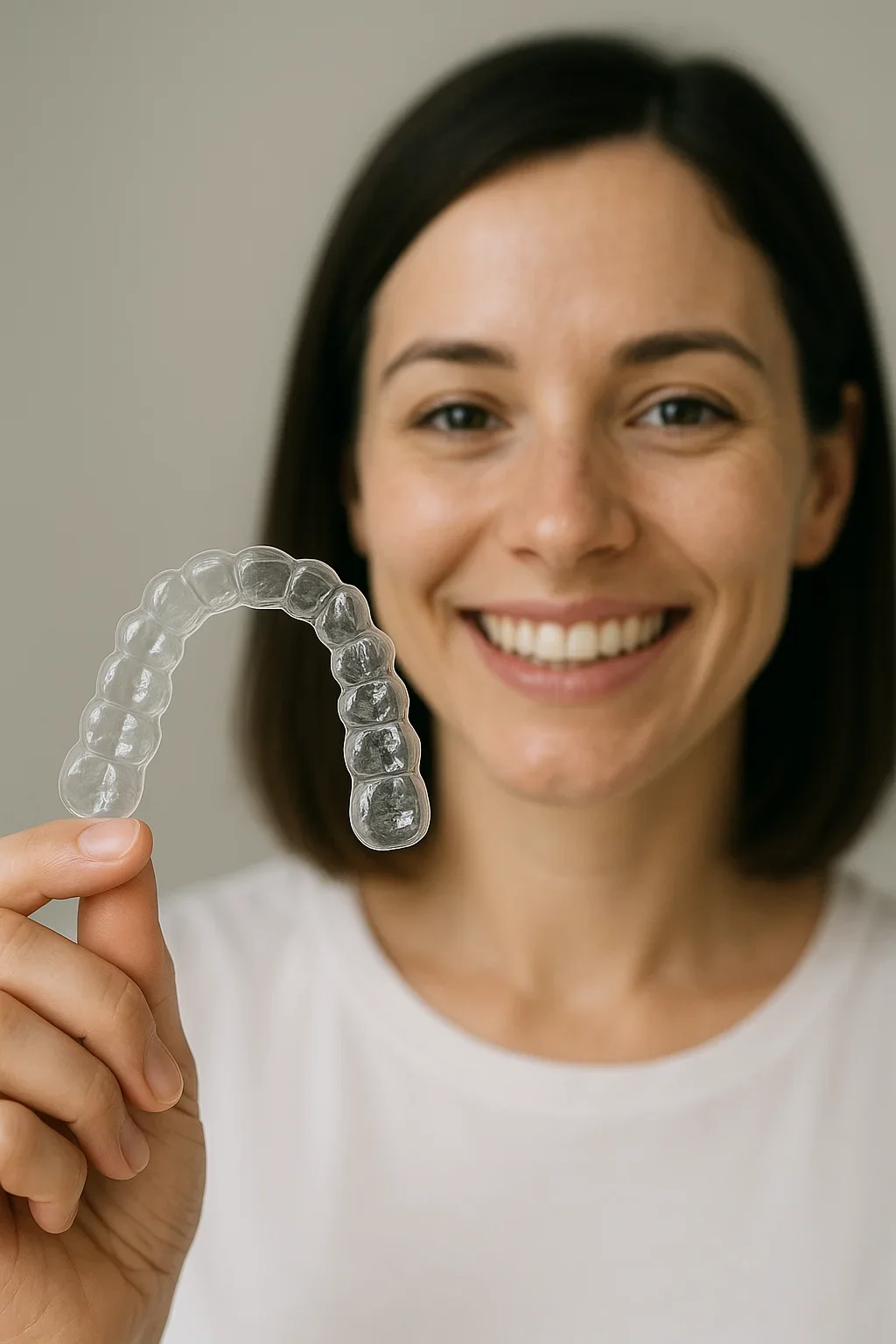
So, what exactly are aligners to straighten teeth? They are transparent, removable trays made from medical-grade thermoplastic material, designed to fit snugly over your teeth. Each aligner set is custom-fabricated using advanced 3D scanning and computer modeling. Over time, they gently shift your teeth into the ideal position, gradually straightening your smile. Most treatment plans involve switching to a new set of aligners every one to two weeks as your teeth move into alignment. The result? A perfectly straight smile — without anyone even noticing you’re undergoing treatment! 🌟
Unlike conventional braces that rely on metal wires and rubber bands, aligners to straighten teeth use controlled, consistent pressure across specific tooth surfaces. This precision-guided force moves your teeth efficiently while minimizing discomfort. In fact, many patients report far less pain compared to braces. Plus, since aligners are removable, you can continue eating your favorite foods and brushing normally — something that braces wearers often struggle with.
One of the biggest advantages of using aligners is their aesthetic appeal. Clear aligners are nearly invisible, making them a favorite among professionals, actors, and anyone who values their appearance during treatment. The ability to remove them during meals or important social events adds another layer of convenience and confidence 💬. Moreover, aligners are made from BPA-free materials, ensuring complete safety for long-term use. Their smooth texture prevents gum irritation and mouth sores, which are common issues with metal brackets.
From a dental health perspective, aligners to straighten teeth can significantly improve oral hygiene and prevent future complications. Crooked or crowded teeth make it harder to brush and floss effectively, leading to plaque buildup, gum disease, and cavities. Straight teeth, on the other hand, are easier to clean and maintain, contributing to healthier gums and better breath. In this sense, aligners don’t just enhance your appearance — they also safeguard your dental well-being for years to come.
Another noteworthy aspect of aligners is their personalized treatment approach. Your dentist or orthodontist takes detailed digital impressions of your teeth to create a customized treatment plan. Using advanced software, they can even show you a 3D preview of your expected results before treatment begins. This gives you a clear idea of what to expect and motivates you to stay consistent throughout the process. 🦷✨
Today’s aligner systems — such as Invisalign, ClearCorrect, and similar brands — are backed by clinical research and approved by reputable institutions like the American Dental Association. These studies confirm that aligners are just as effective as braces for correcting mild to moderate alignment issues, including overbites, underbites, crossbites, and spacing problems. For severe misalignments, your dentist may combine aligners with other orthodontic methods for optimal results.
One of the most common questions patients ask is how long it takes for aligners to straighten teeth. On average, most people complete their treatment within 6 to 18 months, depending on the complexity of their case and adherence to the recommended wear schedule. Aligners should ideally be worn for 20–22 hours daily to ensure consistent progress. Missing even a few days can delay results, so discipline and routine are key.
Maintenance of aligners is also simple. You can clean them using a soft toothbrush, mild soap, or aligner cleaning crystals. Avoid hot water, as it can warp the plastic. Always store your aligners in their protective case when not in use to prevent loss or damage. By following these small steps, you’ll protect your investment and ensure the smoothest path to a stunning smile. 🧴💧
If you’re considering aligner treatment, consulting with an experienced dental team is essential. At Redent Klinik Contact Page, you can reach professional orthodontists who specialize in custom smile transformations. They’ll assess your dental condition, create a personalized plan, and monitor your progress at every step — ensuring the best possible results with minimal discomfort.
Ultimately, aligners to straighten teeth represent more than just a cosmetic choice — they’re a life-changing investment in your confidence, health, and happiness. With their proven effectiveness, ease of use, and aesthetic advantages, it’s no wonder millions worldwide are choosing aligners over traditional braces. So, if you’ve ever dreamed of achieving that picture-perfect smile without the hassle of metal brackets, now is the time to explore this revolutionary orthodontic solution. 😄✨
What Are Aligners to Straighten Teeth and How Do They Work?
Modern orthodontics has evolved dramatically, and one of the most revolutionary innovations is the introduction of aligners to straighten teeth. These transparent, removable trays are designed to gradually and gently shift your teeth into their ideal positions without the discomfort and appearance of traditional braces. The concept behind aligners is simple yet highly sophisticated — they use controlled pressure and computer-guided precision to move your teeth millimeter by millimeter until your smile reaches perfect alignment 😁.
Understanding the Science Behind Aligners
At the core of every aligner treatment is advanced 3D imaging technology. When you visit your dentist or orthodontist for aligners, the first step involves taking digital scans or impressions of your teeth. These scans are then uploaded into specialized orthodontic software, where your treatment plan is virtually designed. The software maps out the exact movements each tooth needs to make to achieve optimal alignment. This is not guesswork — it’s precision engineering for your smile 🧠🦷.
Once your digital treatment plan is finalized, a series of custom aligners is fabricated using BPA-free, medical-grade thermoplastic. Each aligner in the series represents a new stage in your tooth movement. Typically, you wear each set for one to two weeks before progressing to the next. Gradually, these aligners to straighten teeth guide your teeth into position using gentle but constant pressure. The result is a perfectly aligned smile that looks completely natural and balanced.
The Step-by-Step Mechanism
1. Initial Consultation and Digital Scanning
Your journey begins with a consultation where your dental professional evaluates your oral health and determines whether you’re a suitable candidate for aligners. Once confirmed, a digital 3D scan or traditional impression of your teeth is taken. This scan captures every contour and surface detail, forming the foundation of your treatment plan.
2. Treatment Simulation and Approval
Using cutting-edge software, your dentist creates a virtual simulation of your teeth’s transformation. You can see a visual timeline of how your teeth will move during treatment and preview your final smile. This transparency helps patients understand the process and feel confident about their decision. 🌟
3. Fabrication of Custom Aligners
After approval, your aligners are fabricated using advanced manufacturing technology. Each aligner tray is carefully shaped to apply targeted pressure on specific teeth. Unlike braces, which use wires and brackets, aligners to straighten teeth deliver consistent, calculated force through their snug fit.
4. Wearing and Replacing Aligners
Patients wear their aligners for 20–22 hours daily, removing them only during meals, brushing, or flossing. Every 1–2 weeks, you switch to a new set that continues the correction process. Skipping or delaying the change can affect treatment duration and effectiveness, so adherence to your schedule is crucial.
5. Monitoring and Adjustments
Your orthodontist will monitor progress every few weeks to ensure the teeth are moving as planned. Some cases might require refinement aligners for fine-tuning. This ongoing supervision ensures that the aligners to straighten teeth are performing optimally and that your results stay on track.
Why Aligners Are So Effective
The efficiency of aligners lies in their custom design and the biomechanical precision with which they apply pressure. Each aligner targets specific teeth based on a pre-calculated force system. This means teeth move in a controlled, safe manner — without damaging roots or surrounding tissues. Furthermore, aligners can address multiple orthodontic issues, including crowding, spacing, overbites, crossbites, and minor rotational misalignments.
Unlike braces, which often cause discomfort due to tightening and adjustments, aligners to straighten teeth are designed for a seamless experience. Most patients describe the sensation as gentle pressure rather than pain. This makes aligners a preferred choice for both teens and adults who wish to correct their teeth discreetly and comfortably.
Material and Design Advantages
Aligners are made from advanced, transparent thermoplastic materials that are both durable and flexible. These materials ensure a snug fit while maintaining clarity throughout the treatment period. The trays are also hypoallergenic, making them safe for long-term contact with oral tissues. Their smooth surface prevents irritation, ulcers, or cuts — common complaints among traditional brace users.
Moreover, aligners are removable, allowing you to eat and drink freely without dietary restrictions. You can brush and floss normally, maintaining excellent oral hygiene throughout the process. This is particularly important for preventing cavities, bad breath, and gum problems that can develop with fixed braces.
Aligners vs. Traditional Braces: A Quick Comparison
- Aesthetics: Aligners are nearly invisible, whereas braces are noticeable due to metal brackets.
- Comfort: Aligners have smooth edges, while braces can cause mouth sores.
- Maintenance: Aligners are easy to clean; braces require special brushes and tools.
- Diet: No food restrictions with aligners — enjoy crunchy snacks and sticky treats anytime 🍎🍫.
- Treatment Duration: Comparable results, but aligners often achieve them with greater comfort and fewer appointments.
Scientific Backing and Reliability
Studies endorsed by the American Dental Association confirm that clear aligners can effectively correct mild to moderate orthodontic cases. The technology relies on biomechanical principles, ensuring safe, predictable tooth movement. Clinical evidence supports their success rate, showing that properly managed aligners to straighten teeth can achieve results equivalent to traditional braces for most patients.
Conclusion: A Modern Approach to Smile Perfection
In essence, aligners to straighten teeth are the perfect fusion of science, technology, and aesthetics. They give patients the ability to transform their smiles discreetly, safely, and efficiently. By combining advanced materials, 3D modeling, and professional supervision, aligners have become the gold standard in contemporary orthodontics. For individuals seeking a convenient and invisible path to a confident smile, aligners offer an unmatched solution — one that redefines what it means to have a perfect set of teeth. 😄
To explore whether aligners are right for you, visit Redent Klinik Contact Page and schedule a personalized consultation. Expert orthodontists there can evaluate your smile and guide you through the transformative process of achieving naturally aligned, healthy teeth for life.
Key Differences Between Aligners and Traditional Braces
When considering orthodontic treatment, many patients wonder whether to choose aligners to straighten teeth or traditional metal braces. Both options aim to correct dental misalignments and create a healthier, more confident smile, but they differ significantly in design, comfort, appearance, maintenance, and overall experience. Understanding these differences can help you make an informed decision that aligns with your lifestyle, budget, and aesthetic preferences 😁.
Design and Structure: How They Function Differently
Clear Aligners – A Modern, Discreet Approach
Aligners to straighten teeth are made of transparent, medical-grade thermoplastic designed to fit snugly over your teeth. Each aligner tray is custom-made using advanced 3D scanning and modeling technologies. Instead of applying pressure through wires and brackets, aligners gently and precisely guide your teeth into the desired position using programmed movements. The trays are replaced every 1–2 weeks to continue the gradual realignment process.
Traditional Braces – The Classic Metal System
Traditional braces consist of metal brackets bonded to each tooth and connected with wires and elastic bands. The orthodontist tightens these wires periodically to apply controlled pressure that moves the teeth over time. Though braces have been around for decades and are highly effective, they come with aesthetic and comfort challenges that modern patients often wish to avoid.
Appearance: Visibility and Confidence
One of the most significant advantages of aligners to straighten teeth is their invisibility. They’re virtually undetectable, allowing you to smile, talk, and work confidently throughout your treatment. This makes aligners especially appealing to adults and professionals who prefer a subtle orthodontic solution. In contrast, traditional braces are visible and often associated with adolescence, leading some adults to feel self-conscious about their appearance during treatment.
Additionally, aligners can be removed temporarily for photos, important events, or public speaking engagements. This flexibility gives you greater control over your daily presentation and boosts overall confidence during the alignment journey 🌟.
Comfort and Oral Health
Gentle Pressure vs. Tightening Discomfort
Patients using aligners to straighten teeth often describe the experience as far more comfortable than braces. The smooth plastic trays eliminate irritation from metal brackets and wires. Traditional braces can cause mouth sores, especially after tightening sessions, as the wires and bands may rub against soft tissues inside the cheeks and lips. Aligners, on the other hand, exert consistent yet gentle pressure, reducing soreness and promoting a more pleasant treatment process.
Hygiene and Cleaning
Since aligners are removable, maintaining oral hygiene is much easier. You can brush and floss your teeth normally without navigating around brackets. Braces, however, make cleaning more difficult, increasing the risk of plaque buildup, cavities, and gum inflammation. Food can also get trapped between brackets and wires, leading to bad breath and staining. Aligners completely eliminate this issue, making them ideal for those who value a clean and fresh smile throughout treatment 🪥.
Dietary Freedom
With aligners to straighten teeth, there are no food restrictions. You simply remove the aligners before eating, allowing you to enjoy all your favorite foods — from crunchy apples to popcorn — without fear of damaging your dental device. In contrast, braces users must avoid sticky, hard, or chewy foods that can break brackets or bend wires. This flexibility is one of the main reasons why many patients prefer aligners over traditional orthodontic methods 🍎🍫.
Treatment Duration and Efficiency
The length of treatment varies depending on the complexity of the case, but both systems can deliver excellent results. Typically, aligners to straighten teeth achieve the desired outcome in 6 to 18 months, similar to or even faster than braces in mild to moderate cases. Because aligners use 3D simulation software to plan every tooth movement in advance, the process is highly predictable and efficient. Traditional braces may require more frequent visits and manual adjustments by the orthodontist, which can prolong the total treatment time.
Follow-up Visits and Adjustments
Patients using aligners usually visit their dentist every 6–8 weeks to check progress and receive their next sets of trays. The appointments are shorter and less invasive since there’s no wire tightening involved. For braces, monthly appointments are often required, and adjustments can be uncomfortable. This difference makes aligners more convenient for busy individuals or those living far from their dental clinic.
Cost and Value
While both treatments involve investment, the cost of aligners to straighten teeth has become more competitive over the years due to technological advancements and wider availability. Pricing varies depending on brand, treatment duration, and complexity, but aligners are often comparable to traditional braces in many clinics. Some insurance plans even cover both options partially, making them accessible to a broader range of patients.
For an accurate quote and treatment plan, you can consult the specialists via the Redent Klinik Contact Page, where professionals evaluate your dental condition and recommend the most cost-effective solution based on your goals.
Lifestyle Considerations
Choosing between braces and aligners to straighten teeth often comes down to lifestyle preferences. If you’re looking for discretion, comfort, and flexibility, aligners are the clear winner. If your case involves severe misalignment, impacted teeth, or jaw correction, braces might be necessary for complete control. However, many modern orthodontists combine both techniques — starting with braces for complex movement and finishing with aligners for refinement. This hybrid approach provides the best of both worlds.
Professional Endorsements and Research
Numerous studies, including those reviewed by the American Dental Association, support the efficacy of clear aligners for a wide range of orthodontic issues. They emphasize that success depends not only on the technology but also on patient compliance and professional oversight. The more diligently you wear your aligners — ideally 20–22 hours daily — the faster and more precise your results will be.
Final Thoughts: Making the Right Choice
Ultimately, the decision between aligners to straighten teeth and traditional braces should be guided by your dental goals, lifestyle, and comfort preferences. Aligners offer unmatched aesthetics, ease, and convenience, while braces remain a trusted solution for more complex corrections. By consulting an experienced orthodontist, such as those at Redent Klinik Contact Page, you can find the best option tailored specifically to your smile. Whichever you choose, both paths lead to the same rewarding destination — a beautifully aligned, confident smile that lasts a lifetime. 😄
Step-by-Step Process of Getting Aligners for Straighter Teeth
Understanding the detailed process behind aligners to straighten teeth helps you prepare mentally and practically for your orthodontic journey. Every smile is unique, and so is every aligner treatment plan. The process is systematic, personalized, and designed to ensure your teeth move safely, efficiently, and predictably into perfect alignment 😁. Below is a comprehensive explanation of how the aligner journey unfolds — from the first consultation to the final smile reveal.
Step 1: Initial Consultation and Dental Examination
The process begins with a professional evaluation by a qualified orthodontist or dentist. During this consultation, the dentist examines your teeth, gums, and bite to determine whether aligners to straighten teeth are suitable for your case. While most people with mild to moderate misalignments can benefit from aligners, some complex conditions like severe crowding or skeletal discrepancies may require hybrid or traditional treatments.
Your dental professional will discuss your goals, expectations, and timeline. You might also undergo X-rays or panoramic imaging to assess your jawbone and root structures. This data is essential to create a safe, efficient, and realistic treatment plan. You’ll also receive a general overview of the process, treatment duration, and estimated cost before committing to the next stage.
Step 2: Digital 3D Scanning and Impressions
High-Precision Digital Scans
After confirming your eligibility, the next step is to capture a detailed 3D image of your teeth. Using cutting-edge scanning technology, your dentist takes digital impressions that eliminate the need for messy traditional molds. These precise scans are then uploaded into specialized orthodontic software to map out your teeth’s exact positions.
Computerized Modeling
The software simulates how your teeth will move over time using aligners to straighten teeth. It also creates a series of progressive stages, each corresponding to a specific aligner tray. You’ll be able to preview your future smile before treatment even begins, which is a motivating and exciting part of the journey. 🌟
Step 3: Custom Treatment Planning
Once the digital scans are complete, your orthodontist designs a customized treatment plan tailored to your specific dental needs. This includes defining the direction, amount, and timing of movement for each tooth. The plan also predicts how long the treatment will take, how many aligner sets you’ll need, and what kind of retention may be required afterward.
With this precision-based planning, aligners to straighten teeth can achieve results comparable to braces but with much greater comfort and convenience. The software ensures that each aligner applies just the right amount of pressure to specific teeth at the correct intervals.
Step 4: Manufacturing the Custom Aligners
3D Printing Technology
Once the treatment plan is finalized, the data is sent to a certified laboratory, where your aligners are manufactured using advanced 3D printing technology. Each aligner is crafted from BPA-free, transparent thermoplastic material that’s safe for daily wear. The trays are polished and cut precisely along the gum line to ensure maximum comfort.
Quality Checks and Delivery
Before your aligners are delivered, they undergo rigorous quality testing to ensure they fit perfectly and meet medical safety standards. You’ll receive your first few sets along with care instructions and a schedule for switching between trays. Usually, you change your aligners every 10–14 days, depending on your dentist’s recommendation.
Step 5: Starting Your Aligner Journey
Once your first aligner set is ready, your dentist will show you how to insert and remove them properly. It might feel slightly tight at first — this is normal and indicates that your aligners to straighten teeth are working. You’ll be instructed to wear them for 20–22 hours per day, removing them only for eating, drinking (except water), brushing, and flossing. Consistency is the key to success; skipping days can delay progress.
During the first few days, you may notice mild pressure or a slight lisp, but both fade quickly as your mouth adapts. The best part is that aligners are virtually invisible, allowing you to smile confidently even during the early stages of treatment 😄.
Step 6: Regular Checkups and Progress Tracking
Monitoring and Adjustments
Your orthodontist will schedule checkups every 6–8 weeks to monitor your progress. These visits are usually short and painless since there are no wires to tighten or brackets to adjust. The dentist reviews your tooth movement using digital scans or photos and ensures everything is progressing as planned. If necessary, refinement aligners may be ordered to perfect the final alignment.
Digital Progress Updates
Some clinics offer mobile apps that allow you to upload selfies of your teeth periodically. AI-powered tools can track your progress remotely, ensuring that your aligners to straighten teeth are doing their job effectively. This digital convenience saves time and enhances patient compliance.
Step 7: The Retention Phase
After completing your aligner sets, your teeth will have reached their ideal alignment — but the process doesn’t end there. The retention phase ensures your new smile stays in place. Your orthodontist will provide custom retainers, often made from similar clear material, to maintain the results. You’ll wear these retainers mostly at night to prevent your teeth from shifting back.
Neglecting this stage can undo months of progress, so adherence is crucial. Think of retainers as an insurance policy for your smile — they protect the results achieved with your aligners to straighten teeth.
Step 8: Post-Treatment Care and Smile Maintenance
Maintaining your straightened teeth involves good oral hygiene and regular dental checkups. Brush at least twice a day, floss daily, and attend professional cleanings every six months. Avoid habits that could shift your teeth, like nail-biting or using your teeth to open packaging. If you notice any minor movement over time, your dentist can create new refinement trays to realign your smile quickly and easily.
Step 9: Celebrating Your New Smile
The final step in the process is one of pure joy — unveiling your transformed smile! The precision and technology behind aligners to straighten teeth deliver not only cosmetic improvements but also better bite function and oral health. Your new alignment can help reduce jaw strain, improve chewing efficiency, and even enhance speech clarity. More importantly, you’ll gain a confidence boost that radiates through your personal and professional life. 🌈
If you’re ready to start your journey, the experts at Redent Klinik Contact Page can guide you through each step — from consultation to final results. Their team specializes in advanced orthodontic care and ensures that every smile transformation is comfortable, efficient, and life-changing. For additional guidance and verified information, you can refer to the American Dental Association, which provides professional resources on aligner safety and effectiveness.
In summary, the step-by-step process of getting aligners to straighten teeth is designed to be smooth, predictable, and patient-centered. From digital precision to custom manufacturing and expert supervision, every detail ensures that your journey toward a perfect smile is as seamless as possible. It’s not just about straightening teeth — it’s about transforming confidence, one aligner at a time. 😍
Best Candidates for Aligners: Who Can Benefit the Most?
While aligners to straighten teeth are one of the most versatile orthodontic solutions available today, they’re not suitable for everyone. Their effectiveness depends on factors such as the severity of misalignment, age, oral health condition, and patient discipline. Understanding who benefits the most from aligners helps ensure realistic expectations and successful outcomes. Let’s take a detailed look at the ideal candidates for this modern orthodontic treatment and what makes them suitable 😊.
Understanding the Ideal Profile for Aligner Treatment
In general, aligners to straighten teeth are perfect for individuals with mild to moderate alignment issues who are committed to wearing their aligners as prescribed. They are designed to correct common problems such as spacing, crowding, and minor bite irregularities. The key factor is consistency — aligners must be worn 20–22 hours per day to achieve predictable results. People who can maintain this discipline usually experience faster and more effective treatment outcomes.
1. Adults Seeking Discreet Orthodontic Correction
Adults who want to straighten their teeth without the visibility of metal braces are among the best candidates for aligners to straighten teeth. Professionals, businesspeople, and public speakers often prefer aligners because they offer an almost invisible solution. You can attend meetings, events, and social gatherings without anyone noticing that you’re undergoing treatment. Additionally, since aligners are removable, they easily fit into the daily routines of adults with busy lifestyles 💼.
Many adults also appreciate the comfort of aligners. The absence of metal wires and brackets means fewer mouth sores, less discomfort, and easier cleaning. This makes them particularly appealing to those who had braces in childhood and now wish to correct minor relapse or shifting teeth as adults.
2. Teenagers Who Can Follow Guidelines
Teenagers with good dental hygiene habits and a high level of responsibility are also great candidates for aligners to straighten teeth. Teen aligners often include compliance indicators — small blue dots that fade when worn properly — to help parents and orthodontists track usage. Aligners allow teenagers to maintain their confidence during school and social activities since they’re nearly invisible and can be removed during sports or playing musical instruments 🎶.
However, teens must commit to wearing aligners consistently. Forgetting to wear them or frequently removing them for long periods can delay progress. This is why orthodontists carefully assess whether the patient is mature enough to handle the responsibility before recommending aligners.
3. Patients with Mild to Moderate Alignment Issues
The most effective cases for aligners to straighten teeth include mild to moderate crowding, small gaps between teeth, or minor bite corrections (overbite, underbite, and crossbite). In these situations, aligners can deliver precise, efficient results with minimal discomfort. Complex cases involving severe rotations or significant jaw misalignments may still require traditional braces or combination therapy for the best outcome.
Dental Health Requirements Before Starting Treatment
Healthy Gums and Teeth
Before beginning treatment with aligners to straighten teeth, patients must have good oral health. This means no active cavities, gum disease, or severe enamel erosion. Aligners cover the teeth completely, which can trap bacteria if dental hygiene is poor. Therefore, a thorough dental cleaning and any necessary restorations are usually completed before aligner treatment begins.
Commitment to Oral Hygiene
Aligner users must maintain excellent oral hygiene. Because the trays are worn most of the day, any food debris or bacteria left on the teeth can quickly lead to decay or bad breath. Brushing after every meal and rinsing the aligners before reinsertion is crucial. Patients unwilling to commit to this level of care might not be suitable candidates.
Who Should Avoid Aligners?
Severe Orthodontic Cases
Patients with complex bite issues, skeletal misalignments, or significant overcrowding might require more advanced orthodontic solutions. While aligners to straighten teeth are highly effective for mild to moderate corrections, they have limitations in cases where tooth movement requires rotational or vertical adjustments. In such situations, traditional braces or hybrid treatments combining both methods may be recommended.
Young Children
Aligners are generally not suitable for young children whose teeth and jaws are still developing. Their teeth are constantly shifting due to growth, making it difficult for aligners to maintain the necessary precision. Pediatric orthodontic treatments typically rely on braces or space maintainers until the child’s permanent teeth have fully erupted.
Lifestyle and Personality Factors That Support Success
The best candidates for aligners to straighten teeth are those who are disciplined, proactive, and health-conscious. Since the success of aligner therapy depends heavily on patient compliance, responsible wearers tend to see better and faster results. Individuals who lead active lifestyles — such as athletes or performers — often prefer aligners because they can remove them during important moments without disrupting treatment progress. This flexibility enhances the patient’s overall experience and adherence.
Cosmetic and Psychological Benefits
One often overlooked factor when determining candidacy is the emotional impact of treatment. Many people who avoid braces due to aesthetic concerns feel more motivated with aligners to straighten teeth. The ability to watch their smile improve discreetly boosts self-esteem and social confidence. This psychological benefit contributes significantly to treatment satisfaction and consistency throughout the process.
Consultation and Professional Assessment
The best way to determine if you are a suitable candidate is through a detailed consultation with a dental specialist. During this visit, the orthodontist will evaluate your oral structure, bite alignment, and overall dental health. If aligners to straighten teeth are appropriate, they will create a personalized plan using 3D modeling and digital imaging for precise tooth movement.
You can schedule an evaluation with the experts at Redent Klinik Contact Page. Their team specializes in modern orthodontic technologies and provides custom treatment plans that match your dental and aesthetic needs. For additional information about orthodontic guidelines and aligner safety, visit the American Dental Association, which publishes reliable research and best practices in dental care.
Final Thoughts: Aligners as a Personalized Smile Solution
In conclusion, aligners to straighten teeth offer a revolutionary, patient-centered approach to orthodontic correction. They’re ideal for adults and teens who seek comfort, discretion, and flexibility. By adhering to consistent wear and maintaining excellent oral hygiene, candidates can achieve stunning, long-lasting results. Whether you’re looking to fix slight misalignments or enhance your overall smile symmetry, aligners provide a modern solution that fits seamlessly into your daily life — empowering you to smile brighter with confidence every day 😄.
Common Myths and Facts About Aligners to Straighten Teeth
Although aligners to straighten teeth have become a mainstream orthodontic solution, there are still many misconceptions that create confusion for potential patients. Some believe they’re only for minor cosmetic fixes, while others think they’re less effective than braces. In reality, aligners combine science, precision, and aesthetics to deliver results comparable to — and sometimes better than — traditional orthodontic treatments. Let’s debunk the most common myths and replace them with verified facts supported by dental science and clinical evidence 🦷✨.
Myth 1: Aligners Are Only for Minor Tooth Movements
The Truth: They Can Correct Various Orthodontic Issues
One of the most widespread misconceptions is that aligners to straighten teeth can only fix small gaps or minor misalignments. However, modern aligner systems — thanks to advanced 3D mapping, AI-assisted treatment planning, and elastomeric attachments — can correct a wide range of orthodontic concerns. These include overbites, underbites, crossbites, crowding, and spacing issues. For severe skeletal discrepancies, aligners can even be combined with other treatments for optimal results.
Studies endorsed by the American Dental Association confirm that clear aligners achieve outcomes equivalent to braces in mild and moderate cases. What matters most is accurate diagnosis, proper planning, and consistent wear. With professional supervision, aligners can deliver exceptional alignment, bite improvement, and smile aesthetics comparable to traditional systems.
Myth 2: Aligners Work Slower Than Braces
The Truth: Aligners Often Deliver Faster, Predictable Results
Many assume that because aligners to straighten teeth are removable and more comfortable, they must take longer to work. In reality, aligners are meticulously designed to move each tooth in a pre-calculated sequence, using controlled force and consistent pressure. The average treatment time ranges between 6 to 18 months — similar to or even shorter than braces for many cases. Each new aligner tray precisely targets specific teeth, minimizing unnecessary movement and discomfort.
Furthermore, since digital treatment planning maps every stage before you even begin, the process becomes highly predictable. Patients also experience fewer unplanned visits or emergency repairs, which means more efficient progress and shorter treatment duration overall ⏱️.
Myth 3: Aligners Are Painful to Wear
The Truth: Aligners Provide Gentle Pressure, Not Pain
Some people fear that aligners to straighten teeth will cause significant pain like traditional braces. However, aligners are engineered to apply gentle, even pressure across the teeth rather than sudden tightening forces. While you may feel mild discomfort for a day or two when switching to a new tray, it’s a sign that your aligners are working. Most patients describe it as a sense of “pressure,” not pain.
The smooth, rounded edges of aligners also prevent gum irritation and mouth sores commonly experienced with metal brackets and wires. Because they are made of BPA-free, medical-grade thermoplastic, aligners provide maximum comfort for long-term wear 😌.
Myth 4: Aligners Are More Expensive Than Braces
The Truth: Costs Are Now Comparable and Flexible
In the past, aligners to straighten teeth were seen as a luxury treatment available only to a select few. Today, due to technological advancements and wider availability, their cost has become competitive with traditional braces. Depending on your dental condition, brand, and treatment complexity, the price can range similarly. Additionally, many clinics offer payment plans or dental insurance coverage that makes aligners an affordable investment in your smile.
For accurate pricing and personalized consultation, you can reach professionals through the Redent Klinik Contact Page. Their team provides detailed cost breakdowns and helps patients choose a treatment plan that suits their needs and budget.
Myth 5: Aligners Require Less Commitment
The Truth: Consistent Wear Is Essential for Success
Another common misconception is that aligners to straighten teeth can be worn casually and still deliver results. In reality, aligners demand discipline and consistency. They must be worn for at least 20–22 hours per day, removed only during meals and oral hygiene routines. Skipping days or neglecting to wear them properly can delay results and compromise treatment accuracy.
Unlike braces, which are fixed and work continuously, aligners rely on patient cooperation. This makes aligner therapy ideal for responsible individuals who are motivated and proactive about their dental health. The reward for diligence, however, is a faster, more comfortable path to a perfect smile 🌟.
Myth 6: Aligners Can Stain or Smell Easily
The Truth: Proper Cleaning Prevents Discoloration
While aligners can discolor if neglected, maintaining them is simple. You can clean your aligners to straighten teeth using a soft brush, mild soap, or special aligner cleaning crystals. Avoid hot water, as it may warp the trays. With proper hygiene, your aligners will remain clear and odor-free throughout the treatment. Always rinse them after meals and store them in their protective case when not in use to prevent contamination.
Myth 7: Aligners Can Move Teeth Without Supervision
The Truth: Professional Monitoring Is Crucial
DIY or mail-order aligner kits have led to the dangerous belief that you can straighten teeth without seeing a dentist. This is not only false but risky. Safe and effective aligners to straighten teeth must always be prescribed and monitored by a certified dental professional. Without X-rays, digital scans, and professional oversight, self-managed treatments can cause bite problems, gum damage, and even bone loss.
Professional clinics like Redent Klinik ensure that every aligner plan is tailored to your anatomy and monitored throughout treatment for safety and precision. Regular checkups help maintain progress and detect potential issues early.
Myth 8: Aligners Make Speech Difficult
The Truth: Speech Adjusts Quickly
Some new users experience a temporary lisp when they first start wearing aligners to straighten teeth. This is completely normal and short-lived. As your tongue adapts to the presence of the aligners, your speech will return to normal — often within a few days. Practicing by reading aloud can speed up the adjustment period. Unlike bulky braces, aligners fit snugly and minimally affect your natural speech once you adapt.
Myth 9: Aligners Don’t Work for Older Adults
The Truth: Age Is Not a Limiting Factor
Orthodontic treatment is no longer just for teenagers. Adults of all ages can benefit from aligners to straighten teeth, provided their gums and bones are healthy. In fact, more adults are choosing aligners than ever before because they value comfort and appearance. Aligners are also ideal for those who had braces in their youth but experienced relapse due to not wearing retainers. Age doesn’t limit success — commitment does 🦷.
Myth 10: The Results Don’t Last
The Truth: Retainers Keep Your Smile Perfect
After completing treatment, wearing retainers is essential to maintain your new alignment. Just like with braces, teeth can shift slightly over time. Custom retainers — often made from the same material as aligners to straighten teeth — prevent relapse and preserve your beautiful smile. Regular dental visits and proper care will ensure your results last for life.
Final Thoughts: Facts Over Fear
In summary, most myths surrounding aligners to straighten teeth stem from outdated information or confusion about how modern aligner systems work. Today’s technology, clinical research, and professional oversight make aligners a safe, effective, and aesthetically pleasing solution for patients of all ages. By separating myths from facts and consulting trusted dental professionals, you can confidently embrace aligners as the modern path to achieving your dream smile 😄.
How Long Do Aligners Take to Straighten Teeth? Realistic Expectations
One of the most common questions patients ask about aligners to straighten teeth is how long it takes to achieve a perfectly aligned smile. While every case is unique, modern orthodontic technology allows for remarkably accurate predictions about treatment timelines. The duration depends on several factors, including the complexity of tooth movement, the patient’s age, consistency in wearing aligners, and overall oral health. Understanding these factors will help you set realistic expectations and stay motivated throughout your smile journey 😁.
Average Treatment Duration for Aligners
Typical Timeframe for Most Patients
On average, patients using aligners to straighten teeth complete their treatment within 6 to 18 months. Mild alignment cases may finish in as little as 4–6 months, while more complex cases involving multiple tooth rotations or bite corrections can take up to 24 months. Each aligner tray typically represents a two-week phase of movement, meaning a full course might include anywhere between 12 to 40 sets of aligners.
Unlike traditional braces, aligners use a digitally mapped treatment plan that precisely predicts how each tooth will shift over time. This ensures controlled and consistent movement. Because the aligner trays are changed regularly, the process feels smooth and progressive rather than abrupt or painful — a major comfort advantage 🌟.
Predictability Through Digital Planning
Advanced orthodontic software allows dentists to simulate your entire treatment before it begins. This digital roadmap not only forecasts the end result but also provides an estimated timeline. For many patients, this transparency offers motivation and clarity throughout the process. It also allows adjustments along the way if certain teeth need extra attention.
Factors That Affect the Treatment Timeline
1. Complexity of Dental Alignment Issues
The more complex your case, the longer aligners to straighten teeth will take to achieve results. Minor crowding or spacing issues may resolve quickly, but cases involving bite correction, overlapping teeth, or deep rotations require more stages and precision. Complex movements may also involve attachments — small, tooth-colored ridges that help aligners grip teeth more effectively.
2. Consistency and Compliance
The most important factor determining how long aligners take is your discipline. Aligners must be worn for 20–22 hours per day. Removing them frequently or forgetting to wear them overnight can significantly delay progress. Because aligners work by applying continuous gentle pressure, interruptions in wear time can cause teeth to shift back, prolonging the process ⏳.
3. Age and Bone Density
Age can slightly influence treatment duration. Younger patients often experience faster results because their bone structures are more adaptable. Adults, however, can still achieve excellent outcomes with aligners to straighten teeth; it just may require slightly more time for the teeth to stabilize in new positions. Regardless of age, consistent wear and good oral hygiene ensure steady progress.
4. Treatment Plan Accuracy and Monitoring
Regular follow-ups with your dentist or orthodontist ensure that each phase is progressing as planned. Adjustments or refinements may occasionally be needed, especially toward the end of treatment. Clinics that use 3D scanning for progress tracking can catch even minor deviations early, preventing unnecessary delays. Working with an experienced dental team — such as those at Redent Klinik Contact Page — ensures timely interventions and the best possible outcome.
Speeding Up the Process: What You Can Do
Stick to the Wear Schedule
To get results as quickly as possible, wear your aligners for the full recommended time each day. Removing them only for meals and brushing ensures that your teeth receive constant, gentle pressure. Remember: consistency equals progress!
Maintain Excellent Oral Hygiene
Keeping your teeth and gums healthy supports faster movement and stability. Brush and floss after every meal before reinserting your aligners. Poor hygiene can lead to gum inflammation, which may interfere with your treatment’s precision and timing.
Use Aligner Accessories Correctly
Your dentist may recommend “chewies” — small foam cylinders that help seat aligners properly on your teeth. Using these daily ensures your aligners to straighten teeth fit snugly and apply even pressure, leading to more predictable movement.
Avoid Unnecessary Breaks
Skipping days, losing aligners, or wearing them inconsistently can extend your timeline by weeks. Always keep your aligners in their protective case when not in use, and if you lose one, contact your orthodontist immediately to stay on track.
Comparing Aligners and Braces in Terms of Duration
When comparing aligners with braces, many patients are surprised to learn that both treatments often take similar amounts of time. However, aligners to straighten teeth tend to achieve results more efficiently in mild to moderate cases due to their precise digital planning. Unlike braces that require manual adjustments, aligners use pre-programmed movements that minimize guesswork. This precision makes them a preferred option for busy adults seeking faster, more comfortable results without frequent dental visits.
Signs That Treatment Is Progressing Well
- Teeth feel slightly tight when switching to a new tray — this means the aligners are actively working.
- Your smile gradually looks more symmetrical week by week.
- Follow-up scans or photos show consistent improvement in alignment.
- Minimal discomfort and smooth transitions between trays indicate proper tooth movement.
What Happens After You Finish the Treatment?
The Retention Phase
Once your aligners to straighten teeth have done their job, the final step is maintaining your results. You’ll receive custom retainers that keep your newly aligned teeth in place. These retainers are often worn nightly and are as clear and comfortable as your previous aligners. Skipping this stage can cause your teeth to gradually shift back, so consistent retention is essential.
Smile Refinement and Long-Term Care
Sometimes, minor refinements may be needed at the end of your treatment to perfect your results. These additional aligners fine-tune your smile and ensure ideal bite balance. Regular checkups, combined with professional cleanings and good daily care, will keep your smile healthy and stable for years to come.
Final Thoughts: Patience Leads to Perfection
Ultimately, the time required for aligners to straighten teeth depends on your individual needs and commitment. With consistent wear, professional supervision, and proper oral care, you can expect visible results within a few months and a complete transformation within a year or two. Aligners offer a blend of efficiency, comfort, and aesthetics unmatched by other orthodontic options. Stay patient, follow your plan diligently, and soon you’ll be rewarded with a beautifully aligned smile that lasts a lifetime 😄.
For a personalized timeline and detailed evaluation, visit the Redent Klinik Contact Page and speak with an experienced orthodontist. They’ll create a customized plan and guide you step-by-step toward achieving your dream smile. You can also explore trusted clinical insights from the American Dental Association for additional information about aligner treatment and oral health best practices.
Tips to Care for and Maintain Your Dental Aligners
Proper care and maintenance of your aligners to straighten teeth are just as important as wearing them consistently. Clean aligners not only ensure better oral hygiene but also help you achieve the best possible results within your expected treatment timeline. Since aligners are made from transparent thermoplastic materials, neglecting their care can lead to discoloration, odor, or even bacterial buildup. In this section, you’ll learn proven tips to maintain your aligners in top condition — keeping your smile healthy, your trays crystal clear, and your treatment right on track 😁.
Daily Cleaning Habits
1. Rinse Immediately After Removal
Every time you remove your aligners to straighten teeth, rinse them with lukewarm water to wash away saliva and plaque. This simple step prevents bacterial growth and keeps your aligners fresh. Avoid hot water at all costs — excessive heat can warp the aligners, causing them to lose their fit and effectiveness.
2. Use Gentle Cleaning Products
Clean your aligners twice daily using a soft toothbrush and clear, fragrance-free soap. Regular toothpaste can be too abrasive and may create micro-scratches on the aligner surface, allowing bacteria to accumulate. Alternatively, aligner cleaning tablets or crystals can be used once a day for deep sanitation. These specialized solutions are designed to remove stains and buildup without damaging the aligner’s material 🧼.
3. Avoid Colored or Harsh Chemicals
Never use mouthwash, bleach, or alcohol-based cleaners on your aligners to straighten teeth. These products can discolor or distort the trays. Remember: aligners should remain completely transparent to maintain their discreet appearance. If your aligners develop stubborn buildup, consult your dentist before attempting any strong cleaning methods.
Storage and Handling Tips
Always Use the Protective Case
When not in your mouth, always store your aligners to straighten teeth in their provided protective case. Leaving them exposed on tables, napkins, or counters can lead to accidental loss or contamination. Many patients accidentally throw away their aligners wrapped in tissues — a surprisingly common mistake that can disrupt treatment progress. Keeping them in their case also shields them from bacteria and pet damage 🐶.
Keep Away from Heat and Sunlight
High temperatures can warp aligners, affecting their fit. Avoid leaving them in hot cars, near radiators, or under direct sunlight. Even boiling water used for cleaning dentures is too hot for aligners — always stick to lukewarm water to maintain their shape and precision fit.
Oral Hygiene During Treatment
Brush and Floss After Every Meal
Before reinserting your aligners to straighten teeth, make sure your mouth is clean. Food particles trapped between teeth and aligners can cause cavities, gum irritation, and unpleasant odors. Brush gently with fluoride toothpaste and floss thoroughly after meals. If brushing isn’t possible, at least rinse your mouth and aligners with clean water until you can properly clean them.
Stay Hydrated and Avoid Sugary Drinks
Water is the only safe drink while wearing aligners. Consuming sugary or acidic beverages with aligners in place can lead to enamel erosion and staining. If you drink coffee, tea, or soda, always remove your aligners first and rinse your mouth before putting them back in. Staying hydrated also helps prevent dry mouth, which reduces bacterial buildup and keeps your aligners fresh 💧.
Maintaining Freshness and Transparency
Use Cleaning Tablets Regularly
Specialized aligner cleaning tablets are designed to dissolve plaque and eliminate odor-causing bacteria. Simply drop a tablet into a glass of lukewarm water, soak your aligners to straighten teeth for 10–15 minutes, then rinse thoroughly. This should be done daily or at least a few times per week for optimal freshness.
Polish With a Soft Cloth
After cleaning, gently pat your aligners dry with a soft, lint-free cloth. Avoid using paper towels or rough materials that could scratch the trays. Polishing helps maintain the aligners’ clear finish and prevents cloudiness that could make them more noticeable when worn.
What to Avoid During Aligner Care
- ⚠️ Avoid chewing gum or smoking while wearing aligners — both can stain or deform them.
- 🚫 Do not eat or drink hot beverages with aligners in place.
- 🕒 Avoid skipping wear time after meals; prolonged gaps can delay treatment progress.
- ❌ Never clean aligners with toothpaste or harsh detergents — they can damage the surface coating.
Dealing With Stains or Odor
Remove Discoloration Naturally
If your aligners to straighten teeth become slightly stained, soaking them in a mixture of water and white vinegar (1:1 ratio) for 15 minutes can help remove mild discoloration. However, be sure to rinse thoroughly afterward. Never soak aligners in colored or flavored solutions, as they can leave residue or alter the taste.
Combat Odor Effectively
Persistent odor often indicates bacterial buildup. To eliminate this, increase your cleaning frequency and brush your aligners more gently but consistently. If the smell persists, your dentist may recommend professional ultrasonic cleaning to restore freshness.
Long-Term Aligner Maintenance
Rotate Old and New Sets Carefully
During treatment, you’ll receive multiple sets of aligners to straighten teeth. Keep your most recently used set as a backup in case you lose or damage your current one. This prevents treatment interruption while a replacement is ordered. Labeling your aligner trays (e.g., “Set 5A” and “Set 5B”) helps you track progress and stay organized 📦.
Traveling With Aligners
If you travel frequently, always pack your next set of aligners, a travel-size toothbrush, and cleaning tablets. Store them in a ventilated case to avoid moisture buildup. Following this simple routine keeps your aligners clean and your treatment uninterrupted even on the go ✈️.
Professional Maintenance Support
Regular checkups are vital for maintaining both oral and aligner health. Clinics like Redent Klinik Contact Page provide professional cleanings and guidance tailored to your specific treatment phase. They ensure that your aligners fit properly and remain hygienic throughout your journey. Additionally, you can refer to resources from the American Dental Association for expert-approved recommendations on aligner care and overall oral health.
Final Thoughts: Consistency Equals Success
Maintaining aligners to straighten teeth is a daily commitment that directly affects your treatment outcome. Clean, well-cared-for aligners not only enhance comfort and aesthetics but also reduce the risk of dental issues. By following these maintenance tips — from daily cleaning and safe storage to professional checkups — you’ll protect your investment and enjoy a flawless smile transformation. With consistent care and guidance from trusted professionals, your aligners will remain clear, fresh, and perfectly effective until your final smile reveal 😄.
Before and After Results: What to Expect from Aligner Treatment
The transformation that aligners to straighten teeth can achieve is often nothing short of remarkable. For many patients, this modern orthodontic solution not only enhances their smile but also improves overall dental health, bite balance, and confidence. However, understanding what to expect before, during, and after treatment helps set realistic goals and ensures lasting results. In this section, we’ll explore every phase of the aligner journey — from initial consultation to the stunning final outcome — along with insights on how to maintain your newly perfected smile 😁.
Before Starting: The Initial Assessment
1. Digital Scans and Evaluation
Every successful treatment with aligners to straighten teeth begins with a thorough assessment. Your orthodontist will take high-resolution 3D scans, photos, and sometimes X-rays of your teeth. These images are used to create a precise digital model of your mouth. Unlike traditional impressions with sticky materials, 3D scans are quick, comfortable, and highly accurate.
The dentist then uses specialized software to simulate your treatment plan, showing how your teeth will move over time. You’ll even see a digital “before and after” preview — a motivational glimpse into what your future smile will look like. This phase ensures that every tooth movement is planned for optimal efficiency and comfort 🌟.
2. Personalized Treatment Plan
Your orthodontist will develop a customized plan detailing how many sets of aligners to straighten teeth you’ll need and how long the treatment is expected to last. Factors such as crowding, bite alignment, and gum health are all taken into account. Most plans involve changing aligners every 10–14 days, with regular checkups to monitor progress and make necessary adjustments.
3. Pre-Treatment Preparation
Before beginning, your dentist may recommend a professional cleaning or minor dental work if cavities or gum issues are present. Starting with a healthy foundation ensures smooth progress and prevents potential complications. Patients are also educated about proper aligner care and wear routines before receiving their first set of trays.
During Treatment: The Transformation Journey
1. Gradual Tooth Movement
Once you begin wearing your aligners to straighten teeth, subtle but consistent movements occur every day. Each aligner is designed to move specific teeth by small increments — usually 0.25 mm or less. Because the change per stage is so minimal, most patients don’t experience pain, only mild pressure as the teeth shift into new positions.
The key to success is consistency: aligners must be worn for 20–22 hours per day. Skipping wear time can slow progress or even cause teeth to revert slightly. Regularly switching to new aligners as instructed ensures the process continues smoothly and predictably.
2. Adjustments and Attachments
Some patients may require attachments — small, tooth-colored ridges temporarily bonded to certain teeth to help guide movement. These attachments make the aligners to straighten teeth more effective for complex corrections, such as rotating teeth or adjusting bite depth. They’re invisible to most people and don’t interfere with daily life.
3. Regular Dental Monitoring
Follow-up visits every 4–8 weeks allow your orthodontist to evaluate progress and make refinements if necessary. Modern clinics often use digital scanning to compare current tooth positions with the predicted model. This ensures that everything stays on track. If any teeth lag behind in movement, a new set of “refinement aligners” may be produced to perfect alignment.
After Treatment: The Final Result
1. The “After” Smile Transformation
When your final set of aligners to straighten teeth is complete, the results are immediately visible — a balanced, bright, and beautifully straight smile. Many patients notice not only improved aesthetics but also better oral health. Straight teeth are easier to clean, reducing the risk of plaque buildup, gum inflammation, and decay.
Another benefit of aligner treatment is improved bite alignment. A corrected bite ensures that chewing forces are evenly distributed, which can prevent jaw strain and premature enamel wear. Function and beauty come together, creating a smile that looks and feels naturally healthy 😄.
2. The Retention Phase
After completing your aligner journey, your orthodontist will provide retainers to preserve your new alignment. Retainers look similar to aligners to straighten teeth but are designed to maintain rather than move your teeth. You’ll typically wear them at night for the first several months, then a few nights per week long-term. This phase is crucial — skipping it can lead to relapse, where teeth slowly drift back to their original positions.
3. Post-Treatment Maintenance
Good oral hygiene remains essential even after treatment. Brush twice a day, floss daily, and schedule routine checkups every six months. If you experience grinding or clenching, your dentist may recommend a nightguard to protect your new smile. Maintaining consistent dental care ensures that your investment in aligners to straighten teeth remains visible for years to come.
Expected Emotional and Functional Benefits
Boosted Confidence
For many patients, the most rewarding part of using aligners to straighten teeth is the confidence that comes with a flawless smile. Feeling comfortable in social situations, smiling naturally in photos, and speaking clearly can significantly enhance self-esteem and mental well-being. The discreet nature of aligners means that transformation happens quietly, often surprising friends and colleagues with the final results.
Improved Oral Function
Proper alignment improves chewing efficiency and helps distribute pressure evenly across all teeth. Patients who previously had bite issues often report reduced jaw discomfort and fewer headaches. This functional improvement goes hand-in-hand with the visual enhancement of a straighter, healthier smile.
Common Questions About Results
- Will my teeth stay straight forever? – Yes, as long as you wear your retainers as instructed and maintain good oral care.
- Can I whiten my teeth after aligner treatment? – Absolutely! Once treatment is complete, professional whitening can enhance the brightness of your new smile.
- Do aligners change facial shape? – While aligners to straighten teeth primarily target dental alignment, improved bite and smile symmetry can subtly enhance facial harmony.
Documenting Your Transformation
Many patients love tracking their progress through photos. Taking “before,” “mid-treatment,” and “after” pictures allows you to visually appreciate how far you’ve come. Your dentist may also use digital scans to compare your initial and final tooth positions — a powerful way to see the precision of aligner technology in action 📸.
Final Thoughts: Your New Smile Journey Begins Here
The journey with aligners to straighten teeth doesn’t end when your last tray comes off — it’s the beginning of a lifetime of confidence and oral health. Whether you’re addressing minor spacing or a full bite correction, the transformation is both physical and emotional. By following your orthodontist’s guidance, maintaining excellent oral hygiene, and committing to long-term retention, your smile will remain radiant and balanced for years to come.
For expert consultation and personalized treatment options, visit the Redent Klinik Contact Page to connect with professionals who specialize in aesthetic orthodontics. For additional educational resources about aligner success stories and dental care best practices, the American Dental Association provides reliable and research-backed information. Start your transformation today — your perfect smile is just one aligner away! ✨
Choosing the Right Clinic for Aligners: What to Look For
Selecting the right dental clinic for your aligners to straighten teeth treatment is one of the most crucial decisions in your orthodontic journey. Not all clinics offer the same level of expertise, technology, and personalized care — and these differences can dramatically affect your final results. From digital imaging to patient support, every aspect of the clinic’s approach matters. In this comprehensive guide, we’ll explore what makes a dental clinic truly qualified to deliver high-quality aligner treatment and how to ensure you’re making the best possible choice for your smile transformation 😄.
1. Professional Qualifications and Experience
Check for Certified Orthodontic Specialists
When seeking aligners to straighten teeth, always verify that the dentist or orthodontist overseeing your case is properly certified. Orthodontic treatments require precise understanding of tooth movement, jaw alignment, and facial symmetry — expertise that only trained professionals possess. Look for specialists who have completed orthodontic certifications and who regularly participate in continued education programs to stay current with modern aligner technologies.
Experience with Clear Aligner Systems
An experienced orthodontist with a proven track record in treating various dental cases using aligners to straighten teeth can provide smoother, more predictable results. Ask how many aligner cases they’ve managed, and request before-and-after photos of previous patients. This gives you confidence in their ability to handle both simple and complex cases effectively. Clinics that have successfully treated hundreds of patients with clear aligners tend to produce more consistent results 🦷.
2. Technology and Diagnostic Tools
3D Scanning and Digital Treatment Planning
Modern clinics offering aligners to straighten teeth use cutting-edge 3D scanning technology instead of traditional molds. This ensures precise impressions of your teeth, leading to a better fit and faster turnaround. Additionally, advanced software allows orthodontists to create a virtual treatment simulation, showing you exactly how your teeth will move at each stage. These tools help predict outcomes accurately and enhance patient satisfaction.
AI-Assisted Treatment Design
Some leading dental centers now incorporate AI-driven treatment planning. Artificial intelligence helps refine tooth movement sequences, improving accuracy and reducing treatment time. Clinics that use this technology often achieve higher precision and fewer refinements — a sign of top-tier orthodontic care.
3. Personalized Treatment Approach
Customized Plans Based on Dental Anatomy
Each smile is unique, so aligners to straighten teeth should never follow a one-size-fits-all method. Reliable clinics customize every aspect of your plan — from the number of aligners to the wear schedule — based on your teeth structure, bite, and goals. The best orthodontists use your 3D scans to design a step-by-step strategy that ensures gradual, natural-looking movement while maintaining comfort throughout the process.
Ongoing Monitoring and Adjustments
Consistent monitoring is essential for success. A professional clinic schedules regular check-ins, either in-person or digitally, to track your progress. If your teeth aren’t moving as planned, refinements can be made promptly. Avoid clinics that rely solely on mail-order systems without supervision; such approaches risk incomplete or uneven results.
4. Clinic Reputation and Reviews
Patient Testimonials and Case Studies
Reading authentic patient reviews provides valuable insight into the clinic’s professionalism, communication, and overall results. Look for detailed reviews that mention aligners to straighten teeth specifically — this ensures the clinic has real experience with aligner treatments rather than just general dentistry. Reputable clinics proudly share before-and-after galleries and transparent testimonials demonstrating consistent success.
Professional Accreditation and Affiliations
Clinics affiliated with recognized dental associations such as the American Dental Association adhere to the highest ethical and technical standards. Membership in these organizations reflects a commitment to excellence, patient safety, and continuing education. Such credentials indicate that the clinic prioritizes quality over shortcuts.
5. Cost Transparency and Financing Options
Clear Pricing Structures
Cost plays a big role in choosing where to get your aligners to straighten teeth. Top-tier clinics provide transparent pricing that includes scans, aligners, follow-ups, and retainers — with no hidden fees. They also clearly outline what happens if refinements are needed later. This clarity builds trust and helps patients plan their investment confidently.
Flexible Payment Plans
Many modern dental clinics understand that orthodontic treatment can be a significant financial decision. Therefore, they offer flexible installment plans or interest-free financing to make aligners to straighten teeth more accessible. Before committing, inquire about insurance compatibility and available discounts for full treatment payment.
6. Communication and Patient Support
Easy Access and Responsiveness
A reliable clinic values ongoing communication. From appointment reminders to mid-treatment questions, timely responses create a stress-free experience. Choose a clinic that offers online chat support or a direct contact line for patient inquiries. The ability to reach your provider quickly — especially during treatment adjustments — ensures peace of mind 📞.
Educational Support
Clinics that provide educational resources on how aligners to straighten teeth work, maintenance guidelines, and progress tracking empower patients to take an active role in their care. This transparency not only builds trust but also leads to better adherence and faster results. Clear communication ensures you always know what to expect at each stage of treatment.
7. Post-Treatment Care and Retention Support
Retainer Follow-Up Program
High-quality clinics don’t just stop after your last aligner. They provide post-treatment follow-up to ensure your teeth remain in position long-term. Retainer programs are essential to prevent relapse and maintain your perfect smile. Clinics that track retention progress show dedication to lasting results rather than quick fixes.
Regular Maintenance Appointments
Even after treatment, periodic dental checkups help maintain the health of your gums and teeth. Reputable clinics schedule ongoing visits to ensure your smile remains stable, clean, and well-aligned. This long-term commitment sets exceptional orthodontic practices apart from temporary providers.
8. Location, Accessibility, and Comfort
Practical considerations matter too. A conveniently located clinic saves travel time and encourages regular visits. Comfortable waiting areas, friendly staff, and modern facilities create a pleasant environment that reduces anxiety. Clinics like Redent Klinik combine patient comfort with world-class dental technology, making your aligner experience smooth from start to finish 🏥.
9. Red Flags to Avoid
- ❌ Clinics that promise results without proper dental supervision.
- ⚠️ Providers offering overly cheap deals that skip diagnostic imaging.
- 🚫 Lack of follow-up appointments or unclear post-treatment instructions.
- ⚠️ Staff unable to explain how aligners to straighten teeth work in detail.
10. Making the Final Decision
Ultimately, choosing the right clinic for aligners to straighten teeth should be based on trust, expertise, and transparency. Schedule consultations with at least two clinics, compare treatment plans, and ask specific questions about their technology, timelines, and post-treatment support. A well-qualified orthodontic team will take time to answer your questions thoroughly and customize a plan to fit your lifestyle.
Final Thoughts: Invest in Expertise for a Lifelong Smile
Your smile is a lifelong investment, and selecting the right professionals ensures that aligners to straighten teeth deliver the best possible outcome. From qualified orthodontists to advanced 3D technology and compassionate care, the ideal clinic combines science and artistry to create lasting transformations. For a personalized evaluation and expert advice, visit the Redent Klinik Contact Page and begin your journey toward a healthier, more confident smile. To learn more about safe, evidence-based orthodontic care, explore guidelines from the American Dental Association. With the right clinic by your side, every aligner brings you closer to the radiant smile you’ve always wanted 🌟.