
For anyone who has lost one or more teeth, the term dental implants bridge often becomes the beacon of hope for restoring both appearance and function. Modern dentistry has evolved far beyond traditional dentures and removable bridges. Today, a dental implants bridge is considered one of the most durable, natural-looking, and comfortable options available. 🦷
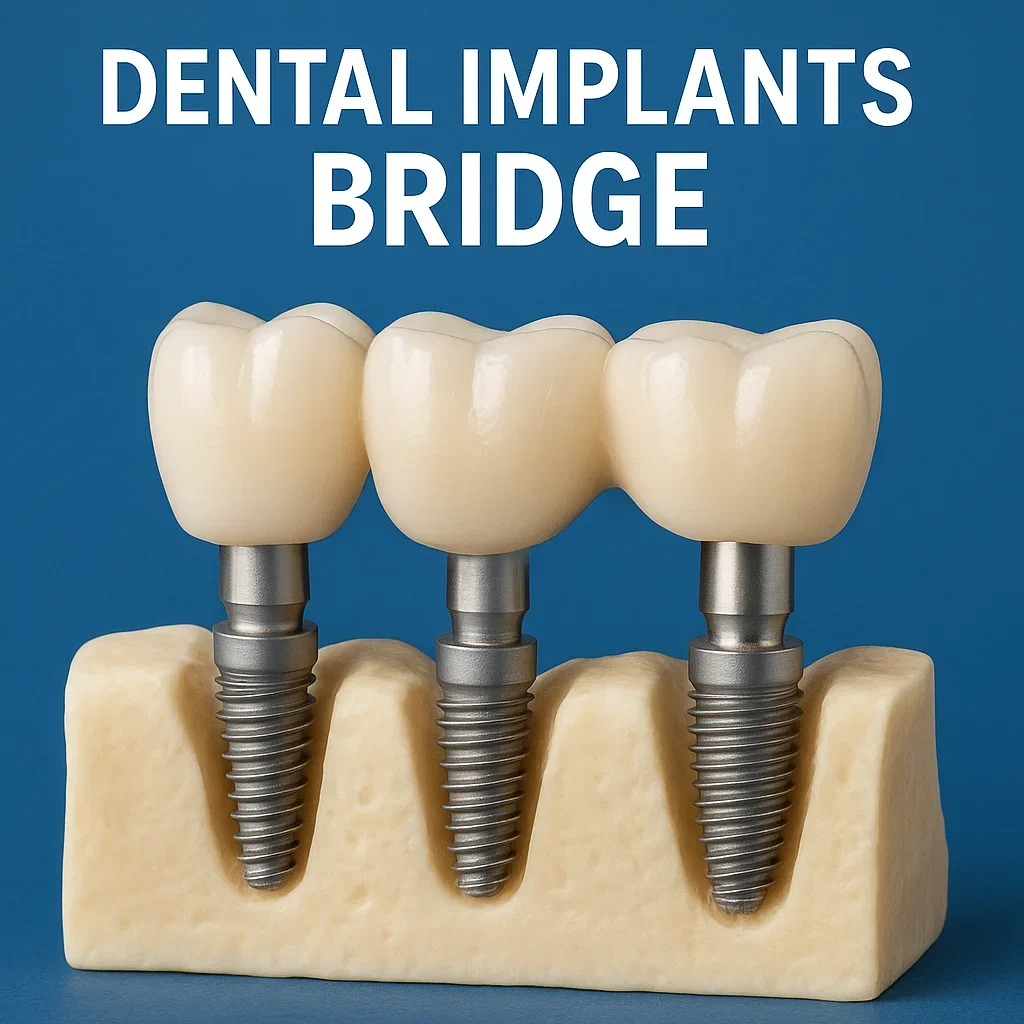
At its core, a dental implants bridge is a fixed dental restoration that replaces missing teeth by anchoring artificial teeth to titanium implant posts embedded in the jawbone. Unlike conventional bridges, which rely on adjacent teeth for support, this advanced solution integrates directly with the bone through a process called osseointegration. This not only provides superior stability but also helps prevent bone loss—a major advantage over removable dentures.
Many patients choose a dental implants bridge because it restores not just their smile but also their ability to chew, speak, and live confidently. Imagine biting into your favorite meal without worrying about slipping dentures or discomfort. 🍎 A dental implants bridge gives you that freedom, making it an investment in both your health and self-esteem.
Understanding the Function of a Dental Implants Bridge
A dental implants bridge typically involves two or more implants that act as artificial roots. Between these implants, one or more prosthetic teeth are attached, creating a seamless row of replacement teeth that look and feel natural. The bridge can be customized to match the color, shape, and size of your existing teeth, ensuring aesthetic harmony across your smile.
In clinical terms, the implants serve as anchors (also known as abutments), while the bridge is the visible restoration. Once placed, the dental implants bridge distributes chewing forces evenly across the implants, protecting your bone structure and preventing undue pressure on remaining natural teeth.
Why It’s a Game-Changer in Modern Dentistry
The appeal of a dental implants bridge lies in its permanence and stability. Unlike traditional bridges, which require the grinding of adjacent healthy teeth, implant bridges leave your natural teeth untouched. This approach not only conserves your dental structure but also ensures long-term oral health. Additionally, because the implants stimulate the jawbone, they help prevent the facial sagging that often occurs after tooth loss.
From an aesthetic standpoint, a dental implants bridge looks indistinguishable from natural teeth. Its seamless design eliminates visible metal clasps or awkward gaps, giving patients renewed confidence in their smile. Moreover, this solution is highly customizable—your dentist will design each component based on your bone density, gum condition, and bite alignment to ensure optimal comfort and functionality.
Scientific Foundations and Longevity
Dental implant technology is supported by decades of clinical research. Titanium, the material used for the implant posts, is biocompatible—meaning it integrates safely with the human body. When properly placed and maintained, a dental implants bridge can last 15–25 years or even a lifetime. 🏆 According to the American Dental Association, implant-supported restorations have a success rate exceeding 95%, making them one of the most predictable treatments in modern dentistry.
It’s essential to note that success depends on several factors, including bone quality, oral hygiene, and professional follow-up care. Dentists often recommend routine checkups and professional cleanings to maintain the health of your implant and surrounding gum tissue.
The Emotional and Functional Impact
Beyond physical restoration, a dental implants bridge plays a powerful emotional role. Many patients report improved self-esteem, clearer speech, and a renewed ability to enjoy social interactions without hesitation. A complete, healthy smile often translates into a boost in overall well-being and confidence. 😊
Additionally, because the dental implants bridge is fixed in place, it eliminates the inconvenience of adhesives, nightly removals, and the embarrassment of slipping dentures. The psychological comfort of having a permanent smile cannot be overstated—it transforms the way individuals perceive themselves and engage with others.
Where to Begin Your Journey
If you’re considering a dental implants bridge, your first step should be a comprehensive consultation with an experienced dental professional. They will evaluate your oral health, bone density, and overall suitability for implants. Clinics like Redent Klinik Contact Page specialize in advanced implant solutions tailored to each patient’s unique needs. The consultation typically includes digital imaging, bone scanning, and a personalized treatment plan.
Whether you need to replace a single missing tooth or several, the dental implants bridge offers a long-term, reliable, and natural-looking solution. It’s not just about restoring teeth—it’s about restoring your confidence, comfort, and quality of life. 🌟
In summary, the dental implants bridge represents the pinnacle of modern restorative dentistry. It combines scientific precision with aesthetic excellence, helping patients regain their smiles in the most natural way possible. With proper care and professional follow-up, it can serve you for decades, allowing you to smile, speak, and live without compromise.
What Is a Dental Implants Bridge and How Does It Work?
The dental implants bridge is an advanced restorative solution that replaces multiple missing teeth using artificial roots anchored securely into the jawbone. Unlike removable dentures or traditional bridges that depend on natural teeth for support, the dental implants bridge uses titanium posts that integrate with bone tissue through a biological process known as osseointegration. This creates a stable foundation capable of supporting one or several prosthetic teeth with the strength and function of natural ones. 🦷
Understanding exactly how a dental implants bridge works requires examining both its structure and the scientific principles that make it successful. In essence, the treatment is designed to replicate the anatomy of real teeth — from the root to the crown — offering superior stability, comfort, and aesthetic results. For many patients, this innovative approach means reclaiming not only their smile but also their ability to chew, speak, and live confidently without limitations.
Key Components of a Dental Implants Bridge
Every dental implants bridge consists of three main parts that function harmoniously:
- Implant posts (roots): These are small titanium screws that are surgically placed into the jawbone. They act as the artificial tooth roots, anchoring the entire structure securely in place.
- Abutments (connectors): Once the implants have healed and fused with the bone, abutments are attached. These serve as connectors between the implants and the visible prosthetic bridge.
- Prosthetic bridge (crowns): The final restoration — usually a custom-made porcelain or zirconia bridge — is affixed onto the abutments. This component is carefully designed to match the patient’s natural teeth in shape, color, and function.
When these elements are combined, the result is a stable, realistic, and long-lasting replacement for missing teeth. The dental implants bridge not only restores aesthetics but also promotes healthy bone structure by stimulating the jaw during chewing, much like natural roots do.
The Biological Process: Osseointegration Explained
One of the most remarkable aspects of a dental implants bridge is its ability to fuse with the jawbone. This fusion process, known as osseointegration, allows the implant to become a permanent part of the body. Over several months after surgery, bone cells grow and bond tightly to the titanium surface, providing exceptional strength and preventing movement. This biological bond is what gives implant-supported bridges their unmatched stability and durability. 🧬
Without osseointegration, the implant would behave like a loose foreign object, unable to support chewing forces. This process transforms the titanium post into a functional and living part of your oral anatomy — a scientific achievement that has revolutionized modern dentistry.
How the Dental Implants Bridge Is Placed
1. Consultation and Treatment Planning
The journey to a dental implants bridge begins with a comprehensive consultation. A dentist or oral surgeon evaluates your mouth through X-rays, 3D scans, and sometimes CT imaging. These diagnostic tools help determine bone density and identify the optimal locations for implant placement. A personalized plan is then created to ensure that each implant supports the prosthetic bridge effectively and comfortably.
2. Surgical Implant Placement
During this stage, titanium implants are carefully inserted into the jawbone under local anesthesia or mild sedation. The precision of this step is crucial, as proper alignment ensures long-term success. Each implant is placed where natural tooth roots once existed, serving as stable anchors for the bridge. After placement, the healing phase begins, allowing osseointegration to take place.
3. Healing and Temporary Restoration
While osseointegration occurs — typically over 3 to 6 months — temporary prosthetics may be fitted to maintain aesthetics and function. Patients can continue smiling and eating soft foods without discomfort during this recovery phase. The body’s natural healing process is carefully monitored through follow-up visits to ensure that the implants are bonding successfully with the bone.
4. Final Bridge Attachment
Once the implants have fused completely, the final dental implants bridge is attached. The prosthetic is custom-crafted to match surrounding teeth in both shade and contour, providing a flawless finish. When properly secured, it feels and functions just like natural teeth — allowing patients to eat, talk, and smile freely. 😁
Benefits of the Functional Design
The strength of a dental implants bridge lies in its engineering. Because the bridge distributes biting forces evenly across the implants, there is minimal strain on surrounding teeth and gums. This biomechanical design helps preserve oral structures and prevents issues such as bone resorption and gum recession that often accompany tooth loss.
Moreover, the fixed design of the dental implants bridge eliminates many challenges associated with traditional dentures. There is no need for messy adhesives, daily removal, or special cleaning solutions. Patients can brush and floss just as they would with their natural teeth, simplifying oral hygiene and improving long-term success.
Clinical Success and Long-Term Results
According to studies supported by the American Dental Association, implant-supported bridges demonstrate a success rate exceeding 95% over ten years. The dental implants bridge is designed for longevity, with many lasting 20 years or longer when properly maintained. The durability of this solution makes it an investment that pays off over time — both functionally and aesthetically.
Emotional and Lifestyle Advantages
Beyond its medical benefits, the dental implants bridge profoundly impacts quality of life. Patients often report feeling more confident, speaking more clearly, and eating foods they once avoided. 🍽️ Unlike removable dentures that can shift or cause irritation, implant bridges feel entirely natural. They eliminate embarrassment during social interactions and restore a sense of normalcy that many patients thought they had lost forever.
Finding Professional Guidance
If you’re considering restoring your smile with a dental implants bridge, consult a reputable dental team experienced in implantology. Clinics such as Redent Klinik Contact Page provide personalized evaluations, modern imaging technology, and high-quality materials to ensure the best outcomes. Early consultation helps you understand your options and create a realistic treatment plan tailored to your oral health and aesthetic goals.
In conclusion, the dental implants bridge is far more than a cosmetic solution — it is a scientifically grounded, functionally superior, and emotionally empowering advancement in modern dentistry. Through precise planning, durable materials, and expert craftsmanship, it restores not only your smile but also your confidence, comfort, and quality of life for many years to come. 🌟
Benefits of Choosing a Dental Implants Bridge Over Traditional Bridges
When deciding between tooth replacement options, many patients weigh the advantages of a dental implants bridge against conventional dental bridges. While both aim to restore missing teeth, their structural integrity, functionality, and longevity differ significantly. In modern restorative dentistry, the dental implants bridge is often considered the superior solution — not only for its durability but also for its remarkable ability to mimic the natural look and feel of real teeth. 🌟
Traditional bridges rely on adjacent healthy teeth for support. This means those teeth must be ground down to anchor the artificial crowns, compromising their strength and structure. By contrast, a dental implants bridge uses independent titanium roots embedded in the jawbone, providing a stable, self-supporting foundation that doesn’t harm neighboring teeth. This difference alone marks a revolution in restorative dentistry — one that prioritizes oral health preservation alongside aesthetics.
1. Long-Term Durability and Strength
One of the most significant benefits of a dental implants bridge is its exceptional strength and longevity. Traditional bridges may last around 7–10 years, depending on oral hygiene, but implant-supported bridges can easily last 20 years or longer with proper care. 🏆
Each implant acts as a sturdy artificial tooth root that integrates into the jawbone through osseointegration. This biological bonding process ensures that the dental implants bridge remains immovable, even under the intense pressure of chewing. Patients experience the confidence of biting into hard foods like apples or nuts without fear of slipping or loosening — a freedom not always possible with conventional bridges.
Additionally, the materials used for a dental implants bridge — typically titanium for the implant and zirconia or porcelain for the crowns — are resistant to decay and corrosion. This makes them an incredibly resilient choice for long-term oral rehabilitation. While natural teeth and gums still require care, the bridge itself is engineered to withstand decades of wear.
2. Preservation of Jawbone and Facial Structure
Tooth loss can cause bone deterioration, as the jawbone depends on the pressure and stimulation from tooth roots to maintain its density. Traditional bridges and dentures fail to provide this stimulation, leading to gradual bone loss, facial collapse, and premature aging. 😔
However, a dental implants bridge stimulates the bone just like natural tooth roots do. The titanium implants fuse directly with the bone, promoting cell regeneration and preventing resorption. This unique benefit not only protects your oral health but also helps maintain the natural shape of your face and jawline, ensuring you look youthful and healthy for years to come.
3. Protection of Adjacent Teeth
Traditional bridges require grinding down adjacent healthy teeth to serve as anchors (abutments). This process permanently alters their structure, increasing the risk of decay and sensitivity. A dental implants bridge eliminates this issue by being self-supporting — it does not rely on nearby teeth for stability.
This preservation of natural tooth integrity is one of the most appreciated benefits among patients. By avoiding unnecessary damage to healthy teeth, a dental implants bridge contributes to the overall long-term health of the mouth and minimizes the likelihood of future complications such as tooth fracture or gum recession.
4. Natural Aesthetics and Comfort
The modern dental implants bridge is custom-crafted to match your natural teeth in color, shape, and size. High-quality porcelain or zirconia materials provide a translucent, realistic appearance that mimics the light reflection of enamel. ✨
Furthermore, implant-supported bridges sit securely in the mouth, meaning there are no visible metal clasps, no slipping, and no speech difficulties. Patients often describe the sensation as indistinguishable from natural teeth. The result is a smile that feels genuine — not artificial.
Comfort That Lasts
Unlike removable dentures that may irritate the gums or require adhesive creams, the dental implants bridge remains fixed and stable. This permanent design eliminates discomfort, enhances chewing efficiency, and allows patients to enjoy foods that were previously off-limits. Whether you’re eating a crunchy salad or savoring a steak, the experience feels completely natural and pain-free.
5. Improved Oral Health and Hygiene
Another remarkable benefit of the dental implants bridge is its compatibility with normal oral hygiene routines. Traditional bridges can trap food particles beneath the crowns, making cleaning difficult and increasing the risk of gum inflammation. In contrast, implant bridges can be brushed and flossed just like natural teeth.
Many dental professionals recommend the use of interdental brushes or water flossers to maintain optimal cleanliness around the implants. With consistent care and regular check-ups, you can ensure that your dental implants bridge stays healthy, strong, and aesthetically pleasing for decades.
6. Enhanced Speech and Confidence
Speech clarity is another overlooked benefit of the dental implants bridge. Missing teeth or ill-fitting dentures can cause lisps, slurred speech, or discomfort when pronouncing certain words. By filling the gaps securely and aligning the bite properly, implant bridges restore natural speech patterns and eliminate self-consciousness during conversation.
The psychological effects are equally profound. Many patients who receive a dental implants bridge report a dramatic boost in confidence. Smiling, laughing, and socializing become effortless again — a vital step toward emotional well-being and quality of life. 😄
7. Cost-Effectiveness Over Time
While the upfront cost of a dental implants bridge may seem higher than that of traditional bridges, it proves to be more economical in the long run. Because implants last decades and require minimal maintenance, patients avoid the recurring expenses of replacements, repairs, or adhesives common with other methods.
According to the American Dental Association, investing in high-quality implant-supported restorations yields the best long-term value, both financially and medically. The reduced risk of secondary dental issues — such as bone loss or tooth decay — further enhances cost efficiency.
8. Freedom From Diet Restrictions
One of the most liberating advantages of the dental implants bridge is dietary freedom. Traditional dentures can slip or cause pain when eating harder foods, forcing patients to avoid certain meals. In contrast, implant-supported bridges function like natural teeth, allowing you to enjoy a full range of foods — from crisp vegetables to chewy bread — without hesitation or fear.
9. Psychological and Lifestyle Benefits
The impact of a dental implants bridge extends beyond oral health. Patients often rediscover their self-esteem, social confidence, and quality of life. Whether posing for photos, speaking in public, or sharing a meal with friends, implant bridges restore a sense of normalcy and self-assurance that goes far beyond aesthetics. 💬
10. Environmentally and Medically Safe Materials
The dental implants bridge uses biocompatible materials such as titanium and medical-grade ceramics, which are non-toxic, hypoallergenic, and corrosion-resistant. This ensures not only a safe procedure but also a lifetime of oral compatibility without allergic reactions or tissue irritation.
In summary, choosing a dental implants bridge over traditional bridges offers countless benefits — from enhanced comfort and durability to improved health and confidence. It’s not just a dental solution; it’s a lifestyle transformation. If you’re considering taking this life-changing step, reach out to a trusted professional like Redent Klinik Contact Page to begin your journey toward a stronger, healthier, and more radiant smile. 🌿
The Step-by-Step Process of Getting a Dental Implants Bridge
The journey toward restoring your smile with a dental implants bridge is a carefully structured process that combines advanced technology, surgical precision, and aesthetic artistry. Each stage plays a vital role in ensuring long-term success, stability, and natural-looking results. 🦷 Whether you’re missing one tooth or several, understanding how the procedure works helps you make informed decisions and prepare for every phase with confidence.
Unlike traditional bridges, which can often be completed in just a few visits, the dental implants bridge requires meticulous planning and biological healing time to achieve permanent integration with the jawbone. The overall process typically takes several months from consultation to final placement — but the results are designed to last for decades. Let’s explore the detailed steps of this transformative treatment.
1. Comprehensive Consultation and Assessment
Every successful dental implants bridge journey begins with a thorough evaluation by an experienced dental implant specialist. During your initial visit, the dentist assesses your oral health, bone density, and overall medical history. This consultation often includes diagnostic imaging such as panoramic X-rays, 3D cone beam CT scans, and intraoral examinations.
These diagnostic tools allow the clinician to evaluate jawbone thickness and height, ensuring there is sufficient bone to support the titanium implants. If the bone is too thin or weak, additional procedures such as bone grafting or sinus lifting may be required to create a stable foundation. The dentist will also discuss your aesthetic expectations, budget, and treatment timeline. 🗓️
Digital Smile Design (DSD)
Modern dental clinics use Digital Smile Design to visualize the final outcome of your dental implants bridge before surgery. Using specialized software, your future smile can be modeled in 3D, ensuring the prosthetic teeth perfectly align with your facial symmetry and bite pattern.
2. Pre-Treatment Procedures (If Needed)
Before placing a dental implants bridge, certain preparatory procedures might be necessary to optimize oral conditions. These can include tooth extractions, gum disease treatment, or bone grafting. Bone grafting, for example, uses synthetic or natural bone materials to strengthen areas where bone density is insufficient for implant placement.
Gum health is equally important. Healthy gums are essential for implant integration and long-term stability. Patients with periodontal disease may need deep cleaning or laser therapy to restore gum health prior to surgery.
3. Surgical Implant Placement
The placement of dental implants marks the most critical phase of the dental implants bridge process. This minor surgical procedure is typically performed under local anesthesia or conscious sedation for patient comfort. The dentist makes a small incision in the gum to expose the jawbone, then drills a precise channel to insert the titanium implant post.
Each implant acts as a replacement for the natural tooth root, providing a stable anchor for the bridge. Depending on the number of missing teeth, two or more implants may be placed to support a multi-unit bridge. The number and positioning of implants are strategically determined to ensure maximum strength and balanced bite force.
Healing Caps and Sutures
Once the implants are placed, healing caps (temporary covers) are attached to protect them while the gum heals. Stitches are then placed, and patients are given specific post-operative care instructions, including gentle oral hygiene routines and soft-food diets for a few weeks.
4. Osseointegration Phase: The Healing Period
After the surgical placement, the dental implants bridge process enters its biological healing phase — osseointegration. Over the next 3–6 months, bone cells naturally grow and fuse tightly around the titanium implants, transforming them into permanent, stable anchors.
During this period, your dentist may fit a temporary bridge to maintain aesthetics and function. This temporary solution allows you to speak and eat comfortably while your implants integrate with the bone. Regular follow-ups ensure that healing progresses correctly and that there are no signs of infection or implant mobility.
Why Osseointegration Matters
Osseointegration is the defining factor behind the success of a dental implants bridge. It ensures that the implants act as solid roots, capable of withstanding daily chewing forces. This process also prevents bone resorption — a common issue after tooth loss — and contributes to long-term facial structure preservation. 💪
5. Abutment Placement and Impressions
Once osseointegration is complete, the next step involves attaching abutments — the small connector pieces that link the implants to the prosthetic bridge. This minor procedure requires reopening the gum tissue to expose the implant heads, followed by screwing in the abutments securely.
Next, detailed dental impressions are taken to design the final bridge. Dentists often use digital scanning tools instead of traditional molds to capture ultra-precise measurements. This ensures that your dental implants bridge fits seamlessly, aligning perfectly with your bite and natural teeth.
6. Fabrication of the Custom Dental Bridge
Once impressions are complete, the dental lab begins fabricating your personalized dental implants bridge. The bridge is typically made from high-grade porcelain, zirconia, or a combination of both — materials known for their lifelike translucency and durability. The dental technician meticulously matches the color, shape, and texture to ensure the new teeth blend naturally with your existing smile. ✨
Trial Fitting
Before the final bridge is permanently attached, a trial fitting is performed. This allows your dentist to check bite alignment, aesthetics, and comfort. Any necessary adjustments are made to guarantee an exact fit and optimal balance.
7. Final Bridge Placement
After confirming perfect alignment, the custom-made dental implants bridge is securely attached to the abutments. This marks the completion of your implant restoration! The result is a stunning, natural-looking smile that functions just like real teeth — stable, strong, and permanent. 🏆
Once the bridge is placed, your dentist will test your bite, check your comfort, and provide detailed care instructions to ensure long-term success. Patients can immediately enjoy improved chewing, clearer speech, and a confident smile.
8. Post-Treatment Care and Follow-Up
Even though a dental implants bridge is highly durable, regular care is essential to maintain its longevity. Patients are advised to brush twice daily using a soft-bristle toothbrush, floss carefully around the implants, and schedule routine dental visits every six months. Professional cleaning ensures that the gums and surrounding tissues remain healthy.
Most importantly, patients should avoid smoking, as it can interfere with healing and osseointegration. Maintaining good oral hygiene and a healthy diet will help ensure your dental implants bridge remains in pristine condition for decades.
9. The Timeline: How Long Does It Take?
The total duration of getting a dental implants bridge varies from patient to patient. On average, it takes between 4 and 9 months, depending on factors such as bone density, healing rate, and any additional procedures required. Though it may seem lengthy, each stage contributes to ensuring the highest level of safety and success.
10. Partnering With the Right Clinic
Choosing the right clinic is crucial. A professional and technologically equipped dental team — such as those at Redent Klinik Contact Page — ensures that every phase of the treatment is handled with precision and care. From digital diagnostics to final placement, working with skilled implantologists ensures a smoother experience and more predictable results.
In conclusion, the dental implants bridge process is a transformative journey that restores not just teeth, but confidence, function, and self-image. Every step — from consultation to final placement — is designed to create a long-lasting, lifelike smile supported by scientific excellence and professional expertise. With proper planning and care, your new bridge can become a lifelong investment in your health and happiness. 😊
Who Is the Right Candidate for a Dental Implants Bridge?
Not everyone is automatically a candidate for a dental implants bridge, but for many people seeking to replace missing teeth, this solution offers life-changing benefits. The success of implant-supported bridges depends on several biological, medical, and lifestyle factors. Understanding these eligibility criteria helps ensure that patients achieve the best long-term outcomes, both functionally and aesthetically. 🦷
A dental implants bridge restores multiple missing teeth by anchoring prosthetic crowns onto titanium implants fused with the jawbone. To qualify, a patient must have healthy gums, sufficient bone structure, and overall good systemic health. However, modern techniques such as bone grafting and sinus augmentation have made this option accessible to a broader range of patients than ever before.
1. Sufficient Jawbone Density and Volume
The foundation of any successful dental implants bridge lies in the jawbone. For implants to integrate securely, the bone must be thick and dense enough to support titanium posts. Patients who have been missing teeth for a long time may experience bone resorption — a process where the bone gradually shrinks due to lack of stimulation from natural tooth roots. 🦴
In such cases, bone grafting procedures can restore sufficient bone mass, making implant placement possible. Dentists use synthetic, allograft (donor), or autograft (patient’s own) bone material to rebuild the area. Once healed, the newly formed bone provides a stable base for the dental implants bridge. If your dentist determines that your bone volume is inadequate, grafting will likely be recommended before implant surgery.
Advanced Diagnostic Imaging
Modern clinics use 3D cone beam CT scans to evaluate bone density and quality with precision. This ensures implants are placed in the optimal location for maximum support and aesthetic alignment. Accurate imaging is critical for planning the position, angle, and depth of each implant, which in turn determines the long-term success of your dental implants bridge.
2. Healthy Gums and Oral Tissues
Healthy gums play an essential role in supporting any implant restoration. Patients with untreated gum disease (periodontitis) may not initially qualify for a dental implants bridge. Inflammation or infection around the gums can compromise healing and increase the risk of implant failure.
Before implant placement, dentists often perform a deep cleaning procedure known as scaling and root planing to remove bacteria and restore gum health. Maintaining optimal oral hygiene afterward is equally critical to prevent peri-implantitis — a gum infection around the implant. Brushing, flossing, and regular dental checkups are non-negotiable habits for anyone considering implant therapy. 🪥
3. Good General Health and Lifestyle Habits
The success of a dental implants bridge is influenced by your overall systemic health. Chronic conditions like diabetes, osteoporosis, and autoimmune disorders can slow healing or affect bone integration. However, with proper medical management, many patients with these conditions can still receive implants successfully.
Smoking is one of the leading risk factors for implant failure. Nicotine restricts blood flow to the gums, reduces oxygen levels, and delays tissue regeneration. For this reason, most implant specialists strongly recommend quitting smoking several weeks before and after surgery. 🚭
Medications and Age Considerations
While there is no upper age limit for a dental implants bridge, certain medications such as bisphosphonates (used for osteoporosis) may interfere with bone healing. Your dentist will review your medical history, medications, and current treatments to assess any potential risks. Older adults in good health are often excellent candidates, provided their bone density and gums are suitable.
4. Missing Multiple Adjacent Teeth
A dental implants bridge is specifically designed for patients missing two or more consecutive teeth. Instead of placing an implant for each missing tooth, two or more implants serve as anchors that support a bridge of artificial teeth. This approach reduces surgical invasiveness while maintaining full chewing efficiency and aesthetics.
Patients with single-tooth gaps may benefit more from a single implant and crown, whereas those with complete tooth loss may consider full-arch implant solutions like “All-on-4.” Your dentist will recommend the ideal approach based on your individual needs and jaw anatomy.
5. Commitment to Oral Hygiene and Aftercare
A key determinant of long-term success with a dental implants bridge is patient commitment to proper care. While the implant materials themselves don’t decay, the surrounding tissues and gums must remain healthy. Regular brushing, flossing, and routine dental visits prevent plaque buildup that could compromise implant stability.
Patients must also be diligent about professional maintenance appointments. During these visits, the dentist evaluates bite alignment, checks implant stability, and ensures no early signs of inflammation or bone loss. Patients who maintain consistent care routines enjoy bridges that can last 20 years or more. 💪
6. Realistic Expectations and Patience
The process of receiving a dental implants bridge takes time. Between surgical placement and final restoration, several months may pass to allow osseointegration (bone fusion). Patients should understand that this patience directly contributes to the long-term stability of their restoration. Setting realistic expectations and following post-operative guidelines are vital for achieving optimal results.
Emotional Readiness
Beyond physical eligibility, emotional preparedness plays a role. Some patients feel anxious about dental surgery; modern sedation techniques and compassionate care can ease these concerns. Being mentally prepared for the process ensures a smoother experience and better cooperation during aftercare.
7. Exclusion Factors: When a Dental Implants Bridge May Not Be Suitable
While most patients can benefit from implant-supported restorations, certain conditions may temporarily disqualify candidates. These include:
- Uncontrolled diabetes or severe cardiovascular diseases
- Active gum infections or untreated periodontal disease
- Severe bone loss without willingness to undergo bone grafting
- Heavy smoking or alcohol abuse
- Pregnancy (temporary delay recommended)
- Bruxism (chronic teeth grinding without protective measures)
However, even if you’re initially not a candidate, your dentist can often create a customized plan to improve your eligibility. For example, quitting smoking, undergoing periodontal treatment, or completing bone grafting can make you suitable for a dental implants bridge later on.
8. The Importance of Professional Evaluation
Determining candidacy for a dental implants bridge requires a comprehensive evaluation by an implant specialist. Clinics equipped with digital imaging, guided surgery systems, and CAD/CAM technologies — such as Redent Klinik Contact Page — can accurately assess suitability and create personalized treatment plans. These modern diagnostic tools minimize risks and maximize the predictability of success.
9. The Perfect Candidate Profile
In general, an ideal candidate for a dental implants bridge is someone who:
- Has one or more missing teeth in a row
- Maintains good oral hygiene
- Has sufficient bone volume or is willing to undergo bone grafting
- Does not smoke or is committed to quitting
- Has stable medical health and realistic expectations
These criteria ensure a high likelihood of implant integration, comfort, and long-term satisfaction. When all conditions align, patients can expect a durable, natural-looking solution that restores their smile and confidence. 😁
10. Final Thoughts: Achieving a Confident, Healthy Smile
Ultimately, the right candidate for a dental implants bridge is someone committed to improving their oral health and quality of life. With proper preparation and professional guidance, almost anyone can enjoy the transformative benefits of implant-supported bridges. Whether through bone regeneration or advanced surgical techniques, today’s dentistry offers inclusive solutions for nearly every patient seeking a permanent, beautiful smile. 🌟
Consulting a trusted clinic such as American Dental Association certified centers or Redent Klinik ensures that your eligibility is assessed accurately and that your treatment journey is both safe and successful.
Healing and Recovery: What to Expect After Dental Implant Surgery
The healing and recovery phase following the placement of a dental implants bridge is a crucial period that determines the long-term success of the treatment. While dental implant surgery is minimally invasive, the process requires time, patience, and proper aftercare to ensure full integration between the titanium implants and jawbone. Understanding what happens during recovery — from the first 24 hours to complete osseointegration — helps patients prepare physically and mentally for the journey ahead. 🦷
Modern implant procedures are designed for maximum comfort and rapid healing. With the right postoperative care and professional guidance, most patients experience minimal discomfort and achieve excellent results. Let’s explore every stage of recovery after a dental implants bridge in detail.
1. The First 24 Hours After Surgery
Immediately after your dental implants bridge surgery, your mouth will still be numb due to local anesthesia. As the numbness wears off, mild discomfort or swelling may occur — a completely normal response as your body begins to heal. Dentists typically prescribe pain relievers or recommend over-the-counter medications like ibuprofen to manage any soreness.
Post-Operative Care Instructions
- Apply a cold compress on the cheek area in 10-minute intervals to reduce swelling.
- Avoid touching or disturbing the surgical site with your tongue or fingers.
- Do not rinse your mouth aggressively for the first 24 hours.
- Eat only soft, cool foods such as yogurt, soup, or mashed potatoes for the first day. 🍲
- Stay hydrated, but avoid using straws — suction pressure can disturb the blood clot around the implant.
Bleeding may occur lightly during the first few hours; placing gentle pressure with a sterile gauze pad can help. Rest is essential during this stage. Avoid strenuous activity or exercise for at least 48 hours to prevent increased bleeding or swelling.
2. The First Week: Initial Healing Phase
Within the first seven days, the gums begin to heal around the implant sites. Patients may notice minor bruising, tenderness, or mild swelling. These symptoms usually subside within a few days. It’s important to maintain oral hygiene carefully during this time — keeping the mouth clean without disrupting the healing tissues around the dental implants bridge.
Cleaning and Hygiene Tips
Use a soft-bristle toothbrush to clean your teeth gently. Avoid brushing directly on the surgical sites for the first week. Instead, rinse your mouth with a warm saline solution (half a teaspoon of salt in a glass of lukewarm water) two to three times daily, especially after meals. This natural rinse helps reduce bacteria and inflammation without irritating the healing area.
Smoking and alcohol consumption should be avoided during the early healing stage, as they can delay recovery and increase the risk of infection or implant failure. 🚭
3. Two to Six Weeks: Gum Maturation and Osseointegration Begins
By the second week, sutures (if placed) may be removed, and soft tissues will have largely healed. This marks the transition to the deeper healing process known as osseointegration — where the titanium implants bond with the jawbone to form a stable foundation for your dental implants bridge.
During this period, bone cells grow and attach firmly to the implant surface. This process typically takes several weeks to several months, depending on individual healing rates, bone density, and overall health. Maintaining excellent oral hygiene and attending scheduled follow-ups are essential to monitor progress and detect any early complications.
Temporary Restorations
Some patients receive a temporary bridge during this time. This allows them to maintain normal appearance and basic chewing ability while osseointegration occurs beneath the surface. These temporary restorations are designed to avoid putting pressure on the implants, helping them heal undisturbed.
4. Common Healing Symptoms and How to Manage Them
Patients recovering from a dental implants bridge may experience mild side effects such as:
- Swelling: Common during the first 72 hours; manageable with cold packs.
- Discomfort: Typically mild and well-controlled with prescribed medication.
- Bruising: May occur on the gums or cheeks but fades within a week.
- Stiffness: Jaw muscles may feel sore after extended mouth opening during surgery.
All these symptoms are temporary and indicate that your body is healing naturally. Persistent or severe pain, however, should be reported to your dentist immediately, as it could signal infection or excessive strain on the implants.
5. Dietary Guidelines During Recovery
Nutrition plays a significant role in recovery after a dental implants bridge. A soft diet is essential for the first few weeks to prevent mechanical stress on the implants. Patients are encouraged to eat nutrient-rich, soft foods such as:
- Mashed vegetables (sweet potatoes, carrots)
- Oatmeal or porridge
- Smoothies and protein shakes
- Soft fruits like bananas and avocados
- Soups and broths rich in collagen and vitamins
Avoid hard, sticky, or crunchy foods that could dislodge sutures or irritate the surgical area. Chewing on the opposite side of the mouth is also recommended until full healing occurs. 🥣
6. Long-Term Healing: The Osseointegration Phase (3–6 Months)
Osseointegration is the defining factor in the success of a dental implants bridge. During this 3–6 month period, bone cells integrate firmly with the titanium implants, forming a permanent biological bond. This process ensures the implants can withstand daily chewing forces once the final bridge is attached.
Patients usually have regular checkups during this phase to assess healing progress. X-rays may be taken to confirm bone fusion. If healing proceeds as expected, the dentist will schedule the final restoration phase — attaching abutments and the permanent dental bridge.
Maintaining Oral Health During Healing
Even though the implants are still healing, maintaining oral hygiene remains critical. Brush twice daily with gentle motions, and use antibacterial mouthwash or saltwater rinses as directed. Avoid using electric toothbrushes directly over healing sites until your dentist approves.
7. Signs of Successful Recovery
By the time osseointegration completes, patients typically experience no pain, swelling, or tenderness. The gum tissues around the implant appear healthy and pink, and there is no movement of the implants. The foundation is now ready for the attachment of the final dental implants bridge.
Successful healing results in full restoration of chewing ability, clear speech, and a natural-looking smile. For most patients, this transformation is both functional and emotional — a renewed sense of confidence and comfort. 😁
8. Possible Complications and How to Prevent Them
Although rare, complications can occur if aftercare instructions are not followed. Potential issues include:
- Infection: Often caused by poor oral hygiene or premature pressure on the implants.
- Implant mobility: May occur if osseointegration fails due to insufficient bone contact or smoking.
- Peri-implantitis: A bacterial infection similar to gum disease that affects implant stability.
Preventing these complications is straightforward: maintain hygiene, avoid smoking, follow dietary recommendations, and attend every scheduled check-up. Early detection allows your dentist to intervene promptly and protect the success of your dental implants bridge.
9. Returning to Normal Life
Most patients return to work within 1–3 days after surgery. Light activities can resume quickly, but heavy lifting or intense workouts should be postponed for at least a week. As healing progresses, you can gradually reintroduce regular foods and routines.
Emotional recovery is just as important. Many patients report improved self-esteem and renewed enthusiasm for smiling, socializing, and eating confidently. The dental implants bridge is not just a dental restoration — it’s a restoration of lifestyle, joy, and freedom.
10. Professional Support and Follow-Up
Healing doesn’t end when discomfort fades. Regular professional monitoring is essential to ensure the implants remain stable and the gums stay healthy. Dental professionals often recommend follow-up visits every three months during the first year, then every six months thereafter.
Clinics like Redent Klinik Contact Page provide comprehensive post-implant care, ensuring patients achieve full recovery and long-lasting results. For further information about implant safety and healing guidelines, the American Dental Association offers evidence-based resources to help patients maintain excellent oral health after implant surgery.
In conclusion, recovery from a dental implants bridge procedure is a structured and highly successful process when guided by proper care and expert follow-up. By understanding each healing stage and following your dentist’s instructions, you can ensure that your implants integrate seamlessly and your new smile remains strong, healthy, and beautiful for decades to come. 🌟
Cost Factors: Understanding the Price Range of Dental Implants Bridge
The cost of a dental implants bridge can vary widely depending on several medical, technical, and geographical factors. While some patients initially focus on the price tag, it’s essential to understand that this investment represents a long-term restoration of function, health, and aesthetics — not just a temporary cosmetic solution. 💰
Unlike traditional bridges or removable dentures, which may need to be replaced every few years, a dental implants bridge is designed to last decades with proper care. However, the final cost is influenced by many variables, including the number of missing teeth, bone condition, implant type, materials used, and the experience of the dental surgeon. This section provides a detailed breakdown of these cost factors and explains why prices can differ significantly from one patient to another.
1. The Number of Implants Required
The most direct factor affecting the total cost of a dental implants bridge is the number of implants needed to support the prosthesis. Typically, two implants can support a three-to-four-tooth bridge, but more extensive gaps may require additional implants for proper stability and force distribution.
For instance:
- Two implants supporting a three-unit bridge: more affordable option
- Three or four implants supporting a longer bridge: higher stability but higher cost
Each titanium implant post, abutment, and crown contributes to the overall expense. The complexity of the case — such as bone density or the need for custom angulation — can also influence the price.
2. Type and Quality of Implant Material
The materials used for a dental implants bridge play a significant role in both the quality and longevity of the restoration. High-quality titanium or zirconia implants, known for superior osseointegration and biocompatibility, are slightly more expensive but provide better long-term results.
Implant Components Breakdown
- Titanium Implants: Durable, widely used, and biocompatible. Titanium is the industry standard for long-term stability.
- Zirconia Implants: Metal-free and aesthetic; ideal for patients with allergies or high cosmetic expectations.
- Abutments: Connectors between implants and the bridge — may be stock or custom-made to fit precisely.
- Prosthetic Bridge: Usually crafted from porcelain fused to metal, zirconia, or full ceramic, depending on aesthetic and functional requirements.
The higher the quality of materials used in your dental implants bridge, the longer the lifespan and the more natural the final appearance — making the initial cost worthwhile over time.
3. Diagnostic Imaging and Pre-Surgical Procedures
Before any implant surgery, diagnostic evaluations are essential. These include 3D CT scans, digital impressions, and sometimes bone density assessments. While these add to the upfront cost, they ensure precision, reduce surgical risks, and improve the success rate of your dental implants bridge.
Additional Procedures That Influence Cost
- Bone grafting: Required when jawbone volume is insufficient for implant placement.
- Sinus lift: Needed for upper jaw cases with limited vertical bone height.
- Tooth extraction: If remaining damaged teeth must be removed before implant surgery.
- Gum treatment: Ensures healthy tissues before surgery to prevent infection.
These preparatory treatments contribute to the total investment but are essential for the long-term success of the implant bridge.
4. Surgeon’s Expertise and Clinic Location
The skill level and experience of your implant specialist significantly influence both the quality of results and the overall cost. A highly trained professional ensures precise placement, reduced recovery time, and lower complication risks. 🩺
Additionally, the clinic’s location can impact pricing. For example, dental care costs in Western Europe or the United States tend to be higher than in countries like Turkey, where medical tourism offers competitive rates without compromising quality. Clinics such as Redent Klinik Contact Page provide internationally accredited treatments at affordable prices, attracting patients from around the world seeking world-class implant care.
5. Complexity of the Case
Every dental implants bridge case is unique. Some patients may have straightforward tooth loss in a healthy jawbone, while others might require bone regeneration or treatment for gum recession before implants can be placed. Complex cases often involve advanced surgical techniques, computer-guided implant placement, or custom-designed prosthetics — all of which influence the cost.
Factors That Add Complexity
- Severe bone resorption
- Need for sinus augmentation
- Multiple implant angles for anatomical alignment
- All-on-4 or All-on-6 hybrid restorations
Although more complex cases incur higher costs, they also provide the most secure and long-lasting results when handled by a skilled implantologist.
6. Temporary and Final Restorations
In many cases, patients receive a temporary bridge before the final dental implants bridge is attached. This temporary phase allows for proper healing and esthetic continuity. While it slightly increases the total cost, it ensures optimal alignment and patient comfort throughout the osseointegration process.
The final restoration is fabricated using advanced CAD/CAM technology to ensure perfect fit, bite alignment, and lifelike aesthetics. Materials like zirconia or porcelain fused to metal are commonly chosen for their durability and beauty. ✨
7. Maintenance and Follow-Up Costs
Post-treatment maintenance is another consideration when evaluating the total cost of a dental implants bridge. Regular dental visits, professional cleaning, and periodic imaging help monitor bone health and implant stability. Although these follow-ups are minor expenses compared to the initial procedure, they are essential for preserving your investment.
Longevity and Value
When properly cared for, a dental implants bridge can last 20–30 years or more, making it one of the most cost-effective dental solutions available. Traditional bridges or dentures, on the other hand, often require replacement every 7–10 years, leading to higher cumulative costs over time.
8. Average Price Ranges by Region
The cost of a dental implants bridge can vary dramatically by country and region. Below is a general overview of typical price ranges (for informational purposes only):
United States: $5,000 – $15,000 for a 3-unit bridge (2 implants)
United Kingdom: £3,000 – £9,000
Germany: €4,000 – €10,000
Turkey: €1,500 – €4,000 (including full treatment and aftercare)
These figures vary based on the type of implants, the number of units, and clinic reputation. Patients seeking high-quality, affordable care often choose countries with advanced dental tourism infrastructure, such as Turkey — home to trusted clinics like Redent Klinik.
9. Financing and Insurance Options
Most dental insurance plans cover only a portion of implant treatment, typically excluding the surgical component. However, some policies may reimburse diagnostic tests or prosthetic fabrication. Patients should consult their provider to determine specific coverage.
Many clinics also offer flexible financing or installment payment options to make a dental implants bridge more accessible. Discussing these financial plans during your consultation helps align treatment goals with budget considerations.
10. Evaluating Cost vs. Benefit
While cost is an important factor, the long-term benefits of a dental implants bridge far outweigh the initial expense. You’re not only restoring your smile — you’re preserving bone health, preventing tooth shifting, improving speech, and enhancing confidence. The durability, comfort, and natural aesthetics make it a lifelong investment in your overall well-being. 😁
For accurate estimates and personalized treatment plans, contact reputable clinics such as Redent Klinik Contact Page for a comprehensive consultation. For clinical guidelines on implant pricing and procedures, the American Dental Association provides detailed professional references.
In summary, the price of a dental implants bridge is influenced by multiple factors, but when considering its durability, natural feel, and health benefits, it represents one of the most valuable and long-term dental solutions available today. 🌟
Longevity and Maintenance Tips for Your Dental Implants Bridge
One of the greatest advantages of a dental implants bridge is its exceptional longevity. With proper care, these restorations can last 20 years or more — often for a lifetime. However, durability doesn’t come automatically; it depends on the patient’s oral hygiene, professional maintenance, lifestyle habits, and the overall quality of the dental work. This section explores how to maximize the lifespan of your dental implants bridge, the importance of ongoing care, and the best maintenance techniques to protect your long-term investment. 🦷
1. Understanding the Longevity of a Dental Implants Bridge
A dental implants bridge is designed to be a permanent replacement for missing teeth. Unlike traditional bridges that rely on adjacent natural teeth for support, implant-supported bridges are anchored directly into the jawbone. This biological integration process — called osseointegration — ensures unmatched strength and stability.
When maintained properly, the implant posts themselves can last a lifetime. However, the prosthetic bridge (the visible part above the gum line) may require replacement every 15–25 years due to normal wear and tear, depending on material quality and bite forces.
Average Lifespan Components
- Titanium implants: 25+ years, often lifelong
- Abutments: 15–20 years
- Ceramic or zirconia bridge: 10–20 years (depending on grinding habits and care)
These timelines can vary, but with consistent oral hygiene and professional follow-ups, most patients enjoy many decades of reliable function and natural aesthetics from their dental implants bridge.
2. The Role of Oral Hygiene in Implant Longevity
Daily oral hygiene is the cornerstone of preserving your dental implants bridge. While implants cannot decay like natural teeth, the surrounding gums and bone remain susceptible to infection if plaque accumulates. A condition known as peri-implantitis — similar to gum disease — can develop if bacteria invade the tissues around implants, leading to inflammation and potential bone loss.
Daily Cleaning Routine
- Brush twice daily using a soft-bristle or electric toothbrush.
- Use a non-abrasive toothpaste to protect ceramic surfaces.
- Floss around the implants using implant-safe floss or interdental brushes.
- Rinse with an alcohol-free antibacterial mouthwash once daily.
Special cleaning aids such as super floss, water flossers, or interdental picks are highly effective for removing food debris between the bridge and gums. Regular hygiene practices prevent plaque buildup and ensure your dental implants bridge stays healthy and odor-free. 🪥
3. Regular Professional Maintenance
Even the best home care cannot replace professional cleanings. Dentists recommend visiting the clinic every 6 months for a routine check-up and cleaning of your dental implants bridge. During these appointments, the dentist or hygienist examines the implant sites, checks gum health, and performs deep cleaning around the abutments to remove any hardened plaque (calculus).
Implant Maintenance Appointments Include:
- Assessment of implant stability and bone levels via X-ray
- Evaluation of gum condition and inflammation signs
- Professional polishing and scaling using implant-safe tools
- Adjustment of bite alignment if necessary
Routine follow-ups help detect early issues before they become serious. For example, minor gum irritation or bite misalignment can be corrected easily, ensuring the longevity of your dental implants bridge and surrounding oral structures.
4. Avoiding Harmful Habits
Your daily habits significantly affect how long your dental implants bridge will last. While implants are extremely strong, they can still be damaged by excessive force or neglect. Avoiding certain behaviors helps prevent unnecessary wear or failure.
Habits to Avoid:
- Chewing hard objects (ice, pens, fingernails, etc.)
- Using teeth to open bottles or packages
- Bruxism (teeth grinding) without a night guard
- Smoking, which reduces blood flow and weakens bone support
- Excessive alcohol consumption, which slows healing and affects gum tissue
If you grind your teeth, your dentist can fabricate a custom night guard to protect both your implants and natural teeth. These preventive measures help extend the lifespan of your dental implants bridge significantly. 😁
5. Nutrition and Lifestyle Factors
A balanced diet supports long-term oral health. Calcium, vitamin D, magnesium, and collagen-rich foods strengthen bones and tissues around the implants. Avoiding sugar-laden snacks and beverages reduces bacterial growth, protecting both the gums and prosthetics of your dental implants bridge.
Recommended Nutrients for Implant Health
- Calcium: Dairy, leafy greens, almonds
- Vitamin D: Sun exposure, salmon, fortified cereals
- Collagen: Bone broth, eggs, citrus fruits
- Protein: Chicken, fish, legumes, tofu
Healthy nutrition accelerates tissue regeneration and maintains strong osseointegration between implants and jawbone — the biological key to your bridge’s longevity. 🍎
6. Recognizing Early Warning Signs
Early detection of potential issues is essential for protecting your dental implants bridge. Patients should contact their dentist immediately if they experience any of the following symptoms:
- Persistent bleeding or swelling around the implants
- Discomfort or pressure sensitivity when chewing
- Changes in bite alignment or clicking sounds
- Loosening of the bridge structure
Prompt evaluation allows your dentist to intervene before the problem escalates. In most cases, minor issues can be resolved easily through cleaning, bite adjustments, or antibiotic treatment.
7. The Impact of Professional Experience on Longevity
Choosing an experienced clinic plays a crucial role in determining how long your dental implants bridge lasts. Expert implantologists ensure proper placement, optimal angulation, and secure abutment fitting — minimizing the risk of mechanical or biological failure.
Clinics like Redent Klinik Contact Page offer comprehensive aftercare programs and guided maintenance schedules to preserve implant stability for years to come. These structured follow-ups are proven to enhance long-term success rates by ensuring any complications are identified early.
8. How Long Can a Dental Implants Bridge Last?
According to global clinical studies, the success rate of implant-supported bridges exceeds 95% after 10 years and remains above 90% even after 20 years. With technological advancements, materials like zirconia and computer-guided placement systems have improved both precision and endurance.
Longevity Comparison Chart
| Treatment Type | Average Lifespan | Replacement Frequency |
|---|---|---|
| Traditional Dental Bridge | 7–10 years | High |
| Denture | 5–8 years | Very High |
| Dental Implants Bridge | 20–30+ years | Very Low |
This clearly shows why a dental implants bridge is one of the most durable and cost-efficient solutions for tooth replacement, offering unparalleled stability and comfort over time.
9. Periodic Adjustments and Refitting
Even the best-fitting dental implants bridge may require minor adjustments over the years due to natural bone remodeling or gum changes. These are routine and can be completed easily during your regular checkups. The dentist ensures the bridge maintains a balanced bite and doesn’t place undue stress on the implants.
These small refinements are part of the normal maintenance cycle and contribute significantly to the long-term health of your implant system.
10. Professional Support and Long-Term Success
Long-term success depends on teamwork between patient and professional. Adhering to home care, attending follow-ups, and promptly addressing issues are key factors that extend the life of your dental implants bridge. Professional monitoring ensures your gums remain healthy, your implants stay stable, and your smile stays beautiful for decades. 🌟
For evidence-based guidelines and ongoing care recommendations, consult reputable sources like the American Dental Association. You can also schedule your follow-up or consultation at Redent Klinik Contact Page for personalized implant maintenance advice.
In conclusion, the longevity of your dental implants bridge is determined by the perfect balance of medical expertise, daily oral care, and healthy lifestyle choices. When managed properly, this restoration offers not only a confident smile but also decades of functional, aesthetic, and emotional satisfaction. 😄
Common Problems and How to Avoid Dental Implant Bridge Failures
While a dental implants bridge is one of the most reliable and durable tooth replacement options available, complications can still arise if proper care and planning are neglected. The success rate of implant-supported bridges exceeds 95%, yet a small percentage of patients may experience issues due to biological, mechanical, or lifestyle-related factors. Understanding these potential problems — and knowing how to prevent them — ensures your investment remains healthy and functional for decades. 🦷
This section explains the most common causes of dental implants bridge failure, preventive strategies, and the steps to take if complications occur. By being proactive and informed, patients can minimize risks and maintain long-term implant success.
1. Peri-Implantitis: The Most Common Biological Complication
Peri-implantitis is an inflammatory condition that affects the gum and bone tissues surrounding an implant. It’s similar to periodontitis (gum disease) and occurs when plaque or bacteria accumulate around the base of the dental implants bridge. Left untreated, it can cause bone loss and eventual implant failure.
Symptoms of Peri-Implantitis
- Redness, swelling, or bleeding around the implant area
- Bad taste or odor from the mouth
- Pain or tenderness while chewing
- Receding gums or visible metal implant posts
Prevention involves meticulous oral hygiene — brushing twice daily, using floss or water flossers, and scheduling regular professional cleanings. Clinics like Redent Klinik Contact Page offer specialized implant maintenance programs that include professional debridement to prevent bacterial buildup around implant fixtures.
2. Insufficient Osseointegration
Osseointegration refers to the process where the titanium implant fuses with the jawbone. If this integration fails, the implant may become loose or unstable. This problem typically occurs when bone density is insufficient or when excessive movement happens during healing.
Causes and Prevention
- Poor bone quality or density
- Smoking or uncontrolled diabetes
- Premature loading (chewing before full healing)
- Inadequate surgical technique
To prevent osseointegration failure, dentists perform pre-surgical imaging using CBCT scans to evaluate bone structure. Bone grafting or sinus lifts may be recommended when necessary. Patients should also follow post-operative instructions carefully and avoid putting pressure on the dental implants bridge during the healing phase.
3. Mechanical Failures: Bridge or Screw Loosening
Even when biological healing is perfect, mechanical issues can occur over time. Components such as abutment screws or bridge frameworks may loosen due to repeated chewing forces or improper torque during installation.
Signs of Mechanical Problems
- Movement or slight mobility of the bridge
- Clicking or unusual sounds when biting
- Pain when pressure is applied to specific teeth
Routine follow-up visits allow the dentist to check screw tension and bite alignment, preventing such problems. Regular maintenance appointments every 6 months help ensure that your dental implants bridge remains secure and perfectly aligned. 🧩
4. Gum Recession and Aesthetic Issues
Gum recession can sometimes occur around implant-supported bridges, exposing metal components or creating small gaps between the gums and prosthesis. While this doesn’t always affect function, it can compromise aesthetics.
Prevention and Correction
Proper surgical placement, healthy gum tissue, and consistent oral hygiene are key to avoiding gum recession. If it occurs, soft-tissue grafting can restore gum contours. Regular cleanings prevent plaque buildup, which is one of the leading causes of gum tissue shrinkage around implants.
5. Bone Loss Around Implants
Progressive bone loss can weaken implant support, potentially leading to failure of the dental implants bridge. Bone resorption often results from poor oral hygiene, chronic inflammation, or misaligned bite forces.
Modern digital dentistry minimizes these risks through precise placement guided by 3D imaging and CAD/CAM technology. When bone loss is detected early, regenerative procedures such as bone grafts or guided tissue regeneration can restore stability.
6. Overloading the Implants
Excessive biting pressure or uneven force distribution is another factor that can lead to failure. If too few implants are used to support a long bridge, mechanical stress increases on each implant, risking fracture or loosening.
Solutions for Overload Prevention
- Proper implant number and spacing based on bite analysis
- Balanced occlusion adjustments by the dentist
- Use of high-strength materials like zirconia bridges
- Night guard for patients who grind their teeth
Following these protocols ensures optimal load distribution and long-term success for your dental implants bridge.
7. Infection After Surgery
Although rare, infections may develop shortly after implant placement due to poor sterilization, pre-existing gum disease, or neglect of post-surgical instructions. Symptoms include persistent pain, swelling, and pus discharge.
Patients are advised to follow antibiotic regimens prescribed by their dentist and maintain proper oral hygiene during recovery. Avoid smoking, as it impairs blood flow and delays healing — one of the main contributors to early implant infection. 🚭
8. Allergic or Immune Reactions
Some patients may experience mild allergic reactions to certain metal alloys used in implants. Modern systems primarily use medical-grade titanium, which is biocompatible and hypoallergenic. For highly sensitive patients, zirconia implants provide an excellent alternative without compromising strength or aesthetics.
Ensuring Compatibility
Before proceeding with treatment, your dentist should review your medical history and any known allergies. Advanced clinics conduct compatibility tests to confirm that the selected materials are safe for your body’s immune system. This proactive step minimizes potential biological complications with your dental implants bridge.
9. Poor Oral Hygiene and Neglect
One of the most avoidable causes of implant failure is neglect. Even though a dental implants bridge doesn’t decay like natural teeth, bacteria can still attack the gums and bone around it. Patients who skip regular brushing, flossing, or professional checkups face a higher risk of infection or loosening.
Essential Daily Care Habits
- Brush with a soft-bristle brush twice a day
- Use implant-safe floss or interdental brushes
- Rinse with an antibacterial mouthwash
- Visit your dentist every 6 months for maintenance
Consistency is key. Developing a daily oral care routine ensures your implants remain stable and healthy for life. 🪥
10. How to React if a Problem Occurs
If you suspect an issue with your dental implants bridge — such as discomfort, gum swelling, or a loose crown — contact your dentist immediately. Early intervention can often resolve minor problems before they progress. Never attempt to adjust or tighten implant parts at home; doing so may damage the prosthesis or internal components.
Professional diagnostics, including X-rays and bite analysis, help determine the cause and guide effective treatment. In some cases, only the prosthetic bridge needs replacement while the implant posts remain intact, reducing both cost and downtime.
11. The Role of Professional Expertise
Choosing an experienced and qualified implant specialist dramatically reduces the risk of complications. Reputable clinics employ advanced imaging, guided surgery systems, and digital scanners to ensure precision. They also provide structured aftercare programs for ongoing monitoring and maintenance of your dental implants bridge.
For expert evaluation and follow-up, contact Redent Klinik Contact Page — a trusted provider specializing in advanced implantology. For global standards on implant safety and maintenance, visit the American Dental Association’s educational resources.
12. Final Thoughts: Prevention Is the Key to Success
Most dental implants bridge failures are preventable with proper care, professional guidance, and healthy habits. By maintaining oral hygiene, attending regular checkups, avoiding harmful habits, and selecting an experienced clinic, patients can enjoy beautiful, long-lasting smiles without complications.
With the right combination of expert placement, responsible maintenance, and early problem detection, your dental implants bridge can remain stable, comfortable, and fully functional for decades — providing both confidence and peace of mind. 🌟
Comparison: Dental Implants Bridge vs. Dentures vs. Single Implants
When replacing missing teeth, patients often face multiple choices — the most popular being a dental implants bridge, traditional dentures, or single-tooth implants. Each solution offers unique advantages, limitations, and long-term outcomes. Understanding the differences helps patients make an informed decision that fits their oral health needs, budget, and lifestyle. 🦷
A dental implants bridge offers a middle ground between removable dentures and individual implants, combining functionality, stability, and aesthetics. Below, we explore the key distinctions across several factors — structure, comfort, longevity, cost, and maintenance — to determine which option best suits different clinical scenarios.