
When it comes to achieving a confident, beautiful smile 😁, few treatments are as transformative as oral braces. These orthodontic devices have evolved from simple metal structures into advanced, personalized systems designed to align teeth, correct jaw discrepancies, and improve overall oral health. Whether you are a teenager preparing for your first braces appointment or an adult considering treatment, this comprehensive guide will help you understand everything you need to know about oral braces — how they work, their benefits, and what you can expect throughout the process.
At their core, oral braces work by applying consistent, gentle pressure on the teeth over an extended period. This controlled pressure gradually shifts the teeth into proper alignment, improving both the appearance and function of your smile. Orthodontists carefully monitor this process to ensure optimal movement while preventing damage to the roots or surrounding bone. Thanks to modern dental technology, today’s braces are more comfortable, aesthetic, and efficient than ever before. 🦷
The main goal of oral braces isn’t just cosmetic. Straightening misaligned teeth improves oral hygiene by making it easier to clean between teeth and along the gumline. Misaligned or crowded teeth often trap food particles, leading to plaque buildup and potential gum disease. By properly aligning your bite, braces also help distribute chewing forces evenly, reducing the risk of excessive wear, jaw pain, or temporomandibular joint (TMJ) issues. In this sense, orthodontic braces are both a medical and aesthetic investment.
Modern orthodontics offers several types of oral braces to suit individual needs. Traditional metal braces, made of high-grade stainless steel, remain popular due to their durability and cost-effectiveness. However, many patients now opt for ceramic braces, which blend more naturally with the color of the teeth, or lingual braces, which are placed on the back of the teeth for a completely hidden look. Clear aligner systems like Invisalign have also become a preferred alternative for patients seeking a removable and nearly invisible option.
One of the most frequently asked questions is how long treatment with oral braces typically takes. The answer depends on the severity of misalignment, age, and overall oral health. On average, most treatments last between 18 and 24 months, but minor corrections can sometimes be achieved in as little as six months. During this period, orthodontists schedule regular adjustments to fine-tune the pressure applied and ensure steady progress. These visits are crucial for achieving precise alignment results and maintaining the health of your teeth and gums.
While the thought of wearing oral braces may seem intimidating, modern orthodontic care focuses on minimizing discomfort. Advanced materials and customized bracket designs reduce friction and irritation, while specialized orthodontic wax can help protect soft tissues. The initial adjustment phase may include slight soreness or tightness, but this typically subsides within a few days as the mouth adapts to the braces.
Proper oral care during braces treatment is essential. Patients should brush at least twice daily with a soft-bristled toothbrush and use interdental brushes or floss threaders to clean around brackets and wires. Avoiding sticky or hard foods — such as chewing gum, caramel, or popcorn — helps prevent damage to the braces and reduces the risk of plaque buildup. Orthodontists often recommend fluoride mouthwash to strengthen enamel and protect against cavities throughout the treatment period.
Another important aspect of understanding oral braces is recognizing their long-term benefits. Beyond creating an aesthetically pleasing smile, braces contribute to improved speech, better digestion, and enhanced confidence. Many patients report feeling more comfortable in social and professional settings after completing their orthodontic journey. Additionally, corrected bite alignment supports long-term dental stability, reducing the likelihood of future dental complications.
For individuals interested in learning more or beginning their orthodontic journey, scheduling a professional consultation is the first step. A qualified orthodontist will perform a comprehensive evaluation, including X-rays and digital scans, to determine the best treatment approach. You can book your visit today through the Redent Klinik Contact Page, where a dedicated dental team will guide you through your options and answer any questions.
Lastly, it’s important to seek care from reputable professionals and rely on evidence-based information. Organizations like the American Dental Association provide valuable resources about orthodontic care, treatment standards, and oral health guidelines. By consulting credible sources and maintaining regular dental visits, you can ensure your braces journey is safe, effective, and rewarding.
In summary, oral braces are more than just a cosmetic enhancement — they are a scientifically guided process designed to create harmony between form and function. From traditional metal brackets to cutting-edge clear aligners, these devices transform not only your smile but also your overall health and confidence. Understanding the full scope of treatment helps patients feel empowered and informed throughout their orthodontic experience. 🌟
1. What Are Oral Braces and How Do They Work?
Oral braces are orthodontic devices designed to correct misaligned teeth and jaw irregularities. They are one of the most effective and time-tested dental treatments available for improving both function and aesthetics. Whether made of metal, ceramic, or clear materials, braces gradually apply gentle, consistent pressure to shift teeth into optimal positions. This controlled movement reshapes the bone surrounding the teeth, allowing them to settle naturally in their new alignment. 🦷
The Science Behind Oral Braces
To understand how oral braces work, it’s important to explore the biological processes happening inside the mouth. When pressure is applied to a tooth, the periodontal ligament—the soft tissue surrounding the tooth root—responds by breaking down bone tissue on one side and forming new bone on the other. This remodeling process, known as “bone resorption and deposition,” allows teeth to move safely and steadily. Orthodontists carefully calculate the amount and direction of pressure needed to avoid damaging the roots or over-stressing the gums.
Each component of the braces plays a specific role in this process. The brackets, usually bonded to the front of the teeth, hold the archwire that applies the guiding pressure. The elastic bands or “ligatures” secure the wire in place and help control tooth movement. Modern advancements have introduced self-ligating brackets that reduce friction and eliminate the need for elastic ties, making the experience more comfortable for patients.
Different Types of Oral Braces and Their Mechanisms
There are several varieties of oral braces, each using slightly different technologies to achieve alignment:
1. Traditional Metal Braces
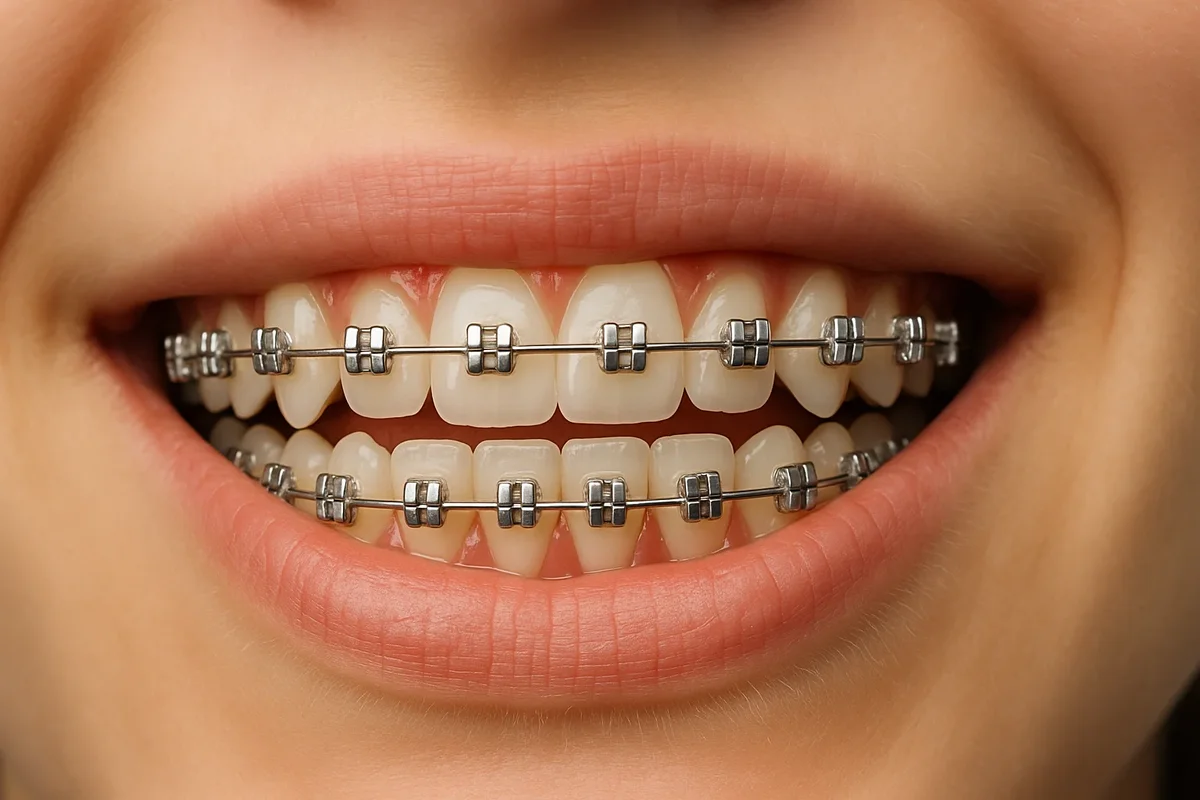
These are the most common and reliable type. Made from stainless steel, they consist of brackets and archwires that gradually move the teeth into place. Modern metal braces are smaller, lighter, and more comfortable than their older versions. Orthodontists often use colored bands, especially for younger patients, to make the treatment more engaging.
2. Ceramic Braces
Ceramic braces function similarly to metal ones but use clear or tooth-colored materials, making them less visible. They are ideal for adults and teens concerned about aesthetics. However, they require careful cleaning, as ceramic materials can stain over time.
3. Lingual Braces
Lingual braces are custom-made brackets placed on the inside (lingual) surfaces of the teeth, making them completely invisible from the outside. While they offer a discreet option, they can take longer for patients to adapt to and may require slightly more complex adjustments by the orthodontist.
4. Clear Aligners
Though technically not “braces,” clear aligners like Invisalign are an alternative orthodontic system that uses removable plastic trays to move teeth gradually. They are comfortable, nearly invisible, and ideal for mild to moderate alignment issues. However, for complex cases, traditional oral braces often deliver more precise results.
How the Adjustment Process Works
During treatment, orthodontists schedule regular appointments to adjust the braces and ensure teeth continue to move as planned. Each adjustment involves tightening or replacing the archwire to maintain the proper amount of force. These sessions are essential to guide the teeth safely into their desired position and ensure bone remodeling continues efficiently.
Patients may experience mild discomfort for a day or two after adjustments, which is a normal sign that the braces are working. Using orthodontic wax, rinsing with salt water, and sticking to soft foods during this period can help relieve irritation. Over time, the discomfort subsides as the mouth adapts to the pressure.
Benefits of Properly Functioning Oral Braces
The advantages of oral braces extend far beyond cosmetic improvements. Correct alignment enhances oral hygiene by eliminating tight, hard-to-clean areas between teeth. It also improves speech clarity and helps distribute bite forces evenly across the dental arch, reducing stress on specific teeth. This prevents enamel wear, jaw strain, and potential temporomandibular joint (TMJ) issues. Many patients also experience better digestion after treatment, as well-aligned teeth improve chewing efficiency.
Moreover, the psychological impact of a straight smile cannot be underestimated. Patients often report higher self-confidence and improved social interactions after completing their orthodontic treatment. The smile becomes not just an aesthetic feature but a symbol of health and self-assurance. 🌟
Common Myths About Oral Braces
There are many misconceptions about oral braces that prevent people from seeking treatment. One of the most common myths is that braces are only for children. In reality, adults of any age can benefit from orthodontic care, provided their teeth and gums are healthy. Another myth is that braces are extremely painful. While there can be mild discomfort during adjustments, modern orthodontic materials are designed for comfort and efficiency. Lastly, some believe braces take forever to work, but technological advancements have shortened treatment times significantly.
Maintenance and Oral Health During Treatment
Maintaining good oral hygiene during orthodontic treatment is critical. Patients should brush after every meal, floss daily using special threaders, and avoid foods that can damage the brackets or wires, such as sticky candies or crunchy snacks. Regular dental cleanings and check-ups ensure that cavities and gum issues are addressed early, preventing complications during treatment.
Using fluoride toothpaste and rinses helps strengthen enamel, which may become vulnerable around brackets. Orthodontists also recommend water flossers to efficiently clean between wires and teeth. Neglecting these habits can lead to staining, plaque buildup, or gum inflammation, which could delay treatment progress.
When to Consult a Professional
If you suspect you or your child might benefit from oral braces, it’s best to schedule an evaluation with a qualified orthodontist. They will perform diagnostic imaging, assess bite alignment, and design a personalized treatment plan. For trusted, professional care, you can reach out to the Redent Klinik Contact Page to book an appointment. Their experts specialize in modern orthodontic solutions, ensuring both health and aesthetics are perfectly balanced.
For further scientific insights into orthodontic safety and efficacy, refer to the American Dental Association, a globally recognized authority on dental standards and patient care. Consulting credible institutions ensures you make well-informed decisions about your oral health journey.
In conclusion, oral braces are a meticulously engineered dental solution that merges science, technology, and artistry. From traditional metal systems to discreet aligners, each option contributes to creating a healthier, more balanced smile. Understanding how they function empowers patients to embrace the treatment process with confidence, knowing that every adjustment brings them one step closer to a perfect smile. 😄
2. Different Types of Oral Braces Explained
Over the past few decades, oral braces have undergone remarkable evolution — both in design and technology. Today’s orthodontic patients can choose from a wide range of braces tailored to their comfort, aesthetic preferences, and treatment goals. Understanding these types helps patients make informed decisions based on their lifestyle, age, and dental condition. Below, we’ll explore the most common types of oral braces available, how each works, their advantages, and who they’re best suited for. 🦷
Traditional Metal Braces: The Classic and Reliable Choice
Traditional metal braces remain the gold standard in orthodontics. Made from high-grade stainless steel, they use small brackets attached to each tooth, connected by an archwire. The orthodontist periodically adjusts the wire to apply gentle pressure that moves the teeth into proper alignment. Despite being the oldest form of oral braces, they are still the most effective and affordable solution for complex cases involving severe crowding or bite misalignment.
Modern advancements have made metal braces far more comfortable and compact than those from decades ago. Patients can also choose colorful elastic ties, adding a touch of personalization to their smile journey. Although they are the most visible type of oral braces, their reliability, speed, and affordability make them a popular choice worldwide.
Ceramic Braces: Aesthetic and Discreet
Ceramic braces are designed for individuals who want an effective treatment without the metallic look. These braces use tooth-colored or transparent brackets that blend seamlessly with natural enamel. Functionally, they work the same way as traditional braces but are more discreet. Because of their subtle appearance, ceramic oral braces are especially popular among adults and professionals who prioritize aesthetics during treatment.
Advantages of Ceramic Braces
- Blend naturally with the color of your teeth for a less noticeable appearance.
- Offer the same precision and control as metal braces.
- Provide a professional, polished look suitable for adult patients.
Considerations
- They can be slightly more fragile than metal braces.
- Improper cleaning may lead to staining or discoloration around the brackets.
- They may require more careful maintenance to preserve their clear finish.
Lingual Braces: Invisible from the Outside
Lingual braces are a unique type of oral braces that are attached to the inner (tongue-facing) surface of the teeth rather than the outer side. This placement makes them completely invisible when smiling, speaking, or eating. Each bracket is custom-made to fit the contours of your teeth, allowing for precise control and movement while remaining hidden from view.
Although lingual braces provide excellent aesthetics, they require more time to get used to. Initially, patients may experience slight speech difficulties or tongue irritation. However, with time and proper guidance from the orthodontist, these issues fade away, leaving patients with a fully discreet orthodontic experience. They are ideal for professionals, models, and public speakers who want the benefits of braces without visible hardware.
Self-Ligating Braces: The Modern Efficiency Upgrade
Self-ligating braces are an innovative version of traditional oral braces. Instead of using elastic bands to hold the archwire, they use built-in clips that allow the wire to move freely. This design reduces friction, speeds up alignment, and often requires fewer adjustments. Many patients report shorter treatment times and fewer office visits with self-ligating systems.
Because they apply gentler, more consistent pressure, self-ligating braces can be more comfortable than conventional types. They also tend to collect less plaque, making oral hygiene easier. These braces are available in both metal and ceramic versions, combining efficiency with aesthetics for an optimal orthodontic experience.
Clear Aligners: The Invisible Revolution
Clear aligners, such as Invisalign, represent one of the most revolutionary advancements in orthodontics. Unlike traditional oral braces, clear aligners use a series of removable, transparent trays that gradually shift teeth into alignment. Each tray is worn for about two weeks before being replaced with the next in the series, allowing for controlled, step-by-step movement.
Key Benefits of Clear Aligners
- Completely invisible — ideal for professionals and adults seeking discreet treatment.
- Removable — allows for normal eating, brushing, and flossing routines.
- Comfortable — no wires or brackets to cause irritation.
- Predictable results — treatment is planned digitally with 3D imaging software.
However, the success of aligner treatment depends heavily on patient discipline. Aligners must be worn for at least 20–22 hours a day for optimal results. They are most effective for mild to moderate alignment issues, while complex cases may still require traditional braces.
Hybrid and Combination Treatments
Some orthodontists use hybrid approaches, combining different types of oral braces to achieve the best results. For instance, a patient might begin with metal braces to address significant misalignment and later switch to clear aligners for refinement. This flexibility allows orthodontists to tailor treatments for comfort, efficiency, and precision. Hybrid treatments are increasingly popular in modern dental care, especially for adults seeking quicker and more aesthetic outcomes.
Choosing the Right Type of Oral Braces
Choosing the right type of oral braces depends on several factors — including the complexity of the case, aesthetic preference, lifestyle, and budget. During a consultation, your orthodontist will evaluate your dental structure, bite alignment, and oral health history to recommend the most suitable option. For professional guidance, you can contact the Redent Klinik Contact Page and schedule a detailed assessment with their experienced dental specialists.
For additional educational material about orthodontic technologies and clinical safety standards, visit the American Dental Association. This trusted resource provides comprehensive information on dental procedures, ensuring patients are fully informed before starting treatment.
Conclusion: The Diversity of Modern Orthodontics
From traditional metal designs to invisible clear aligners, modern oral braces cater to every need and lifestyle. The diversity of today’s orthodontic options ensures that everyone — children, teens, and adults alike — can achieve the smile they’ve always wanted with comfort and confidence. As technology continues to advance, braces are becoming faster, more aesthetic, and more personalized than ever before. Understanding these options empowers patients to make informed choices and start their journey toward a perfectly aligned smile. 😄
3. Who Needs Oral Braces? Key Signs and Conditions
Not everyone is born with a perfectly aligned smile, and that’s where oral braces play a transformative role. They aren’t just about cosmetic improvement — braces are crucial for correcting functional problems that can affect chewing, speech, and long-term dental health. Understanding who truly needs oral braces and recognizing the early signs of misalignment can help prevent serious oral complications later in life. Let’s dive into the specific indicators and conditions that make orthodontic treatment necessary. 🦷
Early Warning Signs of Misalignment
Orthodontists emphasize that early detection is key to effective treatment. Children and adults alike can benefit from oral braces if they exhibit certain physical or functional signs. The most common indicators include:
- Crowded or overlapping teeth that make brushing and flossing difficult.
- Noticeable gaps between teeth (diastema) caused by uneven spacing.
- Teeth that protrude outward or inward, leading to bite imbalance.
- Difficulty in chewing or biting food properly.
- Frequent biting of the inner cheeks or tongue.
- Chronic mouth breathing or speech difficulties such as lisping.
- Premature loss of baby teeth or irregular eruption of permanent teeth in children.
These signs often indicate that the teeth or jawbones are not aligned as they should be. Left untreated, they can contribute to tooth decay, gum disease, or even jaw pain due to uneven pressure distribution.
Orthodontic Problems That Require Braces
Several specific dental conditions require the intervention of oral braces to restore both functionality and aesthetics. Below are the most common orthodontic issues treated with braces:
1. Overcrowding
Overcrowding occurs when the jaw doesn’t have enough space to accommodate all teeth. As a result, teeth overlap, twist, or erupt incorrectly. Oral braces help by gradually repositioning the teeth to create the necessary space and improve alignment. Without correction, overcrowding can lead to plaque buildup and gum disease due to difficulty in maintaining oral hygiene.
2. Overbite
An overbite is when the upper front teeth extend too far over the lower front teeth. This can cause excessive wear, jaw pain, or even gum damage. Braces work to realign the upper and lower jaws, ensuring proper bite function and improved appearance.
3. Underbite
An underbite occurs when the lower teeth extend past the upper teeth, often resulting in a protruding jawline. This misalignment can make chewing and speaking challenging. Orthodontists use oral braces combined with elastics or sometimes surgery to reposition the jaws for a balanced bite.
4. Crossbite
When the upper teeth sit inside the lower teeth rather than outside, the condition is called a crossbite. This can lead to enamel wear and gum recession. Braces help move the teeth into their correct position, preventing further complications.
5. Open Bite
In an open bite, the front teeth do not touch when the mouth is closed, leaving a visible gap. This condition often results from thumb sucking or tongue thrusting during childhood. Oral braces are used to close the gap and restore normal biting and chewing function.
6. Spacing Problems
Some patients have too much space between teeth due to missing teeth or abnormal jaw growth. Braces close these gaps, ensuring the teeth line up evenly and prevent food from getting trapped between them — a common cause of decay.
When Should Children Start Orthodontic Evaluation?
The American Dental Association recommends that children have their first orthodontic evaluation by age seven. At this stage, most permanent teeth have begun to erupt, and orthodontists can identify developing issues early. Early intervention with oral braces can often minimize the need for more invasive treatments later in life. For example, guiding jaw growth or correcting bite patterns early helps prevent complex skeletal problems as the child grows.
Braces for Adults: It’s Never Too Late
Contrary to popular belief, oral braces aren’t only for kids or teens. An increasing number of adults are choosing orthodontic treatment to enhance both function and aesthetics. Adult braces can correct years of wear, shifting, or untreated misalignments. With modern options like ceramic braces and clear aligners, treatment is more discreet and comfortable than ever before.
Adults often seek orthodontic treatment for reasons such as:
- Improving smile aesthetics for personal or professional confidence.
- Correcting jaw discomfort caused by bite irregularities.
- Preventing tooth wear or gum problems due to misalignment.
- Preparing the mouth for restorative treatments like implants or crowns.
It’s worth noting that while treatment may take slightly longer for adults than for children, the outcomes are just as effective. Healthy gums and teeth are essential for successful orthodontic correction at any age.
Risks of Delaying Braces Treatment
Delaying orthodontic treatment can lead to long-term complications. Misaligned teeth create abnormal pressure points during chewing, which can cause enamel erosion, tooth fractures, or chronic jaw discomfort. Gum recession and bone loss may also occur over time. Additionally, uneven teeth are harder to clean, increasing the risk of cavities and bad breath. Early intervention with oral braces ensures healthier, longer-lasting results and prevents these avoidable issues.
How to Confirm You Need Braces
If you suspect you might need oral braces, the best step is to schedule an orthodontic consultation. A professional evaluation includes digital imaging, X-rays, and bite analysis to diagnose alignment problems precisely. For expert advice and treatment planning, you can reach out through the Redent Klinik Contact Page. Their orthodontic specialists provide customized assessments for both children and adults, ensuring a comfortable and effective treatment experience.
Conclusion: Braces as a Path to Oral Health
Determining who needs oral braces goes beyond appearance — it’s about ensuring proper function, health, and long-term comfort. From children with early misalignment to adults seeking confidence and balance, braces offer a scientifically proven solution to a wide range of dental challenges. Recognizing the signs early and consulting a professional can make all the difference in achieving a healthy, aligned, and radiant smile. 🌟
4. The Step-by-Step Process of Getting Oral Braces
Getting oral braces is a transformative process that not only improves your smile but also enhances your oral health and overall confidence. However, it’s natural for patients to feel uncertain before starting orthodontic treatment. Understanding each stage — from the first consultation to the final removal — helps you prepare mentally, physically, and financially. This detailed guide explains every step of the journey with oral braces so you know exactly what to expect. 🦷
Initial Consultation and Evaluation
The first and most crucial step in getting oral braces is a comprehensive consultation with an orthodontist. During this appointment, the specialist evaluates your teeth, jaw, and bite alignment. They may take panoramic X-rays, digital photographs, or 3D scans to create an accurate image of your dental structure. These diagnostics allow the orthodontist to design a personalized treatment plan tailored to your needs.
At this stage, you’ll also discuss your goals and preferences — whether you want traditional metal braces, ceramic braces, lingual braces, or clear aligners. The orthodontist will explain the advantages and drawbacks of each type, along with estimated treatment time and cost. It’s also an opportunity to ask questions and address any concerns before beginning treatment.
Detailed Treatment Planning
Once the diagnostic phase is complete, your orthodontist creates a step-by-step treatment plan. This includes the anticipated duration, frequency of adjustments, and post-treatment care. Digital orthodontic software now allows patients to visualize their predicted results before the process even starts. The primary aim of oral braces is to achieve a harmonious bite and balanced aesthetics, so each movement is carefully mapped out for precision.
For patients with severe alignment issues, additional preparatory procedures might be needed — such as tooth extractions or the placement of spacers. Spacers are small rubber or metal rings inserted between molars to create enough space for the bands that will hold the braces in place later.
Placement of Braces
The day your oral braces are placed is a major milestone! The orthodontist begins by cleaning and drying your teeth thoroughly to ensure a secure bond. Then, small brackets are attached to each tooth using a special dental adhesive. Once the brackets are set, the orthodontist threads the archwire through them and secures it with elastic ligatures (tiny rubber bands). The archwire is what applies the gentle, consistent pressure that moves your teeth over time.
The entire process usually takes about 60–90 minutes and is completely painless. However, some mild tightness or pressure may be felt within the first few hours — a sign that the braces are starting to work. Patients are advised to eat soft foods for a few days to ease discomfort.
Adjustments and Regular Visits
Throughout your treatment, you’ll have periodic appointments (usually every 4–6 weeks) for adjustments. During these visits, the orthodontist may replace the archwire, tighten ligatures, or change the direction of pressure. These adjustments are essential to guide your teeth’s movement accurately. Although you might feel temporary soreness after each session, it typically subsides within 24–48 hours.
Consistency is key. Missing scheduled visits can delay progress and extend treatment time. Patients with oral braces are encouraged to maintain communication with their orthodontist, report any discomfort, and follow all care instructions between visits.
Oral Hygiene During Treatment
Maintaining excellent oral hygiene is vital throughout your orthodontic journey. Because food particles and plaque can easily get trapped around brackets and wires, patients must adopt a meticulous cleaning routine. Orthodontists recommend using:
- A soft-bristled toothbrush and fluoride toothpaste to brush after every meal.
- Interdental brushes or floss threaders to clean between teeth and under wires.
- An antiseptic mouthwash to minimize bacterial growth and freshen breath.
- Water flossers for deep cleaning around brackets and hard-to-reach areas.
Avoid sticky, crunchy, or sugary foods — such as caramel, gum, popcorn, and hard candy — which can damage brackets or increase cavity risk. Regular professional cleanings ensure your gums and teeth stay healthy while wearing oral braces.
Managing Discomfort and Adjusting to Braces
It’s normal to experience minor irritation or soreness when adjusting to oral braces. Orthodontic wax can be applied to any bracket that rubs against your cheeks or lips. Rinsing with warm salt water helps soothe tender spots, and over-the-counter pain relief may be used if necessary. Within a few weeks, most patients adapt completely to their braces and hardly notice them in daily life. 😄
Monitoring Progress and Mid-Treatment Evaluation
Halfway through treatment, your orthodontist may perform a mid-treatment evaluation to ensure everything is progressing as planned. They may take new scans or X-rays to compare with the initial data. In some cases, elastics or additional appliances are introduced to refine bite alignment. These refinements ensure the final result is both functional and aesthetically pleasing.
Removing Braces and Post-Treatment Care
The day your oral braces are removed is one of the most rewarding moments of your dental journey! The orthodontist carefully removes the brackets and residual adhesive, revealing your beautifully aligned smile. You’ll immediately notice a smoother bite, better comfort, and improved facial balance. However, treatment doesn’t end here — the next crucial step is retention.
After braces removal, patients are fitted with retainers — either fixed or removable — to maintain their new alignment. Without retainers, teeth can gradually shift back to their original positions, undoing months or years of progress. Retainers must be worn as directed, especially during the first year after treatment, to ensure long-term stability.
Follow-Up Visits and Long-Term Results
Even after braces are removed, follow-up visits are necessary to monitor alignment and bite stability. Orthodontists may adjust retainers or make recommendations for ongoing care. With proper maintenance, results from oral braces can last a lifetime. Regular dental cleanings, good oral hygiene, and wearing retainers as prescribed are the keys to preserving your new smile for decades.
Consulting Professionals for Guidance
To ensure the best outcomes, always seek care from a qualified orthodontist with a strong clinical background. If you’re ready to begin your transformation, schedule a consultation through the Redent Klinik Contact Page. Their team of experts specializes in personalized orthodontic solutions, combining comfort, efficiency, and aesthetics for outstanding results. For additional scientific resources, visit the American Dental Association to learn more about orthodontic best practices and treatment standards.
Conclusion: A Journey Worth Taking
Getting oral braces is more than a cosmetic procedure — it’s an investment in your health, confidence, and long-term well-being. Each phase, from consultation to retention, is carefully designed to ensure precision and comfort. By following your orthodontist’s guidance and maintaining proper hygiene, you can enjoy a lifetime of beautiful, well-aligned teeth. The process requires patience, but the reward — a radiant, healthy smile — is truly priceless. 🌟
5. Oral Braces for Children vs. Adults: What’s the Difference?
When it comes to orthodontic treatment, oral braces are effective for people of all ages — but the approach, duration, and overall experience can differ significantly between children and adults. Understanding these differences helps patients and parents make informed decisions and achieve optimal results. Whether it’s guiding the growth of a child’s developing jaw or correcting years of misalignment in an adult’s smile, oral braces provide tailored solutions for every age group. 🦷
Why Age Matters in Orthodontics
The success and efficiency of oral braces depend largely on the patient’s biological stage of dental development. Children’s bones and teeth are still growing, making them easier to adjust, while adults’ bone structures are fully developed, requiring more precise and sometimes longer treatment. Despite these differences, modern orthodontics has evolved to deliver comfortable and effective results for all age groups.
Let’s break down how oral braces function and are managed differently for children and adults.
Oral Braces for Children: Early Intervention and Growth Guidance
In children, orthodontic treatment is often part of a proactive plan known as interceptive orthodontics. This approach aims to correct developing problems before they become severe. The American Dental Association recommends that children receive their first orthodontic evaluation by age seven. This early checkup helps identify potential issues with jaw growth, spacing, and tooth eruption patterns.
1. Early Detection and Prevention
Because children’s jaws are still growing, oral braces can guide bone development and create adequate space for permanent teeth. Early intervention prevents crowding, crossbites, and jaw asymmetry, reducing the need for future surgical correction. Treatment might include partial braces, expanders, or growth-modifying appliances depending on the case.
2. Faster and More Effective Results
Children’s teeth move more quickly because their bones are softer and more responsive. Orthodontists can use lighter forces, leading to shorter treatment durations and less discomfort. Typically, children wear braces for 12 to 24 months, though it can vary depending on the severity of misalignment.
3. Habits and Cooperation
One challenge with young patients is ensuring consistent oral hygiene and compliance. Children must be taught proper brushing and flossing techniques to prevent plaque accumulation around brackets. Parents play an essential role in supervising cleaning routines and dietary restrictions — such as avoiding sticky or hard foods that can damage the braces.
4. Emotional and Social Aspects
For children, oral braces can initially cause self-consciousness. However, colorful elastic bands and the popularity of braces among peers often make the experience fun and motivating. Orthodontists also take extra care to explain the process in child-friendly terms to reduce anxiety and encourage confidence throughout treatment. 😄
Oral Braces for Adults: Precision and Aesthetic Considerations
Adult orthodontics is becoming increasingly popular as more people recognize the functional and cosmetic benefits of oral braces. While adults don’t have the same growth advantages as children, advancements in orthodontic technology have made treatment highly efficient and discreet.
1. Structural and Biological Differences
Adults have denser bone tissue, which means tooth movement occurs more gradually. Consequently, treatment duration for adults typically ranges between 18 and 30 months. Orthodontists often incorporate advanced techniques such as self-ligating braces or clear aligners to minimize friction and discomfort. In some cases, minor surgical procedures — like corticotomies — are used to accelerate tooth movement.
2. Aesthetic and Professional Needs
Adults are often concerned about the visibility of braces, especially in professional or social environments. For this reason, many choose ceramic braces, lingual braces, or clear aligners. These options offer the same effectiveness as traditional braces but with a more subtle appearance. Adults can maintain confidence during treatment without compromising on results.
3. Pre-Existing Dental Issues
Adults may have additional dental concerns that must be addressed before starting oral braces. These can include gum recession, missing teeth, restorations, or bone loss due to periodontal disease. Orthodontists work closely with periodontists or prosthodontists to develop integrated treatment plans that ensure safe and stable results.
4. Commitment and Compliance
Unlike children, adults often show higher compliance because they are personally motivated to achieve their desired outcome. They are typically more diligent with oral hygiene, follow dietary guidelines, and attend regular appointments. However, adult orthodontic care may require more frequent monitoring due to potential bone density and gum health concerns.
Comparing Treatment Duration and Comfort
While the biological process behind oral braces remains the same for all ages, the treatment timeline can differ:
- Children: 12–24 months on average, depending on tooth eruption and growth patterns.
- Adults: 18–30 months or longer, especially if complex alignment or restorative work is needed.
In both cases, technological innovations such as heat-activated archwires and self-ligating brackets have made the experience more comfortable, reducing pressure and minimizing adjustment discomfort.
Retention and Long-Term Stability
After completing treatment, both children and adults must wear retainers to preserve their new alignment. For children, retainers help guide remaining growth and prevent relapse as new teeth erupt. For adults, retainers ensure teeth remain stable after the bone remodels around their new positions. Neglecting retainers is a common cause of relapse, regardless of age.
Psychological and Lifestyle Differences
Children often see braces as a normal part of growing up, while adults may approach them as a lifestyle change. Adults tend to be more conscious of speech, diet, and appearance during treatment. However, the emotional satisfaction of finally achieving a straight, confident smile outweighs temporary inconveniences for both age groups.
Choosing the Right Approach for Every Age
The choice between braces types and treatment plans should always be guided by an experienced orthodontist. Each patient’s needs are unique — what works for a teenager may not suit an adult. If you’re considering treatment for yourself or your child, it’s best to seek professional guidance through the Redent Klinik Contact Page. The clinic’s experts specialize in individualized orthodontic solutions for both children and adults, ensuring long-term success and comfort.
Conclusion: One Goal, Different Paths
Although the journey differs between children and adults, the goal of oral braces remains the same — achieving a functional, healthy, and radiant smile. Early intervention allows children to benefit from natural growth, while adults enjoy advanced, discreet options that fit their lifestyle. Regardless of age, orthodontic care is a life-changing investment that enhances confidence, comfort, and overall well-being. 🌟
6. Oral Hygiene and Care Tips During Braces Treatment
Maintaining proper oral hygiene while wearing oral braces is one of the most important aspects of successful orthodontic treatment. Braces create small spaces around brackets and wires where food particles and plaque can easily accumulate. Without a strict hygiene routine, this buildup can lead to tooth decay, gum disease, or even bad breath. With the right care, however, you can keep your mouth clean, your gums healthy, and your braces functioning effectively throughout the treatment. 🦷
Understanding Why Hygiene Matters
Oral braces work by applying gentle, constant pressure to move teeth into alignment, but this process also increases the number of surfaces that require cleaning. Each bracket, wire, and elastic tie can trap debris that feeds harmful bacteria. These bacteria produce acids that can erode enamel, leading to white spots or cavities. Proper hygiene ensures that your teeth remain strong and your final smile looks beautiful when the braces come off.
Neglecting hygiene doesn’t just risk your oral health — it can also slow down treatment progress. Inflammation and plaque accumulation may force orthodontists to postpone adjustments until your gums recover. Thus, maintaining cleanliness directly impacts how quickly and effectively oral braces work.
Daily Brushing Techniques for Braces
Brushing your teeth with oral braces requires a more detailed approach than usual. Orthodontists recommend brushing after every meal to remove trapped food particles and prevent plaque buildup. Here’s a step-by-step guide:
1. Use the Right Toothbrush
Select a soft-bristled toothbrush or an orthodontic toothbrush with V-shaped bristles designed to clean around brackets and wires. Electric toothbrushes with gentle vibration modes can also improve efficiency.
2. Brush in Sections
Divide your mouth into quadrants and spend at least 30 seconds on each. Hold the brush at a 45-degree angle toward the gumline and clean above and below the brackets using small circular motions. This technique ensures you remove plaque from both the teeth and braces.
3. Don’t Forget the Gumline
Brushing along the gumline is essential to prevent gingivitis, a common issue during braces treatment. Gently massage the gums as you clean to stimulate circulation and keep them healthy.
4. Rinse and Inspect
After brushing, rinse thoroughly with water or a fluoride mouthwash to wash away loosened debris. Use a mirror to check for any remaining food particles or plaque around the brackets.
Flossing and Interdental Cleaning
Flossing with oral braces can be challenging but is absolutely essential. Food can get trapped between teeth where a toothbrush can’t reach. Orthodontists recommend using floss threaders or specialized orthodontic floss to navigate between wires and teeth. Alternatively, interdental brushes or water flossers can make the process easier and more thorough.
Flossing Tips
- Use waxed dental floss to prevent shredding on metal brackets.
- Gently insert the floss under the wire, then move it up and down between each tooth.
- Floss at least once a day, preferably before bedtime, to ensure overnight cleanliness.
Water flossers are particularly beneficial for patients with oral braces. These devices use a pressurized stream of water to remove plaque and food debris from around brackets and gumlines. They are also gentle on sensitive gums and easy to use for both children and adults.
Rinsing and Mouthwash Use
Incorporating an antibacterial or fluoride mouthwash into your daily routine adds another layer of protection. Fluoride strengthens enamel and reduces the risk of white spots that sometimes appear after braces are removed. Antibacterial rinses minimize gum inflammation and keep your breath fresh. Rinse for at least 30 seconds twice a day — once after brushing in the morning and once before bed.
Dietary Tips During Treatment
What you eat directly affects the success of your oral braces treatment. Hard, sticky, or chewy foods can break wires or dislodge brackets, leading to delays and unnecessary discomfort. Some foods also increase the risk of cavities or stains. Follow these dietary guidelines for best results:
Foods to Avoid
- Sticky foods like caramel, chewing gum, and taffy.
- Hard foods such as popcorn, nuts, and ice.
- Corn on the cob, whole apples, and raw carrots — cut them into smaller pieces instead.
- Sugary snacks and sodas that contribute to enamel decay.
Foods to Enjoy
- Soft fruits like bananas, berries, and kiwis.
- Cooked vegetables and soups for easy chewing.
- Whole grains, yogurt, and cheese for calcium-rich nutrition.
- Water instead of sugary drinks to maintain hydration and rinse debris naturally.
Managing Common Oral Problems During Braces
Even with good hygiene, patients with oral braces may occasionally experience discomfort, irritation, or soreness. The following strategies can help alleviate these common issues:
- Orthodontic Wax: Apply wax over brackets or wires that cause friction on cheeks or lips.
- Salt Water Rinse: Gargle with warm salt water (½ teaspoon salt in a cup of water) to soothe irritation.
- Pain Relief: Use over-the-counter pain relievers if discomfort persists after adjustments.
- Hydration: Drink plenty of water to prevent dry mouth, which can increase bacterial activity.
Professional Dental Visits and Maintenance
Routine dental checkups remain essential even during orthodontic treatment. Professional cleanings remove tartar buildup that home care might miss. Dentists and orthodontists collaborate to ensure that both your teeth and oral braces stay in optimal condition. If a bracket breaks or a wire loosens, contact your orthodontist immediately for repair to avoid interrupting progress.
Tools and Accessories That Make Cleaning Easier
Several tools are specifically designed to simplify oral care for braces wearers. These include:
- Orthodontic toothbrushes with slim heads and angled bristles.
- Interdental brushes for cleaning between brackets.
- Fluoride gels or foams to protect enamel.
- Travel-sized hygiene kits for cleaning on the go.
Encouraging Consistency and Discipline
The effectiveness of oral braces depends heavily on daily care habits. Consistent brushing, flossing, and dental visits ensure not only a beautiful final result but also long-term oral health. Setting reminders, maintaining a hygiene schedule, and carrying cleaning tools while traveling can make the process easier.
Consultation and Professional Advice
If you’re unsure about the best hygiene products or brushing techniques for your braces, consulting a dental professional is the safest approach. You can schedule a personalized consultation through the Redent Klinik Contact Page. Their experienced orthodontists and hygienists will provide tailored guidance to ensure your oral care routine supports your treatment perfectly.
Conclusion: A Clean Smile is a Confident Smile
Wearing oral braces requires patience and commitment, but maintaining excellent hygiene ensures a smoother journey and a dazzling outcome. With proper cleaning habits, dietary mindfulness, and regular professional supervision, you’ll not only achieve straighter teeth but also preserve the health and brilliance of your smile. Remember: good oral hygiene is the foundation of every successful orthodontic treatment. 🌟
7. Common Challenges and How to Manage Discomfort
While oral braces are one of the most effective tools for achieving a healthy and perfectly aligned smile, the process can sometimes bring temporary challenges. From mild soreness and irritation to dietary adjustments and speech changes, it’s completely normal to experience a period of adaptation. The good news is that most of these issues are short-lived and easily managed with the right care and mindset. This section will explore the most common challenges faced during orthodontic treatment and provide practical solutions for managing each one effectively. 🦷
Initial Discomfort After Getting Oral Braces
When oral braces are first applied, it’s common to feel pressure or tightness around the teeth and jaw. This occurs because the braces are beginning to apply gentle force to move your teeth into new positions. While this discomfort usually peaks within the first few days, it gradually fades as your mouth adapts to the new appliances.
How to Manage It
- Eat soft foods such as soups, mashed potatoes, yogurt, and smoothies for the first few days.
- Rinse your mouth with warm salt water (½ teaspoon salt in one cup of warm water) two to three times daily to soothe sore gums.
- Use orthodontic wax on brackets or wires that cause irritation on the inside of your lips or cheeks.
- If needed, take mild over-the-counter pain relievers (as recommended by your orthodontist) to ease soreness.
It’s important to remember that discomfort is a positive sign — it means the oral braces are working to move your teeth in the right direction. 🌟
Soft Tissue Irritation and Mouth Sores
Brackets and wires can sometimes rub against the soft tissues of your mouth, leading to small sores or irritation. These are especially common in the early weeks of treatment or after adjustments. Over time, your inner cheeks and lips build tolerance, and the irritation typically lessens.
Solutions for Irritation
- Apply orthodontic wax directly over the offending brackets or wire ends.
- Use a mild oral anesthetic gel to numb sore spots temporarily.
- Stay hydrated, as a dry mouth can worsen friction and irritation.
- Rinse with antiseptic or saltwater solutions to promote healing and reduce bacteria.
Orthodontists can also trim or adjust wires that feel too long or cause excessive discomfort. Never attempt to cut or reposition the wire yourself.
Difficulty Eating and Dietary Adjustments
One of the biggest adjustments when wearing oral braces is learning what foods are safe to eat and which ones to avoid. Hard, sticky, or crunchy foods can damage wires or brackets, delaying treatment and increasing discomfort.
Best Practices for Comfortable Eating
- Stick to soft, nutrient-rich foods like cooked vegetables, scrambled eggs, pasta, and smoothies during the first week.
- Cut harder foods (like apples or carrots) into small pieces instead of biting directly.
- Avoid sticky candies, chewing gum, popcorn, and hard nuts to prevent damage.
- Chew slowly and gently to minimize pressure on sore teeth.
As your mouth adjusts, you can gradually reintroduce firmer foods, but it’s best to maintain caution throughout the duration of your oral braces treatment.
Speech Changes and Adaptation
Some patients notice minor speech changes after getting oral braces, particularly when using lingual braces or clear aligners. Certain letters or sounds may feel awkward at first due to the new positioning of your tongue and lips around the brackets. This is temporary and resolves as your mouth adjusts.
Tips for Overcoming Speech Difficulties
- Practice speaking out loud daily to accelerate adaptation.
- Read aloud or sing to train your tongue to move naturally around the braces.
- Use orthodontic wax on sharp edges that might interfere with tongue movement.
- Stay hydrated — dryness can make speech adjustment more difficult.
Within one to two weeks, your pronunciation will return to normal as your muscles adapt to the new setup.
Broken Brackets or Loose Wires
Occasionally, a bracket or wire may become loose due to chewing hard food, brushing too aggressively, or accidental impact. A damaged part doesn’t necessarily cause pain but can create irritation and interrupt treatment progress if not fixed promptly.
How to Handle Emergencies
- Contact your orthodontist immediately for a repair appointment.
- If a wire is poking your cheek or gum, use clean tweezers to gently reposition it until you can visit the clinic.
- Apply orthodontic wax over sharp edges to protect your mouth.
- Never try to remove or cut wires on your own — this can worsen the problem.
For professional assistance, visit the Redent Klinik Contact Page to book an emergency appointment with qualified orthodontists who can safely fix any broken components of your braces.
Oral Hygiene Challenges
Cleaning your teeth becomes slightly more challenging while wearing oral braces. Food particles often get trapped in brackets and wires, increasing the risk of plaque buildup and cavities. Maintaining a strong oral hygiene routine is the best way to prevent complications and ensure treatment efficiency.
Effective Hygiene Practices
- Brush after every meal using an orthodontic toothbrush or electric brush.
- Floss daily with a floss threader or water flosser to reach between teeth and wires.
- Use fluoride mouthwash to strengthen enamel and protect against white spots.
- Schedule regular cleanings with your dentist for professional maintenance.
Orthodontists emphasize that clean teeth move more efficiently, making hygiene a key factor in treatment success.
Managing Emotional and Social Discomfort
Besides physical adjustments, some patients experience self-consciousness when they first start wearing oral braces. However, this feeling typically fades once they begin noticing progress. Braces are now common among teens and adults, and with the rise of clear aligners and ceramic braces, orthodontic treatment is more discreet than ever.
Boosting Confidence During Treatment
- Remind yourself that braces are temporary but their results are permanent.
- Track your progress with photos to stay motivated.
- Focus on proper hygiene and diet to accelerate visible results.
- Choose colored bands or subtle designs that make you feel more confident.
Many patients view their orthodontic journey as a symbol of self-care and transformation — a small commitment that leads to a lifetime of benefits. 🌟
When to Contact a Professional
If pain becomes severe, brackets frequently break, or irritation persists beyond a week, it’s essential to seek professional help. At Redent Klinik, orthodontic experts provide immediate care and personalized adjustments to ensure comfort and progress. For additional scientific resources on safe orthodontic care and comfort management, refer to the American Dental Association.
Conclusion: Embrace the Process, Overcome the Challenges
Although wearing oral braces may come with temporary challenges, these obstacles are minor compared to the long-term rewards of a perfectly aligned smile. By following professional guidance, maintaining good hygiene, and addressing discomfort proactively, you can make your orthodontic journey smooth and rewarding. Remember — patience, consistency, and proper care turn every small adjustment into lasting confidence and health. 😁
8. The Role of Orthodontists and Regular Check-Ups
Successful treatment with oral braces depends not only on the patient’s daily care but also on the expertise and ongoing supervision of a qualified orthodontist. Orthodontists are dental specialists trained to diagnose, prevent, and correct misaligned teeth and jaw irregularities. Their guidance ensures that braces function effectively, adjustments are timed properly, and long-term results are both aesthetic and functional. Regular check-ups are a vital part of this journey — each visit allows the orthodontist to monitor progress, make adjustments, and prevent complications before they arise. 🦷
Understanding the Orthodontist’s Role
An orthodontist’s primary goal is to create harmony between your teeth, jaws, and facial structure using oral braces. They are different from general dentists, as orthodontists receive additional years of specialized education focusing on alignment, bite correction, and facial development. From the first consultation to the final retainer fitting, every stage of treatment is carefully managed to achieve the best outcome.
Key Responsibilities of an Orthodontist
- Diagnosis: Using X-rays, digital scans, and photos to identify dental and skeletal issues.
- Treatment Planning: Developing a customized plan based on tooth position, jaw structure, and patient goals.
- Appliance Selection: Choosing the most suitable type of oral braces — metal, ceramic, lingual, or aligners — depending on needs and preferences.
- Monitoring Progress: Scheduling regular appointments to adjust wires, replace elastics, and ensure teeth are moving as planned.
- Patient Education: Teaching patients how to maintain oral hygiene and handle minor issues like loose wires or soreness.
Each of these steps ensures that treatment proceeds smoothly and efficiently, minimizing discomfort and maximizing results. 🌟
The Importance of Regular Check-Ups
Once oral braces are applied, your orthodontist will schedule follow-up appointments every 4 to 8 weeks. These visits are crucial to maintain steady progress. During each check-up, the orthodontist assesses how teeth are shifting, replaces worn-out elastics or wires, and makes small but critical adjustments to continue guiding your teeth into perfect alignment.
What Happens During a Routine Visit?
Each appointment typically involves:
- Removing and inspecting existing archwires and brackets for wear or damage.
- Replacing elastic ligatures to maintain consistent pressure.
- Taking progress photos or scans to track alignment improvements.
- Evaluating oral hygiene and checking for any signs of decay or gum irritation.
- Reinforcing patient-specific care instructions.
These regular visits allow the orthodontist to catch potential issues early — such as slow tooth movement, broken brackets, or hygiene problems — and address them before they affect overall treatment success.
How Often Should You See Your Orthodontist?
For most patients, visits every 4 to 6 weeks are sufficient. However, complex cases or advanced systems (like self-ligating braces or clear aligners) may require different schedules. Missing appointments can delay treatment by several months, so it’s important to attend each check-up on time. Orthodontists may also schedule emergency visits if a wire breaks, a bracket loosens, or a patient experiences unusual discomfort.
Communication Between Orthodontist and Patient
Effective communication is the foundation of a successful orthodontic relationship. Patients should feel comfortable discussing any pain, lifestyle changes, or hygiene challenges they experience while wearing oral braces. Orthodontists rely on feedback to adjust treatment plans, recommend new appliances, or provide comfort solutions like dental wax or aligner replacements.
Tips for Better Communication
- Keep a small notebook or use a phone app to track questions or symptoms between visits.
- Bring a list of concerns to each appointment for discussion.
- Inform your orthodontist immediately if a bracket breaks or discomfort persists beyond a few days.
Open dialogue ensures that every issue is resolved promptly and treatment progresses according to plan.
Orthodontic Technology and Monitoring Tools
Modern orthodontics integrates cutting-edge technology to enhance precision and patient comfort. Digital 3D scanning, intraoral cameras, and AI-based tracking systems now allow orthodontists to analyze tooth movement more accurately than ever before. For example, virtual monitoring tools enable patients to send progress photos remotely between in-person visits. This not only saves time but also ensures continuous supervision of oral braces treatment.
Advantages of Modern Technology
- Improved treatment accuracy and efficiency.
- Fewer in-office visits without compromising progress.
- Customized brackets and aligners for a better fit.
- Reduced discomfort and faster adjustment times.
Orthodontists who use advanced diagnostic systems can predict tooth movement more precisely, allowing them to fine-tune treatment for exceptional outcomes.
Managing Oral Health During Orthodontic Visits
At every check-up, the orthodontist evaluates not just the braces but the overall oral health of the patient. Maintaining healthy gums and enamel ensures that oral braces can move teeth efficiently without complications. Orthodontists often collaborate with general dentists to perform routine cleanings or fluoride treatments during the braces period. This teamwork prevents common issues such as decalcification or gingivitis, which can slow down orthodontic progress.
When to Seek Extra Attention
While regular check-ups cover most needs, patients should contact their orthodontist immediately if they experience:
- Severe pain or continuous soreness after adjustments.
- Broken wires, detached brackets, or missing elastic ties.
- Swollen or bleeding gums despite proper brushing and flossing.
- Persistent bad breath, indicating plaque buildup around oral braces.
Quick intervention helps prevent long-term damage and ensures your treatment stays on track. For urgent assistance, you can reach out to the Redent Klinik Contact Page, where specialists provide prompt evaluations and professional repair services.
The Value of Consistency and Patience
Every orthodontic journey requires patience. Teeth move gradually, and skipping appointments or neglecting oral hygiene can slow progress. Regular orthodontic check-ups build consistency, ensuring that oral braces achieve their intended results. Over time, these visits become less frequent as your teeth approach their final positions — but their importance never diminishes.
Conclusion: A Partnership for a Perfect Smile
Orthodontic success is a partnership between the patient and the orthodontist. Through consistent care, open communication, and routine check-ups, you ensure that your oral braces deliver the smile you’ve always wanted. By following professional advice and attending every scheduled appointment, you not only shorten treatment time but also protect your long-term oral health. For expert guidance and comprehensive orthodontic care, visit the American Dental Association or schedule a consultation through Redent Klinik — your trusted destination for achieving a confident, healthy smile. 😁
9. Life After Braces: Retainers and Long-Term Care
Completing treatment with oral braces is a moment of celebration — your teeth are beautifully aligned, your bite is balanced, and your smile shines with confidence. 😁 But the orthodontic journey doesn’t end when the braces come off. The next phase, known as the retention stage, is essential to maintaining your results. Teeth have a natural tendency to shift back toward their original positions, especially in the first few months after braces removal. Retainers, along with a consistent oral care routine, ensure that your smile remains straight and stable for life. 🌟
Understanding the Purpose of Retainers
Retainers are custom-made dental appliances designed to hold your teeth in their new positions after oral braces treatment. When braces are removed, the ligaments and bone structures that supported your teeth are still adapting to their new alignment. Without retainers, these tissues can slowly revert, causing minor to significant misalignment — a process known as “relapse.”
How Retainers Work
- They stabilize tooth positions while surrounding bone and gum tissues adapt to the new structure.
- They prevent gradual shifting caused by chewing, swallowing, or nighttime jaw pressure.
- They maintain bite correction achieved by oral braces, ensuring your teeth stay in functional harmony.
Orthodontists usually provide detailed instructions about how long and how often you should wear your retainer. For many patients, this phase is as important as the braces treatment itself.
Types of Retainers
Just as there are different types of oral braces, there are also various types of retainers — each with its advantages depending on your needs, comfort, and lifestyle.
1. Removable Retainers
Removable retainers are the most common type and come in two primary forms: Hawley retainers and clear plastic retainers.
- Hawley Retainers: Made from a combination of acrylic and metal wires, these retainers are durable and adjustable. They allow the orthodontist to make minor post-treatment corrections if needed.
- Clear Plastic Retainers (Essix or Vivera): These are made from transparent material, fitting snugly over the teeth — similar to clear aligners. They are nearly invisible, comfortable, and highly popular among adults.
Removable retainers are convenient because they can be taken out during meals or while brushing your teeth. However, they must be worn consistently as directed to prevent relapse.
2. Fixed Retainers
Fixed or permanent retainers are thin wires bonded to the back surfaces of the front teeth. They are ideal for patients at high risk of relapse or those who prefer a maintenance-free option. Since they are hidden behind the teeth, they are invisible to others and provide constant support.
However, fixed retainers require meticulous oral hygiene, as food particles can get trapped around the wire. Using floss threaders or interdental brushes is essential to keep the area clean and prevent plaque buildup.
How Long Should Retainers Be Worn?
The duration of retainer use varies for each patient. Generally, orthodontists recommend wearing removable retainers full-time for the first 6–12 months after braces removal, followed by nighttime wear indefinitely. The bone and connective tissues around the teeth need this time to stabilize after active treatment.
Some patients may eventually only need to wear retainers a few nights a week. However, lifelong maintenance is the best approach to ensure that your investment in oral braces remains intact for decades to come.
Daily Care and Cleaning Tips for Retainers
Keeping your retainers clean is crucial for maintaining both oral hygiene and appliance longevity. Bacteria, plaque, and tartar can accumulate on retainers just as they do on teeth.
For Removable Retainers:
- Rinse them with lukewarm water after every meal to remove food debris.
- Brush gently with a soft toothbrush and non-abrasive toothpaste once a day.
- Soak them weekly in a retainer cleaning solution or a mixture of equal parts water and white vinegar.
- Avoid using hot water — it can warp the material and affect the fit.
For Fixed Retainers:
- Floss daily using floss threaders to navigate around the bonded wire.
- Brush thoroughly around the retainer area to remove plaque.
- Use an antibacterial mouthwash to eliminate residual bacteria.
Neglecting to clean retainers can lead to unpleasant odors, bacterial buildup, and even oral infections, undoing much of the effort invested during oral braces treatment.
Preventing Tooth Movement After Treatment
Even years after braces removal, slight tooth movement can occur due to natural aging, jaw development, or pressure from chewing and grinding. Following these steps helps minimize movement:
- Continue using your retainers as prescribed.
- Schedule orthodontic follow-ups every 6 to 12 months for professional monitoring.
- Avoid habits like nail biting, teeth grinding, or chewing hard objects.
- Maintain excellent oral hygiene to keep supporting tissues healthy and strong.
Orthodontic Check-Ups and Retainer Replacement
Regular visits to your orthodontist ensure that your retainers remain functional and well-fitted. Over time, plastic retainers may stretch, crack, or lose their shape. If your retainer feels loose or uncomfortable, it’s essential to get it replaced immediately to prevent relapse. Most orthodontists recommend replacing removable retainers every few years, depending on wear and maintenance quality.
The Psychological Impact: Confidence and Long-Term Satisfaction
After completing oral braces treatment, the transformation is not just physical but emotional. A straight, radiant smile often boosts confidence, enhances self-image, and even improves speech clarity. Maintaining your results through retainers helps preserve not just the alignment of your teeth but also the self-assurance gained through your orthodontic journey.
Professional Support and Guidance
If you experience shifting teeth, discomfort, or broken retainers, contact your orthodontist immediately. For expert advice and long-term follow-up care, you can schedule an appointment through the Redent Klinik Contact Page. The clinic’s orthodontic specialists provide personalized aftercare programs to ensure your results last a lifetime. You can also refer to the American Dental Association for detailed guidance on orthodontic retention and oral health maintenance.
Conclusion: Retainers — The Key to Lasting Results
Completing your oral braces journey marks an incredible milestone, but retention is what makes those results permanent. Retainers preserve alignment, prevent relapse, and ensure your smile remains as perfect as the day your braces were removed. With proper hygiene, regular check-ups, and disciplined use, you can enjoy the lifelong benefits of a healthy, confident, and beautifully aligned smile. Remember: braces create the smile, but retainers keep it shining. 🌈