
After completing orthodontic treatment, many patients believe their journey to a perfect smile is over. However, the final and most crucial step toward maintaining that alignment is wearing a dental retainer. 🦷 This essential dental appliance ensures that your teeth stay in their new, corrected positions, preventing them from gradually shifting back to their original alignment. In this comprehensive guide, you’ll learn everything about dental retainers — their purpose, how they work, the types available, and why wearing them consistently is vital for a lifetime of straight, healthy teeth.
A dental retainer is a custom-made device designed by your orthodontist to help keep your teeth in their newly aligned positions after braces or aligner treatment. It acts as a stabilizer, giving your gums, bones, and muscles time to adapt to their new positions. Without it, your teeth naturally tend to drift back due to the elastic fibers in the gums and the continuous force of biting and chewing. This process, known as relapse, can undo months or even years of orthodontic work. That’s why using a retainer as instructed is not optional — it’s a necessity. 😬
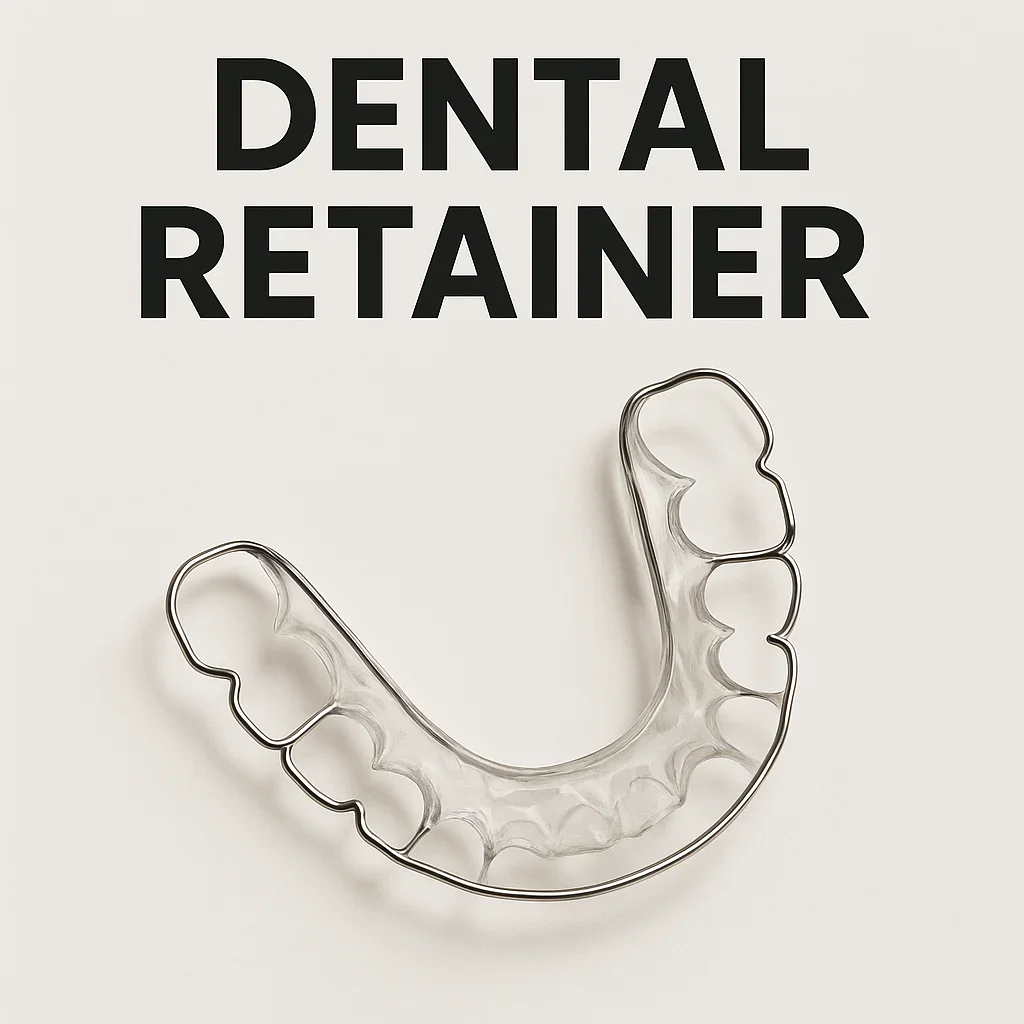
There are different forms of dental retainers, including removable and fixed ones. Removable retainers are usually made of clear plastic or acrylic and are easy to take out during eating or cleaning. On the other hand, fixed retainers consist of a thin wire bonded to the back of your teeth, offering a more permanent solution. Both serve the same purpose but cater to different needs and preferences. For example, a clear plastic retainer (like Essix retainers) is nearly invisible, making it ideal for individuals who prioritize aesthetics, while a fixed retainer provides continuous support for those who may forget to wear removable ones.
Wearing a dental retainer might seem inconvenient at first, but the benefits far outweigh the minor discomfort. It ensures your orthodontic investment pays off in the long run by preserving the smile you worked hard to achieve. Orthodontists usually recommend wearing retainers full-time for the first few months after treatment, then gradually reducing the wear to nighttime use. This transition period allows your jawbone to solidify around your newly aligned teeth, providing a stable foundation for years to come. The exact schedule depends on your case, so it’s crucial to follow your dentist’s or orthodontist’s personalized advice.
Maintaining proper hygiene is equally important. Bacteria and plaque can easily accumulate on your dental retainer, leading to bad breath, gum irritation, and even cavities. To avoid this, always clean your retainer daily using a soft toothbrush and non-abrasive cleanser. Avoid exposing it to hot water, which can warp its shape. For more advanced cleaning, you can use specialized tablets or a mild vinegar-water solution to remove buildup effectively. Consistent cleaning not only keeps the retainer hygienic but also extends its lifespan. 🌿
It’s also essential to store your dental retainer safely when not in use. Many people accidentally lose or damage their retainers by leaving them on napkins, countertops, or near pets. Always place your retainer in its protective case, ideally in a clean and dry environment. Losing a retainer can lead to teeth shifting quickly, especially in the first few months post-braces. Replacing a retainer can be costly, so protecting it is part of maintaining your orthodontic results.
Another key aspect of understanding a dental retainer is recognizing its role in oral health beyond alignment. A well-fitting retainer ensures that your bite remains functional, reducing the risk of jaw discomfort, uneven wear, and misalignment-related headaches. Over time, a stabilized dental structure promotes better chewing efficiency and overall oral wellness. Many orthodontists consider retention just as important as the active alignment phase, emphasizing that skipping this step can compromise long-term success. 💎
Patients who undergo orthodontic correction for crowding, gaps, or bite issues often ask how long they’ll need to wear their dental retainer. The truth is that retention is a lifelong commitment. While you may not need to wear your retainer all day forever, consistent nighttime wear helps maintain results indefinitely. Teeth naturally move throughout life due to factors like aging, grinding, and gum changes. A simple nightly routine with your retainer can prevent those shifts effortlessly and painlessly.
In summary, a dental retainer is the unsung hero of orthodontic treatment. It’s the bridge between achieving your dream smile and keeping it for decades to come. Proper care, consistent use, and regular dental checkups will ensure your retainer continues doing its job effectively. If you ever experience discomfort, cracking, or loosening of your retainer, contact your orthodontist immediately for adjustments. Maintaining communication with your dental care team is crucial for long-term oral success. For any concerns, you can reach out through the Redent Klinik Contact Page and get expert guidance. For professional guidelines, the American Dental Association also provides reliable information on orthodontic aftercare and retention methods.
By understanding and committing to your dental retainer, you’re taking the final step toward preserving your confident, healthy smile. So, wear it proudly — it’s your best ally in maintaining the beautiful results you’ve worked so hard to achieve! 😄
Types of Dental Retainers: Fixed, Removable, and Clear Options
After orthodontic treatment, the next step in preserving your new smile is choosing the right dental retainer. There’s no one-size-fits-all solution — each type has unique benefits, materials, and maintenance requirements. Understanding the differences among fixed, removable, and clear retainers will help you and your orthodontist decide which option best suits your dental structure, lifestyle, and personal preferences. 🦷
1. Fixed Dental Retainers: Permanent Stability for Your Teeth
A fixed dental retainer, also known as a bonded or permanent retainer, is a thin wire attached to the inner surface of your front teeth, typically on the lower jaw. It is secured using dental composite resin — the same material used in fillings — ensuring it stays firmly in place. Because it’s hidden behind your teeth, it’s virtually invisible from the outside, offering both functionality and aesthetics.
Fixed retainers are ideal for patients with a high risk of relapse, meaning their teeth are more likely to shift back after braces. Orthodontists often recommend this type for people who had significant crowding or spacing issues corrected. Since it stays in place 24/7, it provides continuous support, eliminating the risk of forgetting to wear a removable retainer.
However, a fixed dental retainer requires diligent oral hygiene. The wire can trap food particles and plaque, which can lead to gum inflammation or tartar buildup if not cleaned properly. Using a floss threader or an interdental brush is essential to reach the spaces around the wire. Regular dental checkups will ensure that the adhesive remains intact and the wire doesn’t loosen or break.
Advantages of Fixed Retainers:
- ✅ Continuous retention without needing daily insertion or removal.
- ✅ Hidden behind teeth — aesthetically pleasing and discreet.
- ✅ Ideal for patients prone to forgetting removable retainers.
Disadvantages of Fixed Retainers:
- ⚠️ Difficult to clean; may increase plaque buildup risk.
- ⚠️ Can occasionally break or detach, requiring repair by an orthodontist.
- ⚠️ Not suitable for all teeth arrangements, especially upper arches.
2. Removable Dental Retainers: Flexibility and Convenience
A removable dental retainer is designed to be taken out for eating, brushing, and cleaning. It’s the most common type and comes in two main versions: Hawley retainers and Essix retainers. Both serve the same purpose but differ in materials and appearance.
Hawley Retainers:
Hawley retainers are made of a sturdy acrylic base that sits against the roof of the mouth (or behind the lower teeth) and a metal wire that wraps around the front teeth. They are durable, adjustable, and long-lasting. Dentists can fine-tune them to correct minor tooth movements if necessary. The main drawback is their visibility — the wire across the front teeth is slightly noticeable.
Essix (Clear) Retainers:
Essix retainers are crafted from transparent plastic, similar to aligners used in Invisalign treatments. They fit snugly over the entire arch of teeth, making them nearly invisible. Patients love them for their aesthetic appeal and lightweight design. However, they are more prone to cracking or warping if exposed to heat or rough handling, so careful maintenance is key. 🌟
Regardless of the style, removable dental retainers offer flexibility for daily life. You can take them out while eating or during special occasions, ensuring comfort and convenience. But their effectiveness depends heavily on consistency. Forgetting to wear your retainer for even a few nights can lead to minor shifts in tooth position, which may eventually require professional realignment.
3. Clear Retainers: The Modern Aesthetic Choice
Clear retainers — often referred to as transparent or vacuum-formed retainers — have revolutionized post-orthodontic care. These custom-made appliances are designed using precise digital molds of your teeth. Their transparent nature makes them barely noticeable, offering a sleek and modern alternative for adults and teenagers alike.
Unlike traditional retainers, clear models such as Essix and Vivera (from Invisalign) are entirely made of BPA-free thermoplastic material. They’re smooth, comfortable, and designed to fit tightly, providing reliable retention with minimal irritation. Because they cover each tooth individually, they also act as a mild protective barrier, preventing enamel wear from nighttime grinding (bruxism). 😴
However, clear dental retainers require more frequent replacements. Over time, they can develop scratches, cloudiness, or looseness due to daily wear. Orthodontists usually recommend replacing them every 6 to 12 months for optimal hygiene and fit. They should always be cleaned with cold water and mild soap — never toothpaste, which can cause micro-abrasions on the surface.
Key Benefits of Clear Retainers:
- 🌈 Virtually invisible — ideal for adults and image-conscious individuals.
- 🌈 Comfortable fit due to customized molding.
- 🌈 Easy to wear and clean.
Potential Drawbacks:
- ❌ Can warp or discolor if exposed to heat.
- ❌ Not as durable as Hawley retainers.
- ❌ Requires careful daily cleaning to avoid odor or plaque buildup.
4. Choosing the Right Retainer for You
Selecting the ideal dental retainer depends on several factors — including your orthodontic history, lifestyle, and personal preferences. If you prefer a low-maintenance option that doesn’t rely on memory or discipline, a fixed retainer might be best. On the other hand, if you value flexibility and hygiene control, a removable or clear retainer could suit your needs better. Consulting your orthodontist will ensure you choose the most suitable and effective solution for maintaining your smile long-term. 🪥
Ultimately, the best dental retainer is the one that aligns with your habits and oral health goals. With proper care and consistent wear, it can preserve the alignment of your teeth for many years. For personalized advice or professional evaluation, you can contact Redent Klinik Contact Page. Additionally, for general guidelines on orthodontic appliances and oral care, visit the American Dental Association.
Whether fixed, removable, or clear, every dental retainer plays a vital role in preserving your smile. Understanding their differences helps you make an informed decision that ensures comfort, longevity, and the best possible dental health outcome. 🦷✨
How Long Should You Wear a Dental Retainer After Braces?
After months or even years of wearing braces, many patients look forward to finally seeing their straight, beautiful smile. However, orthodontic treatment doesn’t end the day your braces come off — that’s when the retention phase begins. A dental retainer plays a crucial role during this stage, ensuring your teeth remain in their new positions. The question that almost every patient asks is: How long should I wear my dental retainer after braces? The answer depends on multiple factors, including your age, the type of retainer, and the complexity of your orthodontic correction. 🦷
1. The Immediate Post-Braces Phase: Full-Time Wear Is Essential
When your braces are first removed, your teeth are not yet completely stable. The surrounding bone, gums, and connective tissues need time to adapt to the new alignment. For this reason, orthodontists typically recommend wearing your dental retainer full-time — around 20–22 hours per day — for the first 3 to 6 months after treatment. During this initial period, even minor neglect can lead to small tooth shifts that may require additional correction.
This intensive phase is vital because your teeth are still “memory-driven.” They tend to revert to their previous positions, especially if they were severely misaligned before treatment. Wearing your dental retainer consistently provides the necessary stabilization while the bone surrounding the teeth hardens in its new shape — a biological process known as bone remodeling.
Tips for Full-Time Retainer Wear:
- 🕐 Wear your retainer both day and night, removing it only when eating or brushing.
- 🪥 Clean it daily using mild soap and cold water to prevent bacterial buildup.
- 💧 Store it in its case when not in use — avoid wrapping it in tissue or napkins, as it can easily be thrown away by accident.
After the initial adjustment period, your orthodontist may evaluate how stable your teeth are and determine whether you can switch to nighttime wear only. However, the transition should always be gradual and guided by professional advice.
2. The Nighttime Wear Phase: Maintenance for Long-Term Stability
Once your teeth have settled, the retention phase moves into a maintenance mode. During this stage, most patients are advised to wear their dental retainer every night. This phase can last for several years — and in some cases, indefinitely. Teeth naturally shift as part of the aging process, and wearing a retainer nightly prevents unwanted movement and bite changes.
Many orthodontists now recommend lifetime nighttime wear because studies show that even well-aligned teeth can move with time. Wearing your dental retainer while you sleep ensures that your smile remains consistent and that your orthodontic investment continues to pay off throughout adulthood. In fact, many adults who stopped wearing their retainers for a few years later experience minor crowding or gaps — something that could have been easily prevented with consistent use.
Signs You Might Need to Increase Retainer Time:
- 😬 You notice tightness when putting your retainer on — an early sign of tooth movement.
- 🦷 Your bite feels slightly different or uneven.
- 📈 Small gaps or overlaps appear between your front teeth.
If you notice any of these issues, wear your dental retainer full-time again for a week or two and consult your orthodontist for a checkup. Quick action can often reverse minor shifts before they become more pronounced.
3. Retainer Duration by Type: Fixed vs. Removable
The length of time you’ll need to wear a dental retainer also depends on its type. Fixed retainers (bonded wires) typically remain in place for several years — sometimes permanently — because they provide continuous support. These are particularly useful for patients with a history of significant crowding or spacing.
Removable retainers, on the other hand, require more discipline. Orthodontists usually suggest a full-time wear period of at least 6 months, followed by nighttime use for several years. Even after that, occasional wear (a few nights a week) is recommended to maintain alignment. If you stop wearing it completely, even for a few months, you risk teeth movement that may necessitate re-treatment.
Recommended Retainer Schedules:
- Fixed Retainers: Continuous wear, typically 5–10 years or more, depending on stability.
- Removable Retainers: Full-time wear for 6 months, then nightly wear indefinitely.
4. Biological Factors Influencing Retainer Duration
Everyone’s teeth and bones respond differently after orthodontic treatment. Younger patients tend to experience faster stabilization due to more adaptable bone structures. Adults, however, may need to wear a dental retainer for a longer duration because their bones are denser and less malleable. Hormonal changes, teeth grinding (bruxism), and gum health can also impact how long you’ll need to maintain retainer use.
Additionally, patients with severe pre-treatment misalignment or bite issues are at higher risk of relapse. Orthodontists monitor these cases closely and often recommend indefinite nighttime retainer use to ensure optimal long-term results.
5. What Happens If You Stop Wearing Your Dental Retainer?
Stopping the use of your dental retainer too soon can undo all your hard work. Teeth naturally move due to everyday forces from chewing, speaking, and even tongue pressure. Within weeks of neglect, minor shifts can occur, and within months, noticeable misalignment may return. If you’ve stopped wearing your retainer and notice changes, visit your orthodontist promptly. In some cases, a new retainer can realign your teeth, but severe relapse may require another round of orthodontic treatment. 😔
6. Professional Monitoring and Replacement
Your orthodontist should evaluate your dental retainer during regular checkups. Retainers can wear out, crack, or lose their shape over time. Depending on usage and material, they may need replacement every 1–3 years. Fixed retainers should also be inspected periodically to ensure the bonding is intact and that plaque buildup is under control. Consistent professional monitoring prevents complications and guarantees that your retainer continues to perform effectively.
If you’re unsure about how long you should wear your retainer, schedule an appointment through the Redent Klinik Contact Page for a personalized evaluation. The American Dental Association also offers trusted recommendations on orthodontic retention and dental health maintenance.
In conclusion, there’s no universal timeline for how long to wear a dental retainer. For most patients, it’s a lifelong companion — particularly during sleep. With consistent use, proper hygiene, and regular dental supervision, you can enjoy the beautiful, well-aligned smile you worked so hard to achieve for many years to come. 🌙✨
How to Clean and Maintain Your Dental Retainer Properly
Keeping your dental retainer clean is one of the most important steps you can take to ensure long-term oral health and to preserve the quality of your orthodontic results. Since retainers come into direct contact with your teeth and saliva, they are highly susceptible to bacteria buildup, plaque, and odor if not properly maintained. Over time, neglecting retainer hygiene can lead to cavities, gum inflammation, and even infections. In this detailed guide, we’ll explain exactly how to clean, maintain, and protect your dental retainer so it remains fresh, durable, and effective. 🦷✨
1. Why Cleaning Your Dental Retainer Matters
Every time you wear your dental retainer, a thin biofilm of bacteria, food particles, and plaque can accumulate on its surface. This biofilm is similar to what causes tooth decay and gum disease. When not removed regularly, it hardens into tartar, which can irritate your gums and compromise your oral health. In addition, unclean retainers can develop unpleasant odors or a cloudy, discolored appearance.
Proper retainer cleaning is not just about aesthetics — it directly impacts your dental hygiene and the lifespan of the appliance. A well-maintained retainer can last for years, saving you from costly replacements and ensuring your teeth remain aligned. 💎
2. Daily Cleaning Routine for Removable Dental Retainers
Removable retainers, such as Hawley or Essix types, require daily cleaning just like your teeth. Ideally, you should clean your dental retainer every time you brush your teeth — in the morning and before bed. This prevents the buildup of harmful bacteria and calcium deposits.
Step-by-Step Daily Cleaning Method:
- Rinse Immediately After Removal: Always rinse your retainer with lukewarm water after taking it out. This removes saliva and prevents plaque from drying on the surface.
- Use a Soft Toothbrush: Gently brush your dental retainer using a soft toothbrush (different from your regular one). Avoid toothpaste, as its abrasives can scratch the material and create surfaces where bacteria can cling.
- Apply Mild Soap or Retainer Cleaner: Use unscented liquid soap or a special retainer cleaning solution. Avoid harsh chemicals or alcohol-based mouthwashes.
- Rinse Thoroughly: Make sure to rinse away all soap or cleaner residues with cool water before wearing it again.
Never use boiling or hot water to clean your dental retainer, as it can warp or distort the shape, rendering it ineffective. The retainer must fit precisely to maintain alignment.
3. Deep Cleaning Methods: Weekly or Biweekly Care
Even with daily brushing, microscopic bacteria can accumulate in tiny crevices of your dental retainer. To remove deep-seated residue, it’s essential to perform a deep clean once or twice a week.
Recommended Deep Cleaning Options:
- 🧼 Retainer Cleaning Tablets: Drop a tablet into a glass of water and soak your retainer for 10–15 minutes. This helps dissolve tough plaque and odor-causing bacteria.
- 🥣 Vinegar and Water Solution: Mix equal parts white vinegar and lukewarm water. Soak your retainer for 15–20 minutes, then brush gently and rinse thoroughly.
- 💧 Baking Soda Solution: Add one teaspoon of baking soda to a cup of water. This neutralizes odors and disinfects your dental retainer naturally.
- 🌿 Hydrogen Peroxide Mix: Combine one part hydrogen peroxide with one part water for occasional cleaning (no more than once per week) to prevent discoloration or weakening of plastic materials.
These deep-cleaning methods are effective at maintaining hygiene without damaging the structure or material of your dental retainer. Always remember to rinse thoroughly before putting it back in your mouth.
4. Cleaning Fixed Dental Retainers
Cleaning a fixed dental retainer (the type bonded behind your teeth) requires a different approach. Since these retainers cannot be removed, food particles and plaque can easily become trapped around the wire. Using the right tools ensures both your retainer and teeth remain healthy.
Best Tools for Fixed Retainer Hygiene:
- 🪥 Interdental Brushes: Tiny cone-shaped brushes that can slide under the wire to remove food debris and plaque.
- 🧵 Floss Threaders: Allow you to guide dental floss beneath the wire and between teeth for a thorough clean.
- 💨 Water Flossers: Devices like Waterpik can effectively flush out trapped particles around your fixed dental retainer without causing irritation.
It’s important to visit your orthodontist or dental hygienist regularly for professional cleanings. They can remove hardened calculus around your fixed retainer and ensure it remains properly bonded.
5. Avoid These Common Mistakes When Cleaning Your Retainer
To protect your dental retainer and extend its lifespan, avoid these damaging habits:
- 🚫 Don’t use toothpaste — it’s too abrasive and can scratch your retainer.
- 🚫 Don’t soak in mouthwash — alcohol and dyes can degrade plastic retainers.
- 🚫 Don’t leave your retainer exposed to direct sunlight or heat — it may warp or lose shape.
- 🚫 Don’t eat or drink (other than water) while wearing your retainer — this causes staining and bacteria growth.
Also, always store your dental retainer in a ventilated case when not in use. Keeping it in closed, wet containers can encourage bacterial growth. Likewise, never wrap it in tissues or napkins, as it can easily be thrown away accidentally — one of the most common reasons retainers are lost!
6. When to Replace Your Dental Retainer
Even with meticulous care, your dental retainer won’t last forever. Over time, the material may weaken, crack, or lose its fit. Removable retainers generally last 1–3 years, while fixed ones can last much longer with proper care. If your retainer feels loose, tight, or uncomfortable, it’s time for a replacement. Continuing to use a damaged retainer can lead to shifting teeth or irritation of the gums and inner cheeks.
Contact your orthodontist for a professional evaluation if you notice any changes. You can conveniently book an appointment through the Redent Klinik Contact Page. For general oral hygiene standards, the American Dental Association provides excellent resources on proper dental appliance care.
7. Maintaining Freshness and Comfort
To keep your dental retainer feeling and smelling fresh, practice these small daily habits:
- 🧊 Rinse before every insertion to remove debris and refresh your mouth.
- 🌿 Store it in a clean, ventilated case — never in plastic bags or sealed containers.
- 🪥 Clean your case regularly, as bacteria can accumulate inside it too.
Consistency is the secret to long-lasting results. Just as brushing and flossing are essential for your teeth, cleaning your dental retainer should be part of your everyday oral care routine. By doing so, you’ll protect your smile, prevent odor, and extend the life of your retainer for years. 😄
With proper cleaning and maintenance, your dental retainer will continue to safeguard your perfectly aligned teeth — ensuring your beautiful smile stays just as your orthodontist intended. 🪄✨
Common Problems with Dental Retainers and How to Fix Them
Even with proper care, wearing a dental retainer can sometimes come with challenges. From discomfort and fit issues to damage and hygiene concerns, these problems can affect your experience and even the success of your orthodontic treatment if not addressed promptly. Understanding the most common problems with retainers — and knowing how to fix them — will help you maintain a healthy, confident smile. Let’s explore the main issues patients face and how to solve them effectively. 🦷
1. Retainer Feels Tight or Uncomfortable
One of the most frequent concerns patients have after receiving their dental retainer is tightness or discomfort. This typically occurs when the retainer hasn’t been worn consistently, allowing the teeth to shift slightly. If you skip wearing your retainer for even a few days, you might notice it feels tighter than usual when you put it back on.
How to Fix It:
- 🕒 Wear your retainer as prescribed — usually full-time right after orthodontic treatment and nighttime afterward.
- 😬 If the retainer feels slightly tight but still fits, wear it more consistently to guide your teeth back into position.
- 🚫 If it causes pain or doesn’t fit at all, do not force it. Forcing a misfitting dental retainer can damage the appliance or your teeth. Instead, contact your orthodontist for adjustments or a replacement.
Tightness that doesn’t subside within a few days usually indicates minor shifting. The sooner you act, the easier it is to correct the issue without needing another round of orthodontic treatment.
2. Retainer Is Loose or Doesn’t Fit Properly
A loose dental retainer can’t properly hold your teeth in place, which may lead to gradual misalignment. This can happen if the retainer warps, cracks, or simply wears out over time. Additionally, changes in your bite or jaw alignment can affect how the retainer fits.
How to Fix It:
- 👩⚕️ Visit your orthodontist to have your retainer evaluated — they may be able to reshape or adjust it.
- 🧊 Never attempt to bend or heat-adjust your dental retainer at home. Plastic retainers can distort permanently with even mild heat exposure.
- 🆕 If it’s more than a few years old or damaged, replacement is often the safest option.
Remember that your teeth are in a delicate balance after orthodontic treatment. A perfectly fitting retainer ensures that balance is maintained, preventing relapses that might require further dental correction.
3. Cracked or Broken Retainer
Both removable and fixed dental retainers can crack due to physical stress, grinding, or accidental damage. Clear plastic retainers like Essix models are especially prone to cracking if dropped, chewed, or exposed to heat. Even a small crack can affect how the retainer fits and functions, allowing teeth to shift.
How to Fix It:
- 🔍 Inspect your retainer regularly for small cracks or weak spots.
- 🚫 Avoid using glue or home repair kits — they can introduce harmful chemicals or distort the shape.
- 📞 Schedule a replacement with your orthodontist immediately. Continuing to wear a damaged dental retainer can lead to tooth movement or gum irritation.
It’s wise to have a backup retainer if possible, especially if you travel often or are prone to losing or damaging them. Many orthodontists offer duplicate sets for this reason.
4. Difficulty Speaking or Increased Salivation
When you first start wearing your dental retainer, you may experience difficulty pronouncing certain words or find yourself producing more saliva than usual. This happens because your mouth perceives the retainer as a foreign object, and your tongue needs time to adjust.
How to Fix It:
- 🗣️ Practice speaking with your retainer in — reading aloud for 10–15 minutes daily helps your tongue adapt faster.
- 💧 Stay hydrated to manage excess saliva production.
- ⌛ Within a few days, your speech will return to normal as your mouth adjusts to the dental retainer.
This issue is temporary and part of the adaptation process. Patience and consistent wear are key to overcoming it quickly.
5. Bad Odor or Unpleasant Taste
One of the most unpleasant yet preventable problems is a foul odor or bad taste caused by bacterial buildup on your dental retainer. When not cleaned properly, retainers can harbor food particles, plaque, and bacteria, leading to halitosis (bad breath) and even infections.
How to Fix It:
- 🧼 Clean your retainer daily with a soft toothbrush and mild soap or retainer cleaner.
- 🥣 Soak it weekly in a vinegar or baking soda solution to remove deeper buildup.
- 🚿 Always rinse thoroughly with cool water before inserting it back into your mouth.
If odor persists even after cleaning, it might be time to replace your dental retainer, as older retainers can become porous, allowing bacteria to cling more easily.
6. Retainer Causing Mouth Sores or Irritation
Some patients report irritation on the tongue, gums, or cheeks due to their dental retainer. This can result from sharp edges, poor fit, or allergic reactions to materials. Fixed retainers can also cause gum inflammation if plaque builds up around the wire.
How to Fix It:
- 🩹 Apply orthodontic wax to rough or sharp areas temporarily.
- 🪥 Keep your retainer and mouth clean to prevent infection.
- 🧑⚕️ Visit your orthodontist to have edges smoothed or adjustments made for comfort.
In rare cases, persistent irritation could indicate an allergy to the retainer material. In such cases, your orthodontist can recommend an alternative material such as hypoallergenic acrylic or medical-grade plastic.
7. Lost or Misplaced Retainer
It’s surprisingly easy to misplace a dental retainer — especially removable ones. Many patients accidentally throw them away after wrapping them in napkins or leave them behind while eating out. Losing a retainer can be frustrating and costly, but quick action can prevent tooth movement.
How to Fix It:
- 📞 Contact your orthodontist immediately to order a replacement. Teeth can begin shifting within days of not wearing a retainer.
- 📦 Always carry your retainer case and use it consistently.
- 🔁 Consider ordering a backup retainer for emergencies.
Being consistent with your storage habits helps avoid this common problem altogether. Investing in a brightly colored or personalized retainer case makes it easier to keep track of. 🎨
8. Retainer Damage Due to Heat Exposure
Plastic retainers are especially vulnerable to heat. Leaving your dental retainer in a hot car, near a radiator, or soaking it in hot water can warp its shape. Even mild deformation makes it ineffective in holding teeth in position.
How to Fix It:
- 🌡️ Always clean with lukewarm or cool water.
- 🔥 Keep your retainer away from direct sunlight, dishwashers, and hot drinks.
- 🧊 If your retainer warps, replace it immediately — once misshaped, it cannot be repaired.
9. When to Seek Professional Help
While some minor dental retainer issues can be managed at home, professional help is crucial when you experience pain, breakage, or changes in fit. Ignoring these signs can cause misalignment, gum irritation, or bacterial infection. A qualified orthodontist can repair, adjust, or replace your retainer as needed. Regular checkups also ensure that your retainer continues to function as intended.
If you need professional assistance or a replacement, schedule a visit via the Redent Klinik Contact Page. The American Dental Association also offers valuable advice on proper retainer use and orthodontic aftercare.
In summary, while dental retainers are durable and effective, they require attention and care to remain in optimal condition. By recognizing early signs of wear or discomfort and taking prompt action, you can preserve your orthodontic results and enjoy a confident, healthy smile for life. 😄
Cost of Dental Retainers: Price Range and What Affects It
The cost of a dental retainer can vary widely depending on several factors, including the type of retainer, the materials used, your geographic location, and whether you need a replacement or a new fitting after orthodontic treatment. Understanding what goes into the price helps you make an informed decision while ensuring that you continue to protect your beautifully aligned smile. 🦷💰
Since wearing a dental retainer is a lifelong commitment for most patients, knowing the expected expenses and maintenance costs is essential. Whether you’re getting your first set after braces or replacing an old one, this guide covers everything — from average prices to cost-saving tips — to help you plan effectively.
1. Average Cost of Dental Retainers
The price of a dental retainer depends on the type you choose. Generally, removable retainers tend to be less expensive upfront but may require more frequent replacement, while fixed retainers have a higher initial cost but longer durability. Here’s an overview of the average price ranges in 2025 based on current global dental market trends:
Approximate Dental Retainer Price Chart (2025)
| Type of Retainer | Material | Average Cost (USD) | Longevity |
|---|---|---|---|
| Hawley Retainer | Acrylic + Metal Wire | $150 – $350 per arch | 5–10 years |
| Essix (Clear) Retainer | Transparent Plastic | $100 – $250 per arch | 1–3 years |
| Vivera Retainer (Invisalign) | Medical-grade Thermoplastic | $400 – $1,000 (set of 3–4) | 2–5 years per set |
| Fixed Retainer | Bonded Metal Wire | $250 – $600 per arch | 5–20 years |
These prices can differ depending on the clinic, the complexity of your treatment, and whether you’re having your retainer made in a dental lab or directly at an orthodontic clinic. Always ask your provider for a detailed cost breakdown to avoid surprises. For exact local pricing, you can contact Redent Klinik Contact Page.
2. Factors That Affect Dental Retainer Costs
Several variables can influence how much you’ll pay for your dental retainer. Understanding them can help you budget effectively and choose a retainer that fits both your dental needs and your financial comfort.
Material Quality and Type
Higher-quality materials, such as medical-grade thermoplastics or specialized hypoallergenic acrylics, come at a higher cost but offer greater comfort and durability. For instance, clear retainers made from premium materials are less likely to discolor or warp, whereas cheaper plastics may degrade faster.
Customization and Precision
Retainers crafted using digital 3D scans tend to be more expensive than traditional mold-based models. The precision ensures a perfect fit, minimizing discomfort and maximizing effectiveness — but the added technology raises production costs.
Clinic Reputation and Location
Dental clinics in major metropolitan areas or highly reputed orthodontic centers often charge higher fees for their expertise and advanced equipment. However, their results and follow-up care are usually more reliable, making them worth the investment. 🌆
Type of Retainer (Fixed vs. Removable)
Fixed retainers usually have a higher installation cost because they require bonding procedures and professional maintenance. Removable retainers, on the other hand, are cheaper initially but may need periodic replacement if lost or damaged.
Replacement and Follow-Up Appointments
Over time, you may need to replace your dental retainer due to wear and tear, loss, or fit issues. Replacement retainers typically cost between $100 and $300 each, depending on the model. Some orthodontists offer discounted packages that include multiple replacements (especially for clear retainers like Vivera).
3. Insurance and Payment Options
Many dental insurance plans partially cover the cost of a dental retainer, particularly if it’s deemed medically necessary after orthodontic treatment. However, coverage levels vary, and cosmetic cases are often excluded. To avoid surprises, check your plan details or speak with your provider before beginning treatment.
Typical Coverage Scenarios:
- 🩺 Orthodontic Coverage: Plans that include orthodontic benefits may cover 50–100% of the retainer cost after braces removal.
- 💸 Replacement Policy: Some plans cover replacements only once every 2–3 years.
- 🧾 Flexible Spending Accounts (FSA) or Health Savings Accounts (HSA): These can often be used to pay for retainers, saving you tax-free money.
If your insurance doesn’t cover the expense, many clinics offer financing or installment payment plans. Discuss payment flexibility during your consultation to avoid financial strain. 🪙
4. Cost Comparison: Dental Retainers Around the World
The cost of a dental retainer also varies significantly from country to country due to labor costs, materials, and economic conditions. Here’s a general overview:
- United States: $150–$600 per arch depending on type and location.
- United Kingdom: £100–£400 per arch for removable retainers.
- Europe (Germany, France, Spain): €120–€500 per arch on average.
- Turkey: $100–$250 per arch, with premium clinics like Redent Klinik offering high-quality retainers at competitive prices.
- Australia & Canada: AUD $200–$700 per arch.
Many patients opt for dental tourism in countries such as Turkey, where clinics provide top-tier orthodontic care, professional-grade dental retainers, and significant savings compared to Western Europe or North America — often at 50–70% lower prices.
5. How to Save Money Without Sacrificing Quality
Choose the Right Retainer for Longevity
While clear retainers are visually appealing, Hawley retainers often last longer and can be adjusted if teeth shift slightly — potentially saving you money in the long run.
Ask for Multi-Pack Deals
Some clinics offer multi-retainer packages (e.g., three clear retainers for a reduced price). These deals are especially helpful if you tend to lose or damage retainers frequently.
Proper Maintenance Saves Replacement Costs
Cleaning and storing your dental retainer properly prevents cracks, warping, and bacteria buildup. By extending its life, you avoid premature replacements and unexpected expenses.
6. When Paying More Is Worth It
Cheaper is not always better when it comes to retainers. A low-quality dental retainer may fit poorly, discolor quickly, or fail to maintain your teeth alignment, leading to costly orthodontic corrections later. Investing in a professionally made, durable retainer ensures both comfort and effectiveness.
If you’re uncertain which option is best for your case and budget, it’s wise to consult a professional. You can book an evaluation through the Redent Klinik Contact Page for tailored advice. For general guidelines, the American Dental Association offers comprehensive information on orthodontic aftercare and dental appliance value.
Ultimately, the cost of a dental retainer is an investment in maintaining your smile for life. With proper care, the right materials, and guidance from a trusted dental expert, you can ensure that your orthodontic results — and your confidence — last for many years. 😄💎
The Role of Dental Retainers in Long-Term Teeth Alignment
After braces or aligner treatment, many patients believe their smile will remain perfect forever — but in reality, maintaining that alignment requires continuous care. The dental retainer plays a crucial role in this process. It’s not just a finishing step but a lifelong companion that ensures your teeth stay in their corrected positions. Without consistent retainer use, teeth naturally shift due to biological and environmental factors, undoing months or years of orthodontic work. In this section, we’ll explore how dental retainers protect your smile over time and why they’re essential for long-term oral stability. 🦷
1. Why Teeth Naturally Shift Over Time
Even after successful orthodontic treatment, teeth are never entirely static. The tissues that surround them — including the gums, periodontal ligaments, and jawbone — are dynamic and constantly changing. These structures respond to pressure from chewing, swallowing, and even breathing. Over time, these micro-movements can cause your teeth to drift from their perfectly aligned positions.
The dental retainer acts as a stabilizing force, countering these natural tendencies. It holds your teeth in place until the surrounding bone hardens in their new alignment — a process known as bone remodeling. Without this reinforcement, teeth may start to relapse within weeks, especially during the first few months post-treatment when the bone is still soft.
Common Causes of Post-Treatment Shifting:
- 🦷 Pressure from biting, chewing, and daily activities.
- 🪥 Natural aging, leading to bone density changes and gum recession.
- 😬 Teeth grinding (bruxism), which exerts uneven forces on the teeth.
- 🗣️ Tongue thrusting or improper swallowing habits.
- 💤 Sleep position or pressure from oral habits like nail-biting.
Even the healthiest patients experience small movements over the years. This is why orthodontists emphasize that wearing a dental retainer — especially at night — is a lifelong habit, not a temporary task.
2. How a Dental Retainer Supports Long-Term Stability
A dental retainer serves as a mechanical support system that holds teeth in their corrected alignment. It maintains the balance between the soft tissues (like gums and ligaments) and the hard structures (teeth and bone). During the retention phase, the retainer allows your jawbone to stabilize around the new tooth positions, essentially “locking in” your results.
Over time, this stabilization helps prevent common post-orthodontic problems such as crowding, spacing, and bite misalignment. The key lies in consistent and correct use of your retainer as advised by your orthodontist. Ignoring this phase can lead to relapse — where teeth slowly return to their pre-treatment positions — often requiring additional orthodontic intervention.
Scientific Insight:
Research published by the American Dental Association shows that 70–80% of patients experience some degree of relapse if they discontinue retainer use within the first year after orthodontic treatment. This statistic highlights how vital dental retainers are for preserving results long-term.
3. Fixed vs. Removable Retainers in Long-Term Alignment
Different types of retainers provide varying levels of stability over time. Understanding their long-term benefits helps patients choose the most effective option for their needs.
Fixed Retainers:
Fixed retainers, bonded behind the front teeth, are particularly effective for maintaining long-term alignment. Because they remain in place 24/7, they continuously prevent unwanted movement. They’re ideal for individuals who may forget to wear removable retainers regularly. However, they require thorough oral hygiene to prevent plaque buildup around the bonded wire.
Removable Retainers:
Removable retainers, such as Essix or Hawley models, offer flexibility and convenience. They must be worn as directed — typically nightly — to sustain alignment. Their effectiveness depends entirely on the wearer’s consistency. Clear retainers are aesthetically appealing and easy to clean but must be replaced more frequently due to wear and tear.
4. The Biological Importance of Wearing a Retainer
Your dental retainer is not just a mechanical tool; it assists in the biological adaptation process. When teeth are moved during orthodontic treatment, the surrounding bone and ligaments must remodel to accommodate new positions. This process takes time — often up to a year or more. Retainers maintain stability while this remodeling occurs, giving the tissues time to adapt naturally.
Even after full adaptation, external factors such as aging, hormonal changes, and tooth wear can influence alignment. Continued use of your dental retainer ensures your smile remains symmetrical and stable throughout your life. 🌙
5. Consequences of Not Wearing Your Retainer
Neglecting to wear your dental retainer can lead to gradual or sudden relapse. In mild cases, you may notice tightness or minor shifting; in severe cases, your teeth may return to their pre-treatment positions. This can undo years of orthodontic work and require costly realignment.
Signs of Relapse:
- 😬 Tight or painful fit when inserting your retainer.
- 🦷 Noticeable crowding, especially in the lower front teeth.
- 📉 Changes in bite alignment or chewing comfort.
If you experience any of these issues, contact your orthodontist immediately. Sometimes, returning to full-time wear can correct minor shifts, but significant relapse often requires new treatment.
6. Lifelong Benefits of Retainer Use
Wearing a dental retainer isn’t just about maintaining aesthetics; it provides long-term oral health benefits. Stable teeth are easier to clean, reducing the risk of cavities and gum disease. Proper alignment also improves bite efficiency, minimizing stress on the jaw and preventing conditions like TMJ disorders. Moreover, maintaining straight teeth enhances self-confidence and ensures that your smile remains a lifelong asset. 😄
7. Tips for Maintaining Long-Term Alignment
- 🌙 Wear your retainer nightly for as long as your orthodontist recommends — ideally, indefinitely.
- 🧼 Clean your dental retainer daily to prevent bacteria buildup.
- 🦷 Attend regular dental checkups to monitor the fit and condition of your retainer.
- 🔁 Replace worn-out or cracked retainers promptly to maintain effectiveness.
- 📞 Contact your orthodontist at the first sign of shifting teeth.
Consistency is key. Think of your dental retainer as an insurance policy for your smile — a small nightly commitment that preserves your investment and ensures your orthodontic success lasts a lifetime.
8. When to Seek Professional Help
If your retainer becomes loose, broken, or uncomfortable, it’s essential to address the problem immediately. Continuing to wear a damaged dental retainer can cause uneven pressure, leading to tooth movement or gum irritation. Schedule an appointment through the Redent Klinik Contact Page for a professional evaluation or replacement.
Ultimately, the long-term success of your orthodontic treatment depends not only on your braces or aligners but also on your commitment to retention. With regular use, maintenance, and professional oversight, your dental retainer will keep your teeth perfectly aligned for years to come. 🌟
Comparing Dental Retainers vs. Aligners: Key Differences
Modern orthodontics offers two popular appliances that often get confused — dental retainers and aligners. Although they may look similar, they serve entirely different purposes. Aligners are used to move teeth into their ideal positions, while retainers are designed to keep them there after treatment. Understanding the difference between these two can help you make informed decisions about your orthodontic journey and long-term dental health. 🦷
1. Purpose: Movement vs. Maintenance
The most fundamental difference between aligners and dental retainers lies in their purpose. Aligners, such as Invisalign, are active orthodontic devices designed to gradually shift teeth over time. They apply gentle pressure to guide teeth into new positions according to a customized treatment plan created by your orthodontist.
In contrast, a dental retainer serves as a stabilizing tool once treatment is complete. Its job is to prevent your teeth from moving back to their original positions — a process known as relapse. Think of it this way: aligners are for creating alignment, while retainers are for preserving it.
Key Comparison:
| Feature | Aligners | Dental Retainers |
|---|---|---|
| Primary Function | Move teeth into alignment | Maintain teeth alignment after treatment |
| Duration of Use | 6–24 months (depending on case) | Lifelong (mostly during nights) |
| Material | Medical-grade thermoplastic | Acrylic, metal, or clear plastic |
| Adjustment Frequency | Changed every 1–2 weeks | Replaced every few years (if damaged) |
| Cost Range | $2,000 – $8,000 (full treatment) | $100 – $600 per arch |
2. Design and Materials Used
While both appliances can be transparent and removable, their construction differs. Aligners are made using advanced 3D printing technology, designed to apply progressive pressure to teeth. Each new set of aligners slightly modifies the shape, encouraging teeth to move into better alignment gradually.
A dental retainer, however, doesn’t apply active force. It’s crafted from durable acrylic or clear thermoplastic designed to fit perfectly over your teeth in their final, corrected position. Fixed retainers use a thin metal wire bonded to the back of the teeth, ensuring permanent retention without daily removal. Clear retainers (like Essix or Vivera) are molded after treatment completion and meant purely to hold the teeth still.
Common Materials:
- 🧊 Aligners: BPA-free thermoplastic designed for flexibility and movement.
- 💎 Dental Retainers: Acrylic, clear plastic, or stainless steel, chosen for durability and stability.
Because aligners go through multiple stages of replacement, their materials are optimized for short-term use, whereas retainers are built for long-term wear. 🌟
3. Duration and Wearing Schedule
Aligners must be worn 20–22 hours per day throughout the active treatment phase. Each set is replaced every one to two weeks as teeth gradually move. In contrast, after completing orthodontic treatment, a dental retainer is worn full-time initially (typically for 3–6 months) and then only at night to maintain the achieved alignment.
In short, aligners are a temporary phase with frequent replacements, while retainers become a lifelong part of your oral care routine. Consistent nighttime retainer use is essential — skipping even a few nights can lead to slight shifting, which might undo months of effort. 😬
4. Cost Comparison and Maintenance
Aligners are significantly more expensive because they include the entire orthodontic treatment process, from digital scans to professional supervision and multiple sets of trays. The cost of clear aligner treatment can range from $2,000 to $8,000 depending on the complexity of the case and location.
Meanwhile, a dental retainer costs far less, typically ranging from $100 to $600 per arch. However, since they may need periodic replacement, patients should plan for long-term upkeep. Maintenance costs are minimal if the retainer is cleaned and stored properly.
Maintenance Tips:
- 🪥 Brush both aligners and retainers gently with a soft toothbrush and mild soap — avoid toothpaste to prevent scratching.
- 💧 Store them in protective cases when not in use to avoid loss or contamination.
- 🧼 Clean aligners daily to avoid plaque buildup, and deep clean your dental retainer weekly with a special cleansing tablet or vinegar solution.
Proper care ensures the longevity and hygiene of both devices. Neglecting cleaning can lead to discoloration, odors, and bacterial accumulation, which compromise your oral health. 😷
5. Comfort and Aesthetic Differences
Both aligners and dental retainers are designed with comfort in mind, but their experiences differ slightly. Aligners must fit tightly to apply pressure and move teeth, which can cause mild discomfort at the start of each new tray. Retainers, on the other hand, are more passive — they simply hold teeth in place, so they feel more comfortable to wear over time.
When it comes to appearance, both clear aligners and retainers are discreet and nearly invisible. However, traditional Hawley retainers with a metal wire across the front are more noticeable. Patients who prioritize aesthetics often prefer clear retainers or fixed retainers, which are hidden behind the teeth. 🌈
6. Professional Monitoring and Adjustments
Aligner treatments require regular orthodontic checkups to monitor tooth movement and ensure treatment is progressing as planned. Your dentist may adjust the sequence, add attachments, or provide refinements for accuracy. In contrast, dental retainers require less frequent visits, but periodic evaluations (every 6–12 months) are still recommended to check for proper fit and cleanliness.
Over time, a dental retainer may need minor adjustments or replacement if it becomes loose or warped. Orthodontists can easily refit or create new models based on updated dental impressions or digital scans.
7. Long-Term Oral Health Benefits
Both aligners and retainers contribute to long-term oral health but in different ways. Aligners correct misalignments, improving bite function and reducing risks of uneven tooth wear or jaw discomfort. After alignment, the dental retainer preserves those improvements by preventing regression. Together, they create a lifetime of balance, functionality, and aesthetic appeal.
Moreover, keeping your teeth straight makes them easier to clean, minimizing plaque buildup and gum disease risks. Retainers specifically ensure that your investment in orthodontics continues to protect both the health and appearance of your smile. 💎
8. Which One Do You Need?
If your goal is to straighten your teeth, aligners are the right choice. But if you’ve already completed orthodontic treatment and want to maintain your results, a dental retainer is essential. Most orthodontic journeys actually involve both — first aligners, then retainers — ensuring long-lasting perfection.
For expert evaluation and personalized recommendations, visit the Redent Klinik Contact Page. The American Dental Association also provides helpful information on orthodontic appliance care and usage.
In conclusion, while both aligners and dental retainers play vital roles in orthodontic success, they function at different stages. Aligners create your dream smile; retainers preserve it for life. By understanding their differences, you can appreciate the importance of each and ensure your smile remains straight, confident, and healthy for years to come. 😁
How to Choose the Best Dental Retainer for Your Lifestyle
Selecting the right dental retainer is a critical step in preserving the results of your orthodontic treatment. With various types available — each offering unique benefits, comfort levels, and maintenance needs — choosing the right one depends on your personal habits, oral health condition, and lifestyle. A well-chosen retainer not only maintains perfect alignment but also fits seamlessly into your daily routine without discomfort or inconvenience. 🦷✨
1. Understanding the Different Types of Dental Retainers
Before making a decision, it’s essential to understand the main categories of dental retainers. Each type has specific advantages that make it suitable for different lifestyles and preferences. Let’s explore the main options:
Fixed (Permanent) Retainers
Fixed retainers consist of a thin wire bonded to the back of the front teeth. They remain in place 24/7, making them ideal for patients who prefer not to worry about inserting or removing their retainer daily. They are often recommended for lower front teeth, where relapse is most common. While fixed retainers offer constant support, they require meticulous oral hygiene to prevent plaque accumulation around the wire.
- ✅ Best for: People who may forget to wear removable retainers.
- 🪥 Maintenance: Requires careful brushing and flossing with threaders.
- 💪 Longevity: Can last up to 10–20 years with proper care.
Removable Retainers
Removable retainers can be taken out during eating, brushing, or special occasions. The two most popular types are Hawley retainers and Essix (clear) retainers.
- Hawley Retainer: Made from acrylic and metal wire, durable and adjustable.
- Essix Retainer: Transparent, made of plastic, nearly invisible, but prone to wear.
Removable dental retainers are more flexible and comfortable for everyday wear but demand responsibility — forgetting to wear them regularly may lead to relapse.
2. Factors to Consider When Choosing a Retainer
The best dental retainer for you depends on multiple factors. Each patient’s needs and lifestyle are unique, so your decision should reflect both comfort and functionality. Here are the most important aspects to consider:
Comfort and Fit
Comfort is crucial since you’ll be wearing your retainer for years. Clear retainers like Essix models fit snugly over the teeth, providing a natural feel. However, they can become tight if not worn consistently. Hawley retainers offer a looser fit but may initially affect speech. Try to balance comfort with durability and convenience.
Visibility and Aesthetic Preference
If appearance matters to you — for instance, if you frequently meet clients or work in public settings — a clear dental retainer may be the best option. These are almost invisible and offer a clean, aesthetic look. Fixed retainers are also discreet since they’re bonded behind the teeth and remain completely hidden from view.
Durability and Maintenance
Durability varies depending on the material. Hawley retainers can last up to 10 years with proper care, while clear retainers generally need replacement every 1–3 years. If you lead an active lifestyle or tend to misplace items, consider fixed retainers for long-term reliability. Removable models, while more convenient, are prone to cracking or loss if mishandled.
Ease of Cleaning
Maintaining hygiene is vital for all types of dental retainers. Removable retainers should be cleaned daily with mild soap or a retainer cleaner, while fixed ones require special flossing techniques. If you struggle with detailed cleaning routines, a removable retainer may be easier to manage.
3. Matching Your Retainer to Your Lifestyle
Your lifestyle plays a significant role in determining which dental retainer will suit you best. Below are practical examples of matching retainers to different daily habits:
Busy Professionals
Professionals who value convenience and aesthetics often prefer clear retainers. They are invisible and easy to wear during meetings or presentations. However, ensure you clean them daily to maintain a crystal-clear appearance.
Active Individuals or Athletes
For people who play sports or engage in physical activities, removable retainers are ideal because they can be taken out during high-contact sports. If you’re prone to losing small items, fixed retainers are safer since they stay in place permanently.
Teens and Students
Teenagers may struggle to remember wearing removable retainers, so orthodontists often recommend fixed options to ensure compliance. However, clear retainers can also work if supervised and monitored regularly. 🎓
4. Cost and Longevity
Budget can influence your choice of dental retainer. Fixed retainers generally cost more initially ($250–$600 per arch), but they require less frequent replacement. Clear retainers are cheaper ($100–$300 per arch) but may need renewal every couple of years. Hawley retainers fall in between, balancing affordability and durability.
Since dental retainers are a long-term investment, always factor in maintenance costs. Some clinics, such as Redent Klinik Contact Page, offer multi-pack deals or retainer insurance to make upkeep more affordable.
5. Common Mistakes When Choosing a Retainer
Choosing Based Only on Price
While cost matters, selecting the cheapest option without considering longevity and comfort can lead to more expenses later. A poor-fitting dental retainer may cause tooth movement or break easily.
Ignoring Lifestyle Habits
Someone who travels often may lose removable retainers easily, while individuals who grind their teeth at night may need a thicker, reinforced version to prevent damage.
Neglecting Professional Advice
Always consult your orthodontist before deciding. They’ll assess your dental structure, oral hygiene, and lifestyle habits to recommend the most effective dental retainer for you. 🩺
6. Professional Guidance and Customization
Custom retainers made using 3D scans or impressions offer a perfect fit, minimizing discomfort and maximizing retention. At clinics that specialize in orthodontics, digital design ensures precision and comfort tailored to your specific bite. Personalized dental retainers also reduce the risk of irritation and slippage compared to generic, one-size-fits-all models.
Clinics like Redent Klinik use advanced scanning technologies to create highly accurate retainers that match your dental anatomy. This ensures maximum stability and minimal adjustment over time. For authoritative information on orthodontic materials and retainer safety, visit the American Dental Association.
7. Final Recommendations
Choosing the right dental retainer means finding a balance between convenience, aesthetics, durability, and comfort. Here’s a quick summary to guide your choice:
- 🦷 Fixed retainers: Best for forgetful users or those who prefer a “set-and-forget” approach.
- 💎 Clear retainers: Best for professionals and image-conscious individuals.
- 🎯 Hawley retainers: Best for long-term durability and minor adjustability.
No matter which you choose, consistency is key. Wearing your dental retainer as prescribed and maintaining proper hygiene will ensure your smile remains straight, healthy, and radiant for decades. 🌟
For personalized consultation, book an appointment through the Redent Klinik Contact Page and let experts help you find the perfect fit for your lifestyle.
Expert Tips from Dentists for Retainer Care and Maintenance
Keeping your dental retainer in perfect condition is vital to maintaining the alignment of your teeth and ensuring your smile lasts a lifetime. Even though retainers are small and simple devices, their effectiveness depends heavily on how well you clean, store, and handle them daily. 🦷 In this section, we’ll explore professional dentist-approved strategies for cleaning, storing, and maintaining your dental retainer to maximize its lifespan and preserve your oral health.
1. Daily Cleaning Habits for Optimal Hygiene
Every dentist emphasizes that cleanliness is key when it comes to dental retainer maintenance. Since retainers sit directly against your teeth and gums, they collect food debris, saliva, and bacteria — all of which can lead to plaque buildup, bad odor, or even infections if neglected. Proper daily cleaning ensures that your retainer stays clear, odor-free, and safe for use.
How to Clean Removable Retainers
- 🪥 Use a soft-bristled toothbrush and mild soap or non-abrasive toothpaste to gently scrub the surface of your dental retainer.
- 💧 Rinse thoroughly with cool water after each use — never use hot water, as it can warp the retainer’s shape.
- 🧼 Once a week, soak the retainer in a specialized cleaning solution or a mix of vinegar and baking soda to remove deep-seated residue.
For clear plastic retainers like Essix or Vivera, avoid using colored mouthwashes, as the dyes may stain the plastic. Instead, opt for a retainer cleaning tablet dissolved in lukewarm water for 15–20 minutes once per week.
How to Clean Fixed Retainers
- 🧵 Use floss threaders or water flossers to remove debris between teeth and under the bonded wire.
- 🪥 Brush along the gum line using a soft toothbrush to prevent plaque buildup.
- 🦷 Visit your dentist or hygienist regularly for professional cleanings to ensure the area around your fixed dental retainer stays healthy.
Regular cleaning not only keeps your retainer hygienic but also prevents oral health issues like gingivitis and cavities caused by trapped bacteria.
2. Proper Storage Techniques
Improper storage is one of the leading causes of retainer damage or loss. Many patients accidentally throw away their dental retainer by wrapping it in a napkin during meals or leaving it in unsafe places. To avoid this, always store it in a ventilated, durable case designed specifically for retainers.
Storage Best Practices:
- 🎒 Always carry your retainer case with you — whether at work, school, or while traveling.
- 🌬️ Choose a case with small ventilation holes to prevent moisture buildup, which encourages bacteria growth.
- 🚫 Never leave your dental retainer exposed to direct sunlight, near heat sources, or in your pocket without a case — heat and pressure can deform it permanently.
- 🐶 Keep your retainer away from pets — dogs, in particular, are known to chew on them due to the scent of saliva.
By establishing a consistent storage routine, you’ll protect your retainer from damage and contamination, ensuring it lasts as long as possible.
3. Avoiding Common Mistakes
Even the most responsible patients make occasional mistakes when caring for their dental retainer. Understanding these errors — and how to prevent them — can save you time, money, and discomfort.
Top Mistakes to Avoid:
- 🔥 Cleaning with hot water — this can warp or shrink your retainer, making it unusable.
- 🦷 Using abrasive toothpaste — it scratches clear retainers, causing them to look cloudy and trap bacteria.
- ☕ Drinking coffee, tea, or wine while wearing your retainer — these cause stains and odors.
- 🚫 Skipping nightly wear — even a few missed nights can allow your teeth to shift subtly.
Dentists recommend setting a daily routine and using visual reminders or phone alerts to make retainer care second nature. 😄
4. Handling and Replacement Guidelines
Despite proper care, your dental retainer will eventually wear out and need replacement. The replacement timeline depends on the type of retainer, how often you wear it, and how well it’s maintained. On average, clear retainers last 1–3 years, while Hawley retainers can last up to a decade with good care. Fixed retainers, if maintained properly, can last 10–20 years.
When to Replace Your Retainer:
- Cracks, chips, or visible damage.
- Loose fit or discomfort when worn.
- Persistent odor or discoloration that doesn’t improve with cleaning.
If your retainer becomes damaged, don’t try to fix it yourself — adhesives or heat can permanently alter its fit. Instead, schedule a professional check-up or replacement through your orthodontist or at trusted clinics like Redent Klinik.
5. Professional Dentist Recommendations
Leading orthodontic experts and the American Dental Association emphasize the importance of regular dental visits to ensure your retainer continues functioning properly. During checkups, your dentist can:
- 🧑⚕️ Inspect your dental retainer for damage or wear.
- 🩺 Check for shifting teeth or gum irritation.
- 🔁 Adjust your retainer for comfort and effectiveness.
Additionally, dentists recommend keeping a backup retainer in case of emergencies. Having an extra one ensures that you don’t go without it while waiting for a repair or replacement — preventing potential relapse in alignment.
6. Maintaining Fresh Breath and Oral Health
Proper retainer care not only keeps your device clean but also promotes fresh breath and overall oral hygiene. A poorly cleaned dental retainer can become a breeding ground for bacteria that cause halitosis, gum inflammation, and enamel damage.
To Maintain Oral Health:
- 🪥 Brush and floss thoroughly before inserting your retainer each night.
- 🥤 Rinse your mouth and retainer with cool water after every meal.
- 🍃 Use alcohol-free mouthwash to maintain freshness without damaging plastic materials.
Following these steps daily will help ensure your dental retainer remains fresh, odor-free, and effective.
7. Long-Term Care and Monitoring
Maintaining your retainer is a lifelong commitment. Your mouth and bone structure continue to change subtly with age, meaning your dental retainer may need periodic adjustments. Regular dental visits (every six months) help identify early signs of shifting or fit changes before they become noticeable problems.
For long-term success, treat your retainer as part of your daily hygiene routine — just like brushing and flossing. Many patients who develop strong habits early rarely face alignment issues later in life. 🕒
8. Environmental and Travel Tips
If you travel frequently, plan ahead for your retainer care. Pack a portable cleaning kit, including a mini toothbrush, soap, and a ventilated case. Avoid leaving your dental retainer in hot vehicles or hotel bathrooms with direct sunlight. For eco-conscious users, biodegradable cleaning tablets and bamboo toothbrushes can help reduce plastic waste without compromising cleanliness.
9. Summary: A Healthy Smile for Life
Consistent maintenance of your dental retainer guarantees long-term results from your orthodontic treatment. By combining proper cleaning, storage, and regular dental visits, you protect your investment and enjoy a bright, confident smile for years to come. 🌟
For professional guidance, retainer adjustments, or customized care, schedule a visit via the Redent Klinik Contact Page. You can also explore expert recommendations on retainer hygiene and materials through the American Dental Association.
Remember: your dental retainer is more than just a device — it’s the key to preserving your smile and confidence for a lifetime. 😁