
When it comes to oral health, many people wonder about the difference between an orthodontist and dentist. Both professionals are dedicated to keeping your smile healthy and beautiful 😁, but their expertise, training, and treatment focus vary significantly. Understanding these differences helps you make better decisions for your dental care and ensures that you receive the most appropriate treatment for your needs.
A dentist is a general oral healthcare provider who focuses on the prevention, diagnosis, and treatment of common dental problems such as cavities, gum disease, and tooth decay. They are your first point of contact for regular check-ups, cleanings, and fillings. Dentists also educate patients on maintaining proper oral hygiene and can detect early signs of more serious dental issues. In short, dentists keep your mouth healthy and prevent small problems from becoming major ones.
An orthodontist, on the other hand, is a dental specialist who focuses on correcting misaligned teeth and jaws. They deal with issues such as crooked teeth, bite irregularities, overbites, and underbites. Orthodontists use tools like braces, aligners (such as Invisalign), and retainers to improve both function and aesthetics. If you’ve ever wanted a perfectly straight smile, an orthodontist is the professional who makes it happen.
Both an orthodontist and dentist graduate from dental school, but an orthodontist completes additional years of specialized training—typically two to three more years—focused exclusively on alignment and bite correction. This advanced education equips orthodontists with a deep understanding of facial growth and dental movement, allowing them to design customized treatment plans that ensure long-term results.
One of the most important distinctions between an orthodontist and dentist is their scope of work. While dentists focus on general oral health, orthodontists specialize in dental alignment and facial balance. For example, if you have cavities or gum inflammation, your dentist will treat those issues. However, if your teeth are crowded or your bite feels off, you’ll be referred to an orthodontist. This division of expertise ensures that patients receive care from the most qualified professional for their specific condition.
Another crucial difference lies in the diagnostic tools and technologies they use. Dentists typically use X-rays, intraoral cameras, and dental probes to examine teeth and gums. Orthodontists, however, often rely on 3D imaging, digital scans, and cephalometric X-rays to assess bone structure and tooth alignment precisely. These advanced diagnostic tools allow orthodontists to plan treatments that not only improve appearance but also enhance functionality.
In some cases, both professionals work together to ensure complete oral health. For instance, before starting orthodontic treatment, patients may need dental cleanings, fillings, or even extractions. In such scenarios, the orthodontist and dentist collaborate to coordinate the sequence of treatments. This teamwork guarantees that your teeth are healthy and ready for alignment procedures. You can easily consult both experts by visiting the Redent Klinik Contact Page to book an appointment with specialists who can guide you through the process.
It’s also essential to understand that while both an orthodontist and dentist aim to improve your smile, their approaches differ. Dentists concentrate on maintaining tooth integrity and preventing decay through regular checkups, cleanings, and restorative work. Orthodontists, however, focus on movement—using controlled pressure to shift teeth gradually into ideal positions. This process not only improves appearance but also enhances bite efficiency, speech clarity, and jaw function. In fact, correcting misalignment can even help prevent long-term oral health problems such as uneven wear and temporomandibular joint (TMJ) disorders.
Visiting both an orthodontist and dentist regularly can significantly improve your oral health. Dentists generally recommend biannual visits for cleanings and examinations, while orthodontic visits are scheduled based on your treatment plan, typically every 4–8 weeks. Maintaining both types of appointments ensures that your teeth remain healthy, strong, and properly aligned throughout life.
Modern orthodontic and dental care has evolved remarkably thanks to technological innovations. Today, digital impressions, laser treatments, and invisible aligners make procedures faster, more comfortable, and more efficient than ever before. For example, clear aligners provide a nearly invisible way to correct crooked teeth without the discomfort or visibility of traditional metal braces. Meanwhile, dentists can use advanced laser systems to remove decay with minimal pain and faster healing.
It’s worth noting that the collaboration between an orthodontist and dentist is not just about treatment—it’s about prevention, too. Proper alignment of teeth reduces the risk of cavities, plaque buildup, and gum disease. When teeth are correctly positioned, brushing and flossing become more effective, which directly contributes to long-term oral health. This is why combining regular dental checkups with orthodontic evaluations is the most efficient way to maintain a confident, radiant smile 😃.
Finally, both professions are guided by strict ethical and clinical standards. Trusted organizations such as the American Dental Association (ADA) and the American Association of Orthodontists (AAO) establish guidelines that ensure quality, safety, and patient-centered care. By following these standards, both dentists and orthodontists uphold the highest levels of professionalism in modern dentistry.
In conclusion, understanding the roles of an orthodontist and dentist empowers patients to make informed decisions about their oral health. While your dentist keeps your teeth clean and healthy, your orthodontist aligns your smile for both beauty and function. Together, they form a powerful partnership dedicated to preserving your confidence and overall well-being—one smile at a time. 🌟
What Does an Orthodontist Do? Comprehensive Role Explained
An orthodontist and dentist may seem similar at first glance, but the orthodontist’s specialization focuses specifically on the alignment and harmony of your teeth and jaws. Orthodontists are the architects of your smile 😁 — they design, plan, and execute treatment strategies that result in straight teeth, balanced bites, and facial symmetry. While a dentist helps maintain overall oral health, an orthodontist ensures that your teeth fit together perfectly for both function and aesthetics.
The Main Focus of Orthodontic Treatment
The core responsibility of an orthodontist lies in diagnosing and correcting malocclusions — a term used to describe misalignments of the teeth and jaws. These misalignments can cause discomfort, speech difficulties, or even long-term oral health problems. By using specialized tools and appliances such as braces, clear aligners, retainers, and expanders, orthodontists move teeth into ideal positions over time. Every treatment plan is customized based on the individual’s needs, ensuring a balance between function and beauty.
Common Orthodontic Issues Treated
- Crowded Teeth: When there isn’t enough space in your mouth for all teeth to align properly.
- Overbite and Underbite: When upper teeth overlap too far over the lower teeth, or vice versa.
- Crossbite: When upper teeth sit inside the lower teeth instead of outside.
- Open Bite: When the front teeth don’t touch even when the mouth is closed.
- Gaps Between Teeth: Caused by missing teeth or natural spacing issues.
An orthodontist and dentist often collaborate when a patient needs multidisciplinary care. For example, before orthodontic treatment begins, a dentist may handle cavities, deep cleanings, or gum issues. Once the mouth is healthy, the orthodontist steps in to start tooth movement. This partnership ensures a holistic approach to oral care and long-lasting results.
Diagnostic Tools and Planning
Orthodontists rely heavily on advanced diagnostic tools to design precise treatment plans. These include digital impressions, panoramic X-rays, cephalometric images, and 3D scanning technologies. Such imaging allows orthodontists to analyze bone structure, tooth roots, and growth patterns before deciding on the best course of action. Unlike general dentists who mainly diagnose decay or gum problems, orthodontists study jaw alignment, facial proportions, and bite functionality. This deep level of analysis ensures safe, efficient, and esthetically pleasing outcomes.
Treatment Phases: Step-by-Step Journey
Orthodontic treatment is typically divided into several phases. Each phase plays a vital role in guiding the patient toward an optimal smile:
- Initial Consultation: The orthodontist performs an exam and takes records (X-rays, photos, molds).
- Treatment Planning: Using diagnostic data, the orthodontist creates a detailed plan outlining treatment duration and appliance type.
- Active Treatment: This phase includes wearing braces, aligners, or other corrective devices. Adjustments are made every few weeks to move teeth gradually.
- Retention Phase: Once teeth reach the ideal position, retainers are used to maintain alignment and prevent relapse.
Each phase demands precision and consistency. Patients typically visit the orthodontist every 4–8 weeks for monitoring and adjustments. Regular dental visits may also be required for cleaning and cavity checks, showing again how an orthodontist and dentist complement each other’s work.
Modern Orthodontic Techniques
Orthodontic care has evolved dramatically over the last decade. Today, patients benefit from innovations like Invisalign clear aligners, self-ligating braces, and accelerated orthodontic systems. These modern tools make treatment faster, more comfortable, and less visible. Unlike traditional metal braces that use rubber bands, self-ligating braces have built-in clips that reduce friction and shorten treatment times. Clear aligners, on the other hand, offer aesthetic freedom—no wires, no brackets, just discreet smile correction! 😃
Invisalign and Clear Aligners
Clear aligners have revolutionized orthodontics by allowing patients to straighten their teeth without sacrificing confidence. They are removable, making it easy to maintain oral hygiene and eat normally. Orthodontists use 3D software to plan every tooth movement in advance, and patients switch aligners every one to two weeks as progress is made. This combination of flexibility and precision shows how the work of an orthodontist and dentist intersects perfectly—balancing health, hygiene, and aesthetics.
Functional and Health Benefits
While aesthetics is often the most obvious motivation for orthodontic care, the functional benefits are equally important. Properly aligned teeth improve chewing efficiency, reduce strain on the jaw joint, and make brushing and flossing easier. This reduces the risk of gum disease and cavities. In contrast, misaligned teeth can trap food, wear unevenly, and even cause chronic jaw pain. Thus, orthodontic treatment is more than cosmetic—it’s preventive care that supports lifelong oral wellness.
Collaboration Between Orthodontist and Dentist
Throughout treatment, patients often see both an orthodontist and dentist. The dentist handles cleanings, fillings, and preventive measures, while the orthodontist focuses on alignment and structural correction. Some cases may even involve other dental specialists like periodontists (for gum health) or oral surgeons (for jaw corrections). This multidisciplinary approach ensures the patient receives comprehensive and coordinated care.
Ethical and Professional Standards
Every orthodontist must adhere to strict professional standards set by dental associations such as the American Dental Association. These organizations ensure that all orthodontic treatments meet the highest safety, ethics, and quality standards. Patients can verify a professional’s credentials through these associations to guarantee they receive treatment from certified experts. In addition, local clinics like Redent Klinik Contact Page make it easy to connect with experienced specialists for personalized consultations.
In conclusion, an orthodontist and dentist play distinct yet complementary roles in ensuring your oral health. While your dentist preserves and protects your teeth, the orthodontist refines their position and harmony. Together, they create not just a beautiful smile but also a strong, healthy, and confident one that lasts a lifetime. 🌟
What Does a Dentist Do? Daily Procedures and Treatments
The difference between an orthodontist and dentist often begins with understanding the day-to-day responsibilities of a dentist. A dentist is a primary oral healthcare professional who focuses on diagnosing, preventing, and treating diseases and conditions of the mouth, teeth, and gums. They are your first line of defense against oral problems and play a key role in helping patients maintain lifelong dental health 🦷.
The Role of a Dentist in Oral Health
While an orthodontist corrects misalignments, the dentist ensures that the mouth remains healthy and disease-free. Dentists perform routine checkups, cleanings, fillings, and restorative procedures. Their goal is to keep the teeth functional and pain-free while preventing the need for more invasive procedures. A dentist’s role extends far beyond just treating cavities — they are also educators, helping patients understand proper oral hygiene and habits that sustain long-term health.
Preventive Dental Care
Preventive care is at the heart of dentistry. Regular checkups every six months allow dentists to identify early signs of decay, gum inflammation, or oral infections. During these visits, a dentist performs a thorough cleaning to remove plaque and tartar buildup — two major culprits behind gum disease. Dentists also use fluoride treatments and sealants to strengthen tooth enamel and prevent cavities, especially in children. This proactive approach is what makes the collaboration between an orthodontist and dentist so valuable; healthy teeth are easier to align, and properly aligned teeth are easier to keep clean.
Common Procedures Performed by Dentists
Dentists perform a wide variety of procedures, each tailored to restore function and aesthetics. These include:
- Dental Fillings: To repair cavities and stop further decay.
- Root Canal Therapy: To treat infected tooth pulp and save natural teeth.
- Dental Crowns and Bridges: To restore damaged or missing teeth.
- Tooth Extractions: When severe decay or damage makes preservation impossible.
- Teeth Whitening: Cosmetic procedures to brighten and rejuvenate smiles.
- Scaling and Polishing: Professional cleanings to maintain gum health.
In contrast to orthodontists, who mainly focus on jaw alignment and tooth movement, dentists provide comprehensive care that encompasses both prevention and restoration. This synergy ensures that patients receive holistic oral care from both an orthodontist and dentist.
Advanced Diagnostic and Treatment Technologies
Modern dentistry relies heavily on technology to provide accurate diagnoses and minimally invasive treatments. Tools such as digital X-rays, intraoral scanners, and laser systems allow dentists to detect problems early and treat them with precision. For example, digital radiography exposes patients to less radiation while offering detailed imaging. Lasers can remove decay or reshape gums painlessly, and computer-assisted tools design same-day crowns for improved convenience. These innovations make dental care more efficient, comfortable, and reliable than ever before.
Cosmetic and Restorative Dentistry
Many dentists also specialize in cosmetic dentistry, which focuses on enhancing the appearance of the smile. Procedures like veneers, bonding, and dental implants combine aesthetic and restorative benefits. By improving the shape, color, and alignment of teeth, cosmetic dentistry boosts confidence and function. An orthodontist and dentist often work together here too — the orthodontist may first align the teeth before the dentist perfects their appearance with veneers or whitening treatments.
Gum Health and Periodontal Care
Another critical aspect of a dentist’s job is maintaining gum health. Gum disease (periodontitis) can lead to tooth loss and even systemic health problems like heart disease if left untreated. Dentists perform deep cleanings (scaling and root planing) to remove bacteria and promote gum healing. They also educate patients on proper brushing and flossing techniques to prevent future infections. In cases where orthodontic treatment is needed, the orthodontist and dentist coordinate care to ensure gums are healthy enough for braces or aligners.
Emergency Dental Treatments
Dentists are also trained to handle dental emergencies such as broken teeth, abscesses, or severe pain. Immediate intervention can save a tooth or prevent the spread of infection. Emergency visits often involve diagnostic imaging, pain management, and temporary or permanent restorative work. This ability to act swiftly in crises underscores the dentist’s importance in maintaining overall oral well-being and complements the long-term corrective work done by orthodontists.
Pediatric Dentistry: Caring for Young Smiles
Children’s dental care requires special attention, as their habits and treatments shape their lifelong oral health. Pediatric dentists create a comfortable, friendly environment that reduces fear and builds trust. They monitor the development of teeth, teach proper hygiene, and apply protective sealants. When early alignment issues are detected, the dentist may refer the child to an orthodontist for evaluation. The teamwork between an orthodontist and dentist during childhood sets the foundation for a lifetime of healthy, aligned smiles. 🧒✨
Education, Ethics, and Professional Standards
Every licensed dentist must complete a rigorous education and follow ethical guidelines set by institutions such as the American Dental Association. Continuing education ensures dentists stay up to date with modern techniques and safety protocols. Patients can verify their credentials or find trusted specialists through professional directories or reputable clinics like Redent Klinik Contact Page, where qualified experts provide comprehensive care.
In summary, the orthodontist and dentist partnership is essential for complete oral care. The dentist preserves your teeth’s health and function, while the orthodontist refines their alignment for balance and beauty. Together, they ensure that every patient enjoys a confident smile, free from pain and full of vitality. 🌟 Regular visits to both professionals not only protect your teeth but also enhance your quality of life through better oral function, comfort, and appearance.
Education and Training: How Orthodontists and Dentists Differ
The path to becoming an orthodontist and dentist may start similarly, but it quickly diverges when specialization comes into play. Both professions demand years of rigorous study, hands-on training, and certification. However, orthodontists undergo significantly more education focused specifically on jaw alignment, bite correction, and facial development. Understanding these educational differences gives patients a clearer picture of why orthodontic treatment requires a specialist’s expertise.
Becoming a Dentist: The Foundation of Oral Health
Every dentist begins their journey with an undergraduate degree, often in biology, chemistry, or another science-related field. After completing this pre-dental education, the next step is to enroll in a dental school accredited by a recognized authority such as the American Dental Association (ADA). Dental school typically lasts four years and results in either a Doctor of Dental Surgery (DDS) or Doctor of Dental Medicine (DMD) degree — both of which carry the same qualifications.
Dental School Curriculum Overview
The first two years of dental school usually focus on theoretical and foundational knowledge. Students study anatomy, physiology, microbiology, pathology, and pharmacology. They also learn about the structure of the oral cavity, dental materials, and how diseases affect the mouth. The final two years are more clinically oriented, involving direct patient care under supervision. Students learn to perform fillings, extractions, root canals, and preventive procedures.
Upon graduation, a dentist is trained to diagnose and treat most oral health issues, including tooth decay, gum disease, and oral infections. This training forms the foundation upon which the work of both an orthodontist and dentist is built. However, dentists who wish to specialize must continue their education beyond dental school.
Orthodontic Specialization: Advanced Education and Expertise
After completing dental school, only a small percentage of graduates pursue orthodontic specialization. To become an orthodontist, a dentist must apply to and be accepted into a competitive orthodontic residency program. These programs typically last between 2 and 3 additional years and focus exclusively on the diagnosis, prevention, and correction of dental and facial irregularities.
Orthodontic Residency Program
During residency, orthodontic students receive intensive training in subjects such as:
- Cephalometric analysis and facial growth patterns
- Biomechanics and tooth movement principles
- Design and application of orthodontic appliances
- Jaw surgery coordination and complex case management
- Digital orthodontic modeling and 3D treatment planning
Residents work directly with patients under the supervision of experienced specialists. They learn how to use braces, retainers, aligners, and other corrective devices to move teeth and align jaws properly. This level of detail-oriented education distinguishes an orthodontist and dentist — while both understand oral anatomy, only orthodontists master the art of controlled tooth movement and facial harmony.
Licensing and Certification Requirements
After completing their respective educational paths, both orthodontists and dentists must obtain professional licenses to practice. In most countries, this involves passing national or regional board examinations that test both theoretical knowledge and clinical skills. For example, in the United States, dentists take the National Board Dental Examinations (NBDE) and a clinical licensing exam. Orthodontists must additionally pass specialized board exams administered by the American Board of Orthodontics (ABO).
Board Certification: A Mark of Excellence
Becoming board-certified is a voluntary but prestigious step that sets top professionals apart. It demonstrates that the orthodontist has met the highest standards of education, ethics, and clinical performance. Dentists may also pursue certifications in areas such as cosmetic or implant dentistry. This continued professional development ensures that both the orthodontist and dentist remain at the forefront of dental science and technology.
Continuing Education and Professional Growth
Dental science evolves rapidly, and both orthodontists and dentists are required to participate in continuing education programs. These may include workshops, online courses, and international conferences where new materials, tools, and treatment techniques are introduced. Professionals who stay updated can offer patients cutting-edge solutions such as invisible aligners, digital smile design, and laser dentistry. Clinics like Redent Klinik Contact Page employ such experts to provide modern, efficient, and comfortable dental care experiences.
Comparing Educational Timelines
To put it in perspective, the total time commitment to become a dentist is usually 7 to 8 years (4 years undergraduate + 4 years dental school). In contrast, becoming an orthodontist takes 10 to 11 years on average (4 years undergraduate + 4 years dental school + 2–3 years orthodontic residency). This extensive training gives orthodontists a deep understanding of how teeth, jaws, and facial muscles interact — a knowledge essential for designing healthy, stable, and aesthetic smiles.
International Standards and Global Education
Globally, the educational standards for orthodontists and dentists may vary slightly but share the same rigorous foundation. European and Asian dental schools also require clinical training and specialization for orthodontic practice. Many orthodontists further their education by attending international workshops or fellowships to master advanced technologies like 3D orthodontics or AI-based treatment planning. These efforts ensure consistent care quality worldwide and highlight the difference in expertise between an orthodontist and dentist.
The Importance of Specialized Training for Complex Cases
While general dentists are capable of handling many dental problems, complex alignment issues require the expertise of an orthodontist. For instance, patients with severe malocclusion or skeletal discrepancies may need customized braces or jaw surgery coordination. In these cases, the orthodontist’s specialized education allows for precise and safe correction. The dentist, meanwhile, supports the process by maintaining oral hygiene and managing restorative aspects. This collaboration between an orthodontist and dentist ensures complete care—from health to harmony.
In conclusion, while both an orthodontist and dentist share the goal of improving oral health, their paths of education and specialization define their unique roles. The dentist focuses on prevention, restoration, and maintenance, while the orthodontist dedicates years to mastering alignment and facial balance. Together, their combined expertise provides patients with the best possible foundation for lifelong oral health, confidence, and a radiant smile. 🌟
When Should You See an Orthodontist vs a Dentist?
Knowing when to see an orthodontist and dentist can save you time, discomfort, and even money. Both professionals play vital roles in maintaining oral health, but their expertise addresses different problems. The dentist is your go-to professional for general oral care — cleanings, fillings, and gum health — while the orthodontist specializes in correcting the alignment of teeth and jaws. Understanding when to visit each expert ensures you get the right care at the right time. 🦷
Understanding the Purpose of Each Specialist
The easiest way to distinguish between an orthodontist and dentist is to think of the dentist as a general practitioner and the orthodontist as a specialist. The dentist ensures your mouth is healthy and free of decay, while the orthodontist ensures your teeth and jaw function in harmony. For most people, seeing a dentist twice a year is essential, whereas orthodontic visits are typically needed only when there are bite, spacing, or alignment issues.
When to See a Dentist
You should visit a dentist regularly for routine checkups, cleanings, and preventive care. These visits help detect early signs of cavities, gum disease, or oral cancer. A dentist will also treat pain, infection, or tooth damage. Here are some common reasons to see your dentist:
- Routine cleanings every six months
- Tooth pain or sensitivity
- Gum bleeding or inflammation
- Decay, cavities, or broken fillings
- Bad breath or dry mouth issues
- Cosmetic concerns such as discoloration or minor chips
In most cases, your dentist will treat these problems directly. However, if the issue relates to tooth or jaw alignment, they may refer you to an orthodontist for specialized care. This collaboration between an orthodontist and dentist ensures that no aspect of your oral health is overlooked.
When to See an Orthodontist
Orthodontic treatment is necessary when your teeth or jaws don’t align properly. Signs you may need to see an orthodontist include crowded teeth, difficulty biting or chewing, speech issues, or jaw discomfort. Children and adults alike can benefit from orthodontic evaluations. Early detection, especially in children, allows orthodontists to guide jaw growth and prevent severe problems later on.
Here are common situations that require an orthodontist’s expertise:
- Crooked or Crowded Teeth: When teeth overlap or twist due to limited space.
- Overbite, Underbite, or Crossbite: Misalignment between upper and lower teeth.
- Jaw Pain or Clicking Sounds: Indicating improper bite or TMJ dysfunction.
- Gaps or Spacing Issues: Missing teeth or excessive spacing affecting appearance and chewing.
- Relapse After Braces: Teeth shifting back to their original position due to not wearing retainers.
How Orthodontists and Dentists Work Together
The collaboration between an orthodontist and dentist is crucial for complete oral care. Before beginning orthodontic treatment, your dentist ensures your teeth and gums are healthy. Any cavities or gum infections are treated first, preventing complications during alignment. Throughout the orthodontic process, dentists continue to provide cleanings and monitor oral hygiene, as braces and aligners can trap food and bacteria more easily. Once the orthodontist finishes treatment, the dentist helps maintain your new smile through routine care and preventive measures.
Timing Matters: The Right Age for Orthodontic Evaluation
The American Dental Association and the American Association of Orthodontists recommend that children have their first orthodontic evaluation by age 7. Early assessment allows for timely detection of developing alignment or bite issues. However, adults can also seek orthodontic care at any age. With modern treatments like Invisalign and ceramic braces, it’s never too late to improve your smile. Adults often visit both an orthodontist and dentist simultaneously to address aesthetic and health concerns in a coordinated way.
Early Orthodontic Interventions
Early treatment, often called “interceptive orthodontics,” can prevent more complex problems later. For example, if a child’s jaw is growing unevenly or teeth are erupting in the wrong positions, an orthodontist can use appliances like expanders to guide growth. Meanwhile, the dentist ensures healthy gums and teaches proper brushing techniques. This teamwork between an orthodontist and dentist sets the stage for a lifetime of dental wellness.
Emergency Situations: Who Should You Call?
In case of sudden dental pain, broken teeth, or swelling, a dentist should be your first call. Dentists handle urgent issues such as infections, trauma, and cracked restorations. On the other hand, orthodontic emergencies — like a broken bracket, lost retainer, or poking wire — are best handled by your orthodontist. Many patients confuse the two, but knowing whom to contact ensures faster and more effective relief. If you’re unsure, reaching out to a trusted clinic such as Redent Klinik Contact Page can help guide you to the right specialist immediately.
How Often Should You Visit Each?
For general oral health, dental visits are recommended every six months. Orthodontic visits, however, depend on the treatment stage — typically every 4–8 weeks during active alignment and every 6–12 months for retainers or maintenance. Keeping up with both ensures that your treatment remains on track and your oral hygiene stays optimal. A proactive relationship with both your orthodontist and dentist ensures small problems never escalate into major complications.
Benefits of Coordinated Dental and Orthodontic Care
Seeing both specialists provides significant advantages, such as:
- Early detection of developing dental issues
- Optimized treatment outcomes and shorter recovery times
- Better oral hygiene during orthodontic treatment
- Improved speech, bite, and confidence
- Long-term stability of results
Conclusion: The Right Care at the Right Time
Ultimately, knowing when to see an orthodontist and dentist is the key to maintaining a healthy, confident smile. Dentists keep your teeth and gums healthy, preventing disease, while orthodontists ensure everything functions and aligns perfectly. Whether it’s a routine cleaning, a cavity filling, or aligning your bite, both professionals play complementary roles. By visiting each specialist at the appropriate time — and maintaining regular checkups — you ensure that your smile not only looks great but also stays healthy and strong for life. 🌟
Common Treatments: Braces, Aligners, and Dental Care Compared
When exploring the world of oral health, one of the most common questions people have about an orthodontist and dentist is the type of treatments they each provide. While both focus on improving your smile and oral function, their methods and goals differ significantly. Dentists handle general and restorative procedures, while orthodontists focus on alignment, bite correction, and the overall harmony of the teeth and jaws. Understanding these treatment options helps patients choose the right professional for their specific needs — whether it’s straightening teeth or repairing a damaged one. 😁
Orthodontic Treatments: Aligning Teeth and Jaws
The primary goal of an orthodontist is to correct misalignments, both aesthetic and functional. Orthodontic treatments enhance chewing efficiency, speech, and overall facial symmetry. Misaligned teeth can lead to uneven wear, jaw discomfort, and increased risk of decay. Orthodontists use a variety of appliances, from traditional braces to invisible aligners, to create balanced and beautiful smiles.
Traditional Metal Braces
Braces remain the cornerstone of orthodontic treatment. They consist of metal brackets bonded to the teeth, connected by wires and elastic bands that apply consistent pressure to gradually move teeth into their proper positions. Despite the emergence of modern alternatives, metal braces are still highly effective, especially for complex cases. They allow precise control of tooth movement and jaw alignment, which is why an orthodontist and dentist often recommend them for severe malocclusions.
Orthodontic treatment with braces typically lasts between 18 and 36 months, depending on the patient’s age, bone structure, and compliance with care instructions. During this time, regular adjustments are made to ensure continuous progress. After the braces are removed, retainers are used to maintain the results and prevent relapse.
Ceramic and Self-Ligating Braces
For patients seeking more aesthetic solutions, ceramic braces provide similar functionality but blend in with the natural color of the teeth. They are less noticeable but require careful maintenance to prevent staining. Self-ligating braces, on the other hand, eliminate the need for elastic ties by using a clip mechanism that reduces friction. This innovation shortens treatment time and makes adjustments more comfortable — a major advancement appreciated by both the orthodontist and dentist communities.
Clear Aligners (Invisalign and Similar Systems)
Clear aligners such as Invisalign have revolutionized orthodontic care. They are transparent, removable trays that gradually shift teeth into position without the need for wires or brackets. Aligners are popular among adults who prefer discreet treatment options. They can be removed during meals and oral hygiene routines, making them convenient and hygienic. However, aligners require patient discipline — they must be worn for 20–22 hours a day for optimal results.
An orthodontist and dentist may work together when using aligners; the dentist often monitors general oral health, while the orthodontist designs and oversees the alignment plan using 3D imaging and digital modeling.
Dental Treatments: Restoring and Protecting Oral Health
While orthodontists correct structural alignment, dentists provide comprehensive care to restore, protect, and maintain oral health. Dental treatments address issues such as decay, gum disease, tooth loss, and cosmetic imperfections. Modern dentistry offers a wide range of options that complement orthodontic work by ensuring a strong, healthy foundation.
Fillings and Crowns
Dentists treat cavities by removing decayed material and filling the cavity with materials like composite resin, porcelain, or amalgam. When tooth structure is severely compromised, a dental crown may be placed to restore function and strength. These procedures are critical before or after orthodontic treatment, as untreated decay can interfere with tooth movement or cause complications. Collaboration between an orthodontist and dentist ensures such restorative procedures are timed appropriately during alignment therapy.
Root Canal and Gum Treatments
When decay or infection reaches the tooth pulp, root canal therapy becomes necessary. This treatment removes the infected tissue, disinfects the canal, and seals the tooth to prevent further damage. Gum treatments, including scaling and root planing, help fight periodontal disease and maintain gum health. Orthodontists rely on healthy gums for successful tooth movement, making dentist-led periodontal care essential before starting orthodontic treatment.
Cosmetic Dentistry and Smile Makeovers
Dentists often perform cosmetic procedures such as veneers, bonding, and teeth whitening. These treatments enhance the color, shape, and overall appearance of the teeth. After orthodontic work, patients may choose cosmetic refinements to perfect their smile. The partnership between an orthodontist and dentist allows patients to achieve both alignment and beauty — a truly complete dental transformation. 🌟
How Orthodontic and Dental Treatments Complement Each Other
Orthodontic and dental treatments are interconnected. For example, a patient who has worn braces for years will require dental checkups to prevent cavities and plaque buildup around brackets. Similarly, a patient who loses a tooth may need orthodontic space correction before receiving an implant or bridge. By working together, the orthodontist and dentist ensure that each stage of treatment supports the other — creating long-term stability, functionality, and aesthetics.
Sequential and Combined Treatment Plans
Many clinics, including Redent Klinik Contact Page, offer integrated treatment plans. A patient may start with orthodontic alignment to correct spacing, followed by restorative dental work such as crowns or veneers. This sequence ensures that the final result not only looks perfect but also functions efficiently. Patients who undergo combined care from both specialists report higher satisfaction rates and longer-lasting results.
Technological Advances in Both Fields
Modern technology has transformed both orthodontic and dental treatments. Digital scanners, 3D-printed models, and computer-assisted design systems allow for precise customization. Laser dentistry minimizes discomfort, while AI-assisted orthodontic simulations predict final results before treatment even begins. These innovations empower both the orthodontist and dentist to deliver faster, safer, and more accurate outcomes tailored to each patient’s anatomy and lifestyle.
Conclusion: Choosing the Right Treatment Path
Whether you need braces, aligners, or restorative care, understanding the difference between an orthodontist and dentist helps you make the right decision. The dentist ensures your teeth and gums are strong and healthy, while the orthodontist focuses on alignment and bite correction. When both professionals collaborate, the results are not just cosmetic — they’re functional, lasting, and life-changing. A healthy, aligned smile isn’t just about looks; it’s about confidence, comfort, and long-term oral well-being. 😃
Cost Comparison Between an Orthodontist and Dentist
When considering dental care, one of the most common questions patients ask is about the cost difference between an orthodontist and dentist. Understanding how pricing works in both fields can help you plan your budget effectively while ensuring you receive the right treatment. Although both professionals aim to improve oral health, their services, expertise, and tools differ — and so do their prices. From routine checkups to advanced orthodontic procedures, each treatment carries unique factors that determine overall costs. 💰
General Cost Overview: Dentist vs. Orthodontist
The cost of visiting a dentist depends on the type of procedure and its complexity. Routine dental checkups, cleanings, and fillings are generally affordable and often covered by insurance. On the other hand, orthodontic treatments — such as braces and clear aligners — are more specialized, long-term, and technology-driven, leading to higher costs. Still, both the orthodontist and dentist play essential roles, and their combined care ensures lasting oral health.
Average Cost Range for Common Treatments
| Treatment Type | Performed By | Average Cost (USD) |
|---|---|---|
| Routine Cleaning | Dentist | $80 – $200 |
| Tooth Filling | Dentist | $100 – $300 |
| Root Canal Treatment | Dentist | $700 – $1,500 |
| Traditional Metal Braces | Orthodontist | $3,000 – $7,000 |
| Clear Aligners (Invisalign) | Orthodontist | $3,500 – $8,000 |
| Retainers (Post-Treatment) | Orthodontist | $200 – $600 each |
These price ranges vary depending on the clinic’s location, materials used, and complexity of the treatment. A patient in a metropolitan area typically pays more than one in a smaller town due to overhead costs and advanced equipment. However, the collaboration between an orthodontist and dentist ensures that patients receive maximum value — combining general care and specialized treatment in one comprehensive plan.
Why Orthodontic Treatments Cost More
Orthodontic care is a long-term investment that requires multiple appointments, advanced technology, and personalized treatment planning. Each patient’s case is unique, requiring diagnostic imaging, 3D modeling, and custom appliance fabrication. Orthodontists also monitor progress over several months or years, ensuring the teeth move safely and effectively. This extensive process explains why the fees of an orthodontist and dentist can differ so much.
Key Factors Affecting Orthodontic Costs
- Type of Appliance: Metal braces cost less than clear aligners or lingual braces.
- Duration of Treatment: Longer treatment periods increase total cost.
- Complexity: Severe misalignments or jaw corrections require more expertise and adjustments.
- Clinic Technology: Advanced diagnostic tools such as 3D scans and digital modeling add to precision and cost.
- Aftercare and Retainers: Post-treatment maintenance adds to the overall investment.
Despite the higher cost, orthodontic care offers significant long-term benefits — from improved oral function to reduced risk of cavities and jaw problems. In contrast, dental treatments usually address immediate concerns like decay, pain, or infection, with shorter-term costs and results. Both, however, are crucial for overall dental wellness, making cooperation between an orthodontist and dentist invaluable.
Insurance and Financing Options
Most dental insurance plans cover basic dental services such as cleanings, fillings, and extractions. Orthodontic treatments, however, may only be partially covered — often for children or under specific plans. Adults seeking braces or aligners may need to pay out of pocket or explore flexible payment plans. Many clinics, including Redent Klinik Contact Page, offer financing solutions to make orthodontic care more affordable. Patients can choose monthly installments, discounts for upfront payments, or combination plans that include both orthodontic and dental services.
Typical Insurance Coverage Breakdown
- Preventive Care: 80–100% covered (e.g., checkups, cleanings).
- Restorative Procedures: 50–70% covered (e.g., fillings, crowns).
- Orthodontic Care: 25–50% coverage depending on the plan.
Before starting any treatment, both the orthodontist and dentist will provide a detailed cost estimate and help you understand insurance benefits. This transparency ensures there are no financial surprises during the treatment process.
Cost vs. Value: The Long-Term Investment
When comparing expenses, it’s essential to consider the long-term value of each treatment. Regular visits to a dentist prevent costly issues such as tooth loss or advanced gum disease. Orthodontic treatment, though more expensive, offers lifelong benefits by improving bite efficiency, speech, and facial aesthetics. Together, an orthodontist and dentist help maintain not just a beautiful smile, but also functional, sustainable oral health. Investing in both types of care means saving money in the long run by preventing more complex and expensive problems.
Hidden Costs to Watch For
Some patients underestimate additional expenses like X-rays, retainers, or post-treatment adjustments. Always discuss these costs upfront with your care provider. Reputable clinics will include all charges in a transparent treatment plan. The partnership between an orthodontist and dentist ensures that financial planning matches the clinical plan — balancing quality, comfort, and affordability.
Affordable Care Without Compromising Quality
Modern dentistry offers many options to reduce costs without sacrificing outcomes. For example, digital orthodontic systems streamline the process, reducing clinic visits and material costs. Preventive dental care — such as regular cleanings and fluoride treatments — can also minimize the need for costly restorative or corrective work later. Visiting both an orthodontist and dentist regularly ensures early detection of issues, potentially saving thousands of dollars over time.
Conclusion: Balancing Cost and Quality of Care
While orthodontic treatment generally costs more than standard dental care, both serve critical functions in maintaining oral health. The dentist preserves and repairs, while the orthodontist aligns and perfects. When these experts work together, patients receive unmatched value: a healthy, straight, and confident smile that lasts a lifetime. 🌟 Always consider the expertise, technology, and long-term benefits rather than just the price tag — because a collaboration between an orthodontist and dentist is one of the best investments you can make in your health and appearance.
How to Choose the Right Specialist for Your Smile
Selecting between an orthodontist and dentist is a decision that greatly influences the health, function, and aesthetics of your smile. Both professionals are experts in oral health, but their roles and areas of specialization differ significantly. While dentists handle overall dental health, an orthodontist focuses on aligning teeth and correcting bite irregularities. Knowing how to choose the right specialist ensures that your treatment is not only effective but also tailored to your individual needs and goals. 😁
Understanding the Difference Before Choosing
Before you begin your search, it’s crucial to understand what sets an orthodontist and dentist apart. A dentist focuses on general oral care — cleanings, fillings, crowns, and gum health — while an orthodontist specializes in tooth and jaw alignment. If you’re suffering from pain, decay, or gum problems, visit your dentist. If you want to correct crooked teeth, misaligned jaws, or gaps, an orthodontist is your go-to expert. Many clinics offer integrated care, meaning both professionals work together to provide comprehensive treatment under one roof.
When You Need a Dentist
You should visit a dentist if you need preventive care, restorative treatments, or emergency assistance. Common dental procedures include:
- Routine cleanings and examinations
- Fillings for cavities
- Tooth extractions
- Root canal therapy
- Dental crowns, bridges, and veneers
Dentists also perform cosmetic procedures to enhance your smile, such as whitening or bonding. They are your first point of contact for any oral discomfort or infections. If your dentist identifies alignment or bite problems, they will refer you to an orthodontist for specialized evaluation. This seamless cooperation between an orthodontist and dentist ensures you receive accurate diagnosis and complete care.
When You Need an Orthodontist
Orthodontists focus on diagnosing and correcting malocclusions (bad bites) and teeth misalignment. Treatments may involve braces, aligners, or retainers. You should visit an orthodontist if you notice:
- Crooked, crowded, or overlapping teeth
- Jaw pain or clicking sounds when chewing
- Difficulty closing your mouth comfortably
- Large gaps between teeth
- Speech issues caused by misalignment
Adults and children alike can benefit from orthodontic evaluations. The American Dental Association recommends that children receive an orthodontic consultation by age 7. However, adults are also excellent candidates thanks to modern solutions like clear aligners. The combined efforts of an orthodontist and dentist help patients of all ages achieve optimal oral health and confidence.
Evaluating Qualifications and Experience
When choosing your dental specialist, credentials matter. Always check that your orthodontist and dentist are certified and licensed to practice. Orthodontists must complete an accredited orthodontic residency program after dental school and may also be board-certified by the American Board of Orthodontics (ABO). Dentists, on the other hand, earn either a DDS or DMD degree and may pursue additional training in cosmetic or restorative dentistry.
Questions to Ask Before Deciding
To ensure you select the best professional for your needs, consider asking:
- What specific experience do you have with my condition?
- What treatment options do you offer, and what are the pros and cons of each?
- Can I see before-and-after photos of similar cases?
- Do you provide a detailed cost estimate and treatment timeline?
- Are payment plans or insurance options available?
A trustworthy orthodontist and dentist will be transparent, communicative, and willing to discuss every step of the process. Clinics like Redent Klinik Contact Page embody these standards, providing honest advice and customized solutions for every patient.
Technology and Treatment Options
Modern dental and orthodontic clinics use advanced technology to improve accuracy and comfort. When evaluating potential providers, check whether they use updated tools like 3D scanners, digital X-rays, and AI-assisted modeling. These innovations allow for more precise diagnostics and faster results. For instance, orthodontists who use digital aligner systems can show a virtual simulation of your future smile before treatment even begins — a service highly valued by both patients and referring dentists. This technological harmony between an orthodontist and dentist guarantees that your results are not only beautiful but long-lasting.
Customized vs. Standardized Care
Some clinics offer one-size-fits-all treatment plans, but the best results come from personalized care. A dedicated orthodontist and dentist will take time to evaluate your bite, facial structure, and oral health before recommending a solution. Custom treatment plans ensure greater comfort, better functionality, and more predictable results.
Checking Reviews and Patient Satisfaction
Before committing to a specialist, research their reputation. Online reviews, testimonials, and before-and-after photos can provide valuable insight into the quality of care. Look for comments about professionalism, communication, cleanliness, and treatment results. A reputable orthodontist and dentist team will have consistent positive feedback and transparent results to showcase their expertise.
Trust and Communication
The relationship between you and your oral health professional is built on trust. Choose a provider who listens to your concerns, explains procedures clearly, and answers questions patiently. Both your orthodontist and dentist should make you feel comfortable and confident in your treatment plan. Remember — a good experience is as important as a good result. 🌟
Cost, Convenience, and Long-Term Care
Cost and accessibility also play key roles in decision-making. While some may focus on price, it’s essential to balance affordability with quality. Dentists typically charge per visit, while orthodontic treatments involve ongoing adjustments and follow-ups. Consider the location of the clinic, office hours, and availability for emergencies. Ideally, choose a practice where both an orthodontist and dentist work together, offering complete oral care in one location — saving time and ensuring continuity of care.
Conclusion: Making the Right Choice for a Lifetime Smile
Choosing the right dental specialist is more than just scheduling an appointment — it’s an investment in your health, confidence, and happiness. A dentist ensures your teeth and gums stay strong, while an orthodontist perfects your alignment and bite. Together, they create a synergistic approach that delivers a radiant, healthy smile that lasts a lifetime. Whether you need preventive care or a complete smile makeover, consulting both an orthodontist and dentist guarantees that your oral health is in expert hands. 😃
Modern Technologies Used by Orthodontists and Dentists
In today’s fast-evolving world of dental care, technology plays a central role in improving precision, comfort, and overall treatment success. Both the orthodontist and dentist rely on innovative tools and digital solutions to diagnose, plan, and execute treatments more effectively than ever before. From 3D imaging and laser dentistry to artificial intelligence and computer-guided surgery, these advancements have transformed the patient experience. Understanding the modern technologies used by these professionals helps patients appreciate how far oral healthcare has advanced and why investing in high-tech treatments can produce faster, safer, and more reliable results. ⚙️
Digital Imaging and 3D Diagnostics
One of the most significant revolutions in dental care is the use of 3D imaging systems such as cone-beam computed tomography (CBCT). Unlike traditional X-rays, CBCT provides detailed three-dimensional images of teeth, roots, nerves, and jawbone structures. This allows both an orthodontist and dentist to diagnose problems with pinpoint accuracy. For example, orthodontists use these images to plan precise tooth movements, while dentists rely on them for implant placement and root canal therapy.
Intraoral Scanners and Digital Impressions
Gone are the days of uncomfortable dental molds. Modern intraoral scanners create accurate digital impressions in seconds, eliminating the need for messy silicone materials. These scanners capture a 3D map of your mouth, allowing your orthodontist to design aligners or braces with millimeter-level precision. Meanwhile, dentists use the same technology to fabricate crowns, bridges, and veneers that fit perfectly. This cooperation between an orthodontist and dentist ensures not only accuracy but also greater comfort and faster turnaround times for patients.
Artificial Intelligence (AI) in Dental Care
AI is transforming how dental professionals analyze data and plan treatments. By using machine learning algorithms, both the orthodontist and dentist can predict treatment outcomes and identify potential issues before they occur. Orthodontists, for instance, can simulate tooth movement digitally using AI-powered software that forecasts how your smile will look after treatment. Dentists can use AI for automated cavity detection and diagnostic imaging analysis. This technology reduces human error and helps create highly personalized treatment plans.
Predictive Treatment Planning
AI-based platforms also enable predictive treatment planning. Orthodontists can visualize the full course of treatment before it even begins, providing patients with a digital preview of their expected results. This same approach allows dentists to design restorative or cosmetic procedures that harmonize with the patient’s facial structure. The collaboration between an orthodontist and dentist supported by AI leads to more accurate, time-efficient, and esthetically pleasing outcomes.
Laser Dentistry and Minimally Invasive Procedures
Laser technology is another innovation improving precision and reducing discomfort. Dentists use soft-tissue lasers for gum reshaping, bacterial removal, and cavity treatments, while orthodontists use lasers to uncover impacted teeth or accelerate tooth movement. These tools minimize bleeding, reduce healing time, and eliminate the need for anesthesia in many cases. Both an orthodontist and dentist now use laser technology to perform minimally invasive procedures that result in better patient experiences and quicker recovery times. 🌟
Benefits of Laser-Assisted Treatments
- Reduced need for anesthesia
- Shorter procedure times
- Minimal bleeding and swelling
- Enhanced precision and control
- Faster healing and reduced post-operative pain
3D Printing in Dentistry and Orthodontics
3D printing technology has revolutionized the way dental appliances and restorations are created. Orthodontists use it to fabricate custom aligners, retainers, and surgical guides, while dentists use it to print crowns, bridges, and dentures with unmatched accuracy. This technology ensures a perfect fit, reduces waste, and shortens the turnaround time from days to hours. Clinics that utilize 3D printing — such as those accessible via Redent Klinik Contact Page — can provide same-day solutions for many dental needs, making the collaboration between an orthodontist and dentist more seamless and efficient.
How 3D Printing Enhances Patient Care
3D printing allows for greater customization and patient-specific treatments. Orthodontists can design aligners that precisely follow tooth movement stages, and dentists can produce prosthetics that match natural tooth anatomy and color. The synergy of these applications demonstrates how the combined work of an orthodontist and dentist delivers cutting-edge results that were unimaginable just a decade ago.
Computer-Guided Surgery and Implant Placement
Computer-guided implant surgery ensures maximum precision in placing dental implants. By merging CBCT scans with digital impressions, dentists can plan implant placement virtually before performing the procedure. Orthodontists may assist in aligning teeth properly to create optimal spaces for implants, ensuring long-term stability. The collaboration between an orthodontist and dentist during such cases provides both structural and esthetic harmony, resulting in functional and natural-looking outcomes.
Enhanced Safety and Accuracy
This digital workflow reduces human error and ensures implants are positioned correctly to avoid nerve or sinus complications. Patients benefit from shorter surgeries, less discomfort, and faster healing times. Such precision-driven care exemplifies how technology has bridged the gap between traditional dentistry and advanced orthodontics.
Teledentistry and Remote Monitoring
Another modern innovation is teledentistry — virtual consultations that allow patients to connect with professionals remotely. Using high-resolution images and secure platforms, patients can receive evaluations, follow-up care, and advice without visiting the clinic. Orthodontists can monitor aligner progress remotely using apps that track tooth movement, while dentists can assess minor issues before scheduling in-person visits. This digital collaboration between an orthodontist and dentist increases accessibility and convenience for patients worldwide. 🦷💻
Digital Smile Design (DSD)
Digital Smile Design is a software-based approach that allows dentists and orthodontists to plan and visualize a patient’s ideal smile before any treatment begins. By combining photographs, scans, and facial analysis, both professionals create a comprehensive plan tailored to the patient’s goals. DSD enables patients to see a virtual mockup of their post-treatment results — enhancing confidence and communication. The integration of DSD between an orthodontist and dentist ensures that aesthetics, symmetry, and function align perfectly.
Conclusion: The Future of Digital Dental Care
The partnership between an orthodontist and dentist has been redefined through digital transformation. Technologies such as 3D imaging, AI, lasers, and 3D printing have made dental treatments faster, safer, and more precise than ever. Patients today enjoy shorter treatment times, less discomfort, and more predictable outcomes. As innovation continues, the future of dentistry and orthodontics will only become more interconnected, digital, and patient-centered — promising healthier, brighter smiles for generations to come. 😃
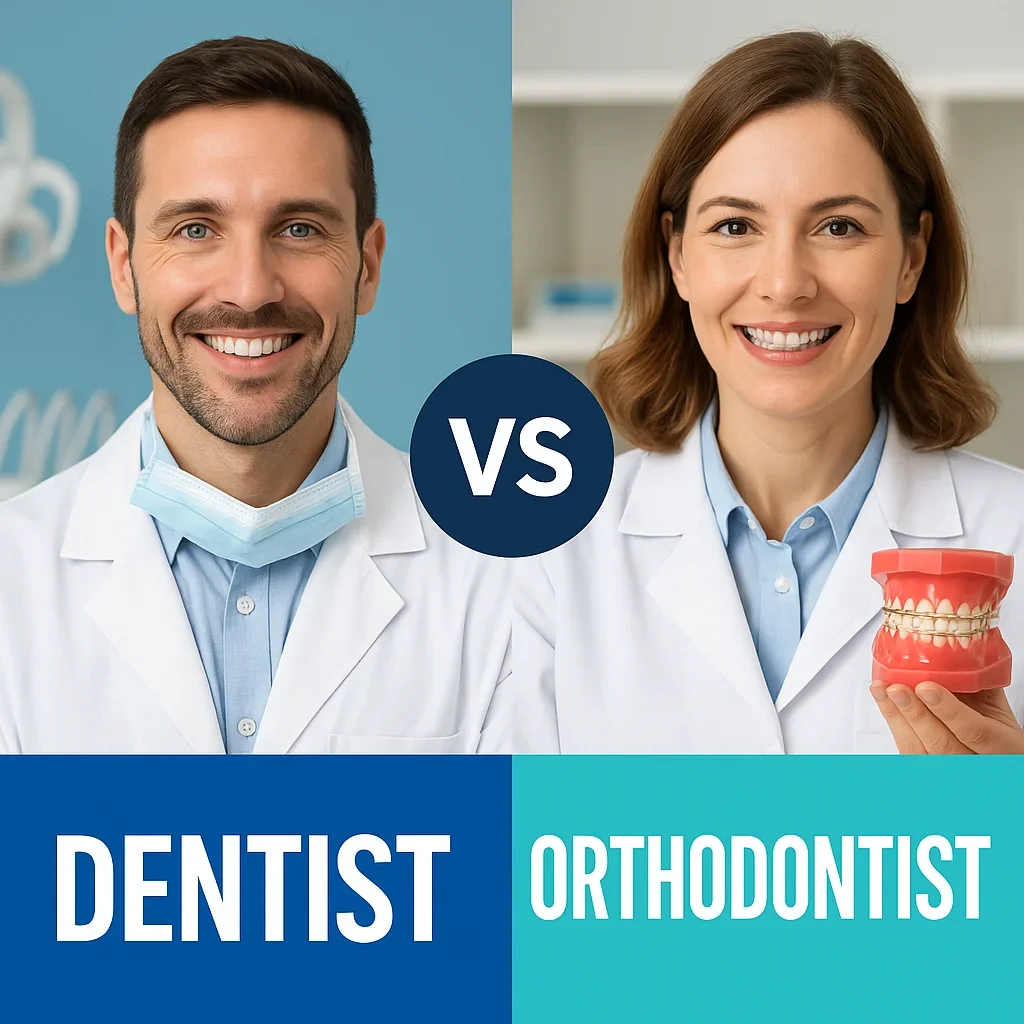
Long-Term Benefits of Visiting Both an Orthodontist and Dentist
Maintaining a beautiful and healthy smile isn’t just about looking good — it’s about ensuring lifelong oral health and functionality. Regularly visiting both an orthodontist and dentist offers a comprehensive approach to dental wellness that addresses not only appearance but also comfort, bite efficiency, and overall health. While dentists focus on preventing and treating dental diseases, orthodontists specialize in aligning teeth and correcting bite issues. When these two professionals work together, the long-term benefits are truly transformative for your oral health, self-confidence, and quality of life. 🌟
Improved Oral Health and Function
One of the greatest advantages of seeing both an orthodontist and dentist is achieving optimal oral function. Straight, properly aligned teeth are much easier to clean, reducing the buildup of plaque and tartar that cause cavities and gum disease. When teeth are crowded or crooked, it’s challenging to brush and floss effectively — even with the best intentions. Orthodontic treatment, guided by an expert, eliminates these hard-to-reach areas, making daily hygiene routines more effective and reducing the likelihood of future dental problems.
Enhanced Gum and Bone Health
Misaligned teeth can place uneven stress on your gums and jawbone, leading to inflammation or bone loss over time. By working together, the orthodontist and dentist ensure that your bite pressure is evenly distributed, preserving the supporting structures around your teeth. Regular dental cleanings and orthodontic checkups reinforce each other’s benefits, keeping both your gums and bones strong for decades.
Prevention of Dental Complications
Many oral health problems start small — a minor cavity, mild misalignment, or early gum sensitivity — and escalate if ignored. Routine dental visits allow your dentist to catch and treat these issues before they become serious. Similarly, orthodontic follow-ups ensure that teeth remain properly aligned after treatment. The collaboration between an orthodontist and dentist prevents relapses, tooth wear, and other long-term complications, saving patients from costly or invasive treatments later on.
Long-Term Stability Through Retainers and Maintenance
After orthodontic treatment, retainers are crucial to maintaining your results. However, even the best retainers require monitoring for proper fit and hygiene. Dentists check for plaque buildup and structural integrity, while orthodontists evaluate alignment stability. This dual follow-up approach ensures the results of your orthodontic investment last a lifetime — a prime example of the power of teamwork between an orthodontist and dentist.
Boosted Aesthetics and Confidence
A straight, healthy smile dramatically impacts self-esteem and social interactions. When you work with both an orthodontist and dentist, you not only get a well-aligned bite but also beautifully shaped and maintained teeth. Orthodontists handle alignment through braces or aligners, while dentists perform whitening, reshaping, and restorative procedures to perfect the smile’s final look. This comprehensive collaboration ensures harmony between form and function — the foundation of an attractive, confident smile that lasts a lifetime. 😁
Psychological Benefits of a Healthy Smile
Studies show that people with confident smiles are perceived as more approachable, successful, and trustworthy. Beyond aesthetics, improving oral health reduces discomfort, bad breath, and self-consciousness. Patients who consistently visit both professionals experience a profound psychological boost — they smile more often and with greater confidence, enhancing their overall quality of life.
Better Chewing, Digestion, and Speech
Aligned teeth don’t just look good — they play a critical role in proper chewing and digestion. Misaligned teeth can make it difficult to break down food, leading to digestive issues over time. Orthodontic treatment, guided by a skilled orthodontist and dentist, ensures that your bite functions efficiently. Additionally, speech clarity improves when teeth and jaws are correctly positioned, reducing lisps or pronunciation difficulties caused by malocclusions.
Jaw Alignment and TMJ Health
Chronic jaw pain and temporomandibular joint (TMJ) disorders often stem from misaligned teeth or uneven bites. Orthodontists correct these mechanical issues, while dentists help manage related symptoms through bite adjustments or splints. Working together, they provide long-term relief from headaches, muscle tension, and joint strain — proving that collaboration between an orthodontist and dentist extends far beyond cosmetic concerns.
Cost Efficiency and Preventive Savings
Although visiting multiple specialists may seem expensive initially, it’s actually a cost-effective long-term investment. Preventive care minimizes the risk of severe problems that require extensive treatments later. When a dentist maintains oral hygiene and an orthodontist ensures alignment, patients avoid complications like tooth wear, fractures, or periodontal disease. Clinics that integrate both services — such as Redent Klinik Contact Page — allow patients to receive comprehensive, coordinated care that saves both time and money while maximizing results.
Preventing Recurrence of Dental Problems
Teeth naturally shift over time due to aging, bone density changes, or loss of supporting structures. Regular monitoring by both professionals ensures early detection and intervention. The dentist focuses on maintaining enamel and gum health, while the orthodontist ensures the bite remains stable — a powerful partnership that preserves your investment in a perfect smile. The balance achieved through the consistent teamwork of an orthodontist and dentist guarantees that results are both functional and long-lasting.
Lifelong Education and Habit Building
Another significant benefit of seeing both specialists is education. Dentists teach proper oral hygiene habits such as brushing techniques, flossing, and dietary choices that prevent decay. Orthodontists guide patients in maintaining appliance hygiene, retainer care, and long-term bite stability. Together, this expert advice helps patients develop a proactive mindset toward oral care. Over time, this education reduces dependency on reactive treatments and builds sustainable dental health routines.
Conclusion: A Lifetime of Oral Health and Confidence
Visiting both an orthodontist and dentist is not just about fixing immediate problems — it’s an investment in your lifelong health, beauty, and happiness. The dentist ensures your teeth and gums remain strong, while the orthodontist ensures your bite is perfectly aligned and stable. This collaboration results in a radiant smile that looks good, feels comfortable, and functions efficiently. By prioritizing both preventive and corrective care, you can enjoy the confidence and comfort of a healthy smile for decades to come. 🌿✨