
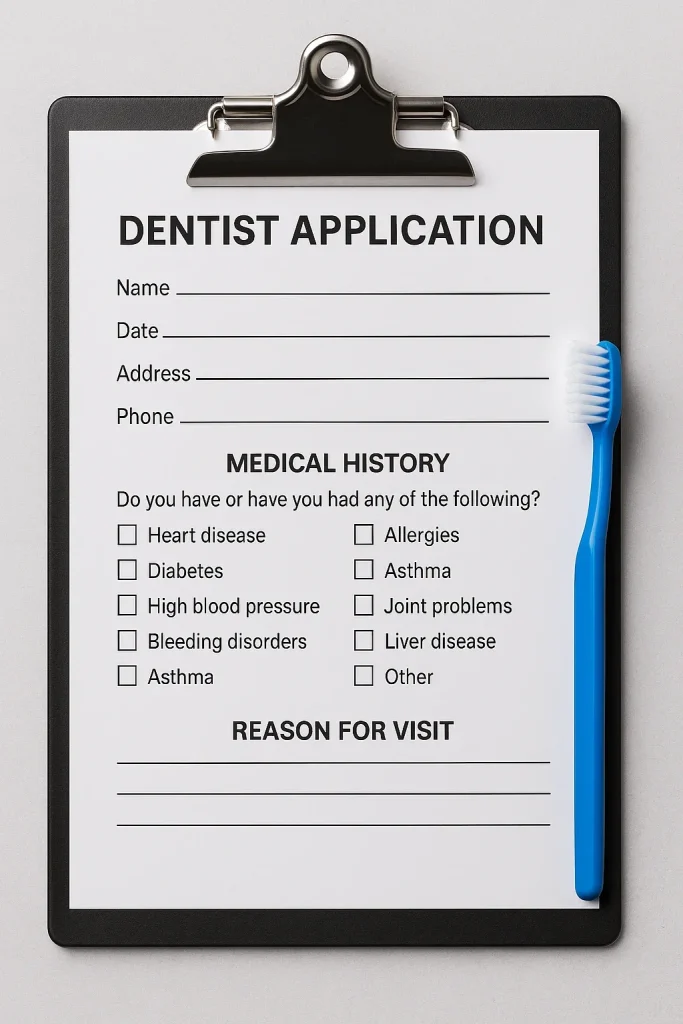
Applying for dental treatment might seem simple at first, but understanding what a dentist application really involves can make a huge difference in the outcome of your smile. Whether you’re looking for cosmetic enhancement, dental implants, or basic oral care, knowing how to apply correctly helps you save time, avoid errors, and get the most out of your dental visit 🦷. In today’s digital world, dental clinics have moved most processes online, meaning that your first impression often begins with an application form. A well-prepared dentist application is your first step toward achieving a confident and healthy smile.
When people search online for dental services, they often wonder: “What does a dentist application include?” or “How can I make sure my dental treatment request gets approved quickly?” These are valid questions. Dental professionals use applications not only to understand your oral health goals but also to evaluate your medical history, lifestyle, and suitability for certain treatments. By filling out your application carefully, you provide your dentist with essential background information that allows them to tailor a personalized treatment plan just for you.
At its core, a dentist application is a patient’s formal request to begin the dental treatment process. It’s like your introduction to the clinic — a structured communication where you share personal details, dental concerns, and sometimes even medical records or X-rays. Many clinics, such as Redent Klinik Contact Page, allow you to submit this information online for convenience. The goal is to ensure that by the time you visit the dentist, they already have a detailed understanding of your case. This not only saves time but also enhances treatment accuracy and comfort for you as a patient.
Submitting your dentist application correctly can also affect the type of care you receive. For instance, some clinics specialize in cosmetic dentistry, while others focus on restorative or preventive care. By clearly indicating your goals — such as teeth whitening, dental implants, or orthodontic adjustments — your dentist can match you with the right specialist. This precise alignment between patient intent and professional expertise results in more satisfying results and fewer misunderstandings throughout the process. 😁
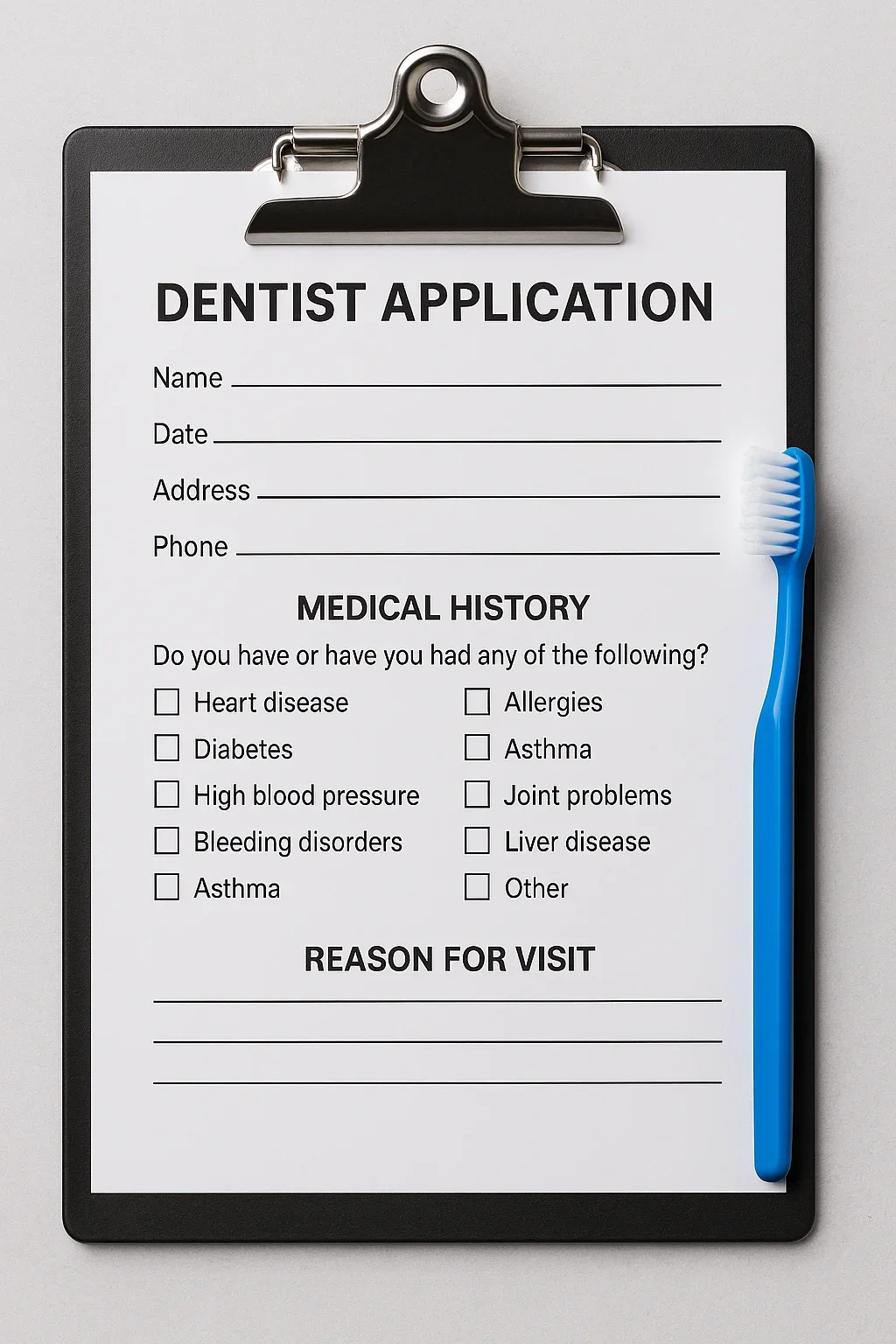
In most cases, a dentist application requires basic personal details (like your name, contact information, and age), a brief medical history, and details about your oral health concerns. Some clinics might even ask about your anxiety levels regarding dental procedures. Why? Because understanding your comfort preferences helps clinics prepare the right environment and sedation options if needed. Patients who disclose important details early often experience smoother, stress-free treatments.
Another important part of a dentist application is the section that allows you to explain your dental goals in your own words. This could include descriptions like “I want to restore my smile with implants” or “I need regular cleaning and cavity checks.” These statements help dentists evaluate which treatments are most suitable. Additionally, clinics may use the data from applications to create a patient profile for ongoing care — meaning that your initial application might influence your entire dental journey over time.
For people who are new to professional dental care, the dentist application process can also serve as a learning tool. It often includes informational guides or checklists that help you assess your oral hygiene habits. For example, if you indicate that you brush only once daily or have bleeding gums, your dentist may recommend a specific cleaning routine or additional diagnostics. By providing honest and complete information, you play a direct role in improving your own oral health outcomes. 🪥
Online applications have simplified the way patients interact with dental clinics. You can now submit forms, attach digital X-rays, and even schedule appointments from your phone. According to the American Dental Association, this digital shift has improved patient engagement and reduced waiting times significantly. Many clinics also use AI-driven systems to review dentist applications and recommend the right treatments automatically. This technology helps dentists manage large volumes of requests while maintaining personalized care for each patient.
To make your dentist application stand out, here are a few professional tips:
- Always provide accurate contact details and medical history.
- Attach recent dental X-rays or photos if possible.
- Be clear about your main concern — whether cosmetic or restorative.
- Include your preferred appointment time and method of contact.
- Be honest about previous dental procedures or allergies.
These details make your application more effective and help your dentist offer better recommendations. Think of the dentist application as the first handshake with your dental care provider — it sets the tone for your entire treatment experience. Patients who fill out applications carefully are more likely to receive precise treatment options, realistic timelines, and cost transparency right from the start. Ultimately, this preparation leads to better communication, improved satisfaction, and a brighter, healthier smile that lasts. 🌟
By taking your time to understand what a dentist application entails and how to submit it properly, you’re investing in your dental future. It’s more than just paperwork — it’s the foundation for trust, accuracy, and long-term oral health success. Whether you’re booking an appointment for a simple cleaning or a complex implant procedure, your application plays a vital role in ensuring a seamless and professional experience. So next time you fill out your dentist application, remember: you’re one step closer to the confident, radiant smile you’ve always dreamed of.
What Is a Dentist Application and Why Is It Important?
When people hear the term dentist application, they often think it’s just a simple form to schedule an appointment. However, it is far more significant than that. A dentist application is the first structured communication between a dental clinic and a potential patient — a formal process that gathers crucial information about your oral health history, treatment goals, and preferences. 🦷 This process allows dental professionals to create a personalized care plan that fits your unique dental needs and expectations.
Understanding the Purpose of a Dentist Application
The main goal of a dentist application is to help dentists understand you before your first visit. In modern dental practice, this is not just an administrative formality; it’s an essential diagnostic and organizational tool. By analyzing your application, a dentist can identify pre-existing conditions, assess whether certain procedures (like implants or veneers) are suitable for you, and even estimate how long the treatment might take. This helps eliminate guesswork during consultations, ensuring that every visit is efficient and medically precise.
For instance, if a patient mentions sensitivity, previous extractions, or ongoing gum issues in the dentist application, the clinic can prepare specific diagnostic equipment or sedation options in advance. In short, the application is like a pre-visit map — guiding both the patient and the dentist through a smooth and informed experience. 🪥
How a Dentist Application Benefits Both Patients and Clinics
Filling out a dentist application benefits both sides. For patients, it offers convenience, transparency, and better preparation. You can clearly outline your expectations, fears, and medical background, which makes your first appointment less stressful. For clinics, the dentist application provides an organized way to collect important information and ensure no detail is overlooked. This is particularly useful for busy dental centers that handle multiple cases daily.
Clinics often use digital platforms to collect and analyze this data. For example, many modern clinics integrate online dentist application systems that automatically categorize patients according to treatment types—such as orthodontics, implantology, or pediatric dentistry. This automation helps staff allocate the right specialists for each patient, improving efficiency and patient satisfaction. Additionally, digital storage ensures that your records remain secure, accessible, and compliant with medical data protection laws.
Boosting Communication Through Structured Applications
One underrated advantage of a dentist application is that it encourages clear and open communication. Many patients forget to mention key symptoms or past dental experiences during in-person consultations due to stress or time pressure. But when completing a written or online application, patients can describe everything at their own pace. This written record helps the dentist ask more relevant questions and make more accurate recommendations during the appointment.
Moreover, if you apply through reputable clinics like Redent Klinik Contact Page, your application might also include specific sections that ask about your desired outcomes—such as smile design preferences, dental aesthetics, or functional goals. This enables the dentist to offer both medical and cosmetic solutions that align with your expectations.
Types of Dentist Applications
Depending on your needs, a dentist application can take different forms:
- Initial Consultation Application: Used when visiting a dentist for the first time, often to assess general oral health.
- Special Treatment Application: For procedures like implants, orthodontics, or cosmetic makeovers.
- Follow-Up Application: Used after prior treatments to monitor progress or report concerns.
- Emergency Dentist Application: For urgent cases like tooth fractures, infections, or severe pain.
Each of these serves a specific purpose and helps ensure you receive timely and relevant care. Patients who submit detailed information in their dentist application usually experience faster approval, clearer treatment plans, and more accurate cost estimates.
The Role of Technology in Modern Dentist Applications
Digital innovation has transformed the way dentist applications are processed. Many clinics now use AI-driven systems that automatically analyze patient data, compare it with previous records, and suggest preliminary diagnoses or treatment options. According to the American Dental Association, automation and smart applications have improved patient engagement by 40% and reduced waiting times by half.
Some systems even allow patients to upload photos of their teeth or scans directly through mobile apps, allowing dentists to review cases remotely before the first appointment. This is especially valuable for international patients seeking advanced dental procedures abroad, such as in Turkey or Europe. A well-designed dentist application form is, therefore, a crucial element in global dental tourism as well.
Improving Patient Trust and Transparency
Another essential reason the dentist application is important lies in trust-building. When you provide transparent, accurate information, your dentist gains confidence in your cooperation. Similarly, you gain trust in their professionalism because the entire process feels structured and well-documented. This two-way communication helps prevent misunderstandings about procedures, recovery times, or expected results. 🌟
Why Every Dental Clinic Should Prioritize Applications
For dental professionals, implementing a detailed dentist application system is a mark of quality and professionalism. It ensures that each patient is approached with personalized care. Clinics that take this process seriously often report higher patient retention and satisfaction rates. The collected data can also be used to improve clinic operations, tailor promotions, and identify trends in dental health concerns among their patients.
For example, if a clinic notices a large number of dentist applications related to dental implants or whitening, they can adjust their service portfolio accordingly. This proactive approach helps clinics stay competitive while continuously improving patient experience.
In summary, a dentist application is not just a form—it’s a vital bridge that connects patients and dentists through information, trust, and clarity. It enhances the overall quality of care, saves time, and ensures that every dental journey starts on the right foundation. Whether you are a patient seeking a brighter smile or a clinic aiming to deliver top-tier service, treating the dentist application process with care and attention is essential for long-term success. 😁
Who Should Consider Applying for Dental Treatments?
Not everyone realizes that a dentist application is not only for people with severe oral problems — it’s also for anyone who values preventive care and wants to maintain a healthy, confident smile. 🦷 In the modern world of dentistry, early application is key to preventing complex issues before they arise. From teenagers with alignment problems to adults needing implants or cosmetic enhancements, every age group can benefit from a properly filled and submitted dentist application.
Understanding Who Can Benefit from a Dentist Application
The dentist application is suitable for anyone seeking professional dental care, whether it’s your first appointment or part of an ongoing treatment plan. It helps clinics understand your needs in advance, so they can assign the right specialist or recommend the right service. For example, a young patient with braces will have different needs from a senior applying for dentures or implant restoration. In both cases, the dentist application helps streamline communication and ensures the patient gets the best possible outcome. 😊
Let’s look at the main groups who can benefit the most from submitting a comprehensive dentist application:
- Children and Teenagers: Parents can use the dentist application to schedule preventive visits, fluoride treatments, or orthodontic consultations. Early intervention can prevent misalignment and decay.
- Adults Seeking Cosmetic Treatments: Those interested in teeth whitening, veneers, or smile makeovers can detail their expectations clearly through an application form, allowing the dentist to prepare aesthetic solutions tailored to the patient’s facial structure.
- Seniors with Missing Teeth: A properly filled dentist application helps clinics evaluate whether the patient is eligible for dentures or dental implants, considering bone density and health conditions.
- International Patients: Medical tourists traveling for affordable or specialized dental treatments, especially in destinations like Turkey, can apply online in advance to reduce waiting time and organize travel efficiently.
Why Preventive Care Starts with a Dentist Application
Preventive dentistry isn’t just about brushing and flossing; it starts with regular check-ups and accurate communication with your dentist. The dentist application form plays a crucial role here. It allows you to record your oral hygiene habits, previous treatments, and any concerns — such as tooth sensitivity or gum bleeding. With this information, dentists can create a preventive plan specifically designed for your lifestyle and risks. 🪥
For instance, a smoker or someone who consumes large amounts of coffee may be at higher risk of discoloration or gum disease. By indicating such details in your dentist application, your dentist can offer personalized advice or schedule more frequent cleanings. This proactive approach not only saves money in the long term but also helps you avoid major dental problems.
Chronic Health Conditions and Dental Applications
People with systemic health conditions — such as diabetes, cardiovascular diseases, or autoimmune disorders — should always consider completing a dentist application before treatment. These patients often require special attention because their medical condition can affect oral healing and increase the risk of infection. For example, diabetics are more prone to gum disease, and their blood sugar levels can influence recovery after dental procedures.
By declaring such information in your dentist application, you help your dentist plan treatments that are safe and compatible with your medical background. In some cases, your dentist may also collaborate with your physician to ensure your care is managed holistically. Transparency in your dentist application can therefore prevent complications and promote safer, faster healing.
People Seeking Aesthetic Smile Improvements
In the age of social media and professional networking, more people are paying attention to how their smile looks. Cosmetic dentistry is booming, and the dentist application is the first step in this transformation. Patients interested in veneers, crowns, or digital smile design should describe their desired outcomes in detail on the form. Modern clinics even use 3D imaging software to simulate the expected results before treatment begins.
Providing such information through a dentist application also allows dentists to recommend treatments that align with your facial proportions, skin tone, and budget. According to the American Dental Association, the number of patients seeking aesthetic dental services has grown by more than 30% over the past decade — and most successful procedures begin with a clear and honest application form.
International and Cross-Border Patients
Medical tourism has made dentist applications even more critical. Patients from abroad often cannot visit multiple times for consultation and treatment planning. That’s why filling out an online application in advance helps clinics like Redent Klinik Contact Page pre-assess your case before you even arrive. You can upload panoramic X-rays, describe your goals, and get a preliminary quote — saving both time and money.
International dentist applications usually include sections about travel dates, accommodation preferences, and post-treatment care requirements. This makes the experience seamless and ensures your trip is both medically safe and enjoyable. 🌍
When You Shouldn’t Delay a Dentist Application
Many people delay dental visits until they experience pain — but this is a major mistake. Submitting a dentist application early, even when you don’t feel symptoms, allows for preventive measures to be taken before problems become severe. Tooth decay, for example, can progress silently for months before causing discomfort. Early diagnosis through an initial dentist consultation can save you from costly and invasive procedures later.
Here are some signs that you should consider completing a dentist application as soon as possible:
- Persistent bad breath despite good oral hygiene.
- Bleeding or swollen gums.
- Sensitivity to hot or cold foods.
- Discoloration or visible tartar buildup.
- Loose fillings or discomfort while chewing.
These might seem like small issues, but they can be early indicators of bigger dental problems. The sooner you act, the better your prognosis will be.
Empowering Patients Through Awareness
Ultimately, anyone who values oral health should consider completing a dentist application — whether it’s for routine cleaning, advanced reconstruction, or aesthetic enhancement. By being proactive, you empower yourself with knowledge and open the door to professional care that suits your individual needs. 🦷 The process is quick, accessible, and now fully digital in most clinics. It helps patients overcome fear, understand costs, and plan treatments effectively.
In conclusion, the dentist application is for everyone — from families ensuring their children’s dental development to professionals seeking a camera-ready smile. It’s the gateway to modern oral health, a bridge that connects patients and dentists through transparency, communication, and trust. Submitting it early is not just a formality — it’s a smart health decision that pays off with every confident smile you share. 😁
How to Prepare Before Submitting a Dentist Application
Preparing before you submit your dentist application is one of the most crucial steps toward achieving effective, personalized, and comfortable dental care. 🦷 A well-prepared application not only helps your dentist understand your specific oral health needs but also ensures that you get accurate treatment recommendations right from the start. Whether you’re planning for a routine cleaning, cosmetic enhancement, or major restorative treatment, taking time to prepare thoroughly can save you money, stress, and time in the long run.
Understanding What to Expect Before Applying
Before completing your dentist application, it’s essential to understand what kind of information dental clinics usually request. Clinics want to assess your overall health, dental history, and treatment goals. This allows them to determine the right procedures and materials for your case. For example, if you’ve had prior gum treatments or fillings, your new dentist will need that information to avoid redundant or conflicting procedures. 🪥
Most modern clinics, such as Redent Klinik Contact Page, provide detailed online forms where you can upload your previous dental records and X-rays. These platforms often include step-by-step guidance to ensure no important details are missed. A comprehensive dentist application gives your dental team a complete view of your oral condition before your first visit, allowing them to prepare the proper equipment, materials, and consultation plans.
Step 1: Gather Your Medical and Dental Records
The first step in preparing your dentist application is to collect relevant documents. This includes previous dental charts, recent X-rays, medication lists, and allergy information. Many people forget that their overall health can influence dental care — for instance, patients with heart conditions, diabetes, or high blood pressure may require special precautions during treatment. By presenting all these details upfront, you help your dentist create a safe and customized treatment plan tailored to your specific health profile.
Additionally, gathering records from your previous dentists can provide valuable insights into past treatments such as root canals, implants, or orthodontic work. When you include this in your dentist application, your new dentist won’t need to redo assessments or take unnecessary scans, saving you both time and money. 🩺
Pro Tip: Include Digital Scans and Photos
If your previous clinic provided digital X-rays or photos, upload them when completing your dentist application. These visual references help your new dentist evaluate tooth alignment, bone density, and gum structure even before your appointment. It’s especially useful if you’re seeking advanced cosmetic or implant procedures.
Step 2: Define Your Dental Goals Clearly
A successful dentist application requires clarity about what you want to achieve. Are you looking for brighter teeth? Pain relief? Dental restoration? Being specific helps your dentist prioritize your goals and design a focused treatment plan. For example, if you’re applying for dental implants, your dentist will need to assess bone structure and healing capacity, whereas a whitening applicant might require a completely different evaluation.
It’s also important to define your expectations regarding comfort, budget, and aesthetics. Many clinics now offer a section in their dentist application where you can select your comfort preferences, sedation level, and appointment availability. This level of detail helps both you and your dentist stay on the same page, ensuring an efficient and enjoyable treatment experience.
Emotional Readiness and Dental Anxiety
Many patients underestimate the emotional side of dental care. If you experience anxiety or fear of dental procedures, mention it openly in your dentist application. This allows your dental team to prepare suitable comfort options such as mild sedation or calming techniques. Being transparent about your fears helps reduce tension and improves your overall experience.
Step 3: Conduct Preliminary Oral Self-Examination
Before filling out your dentist application, take a few minutes to examine your mouth carefully in the mirror. Look for discoloration, bleeding gums, cavities, or bad breath. Noting these symptoms helps you accurately describe your concerns in the application. Some patients even take photos of problematic areas to attach to the form, giving dentists an early visual assessment opportunity. 📸
This proactive step ensures your application contains precise details about your oral health status, which improves diagnostic accuracy. By identifying potential issues early, your dentist can plan appropriate treatments without delay.
Step 4: Research the Clinic and Treatment Options
Before submitting a dentist application, it’s smart to research the dental clinic you plan to visit. Check their website, read reviews, and ensure they specialize in the treatment you need. For example, if you’re seeking advanced implantology, look for clinics with 3D imaging and computer-guided surgery capabilities. If you’re planning orthodontic care, make sure they offer modern aligners or braces.
Understanding your clinic’s capabilities helps you provide relevant information in your dentist application. It also prevents misunderstandings about what the clinic can and cannot provide. Knowledgeable patients often make better decisions and experience more satisfactory outcomes.
Check International Standards and Affiliations
When applying to international dental clinics, such as those catering to medical tourists, it’s wise to verify credentials. Reputable centers often follow strict global standards like those outlined by the American Dental Association. Referencing these guidelines in your dentist application can demonstrate that you’ve done your research and are serious about your dental health journey.
Step 5: Be Honest and Detailed
One of the most common mistakes in completing a dentist application is providing incomplete or inaccurate information. Some patients forget to mention medications, allergies, or past procedures, which can create complications during treatment. Always be open and specific when describing symptoms or expectations. Remember: your dentist isn’t judging you — they’re trying to help you achieve optimal oral health safely.
For instance, if you’ve experienced sensitivity or gum bleeding, mention it clearly. If you smoke or consume alcohol regularly, include that information too. These details affect the materials, anesthesia, and post-treatment recommendations your dentist will make. Honesty leads to better care and safer outcomes every time. 🌟
Final Thoughts: Setting the Foundation for Success
Preparing for your dentist application is not just an administrative step — it’s a commitment to your oral well-being. By organizing your medical records, setting realistic goals, and being transparent about your history, you create the foundation for a successful treatment journey. Taking the time to prepare carefully reflects your dedication to your health and gives your dentist the tools they need to provide exceptional care.
When your dentist application is complete, double-check it before submitting. Ensure your contact information, preferred appointment time, and uploaded files are correct. Once submitted, you can expect a faster response and a smoother start to your dental journey. With proper preparation and clear communication, your dental experience becomes not just effective — but truly transformative. 😁
Key Qualifications and Information Required in Your Application
Completing a dentist application is not just about filling in basic details — it’s about demonstrating that you are a well-prepared, informed patient who understands what the process entails. 🦷 Many clinics rely on the information you provide to determine eligibility, treatment types, and even estimated timelines. Submitting accurate and complete data ensures you receive the right diagnosis and that the dental team can design a plan perfectly tailored to your needs. Let’s break down exactly what qualifications and information are usually required in a successful dentist application.
Personal and Contact Information
The first part of any dentist application focuses on your personal identification details. This includes your full name, age, gender, phone number, and email address. It might seem routine, but these details are essential for proper patient management. A small typo in your contact information could delay appointment confirmations or follow-ups.
Some clinics also request additional information such as your address or preferred contact hours, especially for international patients. Providing complete and accurate contact data ensures the dental clinic can reach you quickly regarding scheduling, pre-appointment instructions, or treatment updates. If you are applying online through a global clinic like Redent Klinik Contact Page, make sure your phone number includes the correct country code and your email is active.
Why Contact Information Matters
Your dentist application is the starting point of a communication channel between you and the clinic. Clear contact information means you will receive reminders, digital consent forms, and detailed explanations about procedures. It also helps the dental team track your progress after treatment, ensuring that post-care advice reaches you on time. 🌍
Medical and Dental History
The most critical section of your dentist application involves your medical and dental history. Dentists use this information to assess risk factors, compatibility with certain procedures, and potential complications. For example, patients with cardiovascular diseases may need antibiotics before invasive procedures to prevent infections. Those with diabetes require extra care to ensure proper healing after surgeries.
Here’s what’s typically required in this section of the dentist application:
- Current Medications: Include prescription drugs, supplements, or over-the-counter products you take regularly.
- Chronic Conditions: Mention illnesses such as diabetes, hypertension, or thyroid problems.
- Past Surgeries or Hospitalizations: Especially if related to oral health or anesthesia tolerance.
- Allergies: Clearly list any allergies, especially to medications, latex, or anesthetics.
Providing thorough medical information allows your dentist to customize anesthesia doses, select biocompatible materials, and plan treatment safely. 🩺
Dental Treatment History
Equally important in the dentist application is your dental background. Dentists need to know about previous procedures, such as root canals, crowns, implants, or orthodontic work. This information helps them avoid unnecessary repetition or incompatibility issues. If you’ve had past complications, such as sensitivity to local anesthesia or prolonged bleeding, mention them explicitly in your form. Transparency ensures safer treatment planning.
Lifestyle and Oral Care Habits
One of the more modern sections of the dentist application asks about lifestyle and oral care routines. This helps dentists understand your habits and adjust recommendations accordingly. You may be asked questions like:
- How often do you brush and floss?
- Do you smoke or use tobacco products?
- How often do you visit a dentist?
- Do you consume alcohol, coffee, or sugary drinks frequently?
These answers allow dentists to evaluate risk levels for issues such as gum disease, tooth decay, or staining. Patients who smoke or drink coffee regularly may require more frequent cleanings or whitening treatments. By being honest in your dentist application, you make it easier for the dental team to design a care plan that aligns with your habits and long-term goals.
Dental Goals and Expectations
Every dentist application includes a section dedicated to your personal dental goals. Are you looking for a better smile? Relief from pain? Restoration of missing teeth? Being clear about your expectations ensures that the dentist can recommend the most appropriate treatments. 🪥
Many modern clinics now offer aesthetic and functional assessment tools where you can upload photos of your teeth and describe your desired outcome. This allows the dentist to prepare visual simulations or treatment previews before your first visit. For example, if you want a brighter smile, your dentist might suggest professional whitening or veneers; if your concern is structural, they may propose implants or crowns instead.
Setting Realistic Expectations
Your dentist application is also a place to communicate expectations realistically. For example, while a Hollywood smile may seem attractive, your dentist must evaluate whether your gums, enamel, and bite alignment can safely support such results. By clearly defining your goals, you help your dental provider balance aesthetics with health — achieving natural, lasting outcomes. 😁
Insurance, Payment, and Consent Details
Depending on the clinic and country, the dentist application might include financial and consent-related sections. This could involve health insurance details, payment preferences, or acknowledgment of privacy policies. Some international clinics even provide cost estimates based on your application details before confirming appointments.
In addition, most applications require your consent for procedures, digital imaging, or data sharing. Always review these sections carefully and ensure you understand the terms. If something is unclear, contact the clinic directly before signing or submitting the form. Proper understanding of consent ensures transparency between you and your dental care provider.
Digital Consent and Data Security
Modern clinics take patient data privacy seriously. Reputable institutions follow the data protection standards established by the American Dental Association and local health authorities. When submitting your dentist application online, make sure the website uses HTTPS encryption and secure upload systems. This ensures your medical and personal data are protected against unauthorized access.
Final Review Before Submission
Before sending your dentist application, double-check all sections for completeness and accuracy. Review your contact information, ensure that medical details are up to date, and confirm that uploaded files are visible and readable. Missing or unclear data can delay approval and make the process less efficient.
Finally, take a few moments to read the clinic’s communication policy — it often outlines how long it takes to receive feedback after submission and which channels (email, phone, or SMS) they use for updates. Once you’ve verified everything, submit your application confidently knowing that you’ve provided the full picture necessary for a smooth and successful dental experience. 🌟
In short, the success of your dentist application depends on accuracy, honesty, and organization. By including comprehensive medical history, clear goals, and contact details, you enable your dental team to deliver the safest, most effective, and most satisfying treatment possible. Preparation and transparency are the building blocks of a healthier smile and a positive long-term relationship with your dentist. 🦷
Online Dentist Application: Simplifying Your Dental Care Journey
In the digital age, submitting a dentist application online has become the most efficient and convenient way to begin your dental treatment journey. 🦷 Whether you are looking for cosmetic enhancements, orthodontic treatment, or general dental care, online applications streamline the process by eliminating paperwork and unnecessary clinic visits. They also allow dentists to pre-assess your needs, saving you valuable time during your appointment. A properly completed dentist application ensures that your care starts with a full understanding of your medical history, dental goals, and expectations—all from the comfort of your home.
Why Online Dentist Applications Are Transforming the Industry
Traditional dental appointments often involved long waiting times, repeated questionnaires, and time-consuming consultations. Today, thanks to online technology, the dentist application process has evolved into a seamless digital experience. Patients can now upload documents, X-rays, and medical details directly through secure web forms. This allows clinics to prepare ahead of time and offer targeted recommendations before your first visit. According to data from the American Dental Association, more than 70% of modern dental clinics now use online applications to enhance operational efficiency and patient satisfaction.
Online applications also reduce errors. Automated systems verify that all necessary fields are filled out, ensuring no crucial information is missing. This means fewer delays, faster responses, and more personalized treatment planning. 🌍
Step-by-Step Guide to Completing an Online Dentist Application
To get the best results from your dentist application, you should follow a structured approach. Here’s how you can make the process smooth and effective:
1. Visit the Official Clinic Website
Always start with the official website of the clinic where you want treatment. For example, you can access the Redent Klinik Contact Page to find an online form specifically designed for new and returning patients. Make sure the site is secure (look for “https” in the address bar). Avoid submitting personal data to unofficial or third-party websites to protect your information.
2. Fill in Basic Personal Information
As with any dentist application, you’ll begin by providing your name, age, and contact details. These sections might also include questions about preferred appointment times and communication preferences. Ensure all information is accurate—this helps clinics send confirmation emails or follow-up messages without delay.
3. Provide Medical and Dental Background
This section of the dentist application is critical. It asks for your past dental experiences, allergies, current medications, and existing health conditions. Be as thorough as possible. If you’re on medications like blood thinners or antibiotics, your dentist needs to know before planning any procedures. Honesty and completeness in your responses are key to safety and success. 🩺
4. Attach Photos or X-rays (if applicable)
Many online platforms now allow you to upload photos of your teeth or panoramic X-rays. Doing this gives your dentist an initial understanding of your oral structure before your appointment. This step is especially useful for international or long-distance patients who may not be able to visit the clinic for preliminary evaluations. Submitting these visuals along with your dentist application enables the clinic to create a provisional treatment plan even before your arrival.
5. Specify Your Dental Goals
One of the advantages of an online dentist application is the ability to describe your goals in detail. Whether you want a whiter smile, straighter teeth, or a full-mouth restoration, mentioning your objectives helps the clinic assign the right specialist. Some systems even allow you to choose your priority areas, such as cosmetic, functional, or preventive care. Being clear about your expectations improves communication and leads to more satisfactory results. 😁
Benefits of Submitting an Online Dentist Application
Online systems offer several advantages for both patients and clinics. Let’s explore how they simplify the entire dental experience:
- Accessibility: You can fill out your dentist application anytime, anywhere—no need to visit the clinic physically.
- Speed: Digital systems process data instantly, meaning your dentist can review it immediately after submission.
- Accuracy: Online platforms automatically check for missing or inconsistent information.
- Data Security: Reputable clinics encrypt patient data to ensure privacy.
- Personalization: The system tailors follow-up communication based on your application details and treatment interests.
For clinics, digital dentist applications mean reduced administrative workload and better data management. They can categorize patients by treatment type, send reminders automatically, and track progress through integrated software systems. This efficiency leads to shorter waiting lists and improved patient outcomes.
Tips for Submitting a Successful Online Application
Even though online forms are designed for simplicity, paying attention to details can make your dentist application stand out. Here are a few tips to ensure success:
- Use a desktop or tablet instead of a smartphone for easier form completion and file uploads.
- Double-check spelling, email addresses, and phone numbers before submitting.
- Attach recent dental X-rays or clear mouth photos if requested.
- Include any relevant medical documents or dentist notes from previous treatments.
- Save a copy of your submitted application confirmation for reference.
These simple practices minimize errors and ensure the clinic receives all necessary information in one go.
Common Technical Issues and How to Avoid Them
Sometimes, online dentist applications can fail due to technical issues such as file size limits or poor internet connections. To avoid these problems, compress your files to under 5 MB each, and ensure they are in common formats like JPG or PDF. If the website doesn’t confirm submission, refresh the page and check your email for an automatic acknowledgment message before resubmitting.
The Rise of Virtual Consultations
Another great advantage of online dentist applications is their integration with virtual consultations. Many modern clinics now allow patients to book a video call with a dentist for an initial discussion after submitting their form. This feature is especially useful for international patients or those with mobility challenges. 🌐
During these virtual sessions, dentists review your submitted details, analyze photos or scans, and provide a preliminary opinion on treatment options. This allows you to discuss costs, risks, and recovery timelines before even stepping into the clinic.
Security and Privacy in Online Applications
Reputable clinics use advanced encryption and secure cloud storage systems to protect your dentist application data. Always verify that the clinic follows HIPAA (Health Insurance Portability and Accountability Act) or GDPR (General Data Protection Regulation) standards depending on your country. Clinics adhering to international standards, such as those guided by the American Dental Association, guarantee that your health information is stored safely and used ethically.
Conclusion: The Future of Dental Care is Digital
In conclusion, the online dentist application represents a major step forward in the dental industry. It combines convenience, precision, and speed, giving both patients and dentists a better foundation for care. With the ability to upload records, communicate securely, and even attend virtual consultations, patients now enjoy a smoother, smarter dental journey. Clinics like Redent Klinik are pioneering this change by offering transparent, easy-to-use application platforms that put patient experience first. 🦷
So before your next dental visit, take advantage of online systems—submit your dentist application digitally, save time, and enjoy a more organized path to a brighter and healthier smile. 🌟
Common Mistakes People Make in a Dentist Application
Submitting a dentist application might seem simple, but many patients unintentionally make errors that delay treatment or cause misunderstandings with their dental clinic. 🦷 These mistakes can lead to incorrect diagnoses, scheduling problems, or even safety risks during procedures. A complete and accurate dentist application is your foundation for quality care — and avoiding common pitfalls ensures a smoother, more successful dental journey from the very first step.
Why Accuracy Matters in a Dentist Application
Every field in your dentist application serves a purpose. The form isn’t just administrative; it’s a medical document that informs professionals about your oral and general health. Missing or incorrect details can lead to serious issues — for example, overlooking a medication allergy or a chronic health condition might cause complications during anesthesia or recovery.
According to the American Dental Association, over 40% of dental patients forget to mention crucial information such as prior treatments or health history. This makes it harder for dentists to create accurate treatment plans. To avoid this, let’s explore the most frequent mistakes people make when filling out their dentist application and how to fix them. ✅
Mistake #1: Leaving Out Medical History
One of the most common issues in a dentist application is incomplete medical disclosure. Patients sometimes skip sections about past illnesses, medications, or surgeries because they think they’re unrelated to dental care. However, these details are vital. For instance, if you have diabetes, your healing time after dental surgery might differ from other patients. Likewise, people taking blood thinners need special care during extractions or implants to prevent excessive bleeding.
How to Avoid This Mistake
Before starting your dentist application, prepare a short medical summary including chronic conditions, current medications, and any hospitalizations. Even if something seems minor — like seasonal allergies or mild hypertension — include it. This information helps your dentist plan safer, more effective treatment strategies.
Mistake #2: Providing Inaccurate Contact Information
Incorrect or missing contact details are another frequent mistake. If your phone number or email address is entered incorrectly, the clinic cannot confirm your appointment or send updates. 📨 This often leads to missed consultations and unnecessary delays in your dental journey.
To fix this, double-check every digit and letter before hitting submit. If you’re filling out the form on a mobile device, be extra cautious with autocorrect errors. Clinics such as Redent Klinik Contact Page even send instant confirmation emails after receiving a dentist application — so if you don’t receive one, it’s a sign that your contact info might be wrong.
Mistake #3: Skipping the “Reason for Visit” or Goals Section
Many applicants underestimate the importance of explaining their dental goals. Leaving this section blank makes it difficult for dentists to understand your expectations. A well-detailed dentist application that includes your specific goals — such as teeth whitening, orthodontic alignment, or implant restoration — helps clinics assign the right specialist for your case.
Why It Matters
Without knowing your primary concern, the clinic can’t properly schedule time or prepare necessary tools. For example, a patient who wants a full smile makeover requires more consultation time than someone booking a simple cleaning. Providing clear, concise goals in your dentist application ensures better time management and patient satisfaction. 😁
Mistake #4: Forgetting to Attach Dental Records or X-rays
Attaching previous dental records is extremely helpful for accurate diagnosis, but many patients skip this step. Submitting a dentist application without supporting documents means the clinic has limited context about your dental history. As a result, they might need to repeat X-rays or re-evaluate existing dental work, costing you more time and money.
Pro Tip:
Before sending your dentist application, gather all relevant documents — including panoramic X-rays, previous treatment reports, and even before-and-after photos of cosmetic work. Upload them in common formats like PDF or JPEG. If you’re unsure which files are relevant, contact the clinic in advance for guidance.
Mistake #5: Ignoring the Allergy and Medication Section
This is one of the most dangerous oversights in a dentist application. Patients often skip the allergy section, assuming it’s not serious. However, certain dental materials and anesthetics can trigger severe allergic reactions. Similarly, not mentioning medications like aspirin or insulin may lead to treatment complications. 🩺
To avoid this, always disclose all known allergies — including reactions to latex, penicillin, or metals used in dental prosthetics. Accurate reporting in your dentist application allows your dentist to use safe, compatible materials and medications during treatment.
Mistake #6: Using Incomplete or Vague Descriptions
When describing symptoms or pain levels, vague statements like “my tooth hurts” don’t provide enough insight. The dentist application is your opportunity to give specific details that guide proper diagnosis. Instead of writing one-word answers, describe when the pain started, its frequency, and what triggers it (for example, “sharp pain when drinking cold water”).
Detailed Descriptions Lead to Better Outcomes
The more detail you provide, the more accurate your dentist’s initial assessment will be. It may even reduce the number of diagnostic tests required. Remember, your dentist application acts as your first consultation in written form — so take it seriously and write thoughtfully.
Mistake #7: Submitting Without Reviewing
Many people rush through their dentist application and hit submit without reviewing it. This can result in typos, missing information, or accidental omissions. A five-minute review can save you hours of back-and-forth communication with the clinic. ✅
Checklist Before Submission
- All contact and identification details are correct.
- Medical history is complete and up to date.
- Goals and symptoms are clearly explained.
- Attachments (X-rays, photos, reports) are uploaded properly.
- You have read and understood all consent terms.
Once you review your dentist application, save a copy of the confirmation email or PDF version for your records. This will help you track progress and easily reference your details during appointments.
Conclusion: Attention to Detail Leads to Better Dental Care
Ultimately, your dentist application is your first impression — a bridge between you and your dental care team. By taking the time to fill it out completely, accurately, and thoughtfully, you demonstrate responsibility for your own health. Clinics can then prepare efficiently, ensuring that your visit is comfortable, precise, and customized to your needs.
In the digital era, when clinics rely on automated systems to manage hundreds of patients, your attention to detail can make all the difference. Avoiding these common mistakes ensures your dentist application stands out as professional, reliable, and ready for action. With the right preparation, you’re one step closer to a smooth dental experience and a radiant, healthy smile. 🌟
What Happens After You Submit Your Dentist Application?
After submitting your dentist application, many patients are unsure about what comes next. 🦷 The submission is just the beginning of your dental care journey, and understanding the process that follows helps you prepare mentally and practically for your upcoming appointment. Whether you’ve applied for a routine check-up, orthodontic consultation, or full smile makeover, your dentist application triggers a well-structured workflow that ensures your treatment starts efficiently and accurately. Let’s explore every step of what happens after you click “submit.”
Step 1: Application Review by the Dental Team
Once your dentist application is received, it enters the clinic’s internal system where the administrative or clinical staff begins the review process. This involves verifying the completeness of your form, checking uploaded documents like X-rays, and confirming your contact information. Many modern clinics use AI-supported systems that automatically flag missing details or inconsistencies, prompting staff to reach out for clarification.
For example, if you mention gum bleeding but don’t provide additional context or attach a related photo, the system may highlight this for manual review. The goal is to ensure that every dentist application contains all necessary information before scheduling. This process typically takes between 24 to 48 hours, depending on the clinic’s workflow and patient volume. ⏱️
Automatic Acknowledgment Emails
After submission, you’ll usually receive a confirmation email stating that your dentist application has been received. This email often includes a reference number, estimated response time, and sometimes a link to track your application’s progress. Clinics such as Redent Klinik Contact Page provide automated follow-ups that allow you to confirm appointment preferences directly from your inbox. If you don’t receive this acknowledgment, it may mean your submission didn’t go through successfully.
Step 2: Verification and Preliminary Assessment
Once the administrative team confirms your details, the dentist reviews your medical and dental history to assess the suitability of requested treatments. At this stage, the dentist application serves as a preliminary diagnostic tool. Dentists analyze uploaded photos or X-rays, read through your descriptions, and note potential issues or treatment options. 🩺
For instance, if you applied for dental implants, the dentist may check your bone density and gum condition from the X-rays before recommending next steps. If you’re interested in cosmetic whitening, they might evaluate existing restorations that could affect uniform results. The quality and completeness of your dentist application directly influence how accurately the dentist can assess your needs remotely.
AI and Data-Driven Pre-Evaluation
Advanced clinics now integrate AI-assisted software that helps evaluate patient data automatically. According to the American Dental Association, over 30% of clinics in developed countries use predictive algorithms to assess risk factors and treatment suitability. These tools can analyze your dentist application in minutes, providing a pre-assessment that the dentist reviews before final approval.
Step 3: Scheduling and Appointment Confirmation
After the initial review, the clinic contacts you to schedule your appointment. This is where your preferred dates, time zones, or communication preferences (email, SMS, or phone) become crucial. If you filled them correctly in your dentist application, the scheduling process is fast and seamless.
Some international clinics, especially those serving medical tourists, offer flexible scheduling to match flight arrivals or travel plans. You may receive an email containing an appointment confirmation, pre-visit instructions, and payment or insurance details if applicable. In some cases, you’ll be asked to complete a secondary digital consent form confirming your understanding of the planned procedure.
Virtual or In-Person Consultation Setup
Depending on your case, your first consultation may be virtual. Many clinics provide video call sessions where dentists discuss your dentist application findings before you arrive. This step is particularly beneficial for patients seeking high-value treatments such as implants or veneers, as it helps clarify expectations and budgets in advance. 🌐
Step 4: Treatment Planning and Cost Estimation
After your dentist application is fully reviewed, the dentist prepares a customized treatment plan. This includes identifying problem areas, listing recommended procedures, and estimating costs. In reputable clinics, these plans are transparent and itemized so patients understand every step of the process.
For example, your plan might include phases such as diagnostics, preparation, procedure, and follow-up. If you requested multiple services (like cleaning, whitening, and implants), the dentist prioritizes them in logical order. Cost estimates are typically based on the clinic’s current price list and any available promotions. Clinics may also include an estimated treatment timeline and payment structure within their email response.
Financial Transparency
Transparency builds trust. A professional clinic will always ensure that your dentist application leads to a clear, written breakdown of costs. Some clinics also include optional treatments or alternative pricing options, giving you flexibility to choose according to your budget. It’s always wise to review these details carefully and ask for clarification before agreeing to proceed. 💰
Step 5: Confirmation and Preparation for Visit
Once you confirm your acceptance of the treatment plan, the clinic prepares your patient profile in its system. This means your dentist application transforms into a digital record that stays with you throughout your dental journey. Staff members prepare your file, notify relevant specialists, and reserve the necessary materials or equipment ahead of your appointment.
Some clinics even send pre-visit guides containing travel directions, hygiene tips, or reminders about eating and medication. For example, you may be asked not to eat for several hours before sedation or to bring identification documents. By following these instructions, you help your dentist ensure a smooth, efficient, and safe treatment experience.
Patient Engagement and Support
High-quality dental clinics don’t stop at processing your dentist application — they maintain ongoing communication. Expect reminder emails or texts about upcoming appointments and post-treatment care. In some cases, you’ll be assigned a patient coordinator who assists with logistics, especially if you’re traveling from abroad.
Step 6: On-the-Day Experience
When you finally arrive for your appointment, your dentist application acts as a ready-made roadmap for your care. The dentist already understands your medical background, preferences, and treatment objectives, making the consultation faster and more focused. You’ll spend less time filling out forms and more time discussing solutions. 🪥
Most clinics will begin with a detailed oral examination to confirm the information you provided in your dentist application. This step ensures that all data aligns with your current condition and that no recent health changes need to be factored into the treatment plan.
Conclusion: From Application to Smile Transformation
Submitting a dentist application is not the end of the process — it’s the start of a structured journey toward better oral health. From verification and scheduling to treatment planning and final consultation, every stage relies on the accuracy of your submission. By understanding what happens after you apply, you can better anticipate timelines, reduce anxiety, and actively participate in your care. 🌟
Whether you’re applying locally or abroad, following through after your dentist application ensures a seamless transition from paperwork to professional treatment. With clear communication, attention to detail, and trust in your clinic, you’ll be on your way to achieving that healthy, confident smile you’ve always wanted. 😁
Tips to Make Your Dentist Application Stand Out and Get Faster Approval
Submitting a dentist application is more than a formality — it’s your first opportunity to make a professional impression on the clinic and ensure your dental journey begins efficiently. 🦷 Many patients submit their applications hastily or with missing details, which can delay approval or result in a less personalized experience. By taking the time to craft a complete, accurate, and thoughtful dentist application, you can significantly increase your chances of receiving faster feedback and better treatment options. Let’s explore proven strategies to help your application stand out from the rest.
1. Understand What the Clinic Is Looking For
Every dental clinic has its own priorities when reviewing a dentist application. Some focus on cosmetic cases, while others specialize in orthodontics, implants, or restorative care. Understanding the clinic’s focus areas allows you to tailor your application accordingly. For instance, if you’re applying to a cosmetic dentistry center, emphasize your goals related to aesthetics, such as whitening, veneers, or smile design. 🎯
Research Before You Apply
Before filling out your dentist application, visit the clinic’s official website to read about their services, technology, and approach. For example, Redent Klinik Contact Page provides valuable information about specialized treatments for international patients. By aligning your expectations with their offerings, you present yourself as an informed and serious patient, which can accelerate your approval process.
2. Write a Clear and Honest Treatment Goal
One of the most impactful parts of a dentist application is the section where you describe your reason for applying. Clinics use this section to understand your needs and assign the most suitable dentist. A vague statement like “I need dental work” doesn’t help. Instead, be specific: “I’m looking to replace a missing tooth with a dental implant,” or “I want to improve my smile with whitening and veneers.” These statements give the dental team a clear direction. 🪥
Be Realistic Yet Detailed
When describing your goals in the dentist application, strike a balance between aspiration and realism. If you’ve seen an ideal smile online, include a reference photo to help your dentist understand your expectations, but also mention you’re open to professional recommendations. This shows cooperation and flexibility — qualities clinics value in patients.
3. Provide High-Quality Supporting Materials
Many patients underestimate the power of visuals. Adding clear, well-lit photos of your teeth can elevate your dentist application tremendously. Clinics that receive detailed photos can make more accurate assessments even before your visit. For cosmetic or implant procedures, high-resolution images help dentists evaluate symmetry, alignment, and gum health more precisely.
Photo Tips for Your Dentist Application
- Use natural daylight to avoid shadows and color distortion.
- Take photos from the front, side, and upper/lower jaw angles.
- Ensure your lips are gently retracted to expose teeth fully.
- Upload files in JPG or PNG format, keeping sizes under 5MB each.
By following these photo standards, your dentist application becomes a visual reference for your future treatment — much like a preliminary consultation without stepping into the clinic.
4. Double-Check Your Medical and Contact Information
Incomplete or inaccurate medical data is one of the main reasons dentist applications get delayed. Always review your form carefully before submission. Double-check that your contact details, health conditions, and medication list are accurate and up to date. Errors here can prevent the clinic from reaching you or compromise the safety of your treatment plan.
How to Ensure Accuracy
Keep a digital file of your medical records so you can copy-paste information accurately. Use consistent contact details across all forms. Clinics appreciate patients who are organized and proactive — it speeds up both verification and scheduling steps. 🧾
5. Communicate Professionally and Promptly
Your communication style after submitting your dentist application also affects how quickly your case progresses. If the clinic contacts you for clarifications or missing documents, respond as soon as possible. Prompt replies demonstrate responsibility and interest, making staff more eager to prioritize your case.
Email Etiquette for Dental Correspondence
- Always greet staff politely and address them by name if known.
- Keep emails concise but informative.
- Attach requested documents clearly labeled (e.g., “Xray_TopJaw.jpg”).
- Use a professional tone and thank them for their assistance.
Following these etiquette rules ensures your dentist application remains active and top-of-mind within the clinic’s workflow.
6. Highlight Special Circumstances or Travel Plans
If you’re an international patient, your dentist application should mention travel dates, visa timelines, or any special requirements. Clinics that cater to medical tourism often coordinate airport pickups, accommodation, and treatment schedules around these details. 🧳 Including this information early helps them offer flexible options and faster responses.
Plan Smartly for Dental Tourism
When applying from abroad, indicate how long you’ll stay in the country and whether follow-up visits are possible later. This allows the dentist to plan multi-phase treatments accordingly. For example, implant patients may need several weeks between stages for healing — disclosing your travel window in your dentist application prevents scheduling conflicts.
7. Include References or Prior Clinic Experiences
If you’ve had dental treatments before, mention them briefly in your dentist application. Positive history with previous dentists or clinics shows that you are cooperative and compliant with professional advice. Include details such as the type of procedures you’ve had and any challenges you faced. This helps your new clinic better understand your expectations and sensitivities.
Transparency Builds Trust
Dentists appreciate honesty. If you had any negative experiences — such as pain tolerance issues, anxiety, or allergic reactions — mention them. Transparency in your dentist application allows the dental team to tailor a stress-free, safe treatment plan specifically for you.
8. Review and Preview Before Submission
Before clicking “submit,” always preview your dentist application. Check for typos, formatting errors, or incomplete sections. Many online portals allow you to download a PDF copy of your submission — keep this for your personal records. Doing so ensures that if there’s a system glitch or delayed response, you can easily re-send your details without starting over.
Pro Tip: Ask for Confirmation
If you don’t receive a confirmation email within 24 hours, reach out to the clinic directly. A polite message asking for verification keeps your dentist application active and demonstrates initiative. Clinics are more likely to prioritize organized, communicative patients. 💬
9. Follow Up Respectfully and Stay Engaged
After submission, wait the appropriate time (typically 2–3 business days) before following up. When you do, keep your tone respectful and patient. Mention your submission date and reference number if provided. For example: “Hello, I submitted my dentist application on March 12 and wanted to confirm receipt. I look forward to hearing about the next steps.” This approach keeps communication professional and effective.
Stay Connected Post-Approval
Even after approval, stay responsive. If the clinic suggests alternative treatments or provides cost breakdowns, reply thoughtfully. Maintaining active communication ensures smoother scheduling, better treatment planning, and ultimately a more successful dental experience.
Conclusion: The Power of a Well-Crafted Dentist Application
Your dentist application is more than a form — it’s the first handshake between you and your future dental team. A carefully crafted, detailed, and professional application accelerates approvals, minimizes errors, and sets a tone of mutual respect. 🦷
By researching the clinic, clearly expressing your goals, submitting accurate information, and maintaining polite communication, you elevate your application above the average submission. Remember, clinics value patients who are proactive, informed, and transparent. With these strategies, your dentist application won’t just be another form in the queue — it will be the one that gets noticed, processed quickly, and leads you directly to your healthiest, most confident smile. 🌟
How to Track and Update Your Dentist Application Status Effectively
After you’ve submitted your dentist application, the next important step is tracking its progress and keeping your details up to date. 🦷 Many patients underestimate this phase — but consistent follow-up and timely updates can speed up approval, prevent missed communications, and improve coordination with the dental team. A dentist application isn’t static; it’s a living document that may require adjustments as your health, schedule, or preferences change. This guide explains how to effectively monitor, manage, and update your application from submission to final approval.
1. Confirm Receipt and Get a Reference Number
Immediately after you submit your dentist application, you should receive a confirmation email from the clinic. This usually includes a unique reference number or patient ID. If you don’t receive a confirmation within 24 to 48 hours, reach out via the clinic’s Redent Klinik Contact Page or official phone number to verify receipt. Many modern clinics rely on automated systems to log incoming applications, and having your reference number makes tracking easier later on.
Why the Reference Number Matters
Your reference number helps staff locate your dentist application quickly in the system. It’s especially useful if multiple people share similar names or email addresses. Always keep this number handy — whether you’re following up by email, phone, or live chat. 🧾
2. Understand the Review Timeline
Different clinics have different timelines for processing dentist applications. In most cases, reviews take between 2 and 5 business days, depending on the complexity of the treatment and current appointment availability. If the clinic receives a high volume of applications, responses might take longer. Don’t panic — instead, use this waiting period to prepare additional documents or X-rays in case the clinic requests them.
Pro Tip: Set a Reminder
After submitting your dentist application, set a calendar reminder to follow up within 5 business days if you haven’t heard back. A gentle, polite message asking for an update shows professionalism and interest, ensuring your file doesn’t fall through the cracks. 🗓️
3. How to Check Application Status Online
Many dental clinics now offer online portals where patients can log in and view their dentist application status in real time. These platforms display whether your form has been received, reviewed, approved, or requires additional information. Some systems even send SMS or email notifications when the status changes. 🌐
To access your status, look for an email link provided after submission. If you registered with a password-protected account, log in to the clinic’s website and navigate to the “My Applications” or “Appointments” section. There, you’ll typically see color-coded updates (e.g., “Under Review,” “Pending Documents,” “Approved”).
If the Clinic Has No Online Tracking
If your clinic doesn’t offer an online tracking system, rely on direct communication via email or phone. When contacting the clinic, provide your full name, submission date, and reference number. For example: “Hello, I submitted my dentist application on April 4th and wanted to check if it’s under review or needs additional information.” A polite tone ensures prompt and positive responses.
4. Updating Information in Your Dentist Application
Your circumstances might change after submitting your application — and that’s perfectly fine. Common updates include address changes, new medical information, or schedule adjustments. To ensure your dentist application remains accurate, always inform the clinic immediately about any change that could affect your care.
Types of Updates to Report
- Health Changes: New diagnoses, medications, or allergies.
- Contact Details: Updated phone number or email address.
- Treatment Goals: Modifications in requested services or procedures.
- Travel Plans: Adjusted arrival or departure dates for international patients.
Keeping your dentist application updated ensures your dentist has the latest data when designing treatment plans. It also prevents scheduling errors or material preparation issues that can occur when outdated information remains on file.
5. How Clinics Handle Application Updates
When you submit an update, the clinic’s administrative team usually reviews and logs it into your digital file. Advanced systems timestamp each change for traceability. If your dentist application involves medical documentation, the new information may trigger a re-evaluation by the dental team. For instance, adding an allergy note could prompt a material change in your planned procedure.
Transparency and Documentation
Always ask for written confirmation when you update your dentist application. A short message from the clinic acknowledging receipt helps prevent misunderstandings. For sensitive updates like medication changes, include documentation from your doctor or pharmacist to support your statement. This ensures the clinic complies with health and safety regulations set by organizations like the American Dental Association.
6. Following Up Without Being Pushy
While it’s important to track your dentist application, excessive or impatient follow-ups can be counterproductive. A general rule of thumb is to wait at least three business days between follow-ups unless the clinic specifically requests immediate communication. When you follow up, keep messages short, polite, and focused on status updates rather than expressing frustration. 😊
Example Follow-Up Email Template
Subject: Follow-up on Dentist Application Submitted on [Date]
Message:
Dear [Clinic Name or Contact Person],
I hope you’re doing well. I wanted to kindly check the status of my dentist application submitted on [date]. Please let me know if any additional documents or details are needed.
Thank you for your time and assistance.
Best regards,
[Your Full Name]
7. When to Escalate or Reapply
Sometimes, your dentist application may be delayed due to high demand, incomplete details, or technical errors. If more than 10 business days pass with no response, it’s reasonable to escalate your inquiry to a senior staff member or reapply. Before doing so, double-check your email’s spam folder and ensure no messages were missed. Reapplying with improved details (like clearer photos or updated health info) often results in faster processing.
Common Reasons for Delays
- Missing attachments or incomplete fields.
- Clinic staff on leave or administrative backlog.
- Technical submission errors (files too large, incorrect format).
- Awaiting confirmation from external specialists.
8. Post-Approval Communication
Once your dentist application is approved, the clinic will typically contact you to schedule an appointment or consultation. This phase might involve reviewing your treatment plan, cost estimates, or insurance options. Be prompt in confirming availability, as popular clinics often have limited slots. Your quick response ensures you retain your preferred date and time.
Staying Engaged After Approval
After approval, maintain consistent communication. If you need to reschedule, notify the clinic early to avoid cancellation fees or delays. Keeping your dentist application active ensures continuous support throughout your treatment journey, from first contact to post-procedure follow-ups. 🌟
Conclusion: Stay Proactive, Stay Connected
Tracking and updating your dentist application is a simple yet powerful way to enhance your dental care experience. By maintaining open communication, verifying submissions, and keeping your data current, you build trust with your clinic and ensure every step of your journey runs smoothly. Whether you’re a local or international patient, being proactive helps you stay in control — and that’s the foundation for a healthier, happier smile. 😁
Disclosure: this page may contain affiliate links. We may earn a commission if you use them, at no extra cost to you.