
When people start thinking about restoring their smiles with dental implants, one of the first questions that comes to mind is how much would a full set of dental implants cost. This is a very important question because dental implants are not just a cosmetic enhancement—they are a long-term investment in your oral health, confidence, and quality of life. Understanding all aspects that contribute to the price helps you make an informed decision before starting your treatment journey. 🦷
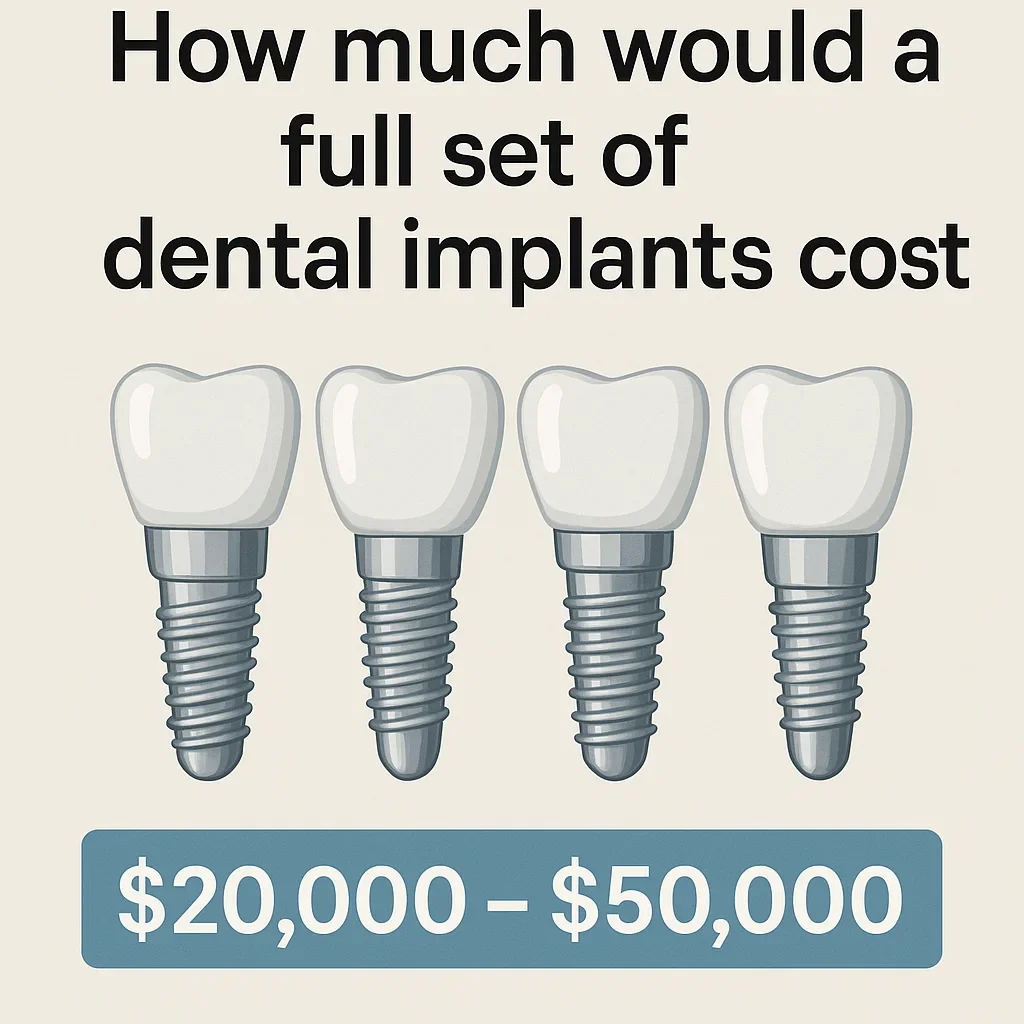
The cost of a full set of dental implants varies widely depending on several factors such as the country where the treatment is performed, the materials used, the number of implants needed, and the complexity of the procedure. On average, in the United States, a full set of dental implants can range from $20,000 to $45,000 per arch. That means a complete upper and lower set could cost between $40,000 and $90,000 in total. In contrast, countries like Turkey, Mexico, or Hungary offer the same quality of treatment for a fraction of that price—sometimes as low as $5,000 to $8,000 per arch. 🌍
Why such a huge difference? The primary reason is the difference in operating costs, currency values, and dental tourism incentives. Clinics in popular medical destinations like Redent Klinik Contact Page specialize in international patients, offering full-mouth restorations at competitive rates while maintaining international standards and materials approved by organizations like the American Dental Association. By choosing a reputable clinic abroad, patients can often save up to 70% of what they would spend at home.
To understand how much would a full set of dental implants cost, it’s crucial to know what’s included in that price. A typical full mouth restoration involves 8 to 10 implants per jaw, abutments, custom prosthetic bridges or dentures, and sometimes bone grafting or sinus lifting if the jawbone needs support. Each of these components adds to the total cost. The implants themselves—made from titanium or zirconia—are priced based on brand and quality. Premium brands like Nobel Biocare or Straumann are more expensive but offer proven durability and faster healing times. 🧬
Another key factor is the dentist’s expertise and the clinic’s technology. Advanced 3D imaging, digital smile design, and guided surgery systems increase precision and success rates, but they also slightly raise the overall price. Still, these innovations reduce complications and improve aesthetic outcomes, making them a worthwhile addition to the treatment plan. Patients who research clinics and compare treatment plans will quickly see that choosing a skilled implant specialist is far more valuable than simply opting for the lowest price.
When searching for how much would a full set of dental implants cost, many patients forget to consider post-operative care and long-term maintenance. High-quality implants can last 25 years or even a lifetime with proper hygiene and regular checkups. This makes implants more cost-effective over time compared to dentures or bridges that require frequent replacements. For instance, traditional dentures may cost less initially but need adjustments every few years, whereas implants remain stable and functional, offering both chewing strength and a natural-looking smile. 😁
Another aspect influencing the total expense is whether the clinic offers an “All-on-4” or “All-on-6” system. These advanced implant techniques require fewer titanium posts to support a full arch, reducing surgical time and material costs. For many patients, this provides a perfect balance between affordability and quality. So, if you’re calculating how much a complete dental implant restoration costs, be sure to discuss these options with your dentist—they can drastically change your overall budget and recovery time.
To make the treatment more accessible, many clinics provide financing plans or installment options. Some even partner with international health financing companies to help patients pay gradually. It’s also worth checking if your dental insurance covers part of the procedure, as some plans may include partial reimbursements for implant crowns or abutments.
Ultimately, the total amount you pay for a new smile depends on your personal goals, oral health status, and where you choose to have your treatment. By carefully evaluating your options and selecting a trusted clinic, you can achieve long-lasting results without overspending. Understanding how much would a full set of dental implants cost allows you to plan financially, avoid hidden surprises, and invest wisely in a solution that truly transforms your confidence and daily comfort. 🌟
In the next section, we’ll explore the basics of full mouth dental implants—how they work, what they’re made of, and why they’ve become the gold standard in modern restorative dentistry. 🏆
Understanding the Basics of Full Mouth Dental Implants 🦷
Before diving deeper into how much would a full set of dental implants cost, it’s important to understand what a full mouth dental implant actually is and how it differs from other restorative dental treatments. Dental implants are titanium or zirconia posts that are surgically placed into the jawbone to replace missing tooth roots. They serve as stable anchors for artificial teeth, creating a permanent and natural-looking smile. Unlike dentures, implants fuse directly with the bone through a process called osseointegration, which provides unmatched stability and longevity. 🦷✨
What Are Full Mouth Dental Implants?
A full mouth dental implant procedure replaces all of your teeth in the upper and lower jaws using a fixed bridge supported by multiple implants. This is often referred to as an All-on-4 or All-on-6 system, meaning that only 4 or 6 implants are placed per arch to support an entire set of prosthetic teeth. This approach significantly reduces surgical time and recovery, while maintaining the strength and function of natural teeth. Patients who undergo this transformation regain their ability to chew, speak, and smile with confidence.
When people search for how much would a full set of dental implants cost, they often imagine the process as a simple tooth replacement. In reality, it is a carefully planned medical procedure that involves multiple stages: diagnosis, imaging, surgical placement, healing, and final restoration. Each stage requires advanced technology, specialized materials, and professional expertise, which all contribute to the total price.
Why Are Dental Implants Considered the Best Option?
Dental implants have become the gold standard in modern dentistry because of their durability, appearance, and comfort. Unlike removable dentures, implants do not slip or irritate the gums. They also prevent bone loss, which commonly occurs when missing teeth are left untreated. Over time, implants help preserve your facial structure, giving you a more youthful look. This is one reason why, despite the question of how much would a full set of dental implants cost, many patients find them worth every penny in the long term. 🌟
The Components of a Full Mouth Dental Implant
To better understand the treatment, it’s essential to know its three main components:
1. The Implant Post
This is the titanium or zirconia screw that acts as the artificial tooth root. It integrates with the jawbone and provides the foundation for the entire restoration. High-quality implants are made of biocompatible materials that encourage bone fusion.
2. The Abutment
The abutment serves as a connector between the implant post and the crown or bridge. It ensures that the prosthetic teeth are stable and properly aligned. Different abutment types are chosen depending on the shape of the mouth and the type of prosthesis used.
3. The Prosthetic Teeth
These are custom-made crowns or bridges designed to match your natural teeth in color, shape, and size. The quality of the prosthetic material—zirconia, porcelain, or acrylic—plays a major role in both appearance and durability, as well as the total price of your treatment.
The Process of Getting Full Mouth Implants
When researching how much would a full set of dental implants cost, understanding the process helps you appreciate why prices vary. The treatment begins with a detailed consultation and 3D imaging of your jawbone to plan the implant placement. After that, the implants are surgically inserted under local anesthesia or sedation. Over the next few months, osseointegration occurs, meaning the implants bond naturally with the bone. Once healing is complete, abutments and permanent prosthetic teeth are attached, restoring your smile completely. ⏳
How Long Do Full Mouth Dental Implants Last?
With proper care, dental implants can last for decades—often over 25 years. The key to their longevity lies in maintaining good oral hygiene, avoiding smoking, and scheduling regular dental checkups. Compared to dentures or bridges that may need replacement every 5–10 years, implants are far more cost-effective over time. So when asking yourself how much would a full set of dental implants cost, remember to consider the long-term savings that come from durability and reduced maintenance. 💎
Full Mouth Implants vs. Traditional Dentures
Traditional dentures are affordable initially, but they come with limitations. They can slip while eating or talking, require adhesives, and don’t prevent bone loss. On the other hand, full mouth implants provide a fixed, stable, and natural feeling solution. Patients report improved comfort, better speech, and the ability to eat all types of food without restrictions. Although the upfront cost of implants may be higher, the lifetime value and quality of life benefits far outweigh the difference.
Who Is a Good Candidate for Full Mouth Dental Implants?
Most healthy adults with adequate bone density qualify for implants. However, even patients with bone loss can often undergo bone grafting or sinus lift procedures to prepare their jaws for implantation. A consultation with an experienced implant dentist—such as those available at Redent Klinik Contact Page—can help determine if you’re an ideal candidate.
In conclusion, understanding the fundamentals of full mouth dental implants helps clarify why costs can vary so much between regions and clinics. From the type of materials used to the complexity of your case, each element influences how much would a full set of dental implants cost. By knowing what’s involved, you can approach the next step—evaluating the specific factors that affect pricing—with confidence and realistic expectations. 🏆
Factors That Affect the Cost of a Full Set of Dental Implants 💰
When researching how much would a full set of dental implants cost, you’ll quickly discover that prices can vary drastically. The total amount depends on multiple medical, material, and geographic factors. Understanding each of these helps you make informed decisions and avoid unexpected expenses later. Dental implants are not a “one-size-fits-all” procedure—their cost reflects your specific needs, the dentist’s expertise, and the overall complexity of the treatment. Let’s break down the most critical elements that shape the total investment in your smile. 😁
1. Geographic Location and Clinic Pricing
The location where you receive treatment plays one of the biggest roles in determining how much would a full set of dental implants cost. For instance, the same procedure that costs $40,000–$90,000 in the United States can be completed for $8,000–$15,000 in countries like Turkey, Hungary, or Thailand—without compromising on quality. 🌍
This price gap primarily stems from differences in labor costs, operating expenses, and insurance systems. Clinics in dental tourism hubs such as Redent Klinik Contact Page often include accommodation, airport transfers, and aftercare services in their packages, making the overall experience more affordable and stress-free. By contrast, clinics in the U.S. and Western Europe tend to have higher overhead and administrative costs, which are reflected in the final bill.
2. Number of Implants and Type of Restoration
The total number of implants required greatly affects how much would a full set of dental implants cost. A full mouth restoration may use different configurations depending on your bone density, bite pattern, and aesthetic preferences:
• All-on-4 Dental Implants
Uses 4 implants to support a complete arch of teeth. This is the most cost-efficient method, ideal for patients with limited bone structure. Average price per arch: $10,000–$20,000.
• All-on-6 or All-on-8 Implants
Involves placing 6 to 8 implants per arch for enhanced stability and bite strength. It is slightly more expensive but provides better load distribution and durability.
• Full Mouth Implant Bridges
These are fixed bridges attached to multiple implants, custom-made for each patient. They’re more natural-looking and long-lasting but tend to increase the overall price.
As the number of implants and complexity increase, so does the cost—but the long-term benefits of durability and comfort usually outweigh the initial expense. 💎
3. Materials Used in the Implants and Prosthetics
Material quality is a key cost driver in determining how much would a full set of dental implants cost. Titanium is the most common implant material due to its biocompatibility and strength. However, zirconia implants are also gaining popularity for patients seeking metal-free options or with allergies.
Similarly, the crowns and bridges that sit atop the implants vary by material—porcelain-fused-to-metal, full zirconia, and acrylic options all have different price points. Zirconia bridges, for example, offer superior aesthetics and durability but can cost up to 30% more than acrylic restorations. Investing in premium materials ensures better longevity, natural appearance, and fewer future repairs. ⚙️
4. Dentist’s Expertise and Clinic Technology
Just as with any medical procedure, the skill and experience of your dentist significantly influence the total expense. Implantology requires surgical precision, advanced planning, and artistic understanding of facial structure. Clinics using 3D imaging, computer-guided surgery, and digital smile design often charge slightly more—but these technologies enhance accuracy, minimize pain, and improve long-term outcomes. 🔬
A highly qualified dental implant specialist with international certifications or affiliations with the American Dental Association typically charges higher fees than a general dentist. However, their expertise dramatically reduces the risk of implant failure or complications. Choosing the right professional ensures that your investment pays off with reliable, lasting results.
5. Preparatory Procedures: Bone Grafting and Sinus Lifts
Not every patient is ready for implant placement right away. Some individuals require bone grafting, sinus lifting, or tooth extractions before receiving implants. These preparatory treatments improve jawbone density and ensure the implants fuse correctly. However, they also add to the total cost.
For instance, bone grafting can range from $400 to $3,000 depending on the severity of bone loss, while sinus lift procedures may add another $2,000–$5,000 to the treatment plan. Therefore, if you are calculating how much would a full set of dental implants cost, don’t forget to account for these additional steps that ensure long-term success.
6. Type of Anesthesia and Sedation Options
Comfort during surgery is another factor that affects total pricing. Some patients choose local anesthesia, which is included in most implant packages, while others prefer conscious sedation or IV anesthesia for a completely pain-free experience. The latter options typically add between $500–$2,000 to the total cost, depending on the duration of the procedure and the anesthesiologist’s fee. 😌
7. Aftercare, Maintenance, and Warranty
Aftercare services like follow-up visits, cleanings, and maintenance are essential parts of implant longevity. Clinics that include lifetime or long-term warranties on their implants may charge more upfront but offer significant peace of mind. This ensures that any potential issues—such as adjustments or repairs—are handled at no extra cost within the warranty period.
Reputable clinics, especially those focusing on international patients, often include a 5–10 year warranty on both the implants and prosthetics. This adds tremendous value to your investment and helps secure your confidence in the clinic’s commitment to quality.
8. Payment Plans and Financing Options
For many patients, the ability to pay over time makes dental implants more accessible. Most clinics today offer financing programs or work with healthcare credit companies. These plans can spread payments over 6 to 36 months, allowing you to manage costs comfortably. While financing itself doesn’t change how much would a full set of dental implants cost, it makes it easier to proceed without delay and protect your oral health sooner.
In summary, the total amount you pay for your dental implants depends on a combination of medical, material, and geographic elements. Every factor—location, materials, technology, and expertise—affects the bottom line. By understanding these details, you can better plan your treatment and confidently choose a trusted provider. In the next section, we’ll compare global implant prices so you can see how costs differ across regions and why certain countries, such as Turkey, have become world leaders in affordable dental care. 🌍
Comparing Dental Implant Prices by Country 🌍
When people search online for how much would a full set of dental implants cost, one of the biggest discoveries they make is that the price varies significantly from one country to another. These variations are not necessarily due to quality differences, but rather to factors like currency value, operational costs, taxes, and regional medical pricing policies. Understanding these cost differences helps patients make smarter choices, especially when considering dental tourism—a growing trend that allows individuals to receive world-class treatment abroad for a fraction of the price. ✈️
Why Prices Differ Across Countries
The global dental industry operates under diverse economic conditions. In developed countries like the United States, Canada, and the United Kingdom, dental professionals face high licensing costs, strict insurance regulations, and expensive equipment fees. Meanwhile, in medical tourism destinations such as Turkey, Mexico, and Hungary, the same materials and implant systems are used, but the overall price is much lower due to reduced labor and operational costs. This global disparity makes it easier to answer the question: how much would a full set of dental implants cost—it depends largely on where you choose to have the procedure. 💡
Average Full Mouth Dental Implant Costs by Region
Below is a general comparison of average prices for a full set of dental implants (both upper and lower arches combined). These ranges represent typical estimates for complete treatments, including surgery, abutments, and permanent bridges:
United States 🇺🇸
Full mouth dental implants in the U.S. typically range from $40,000 to $90,000. Factors such as the use of premium implant brands, sedation options, and advanced technology contribute to these high prices. However, patients in the U.S. often benefit from insurance coverage or financing options, which can help spread the cost over time.
United Kingdom 🇬🇧
In the U.K., a full set of dental implants costs between £25,000 and £50,000. NHS coverage does not usually include implants, as they are considered elective procedures. Therefore, patients either pay privately or seek affordable alternatives abroad.
Canada 🇨🇦
Canadian clinics charge approximately CAD $35,000–$70,000 for a full mouth implant treatment. The high price results from the country’s healthcare structure, where dental implants are generally excluded from public health plans and are entirely private procedures.
Australia 🇦🇺
Full dental implant costs in Australia range between AUD $30,000 and $60,000. While the quality of care is high, most Australians opt for overseas options due to growing dental tourism programs in Asia.
Turkey 🇹🇷
Turkey has become one of the world’s top destinations for dental implants, offering the same international quality for a fraction of the price. A full set typically costs between $5,000 and $8,000—up to 70% cheaper than in the U.S. This is made possible by the country’s lower living costs, strong healthcare tourism infrastructure, and government support for international patients. Clinics such as Redent Klinik Contact Page provide comprehensive implant packages, including hotel stays, airport transfers, and post-operative care, all at transparent prices.
Mexico 🇲🇽
In Mexico, the cost for a full set of implants averages $6,000–$10,000. Border towns like Tijuana and Cancun have numerous internationally accredited clinics, attracting American patients seeking affordable alternatives without traveling too far. Many of these clinics use the same implant systems approved by the American Dental Association.
Hungary 🇭🇺
Hungary is known as the “dental capital of Europe.” The average cost of a full mouth implant procedure ranges from €6,000 to €12,000. The country’s highly trained dentists, combined with EU-standard facilities, make it a top choice for European patients who want affordable care without leaving the continent.
Thailand 🇹🇭
Thailand’s dental tourism sector offers high-quality services at moderate prices. Patients can expect to pay $8,000–$12,000 for a full set of implants. Thai clinics are known for luxurious patient experiences and excellent English-speaking staff, making them a popular choice for Australian patients.
Additional Cost Considerations by Country
When comparing how much would a full set of dental implants cost across countries, patients should also account for additional expenses such as travel, accommodation, and aftercare. Many international clinics bundle these services into all-inclusive packages. For example, a patient flying to Istanbul for treatment might spend an extra $1,000–$1,500 on travel and lodging—yet still save more than $30,000 compared to treatment in the U.S.
Patients should also verify warranty policies and follow-up care options before traveling abroad. Reputable clinics offer multi-year guarantees on implants and often collaborate with partner dentists in other countries to provide post-treatment maintenance.
Quality vs. Cost: Finding the Balance
Price should never be the only factor when deciding where to get dental implants. It’s essential to balance affordability with safety, quality of materials, and the surgeon’s qualifications. While dental tourism offers enormous savings, patients should ensure that the clinic uses internationally certified implant systems and maintains sterilization standards recognized by global health authorities.
Reading reviews, requesting before-and-after photos, and confirming professional credentials are all necessary steps to ensure that your dental investment is both affordable and safe. After all, the goal isn’t just to save money—it’s to achieve a lifelong, confident smile.
Why Turkey Is Leading the Global Market
Among all countries, Turkey stands out for its exceptional balance between price and quality. Clinics there use advanced digital scanning, guided implant surgery, and 3D printing technology, all at a fraction of Western prices. Moreover, English-speaking dentists and internationally trained specialists make communication smooth and reliable. 🌟
When considering how much would a full set of dental implants cost, Turkey offers one of the most cost-effective solutions globally—without sacrificing quality, safety, or patient satisfaction. This is why thousands of patients travel each year to cities like Istanbul, Antalya, and Izmir for their dental transformations.
In summary, global pricing for dental implants varies widely, but by researching and comparing carefully, you can find a destination that meets both your budget and health standards. Next, we’ll examine the differences between full mouth implants and single-tooth implants to understand why their costs—and benefits—are so different. 🦷💬
The Difference Between Full Mouth and Single Tooth Implants 🔍
One of the most common sources of confusion for patients researching how much would a full set of dental implants cost is understanding the difference between full mouth and single tooth implants. While both procedures restore missing teeth and improve oral health, they differ significantly in purpose, structure, technique, and overall pricing. Knowing these distinctions will help you choose the right option for your needs, budget, and long-term expectations. 🦷
Understanding Single Tooth Dental Implants
A single tooth implant is designed to replace one missing tooth using a titanium or zirconia screw that acts as a root substitute. It supports a single dental crown, creating a natural-looking and fully functional replacement. This option is ideal for patients who have lost one or a few teeth due to decay, trauma, or gum disease but still have healthy surrounding teeth and strong bone density.
In most cases, a single implant consists of three parts: the implant post, the abutment, and the crown. The procedure requires local anesthesia and typically takes about one hour per tooth. After placement, the implant must integrate with the jawbone—a healing process called osseointegration—which can take three to six months. Once healing is complete, the permanent crown is attached, completing the restoration. 💎
Average Cost of Single Tooth Implants
The cost of a single implant can vary from $1,500 to $6,000 depending on the dentist’s experience, implant brand, and geographic location. For example, a single implant in the U.S. averages around $3,000–$4,500, while in countries like Turkey or Hungary, the same treatment may cost between $700–$1,200. This difference helps patients understand why how much would a full set of dental implants cost changes so dramatically across regions.
What Are Full Mouth Dental Implants?
Full mouth dental implants—also known as “All-on-4,” “All-on-6,” or “All-on-8” restorations—are comprehensive solutions for patients missing most or all of their teeth. Instead of replacing each tooth individually, dentists strategically place four to eight implants per jaw to support a full arch of artificial teeth. This system provides both stability and aesthetics comparable to natural teeth, making it a life-changing solution for patients suffering from severe tooth loss. 🌟
Full mouth implants are designed to distribute biting forces evenly across the jaw, protecting the bone and ensuring a long-lasting result. The prosthetic teeth are usually made of zirconia or acrylic, both materials that replicate the look and feel of natural enamel. These systems can replace an entire upper, lower, or both arches—offering patients a complete and permanent restoration.
Cost of Full Mouth Dental Implants
The average cost of a full mouth restoration ranges widely—from $20,000 to $45,000 per arch in the United States. In contrast, international destinations like Turkey offer similar procedures for $5,000–$8,000 per arch. When multiplied for both arches, that gives a total cost of approximately $10,000–$16,000, which is still far less than the average U.S. pricing. Thus, when patients ask how much would a full set of dental implants cost, it’s essential to clarify whether they’re referring to single, partial, or full mouth restoration—because the difference can be tens of thousands of dollars. 💰
Structural Differences Between the Two
The main difference lies in how the implants support the replacement teeth. A single implant supports one crown, while a full mouth system uses a few implants to support an entire arch of teeth. Here’s how they compare:
1. Number of Implants
A single implant uses one screw per tooth. A full mouth restoration generally uses 4 to 8 implants per jaw, depending on bone strength and desired stability.
2. Healing and Recovery Time
Single implants heal faster since they involve smaller surgical areas. Full mouth implants take slightly longer to heal, but modern “same-day” techniques allow temporary bridges to be attached immediately for aesthetic purposes.
3. Durability and Bite Force
Both options are durable, but full mouth implants restore up to 90–95% of natural bite force, while single implants match 100% of natural strength per tooth. The choice depends on how many teeth you’ve lost and your overall oral condition.
4. Cost Efficiency
Replacing every tooth individually with single implants would cost over $50,000–$90,000 in most Western countries. By using systems like All-on-4, patients achieve a complete smile with fewer implants, making full mouth restoration far more cost-effective. This efficiency explains why dental tourists seeking affordable options often focus on how much would a full set of dental implants cost rather than single replacements.
Longevity and Maintenance
Both single and full mouth implants are designed for longevity. With proper hygiene and care, they can last over 25 years—or even a lifetime. The maintenance routine is similar: regular brushing, flossing, and dental visits are essential to prevent gum inflammation or infection. However, full mouth implants may require occasional screw tightening or prosthetic adjustments due to wear, especially if acrylic materials are used. 🪥
Functional and Aesthetic Benefits
Both procedures dramatically improve a patient’s quality of life, but full mouth implants provide a complete smile transformation, boosting confidence and restoring facial symmetry. They also help prevent bone loss across the entire jaw, something single implants can’t achieve if large gaps remain elsewhere. Patients who once struggled with removable dentures often describe full mouth implants as “life-changing” due to their comfort and natural appearance.
Which Option Is Right for You?
The decision between single and full mouth implants depends on the number of missing teeth, jawbone condition, and financial considerations. Patients missing only one or two teeth are best suited for single implants, while those missing most of their teeth benefit from full mouth restoration. Consulting with an experienced dentist or implantologist—preferably one who provides transparent pricing like those at Redent Klinik Contact Page—can help determine the most effective and economical option for your needs. 🏥
In conclusion, both single and full mouth implants offer exceptional outcomes, but the treatment scope and costs differ drastically. Understanding these differences allows you to plan realistically and choose the best approach for your oral health goals. In the next section, we’ll explore the often-overlooked hidden costs associated with implants—expenses that could impact how much would a full set of dental implants cost overall. ⚠️
Hidden Costs You Should Know Before Getting Dental Implants ⚠️
When patients research how much would a full set of dental implants cost, they often focus only on the main treatment quote provided by the dental clinic. However, several additional and often hidden costs can significantly influence the total price of your new smile. These may include pre-surgical diagnostics, bone grafting, temporary restorations, travel expenses, and long-term maintenance. Understanding these elements upfront helps avoid financial surprises and ensures you plan accurately for your full mouth restoration. 💰
1. Diagnostic and Consultation Fees
Before any dental implant procedure begins, patients undergo a comprehensive diagnostic evaluation. This step includes 3D cone beam CT scans, panoramic X-rays, and full-mouth assessments to evaluate bone density, gum health, and overall suitability for implants. These imaging tests are critical because they allow precise surgical planning and minimize risks during the operation.
In many clinics, the consultation and diagnostic imaging are billed separately from the implant cost. A CT scan alone may cost between $200–$500 in the U.S., while some clinics abroad include it for free as part of a package deal. Therefore, when calculating how much would a full set of dental implants cost, patients should confirm whether initial consultation and imaging fees are included in the quote or charged separately. 📸
2. Tooth Extractions and Preliminary Procedures
In cases where damaged or decayed teeth must be removed before implant placement, extraction fees can add to your total bill. The average cost for simple extractions ranges between $75–$300 per tooth, whereas surgical extractions for impacted or broken teeth can reach $500 or more. In addition, patients may need periodontal cleaning or treatment for gum infections prior to surgery to ensure a stable foundation for implants. 🦷
Ignoring these pre-surgical steps can compromise long-term implant success, so reputable clinics always include this assessment stage. However, if a clinic’s quote seems too low, ask whether tooth extractions or preparatory procedures are covered—sometimes the “budget” packages exclude them, leading to unexpected expenses later on.
3. Bone Grafting and Sinus Lift Costs
Not every patient has sufficient bone density to support implants immediately. Bone grafting or sinus lift procedures are sometimes required to strengthen the jaw before implantation. These treatments are vital for ensuring that the implants fuse properly with the bone through osseointegration.
Bone Grafting
This procedure adds bone material—either synthetic, bovine, or from another part of the patient’s body—to the jawbone. Depending on the extent, bone grafting can cost $400–$3,000. In certain cases, multiple grafting sessions are needed for full recovery.
Sinus Lift
For upper jaw implants, a sinus lift may be necessary to create enough bone height. The cost ranges from $2,000–$5,000. Many dental tourists choose countries like Turkey for these combined treatments since clinics such as Redent Klinik Contact Page often include bone grafts or sinus lifts in comprehensive implant packages—saving patients thousands of dollars overall.
When estimating how much would a full set of dental implants cost, these preparatory procedures should always be factored in, especially for patients with long-term tooth loss or advanced gum disease. 🦴
4. Temporary Restorations and Healing Dentures
After implant placement, the jaw needs several months to heal before permanent prosthetics can be attached. During this period, patients often receive temporary dentures or bridges to maintain appearance and function. These temporary restorations can add $500–$2,000 to the total treatment cost, depending on material quality and duration of use.
While some clinics include temporary restorations in their total implant packages, others bill them separately. Asking whether your quote covers these interim prosthetics is essential, as going without them could affect both your appearance and comfort during recovery. 😷
5. Sedation and Anesthesia Fees
Comfort during surgery is a top priority for most patients. While local anesthesia is typically included in the base price, many opt for IV sedation or general anesthesia, especially for full mouth implant surgeries that last several hours. Sedation can cost an additional $500–$2,000 depending on the type and duration. Discussing anesthesia options in advance helps you budget properly and understand how much would a full set of dental implants cost in total. 💤
6. Post-Surgery Care and Medications
After surgery, patients may need antibiotics, pain relievers, or anti-inflammatory medications to aid recovery. Although these expenses are relatively small—typically under $200—they should still be included in your total cost expectations. Some clinics provide these medications as part of a package, while others require you to purchase them separately from a pharmacy.
Additionally, post-operative follow-ups, professional cleanings, or checkups may involve separate charges. A clinic that offers complimentary follow-ups provides added value and ensures proper healing progress. 🏥
7. Travel, Accommodation, and Aftercare Abroad
For international patients, travel-related expenses are a major component of hidden costs. Flights, hotel stays, local transportation, and meals can total between $1,000–$3,000, depending on the destination. However, many dental tourism clinics provide all-inclusive packages that cover these logistics at discounted rates. 🌍✈️
When asking how much would a full set of dental implants cost in a foreign country, confirm whether post-operative visits are required and if remote support is available once you return home. Reputable clinics like those listed with the American Dental Association or local medical tourism boards typically offer assistance or partner clinics for follow-up care.
8. Long-Term Maintenance and Warranties
Even though implants can last decades, maintenance is essential to keep them functioning and looking perfect. Annual checkups, professional cleanings, and occasional prosthetic replacements or screw adjustments are part of routine care. Some clinics provide extended warranties covering these services for 5–10 years, while others offer lifetime guarantees for the implant posts.
When you calculate how much would a full set of dental implants cost over time, consider these maintenance needs as part of your investment. A slightly higher upfront cost for a clinic offering solid warranties often leads to better long-term savings and peace of mind. 💎
9. Currency Exchange and Payment Fees
For patients paying internationally, currency fluctuations and bank transfer fees can affect the final cost. Some clinics allow patients to pay in their home currency or provide fixed-rate quotes to avoid surprises. Before scheduling your trip, confirm the accepted payment methods and ensure there are no hidden transaction charges. 💳
Final Thoughts on Hidden Costs
In conclusion, understanding all potential expenses ensures complete transparency before committing to treatment. The most reputable clinics provide detailed itemized quotes outlining every service, including consultations, surgery, anesthesia, temporary teeth, and follow-ups. This clarity not only helps patients budget realistically but also ensures peace of mind throughout the treatment journey.
Ultimately, the best way to determine how much would a full set of dental implants cost is to evaluate all direct and indirect costs together. Doing so prevents unwanted surprises and guarantees that your financial and medical expectations align perfectly. In the next section, we’ll explore how insurance coverage and financing options can make this transformative procedure more affordable. 💬
Insurance and Financing Options for Dental Implants 💳
When patients begin asking how much would a full set of dental implants cost, they often discover that the price can be significant—especially in countries like the United States, Canada, or the U.K., where dental insurance coverage for implants is limited. Fortunately, there are several ways to make implants more affordable through insurance, payment plans, and medical financing. Understanding how these financial options work ensures you can restore your smile without overwhelming your budget. 💎
1. Does Dental Insurance Cover Implants?
Traditional dental insurance policies often classify dental implants as a cosmetic or elective procedure rather than a medically necessary one. This means that coverage is either partial or nonexistent. However, many insurance providers have started offering implant-inclusive plans, reflecting the growing recognition of implants as a functional and health-improving treatment. 🏥
When calculating how much would a full set of dental implants cost, it’s essential to review your insurance plan carefully. Some insurers may cover a portion of the procedure—such as extractions, bone grafting, or the crown placement—while excluding the implant post itself. For example, a policy might pay for up to 30–50% of certain components, reducing your out-of-pocket expense by several thousand dollars.
Tips for Maximizing Insurance Benefits
- Request a **pre-treatment estimate** from your insurance company before committing to the procedure.
- Ask your dentist to code each procedure accurately—some portions of implant treatment, like bone grafting, may qualify for medical coverage.
- Check whether your policy resets annually. Splitting your treatment over two coverage years may allow you to double your reimbursement limits.
Even if your dental plan doesn’t cover the entire implant process, combining insurance benefits with flexible payment solutions can make your overall cost manageable.
2. Medical vs. Dental Insurance: The Key Difference
Sometimes, parts of an implant treatment may be covered under your **medical insurance** instead of dental insurance—especially when the procedure is medically necessary. For instance, if tooth loss occurred due to trauma, accident, or disease, your health insurance may reimburse portions of the surgical expenses. However, routine tooth loss from decay or aging is rarely covered. Understanding this distinction helps clarify how much would a full set of dental implants cost after insurance reimbursements.
3. Flexible Spending Accounts (FSA) and Health Savings Accounts (HSA)
If you live in the U.S., an **FSA (Flexible Spending Account)** or **HSA (Health Savings Account)** can significantly reduce the financial burden of implants. These accounts let you pay for eligible medical and dental expenses with pre-tax income, effectively saving you up to **25–30%** on total costs. 🧾
For example, if your total implant procedure costs $20,000, paying with pre-tax FSA or HSA funds could save $5,000–$6,000 depending on your tax bracket. Most clinics accept these accounts, but it’s best to confirm eligibility before beginning treatment.
4. Dental Financing and Payment Plans
Financing options make implants accessible to patients who prefer to spread payments over time. Many dental clinics partner with third-party financing companies to offer flexible installment plans ranging from **6 to 60 months**. Interest rates vary based on your credit score, but many providers offer 0% interest for short-term plans or low fixed rates for longer durations. 💳
Popular Financing Providers
- CareCredit: Offers healthcare-specific credit cards with 6–24 month interest-free payment plans.
- LendingClub Patient Solutions: Provides loans tailored for dental treatments with extended repayment terms.
- Sunbit: A newer financing option that approves patients with flexible credit backgrounds quickly and easily.
When planning how much would a full set of dental implants cost through financing, remember to consider interest or administrative fees, as they can slightly increase the overall expense. However, spreading payments can make it easier to fit treatment into your monthly budget without delaying essential oral restoration. 🌟
5. Dental Membership Plans and In-House Financing
Many modern clinics now offer in-house membership plans that function as an alternative to traditional insurance. For a small annual fee, patients receive significant discounts on treatments—including implants, cleanings, and checkups. These plans are particularly useful for patients who don’t have employer-provided insurance.
Additionally, some dental offices offer **in-house financing** directly through the clinic. Instead of going through a bank, patients can make monthly payments directly to the practice, often without a credit check. This is an excellent option for international patients seeking affordable care abroad, such as those visiting Redent Klinik Contact Page, where transparent pricing and installment plans make implants more accessible for everyone. 🌍
6. Government and Nonprofit Assistance Programs
In some countries, government-backed or nonprofit programs assist low-income individuals in obtaining necessary dental care. While these are often limited to basic treatments, certain programs may partially subsidize implant procedures when medically justified. For instance, veterans or patients who suffered facial injuries may qualify for special funding under public health schemes. It’s always worth exploring these options if you are struggling to cover how much would a full set of dental implants cost on your own. 🏛️
7. Dental Tourism: Built-In Financing Benefits
Patients who travel abroad for dental implants often benefit from indirect “financing” through cost savings. For example, undergoing treatment in Turkey or Hungary can reduce total expenses by up to **70%**, compared to domestic prices. Even after including travel and accommodation, the savings are substantial. Clinics specializing in dental tourism often bundle everything—consultations, surgeries, and follow-ups—into one fixed package price, allowing easier financial planning.
8. Comparing Payment Strategies
When deciding which financial path to follow, consider both short-term affordability and long-term sustainability. Using insurance or tax-advantaged accounts provides the best financial efficiency, while financing spreads costs over time. Combining multiple options often produces the most practical result—for example, applying your insurance reimbursement first, then using FSA funds for out-of-pocket costs, and finally financing any remaining balance.
9. Smart Budgeting for Dental Implants
Planning your finances carefully ensures that your implant journey is stress-free from start to finish. Start by requesting a written estimate from your clinic, including all potential add-on costs. Then, calculate how much you can allocate monthly toward your treatment. Remember, even if how much would a full set of dental implants cost initially seems high, breaking it down into manageable steps makes it achievable for most patients. 💬
Final Thoughts on Financing Dental Implants
Restoring your smile with implants is one of the best investments you can make in your health and confidence. While not every patient can pay the full amount upfront, flexible financing, tax-free savings, and insurance benefits make the process far more attainable. The key is to compare all available options, read the fine print, and choose a trustworthy dental provider with transparent pricing and patient-focused financial solutions.
In the next section, we’ll explore how to select the right dental clinic for your implants—an essential step that influences not only your results but also the total cost of treatment. Understanding both financial and clinical factors gives you complete control over your decision, ensuring a smooth path toward your perfect smile. 😁
How to Choose the Right Dental Clinic for Your Implants 🏥
Choosing the right dental clinic is one of the most important decisions when determining how much would a full set of dental implants cost and the overall success of your treatment. The clinic you select will influence not only your expenses but also the quality, comfort, and long-term results of your dental implants. With so many clinics—both local and international—advertising affordable implant services, patients must learn how to evaluate credentials, technology, hygiene, and patient care standards before committing. 🌍
1. Evaluate the Dentist’s Qualifications and Experience
The skill and training of the dentist performing your procedure are critical factors that determine both your outcome and safety. Implantology is a specialized field that requires advanced surgical training, an in-depth understanding of oral anatomy, and years of practical experience. A dentist’s expertise is often reflected in their success rate, reviews, and certifications.
Key Credentials to Look For
- Postgraduate training in **oral implantology** or prosthodontics
- Membership in international dental associations such as the American Dental Association or the International Congress of Oral Implantologists
- At least 5–10 years of experience performing implant surgeries
- Patient testimonials or case studies showcasing real results
When researching how much would a full set of dental implants cost, it’s worth paying attention not just to the price, but also to the background and reputation of the surgeon. An experienced professional can prevent complications, reduce healing time, and ensure aesthetic harmony in your final smile. 🦷✨
2. Assess the Clinic’s Technology and Facilities
Modern technology plays a major role in the safety and accuracy of dental implant procedures. Clinics equipped with advanced tools can achieve more predictable results and minimize surgical risks. Before making your decision, check whether the clinic uses the following technologies:
Essential Technologies for Quality Implant Care
- 3D Cone Beam CT Scanners: For precise imaging and implant placement planning.
- CAD/CAM Systems: Allow digital design and immediate fabrication of crowns or bridges.
- Guided Surgery Kits: Increase precision during implant placement.
- Intraoral Scanners: Create digital impressions—more comfortable and accurate than traditional molds.
Advanced clinics like Redent Klinik Contact Page integrate these systems into every step of the process, resulting in superior outcomes and higher patient satisfaction. While advanced technology might slightly raise initial costs, it improves long-term reliability—meaning fewer complications and maintenance expenses later. This is a vital factor when evaluating how much would a full set of dental implants cost overall. 💻
3. Hygiene Standards and Sterilization Protocols
Dental implant surgery involves direct contact with bone and soft tissue, so strict sterilization is non-negotiable. When visiting or consulting a clinic, inquire about its hygiene measures, sterilization cycles, and use of disposable materials. Internationally accredited facilities often follow **ISO** or **JCI (Joint Commission International)** standards to ensure patient safety.
Patients should also check whether the clinic maintains separate surgical rooms for implant procedures, uses sealed instruments, and adheres to modern infection control protocols. These details can dramatically affect both healing time and implant longevity. 🧼
4. Transparency in Pricing and Treatment Planning
A trustworthy dental clinic always provides a transparent and itemized quotation before any procedure begins. The quote should include implant posts, abutments, crowns, anesthesia, scans, and follow-ups. Avoid clinics that offer vague or incomplete estimates, as they may surprise you later with hidden charges.
When considering how much would a full set of dental implants cost, ask whether the price covers temporary teeth, postoperative medications, and additional procedures like bone grafting. Reputable clinics ensure that every cost component is clearly listed so patients can plan financially without uncertainty. 📄
5. Reviews, Testimonials, and Before-and-After Photos
One of the most reliable ways to evaluate a clinic’s credibility is through verified patient feedback. Look for authentic reviews on Google, Trustpilot, or dental tourism forums. You can also request to see before-and-after photos of previous implant patients treated at the clinic. These visuals help you assess the dentist’s aesthetic skills and consistency in achieving natural-looking smiles. 🌟
Warning Signs to Avoid
- Lack of verifiable online presence or professional website
- Unrealistically low prices without detailed explanation
- Limited communication or reluctance to provide credentials
- Pressure tactics urging you to make fast payment decisions
6. Communication and Patient Support
Effective communication is essential, especially for international patients. The best clinics offer multilingual staff, clear pre-treatment explanations, and follow-up support. They should provide digital consultations, online estimates, and 24/7 assistance during your treatment period. Friendly, informative communication ensures a smoother experience and helps reduce anxiety before surgery. 🤝
7. Warranty and Aftercare Programs
Dental implants are a long-term investment, and aftercare is vital to maintaining success. A reliable clinic provides comprehensive post-operative care, follow-up visits, and warranties covering both implants and prosthetics. Some clinics offer **5-year warranties**, while others provide lifetime guarantees on implant fixtures. Clinics with clear aftercare programs demonstrate confidence in their quality standards and commitment to patient satisfaction.
8. Comparing Domestic and International Clinics
Patients often compare local clinics with dental tourism destinations like Turkey, Hungary, and Thailand. International clinics frequently offer “all-inclusive” packages that cover consultation, surgery, accommodation, and transportation. These packages make budgeting easier and can reduce total expenses by up to **70%** compared to Western countries. 🇹🇷
However, patients should verify that the overseas clinic maintains international standards, uses genuine implant systems, and provides documentation for warranties. Doing so ensures your investment remains secure long after returning home. This is an essential part of evaluating how much would a full set of dental implants cost globally and responsibly. 🌍
9. The Importance of a Personalized Treatment Plan
No two patients are alike. The best dental clinics perform individualized assessments to customize treatment based on bone density, bite alignment, and aesthetic preferences. Personalized planning not only enhances comfort and appearance but also ensures long-term implant success. A well-crafted plan minimizes additional costs later, making it one of the most efficient ways to control how much would a full set of dental implants cost. 🧭
Final Thoughts on Choosing the Right Dental Clinic
In summary, choosing the right clinic goes far beyond price—it’s about finding a facility that combines experience, technology, transparency, and compassion. A trustworthy clinic will help you achieve natural, long-lasting results while respecting your budget and comfort. Whether you choose a local provider or an international specialist like those at Redent Klinik Contact Page, taking the time to evaluate these factors ensures you receive excellent value and peace of mind.
In the next section, we’ll discuss what happens after your surgery—the recovery process, aftercare routines, and how to maintain your implants for a lifetime of confident smiles. 🩺
Recovery, Aftercare, and Long-Term Maintenance Tips 🩺
Once you’ve completed your dental implant procedure, understanding the recovery and maintenance process is crucial. Many patients focus primarily on how much would a full set of dental implants cost, but the true value of your investment also depends on how well you care for your implants afterward. Proper healing, consistent aftercare, and ongoing maintenance ensure your implants last a lifetime while keeping your smile bright and healthy. 🦷
1. The Immediate Post-Surgery Recovery Period
Immediately after surgery, your mouth needs time to heal and allow the implants to bond with the jawbone—a process known as osseointegration. This stage is vital because it determines the long-term stability of your implants. During the first few days, mild discomfort, swelling, and bruising are common and typically subside within a week. Ice packs, rest, and prescribed pain medication help minimize these symptoms. 🧊
Essential Early Recovery Tips
- Avoid hot foods and drinks for 24 hours to prevent bleeding or irritation.
- Stick to soft foods such as soups, smoothies, and yogurt for the first few days.
- Do not smoke or drink alcohol during recovery, as these can slow healing and affect osseointegration.
- Rinse your mouth gently with a saline solution or an antiseptic mouthwash as directed by your dentist.
Clinics like Redent Klinik Contact Page provide personalized recovery guides and checkups to ensure proper healing after surgery. Following your dentist’s specific instructions is one of the most effective ways to protect your new smile and safeguard the money you invested after asking how much would a full set of dental implants cost.
2. Healing Timeline and What to Expect
The healing timeline varies depending on bone density, overall health, and the number of implants placed. Typically, osseointegration takes around **3 to 6 months**. During this time, the implants fuse securely with the bone, creating a strong foundation for the final prosthetic teeth. 🕒
It’s important to attend all scheduled follow-up appointments. These visits allow your dentist to monitor healing progress and ensure there are no complications such as infection, implant shifting, or bone resorption. Ignoring aftercare appointments could lead to implant failure, increasing the total cost of treatment and invalidating warranties. Understanding this part of recovery helps clarify why how much would a full set of dental implants cost includes not just the surgery, but also the ongoing professional care that follows.
3. Nutrition and Oral Hygiene During Recovery
What you eat and how you clean your mouth during the recovery period greatly influence the success of your implants. Nutrient-rich foods high in vitamins A, C, and D support tissue regeneration and bone health. Avoid hard, sticky, or crunchy foods that can place pressure on healing areas. 🥦🥣
Proper Cleaning Techniques
- Brush your teeth twice daily with a soft-bristled toothbrush.
- Use non-abrasive toothpaste to protect the implant surface.
- Floss gently using implant-specific floss or an interdental brush.
- Consider a water flosser for deeper cleaning around implants and bridges.
Keeping your mouth clean helps prevent peri-implantitis, an inflammatory condition that can cause bone loss around the implants. Neglecting hygiene can lead to expensive corrective treatments later—another reason why considering long-term maintenance is just as important as asking how much would a full set of dental implants cost. 🪥
4. Managing Pain, Swelling, and Discomfort
Mild soreness and swelling after surgery are normal and manageable with medication and proper care. Your dentist may prescribe pain relievers, antibiotics, or anti-inflammatory drugs to promote faster healing. Applying a cold compress for 15-minute intervals also helps reduce swelling. Avoid strenuous activity for 48–72 hours to minimize bleeding and pressure on the surgical site. 💤
5. The Role of Regular Checkups and Professional Maintenance
Even after full recovery, regular dental checkups are vital to maintaining implant health. Your dentist will inspect the condition of the implants, check gum health, and clean hard-to-reach areas that might accumulate plaque. Professional cleanings every six months—or more frequently for smokers or patients with gum sensitivity—help prolong the lifespan of your implants.
High-quality clinics usually include a maintenance program or warranty that covers professional cleanings and implant evaluations. This proactive approach ensures any minor issues are addressed early, preventing costly repairs later on. The cost of these periodic checkups is minimal compared to the value they add in protecting your investment in how much would a full set of dental implants cost. 💎
6. Lifestyle Adjustments for Long-Term Success
After your implants have healed, making small lifestyle changes can greatly improve their longevity. Avoiding tobacco, limiting sugary foods, and maintaining proper hydration all support healthy gums and bone tissue. Patients who grind their teeth (bruxism) should use a night guard to prevent pressure on implants. Regular exercise and a balanced diet contribute to stronger bones and overall oral health. 🌿
7. Recognizing Warning Signs of Implant Complications
Although dental implants have a success rate above 95%, complications can occasionally occur. Recognizing early warning signs is essential for preventing serious issues:
Common Warning Signs
- Persistent pain or swelling beyond the typical recovery period
- Bleeding gums or implant mobility
- Unusual taste or odor, which may indicate infection
- Difficulty chewing or changes in bite alignment
If you notice any of these symptoms, contact your dentist immediately. Prompt treatment prevents small issues from escalating into major problems that could jeopardize your implants and increase the overall cost of maintaining them.
8. Longevity and Maintenance Costs Over Time
With proper care, dental implants can last 25 years or longer. The titanium posts are permanent, but the prosthetic crowns may need replacement after 10–15 years due to natural wear. These replacements are relatively inexpensive compared to the original surgery. Therefore, when evaluating how much would a full set of dental implants cost over a lifetime, it’s important to view it as a long-term investment rather than a one-time expense.
Compared to traditional dentures that require regular relining and replacement, implants offer superior durability and comfort. In fact, their cost per year of use is often lower than that of removable prosthetics, making them a financially sound choice in the long run. 📈
9. The Psychological and Functional Benefits of Proper Maintenance
Maintaining your implants doesn’t just preserve your oral health—it enhances your confidence, speech, and ability to enjoy all types of food. Patients often describe their restored smiles as “life-changing.” Regular care ensures that this transformation remains permanent, offering both functional and emotional rewards that far exceed the financial cost.
Final Thoughts on Recovery and Maintenance
Recovery and long-term care are the pillars of dental implant success. Following your dentist’s guidance, maintaining excellent oral hygiene, and attending regular checkups are the keys to protecting your investment. Whether you received treatment locally or abroad, consistent aftercare ensures your implants remain strong, functional, and beautiful for decades. 🌟
In the next section, we’ll explore whether full mouth implants are truly worth the investment—examining both the financial and emotional returns that come from restoring your smile after understanding how much would a full set of dental implants cost. 💬
Are Full Mouth Dental Implants Worth the Cost? 💎
After understanding every stage of treatment, one essential question remains: are full mouth dental implants truly worth the price? When people ask how much would a full set of dental implants cost, they’re not only thinking about the immediate expense but also wondering whether the long-term benefits justify that investment. The truth is—dental implants offer unmatched durability, function, and aesthetic value compared to any other tooth replacement solution. In this section, we’ll explore the full picture: financial, health-related, emotional, and practical reasons why implants are considered a life-changing investment. 🦷
1. Comparing Implants with Other Tooth Replacement Options
When evaluating how much would a full set of dental implants cost, it helps to compare them with traditional options like dentures or bridges. While dentures and bridges might appear cheaper initially, they come with ongoing costs and drawbacks that make implants more cost-effective in the long run.
Traditional Dentures
Dentures may cost between $1,000 and $3,000 per arch, but they need replacement every 5–7 years. They often slip or cause sore spots, reducing comfort and chewing efficiency. Over time, jawbone resorption can also distort facial shape, requiring frequent adjustments.
Dental Bridges
Bridges typically range from $2,000–$5,000 per tooth. They require grinding down adjacent teeth to support the bridge, which can weaken surrounding structures. Furthermore, bridges only replace the visible part of the tooth—not the root—so bone loss continues beneath them. 🪥
Full Dental Implants
While implants involve a higher initial cost, they integrate with the bone and function like natural teeth. They can last 25 years or more, often for life. When factoring in maintenance, replacements, and quality of life, implants are the most economical choice over time. This long-term perspective redefines how patients should interpret how much would a full set of dental implants cost. 💡
2. Long-Term Financial Advantages of Implants
Though implants require an upfront investment—typically $20,000–$45,000 per arch in the U.S.—the long-term benefits outweigh recurring expenses tied to alternatives. For example, removable dentures need adhesives, relining, and eventual replacement. These small costs accumulate significantly over 10–20 years. In contrast, implants are a one-time solution that requires minimal maintenance and no adhesives, drastically lowering lifetime expenses.
When calculating the lifetime value, patients often realize that dental implants are not a luxury but a permanent health investment. Clinics like Redent Klinik Contact Page also make implants more accessible through all-inclusive packages and advanced techniques like All-on-4 and All-on-6 systems, which lower surgical and material costs without compromising quality. 🌍
3. Health Benefits Beyond Aesthetics
Dental implants go far beyond improving appearance. They restore full chewing ability, enabling patients to eat nutritious foods they might have avoided with dentures—such as steak, apples, or nuts. Proper chewing helps digestion and promotes overall health. Additionally, implants prevent bone loss by stimulating the jawbone, something no other dental solution can achieve.
Preventing Bone Resorption
Without tooth roots, the jawbone deteriorates over time, leading to facial sagging and premature aging. Implants act as artificial roots, preserving bone density and maintaining facial structure. This biological advantage alone justifies much of how much would a full set of dental implants cost.
Gum and Oral Health
Unlike dentures, implants don’t trap food particles or irritate gums. This reduces the risk of infections, bad breath, and periodontal disease. Cleaner oral environments lead to fewer dentist visits and lower long-term costs. 🩺
4. Psychological and Emotional Impact
The psychological benefits of implants are profound. Patients who once hid their smiles often regain confidence, improving personal and professional relationships. Studies show that smiling naturally boosts dopamine and serotonin levels, enhancing emotional well-being. 💬
Imagine no longer worrying about dentures slipping during a meal or a conversation. Implants allow individuals to speak clearly, laugh freely, and eat confidently—transforming daily life. This emotional stability can’t be measured in dollars, yet it remains a major reason why patients agree that the answer to how much would a full set of dental implants cost is ultimately “worth it.”
5. Durability and Functionality: Built to Last a Lifetime
Implants are made from high-quality biocompatible materials like titanium or zirconia that fuse directly with the bone. When maintained properly, they can last decades. Prosthetic crowns may need replacement after 10–15 years, but the implant posts usually remain intact indefinitely. Their natural strength and stability make them indistinguishable from real teeth in both function and feel.
Compared to removable dentures that lose fit over time, implants maintain precise alignment and bite strength. This long-lasting performance makes the perceived cost extremely reasonable when broken down across decades of reliable function. 📈
6. The Aesthetic and Social Value of Implants
Another key reason people invest in dental implants is the restoration of natural aesthetics. High-quality implants are designed to perfectly match the color, shape, and size of surrounding teeth. They don’t shift, click, or require removal at night. Patients often report a renewed sense of pride in their appearance, leading to improved social interactions and self-image. 🌟
7. Global Affordability: Dental Tourism Advantage
International dental clinics have transformed how people view affordability. For example, the same full set of implants that costs $40,000 in the U.S. can be completed in Turkey or Hungary for as little as $6,000–$8,000 per arch. These clinics operate with lower overhead while maintaining world-class standards through accreditation by organizations like the American Dental Association.
Patients traveling abroad can save up to 70% without sacrificing quality. All-inclusive packages typically cover accommodation, airport transfers, and post-treatment care. Such offers make it easier for individuals to achieve their dream smiles while optimizing how much would a full set of dental implants cost overall. ✈️
8. The Return on Investment: Lifetime Confidence and Health
When viewed as an investment in health and quality of life, the cost of dental implants becomes easier to justify. A confident smile can influence social interactions, self-esteem, and even professional success. In addition, avoiding repeated denture repairs and oral health complications saves thousands over a lifetime. In essence, implants pay for themselves through improved well-being and lower ongoing expenses. 💰
9. Patient Testimonials and Real-World Results
Many patients who initially hesitated due to cost now describe their implant journey as one of the best decisions of their lives. Common testimonials mention the freedom to eat any food, improved confidence, and better speech clarity. Such transformations demonstrate that when it comes to evaluating how much would a full set of dental implants cost, the value lies far beyond the price tag—it’s about restoring life quality. 🌺
Final Thoughts: The True Value of Dental Implants
Dental implants are more than an expense—they’re a lifelong investment in health, confidence, and happiness. Their durability, comfort, and ability to restore natural function make them one of the most worthwhile medical treatments available. Whether you choose to undergo treatment locally or abroad at reputable centers such as Redent Klinik Contact Page, the benefits extend well beyond your wallet.
So, while many ask how much would a full set of dental implants cost, the more meaningful question is: how much is a confident smile and a healthy life truly worth to you? 🌞
Disclosure: this page may contain affiliate links. We may earn a commission if you use them, at no extra cost to you.