
In today’s fast-paced digital world, dentist apps have become an essential part of modern oral-health management. These mobile tools are designed not only for dental professionals but also for patients seeking easier appointment booking, treatment follow-ups, oral-care tracking, and better communication with their providers. As dental technology continues to evolve 📱🦷, the rise of dentist apps offers an accessible and user-friendly experience that improves patient outcomes and clinic efficiency. This comprehensive guide explores how these apps work, why they matter, and how they are transforming the dental experience for millions of people.
The increasing dependence on digital platforms means that individuals want convenience, speed, and reliability. This is exactly where dentist apps stand out. From real-time reminders to AI-supported symptom checkers, these apps simplify the entire dental care journey. For example, many dental clinics now rely on advanced scheduling systems integrated directly into mobile apps, reducing waiting times and improving patient flow. Patients can upload X-rays, ask questions, and receive personalized recommendations from licensed dental professionals. The integration of secure messaging tools makes communication smoother while also enhancing patient satisfaction.
One of the most valuable aspects of dentist apps is their ability to make oral-health information more accessible. Many people struggle to maintain consistent dental routines, often due to a lack of education or awareness. Mobile platforms solve this problem by providing interactive brushing timers, flossing reminders, and educational content featuring best practices for oral hygiene. Some apps even use gamification 🎮 to motivate children and adults alike, making dental routines more enjoyable and consistent.
For dental professionals, these platforms offer tremendous advantages. They allow clinics to manage patient records digitally, automate reminders, monitor treatment progress, and improve case documentation. High-quality imaging tools, digital note-taking, and integrated payment gateways streamline workflow efficiency. As a result, dentists spend less time completing administrative tasks and more time delivering personalized, high-quality care. Many dentist apps also include tele-dentistry features, allowing virtual consultations that save time and reduce unnecessary clinic visits.
Advanced dentist mobile software—often referred to as digital dental tools or oral-care apps—is also becoming increasingly popular among patients with chronic dental conditions. Individuals with gum disease, braces, implants, or post-surgical needs can track their healing progress and receive instant guidance. This level of convenience significantly improves recovery outcomes and reduces the risk of complications. Additionally, apps often integrate with wearable devices, making it easier to monitor habits like nighttime teeth grinding.
Another major benefit is the increasing integration of artificial intelligence 🤖 in the world of dentist apps. AI-powered features include self-assessment tools where users can scan their mouths and receive automated suggestions based on detected symptoms. These tools do not replace a professional dental exam, but they help users identify potential issues early and encourage timely treatment. Early detection is one of the strongest predictors of long-term oral health.
Furthermore, secure cloud storage ensures patient data remains safe and accessible at all times. This allows patients to bring their dental history anywhere in the world, which is especially valuable during travel or emergency situations. For clinics, this centralized data management system reduces errors and accelerates diagnosis. The combination of convenience, accuracy, and accessibility is why more dental practices are adopting these tools.
If you need to reach a professional dental team quickly or schedule a visit, you can directly use this helpful link:
Redent Klinik Contact Page.
And for trusted educational resources, you can also refer to the
American Dental Association, which provides reliable oral-health information without any restrictions.
In summary, dentist apps are redefining modern dental care by providing convenience, accuracy, better communication, and improved treatment management. Whether you are a patient seeking simplified workflows or a dental professional looking for more efficient clinical tools, integrating these intelligent systems into your daily routine offers countless benefits. With digital transformation accelerating worldwide, dentist apps will continue to play a leading role in shaping the future of oral health. 🦷✨
Why Dentist Apps Are Transforming Modern Dental Care
The rapid evolution of digital technology has reshaped nearly every healthcare specialty, and dentistry is no exception. Today, dentist apps play a transformative role by streamlining communication, enhancing clinical workflows, and empowering patients with easy-to-access oral-health tools. This shift toward mobile dentistry is not merely a trend—it is a structural change influencing how care is delivered, managed, and experienced. 📱🦷
To understand why dentist apps have become indispensable, we must explore their benefits, underlying technologies, and real-world applications in both clinical and patient settings.
Convenience and Accessibility for Patients
One of the most significant reasons behind the rise of dentist apps is the unmatched accessibility they offer. Patients can book appointments, check reminders, manage oral-care routines, and even request virtual consultations—all from their mobile devices. This eliminates long phone calls and reduces administrative delays.
Furthermore, many apps offer AI-driven symptom checkers, brushing timers, flossing reminders, and educational tools that help users maintain healthier habits. These features make the experience more intuitive and personalized. Patients no longer need to wait for clinic visits to get simple guidance; answers are available instantly at their fingertips.
Enhancing Daily Oral-Care Routines
A key advantage of dentist apps is their ability to transform daily habits. Interactive brushing guides, gamified oral-care modules, and customizable reminders motivate users to maintain consistent routines. For children, especially, gamification 🎮 turns brushing into a fun challenge rather than a chore.
Apps designed in this space often sync with smart toothbrushes or wearables, allowing users to track brushing patterns, pressure levels, and missed areas. This type of real-time feedback was once limited to clinic evaluations—now it is available every day at home.
Efficiency and Automation for Dental Clinics
From the perspective of dental professionals, dentist apps significantly improve workflow. Automated scheduling systems help reduce no-shows, maintain orderly appointment flow, and send immediate updates if a slot becomes available.
Tele-dentistry has also gained momentum. Dentists can conduct quick virtual assessments, follow up on post-treatment progress, or provide urgent recommendations without requiring physical visits. Clinics using these tools often report higher patient satisfaction because communication becomes more responsive and convenient.
Streamlining Clinical Record Management
Digital recordkeeping is one of the biggest transformations triggered by dentist apps. Instead of relying on paper files, dental clinics can store X-rays, treatment plans, progress photos, and historical notes in secure cloud systems. This ensures information is always accessible—from any device, at any time.
Centralized digital records reduce errors, speed up diagnostics, and support collaborative treatment planning among specialists. It also makes it easier for patients to switch clinics or seek second opinions since their entire history is digitally portable.
Improved Communication Between Dentists and Patients
Clear communication is at the core of successful dental care, and dentist apps excel in bridging the communication gap. Secure messaging platforms allow patients to send questions, images, or updates to their dentists. Rather than waiting for the next in-office appointment, they can receive quick feedback when needed. This ensures minor concerns are addressed early and prevents complications.
Additionally, push notifications help patients stay on track with treatment plans—whether it’s a post-surgery check, orthodontic adjustment reminder, or medication schedule.
Tele-Dentistry and Remote Monitoring
Remote care has become crucial, especially for individuals with limited mobility, those living in rural areas, or patients with chronic dental issues. Dentist apps equipped with tele-dentistry tools enable virtual checkups, follow-up evaluations, and the monitoring of healing progress after treatments like extractions or implants.
Using simple photo uploads or video calls, dentists can identify inflammation, abnormal healing, or hygiene issues. This proactive approach leads to better clinical outcomes and more connected care experiences. 🤝
Advanced Technologies Behind Modern Dentist Apps
The tech behind dentist apps is advancing rapidly. Artificial intelligence, machine learning, secure cloud infrastructure, and user-behavior analytics all work together to improve accuracy and personalization. AI symptom analyzers, for example, evaluate images of the mouth and give preliminary assessments. While these tools do not replace professional diagnosis, they successfully guide users on when to seek urgent care.
Additionally, apps increasingly integrate with smart devices, enabling seamless tracking of oral habits. Data-driven insights empower both dentists and patients to make better decisions.
To reach professional dental support or schedule an appointment with an experienced dental team, you may visit the
Redent Klinik Contact Page.
For authoritative dental education, the
American Dental Association
remains a trusted source for research-backed information.
Overall, the rise of dentist apps marks a major shift in the dental industry. These digital platforms enhance convenience, streamline clinic operations, improve communication, and help patients make informed decisions about their oral health. As more clinics adopt mobile technologies and integrate advanced features, the future of dentistry is set to become even more efficient, personalized, and digitally empowered. 🦷✨
Types of Dentist Apps and Their Essential Features
As digital innovation continues to reshape healthcare, dentist apps have evolved into a wide range of specialized tools, each addressing unique needs for both patients and dental professionals. These apps are no longer just appointment schedulers—today, they include AI-driven diagnostics, treatment planning systems, tele-dentistry platforms, oral-care trackers, and even virtual simulation tools. Understanding the various types of dentist apps available not only helps patients make more informed choices but also supports dental clinics in selecting the right digital solutions to enhance their operational efficiency. In this extensive guide, we break down the major categories of dentist apps and explore their most valuable features. 🦷📱
Patient-Centered Dentist Apps
Patient-focused apps are designed to simplify and enhance the user’s oral-health journey. Whether it’s brushing guidance, appointment reminders, or interactive tools, these dentist apps aim to keep patients engaged, educated, and proactive. Many individuals struggle with consistency, especially in daily oral hygiene. Patient-centered platforms solve this through reminders, timers, educational videos, habit tracking, and AI support.
Oral-Care Tracking Tools
Oral-care tracking apps empower users to form healthier dental habits. These tools often include brushing timers, flossing reminders, and routine checklists. Some incorporate gamification 🎮 to motivate children, offering badges and rewards for maintaining streaks. Modern brushing trackers sometimes integrate with smart toothbrushes to gather real-time data on duration, brushing angles, pressure levels, and coverage areas—providing feedback that was once available only during dental appointments.
By addressing poor brushing techniques early, these dentist apps help prevent cavities, gum disease, and plaque buildup.
Appointment and Reminder Systems
One of the most widely used categories of dentist apps is appointment management software. These platforms allow users to book, cancel, or modify appointments instantly without calling the clinic. Push notifications ensure patients never miss a scheduled visit, which significantly reduces no-shows for clinics and improves patient compliance.
Some reminder-based apps also integrate with treatment plans, providing tailored alerts for orthodontic adjustments, medication reminders, or post-op care instructions after procedures like extractions or implants.
Professional Dentist Apps for Clinical Use
Dental clinics rely on professional-grade dentist apps to enhance accuracy, organization, and communication. These tools are essential in modern dentistry, where digital documentation, streamlined workflows, and fast clinical decision-making are critical. Most professional apps include charting systems, digital X-ray viewers, cloud-based storage, and communication dashboards. Clinics using these technologies benefit from reduced administrative tasks and increased focus on direct patient care.
Digital Charting and Imaging Systems
Dentists heavily depend on charting and imaging to diagnose and plan treatments. Digital charting apps replace traditional papers with structured, easy-to-navigate databases. These apps store X-rays, intraoral photos, periodontal charts, and treatment notes in one secure platform.
Advanced versions support image enhancements, filters, AI detection tools, and the ability to annotate directly on images. Instead of flipping through physical records, dentists gain immediate access to complete patient histories—improving speed, accuracy, and workflow consistency.
Treatment Planning Platforms
Treatment planning dentist apps allow professionals to visualize procedures, simulate outcomes, and organize step-by-step plans for cases like orthodontics, cosmetic dentistry, and implant surgery. Some apps include 3D models that help patients understand expected results, making consultations more interactive and informed.
These features not only strengthen patient trust but also streamline internal communication among specialists. Orthodontists, periodontists, and oral surgeons can collaborate effortlessly through shared digital workspaces.
Tele-Dentistry and Virtual Consultation Apps
Tele-dentistry solutions have grown dramatically due to demand for accessible and convenient dental care. These dentist apps enable virtual assessments, video calls, photo submissions, and real-time chat support. They’re particularly beneficial for individuals in rural areas, busy professionals, elderly patients, or those unable to travel.
With these platforms, dentists can diagnose minor issues, guide patients through emergencies, provide post-treatment evaluations, and recommend next steps. Many apps also include AI tools that evaluate uploaded images to detect early signs of cavities, gum inflammation, or infections.
Remote Monitoring and Follow-Up Systems
After undergoing treatments like braces adjustments, aligner therapy, or implant placement, patients often require frequent monitoring. Remote follow-up apps allow users to upload photographs and videos of their healing progress. Dentists can review the material, assess any complications, and either offer reassurance or request an in-office visit if needed.
This efficient system saves time, improves safety, and increases patient satisfaction by providing continuous support.
Educational and Resource-Based Dentist Apps
Educational apps are invaluable for spreading awareness about oral health. These dentist apps include video tutorials, quizzes, tooth anatomy visualizations, and evidence-based articles covering dental hygiene topics. Users can learn about cavities, gum disease, whitening, braces, and much more with easy-to-understand content.
Some apps also provide product recommendations, comparing toothpaste formulas, floss types, and mouthwash ingredients. Others connect directly to reputable dental organizations for verified information.
Access to Trusted Dental Resources
Users seeking evidence-backed knowledge can benefit from dentist apps linked to trusted authorities. For example, many platforms provide educational references from reputable sources such as the
American Dental Association.
These resources ensure users receive accurate guidance that promotes long-term oral health.
If users need direct assistance, they can easily reach a dental team through the
Redent Klinik Contact Page.
This allows for seamless transitions from app-based guidance to professional in-person care.
Overall, the diverse range of dentist apps available today showcases how digital transformation is reshaping patient care, professional workflows, and oral-health education. As technology continues to advance, these apps will become even more intuitive, integrated, and essential in dentistry’s future. 🦷✨
How to Choose the Best Dentist Apps for Your Needs
With hundreds of dentist apps available across iOS and Android platforms, choosing the right one may feel overwhelming—especially when each promises convenience, efficiency, and smarter oral-health management. Whether you’re a patient seeking daily care support or a dental professional searching for powerful clinical tools, understanding the right selection criteria is essential.
In this comprehensive breakdown, we explore the key factors that determine app quality, usability, security, and long-term value. By the end of this section, you will be fully equipped to choose the best dentist apps tailored to your personal or professional needs. 🦷📱
Identify Your Primary Purpose and User Needs
Before downloading any dentist apps, the first step is understanding why you need one. Patients often need apps for reminders, oral-care tracking, tele-dentistry, or educational resources. Dentists, on the other hand, look for advanced features like digital charting, remote monitoring, appointment automation, and analytics dashboards.
By clearly defining your goals, you avoid downloading unnecessary apps or ones lacking crucial features.
For Patients: Convenience, Education, and Habit Tracking
Patients should prioritize dentist apps that offer easy interfaces, real-time reminders, brushing timers, flossing alerts, and clear educational content. Apps that sync with smart toothbrushes provide deeper insights—like brushing angles, duration, and coverage—leading to significant improvements in oral hygiene.
A reliable tele-dentistry option is invaluable for those who cannot always visit the clinic. The best apps also include secure messaging, symptom checkers, and photo upload options to receive quick feedback from dental professionals.
For Dental Professionals: Efficiency, Automation, and Data Accuracy
Professionals require dentist apps with advanced charting tools, AI-based imaging analysis, secure data storage, and streamlined scheduling software. Apps that integrate with practice-management systems are ideal for saving time and reducing administrative errors.
Look for features such as digital notes, intraoral image capture, 3D visualization tools, multi-user collaboration, and encrypted communication channels—all essential for modern, high-performing dental clinics.
Evaluate App Usability and Interface Design
The most powerful features mean little if the app is difficult to use. An excellent dentist app should have an intuitive design, minimal loading times, and easy navigation. Poor design leads to frustration, low engagement, and abandoned use.
Apps tailored for children may include animations, sound cues, and gamified challenges 🎮, whereas professional-grade apps focus on clean dashboards and efficient tools.
Remember: The best dentist apps balance function and simplicity.
User Reviews and Real-World Feedback
One of the strongest indicators of app quality is user feedback. Reading reviews on app stores or professional forums can reveal common issues, hidden strengths, and specific features people value the most.
Reviews often highlight reliability, crash frequency, privacy concerns, or excellent customer support—helping you make an informed choice.
Check Data Security and Privacy Measures
Because dentist apps handle sensitive patient information, security must be a top priority. Look for apps that comply with HIPAA guidelines, use encrypted communication, and provide transparent data policies.
Secure cloud-based systems ensure patient records, X-rays, and communications remain protected at all times. Avoid apps that lack clear policies or request unnecessary device permissions.
HIPAA Compliance and Cloud-Based Safety
Professional-grade dentist apps should explicitly mention HIPAA compliance, meaning they meet U.S. health data privacy standards. Cloud-based storage with strong encryption reduces the risk of data loss or unauthorized access.
Apps that offer two-factor authentication and biometric login also provide additional safety layers.
Examine Feature Integration and Compatibility
A high-quality dentist app should integrate smoothly with other software or devices. For professionals, this includes compatibility with digital X-ray systems, practice-management platforms, intraoral cameras, and patient portals.
For patients, integration with smart toothbrushes, wearables, and digital personal assistants (like Siri or Alexa) is a major advantage.
Compatibility ensures long-term usefulness and reduces the need to switch systems later.
Cross-Device Synchronization
Some dentist apps allow synchronization across multiple devices—phones, tablets, or desktops—ensuring seamless access. This is especially valuable for dental clinics where staff members share responsibilities or require remote access.
Patients also enjoy the benefit of switching devices without losing progress or reminders.
Assess Customer Support and Updates
Even the best features require strong customer support. Look for apps that provide regular updates, bug fixes, responsive help teams, and clear documentation. Dentist apps with outdated interfaces or no recent updates are often security risks.
Developers committed to improving features usually release frequent enhancements to match industry needs.
Training and Educational Materials
Professional dentist apps often include tutorial videos, webinars, and user manuals. These help clinics onboard new staff members efficiently.
Patients benefit from tooltips, beginner guides, and visual explanations that simplify app usage.
For additional support or professional dental guidance, you may directly access the
Redent Klinik Contact Page.
If you want verified oral-health resources, consult the
American Dental Association, a trusted authority worldwide.
Choosing the best dentist apps involves evaluating purpose, features, privacy, design, and reliability. With the right app, both patients and professionals can dramatically enhance their oral-health routines and clinical workflows—leading to better outcomes, stronger communication, and smarter dental care. 🦷✨
Cost of Using Dentist Apps and What Affects Their Pricing
As digital transformation continues to evolve in healthcare, many patients and dental professionals are turning to dentist apps as essential tools for communication, treatment tracking, education, and clinical management. One of the most common questions users have is about cost—specifically, how much these apps charge, what features are paid, and whether investing in premium versions is worth it.
In this comprehensive section, we break down how pricing works, what influences the cost of dentist apps, and how to choose the most affordable and effective option based on your needs.
Understanding Pricing Models for Dentist Apps
Different dentist apps follow different pricing structures. Some are completely free, others offer optional upgrades, and professional-grade apps may require monthly or annual subscriptions. Understanding these pricing models helps users avoid unexpected charges and select an app that offers the best value for their needs.
Free Dentist Apps
Many dentist apps are free to download and use basic features such as brushing timers, flossing reminders, educational content, appointment checkers, and habit trackers. Free apps work perfectly for users who simply want help improving their daily oral-care routine without needing advanced tools.
Some free apps are supported by ads, while others are funded by dental organizations or private developers. However, more advanced features like tele-dentistry, image scanning, or AI-based assessments may require a paid upgrade.
Freemium Apps With Optional Upgrades
A large portion of dentist apps use a “freemium” model—meaning basic tools are free, but premium features require a monthly or yearly subscription. Premium tools may include:
- AI-powered symptom analyzers
- Cloud backup and multi-device syncing
- Smart toothbrush integration
- Personalized oral-health coaching
- Tele-dentistry video consultations
Freemium apps allow patients to try core functions before committing to paid features, making them cost-effective for casual users.
Paid Professional Dental Apps
Dentists and clinics typically rely on more sophisticated apps designed to manage patient data, digital charting, scheduling, clinical imaging, and remote monitoring. These apps usually follow a subscription model and cost more due to their advanced functionality.
Professional dentist apps may include:
- Digital clinical charting and treatment planning
- HIPAA-compliant secure messaging
- Cloud-based patient record storage
- Real-time intraoral image capture
- 3D modeling and simulation tools
The investment in these tools often results in improved workflow efficiency, fewer administrative errors, and faster communication.
What Determines the Cost of Dentist Apps?
The price of dentist apps varies widely based on features, target audience, technology integration, and ongoing support requirements. Understanding the factors behind pricing helps users assess whether an app is truly worth its cost.
Feature Complexity and Technology Integration
Apps that include advanced technology—such as AI analysis, real-time brushing metrics, tele-dentistry video chat, or electronic health record integration—generally cost more due to higher development expenses.
For example, apps that sync with smart toothbrushes and detect brushing pressure or angle rely on specialized programming and sensor data, which raises subscription prices.
Cloud Storage and Data Encryption
Apps storing dental records, X-rays, communication logs, and patient data in the cloud must maintain strong encryption protocols. Secure storage requires ongoing server management, which increases operational costs.
Professional dentist apps especially depend on HIPAA-compliant systems, making them more expensive but also significantly safer.
Customer Support and Regular Updates
High-quality dentist apps require continuous updates to fix bugs, maintain security, and add features. Apps with responsive customer support teams, training resources, and onboarding tools are often priced higher to cover these benefits.
Long-term reliability and timely updates justify slightly higher subscription fees for most users.
Typical Price Ranges for Dentist Apps
For Patients
Below is a realistic, research-backed price range based on common offerings in the market:
Patient-Centered Dentist Apps — Price Ranges
--------------------------------------------
Free Apps: $0
Freemium Apps: $2.99–$9.99 per month
Premium AI Apps: $10–$20 per month
Tele-Dentistry Add-ons: $25–$60 per consultation
These costs vary depending on whether the app offers AI diagnostics, smart device integration, or human-led personalized coaching.
For Dental Professionals
Professional-grade dentist apps generally require more robust tools and enterprise-level features.
Professional Dentist Apps — Price Ranges
-----------------------------------------
Basic Practice Apps: $29–$59 per month
Advanced Cloud Systems: $79–$149 per month
Full Clinic Management Suites: $199–$500+ per month
Multi-Clinic Enterprise Packages: Custom Pricing
These apps often replace traditional management systems and provide higher long-term value.
How to Choose the Most Cost-Effective Dentist App
Finding the right dentist apps depends on balancing functionality with affordability. Users should choose apps that offer essential tools without forcing costly, unnecessary upgrades.
Patients looking for oral-care guidance should start with free apps or low-cost freemium versions. Professionals, however, benefit most from fully-featured management systems that justify higher monthly investments.
If you need assistance or wish to reach a real dental team, you can contact experts directly through
Redent Klinik Contact Page.
For trusted educational resources, consult the
American Dental Association.
Ultimately, the cost of dentist apps is shaped by the features you need, the technology behind them, and the level of support they provide. By evaluating your personal or professional goals, you can select an app that offers exceptional value while improving your oral-health experience. 🦷✨
Step-by-Step Dental Treatment Guidance Through Dentist Apps
Modern dentist apps have evolved far beyond simple scheduling or reminder tools. Today, they provide complete, step-by-step guidance for a wide range of dental treatments—from routine cleaning to orthodontics, implants, post-surgical care, emergency support, and long-term oral maintenance. These apps are designed to offer clarity, reduce anxiety, and support both patients and dental professionals through an organized, technology-enhanced treatment journey.
Below is a comprehensive explanation of how dentist apps guide users through treatments with accuracy, personalization, and real-time support. 🦷📱
Understanding the Treatment Journey Through Digital Platforms
Dental treatment guidance within dentist apps typically follows a structured path: diagnosis, planning, preparation, active treatment, follow-up, and long-term maintenance. Each stage includes different digital tools, such as visual instructions, video tutorials, medication reminders, imaging uploads, and communication portals.
By digitizing every step, these apps improve clarity and help patients better understand what to expect during their treatment.
Initial Consultation and Digital Intake
Before any treatment begins, dentist apps often include a digital intake process where patients can submit photos of their teeth, answer health questionnaires, and describe symptoms. Some apps use AI-powered scanning features to analyze these images and flag potential concerns like plaque, gum redness, enamel wear, or alignment issues.
This early step reduces unnecessary clinic visits and helps dentists prepare before the appointment.
Step 1: Diagnosis and Visual Explanations
After the digital intake, dentist apps provide diagnostic guidance. Many feature interactive tooth charts, 3D models, and educational animations to help patients understand the cause of their symptoms.
Visual aids are essential because many patients feel overwhelmed when hearing dental terminology. By simplifying the information with diagrams, videos, and color-coded charts, the apps ensure patients fully comprehend their diagnosis.
AI-Based Preliminary Assessments
A growing number of dentist apps offer AI-driven preliminary assessments. Patients can upload clear photos or short videos of problem areas, and the AI system highlights potential issues. While these assessments are not substitutes for dental exams, they empower patients to make timely decisions about scheduling appointments or beginning at-home care.
Step 2: Personalized Treatment Planning
Once diagnosis is confirmed, most dentist apps automatically generate personalized treatment plans. These plans include timelines, instructions, medication schedules, expected results, and recommended products.
For orthodontic or implant-related treatments, some apps offer 3D simulations that show how teeth will move or how implants will look once completed. This visual roadmap reduces anxiety and increases trust between the patient and the dental provider.
Timeline and Task Management Tools
Treatment plans inside dentist apps are often broken into checklist-style workflows. Each step includes deadlines, reminders, and progress monitors that guide patients through the process.
Whether it’s applying medicated gels, attending adjustments, or performing post-op care, these tools ensure patients never miss important steps.
Step 3: In-Treatment Support and Real-Time Monitoring
During active treatment, dentist apps provide real-time instructions and monitoring tools. For example:
- Push notifications reminding patients to take medication
- Brushing technique tutorials for sensitive areas
- Daily photos to track swelling or healing progress
- Virtual check-ups for urgent concerns
This proactive approach reduces the need for unnecessary clinic visits and ensures better outcomes. Patients feel safer knowing help is available instantly through the app’s support tools.
Tele-Dentistry for On-Demand Assistance
Tele-dentistry features allow patients to connect with their dentists via video or chat. Whether addressing pain, swelling, loose braces, or chipped teeth, immediate guidance helps prevent complications.
These virtual sessions are especially useful for patients with mobility issues, busy schedules, or limited local access to dental care.
Step 4: Post-Treatment Care and Recovery Tracking
Recovery is one of the most critical phases, and dentist apps provide structured aftercare instructions that help patients heal safely. Apps typically include:
- Ice-pack reminders
- Medication alerts
- Soft-food diet suggestions
- Instructions on reducing swelling
- Thermal-sensitivity management tips
Recovery tracking tools allow patients to upload photos daily. Dentists can quickly spot signs of infection, unusual bleeding, or slow healing—intervening before issues worsen.
Emergency Guidance and Safety Alerts
Many dentist apps include emergency modules offering practical steps for urgent issues like severe pain, cracked teeth, lost crowns, or implant discomfort. These guides help stabilize the issue until a professional visit becomes available.
Personalized alerts inform patients if their uploaded photos suggest complications, ensuring fast intervention.
Step 5: Long-Term Maintenance and Prevention
Once treatment ends, long-term maintenance begins. dentist apps help patients stay on track with recurring appointments, daily hygiene habits, and preventive care routines.
Many include:
- Biannual cleaning reminders
- Fluoride product recommendations
- Nightguard usage tracking
- Oral-health score evaluations
These tools ensure patients maintain healthy habits long after formal treatment is complete.
Wellness and Lifestyle Integration
Some dentist apps integrate with fitness trackers and health platforms, offering a complete wellness experience. Users can track hydration, sleep, and stress levels—all factors that affect oral health.
This holistic approach strengthens the relationship between digital health and dental wellness.
If you ever need professional clinical support beyond app-based guidance, you can quickly reach a real dental team through the
Redent Klinik Contact Page.
For evidence-based oral-health guidelines, consult the
American Dental Association.
Overall, dentist apps deliver structured, personalized, and easy-to-understand treatment guidance that enhances care outcomes, reduces confusion, and empowers patients to manage their oral health confidently. As technology advances, these step-by-step digital pathways will continue to improve and support users at every stage of their dental journey. 🦷✨
Recovery Timeline and Aftercare Support Through Dentist Apps
Healing after dental treatments—whether routine procedures, orthodontic adjustments, implants, extractions, or cosmetic work—requires careful attention and consistent follow-up. Modern dentist apps have transformed this stage of care by offering structured recovery timelines, real-time guidance, symptom monitoring, and personalized reminders that keep patients on track.
In this detailed section, we explore how dentist apps support every phase of recovery, reduce complications, improve communication, and boost patient confidence throughout the healing journey. 🦷📱
Why Digital Aftercare Matters in Modern Dentistry
Traditionally, patients receive aftercare instructions verbally or through printed leaflets—methods that are easy to lose or forget. Today’s dentist apps solve this problem by delivering digital, organized, and interactive instructions that are always accessible.
Digital aftercare ensures consistency, increases treatment success rates, and helps patients understand exactly what to expect at each healing stage.
Real-Time Access to Instructions
Through dentist apps, patients can instantly access post-treatment guidelines at any time. Instead of relying on memory, they can read step-by-step directions, watch videos, and follow visual charts that explain what normal healing looks like versus warning signs.
This reduces anxiety and improves the likelihood of proper recovery habits.
Understanding the Typical Recovery Timeline
While recovery time varies depending on the procedure, dentist apps track healing in general phases: immediate recovery, early healing, mid-healing, and long-term stabilization.
Let’s break down how apps support users during each phase.
Phase 1: Immediate Recovery (First 24–48 Hours)
Right after a dental procedure, patients are often most vulnerable. Dentist apps help during this period by:
- Sending reminders to apply ice packs
- Tracking medication schedules
- Providing soft-food diet suggestions
- Explaining how to manage bleeding or swelling
Some apps prompt patients to upload photos to monitor immediate healing indicators such as swelling, bruising, or gum irritation.
Phase 2: Early Healing (Days 3–7)
During early healing, pain begins to decrease but sensitivity may persist. dentist apps send personalized alerts that remind users to avoid strenuous activity, stick to proper brushing techniques, and continue necessary medications.
For treatments like extractions, aligner changes, or implant placements, apps may offer short video guides showing proper cleaning around the treated area.
Phase 3: Mid-Healing (Weeks 2–6)
Most dental procedures enter a stabilization phase after the first week. Dentist apps during this period help track:
- Progress photos
- Tissue healing
- Residual discomfort patterns
- Eating routine improvements
For orthodontic patients using braces or aligners, apps may also offer reminders for adjustments, aligner changes, or wire checks.
Phase 4: Long-Term Recovery and Maintenance
Long-term healing focuses on stability and prevention. dentist apps ensure patients maintain routines such as:
- Biannual checkups
- Nightguard usage (if needed)
- Whitening maintenance plans
- Daily brushing and flossing reminders
Maintenance features help patients turn temporary recovery behaviors into lasting oral-health habits.
Monitoring Symptoms Through Dentist Apps
The ability to monitor symptoms is one of the most powerful benefits of modern dentist apps. Users can upload photos, videos, or notes describing their symptoms, enabling dentists to quickly assess healing progress without requiring an in-office visit.
This reduces unnecessary appointments while ensuring early detection of complications.
When Apps Trigger Alerts
Some dentist apps use intelligent algorithms to flag concerning symptoms such as:
- Excessive swelling
- Prolonged bleeding
- Signs of infection
- Unusual pain patterns
If a symptom fits the app’s warning criteria, users receive immediate alerts prompting them to contact their dentist.
Tele-Dentistry for Post-Treatment Concerns
Tele-dentistry within dentist apps allows real-time consultation during recovery. Patients can discuss concerns via chat or video call, ensuring peace of mind and timely professional support.
This feature is especially helpful for patients recovering from implants, root canals, cosmetic procedures, and orthodontic treatments.
Virtual Checkups and Assessment Tools
Some dentist apps include guided photo tutorials that teach users how to capture accurate images of healing areas. Dentists can evaluate these uploads and determine if progress is normal or if intervention is needed.
Virtual checkups save time, reduce travel, and offer quick reassurance during recovery.
Medication and Care Reminders
Proper medication use is critical. dentist apps provide:
- Dosage reminders
- Timing alerts
- Anti-inflammatory schedules
- Antibiotic completion notices
These tools help prevent missed doses and ensure faster healing.
Diet, Hygiene, and Lifestyle Guidance
Recovery instructions often extend beyond medication. Dentist apps offer guidance on:
- Which foods to avoid
- How to brush gently around treated areas
- When to resume strenuous activity
- Oral habits to avoid (like straw usage or smoking)
This ensures consistent adherence to best practices.
If you need additional professional guidance beyond app-based care, you can reach a real dental team through the
Redent Klinik Contact Page.
For science-backed oral-health education, you may refer to the
American Dental Association.
In summary, dentist apps revolutionize recovery and aftercare by offering structured timelines, real-time monitoring, tele-dentistry access, and personalized reminders. These tools empower patients, improve clinical outcomes, and ensure a smooth, supported healing process from start to finish. 🦷✨
Common Problems and Solutions Found in Dentist Apps
As powerful and innovative as modern dentist apps have become, they are not without challenges. Both patients and dental professionals may experience issues ranging from technical glitches to usability concerns, data security doubts, or limited feature sets.
However, the good news is that these problems can be effectively managed—and in most cases fully resolved—with proper awareness, correct usage, and selecting well-built, reputable apps.
In this comprehensive section, we explore the most common problems users encounter with dentist apps and the practical solutions that address them. 🦷📱
Technical Issues That Affect App Performance
Like any digital tool, dentist apps may face technical performance challenges. These issues often arise from device incompatibility, outdated software, bugs, or poor internet connectivity. Understanding how these problems occur—and what steps to take—helps ensure smoother operation.
App Crashes and Slow Loading Times
App crashes are among the most frequent complaints. They usually happen due to device memory limitations, outdated operating systems, or poorly optimized app versions.
To resolve these issues:
- Update the app to the latest version
- Restart your device to clear cache and free memory
- Ensure your operating system is up to date
- Delete unused apps to free storage space
For professionals using high-performance dentist apps that handle large files like X-rays, stronger devices and stable Wi-Fi significantly reduce crashes.
Connectivity Problems
Many dentist apps rely on cloud storage and tele-dentistry features. Poor internet connectivity can cause:
- Interrupted video calls
- Failed image uploads
- Slow data syncing
Solutions include using high-speed Wi-Fi, switching networks, or enabling offline modes if available. Some apps also allow queuing uploads, which automatically sync once the internet stabilizes.
Usability and User-Experience Challenges
Even feature-rich dentist apps can underperform if the user interface is confusing, cluttered, or not accessible. A well-designed user experience is essential for patient adoption and satisfaction.
Complicated Interfaces
Apps packed with too many advanced features may feel overwhelming—especially for children, elderly users, or individuals with limited digital skills.
Solutions:
- Choose apps with simple, clean design layouts
- Use tutorial modes or intro walkthroughs
- Enable accessibility features like larger text or high-contrast mode
Developers increasingly recognize the importance of simplicity, and many are shifting toward more intuitive designs.
Lack of Clear Instructions
Some dentist apps provide complex treatment instructions without visual support, causing patients to feel confused or unsure.
Solutions include:
- Select apps with step-by-step videos or animations
- Use apps offering 3D models for treatment explanations
- Choose platforms with built-in educational libraries
Clear visual guidance improves understanding and prevents treatment mistakes.
Data Privacy and Security Concerns
Since dentist apps store sensitive health information, security concerns are valid. Data breaches, unauthorized access, or lack of encryption can put user privacy at risk.
Fortunately, reliable apps use strong security protocols, but users must still be cautious.
Weak Encryption and Data Protection
Poorly designed apps might store dental records or photos without proper encryption. This creates vulnerabilities.
Solutions:
- Use dentist apps that explicitly state HIPAA compliance
- Check for two-factor authentication options
- Avoid apps that request unnecessary permissions
Apps built with strong encryption protocols protect users from unauthorized access.
Cloud Storage Risks
Cloud-based systems are efficient but require proper security layers.
Choose dentist apps that offer:
- Encrypted cloud environments
- Regular data backups
- Limited access controls for clinics
These protective measures secure sensitive patient data while maintaining convenience.
Limited Features or Lack of Updates
Some dentist apps become outdated, lack essential tools, or fail to adapt to modern dental technologies. When this happens, users miss out on valuable improvements.
Outdated Tools and Poor Support
Apps with no recent updates may suffer from buggy behavior or irrelevant tutorials.
Solutions:
- Select apps with frequent updates and active developers
- Check update history in app stores
- Choose apps offering responsive customer support
Active development ensures that the app remains compatible with new devices and procedures.
Missing Advanced Features
Some dentist apps may lack essential tools such as AI photo analysis, smart toothbrush integration, or tele-dentistry support.
Users needing advanced functionality should choose premium or professional-grade services designed for complex dental care.
Communication Gaps Between Patients and Dentists
Although many dentist apps include messaging features, not all clinics respond quickly or efficiently. Slow response times lead to patient frustration.
Delayed Messaging Responses
Solutions:
- Look for apps with in-app guaranteed response times
- Use platforms with automated triage tools
- Choose clinics that actively support digital communication
Faster responses lead to better health outcomes and stronger patient trust.
Over-Reliance on Digital Tools
While dentist apps are powerful, they cannot replace professional care. Some users mistakenly rely exclusively on apps, skipping essential in-person appointments.
Balancing Digital Support With Real Dentistry
Patients must treat dentist apps as complementary tools—not standalone healthcare solutions.
The best approach is to combine app-based guidance with regular professional checkups.
If you ever need professional help or an in-person evaluation, you can easily reach a dental team through the
Redent Klinik Contact Page.
For verified dental information and recommendations, visit the
American Dental Association.
In conclusion, while dentist apps may encounter challenges—from technical glitches to user-experience issues—most problems have clear, practical solutions. With mindful selection and proper usage, these apps deliver tremendous value, support treatment success, and strengthen the connection between patients and dental professionals. 🦷✨
Benefits of Using Dentist Apps for Patients and Professionals
The widespread adoption of dentist apps has transformed the way people manage oral health and how dental professionals deliver care. These digital tools offer an impressive range of benefits—from real-time communication and educational support to streamlined clinical workflows and improved patient outcomes.
In this in-depth section, we explore the powerful advantages that dentist apps provide for both sides of the dental experience. Whether you’re a patient seeking convenience or a professional aiming for efficiency, these apps deliver significant value throughout the dental care journey. 🦷📱
Benefits of Dentist Apps for Patients
Patients rely on dentist apps to simplify appointments, support treatment plans, enhance oral hygiene habits, and gain instant access to trusted information. Let’s take a closer look at how these apps benefit everyday users.
1. Enhanced Convenience and Time Savings
One of the biggest advantages of dentist apps is convenience. With just a few taps, users can:
- Book appointments without calling the clinic
- Receive automated reminders
- Access treatment instructions
- Upload photos for remote evaluations
This eliminates unnecessary travel, reduces waiting times, and ensures patients stay organized throughout their care routines.
2. Better Daily Oral-Care Habits
Oral hygiene consistency improves significantly through digital reminders, brushing timers, habit trackers, and gamified tools. Many dentist apps sync with smart toothbrushes to monitor:
- Brushing duration
- Angle and pressure
- Coverage areas
These insights help patients adopt healthier techniques and understand how their habits impact long-term dental health.
3. Real-Time Access to Educational Resources
Quality oral-care education helps users maintain healthier teeth and gums. Dentist apps often include:
- Video tutorials
- Interactive tooth charts
- 3D animations
- Articles and guides
Accurate information empowers patients to make informed decisions. For authoritative resources, many apps link directly to trusted institutions such as the
American Dental Association.
4. Reduced Anxiety via Visual Tools and Step-by-Step Instructions
Dental anxiety affects millions of people. dentist apps help reduce stress by showing what to expect during procedures. Through 3D visuals, calming animations, and clearly organized step-by-step instructions, patients feel more prepared and reassured.
5. Immediate Support Through Tele-Dentistry
For minor concerns or follow-up questions, patients can connect with their dentist over chat or video without scheduling in-person visits.
This on-demand support improves care continuity and minimizes unnecessary emergency room trips.
6. Better Recovery Outcomes
Recovery after treatments such as implants, extractions, or orthodontic adjustments becomes easier with:
- Medication alerts
- Diet guidelines
- Healing progress checklists
- Photo-based monitoring
These tools reduce complications and encourage smoother healing.
Benefits of Dentist Apps for Dental Professionals
In clinical environments, dentist apps significantly enhance workflow efficiency, communication, and patient satisfaction. Professionals benefit just as much as patients.
1. Streamlined Scheduling and Appointment Management
Clinic staff can automate confirmations, reminders, cancellations, and waitlist notifications. This reduces administrative workload and optimizes daily scheduling—resulting in fewer no-shows and improved patient flow.
2. Improved Clinical Documentation and Data Accuracy
Digital records within dentist apps help maintain accurate documentation, including:
- X-rays and intraoral images
- Charting data
- Treatment notes
- Periodontal records
Cloud storage ensures data is always accessible, making collaboration between specialists far easier.
3. Enhanced Patient Communication
Dentists can exchange secure messages, review uploaded images, and answer questions quickly.
Faster communication improves trust, strengthens relationships, and increases treatment compliance.
4. Remote Monitoring and Follow-Up Support
Many dentist apps provide remote monitoring tools that allow professionals to evaluate patient healing without requiring an office visit. This saves time for both parties and reduces clinic congestion.
5. Integration With Smart Devices and Dental Equipment
Advanced apps support integration with:
- Smart toothbrushes
- Intraoral imaging tools
- Digital scanners
- AI analysis software
These integrations elevate diagnostic precision and provide real-time guidance, especially in complex cases.
6. Increased Patient Satisfaction and Loyalty
Patients value convenience, quick responses, and personalized care. Dentist apps deliver all three—boosting satisfaction and enhancing the overall patient experience.
Satisfied patients are more likely to return consistently and refer others.
The Shared Benefits: A More Connected Dental Ecosystem
The most remarkable advantage of dentist apps is how they create a more connected, collaborative ecosystem. Patients stay informed and supported, while professionals work more efficiently and accurately.
This synergy leads to improved treatment success, better communication, and stronger long-term health outcomes.
Bridging the Digital Gap
Digital dentistry is the future. Dentist apps bridge the gap between traditional care and modern technology—making oral health more accessible, more engaging, and more effective for everyone.
If you require professional help beyond the app experience, you can reach trained specialists directly through the
Redent Klinik Contact Page.
For trusted learning resources, always refer to the
American Dental Association.
In summary, dentist apps empower patients and professionals by making dental care easier, smarter, and more connected. Their benefits extend far beyond convenience—these digital tools reshape oral-health workflows and dramatically improve the quality of care. 🦷✨
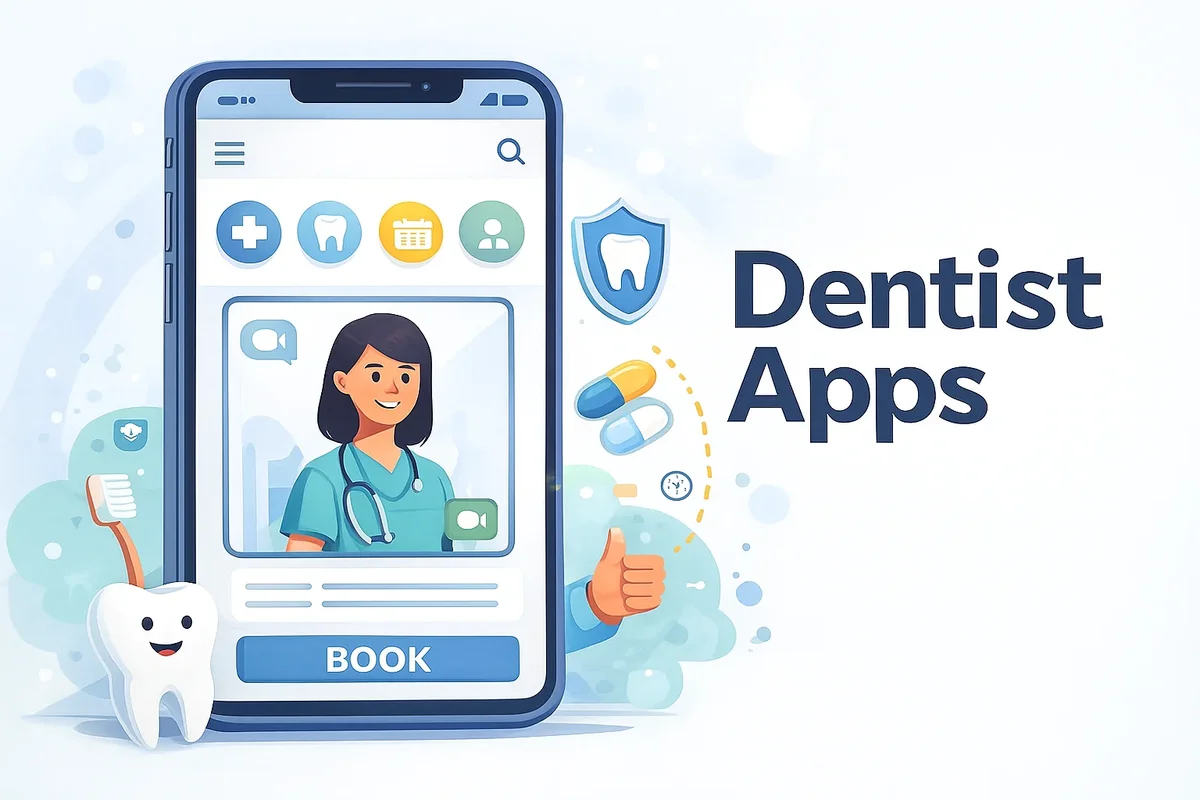
Top Questions Patients Ask About Dentist Apps
As dentist apps become more popular, patients increasingly want to understand how these tools work, what benefits they offer, and how they fit into modern dental care. Many users are curious about privacy, reliability, tele-dentistry, treatment guidance, and accuracy of digital assessments.
In this section, we address the most frequently asked questions in a detailed and user-friendly manner, helping readers feel confident and informed when using dentist apps. 🦷📱
Are Dentist Apps Accurate and Reliable?
One common question patients ask is whether dentist apps are accurate. While dentist apps can offer helpful insights—such as symptom tracking, brushing feedback, and AI-powered assessments—they are not replacements for professional diagnosis.
Their accuracy depends on:
- Quality of the app’s algorithm
- Photo clarity and consistency
- Proper usage instructions
- Regular app updates
High-quality apps with AI analysis can identify potential signs of decay, gum inflammation, or plaque buildup. However, they should be viewed as supportive tools—not definitive diagnostic instruments.
When Are AI Tools Most Helpful?
AI tools within dentist apps are particularly effective for early detection. They help users notice subtle changes, encouraging them to seek care sooner.
Examples include:
- Gum redness alerts
- Wear pattern analysis
- Alignment tracking
The goal is to empower patients, not replace professional evaluations.
Are Dentist Apps Safe for Storing Personal Dental Records?
Patients often worry about privacy. Because dentist apps handle sensitive information—including X-rays, personal data, and dental history—security is essential.
The best apps follow strict encryption standards and comply with HIPAA or regional data-protection guidelines.
How to Verify App Safety
Before downloading an app, check for:
- HIPAA compliance
- End-to-end encryption
- Two-factor authentication
- Transparent privacy policies
Avoid apps that request unnecessary permissions or lack clear security statements.
Can Dentist Apps Replace In-Person Dental Visits?
No—dentist apps are designed to supplement, not replace, in-person care.
While dentist apps offer tools like brushing timers, medication reminders, imaging uploads, and tele-dentistry consultations, they cannot perform physical procedures such as cleanings, fillings, or surgical treatments.
When Tele-Dentistry Works Well
Virtual consultations are especially helpful for:
- Post-treatment follow-ups
- Minor sensitivity checks
- Medication questions
- Initial assessments
For urgent or severe issues, in-person appointments remain necessary.
Do Dentist Apps Work for Kids and Families?
Absolutely. Many dentist apps offer child-friendly features such as interactive brushing games, reward systems, colorful animations, and simple daily tracking.
Families can use shared accounts to monitor hygiene habits for multiple children and receive alerts if brushing sessions are skipped.
Benefits for Children
Kids often respond well to gamified features. Apps help them:
- Brush for the recommended 2 minutes
- Use proper techniques
- Stay motivated with rewards
These tools turn oral hygiene into a fun and engaging activity.
How Do Dentist Apps Support Orthodontic Treatments?
Users undergoing braces or aligner therapy often wonder how dentist apps help with orthodontics.
Most orthodontic-friendly dentist apps include:
- Aligner-change reminders
- Wire-adjustment notifications
- Progress photo tracking
- Virtual check-in tools
Dentists can monitor progress remotely, reducing unnecessary visits and ensuring treatment efficiency.
Aligner Tracking Features
Many apps allow patients to visualize projected tooth movement through 3D simulations. This helps them stay motivated and understand their treatment path more clearly.
Can Dentist Apps Help With Post-Treatment Recovery?
Yes. A major benefit of dentist apps is their ability to support recovery after procedures.
Users receive reminders for:
- Medication timing
- Ice-pack usage
- Diet restrictions
- Cleaning techniques
Apps also allow photo uploads so dentists can assess healing without requiring the patient to visit the clinic.
Monitoring Healing Progress
If photos show signs of infection or inflammation, apps can trigger automatic alerts or allow fast messaging with a dentist for advice.
Do Dentist Apps Help Improve Long-Term Oral Health?
Many patients ask whether dentist apps can make a long-term difference in their oral health.
The answer is yes—consistent use of dentist apps encourages proper habits through reminders, habit tracking, education, and personalized recommendations.
Turning Short-Term Actions Into Long-Term Results
Apps help patients build healthy routines by reinforcing:
- Daily brushing
- Regular flossing
- Biannual dental exams
- Preventive care routines
Small, consistent actions lead to major improvements over time.
Where Can I Find the Best Dentist Apps?
Patients frequently ask where to download reliable, high-quality applications.
The best dentist apps are available through:
- Apple App Store
- Google Play Store
- Dental clinic recommendations
- Professional associations
You can also reach out directly to a trusted dental provider via the
Redent Klinik Contact Page
to receive personalized recommendations.
In conclusion, dentist apps address a wide variety of questions—from accuracy and privacy to treatment support and long-term care guidance. By understanding how these apps work and the benefits they offer, patients can confidently incorporate them into their oral-health routines. 🦷✨