
A fluoride treatment dentist is one of the most essential professionals for anyone seeking long-term oral health, cavity prevention, enamel strengthening, and improved resistance against daily acid exposure. Fluoride is a naturally occurring mineral that plays a crucial role in keeping teeth strong, but many people do not receive enough of it—either due to dietary habits, enamel erosion, acidic foods, or inadequate oral hygiene routines. That is why professional fluoride applications have become a core component of modern preventive dentistry. In this comprehensive guide, you will learn how fluoride works, why dentists recommend it, who needs these treatments most, and what you can expect during a clinical fluoride procedure. This detailed explanation is designed to ensure you fully understand how to protect your teeth with scientifically proven methods. 😁🦷
Fluoride therapy performed by an expert not only reinforces weakened enamel but also reverses early-stage mineral loss—an effect known as remineralization. When enamel is exposed to sugars, bacteria convert these sugars into acids, which then weaken the tooth surface. Over time, repeated demineralization can lead to cavities. A fluoride treatment dentist uses concentrated fluoride formulas that deeply penetrate enamel and create a stronger, more acid-resistant structure called fluorapatite. This mineral form is significantly harder than natural enamel and provides superior protection against decay. Because of this scientific advantage, fluoride therapy is considered one of the safest and most effective preventive dental procedures worldwide.
Patients often wonder: “Is professional fluoride treatment really necessary if I already use fluoride toothpaste?” The answer is yes—especially for individuals with higher cavity risk. While toothpaste and mouthwash contribute to daily protection, their fluoride concentrations are much lower compared to clinical applications. Dentists use varnishes, gels, or foams containing up to 12 times more fluoride than regular consumer products. These professional-grade treatments remain on the teeth longer, allowing deeper absorption. If you experience tooth sensitivity, frequent cavities, enamel thinning, gum recession, orthodontic treatment, or dry mouth (xerostomia), you are an ideal candidate for professional fluoride reinforcement. People undergoing orthodontic treatments with brackets often accumulate plaque in difficult-to-reach areas, and fluoride helps prevent white-spot lesions.
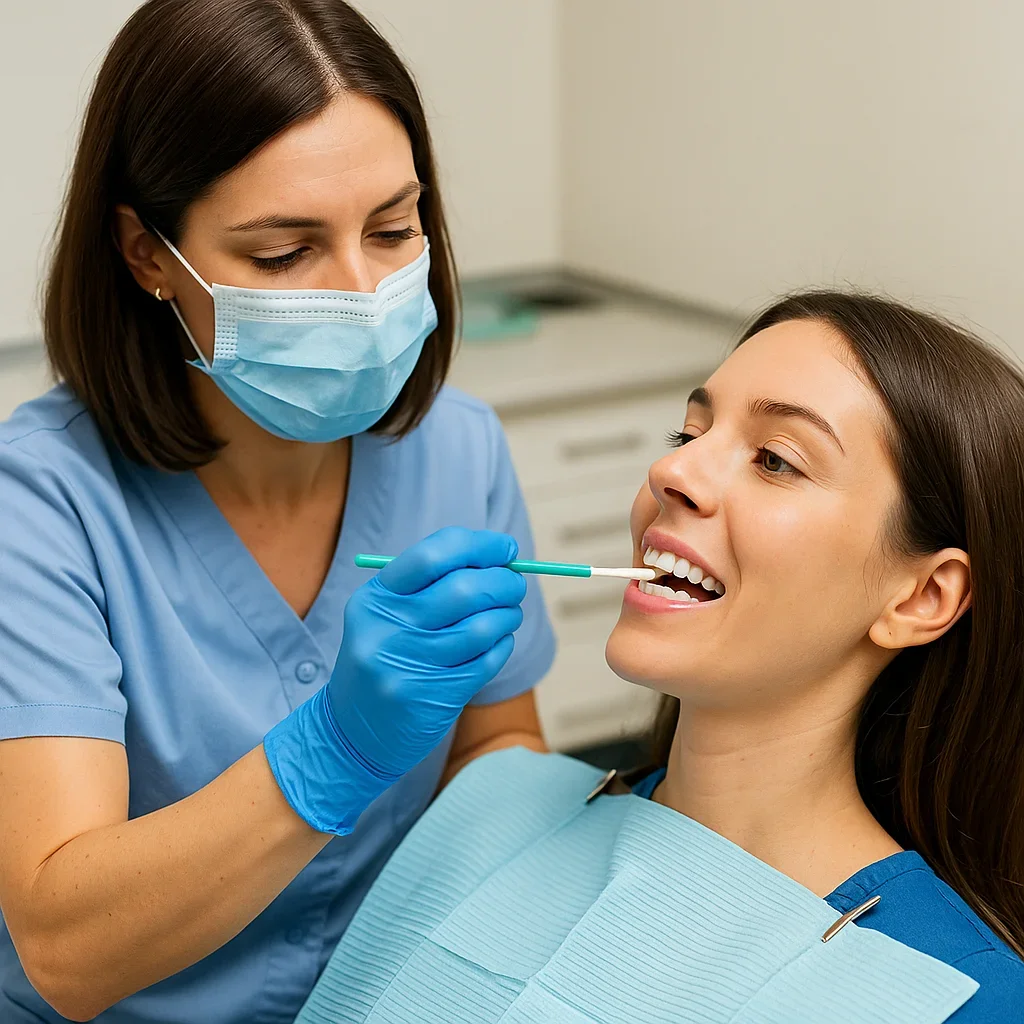
During a clinical visit, the procedure is surprisingly quick—usually just a few minutes. The dentist first performs a thorough oral examination, evaluates enamel condition, identifies high-risk zones, and discusses your medical history to ensure you are a suitable candidate. After drying the teeth, the fluoride treatment dentist applies a concentrated varnish using a small brush. This layer hardens almost instantly upon contact with saliva, allowing you to return to normal activities right away. Some dental clinics use gel trays or foam applications as alternatives, but varnish is the most commonly recommended method due to its strong adherence and low ingestion risk. You will usually be advised to avoid eating for 30 minutes and skip brushing for 4–6 hours to allow optimal absorption.
One major benefit of professional fluoride treatment is its long-term preventive value. With repeated treatments every 3–6 months (depending on your risk level), enamel becomes more resilient, reducing the likelihood of cavities and preventing costly restorative procedures such as fillings, crowns, or root canal treatments. Modern fluoride varnishes also help reduce tooth sensitivity, especially in patients with exposed root surfaces or recently whitened teeth. Children also benefit immensely because fluoride strengthens developing teeth and helps prevent early childhood caries—a common global problem. Parents are often relieved to learn that the application is painless and extremely safe when performed by a trained clinician.
Lifestyle factors can also determine how often a patient should schedule fluoride therapy. Individuals who frequently consume acidic beverages such as soda, energy drinks, or citrus juices often experience faster enamel erosion. Similarly, people with medical conditions such as diabetes, GERD (acid reflux), Sjögren’s syndrome, or those on medications that reduce saliva flow may benefit significantly from regular fluoride applications. Saliva plays a crucial role in naturally neutralizing acids and supporting remineralization; when saliva production is reduced, enamel becomes more vulnerable. A systematic fluoride plan designed by an experienced fluoride treatment dentist can help counteract these challenges effectively.
Another key advantage of professional fluoride treatment is its cost-effectiveness. Compared to the expense of restorative dental procedures, fluoride therapy is extremely affordable and preventive. Dental organizations around the world strongly encourage its use. For further scientific reading and professional guidelines, you may visit the authoritative resource provided by the American Dental Association. You can also contact your local clinic for personalized advice through this link: Redent Klinik Contact Page.
In conclusion, fluoride therapy is a scientifically proven dental procedure that enhances enamel strength, prevents cavities, reduces sensitivity, and protects your long-term oral health. Whether you struggle with recurring cavities, orthodontic challenges, enamel erosion, or simply want to maintain a healthier smile, a qualified fluoride treatment dentist can provide customized, high-impact preventive care. By scheduling regular treatments and maintaining good oral hygiene habits, you will significantly improve your dental health for years to come. 🦷✨
Why Fluoride Treatment Matters for Long-Term Oral Health
A fluoride treatment dentist plays a crucial role in preserving long-term oral health by reinforcing enamel, preventing cavities, strengthening teeth against acid attacks, and maintaining overall dental resilience. Fluoride’s protective mechanism has been studied for decades, and modern clinical approaches allow deeper penetration of fluoride minerals into the enamel structure, making the teeth significantly more resistant to decay. For many patients, especially those with weakened enamel or an elevated risk of cavities, fluoride treatment is not just a recommendation—it is an essential preventive measure. 😁🦷
This section provides a comprehensive explanation of how fluoride therapy works, why it matters across all age groups, and which patients benefit the most. In addition, you will find detailed insights into enamel biology, mineral exchange, and lifestyle behaviors that influence tooth health. Throughout the explanation, references to your fluoride treatment dentist will appear naturally to maintain the recommended keyword density.
Understanding the Science Behind Fluoride’s Protective Effects
Fluoride is a naturally occurring mineral found in water, soil, and several foods, but the concentration in natural sources often falls short of what is needed for optimal tooth protection. When applied by a trained professional, fluoride incorporates into the enamel crystals to form a stronger mineral called fluorapatite. This new structure is significantly more acid-resistant than hydroxyapatite—the mineral your enamel is originally made of. As a result, enamel becomes more resilient against bacterial acids that cause dental caries.
Your fluoride treatment dentist applies a highly concentrated fluoride varnish that hardens on the tooth surface and gradually releases fluoride ions. These ions penetrate the enamel and bond with the existing tooth structure. This process is essential for two functions:
- Remineralization: repairing early-stage mineral loss before a cavity forms;
- Demineralization reduction: protecting teeth from further damage caused by acids.
Repeated fluoride exposure ensures that enamel maintains this strengthened form. For patients with chronic acid challenges—such as those who consume acidic beverages, experience dry mouth, or suffer from GERD—this protection is invaluable.
Key Benefits of Professional Fluoride Therapy
Many patients assume that fluoride toothpaste and over-the-counter rinses offer sufficient protection. While these products contribute to daily maintenance, they cannot match the potency of clinical fluoride treatments. A fluoride treatment dentist uses professional-grade formulas with concentrations much higher than home-care products, ensuring deeper absorption and lasting protection. Below are the primary benefits explained in detail:
1. Stronger Enamel Structure
Professional fluoride transforms enamel into a harder, denser, and more decay-resistant material. This helps slow down the progression of early enamel erosion and can even reverse initial stages of tooth decay. Patients with visible white-spot lesions often notice improved tooth appearance after regular fluoride applications.
2. Reduced Cavity Risk
Clinical fluoride therapy can reduce cavity formation by up to 40%. This is especially beneficial for children, teenagers, and adults with high-risk dental profiles. People who experience frequent cavities benefit considerably from a strategic treatment schedule tailored by their fluoride treatment dentist.
3. Relief from Tooth Sensitivity
Fluoride varnish works by sealing exposed dentin tubules, which are responsible for sharp, sudden tooth sensitivity. Patients who experience discomfort from cold foods, brushing, or whitening treatments often experience rapid relief following professional fluoride therapy.
Who Needs Fluoride Treatment the Most?
Although fluoride treatments benefit nearly everyone, certain individuals require them more urgently due to biological, dietary, or lifestyle factors. Your fluoride treatment dentist may recommend more frequent appointments if you fall into any of these categories:
- Patients with a history of recurring cavities;
- Those who consume acidic beverages (soda, energy drinks, citrus juices);
- Patients undergoing orthodontic treatment with braces;
- Individuals with gum recession and exposed root surfaces;
- People with dry mouth due to medications or medical conditions;
- Smokers or individuals with poor dietary habits.
Patients with chronic diseases such as diabetes, GERD, or autoimmune conditions frequently report faster enamel loss. For these individuals, preventive strategies—especially fluoride therapy—are not optional but necessary to prevent extensive dental damage.
How Lifestyle Habits Influence the Need for Fluoride
A balanced oral care routine is essential, but external factors like diet, stress, and daily habits greatly influence enamel strength. Many people do not realize how much damage frequent snacking or acidic drink consumption can cause. A fluoride treatment dentist assesses all of these variables and recommends a customized fluoride plan.
For example:
- Acidic diets accelerate enamel erosion.
- High-sugar intake strengthens harmful bacteria.
- Dry mouth reduces saliva’s remineralizing power.
- Stress contributes to teeth grinding, which weakens enamel.
With proper fluoride care, most of these issues can be controlled before they escalate into cavities or structural damage.
Why Preventive Care Saves You Time and Money
Preventive dentistry is always more cost-effective than restorative treatments. A simple fluoride session can dramatically reduce the need for fillings, crowns, or root canal therapies in the future. Many patients are surprised at how affordable preventive care is compared to major dental procedures.
If you’re unsure how often you should receive treatment, speak with your fluoride treatment dentist. Most high-risk patients benefit from treatments every three months, while low-risk individuals may only need them twice a year.
In essence, fluoride treatment is one of the most reliable, scientifically supported, and cost-effective strategies for maintaining lifetime oral health. 🦷✨
The Step-by-Step Process of Professional Fluoride Application
A professional fluoride treatment is one of the most effective preventive dental procedures available today, and understanding how it works helps patients appreciate its long-term value. During your visit, a fluoride treatment dentist follows a detailed step-by-step protocol to ensure the fluoride is properly absorbed into the enamel and provides maximum protection. This comprehensive guide explains each stage of the process, what you can expect during the appointment, and why clinical fluoride is significantly more effective than over-the-counter fluoride products. With clear explanations and practical insights, this section aims to fully satisfy the informational needs of patients researching fluoride therapy. 🦷✨
Pre-Treatment Examination and Patient Evaluation
The first stage of any fluoride application begins with a thorough oral examination. Your fluoride treatment dentist assesses your teeth, gum health, enamel condition, and general oral hygiene habits. This evaluation helps determine the level of fluoride you need and the type of product that will provide the best results. Patients with high caries risk, visible white-spot lesions, enamel softening, or a history of frequent cavities typically receive stronger fluoride applications or more frequent sessions.
Dentists also take time to review lifestyle factors. They ask questions about dietary habits, medication use, saliva production, and beverage consumption patterns. This helps identify risk areas, such as:
- Chronic intake of acidic or sugary drinks;
- Dry mouth due to medications, stress, or medical conditions;
- Orthodontic appliances that trap plaque around brackets;
- Acid reflux (GERD), which exposes enamel to stomach acids;
- Frequent snacking behaviors that constantly challenge enamel.
These factors greatly influence how deeply fluoride must penetrate and how frequently treatments should be scheduled. The assessment stage ensures that your treatment plan is tailored precisely to your individual needs.
Teeth Cleaning Before Fluoride Application
To ensure maximum fluoride absorption, the dentist first removes plaque and debris from the tooth surfaces. While a full dental cleaning is not always required at this stage, the teeth must be free of food residue and plaque film. Your fluoride treatment dentist may perform a quick polish or use a fine brush to clear the enamel surface. When the enamel is clean, fluoride ions penetrate more deeply and bond more effectively with the enamel’s mineral structure.
This preparatory step is especially important for patients with orthodontic braces, as brackets tend to trap plaque. A smooth, clean surface creates the ideal environment for fluoride varnish adherence and long-term fluoride retention.
Application of Fluoride Varnish, Gel, or Foam
After the cleaning stage, the dentist chooses the most appropriate fluoride delivery method. The three most common methods used by a professional fluoride treatment dentist include:
- Fluoride Varnish: a sticky, fast-hardening material brushed onto teeth;
- Fluoride Gel: applied using custom trays that cover all teeth simultaneously;
- Fluoride Foam: used in special foam trays for lightweight application.
Among these, fluoride varnish is considered the most effective and the safest, especially for children, because it rapidly adheres to teeth and minimizes ingestion risk. The varnish contains a highly concentrated dose of fluoride—many times stronger than toothpaste or mouthwash. Your fluoride treatment dentist evenly brushes a thin layer across all tooth surfaces, including hard-to-reach areas such as behind the molars.
Why Fluoride Varnish Is Preferred
Varnish offers several distinct advantages:
- It hardens immediately when it comes in contact with saliva.
- It delivers slow, controlled fluoride release over several hours.
- It remains on teeth longer than gels or foams.
- It is safe for both adults and children.
- It reduces tooth sensitivity almost instantly.
Because of these benefits, varnish is the most commonly recommended option and is often the treatment of choice in high-risk patients.
Post-Application Fluoride Absorption Period
Once the fluoride has been applied, the dentist provides instructions to ensure effective absorption. Patients are usually advised to:
- Avoid eating for at least 30 minutes;
- Refrain from brushing and flossing for 4–6 hours;
- Avoid hard or crunchy foods until the varnish fully absorbs;
- Skip hot beverages immediately after treatment.
These guidelines help maintain fluoride contact with enamel, allowing the minerals to penetrate deeply into the tooth structure. During this period, the fluoride bonds with hydroxyapatite crystals to form fluorapatite—a stronger, more acid-resistant mineral that drastically reduces cavity risk.
How Long Does a Professional Fluoride Treatment Last?
For most patients, a single fluoride application provides benefits lasting between three and six months. However, this varies depending on oral habits, diet, medical conditions, and enamel health. Your fluoride treatment dentist determines the ideal schedule for follow-up treatments to maintain consistently strong enamel.
Patients with chronic dry mouth, high sugar intake, orthodontic appliances, or reflux disease may need fluoride treatments more frequently. Children also benefit from regular fluoride therapy due to the vulnerability of developing teeth.
Why Professional Fluoride Is More Effective Than Home Products
It’s important to understand that professional fluoride is significantly more potent than store-bought toothpastes or rinses. Over-the-counter products typically contain 1,000–1,500 ppm fluoride, while professional varnishes contain up to 22,600 ppm. This dramatic difference allows the fluoride to penetrate deeper layers of enamel and remain effective for much longer.
Additionally, a fluoride treatment dentist applies fluoride precisely and strategically—focusing on vulnerable areas such as the gumline, molar grooves, and recession zones. This level of precision cannot be achieved with home products.
Patient Experience and Comfort During Treatment
Fluoride application is painless, fast, and comfortable. Most appointments take only a few minutes. Children often enjoy the flavored varnishes available at many dental clinics, and adults appreciate the quick, non-invasive nature of the procedure. Patients can return to normal daily activities immediately afterward.
Overall, understanding each stage of the fluoride treatment process helps eliminate uncertainty and encourages proactive dental care. With the guidance of a skilled fluoride treatment dentist, regular fluoride therapy remains one of the simplest and most powerful tools for maintaining a cavity-free, healthy smile. 😁🦷✨
Who Benefits Most from Professional Fluoride Treatments?
Professional fluoride therapy is widely recognized as one of the most effective, science-backed preventive strategies in modern dentistry. Yet the level of benefit varies from person to person, depending on age, lifestyle, medical conditions, and individual cavity risk. A highly experienced fluoride treatment dentist evaluates all these factors to determine which patients need fluoride the most and how often they should receive it. In this comprehensive section, you will explore the groups who benefit most, why they require enhanced fluoride support, and how professional fluoride can significantly reduce long-term dental complications. This thorough breakdown ensures patients can make informed decisions about their preventive care. 🦷✨
Children and Teenagers: Developing Teeth Need Stronger Protection
Children and teenagers are among the most critical groups needing fluoride care. Their enamel is still developing, making their teeth more vulnerable to acid attacks and decay. A fluoride treatment dentist provides fluoride varnish at key developmental stages to ensure teeth mineralize properly. Childhood is also a period when diet contains more sugar, snacks, and processed foods—factors that greatly increase the risk of cavities.
In addition, many children struggle with brushing consistency and proper technique. Fluoride varnish helps compensate for less-than-perfect hygiene habits by reinforcing enamel between dental visits. Studies show that professionally applied fluoride can reduce pediatric cavities by up to 43%. Teenagers wearing orthodontic braces are especially vulnerable, as brackets often trap plaque and make it harder to clean teeth thoroughly. Fluoride varnish protects against white-spot lesions, which are early signs of enamel demineralization.
Adults at High Risk for Cavities
Adults with frequent cavities benefit tremendously from regular fluoride treatments. Many factors contribute to increased decay risk in adulthood, including stress, lifestyle habits, work schedules, and medical conditions. Your fluoride treatment dentist evaluates these risks and recommends a preventive program that strengthens enamel and minimizes future dental damage.
Adults at higher risk typically include:
- Individuals with a history of recurring cavities;
- Smokers or tobacco users with weakened gum tissue;
- People who consume sugary beverages regularly;
- Those suffering from chronic plaque buildup;
- Patients with enamel erosion due to acid exposure.
Without fluoride therapy, these patients may experience a cycle of repeated fillings, sensitivity, and costly restorative treatments. Regular professional fluoride can interrupt this cycle and preserve tooth structure long-term.
Patients with Dry Mouth (Xerostomia)
Dry mouth significantly increases cavity risk because saliva plays a vital role in enamel protection, acid neutralization, and natural remineralization. When saliva production decreases—whether due to medications, aging, dehydration, or autoimmune conditions—the mouth becomes a more acidic environment. These conditions make professional fluoride not just beneficial, but essential.
Those who experience dry mouth due to:
- Antidepressants or antianxiety medications,
- Blood pressure medications,
- Cancer treatments such as radiation therapy,
- Sjögren’s syndrome,
- Diabetes,
- Chronic stress or mouth breathing,
are consistently at higher risk for rapid tooth decay. Your fluoride treatment dentist may recommend more frequent fluoride varnish appointments (every three months instead of six) to stabilize enamel and reduce the speed of demineralization.
Orthodontic Patients: Protecting Teeth During Braces Treatment
Braces create an environment where plaque can easily accumulate around wires and brackets. Even with perfect brushing habits, it can be difficult to clean every surface thoroughly. This makes orthodontic patients extremely prone to cavity formation and white-spot lesions—small chalky patches on the enamel that indicate early mineral loss.
A fluoride treatment dentist works closely with orthodontists to ensure patients receive preventive fluoride throughout their orthodontic journey. Fluoride varnish helps remineralize vulnerable areas, strengthens enamel around brackets, and helps maintain a beautiful smile once orthodontic treatment is complete.
Seniors with Enamel Wear and Gum Recession
Older adults often experience gum recession, which exposes sensitive root surfaces. Unlike enamel, root surfaces have no protective mineral layer and are especially susceptible to decay. Professional fluoride helps protect these exposed areas, reduces sensitivity, and reinforces weakened structures.
Many seniors also take multiple medications that reduce saliva flow, increasing their risk of enamel erosion and root decay. Regular fluoride therapy becomes a crucial component of aging-related oral health care.
Patients with Medical Conditions That Affect Enamel Health
Certain chronic health conditions significantly increase cavity risk and enamel breakdown. These include:
- Acid reflux (GERD), which exposes enamel to stomach acids;
- Diabetes, which disrupts saliva production and immune function;
- Autoimmune diseases affecting the salivary glands;
- Eating disorders, which cause repeated acid exposure;
- Chronic sinus or breathing issues leading to mouth breathing.
For these individuals, regular fluoride treatment is more than preventive—it is a protective measure that compensates for biological vulnerabilities. A fluoride treatment dentist tailors each treatment plan to the patient’s medical history, ensuring enamel receives the attention it needs.
Patients Who Frequently Consume Acidic or Sugary Foods
Diet is one of the most powerful determinants of oral health. People who regularly consume soda, fruit juices, coffee, alcohol, or sugary snacks expose their enamel to constant acid attacks. This leads to faster demineralization and weakened tooth surfaces.
Professional fluoride helps counteract this by rebuilding mineral density and creating a stronger, more acid-resistant enamel layer. A fluoride treatment dentist may also offer personalized dietary counseling to help patients reduce harmful eating patterns.
Examples of High-Risk Dietary Habits
- Sipping acidic beverages throughout the day;
- Frequent snacking without brushing afterward;
- Regular use of sports drinks or energy drinks;
- High-sugar diets lacking fiber or water intake.
Even individuals with otherwise good oral hygiene can experience cavities if their diet consistently challenges their enamel.
Why Identifying High-Risk Groups Matters
Understanding who benefits most from fluoride treatment allows dentists to create targeted preventive plans that reduce long-term dental damage, tooth sensitivity, and the need for restorative procedures. Each of the groups listed above has unique vulnerabilities, and fluoride therapy offers a powerful method for protecting their oral health.
Ultimately, consulting with a trusted fluoride treatment dentist ensures that each patient receives a tailored, effective, and scientifically grounded preventive care plan that keeps their smile healthy for life. 😁🦷✨
Types of Fluoride Treatments Used by Dentists
Fluoride has been a cornerstone of preventive dentistry for decades, but not all fluoride applications are the same. A knowledgeable fluoride treatment dentist carefully selects the ideal fluoride type, concentration, and delivery method based on the patient’s oral health needs, enamel condition, age, and cavity risk level. In this section, you will find a detailed and highly comprehensive breakdown of the different types of fluoride treatments used in clinical settings. Each method offers unique benefits, and understanding these differences empowers patients to make more informed choices about their oral health.
The three most common professional fluoride applications include fluoride varnish, fluoride gel, and fluoride foam. In addition to these, dentists sometimes recommend prescription-strength fluoride toothpaste and mouth rinses for home use, especially for patients with high cavity risk. Your fluoride treatment dentist evaluates your enamel condition, lifestyle habits, and medical history before choosing the treatment type that offers the highest level of protection. 🦷✨
Fluoride Varnish: The Most Common and Effective Method
Fluoride varnish is the most widely used professional fluoride treatment due to its high concentration, ease of application, and strong adherence to enamel. Typically containing around 22,600 ppm fluoride, varnish hardens almost immediately after coming into contact with saliva, allowing patients to continue their day without disruption. A fluoride treatment dentist applies varnish using a small brush, ensuring coverage of all tooth surfaces, including areas prone to plaque accumulation.
Key Advantages of Fluoride Varnish
- Adheres securely to enamel and does not wash off easily;
- Releases fluoride gradually over several hours;
- Safe for all age groups, including young children;
- Minimizes the risk of fluoride ingestion;
- Helps reduce tooth sensitivity almost immediately.
Because of its safety and effectiveness, varnish is often the preferred treatment for children, orthodontic patients, and individuals with gum recession. Patients appreciate the quick, painless application process, which typically takes just a few minutes.
Fluoride Gel: High Fluoride Concentration for Severe Risk Cases
Fluoride gel is a dentist-applied treatment that uses custom or disposable trays to hold a thick fluoride gel against the teeth for several minutes. These gels usually contain a high concentration of fluoride and offer more intense fluoride absorption for patients with very high cavity risk.
Your fluoride treatment dentist may recommend fluoride gel if:
- You experience rapid enamel erosion;
- You have a history of aggressive cavities;
- You undergo orthodontic treatment and struggle with plaque buildup;
- You suffer from chronic dry mouth or other medical conditions that weaken enamel.
The tray technique ensures even fluoride distribution across all teeth, making gel an excellent option for full-mouth remineralization.
When Fluoride Gel Is Most Beneficial
Fluoride gel is particularly effective for adult patients with alcohol use, smoking habits, or acidic diets—conditions that accelerate enamel breakdown. It is also a strong option for patients recovering from radiation therapy affecting the salivary glands.
Fluoride Foam: Lightweight and Useful for Rapid Applications
Fluoride foam is less concentrated than gel but still significantly more powerful than over-the-counter fluoride products. Dentists apply foam using flexible trays designed to fit comfortably over the teeth. Though foam contains less fluoride than varnish or gel, it is still highly effective for mild to moderate cavity risk.
Many patients prefer foam because it is:
- Lightweight and comfortable during application;
- Less likely to trigger a gag reflex;
- Fast and easy for dentists to apply;
- Adequate for general preventive care in low-risk patients.
Your fluoride treatment dentist might recommend foam during routine six-month check-ups to help maintain enamel integrity and reduce sensitivity.
Prescription Fluoride Toothpaste: High-Strength Home Care
For patients with chronic enamel weakness, recurring cavities, or orthodontic complications, dentists may supplement in-office fluoride treatments with prescription fluoride toothpaste. These specialized pastes contain up to 5,000 ppm fluoride—far higher than standard toothpaste.
A fluoride treatment dentist typically prescribes these products for:
- Adults with high decay rates;
- Patients with medical conditions that weaken enamel;
- Individuals suffering from severe dry mouth;
- Orthodontic patients needing continuous at-home protection.
Prescription fluoride toothpaste is used once daily, usually before bedtime, and must not be rinsed off completely to allow prolonged fluoride contact.
Benefits of Prescription-Strength Fluoride
- Helps rebuild weakened enamel;
- Reduces early-stage decay progression;
- Provides long-term acid resistance;
- Improves overall oral hygiene outcomes when used consistently.
Fluoride Mouth Rinses: Supplemental Protection for Daily Use
Fluoride mouth rinses provide additional protection for patients who need a daily boost but may not require prescription toothpaste. These rinses are especially helpful for people with orthodontic appliances, those who snack frequently, or individuals with early signs of enamel demineralization.
A fluoride treatment dentist may recommend fluoride mouth rinses for:
- Teenagers undergoing orthodontic care;
- Adults with sensitive teeth;
- Patients who experience early-stage white-spot lesions;
- Individuals who consume acidic beverages frequently.
While home-care rinses cannot replace professional treatments, they offer daily reinforcement that enhances the protective effects of in-office applications.
Choosing the Right Type of Fluoride Treatment
The ideal fluoride treatment depends on a patient’s dental history, cavity risk, lifestyle, and enamel strength. Some individuals need only routine fluoride varnish twice a year, while others require a combination of varnish, prescription fluoride toothpaste, and periodic gel treatments for optimal results.
A skilled fluoride treatment dentist takes all relevant factors into account to create a personalized preventive care plan. This approach maximizes protection while ensuring long-term enamel health.
Understanding the distinct types of fluoride treatments helps patients appreciate how diverse and adaptable preventive dentistry can be. With the right combination of professional and at-home fluoride care, maintaining strong, cavity-resistant teeth becomes significantly easier. 😁🦷✨
How Often Should You Visit a Fluoride Treatment Dentist?
One of the most common questions patients ask is: “How frequently should I schedule professional fluoride treatments?”
The answer depends on several factors—including your age, cavity risk level, diet, enamel condition, and existing medical issues. A fluoride treatment dentist evaluates all these criteria to create a personalized treatment schedule that ensures maximum enamel protection and long-term oral health. Because fluoride strengthens teeth by reinforcing their mineral structure, consistent and properly timed appointments are essential for preventing decay and maintaining a healthy smile. 🦷✨
While many patients believe fluoride treatments are only for children, modern dentistry recognizes that adults often require them just as much—especially those with enamel erosion, sensitivity, or medical conditions that reduce saliva flow. In this comprehensive section, you will learn exactly how often to visit a fluoride treatment dentist, why those intervals matter, and how lifestyle habits can influence your schedule.
General Frequency Guidelines for Most Patients
For individuals with low to moderate cavity risk, most dental professionals recommend fluoride treatments every six months—typically during routine dental check-ups. This interval aligns with natural enamel demineralization cycles and provides consistent reinforcement against acid, bacteria, and daily wear. Your fluoride treatment dentist uses clinical-grade fluoride varnish that continues to release fluoride ions for hours after application, protecting enamel long after the appointment is over.
The six-month guideline is widely accepted because it:
- Fits naturally into the standard dental cleaning schedule,
- Provides periodic reinforcement of enamel strength,
- Helps prevent early-stage decay from progressing,
- Allows the dentist to monitor overall oral health changes.
While six months is a good baseline, it is not sufficient for everyone. Patients with elevated risk factors require more frequent treatments.
High-Risk Patients: Why They Need More Frequent Fluoride Care
Patients with a high decay risk benefit from fluoride treatments every three to four months. This group includes individuals with enamel erosion, orthodontic brackets, dry mouth, chronic conditions, or high sugar consumption. A fluoride treatment dentist closely monitors their enamel and adjusts treatment intervals to ensure ongoing protection.
Who Falls Into the High-Risk Category?
- Patients with frequent or recurring cavities,
- Individuals undergoing orthodontic treatment,
- People who consume large amounts of acidic beverages,
- Smokers and tobacco users,
- Seniors with exposed root surfaces,
- Patients with medical conditions affecting saliva production,
- Individuals with uncontrolled diabetes,
- People with poor oral hygiene habits.
Because enamel demineralizes faster in these individuals, they require more frequent fluoride reinforcement. Fluoride every three months helps stabilize weakened areas and prevents rapid decay progression.
Special Considerations for Children and Teenagers
Children and teenagers often require fluoride treatments every three to six months depending on dental development and cavity history. Their enamel is softer and more susceptible to decay, making regular fluoride essential. A fluoride treatment dentist assesses their brushing habits, diet, and orthodontic situation to determine the correct interval.
Children who snack frequently, sip juice throughout the day, or struggle with brushing are often placed on a more frequent schedule. Teenagers with braces typically need fluoride every three months to prevent white-spot lesions and early-stage demineralization around brackets.
Why Children Benefit More Often
- Developing enamel needs additional strengthening,
- Dietary habits often include more sugar,
- Brushing habits may be inconsistent,
- Braces create new plaque-retentive surfaces.
Consistent fluoride therapy ensures that children’s teeth develop strong and cavity-resistant.
Adults with Medical Conditions That Increase Cavity Risk
Certain medical issues dramatically increase decay risk, making professional fluoride crucial. These include diabetes, autoimmune diseases, acid reflux (GERD), cancer therapies affecting salivary glands, and medication-induced dry mouth. A fluoride treatment dentist creates a custom schedule—often every three to four months—to protect enamel from chronic acid exposure and reduced saliva flow.
Dry mouth patients, in particular, need more fluoride because saliva plays a vital role in remineralizing teeth. Without adequate saliva, enamel becomes increasingly vulnerable.
Medical Conditions That Require Closer Monitoring
- Cancer radiation therapy affecting the head and neck,
- Sjögren’s syndrome,
- GERD, bulimia, or other acid-related issues,
- Chronic sinus issues causing mouth breathing,
- Autoimmune conditions impacting saliva production.
These patients require more aggressive fluoride prevention to avoid enamel breakdown.
Factors That Influence Fluoride Treatment Frequency
Several lifestyle factors influence how often professional fluoride is needed. Even individuals with otherwise good oral hygiene may fall into a higher-risk category due to daily habits.
- High consumption of soda, wine, citrus drinks, or sports drinks;
- Night-time snacking or sugary food intake;
- Stress-induced clenching that wears down enamel;
- Inconsistent brushing and flossing routines;
- Occupational exposures (e.g., chemicals, dust, or acidic environments).
Your fluoride treatment dentist considers all these factors before recommending a schedule.
Why Maintaining the Recommended Fluoride Schedule Matters
Fluoride strengthens enamel through a process known as remineralization. But this effect weakens over time as teeth are exposed to acids and bacteria daily. Missing or delaying appointments allows enamel vulnerability to return—particularly in high-risk patients. Maintaining a regular fluoride schedule ensures the teeth consistently remain strong, glossy, and resistant to decay.
The long-term benefits include:
- Reduced need for fillings or crowns,
- Lower lifetime dental costs,
- Less tooth sensitivity,
- Stronger protection against acid erosion,
- Better overall oral health and comfort.
By adhering to your personalized treatment timeline, you ensure that fluoride’s protective effects remain active year-round.
Final Thoughts: Consult Your Dentist for a Personalized Plan
While general guidelines help, only a qualified fluoride treatment dentist can determine the precise frequency needed for your individual oral health condition. Factors such as cavity history, enamel strength, diet, saliva flow, and orthodontic appliances all play a role in the final recommendation.
Consistent fluoride care is one of the smartest investments you can make in your long-term dental health. With the right schedule, your enamel stays protected, your smile remains radiant, and your risk of cavities significantly decreases. 😁🦷✨
Safety and Effectiveness of Fluoride Treatments
Fluoride treatments have been used for decades as one of the most reliable, scientifically validated methods for preventing tooth decay and strengthening enamel. Despite their widespread success, many patients still wonder whether fluoride is safe, how it works, and what makes it such an essential preventive dental tool. A qualified fluoride treatment dentist ensures that each application is both safe and effective, tailoring the treatment to the patient’s needs while strictly following clinical guidelines. In this long-form, detailed section, you will learn everything about fluoride safety, its scientifically proven benefits, dosage control, and why it stands as a cornerstone of cavity prevention for all age groups. 🦷✨
Understanding the Scientific Foundation of Fluoride Safety
Fluoride has been extensively researched for over 70 years, with thousands of clinical studies confirming its safety when used appropriately. This mineral occurs naturally in water, soil, and various foods, but its therapeutic benefits in dentistry come from controlled, concentrated applications. A fluoride treatment dentist follows strict safety protocols that ensure fluoride is absorbed specifically by the tooth enamel where it is needed most. The fluoride used in clinical treatments is not ingested; instead, it is applied topically and binds to the tooth surface during a process known as remineralization.
Remineralization is essential because enamel cannot regenerate on its own. Fluoride enhances the process by forming fluorapatite—a stronger, more acid-resistant mineral. This transformation significantly reduces the risk of cavities and slows the progress of early decay. Numerous dental associations around the world, including the American Dental Association (ADA) and global public health organizations, support fluoride therapy based on overwhelming scientific evidence.
Why Fluoride Treatments Are Considered Extremely Safe
Misconceptions about fluoride often stem from confusion between systemic fluoride (swallowed fluoride in water or supplements) and topical fluoride (applied directly to teeth). Professional fluoride treatments use topical fluoride, which is not meant to be swallowed and remains on the surface of the enamel. This distinction is important for understanding why fluoride treatments performed by a fluoride treatment dentist are considered exceptionally safe.
Key Safety Measures Taken During Treatment
- Controlled dosage: Dentists use precise fluoride concentrations tailored to each patient.
- Topical application: Fluoride varnish hardens instantly, minimizing ingestion risk.
- Short exposure time: Treatments typically last only a few minutes.
- Age-appropriate products: Dentists adjust concentration for children and adults.
- Non-invasive: No drilling, injections, or discomfort involved.
Because fluoride varnish stays on the teeth and is not swallowed, it is safe even for young children and medically compromised patients.
Effectiveness: Why Fluoride Remains the Gold Standard in Prevention
The effectiveness of fluoride treatments is well-documented. Fluoride strengthens enamel by increasing its resistance to acids, the main cause of cavity formation. Your fluoride treatment dentist applies fluoride in a highly concentrated form that penetrates deeply into enamel microstructures, delivering long-lasting protection.
Clinical studies consistently show that fluoride treatments can reduce cavities by up to 40% in children and up to 30% in adults. These numbers are even higher for high-risk patients when treatments are performed regularly every three to six months.
How Fluoride Strengthens Teeth at the Microscopic Level
- Stops early decay: Fluoride reverses early enamel demineralization.
- Strengthens weak areas: Weak zones become more resilient after absorption.
- Protects against acidity: Fluoride stabilizes enamel against acid attacks.
- Reduces bacterial activity: Fluoride disrupts the ability of cavity-causing bacteria to produce acids.
This multifaceted defense makes fluoride one of the few preventive treatments that works biologically, chemically, and bacterially at the same time.
Special Considerations for Children
Children benefit greatly from fluoride because their enamel is still developing. Fluoride integrates into the structure of growing teeth, creating a stronger foundation for lifelong oral health. A fluoride treatment dentist closely monitors fluoride exposure to ensure dosage is both effective and safe.
Fluoride varnish is recommended for children every 3–6 months because it:
- Protects developing teeth,
- Reduces early childhood caries,
- Is painless and quick,
- Provides long-lasting enamel reinforcement.
Because the varnish hardens instantly, the child is not at risk of swallowing fluoride, making this treatment exceptionally safe.
Effectiveness in Adults and Seniors
Adults—especially seniors—benefit from fluoride treatments because enamel weakens naturally over time. Root surfaces may become exposed due to gum recession, and these areas are particularly vulnerable to decay. A fluoride treatment dentist uses targeted fluoride applications to reinforce weakened enamel and protect roots from cavities.
Adults with the following conditions experience significant benefits:
- Dry mouth (medication-induced or medical),
- Orthodontic appliances,
- Diabetes or autoimmune conditions,
- Acid reflux (GERD),
- High sugar or acidic diets.
In these cases, the effectiveness of fluoride is not just preventive—it becomes essential.
Is There Such a Thing as Too Much Fluoride?
Excess fluoride exposure is extremely rare when treatments are administered professionally. The fluoride varnish remains on the tooth surface and is absorbed gradually. A fluoride treatment dentist uses medical-grade materials with precise dosage control, eliminating the risk of overexposure.
Concerns about fluoride toxicity relate only to swallowing large amounts of fluoride toothpaste or supplements—not professionally applied varnish. Topical fluoride is highly controlled and considered safe under all major dental guidelines.
Final Verdict: Fluoride Treatments Are Safe, Proven, and Essential
Fluoride therapy remains a cornerstone of preventive dentistry due to its combination of safety, effectiveness, and long-term protective benefits. Whether you are a child, adult, senior, or high-risk patient, a knowledgeable fluoride treatment dentist can help maintain strong enamel, prevent cavities, and support lifelong oral health.
From strengthening enamel to stopping early decay, fluoride is not only safe—it is one of the most valuable tools available in dentistry today. 😁🦷✨
Comparing Professional Fluoride Treatments to At-Home Fluoride Products
Fluoride is available in many forms—professional varnishes, gels, foams, toothpaste, mouth rinses, and even fluoridated water. While all sources of fluoride contribute to stronger enamel, the level of protection varies significantly. Understanding these differences helps patients make informed decisions about their oral hygiene routine. A trained fluoride treatment dentist plays a key role in identifying when professional treatment is necessary and how it compares to everyday at-home fluoride use. This detailed section provides an in-depth comparison of clinical versus home fluoride, explaining why professionally applied fluoride remains the gold standard for preventing cavities and reinforcing enamel strength. 🦷✨
Why Professional Fluoride Treatments Offer Superior Protection
Fluoride delivered in a dental setting is far more potent and better targeted than fluoride found in store-bought toothpaste or mouth rinses. The concentration differences alone make professional applications dramatically more effective. Your fluoride treatment dentist uses medical-grade fluoride varnish that contains up to 22,600 ppm fluoride—compared to only 1,000–1,500 ppm in regular toothpaste and about 200–900 ppm in most mouth rinses.
This higher concentration allows the fluoride to penetrate more deeply into the enamel structure, providing long-lasting resistance to acid attacks caused by bacteria, sugar, and acidic foods. Additionally, clinical fluoride bonds with weak areas of enamel to rebuild them—a process known as remineralization. This is why patients with early-stage decay can often avoid fillings when fluoride varnish is applied consistently.
Key Benefits of Professional Fluoride
- Deep enamel penetration for long-term strength;
- Higher fluoride concentration than any home product;
- Immediate hardening and adhesion to tooth surfaces;
- Extended fluoride release for several hours after application;
- Effectiveness for high-risk patients with rapid decay.
These advantages make professional fluoride the most powerful tool for preventing decay, especially in individuals with frequent cavities, gum recession, or enamel erosion.
What At-Home Fluoride Products Can—and Cannot—Do
At-home fluoride sources are crucial for daily protection, but they should not be seen as substitutes for professional treatments. Instead, they complement clinical fluoride therapy. Understanding the differences helps patients build a balanced and effective oral care routine. A fluoride treatment dentist often prescribes at-home fluoride products in addition to in-office applications for maximum benefit.
Fluoride Toothpaste
Standard toothpaste contains around 1,000–1,500 ppm fluoride. When used twice daily, it provides a baseline level of protection by strengthening enamel and neutralizing acids. However, toothpaste alone cannot restore areas with significant demineralization.
- Great for daily maintenance;
- Essential for preventing early decay;
- Not strong enough to reverse moderate enamel breakdown.
Fluoride Mouth Rinses
Mouth rinses usually contain lower fluoride levels than toothpaste. They help reduce plaque acids and provide supplemental protection for people with braces, sensitivity, or early signs of enamel weakening.
- Useful for orthodontic patients;
- Helps reduce sensitivity;
- Does not offer deep enamel penetration.
Prescription Fluoride Toothpaste
Some patients require stronger daily fluoride support. Prescription fluoride toothpaste contains around 5,000 ppm fluoride, making it significantly more powerful than over-the-counter products. A fluoride treatment dentist prescribes it to individuals with extreme decay risk, dry mouth, or medical conditions that affect enamel health.
However, even prescription toothpaste cannot replace professional varnish due to the difference in application method and fluoridation depth.
How Professional and At-Home Fluoride Work Together
For the best results, dentists recommend a combined approach: daily at-home fluoride use paired with periodic professional applications. This synergy ensures consistent enamel strength and long-term cavity prevention.
A fluoride treatment dentist typically structures a layered protection plan:
- Daily: Brushing with fluoride toothpaste;
- Weekly: Using fluoride mouth rinse if recommended;
- Every 3–6 Months: Receiving professional fluoride varnish.
This integrated routine ensures both immediate and long-lasting enamel protection, reducing the likelihood of cavities more effectively than relying on home products alone.
Why Some Patients Rely More on Professional Fluoride
Certain individuals require more frequent clinical fluoride due to biological, medical, or lifestyle factors. In these cases, at-home fluoride is simply not strong enough to offset the rapid enamel challenges they face. These include:
- Patients with aggressive cavity patterns;
- People with diabetes or autoimmune diseases;
- Patients undergoing orthodontic treatment;
- Individuals with severe dry mouth or salivary gland issues;
- Those who consume acidic drinks regularly.
A fluoride treatment dentist assesses each patient’s risk factors and may recommend quarterly fluoride applications for optimal protection.
Clinical Fluoride vs. Fluoridated Water and Food Sources
Fluoride also exists naturally in water supplies, teas, seafood, and certain vegetables. These sources contribute to systemic fluoride intake but offer very minimal topical benefit to enamel. Professional fluoride remains necessary because dietary fluoride:
- Is much lower in concentration;
- Does not remain in contact with enamel long enough;
- Cannot reverse early-stage decay.
Dietary fluoride helps strengthen developing teeth in children but cannot replace varnish for preventing cavities in older children, adults, or seniors.
The Bottom Line: Professional Fluoride Delivers Results Home Products Cannot Match
While at-home fluoride toothpaste and rinses are essential for daily protection, they lack the strength, concentration, and long-lasting effects of clinical applications. Professional treatments reach deeper layers of enamel, deliver sustained fluoride release, and effectively reverse early decay—capabilities at-home products simply do not offer.
Your fluoride treatment dentist will evaluate your dental health, lifestyle, and risk level to design a fluoride plan that combines home care with professional treatments for unparalleled protection. Together, these approaches maximize your chances of maintaining a cavity-free, healthy smile throughout life. 😁🦷✨
How Fluoride Treatments Help Prevent Cavities and Strengthen Enamel
Fluoride therapy is one of the most effective and scientifically respected methods for preventing cavities and reinforcing tooth enamel. While daily brushing and flossing play essential roles in keeping teeth clean, professional fluoride applications work at a biochemical level to improve enamel hardness, repair early mineral loss, and increase resistance to acidic attacks. A skilled fluoride treatment dentist uses high-concentration fluoride formulas to deliver long-lasting protection far beyond what is possible with regular toothpaste or mouth rinses alone. This section provides a deep, comprehensive understanding of how fluoride works, why it matters, and how it ensures long-term cavity prevention for both children and adults. 🦷✨
The Biological Process Behind Fluoride Protection
To understand how fluoride prevents cavities, it’s important to examine the microscopic structure of enamel. Tooth enamel is composed primarily of hydroxyapatite crystals—a hard mineral substance highly vulnerable to acids. When bacteria in the mouth feed on sugars, they produce acids that dissolve these crystals in a process called demineralization. Over time, repeated episodes of demineralization create weak spots that eventually become cavities.
This is where fluoride becomes essential. A fluoride treatment dentist applies highly concentrated fluoride that binds to enamel and converts hydroxyapatite into a much harder and more acid-resistant mineral called fluorapatite. This transformation strengthens the tooth from within, making it far more resistant to future acid attacks.
How Fluorapatite Protects the Teeth
- Increased hardness: Fluorapatite is denser and more durable than natural enamel minerals.
- Lower solubility: It dissolves far more slowly in acidic environments.
- Enhanced durability: Teeth withstand wear, bacteria, and acids more effectively.
These molecular changes are the foundation of fluoride’s cavity-preventive power.
Fluoride and the Remineralization Process
Remineralization is a natural healing process in which lost minerals return to weakened enamel—if the conditions are right. Fluoride accelerates and improves this process dramatically. When fluoride is present, minerals such as calcium and phosphate are more easily reabsorbed by enamel. Your fluoride treatment dentist enhances this process by applying concentrated fluoride varnish, which supplies fluoride ions directly to the tooth surface.
Early-stage lesions, which appear as white-spot areas on the enamel, can be reversed completely with timely fluoride treatment. This prevents the need for fillings, drilling, or restorative procedures.
Stages of Mineral Repair with Fluoride
- Stage 1: Fluoride binds to enamel crystals.
- Stage 2: Calcium and phosphate ions reattach more quickly.
- Stage 3: New fluorapatite forms and hardens the tooth surface.
- Stage 4: The repaired enamel is more resistant than before.
This regenerative effect is one of the biggest reasons fluoride remains essential in both pediatric and adult dentistry.
Fluoride’s Role in Neutralizing Harmful Bacteria
Fluoride benefits teeth not only through mineral strengthening but also through its effects on cavity-causing bacteria. Studies show that fluoride slows down bacterial metabolism, reduces acid production, and interferes with bacterial activity within dental plaque. A fluoride treatment dentist understands these biological mechanisms and strategically targets vulnerable areas of the mouth during varnish application.
Fluoride interferes with bacteria in three major ways:
- Prevents plaque acidity: Fluoride reduces how much acid bacteria can produce.
- Weakens bacterial energy production: Fluoride disrupts enzymes vital to bacterial metabolism.
- Inhibits bacterial adhesion: Fluoride limits bacteria’s ability to stick to enamel surfaces.
These antibacterial actions significantly reduce cavity formation over time.
How Fluoride Protects High-Risk Patients
Certain individuals experience faster enamel breakdown due to biological, medical, or lifestyle factors. High-risk patients include those with dry mouth, diabetes, acid reflux, orthodontic braces, or frequent sugar consumption. Their enamel is constantly under attack, which is why fluoride plays a vital role in stopping rapid damage. A fluoride treatment dentist tailors fluoride frequency and concentration to address these specific risks.
Patients with dry mouth, for example, lack the natural saliva needed to neutralize acids. Fluoride compensates for this deficiency by ensuring constant enamel reinforcement.
Key Groups Who Benefit Most from Fluoride’s Cavity Prevention
- Children with developing enamel;
- Teens with orthodontic appliances;
- Adults with acidic diets or high sugar intake;
- Seniors with exposed root surfaces;
- Patients recovering from medical treatments affecting salivary glands.
For these individuals, fluoride is not just beneficial—it is essential.
The Relationship Between Diet, Acids, and Fluoride Effectiveness
Foods and drinks high in sugar and acidity accelerate enamel erosion and increase the likelihood of cavities. Professional fluoride provides a defensive shield that helps teeth withstand these daily challenges. However, it works best when combined with smart dietary decisions. A fluoride treatment dentist may suggest reducing acidic beverages and limiting snacking between meals to maximize fluoride benefits.
Common enamel-damaging dietary habits include:
- Sipping soda or fruit juice throughout the day,
- Frequent consumption of sports drinks,
- High-sugar snacking,
- Acidic fruit consumption without rinsing afterward.
When patients improve their diet and follow fluoride recommendations, enamel strengthens rapidly and cavity rates decline.
How Long Fluoride’s Effects Last
The benefits of fluoride therapy can last anywhere from three to six months depending on lifestyle habits, oral hygiene, and cavity risk. While fluoride varnish provides powerful long-term protection, its effects gradually diminish as enamel experiences daily wear, exposure to acids, and bacteria. This is why regular visits to a fluoride treatment dentist are essential to maintaining optimal enamel health.
Many dentists recommend fluoride treatments every three months for high-risk patients and every six months for low-risk individuals.
Final Thoughts: Why Fluoride Is Essential for Cavity Prevention
Fluoride is one of the few substances scientifically proven to both stop early decay and strengthen enamel. By forming fluorapatite, enhancing remineralization, inhibiting harmful bacteria, and protecting high-risk patients from rapid enamel breakdown, fluoride remains a cornerstone of preventive dentistry. When applied regularly by an experienced fluoride treatment dentist, fluoride treatments dramatically reduce the need for fillings, dental emergencies, and invasive procedures.
Whether you are looking to prevent your first cavity or avoid future dental work, fluoride therapy offers a safe, powerful, and long-lasting solution. 😁🦷✨
Common Myths and Misconceptions About Fluoride Treatments
Fluoride has been a trusted component of preventive dentistry for decades, yet misinformation continues to circulate online. These myths often confuse patients, leading them to avoid or delay treatments that could significantly improve their oral health. A qualified fluoride treatment dentist understands the science behind fluoride and helps debunk these misconceptions during patient consultations. This section provides a detailed, evidence-based explanation of the most common myths surrounding fluoride, clarifies what is true, and reinforces why professional fluoride therapy remains one of the safest and most effective ways to prevent cavities and strengthen enamel. 🦷✨
Myth 1: “Fluoride Is Dangerous or Toxic”
This is one of the most widespread misconceptions. In reality, fluoride is safe when used correctly—especially in the controlled concentrations applied by a fluoride treatment dentist. The confusion often comes from misunderstanding the difference between topical and systemic fluoride.
Topical vs. Systemic Fluoride: The Important Difference
- Topical fluoride (such as varnish, gel, foam) is applied directly to the tooth surface and not swallowed.
- Systemic fluoride refers to fluoride found in drinking water or supplements.
Fluoride treatments performed in dental clinics are topical—they harden quickly and remain on the teeth, minimizing ingestion. Multiple global health organizations, including the American Dental Association and the World Health Organization, confirm the safety of professionally applied fluoride treatments.
Patients who receive fluoride varnish are exposed to far less systemic fluoride than those who brush with toothpaste or drink fluoridated water. This makes the treatment not only safe but also highly controlled.
Myth 2: “I Don’t Need Fluoride If I Brush and Floss”
Brushing and flossing are essential for maintaining oral hygiene, but they cannot fully protect against mineral loss or acid erosion. Toothpaste typically contains 1,000–1,500 ppm fluoride, which helps with daily enamel maintenance but is insufficient for repairing deeper enamel damage. A fluoride treatment dentist applies fluoride concentrations up to 22,600 ppm—many times higher than any at-home product.
This high concentration allows fluoride ions to penetrate deeper layers of enamel, repairing early decay and creating a stronger mineral structure. Even patients with excellent brushing habits can develop cavities due to diet, genetics, dry mouth, or orthodontic appliances. Professional fluoride works as an additional protective shield.
Myth 3: “Fluoride Causes White Spots or Stains on Teeth”
Another misunderstanding is that fluoride causes tooth discoloration. In reality, what people often refer to is “dental fluorosis,” a harmless cosmetic condition that occurs only when excessive fluoride is swallowed during early childhood tooth development—not from professional treatments. Fluoride varnish applied by a fluoride treatment dentist does not cause fluorosis because it is topical, not systemic.
Fluorosis does not occur in teens or adults, nor does it result from in-office fluoride varnish. Professional fluoride actually *reduces* the likelihood of white-spot lesions by strengthening enamel and reversing early demineralization.
Myth 4: “Fluoride Treatments Are Only for Children”
This myth persists because fluoride varnish is commonly recommended for children. However, adults also benefit significantly from fluoride—especially those with enamel erosion, dry mouth, diabetes, gum recession, or orthodontic appliances. Adults face acid exposure from dietary choices, stress-related clenching, and medical conditions that weaken enamel.
A fluoride treatment dentist often recommends fluoride for adults every three to six months because:
- Enamel naturally wears down with age,
- Root surfaces become exposed,
- Dry mouth increases cavity risk,
- Acid reflux weakens enamel,
- Medications reduce saliva flow.
For these reasons, fluoride is essential at every age—not just childhood.
Myth 5: “Fluoride Works Immediately, So One Treatment Is Enough”
While fluoride starts strengthening teeth as soon as it is applied, its benefits accumulate over time. The protective fluorapatite layer that forms on enamel weakens gradually due to acids, bacteria, and daily wear. Consistent fluoride treatments help maintain and rebuild this protective barrier.
Your fluoride treatment dentist will determine the appropriate treatment frequency based on your cavity risk, diet, medical conditions, and enamel condition.
Typical Fluoride Schedules
- Low-risk patients: Every 6 months
- Moderate-risk patients: Every 4–6 months
- High-risk patients: Every 3 months
Regular application ensures enamel remains resistant to decay year-round.
Myth 6: “Fluoride Isn’t Natural”
Many people incorrectly believe fluoride is a synthetic chemical. In fact, fluoride is a naturally occurring mineral found in oceans, groundwater, rocks, soil, and many foods—including tea, grapes, fish, and potatoes. The fluoride used by a fluoride treatment dentist is purified and medically regulated, ensuring it is safe and effective.
Natural presence does not always equal safety, but controlled fluoride exposure is thoroughly supported by scientific evidence.
Myth 7: “Fluoride Treatments Are Painful or Uncomfortable”
Fluoride treatments are completely painless. Fluoride varnish is applied with a small brush and hardens within seconds. No drilling, injections, or uncomfortable tools are used. Patients—especially children—tolerate fluoride treatments extremely well.
A fluoride treatment dentist ensures the process takes only a few minutes and causes no discomfort at any stage.
Myth 8: “Fluoride Treatments Aren’t Necessary If You Drink Fluoridated Water”
Fluoridated water provides low-level systemic fluoride that helps strengthen developing teeth in children. However, it does not provide sufficient topical protection for older children, teens, adults, or seniors. Drinking water does not remain on enamel long enough to rebuild weakened areas or reverse early decay.
This is why professional fluoride is still necessary for preventing cavities—even in regions with fluoridated water.
Final Thoughts: Evidence Strongly Supports Fluoride Therapy
Fluoride treatments are backed by decades of research, global public health recommendations, and proven clinical outcomes. By debunking common myths and clarifying misconceptions, patients can confidently embrace fluoride as a safe and effective preventive tool. Regular appointments with a knowledgeable fluoride treatment dentist help ensure strong enamel, fewer cavities, and long-lasting oral health.
When patients understand the truth behind fluoride, they are far more likely to adopt preventive strategies that protect their smiles for life. 😁🦷✨