
Finding the right dentist for cavities is one of the most important steps you can take to protect your oral health. Cavities are among the most common dental problems worldwide, affecting children, teenagers, adults, and seniors. While many people assume a cavity is a minor issue, untreated tooth decay can progress quickly and lead to severe pain, infection, tooth loss, and expensive restorative procedures. A qualified dentist for cavities can identify early signs of tooth decay, provide effective treatment, and help prevent future dental problems before they become serious.
🦷 Cavities, also known as dental caries, develop when bacteria in the mouth produce acids that gradually break down tooth enamel. This process often begins silently, which means many patients may not realize they have a cavity until noticeable symptoms appear. Visiting a dentist for cavities regularly allows dental professionals to detect these issues in their earliest stages when treatment is simpler, less invasive, and more affordable.
A professional dentist for cavities uses advanced diagnostic techniques such as visual examinations, dental probes, digital X-rays, and cavity detection technologies to identify areas of concern. These tools help reveal hidden decay that may not be visible to the naked eye. Early diagnosis can often prevent the need for extensive procedures such as root canals or dental crowns.
Many people wonder whether they should visit a dentist for cavities only when pain develops. The answer is no. Tooth decay often progresses without causing discomfort during its initial stages. By the time pain appears, the cavity may have already reached deeper layers of the tooth. Routine dental checkups help identify problems before symptoms arise, preserving healthy tooth structure and reducing treatment costs.
Another important role of a dentist for cavities is patient education. Dental professionals explain how cavities form, what lifestyle habits increase the risk of tooth decay, and how proper oral hygiene can significantly reduce future problems. Brushing twice daily with fluoride toothpaste, flossing regularly, limiting sugary foods, and attending professional cleanings are all essential recommendations that a dentist for cavities may provide.
😀 Modern cavity treatment is more comfortable than ever before. Advances in dental technology have improved patient experiences and reduced anxiety associated with dental procedures. A skilled dentist for cavities can perform fillings, sealants, fluoride treatments, and other restorative procedures with minimal discomfort. Many clinics also offer sedation options for patients who experience dental fear or anxiety.
The benefits of choosing an experienced dentist for cavities extend beyond simply treating existing decay. Preventive care is a major component of modern dentistry. Preventive services may include professional cleanings, fluoride applications, dental sealants, nutritional guidance, and personalized oral health plans designed to reduce cavity risk. These proactive measures help patients maintain stronger teeth and healthier smiles over the long term.
When selecting a dentist for cavities, patients should consider factors such as qualifications, clinical experience, patient reviews, available technology, and commitment to preventive care. A reputable dental clinic focuses not only on treating current problems but also on helping patients achieve lasting oral health. Comprehensive examinations and individualized treatment plans are signs of a patient-centered approach.
In addition to routine dental visits, understanding the warning signs of tooth decay can help patients seek timely care. Symptoms may include tooth sensitivity, visible holes or pits, staining on the tooth surface, pain while chewing, bad breath, or lingering sensitivity to hot and cold foods. If any of these symptoms occur, scheduling an appointment with a dentist for cavities as soon as possible is highly recommended.
Research consistently shows that preventive dental care is more effective and less costly than delaying treatment. According to information provided by the American Dental Association, regular dental visits play a crucial role in maintaining oral health and preventing disease. Early intervention by a dentist for cavities can preserve natural teeth and reduce the likelihood of complex dental procedures in the future.
🌟 For individuals seeking professional guidance regarding cavity prevention, diagnosis, or treatment, consulting a trusted dentist for cavities should be a priority. Whether you have mild sensitivity, visible tooth discoloration, or simply want to maintain excellent oral health, professional dental care provides the expertise needed to keep your smile healthy and functional.
If you would like personalized assistance regarding your dental health, you can contact a qualified dental team through the Redent Klinik Contact Page. Early diagnosis, preventive care, and timely treatment remain the most effective strategies for protecting your teeth from decay and maintaining a confident smile for years to come. Ultimately, choosing the right dentist for cavities can make a significant difference in your overall oral health, comfort, and quality of life.
What Does a Dentist for Cavities Do?
A dentist for cavities specializes in identifying, treating, and preventing tooth decay before it develops into more serious oral health problems. While many people associate a cavity appointment with getting a filling, the responsibilities of a dentist for cavities extend far beyond simply repairing damaged teeth. Modern dentistry focuses heavily on prevention, early detection, patient education, and long-term oral health maintenance.
🦷 Cavities are among the most common dental conditions worldwide. They occur when bacteria in dental plaque consume sugars from food and beverages, producing acids that gradually erode tooth enamel. If left untreated, this process can penetrate deeper layers of the tooth, eventually reaching the dentin and pulp. A skilled dentist for cavities plays a critical role in stopping this progression and preserving natural teeth whenever possible.
Early Detection and Diagnosis of Tooth Decay
One of the primary responsibilities of a dentist for cavities is detecting decay at its earliest stage. Many cavities begin without causing pain or visible symptoms. Patients often assume their teeth are healthy because they do not experience discomfort, but hidden decay may already be developing beneath the surface.
During a routine dental examination, a dentist for cavities carefully evaluates every tooth using visual inspection, specialized dental instruments, and diagnostic imaging. Digital X-rays can reveal cavities hidden between teeth or beneath existing restorations. Advanced detection technologies may also identify weakened enamel before a cavity becomes visible.
Early diagnosis offers significant advantages. Small cavities can often be treated with minimally invasive procedures, reducing discomfort, preserving healthy tooth structure, and lowering treatment costs.
Why Early Detection Matters
When a cavity is identified early, treatment is usually straightforward. Delaying care can allow bacteria to reach deeper layers of the tooth, resulting in more extensive procedures such as root canal therapy or crown placement. This is why regular visits to a dentist for cavities are strongly recommended, even when no symptoms are present.
Providing Professional Cavity Treatment
Once decay has been diagnosed, a dentist for cavities develops a treatment plan tailored to the severity and location of the damage. Treatment options vary depending on how advanced the cavity has become.
For minor cavities, the most common solution is a dental filling. The decayed portion of the tooth is carefully removed and replaced with a durable restorative material. Modern tooth-colored composite fillings blend naturally with surrounding teeth, creating an attractive and functional result.
When decay becomes more extensive, a dentist for cavities may recommend additional treatments such as:
- Dental crowns
- Inlays and onlays
- Root canal treatment
- Fluoride therapy
- Dental sealants
- Tooth replacement options when necessary
The goal is always to preserve as much natural tooth structure as possible while restoring strength and function.
Preventing Future Cavities
Preventive dentistry is a major focus for every experienced dentist for cavities. Treating existing decay is only one part of comprehensive dental care. Preventing future problems is equally important.
A dentist for cavities evaluates risk factors that may increase the likelihood of tooth decay. These factors include dietary habits, oral hygiene practices, fluoride exposure, dry mouth conditions, medical history, and previous cavity experience.
Based on this assessment, personalized recommendations may include:
- Improved brushing techniques
- Daily flossing routines
- Fluoride toothpaste recommendations
- Reduced sugar consumption
- Professional cleanings
- Regular dental examinations
😀 Patients who follow preventive guidance from a dentist for cavities often experience fewer dental problems and lower long-term treatment costs.
The Role of Fluoride in Prevention
Fluoride strengthens enamel and helps reverse early stages of demineralization. Many dentist for cavities professionals recommend fluoride treatments for patients at increased risk of decay. These treatments can provide an additional layer of protection against future cavity development.
Educating Patients About Oral Health
Education is another essential responsibility of a dentist for cavities. Many dental problems can be avoided when patients understand how cavities develop and what behaviors contribute to tooth decay.
Patients frequently receive guidance regarding:
- Healthy dietary choices
- Limiting sugary beverages
- Correct brushing techniques
- Flossing methods
- The importance of regular checkups
- Recognizing early cavity symptoms
By educating patients, a dentist for cavities empowers individuals to take greater control of their oral health and reduce their future risk of dental disease.
Managing Dental Anxiety During Treatment
Many individuals postpone dental appointments because of fear or anxiety. An experienced dentist for cavities understands these concerns and works to create a comfortable environment for every patient.
Modern dental techniques have dramatically improved patient comfort. Local anesthesia, minimally invasive procedures, and advanced equipment help reduce discomfort during treatment. Some clinics also provide sedation options for patients with significant dental anxiety.
When patients feel comfortable seeking care, cavities can be treated earlier and more effectively.
Long-Term Benefits of Seeing a Dentist for Cavities
The benefits of visiting a dentist for cavities extend well beyond treating a single cavity. Consistent professional care contributes to stronger teeth, healthier gums, improved oral hygiene habits, and reduced risk of future dental complications.
🌟 Regular appointments allow a dentist for cavities to monitor changes over time, detect problems early, and recommend preventive measures before major treatment becomes necessary. This proactive approach supports better oral health outcomes and helps preserve natural teeth throughout life.
If you are concerned about tooth decay, sensitivity, discoloration, or visible damage, scheduling an appointment with a qualified dentist for cavities is one of the most effective steps you can take. Professional diagnosis, personalized treatment, and preventive guidance can help maintain a healthy smile for years to come. For additional assistance or to arrange a consultation, visit the Redent Klinik Contact Page.
Signs You Need a Dentist for Cavities Immediately
Many people delay dental visits because they assume a minor toothache or temporary sensitivity will disappear on its own. Unfortunately, tooth decay rarely improves without professional treatment. Understanding the warning signs that indicate you should visit a dentist for cavities immediately can help prevent serious complications, reduce treatment costs, and protect your long-term oral health. Cavities often begin silently, but as they progress, the body provides several signals that should never be ignored.
🦷 A cavity develops when bacteria in the mouth produce acids that gradually weaken and destroy tooth enamel. Over time, the decay can penetrate deeper layers of the tooth, reaching the dentin and eventually the dental pulp where nerves and blood vessels are located. Once decay reaches these deeper structures, treatment becomes more complex. This is why recognizing early symptoms and consulting a dentist for cavities as soon as possible is essential.
Persistent Tooth Sensitivity
One of the earliest warning signs that you may need a dentist for cavities is tooth sensitivity. While occasional sensitivity may occur for various reasons, ongoing discomfort when consuming hot, cold, sweet, or acidic foods often indicates enamel damage.
As cavities progress, the protective enamel layer becomes thinner, exposing underlying dentin. Dentin contains microscopic tubules that connect directly to the tooth’s nerve center. When exposed, these tubules allow temperature changes and food particles to trigger discomfort.
When Sensitivity Becomes Concerning
- Sensitivity lasts for several seconds after eating or drinking.
- Multiple episodes occur throughout the week.
- Cold drinks cause sharp pain.
- Sweet foods consistently trigger discomfort.
- Sensitivity gradually worsens over time.
If these symptoms occur regularly, scheduling an appointment with a dentist for cavities should be a priority.
Visible Holes, Pits, or Dark Spots on Teeth
A cavity often becomes visible as tooth decay progresses. Small holes, pits, grooves, or dark discolorations on the tooth surface may indicate active decay. Some patients notice brown, black, or white spots developing on their teeth before pain begins.
A qualified dentist for cavities can evaluate whether these changes represent early demineralization or advanced decay requiring restorative treatment. Visible damage should never be ignored because the decay process typically continues even if symptoms remain mild.
Many people mistakenly assume a cavity must hurt before treatment becomes necessary. In reality, a cavity can become quite large before significant pain develops. This makes visual changes one of the most important reasons to seek evaluation from a dentist for cavities.
Tooth Pain That Does Not Go Away
Persistent tooth pain is among the clearest signs that immediate dental attention is required. Pain often indicates that decay has advanced beyond the enamel and begun affecting deeper tooth structures.
Common types of cavity-related pain include:
- Sharp pain while eating
- Throbbing toothaches
- Pain when biting down
- Spontaneous discomfort without stimulation
- Nighttime tooth pain
😀 A dentist for cavities can determine the exact cause of the pain and recommend appropriate treatment before the problem worsens. Delaying care may allow infection to spread further into the tooth.
Why Severe Toothaches Should Never Be Ignored
When decay reaches the pulp chamber, bacteria can infect the nerve tissue inside the tooth. This may lead to severe inflammation, abscess formation, and extensive damage requiring root canal treatment. Immediate evaluation by a dentist for cavities can help prevent these complications.
Pain While Chewing or Biting
Discomfort when chewing often suggests structural damage within the tooth. As decay weakens the tooth’s integrity, normal chewing forces may cause pain or pressure sensations.
Patients frequently report:
- Pain when biting hard foods
- Discomfort on one side of the mouth
- Pressure sensitivity
- Sharp pain during chewing
A dentist for cavities can assess whether decay, cracks, fractures, or other dental conditions are responsible for these symptoms.
Bad Breath and Unpleasant Taste
Persistent bad breath, known as halitosis, may indicate active tooth decay. Cavities create small spaces where bacteria can accumulate and multiply. These bacteria release compounds that contribute to unpleasant odors and tastes.
While bad breath can result from several causes, chronic halitosis combined with sensitivity or discomfort often warrants evaluation by a dentist for cavities.
Patients sometimes notice a lingering bad taste in the mouth that persists despite brushing or using mouthwash. This may indicate bacterial activity associated with tooth decay.
Swelling Around the Tooth or Gums
Swelling is a more serious symptom that requires prompt attention from a dentist for cavities. When bacteria invade deeper tooth structures, infection may spread into surrounding gum tissues.
Signs of infection may include:
- Swollen gums
- Tenderness around a specific tooth
- Pus formation
- Facial swelling
- Fever in severe cases
These symptoms may indicate a dental abscess, which requires immediate professional treatment. Ignoring infection can lead to more extensive health complications.
Food Frequently Gets Stuck Between Teeth
Cavities often create irregular surfaces that trap food particles. If food repeatedly becomes lodged in the same area despite good oral hygiene, decay may be present.
A dentist for cavities can examine these areas and identify hidden damage that may not be visible during daily brushing and flossing.
The Importance of Acting Quickly
🌟 Early intervention is the key to preserving natural teeth. The sooner a dentist for cavities identifies and treats decay, the simpler and more conservative the treatment usually becomes. Small cavities can often be repaired with straightforward fillings, while advanced decay may require crowns, root canal treatment, or even extraction.
Regular dental checkups remain the best defense against tooth decay because many cavities develop without obvious symptoms. However, if you experience sensitivity, visible tooth damage, persistent pain, chewing discomfort, bad breath, swelling, or recurring food traps, scheduling an appointment with a dentist for cavities should not be delayed.
For professional evaluation and personalized dental care, patients can contact a dental specialist through the Redent Klinik Contact Page. Early diagnosis and treatment provide the best opportunity to maintain a healthy smile and avoid more extensive dental procedures in the future.
How Cavities Develop and Affect Your Oral Health
Cavities are one of the most common oral health conditions worldwide, yet many people do not fully understand how they develop or why they can become serious if left untreated. Understanding the cavity formation process helps patients recognize the importance of early intervention and regular visits to a dentist for cavities. While a small cavity may seem insignificant at first, tooth decay can gradually progress and affect not only a single tooth but also overall oral health and quality of life.
🦷 Tooth decay is a progressive disease caused by the interaction between bacteria, dietary sugars, and the tooth surface. Every day, bacteria naturally present in the mouth form a sticky layer known as dental plaque. When sugary or starchy foods are consumed, these bacteria produce acids that attack tooth enamel. Over time, repeated acid exposure weakens the enamel and creates areas of demineralization. If the process continues unchecked, a cavity begins to form.
A qualified dentist for cavities focuses on identifying this process as early as possible because early-stage decay is much easier to manage than advanced dental damage.
The First Stage: Enamel Demineralization
The earliest phase of cavity development involves enamel demineralization. Enamel is the hard outer protective layer of the tooth and serves as the first defense against bacterial attacks. Despite being the strongest substance in the human body, enamel can gradually lose minerals when exposed to acidic conditions.
At this stage, patients may not experience pain or noticeable symptoms. Small white spots may appear on the tooth surface, indicating mineral loss. These early changes can often be reversed through preventive care recommended by a dentist for cavities, including fluoride treatments and improved oral hygiene practices.
Factors That Accelerate Enamel Damage
- Frequent consumption of sugary snacks
- Acidic beverages such as soda
- Poor brushing habits
- Inadequate flossing
- Dry mouth conditions
- Irregular dental checkups
Addressing these factors early can significantly reduce the risk of cavity formation.
The Second Stage: Dentin Involvement
If enamel damage continues, decay eventually reaches the dentin layer beneath the enamel. Dentin is softer and less resistant to bacterial attack, allowing cavities to progress much faster once this layer becomes involved.
At this point, patients may begin noticing symptoms such as:
- Cold sensitivity
- Sensitivity to sweets
- Mild discomfort while chewing
- Visible discoloration
- Small holes in the tooth surface
When dentin becomes affected, intervention from a dentist for cavities is typically necessary because natural remineralization alone is usually no longer sufficient to stop the decay process.
Composite fillings are often used during this stage to restore the tooth and prevent further bacterial penetration.
The Third Stage: Pulp Infection
As tooth decay advances deeper into the tooth, bacteria may eventually reach the dental pulp. The pulp contains nerves, blood vessels, and connective tissues that keep the tooth alive and functional.
Once infection reaches the pulp, symptoms often become significantly more severe. Patients frequently experience:
- Persistent toothaches
- Sharp pain
- Throbbing sensations
- Nighttime discomfort
- Sensitivity that lingers after stimulation
At this stage, a dentist for cavities may recommend root canal therapy to remove infected tissue and preserve the tooth structure.
Why Pulp Infections Require Immediate Attention
Pulp infections rarely resolve without treatment. Delaying care increases the likelihood of severe complications, including dental abscesses and tooth loss. Seeking help from a dentist for cavities as soon as symptoms appear greatly improves treatment outcomes.
How Cavities Affect Overall Oral Health
Many individuals believe cavities only affect a single tooth. However, untreated decay can have consequences that extend throughout the mouth.
A dentist for cavities often explains that active decay increases bacterial populations within the oral environment. This elevated bacterial activity may contribute to additional cavities forming on neighboring teeth.
Furthermore, cavity-related discomfort often causes patients to avoid chewing on one side of the mouth. Over time, this may create uneven chewing patterns and place excessive stress on other teeth.
Advanced decay may also increase the risk of gum inflammation and periodontal complications.
The Relationship Between Cavities and Bad Breath
Persistent bad breath is frequently associated with untreated tooth decay. Cavities create small spaces where food particles and bacteria accumulate. As bacteria break down these materials, unpleasant odors develop.
A dentist for cavities can identify decay-related causes of bad breath and recommend appropriate treatment. Addressing the underlying cavity often improves oral freshness significantly.
Potential Consequences of Ignoring Cavities
Ignoring tooth decay can lead to serious dental and health-related complications. What begins as a small cavity may eventually require extensive treatment if intervention is delayed.
Possible consequences include:
- Large tooth fractures
- Dental abscesses
- Chronic pain
- Tooth loss
- Difficulty eating
- Speech changes
- Costly restorative procedures
😀 Regular visits to a dentist for cavities help minimize these risks through early diagnosis and preventive care.
Who Is Most at Risk for Cavities?
Although anyone can develop cavities, certain groups face higher risk levels. A dentist for cavities often pays special attention to patients with risk factors such as:
- Children and teenagers
- Older adults
- Patients with dry mouth
- Individuals with high-sugar diets
- People with poor oral hygiene habits
- Patients wearing orthodontic appliances
Understanding personal risk factors allows preventive measures to be tailored more effectively.
The Importance of Professional Monitoring
🌟 Regular monitoring by a dentist for cavities remains one of the most effective ways to maintain healthy teeth. Professional examinations allow dental issues to be detected before symptoms become severe. Early treatment typically requires less invasive procedures and helps preserve natural tooth structure.
In addition to treating existing decay, a dentist for cavities provides personalized recommendations regarding oral hygiene, nutrition, fluoride use, and preventive care strategies. These recommendations help reduce the likelihood of future cavities and support long-term dental wellness.
If you suspect tooth decay or want to protect your smile through preventive care, scheduling a consultation with a trusted dentist for cavities is highly recommended. For professional assistance and personalized treatment planning, visit the Redent Klinik Contact Page. Early action remains the best defense against cavity progression and long-term dental complications.
Common Treatments Offered by a Dentist for Cavities
When tooth decay develops, prompt treatment is essential to prevent further damage and preserve the natural tooth structure. A dentist for cavities offers a range of treatment options depending on the severity, location, and progression of the decay. Modern dentistry focuses on restoring function, relieving discomfort, preventing infection, and helping patients maintain healthy teeth for as long as possible. Understanding the most common treatments performed by a dentist for cavities can help patients feel more confident and informed when seeking dental care.
🦷 Every cavity is unique. Some are detected in their earliest stages and require minimal intervention, while others may have progressed deep into the tooth and require more advanced restorative procedures. An experienced dentist for cavities carefully evaluates each case before recommending the most appropriate treatment plan.
Fluoride Treatments for Early Decay
One of the least invasive treatments offered by a dentist for cavities is professional fluoride therapy. Fluoride helps strengthen enamel and supports the natural remineralization process of teeth.
When decay is identified during its earliest stage, before a physical cavity has formed, fluoride treatments may help reverse enamel demineralization. This approach is especially beneficial for children, teenagers, and adults with elevated cavity risk.
Professional fluoride applications typically involve concentrated gels, varnishes, or foams that are applied directly to the tooth surface.
Benefits of Fluoride Therapy
- Strengthens weakened enamel
- Reduces future cavity risk
- Supports remineralization
- Non-invasive treatment option
- Quick and painless procedure
A dentist for cavities may recommend fluoride therapy as part of a preventive care program for patients prone to tooth decay.
Dental Fillings: The Most Common Cavity Treatment
Dental fillings are among the most frequently performed procedures by a dentist for cavities. When decay creates a hole within the tooth, the damaged portion must be removed and replaced with a restorative material.
During the procedure, the dentist for cavities carefully removes decayed tissue while preserving as much healthy tooth structure as possible. The cleaned area is then filled to restore strength and functionality.
Modern filling materials include:
- Composite resin fillings
- Glass ionomer fillings
- Ceramic restorations
- Gold restorations in selected cases
Composite fillings are particularly popular because they closely match the natural color of teeth, creating an attractive and discreet appearance.
How Long Do Fillings Last?
The longevity of a filling depends on several factors, including oral hygiene, dietary habits, and the type of material used. Many fillings placed by a qualified dentist for cavities can last several years when properly maintained.
Dental Crowns for Extensive Decay
When a cavity has damaged a significant portion of the tooth, a filling alone may not provide sufficient support. In these situations, a dentist for cavities may recommend a dental crown.
A crown is a custom-made restoration that covers the entire visible portion of the tooth above the gumline. Crowns provide additional strength, improve appearance, and protect weakened teeth from fracture.
Materials commonly used for crowns include:
- Porcelain
- Zirconia
- Porcelain-fused-to-metal
- Gold alloys
A dentist for cavities typically recommends crowns when extensive decay has compromised the structural integrity of a tooth.
Root Canal Treatment for Deep Cavities
If decay progresses into the dental pulp, more advanced treatment may be required. A dentist for cavities may perform or recommend root canal therapy when bacteria infect the nerve tissue inside the tooth.
Root canal treatment involves:
- Removing infected pulp tissue
- Cleaning and disinfecting the root canals
- Sealing the canals
- Restoring the tooth with a filling or crown
😀 Contrary to common misconceptions, modern root canal procedures are generally comfortable and highly effective at preserving natural teeth.
Signs That a Root Canal May Be Needed
- Persistent tooth pain
- Severe sensitivity
- Swelling around the tooth
- Dental abscess formation
- Pain during chewing
An experienced dentist for cavities can determine whether root canal treatment is necessary based on clinical findings and diagnostic imaging.
Dental Inlays and Onlays
In some cases, the damage caused by decay falls between what can be repaired with a filling and what requires a crown. For these situations, a dentist for cavities may recommend an inlay or onlay.
These custom restorations are fabricated outside the mouth and bonded to the tooth. They provide excellent durability and preserve more natural tooth structure than full crowns.
Inlays fit within the chewing surface of the tooth, while onlays extend over one or more tooth cusps.
Tooth Extraction as a Last Resort
Whenever possible, a dentist for cavities aims to save natural teeth. However, if decay becomes extremely advanced and the tooth cannot be restored, extraction may be necessary.
Reasons extraction may be considered include:
- Severe structural damage
- Extensive infection
- Non-restorable tooth fractures
- Advanced decay below the gumline
Following extraction, replacement options such as dental implants, bridges, or dentures may be discussed to restore function and aesthetics.
Preventive Treatments to Reduce Future Cavities
In addition to restorative procedures, a dentist for cavities provides preventive services designed to reduce future decay risk.
These services may include:
- Professional cleanings
- Dental sealants
- Fluoride applications
- Oral hygiene instruction
- Nutritional counseling
Preventive care plays a major role in maintaining healthy teeth and minimizing future treatment needs.
Choosing the Right Treatment Plan
Every patient presents unique dental needs. A skilled dentist for cavities evaluates the extent of decay, overall oral health, medical history, and patient preferences before recommending treatment.
🌟 Early diagnosis remains the most effective way to minimize treatment complexity. Smaller cavities generally require simpler and more conservative procedures, while advanced decay often necessitates more extensive restoration.
Routine examinations with a dentist for cavities allow problems to be identified before significant damage occurs. Whether treatment involves fluoride therapy, fillings, crowns, root canal treatment, or preventive care, professional intervention helps preserve oral health and maintain a functional smile.
For personalized cavity treatment recommendations and professional dental evaluation, patients can schedule a consultation through the Redent Klinik Contact Page. Timely care from a trusted dentist for cavities can help prevent complications and support long-term dental wellness.
How a Dental Exam Detects Cavities Early
Early cavity detection is one of the most important aspects of modern preventive dentistry. Many people assume that a cavity becomes obvious only when it causes pain, sensitivity, or visible damage. However, tooth decay often develops quietly and can progress significantly before symptoms appear. This is why regular dental examinations performed by a qualified dentist for cavities play a critical role in protecting oral health. Through comprehensive evaluations, advanced diagnostic tools, and professional expertise, a dentist for cavities can identify decay in its earliest stages and recommend treatment before extensive damage occurs.
🦷 The earlier a cavity is discovered, the more conservative the treatment usually becomes. Small areas of enamel demineralization may be reversible with preventive care, while advanced decay often requires fillings, crowns, or root canal treatment. Understanding how a dentist for cavities detects tooth decay can help patients appreciate the value of routine dental visits.
The Importance of Regular Dental Examinations
Many cavities begin in areas that are difficult for patients to see or feel. Tooth decay may develop between teeth, beneath existing fillings, or in deep grooves on chewing surfaces. A dentist for cavities is trained to identify these hidden areas of concern before symptoms arise.
Routine dental examinations provide an opportunity to monitor changes in oral health over time. By comparing current findings with previous records, a dentist for cavities can recognize subtle signs of decay progression that might otherwise go unnoticed.
Regular checkups also allow preventive measures to be implemented before cavities become large enough to require restorative treatment.
Why Waiting for Symptoms Is Risky
Many patients postpone dental visits until pain develops. Unfortunately, pain often indicates that decay has already reached deeper layers of the tooth. By scheduling regular appointments with a dentist for cavities, problems can be identified long before discomfort begins.
Visual Examination of the Teeth
The first step in cavity detection typically involves a detailed visual examination. During this assessment, a dentist for cavities carefully inspects every tooth surface for signs of demineralization, discoloration, structural changes, and visible decay.
Common visual indicators of early cavities include:
- White spots on enamel
- Brown discoloration
- Dark staining
- Surface irregularities
- Small pits or holes
Using specialized lighting and magnification, a dentist for cavities can often identify subtle abnormalities that patients may overlook during daily oral hygiene routines.
Dental Probing and Surface Evaluation
In addition to visual inspection, a dentist for cavities may use specialized dental instruments to evaluate tooth surfaces. These instruments help assess enamel integrity and identify areas that feel softened or weakened by decay.
Careful probing allows the dental professional to determine whether suspicious areas represent active decay, harmless staining, or natural anatomical variations.
Modern diagnostic approaches emphasize conservative evaluation techniques to avoid damaging potentially weakened enamel.
Digital Dental X-Rays
One of the most valuable diagnostic tools used by a dentist for cavities is digital radiography. X-rays provide detailed images of structures that cannot be seen during a visual examination alone.
Digital X-rays help identify:
- Decay between teeth
- Hidden cavities beneath restorations
- Decay near the roots
- Bone changes associated with infection
- Structural abnormalities
Many cavities develop in spaces that are impossible to evaluate visually. A dentist for cavities relies on radiographic imaging to ensure these hidden areas receive proper assessment.
Advantages of Digital X-Rays
- Reduced radiation exposure
- Immediate image availability
- Enhanced image quality
- Improved diagnostic accuracy
- Ability to monitor changes over time
These benefits make digital radiography an essential component of modern cavity detection.
Advanced Cavity Detection Technology
Many dental clinics now use advanced technologies that supplement traditional examination methods. A dentist for cavities may utilize specialized diagnostic systems capable of identifying early enamel changes before a cavity becomes visible.
Examples include:
- Laser fluorescence devices
- Digital cavity detection systems
- Intraoral cameras
- Transillumination technology
These technologies provide additional information that helps the dentist for cavities make accurate treatment decisions and detect decay at the earliest possible stage.
Evaluating Patient Risk Factors
Cavity detection involves more than simply examining teeth. A comprehensive dentist for cavities also evaluates individual risk factors that may increase the likelihood of future decay.
Important risk factors include:
- Previous cavity history
- High sugar consumption
- Poor oral hygiene habits
- Dry mouth conditions
- Orthodontic appliances
- Certain medical conditions
Understanding these factors helps a dentist for cavities develop personalized prevention strategies tailored to each patient’s needs.
Monitoring Early Enamel Changes
One of the greatest advantages of regular examinations is the ability to monitor early enamel changes before cavities fully develop. A dentist for cavities can identify areas of demineralization and implement preventive measures that may help stop progression.
Preventive interventions may include:
- Fluoride applications
- Dietary counseling
- Sealant placement
- Enhanced oral hygiene instructions
- More frequent recall visits
😀 These proactive approaches often reduce the need for future restorative procedures.
Patient Education During the Exam
A thorough examination conducted by a dentist for cavities also serves as an educational opportunity. Patients learn where plaque accumulates, which areas are vulnerable to decay, and how daily habits influence oral health.
By understanding the causes of cavities, patients become more capable of preventing future dental problems. Education remains one of the most valuable tools in long-term cavity prevention.
The Long-Term Benefits of Early Detection
🌟 Early cavity detection offers numerous advantages, including lower treatment costs, reduced discomfort, preservation of natural tooth structure, and decreased risk of infection. A dentist for cavities who identifies decay early can often recommend conservative solutions that maintain the strength and integrity of the tooth.
Regular examinations also help establish a preventive approach to oral health rather than a reactive one. Instead of treating large cavities after symptoms develop, patients can address problems before they become serious.
Ultimately, routine visits to a dentist for cavities remain one of the most effective strategies for maintaining healthy teeth and avoiding complex dental procedures. If it has been several months since your last dental checkup, scheduling an evaluation can provide valuable insight into your current oral health status.
For professional cavity assessments and preventive dental care, patients can schedule a consultation through the Redent Klinik Contact Page. Early diagnosis by a trusted dentist for cavities is often the key to preserving a healthy, comfortable, and confident smile.
Benefits of Visiting a Dentist for Cavities Regularly
Regular dental visits are one of the most effective ways to maintain healthy teeth and prevent serious oral health complications. While many individuals schedule appointments only when pain or discomfort develops, preventive dental care offers significant advantages that extend far beyond treating existing problems. A qualified dentist for cavities helps patients detect tooth decay early, reduce future treatment costs, preserve natural teeth, and improve overall oral health. Consistent appointments with a dentist for cavities can make the difference between a simple preventive procedure and a complex restorative treatment.
🦷 Cavities often develop gradually and may not produce symptoms during their earliest stages. This silent progression makes regular examinations essential. By visiting a dentist for cavities routinely, patients gain access to professional monitoring, preventive services, and personalized guidance that supports long-term dental wellness.
Early Detection of Tooth Decay
One of the greatest benefits of seeing a dentist for cavities regularly is early detection. Cavities frequently begin in hidden areas that are difficult to see during daily brushing and flossing. They may develop between teeth, beneath old restorations, or within deep grooves on chewing surfaces.
A dentist for cavities uses professional examination techniques and diagnostic imaging to identify decay before symptoms become noticeable. Detecting cavities early often allows for more conservative treatment and helps preserve healthy tooth structure.
Why Early Detection Saves Teeth
When a cavity is diagnosed during its initial stages, treatment may be limited to preventive interventions or small fillings. If decay is allowed to progress, larger restorations, crowns, root canal therapy, or extractions may become necessary. Regular visits to a dentist for cavities reduce the likelihood of these advanced complications.
Lower Long-Term Dental Costs
Many patients avoid dental appointments because they are concerned about expenses. Ironically, delaying care often results in significantly higher treatment costs over time. Routine visits to a dentist for cavities can actually save money by preventing minor problems from becoming major dental issues.
For example:
- Small fillings generally cost less than crowns.
- Crowns typically cost less than root canal treatment combined with restoration.
- Saving a tooth is often less expensive than replacing it with an implant.
Preventive care provided by a dentist for cavities represents an investment in long-term oral health and financial savings.
Professional Cleaning Removes Harmful Plaque
Even individuals with excellent oral hygiene routines may accumulate plaque and tartar in hard-to-reach areas. A dentist for cavities often works alongside dental hygienists to provide professional cleanings that remove deposits brushing alone cannot eliminate.
Plaque contains bacteria responsible for tooth decay and gum disease. When plaque hardens into tartar, it can no longer be removed with normal brushing and requires professional treatment.
Routine cleanings help:
- Reduce cavity risk
- Improve gum health
- Minimize bad breath
- Maintain a cleaner smile
- Support overall oral health
Regular cleanings performed under the supervision of a dentist for cavities are an important component of preventive dental care.
Personalized Cavity Prevention Strategies
Every patient has unique risk factors that influence cavity development. A dentist for cavities evaluates dietary habits, oral hygiene routines, medical history, fluoride exposure, and previous cavity experience to create individualized prevention plans.
Personalized recommendations may include:
- Specific brushing techniques
- Improved flossing methods
- Fluoride products
- Dietary modifications
- Sealant placement
- More frequent recall visits
This customized approach allows a dentist for cavities to address each patient’s unique needs and risk factors.
Why Personalized Prevention Works
No two patients have identical oral health challenges. Tailored preventive strategies are often more effective than generic advice because they target the specific causes of cavity formation for each individual.
Preservation of Natural Teeth
One of the primary goals of every dentist for cavities is preserving natural teeth whenever possible. Natural teeth provide superior function, sensation, and aesthetics compared to artificial replacements.
Regular monitoring allows a dentist for cavities to intervene before decay causes irreversible damage. Preventing extensive structural loss helps maintain the integrity and longevity of natural teeth.
😀 Patients who attend routine dental visits often retain more of their natural dentition throughout their lives compared to those who seek treatment only when problems become severe.
Reduced Risk of Dental Emergencies
Dental emergencies frequently result from untreated cavities that have progressed to advanced stages. Severe toothaches, infections, fractured teeth, and abscesses often originate from decay that could have been identified earlier.
By visiting a dentist for cavities regularly, patients significantly reduce their risk of unexpected dental emergencies. Early intervention helps address small concerns before they become urgent situations requiring immediate treatment.
Improved Overall Health
Oral health and general health are closely connected. Untreated dental infections may contribute to systemic inflammation and negatively affect overall well-being.
A dentist for cavities not only treats tooth decay but also monitors broader aspects of oral health, including gum condition, soft tissue health, and signs of infection. Maintaining good oral health supports overall wellness and quality of life.
Enhanced Confidence and Comfort
Cavities can affect more than just physical health. Tooth decay may lead to pain, visible damage, bad breath, and aesthetic concerns that impact confidence.
Regular visits to a dentist for cavities help patients maintain healthier smiles and greater self-confidence. Addressing dental concerns early often prevents visible deterioration and improves overall comfort.
Education and Ongoing Support
A major benefit of establishing a relationship with a dentist for cavities is access to ongoing education and professional support. Patients receive updated information regarding cavity prevention, oral hygiene techniques, nutrition, and new treatment options.
Knowledge empowers individuals to make informed decisions about their oral health and adopt habits that reduce future dental problems.
Long-Term Oral Health Success
🌟 Consistent preventive care remains one of the most reliable ways to achieve long-term oral health success. A dentist for cavities provides regular evaluations, professional cleanings, risk assessments, preventive treatments, and personalized recommendations that help protect teeth throughout life.
Rather than waiting for symptoms to appear, proactive care allows patients to maintain stronger teeth, healthier gums, and fewer dental complications. Routine appointments with a dentist for cavities represent a simple yet highly effective strategy for preserving oral health and minimizing future treatment needs.
For individuals seeking professional cavity prevention, diagnosis, or treatment, scheduling regular evaluations through the Redent Klinik Contact Page can provide valuable support. Working with an experienced dentist for cavities helps ensure that dental problems are detected early and managed effectively for years to come.
Can Cavities Be Prevented? Expert Dental Tips
One of the most common questions patients ask is whether cavities can be completely prevented. While no prevention strategy can guarantee that a person will never develop tooth decay, the reality is that most cavities are highly preventable. By combining proper oral hygiene, healthy dietary habits, regular dental examinations, and professional preventive care, individuals can significantly reduce their risk of developing cavities throughout their lives. A qualified dentist for cavities plays a crucial role in helping patients understand risk factors and implement effective prevention strategies.
🦷 Tooth decay occurs when bacteria naturally present in the mouth metabolize sugars and starches from food, producing acids that gradually weaken tooth enamel. Over time, repeated acid attacks cause demineralization and eventually cavity formation. Fortunately, a knowledgeable dentist for cavities can help patients interrupt this process before permanent damage occurs.
Maintain a Consistent Oral Hygiene Routine
Proper oral hygiene remains the foundation of cavity prevention. A dentist for cavities typically recommends brushing at least twice daily using fluoride toothpaste and a soft-bristled toothbrush.
Brushing helps remove plaque, food particles, and bacteria from tooth surfaces before they have an opportunity to cause significant damage. Consistency is especially important because plaque can begin forming shortly after meals.
In addition to brushing, flossing should be performed daily. Many cavities develop between teeth where toothbrush bristles cannot effectively reach. A dentist for cavities often emphasizes flossing because it removes plaque and debris from these vulnerable areas.
Common Brushing Mistakes to Avoid
- Brushing too aggressively
- Using an old toothbrush
- Skipping nighttime brushing
- Brushing for less than two minutes
- Ignoring back teeth
Correct brushing techniques can significantly improve cavity prevention outcomes.
Use Fluoride to Strengthen Enamel
Fluoride is one of the most effective tools available for cavity prevention. A dentist for cavities frequently recommends fluoride-containing toothpaste because fluoride strengthens enamel and supports remineralization.
When early enamel damage occurs, fluoride can help restore lost minerals and increase resistance to future acid attacks. Professional fluoride treatments provided by a dentist for cavities offer even greater protection for patients with elevated cavity risk.
Fluoride benefits include:
- Enhanced enamel strength
- Reduced cavity formation
- Support for remineralization
- Improved resistance to acid exposure
Reduce Sugar Consumption
Diet plays a major role in cavity development. A dentist for cavities often advises patients to limit sugary foods and beverages because cavity-causing bacteria depend on sugar as a fuel source.
Frequent snacking can be particularly harmful because it creates repeated acid attacks throughout the day. Each time sugary foods are consumed, oral bacteria begin producing acids that weaken enamel.
Foods and beverages commonly associated with cavity risk include:
- Candy
- Soft drinks
- Sports drinks
- Sweetened coffee beverages
- Sticky desserts
- Processed snacks
A dentist for cavities may recommend replacing sugary snacks with healthier alternatives such as cheese, nuts, vegetables, and fresh fruits.
The Importance of Drinking Water
Water helps wash away food particles and supports saliva production. Many dentist for cavities professionals encourage patients to drink water regularly throughout the day, especially after meals and snacks.
Fluoridated water can provide additional protection against tooth decay and support long-term oral health.
Attend Regular Dental Checkups
Even excellent oral hygiene cannot completely replace professional dental care. Regular examinations performed by a dentist for cavities allow early detection of potential problems before symptoms develop.
Routine dental visits typically include:
- Comprehensive examinations
- Professional cleanings
- Cavity screenings
- Oral health assessments
- Preventive recommendations
By identifying issues early, a dentist for cavities can often recommend simple interventions that prevent more extensive treatment later.
Consider Dental Sealants
Dental sealants are thin protective coatings applied to the chewing surfaces of molars and premolars. A dentist for cavities may recommend sealants for children, teenagers, and adults who are at increased risk of decay.
These protective barriers prevent food particles and bacteria from accumulating within deep grooves and pits that are difficult to clean effectively.
Benefits of sealants include:
- Reduced cavity risk
- Long-lasting protection
- Painless application
- Cost-effective prevention
Sealants are considered one of the most effective preventive measures available through a dentist for cavities.
Protect Against Dry Mouth
Saliva plays a vital role in maintaining oral health. It helps neutralize acids, wash away debris, and deliver minerals that support enamel repair.
Patients experiencing dry mouth often face a higher risk of cavity formation. A dentist for cavities may evaluate underlying causes and recommend solutions such as:
- Increased hydration
- Sugar-free chewing gum
- Saliva substitutes
- Medication review
Managing dry mouth effectively can significantly reduce cavity risk.
Understand Personal Risk Factors
Every individual has unique factors that influence cavity development. A dentist for cavities evaluates variables such as age, diet, medical history, oral hygiene habits, and previous cavity experience.
Some patients require additional preventive measures because they face increased susceptibility to tooth decay. Personalized prevention plans help address specific risks and improve outcomes.
😀 This individualized approach is one reason why regular appointments with a dentist for cavities are so valuable.
Create Lifelong Healthy Habits
Cavity prevention is not a one-time effort. It requires ongoing commitment to healthy habits and professional dental care. A dentist for cavities helps patients establish routines that support long-term oral health and reduce future treatment needs.
Successful cavity prevention often includes:
- Consistent oral hygiene
- Healthy nutrition
- Regular professional cleanings
- Fluoride use
- Routine examinations
- Prompt treatment of early problems
The Value of Preventive Dentistry
🌟 Preventive dentistry remains one of the most effective investments a person can make in their health. By working closely with a trusted dentist for cavities, patients can dramatically reduce their likelihood of experiencing tooth decay, pain, and expensive restorative procedures.
Most cavities can be prevented or detected early when patients follow professional recommendations and maintain regular dental visits. Prevention not only protects natural teeth but also contributes to better overall health, greater comfort, and increased confidence.
For personalized cavity prevention strategies and professional dental guidance, patients can schedule an appointment through the Redent Klinik Contact Page. A dedicated dentist for cavities can help develop a customized plan designed to support lifelong oral health and minimize future dental problems.
Cost of Cavity Treatment and What Influences Pricing
One of the most common concerns patients have when seeking dental care is understanding the cost of treatment. The price of cavity treatment can vary significantly depending on several factors, including the severity of the decay, the treatment method required, the materials used, and the location of the dental clinic. While many people focus primarily on treatment expenses, it is important to remember that delaying care often leads to more extensive procedures and higher overall costs. A qualified dentist for cavities can explain available treatment options and help patients understand the financial aspects of maintaining oral health.
🦷 Cavities rarely improve without professional intervention. When detected early by a dentist for cavities, treatment is often relatively simple and affordable. However, as decay progresses deeper into the tooth, treatment complexity and associated costs typically increase. This is one reason why preventive care and routine dental examinations remain highly valuable investments.
Factors That Affect Cavity Treatment Costs
The total cost of cavity treatment depends on multiple variables. A dentist for cavities evaluates the extent of decay before recommending an appropriate treatment plan, and each clinical situation presents unique requirements.
Several factors commonly influence pricing:
- Size of the cavity
- Location of the affected tooth
- Number of teeth requiring treatment
- Type of restorative material used
- Need for advanced procedures
- Geographic location of the clinic
- Dental technology utilized
Because treatment needs vary considerably, a personalized evaluation by a dentist for cavities is necessary to determine accurate costs.
Why Early Treatment Is More Affordable
Small cavities generally require less treatment time and fewer materials than advanced decay. When a dentist for cavities identifies problems early, patients often avoid the need for more extensive restorative procedures, which helps keep costs lower.
Average Cost of Dental Fillings
Dental fillings are among the most common procedures performed by a dentist for cavities. The exact cost varies depending on the material selected and the size of the cavity.
Typical price ranges in many countries may include:
- Composite resin fillings: approximately $100–$400 per tooth
- Glass ionomer fillings: approximately $100–$300 per tooth
- Ceramic fillings: approximately $250–$1,500 per tooth
- Gold restorations: approximately $600–$2,500 per tooth
Composite fillings are among the most popular choices because they blend naturally with surrounding teeth while providing excellent durability.
A dentist for cavities can recommend the most appropriate filling material based on the tooth’s location, chewing forces, aesthetic concerns, and overall treatment goals.
Cost of Dental Crowns
When decay becomes extensive and a simple filling cannot adequately restore the tooth, a dentist for cavities may recommend a dental crown.
Dental crowns generally cost more than fillings because they require additional preparation, laboratory fabrication, and multiple clinical steps.
Estimated crown costs may range from:
- Porcelain crowns: $800–$2,500
- Zirconia crowns: $1,000–$3,000
- Porcelain-fused-to-metal crowns: $800–$2,000
- Gold crowns: $1,200–$3,500
Although crowns involve higher upfront costs, they often provide long-term protection for severely weakened teeth.
When a Crown Becomes Necessary
A dentist for cavities may recommend a crown when:
- A large portion of the tooth has been damaged.
- Previous fillings no longer provide sufficient support.
- The tooth is at risk of fracture.
- Root canal treatment has been completed.
Root Canal Treatment Costs
If tooth decay reaches the dental pulp, root canal therapy may be required. A dentist for cavities often recommends this procedure when infection affects the nerve tissue inside the tooth.
Approximate treatment ranges may include:
- Front teeth: $500–$1,500
- Premolars: $700–$1,800
- Molars: $1,000–$2,500
Additional restoration with a crown is frequently required after root canal treatment, which may increase the total cost.
However, preserving a natural tooth is often preferable to extraction and replacement whenever possible.
The Financial Benefits of Preventive Dentistry
One of the most effective ways to reduce long-term dental expenses is through preventive care. Regular appointments with a dentist for cavities allow small issues to be addressed before they develop into major problems.
Preventive services often include:
- Routine examinations
- Professional cleanings
- Fluoride treatments
- Dental sealants
- Oral hygiene instruction
Preventive care generally costs far less than extensive restorative procedures and helps maintain healthier teeth over time.
Insurance and Coverage Considerations
Many dental insurance plans provide coverage for cavity treatment, although benefits vary widely. A dentist for cavities and dental office staff can often help patients understand their insurance benefits and estimate out-of-pocket expenses.
Insurance may partially cover:
- Examinations
- X-rays
- Fillings
- Crowns
- Root canal treatment
- Preventive services
Patients should review their specific policy details to determine coverage limitations and annual maximums.
Why Delaying Treatment Can Increase Costs
Many individuals postpone treatment because they hope symptoms will improve on their own. Unfortunately, untreated cavities typically continue progressing.
A cavity that initially requires a small filling may eventually require:
- A larger filling
- A crown
- Root canal therapy
- Extraction
- Dental implant replacement
😀 As treatment complexity increases, so do overall expenses. Seeking care from a dentist for cavities promptly often results in more conservative and affordable treatment options.
Investing in Long-Term Oral Health
Dental treatment should be viewed as an investment in long-term health and quality of life. A dentist for cavities not only repairs existing damage but also helps prevent future complications that could affect comfort, appearance, and overall well-being.
Maintaining healthy teeth contributes to better chewing function, improved confidence, clearer speech, and reduced risk of infection.
Choosing Value Over Cost Alone
🌟 While treatment costs are important, selecting a dentist for cavities based solely on price may not always produce the best outcome. Clinical experience, modern technology, treatment quality, patient care, and long-term success should all be considered when choosing a dental provider.
A comprehensive evaluation allows a dentist for cavities to recommend the most effective treatment plan while helping patients understand associated costs and available options. Preventive care, early diagnosis, and timely intervention remain the most cost-effective strategies for maintaining oral health.
For personalized treatment recommendations and detailed cost information based on your specific dental needs, patients can schedule a consultation through the Redent Klinik Contact Page. Working with an experienced dentist for cavities helps ensure informed decisions and successful long-term oral health outcomes.
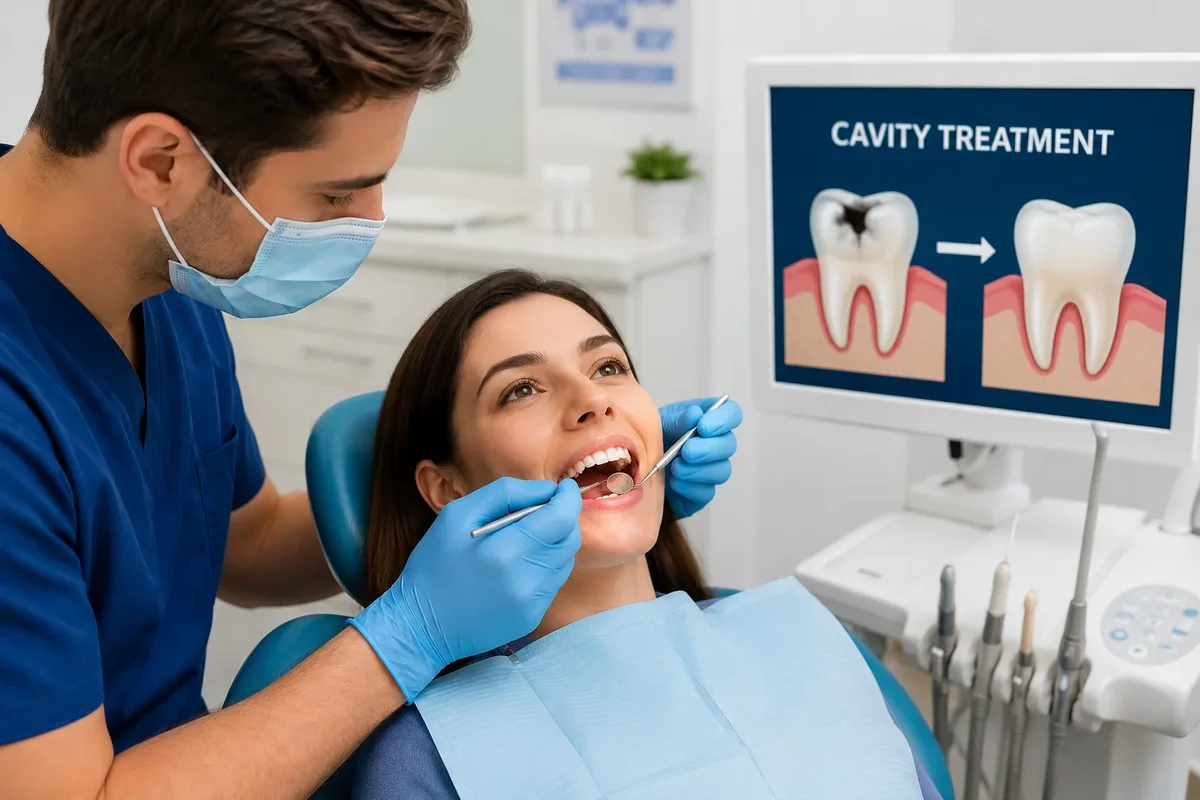
Choosing the Best Dentist for Cavities for Long-Term Dental Health
Selecting the right dentist for cavities is one of the most important decisions you can make for your oral health. While many dental professionals are capable of treating tooth decay, not all dental practices provide the same level of preventive care, patient education, technology, and long-term treatment planning. Choosing a highly qualified dentist for cavities can help ensure early diagnosis, effective treatment, and a healthier smile for years to come.
🦷 Cavities are progressive dental conditions that often worsen when left untreated. The right dental provider not only repairs existing decay but also helps prevent future problems through personalized care and preventive strategies. Since oral health is closely connected to overall well-being, finding a trusted dentist for cavities should be considered an investment in both dental and general health.
Look for Experience in Treating Tooth Decay
Experience plays a major role in the successful diagnosis and treatment of cavities. An experienced dentist for cavities has likely managed a wide range of cases, from early enamel demineralization to complex restorative procedures involving extensive decay.
Clinical experience often improves the ability to:
- Detect cavities early
- Recommend appropriate treatments
- Preserve natural tooth structure
- Minimize patient discomfort
- Prevent recurring decay
When researching a potential dentist for cavities, patients may benefit from reviewing professional qualifications, continuing education activities, and treatment philosophy.
Why Experience Matters
Cavity treatment is not always straightforward. Some cases involve hidden decay, structural damage, or multiple treatment options. An experienced dentist for cavities can evaluate these situations effectively and recommend the most suitable approach.
Choose a Dentist Focused on Prevention
Modern dentistry places strong emphasis on prevention. A high-quality dentist for cavities does more than repair damaged teeth. They actively help patients avoid future cavities through education, risk assessment, and preventive services.
Preventive-focused dental care may include:
- Regular examinations
- Professional cleanings
- Fluoride treatments
- Dental sealants
- Nutritional guidance
- Oral hygiene instruction
A preventive approach often reduces treatment needs and supports long-term oral health success.
Evaluate Available Technology
Technology has transformed modern dental care. Many advanced diagnostic and treatment tools improve both accuracy and patient comfort. A well-equipped dentist for cavities often uses modern technologies that support earlier detection and more precise treatment planning.
Examples of valuable dental technologies include:
- Digital X-rays
- Intraoral cameras
- Laser cavity detection systems
- Digital scanners
- Advanced sterilization systems
These technologies help a dentist for cavities identify issues that might otherwise remain hidden and improve the overall patient experience.
Technology Supports Better Outcomes
While experience remains essential, advanced technology can enhance diagnostic accuracy and facilitate earlier intervention. This often allows a dentist for cavities to recommend more conservative treatment options.
Read Patient Reviews and Testimonials
Patient reviews provide valuable insight into the quality of care offered by a dentist for cavities. Reviews often reveal information about communication style, appointment experiences, treatment outcomes, and overall patient satisfaction.
When reviewing feedback, patients may wish to consider:
- Consistency of positive experiences
- Comments regarding comfort and professionalism
- Responsiveness of the dental team
- Quality of treatment explanations
- Long-term patient relationships
While individual experiences vary, consistently positive reviews can indicate a strong commitment to patient care.
Assess Communication and Patient Education
A trusted dentist for cavities should communicate clearly and ensure patients fully understand their oral health condition. Effective communication helps individuals make informed decisions about treatment and prevention.
Important qualities include:
- Willingness to answer questions
- Clear treatment explanations
- Discussion of alternatives
- Preventive education
- Transparent recommendations
Patients often feel more confident when a dentist for cavities takes time to explain findings and involve them in treatment planning.
Consider Comfort and Anxiety Management
Dental anxiety affects millions of people worldwide. For some individuals, fear can lead to delayed treatment and worsening dental problems. An understanding dentist for cavities recognizes these concerns and works to create a supportive environment.
Features that may improve patient comfort include:
- Gentle treatment techniques
- Comfort-focused office design
- Sedation options
- Patient-centered communication
- Flexible scheduling
😀 Comfortable experiences encourage patients to maintain regular dental visits and address problems before they become serious.
Look for Comprehensive Dental Services
While cavity treatment may be the primary reason for seeking care, oral health needs often change over time. Choosing a dentist for cavities who offers comprehensive services can simplify future treatment needs.
Comprehensive care may include:
- Preventive dentistry
- Restorative procedures
- Cosmetic dentistry
- Periodontal care
- Emergency treatment
- Tooth replacement options
A broad range of services allows patients to receive consistent care from a trusted dental team.
Prioritize Long-Term Relationships
Establishing an ongoing relationship with a dentist for cavities offers numerous advantages. Long-term providers become familiar with a patient’s dental history, treatment preferences, risk factors, and oral health goals.
This familiarity allows more personalized care and improved monitoring over time. Small changes can be identified more easily when a dentist for cavities has a comprehensive understanding of a patient’s oral health history.
Benefits of Continuity of Care
- More personalized treatment
- Improved preventive planning
- Earlier problem detection
- Greater patient confidence
- Stronger professional relationships
The Importance of Preventive Visits
Even after cavities have been treated successfully, ongoing preventive care remains essential. A dedicated dentist for cavities helps monitor restorations, assess risk factors, and provide recommendations that reduce the likelihood of future decay.
Routine examinations help ensure that small issues are addressed promptly before they require extensive intervention.
Making the Right Choice for Your Smile
🌟 Choosing the best dentist for cavities involves evaluating experience, technology, communication, preventive philosophy, patient comfort, and long-term care capabilities. The ideal dental provider combines clinical expertise with a patient-centered approach that prioritizes both treatment and prevention.
When patients partner with a skilled dentist for cavities, they gain access to professional guidance, early diagnosis, personalized prevention strategies, and high-quality restorative care. These benefits contribute to healthier teeth, lower long-term treatment costs, and improved quality of life.
For individuals seeking comprehensive cavity treatment and preventive dental care, scheduling a consultation through the Redent Klinik Contact Page is an excellent first step. Working with a trusted dentist for cavities can help protect your smile, preserve natural teeth, and support lifelong oral health.
For additional information regarding oral health standards and preventive dentistry, patients may also refer to resources provided by the American Dental Association. Combining professional guidance with regular dental care remains one of the most effective strategies for preventing cavities and maintaining a healthy smile.
Disclosure: this page may contain affiliate links. We may earn a commission if you use them, at no extra cost to you.