
🦷 Maintaining a healthy smile requires more than just brushing and flossing. One of the most important factors in long-term oral health is having regular checkups with general dentists. These dental professionals serve as the primary care providers of oral healthcare, helping patients of all ages prevent, diagnose, and treat a wide variety of dental conditions. Whether you need a routine cleaning, cavity treatment, oral health advice, or ongoing preventive care, general dentists play a critical role in keeping your teeth and gums healthy throughout life.
Many people assume they only need to visit a dental office when they experience pain or discomfort. However, general dentists focus heavily on prevention. Regular dental examinations allow potential problems to be identified early before they become more serious, painful, and expensive to treat. Through comprehensive evaluations, professional cleanings, and personalized oral hygiene recommendations, general dentists help patients maintain strong teeth and healthy gums while reducing the risk of future complications.
The scope of care provided by general dentists extends far beyond simple cleanings. These professionals are trained to diagnose tooth decay, gum disease, oral infections, bite issues, and other common dental concerns. They may perform fillings, crowns, bridges, root canal treatments, tooth extractions, and preventive procedures such as fluoride applications and dental sealants. Because general dentists manage a wide range of oral health needs, they often become long-term healthcare partners for individuals and families.
Another important responsibility of general dentists is patient education. Many oral health conditions can be prevented through proper daily habits and lifestyle choices. During routine appointments, general dentists provide guidance on effective brushing techniques, flossing methods, nutrition, tobacco avoidance, and other factors that influence oral health. This educational approach empowers patients to take an active role in protecting their smiles.
Research continues to demonstrate strong connections between oral health and overall health. Conditions such as diabetes, cardiovascular disease, respiratory infections, and certain inflammatory disorders may be influenced by poor oral hygiene and untreated dental disease. By identifying signs of oral problems early, general dentists contribute not only to healthier teeth but also to improved overall well-being. Regular dental care can therefore be viewed as an important component of preventive healthcare.
Families often rely on general dentists because they can provide care for patients at different stages of life. Children benefit from preventive treatments and oral health education, teenagers may require monitoring of developing teeth and orthodontic concerns, while adults often seek restorative and cosmetic solutions. Seniors also depend on general dentists for managing age-related dental challenges, including tooth wear, gum recession, and replacement of missing teeth.
Modern dental practices have evolved significantly thanks to advances in technology. Today, many general dentists utilize digital X-rays, intraoral cameras, laser-assisted procedures, and computer-aided treatment planning. These innovations improve diagnostic accuracy, increase patient comfort, and often reduce treatment times. Patients can now receive more precise and efficient care than ever before.
Choosing qualified general dentists is essential for achieving optimal oral health outcomes. Patients should look for professionals who emphasize preventive care, maintain modern facilities, communicate clearly, and develop personalized treatment plans. Professional organizations such as the American Dental Association provide valuable resources that help patients understand quality dental care standards and oral health recommendations.
In addition to routine care, general dentists serve as the first point of contact when dental emergencies occur. Sudden toothaches, broken teeth, lost restorations, gum swelling, and oral injuries often require prompt professional attention. Having an established relationship with experienced general dentists can make emergency treatment faster and more effective while reducing the risk of complications.
Patients considering dental treatment often benefit from discussing their concerns directly with experienced professionals. A trusted dental provider can evaluate individual needs, explain available options, and create a customized care plan. Those seeking professional guidance or scheduling assistance can visit the Redent Klinik Contact Page to learn more about available dental services and consultation opportunities.
Ultimately, general dentists are the foundation of modern oral healthcare. Their expertise in prevention, diagnosis, treatment, and patient education helps millions of people maintain healthy smiles every year. By attending regular dental appointments, following professional recommendations, and practicing good oral hygiene habits at home, patients can significantly reduce their risk of dental disease and enjoy better oral health for many years to come. Investing in preventive care with qualified general dentists is one of the most effective ways to protect both your smile and your overall health. 😊
What Do General Dentists Do Every Day?
🦷 Many people visit dental clinics regularly but may not fully understand the wide range of responsibilities performed by general dentists every day. These dental professionals are often the first point of contact for patients seeking oral healthcare. While some individuals assume that general dentists only clean teeth and fill cavities, their daily responsibilities extend far beyond these basic procedures. They play a central role in preventive care, diagnosis, treatment planning, patient education, and long-term oral health management.
The primary goal of general dentists is to help patients maintain healthy teeth, gums, and supporting oral structures. Every day, they evaluate oral health conditions, identify early signs of disease, perform restorative treatments, and educate patients about proper oral hygiene habits. Their comprehensive approach allows them to address a broad spectrum of dental concerns before they become serious complications.
Comprehensive Oral Examinations
One of the most common daily tasks performed by general dentists is conducting thorough oral examinations. During these evaluations, they assess the condition of teeth, gums, tongue, jaw joints, and other oral tissues. These examinations help detect issues such as tooth decay, gum disease, enamel erosion, oral infections, bite abnormalities, and even signs of oral cancer.
Routine examinations allow general dentists to identify problems at an early stage when treatment is often simpler and more effective. Early diagnosis can prevent extensive procedures later and help preserve natural teeth whenever possible.
Professional Dental Cleanings and Preventive Care
Preventive dentistry is a major focus of modern oral healthcare. Although dental hygienists frequently assist with cleanings, general dentists supervise preventive care plans and evaluate oral health findings during appointments.
Professional cleanings remove plaque and tartar that cannot be eliminated through brushing and flossing alone. These deposits can contribute to tooth decay and periodontal disease if left untreated. By providing preventive services, general dentists help patients avoid many common oral health problems.
Preventive services often include:
- Routine oral examinations
- Professional cleanings
- Fluoride treatments
- Dental sealants
- Digital X-rays
- Personalized oral hygiene education
- Dietary counseling for oral health
The Importance of Prevention
Many dental conditions develop gradually without noticeable symptoms. Regular preventive visits allow general dentists to monitor changes over time and intervene before significant damage occurs. This proactive approach saves patients discomfort, time, and money while supporting long-term oral wellness.
Diagnosing Dental Problems
A significant portion of a dentist’s daily work involves diagnosing oral health issues. Using clinical examinations, digital imaging, and diagnostic tools, general dentists evaluate symptoms and determine appropriate treatment plans.
Common conditions diagnosed by general dentists include:
- Dental caries (cavities)
- Gingivitis and periodontal disease
- Tooth fractures
- Dental abscesses
- Tooth sensitivity
- Enamel wear
- Temporomandibular joint disorders (TMJ)
- Oral lesions and abnormalities
Accurate diagnosis is essential because untreated oral conditions can worsen over time and affect overall health.
Restorative Dental Procedures
Every day, general dentists perform various restorative procedures designed to repair damaged teeth and restore proper function. These treatments help patients maintain comfortable chewing, speaking, and smiling abilities.
Common restorative services include:
- Tooth-colored fillings
- Dental crowns
- Dental bridges
- Root canal therapy
- Replacement of old restorations
- Minor tooth extractions
When a cavity is detected, general dentists remove the decayed tissue and restore the tooth using modern filling materials. More extensive damage may require crowns or additional procedures to strengthen and protect the affected tooth.
Preserving Natural Teeth
One of the primary objectives of general dentists is preserving natural teeth whenever possible. Modern dentistry emphasizes conservative treatment approaches that maintain healthy tooth structure while effectively addressing disease and damage.
Patient Education and Oral Hygiene Guidance
Education is a vital component of daily dental practice. Experienced general dentists spend considerable time teaching patients how to improve oral hygiene routines and prevent future problems.
Topics commonly discussed include:
- Proper brushing techniques
- Correct flossing methods
- Mouthwash recommendations
- Diet and sugar consumption
- Tobacco cessation advice
- Night guard usage for teeth grinding
- Preventing dental injuries
By helping patients understand the causes of oral disease, general dentists empower individuals to take greater responsibility for their oral health.
Managing Dental Emergencies
Unexpected dental emergencies are another important part of daily practice. Patients often contact general dentists when experiencing sudden tooth pain, swelling, trauma, or broken restorations.
Emergency situations may include:
- Severe toothaches
- Knocked-out teeth
- Broken or cracked teeth
- Dental abscesses
- Lost crowns or fillings
- Soft tissue injuries
Prompt treatment from general dentists can reduce discomfort, prevent infection, and improve the likelihood of preserving damaged teeth.
Coordinating Specialized Dental Care
Although general dentists provide a broad range of treatments, certain complex cases may require referral to specialists. When necessary, they coordinate care with orthodontists, oral surgeons, periodontists, endodontists, and prosthodontists.
Even after referral, general dentists often remain involved in monitoring treatment progress and providing ongoing preventive care. This collaborative approach ensures continuity of care and supports optimal treatment outcomes.
Building Long-Term Relationships with Patients
One unique aspect of the profession is the long-term relationship many patients develop with their dental providers. Over the years, general dentists gain a detailed understanding of a patient’s dental history, risk factors, treatment preferences, and oral health goals.
This familiarity allows general dentists to create highly personalized treatment plans and deliver more effective care. Patients who maintain consistent dental visits often experience better oral health outcomes because potential issues are detected and addressed promptly.
✅ In summary, the daily responsibilities of general dentists extend far beyond routine cleanings. They conduct examinations, diagnose oral diseases, provide restorative treatments, educate patients, manage emergencies, coordinate specialist referrals, and promote lifelong oral health. Through preventive care and personalized treatment planning, general dentists serve as the foundation of modern dental healthcare and play an essential role in helping patients maintain healthy, confident smiles throughout their lives.
Why Regular Visits to General Dentists Matter
😁 Many people believe they only need dental care when they experience pain, swelling, or visible damage to their teeth. However, one of the most important principles of modern oral healthcare is prevention. Regular visits to general dentists help identify problems before they become serious, expensive, or difficult to treat. Consistent dental examinations and professional cleanings are among the most effective ways to maintain healthy teeth and gums throughout life.
Dental diseases often develop silently. Cavities, gum disease, enamel erosion, and oral infections may progress for months or even years without causing obvious symptoms. By scheduling routine appointments with general dentists, patients gain access to early detection and preventive treatment strategies that significantly reduce the risk of long-term complications.
Beyond oral health, regular dental care contributes to overall wellness. Numerous studies have shown links between oral health and systemic conditions such as cardiovascular disease, diabetes, respiratory infections, and chronic inflammation. This makes routine visits to general dentists an important component of comprehensive healthcare.
Early Detection of Dental Problems
One of the most valuable benefits of visiting general dentists regularly is the ability to detect dental issues at an early stage. Many oral health conditions begin with subtle changes that are difficult for patients to notice on their own.
During routine examinations, general dentists carefully evaluate:
- Tooth enamel integrity
- Signs of tooth decay
- Gum health and inflammation
- Bone support around teeth
- Bite alignment issues
- Oral tissue abnormalities
- Jaw joint function
- Potential oral cancer symptoms
When problems are discovered early, treatment is usually simpler, less invasive, and more affordable. A small cavity may require only a minor filling, whereas untreated decay could eventually lead to infection, root canal therapy, or tooth loss.
Preventing Major Dental Procedures
Preventive care provided by general dentists often helps patients avoid extensive restorative treatments. Early intervention preserves natural tooth structure and reduces the likelihood of complex procedures in the future.
Professional Cleaning Removes Hidden Risks
Even individuals with excellent oral hygiene habits cannot completely remove all plaque and tartar from their teeth. Over time, these deposits accumulate in areas that are difficult to reach with a toothbrush or floss.
Professional cleanings supervised by general dentists remove hardened plaque and tartar before they cause significant damage. This process helps prevent:
- Cavities
- Gingivitis
- Periodontal disease
- Persistent bad breath
- Tooth discoloration
- Gum recession
Regular cleanings not only improve oral health but also leave patients with a cleaner, fresher smile and a reduced risk of future dental complications.
Protecting Gum Health
Healthy gums are essential for maintaining strong teeth. Unfortunately, gum disease remains one of the most common oral health conditions worldwide. Early-stage gum disease, known as gingivitis, often causes mild symptoms such as redness, swelling, and bleeding during brushing.
Because these symptoms may seem minor, many individuals ignore them until the condition progresses. Routine visits to general dentists allow gum problems to be identified and treated before permanent damage occurs.
Untreated periodontal disease can result in:
- Bone loss around teeth
- Tooth mobility
- Gum recession
- Chronic inflammation
- Tooth loss
Regular monitoring by general dentists helps preserve gum health and supports long-term tooth retention.
Supporting Overall Health
Oral health and general health are closely connected. Research has revealed associations between oral infections and various systemic health conditions. Bacteria from untreated gum disease may enter the bloodstream and contribute to inflammatory processes throughout the body.
Regular appointments with general dentists can help reduce oral inflammation and support overall health management. Patients with diabetes, cardiovascular disease, and certain immune-related conditions may particularly benefit from maintaining excellent oral health.
The Mouth as a Window to Health
Many systemic diseases first show signs within the oral cavity. Experienced general dentists can sometimes identify abnormalities that may indicate broader health concerns, allowing patients to seek medical evaluation when appropriate.
Personalized Preventive Care
No two patients have identical dental needs. One of the advantages of seeing general dentists regularly is receiving personalized recommendations based on individual risk factors.
Factors that influence oral health include:
- Age
- Dietary habits
- Smoking history
- Medical conditions
- Medication use
- Family history
- Oral hygiene practices
Based on these factors, general dentists develop customized prevention plans that address each patient’s unique circumstances.
Saving Money Through Prevention
Many people postpone dental visits because they worry about treatment costs. Ironically, avoiding preventive care often leads to more expensive procedures later.
Regular appointments with general dentists can significantly reduce long-term dental expenses by preventing serious problems before they require extensive treatment. Investing in routine examinations and cleanings is typically far more affordable than treating advanced decay, severe gum disease, or multiple missing teeth.
Maintaining Confidence and Quality of Life
A healthy smile affects far more than appearance. Oral health influences eating, speaking, social interactions, and self-confidence. Patients who visit general dentists regularly often experience greater comfort and confidence in their daily lives.
Consistent preventive care helps maintain:
- Fresh breath
- Healthy gums
- Strong teeth
- Comfortable chewing ability
- Natural appearance
- Long-term oral function
These benefits contribute directly to improved quality of life and overall well-being.
Building a Long-Term Dental Partnership
Regular visits allow general dentists to develop a thorough understanding of a patient’s dental history, treatment preferences, and risk factors. This ongoing relationship improves continuity of care and enables more effective monitoring of oral health changes over time.
Patients who consistently see the same general dentists often receive more personalized recommendations and benefit from treatment plans tailored to their evolving needs.
✅ Ultimately, regular visits to general dentists are essential because they promote prevention, support early diagnosis, protect gum health, reduce treatment costs, improve overall wellness, and help preserve natural teeth. Rather than waiting for pain or visible damage to appear, proactive dental care allows patients to maintain healthy smiles, avoid unnecessary complications, and enjoy the long-term benefits of excellent oral health. For most individuals, scheduling routine appointments with general dentists remains one of the smartest investments they can make in both their oral and overall health.
Common Dental Treatments Provided by General Dentists
🦷 One of the reasons general dentists are considered the foundation of oral healthcare is their ability to provide a wide range of treatments for patients of all ages. From preventive services and restorative procedures to emergency care and oral health education, general dentists address many of the most common dental needs that individuals encounter throughout their lives. Understanding the treatments offered by general dentists can help patients make informed decisions about their oral health and seek care before minor issues become major problems.
Most people visit general dentists for routine checkups, but these professionals are trained to diagnose, manage, and treat numerous dental conditions. Their comprehensive approach focuses not only on treating existing problems but also on preventing future complications. As a result, regular visits to general dentists often lead to healthier teeth, healthier gums, and fewer dental emergencies.
Routine Dental Examinations
One of the most common services provided by general dentists is the routine oral examination. During these appointments, the dentist evaluates the overall condition of the teeth, gums, jaw, and surrounding oral tissues.
Routine examinations typically include:
- Visual inspection of teeth and gums
- Evaluation of existing restorations
- Assessment of bite alignment
- Oral cancer screening
- Review of oral hygiene habits
- Diagnostic imaging when necessary
These examinations allow general dentists to identify early signs of decay, infection, gum disease, and other concerns before symptoms become severe.
Why Regular Exams Are Important
Many oral health conditions progress silently. Regular assessments performed by general dentists help ensure that potential issues are addressed promptly, reducing the likelihood of extensive treatment later.
Professional Teeth Cleaning
Professional dental cleaning is another essential service commonly provided or supervised by general dentists. Even patients who brush and floss consistently can develop plaque and tartar deposits in hard-to-reach areas.
Professional cleaning helps:
- Remove plaque buildup
- Eliminate hardened tartar
- Reduce the risk of gum disease
- Improve breath freshness
- Enhance overall oral hygiene
- Reduce staining on teeth
Regular cleanings performed under the guidance of general dentists contribute significantly to long-term oral health maintenance.
Dental Fillings for Cavities
Tooth decay remains one of the most common oral health conditions worldwide. When cavities develop, general dentists often treat them using dental fillings.
During the procedure, decayed tooth material is carefully removed, and the affected area is restored with a filling material designed to strengthen and protect the tooth.
Modern filling options may include:
- Composite resin fillings
- Glass ionomer materials
- Other tooth-colored restorations
By treating cavities early, general dentists help preserve natural tooth structure and prevent further deterioration.
Dental Crowns
When a tooth becomes significantly weakened, fractured, or extensively damaged, general dentists may recommend a dental crown. A crown is a custom-made restoration that covers the entire visible portion of a tooth.
Crowns are commonly used to:
- Protect weakened teeth
- Restore fractured teeth
- Support teeth after root canal treatment
- Improve appearance and function
- Replace large failing fillings
Many general dentists provide crown treatment as part of their restorative services, helping patients maintain healthy and functional teeth.
Benefits of Modern Crowns
Modern crowns are designed to blend naturally with surrounding teeth while providing excellent durability. When properly maintained, crowns placed by general dentists can remain functional for many years.
Root Canal Therapy
When the inner pulp of a tooth becomes infected or severely inflamed, root canal therapy may be necessary. Many general dentists perform root canal treatment for appropriate cases.
This procedure involves:
- Removing infected pulp tissue
- Cleaning internal root canals
- Disinfecting the tooth
- Sealing the canal system
- Restoring the tooth afterward
Root canal therapy performed by qualified general dentists can relieve pain, eliminate infection, and preserve natural teeth that might otherwise require extraction.
Tooth Extractions
Although preserving natural teeth is always a priority, there are situations where extraction becomes necessary. General dentists commonly perform uncomplicated tooth extractions when teeth cannot be effectively restored.
Reasons for extraction may include:
- Severe decay
- Advanced periodontal disease
- Dental trauma
- Crowding concerns
- Non-restorable fractures
Following extraction, general dentists often discuss replacement options to help restore proper function and appearance.
Preventive Fluoride Treatments and Sealants
Prevention remains a major focus of modern dentistry. Many general dentists recommend fluoride treatments and dental sealants, particularly for children and patients at increased risk of cavities.
Fluoride strengthens tooth enamel and helps resist acid attacks from bacteria. Sealants create protective barriers over deep grooves in chewing surfaces, reducing the likelihood of decay.
These preventive measures provided by general dentists can significantly decrease cavity risk over time.
Management of Gum Disease
Healthy gums are essential for maintaining healthy teeth. General dentists frequently diagnose and manage early-stage gum disease before it progresses into more severe periodontal conditions.
Treatment may include:
- Professional cleanings
- Deep cleaning procedures
- Oral hygiene instruction
- Monitoring gum health
- Referral to specialists when necessary
Early intervention by general dentists can help prevent bone loss, gum recession, and eventual tooth loss.
Emergency Dental Care
Unexpected dental emergencies occur frequently, and general dentists often provide immediate treatment for urgent situations.
Common dental emergencies include:
- Severe tooth pain
- Broken teeth
- Lost fillings or crowns
- Dental abscesses
- Oral injuries
- Swelling and infection
Prompt intervention from general dentists can reduce discomfort, preserve teeth, and prevent complications from worsening.
Patient Education and Long-Term Care
Beyond clinical procedures, general dentists dedicate significant time to educating patients about proper oral health practices. They provide guidance regarding brushing, flossing, nutrition, tobacco avoidance, and preventive care strategies.
Many patients view general dentists as long-term oral healthcare partners who help them maintain healthy smiles throughout every stage of life.
✅ In summary, general dentists provide a comprehensive range of treatments including examinations, professional cleanings, fillings, crowns, root canal therapy, extractions, preventive services, gum disease management, and emergency care. Their broad expertise allows them to address most routine dental needs while emphasizing prevention and long-term oral health. By visiting general dentists regularly and following their recommendations, patients can significantly improve their oral health outcomes and reduce the likelihood of serious dental complications in the future.
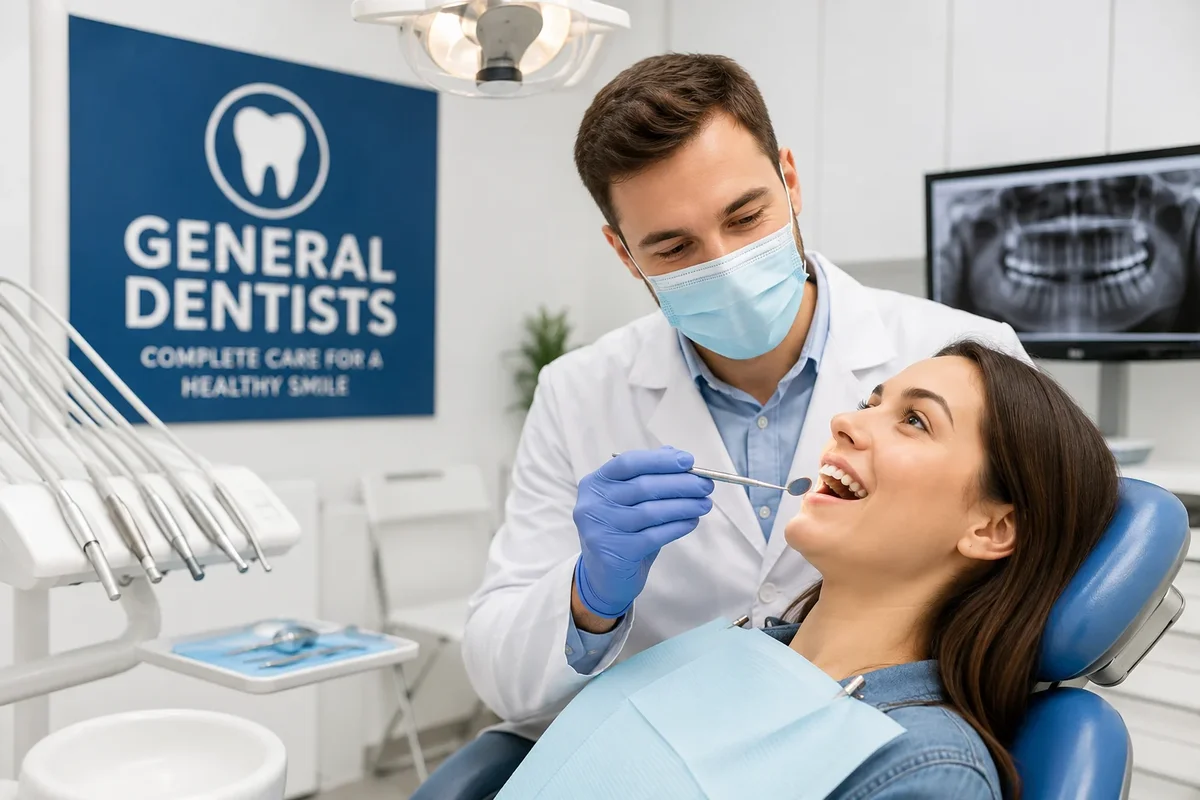
How General Dentists Help Prevent Serious Oral Diseases
🦷 Prevention is one of the most important aspects of modern dentistry, and this is where general dentists provide some of their greatest value. While many patients associate dental care with treating cavities or repairing damaged teeth, the primary mission of general dentists is actually to prevent oral diseases before they become serious health concerns. Through routine examinations, professional cleanings, patient education, risk assessments, and early intervention, general dentists help patients avoid conditions that could otherwise lead to pain, infection, tooth loss, and costly treatment.
Many oral diseases develop gradually and may not cause noticeable symptoms during their early stages. By the time pain or visible damage appears, the condition may already be advanced. Regular visits to general dentists provide opportunities to identify these problems early and implement preventive strategies that preserve oral health. This proactive approach is one of the key reasons why preventive dentistry is considered the foundation of long-term dental wellness.
Early Detection of Tooth Decay
Tooth decay remains one of the most common chronic health conditions worldwide. Cavities develop when oral bacteria produce acids that gradually erode tooth enamel. Without treatment, decay can spread deeper into the tooth and eventually reach the pulp, causing infection and severe pain.
Routine appointments with general dentists allow tooth decay to be identified before significant damage occurs. Through visual examinations and diagnostic imaging, they can detect small areas of demineralization and early cavities that may not yet be visible to patients.
Early detection provides several benefits:
- Smaller and less invasive treatments
- Preservation of natural tooth structure
- Reduced treatment costs
- Lower risk of infection
- Improved long-term tooth survival
By identifying decay early, general dentists help patients avoid more extensive procedures such as root canal therapy or tooth extraction.
Why Small Cavities Should Never Be Ignored
A cavity that causes no symptoms today can become a major problem within months or years. Regular monitoring by general dentists ensures that even minor decay is addressed before it compromises the tooth’s structural integrity.
Preventing Gum Disease Before It Progresses
Gum disease is another serious oral condition that often develops silently. Early-stage gum disease, known as gingivitis, may cause mild bleeding, redness, and swelling. Because these symptoms are frequently overlooked, many patients do not seek treatment until the condition progresses.
One of the most important preventive roles of general dentists is identifying signs of gum disease during routine examinations. Professional cleanings help remove plaque and tartar that contribute to gum inflammation.
If left untreated, periodontal disease can result in:
- Gum recession
- Bone loss around teeth
- Chronic inflammation
- Tooth mobility
- Tooth loss
Regular visits to general dentists significantly reduce the likelihood of advanced periodontal disease and its long-term consequences.
Reducing the Risk of Oral Infections
Oral infections can affect teeth, gums, and surrounding tissues. These infections often begin as minor problems but can rapidly worsen when left untreated.
Through routine evaluations, general dentists identify conditions that may increase infection risk, including:
- Untreated cavities
- Cracked teeth
- Gum disease
- Poorly fitting restorations
- Impacted food debris
Addressing these concerns early helps prevent bacterial infections that may require extensive treatment or emergency intervention.
The Connection Between Oral Infections and General Health
Severe oral infections can sometimes spread beyond the mouth and affect overall health. By diagnosing and treating dental problems promptly, general dentists help reduce this risk and support patient well-being.
Professional Cleaning and Plaque Control
Daily brushing and flossing are essential, but they are not always sufficient to eliminate all plaque deposits. Over time, plaque hardens into tartar, which cannot be removed with routine home care.
Professional cleanings supervised by general dentists remove these deposits and significantly reduce the bacterial load within the mouth.
Benefits of professional cleaning include:
- Reduced cavity risk
- Improved gum health
- Fresher breath
- Lower inflammation levels
- Enhanced oral hygiene effectiveness
These preventive appointments play a crucial role in maintaining healthy teeth and gums.
Screening for Oral Cancer
Oral cancer is a potentially life-threatening condition that may develop without noticeable symptoms during its earliest stages. Routine oral cancer screenings are an important preventive service performed by many general dentists.
During examinations, they evaluate:
- The tongue
- The floor of the mouth
- The cheeks
- The lips
- The palate
- Other soft tissues
Early detection greatly improves treatment outcomes. Regular screenings by general dentists increase the likelihood that suspicious abnormalities will be identified before they become advanced.
Monitoring Changes Over Time
One major advantage of maintaining ongoing care with general dentists is the ability to track oral health changes over months and years. Because they become familiar with a patient’s dental history, they can recognize subtle developments that might otherwise go unnoticed.
Examples include:
- Progressive enamel wear
- Receding gums
- Changes in bite alignment
- New lesions or abnormalities
- Early signs of tooth fractures
This long-term monitoring allows general dentists to intervene before small concerns evolve into significant oral health problems.
Educating Patients About Disease Prevention
Education is another essential preventive tool used by general dentists. Many oral diseases are strongly influenced by lifestyle choices and daily habits.
Patients frequently receive guidance regarding:
- Effective brushing techniques
- Proper flossing habits
- Sugar consumption management
- Tobacco avoidance
- Hydration and saliva production
- Mouthguard use during sports
- Managing teeth grinding
These recommendations help patients actively participate in protecting their oral health between dental visits.
Protecting Natural Teeth for Life
The ultimate goal of preventive dentistry is preserving natural teeth for as long as possible. Through regular examinations, professional cleanings, risk assessments, and patient education, general dentists create individualized strategies that support lifelong oral health.
Patients who maintain consistent preventive care often experience:
- Fewer cavities
- Healthier gums
- Lower treatment costs
- Reduced risk of tooth loss
- Improved oral function
- Better quality of life
✅ In conclusion, general dentists play a vital role in preventing serious oral diseases through early detection, professional cleanings, oral cancer screenings, gum disease management, infection prevention, and patient education. Their preventive approach helps patients avoid pain, preserve natural teeth, reduce treatment expenses, and maintain healthier smiles throughout life. By scheduling regular appointments with general dentists, individuals can take one of the most important steps toward protecting both their oral health and overall well-being for years to come.
Signs You Should Schedule an Appointment with General Dentists
🦷 Many people delay dental visits because they believe oral health problems will resolve on their own or because they are not experiencing significant pain. Unfortunately, numerous dental conditions progress silently and may become much more serious before obvious symptoms appear. Understanding the warning signs that indicate it is time to visit general dentists can help prevent complications, preserve natural teeth, and reduce the need for extensive treatment. Whether symptoms seem minor or severe, early evaluation by general dentists often leads to better outcomes and more conservative treatment options.
Regular preventive appointments remain essential even when no symptoms are present. However, certain changes in your mouth should never be ignored. These signs may indicate tooth decay, gum disease, infection, oral trauma, or other conditions that require professional attention from general dentists.
Persistent Tooth Pain or Sensitivity
One of the most common reasons patients seek treatment from general dentists is tooth pain. While occasional sensitivity may occur after consuming very hot or cold foods, ongoing discomfort often indicates an underlying issue.
Persistent tooth pain may be caused by:
- Dental cavities
- Cracked teeth
- Tooth infections
- Exposed tooth roots
- Worn enamel
- Damaged restorations
If sensitivity or pain lasts more than a few days, an evaluation by general dentists is recommended. Early diagnosis can help prevent the progression of disease and reduce the risk of tooth loss.
When Pain Becomes an Emergency
Severe pain accompanied by swelling, fever, or difficulty chewing may indicate infection. In these situations, prompt treatment from general dentists is essential to prevent complications.
Bleeding Gums During Brushing or Flossing
Healthy gums generally do not bleed during routine oral hygiene activities. While occasional minor irritation can occur, persistent bleeding is often one of the earliest signs of gum disease.
Many patients mistakenly assume that bleeding gums are normal. In reality, regular bleeding should be evaluated by general dentists because it may indicate:
- Gingivitis
- Periodontal disease
- Poor plaque control
- Inflammation of gum tissues
- Other oral health concerns
Early intervention by general dentists can reverse gingivitis and prevent progression to more advanced periodontal disease.
Persistent Bad Breath
Occasional bad breath can result from certain foods or temporary dry mouth. However, chronic bad breath that persists despite proper brushing and flossing may signal an underlying dental problem.
Common causes include:
- Gum disease
- Bacterial plaque accumulation
- Tooth decay
- Oral infections
- Poorly fitting dental restorations
General dentists can identify the source of persistent bad breath and recommend appropriate treatment strategies.
Loose Teeth or Changes in Bite
Adult teeth should remain stable and secure. If you notice movement in a tooth or changes in how your teeth fit together when biting, it is important to schedule an appointment with general dentists.
Potential causes include:
- Advanced gum disease
- Bone loss
- Trauma
- Teeth grinding
- Occlusal problems
Prompt evaluation by general dentists can help determine the cause and prevent further damage.
Why Bite Changes Matter
Even subtle changes in bite alignment may indicate underlying structural issues. Monitoring these changes allows general dentists to intervene before symptoms worsen.
Swollen, Red, or Tender Gums
Inflamed gums are often a sign that oral bacteria are affecting gum tissue health. Swelling, tenderness, or redness should not be ignored, especially if symptoms persist.
Routine evaluations by general dentists can identify the underlying cause and provide treatment recommendations that support gum health and reduce inflammation.
Visible Cavities or Tooth Damage
Sometimes dental problems become visible before pain develops. Dark spots, holes, chips, cracks, or rough areas on teeth may indicate damage that requires professional care.
Patients should contact general dentists if they notice:
- Visible cavities
- Broken teeth
- Cracked enamel
- Missing fillings
- Damaged crowns
- Unusual tooth discoloration
Treating these issues early helps preserve natural tooth structure and prevents additional complications.
Mouth Sores That Do Not Heal
Most minor mouth sores heal within one to two weeks. Any sore, lesion, or abnormal area that persists beyond this timeframe should be evaluated by general dentists.
Potential concerns include:
- Chronic irritation
- Infection
- Precancerous changes
- Oral cancer
- Autoimmune-related conditions
Regular oral examinations performed by general dentists are important for identifying abnormalities early and determining whether further investigation is necessary.
Jaw Pain and Headaches
Not all dental problems affect only the teeth and gums. Jaw discomfort, facial pain, and recurring headaches can sometimes be linked to oral health issues.
Possible causes include:
- Temporomandibular joint disorders (TMJ)
- Teeth grinding
- Bite misalignment
- Muscle tension
Experienced general dentists can evaluate these symptoms and recommend treatment options that may improve comfort and function.
Difficulty Chewing or Sensitivity While Eating
If eating becomes uncomfortable, it may indicate an underlying dental issue that requires attention. Pain during chewing can result from cracked teeth, cavities, gum disease, or infections.
Seeking care from general dentists before symptoms worsen often leads to simpler and more effective treatment.
It’s Been More Than Six Months Since Your Last Visit
Even if no symptoms are present, preventive appointments remain extremely important. Many oral health conditions develop gradually without causing discomfort.
Routine visits to general dentists provide opportunities for:
- Professional cleanings
- Oral cancer screenings
- Cavity detection
- Gum disease monitoring
- Preventive care planning
- Personalized oral hygiene guidance
These appointments help maintain oral health and reduce the likelihood of future complications.
Prevention Is Better Than Treatment
One of the most effective ways to avoid major dental problems is maintaining regular preventive care with general dentists. Early detection and intervention consistently produce better outcomes than waiting until symptoms become severe.
✅ In summary, several signs indicate that it may be time to schedule an appointment with general dentists, including persistent tooth pain, bleeding gums, chronic bad breath, loose teeth, gum swelling, visible tooth damage, mouth sores, jaw discomfort, chewing difficulties, and prolonged gaps between dental visits. Recognizing these warning signs and seeking timely evaluation from general dentists can help prevent serious oral health problems, preserve natural teeth, and support lifelong dental wellness. Regular dental care remains one of the most effective investments you can make in your overall health and quality of life.
General Dentists vs. Dental Specialists: Key Differences
🦷 Many patients are familiar with the term general dentists, but fewer understand how their role differs from that of dental specialists. While both are highly trained dental professionals, they serve different functions within oral healthcare. Understanding these differences can help patients make informed decisions about where to seek treatment and why general dentists are often the first and most important point of contact for maintaining long-term oral health.
In most cases, general dentists provide comprehensive primary dental care. They diagnose oral health problems, perform preventive and restorative treatments, educate patients, and coordinate care when specialist intervention is necessary. Dental specialists, on the other hand, focus on specific areas of dentistry and receive additional years of advanced training beyond dental school.
Although specialists play an essential role in managing complex conditions, the majority of routine oral healthcare needs are addressed by general dentists. For many patients, maintaining regular visits with general dentists is sufficient for preserving healthy teeth and gums throughout life.
What Are General Dentists?
General dentists serve as primary care providers for oral health. Similar to how a family physician manages many aspects of overall health, general dentists oversee a broad range of dental services and preventive care needs.
The services commonly provided by general dentists include:
- Routine dental examinations
- Professional teeth cleanings
- Cavity detection and treatment
- Dental fillings
- Crowns and bridges
- Root canal therapy in many cases
- Preventive treatments
- Oral cancer screenings
- Emergency dental care
- Patient education and oral hygiene guidance
Because of their comprehensive training, general dentists are equipped to diagnose and manage most common oral health conditions encountered by patients.
The Central Role of General Dentists
One of the most valuable aspects of care provided by general dentists is continuity. They monitor oral health over time, track changes, identify emerging issues, and develop personalized treatment plans based on each patient’s unique needs.
What Are Dental Specialists?
Dental specialists are licensed dentists who complete additional education and clinical training focused on specific branches of dentistry. These professionals manage conditions that require advanced expertise beyond the scope of routine dental care.
Specialists typically receive several years of postgraduate education after dental school to develop expertise in their chosen field.
Common dental specialties include:
- Orthodontics
- Periodontics
- Endodontics
- Oral and maxillofacial surgery
- Prosthodontics
- Pediatric dentistry
- Oral pathology
- Dental public health
Although specialists provide highly focused care, patients usually begin their treatment journey with general dentists, who determine whether specialist referral is necessary.
Orthodontists vs. General Dentists
Orthodontists specialize in diagnosing and correcting problems related to tooth alignment and jaw positioning. They commonly provide treatments such as braces and clear aligners.
While general dentists may identify bite problems during routine examinations, orthodontists focus exclusively on correcting these issues.
Patients often consult general dentists first, who then refer them to orthodontic specialists when advanced alignment treatment is appropriate.
Periodontists vs. General Dentists
Periodontists specialize in preventing, diagnosing, and treating advanced gum disease and supporting bone structures around teeth.
Routine gum disease prevention and early-stage treatment are commonly handled by general dentists. However, severe periodontal disease involving significant bone loss may require specialist care from a periodontist.
Collaborative Care for Gum Health
Even when specialist treatment is necessary, general dentists typically remain involved in ongoing maintenance and preventive care to support long-term oral health.
Endodontists vs. General Dentists
Endodontists specialize in diagnosing and treating diseases affecting the dental pulp and root canal system.
Many general dentists perform routine root canal therapy successfully. However, particularly complex cases involving unusual anatomy or retreatment may be referred to an endodontist for advanced management.
This collaborative approach ensures that patients receive the most appropriate treatment for their specific condition.
Oral Surgeons vs. General Dentists
Oral and maxillofacial surgeons manage complex surgical procedures involving the mouth, jaws, and facial structures.
Examples of procedures commonly performed by oral surgeons include:
- Complex tooth extractions
- Wisdom tooth removal
- Jaw surgery
- Facial trauma treatment
- Dental implant surgery
- Corrective jaw procedures
While general dentists frequently perform uncomplicated extractions and many restorative treatments, advanced surgical procedures often require specialist expertise.
Pediatric Dentists vs. General Dentists
Pediatric dentists specialize in treating infants, children, and adolescents. They receive additional training focused on child development, behavior management, and pediatric dental conditions.
Many general dentists provide excellent care for children and families. However, children with complex dental needs or special healthcare considerations may benefit from evaluation by a pediatric specialist.
When Do You Need a Specialist?
Most routine dental needs can be managed effectively by general dentists. However, specialist referral may be recommended when a condition requires advanced training or highly specialized procedures.
Situations that may require specialist involvement include:
- Severe orthodontic problems
- Advanced periodontal disease
- Complex root canal cases
- Major oral surgery needs
- Extensive reconstructive treatment
- Certain pediatric dental concerns
Importantly, general dentists are responsible for identifying these situations and ensuring patients receive appropriate referrals when necessary.
Why General Dentists Remain Essential
Although specialists offer advanced expertise in specific areas, general dentists remain the cornerstone of oral healthcare. They provide preventive services, diagnose problems early, coordinate treatment plans, and help patients maintain healthy smiles throughout every stage of life.
For the vast majority of routine dental needs, general dentists are fully equipped to provide effective, comprehensive care. Their broad training allows them to address multiple aspects of oral health while maintaining continuity and long-term patient relationships.
The First Line of Defense Against Dental Disease
One of the greatest strengths of general dentists is their focus on prevention. Through regular examinations, cleanings, and patient education, they help prevent many conditions from reaching the point where specialist intervention becomes necessary.
✅ In conclusion, both general dentists and dental specialists play important roles in modern oral healthcare. While specialists focus on advanced treatment within specific disciplines, general dentists provide comprehensive preventive, diagnostic, and restorative care for most everyday dental needs. They serve as the primary oral healthcare providers for individuals and families, coordinate referrals when necessary, and help patients maintain healthy teeth and gums throughout life. For most people, regular visits to general dentists remain the foundation of excellent oral health and long-term dental wellness.
Modern Technology Used by General Dentists
🦷 Dentistry has evolved dramatically over the past few decades, and modern technology now plays a crucial role in improving diagnosis, treatment planning, patient comfort, and long-term outcomes. Today’s general dentists rely on advanced tools and digital systems that allow them to detect problems earlier, perform procedures more precisely, and deliver a better overall patient experience. As technology continues to advance, general dentists are increasingly able to provide safer, faster, and more efficient care than ever before.
Many patients are surprised to learn how much technology is involved in a routine dental appointment. From digital imaging and intraoral cameras to computer-assisted treatment planning and laser dentistry, general dentists utilize sophisticated innovations that support both preventive and restorative care. These technologies not only improve clinical accuracy but also help patients better understand their oral health conditions and treatment options.
Digital Dental X-Rays
One of the most widely used technologies in modern dental practices is digital radiography. Digital X-rays provide detailed images of teeth, roots, jawbone structures, and surrounding tissues.
Unlike traditional film-based radiographs, digital systems offer several advantages for both patients and general dentists.
- Faster image acquisition
- Improved image clarity
- Enhanced diagnostic capabilities
- Reduced processing time
- Easy electronic storage and retrieval
- Better treatment planning support
Digital imaging allows general dentists to identify hidden decay, bone loss, infections, impacted teeth, and other conditions that may not be visible during a standard examination.
Why Early Detection Matters
The ability to identify problems before symptoms appear is one of the greatest benefits of digital imaging. By using advanced radiographic technology, general dentists can often diagnose conditions at a stage when treatment is simpler and more conservative.
Intraoral Cameras
Intraoral cameras are small devices that capture high-resolution images inside the mouth. These cameras provide detailed views of teeth, gums, and other oral structures that may be difficult to see during a routine examination.
Many general dentists use intraoral cameras to:
- Document oral health conditions
- Monitor treatment progress
- Explain findings to patients
- Improve communication
- Support treatment recommendations
Because patients can see exactly what the dentist sees, intraoral cameras often improve understanding and confidence regarding treatment decisions.
Digital Impressions and Scanning Technology
Traditional dental impressions often involve trays filled with impression material, which some patients find uncomfortable. Modern scanning technology offers a more comfortable alternative.
Many general dentists now use digital scanners to create highly accurate three-dimensional images of teeth and oral structures.
Digital impressions are commonly used for:
- Dental crowns
- Bridges
- Night guards
- Orthodontic planning
- Diagnostic records
These digital systems allow general dentists to achieve greater precision while improving patient comfort.
Improved Accuracy and Efficiency
Digital scanning reduces the risk of distortion associated with traditional impressions. As a result, restorations designed using these systems often fit more accurately and require fewer adjustments.
Computer-Assisted Treatment Planning
Advanced software platforms now allow general dentists to analyze diagnostic information with remarkable precision. Digital treatment planning systems integrate radiographs, photographs, and clinical records into comprehensive patient profiles.
These systems assist general dentists in:
- Evaluating treatment options
- Monitoring oral health changes
- Predicting treatment outcomes
- Improving patient education
- Enhancing long-term care planning
Technology-driven planning improves both clinical decision-making and communication between patients and providers.
Laser Dentistry
Laser technology has become increasingly common in modern dental practices. Certain general dentists utilize dental lasers for specific soft tissue and preventive procedures.
Potential applications include:
- Gum contouring
- Bacterial reduction
- Treatment of soft tissue lesions
- Managing certain periodontal concerns
- Assisting with minor procedures
Laser-assisted treatment can sometimes reduce discomfort, improve precision, and support faster healing compared to traditional methods.
Electronic Health Records
Modern dental offices increasingly rely on electronic health record systems to organize patient information securely and efficiently.
These systems help general dentists manage:
- Medical histories
- Treatment records
- Diagnostic images
- Appointment schedules
- Preventive care reminders
- Treatment planning documentation
Digital recordkeeping improves workflow efficiency and allows general dentists to access important patient information quickly during appointments.
Artificial Intelligence and Diagnostic Support
Artificial intelligence is beginning to influence various aspects of dental care. While professional judgment remains essential, some technologies assist general dentists by highlighting potential abnormalities in diagnostic images.
AI-supported systems may help identify:
- Early cavities
- Bone loss patterns
- Radiographic abnormalities
- Changes requiring further evaluation
These tools enhance diagnostic support while allowing general dentists to make final clinical decisions based on comprehensive patient evaluations.
Technology Supports, Not Replaces, Expertise
Although advanced software can provide valuable insights, the knowledge and experience of general dentists remain the most important factors in accurate diagnosis and effective treatment planning.
Enhanced Patient Education
One of the most significant advantages of modern technology is its ability to improve patient understanding. Digital images, educational software, and visual treatment simulations help patients see and understand their oral health conditions more clearly.
When patients understand their diagnosis, they are often more likely to follow recommendations provided by general dentists and participate actively in preventive care.
Improving Comfort and Convenience
Technological advances are not limited to diagnosis and treatment. Many innovations focus on improving the patient experience.
Examples include:
- Shorter appointment times
- More accurate restorations
- Improved communication
- Enhanced treatment planning
- Reduced need for repeat procedures
- Better long-term monitoring
These benefits help make visits to general dentists more comfortable, efficient, and predictable for patients of all ages.
The Future of Dental Technology
As innovation continues, general dentists will likely gain access to even more advanced diagnostic and treatment tools. Emerging technologies may further improve preventive care, precision dentistry, patient communication, and personalized treatment planning.
Despite these advancements, technology remains most effective when combined with the expertise, clinical judgment, and patient-centered approach provided by experienced general dentists.
✅ In conclusion, modern technology has transformed the way general dentists diagnose, treat, and manage oral health conditions. Digital X-rays, intraoral cameras, digital scanning, treatment planning software, laser dentistry, electronic records, and emerging artificial intelligence tools all contribute to more precise and efficient care. By embracing these innovations, general dentists are able to improve diagnostic accuracy, enhance patient comfort, support preventive care, and deliver better long-term outcomes. Technology continues to strengthen the quality of dental care while helping patients maintain healthier smiles throughout their lives.
How to Choose the Right General Dentists for Your Family
🦷 Choosing the right dental provider is one of the most important decisions a family can make for long-term oral health. While many people search for a dental office based solely on location or convenience, selecting qualified general dentists involves much more than finding the closest clinic. The ideal dental provider should offer comprehensive care, prioritize prevention, communicate effectively, and build long-term relationships with patients. Because oral health needs change throughout life, finding experienced general dentists who can support every member of the family is a valuable investment in overall well-being.
Whether you are seeking care for young children, working adults, or older family members, the right general dentists can help maintain healthy smiles through preventive care, early diagnosis, restorative treatment, and patient education. Understanding the qualities to look for can make the selection process easier and more effective.
Look for Comprehensive Dental Services
One of the first factors to consider when evaluating general dentists is the range of services they provide. Comprehensive care allows families to receive many of their routine dental treatments in one location.
Services commonly offered by experienced general dentists include:
- Routine examinations
- Professional cleanings
- Cavity treatment
- Dental crowns and bridges
- Preventive care
- Emergency dental services
- Oral cancer screenings
- Patient education
Having access to these services under one roof often simplifies dental care and supports continuity of treatment.
Convenience for the Entire Family
Many families prefer general dentists who can provide care for multiple age groups. This approach reduces the need to coordinate appointments with different providers and helps establish consistent dental care habits.
Evaluate Qualifications and Experience
Education, training, and clinical experience are important considerations when selecting general dentists. Patients should seek providers who maintain professional standards and stay informed about advances in modern dentistry.
Experienced general dentists often possess extensive knowledge in:
- Preventive dentistry
- Restorative procedures
- Diagnostic techniques
- Emergency dental care
- Patient communication
- Treatment planning
Years of experience can contribute to greater confidence when diagnosing conditions and recommending appropriate treatment options.
Assess Communication Style
Excellent communication is one of the most valuable qualities patients can find in general dentists. Dental visits can sometimes feel intimidating, especially for children or individuals with dental anxiety.
Good communication involves:
- Listening carefully to concerns
- Explaining diagnoses clearly
- Discussing treatment options
- Answering questions patiently
- Providing preventive guidance
Patients who feel comfortable communicating with general dentists are often more likely to follow treatment recommendations and maintain regular appointments.
Building Trust Through Education
Trusted general dentists focus on helping patients understand their oral health. Clear explanations and educational support allow families to make informed decisions regarding treatment and prevention.
Consider the Importance of Preventive Care
High-quality general dentists emphasize prevention rather than simply treating problems after they occur. Preventive dentistry helps reduce the risk of cavities, gum disease, tooth loss, and costly restorative procedures.
Preventive services may include:
- Routine checkups
- Professional cleanings
- Fluoride treatments
- Sealants
- Oral hygiene instruction
- Risk assessments
A preventive approach demonstrates that general dentists are focused on maintaining long-term oral health rather than only addressing immediate concerns.
Evaluate Office Technology
Modern dental technology can significantly improve diagnostic accuracy and patient comfort. Many advanced general dentists utilize digital systems that support more efficient and precise care.
Technology may include:
- Digital X-rays
- Intraoral cameras
- Digital scanning systems
- Electronic records
- Advanced diagnostic software
These tools allow general dentists to detect issues earlier and provide more personalized treatment planning.
Read Patient Reviews and Testimonials
Patient feedback can offer valuable insight into the quality of care provided by general dentists. While individual experiences vary, reviews often reveal important information regarding communication, professionalism, office environment, and patient satisfaction.
When reviewing feedback, look for consistent comments about:
- Friendly staff
- Comfortable environment
- Clear communication
- Timely appointments
- Professional treatment
- Positive long-term experiences
Positive reviews can help families identify general dentists who prioritize patient-centered care.
Looking Beyond Ratings
While ratings can be useful, families should also consider whether the values and treatment philosophy of the dental practice align with their personal preferences and oral health goals.
Accessibility and Emergency Care
Dental emergencies can occur unexpectedly. Choosing general dentists who provide emergency services or prompt access to care can be extremely beneficial.
Common emergencies include:
- Severe tooth pain
- Broken teeth
- Lost restorations
- Oral infections
- Dental trauma
Knowing that reliable general dentists are available when urgent situations arise provides valuable peace of mind for families.
Comfort and Office Environment
The atmosphere of a dental office can significantly influence the patient experience. Comfortable, welcoming environments often reduce anxiety and encourage regular attendance.
Many patients appreciate general dentists who create:
- Clean facilities
- Friendly interactions
- Organized scheduling systems
- Patient-focused care
- Respectful communication
A positive environment helps children and adults feel more relaxed during appointments.
Long-Term Oral Health Partnership
One of the greatest benefits of choosing the right general dentists is the opportunity to build a long-term healthcare relationship. Over time, dentists become familiar with a patient’s dental history, treatment preferences, risk factors, and oral health goals.
This familiarity allows general dentists to provide increasingly personalized recommendations and monitor oral health changes more effectively.
The Value of Continuity of Care
Long-term relationships with general dentists often lead to better preventive care, earlier diagnosis of problems, improved treatment planning, and greater patient confidence. Consistency helps create a strong foundation for lifelong oral health.
✅ In conclusion, choosing the right general dentists for your family involves evaluating qualifications, preventive care philosophy, communication skills, available services, technology, patient reviews, emergency accessibility, and overall comfort. The best general dentists combine clinical expertise with compassionate care and a strong commitment to prevention. By selecting a trusted provider who understands your family’s unique needs, you can establish a lasting partnership that supports healthy smiles, improved oral health, and greater confidence for years to come.
The Long-Term Benefits of Seeing General Dentists Regularly
🦷 Maintaining excellent oral health is not achieved through occasional dental visits or short-term treatment. Instead, long-term oral wellness depends on consistent preventive care, early diagnosis, and ongoing professional guidance. This is why regular appointments with general dentists are so important. While many people focus on immediate concerns such as tooth pain or visible dental problems, the true value of general dentists often becomes apparent over many years of continuous care.
Regular dental visits provide benefits that extend far beyond clean teeth and cavity prevention. Patients who maintain long-term relationships with general dentists often experience healthier gums, stronger teeth, lower treatment costs, improved overall health, and a better quality of life. By focusing on prevention and early intervention, general dentists help patients avoid many of the serious complications that can develop when oral health is neglected.
Preserving Natural Teeth for Life
One of the most significant advantages of regular visits to general dentists is the opportunity to preserve natural teeth for as long as possible. Modern dentistry emphasizes prevention and conservation rather than extraction and replacement.
Routine evaluations performed by general dentists allow problems to be detected and treated before extensive damage occurs. Early management of cavities, fractures, and gum disease helps maintain the integrity of natural teeth.
Patients who consistently visit general dentists are often able to:
- Reduce cavity progression
- Prevent severe infections
- Maintain healthy supporting bone
- Avoid unnecessary tooth loss
- Preserve natural chewing function
Keeping natural teeth healthy is one of the most effective ways to support lifelong oral health and comfort.
Why Natural Teeth Matter
Although modern restorative options are highly effective, no replacement can perfectly duplicate the structure and function of healthy natural teeth. This is why general dentists focus heavily on preventive care and tooth preservation whenever possible.
Lower Risk of Gum Disease
Gum disease remains one of the leading causes of tooth loss among adults. Fortunately, regular visits to general dentists significantly reduce this risk.
Professional cleanings remove plaque and tartar that contribute to inflammation and infection. In addition, routine examinations help identify gum disease during its earliest stages.
Long-term monitoring by general dentists helps prevent:
- Gingivitis
- Periodontal disease
- Gum recession
- Bone loss
- Tooth mobility
Maintaining healthy gums is essential because strong gum tissue and bone support are necessary for long-term tooth stability.
Reduced Need for Extensive Treatment
One of the greatest financial and clinical benefits of seeing general dentists regularly is avoiding major dental procedures whenever possible.
Small problems often require relatively simple treatment. However, untreated conditions may progress and require more extensive interventions.
For example:
- A small cavity may only need a filling.
- Advanced decay may require a crown.
- Severe infection could require root canal therapy.
- Untreated disease may ultimately lead to extraction.
By identifying issues early, general dentists help minimize treatment complexity and preserve healthy oral structures.
The Economic Value of Prevention
Preventive care is often considerably less expensive than treating advanced dental disease. Patients who attend routine appointments with general dentists frequently save money over the long term by avoiding major restorative procedures.
Improved Overall Health
Research increasingly demonstrates that oral health and overall health are closely connected. Chronic inflammation and oral infections may contribute to systemic health concerns.
By helping patients maintain healthier mouths, general dentists also support broader health goals.
Good oral health may positively influence:
- Cardiovascular health
- Diabetes management
- Respiratory health
- Inflammatory conditions
- Nutritional well-being
Regular care from general dentists can therefore contribute to overall wellness rather than benefiting only the teeth and gums.
Early Detection of Serious Conditions
Another important long-term advantage of visiting general dentists consistently is early detection of oral abnormalities. Many serious conditions develop gradually and may not produce noticeable symptoms initially.
Routine examinations performed by general dentists can identify:
- Oral cancer warning signs
- Precancerous lesions
- Jaw abnormalities
- Tooth fractures
- Progressive enamel wear
- Bite-related problems
Early diagnosis often leads to more successful treatment outcomes and improved long-term prognoses.
Better Appearance and Self-Confidence
A healthy smile contributes significantly to self-confidence and social comfort. Regular appointments with general dentists help maintain attractive teeth and healthy gums throughout life.
Benefits may include:
- Cleaner teeth
- Fresher breath
- Reduced staining
- Healthier gum appearance
- Improved smile aesthetics
Patients who maintain preventive care with general dentists often feel more confident when speaking, smiling, and interacting socially.
The Psychological Benefits of a Healthy Smile
Confidence in one’s appearance can positively affect both personal and professional interactions. Consistent care from general dentists helps support this important aspect of quality of life.
Personalized Oral Health Monitoring
Long-term relationships with general dentists provide an additional advantage: continuity of care. Over time, dentists become familiar with a patient’s dental history, risk factors, and treatment preferences.
This ongoing relationship allows general dentists to:
- Track oral health changes
- Identify emerging concerns
- Adjust preventive strategies
- Develop personalized recommendations
- Monitor treatment outcomes
Personalized care often leads to more effective prevention and improved long-term oral health outcomes.
Supporting Healthy Habits Across Generations
Families who visit general dentists regularly often develop stronger oral hygiene habits. Children who grow up attending routine dental appointments are more likely to continue preventive care as adults.
Through education and ongoing guidance, general dentists help families establish habits that support lifelong dental wellness. These habits include proper brushing, flossing, nutrition, and routine professional care.
A Lifetime Investment in Oral Health
Oral health is not something that can be maintained through occasional treatment alone. It requires consistent attention, preventive care, and professional support. By visiting general dentists regularly, patients create a strong foundation for lifelong oral wellness.
The cumulative benefits of preventive care become increasingly valuable over time. Patients who maintain routine appointments often experience fewer dental emergencies, lower treatment costs, healthier smiles, and greater comfort throughout life.
Consistency Produces the Best Results
Perhaps the most important lesson in preventive dentistry is that consistency matters. Regular visits to general dentists provide ongoing opportunities to identify problems early, protect oral structures, and maintain long-term health.
✅ In conclusion, the long-term benefits of seeing general dentists regularly extend far beyond routine cleanings and examinations. Consistent care helps preserve natural teeth, prevent gum disease, reduce treatment costs, support overall health, improve confidence, and encourage lifelong healthy habits. Through preventive care, personalized monitoring, and early intervention, general dentists play a critical role in helping patients achieve and maintain healthy smiles for decades. For individuals and families seeking lasting oral wellness, regular appointments with general dentists remain one of the most valuable investments they can make in their future health and quality of life.
Disclosure: this page may contain affiliate links. We may earn a commission if you use them, at no extra cost to you.