
Keeping your smile bright and your mouth healthy begins with one simple habit — visiting a dentist for cleaning teeth. While brushing and flossing at home play a huge role in preventing plaque buildup, professional dental cleanings are the key to maintaining long-term oral health. These visits not only help prevent cavities and gum disease but also allow your dentist to detect early signs of more serious conditions. In today’s fast-paced world, many people overlook the importance of scheduling regular dental cleanings, yet this simple preventive step can make a significant difference in both health and confidence. 🦷
When you book an appointment with a dentist for cleaning teeth, you’re not just investing in a cosmetic improvement — you’re taking proactive care of your gums, teeth, and overall health. During a cleaning, plaque and tartar that cannot be removed by a toothbrush are carefully eliminated, reducing the risk of infection and inflammation. Professional cleanings also help minimize bad breath, polish your enamel, and restore your teeth’s natural shine. Dentists often use advanced tools like ultrasonic scalers and polishing brushes that go beyond the surface, ensuring your smile stays bright and healthy for months.
Many people underestimate how much oral hygiene impacts their entire body. Research from the American Dental Association shows that regular cleanings by a dentist for cleaning teeth can lower the risk of cardiovascular diseases and diabetes complications. This is because bacteria from gum infections can enter the bloodstream, leading to inflammation in other parts of the body. Thus, a routine cleaning is not only an aesthetic necessity — it’s a fundamental step for overall wellness. That’s why dental professionals worldwide recommend visiting at least twice a year, or more frequently for those with specific conditions like gingivitis or periodontal disease.
At Redent Klinik, our focus is on preventive care and patient comfort. Our dentist for cleaning teeth uses modern ultrasonic scaling technology that gently removes tartar without causing pain. After scaling, teeth are polished with a special fluoride paste to prevent future buildup. You can easily schedule an appointment or reach out through our Redent Klinik Contact Page to discuss your oral hygiene routine or book your next cleaning session.
What makes professional dental cleaning different from home care? Even if you brush twice a day and floss daily, small areas between teeth and along the gumline often go untouched. Over time, plaque hardens into tartar — a substance so dense that only a dentist for cleaning teeth can safely remove it. This is where routine professional cleanings play a crucial role. Without them, tartar can lead to gum inflammation, bleeding, and even tooth loss. Think of professional cleaning as an essential “reset” for your mouth, keeping bacteria under control and ensuring every tooth surface is spotless.
Beyond health benefits, there’s also the confidence boost that comes with a professionally cleaned smile. Many patients report feeling more confident at work, social events, and daily life after visiting their dentist for cleaning teeth. A clean, fresh mouth doesn’t just improve your appearance — it also enhances your speech clarity and comfort when eating. Plus, by removing stains caused by coffee, tea, and tobacco, professional cleaning helps you maintain a naturally whiter look without the need for whitening treatments. 😁
Ignoring professional dental cleanings can lead to silent problems. Early gum disease, known as gingivitis, may not cause pain at first, but it slowly damages the tissue around your teeth. When left untreated, it can progress into periodontitis — a condition that weakens the bone supporting your teeth. Regular visits to a dentist for cleaning teeth ensure that any signs of disease are detected early. Dentists can also advise you on proper brushing techniques, the best toothpaste for your needs, and the right diet for strong enamel.
In summary, visiting a dentist for cleaning teeth is not a luxury — it’s a necessity. From preventing cavities and gum disease to improving your overall health and confidence, professional cleanings are one of the smartest investments you can make in yourself. Whether you live in a big city or a small town, finding a reliable dentist for routine cleanings can dramatically improve your quality of life. Make it a habit to schedule checkups every six months, and you’ll enjoy fresher breath, healthier gums, and a radiant smile that lasts for years to come. 🌟
What to Expect During a Professional Dental Cleaning Appointment
For anyone planning their first visit to a dentist for cleaning teeth, it’s completely normal to feel a mix of curiosity and nervousness. However, understanding exactly what happens during a professional dental cleaning can make the process far more comfortable. A dental cleaning appointment is not just about polishing your teeth — it’s a detailed, systematic procedure designed to maintain oral health, prevent disease, and ensure your smile remains radiant. This guide explains each step, what tools are used, and why each part of the cleaning is important. 🦷
Initial Examination and Oral Health Assessment
Every cleaning session starts with an initial examination. Your dentist for cleaning teeth or dental hygienist will carefully inspect your mouth using a small mirror and dental probe to check for signs of plaque, tartar, gum inflammation, or cavities. This visual examination helps identify potential problems early — such as gum disease or enamel erosion — before they worsen. In some cases, X-rays might be taken to detect issues hidden below the gumline, like bone loss or impacted teeth. By assessing your oral condition first, your dentist can tailor the cleaning process to your individual needs.
Plaque and Tartar Removal (Scaling Process)
Once the examination is complete, the next step is scaling. Using a special ultrasonic scaler, the dentist for cleaning teeth removes hardened tartar from the surface of your teeth and along the gumline. These ultrasonic devices use high-frequency vibrations and a steady stream of water to break up calcified deposits painlessly. If small tartar spots remain, hand tools called curettes are used for precision cleaning. The goal is to remove every bit of buildup — because once plaque turns into tartar, it can’t be eliminated with brushing alone. Removing tartar not only prevents gum disease but also helps reduce staining and improves your breath freshness instantly.
Why Scaling Is Essential
Scaling may sound technical, but it’s crucial. Plaque is a sticky biofilm full of bacteria, and when left untreated, it hardens into tartar that irritates the gums. Regular brushing can’t remove tartar, making the dentist for cleaning teeth indispensable in this process. If tartar continues to accumulate, it can cause gum inflammation, known as gingivitis. Over time, this can lead to periodontitis, a severe gum infection that affects the bone structure supporting your teeth. Scaling acts as the first line of defense against this destructive process.
Deep Cleaning Between Teeth and Below the Gumline
After the visible surfaces are cleaned, the dentist or hygienist uses fine instruments to reach between the teeth and beneath the gumline. This part of the cleaning ensures that bacteria hiding in hard-to-reach places are eliminated. A dentist for cleaning teeth will often take extra care here, as most gum diseases start in these tiny pockets. You might hear scraping sounds, but this is completely normal and pain-free. Patients who visit regularly often need less scaling because they have less tartar buildup, making the process quicker and more comfortable.
Polishing and Stain Removal
Once tartar and plaque are completely removed, it’s time for polishing. The dentist for cleaning teeth applies a mildly abrasive paste that smooths the enamel surface and removes superficial stains from coffee, tea, or smoking. This paste, often fluoride-based, not only brightens the teeth but also makes it harder for plaque to stick again. A high-speed electric brush is used during this step, leaving your teeth glossy and smooth. The entire mouth feels fresh and rejuvenated after polishing — one of the reasons many patients love dental cleanings. 😁
Professional Polishing vs. Whitening
Many people confuse polishing with whitening, but the two are different. Whitening changes the natural color of your enamel through chemical agents, while polishing simply removes surface stains. During a visit to a dentist for cleaning teeth, the polishing process enhances your natural brightness without bleaching. If you want whitening afterward, it’s best to do it on freshly cleaned teeth for the most effective results.
Flossing and Rinsing
Next, your dentist or hygienist performs professional flossing to remove debris between the teeth. This also helps demonstrate the correct flossing technique for daily home care. Then, you rinse your mouth with a fluoride or antiseptic solution to remove any remaining residue. The dentist for cleaning teeth ensures no polishing paste or tartar particles remain, leaving your mouth perfectly clean and fresh.
Fluoride Treatment and Final Inspection
The final stage involves applying a fluoride treatment — a protective coating that strengthens enamel and helps prevent decay. The dentist for cleaning teeth may use a flavored fluoride gel or varnish, which is applied to the teeth for a few minutes. This creates a barrier against acids and bacteria that cause cavities. Once complete, the dentist performs a last inspection to ensure no areas were missed. They might also provide advice about brushing techniques, diet, and how to maintain results between visits. You can ask questions about sensitivity, whitening options, or oral hygiene products suited to your needs.
Duration and Frequency of Cleaning Appointments
A standard cleaning appointment lasts about 30 to 60 minutes, depending on the amount of plaque buildup and your oral condition. Most people should see their dentist for cleaning teeth twice a year, but those with gum issues or high tartar buildup may require quarterly visits. The consistency of professional care ensures long-term protection and fewer dental emergencies. For busy individuals, some clinics — such as Redent Klinik — offer flexible scheduling and quick cleaning sessions that fit easily into your routine.
Post-Cleaning Sensitivity and Aftercare Tips
It’s normal to feel slight gum sensitivity after professional cleaning, especially if tartar removal was extensive. This mild discomfort fades within a day or two. To minimize irritation, your dentist for cleaning teeth might recommend a fluoride mouthwash or toothpaste for sensitive teeth. Avoid extremely hot or cold foods for a short period and keep up with gentle brushing using a soft-bristled toothbrush. Hydration also helps flush out bacteria and soothe your gums after cleaning.
In conclusion, a visit to a dentist for cleaning teeth is a thorough and scientifically designed process that enhances both oral and overall health. From the first mirror check to the final fluoride application, every step has a purpose — removing bacteria, preventing disease, and giving you a confident, radiant smile. Regular professional cleanings ensure that your teeth remain strong, your gums stay healthy, and your smile continues to shine for years to come. 🌟
How Often Should You See a Dentist for Cleaning Teeth?
Knowing how often to visit a dentist for cleaning teeth is one of the most important parts of maintaining long-term oral health. While many people assume that brushing and flossing are enough, the truth is that professional cleanings reach areas your toothbrush can’t. Dental associations worldwide recommend routine cleanings, but the exact frequency depends on individual factors such as age, diet, oral hygiene habits, and medical history. Let’s explore how often you should schedule your dental cleanings and why consistency matters. 🦷
The General Rule: Twice a Year is Standard
Most experts, including the American Dental Association, suggest visiting a dentist for cleaning teeth at least every six months. This twice-yearly schedule ensures that plaque and tartar don’t have the chance to build up to damaging levels. Even if you brush diligently, some areas — like the back molars or gumline — can accumulate bacteria over time. Regular cleanings help prevent gingivitis, tooth decay, and even bad breath caused by trapped food particles and bacterial growth. During these visits, your dentist can also detect early signs of dental issues such as enamel wear, cavities, or gum inflammation before they become serious problems.
When You Might Need More Frequent Cleanings
Not everyone has the same oral health condition. Some individuals are more prone to plaque buildup due to genetics, medication, or lifestyle factors. If you fall into any of the following categories, your dentist for cleaning teeth may recommend visiting every three to four months instead of twice a year:
- People with gum disease or a history of periodontal problems
- Smokers or tobacco users
- Patients with diabetes or compromised immune systems
- Individuals wearing braces, retainers, or dental implants
- Those with dry mouth (xerostomia) due to medication or dehydration
Frequent visits allow your dentist to monitor healing progress, remove tartar more often, and ensure bacteria levels stay under control. The goal of a dentist for cleaning teeth is to maintain a healthy oral environment where harmful bacteria have no chance to multiply. In these cases, professional cleanings act as preventive therapy rather than reactive treatment.
Deep Cleaning Schedules for Periodontal Patients
Patients with moderate to severe gum disease often require “deep cleanings,” known as scaling and root planing. A dentist for cleaning teeth will typically schedule these sessions every three to four months to remove plaque beneath the gumline and smooth tooth roots. These treatments help control bacterial growth and promote gum reattachment to teeth. Skipping appointments in such cases can lead to worsening inflammation or even tooth loss over time. Regular follow-ups ensure that gum health stabilizes and bone structure remains intact.
Children and Teens: Starting Good Habits Early
For children, early and consistent dental visits create a strong foundation for lifelong oral health. Pediatric dentists recommend that kids see a dentist for cleaning teeth every six months, starting from their first birthday or within six months after their first tooth erupts. These visits are crucial for removing plaque around growing teeth and monitoring alignment issues. Teenagers, especially those with braces or orthodontic retainers, may need more frequent cleanings to prevent plaque accumulation around brackets and wires. Regular visits also help establish dental hygiene habits early, reducing anxiety about future appointments. 😁
Adults: Adapting to Lifestyle and Age
As adults age, oral health can change due to diet, stress, and systemic conditions like diabetes or hormonal fluctuations. Seeing a dentist for cleaning teeth twice a year is generally sufficient for healthy adults, but aging individuals may need adjustments to their schedule. Those who consume coffee, red wine, or acidic foods might benefit from more frequent cleanings to prevent staining and enamel erosion. Pregnant women are another group advised to visit the dentist more often since hormonal changes can make gums more sensitive and prone to inflammation. Regular visits during pregnancy can prevent “pregnancy gingivitis” and help maintain a bright, confident smile.
Senior Citizens and Special Considerations
Older adults often face issues like receding gums, tooth sensitivity, or medication-induced dry mouth. A dentist for cleaning teeth helps manage these conditions by monitoring gum health, adjusting cleaning techniques, and recommending special oral care products. For seniors wearing dentures or implants, professional cleaning ensures that the mouth remains free from harmful bacteria and that prosthetics stay in good condition. Regular visits also allow early detection of oral cancer or lesions that might otherwise go unnoticed.
The Role of Diet and Habits in Visit Frequency
Your diet plays a major role in determining how often you should see your dentist for cleaning teeth. Diets high in sugar, starch, and acidic beverages increase the risk of plaque buildup and decay. Likewise, habits like smoking or chewing tobacco accelerate tartar accumulation and gum damage. If you frequently indulge in sugary snacks or sodas, scheduling more frequent cleanings can help counteract their effects. On the other hand, people who eat balanced diets rich in vegetables, dairy, and water tend to have fewer dental problems and may safely follow the standard biannual schedule.
Warning Signs You’re Overdue for a Cleaning
Even if you haven’t marked your calendar, your mouth often sends signals when it’s time to visit a dentist for cleaning teeth. These signs include bleeding gums, persistent bad breath, yellowish tartar buildup, or sensitivity while brushing. If you notice any of these, don’t wait until your next scheduled cleaning — book an appointment immediately. Neglecting these symptoms can lead to more complex and costly treatments later.
Scheduling Convenience and Preventive Care
Many modern clinics make it easy to stay on top of your dental cleanings by offering reminders, online scheduling, and personalized care plans. For example, you can contact your Redent Klinik Contact Page to set up a customized cleaning schedule based on your needs. Regular visits to a dentist for cleaning teeth save time and money in the long run, preventing serious dental problems before they start. By sticking to a consistent schedule, you’re not just protecting your teeth — you’re investing in your overall well-being.
In conclusion, the frequency of visits to a dentist for cleaning teeth depends on your oral condition, lifestyle, and health status. Whether you go twice a year or every few months, maintaining regular appointments ensures that your teeth remain clean, your gums stay healthy, and your smile continues to shine. Staying proactive is the best way to avoid dental problems, and your dentist is your greatest ally in achieving lifelong oral health. 🌟
Step-by-Step: The Process of Deep Dental Cleaning Explained
Deep dental cleaning, also known as scaling and root planing, is a more intensive procedure than regular cleaning. It’s specifically designed to treat and prevent gum disease while removing stubborn tartar from below the gumline. Understanding the process helps reduce anxiety and allows patients to appreciate how vital these treatments are for oral and overall health. When you visit a dentist for cleaning teeth, the deep cleaning process follows precise, evidence-based steps to ensure every part of your mouth is free from harmful bacteria. Let’s take a closer look at what happens during a deep dental cleaning. 🦷
What Is Deep Cleaning and When Is It Needed?
While regular cleanings remove surface plaque and tartar, a deep cleaning goes beneath the gums to target bacteria that cause inflammation and bone loss. Your dentist for cleaning teeth may recommend this procedure if you show signs of gingivitis or periodontitis. These conditions create small pockets between the teeth and gums, allowing bacteria to settle and multiply. A deep cleaning helps close these pockets, allowing the gums to reattach to the teeth and stop the progression of gum disease.
Signs You Might Need Deep Cleaning
- Persistent bad breath or a metallic taste in the mouth
- Bleeding or swollen gums
- Loose teeth or gum recession
- Tartar buildup visible along the gumline
- Diagnosis of moderate to severe gum disease
If you experience any of these symptoms, it’s essential to book an appointment with a dentist for cleaning teeth immediately. Early intervention can prevent more invasive treatments later on.
Step 1: Examination and Diagnosis
Before starting, your dentist for cleaning teeth will examine your gums using a periodontal probe to measure the depth of the pockets around your teeth. Healthy gums have pocket depths of 1–3 mm, but anything deeper indicates gum disease. X-rays may also be taken to assess bone loss. This initial step is crucial for developing a personalized cleaning plan. If gum infection is advanced, your dentist might recommend dividing the procedure into two or four separate sessions to ensure thorough and comfortable treatment.
Step 2: Local Anesthesia for Comfort
Since deep cleaning involves working below the gumline, your dentist for cleaning teeth usually applies local anesthesia to numb the area. This ensures you feel no pain, only mild pressure during the procedure. Most patients describe it as comfortable and even relaxing once the numbing agent takes effect. Anesthesia also allows the dentist to work meticulously without causing discomfort, ensuring every pocket is cleaned thoroughly.
Step 3: Scaling — Removing Plaque and Tartar Below the Gums
Scaling is the first major phase of deep cleaning. The dentist for cleaning teeth uses ultrasonic instruments and hand scalers to remove hardened tartar (calculus) from above and below the gumline. These specialized tools emit gentle vibrations that break apart tartar deposits while simultaneously flushing them away with water. Unlike regular cleaning, scaling during deep cleaning targets the root surfaces of teeth, where bacteria tend to hide. This process eliminates the breeding ground for gum infections and helps restore gum health.
How Scaling Protects Your Teeth and Gums
The primary goal of scaling is to eliminate toxins and bacteria that erode gum tissue and bone. By removing plaque colonies, your dentist for cleaning teeth prevents the spread of infection and reduces inflammation. This step also enhances the effectiveness of antibiotics or mouth rinses prescribed afterward, helping your gums heal faster and more completely.
Step 4: Root Planing — Smoothing the Tooth Roots
After scaling, the next step is root planing. Here, the dentist for cleaning teeth smooths the surfaces of the tooth roots using fine instruments. This process helps the gums reattach to the teeth by removing microscopic rough spots where bacteria can cling. Root planing also minimizes future plaque buildup, as a smoother root surface makes it harder for new bacteria to adhere. The end result is a healthier, tighter gum seal around the teeth that protects them from further decay or infection.
Healing After Root Planing
Following root planing, mild tenderness or gum sensitivity is normal for a few days. Your dentist for cleaning teeth may recommend using a soft toothbrush and warm saltwater rinses to aid healing. You might also receive antibiotic gels or oral rinses to control bacteria during recovery. Within one to two weeks, your gums should feel firmer and less inflamed — an excellent sign that healing is underway.
Step 5: Post-Cleaning Evaluation and Maintenance
After completing the deep cleaning, your dentist for cleaning teeth will recheck your gums in a follow-up visit, usually after a few weeks. During this evaluation, pocket depths are measured again to ensure that gum reattachment is successful and inflammation has subsided. Your dentist may also polish your teeth to remove any remaining surface stains and give you specific home-care instructions. It’s vital to maintain good oral hygiene habits — brushing twice daily, flossing, and using an antibacterial mouthwash — to preserve the results of deep cleaning.
Step 6: Preventive Maintenance Schedule
After a deep cleaning, most patients move into a maintenance phase known as “periodontal maintenance.” Your dentist for cleaning teeth will typically recommend visits every three to four months to keep bacterial levels low and monitor gum health. These maintenance cleanings are shorter and more comfortable but essential for long-term results. Skipping them can allow bacteria to return, reversing all the progress made during deep cleaning. Consistent checkups ensure your smile remains healthy, your gums strong, and your teeth protected.
Additional Treatments That May Be Combined
Depending on your condition, your dentist for cleaning teeth might suggest adjunctive therapies, such as laser therapy to sterilize deep pockets or antibiotic injections to kill remaining bacteria. These treatments enhance the success of deep cleaning by targeting residual infection sites. In some advanced cases, dental professionals might collaborate with periodontists (gum specialists) for surgical procedures to restore lost bone tissue or reshape receding gums. However, with early intervention and regular cleanings, such invasive steps are often unnecessary.
Long-Term Benefits of Deep Cleaning
The benefits of seeing a dentist for cleaning teeth for deep cleaning go beyond immediate plaque removal. Patients often notice fresher breath, tighter gums, and reduced sensitivity within days. Long term, deep cleaning helps preserve natural teeth, improves gum color and firmness, and lowers the risk of systemic conditions linked to gum infections — such as heart disease and diabetes. It also prevents future tooth loss and supports a healthy jawbone, giving you both functional and aesthetic advantages. 😁
If you’ve been advised to undergo deep dental cleaning, don’t postpone it. Contact your local specialist or visit Redent Klinik Contact Page to schedule a consultation. A professional dentist for cleaning teeth can tailor the process to your needs, ensuring gentle care and effective results. With proper follow-up, your gums can heal completely and your smile can remain bright, healthy, and strong for years to come. 🌟
Common Myths About Seeing a Dentist for Cleaning Teeth
Many people avoid or delay dental visits because of widespread misconceptions about professional cleanings. These myths can cause unnecessary fear, discomfort, or neglect of essential oral care. In reality, visiting a dentist for cleaning teeth is a simple, safe, and vital procedure for maintaining long-term oral and overall health. By addressing these common myths and explaining the facts, we can help more people feel confident about scheduling their next dental appointment. 🦷
Myth 1: “I Don’t Need to See a Dentist if I Brush and Floss Regularly”
This is perhaps the most common misunderstanding about dental care. While daily brushing and flossing are crucial for removing food debris and plaque, they cannot remove hardened tartar or reach every area of your mouth. Over time, plaque that remains between teeth or along the gumline calcifies into tartar, which only a professional dentist for cleaning teeth can safely remove. Even with excellent home care, it’s nearly impossible to clean every crevice of your mouth on your own.
The Truth
Regular dental cleanings complement your daily routine by targeting areas that your toothbrush can’t reach. Professional tools like ultrasonic scalers and fluoride polishers are designed to eliminate bacteria from tight spaces and gum pockets. Visiting a dentist for cleaning teeth every six months ensures that your teeth stay completely plaque-free, helping you avoid gum disease and decay. Think of it like changing the oil in your car — even with good daily maintenance, periodic professional care is essential.
Myth 2: “Dental Cleaning Is Painful”
Many people associate dental visits with discomfort or pain, but modern techniques have made professional cleanings virtually painless. A dentist for cleaning teeth uses ultrasonic tools that gently vibrate away plaque and tartar without scraping or pressure. Additionally, topical numbing gels and warm water rinses are used for sensitive patients to ensure a smooth experience. Most people report a feeling of freshness and relief after their cleaning, not pain.
The Truth
Discomfort during a cleaning usually happens only when gums are already inflamed or infected. Regular visits to a dentist for cleaning teeth can actually prevent this by keeping your gums healthy and resilient. If sensitivity is an issue, your dentist may recommend fluoride treatments or desensitizing toothpaste to make future appointments even more comfortable. 😁
Myth 3: “Professional Cleanings Damage Tooth Enamel”
This myth comes from the misconception that scaling or polishing wears away the enamel. In fact, enamel — the outermost layer of your teeth — is extremely strong, and professional cleaning techniques are specifically designed to preserve it. A trained dentist for cleaning teeth uses controlled ultrasonic vibrations and specialized hand instruments that remove buildup without affecting enamel integrity.
The Truth
Rather than weakening enamel, dental cleaning actually protects it. By removing acidic plaque and tartar, your dentist for cleaning teeth helps prevent erosion and strengthens your teeth through fluoride application. Polishing, too, smooths out microscopic surface roughness, making it harder for new plaque to form. As a result, your teeth remain more resistant to decay and staining. The enamel only becomes vulnerable when oral hygiene is neglected — not when it’s professionally maintained.
Myth 4: “I Only Need to Visit the Dentist When I Have a Problem”
Many individuals postpone dental visits until they experience pain or swelling, but by that time, the issue is often advanced and costly to fix. Preventive care is always more effective and less invasive. A dentist for cleaning teeth helps detect potential problems — such as early cavities, gum inflammation, or enamel wear — long before they become emergencies.
The Truth
Routine cleanings act as an early warning system. During a standard check-up, your dentist for cleaning teeth examines your gums, teeth, and even your tongue for any abnormalities. This proactive approach helps identify small issues that can be resolved easily and inexpensively. Prevention saves both time and money while keeping your smile healthy and beautiful.
Myth 5: “Dental Cleanings Are Only for Aesthetics”
It’s true that cleanings leave your teeth looking brighter and whiter, but the benefits go far beyond appearance. A professional dentist for cleaning teeth removes bacteria that cause gum infections, strengthens enamel with fluoride treatments, and lowers the risk of serious conditions like periodontitis and tooth loss. In addition, regular dental visits can reveal signs of systemic diseases — such as diabetes or heart problems — that manifest first in the mouth.
The Truth
Oral health is directly linked to overall health. When you visit a dentist for cleaning teeth, you’re not just investing in cosmetic improvements — you’re protecting your entire body. Inflammation in the gums can lead to bacteria entering the bloodstream, which can impact heart and kidney function. Thus, cleanings are a cornerstone of preventive healthcare, not just aesthetic upkeep.
Myth 6: “Cleanings Are Too Expensive”
Cost concerns often discourage people from scheduling appointments, but skipping cleanings can lead to far higher expenses in the long run. Treatments for cavities, root canals, or gum disease cost several times more than preventive cleanings. Many insurance plans cover professional cleanings twice a year, and even without insurance, clinics like Redent Klinik offer affordable preventive care options.
The Truth
Visiting a dentist for cleaning teeth is one of the most cost-effective health decisions you can make. Preventive care minimizes future risks and reduces the likelihood of needing expensive restorations. Investing in two cleanings per year not only preserves your teeth but also safeguards your finances and peace of mind. 🌟
Myth 7: “I Don’t Need Cleanings If My Teeth Look Fine”
Appearance can be deceiving. Even if your teeth look healthy, bacteria and plaque can be silently damaging your gums and bone. A dentist for cleaning teeth uses tools and diagnostic methods that reveal hidden problems invisible to the naked eye. This ensures that potential threats are addressed early before they lead to discomfort or tooth loss.
The Truth
Healthy smiles often depend on preventive action rather than reactive treatment. By maintaining regular visits with a dentist for cleaning teeth, you’re ensuring the unseen areas of your mouth — such as under the gums and between molars — are cared for just as thoroughly as the visible ones. True oral health is more than what meets the eye. 🪥
In conclusion, understanding the truth behind these myths can change your entire perspective on oral care. A dentist for cleaning teeth isn’t someone you visit only when problems arise — they’re your partner in achieving and maintaining lifelong oral health. By separating facts from fiction, you’ll not only save your teeth but also enhance your overall well-being. Don’t let outdated beliefs hold you back; schedule your next cleaning and experience the difference for yourself. 🌿
Benefits of Professional Dental Cleaning for Long-Term Health
Visiting a dentist for cleaning teeth isn’t just about having a beautiful smile — it’s about maintaining a foundation for lifelong health. Regular dental cleanings go far beyond aesthetic benefits; they protect your gums, strengthen your enamel, and even support your heart and immune system. Professional cleanings help detect early warning signs of disease and keep bacteria under control before they cause damage. In this section, we’ll explore the many short- and long-term health benefits of professional dental cleaning and why it’s one of the most important steps you can take for your overall well-being. 🦷
Improved Gum Health and Disease Prevention
One of the biggest advantages of visiting a dentist for cleaning teeth is the prevention of gum disease. Gingivitis — the earliest stage of gum disease — develops when plaque buildup irritates the gums, causing redness and bleeding. If left untreated, it can progress into periodontitis, which damages the bone supporting the teeth. Professional cleanings remove plaque and tartar before this happens, keeping your gums firm, pink, and healthy.
How Cleanings Protect Gums
During every cleaning, your dentist for cleaning teeth targets bacteria hidden beneath the gumline, where toothbrushes and floss can’t reach. This reduces inflammation and allows gums to reattach firmly to the tooth surface. Consistent cleanings also minimize the formation of “pockets” that trap harmful bacteria. Healthy gums not only prevent tooth loss but also contribute to a more balanced immune system, since inflammation in the mouth can trigger responses throughout the body.
Prevention of Tooth Decay and Cavities
Even the most diligent brushing routine can miss small patches of plaque, especially between teeth. Over time, bacteria in these areas produce acids that weaken enamel and create cavities. A professional dentist for cleaning teeth uses specialized tools to remove buildup, polish surfaces, and apply fluoride to strengthen enamel. These actions significantly reduce your risk of tooth decay. The result? Fewer fillings, stronger teeth, and lower long-term dental costs.
Fluoride Application and Its Lasting Effect
After cleaning, most dentists apply a fluoride gel or varnish that hardens and acts as a protective barrier against decay. Your dentist for cleaning teeth may tailor this fluoride treatment based on your sensitivity level or cavity risk. The fluoride strengthens enamel and helps remineralize small, early-stage cavities, preventing them from worsening. This small step is one of the simplest yet most effective ways to ensure your teeth remain strong for years.
Fresher Breath and Cleaner Mouth
Persistent bad breath (halitosis) often stems from bacteria lodged deep in the gums or between teeth. Regular brushing and mouthwash can temporarily mask odor but cannot remove its root cause. A dentist for cleaning teeth eliminates bacteria and tartar buildup, leaving your mouth truly clean. In addition, polishing removes surface stains from coffee, tea, or tobacco, which not only freshens your breath but also restores natural shine to your enamel. Patients often describe the sensation after a professional cleaning as “lighter,” fresher, and more comfortable. 😁
Reduced Risk of Systemic Diseases
It may surprise many that oral health directly affects other body systems. Studies cited by the American Dental Association have shown a strong link between gum disease and cardiovascular conditions. When bacteria enter the bloodstream through inflamed gums, they can contribute to arterial plaque buildup, increasing the risk of heart attack and stroke. Regular visits to a dentist for cleaning teeth lower this risk by maintaining healthy gums and minimizing bacterial spread.
The Mouth-Body Connection
Beyond heart health, poor oral hygiene has been linked to diabetes, respiratory infections, and even complications during pregnancy. A dentist for cleaning teeth plays a crucial role in identifying oral signs that reflect these systemic issues early on. For example, swollen or bleeding gums can indicate insulin resistance, while dry mouth may point to medication side effects. Thus, dental cleanings serve as an early diagnostic opportunity for overall wellness.
Enhanced Aesthetic Appearance
While health is the main goal, the visual benefits of professional cleanings are undeniable. Polishing removes surface stains and restores natural enamel brightness. A dentist for cleaning teeth can also recommend whitening treatments, diet adjustments, and oral care products that complement your cleanings. Consistent professional care leads to whiter, shinier teeth that reflect not just beauty but also excellent health. Confidence in your smile positively impacts your social and professional life, giving you a reason to show it off more often. 🌟
Better Long-Term Savings
Preventive care is always more affordable than corrective treatments. Routine visits to a dentist for cleaning teeth cost far less than fillings, crowns, or gum surgery. By addressing plaque early, you avoid costly restorations or extractions. Furthermore, many insurance plans cover cleanings twice per year, making them a financially smart choice. Investing a small amount now can save thousands in future dental expenses while preserving your natural teeth.
Stronger Immune System and Reduced Inflammation
Chronic gum inflammation can overstimulate the immune system, leaving it less effective at fighting other infections. Regular cleanings by a dentist for cleaning teeth reduce oral inflammation, helping your immune system operate more efficiently. This contributes to faster healing, better energy, and overall resilience against disease. By removing bacteria-laden tartar, your dentist is helping your body focus its defenses where they’re most needed.
Long-Term Impact on Overall Wellness
Clean teeth and healthy gums promote better digestion, easier chewing, and improved nutrient absorption — all critical for systemic balance. Regular visits to a dentist for cleaning teeth therefore influence much more than just your smile; they improve the way your entire body functions. Patients who maintain regular cleanings report fewer infections, better sleep, and higher confidence levels, thanks to reduced oral discomfort and inflammation.
Psychological and Emotional Benefits
There’s also a strong emotional aspect to dental hygiene. Feeling confident about your smile boosts self-esteem and encourages social engagement. A clean, healthy mouth also alleviates anxiety about bad breath or visible tartar. Regularly seeing a dentist for cleaning teeth provides peace of mind, knowing you’re taking proactive steps toward a healthier and more attractive you. This confidence often translates into improved communication and well-being.
Consistent Professional Monitoring
Finally, regular cleanings give your dentist a chance to monitor your oral health over time. A dentist for cleaning teeth can track changes in your gums, enamel, and bite alignment — spotting early signs of potential issues before they escalate. Early detection means simpler, less invasive treatments and a much better long-term prognosis. This continuity of care ensures that every part of your oral ecosystem stays in optimal balance.
In conclusion, the benefits of visiting a dentist for cleaning teeth extend far beyond sparkling teeth. From preventing gum disease and cavities to supporting heart health and emotional confidence, professional cleanings are an investment in your total well-being. If you haven’t scheduled your next cleaning yet, contact your dental professional or visit the Redent Klinik Contact Page to make an appointment. A brighter smile is just one of the many rewards that come with taking care of your oral health the right way. 🌿
How to Choose the Best Dentist for Cleaning Teeth Near You
Selecting the right dentist for cleaning teeth is one of the most important decisions you can make for your oral health. A skilled, caring, and qualified professional not only ensures your teeth are spotless after each visit but also helps you maintain long-term dental wellness. The right dentist makes every appointment comfortable, efficient, and educational — transforming what many consider a chore into a rewarding experience. Below is a comprehensive guide on how to find the best dental professional for your needs. 🦷
Research Credentials and Professional Qualifications
When choosing a dentist for cleaning teeth, the first step is to evaluate their education and certifications. A reputable dentist should have a degree from an accredited dental school and be licensed to practice in your country or region. Membership in professional associations such as the American Dental Association (ADA) or local dental societies is another indicator of commitment to ongoing education and ethical practice. These organizations require members to stay updated on the latest dental technologies and infection control standards.
What to Look for in Credentials
- Licensure and board certification in general or preventive dentistry
- Participation in continuing education courses
- Special training in dental hygiene, scaling, or ultrasonic cleaning
- Positive track record with no history of malpractice or disciplinary actions
Checking a dentist’s credentials ensures that your dentist for cleaning teeth is qualified to provide both safe and effective care.
Experience and Specialization in Preventive Dentistry
Experience matters greatly in dental care. While all general dentists can perform cleanings, those specializing in preventive or periodontal care are particularly skilled in plaque removal, gum treatment, and root planing. When evaluating a dentist for cleaning teeth, ask how long they’ve been in practice and whether they have expertise in treating specific conditions like gum disease or tooth sensitivity. Experienced dentists can better detect early signs of problems and personalize your treatment plan.
Why Preventive Focus Matters
Preventive dentistry emphasizes maintaining health rather than treating disease after it appears. A dentist for cleaning teeth who prioritizes prevention can help you avoid costly and painful procedures later. They can also provide tailored advice on diet, oral hygiene tools, and brushing techniques that suit your unique dental structure and lifestyle. Consistent preventive care means fewer dental emergencies and stronger teeth for life.
Modern Equipment and Hygiene Standards
A high-quality dentist for cleaning teeth should use modern equipment that makes cleanings faster, gentler, and more precise. Ultrasonic scalers, digital X-rays, and air-polishing systems are examples of technologies that improve both comfort and accuracy. Clean and sterilized instruments are essential to prevent infections. You can usually tell how much a clinic values hygiene by observing how meticulously tools are cleaned and how often disposable items (like gloves and suction tips) are replaced.
Technology That Enhances Comfort
Advanced dental technology has transformed routine cleanings into a much more pleasant experience. A skilled dentist for cleaning teeth may use:
- Ultrasonic scalers – for painless tartar removal using sound waves.
- Air polishing – to gently clean stains with a mix of water, air, and fine powder.
- Digital imaging – to detect problems early with minimal radiation.
- Intraoral cameras – to show you real-time visuals of your teeth during examination.
These innovations not only enhance efficiency but also give patients a better understanding of their oral health.
Read Reviews and Patient Testimonials
In the digital age, reviews are one of the most reliable ways to evaluate a dentist for cleaning teeth. Check online platforms like Google Reviews, Yelp, or dental-specific directories for patient feedback. Look for consistent praise in areas such as professionalism, cleanliness, friendliness, and comfort during procedures. Be cautious, however, of overly generic or extreme reviews — the most accurate opinions usually come from patients who describe specific experiences.
Why Patient Experience Matters
Dental visits can be stressful for some people. That’s why the best dentist for cleaning teeth prioritizes patient comfort and communication. Reviews can reveal how well the staff explains procedures, handles anxiety, or accommodates children and elderly patients. Clinics that consistently earn positive reviews demonstrate not just technical skill but also empathy and a patient-first approach. 😁
Evaluate the Atmosphere and Staff Behavior
The environment of the dental office can significantly influence your overall experience. When visiting a potential dentist for cleaning teeth, notice whether the clinic feels clean, well-organized, and welcoming. Friendly staff, efficient check-in processes, and transparent pricing are all signs of a trustworthy practice. A supportive dental team also helps reduce anxiety and makes each visit smoother.
First Impressions Count
From the moment you enter, the way the receptionist greets you and how the team communicates reflect the clinic’s culture. The best dentist for cleaning teeth will ensure that every member of their staff upholds professionalism and courtesy. Small gestures — like explaining treatment options clearly and checking in after procedures — show a genuine commitment to patient care.
Consider Location, Availability, and Cost Transparency
Convenience plays a key role in staying consistent with your dental visits. A nearby dentist for cleaning teeth with flexible hours can help you maintain your cleaning schedule without disrupting your daily routine. Make sure to check whether the clinic offers evening or weekend appointments and how easy it is to reschedule. Additionally, request a clear breakdown of costs before beginning treatment. Transparent pricing prevents surprises and builds trust between you and your dentist.
Insurance and Payment Options
If you have dental insurance, verify that your dentist for cleaning teeth accepts your plan. Some clinics also provide membership programs or flexible payment options for patients without insurance. Preventive care should be accessible to everyone — a good dental clinic understands this and strives to make cleanings affordable and stress-free. For example, clinics such as Redent Klinik offer convenient scheduling and transparent payment options, making regular visits easy to maintain.
Ask for a Consultation or Initial Visit
Before committing long-term, it’s a great idea to schedule a consultation with your chosen dentist for cleaning teeth. This visit allows you to experience their communication style, assess the cleanliness of the office, and gauge how comfortable you feel during the examination. Use this time to ask questions about their approach to preventive care, tools used, and frequency of recommended cleanings. A confident, patient-centered dentist will answer all inquiries openly and help you feel at ease.
Trust Your Instincts and Comfort Level
Finally, your intuition matters. If you feel comfortable, respected, and well-informed, you’ve likely found the right dentist for cleaning teeth. Your dentist should be someone who listens to your concerns, provides clear explanations, and treats you as a partner in your oral health journey. Trust and consistency form the foundation of a successful dentist-patient relationship, ensuring years of healthy smiles. 🌟
In summary, choosing the best dentist for cleaning teeth involves a mix of research, observation, and personal comfort. Look for a professional who combines skill, technology, and compassion. By finding a dentist who aligns with your values and needs, you’ll not only enjoy cleaner teeth but also a lifetime of confidence in your oral health care. When in doubt, reach out to trusted clinics like Redent Klinik — where expertise and patient satisfaction go hand in hand. 🌿
Tips to Maintain Clean Teeth Between Dental Visits 😁
While visiting a dentist for cleaning teeth is essential for deep cleaning and preventive care, maintaining that fresh, healthy feeling between appointments requires consistent daily effort. Your oral hygiene habits directly influence how long your professional cleaning results last. By following evidence-based dental practices, you can minimize plaque buildup, reduce staining, and keep your smile bright all year round. Below are comprehensive, expert-backed tips to maintain clean, healthy teeth between your visits to the dentist. 🦷
Brush the Right Way — Not Just Twice a Day
Most people know they should brush twice daily, but few understand how technique matters as much as frequency. Using the correct brushing method ensures that plaque and bacteria are effectively removed without damaging the enamel or gums. A dentist for cleaning teeth typically recommends brushing for at least two minutes using a soft-bristled toothbrush and fluoride toothpaste. Tilt your brush at a 45-degree angle toward the gumline and make gentle circular motions rather than harsh scrubbing, which can lead to gum recession.
Choose the Right Toothbrush and Toothpaste
Manual and electric toothbrushes both work well if used properly, but electric ones often provide more consistent results. A dentist for cleaning teeth may suggest using an electric brush with a timer to ensure adequate brushing time. As for toothpaste, fluoride is crucial for strengthening enamel, while whitening or anti-tartar variants can be added depending on your needs. Replace your toothbrush or brush head every three months or sooner if the bristles fray — worn-out brushes lose their cleaning effectiveness.
Floss Daily to Remove Hidden Plaque
Brushing only cleans about 60% of your tooth surfaces — the rest lies between the teeth and below the gumline. That’s why flossing daily is non-negotiable. A dentist for cleaning teeth can show you the proper flossing technique: gently sliding the floss between each tooth, forming a “C” shape around the gumline, and moving it up and down to remove trapped debris. Skipping this step allows bacteria to thrive, leading to gum inflammation and bad breath.
Alternatives for Those Who Dislike Traditional Floss
If you find flossing difficult or uncomfortable, try water flossers or interdental brushes. A dentist for cleaning teeth may recommend these tools for patients with braces, dental implants, or sensitive gums. Water flossers use a pressurized stream to dislodge food particles and are especially effective for cleaning around bridges and orthodontic appliances. Interdental brushes are small, flexible tools designed to clean between teeth where floss might not reach efficiently.
Rinse With Antibacterial or Fluoride Mouthwash
Mouthwash is a powerful addition to your oral hygiene routine. Antibacterial rinses help kill odor-causing bacteria, while fluoride-based ones strengthen enamel. After brushing and flossing, rinse for 30 seconds to reach areas missed by the toothbrush. Your dentist for cleaning teeth can recommend a mouthwash tailored to your specific needs — for example, alcohol-free options for sensitive gums or extra-fluoride formulas for cavity prevention. Avoid rinsing with water immediately afterward, as this can wash away the protective ingredients left behind by the mouthwash.
Watch Your Diet — What You Eat Impacts Your Teeth
Food and drink play a significant role in oral hygiene. A dentist for cleaning teeth will often remind patients that sugary and acidic foods accelerate plaque buildup and enamel erosion. Limit sodas, fruit juices, and sticky sweets. Instead, choose teeth-friendly foods such as crunchy vegetables (carrots, celery), dairy products (yogurt, cheese), and high-fiber fruits like apples. These help stimulate saliva production — your mouth’s natural cleanser. Also, drink plenty of water throughout the day to rinse away bacteria and neutralize acid levels.
Foods That Naturally Clean Teeth
- Apples: Act like a mild scrub for your teeth while chewing.
- Cheese: Neutralizes mouth acid and strengthens enamel with calcium.
- Green tea: Contains natural antibacterial compounds that reduce inflammation.
- Leafy greens: Rich in folic acid and minerals for gum health.
Incorporating these into your diet can help extend the benefits of your visits to a dentist for cleaning teeth.
Avoid Tobacco and Limit Alcohol
Tobacco use stains teeth, irritates gums, and increases the risk of oral cancer. Alcohol, especially when combined with smoking, can dry out your mouth and weaken enamel over time. A dentist for cleaning teeth will always advise quitting smoking and moderating alcohol consumption to maintain oral and overall health. Switching to sugar-free alternatives and staying hydrated after consuming alcohol can reduce its negative impact on your teeth and gums.
Stay Consistent With Dental Checkups
No matter how well you care for your teeth at home, professional supervision remains crucial. A dentist for cleaning teeth can detect early signs of decay, gum disease, or enamel wear long before symptoms appear. Make sure to schedule regular cleanings every six months — or more frequently if your dentist recommends it. This consistency allows for early intervention and ensures your mouth stays healthy year-round. 🦷
What Happens During These Routine Visits
Your dentist for cleaning teeth will inspect for plaque buildup, gum recession, and hidden decay using advanced tools. They may also perform fluoride treatments or sealants for added protection. These preventive measures, combined with daily home care, drastically reduce the chances of needing complex procedures later.
Hydration and Saliva Production
Saliva plays a vital role in maintaining oral health by washing away food particles and neutralizing acids. Dehydration, caffeine, or certain medications can cause dry mouth, increasing bacterial activity. A dentist for cleaning teeth recommends drinking water regularly and chewing sugar-free gum to stimulate saliva flow. You can also use saliva-enhancing mouth rinses or humidifiers at night if you suffer from chronic dryness.
Replace Bad Habits With Good Ones
Grinding your teeth, biting nails, or using your teeth to open packages can cause cracks and enamel wear. A dentist for cleaning teeth can provide mouthguards or behavioral tips to protect your teeth from these damaging habits. Additionally, reducing stress through exercise or meditation can help prevent nighttime clenching, which often goes unnoticed but severely harms your dental structure.
Regularly Clean Your Dental Tools
Even your toothbrush needs cleaning. Rinse it thoroughly after each use, store it upright, and keep it uncovered to allow air drying. A dentist for cleaning teeth advises against keeping multiple toothbrushes close together, as this can cause cross-contamination. Every three months, replace your brush or sooner if you’ve been sick. A clean brush ensures your efforts aren’t counteracted by lingering bacteria.
In conclusion, maintaining oral hygiene between dental visits requires consistency, awareness, and small but impactful daily habits. By brushing correctly, flossing regularly, eating wisely, and staying hydrated, you can protect the benefits gained from your dentist for cleaning teeth visits. For additional guidance or to schedule a professional cleaning, reach out through the Redent Klinik Contact Page. A little daily effort now ensures a radiant, healthy smile that lasts a lifetime. 🌟
Dental Cleaning vs. Whitening: What’s the Real Difference?
Many people use the terms “cleaning” and “whitening” interchangeably, but these two procedures serve very different purposes. Visiting a dentist for cleaning teeth focuses on improving your oral health, while whitening treatments are purely cosmetic. Understanding the difference helps you make the right decision for your smile — whether you’re aiming for healthier gums or a brighter appearance. In this section, we’ll break down the differences in process, purpose, timing, and benefits of each treatment, so you can make informed choices about your dental care. 🦷
Purpose: Health vs. Aesthetics
The primary difference between dental cleaning and whitening lies in their goals. A dentist for cleaning teeth aims to remove plaque, tartar, and bacteria to prevent decay and gum disease. This process supports long-term oral health and hygiene. Whitening, on the other hand, is designed to change the color of the enamel, making your teeth appear brighter and more uniform in shade. Both are important, but cleaning is essential for everyone, while whitening is optional and aesthetic-based.
When to Choose Cleaning
If you experience bad breath, bleeding gums, or tartar buildup, it’s time to visit a dentist for cleaning teeth. Professional cleanings remove harmful bacteria and prevent inflammation — something whitening cannot address. A clean mouth is the foundation for any cosmetic treatment. Whitening on unclean teeth can even cause uneven color results or irritation.
When to Choose Whitening
Whitening is ideal for people with healthy teeth and gums who want to enhance the color of their smile. It removes extrinsic stains caused by food, coffee, tea, red wine, and smoking. Before undergoing whitening, your dentist for cleaning teeth will likely recommend a professional cleaning session to ensure optimal results and prevent irritation.
The Process: Step-by-Step Comparison
Professional Dental Cleaning
When you visit a dentist for cleaning teeth, the process begins with scaling — the removal of hardened tartar from the tooth surfaces and gumline using ultrasonic tools. Next, the dentist polishes your teeth with a mildly abrasive paste to remove stains and smooth the enamel. Finally, a fluoride treatment strengthens the enamel and provides long-lasting protection. The procedure is painless, takes about 30–60 minutes, and leaves your mouth feeling clean and fresh.
Teeth Whitening Procedure
Whitening treatments, in contrast, focus on lightening the color of your enamel. Your dentist for cleaning teeth may use one of several whitening methods: in-office bleaching, take-home trays, or laser whitening. The most common professional option involves applying a peroxide-based gel to your teeth and activating it with a specialized light. This oxidizing process breaks down stains, resulting in a brighter shade. A single session can lighten teeth by several shades, though multiple visits may be required for deeper discoloration.
Key Ingredients and Tools Used
The tools and substances used in cleaning and whitening are completely different. During cleaning, your dentist for cleaning teeth uses scalers, polishers, and fluoride pastes designed for hygiene and protection. Whitening treatments rely on hydrogen peroxide or carbamide peroxide, which chemically lift stains from the enamel. These whitening agents penetrate the enamel surface but do not clean bacteria or tartar — which is why cleaning must come first.
Safety and Sensitivity
Professional cleanings are extremely safe and suitable for everyone, including children. Whitening treatments, however, may cause temporary tooth sensitivity or gum irritation, especially for people with thinner enamel. Your dentist for cleaning teeth will always evaluate your mouth’s condition before recommending whitening to ensure it’s appropriate for your enamel and gum health. Using over-the-counter whitening kits without professional supervision can lead to uneven results or damage if used incorrectly.
Frequency and Maintenance
How often should you schedule each treatment? Most experts recommend visiting a dentist for cleaning teeth every six months to maintain oral health. Whitening frequency varies depending on your habits — typically every 12 to 18 months for most patients. If you smoke, drink coffee, or consume staining foods regularly, you might need touch-ups sooner. Maintaining good oral hygiene between visits helps prolong both your cleaning and whitening results.
Home Care After Cleaning and Whitening
After professional cleaning, continue brushing twice a day with fluoride toothpaste and flossing daily. Following whitening, avoid colored foods and drinks (like berries, coffee, or wine) for 48 hours, as enamel pores remain open temporarily. A dentist for cleaning teeth may also recommend desensitizing toothpaste and mouthwash to reduce sensitivity. Regular rinsing with water after meals helps prevent new stains from forming.
Cost and Accessibility
Professional cleanings are typically covered by dental insurance, whereas whitening is often considered cosmetic and may not be covered. Depending on your location, visiting a dentist for cleaning teeth usually costs significantly less than professional whitening. However, both services are worth the investment — cleaning for health and whitening for confidence. Affordable clinics like Redent Klinik provide both options, ensuring you can achieve a clean and bright smile under one roof.
Combining Both for Best Results
In fact, the best approach is to combine the two. Your dentist for cleaning teeth can perform a thorough cleaning first to remove all plaque and tartar, followed by a whitening session for optimal shine. This ensures even color distribution and prevents irritation from trapped bacteria. Doing whitening on freshly cleaned teeth enhances both effectiveness and longevity of the results. 🌟
Health Benefits of Choosing Cleaning Before Whitening
Many people overlook the fact that a clean mouth enhances overall well-being. Regular visits to a dentist for cleaning teeth reduce the risk of gum disease, heart problems, and bad breath. Whitening without proper cleaning may only mask deeper problems, such as enamel erosion or hidden decay. Professional cleaning ensures that the teeth are healthy enough for cosmetic treatments, preventing complications and promoting sustainable results.
Common Misconceptions About Cleaning and Whitening
Some patients believe whitening alone can replace professional cleaning, but this is false. Whitening only affects color, not hygiene. Others fear that frequent cleanings might erode enamel — another myth. A dentist for cleaning teeth uses gentle, calibrated tools that protect enamel while removing buildup. When done correctly, both cleaning and whitening complement each other beautifully, creating a smile that is both healthy and radiant.
In summary, a dentist for cleaning teeth focuses on health, while whitening enhances appearance. The two treatments work best together — cleaning ensures your mouth is healthy and prepared, and whitening perfects the aesthetic. Always begin with professional cleaning before considering any whitening procedure to protect your enamel and gums. For expert guidance and personalized care, visit the Redent Klinik Contact Page. A brilliant, healthy smile starts with clean teeth and ends with confidence that shines. 😁
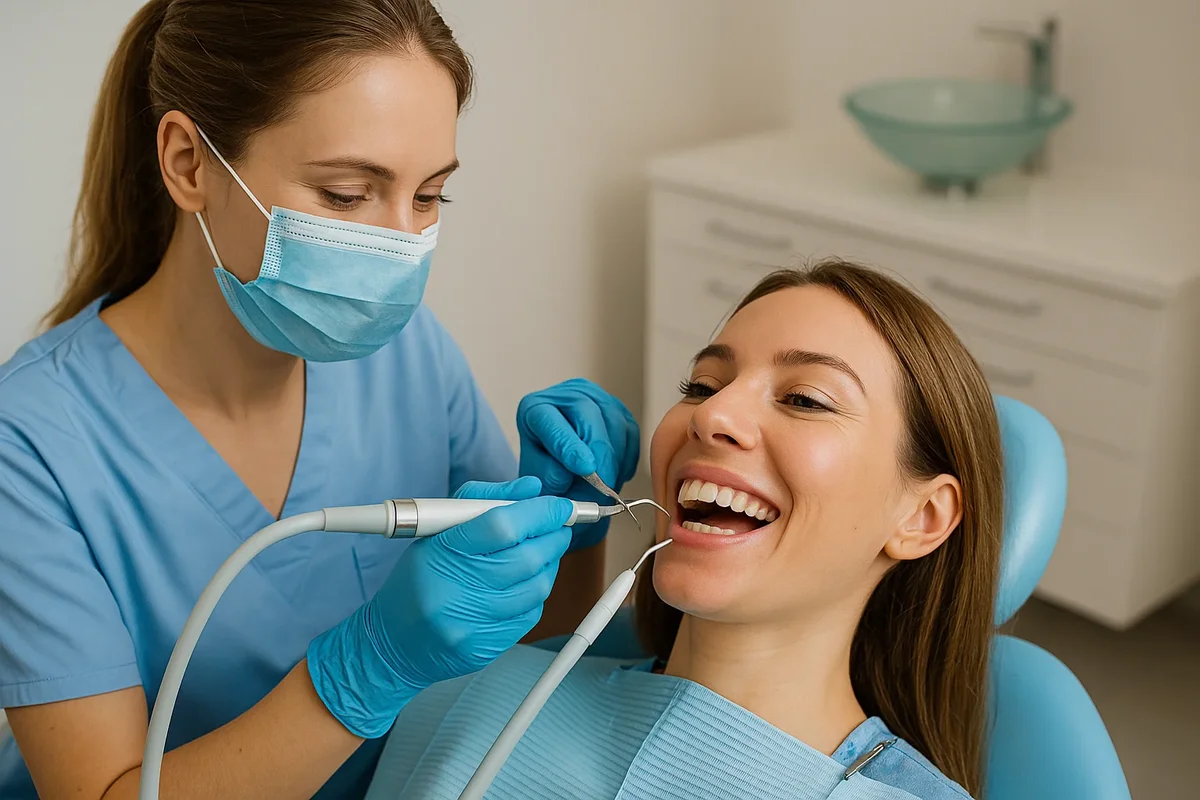
Cost, Insurance, and Finding Affordable Dental Cleaning Services
One of the most common questions patients ask their dentist for cleaning teeth is about cost — how much will it be, what does insurance cover, and how can dental cleaning remain affordable over time? Regular cleanings are an essential part of preventive healthcare, and understanding the financial aspects ensures that you never delay necessary treatments due to uncertainty. This section provides a complete, transparent overview of pricing, insurance options, and strategies to find high-quality yet affordable dental cleaning services. 🦷
Understanding the Cost of Professional Dental Cleaning
The price of a dental cleaning can vary widely depending on several factors, including your location, the clinic’s expertise, the complexity of the cleaning, and whether additional treatments (like fluoride or deep scaling) are required. On average, a visit to a dentist for cleaning teeth may range from basic preventive cleaning to comprehensive deep cleaning procedures, especially for patients with gum issues.
Factors That Influence Cost
- Type of cleaning: A routine cleaning (prophylaxis) costs less than deep scaling or root planing.
- Clinic location: Urban clinics with advanced equipment may charge slightly more.
- Dentist expertise: Experienced specialists or hygienists often command higher fees.
- Dental condition: More plaque buildup or gum disease increases treatment time and cost.
- Frequency: Regular cleanings typically cost less because buildup is minimal.
Your dentist for cleaning teeth will always provide a detailed treatment plan and pricing estimate after examining your oral health. Transparency ensures that patients understand the value of professional care and can make informed financial decisions.
Insurance Coverage for Dental Cleaning
Most dental insurance plans cover preventive care, including professional cleanings, once or twice a year. This makes visiting a dentist for cleaning teeth both affordable and practical. Insurance typically covers 100% of preventive cleanings, fluoride treatments, and routine exams, as these services prevent larger, costlier issues in the future. For patients without insurance, many clinics offer in-house memberships or discount programs to keep preventive care accessible.
How to Maximize Your Insurance Benefits
To get the most out of your insurance plan, always verify your coverage before scheduling an appointment. Your dentist for cleaning teeth can help you check eligibility for preventive services, fluoride treatments, or X-rays. Also, consider scheduling both of your annual cleanings before the coverage period resets. If you’ve already met your deductible for the year, additional cleanings or deep cleaning procedures may come at a significantly reduced out-of-pocket cost.
Cost Comparison: Preventive Cleaning vs. Treatment
It’s important to understand that regular visits to a dentist for cleaning teeth save money over time. Neglecting cleanings can lead to gum disease, cavities, and even tooth loss — all of which require far more expensive treatments later. For instance, while a simple cleaning might cost under a few hundred dollars, gum disease therapy or tooth replacement procedures can cost thousands. Preventive care is not just about health; it’s a smart financial choice that reduces future expenses.
Realistic Price Ranges
According to average dental market research and reputable sources such as the American Dental Association:
Routine Cleaning (Prophylaxis): $90 – $150 per visit
Deep Cleaning (Scaling & Root Planing): $200 – $400 per quadrant
Fluoride Treatment: $20 – $50 per session
X-Rays (Full Set): $100 – $200
These figures vary depending on the dental office and region, but they illustrate why preventive visits to a dentist for cleaning teeth are financially beneficial compared to restorative procedures.
Affordable Options Without Insurance
For patients without insurance, many dental offices provide affordable cleaning plans or memberships. These typically include two annual cleanings, exams, and discounts on additional services. A dentist for cleaning teeth may also offer flexible payment options, student discounts, or family plans to make oral healthcare accessible to everyone. Community health clinics and dental schools often provide low-cost or supervised student cleanings that maintain high quality at a reduced price.
Exploring Payment Flexibility
- Monthly installment plans for regular patients.
- Discounts for upfront payment or multiple family members.
- Seasonal promotions on professional cleaning and checkups.
Clinics like Redent Klinik are known for providing affordable preventive care and flexible scheduling to make dental cleanings accessible for all budgets.
Long-Term Savings Through Preventive Care
The cost of neglecting dental hygiene is far greater than the cost of maintenance. Regular visits to a dentist for cleaning teeth help prevent gum disease, which, if untreated, can lead to bone loss and expensive surgical treatments. Preventive cleaning reduces the likelihood of needing crowns, root canals, or implants in the future. Think of it as an investment — each cleaning session protects your smile, health, and finances simultaneously.
Why Prevention is Cheaper Than Restoration
For every $1 spent on preventive dental care, patients save an average of $8–$50 in restorative or emergency treatments later. Your dentist for cleaning teeth focuses on identifying problems early, meaning less pain, fewer visits, and lower overall costs. Preventive care ensures stability, both for your oral health and your wallet.
Evaluating Value Beyond Price
While cost is important, the cheapest option isn’t always the best. Quality care ensures lasting results and comfort during procedures. The best dentist for cleaning teeth combines affordability with expertise, using advanced tools that make cleanings efficient and safe. Always evaluate both price and reputation before choosing a dental provider — a trusted clinic provides peace of mind that every dollar you spend contributes to long-term wellness.
Checking Reviews and Transparency
Online reviews and patient testimonials are great ways to confirm value. A reputable dentist for cleaning teeth will clearly list fees, offer itemized receipts, and discuss treatment options openly. Transparency builds trust and helps patients feel confident in their investment. 😁
Global Perspective: Dental Cleaning Costs Abroad
In recent years, dental tourism has made professional cleanings and other procedures more affordable for international patients. Clinics in countries like Turkey, including Redent Klinik, combine high standards with competitive prices. A dentist for cleaning teeth in these clinics provides world-class services at a fraction of the cost compared to Western countries — often without compromising quality or safety. This makes Turkey one of the most popular destinations for dental care abroad.
In conclusion, understanding the financial aspects of visiting a dentist for cleaning teeth empowers patients to make informed, cost-effective decisions. Preventive cleanings, when done regularly, protect not only your health but also your finances by preventing more serious complications. Whether through insurance coverage, in-house plans, or international options, maintaining your smile doesn’t have to break the bank. Prioritize consistent cleanings — they’re the smartest and most affordable investment you can make in your lifelong health. 🌟