
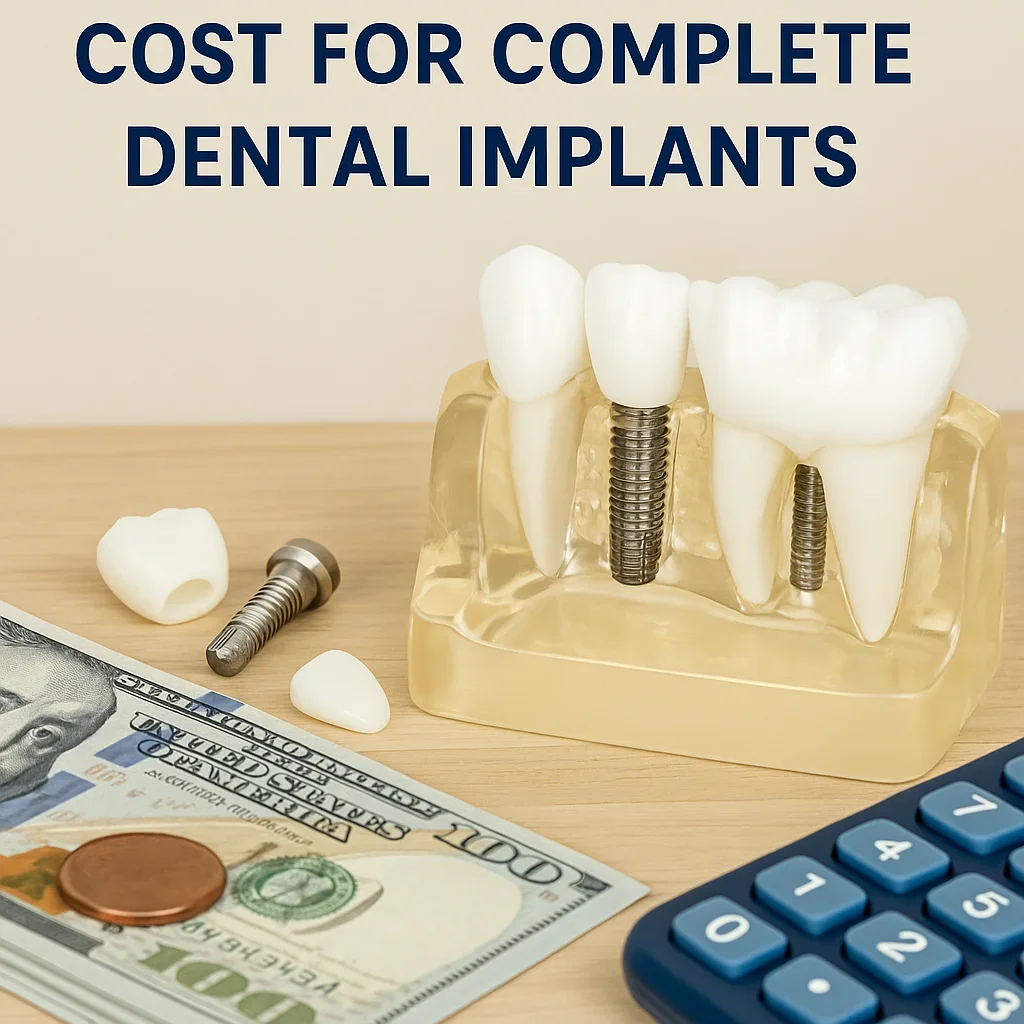
When people begin searching for a permanent solution to missing teeth, one of the most frequently asked questions is about the cost for complete dental implants. Dental implants have become the gold standard for tooth replacement because they look, feel, and function like natural teeth. Yet, understanding how their cost is calculated and what influences it can make all the difference when planning your dental restoration journey. 🦷
To begin with, complete dental implants refer to a full set of artificial teeth supported by titanium posts that are surgically placed into the jawbone. These implants fuse with the bone through a process called osseointegration, creating a stable base for crowns or bridges. Patients who have lost all their teeth in one or both jaws often choose this option because it offers unmatched stability, chewing power, and aesthetics compared to traditional dentures.
The cost for complete dental implants can vary significantly depending on the country, the expertise of the dental surgeon, materials used, and the overall treatment plan. In general, this cost includes several components: the implant posts, abutments, crowns, diagnostic imaging (such as 3D scans), anesthesia, and sometimes bone grafting. Each of these elements plays a crucial role in ensuring long-term success and patient satisfaction.
Many patients mistakenly assume that the total cost for complete dental implants only covers the surgical procedure. However, comprehensive treatment involves much more. Before surgery, your dentist conducts a detailed assessment of your oral health, gum condition, and bone density. If bone grafting is required, that can increase the total cost but also improves the success rate of your implants. 🩺
Another important consideration is the type of restoration. A full-arch implant can be supported by as few as four implants (known as the All-on-4 technique), or by six to eight implants for additional stability. The more implants used, the higher the overall expense. However, a larger number of implants also ensures stronger support for the prosthetic arch, which can extend the life of your dental investment.
Let’s not forget the quality of materials used. Titanium implants are the industry standard because of their strength and compatibility with the human body, but there are also zirconia implants that offer a metal-free alternative for patients with sensitivities. The crowns can be made from porcelain, ceramic, or hybrid acrylic materials — each with its own aesthetic and price differences. These choices directly impact the cost for complete dental implants as well as the final look of your smile. 😁
Furthermore, the location of your dental clinic can significantly influence the total amount. For instance, treatment in the United States or the United Kingdom can be much more expensive than in countries like Turkey, where dental tourism has made high-quality implant care affordable without compromising safety or results. Many patients find that traveling abroad for treatment — especially to places like Redent Klinik Contact Page — can reduce their cost for complete dental implants by up to 70% while receiving world-class care from certified professionals.
Another hidden factor is aftercare and maintenance. Proper oral hygiene, professional cleanings, and periodic check-ups are essential for extending the lifespan of your implants. These ongoing costs are usually minor compared to the benefits of having a strong, functional smile that can last for decades. Think of implants not as an expense, but as a long-term investment in your health, appearance, and self-confidence. 💎
According to the American Dental Association, dental implants boast a success rate of over 95% when properly planned and maintained. That means your money goes toward a solution that offers both reliability and longevity. Unlike dentures, which may need replacements every few years, implants can last a lifetime with the right care.
When evaluating the cost for complete dental implants, it’s wise to look beyond the initial price tag. Focus instead on the quality of materials, the dentist’s expertise, the technology used, and the long-term value you’ll gain. A well-done implant treatment not only restores your ability to eat comfortably but also prevents jawbone deterioration, improves facial structure, and boosts confidence in ways that are truly priceless.
In summary, understanding the cost for complete dental implants requires looking at the bigger picture — one that balances budget, quality, and outcome. Whether you’re considering local treatment or exploring dental tourism destinations, remember that this is a lifelong investment in your smile and well-being. The right clinic, the right plan, and the right expectations will help you achieve lasting satisfaction with your new, natural-looking teeth. 🌟
What Are Complete Dental Implants and How Do They Work?
The cost for complete dental implants often depends on understanding exactly what these implants are and how they function. Complete dental implants are designed to replace an entire set of missing teeth — either on the upper, lower, or both jaws — by anchoring artificial teeth securely to the jawbone using titanium or zirconia posts. This process provides an exceptionally natural look and feel, allowing patients to eat, speak, and smile with complete confidence. 🦷
Understanding the Structure of Complete Dental Implants
To fully comprehend the cost for complete dental implants, you need to know that each implant typically consists of three main parts: the implant post, the abutment, and the dental crown. The post acts like a natural tooth root and is surgically placed into the jawbone. After healing, an abutment is attached to connect the post with the crown, which mimics the visible part of a natural tooth. This structure provides unmatched stability and durability, allowing implants to function for decades or even a lifetime with proper care. 💎
Unlike removable dentures that rest on the gums, complete dental implants are permanently fixed in place. This integration between the bone and the implant, known as osseointegration, is what makes implants so stable. As the bone grows around the titanium post, it fuses firmly to create a secure foundation. This process may take several months, but it ensures the success and longevity of the implant system.
Step-by-Step Process of Getting Complete Dental Implants
Understanding how the treatment process unfolds is crucial to appreciating the total cost for complete dental implants. The procedure usually follows several stages:
1. Initial Consultation and 3D Imaging
Your dental journey begins with an in-depth consultation, where digital scans and 3D imaging are performed to assess bone quality, gum health, and overall oral condition. The dentist creates a customized treatment plan based on your unique anatomy. This phase often involves diagnostic fees, which are included in the total cost calculation.
2. Bone Grafting and Preparation
If a patient’s bone density is insufficient, bone grafting may be necessary to strengthen the jaw. While this adds to the cost for complete dental implants, it’s a vital step to ensure long-term implant stability. Bone graft materials and healing time vary, affecting the total timeline and pricing of the treatment. 🧬
3. Implant Surgery
Once the foundation is ready, titanium or zirconia posts are surgically placed into the bone under local anesthesia or sedation. Most patients experience minimal discomfort thanks to modern surgical techniques and advanced planning software. The precision of this stage determines the alignment and bite of the final prosthetic teeth.
4. Healing and Osseointegration
This is the most critical part of the implant journey. Over 3–6 months, the bone integrates with the implants to form a rock-solid base. During this period, temporary prosthetics may be provided, allowing the patient to maintain aesthetics and function while healing continues.
5. Attaching the Abutments and Crowns
After successful integration, abutments are connected to the implant posts. Then, customized crowns or full-arch bridges are attached. These are carefully crafted to match your natural tooth color and facial symmetry, providing a flawless and lifelike appearance. ✨
Different Types of Complete Dental Implant Systems
The cost for complete dental implants can vary based on the system chosen. The most common options include:
- All-on-4 Dental Implants: This technique uses four strategically placed implants to support a full arch of teeth. It’s more affordable and faster to complete than traditional methods.
- All-on-6 or All-on-8 Systems: These provide greater stability by using additional implants. They are ideal for patients with strong bone structure and those seeking maximum durability.
- Zygomatic Implants: Used when there’s insufficient upper jaw bone, these longer implants anchor into the cheekbone, offering a solution without bone grafting.
Each of these systems influences the total cost for complete dental implants, depending on complexity, materials, and surgical techniques.
Advantages of Complete Dental Implants
The benefits of choosing full dental implants extend beyond cosmetic improvements. Patients gain back 90–95% of their natural biting and chewing ability, which is far superior to dentures. Implants also prevent bone loss, preserve facial structure, and enhance speech clarity. Most importantly, they eliminate the daily inconvenience of removing dentures or using adhesives. 😁
Unlike bridges that rely on adjacent teeth for support, implants protect healthy teeth by standing independently. Over time, this reduces the risk of dental decay and jawbone deterioration — both of which can lead to further tooth loss if untreated. These clinical advantages justify the cost for complete dental implants as an investment rather than an expense.
Longevity and Success Rates
According to the American Dental Association, the success rate for dental implants exceeds 95%, making them one of the most predictable and durable dental procedures available today. With proper oral hygiene and regular checkups, complete implants can last decades — or even a lifetime. This long-term success is one of the main reasons why the cost for complete dental implants is justified when compared to short-term alternatives like dentures or bridges.
Global Perspective and Modern Innovations
In recent years, dental technology has significantly evolved, reducing both the time and discomfort associated with implants. Computer-guided surgery, digital impressions, and 3D printing have made procedures faster and more precise. These innovations also help lower the cost for complete dental implants by minimizing human error and shortening treatment durations.
Additionally, countries like Turkey have become world leaders in dental implant tourism due to their advanced medical infrastructure and affordable pricing. Patients from the US, UK, and Europe often travel to clinics such as Redent Klinik Contact Page to receive top-quality treatment at a fraction of the cost they would pay locally. 🌍
In summary, understanding how complete dental implants work — from structure to procedure — helps you make an informed decision about your dental health. Once you realize the precision, craftsmanship, and medical expertise involved, the cost for complete dental implants begins to make sense as a lifelong investment in confidence, health, and well-being. 💖
Main Factors That Influence the Cost for Complete Dental Implants
The cost for complete dental implants varies widely from patient to patient because each case is unique. While dental implants are universally known for their long-term benefits, several factors determine the final amount you’ll pay. Understanding these elements will help you plan your treatment more effectively, avoid hidden surprises, and make an informed decision. 💡
1. Number of Implants Required
The number of implants needed is one of the most significant components that influence the cost for complete dental implants. For a full mouth restoration, dentists may recommend systems such as All-on-4, All-on-6, or All-on-8, referring to how many titanium posts are used per jaw. The more implants placed, the higher the overall cost — but also the greater the stability and strength of your new teeth.
For example, an All-on-4 system typically uses four implants to support a full arch of 10–12 teeth. Meanwhile, an All-on-6 provides additional anchorage for patients with high chewing demands or dense bone structures. Choosing between these options depends on your oral health and aesthetic goals. Each configuration affects the final cost for complete dental implants differently, depending on materials, surgical time, and laboratory work involved. 🦷
2. Type and Quality of Materials Used
Not all implants are created equal. The quality of the materials used — both for the implants and crowns — greatly impacts durability, aesthetics, and, of course, price. Titanium implants are the global standard due to their exceptional biocompatibility and long lifespan. However, zirconia implants are gaining popularity for being metal-free and ideal for patients with allergies or those seeking superior aesthetics.
The crown material also influences the cost for complete dental implants. Porcelain-fused-to-metal (PFM) crowns are less expensive but may show a greyish line near the gum line over time. Full zirconia or ceramic crowns are costlier but provide unmatched natural appearance and strength. The choice of these materials determines how your smile looks and performs for decades.
Material Cost Breakdown Example
- Titanium Implant: Standard durability and biocompatibility (average lifespan 20+ years)
- Zirconia Implant: Metal-free, hypoallergenic, highly aesthetic (lifespan similar or longer)
- Crown Material: Porcelain, zirconia, or hybrid acrylic depending on budget and look
Choosing premium materials may slightly increase the cost for complete dental implants, but they offer peace of mind and longer-term value.
3. Skill and Experience of the Dental Surgeon
The expertise of your dental surgeon plays an essential role in both the outcome and the total price of your treatment. Highly experienced implantologists often charge more due to their training, precision, and track record of success. However, this is not an area where patients should cut corners — a skilled dentist ensures proper placement, minimizes complications, and delivers aesthetically superior results.
Clinics that specialize in implantology often use cutting-edge technology like 3D bone mapping, computer-guided surgery, and CAD/CAM systems. These tools improve accuracy and reduce healing time. While this may add slightly to the cost for complete dental implants, it dramatically enhances safety and results. 🧠
4. Geographic Location of the Clinic
Location plays a surprisingly large role in determining the cost for complete dental implants. In countries like the United States, Canada, or the UK, dental services are often more expensive due to high operational costs and insurance structures. Conversely, countries such as Turkey, Hungary, and Mexico offer the same high-quality treatment at a fraction of the price. This difference is primarily due to lower living costs, competitive healthcare markets, and government support for medical tourism.
For instance, a full-mouth implant treatment that might cost $30,000–$50,000 in the U.S. can be done for $8,000–$12,000 in Turkey with the same materials and technology. Clinics like Redent Klinik Contact Page provide comprehensive packages that include consultations, X-rays, surgery, and even accommodation. 🌍
5. Pre-Treatment Procedures
Some patients require additional procedures before implants can be placed. These may include bone grafting, sinus lifts, gum disease treatment, or tooth extractions. Each of these contributes to the total cost for complete dental implants. For example, bone grafting materials and surgical expertise can add a few hundred to a few thousand dollars depending on complexity. However, these preparatory steps are vital for ensuring long-term implant stability and preventing failure.
Common Pre-Treatments Affecting Implant Cost
- Bone Grafting: Strengthens weak jawbones for secure implant placement
- Sinus Lift: Increases bone volume in the upper jaw
- Tooth Extraction: Removes damaged teeth before implant surgery
- Periodontal Therapy: Treats gum infection before implant placement
These additional treatments might seem costly initially, but they protect your long-term investment and enhance the overall outcome of your dental implant journey. 🏥
6. Technology and Equipment Used
Advanced dental technologies contribute both to higher precision and sometimes higher costs. Clinics that use digital planning systems, intraoral scanners, and 3D printers can design perfectly fitting restorations that look and function naturally. However, this level of precision adds to the cost for complete dental implants. Yet, these modern methods significantly reduce errors and postoperative discomfort, offering greater value in the long run.
7. Aftercare, Warranty, and Follow-Up Appointments
The best clinics include professional aftercare and warranty coverage in their packages. Postoperative check-ups, cleaning sessions, and warranty policies all influence the cost for complete dental implants. A reputable dental center will offer free or discounted follow-ups for a certain period after surgery. Always confirm whether these services are part of the total price before committing to treatment.
According to the American Dental Association, proper maintenance — such as professional cleanings and regular dental visits — plays a vital role in extending the life of your implants. These additional services ensure your smile remains functional and radiant for decades. 😁
8. Type of Restoration and Customization Level
The final restoration — whether it’s a fixed bridge, hybrid denture, or individual crowns — can also change the total price. A custom-designed prosthesis tailored to your facial features requires more lab work and artistic craftsmanship, increasing the cost for complete dental implants. However, it provides a natural appearance that standard dentures cannot match.
Conclusion: A Personalized Investment in Your Smile
When you consider all these variables, it’s clear that the cost for complete dental implants is not a one-size-fits-all figure. Each factor — from surgical expertise to material choice — adds value and contributes to a smile that feels natural, looks stunning, and lasts for decades. Instead of focusing solely on the initial cost, think of implants as an investment in your confidence, comfort, and quality of life. 🌟
Breaking Down the Average Cost for Complete Dental Implants by Country
The cost for complete dental implants can vary drastically depending on where in the world you receive your treatment. This difference isn’t just due to quality but also to economic factors, operational costs, and healthcare systems unique to each region. 🌍 Whether you are considering treatment in your home country or abroad, understanding global price variations can help you make an informed and budget-friendly decision without compromising quality.
Understanding Global Price Variations
Complete dental implants are among the most advanced restorative treatments in modern dentistry. However, they are also one of the most variable in price. A full-mouth restoration that costs $8,000 in one country might cost over $40,000 in another. The main factors behind these differences include clinic operating costs, the cost of materials, surgeon fees, and national healthcare regulations. Let’s explore how these regional differences affect the cost for complete dental implants across the world. 💰
1. United States
In the United States, the cost for complete dental implants tends to be the highest globally due to advanced healthcare infrastructure and higher professional wages. On average, a single implant can cost between $3,000 and $5,000, while a full-mouth restoration (All-on-4 or All-on-6 system) can range from $25,000 to $50,000 per jaw. If bone grafting or sinus lifts are needed, this can push the total to over $60,000.
Most American dental clinics use premium titanium implants and high-end prosthetics, often paired with advanced digital planning technologies. While this ensures precision and durability, the high operational costs significantly increase the overall cost for complete dental implants. Additionally, dental insurance rarely covers implant procedures, leaving patients to pay out-of-pocket or rely on financing plans.
2. United Kingdom
The UK is another region where implant treatments are costly. A single dental implant typically costs between £2,000 and £3,000, while a complete full-arch restoration can reach £15,000–£30,000. Private clinics dominate this market because the National Health Service (NHS) rarely covers implants for non-medical cases. 🏥
The cost for complete dental implants in the UK is influenced by the same factors as in the U.S. — high operational expenses, expensive laboratory work, and premium materials. However, patients benefit from stringent medical standards and access to highly trained dental surgeons. For many UK residents, traveling abroad for treatment has become an increasingly popular option to save up to 70% of the total cost.
3. Europe (Germany, Spain, Hungary, Poland)
European countries offer a broad price range depending on location. Germany and Switzerland have some of the highest healthcare costs in Europe, with full-mouth implants ranging between €20,000 and €35,000. On the other hand, countries such as Hungary, Spain, and Poland have positioned themselves as major dental tourism hubs, offering high-quality implants for €6,000–€10,000 per jaw. 🇩🇪🇪🇸🇵🇱
In Hungary, for instance, dental clinics use the same brands of implants (such as Straumann or Nobel Biocare) as in Western Europe but at lower prices due to reduced labor costs and government support for dental tourism. This makes the region especially appealing to patients seeking affordable cost for complete dental implants without sacrificing quality.
4. Turkey
Turkey has rapidly become a global leader in dental tourism. The cost for complete dental implants in Turkey averages between $4,000 and $8,000 for a full mouth, which is significantly lower than in Western countries. Clinics like Redent Klinik Contact Page provide world-class treatments that include 3D imaging, personalized smile design, and premium implant systems — all at a fraction of the price patients would pay in the U.S. or Europe. 🇹🇷
Beyond cost savings, Turkey’s appeal lies in its internationally accredited dental centers, English-speaking staff, and modern facilities. Many clinics offer all-inclusive packages that cover accommodation, airport transfers, and post-operative care, making it convenient for international patients. For this reason, thousands of people travel each year to Turkey for affordable and high-quality implant treatments.
Example of Average Prices by Country (Full-Mouth Restoration)
| Country | Average Cost (USD) | Typical Implant System |
|---|---|---|
| United States | $25,000–$50,000 | All-on-4 / All-on-6 (Titanium) |
| United Kingdom | $20,000–$40,000 | All-on-4 (Premium Systems) |
| Germany | $22,000–$35,000 | All-on-6 (Straumann, Nobel) |
| Spain | $8,000–$12,000 | All-on-4 (Zirconia) |
| Hungary | $6,000–$10,000 | All-on-4 (Titanium) |
| Turkey | $4,000–$8,000 | All-on-4 / All-on-6 (Mixed) |
This table highlights how the cost for complete dental implants can differ by up to 80% depending on the destination. However, the price alone should never be the only deciding factor. Quality assurance, experience of the dental team, and warranty policies matter just as much as affordability.
5. Asia and the Middle East
In countries such as India, Thailand, and the United Arab Emirates, implant treatments are competitively priced and performed by internationally trained professionals. A full-arch restoration in these regions usually costs between $3,000 and $7,000. Many of these clinics use globally recognized implant brands and offer vacation-style dental tourism packages.
However, it’s crucial for patients to ensure their chosen clinic is accredited and follows international sterilization and safety standards. The cost for complete dental implants in Asia may be lower, but the quality of care varies widely between providers.
6. Latin America (Mexico, Costa Rica, Colombia)
Latin American countries, especially Mexico and Costa Rica, have become popular among North American patients seeking affordable dental care. A full set of implants can range from $6,000 to $10,000, with clinics located in tourist-friendly cities like Cancun, Tijuana, and San José. ✈️
The region is particularly attractive for U.S. patients because of proximity and lower travel costs. Many clinics provide transparent pricing and English-speaking staff, making the process easy and accessible. Still, quality can vary, so choosing a reputable clinic with verifiable patient reviews and certifications is essential.
Global Perspective on Value and Quality
While the cost for complete dental implants differs dramatically by location, what truly matters is the balance between cost, expertise, and technology. Patients who travel abroad often save money but must also factor in travel, accommodation, and potential follow-up visits. On the other hand, receiving treatment locally may provide peace of mind and easier access to postoperative care, though at a higher price.
According to the American Dental Association, patients should prioritize clinics that meet international safety and sterilization standards, regardless of geographic location. It’s always better to choose certified professionals who can guarantee results rather than simply opting for the lowest possible price.
Conclusion: Global Accessibility for Every Budget
Ultimately, the cost for complete dental implants varies based on where you go, but modern dental tourism has made premium care accessible to almost everyone. Whether you choose the precision of German clinics, the affordability of Turkey, or the proximity of Mexico, it’s possible to find a world-class solution that fits your financial and aesthetic goals. 🌟 A beautiful, functional smile doesn’t have to be out of reach — it just requires smart planning and careful choice of clinic.
Comparing the Cost of Full Mouth Implants vs. Single Tooth Implants
When considering dental restoration, one of the most common questions patients ask is how the cost for complete dental implants compares to that of single-tooth implants. Understanding this difference is key to making an informed decision that balances functionality, aesthetics, and budget. While both treatments restore missing teeth, their purpose, procedure, and total expenses differ significantly. 🦷
1. The Fundamental Difference Between Full Mouth and Single Implants
A single-tooth implant replaces one missing tooth using one titanium or zirconia post, an abutment, and a crown. In contrast, a full-mouth implant — often called a complete dental implant restoration — replaces all teeth in one or both jaws using multiple implants as anchors to support an entire arch of artificial teeth. Typically, these systems use four, six, or eight implants per jaw (such as the All-on-4 or All-on-6 techniques).
Because of these differences in scope and complexity, the cost for complete dental implants naturally exceeds that of a single implant. However, on a per-tooth basis, complete systems are actually more cost-efficient, offering better long-term value for patients needing extensive tooth replacement.
2. Cost Comparison Overview
Let’s break down the approximate price range for both treatments. Although actual prices vary by country and clinic, this comparison provides a realistic global perspective:
Average Cost Comparison Table
| Treatment Type | Average Cost (USD) | What’s Included |
|---|---|---|
| Single Tooth Implant | $1,500 – $4,000 | Implant post, abutment, and single crown |
| Full Mouth Implants (All-on-4) | $8,000 – $20,000 (per jaw) | Four implants, abutments, and a fixed full-arch bridge |
| Full Mouth Implants (All-on-6 or All-on-8) | $12,000 – $30,000 (per jaw) | Six to eight implants and a custom prosthesis |
As the table shows, while the total cost for complete dental implants is higher, it becomes more economical when replacing many or all teeth. Instead of paying for each tooth individually, the full-mouth system uses fewer implants to support a complete set of teeth.
3. Breakdown of Cost Components
To understand why the cost for complete dental implants differs from single implants, it helps to examine each treatment’s main components:
For Single Tooth Implants:
- One titanium post surgically inserted into the jawbone
- Abutment to connect post and crown
- Custom crown to match adjacent teeth
- Minor anesthesia and one surgical site
For Full Mouth Implants:
- Four to eight titanium implants per jaw
- Abutments and full-arch prosthesis
- Advanced 3D imaging and guided surgery
- Extended surgery time and multiple healing phases
Each additional procedure, material upgrade, or technological enhancement contributes to the total cost for complete dental implants. However, patients gain the benefit of replacing an entire set of teeth in fewer appointments and with greater long-term stability.
4. Procedure Duration and Complexity
The placement of a single implant generally takes about one to two hours and may require only one follow-up visit. In contrast, a full-mouth implant restoration can take several sessions over a few months. This includes diagnostic scans, surgery, healing time (osseointegration), and the final prosthetic fitting. Because of the higher surgical complexity, the cost for complete dental implants includes more clinical time, materials, and lab work.
5. Longevity and Cost Efficiency Over Time
Although the upfront investment for full-mouth implants is higher, their long-term value often surpasses that of multiple single implants placed separately. Complete dental implants offer decades of stability and require minimal maintenance compared to removable dentures or partials. 💎
Consider this: if a single implant costs $3,000, replacing 20 teeth individually could total $60,000. A complete dental implant system, however, can replace all teeth in both jaws for about half that amount in some countries. This makes the cost for complete dental implants a more strategic investment in both comfort and appearance.
6. Aesthetic and Functional Differences
Full-mouth implant systems deliver a uniform, naturally aligned smile, while single implants focus on isolated gaps. In terms of function, both options restore chewing ability and jawbone stimulation, preventing bone loss. However, complete systems provide the added advantage of stabilizing facial structure, reducing wrinkles and sagging caused by missing teeth.
Patients who choose complete implants often report improved confidence, better digestion from effective chewing, and clearer speech. These functional benefits enhance overall quality of life — making the cost for complete dental implants well worth the investment.
7. Maintenance and Aftercare Costs
Single implants are relatively easy to maintain, requiring regular brushing, flossing, and professional cleanings. Full-mouth systems, however, require additional care — including specialized brushes, water flossers, and regular dental check-ups to ensure the prosthesis remains secure.
According to the American Dental Association, both single and full-mouth implants can last a lifetime with proper hygiene. The slight difference in maintenance cost is minimal compared to the long-term benefits of having a strong, functional smile that feels natural. 🪥
8. Which Option Is Right for You?
If you’re missing only one or two teeth, a single implant might be ideal. But if you’ve lost most or all of your teeth, complete dental implants offer superior results both functionally and aesthetically. Your dentist will assess your bone density, gum health, and budget to recommend the best solution.
Clinics like Redent Klinik Contact Page specialize in evaluating patients individually, offering cost-effective implant plans tailored to each case. They often provide transparent breakdowns of the cost for complete dental implants, including materials, surgical stages, and aftercare — ensuring no hidden fees or surprises.
Conclusion: Investing Wisely for Long-Term Results
Ultimately, while single-tooth implants are effective for minor replacements, full-mouth restorations offer greater value and transformation for those with extensive tooth loss. When viewed over decades of functionality, comfort, and aesthetics, the cost for complete dental implants becomes a long-term investment in health and happiness rather than just a medical expense. 🌟
Choosing between the two depends on your specific dental needs, lifestyle, and financial priorities. Regardless of your decision, both treatments offer life-changing benefits that restore confidence and quality of life — the true measure of any dental investment. 😁
How the Cost for Complete Dental Implants Can Save You Money Long-Term
When patients first learn about the cost for complete dental implants, they often experience sticker shock. After all, it’s a significant upfront investment compared to dentures or bridges. However, what many fail to realize is that implants can actually save thousands of dollars in the long run — not to mention the priceless benefits they bring in terms of comfort, health, and self-esteem. 🦷
Dental implants are designed to last for decades, potentially even a lifetime. When properly maintained, they eliminate the recurring costs associated with replacing dentures or repairing bridges every few years. In other words, while the initial cost for complete dental implants might seem high, it often turns out to be the most economical choice over a lifetime of oral health.
1. Durability and Longevity: A Lifetime Investment
Unlike dentures and dental bridges, which may need replacement every 5–10 years, complete dental implants can last 25 years or more — often for life. This longevity means that once your implants are placed, you won’t have to keep paying for new prosthetics or constant adjustments. 💎
Traditional dentures can break, loosen, or require relining due to changes in gum tissue. Each of these repairs comes with a cost. By contrast, the cost for complete dental implants includes a durable, long-lasting structure made from biocompatible materials such as titanium or zirconia that integrate directly into the jawbone. This fusion provides unmatched stability and prevents future expenses related to bone loss or jaw deterioration.
Comparative Replacement Costs Over 20 Years
| Treatment Type | Initial Cost (Approx.) | Replacement Frequency | Total 20-Year Cost |
|---|---|---|---|
| Dentures | $1,500 – $3,000 | Every 5–7 years | $6,000 – $12,000 |
| Dental Bridge | $2,000 – $5,000 | Every 10 years | $4,000 – $10,000 |
| Complete Dental Implants | $8,000 – $20,000 | Once (potentially lifetime) | $8,000 – $20,000 |
As shown above, while the initial cost for complete dental implants is higher, the long-term financial benefit becomes clear over time. You pay once, and enjoy decades of comfort and reliability without recurring bills. 📈
2. Reduced Maintenance and Repair Costs
Another way implants save money is through low maintenance. Dentures require adhesives, cleaning tablets, and special soaking solutions — all recurring expenses. Implants, on the other hand, can be maintained just like natural teeth with regular brushing, flossing, and professional cleanings. 🪥
Furthermore, dentures are prone to accidental drops or cracks, especially when removed daily. Each repair or replacement can add hundreds of dollars over the years. The cost for complete dental implants includes a permanent fixture that eliminates these issues entirely. Once healed, implants behave like natural teeth — stable, strong, and worry-free.
3. Prevention of Future Dental Complications
One of the hidden advantages of dental implants is their ability to prevent costly future dental problems. When teeth are missing, the jawbone starts to shrink due to lack of stimulation. This leads to changes in facial structure, bite misalignment, and even speech difficulties. Reversing these issues can cost far more than the original cost for complete dental implants.
By integrating with the bone, implants preserve your jaw structure and prevent bone loss. This protection helps maintain facial aesthetics and functionality, saving you from future orthodontic or reconstructive surgeries that can cost thousands of dollars. According to the American Dental Association, maintaining jawbone health through implants can reduce future dental expenses by up to 40%.
4. Enhanced Overall Health and Well-Being
Poor oral health has been linked to a variety of systemic conditions, including heart disease, diabetes, and infections. Missing teeth can make chewing difficult, leading to poor nutrition and digestive issues. By investing in implants, you restore full chewing ability and promote better digestion and nutrient absorption.
Better nutrition and oral hygiene translate into improved general health — reducing medical costs over time. Therefore, while the cost for complete dental implants might appear as a dental expense on paper, it actually contributes to long-term wellness, helping patients save on broader healthcare costs. 🌿
5. Eliminating the Hidden Costs of Dentures and Bridges
When comparing alternatives, many patients underestimate the hidden costs of traditional dentures and bridges. These include adhesive creams, frequent adjustments, re-fittings, and even the emotional toll of discomfort or embarrassment. 🧾
With dental implants, you won’t face issues like slipping dentures, restricted diets, or awkward speaking moments. The cost for complete dental implants covers a permanent and secure solution that eliminates these ongoing inconveniences. This means no more spending on temporary fixes — just one well-planned treatment that lasts.
6. Higher Quality of Life Equals Better Value
Beyond numbers, implants provide intangible value that other treatments simply cannot match. Patients often report feeling younger, more confident, and more socially active after getting implants. A bright, natural smile can improve both personal and professional relationships — benefits that can’t easily be measured in money but certainly enhance life quality.
By preventing oral health decline, maintaining facial balance, and restoring full functionality, the cost for complete dental implants represents a comprehensive life improvement. You’re not only investing in your mouth but also in your confidence, happiness, and overall lifestyle satisfaction. ✨
7. Financing and Tax Benefits
Many dental clinics now offer flexible financing plans to make implants more accessible. These plans allow patients to spread the cost for complete dental implants over several months or years, making it easier to manage financially. In some regions, dental implants can also be partially tax-deductible as a medical expense — further reducing their effective cost.
Additionally, some insurance plans cover parts of the treatment, such as diagnostic imaging, extractions, or prosthetic components. Always consult both your clinic and insurance provider to maximize available financial benefits. Reputable clinics like Redent Klinik Contact Page often provide detailed cost breakdowns and transparent payment options to help you plan efficiently. 💬
8. Comparing Long-Term ROI (Return on Investment)
From an investment perspective, the cost for complete dental implants yields a high ROI in both economic and lifestyle terms. Patients who choose implants typically spend less on maintenance and experience fewer complications, translating to lower lifetime dental expenses. When factoring in improved quality of life, speech clarity, and self-confidence, the return is even greater.
Conclusion: True Savings Through Smart Investment
While dentures and bridges may seem cheaper initially, they often become more expensive in the long run due to maintenance, replacements, and health complications. In contrast, the cost for complete dental implants provides permanent, reliable, and aesthetic results that improve your quality of life and save you money over time. 🌟
When viewed as a lifetime investment rather than a short-term expense, implants stand out as the smartest, most cost-effective choice in modern dentistry — delivering financial and emotional value that far outweighs their initial price.
Additional Procedures That May Affect the Overall Implant Cost
When calculating the total cost for complete dental implants, many patients overlook the supplementary procedures that may be necessary to ensure success. These additional treatments play a critical role in improving bone strength, gum health, and implant stability — all of which directly influence both short-term results and long-term durability. 🦷
While not every patient needs these extra steps, understanding them can help you anticipate potential costs and make well-informed decisions about your treatment plan. These preparatory or complementary procedures often add to the overall cost for complete dental implants, but they also increase the longevity and success rate of your new smile.
1. Bone Grafting and Regeneration Procedures
Bone grafting is one of the most common supplementary procedures associated with implant surgery. It’s recommended when a patient has experienced bone loss due to missing teeth, gum disease, or trauma. Without sufficient bone density, the implant post cannot fuse securely with the jawbone — leading to possible failure.
Bone grafting involves transplanting natural or synthetic bone material into the jaw to stimulate new bone growth. The cost of this procedure varies depending on the complexity and material type but typically ranges from $300 to $1,200 per site. This expense contributes to the total cost for complete dental implants but is an essential investment in ensuring the implant’s long-term success. 💎
Common Bone Graft Materials
- Autograft: Uses your own bone (from chin, hip, or jaw) for best compatibility.
- Allograft: Uses donor bone from a human tissue bank.
- Xenograft: Derived from animal sources (often bovine).
- Alloplastic: Synthetic bone material designed to mimic natural bone.
Each material varies in price and healing time, but all aim to create the stable foundation implants require. Although it increases the cost for complete dental implants, bone grafting ensures the treatment will be structurally sound and long-lasting.
2. Sinus Lift Surgery
For patients receiving implants in the upper jaw — especially in the molar region — a sinus lift might be necessary. This procedure raises the sinus membrane and adds bone material to prevent implants from protruding into the sinus cavity. 🩺
Sinus lift surgery can add anywhere from $1,500 to $3,000 to the overall cost for complete dental implants, depending on the complexity and the amount of bone required. Though it may seem expensive, this step is vital for patients with naturally low sinuses or significant bone loss in the upper jaw.
3. Tooth Extractions
Before placing dental implants, any remaining damaged or decayed teeth must be extracted. Extractions ensure that the jawbone and gums are healthy enough to support the implants. Simple extractions may cost $100–$300 per tooth, while surgical extractions (for impacted teeth) can reach $600 or more. 🧾
While extractions add to the total cost for complete dental implants, they are a fundamental preparatory step that eliminates infection and creates a clean site for successful implant placement.
4. Gum (Soft Tissue) Grafting
Gum grafting may be required for patients with receding gums or thin tissue. This treatment helps protect the implant posts, improve aesthetics, and ensure healthy gum attachment around the prosthetic crowns. There are different types of grafts — connective tissue grafts, free gingival grafts, and pedicle grafts — each with varying prices.
The average gum graft procedure costs between $600 and $1,200 per site. While it increases the cost for complete dental implants, it is essential for both functional stability and a natural-looking smile. 🪷
5. Temporary Prosthetics and Healing Abutments
During the healing phase after implant placement, patients often receive temporary crowns or dentures. These provisional prosthetics allow normal speaking and eating while the implants fuse with the jawbone (a process known as osseointegration). 🕒
Temporary restorations may add $300 to $1,000 to the total cost for complete dental implants. Though not permanent, they play an important role in maintaining comfort and function during the recovery period.
6. Diagnostic and Imaging Procedures
Before surgery, precise imaging and diagnostic evaluations are necessary. Clinics often use 3D cone-beam computed tomography (CBCT) scans, panoramic X-rays, and digital impressions to plan implant placement. These procedures ensure accurate alignment and prevent complications.
The cost of diagnostic imaging typically ranges between $150 and $500. Including this step in the cost for complete dental implants ensures the treatment plan is safe, customized, and predictably successful. According to the American Dental Association, pre-surgical diagnostics are among the most important stages for achieving long-term success rates above 95%.
7. Sedation or Anesthesia Options
Many patients opt for sedation or anesthesia to ensure comfort during the implant procedure. Options include local anesthesia, IV sedation, or general anesthesia, depending on patient anxiety levels and the complexity of the surgery. Each option has a different cost:
- Local anesthesia: Usually included in the base cost.
- IV sedation: Adds $250–$700 per hour.
- General anesthesia: Can range from $800 to $1,500 per session.
While this increases the cost for complete dental implants, it provides a pain-free and relaxed surgical experience — particularly beneficial for those undergoing full-mouth restorations. 😴
8. Post-Surgical Care and Follow-Up Visits
Postoperative care is another key factor often forgotten when estimating total expenses. Follow-up appointments, cleaning sessions, and adjustment visits ensure the implants heal properly. Some clinics include these in their overall pricing, while others charge separately.
On average, aftercare costs range from $200 to $600 over several visits. This ongoing support helps prevent complications, ensuring that the cost for complete dental implants remains a worthwhile investment in long-term oral health.
9. The Role of Technology and Customization
Modern dentistry relies on cutting-edge technology to enhance precision and aesthetics. Computer-guided surgery, digital smile design, and 3D-printed models add value to the treatment by minimizing risks and improving cosmetic results. However, they may also slightly increase the overall cost for complete dental implants.
For instance, clinics such as Redent Klinik Contact Page use advanced imaging systems and digital modeling to achieve millimeter-perfect implant positioning. This level of customization ensures superior results and a natural, lifelike smile. 🌟
Conclusion: Every Step Adds Value to Your Smile
Although these supplementary procedures can increase the total cost for complete dental implants, each plays a crucial role in ensuring long-term stability, safety, and beauty. From bone grafting to sedation, every step enhances success rates and patient comfort.
Rather than viewing them as extra expenses, it’s best to see them as vital building blocks for a lifetime of confident smiles. When properly planned by skilled professionals, these treatments guarantee that your investment in dental implants provides lasting health, function, and peace of mind. 💖
Insurance and Financing Options for Complete Dental Implants
One of the main concerns for patients considering dental restoration is how to manage the cost for complete dental implants. While implants are a life-changing investment, their upfront cost can be substantial, especially in countries where dental procedures are not fully covered by public healthcare. Fortunately, there are several insurance, financing, and payment options that make implants more accessible than ever. Understanding these possibilities allows you to plan your treatment confidently and avoid financial stress. 💰
1. Does Dental Insurance Cover Implants?
Traditionally, most dental insurance plans have not covered implant treatments because they were considered “cosmetic” procedures. However, as implants have become the standard of care for tooth replacement, insurance companies are gradually recognizing their medical necessity. This shift means that more policies now reimburse part of the cost for complete dental implants, especially when the procedure is needed for chewing or speech restoration. 🦷
In general, insurance may cover certain stages of the implant process — for instance, tooth extraction, bone grafting, or crown placement — while excluding the implant post itself. The percentage of coverage varies by provider but usually ranges between 10% and 50% of the total cost.
Typical Insurance Coverage Breakdown
- Diagnostic exams and X-rays: Often 80–100% covered.
- Extractions or bone grafts: Frequently 50–80% covered.
- Implant surgery (implant post): May not be covered or partially covered.
- Crowns or bridges: Commonly 50% covered as restorative care.
Patients should check their plan’s annual maximums — usually around $1,000 to $2,500 — since these limits can cap reimbursement amounts. Even though coverage might not fully eliminate the cost for complete dental implants, it can significantly reduce out-of-pocket expenses.
2. Medical Insurance and Hybrid Coverage
In certain cases, medical (not dental) insurance may cover parts of the procedure if tooth loss resulted from trauma, tumor removal, or a medical condition such as osteoporosis. Some policies classify implant placement as a reconstructive surgery rather than cosmetic, especially when it restores essential oral functions like chewing and speaking.
For example, patients who lose teeth due to an accident may qualify for medical insurance support, lowering the total cost for complete dental implants. Always confirm coverage with both your dental and medical insurers — sometimes dual coverage can be combined to offset a larger portion of the cost. 🧾
3. Employer-Sponsored and Group Insurance Plans
Many large employers now offer comprehensive dental coverage as part of their benefits packages. These group plans often include partial reimbursement for implants, especially for full-mouth restorations that improve overall quality of life. Employees may also access Flexible Spending Accounts (FSA) or Health Savings Accounts (HSA) to pay for qualified dental treatments using pre-tax income, effectively lowering the real cost for complete dental implants.
4. Financing and Payment Plans
For patients whose insurance doesn’t fully cover implant treatments, financing options are a practical solution. Many reputable dental clinics — including Redent Klinik Contact Page — offer flexible payment plans that spread the total cost across manageable monthly installments. This approach makes premium dental care affordable without requiring full payment upfront. 💳
Common Financing Options Include:
- In-House Financing: Some clinics provide zero-interest payment plans for a set period, such as 6 to 24 months.
- Third-Party Financing: Companies like CareCredit or LendingClub partner with clinics to offer extended payment options of up to 60 months.
- Credit Card Payments: While less ideal due to interest, they can be used for short-term financing or emergency treatment costs.
- Medical Loans: Specialized healthcare loans with lower interest rates compared to personal loans.
These financing arrangements make it easier to manage the cost for complete dental implants while still receiving top-tier treatment from trusted professionals.
5. Dental Tourism: A Financially Smart Alternative
For patients seeking substantial savings, dental tourism is an increasingly popular option. Traveling to countries with lower healthcare costs — such as Turkey, Hungary, or Mexico — can reduce the total expense by up to 70%, even after factoring in flights and accommodation. ✈️
For instance, the cost for complete dental implants in the United States averages between $25,000 and $50,000 per jaw, while the same procedure in Turkey can cost as little as $5,000–$8,000. Many international clinics, like Redent Klinik, offer all-inclusive packages that cover consultations, imaging, surgery, and lodging — providing transparent pricing and stress-free logistics.
However, patients should always verify a clinic’s certifications, materials, and post-operative care standards. Opting for reputable, internationally accredited centers ensures high-quality outcomes while keeping costs low.
6. Government and Military Assistance Programs
Some countries offer public healthcare subsidies or military benefits that partially cover the cost for complete dental implants. For example, veterans and active-duty personnel in certain regions can access implant coverage through military health programs. Similarly, low-income patients might qualify for public dental grants or charitable organizations that help fund medically necessary implants.
Programs vary by location, so it’s advisable to check local health authorities or dental associations for eligibility requirements. The American Dental Association maintains a list of nonprofit initiatives and financial aid resources that may help cover essential dental procedures.
7. Discount Plans and Dental Membership Programs
Some clinics offer internal membership or loyalty programs that provide discounts on treatments. Unlike insurance, these plans don’t involve reimbursement; instead, patients pay an annual fee in exchange for reduced rates on procedures. Discounts of 10–25% on implant treatments are common, lowering the effective cost for complete dental implants significantly over time. 🪙
8. Tax Deductions and Health Accounts
In many countries, dental implants qualify as a medical expense deductible under income tax regulations. By claiming this deduction, patients can reduce their taxable income, effectively saving hundreds or even thousands of dollars. 💵
Similarly, using a Health Savings Account (HSA) or Flexible Spending Account (FSA) enables you to pay for implant treatments with pre-tax dollars. This strategy can lower your effective treatment cost by up to 25%, depending on your tax bracket. Always consult your accountant or financial advisor to ensure you maximize these benefits when managing the cost for complete dental implants.
9. Combining Multiple Financial Resources
The smartest approach to affordability often involves blending different financial resources. For example, a patient might combine partial insurance coverage, an HSA account, and an in-house payment plan. This hybrid strategy reduces the total out-of-pocket expense and helps you access care immediately instead of delaying it due to budget concerns.
Clinics that prioritize transparency — like Redent Klinik — provide personalized financial consultations, helping patients identify every possible source of assistance and tailor a plan that fits their circumstances.
Conclusion: Financial Planning for a Lifetime Smile
Managing the cost for complete dental implants is easier when you know your options. Whether through insurance, financing, tax deductions, or dental tourism, there are numerous paths to make implants affordable without compromising quality. By carefully combining these strategies, patients can achieve their dream smiles while maintaining financial peace of mind. 🌟
Ultimately, investing in implants isn’t just about restoring teeth — it’s about restoring confidence, health, and long-term well-being. With smart financial planning and the right dental team, your new smile can become both attainable and sustainable for life. 😁
Why the Cost for Complete Dental Implants in Turkey Is More Affordable
The cost for complete dental implants can vary significantly across the globe, and one of the most frequently asked questions by international patients is why Turkey offers such competitive prices compared to countries like the USA, UK, or Germany. The answer lies in a combination of economic factors, lower operational costs, and a well-established medical tourism infrastructure. 🌍
In this section, we’ll explore the reasons behind Turkey’s affordability, the quality of care offered, and why thousands of patients each year travel to cities like Istanbul, Antalya, and Izmir for world-class dental treatments — all without compromising quality or safety.
1. Lower Operational and Labor Costs
The first and most direct reason for the lower cost for complete dental implants in Turkey is the country’s lower cost of living and operational expenses. Dentists in Turkey benefit from reduced clinic rental costs, lower laboratory fees, and more affordable wages for staff, which allows them to pass those savings on to patients.
Unlike Western Europe or North America, where labor and overhead costs are high, Turkish dental clinics can maintain premium standards at a fraction of the price. Despite the cost difference, the quality of service remains top-tier — often matching or exceeding that of more expensive countries.
Comparative Overview of Average Implant Costs
| Country | Average Cost (Full Mouth Implants) | Average Savings Compared to U.S. |
|---|---|---|
| United States | $25,000 – $50,000 | – |
| United Kingdom | $20,000 – $40,000 | Up to 40% |
| Germany | $18,000 – $35,000 | Up to 45% |
| Turkey | $5,000 – $8,000 | Up to 80% |
This table highlights how patients can save up to 80% on the cost for complete dental implants when choosing Turkey. These savings make it possible for international visitors to undergo comprehensive dental transformations at world-renowned clinics while enjoying a comfortable recovery experience in a beautiful country. 🏖️
2. Government Support and Medical Tourism Policies
Turkey’s government actively supports its thriving health tourism sector, which includes dentistry, plastic surgery, and hair transplantation. This support includes tax incentives, simplified medical licensing, and international patient coordination services — all contributing to a lower cost for complete dental implants.
These government-backed initiatives attract skilled professionals, reduce bureaucratic overhead, and create a highly competitive market where clinics offer advanced care at reasonable rates. In fact, according to the Turkish Ministry of Health, more than 1 million foreign patients visit Turkey annually for medical and dental treatments, many seeking affordable implant solutions.
3. High Standards of Training and Technology
Lower prices do not mean lower quality. Turkish dentists are often trained both domestically and internationally, with many holding degrees or certifications from European universities. Clinics also invest in the latest technologies such as 3D imaging, guided implant surgery, and CAD/CAM systems to ensure precision and safety.
Advanced facilities such as Redent Klinik Contact Page offer international patients the same implant brands used in Western countries — including Straumann, Nobel Biocare, and MIS. The cost for complete dental implants remains lower simply because the infrastructure and economic environment allow clinics to operate more efficiently.
4. Currency Exchange Advantage
Another key factor behind Turkey’s affordability is currency exchange. The Turkish lira’s lower value against the dollar, euro, and pound sterling provides an automatic financial advantage for international patients. This makes the overall cost for complete dental implants in Turkey far more attractive, even after including travel and accommodation costs.
For example, a full-mouth implant procedure that costs $30,000 in the United States may only cost $6,000–$7,000 in Turkey — leaving room for flights, hotel stays, and sightseeing, all while saving thousands. ✈️
5. All-Inclusive Dental Packages
Turkish clinics often offer all-inclusive dental tourism packages designed for international patients. These packages typically cover consultation, imaging, anesthesia, surgery, temporary and permanent prosthetics, and even airport transfers and hotel accommodation.
This approach provides transparency and convenience, with no hidden fees. When you calculate these bundled offers, the cost for complete dental implants becomes even more affordable compared to Western clinics, which often bill each stage of the process separately.
Example of an All-Inclusive Package in Turkey
- Initial consultation and digital X-rays
- Full-mouth implant surgery (All-on-4 or All-on-6)
- Temporary bridge and final zirconia prosthesis
- Airport pick-up and 5-star hotel accommodation
- Post-surgery check-ups and follow-up care
Patients can therefore plan their treatment and recovery with full cost transparency and peace of mind — one of the reasons Turkey ranks among the top global destinations for dental tourism.
6. Competitive Market and High Patient Volume
Turkey’s booming dental tourism industry fosters healthy competition among clinics. This competition drives innovation and affordability simultaneously. With hundreds of internationally accredited dental centers competing for patients, prices naturally become more competitive while maintaining excellent quality.
Clinics with higher patient volumes also enjoy economies of scale — purchasing materials in bulk and using advanced digital workflows — which helps reduce the cost for complete dental implants without compromising standards.
7. Comprehensive Aftercare and International Standards
Top clinics in Turkey adhere to international sterilization and hygiene standards, using ISO-certified materials and maintaining strict cross-contamination protocols. Aftercare is equally professional, with follow-up support and warranties on implant components. Patients receive full documentation of their procedures, implant brand details, and maintenance guidelines.
Additionally, many clinics collaborate with foreign partner dentists to provide postoperative follow-ups in the patient’s home country, ensuring continuity of care after returning home. This global coordination further enhances the perceived value of the cost for complete dental implants in Turkey.
8. A Pleasant Experience: Combining Treatment with Tourism
Beyond the affordability and clinical excellence, patients often choose Turkey because it offers a relaxing and enjoyable recovery environment. Cities like Istanbul and Antalya provide world-class hotels, Mediterranean beaches, and rich cultural attractions. This unique combination of healthcare and hospitality makes the entire dental journey more satisfying. 🌅
When comparing value, comfort, and quality, few countries offer such a balanced package. Patients can enjoy a mini vacation while transforming their smiles — making the cost for complete dental implants a worthwhile investment not just for their oral health but also for their overall well-being.
9. International Accreditation and Patient Trust
Many Turkish dental clinics are accredited by global organizations such as the Joint Commission International (JCI) or comply with the standards of the American Dental Association. This ensures that treatment protocols, sterilization, and patient care follow the same standards found in Western clinics — but at a fraction of the cost.
Moreover, English-speaking staff, transparent communication, and personalized treatment plans contribute to the overall trustworthiness and satisfaction of international patients who travel for implants each year.
Conclusion: Turkey’s Unique Value Proposition
In summary, the affordability of the cost for complete dental implants in Turkey is not due to compromised quality but rather a combination of favorable economic conditions, skilled professionals, and government support. Patients can expect world-class implantology using advanced technology and premium materials — all within a comfortable and scenic setting.
Choosing Turkey allows patients to save money while receiving exceptional dental care that meets international standards. For many, it’s the perfect balance between medical excellence and affordability — a smile transformation that’s both beautiful and economically smart. 🇹🇷✨
Tips to Choose the Best Dental Clinic Without Overpaying
Finding the right dental clinic can make a world of difference in both your treatment experience and the cost for complete dental implants. With so many clinics advertising low prices, it’s crucial to separate genuine value from deceptive marketing. Choosing a high-quality yet affordable clinic ensures that your implants last for decades, function naturally, and offer long-term comfort and safety. 😁
In this section, we’ll explore practical tips for selecting the best clinic — whether locally or abroad — to maximize results without spending more than necessary.
1. Check the Clinic’s Credentials and Certifications
The first step in finding a trustworthy clinic is verifying its credentials. Always confirm that the clinic is licensed, the dentists are board-certified, and that the practice follows recognized medical standards. Accreditation from reputable organizations, such as the American Dental Association or the Turkish Dental Association, ensures that strict safety, hygiene, and quality protocols are in place. 🦷
Reputable clinics also use FDA-approved implant systems such as Straumann, Nobel Biocare, or MIS. The use of high-quality materials is critical because it directly affects the success rate and longevity of the implants. Although premium components may slightly raise the cost for complete dental implants, they significantly reduce the risk of complications and costly re-treatments later.
2. Research the Dentist’s Experience and Specialization
Implant dentistry is a highly specialized field that requires surgical precision and deep understanding of bone biology. Choose a clinic where the lead dentist is experienced in implantology, with hundreds or thousands of successful implant cases. Ask for before-and-after photos, patient testimonials, or video reviews to gauge real-world results.
Experienced implant specialists can plan surgeries more efficiently, minimize healing time, and reduce the likelihood of failure — saving you money in the long term by avoiding corrective procedures that could increase the total cost for complete dental implants.
3. Compare Transparent Pricing Structures
Beware of clinics that advertise unrealistically low prices without explaining what’s included. A trustworthy dental clinic provides a detailed breakdown of costs for every step: implant post, abutment, crown, imaging, anesthesia, and aftercare. Transparency ensures there are no hidden charges after the procedure begins. 💰
Key Questions to Ask About Pricing
- Is the quoted price all-inclusive, or are there additional fees for surgery and materials?
- What implant brand will be used?
- Are post-surgery visits and maintenance included?
- Is the provisional (temporary) prosthesis part of the package?
When comparing clinics, always prioritize clarity. Some clinics that appear cheaper initially may later charge separately for anesthesia or prosthetic components, effectively doubling the cost for complete dental implants.
4. Evaluate the Clinic’s Technology and Equipment
Modern technology plays a crucial role in implant success. Clinics that use 3D cone-beam CT scanners, digital smile design software, and guided implant surgery tools achieve higher precision and fewer complications. Although high-tech facilities might appear more expensive, they actually offer better long-term value by reducing surgical risks and improving aesthetic outcomes.
Clinics like Redent Klinik Contact Page utilize advanced computer-guided systems that ensure accurate implant positioning and faster recovery. When viewed from a lifetime perspective, these advancements make the cost for complete dental implants much more worthwhile.
5. Consider Location and Reputation
Geographical location greatly affects pricing. In countries like Turkey, Hungary, or Thailand, dental clinics can offer world-class quality at lower costs due to favorable economic conditions. However, even within a single country, costs may differ between big cities and smaller towns.
Always read independent online reviews and check patient ratings on platforms such as Google Maps or Trustpilot. Clinics with consistent 5-star ratings and testimonials from international patients are usually reliable choices. Choosing a clinic with a strong reputation minimizes risks and ensures your cost for complete dental implants is a smart, lasting investment. 🌟
6. Evaluate Communication and Patient Support
Clear communication is an essential part of your treatment experience. Top clinics employ multilingual staff who can explain procedures, payment options, and aftercare in your native language. Look for clinics that provide personalized consultations, either in person or via online video calls.
Responsive communication before and after surgery indicates a clinic’s professionalism and dedication to patient care. Good aftercare reduces complications — and avoiding those extra corrective treatments helps keep the cost for complete dental implants under control.
7. Prioritize Hygiene and Sterilization Standards
A clinic’s cleanliness and sterilization procedures are non-negotiable. Infection control directly impacts implant success and patient safety. Make sure the clinic follows international sterilization standards, uses disposable tools when necessary, and maintains a visibly clean environment.
Even though maintaining these standards adds a minor expense, it prevents infections that could otherwise lead to implant failure — saving you from potentially doubling the cost for complete dental implants due to revision surgeries.
8. Compare Warranties and Aftercare Programs
Reliable clinics stand behind their work by offering warranties on implants, crowns, and prosthetics. A standard warranty period ranges from 5 to 10 years, while some high-end clinics provide lifetime guarantees under proper care conditions. 🪥
When comparing clinics, ask for details about aftercare programs and warranty conditions. This is a crucial aspect of total cost evaluation because even if the cost for complete dental implants is initially higher, a strong warranty can save you thousands over time by covering repairs or replacements if complications arise.
9. Avoid Clinics That Prioritize Speed Over Quality
Be cautious of any clinic that promises “same-day implants” without proper examination. While immediate-load implants are possible, not everyone is a candidate. Rushing treatment without bone or gum evaluation can result in implant failure and costly rework.
True professionals will perform thorough diagnostics before deciding the timeline. It’s better to work with a clinic that values precision over speed — ensuring that the cost for complete dental implants you pay results in durable, healthy outcomes instead of short-term fixes.
10. Seek Clinics Offering Holistic Value
The best dental clinic is not always the cheapest one — it’s the one that offers the greatest value through safety, aesthetics, and reliability. Focus on overall patient experience, technology use, aftercare, and long-term satisfaction rather than just the initial price tag.
Top-rated centers like Redent Klinik combine international expertise, transparent pricing, and exceptional patient support. When all these factors come together, patients enjoy world-class dental care at an affordable and justified cost for complete dental implants. 🌍✨
Conclusion: Smart Choices Lead to Long-Lasting Smiles
Choosing the right dental clinic is one of the most important steps in your implant journey. By researching credentials, comparing transparent pricing, and prioritizing professionalism, you can secure excellent treatment without overpaying.
Ultimately, the goal isn’t to find the cheapest option — it’s to find the most trustworthy one that provides durable, safe, and aesthetically pleasing results. Making informed decisions ensures that the cost for complete dental implants becomes a rewarding investment in your oral health and confidence for decades to come. 💖