
When considering a permanent solution for missing teeth, one of the most common questions patients ask is about the full cost of dental implants. 🦷 This concern is completely valid — dental implants represent a significant investment in both oral health and self-confidence. However, understanding what contributes to the overall cost can help you make an informed decision that fits both your budget and your long-term dental goals. In this guide, we’ll explore the many factors that affect pricing, what’s included in the total cost, and how to make the most of your treatment plan.
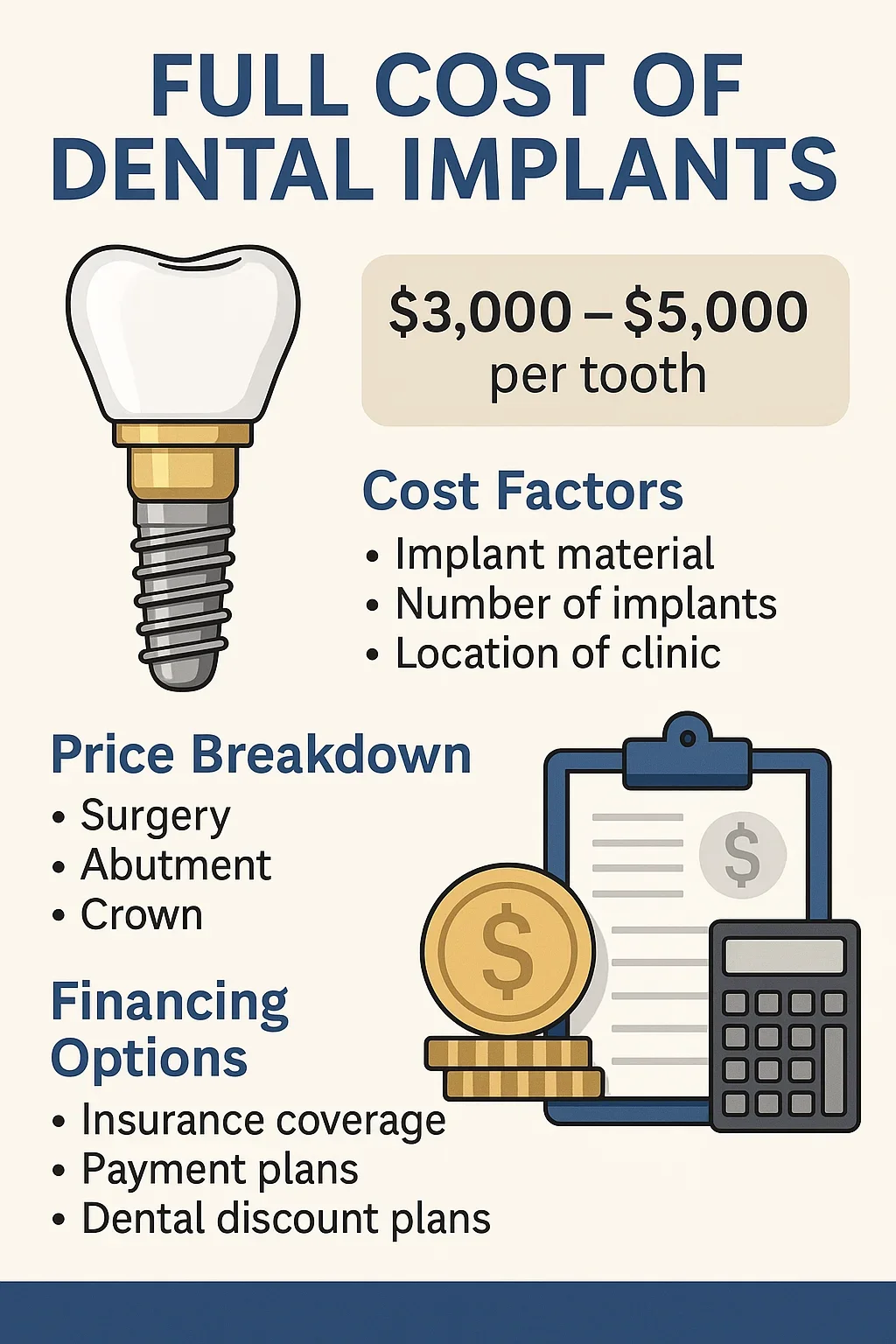
To begin with, the full cost of dental implants includes more than just the implant itself. It’s a comprehensive process that involves consultation, diagnostics, the surgical procedure, the abutment, and the final crown. Each step requires precision, expertise, and high-quality materials. Many patients are surprised to learn that implant treatment can vary significantly depending on where they receive care — from the country and city to the specific clinic and dentist’s experience. 🌍
In the United States, for example, the average full cost of dental implants can range between $3,000 and $6,000 per tooth. In contrast, dental tourism destinations like Turkey often offer the same level of quality at a fraction of the price — typically between $800 and $1,500 per implant, including surgery and restoration. These differences arise from variations in labor costs, overhead, and exchange rates rather than compromises in quality. At reputable clinics, such as those following American Dental Association standards, the materials and techniques remain top-notch.
Let’s break it down more precisely. The implant post, usually made of titanium or zirconia, forms the foundation of your new tooth. Its cost covers not just the material but also the surgical placement by a qualified implantologist. Next comes the abutment, a small connector that attaches the post to the visible crown. The final crown — the part that looks and functions like a real tooth — adds to the total expense depending on whether it’s porcelain, zirconia, or another high-grade material. 🦷 Each of these components must be customized for perfect alignment, bite comfort, and aesthetics.
Another aspect that affects the full cost of dental implants is the patient’s bone condition. If you’ve experienced bone loss due to long-term tooth absence, additional procedures like bone grafting or sinus lifting might be necessary. These can increase the total cost but are essential for long-term stability and implant success. Without sufficient bone support, the implant could fail to integrate properly. Therefore, a detailed 3D CT scan or panoramic X-ray is part of the pre-surgical evaluation — ensuring the dentist can plan with accuracy and precision.
Some clinics offer “all-inclusive” implant packages to simplify pricing for patients. These packages often cover everything from initial consultation to the final crown, eliminating surprise fees. However, it’s always a good idea to ask for a detailed treatment plan and itemized quote before committing. Transparency is key to understanding the full cost of dental implants and ensuring you receive the best value for your money.
Aside from clinical aspects, geography plays a major role in determining implant costs. Patients from countries like the UK, USA, or Canada often choose to travel abroad to save up to 70% without compromising on quality. 🌍 Clinics such as Redent Klinik Contact Page specialize in providing international patients with top-tier implantology at competitive rates, combining affordability with world-class care.
Another factor is the dentist’s experience and technology used. Highly skilled implantologists with years of practice tend to charge more, but their precision minimizes the risk of complications. Advanced clinics also utilize 3D-guided implant surgery and digital smile design — technologies that improve accuracy and aesthetics. These innovations might increase upfront costs slightly but provide immense value in terms of long-term success and comfort. 💎
When thinking about affordability, it’s important not to compromise quality for short-term savings. A well-done implant can last 20 years or more with proper care, whereas poorly executed procedures can lead to pain, infections, or additional surgeries. Therefore, instead of focusing only on price, evaluate the full cost of dental implants in terms of lifespan, quality of materials, and post-treatment support. Proper maintenance, including regular check-ups and professional cleaning, ensures the longevity of your investment.
Finally, consider the intangible benefits — renewed confidence, improved speech, and the ability to eat comfortably. These are priceless outcomes that go beyond the numbers. While the full cost of dental implants may initially seem high, the long-term satisfaction, durability, and natural appearance make it one of the most worthwhile dental treatments available today. 🌟
In summary, understanding the full cost of dental implants involves looking beyond just the financial aspect. It’s about quality, durability, and health benefits that last for decades. By researching trusted clinics, verifying materials, and ensuring transparency, you can make a confident choice for a lasting smile. The right implant is not just a dental solution — it’s a lifetime investment in your well-being. 💖
Understanding the True Full Cost of Dental Implants
When patients begin researching dental implants, one of the first things they discover is that the full cost of dental implants varies dramatically depending on a wide range of factors. 🦷 At first glance, it might seem like a simple procedure — one implant for one missing tooth — but in reality, the total price includes multiple steps, materials, and services that go far beyond the visible crown. Understanding this complexity is the key to knowing what you’re really paying for and ensuring you get the best long-term value for your investment.
The Core Components Behind the Full Cost of Dental Implants
The total amount a patient pays for a dental implant is not just for the metal post placed in the jawbone. The full cost of dental implants typically includes a combination of diagnostic imaging, surgical materials, dentist expertise, laboratory fees, and follow-up care. Each of these elements contributes to the precision and longevity of the final result. A single missing step or substandard material can compromise the entire treatment, which is why reputable clinics focus on transparent pricing and individualized treatment planning. 🧾
1. Diagnostic and Consultation Fees
Before the procedure begins, every patient undergoes a detailed dental examination, including panoramic X-rays or 3D CT scans. These diagnostics allow the dentist to assess bone density, nerve positioning, and sinus proximity — essential factors in determining implant success. This initial step is often included in the full cost of dental implants, though some clinics charge it separately. Diagnostic precision helps prevent future complications, ensuring your implant integrates properly with the bone structure.
2. Surgical Implant Placement
The surgical phase is the cornerstone of the treatment. It involves placing the titanium or zirconia post into the jawbone under local anesthesia or sedation. The expertise of the oral surgeon significantly impacts the overall cost, as implant placement is both a medical and artistic procedure. High-end clinics use computer-guided implant systems that reduce human error and speed up healing time. While these technologies add slightly to the full cost of dental implants, they increase success rates and minimize post-surgical discomfort. ⚙️
3. The Abutment and Crown
After osseointegration — the period when the implant fuses with the bone — the next step involves placing the abutment and the custom-designed crown. The abutment acts as a connector between the implant and the crown, while the crown replicates the natural look of your tooth. Materials like zirconia and porcelain are more expensive but provide better durability and aesthetics. These finishing elements contribute significantly to the overall full cost of dental implants but are essential for achieving a natural and lasting smile. 😁
Additional Factors That Influence Implant Pricing
Beyond the standard components, certain patient-specific factors also affect the total expenditure. Some patients may require bone grafting, sinus lifting, or gum tissue regeneration to prepare the mouth for implant placement. These supplementary procedures ensure a solid foundation but can raise the overall full cost of dental implants by 20–40%. Although they increase the initial budget, they play a crucial role in ensuring implant longevity and stability.
1. Geographic Location and Clinic Type
One of the most influential factors in determining implant pricing is the clinic’s location. In Western countries such as the United States or Germany, costs are higher due to labor and facility expenses. However, many patients travel to countries like Turkey, Hungary, or Mexico for high-quality yet more affordable treatment. 🌍 Reputable clinics such as Redent Klinik Contact Page provide all-inclusive packages that maintain global standards while keeping the full cost of dental implants within reach for international patients.
2. Dentist Experience and Technology Used
The skill level of the implantologist also plays a major role. An experienced professional who has performed hundreds of successful surgeries naturally charges more, but their expertise ensures fewer complications. Moreover, modern clinics use tools like 3D scanning, digital smile design, and guided surgery kits — advanced systems that enhance precision and long-term outcomes. These innovations slightly elevate the full cost of dental implants, but they add tremendous value in safety, efficiency, and comfort. 💎
Understanding the Difference Between Cheap and Quality Implants
It’s tempting to focus solely on price when evaluating dental implant options. However, choosing the cheapest quote without understanding what’s included can lead to disappointment or even medical complications. Low-cost clinics may cut corners by using inferior materials, skipping pre-surgical imaging, or delegating surgery to less-qualified practitioners. While this might reduce the immediate bill, it often results in failures that require re-treatment, doubling the overall expense. Therefore, when evaluating the full cost of dental implants, consider the value of quality, safety, and aftercare support rather than just numbers on paper. ⚖️
Transparency and Aftercare
Trusted dental providers always provide an itemized breakdown of expenses. This transparency helps patients see exactly where their money goes — from the implant material to lab fabrication and sterilization processes. Post-operative visits and professional cleanings also factor into the full cost of dental implants, as ongoing maintenance ensures long-term functionality and aesthetics. Skipping aftercare may reduce short-term costs but increases long-term risks such as infection or implant loosening.
The Real Value Beyond the Numbers
When evaluating cost, remember that implants are a lifetime investment, not a short-term fix. Unlike dentures or bridges that need replacement every few years, dental implants — when maintained properly — can last 20 years or longer. This makes the full cost of dental implants not just a medical expense but a valuable contribution to overall health, confidence, and quality of life. 🦷✨
In conclusion, understanding the true full cost of dental implants means recognizing all elements involved: diagnostics, surgery, materials, and aftercare. By factoring in both tangible and intangible benefits — function, aesthetics, and self-esteem — patients can make informed decisions. For reliable and transparent guidance, always consult reputable clinics and refer to trusted organizations such as the American Dental Association for standards and best practices. 🌐
Why Dental Implants Are Worth the Investment
At first glance, the full cost of dental implants might appear high compared to traditional dentures or bridges. However, when you look deeper into the long-term advantages, durability, and health benefits, it becomes clear that implants are one of the most valuable investments you can make for your oral health. 🦷 Dental implants are not just a cosmetic fix — they’re a permanent solution that restores both function and confidence. Understanding their true worth requires examining how they improve health, longevity, and quality of life.
Long-Term Value Over Temporary Solutions
Many patients initially hesitate because of the upfront full cost of dental implants, often comparing it to cheaper options like dentures. But dentures typically need replacement every 5–7 years and can cause bone loss or gum irritation. Implants, on the other hand, integrate directly with the jawbone, offering a permanent solution that mimics the natural tooth both aesthetically and functionally. Over time, this stability eliminates the recurring costs associated with repairs, adhesives, and replacements — making the total lifetime cost of implants significantly lower. 💎
1. Durability and Longevity
Dental implants are designed to last for decades. The titanium post fuses with your bone through a process called osseointegration, creating a stable foundation that won’t shift or loosen like dentures. With proper care, many implants last 20 years or more. This long-lasting durability offsets the initial full cost of dental implants, providing a lifetime of comfort and confidence in return. The materials used — typically titanium or zirconia — are biocompatible and resistant to corrosion, ensuring your smile remains strong and natural-looking for years to come.
2. Preservation of Bone and Facial Structure
One of the most overlooked benefits of dental implants is their role in preserving bone density. When a tooth is lost, the jawbone beneath it begins to deteriorate due to lack of stimulation. This leads to sagging cheeks and premature aging of facial features. 😟 Implants, unlike dentures or bridges, prevent bone resorption by stimulating the bone just like a natural root. Therefore, the full cost of dental implants is not merely an expense for replacing teeth — it’s an investment in maintaining facial harmony and youthful appearance over time.
Enhanced Functionality and Everyday Comfort
When comparing the comfort and usability of implants to traditional restorations, the difference is night and day. Dentures can slip or move while speaking and eating, causing embarrassment or discomfort. In contrast, dental implants feel and function like natural teeth. You can enjoy your favorite foods, laugh freely, and speak clearly without worrying about slipping prosthetics. This sense of normalcy and confidence is invaluable and justifies the full cost of dental implants for most patients.
3. Improved Speech and Confidence
Poorly fitting dentures can cause slurred or mumbled speech. Because implants are securely anchored in the jaw, they restore your natural ability to speak clearly. This improvement in communication directly affects social interactions and professional confidence. Over time, the psychological benefits — from smiling comfortably in photos to enjoying public speaking — make the investment worth every cent of the full cost of dental implants. 🌟
4. Natural Aesthetics and Self-Esteem
Modern implant dentistry focuses not only on function but also aesthetics. Each crown is custom-crafted to match your surrounding teeth in color, shape, and alignment. This artistic precision ensures that your new smile looks completely natural. Patients often describe the transformation as life-changing, improving self-esteem and emotional well-being. Considering this, the full cost of dental implants is also an investment in your confidence and mental health — benefits that are hard to quantify but deeply felt. 💖
Health Benefits Beyond the Smile
Beyond their cosmetic appeal, implants contribute significantly to overall oral health. Unlike bridges, they don’t require adjacent teeth to be filed down for support. This preserves the integrity of your natural teeth and reduces the risk of decay or future dental issues. Moreover, because implants prevent bone loss, they help maintain gum health and jaw stability. Patients who choose implants often experience fewer long-term complications than those who opt for removable prosthetics — another reason why the full cost of dental implants pays off in the long run. 🩺
5. Preventing Dental and Systemic Health Issues
Tooth loss affects more than just your smile. Missing teeth can lead to misalignment, chewing difficulties, and even digestive problems due to improper food breakdown. Implants restore full chewing function, helping maintain a healthy diet rich in fibrous foods, fruits, and vegetables. This improvement in nutrition supports overall health — reinforcing the idea that the full cost of dental implants extends far beyond aesthetics to long-term wellness. In addition, by maintaining oral balance, implants reduce the risk of TMJ disorders and uneven bite forces that can cause chronic discomfort.
Comparing Value with Other Dental Treatments
Let’s compare dental implants to traditional alternatives in terms of both cost and outcomes:
- Removable Dentures: Initial cost is lower, typically $800–$1,500 per arch, but replacement and maintenance are frequent. Long-term stability and comfort are limited.
- Dental Bridges: Average cost per unit ranges from $1,500–$3,000, but they rely on grinding down adjacent teeth, reducing longevity.
- Dental Implants: Average full cost of dental implants is $3,000–$6,000 per tooth in the U.S., yet they offer lifetime value, aesthetic excellence, and preservation of oral health.
When calculated over decades, dental implants are actually more economical than replacements or repairs required with temporary options. This makes them not only a smart medical choice but a financially sound one as well.
Long-Term Emotional and Lifestyle Benefits
Patients who undergo implant treatment often report profound emotional benefits — they smile more often, feel more comfortable in social settings, and experience improved quality of life. ✨ These intangible rewards are a crucial part of why the full cost of dental implants is truly justified. The freedom to eat, laugh, and live without restriction is something no removable device can replicate.
In essence, while the full cost of dental implants may appear significant initially, the combination of health preservation, comfort, confidence, and lifelong durability makes them one of the best investments you can make in yourself. For expert consultation or cost evaluation, reach out to trusted professionals such as Redent Klinik Contact Page or refer to American Dental Association guidelines to ensure safe, evidence-based treatment choices.
Breaking Down the Components of Implant Costs
Understanding the full cost of dental implants means analyzing the individual components that make up the total price. Many patients see a single figure on a clinic’s quote and assume it reflects only the implant itself. However, this total includes multiple stages — from the first consultation to the final restoration. Each step is crucial, and every material or professional service contributes to the longevity and success of the implant. 🦷 In this section, we will break down the main cost elements so you can see exactly where your investment goes and why every stage matters.
The Core Stages of Dental Implant Treatment
The full cost of dental implants can be divided into three main stages: pre-surgical preparation, the surgical phase, and post-surgical restoration. Each stage involves specialized tools, skilled professionals, and advanced technologies to ensure safety and precision. While some clinics provide an “all-inclusive” price, others bill separately for each step, so understanding what’s included helps prevent surprises later. 💡
1. Diagnostic and Consultation Stage
Before any surgery, your dentist must determine whether your jawbone and gums can support an implant. This involves 3D CT scans, panoramic X-rays, and detailed examinations. These imaging procedures allow for accurate mapping of bone density and nerve positioning — critical for implant success. The cost of diagnostics can range from $100 to $500, depending on the clinic and technology used. In some all-inclusive plans, these fees are merged into the total full cost of dental implants. Diagnostic accuracy prevents complications and ensures implants are placed with millimeter-level precision. 🖥️
2. Surgical Implant Placement
The implant placement surgery represents one of the largest portions of the total investment. It involves placing a titanium or zirconia screw into the jawbone, typically under local anesthesia or sedation. This procedure requires sterile conditions, surgical instruments, and an experienced oral surgeon or implantologist. The implant post itself costs between $600 and $1,000, while the surgical procedure can range from $800 to $2,000 depending on the complexity and region. The precision of this step directly influences implant stability, so reputable clinics often use computer-guided techniques to maximize success rates. The expertise and technology involved here are essential elements of the full cost of dental implants.
3. Healing and Osseointegration Phase
After surgery, a healing period of 3–6 months allows the implant to fuse with the bone — a process known as osseointegration. During this time, follow-up visits, X-rays, and professional assessments are necessary to ensure the implant integrates properly. Although this stage doesn’t involve major procedures, the cumulative cost of post-operative care and monitoring adds to the overall full cost of dental implants. Proper healing ensures the implant’s long-term success and durability. 🩺
4. Abutment Placement and Crown Restoration
Once healing is complete, the abutment — a small connector — is attached to the implant. The abutment links the titanium post to the visible crown, providing both stability and aesthetic harmony. Depending on the material, abutments typically cost $200–$500. Then comes the crown, custom-made from porcelain, zirconia, or metal-ceramic materials. A high-quality zirconia crown may cost between $800–$1,500. These finishing components greatly influence the look, comfort, and longevity of your implant. Together, they make up a substantial portion of the full cost of dental implants — and for good reason, as they represent the final visible result of your treatment. 😁
Supplementary Procedures That Affect the Final Cost
Not every patient is immediately ready for implant placement. Some require preparatory procedures to ensure optimal bone and gum health. These additional treatments can significantly impact the full cost of dental implants but are often essential for long-term success.
1. Bone Grafting
When the jawbone is too thin or weak to support an implant, bone grafting may be necessary. This procedure rebuilds the bone using synthetic or natural graft material. The cost varies widely, from $300 to $1,000 for minor grafts and up to $3,000 for more complex cases. While this raises the initial price, it ensures a stable foundation for the implant, preventing future complications. Bone grafting is one of the most common additions to the full cost of dental implants plan. 🧱
2. Sinus Lifting
For upper jaw implants, the sinus lift procedure may be required if the sinus cavity sits too close to the bone. The dentist gently raises the sinus membrane and adds bone material to create sufficient depth for the implant. Costs range between $1,500 and $3,000 depending on the complexity. Though it increases the overall full cost of dental implants, this procedure is vital to ensure implant security in the upper jaw.
3. Tooth Extraction and Temporary Restoration
If damaged teeth must be removed before implant placement, extractions and temporary restorations can add $100–$500 per tooth. Temporary crowns or bridges allow you to maintain your smile during healing. These transitional steps are often included in premium packages and influence the full cost of dental implants slightly, depending on your clinic’s policies.
Material and Technology Considerations
Another major cost factor is the quality of materials and the technologies used during the procedure. Titanium implants are the standard, but zirconia implants — metal-free and highly aesthetic — come at a premium. Likewise, clinics that use 3D guided surgery, digital smile design, or laser-assisted tools tend to charge more. However, these advanced systems improve accuracy and shorten recovery time, making them a worthy addition to the total full cost of dental implants. 🔬
1. Brand of Implant System
Not all implant brands are created equal. Renowned systems like Straumann, Nobel Biocare, and Zimmer Biomet are globally recognized for quality and clinical success. These premium brands ensure long-term stability and biocompatibility but can increase costs by 15–25%. Choosing a trusted brand may raise the full cost of dental implants, but it minimizes the risk of failure or future revision surgeries — ultimately saving money and discomfort in the long term.
2. Dentist Expertise and Facility Standards
The surgeon’s skill and the clinic’s infrastructure are two of the most important contributors to pricing. Experienced implantologists, who handle hundreds of cases yearly, charge more for their expertise. Similarly, clinics equipped with sterilization rooms, surgical suites, and on-site laboratories ensure faster turnaround and higher precision. These factors add professional value to the full cost of dental implants while guaranteeing safety and superior outcomes.
The Importance of Transparent Pricing
Transparent pricing is essential for trust and clarity. Patients should always request an itemized quote detailing every element: diagnostics, materials, surgical fees, and follow-ups. Clinics like Redent Klinik Contact Page provide comprehensive breakdowns, ensuring patients understand what’s included in the full cost of dental implants before treatment begins. This approach prevents hidden charges and fosters confidence between the patient and provider. 🌟
Finally, remember that the full cost of dental implants reflects not only materials and labor but also the expertise, technology, and post-care support that ensure lasting results. When evaluated over a lifetime, implants prove to be one of the most cost-effective and rewarding dental treatments available. For additional standards and information, refer to the American Dental Association — a trusted authority in safe and ethical dental practices worldwide.
Hidden Fees You Should Know Before Getting Dental Implants
When planning for your treatment, understanding the full cost of dental implants goes far beyond the price tag advertised by a clinic. Many patients are drawn in by low initial quotes, only to discover unexpected fees later in the process. These hidden costs can arise from pre-surgical tests, anesthesia, aftercare, or even additional materials required during surgery. 💰 Knowing these potential expenses in advance helps you budget properly, avoid surprises, and choose a clinic that practices full transparency. In this section, we’ll explore all the overlooked elements that can affect your final bill — and how to protect yourself from unnecessary add-ons.
Understanding the Concept of Hidden Fees
The full cost of dental implants is often marketed as a package, but “package” doesn’t always mean all-inclusive. Some clinics advertise a base rate that covers only the implant screw and surgical placement. However, important components like diagnostic scans, abutments, or crowns might be billed separately. In other cases, unexpected medical needs during surgery — such as bone grafting or membrane placement — can raise the cost significantly. A clear understanding of these hidden elements ensures you can compare quotes fairly and plan your finances with confidence. ⚖️
1. Pre-Surgical Diagnostic Tests
Before implant placement, your dentist will perform a comprehensive evaluation that includes 3D CBCT scans, X-rays, and possibly blood tests. These diagnostic tools allow for precise surgical planning and risk minimization. The cost of these tests can range from $100 to $500, depending on the clinic and imaging technology used. Although these may appear as minor add-ons, they’re critical for safe and predictable results. Some clinics include them within the full cost of dental implants, while others charge separately. Always ask whether these fees are included in your treatment plan before committing.
2. Anesthesia and Sedation Costs
Many patients require sedation or anesthesia to feel comfortable during the implant procedure. Local anesthesia is typically included in most quotes, but conscious sedation or general anesthesia often comes with an additional fee ranging from $200 to $1,000. If you’re anxious about dental procedures or require multiple implants in one session, sedation might be essential. Clarify with your clinic whether anesthesia fees are part of the full cost of dental implants or billed as a separate line item.
Procedures That Might Not Be Included
Even when a treatment quote looks complete, there are often preparatory or follow-up procedures that can increase the overall expense. Understanding these in advance can prevent financial stress later on. Let’s examine a few of the most common hidden elements patients encounter when calculating the full cost of dental implants.
1. Tooth Extraction Fees
If the damaged tooth that will be replaced by the implant is still in place, extraction may be required. A simple extraction usually costs between $100 and $300, but complex or surgical extractions can exceed $500 per tooth. Some clinics automatically include extractions in the treatment plan, while others treat it as a separate charge. Clarifying this point ensures that your full cost of dental implants estimate remains accurate from the start. 🦷
2. Bone Grafting or Sinus Lift Procedures
Bone grafts and sinus lifts are among the most common additional procedures in implant dentistry. If your jawbone lacks sufficient density, a graft will be required to create a stable foundation for the implant. Bone grafting materials and surgical labor can add anywhere from $500 to $3,000 per site. A sinus lift, often necessary for upper jaw implants, can cost up to $4,000. These are essential medical steps — not optional extras — but they still increase the full cost of dental implants. Therefore, it’s important to confirm whether your quoted price accounts for potential bone-related treatments.
3. Temporary Crowns or Healing Caps
During the healing phase after surgery, many patients prefer to wear temporary crowns to maintain aesthetics and comfort. Temporary prosthetics, known as healing caps or provisional crowns, can add $100–$500 per tooth. These costs are often overlooked in initial estimates but are important for preserving your appearance during osseointegration. A detailed itemized breakdown should always mention whether these are part of the full cost of dental implants.
Laboratory and Material-Based Fees
Dental laboratories play a crucial role in creating the abutment and crown that complete your implant. Some clinics work with external labs, while others have in-house facilities. When outsourcing, lab fees might be charged separately, increasing the full cost of dental implants by 10–15%. Additionally, material upgrades — like switching from porcelain-fused-to-metal to full zirconia crowns — can add another $200–$600 per crown. 🧪
1. Custom Abutments
Standard abutments are typically included in most implant systems, but patients who need customized abutments for optimal aesthetics or alignment may face additional charges. Custom abutments cost around $300–$500 each, depending on the complexity. While this can slightly increase the full cost of dental implants, it ensures perfect gum fit and natural symmetry — key to a seamless smile.
2. Advanced Materials and Implant Brands
Not all implant systems are created equal. Premium brands like Nobel Biocare, Straumann, or Zimmer Biomet use advanced biocompatible materials that enhance integration and reduce failure rates. However, these options can raise the full cost of dental implants by 15–25%. Patients should always be informed about which brand is used and why it’s worth the investment. Transparency in material selection is essential to prevent hidden markups or low-quality substitutions.
Post-Surgical and Maintenance Expenses
Even after your new tooth is placed, you may incur additional costs related to aftercare. These are often small but add up over time. Examples include:
- Follow-up visits: Some clinics charge for post-surgery check-ups and X-rays. Each session can cost $50–$150.
- Antibiotics and medications: Prescriptions to prevent infection or inflammation might cost $20–$100.
- Professional cleaning and maintenance: Annual cleaning around implants typically costs $100–$200.
While these may seem like minor expenses, they contribute to the long-term full cost of dental implants and should be factored into your total treatment budget. 🧾
How to Avoid Unexpected Charges
The best way to avoid hidden fees is through transparency and clear communication. Always request a written, itemized treatment plan before agreeing to surgery. This should list every component — from anesthesia to follow-up care. Trusted clinics, such as Redent Klinik Contact Page, prioritize honesty by offering all-inclusive packages that clearly outline what’s covered and what’s not. When in doubt, seek clarification in writing before proceeding. 📝
Lastly, make sure your clinic adheres to reputable standards, such as those established by the American Dental Association. By doing so, you can rest assured that your full cost of dental implants includes not only expert care but also ethical transparency, giving you peace of mind that your investment will lead to a lifetime of healthy, confident smiles. 🌟
Comparing the Full Cost of Dental Implants by Country
The full cost of dental implants varies significantly across the world, and understanding these differences is essential for patients considering treatment abroad. 🌍 While implants are universally recognized as the gold standard for tooth replacement, their total cost depends heavily on geographic location, labor expenses, material sourcing, and healthcare infrastructure. By comparing international prices, you can make a well-informed decision that balances affordability with safety and quality of care.
How Geography Impacts the Full Cost of Dental Implants
The primary reason for price variation is the cost of living and healthcare regulation in each country. Developed nations like the United States, the United Kingdom, and Germany tend to have higher clinic overhead, stricter insurance regulations, and more expensive dental labor. On the other hand, countries such as Turkey, Hungary, and Thailand offer highly competitive rates without compromising quality, mainly due to lower operational costs and favorable exchange rates. This global disparity creates a thriving market for dental tourism, where patients can save up to 70% on the full cost of dental implants while receiving world-class treatment. ✈️
1. United States
In the U.S., the full cost of dental implants averages between $3,000 and $6,000 per tooth. The price includes implant surgery, abutment placement, and crown fabrication. Additional expenses may apply for bone grafting, X-rays, or anesthesia. U.S. clinics often use top-tier implant brands like Nobel Biocare and Straumann, and dentists are required to meet rigorous certification standards. While this ensures safety and consistency, it also raises the total cost. For patients seeking premium materials and advanced digital technologies, the U.S. remains a benchmark for high-quality care — albeit at a premium price. 🇺🇸
2. United Kingdom
In the U.K., dental implant treatments are generally not covered by the National Health Service (NHS), making private options the only choice. The full cost of dental implants ranges from £2,000 to £4,000 per tooth. British clinics uphold strict sterilization and quality standards but often face high laboratory and import costs for materials. Because of these overheads, many U.K. patients now explore dental tourism options in nearby European destinations where equally skilled dentists offer more affordable rates. 🇬🇧
3. Germany
Germany is known for its meticulous engineering and precision — qualities that extend into its dental field. The full cost of dental implants typically falls between €2,800 and €5,000 per implant. German clinics use cutting-edge technology such as computer-guided surgery and CAD/CAM-milled prosthetics, ensuring exceptional fit and aesthetics. Though the price is higher compared to Southern Europe, German dentistry offers unmatched reliability and craftsmanship. 🇩🇪
Affordable Yet High-Quality Options Abroad
Patients looking for a balance between cost and quality often turn to internationally accredited clinics abroad. These destinations specialize in dental tourism, offering English-speaking staff, modern equipment, and certified materials — often identical to those
Comparing the Full Cost of Dental Implants by Country
The full cost of dental implants varies significantly across the world, and understanding these differences is essential for patients considering treatment abroad. 🌍 While implants are universally recognized as the gold standard for tooth replacement, their total cost depends heavily on geographic location, labor expenses, material sourcing, and healthcare infrastructure. By comparing international prices, you can make a well-informed decision that balances affordability with safety and quality of care.
How Geography Impacts the Full Cost of Dental Implants
The primary reason for price variation is the cost of living and healthcare regulation in each country. Developed nations like the United States, the United Kingdom, and Germany tend to have higher clinic overhead, stricter insurance regulations, and more expensive dental labor. On the other hand, countries such as Turkey, Hungary, and Thailand offer highly competitive rates without compromising quality, mainly due to lower operational costs and favorable exchange rates. This global disparity creates a thriving market for dental tourism, where patients can save up to 70% on the full cost of dental implants while receiving world-class treatment. ✈️
1. United States
In the U.S., the full cost of dental implants averages between $3,000 and $6,000 per tooth. The price includes implant surgery, abutment placement, and crown fabrication. Additional expenses may apply for bone grafting, X-rays, or anesthesia. U.S. clinics often use top-tier implant brands like Nobel Biocare and Straumann, and dentists are required to meet rigorous certification standards. While this ensures safety and consistency, it also raises the total cost. For patients seeking premium materials and advanced digital technologies, the U.S. remains a benchmark for high-quality care — albeit at a premium price. 🇺🇸
2. United Kingdom
In the U.K., dental implant treatments are generally not covered by the National Health Service (NHS), making private options the only choice. The full cost of dental implants ranges from £2,000 to £4,000 per tooth. British clinics uphold strict sterilization and quality standards but often face high laboratory and import costs for materials. Because of these overheads, many U.K. patients now explore dental tourism options in nearby European destinations where equally skilled dentists offer more affordable rates. 🇬🇧
3. Germany
Germany is known for its meticulous engineering and precision — qualities that extend into its dental field. The full cost of dental implants typically falls between €2,800 and €5,000 per implant. German clinics use cutting-edge technology such as computer-guided surgery and CAD/CAM-milled prosthetics, ensuring exceptional fit and aesthetics. Though the price is higher compared to Southern Europe, German dentistry offers unmatched reliability and craftsmanship. 🇩🇪
Affordable Yet High-Quality Options Abroad
Patients looking for a balance between cost and quality often turn to internationally accredited clinics abroad. These destinations specialize in dental tourism, offering English-speaking staff, modern equipment, and certified materials — often identical to those used in Western countries. The full cost of dental implants in these regions can be as much as 70% lower while maintaining high medical standards. Let’s look at some of the most popular destinations for affordable dental implants.
1. Turkey
Turkey has rapidly become a global leader in dental tourism, attracting thousands of patients from Europe, the Middle East, and North America. The full cost of dental implants in Turkey averages between $800 and $1,500 per tooth, including consultation, surgery, abutment, and crown. Clinics such as Redent Klinik Contact Page offer all-inclusive packages that cover airport transfers, hotel accommodations, and multilingual aftercare. Turkish dentists are trained to international standards, and many clinics are accredited by global organizations like the American Dental Association. 🇹🇷
2. Hungary
Hungary, particularly Budapest, has been a dental tourism hotspot for decades. The full cost of dental implants here averages €900–€1,400 per implant. The country’s long tradition of medical excellence and affordable private clinics make it a favorite for Western European patients. Many Hungarian clinics partner with German laboratories, ensuring that even at lower costs, patients receive prosthetics made with top-tier European materials. 🇭🇺
3. Mexico
For North American patients, Mexico offers convenient and cost-effective implant treatments. The full cost of dental implants averages between $900 and $1,800 per tooth, depending on the clinic’s proximity to border cities like Tijuana or Cancun. Many Mexican dentists receive their education in the U.S., ensuring comparable quality standards at lower operational costs. Dental tourism packages often include bilingual care coordinators and travel assistance. 🇲🇽
Why Prices Differ Despite Similar Technology
Even though modern dental implant systems and digital tools are widely accessible, costs still vary due to labor rates, currency fluctuations, and taxation. For instance, the same titanium implant from Straumann may cost $400 in the U.S. but only $150 in Turkey due to distribution differences and import duties. Likewise, government regulations and malpractice insurance costs in Western countries drive up professional fees. Understanding these economic factors helps contextualize the full cost of dental implants and demonstrates why affordable care abroad doesn’t necessarily mean lower quality. 💡
1. The Role of Exchange Rates
Currency exchange rates significantly impact treatment affordability. Patients paying in euros, pounds, or dollars often benefit when seeking care in countries with favorable conversion rates. For example, the same treatment that costs $5,000 in Los Angeles might cost just $1,000 in Istanbul, largely due to exchange advantages rather than differences in standards. Monitoring exchange trends can help patients maximize savings on the full cost of dental implants.
2. Cost vs. Quality Considerations
While affordability is important, patients should always balance cost with safety, accreditation, and aftercare. Low prices can sometimes reflect lower-quality materials or unqualified practitioners. Reputable clinics are transparent about implant brands, sterilization procedures, and warranties. Patients should ensure their chosen facility adheres to recognized protocols such as those set by the American Dental Association or equivalent national boards. 🏥
Conclusion: Choosing the Best Country for Your Needs
When comparing the full cost of dental implants globally, it’s clear that geography plays a decisive role — but price alone should not dictate your choice. Instead, consider value for money, clinical expertise, and aftercare availability. For instance, Turkey and Hungary offer world-class treatment at affordable rates, while Germany and the U.S. provide premium options backed by advanced technology. Ultimately, the best destination is one that ensures a balance between cost efficiency, clinical safety, and long-term satisfaction. 🌟
Before booking any procedure abroad, contact an accredited clinic such as Redent Klinik Contact Page to receive a detailed breakdown of your treatment plan. This transparency ensures that the full cost of dental implants aligns with your expectations — giving you not just a new smile, but complete peace of mind. 💖
How Insurance and Financing Affect Implant Costs
For many patients, the full cost of dental implants may initially seem out of reach. However, with the right combination of dental insurance coverage and financing options, the procedure becomes more accessible and affordable. 🏦 Dental implants are considered a long-term health investment, and understanding how insurance and financing plans work can make all the difference in your treatment decision. In this section, we’ll explore how insurance coverage applies to implants, how to maximize benefits, and what flexible payment options exist to make your new smile attainable without financial strain.
Understanding Insurance Coverage for Dental Implants
Most standard dental insurance plans historically did not cover implants, labeling them as a “cosmetic” procedure. However, as implants have become the standard of care for tooth replacement, many insurers now recognize their medical necessity. While coverage is still partial, patients can significantly reduce the full cost of dental implants by strategically using their insurance benefits. 🩺
1. Medical vs. Dental Insurance
Depending on your country and insurer, parts of your implant treatment may qualify under medical rather than dental coverage. For example, if tooth loss results from an accident, trauma, or illness, your health insurance may cover part of the implant procedure. In such cases, the full cost of dental implants could be reduced by as much as 30–50%. Patients should always confirm with both medical and dental insurance providers which portions of treatment are eligible before starting the procedure. 📋
2. Annual Maximums and Limitations
Most dental insurance plans have an annual spending limit — often between $1,000 and $2,500. This limit might only cover one implant or a portion of related services such as bone grafting or crowns. Strategic planning helps maximize coverage. For example, patients can start one phase of treatment late in the year and complete the next after their insurance resets, effectively doubling the coverage window. This approach can noticeably reduce the full cost of dental implants without paying entirely out of pocket. 💡
Financing Options for Dental Implants
For those without adequate insurance coverage, dental financing provides a flexible way to manage the full cost of dental implants. Many clinics now partner with specialized healthcare lenders to offer payment plans with low or even zero interest. By spreading the cost over months or years, patients can receive high-quality care immediately while maintaining financial stability. 🏦
1. In-House Financing
Some clinics offer their own in-house financing programs, allowing patients to make monthly payments directly to the clinic. This system usually requires minimal credit checks and can be tailored to suit the patient’s budget. Trusted providers such as Redent Klinik Contact Page often design customized plans for international patients, making it easier to manage the full cost of dental implants with predictable and transparent payments.
2. Third-Party Financing Programs
Popular financial services like CareCredit, LendingClub, and United Medical Credit specialize in medical and dental loans. These programs allow patients to borrow funds for procedures with flexible repayment terms ranging from 6 to 60 months. Interest rates vary depending on credit score and lender policies, but some plans offer zero-interest promotions. Choosing the right loan can reduce the immediate burden of the full cost of dental implants while allowing patients to begin treatment right away.
3. Health Savings Accounts (HSA) and Flexible Spending Accounts (FSA)
For U.S. patients, HSAs and FSAs are valuable tools to reduce implant expenses using pre-tax dollars. Contributions made to these accounts can be used toward qualified medical and dental expenses, including implants. This effectively saves patients 20–30% in taxes on the total full cost of dental implants. Check your employer’s policies or consult your accountant to confirm eligibility and reimbursement procedures. 💵
Tax Deductions and Medical Expense Credits
In some countries, including the U.S., dental implants may qualify as a deductible medical expense if total medical costs exceed a certain percentage of annual income. Claiming these deductions can indirectly lower the full cost of dental implants. Keeping detailed invoices and medical documentation is essential for tax purposes. Always verify with a licensed tax advisor for compliance with local tax laws. 🧾
Choosing the Right Payment Strategy
Ultimately, the goal is to balance affordability with quality. The best approach combines partial insurance coverage, tax incentives, and financing solutions that fit your financial situation. When comparing options, ask clinics whether their estimates are all-inclusive and whether they assist in handling insurance claims. Transparent providers will walk you through your payment schedule, ensuring that the full cost of dental implants is fully understood before treatment begins. 🌟
Lastly, always choose accredited providers who follow global care standards, such as those outlined by the American Dental Association. By blending intelligent financial planning with ethical dental care, you can make the full cost of dental implants a manageable and rewarding investment — one that pays dividends every time you smile. 😁
Long-Term Value and Maintenance of Dental Implants
Understanding the full cost of dental implants means more than just calculating the initial treatment expenses — it also involves recognizing their long-term value, durability, and minimal maintenance needs. 🦷 While implants may require a larger upfront investment compared to other tooth replacement options, they offer exceptional longevity, comfort, and health benefits that make them one of the most cost-effective dental treatments over time. In this section, we’ll explore the factors that determine the lifetime value of implants, essential maintenance practices, and why they often prove to be the smartest financial and medical choice for patients worldwide. 🌟
The True Lifetime Value of Dental Implants
When evaluating the full cost of dental implants, it’s vital to consider how long they last. Unlike dentures or bridges, which often need replacement every 5–10 years, high-quality implants can last a lifetime with proper care. This longevity reduces recurring dental expenses, making implants an investment rather than a temporary fix. 💰
1. Durability Compared to Other Solutions
Dental implants are made from biocompatible materials like titanium and zirconia, which fuse naturally with bone through osseointegration. This process ensures unmatched stability and resistance to wear. In contrast, dental bridges rely on adjacent teeth for support — often leading to secondary tooth damage or decay — while dentures lose fit as the jawbone deteriorates. Therefore, while the full cost of dental implants may be higher initially, they ultimately save patients thousands in replacements and repairs over a lifetime. ⚖️
2. Reduced Long-Term Medical Risks
Implants not only restore missing teeth but also prevent bone loss, gum shrinkage, and misalignment — all of which can require costly corrective procedures later on. Over time, these protective benefits drastically reduce cumulative dental expenses. Studies cited by the American Dental Association show that patients who choose implants over dentures report fewer long-term oral health complications. Considering these factors, the true full cost of dental implants is often lower when viewed from a lifetime perspective. 🩺
Maintenance Requirements for Dental Implants
One of the major advantages of implants is their low maintenance compared to removable dentures. However, this doesn’t mean they’re maintenance-free. To preserve your investment and ensure the full cost of dental implants pays off over decades, proper hygiene and regular dental care are essential.
1. Daily Oral Hygiene
Implants require the same daily care as natural teeth — brushing twice a day and flossing once daily. Specialized floss or interdental brushes designed for implants can remove debris around the abutment and gum line. Regular hygiene prevents peri-implantitis, an inflammatory condition that can compromise the bone structure supporting the implant. 🪥 Maintaining excellent oral hygiene ensures the longevity of your investment and minimizes future repair costs.
2. Routine Professional Check-Ups
Most dentists recommend visiting your clinic every six months for professional cleanings and inspections. During these visits, X-rays and probe tests confirm that the implant remains stable and free from infection. The average cost of annual maintenance is around $150–$300 — minimal compared to the initial full cost of dental implants. These small preventive measures protect your investment and guarantee its long-term performance.
3. Avoiding Harmful Habits
Chewing on hard objects, grinding teeth, or smoking can shorten implant lifespan and lead to unnecessary repair costs. Patients who maintain healthy habits typically enjoy implant success rates exceeding 95%. Thus, a disciplined lifestyle not only ensures oral health but also maximizes the long-term value of the full cost of dental implants. 🚭
Longevity and Cost Efficiency Over Time
Let’s compare how implants perform financially against traditional options over 20 years. On average, dentures require multiple adjustments and replacements, while bridges may fail after a decade. Factoring in these recurring costs, patients often spend as much — or more — than those who initially invested in implants. When spread across decades, the full cost of dental implants becomes significantly more economical. 📊
Example of Lifetime Cost Comparison
| Treatment Option | Initial Cost | Average Lifespan | Estimated 20-Year Cost |
|---|---|---|---|
| Traditional Dentures | $1,500 per arch | 5–8 years | $6,000–$8,000 |
| Dental Bridges | $2,500 per tooth | 10–12 years | $5,000–$7,500 |
| Dental Implants | $3,000–$5,000 per tooth | Lifetime (20+ years) | $3,000–$5,000 |
This comparison highlights how the initial full cost of dental implants is offset by their unparalleled lifespan and minimal maintenance expenses. Over time, implants deliver both financial and health returns unmatched by other treatments.
Psychological and Functional Benefits
Beyond cost savings, implants provide quality-of-life benefits that can’t be measured in money alone. They restore natural speech, confidence, and chewing ability — all of which positively affect overall well-being. Many patients find that investing in implants boosts social confidence and eliminates the daily discomfort associated with removable dentures. 😁
1. Confidence and Aesthetic Value
Because implants look and function like natural teeth, they enhance self-image and prevent the facial collapse associated with bone loss. For many patients, this aesthetic improvement justifies the entire full cost of dental implants on its own. Moreover, their permanent nature means no embarrassing slippage or adhesive use — just a secure, confident smile every day. 💎
2. Improved Nutrition and Health
With implants, patients can eat nutrient-rich foods like fruits, nuts, and meats that are often difficult to chew with dentures. This improved diet enhances digestion, boosts immunity, and contributes to overall health. These long-term health benefits indirectly reduce future medical costs, further strengthening the value proposition of the full cost of dental implants. 🥦
How to Protect Your Investment
Choosing the right clinic and materials is the foundation of long-term implant success. Partnering with trusted experts such as Redent Klinik Contact Page ensures your implants are placed with precision, using certified systems that come with manufacturer warranties. Always verify that your provider adheres to international standards, including those set by the American Dental Association. Reputable clinics offer comprehensive aftercare and lifetime maintenance support to safeguard your results. 🌍
Conclusion: A Lifelong Investment Worth Every Penny
When viewed holistically, the full cost of dental implants represents one of the most rewarding and enduring investments in both oral and overall health. With proper hygiene, routine check-ups, and professional guidance, implants can last a lifetime — offering unmatched stability, beauty, and confidence. By prioritizing quality care and ongoing maintenance, patients ensure that their investment continues to deliver smiles, comfort, and health for decades to come. ✨
How to Choose the Right Clinic for the Best Implant Value
Selecting the right dental clinic is one of the most crucial steps in determining the overall full cost of dental implants and the success of your treatment. 🌍 While cost comparison is essential, focusing solely on price can lead to hidden risks or long-term complications. The best value isn’t about finding the cheapest clinic — it’s about balancing affordability, safety, materials, and the dentist’s expertise. In this section, we’ll explore how to identify trustworthy clinics, evaluate qualifications, and ensure that every dollar spent on your implants delivers exceptional long-term results.
Understanding What Determines True Value
The full cost of dental implants isn’t simply about the procedure itself. It reflects the quality of care, precision of placement, and materials used. High-quality clinics may appear more expensive upfront, but they often save you thousands by avoiding complications, repeat surgeries, or aesthetic issues. True value combines three elements: expertise, transparency, and technology. Let’s look deeper at each factor. 🏆
1. Expertise and Training of the Dentist
Implant dentistry requires specialized knowledge in surgical precision, bone physiology, and prosthetic design. Always check whether your dentist has certifications from recognized institutions or affiliations with professional organizations such as the American Dental Association. These credentials ensure that your procedure meets international safety and hygiene standards. A well-trained specialist minimizes surgical risks and ensures that the full cost of dental implants yields lasting, natural-looking results. 🩺
2. Transparency in Treatment Planning
Trustworthy clinics provide clear, itemized estimates that list every step of the process — from diagnostics to aftercare. Transparency protects you from unexpected add-ons that can inflate the full cost of dental implants. Before committing, request a written breakdown that includes implant brand, anesthesia fees, and potential bone grafting costs. Reputable clinics also offer free consultations or digital scans to help patients understand their options in detail.
Evaluating the Clinic’s Technology and Standards
Modern dental clinics invest in advanced technology to ensure precise, minimally invasive, and efficient treatments. These innovations not only enhance outcomes but also make the full cost of dental implants more worthwhile by reducing risks and recovery times.
1. Digital Imaging and 3D Planning
Clinics equipped with CBCT (Cone Beam Computed Tomography) and intraoral scanners can create a 3D model of your mouth before surgery. This allows for computer-guided implant placement, reducing surgical error and improving fit. Digital planning minimizes complications and ensures each implant is positioned perfectly — a key factor in achieving long-term success for the full cost of dental implants. 💻
2. Use of Premium Implant Brands
The implant’s brand and material significantly affect durability and healing success. Premium brands such as Straumann, Nobel Biocare, or Zimmer Biomet are backed by extensive clinical research and lifetime warranties. Although these materials may slightly increase the full cost of dental implants, they dramatically improve long-term satisfaction. Patients should always ask the clinic to specify the implant system and verify that it’s sourced from reputable manufacturers.
3. Sterilization and Safety Protocols
Top clinics follow international sterilization standards, ensuring complete infection control during every stage of treatment. Proper hygiene not only guarantees patient safety but also protects the longevity of your investment. A well-maintained surgical environment prevents post-operative infections that might otherwise lead to implant failure and additional costs, affecting the total full cost of dental implants.
Red Flags When Choosing a Clinic
Patients should be aware of warning signs that could indicate substandard practices. Some clinics advertise unrealistically low prices to attract clients but cut corners on material quality, staff qualifications, or sterilization. Here are critical red flags to watch for:
- Unusually cheap offers: If the price seems too good to be true, it likely omits essential components or uses inferior materials.
- Lack of credentials: Verify dentist certifications and membership in professional bodies before committing.
- Limited aftercare: Clinics that don’t provide follow-up services risk long-term complications — a hidden expense in the full cost of dental implants.
How to Verify a Clinic’s Credibility
Online reviews and testimonials are valuable but should be cross-checked with independent sources. Ask the clinic for before-and-after photos of previous patients and check their reputation with dental boards or associations. You can also contact accredited centers like Redent Klinik Contact Page for consultations — they adhere to international treatment standards and provide transparent cost breakdowns, ensuring that every element of the full cost of dental implants is clearly communicated. ✅
Questions to Ask Before Starting Treatment
Before undergoing implant surgery, it’s essential to ask detailed questions to ensure confidence and clarity. Here are some examples that can help you gauge a clinic’s professionalism and protect your investment:
- What implant systems and materials do you use?
- Is the quoted full cost of dental implants all-inclusive, or are there potential extra fees?
- How many implant procedures has your specialist completed?
- What warranties or guarantees are provided for the implant and crown?
- Do you offer long-term maintenance plans or annual check-ups?
Importance of Aftercare and Warranties
Even the best surgery requires proper aftercare. Leading clinics include follow-up visits and professional cleanings as part of their package, reducing the risk of peri-implantitis. A lifetime warranty on implant fixtures is also a strong indicator of the clinic’s confidence in its materials and techniques. Choosing a clinic that offers these services ensures that the full cost of dental implants continues to provide value well after the initial treatment. 🔒
Global Accreditation and Patient Support
Many internationally recognized clinics, particularly in Turkey, Hungary, and Thailand, are accredited by organizations such as ISO, JCI, or ADA-affiliated boards. Accreditation confirms compliance with rigorous safety and quality protocols. Moreover, clinics catering to international patients often provide assistance with travel logistics, language translation, and accommodation — factors that enhance the total treatment experience and justify the full cost of dental implants. 🌐
Conclusion: Investing Wisely in a Trusted Clinic
Choosing the right clinic ensures your implant journey is safe, transparent, and ultimately rewarding. Don’t judge clinics by price alone — instead, evaluate their technology, credentials, materials, and patient support. When you select a trusted provider like Redent Klinik Contact Page, you’re not only paying for a procedure; you’re investing in peace of mind, lasting results, and a lifetime of confident smiles. ✨
When done right, the full cost of dental implants becomes a reflection of quality, trust, and expertise — ensuring your investment yields not just a perfect smile, but also a healthier, happier life. 😁