
Maintaining a bright, healthy smile is more than just brushing and flossing at home. Visiting a dentist for cleaning regularly plays a crucial role in preventing dental problems such as cavities, gum disease, and tartar buildup. Many people underestimate how essential professional cleanings are, but in reality, these appointments are the foundation of lifelong oral health. A dentist for cleaning doesn’t just make your teeth look great — they also help protect your gums, prevent future dental expenses, and detect potential issues early. 🦷
When you schedule an appointment with a dentist for cleaning, you’re doing more than just polishing your teeth. Professional cleanings remove hardened plaque (tartar) that normal brushing can’t eliminate. Over time, tartar harbors bacteria that lead to gum inflammation, also known as gingivitis. If left untreated, this can advance to periodontitis — a severe form of gum disease that may cause tooth loss. Visiting a skilled oral hygienist or dentist for cleaning every six months can prevent this cascade of problems and keep your mouth fresh and healthy. 🪥
During a professional cleaning, your dentist for cleaning uses specialized instruments like ultrasonic scalers and curettes to gently remove tartar and plaque deposits from the teeth. These tools reach below the gumline and into small spaces your toothbrush can’t access. After the scaling process, a polishing paste is applied to smoothen your enamel surface. This not only enhances your smile’s shine but also makes it harder for new bacteria to stick to the teeth. The result? A cleaner, healthier mouth that feels fresher instantly. ✨
In addition to mechanical cleaning, your dentist for cleaning also performs an oral health examination to spot signs of potential issues early. For example, gum recession, enamel erosion, or early cavities can be detected long before they cause pain. Some dental professionals even use digital X-rays to assess bone health and detect problems below the surface. These preventive steps ensure that minor concerns are addressed promptly — saving you time, discomfort, and costly treatments later. According to the American Dental Association, professional dental cleanings should be part of everyone’s health routine, just like annual medical checkups.
Beyond health, there’s also an aesthetic benefit. Regular visits to a dentist for cleaning help remove surface stains caused by coffee, tea, red wine, or smoking. Over time, this contributes to a naturally whiter smile without the need for whitening chemicals. Your dentist can also give you personalized advice on home care, including brushing techniques, toothpaste types, and dietary habits that influence your oral health. Many patients report feeling more confident and socially comfortable after professional cleanings — a sign of how oral hygiene directly impacts self-esteem and first impressions. 😁
One common misconception is that a dentist for cleaning is only necessary if you have visible plaque or dental pain. In fact, preventive cleanings are most effective before any discomfort appears. Think of them as a “wellness check” for your mouth — a proactive investment in your health rather than a reaction to a problem. Studies show that consistent cleanings can reduce the risk of cavities by up to 40% and gum disease by nearly 60%. The benefits extend beyond your mouth too: medical research links gum health to heart health, diabetes management, and even improved immunity.
Patients who visit a dentist for cleaning regularly often find their overall dental costs decrease over time. Preventive maintenance is significantly cheaper than restorative procedures like fillings, crowns, or implants. Plus, the process is quick and painless — usually lasting about 30 to 60 minutes. If you feel anxious about dental visits, many modern clinics, including Redent Klinik Contact Page, offer gentle cleaning methods, relaxing environments, and even sedation options for those with dental phobia. Comfort-focused dental care ensures everyone can access professional cleanings without stress or fear.
Regular cleaning appointments also allow your dentist for cleaning to track changes in your mouth over time. For instance, subtle gum recession or shifting teeth can indicate bite issues or early periodontal disease. Detecting these early enables dentists to recommend solutions like scaling and root planing or bite adjustment, preventing future complications. Your oral health is a dynamic system — regular professional monitoring ensures it remains balanced and functional for decades.
In today’s fast-paced world, neglecting dental care is easy, but the consequences can be lasting. A professional dentist for cleaning helps maintain not only your teeth’s health but also your overall well-being. From preventing tooth decay to enhancing your smile and confidence, dental cleanings are an indispensable part of self-care. So, the next time you wonder whether to book that cleaning appointment, remember — your future self will thank you. 💙
If you haven’t had a cleaning in the past six months, now is the perfect time to schedule one. Reach out to a trusted dentist for cleaning near you and experience the difference that professional oral care can make in your life. Your smile deserves it! 😍
What Does a Dentist for Cleaning Actually Do?
Many people think that visiting a dentist for cleaning is simply about polishing teeth or removing visible plaque. In reality, the process is far more detailed and medically significant. A professional dental cleaning involves multiple stages, each designed to protect your oral health, enhance aesthetics, and prevent disease before it begins. Let’s explore exactly what happens when you sit in the chair of a skilled dentist for cleaning and why every step matters. 🦷
Initial Oral Examination and Assessment
Every cleaning session begins with a thorough examination. Your dentist for cleaning first checks for visible signs of decay, gum inflammation, bleeding, or plaque accumulation. Using a small mirror and dental probe, they carefully inspect each tooth and the gum line. If necessary, digital X-rays may be taken to reveal underlying issues like bone loss, abscesses, or cavities between teeth. This diagnostic step helps the dentist create a personalized cleaning plan tailored to your oral health needs. Many patients are surprised at how this quick yet precise examination can identify problems before they become painful or expensive to fix.
Scaling: Removing Plaque and Tartar
The most essential part of a dental cleaning is scaling — the process of removing hardened tartar (also called calculus) that regular brushing cannot eliminate. A dentist for cleaning uses an ultrasonic scaler that emits gentle vibrations combined with a cool water spray to loosen and wash away these deposits. Then, hand instruments like scalers and curettes are used for precision cleaning, especially in tight spaces or below the gum line. This step not only improves oral hygiene but also reduces bacteria that can cause gum infections, bad breath, and tooth decay. 🪥
Why Scaling Is Important
When plaque remains on teeth for too long, it mineralizes into tartar — a rough surface that attracts more bacteria. This buildup can irritate gum tissue, leading to bleeding, swelling, and eventually gum recession. By visiting a dentist for cleaning regularly, these risks are minimized. Professional scaling ensures that all deposits are removed, leaving a clean, smooth tooth surface that resists new plaque formation. Patients often notice an immediate improvement in how their teeth feel after scaling — smoother, cleaner, and fresher.
Polishing and Stain Removal
After scaling, your dentist for cleaning will polish your teeth using a mildly abrasive paste and a rotating brush or rubber cup. This step eliminates surface stains from food, coffee, tea, or tobacco. The polishing paste contains gentle abrasives that restore your enamel’s natural shine without damaging it. Not only does this make your smile brighter, but it also helps slow down plaque buildup by making tooth surfaces smoother. ✨
Flossing and Fluoride Treatment
Flossing is often the finishing touch of a professional cleaning. The dentist for cleaning or dental hygienist uses special dental floss to clean between each tooth and below the gum line — areas most people miss at home. This ensures no debris or plaque is left behind. In many clinics, a fluoride treatment follows. This involves applying a concentrated fluoride gel or varnish to the teeth for a few minutes. The fluoride strengthens enamel, making it more resistant to acid attacks and cavity formation. It’s especially beneficial for patients with early signs of enamel wear or sensitivity.
Oral Health Guidance and Preventive Advice
Once your cleaning is complete, the dentist for cleaning discusses your overall oral health status. They might point out areas that need better brushing or flossing and demonstrate techniques for improved home care. You’ll receive personalized advice about toothbrush type, toothpaste ingredients (such as fluoride or desensitizing agents), and diet adjustments. For example, limiting sugary drinks or acidic foods can dramatically improve long-term oral health. Many clinics also provide take-home dental kits to encourage consistent care between visits.
Monitoring and Record Keeping
Another key task of a dentist for cleaning is maintaining detailed records of your dental history. Each cleaning session is documented with notes about gum pocket depth, plaque levels, and tooth condition. Over time, this allows your dentist to monitor changes and detect patterns — such as areas that consistently collect more tartar or early warning signs of gum disease. With this information, targeted preventive measures can be implemented long before invasive treatments are necessary.
The Role of Technology in Modern Dental Cleaning
Advancements in dental technology have made cleanings more efficient and comfortable than ever. Ultrasonic scalers, intraoral cameras, and digital X-rays allow a dentist for cleaning to visualize problem areas precisely and treat them with minimal discomfort. Some modern dental chairs even include water irrigation systems that flush away debris during cleaning, keeping the experience fresh and hygienic. These innovations not only improve patient comfort but also enhance clinical outcomes, ensuring a deeper clean in less time. 💻
Health Benefits Beyond Oral Hygiene
Professional dental cleanings don’t just benefit your mouth — they contribute to overall health. Medical studies have linked gum disease to systemic conditions like heart disease, diabetes, and respiratory infections. By removing harmful bacteria and controlling inflammation, a dentist for cleaning helps reduce your body’s bacterial load and promotes better general wellness. Regular cleanings can also improve digestion since healthy teeth make chewing more effective, supporting nutrient absorption. It’s a chain reaction that starts with something as simple as sitting in the dental chair twice a year. 💪
Final Thoughts: Why Routine Cleanings Are a Must
Skipping dental visits might seem harmless, but even a few missed appointments can lead to plaque buildup, gum bleeding, and bad breath. Once tartar hardens, no amount of home brushing can remove it — only a professional dentist for cleaning can do the job safely. Preventive care is always more effective and less costly than treatment after disease develops. For peace of mind, comfort, and a lasting smile, consistent professional cleanings are one of the smartest health investments you can make. 🌟
If you’re due for your next cleaning, book an appointment through the Redent Klinik Contact Page today and experience the benefits of expert oral care guided by professionals who prioritize your health and confidence.
How Often Should You Visit a Dentist for Cleaning?
One of the most frequently asked questions in oral health is: “How often should I see a dentist for cleaning?” While brushing and flossing daily are vital habits, they are not enough to prevent plaque buildup and gum problems entirely. Regular professional cleanings ensure that your teeth, gums, and overall oral health stay in excellent condition. However, the right frequency of visits depends on your unique dental needs, lifestyle, and medical background. Let’s explore the recommended timelines and the science behind them. 🦷
The General Rule: Twice a Year
For most people, the American Dental Association (ADA) recommends visiting a dentist for cleaning every six months. These biannual checkups allow your dentist to remove plaque and tartar, polish your teeth, and catch any early signs of decay or gum disease. Regular visits also ensure that any minor issues are detected before they become major problems. Think of these appointments as preventive maintenance for your mouth — like an oil change for your car. Just as regular tune-ups prevent engine damage, professional cleanings protect your teeth from long-term deterioration. 🚗✨
Why Six Months Is Ideal
Dental plaque begins to harden into tartar within 24–72 hours, and once it does, brushing alone can’t remove it. Over six months, enough plaque accumulates to increase the risk of gum inflammation, bleeding, and cavities. That’s why a twice-yearly visit to a dentist for cleaning is optimal. These regular intervals allow professionals to keep bacteria under control, ensuring your smile remains bright and healthy all year round. Furthermore, frequent cleanings help identify subtle changes like gum recession, enamel erosion, or bite misalignment that might otherwise go unnoticed.
Who Needs More Frequent Cleanings?
While six months is the standard recommendation, some individuals benefit from seeing a dentist for cleaning more often — every three to four months. You may fall into this category if you have any of the following:
- Gum Disease (Periodontitis): Patients with active gum infection require more frequent professional cleanings to prevent bacterial growth and bone loss.
- Diabetes: Elevated blood sugar levels can affect the immune system, increasing the risk of gum inflammation. Frequent cleanings help control this interaction.
- Smokers: Tobacco products cause staining, dry mouth, and poor healing — all of which necessitate more regular dental care.
- Orthodontic Patients: Braces and retainers can trap food particles, making it harder to clean teeth properly at home. Visiting a dentist for cleaning ensures hygiene is maintained during treatment.
- Pregnant Women: Hormonal changes during pregnancy increase the risk of gingivitis, so dental cleanings every trimester are often advised.
Special Considerations for Children and Teens
For children, visiting a dentist for cleaning every six months helps establish lifelong oral hygiene habits. Pediatric cleanings remove plaque, prevent cavities, and monitor the development of permanent teeth. Teenagers, especially those with braces or high-sugar diets, may require cleanings every 3–4 months. Early prevention is key — the fewer problems that develop during childhood, the healthier their smiles will be as adults. 👶🪥
Older Adults and Seniors
Aging naturally increases the risk of dental issues such as gum recession, dry mouth, and weakened enamel. Seniors often take medications that reduce saliva flow, creating an environment where bacteria thrive. For these reasons, older adults should visit a dentist for cleaning at least every 3–4 months. Consistent professional care helps prevent tooth loss and ensures dentures or implants fit comfortably and function correctly.
Medical Conditions That Affect Dental Frequency
Oral health is closely linked to systemic health. People with heart disease, autoimmune disorders, or who are undergoing chemotherapy should visit their dentist for cleaning more often. Regular visits help minimize bacterial spread through the bloodstream, which can otherwise worsen systemic conditions. Your dentist and physician can collaborate to create a customized cleaning schedule that suits your medical situation.
Signs You May Need an Extra Visit
Even if you stick to a regular cleaning schedule, certain warning signs mean it’s time to see your dentist for cleaning sooner:
- Bleeding gums while brushing or flossing
- Persistent bad breath or a bad taste in the mouth
- Increased tooth sensitivity
- Visible tartar buildup near the gum line
- Swollen or receding gums
If you experience any of these symptoms, don’t wait until your next scheduled visit — book an appointment immediately. Early intervention can save both your teeth and your wallet. 💰
Benefits of Staying Consistent
When you visit your dentist for cleaning consistently, you’re not just preventing dental problems — you’re investing in your long-term health. Regular cleanings improve gum health, keep your breath fresh, and help you maintain confidence in your smile. They also reduce the need for invasive treatments like root canals, crowns, or extractions. Studies show that people who maintain biannual dental visits spend up to 40% less on dental care over a lifetime compared to those who neglect them. Preventive care always pays off in the long run. 🪙
How to Remember Your Dental Appointments
In today’s busy world, it’s easy to forget checkups. To make it easier, many clinics like Redent Klinik Contact Page offer digital reminders and easy online booking. You can schedule your next visit before leaving your current appointment, ensuring you never miss a cleaning. Setting calendar alerts or linking your dental checkups with other health appointments (like your physical exam) is another simple way to stay on track. The key is consistency — your smile depends on it. 😁
Final Thoughts: Prevention Is Better Than Treatment
In summary, visiting a dentist for cleaning at least twice a year is one of the smartest health decisions you can make. For individuals with special dental or medical conditions, quarterly visits may be more appropriate. These appointments do more than clean your teeth — they protect your gums, improve your overall well-being, and help you feel confident every day. Regular cleanings are a small commitment with lifelong rewards, ensuring that your smile remains healthy, bright, and strong. 🌟
To experience high-quality preventive care and gentle professional cleaning, visit the Redent Klinik Contact Page and book your next appointment today. Your mouth — and your future self — will thank you. 💙
Benefits of Professional Dental Cleaning 🪥
Seeing a dentist for cleaning offers far more than just a bright smile — it’s one of the most powerful preventive health measures you can take. Regular professional dental cleanings protect your teeth and gums, improve overall well-being, and even boost your confidence. Unlike home brushing or flossing, professional cleanings reach deep areas that typical oral hygiene routines miss. In this section, we’ll explore the top benefits of visiting a dentist for cleaning and how it positively impacts your oral and general health. 🌟
1. Prevention of Cavities and Tooth Decay
One of the biggest advantages of visiting a dentist for cleaning is cavity prevention. Plaque — a sticky bacterial film that constantly forms on teeth — is the leading cause of tooth decay. When plaque hardens into tartar, it becomes nearly impossible to remove without professional tools. During a cleaning, your dentist removes this buildup using ultrasonic and manual instruments, preventing acids from eroding the enamel. Regular cleanings significantly reduce the risk of cavities and ensure that your teeth remain strong and healthy for years to come. 🦷
2. Healthier Gums and Disease Prevention
Gum disease (periodontal disease) is one of the most common yet preventable oral health problems. The early stage, gingivitis, begins with swollen or bleeding gums, but if untreated, it can progress to periodontitis — a condition that can cause tooth loss. A dentist for cleaning carefully removes the bacteria and plaque buildup around the gumline that trigger inflammation. Clean gums are less likely to bleed, recede, or harbor harmful bacteria. Over time, this preventive measure helps preserve the natural structure of your teeth and jawbone, ensuring lasting oral stability. 💪
Why Gum Health Affects Overall Health
Inflamed gums can allow bacteria to enter the bloodstream, potentially contributing to heart disease, diabetes, and respiratory infections. By visiting a dentist for cleaning regularly, you reduce inflammation and bacterial load, protecting both your oral and systemic health. Research shows a clear link between gum disease and chronic illnesses — so caring for your gums isn’t just about your smile; it’s about protecting your entire body.
3. Brighter, Whiter Teeth and a Confident Smile
Over time, lifestyle habits such as drinking coffee, tea, wine, or smoking can leave noticeable stains on teeth. Professional cleaning removes these surface stains and polishes your enamel to a smooth, radiant finish. A dentist for cleaning uses specialized polishing pastes and tools that brighten teeth naturally — without the need for bleaching chemicals. Patients often report feeling more confident and outgoing after their cleaning appointments because of their noticeably whiter smiles. Confidence, after all, begins with a healthy mouth! 😁
4. Fresher Breath and Better Taste
Bad breath, or halitosis, is often caused by bacteria trapped between teeth and below the gumline. While mouthwash may temporarily mask odor, only a professional dentist for cleaning can remove the bacterial buildup responsible for persistent bad breath. By thoroughly cleaning your teeth and gums, your dentist eliminates odor-causing particles and promotes a cleaner mouth environment. The result? Long-lasting fresh breath and a healthier taste sensation. Minty freshness starts with professional care, not just chewing gum! 🌿
5. Early Detection of Dental and Oral Issues
Another critical benefit of seeing a dentist for cleaning is early diagnosis. During your visit, the dentist examines your mouth for signs of cavities, gum infections, oral cancer, or enamel erosion. Detecting these issues early saves you from painful procedures and costly treatments in the future. Many conditions, such as oral cancer or early gum disease, can be treated successfully when found at the right time. This preventive checkup ensures that you stay ahead of potential dental complications.
6. Reduced Dental Costs in the Long Run
Preventive care is far more affordable than restorative dentistry. Regular visits to a dentist for cleaning help you avoid expensive procedures like root canals, extractions, or dental implants. Studies indicate that patients who maintain twice-yearly cleanings save up to 30–40% in dental costs over their lifetime compared to those who delay visits. Professional cleaning is a small investment with huge long-term financial and health benefits. 💰
Example: Cost Comparison
For example, a typical dental cleaning may cost between $80 and $200 depending on your location and dentist, whereas treating advanced gum disease or getting a crown can cost anywhere from $800 to $2,000. In short, prevention through regular cleaning is not only smarter — it’s more economical.
7. Boost to Overall Health and Immune Function
Your mouth is the gateway to your body. Poor oral hygiene allows bacteria to enter your bloodstream, leading to inflammation and increased risk of diseases. A dentist for cleaning helps maintain the balance of your oral microbiome, preventing harmful bacteria from spreading. This indirectly supports your immune system by reducing the overall bacterial load in your body. Many patients notice they feel better overall after improving their oral hygiene routine — it’s not just a coincidence!
8. Improved Digestion and Nutrient Absorption
Healthy teeth play a vital role in the digestive process. Properly cleaned and maintained teeth can chew food efficiently, aiding digestion and nutrient absorption. When plaque and tartar build up, they can affect chewing comfort and lead to digestive inefficiencies. Visiting a dentist for cleaning ensures your teeth and gums remain in top condition, promoting better eating habits and overall nutrition. 🍎
9. Psychological and Social Benefits
A bright, clean smile not only improves self-esteem but also enhances your interactions with others. People with clean, healthy teeth are perceived as more confident, attractive, and professional. Regular visits to a dentist for cleaning contribute to a positive self-image and help reduce social anxiety related to bad breath or discolored teeth. Whether at work, school, or social gatherings, a healthy smile opens doors to better relationships and new opportunities. 🌈
10. The Professional Touch Matters
No matter how diligent you are with brushing and flossing, home tools simply can’t match the precision of professional instruments. A dentist for cleaning uses ultrasonic scalers, fine-tipped curettes, and polishing systems that can reach every corner of your mouth safely and effectively. The result is a level of cleanliness and protection that home care alone cannot achieve. After every session, you’ll feel the difference — smoother teeth, fresher breath, and a renewed sense of oral comfort.
For those who want to experience these benefits firsthand, scheduling regular appointments is key. Book your next visit through the Redent Klinik Contact Page to enjoy the professional care your smile deserves. You’ll not only enhance your oral hygiene but also support your overall health, one cleaning at a time. 💙
What to Expect During a Teeth Cleaning Appointment
Many patients feel uncertain before their first visit to a dentist for cleaning, often wondering what actually happens during the procedure. The good news is that professional cleanings are simple, comfortable, and incredibly beneficial for both your oral and overall health. Understanding each step helps ease anxiety and gives you confidence about what to expect during your appointment. In this detailed guide, we’ll break down every stage of a professional dental cleaning and explain why each part of the process is so important. 🦷✨
1. The Initial Examination and Consultation
When you first arrive, your dentist for cleaning or dental hygienist will begin with a short consultation and visual inspection of your mouth. Using a small dental mirror, they carefully examine your teeth, gums, and tongue for any signs of inflammation, plaque buildup, or potential cavities. This step helps identify any problem areas that need extra attention. If it’s your first visit or if you have a history of gum disease, X-rays may also be taken to evaluate bone health and detect hidden decay between teeth. This initial assessment ensures that your cleaning session is tailored precisely to your oral health needs.
Digital X-Rays and Oral Health Evaluation
Modern clinics use digital X-ray systems that emit minimal radiation and provide instant results. These images help your dentist for cleaning assess your jawbone structure, detect early decay, and evaluate the condition of previous dental work like fillings or crowns. If there are any underlying issues, they’ll be discussed with you before proceeding, ensuring complete transparency and comfort throughout your visit. 💡
2. Removing Plaque and Tartar (Scaling)
Once the examination is complete, the real cleaning begins — a process known as scaling. Using specialized ultrasonic scalers that vibrate at high frequencies, your dentist for cleaning gently removes hardened tartar (calculus) and sticky plaque from the tooth surfaces and gumline. Water is sprayed simultaneously to wash away debris. For smaller deposits, hand tools are used for precision. This step is painless for most patients and results in a smooth, clean surface on each tooth. Regular scaling prevents gum disease, tooth decay, and chronic bad breath. 🪥
Why Scaling Is So Important
Even the best toothbrush can’t remove hardened tartar that builds up over time. If left untreated, tartar traps bacteria that irritate the gums, leading to inflammation and infection. Visiting a dentist for cleaning ensures all plaque and tartar are thoroughly eliminated, keeping your gums firm, pink, and healthy. You’ll immediately feel a difference — your mouth feels lighter, smoother, and fresher. 🌿
3. Polishing and Removing Stains
After scaling, your dentist for cleaning will polish your teeth using a mildly abrasive paste and a rotating brush or rubber cup. This process removes surface stains from coffee, tea, wine, and food pigments. The polishing step not only enhances your smile’s brightness but also makes it harder for new plaque to adhere to tooth surfaces. Some clinics even offer flavored polishing pastes (like mint or strawberry) for a more pleasant experience. 😋
4. Flossing and Final Debris Removal
Next, your dentist for cleaning will floss between each tooth to remove any leftover plaque or polishing paste. This professional flossing goes deeper than what most people achieve at home, cleaning between tight contact points and below the gumline. During this step, you might notice a bit of pressure but no pain — it’s an essential finishing touch that leaves your mouth completely refreshed.
Fluoride Application (Optional but Recommended)
After the cleaning, many dental professionals apply a fluoride treatment. Fluoride strengthens the enamel and makes it more resistant to acid attacks from bacteria or sugary foods. The dentist for cleaning applies the fluoride in the form of gel, foam, or varnish, which is left on your teeth for a few minutes. The treatment helps prevent cavities for months after your appointment and gives your teeth an extra layer of protection. 💎
5. Gum and Oral Tissue Examination
Healthy gums are just as important as clean teeth. Your dentist for cleaning will measure the depth of your gum pockets — the spaces between your teeth and gums — using a special probe. This helps detect early signs of gum disease. Healthy gums typically have pocket depths of 1–3 mm, while deeper pockets can indicate inflammation or bone loss. If any abnormalities are found, your dentist will recommend follow-up care, such as scaling and root planing or more frequent cleanings to restore gum health.
6. Personalized Oral Hygiene Advice
Once your teeth are sparkling clean, the dentist for cleaning will provide tailored advice on how to maintain your results at home. This might include guidance on proper brushing techniques, the type of toothbrush to use, ideal toothpaste, and the importance of flossing daily. You’ll also learn about dietary habits that can affect your oral health — such as limiting sugary snacks, acidic drinks, and tobacco use. Personalized recommendations ensure you get the most out of your cleaning and maintain a healthy smile until your next visit. 😁
Demonstrations and Product Recommendations
Many clinics demonstrate correct brushing and flossing methods using a model of teeth. Your dentist for cleaning may also suggest tools like interdental brushes, tongue scrapers, or water flossers to enhance your oral hygiene routine. These small daily changes can make a big difference in maintaining professional-level cleanliness at home. 🪞
7. Final Inspection and Follow-Up Scheduling
At the end of your appointment, your dentist for cleaning will perform one last inspection to ensure every tooth and gum area has been thoroughly cleaned. They’ll check for any residual tartar, polish imperfections, or signs of irritation. If everything looks healthy, you’ll be encouraged to schedule your next visit — typically six months later. Consistency is key to keeping your smile radiant and disease-free. 🌟
8. How Long Does the Appointment Take?
A typical visit to a dentist for cleaning lasts between 45 minutes to an hour, depending on how much buildup needs to be removed. Patients with excellent oral hygiene might finish sooner, while those with gum disease or heavy tartar may need additional time. Either way, the results are worth it — clean, smooth teeth and a fresher mouth you can feel immediately. ⏰
9. What You Can Expect After the Cleaning
After your appointment, it’s normal to feel your teeth slightly more sensitive for a day or two, especially if you had heavy tartar removed. Your dentist for cleaning may recommend using desensitizing toothpaste or avoiding very hot or cold foods temporarily. You’ll also notice your teeth feel smoother, and your mouth tastes fresher. The difference between pre-cleaning and post-cleaning is unmistakable — it’s like a spa day for your mouth. 💆♀️
10. Wrapping Up: Why Every Step Matters
Each part of your professional cleaning — from examination to polishing — plays a vital role in maintaining lifelong dental health. Regular visits to a dentist for cleaning not only enhance your appearance but also prevent gum disease, tooth decay, and systemic health problems. Every detail, from plaque removal to fluoride protection, contributes to a stronger, cleaner, and brighter smile. To experience gentle, expert care, book your next appointment through the Redent Klinik Contact Page and keep your oral health in top shape. 🩵
Deep Cleaning vs. Regular Cleaning: Key Differences
Many patients wonder about the difference between a regular dental cleaning and a deep cleaning. While both procedures are performed by a dentist for cleaning, they serve different purposes and address distinct oral health needs. Regular cleanings focus on maintaining healthy teeth and gums, while deep cleanings are necessary when gum disease or tartar buildup below the gumline becomes severe. Understanding the contrast between the two helps you make informed decisions about your dental care and maintain long-term oral health. 🦷
1. What Is a Regular Cleaning?
A regular cleaning, also known as prophylaxis, is a preventive procedure that removes plaque, tartar, and stains from the surfaces of your teeth. This is what most people receive during routine visits to a dentist for cleaning. It’s designed for patients with generally healthy gums who don’t show signs of periodontal (gum) disease. During a standard cleaning, the dentist or hygienist focuses on cleaning above the gumline, removing bacteria and debris that brushing and flossing can’t fully eliminate. This procedure typically takes 45 minutes to an hour and leaves your teeth smooth, shiny, and refreshed. 😁
When You Need a Regular Cleaning
You should visit a dentist for cleaning every six months for a regular cleaning if:
- Your gums are pink, firm, and do not bleed when brushing or flossing.
- You don’t have significant tartar buildup or deep gum pockets.
- You’re maintaining proper oral hygiene habits at home.
- Your last dental checkup didn’t show signs of gum inflammation or bone loss.
This schedule ensures that minor plaque deposits never turn into serious problems. Even if you brush and floss daily, a professional dentist for cleaning removes microscopic bacteria that normal tools can’t reach, keeping your mouth healthy and your smile radiant. 🌟
2. What Is a Deep Cleaning?
A deep cleaning, medically known as scaling and root planing, goes beyond the surface. It’s designed to treat gum disease by cleaning beneath the gumline where bacteria cause infection. A dentist for cleaning performing this procedure carefully removes plaque and tartar from the roots of your teeth — an area that standard cleanings cannot access. This process may require local anesthesia to ensure comfort, as it targets sensitive tissue areas and tooth roots.
Scaling: The First Phase
Scaling removes tartar and bacterial toxins from the root surfaces using specialized ultrasonic and manual instruments. This allows the gums to heal and reattach more firmly to the teeth. The dentist for cleaning works meticulously, often focusing on one quadrant of the mouth at a time to ensure thoroughness and precision. 🪥
Root Planing: The Second Phase
After scaling, root planing smooths the tooth roots to prevent bacteria from adhering easily in the future. This step also helps reduce inflammation and allows the gum tissue to reattach securely. For patients with moderate to severe periodontal pockets (greater than 4 mm), root planing is essential to prevent tooth mobility and bone loss. Once completed, your gums begin healing within days, though full recovery may take several weeks. 💪
3. Key Differences Between Regular and Deep Cleaning
| Aspect | Regular Cleaning | Deep Cleaning |
|---|---|---|
| Purpose | Preventive care for healthy gums and teeth. | Treatment for gum disease and tartar buildup under the gums. |
| Cleaning Area | Above the gumline. | Below the gumline (tooth roots). |
| Frequency | Every 6 months (routine). | As prescribed; may require multiple sessions. |
| Discomfort Level | Usually painless, no anesthesia needed. | May require local anesthesia due to deeper cleaning. |
| Healing Time | No healing required. | Gums may take days or weeks to fully recover. |
4. Signs You Might Need a Deep Cleaning
It’s time to consult a dentist for cleaning about deep cleaning if you notice symptoms like:
- Bleeding gums when brushing or flossing
- Chronic bad breath (halitosis)
- Receding gums or “longer” looking teeth
- Loose or shifting teeth
- Pus around the gumline
- Persistent gum tenderness or swelling
These are warning signs of gum disease, which cannot be resolved through home care alone. A professional dentist for cleaning will evaluate your gums, measure pocket depths, and recommend the right treatment plan to restore your oral health. 🩺
5. Benefits of Deep Cleaning
Deep cleaning provides more than just symptom relief. It halts gum disease progression, reduces bacterial infection, and prevents future bone loss. Regular follow-up with your dentist for cleaning after a deep cleaning ensures proper healing and maintenance. Over time, patients often notice tighter gum attachment, fresher breath, and an overall healthier mouth. It’s a vital investment in preserving natural teeth for life. 💙
6. Combining Deep and Regular Cleanings
In many cases, patients start with a deep cleaning and then transition to regular cleanings every 3–6 months. This hybrid approach ensures that once the gums have healed, the results are maintained. Your dentist for cleaning will recommend the right interval based on your progress and risk factors such as smoking, stress, or genetics. Consistent professional care prevents gum disease from returning and keeps your mouth in optimal condition year-round. 🌿
7. Aftercare and Maintenance
After a deep cleaning, your dentist for cleaning may suggest a few aftercare steps to promote healing:
- Rinse with a prescribed antibacterial mouthwash.
- Avoid smoking or alcohol for 48 hours.
- Eat soft foods and avoid extreme temperatures for a few days.
- Use a soft-bristled toothbrush and brush gently along the gumline.
Proper post-treatment care ensures a smooth recovery and long-lasting results. Most patients find that their gums feel firmer and less sensitive after following these instructions diligently. 🌸
8. Cost Comparison Between the Two Cleanings
The cost of visiting a dentist for cleaning varies depending on the type of procedure. Regular cleanings usually cost between $80 and $200 per visit, while deep cleanings (scaling and root planing) range from $150 to $400 per quadrant depending on the severity of gum disease. Although deep cleaning may seem more expensive upfront, it prevents far costlier procedures like gum surgery or tooth replacement in the future.
Insurance Coverage
Many dental insurance plans cover both regular and deep cleanings, especially if periodontal disease has been diagnosed. Your dentist for cleaning can provide a detailed cost estimate and submit the required documentation for reimbursement. 💳
9. Final Thoughts: Choosing the Right Cleaning Type
Both regular and deep cleanings are vital to maintaining oral health — they simply serve different needs. If your gums are healthy, continue with biannual regular cleanings. However, if you’re experiencing gum bleeding, swelling, or bone loss, consult your dentist for cleaning for a deep cleaning assessment. With timely care, you can prevent tooth loss, protect your gums, and maintain a confident smile for life. 🌟
For personalized evaluation and gentle professional care, schedule an appointment through the Redent Klinik Contact Page. Their experienced dental team can determine whether you need a routine cleaning or a deep one — ensuring your mouth stays healthy, clean, and beautiful. 🪥
How Much Does a Dentist for Cleaning Cost?
One of the most common questions patients ask before scheduling an appointment is, “How much does a dentist for cleaning cost?” The answer depends on several factors — including the type of cleaning needed, your geographic location, and whether you have dental insurance. Understanding these details helps you plan your dental care effectively and avoid unexpected expenses. In this section, we’ll break down every aspect of dental cleaning costs, from average price ranges to what influences those prices and how to get the best value for your money. 💰
1. Average Cost of a Regular Dental Cleaning
A standard visit to a dentist for cleaning—also known as a prophylaxis—typically costs between $80 and $200 per session in the United States. This includes plaque removal, polishing, flossing, and a basic dental examination. Prices can vary depending on whether your cleaning is done by a general dentist or a dental hygienist. In metropolitan areas or private clinics, fees may reach up to $250, while smaller towns and community clinics tend to offer lower prices. 🦷
Factors Affecting Regular Cleaning Prices
- Location: Dental services in large cities are generally more expensive due to higher overhead costs.
- Clinic Reputation: A highly rated or specialized dentist for cleaning may charge more, but they also ensure better precision and comfort.
- Experience Level: Senior dentists or those using advanced equipment often price their services slightly higher.
- Appointment Duration: Short maintenance cleanings cost less than comprehensive, first-time cleanings.
In short, the cost of a professional cleaning is an investment in preventive care that can save you from much higher dental expenses later.
2. Deep Cleaning (Scaling and Root Planing) Costs
If your gums show signs of disease, your dentist for cleaning may recommend a deep cleaning. This is more intensive than a regular cleaning and targets plaque and tartar beneath the gumline. Deep cleanings usually cost between $150 and $400 per quadrant — meaning if your entire mouth requires treatment, the total may range from $600 to $1,600. Prices depend on how severe the buildup and gum inflammation are, as well as whether local anesthesia is needed.
Why Deep Cleanings Cost More
Deep cleanings involve two detailed procedures: scaling (removing tartar below the gums) and root planing (smoothing the root surfaces). These require more time, specialized tools, and sometimes multiple appointments. Your dentist for cleaning may also use antibiotics or antiseptic rinses to control infection, which can slightly increase the cost. However, compared to the potential cost of periodontal surgery (which can exceed $3,000), deep cleaning remains an affordable and effective option for gum health restoration. 🌿
3. Pediatric Cleaning Prices
Children also benefit greatly from regular visits to a dentist for cleaning. Pediatric cleanings are generally less expensive, averaging between $60 and $150 per visit. These appointments are shorter and include gentle cleaning, fluoride application, and sometimes fun educational activities to teach kids proper brushing habits. Regular pediatric cleanings prevent cavities and establish lifelong oral hygiene habits. 👶
4. Additional Costs You Should Know About
When visiting a dentist for cleaning, you may encounter additional services that add to your bill. These are optional or condition-based but can improve your oral health outcomes:
- Fluoride Treatment: $20–$50 (helps prevent cavities and strengthen enamel).
- Dental X-Rays: $25–$100 (used to detect hidden decay or bone loss).
- Sealants: $30–$60 per tooth (protective coating for molars, often for kids).
- Desensitizing Treatment: $40–$100 (for sensitive teeth after cleaning).
Your dentist for cleaning will discuss which of these treatments are necessary for your specific case. These add-ons are worth the investment when they prevent long-term complications.
5. How Dental Insurance Affects Cleaning Costs
Most dental insurance plans cover professional cleanings either fully or at least twice per year as part of preventive care. This means that your visit to a dentist for cleaning may cost little to nothing out of pocket. For patients requiring deep cleanings, insurance typically covers 50%–80% of the procedure cost. However, the exact coverage depends on your provider, deductible, and policy type.
Pro Tip: Maximize Your Benefits
To get the most out of your insurance, schedule your cleanings every six months and before the year ends. Many patients forget that unused dental benefits do not roll over — meaning you lose your coverage for that year if you don’t use it. Your dentist for cleaning or clinic staff can help you track these benefits to ensure you maximize your plan. 🗓️
6. Cost Comparison: United States vs. Other Countries
Dental cleaning costs vary globally. For example:
| Country | Average Regular Cleaning Cost | Average Deep Cleaning Cost |
|---|---|---|
| United States | $80–$200 | $600–$1,600 (full mouth) |
| United Kingdom | £40–£100 | £250–£600 |
| Turkey | $40–$100 | $200–$600 |
| Germany | €60–€150 | €400–€900 |
Patients who travel abroad for dental tourism — for example, visiting Turkey for affordable care — can save up to 60% on cleaning and other dental procedures. Clinics like Redent Klinik Contact Page offer professional cleaning services with modern technology and English-speaking dentists, making them an excellent choice for international patients seeking high-quality treatment at competitive prices. 🌍
7. Financing and Payment Options
If you don’t have dental insurance, many clinics offer flexible payment plans or discounts for upfront payments. Some also provide membership programs that include two cleanings per year, X-rays, and checkups at a fixed annual rate. Ask your dentist for cleaning about in-house plans, as they often provide significant savings for families or individuals paying out of pocket.
8. The Real Value of a Dental Cleaning
While some may see a dental cleaning as an extra expense, it’s actually a cost-saving preventive measure. Routine visits to a dentist for cleaning prevent cavities, gum disease, and tooth loss — conditions that can cost thousands to repair later. In addition to financial savings, professional cleanings protect your overall health, lowering risks associated with heart disease and diabetes. Regular cleaning also gives you the priceless benefit of confidence in your smile. 😁
9. Final Thoughts: Investing in Long-Term Oral Health
Ultimately, the cost of visiting a dentist for cleaning is minimal compared to the long-term benefits. It’s a proactive step that protects your teeth, boosts your confidence, and improves your quality of life. Whether you choose a local clinic or an international one like Redent Klinik Contact Page, remember that oral health is an essential part of total wellness. Clean teeth don’t just look good — they keep your body healthy, your breath fresh, and your smile everlasting. 💙
As the American Dental Association advises, investing in preventive dental care now can save you from much higher costs later. So, don’t delay — schedule your cleaning today and enjoy a lifetime of confident smiles. 🌟
Tips to Maintain Clean Teeth Between Appointments
Seeing a dentist for cleaning every six months is essential, but maintaining that bright, fresh smile between visits depends on your daily habits. What you do at home directly impacts how long your professional cleaning results last — from brushing techniques to nutrition and lifestyle choices. In this section, we’ll explore practical, science-backed ways to keep your teeth clean, gums healthy, and breath fresh long after your appointment. 🦷✨
1. Brush Properly and Consistently
One of the most effective ways to preserve the results of your visit to a dentist for cleaning is to brush your teeth correctly at least twice a day. The key isn’t just brushing often — it’s brushing with the right technique. Using small circular motions and angling the toothbrush at 45 degrees toward your gums ensures thorough cleaning without damaging enamel or irritating gum tissue. Each brushing session should last about two minutes, covering all surfaces of the teeth, including the back molars and tongue. 🪥
Choosing the Right Toothbrush and Toothpaste
For most people, a soft-bristled toothbrush is ideal because it cleans effectively without scratching enamel or causing gum recession. Electric toothbrushes are also an excellent investment — many studies show they remove more plaque than manual brushes. Pair your brush with fluoride toothpaste to strengthen enamel and reduce decay. Your dentist for cleaning can recommend the best products based on your dental sensitivity, gum health, and personal needs.
2. Don’t Skip Flossing — It’s Essential!
Even the most advanced toothbrush can’t reach the tight spaces between your teeth. That’s where flossing comes in. Flossing once a day removes trapped food particles and plaque, preventing tartar buildup. According to the American Dental Association, consistent flossing reduces the risk of gum disease by nearly 40%. Your dentist for cleaning can show you the proper technique, ensuring you clean between teeth without cutting your gums or causing discomfort.
Alternatives to Traditional Floss
For those who find flossing difficult or time-consuming, tools like water flossers and interdental brushes are excellent alternatives. Water flossers use gentle pressure to remove debris between teeth, making them ideal for patients with braces or sensitive gums. Interdental brushes work well for wider gaps and can be easier to maneuver than traditional floss. Ask your dentist for cleaning which option best suits your oral structure and lifestyle. 💧
3. Use Mouthwash for Extra Protection
Mouthwash adds an additional layer of protection by reaching areas that brushing and flossing might miss. Choose an antimicrobial or fluoride mouthwash to strengthen enamel, kill bacteria, and freshen breath. Your dentist for cleaning may recommend an alcohol-free formula to prevent dryness, especially if you have sensitive gums. Use mouthwash once or twice daily — ideally after brushing and flossing — for a truly complete oral hygiene routine. 🌿
4. Maintain a Tooth-Friendly Diet
Diet plays a massive role in keeping your teeth healthy between professional cleanings. Sugary foods, acidic drinks, and sticky snacks create the perfect environment for bacteria to thrive. To maintain the results of your visit to a dentist for cleaning, focus on foods rich in calcium, phosphorus, and vitamin D — nutrients that strengthen enamel and bones. Include dairy products, leafy greens, nuts, and fish in your diet. Limit sugary beverages like soda, fruit juice, and energy drinks. Instead, drink plenty of water, which helps rinse away food particles and neutralize acids. 🥛
Healthy Snacks for Stronger Teeth
Crunchy fruits and vegetables such as apples, carrots, and celery naturally clean your teeth as you chew. These fibrous foods stimulate saliva production — your body’s natural defense against cavities. Your dentist for cleaning might also recommend chewing sugar-free gum with xylitol after meals to reduce acid buildup and promote saliva flow.
5. Avoid Tobacco and Limit Alcohol
Tobacco use and excessive alcohol consumption are two of the biggest threats to oral health. Smoking stains teeth, weakens gums, and increases the risk of periodontal disease and oral cancer. Similarly, alcohol dries out the mouth, disrupting the natural balance of bacteria. If you want to make your dentist for cleaning proud at your next appointment, quit smoking and drink alcohol only in moderation. Not only will your teeth stay cleaner, but your breath and overall health will also improve dramatically. 🚭
6. Stay Hydrated Throughout the Day
Water isn’t just vital for overall health — it’s one of the simplest and most effective ways to maintain oral cleanliness. Frequent sips of water help wash away residual sugars and food particles while keeping your mouth moist. A dry mouth allows bacteria to thrive, leading to bad breath and increased plaque formation. Your dentist for cleaning will always encourage consistent hydration, especially if you consume coffee, tea, or acidic drinks throughout the day.
7. Replace Your Toothbrush Regularly
Over time, toothbrush bristles wear out and become less effective at removing plaque. To maintain the results of your visit to a dentist for cleaning, replace your toothbrush every 3–4 months, or sooner if the bristles appear frayed. Electric toothbrush heads should also be changed at similar intervals. Using an old brush not only decreases cleaning efficiency but can also harbor bacteria that affect gum health. 🔁
8. Protect Your Teeth During Sleep and Sports
If you grind your teeth at night (a condition called bruxism), ask your dentist for cleaning about a custom night guard. Grinding wears down enamel, leading to sensitivity and microfractures. Similarly, athletes should wear mouthguards during sports to prevent accidental dental trauma. These simple precautions can save you from costly repairs and keep your teeth in top shape year-round. 🛡️
9. Schedule Regular Checkups and Professional Advice
Maintaining clean teeth isn’t only about daily habits — it’s also about regular professional monitoring. Even if you brush and floss perfectly, some tartar and stains can only be removed by a dentist for cleaning. Visiting every six months allows your dentist to catch issues early, such as cavities, gum inflammation, or enamel erosion. Routine cleanings and exams ensure your oral hygiene efforts at home are complemented by professional care, keeping your mouth healthy and problem-free. 🩺
Digital Reminders and Tracking
Many patients forget their cleaning schedules, which allows plaque to return. Set a digital reminder or use dental apps that track when you last visited a dentist for cleaning. Consistency is the cornerstone of lasting dental health — make it a priority.
10. Smile Confidently and Sustain Healthy Habits
Healthy oral habits reflect not only in your smile but also in your confidence. Regular care between cleanings ensures that your next visit to a dentist for cleaning is easier, quicker, and more comfortable. Keeping up with brushing, flossing, nutrition, and hydration maintains the sparkle in your smile and prevents expensive treatments later on. 🌟
For expert guidance, personalized dental care, and professional cleanings, visit the Redent Klinik Contact Page. Their experienced team of dentists provides comprehensive preventive care and customized advice to help you maintain oral health year-round. Whether it’s your first visit or a regular checkup, a dedicated dentist for cleaning will ensure your smile stays beautiful, strong, and healthy for years to come. 💙
What to Expect During Your Dental Cleaning Appointment
Visiting a dentist for cleaning can be a relaxing and beneficial experience when you know what to expect. Whether it’s your first cleaning or your tenth, understanding each step of the process helps reduce anxiety and ensures you get the most out of your appointment. This guide walks you through every stage — from the initial checkup to post-cleaning care — so you can arrive confident, informed, and ready for a brighter smile. 🦷✨
1. The Initial Dental Examination
Your appointment with a dentist for cleaning typically begins with a comprehensive examination. The dentist or hygienist first reviews your dental history, lifestyle habits, and any concerns you may have — such as sensitivity, bleeding gums, or bad breath. Then, they examine your teeth and gums visually, checking for signs of cavities, plaque buildup, gum inflammation, and early indicators of periodontal disease. This initial evaluation allows the dentist to tailor the cleaning to your specific needs. 🩺
Diagnostic X-Rays (If Needed)
In some cases, your dentist for cleaning may recommend digital X-rays to detect issues not visible during the visual exam. These images reveal hidden cavities, bone loss, or infections beneath the gumline. Modern dental clinics use low-radiation digital imaging for accurate, safe diagnostics — ensuring you receive personalized treatment without discomfort.
2. Plaque and Tartar Removal (Scaling)
After the examination, your dentist for cleaning begins the scaling process — the most crucial part of your visit. Plaque, a sticky bacterial film, constantly forms on teeth. If not removed, it hardens into tartar (calculus), which can only be eliminated with professional tools. During scaling, the dentist uses ultrasonic scalers and fine hand instruments to remove buildup from above and below the gumline. You may hear gentle scraping sounds, but rest assured, this process is painless and vital for gum health. 🪥
Ultrasonic Scaling Explained
Ultrasonic scalers use vibration and water spray to loosen and flush away tartar. The tool’s small metal tip gently vibrates, breaking deposits into tiny particles. Your dentist for cleaning adjusts the settings based on your sensitivity level, ensuring comfort throughout the procedure. Most patients describe the sensation as a light tickling rather than pain. 💧
3. Root Planing (For Deep Cleaning)
If your gums show signs of inflammation or pocket formation, your dentist for cleaning may perform root planing — a procedure that smooths the tooth roots to prevent bacteria from reattaching. This step promotes gum healing and reduces future tartar accumulation. Local anesthesia might be applied for comfort during deep cleaning. Patients often notice their gums feel firmer and healthier within days. 🌿
4. Polishing and Stain Removal
Once scaling and planing are complete, your dentist for cleaning will polish your teeth to remove surface stains and smooth the enamel. A high-speed polishing brush and mildly abrasive paste are used to create a glossy finish. This step not only enhances appearance but also makes it harder for plaque to stick in the future. Some dentists even offer flavored polishing pastes — mint, berry, or cinnamon — for a more pleasant experience. 😁
Air Polishing Option
Modern clinics sometimes use air polishing systems that combine compressed air, water, and fine powder to gently lift stains. This method is particularly effective for smokers or coffee drinkers. Ask your dentist for cleaning if this option is available for a gentler, faster, and more efficient polish.
5. Professional Flossing
After polishing, your dentist for cleaning performs professional flossing. This ensures that all plaque and debris loosened during the cleaning are completely removed from between the teeth. The dentist uses precise techniques to glide floss gently under the gumline, where most at-home routines fall short. This step also helps you learn the proper flossing method to replicate at home. 🧵
6. Fluoride Treatment (Optional but Recommended)
Many clinics conclude the cleaning session with a fluoride treatment. This mineral-rich gel or foam strengthens enamel and protects against decay. Your dentist for cleaning applies fluoride using a small tray or brush, allowing it to sit for a few minutes. You’re advised not to eat or drink for 30 minutes afterward to let the fluoride absorb fully. Regular fluoride treatments, especially for those prone to cavities, can significantly extend the life of your enamel. 💎
7. Gum and Oral Health Evaluation
At the end of the cleaning, your dentist for cleaning will measure the depth of your gum pockets using a periodontal probe. Healthy gums typically have pocket depths of 1–3 millimeters. Deeper pockets may indicate gum disease, which requires additional care. The dentist may also discuss findings like enamel erosion, misalignment, or early decay signs. This consultation gives you valuable insights into your overall oral health and helps you prevent future problems. 📋
Customized Home Care Advice
After assessing your oral condition, your dentist for cleaning provides tailored recommendations for your daily routine. This may include suggestions for a specific toothbrush type, interdental cleaner, or fluoride mouthwash. Some dentists even demonstrate brushing techniques or show digital images of your teeth to help you understand areas that need extra attention.
8. Post-Cleaning Sensations and Care
It’s normal to experience mild sensitivity after your visit to a dentist for cleaning, especially if tartar buildup was heavy or deep cleaning was performed. This sensitivity usually subsides within 24–48 hours. Avoid very hot or cold foods during this time, and use a soft-bristled brush with gentle strokes. Rinsing with warm salt water can also soothe your gums. If discomfort persists, your dentist may recommend a desensitizing toothpaste. 🌸
9. Scheduling Your Next Appointment
Before you leave, your dentist for cleaning will help you schedule your next visit. For most people, professional cleaning every six months is ideal. However, those with gum disease, diabetes, or orthodontic appliances may need visits every 3–4 months. Consistency is key to maintaining oral health, so mark your calendar or set a digital reminder to ensure you never miss your appointment. 🗓️
10. Long-Term Benefits of Regular Cleanings
Every appointment with a dentist for cleaning contributes to your long-term health. Beyond keeping your smile bright, these visits prevent gum disease, detect oral cancer early, and even reduce the risk of systemic diseases such as heart disease or diabetes. Studies show that people who maintain regular dental visits are 50% less likely to require emergency treatments later in life. Investing time in cleanings means investing in your overall wellness. 💙
For professional, comfortable, and thorough cleanings, consider booking an appointment at Redent Klinik Contact Page. Their expert dentist for cleaning team combines gentle care with advanced technology, ensuring your teeth not only look great but stay healthy for years. As recommended by the American Dental Association, regular professional cleanings are the cornerstone of lifelong oral health. 🌟
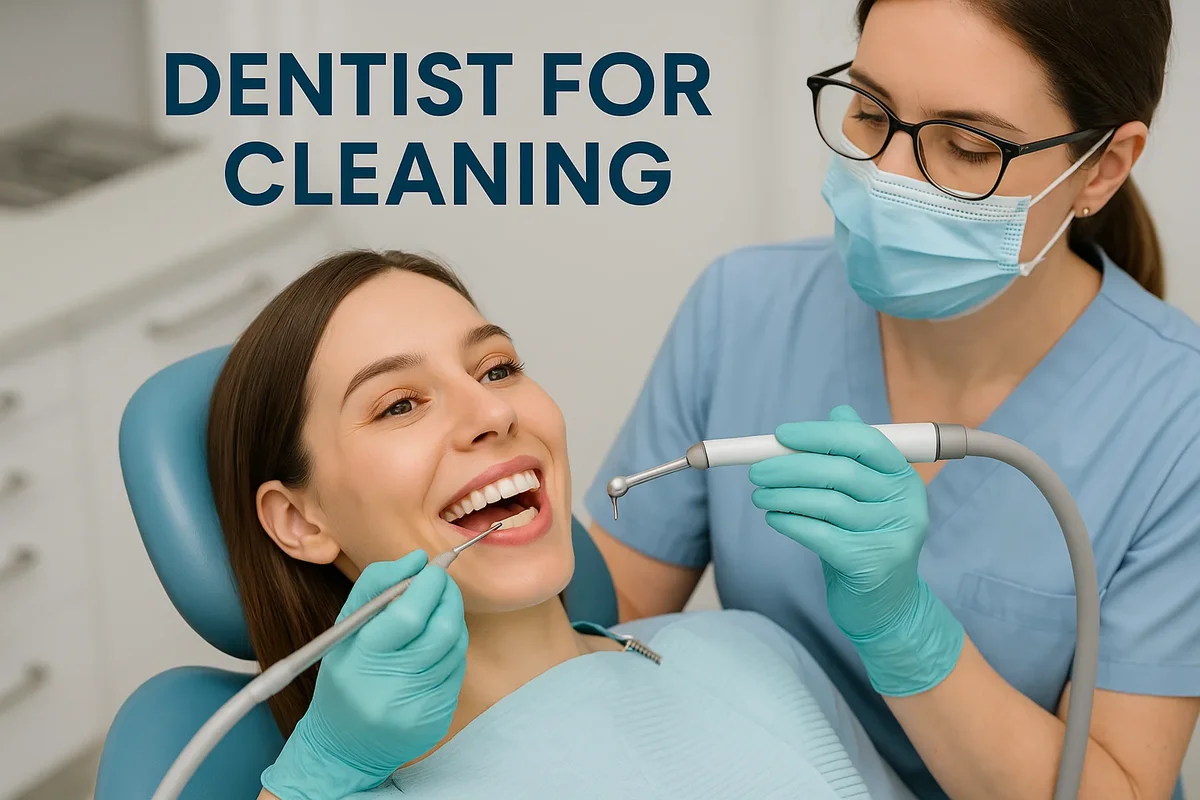
Choosing the Best Dentist for Cleaning: What to Look For
Selecting the right dentist for cleaning is one of the most important decisions for maintaining excellent oral health. While many clinics offer dental cleaning services, not all provide the same level of expertise, comfort, and long-term care. A good dentist doesn’t just clean your teeth — they educate, prevent, and protect your oral health through personalized attention and advanced techniques. In this section, we’ll guide you step-by-step on how to choose the best professional for your dental cleaning needs. 🦷💙
1. Check the Dentist’s Credentials and Experience
The first step in choosing a reliable dentist for cleaning is to verify their education and licensing. A qualified dentist should hold an accredited dental degree (DDS or DMD) and be certified by relevant dental associations, such as the American Dental Association. Experience also matters — dentists who have been practicing preventive care and hygiene procedures for several years often demonstrate better precision and understanding of patient comfort. Don’t hesitate to ask about the dentist’s background, specialization, and continuing education. 🌿
Specialization in Preventive Dentistry
Some dental professionals specialize in preventive and periodontal care, making them particularly skilled as a dentist for cleaning. Specialists can detect early gum disease, recommend targeted cleanings, and offer advanced techniques like ultrasonic scaling and root planing. This expertise ensures that your teeth and gums receive the most thorough, personalized care possible.
2. Assess the Clinic’s Technology and Equipment
Modern dental cleaning goes beyond basic tools and manual scaling. The best dentist for cleaning uses cutting-edge technology to deliver faster, more comfortable, and more effective results. Look for clinics equipped with ultrasonic scalers, digital X-rays, intraoral cameras, and air polishing systems. These innovations minimize discomfort, shorten appointment times, and ensure a higher level of precision.
Technology That Makes a Difference
- Ultrasonic Scalers: Break down tartar using gentle vibrations and water jets.
- Laser Cleaning: Eliminates bacteria with minimal discomfort.
- Digital Imaging: Provides real-time views of your teeth for accurate diagnostics.
- Air Polishing Devices: Remove surface stains safely and efficiently.
When your dentist for cleaning invests in advanced equipment, it’s a sign that they value your comfort and long-term health. ⚙️
3. Consider the Clinic’s Hygiene Standards
A clean, sanitized environment is non-negotiable when selecting a dentist for cleaning. The clinic should follow strict sterilization protocols for all instruments and equipment. Dental chairs, countertops, and tools should be disinfected between patients. Disposable gloves, masks, and bibs are essential for maintaining infection control. Observing how the staff handles hygiene gives you a clear picture of the clinic’s professionalism and commitment to patient safety. 🧼
4. Evaluate Patient Comfort and Communication
A great dentist for cleaning doesn’t just treat teeth — they care for people. Look for a clinic where the staff listens attentively, answers your questions patiently, and explains each procedure clearly. Dental anxiety is common, so your dentist should make you feel relaxed and informed at every step. Gentle hands, a calm tone, and clear communication go a long way in creating a positive experience. 😊
Comfort Amenities to Look For
Some top-rated clinics enhance comfort through extras like:
- Relaxing music or TV during cleanings 🎧
- Neck pillows and ergonomic chairs for posture support
- Warm towels after treatment
- Soothing scents and lighting to reduce anxiety
If your dentist for cleaning takes the time to make your visit pleasant, you’re more likely to keep up with regular appointments — and that consistency leads to healthier teeth and gums long term. 🌸
5. Read Reviews and Testimonials
Before booking an appointment, read online reviews and testimonials from previous patients. Feedback about punctuality, professionalism, cleanliness, and treatment quality provides valuable insight into the clinic’s reputation. Patients often highlight the empathy and skill of their dentist for cleaning, which can help you gauge whether a clinic aligns with your expectations. However, always cross-reference reviews across multiple platforms to ensure authenticity.
6. Compare Costs and Insurance Options
Cost shouldn’t be the only deciding factor, but it’s an important consideration. A trustworthy dentist for cleaning should provide transparent pricing and explain what’s included in the service — from scaling and polishing to X-rays and fluoride treatments. Ask whether the clinic accepts your insurance plan or offers financing options. Many reputable clinics also provide special packages for families or memberships that include regular cleanings and checkups at discounted rates. 💰
Questions to Ask About Pricing
- What is included in the cleaning cost?
- Do you charge separately for deep cleaning or X-rays?
- Does insurance cover this treatment fully or partially?
- Are there additional charges for fluoride or sealants?
7. Accessibility and Location Convenience
Your ideal dentist for cleaning should be easily accessible and located conveniently — especially if you plan to visit regularly. Consider proximity to home or work, available parking, and flexible office hours. Clinics that offer evening or weekend appointments are often more convenient for busy patients. A comfortable location encourages you to stay consistent with your dental visits, helping you maintain healthier teeth in the long term. 🗓️
8. Personalized Care and Long-Term Planning
The best dentist for cleaning sees you not just as a patient, but as a partner in preventive health. They take time to learn about your dental history, lifestyle, and preferences before recommending treatments. Personalized care might include custom oral hygiene plans, dietary advice, or scheduling reminders. Clinics that focus on long-term prevention rather than short-term fixes tend to deliver the most effective results. 🌟
9. Look for Transparency and Trustworthiness
Honesty builds trust between you and your dentist for cleaning. Be wary of clinics that push unnecessary procedures or refuse to explain treatment details. A reputable dentist will always provide clear explanations, detailed cost breakdowns, and evidence-based recommendations. Transparency ensures you receive what’s best for your health — not just what’s profitable for the clinic. 📋
10. Bonus Tip: Visit the Clinic Before Booking
Before committing to an appointment, visit the dental clinic in person. Observe the cleanliness, staff friendliness, and overall atmosphere. A reputable dentist for cleaning will gladly give you a short tour or consultation before your procedure. This initial visit helps you assess whether the environment feels professional, modern, and welcoming. 🏥
Finding Trusted Professionals Abroad
If you’re seeking affordable, high-quality dental care, consider reputable international clinics such as Redent Klinik Contact Page. Known for its modern facilities and experienced English-speaking dentists, Redent Klinik is an excellent choice for international patients looking for a reliable dentist for cleaning experience in Turkey. 🌍
Ultimately, the best dentist for cleaning combines skill, empathy, transparency, and technology to deliver an outstanding experience every time. When you find a clinic that makes you feel comfortable, informed, and valued, your oral health will thrive — and your smile will thank you for it. 😁