
Visiting your first dentist can be both exciting and a little nerve-racking, especially if you’ve never sat in a dental chair before 🦷. Whether you’re a child, a teenager, or an adult who has delayed dental care, this first step toward oral health is incredibly important. A good first experience can set the foundation for lifelong confidence in maintaining a healthy smile. In this detailed guide, we’ll explain everything you can expect before, during, and after your first dentist visit — so you walk in feeling calm, informed, and completely prepared.
Why the First Dentist Appointment Matters
Your first dentist appointment is more than just a check-up; it’s a vital introduction to your oral health journey. This visit helps your dentist evaluate the current condition of your teeth, gums, and jaw alignment. Early detection of cavities, gum disease, or bite issues allows for simple, effective treatments — often saving you money and discomfort in the long run. Think of it as your baseline health report for your mouth, just like a general health exam for your body. 💡
Preparing for Your First Dentist Visit
Before seeing your first dentist, gather any dental records you might have (if you’ve visited another dental professional before), and list any medications or allergies. If you’re anxious about the appointment, write down your concerns — your dentist can address them directly. Avoid eating just before your appointment and brush your teeth lightly to remove surface debris. Wearing comfortable clothes and arriving a few minutes early can also help ease anxiety. Remember, your dentist’s goal is to make your first experience smooth and educational, not stressful.
What Happens During Your First Appointment
When you arrive at your first dentist appointment, you’ll usually fill out a brief medical and dental history form. After that, a dental assistant will guide you to the treatment room. The dentist will perform an initial oral examination, often including X-rays to see what’s happening beneath the surface of your gums and enamel. This helps identify any hidden decay, wisdom teeth positioning, or jaw issues. You’ll also undergo a basic cleaning to remove plaque and tartar — a simple but essential step in preventing gum disease. 🪥
The Role of Communication During the Visit
Good communication builds trust. Don’t hesitate to tell your first dentist if you feel discomfort or have any fears. The best dentists will explain every step — from X-rays to cleaning — in clear, reassuring language. They might even use visual aids or mirrors so you can understand what’s happening in your mouth. This transparent approach helps eliminate the “fear of the unknown” that often makes people delay dental care. The more questions you ask, the more confident you’ll feel.
Modern Dental Technology Makes It Easier
Today’s first dentist experience is far more comfortable than it was years ago thanks to modern dental technology. Digital X-rays, ultrasonic cleaning tools, and painless anesthesia techniques make the process quick and stress-free. Many clinics also use 3D scanners to create accurate digital impressions — no more messy molds! These innovations not only save time but also improve diagnostic accuracy, ensuring you get the best treatment from the very first visit.
Post-Visit Care and Recommendations
After your first dentist appointment, you’ll receive personalized recommendations for at-home oral care. Your dentist may suggest specific toothbrush types, flossing techniques, fluoride rinses, or diet adjustments. If any issues are discovered, a treatment plan will be outlined — such as fillings, sealants, or orthodontic consultations. This is your roadmap to maintaining a bright, healthy smile. Remember, consistency in brushing, flossing, and follow-up visits ensures your first appointment won’t be your last good one. ✨
Overcoming Anxiety and Building Confidence
It’s completely normal to feel nervous before your first dentist visit. Many people associate dental offices with pain or discomfort, but modern dentistry focuses on patient comfort and preventive care. Techniques like guided breathing, noise-canceling headphones, or even mild sedation (if needed) can make your visit relaxing. Most importantly, once you’ve gone through your first appointment successfully, your anxiety tends to fade significantly for future visits.
When to Schedule the Next Visit
After your first dentist appointment, it’s typically recommended to return every six months for a routine cleaning and examination. This frequency helps prevent issues before they become serious and ensures that your dentist can monitor any changes. However, if you have gum sensitivity, bleeding, or cavities, you may need more frequent check-ups. Staying consistent with appointments is the key to lifelong dental health.
Where to Book Your Appointment
If you’re ready to make that important first step, you can easily schedule your visit through our Redent Klinik Contact Page. Our professional dental team ensures every first dentist experience is positive, comfortable, and customized for your needs. For more professional dental information and oral health standards, visit the American Dental Association — a globally recognized authority in dentistry.
Taking the time to visit your first dentist is an investment in your overall well-being. A healthy smile boosts confidence, supports better digestion, and even contributes to heart health. So, don’t delay — your first visit might just be the most important one for your lifelong dental journey. 😁
What to Expect During Your First Dentist Appointment
Stepping into a dental clinic for the very first time can feel like entering a new world. The sound of instruments, the clean scent of antiseptic, and the friendly smile of the receptionist all contribute to the unique atmosphere of your first dentist appointment. Understanding what happens during this visit can ease anxiety, set proper expectations, and ensure that your first experience is both positive and productive. In this section, you’ll learn exactly what to expect before, during, and after your appointment — from paperwork to aftercare — so you can walk out feeling informed and confident. 🦷
Initial Greeting and Patient Registration
Upon arrival, you’ll be warmly greeted by the front desk staff who will help you complete essential forms. These typically include your medical history, any medications you’re taking, and dental concerns you may have. This step ensures your first dentist visit is personalized and safe. The clinic may also take note of your insurance information or explain available payment options. If you’re visiting a reputable clinic like Redent Klinik Contact Page, the process is smooth and well-organized to help new patients feel comfortable from the very beginning.
Meeting the Dental Assistant and Initial Assessment
After registration, a dental assistant will escort you to the examination room. They may take preliminary information such as your blood pressure, weight, and any pain symptoms you’ve noticed. At this point, you might also discuss your expectations and goals with the first dentist—for instance, whether you’re focused on routine cleaning, whitening, or addressing specific discomfort. This pre-assessment is crucial because it helps the dentist tailor the appointment to your individual needs and comfort level.
The Comprehensive Oral Examination
The main part of your first dentist appointment begins with a thorough oral examination. The dentist uses a small mirror, probe, and sometimes digital tools to inspect your teeth, gums, tongue, and inner cheeks. They’re looking for signs of cavities, gum inflammation, tartar build-up, and even early indicators of oral cancer. The examination also includes checking bite alignment, jaw movement, and overall oral hygiene. The entire process is painless and usually takes about 15 to 20 minutes. 💡
Digital X-Rays and Diagnostic Imaging
In most modern dental clinics, your first dentist may recommend taking digital X-rays. These help visualize the parts of your teeth and jaw that can’t be seen with the naked eye — such as cavities between teeth, bone loss, or impacted wisdom teeth. The process is fast, non-invasive, and safe, as digital X-rays use very low levels of radiation. The images appear instantly on a computer screen, allowing your dentist to explain any concerns in real-time. Seeing your dental health visually makes it easier to understand any recommended treatments.
Professional Dental Cleaning
After the examination, most first dentist visits include a basic cleaning session. A dental hygienist or the dentist will use ultrasonic tools to remove plaque and tartar build-up on your teeth and gum line. This step helps prevent cavities, gingivitis, and bad breath. They may also polish your teeth using a mildly abrasive paste to smooth the surface and give your smile a clean, refreshed feeling. 🪥 Once the cleaning is done, a quick fluoride treatment may be applied to strengthen your enamel.
Discussion of Findings and Personalized Recommendations
When the cleaning and examination are complete, your first dentist will review all findings with you. This includes explaining any issues discovered, such as early-stage decay, gum irritation, or bite misalignment. They’ll create a personalized care plan based on your oral health condition and lifestyle habits. For example, if you grind your teeth at night, they might recommend a mouth guard. If you have sensitivity issues, they’ll suggest specialized toothpaste or fluoride treatments. This discussion helps you understand not just what’s happening, but why certain recommendations are made.
Addressing Common Questions and Fears
Many patients experience mild anxiety before their first dentist visit, and that’s completely natural. Dentists are trained to handle nervous patients with care and patience. Don’t hesitate to ask questions like “Will this hurt?” or “What happens if I need a filling?” Most modern dental tools are designed for comfort and efficiency, ensuring minimal discomfort. Clinics often provide noise-canceling headphones or soothing background music to help patients relax during their appointment. Remember, your comfort is as important as your treatment outcome.
Next Steps After Your Appointment
Once your first dentist visit concludes, you’ll receive a summary of the procedures performed and the recommended next steps. If any dental work is needed—such as fillings, orthodontic consultation, or whitening treatment—the receptionist will assist in scheduling your follow-up appointments. It’s a good idea to book your next cleaning session six months in advance to stay consistent with your oral care routine. Maintaining regular dental visits ensures early detection and prevents minor issues from turning into major problems later on.
Payment, Insurance, and Dental Care Costs
For many, financial concerns are part of the hesitation about visiting the first dentist. To provide clarity, here’s a general breakdown based on average U.S. dental care prices:
- Initial consultation and exam: $75 – $150
- Digital X-rays: $30 – $100
- Basic cleaning and polishing: $100 – $200
- Fluoride treatment (optional): $20 – $40
Prices may vary by clinic location and the dentist’s experience level. Many clinics offer flexible payment plans or dental membership programs to make care more affordable. It’s always best to confirm the details before your visit to avoid surprises at checkout.
Final Takeaway: Confidence in Your Dental Journey
Your first dentist appointment is an essential step toward a lifetime of healthy smiles. It’s not just about cleaning teeth — it’s about building trust, learning preventive care habits, and forming a partnership with your dentist for long-term wellness. Once you experience how professional and gentle modern dentistry can be, future visits will feel routine rather than intimidating. For additional oral health resources and standards, you can refer to the American Dental Association, which provides expert advice and guidelines for safe, effective dental care.
By the time you leave the clinic after your first dentist visit, you’ll have cleaner teeth, fresher breath, and a stronger understanding of your oral health. Most importantly, you’ll know that maintaining a confident, healthy smile begins with this very first step. 😁
Common Fears About the First Dentist and How to Overcome Them
For many people, visiting their first dentist is a major emotional hurdle. Dental anxiety is incredibly common, affecting nearly 60% of adults worldwide. This fear often stems from negative childhood experiences, the sound of dental tools, or simple fear of the unknown. The good news is that modern dentistry focuses on comfort, communication, and gentle techniques to ensure every patient feels safe. In this section, we’ll explore the most frequent fears surrounding your first dentist visit and provide proven strategies to overcome them — so you can focus on your health rather than your anxiety. 😌
Understanding Dental Anxiety and Its Root Causes
Before you can conquer fear, it’s essential to understand where it comes from. Most fears about the first dentist fall into three categories:
- Fear of pain: Often due to outdated perceptions or bad past experiences, even though modern dentistry is virtually pain-free.
- Fear of loss of control: Some patients feel anxious when lying back in the chair and unable to see what’s happening.
- Fear of judgment: Many people avoid their first visit because they’re embarrassed about the state of their teeth or gums.
Recognizing your specific fear helps your first dentist create a personalized care plan that addresses your emotional comfort as much as your oral health. Dentists today are trained to identify these psychological triggers and provide gentle reassurance throughout the process.
Modern Dentistry: Pain-Free and Patient-Focused
One of the biggest misconceptions about the first dentist visit is that it will hurt. Thanks to technological advancements, that’s no longer true. Local anesthetics, laser treatments, and high-precision instruments make most dental procedures completely painless. Many clinics even use computer-assisted anesthesia delivery systems to ensure comfort without the intimidating syringe. 💉
During your first appointment, you’ll notice that dental chairs are ergonomic, instruments are quieter, and the overall environment is far more welcoming than in decades past. If you’re visiting a modern clinic such as Redent Klinik Contact Page, you can expect a soothing atmosphere with soft lighting, relaxing scents, and friendly staff who prioritize your comfort above all else.
Techniques That Reduce Fear and Discomfort
Your first dentist has several methods to make your experience anxiety-free:
- Distraction therapy: Listening to calming music or watching a show during your cleaning helps redirect focus away from the tools.
- Guided breathing: Slow, deep breathing exercises calm your nervous system and reduce muscle tension.
- Topical numbing gels: Applied before injections to minimize discomfort.
- Conscious sedation: In more severe cases, mild sedation options like nitrous oxide (“laughing gas”) are available for safe relaxation.
Using these strategies, your first visit can actually be pleasant and empowering — proving that fear doesn’t have to control your dental health decisions.
Overcoming Fear Through Communication
Effective communication is one of the best tools to combat anxiety during your first dentist appointment. Before the procedure begins, let your dentist know about any worries you have — whether it’s the sound of the drill or fear of needles. Most dentists encourage a “stop signal” policy where you can raise your hand if you need a short break. This gives you control and helps build trust.
A good first dentist will take the time to explain what’s happening in simple, friendly language. Some even use mirrors or small cameras to show you what they’re doing, turning the experience into a learning opportunity instead of a fearful mystery. Remember, dentists are healthcare professionals, not judges — they’re there to help, not criticize. 🩺
How to Mentally Prepare Before the Appointment
Preparation is key to reducing anxiety. The night before your first dentist visit, get plenty of sleep and avoid caffeine, which can heighten nervousness. Practice deep breathing or mindfulness exercises to calm your thoughts. Arrive early so you don’t feel rushed, and if possible, bring a supportive friend or family member. Many patients find that listening to relaxing music or using calming essential oils like lavender helps them feel grounded before their appointment.
Visualization and Relaxation Techniques
Visualization is a powerful mental technique that can make your first dentist experience smoother. Imagine yourself sitting in the dental chair feeling calm and confident while the dentist gently works on your teeth. Visualizing success prepares your brain for a positive outcome and significantly reduces stress responses. Pair this with slow, rhythmic breathing — inhaling for four seconds, holding for four, and exhaling for four — to stay centered throughout the visit.
For Children and Parents: Building Positive Associations
When it comes to children visiting their first dentist, parents play a vital role in shaping attitudes. Avoid using words like “pain,” “shot,” or “drill.” Instead, describe the dentist as a friendly helper who keeps teeth strong and shiny. Pediatric dentists are specially trained to use games, gentle language, and rewards to make kids feel excited instead of afraid. A small toy or sticker at the end of the visit reinforces positive memories and encourages lifelong dental care habits. 👶
The Power of Trust and Repetition
Overcoming fear doesn’t happen overnight — it comes through consistent, positive experiences. The more frequently you visit your first dentist for cleanings and check-ups, the more familiar and less intimidating it becomes. Trust builds with each visit, especially when the dentist takes time to educate you about preventive care and oral hygiene techniques. Regular exposure rewires your brain’s response from fear to comfort, turning the dentist’s chair into a place of empowerment rather than anxiety.
Professional Support for Severe Dental Phobia
In rare cases, individuals with extreme dental phobia may benefit from psychological support in addition to dental care. Cognitive Behavioral Therapy (CBT) and exposure therapy have been proven effective in helping patients manage deep-seated fears. If anxiety prevents you from booking your first dentist appointment, consider consulting a therapist who specializes in phobias. Collaboration between mental health professionals and compassionate dentists ensures long-term success in overcoming this challenge.
Final Thoughts: Turning Fear Into Confidence
Facing your first dentist visit may feel daunting, but it’s an incredible act of self-care. Every smile you see in the mirror afterward is proof that your courage paid off. With modern, pain-free technology and empathetic professionals, dental fear is a thing of the past. The first step is always the hardest — but once you take it, you’ll realize that visiting your first dentist can be one of the most empowering experiences in your health journey. 🌟
For trusted oral health advice and anxiety management resources, you can also explore the American Dental Association website, which offers expert guidance on maintaining comfort and confidence at every dental visit.
What Happens in a Dental Check-Up: Step-by-Step Guide
Knowing exactly what happens during your first dentist check-up helps eliminate fear and uncertainty. Many patients delay dental visits simply because they don’t know what to expect — but a dental check-up is actually a simple, structured, and completely routine process designed to protect your oral health. In this detailed section, we’ll walk you through each step of your appointment, from the moment you sit in the chair to the final recommendations before you leave. This way, your first dentist visit becomes predictable, educational, and even enjoyable. 🦷
Step 1: Greeting and Patient Orientation
When you arrive for your first dentist check-up, the receptionist will verify your information and help you settle in. You may be asked to complete a short medical questionnaire covering allergies, medications, and any recent health changes. This information ensures your dentist is fully informed before treatment begins. Clinics like Redent Klinik Contact Page are known for their smooth registration process and patient-first approach, making sure your visit starts stress-free. You’ll then be escorted to the dental room where your dentist and hygienist will introduce themselves and explain what’s ahead.
Step 2: Preliminary Examination and Discussion
Your first dentist appointment always starts with a conversation. The dentist will ask if you’ve noticed any tooth sensitivity, bleeding gums, or bad breath. This is the time to mention anything that feels unusual — even if it seems minor. Transparency helps your dentist catch early warning signs before they become major problems. You can also express concerns about aesthetics, such as teeth discoloration or alignment. Your dentist’s goal is to ensure your comfort while gathering a complete understanding of your dental and medical background.
Step 3: Visual Oral Examination
The visual check is one of the simplest yet most important parts of your first dentist visit. Using a small angled mirror and a bright light, the dentist inspects each tooth, looking for cavities, cracks, tartar buildup, and gum inflammation. They’ll also examine your tongue, cheeks, and soft tissues to detect early signs of infection or disease. This step takes about 10–15 minutes and is entirely pain-free. Dentists may also check your jaw alignment and the function of your temporomandibular joint (TMJ), especially if you experience clicking or tension when chewing.
Why Early Detection Matters
The first dentist visit often reveals problems that haven’t yet caused pain — such as enamel erosion, receding gums, or early-stage cavities. Detecting these issues early allows for simple treatments like fluoride varnish or sealants rather than expensive procedures later. Preventive care is the foundation of oral health, and your first appointment sets that foundation for life.
Step 4: Digital X-Rays and Diagnostic Imaging
Most dental check-ups include X-rays, especially if it’s your first dentist visit. These images give a detailed view beneath your gums and enamel, identifying hidden decay, impacted wisdom teeth, or bone density problems. The process is completely safe — modern digital X-rays emit minimal radiation, often less than what you’d absorb from a short flight. The technician will cover you with a protective apron, place small digital sensors in your mouth, and take images that appear instantly on a screen. Your dentist will review them with you, explaining any visible issues in simple terms.
3D Scanning and Intraoral Cameras
In advanced clinics, your first dentist might use 3D scanning or intraoral cameras for precision imaging. These technologies provide ultra-detailed visuals of your teeth and gums, helping plan treatments like crowns or aligners. It also allows you to see what the dentist sees, making your visit more interactive and educational.
Step 5: Professional Cleaning and Polishing
After examination, your hygienist or first dentist will perform a professional cleaning. This involves removing plaque (soft bacterial film) and tartar (hardened deposits) using ultrasonic tools. The process is comfortable and produces an immediate improvement in how your mouth feels. The cleaning is followed by polishing — a gentle buffing that smooths tooth surfaces and enhances shine. 🪥 The entire process usually lasts 20–30 minutes and helps prevent cavities, gum disease, and bad breath. Your dentist might apply a fluoride gel at the end to strengthen enamel and prevent decay.
Step 6: Gum Health and Bite Assessment
Your first dentist also evaluates gum health by measuring pocket depth — the small space between the gum and the tooth. Healthy gums fit tightly around teeth, while deeper pockets may indicate gingivitis or periodontitis. The dentist might use a periodontal probe to measure these spaces gently. They will also assess your bite alignment, checking how your upper and lower teeth come together. If you experience grinding (bruxism) or uneven wear, a night guard may be recommended to protect your teeth while you sleep.
Identifying Early Gum Disease
Early gum disease can be reversed if caught in time during your first dentist visit. Symptoms include red or swollen gums, bleeding during brushing, and persistent bad breath. Your dentist may suggest deep cleaning or special antibacterial rinses to restore gum health. Consistent follow-up visits and daily flossing are key to preventing recurrence.
Step 7: Dentist Consultation and Recommendations
Once the cleaning and diagnostics are complete, your first dentist will discuss findings in detail. This personalized consultation is your chance to understand your oral health status and receive professional advice. The dentist might suggest fillings for minor cavities, fluoride treatments for sensitivity, or orthodontic evaluations if misalignment is detected. They will also teach proper brushing and flossing techniques, emphasizing the importance of daily care habits. A custom care plan may be created based on your goals — whether you’re focusing on health, aesthetics, or both.
Step 8: Future Planning and Follow-Up
Your first dentist appointment ends with a clear action plan. If everything looks healthy, you’ll be advised to return every six months for preventive check-ups. If issues are found, follow-up appointments will be scheduled for necessary treatments. Regular dental maintenance prevents costly and painful procedures later. Additionally, your dentist may track progress through before-and-after photos or periodic imaging to ensure your oral health stays on track. 📅
Estimated Time and Costs
A standard first dentist visit typically takes about 45–60 minutes. Below is a general cost overview (in U.S. averages):
- Comprehensive exam: $80 – $150
- Full-mouth X-rays: $70 – $120
- Professional cleaning and polishing: $100 – $200
- Fluoride application (optional): $20 – $40
Prices vary based on location and clinic reputation. For verified dental standards and patient care guidelines, you can check the American Dental Association website — a trusted authority in oral healthcare.
Step 9: Leaving With Confidence
By the end of your first dentist check-up, you’ll not only have cleaner teeth but also a deeper understanding of your oral health. Most importantly, you’ll realize that dental visits are not intimidating — they’re empowering. The more familiar you become with each step, the easier future appointments will feel. With the right clinic, such as Redent Klinik Contact Page, you can enjoy professional care, modern comfort, and a smile that lasts a lifetime. 😁
Every journey toward a healthier smile starts with one small but powerful decision — scheduling your first dentist appointment. Once you take that step, you’ll wonder why you waited so long.
How to Choose the Best First Dentist for Your Family
Finding the right first dentist for your family is one of the most important health decisions you’ll ever make. Your dentist isn’t just a medical professional — they’re a long-term partner in maintaining your oral health, preventing diseases, and keeping your smile radiant. Whether you’re looking for your own first dentist or selecting one for your child, understanding what to look for can save you stress, money, and discomfort later. In this detailed guide, you’ll learn how to identify the ideal dental clinic, evaluate dentist qualifications, and ensure your family’s care is compassionate, professional, and trustworthy. 🦷
Why Choosing the Right First Dentist Matters
Your first dentist experience sets the tone for all future dental visits. If the experience is comfortable and professional, you’re far more likely to maintain regular checkups throughout life. On the other hand, a poor first experience can lead to anxiety and neglect of oral health. That’s why it’s essential to choose a dentist who is empathetic, skilled, and patient-focused. A great dentist doesn’t just treat teeth — they care for the person behind the smile. Choosing wisely means ensuring lifelong dental wellness for both you and your loved ones.
Step 1: Check Professional Qualifications and Experience
Before scheduling with your first dentist, research their education and credentials. Most dentists list their degrees and certifications on their clinic’s website. Look for a Doctor of Dental Surgery (DDS) or Doctor of Dental Medicine (DMD) degree from an accredited institution. Experience also matters — dentists who have practiced for several years are more adept at handling complex cases and easing patient fears. You can verify their membership with reputable organizations such as the American Dental Association, which ensures they follow ethical standards and continuous education programs.
Specializations to Consider
If you’re choosing a first dentist for your family, consider whether they offer specialized services. For example:
- Pediatric dentistry: Focuses on children’s dental care with a gentle approach and fun atmosphere.
- Orthodontics: Deals with braces, aligners, and bite correction for teens and adults.
- Cosmetic dentistry: Enhances appearance through whitening, veneers, and smile design.
- Periodontics: Manages gum health and deep cleaning treatments.
Choosing a clinic with multiple specialties means your first dentist can refer you to in-house experts without needing external appointments.
Step 2: Evaluate the Clinic Environment and Technology
The atmosphere of the clinic plays a huge role in how comfortable you feel. A clean, modern, and well-equipped office reflects professionalism. When visiting your first dentist, notice details like organization, hygiene, and staff friendliness. Modern clinics use digital X-rays, 3D scanners, and pain-free anesthetic tools to make treatments efficient and precise. Advanced technology not only improves outcomes but also minimizes discomfort and reduces treatment time.
What to Observe During Your First Visit
When you enter the clinic, observe how the team interacts with patients. Are they warm and welcoming? Do they take time to answer questions? A good first dentist ensures every member of their staff is trained in patient communication and care. The waiting area should be calm and comfortable — especially important if you’re bringing children. Kid-friendly decorations, small toys, or educational posters can make young patients feel at ease. 👶
Step 3: Read Reviews and Ask for Recommendations
One of the best ways to find a trustworthy first dentist is through word of mouth. Ask friends, colleagues, or family members about their experiences. Online reviews can also offer valuable insights into patient satisfaction, cleanliness, and professionalism. Be cautious of clinics with consistently negative feedback or complaints about billing transparency. Balanced reviews mentioning both positives and constructive criticism are often the most reliable.
How to Interpret Online Ratings
When reviewing ratings, focus on recurring themes rather than one-off comments. If multiple patients mention that the first dentist explains procedures clearly or that staff are attentive, it’s a strong indicator of quality care. Also, look for responses from the clinic — professional replies to feedback show that they value patient opinions and continuously strive for improvement.
Step 4: Assess Accessibility and Convenience
Practical factors like location, office hours, and appointment flexibility matter when choosing your first dentist. Ideally, select a clinic close to home, work, or your child’s school to make scheduling easier. Extended or weekend hours are also a plus for busy families. Parking availability, wheelchair access, and online booking options add to the overall convenience. In emergencies, you’ll appreciate having a dentist nearby who can provide immediate assistance instead of visiting an unfamiliar office.
Step 5: Evaluate Communication and Comfort
Your first dentist should make you feel respected and informed. A great dentist takes time to explain diagnoses, treatment plans, and alternatives without rushing. They should also be sensitive to anxiety and adapt their approach accordingly. For instance, some dentists use visuals or mirrors to show what’s happening during treatment, while others provide soothing music or blankets for nervous patients. These small details can transform a routine check-up into a comfortable, personalized experience.
Creating a Long-Term Relationship
Trust builds over time, and your relationship with your first dentist should feel collaborative. Schedule regular cleanings and follow-up visits to maintain consistency. Over time, your dentist becomes familiar with your dental history and habits, allowing for early detection of issues and personalized recommendations. Loyalty to one clinic also simplifies record management and reduces administrative hassles.
Step 6: Compare Costs and Payment Options
While cost shouldn’t be the only deciding factor, it’s still important to find a first dentist who offers transparent pricing and flexible payment options. Request a written estimate before major procedures and confirm whether your insurance is accepted. Many clinics also provide financing plans or family membership programs for preventive care. Here’s a general overview of average U.S. dental pricing to help you plan:
- Routine check-up and cleaning: $100 – $200
- X-rays: $30 – $80
- Fluoride treatment: $20 – $40
- Teeth whitening (optional): $200 – $400
Discuss these options openly with your first dentist to avoid surprises. A transparent clinic will gladly explain all costs upfront and suggest preventive solutions to minimize long-term expenses.
Step 7: Pediatric and Family-Friendly Approach
If you’re selecting a first dentist for children, make sure the clinic offers pediatric care. Kids need a calm, playful environment and gentle dentists who explain things in a fun way. Clinics that specialize in family dentistry often have colorful decor, small rewards after visits, and educational programs to teach kids about brushing and flossing. A dentist who builds trust early helps prevent dental fear later in life, setting up your child for lifelong oral health success. 🧒
Final Step: Trust Your Instincts
After visiting a few clinics or reading reviews, trust your intuition. The best first dentist is the one who makes you and your family feel safe, informed, and valued. Professionalism and empathy go hand-in-hand in modern dental care. When you leave the clinic feeling understood and confident, you’ll know you’ve found the right dental home. For professional appointments and personalized dental care, you can always reach out via the Redent Klinik Contact Page.
Choosing your first dentist isn’t just about finding someone to clean your teeth — it’s about establishing a lifelong relationship based on trust, care, and shared commitment to health. Once you find the right one, every visit becomes a step toward a brighter, healthier smile for your whole family. 😁
Understanding Dental Cleaning, X-rays, and Oral Exams
When you visit your first dentist, you’ll experience a complete overview of your oral health through three essential procedures: dental cleaning, X-rays, and oral examinations. These steps are the foundation of preventive dentistry — they don’t just check your teeth; they help preserve them for life. Each process plays a unique role in diagnosing, treating, and preventing dental problems before they become serious. In this comprehensive section, we’ll explore what each of these procedures involves, what to expect, and why they’re critical during your first dentist appointment. 🦷
Dental Cleaning: The Cornerstone of Preventive Care
Professional dental cleaning, also known as prophylaxis, is a standard part of your first dentist visit. Even if you brush and floss regularly, plaque and tartar still accumulate in hard-to-reach areas. These buildups harbor bacteria that cause cavities, gum disease, and bad breath. A professional cleaning removes these harmful deposits, keeping your mouth fresh and your teeth healthy. This process is quick, painless, and vital for preventing long-term dental issues.
The Steps of a Professional Dental Cleaning
During your first dentist cleaning session, a dental hygienist typically performs the following steps:
- Scaling: Using an ultrasonic scaler or manual tools, plaque and tartar are gently removed from your teeth and gum line. You may hear mild scraping sounds, but there’s no pain involved.
- Polishing: A soft, rotating brush and gritty toothpaste smooth the tooth surfaces, helping prevent new plaque from sticking.
- Flossing: The hygienist flosses between each tooth to ensure that all debris and polish residue are cleared away.
- Rinse: You’ll rinse with an antibacterial mouthwash to eliminate loosened bacteria.
- Fluoride Treatment (optional): Fluoride strengthens enamel and provides additional protection against cavities — especially recommended during your first dental visit.
This step not only enhances your smile’s appearance but also improves gum health. Most patients describe leaving their first dentist appointment feeling fresh, clean, and confident. ✨
X-Rays: Seeing Beyond the Surface
Dental X-rays are an indispensable diagnostic tool, especially during your first dentist appointment. While your dentist can visually inspect your mouth, X-rays reveal what’s happening beneath the surface — between teeth, under fillings, and inside the jawbone. This allows the dentist to identify decay, infections, or structural problems that are invisible to the naked eye. Modern digital X-rays are fast, safe, and extremely precise, helping detect issues before they cause pain or damage.
Types of Dental X-Rays
During your first dentist visit, the dentist may use one or more of these X-ray types depending on your needs:
- Bitewing X-rays: Show the upper and lower teeth in one image, useful for detecting cavities between teeth.
- Periapical X-rays: Focus on the entire tooth, from crown to root, to identify infections or abscesses.
- Panoramic X-rays: Capture your full mouth, including jawbones and sinuses — great for evaluating wisdom teeth or orthodontic needs.
- 3D Cone Beam Imaging: A modern method providing high-resolution, three-dimensional images for surgical or implant planning.
All these imaging methods make your first dentist appointment thorough and precise. Digital systems reduce radiation exposure by up to 90% compared to traditional X-rays, ensuring patient safety while delivering crystal-clear diagnostic data. 🖥️
Oral Examination: A Complete Health Assessment
The oral examination is the heart of your first dentist visit. It’s not just about counting teeth — it’s a full evaluation of your mouth, gums, tongue, and jaw. Dentists use mirrors, probes, and sometimes cameras to inspect every corner of your mouth. They’re not only looking for cavities but also for signs of gum disease, oral cancer, bite misalignment, and even systemic issues reflected in your mouth’s condition. A detailed oral exam helps your dentist understand your unique oral health baseline and create a personalized care plan.
What Your Dentist Looks For
During your first dentist exam, the dentist checks for:
- Cavities: Early decay or soft spots on tooth enamel.
- Gum inflammation: Redness, swelling, or bleeding may signal gingivitis.
- Tooth wear: Grinding or erosion patterns from bruxism or acidic diets.
- Oral cancer signs: Sores, discolorations, or lumps on the tongue, cheeks, or throat.
- Bite alignment: Proper contact between upper and lower teeth to ensure comfort and efficiency while chewing.
Your first dentist may also check your lymph nodes and jaw movement to rule out infection or joint disorders. This comprehensive assessment ensures no potential problem is overlooked. 🩺
Why These Procedures Work Together
Cleaning, X-rays, and oral exams work synergistically. The cleaning removes buildup, the X-rays reveal hidden issues, and the oral exam ties everything together into a full health picture. When performed during your first dentist appointment, these steps set a strong foundation for future care. They also allow your dentist to create a preventive maintenance plan, reducing your long-term dental costs and preserving your natural teeth for decades.
How Often Should You Repeat These Procedures?
After your first dentist visit, it’s recommended to repeat cleanings and exams every six months. However, if you have gum problems, diabetes, or a history of frequent cavities, your dentist may suggest quarterly visits. X-rays are typically taken once a year unless a specific issue arises that requires closer monitoring. Consistency is key — maintaining this schedule helps ensure small problems never become big ones.
Preventive Value and Cost Benefits
Regular cleanings and exams save money by preventing expensive procedures like root canals, crowns, or implants. Here’s a typical U.S. cost breakdown for these preventive services:
- Standard cleaning and exam: $120 – $200
- Digital X-rays (full mouth): $70 – $150
- Fluoride or sealant protection: $20 – $60
These costs are minimal compared to treatments for neglected oral health. Choosing a preventive approach during your first dentist appointment is an investment in both your smile and your long-term wellness.
Tips to Maximize the Benefits of Your First Visit
Before your first dentist appointment, brush and floss thoroughly to remove surface debris. Bring a list of medications and any oral health concerns. After the cleaning and exam, follow your dentist’s advice on diet, oral hygiene tools, and fluoride usage. Using soft-bristle brushes, interdental cleaners, and mouth rinses helps maintain results between visits. For ongoing guidance, reputable clinics like Redent Klinik Contact Page offer personalized aftercare recommendations tailored to your lifestyle.
Conclusion: A Clear Path to Oral Health
Your first dentist visit is the cornerstone of lifelong dental care. Through professional cleaning, precise X-rays, and thorough oral examinations, your dentist gains a full understanding of your mouth’s health. These procedures are fast, comfortable, and deeply preventive — helping you avoid pain, expense, and complications in the future. By embracing these essential steps early, you’re not just taking care of your teeth; you’re investing in confidence, health, and a smile that truly lasts a lifetime. 😁
To learn more about professional dental standards and best practices, visit the American Dental Association for reliable resources and expert advice.
Tips for Kids Visiting the Dentist for the First Time 👶
Taking your child to their first dentist appointment is an important milestone — one that can shape their attitude toward oral care for years to come. Children form strong impressions from their first experiences, so making that initial visit positive, fun, and stress-free is essential. A child who enjoys their first dentist trip is more likely to develop lifelong healthy habits and view dental care as a normal, even exciting, part of growing up. In this section, we’ll break down everything parents should know: from timing and preparation to communication and follow-up care. 🦷
When to Schedule Your Child’s First Dentist Visit
According to the American Dental Association, a child’s first dentist visit should happen either by their first birthday or within six months of their first tooth erupting. Early visits help detect potential issues like early childhood cavities or enamel defects. More importantly, these early checkups allow kids to become familiar with the dental environment before fear ever develops. The younger your child starts, the more natural and routine dental care feels — just like going to the doctor or school.
Why Early Dental Care Matters
Baby teeth, though temporary, are essential for proper chewing, speech development, and guiding adult teeth into place. Neglecting them can lead to infection, misalignment, or painful decay. By introducing your child to a first dentist early, you’re setting up a preventive foundation that supports both oral and overall health. Early detection of problems ensures treatments remain simple and stress-free for the child.
Preparing Your Child for Their First Visit
Preparation is key to ensuring a smooth first dentist experience. A few simple strategies can make all the difference:
- Talk Positively: Use encouraging language when describing the dentist. Avoid words like “pain,” “shot,” or “drill.” Instead, say things like, “The dentist will count your teeth and make them shine.”
- Read Together: Choose storybooks about friendly dentists to help your child visualize what happens during the visit.
- Practice at Home: Role-play by pretending to be a dentist examining your child’s teeth with a mirror. This builds familiarity.
- Pick the Right Time: Schedule the appointment at a time when your child is well-rested and not hungry to reduce irritability.
Children mirror their parents’ emotions — if you act calm and excited about the first dentist visit, your child will feel the same way.
Choosing the Right Pediatric Dentist
Not every dentist specializes in children, so selecting the right one for your child’s first dentist appointment is essential. Pediatric dentists undergo additional training in child psychology and gentle communication. Their offices are usually colorful, playful, and equipped with child-friendly tools and entertainment options. A pediatric clinic may feature games, cartoons, or small rewards like stickers to make the experience enjoyable. The team’s tone is warm and reassuring, designed to build trust and curiosity instead of fear.
Qualities of a Great Pediatric Dentist
When choosing your child’s first dentist, look for these key qualities:
- Patience and compassion toward anxious children.
- Ability to explain procedures in fun, non-threatening language.
- Gentle hands and child-sized instruments for comfort.
- Clean, engaging, and safe environment.
- Positive reinforcement techniques to encourage cooperation.
Clinics such as Redent Klinik Contact Page exemplify this child-friendly approach, ensuring your child feels safe, valued, and even excited to return.
What Happens During the First Visit
Your child’s first dentist visit is typically brief — about 30 minutes — and focuses on introduction and education rather than treatment. The dentist may:
- Examine teeth, gums, and jaw alignment.
- Check for cavities, plaque, or signs of thumb-sucking damage.
- Demonstrate brushing and flossing techniques.
- Apply a gentle fluoride treatment to strengthen enamel.
- Discuss diet habits, such as avoiding sugary snacks or juice before bedtime.
Some clinics allow parents to sit nearby, while others encourage children to interact independently to build confidence. In either case, the dentist’s goal is to make the appointment fun and educational, helping your child view dental visits as positive experiences. 🎈
Dealing with Fear or Resistance
Even with preparation, some kids may feel nervous. Pediatric dentists use various techniques to help — such as “Tell-Show-Do,” where they explain what they’re going to do, demonstrate on a toy or finger, and then perform the gentle procedure. Distraction methods like music, toys, or conversation can also ease anxiety. If your child becomes upset, don’t worry — it’s perfectly normal during their first dentist visit. Over time, repeated positive experiences will replace fear with familiarity.
How Parents Can Help
Parents play a big role in shaping the first dentist experience. Remain calm, avoid scolding, and reward bravery with praise. After the visit, talk about how proud you are and plan a small treat like a park visit or extra playtime. Positive reinforcement builds a long-lasting association between dental visits and encouragement, not fear. 🌟
Establishing Good Oral Habits Early
Your child’s first dentist will provide advice tailored to their age, such as brushing twice a day with a pea-sized amount of fluoride toothpaste and teaching proper flossing techniques. It’s also important to monitor diet — reduce sugary snacks, replace juice with water, and offer crunchy fruits and vegetables that naturally clean teeth. Making oral hygiene part of daily routines turns brushing into a fun family activity rather than a chore.
Follow-Up Visits and Growth Monitoring
After the first dentist appointment, regular checkups every six months help track growth and prevent issues. These visits allow dentists to monitor tooth eruption, jaw development, and spacing. They may also apply sealants on molars to prevent decay in deep grooves. Early orthodontic evaluations (around age seven) can identify alignment concerns before they require extensive treatment later. Continuous follow-up creates familiarity and confidence, ensuring your child grows up with healthy habits.
Cost Overview for Pediatric Visits
While pediatric dentistry costs vary, here’s a general estimate (U.S. averages):
- Initial consultation and exam: $80 – $150
- Fluoride treatment: $20 – $40
- Cleaning and polishing: $90 – $120
- Sealants per tooth (optional): $30 – $50
Preventive visits are affordable compared to restorative work, making early care an investment in long-term health.
Creating a Lifetime of Positive Dental Attitudes
The goal of your child’s first dentist visit isn’t just to clean teeth — it’s to nurture confidence and curiosity about oral care. Each visit should feel like a celebration of health, not a source of fear. Parents who engage, praise, and educate their children set the stage for lifelong oral hygiene success. Over time, your child will look forward to visiting their dentist, seeing it as an empowering and educational experience rather than something to avoid.
By combining preparation, patience, and partnership with a compassionate dental team, your child’s first dentist appointment becomes a joyful memory — the first step toward a lifetime of bright, healthy smiles. 😁 For more family-friendly dental guidance or to schedule a child’s first appointment, visit Redent Klinik Contact Page.
The Cost of Your First Dentist Appointment: What You Should Know 💰
Many people hesitate to book their first dentist appointment because they’re unsure about the costs involved. Understanding how dental pricing works can help you plan confidently and avoid surprises. The truth is, the cost of visiting your first dentist depends on factors such as location, type of clinic, procedures performed, and whether you have dental insurance. In this detailed guide, we’ll break down all aspects of dental pricing — from initial consultation fees to X-rays and treatment estimates — so you can make informed, stress-free decisions about your oral health.
Why Dental Care Costs Vary
The total amount you pay at your first dentist appointment depends on several variables. These include your geographic location, the dentist’s experience, the type of services performed, and whether you need specialized treatment. For example, urban clinics in cities like New York or London typically charge more than small-town practices because of higher operational costs. Moreover, modern clinics with digital equipment, laser dentistry, or advanced imaging may have slightly higher fees — but they also deliver more accurate and comfortable care.
Key Factors Influencing Price
- Experience of the Dentist: Established professionals or specialists often charge more due to expertise and advanced care options.
- Clinic Facilities: Modern, technology-equipped offices provide enhanced safety and comfort, which can affect pricing.
- Type of Treatment: Preventive visits are less costly, while procedures like fillings or crowns increase total costs.
- Insurance Coverage: Dental insurance can significantly reduce your out-of-pocket expenses.
- Geographical Area: Prices can differ by up to 50% between cities and rural areas.
Average Cost Breakdown for a First Visit
To give you a clear picture, here’s an approximate cost breakdown for your first dentist visit in the United States:
- Initial dental examination and consultation: $70 – $150
- Full-mouth digital X-rays: $80 – $200
- Professional cleaning and polishing: $100 – $180
- Fluoride treatment (optional): $20 – $50
- Total estimated first visit: $200 – $400 (without insurance)
These estimates can vary slightly depending on your oral health needs. If your first dentist identifies issues like cavities, gum inflammation, or plaque buildup, additional treatments such as fillings or scaling may be recommended — which can increase the total cost.
Dental Insurance and Its Role
One of the most effective ways to manage your first dentist expenses is through dental insurance. Most insurance plans cover preventive visits, including cleanings and exams, at 80–100%. This means your initial appointment might be free or cost just a small copay. For treatments like fillings or root canals, coverage typically drops to 50–70%. Before booking, contact your insurance provider or the dental clinic’s billing department to confirm coverage. Many clinics, including Redent Klinik Contact Page, also offer transparent payment plans for patients without insurance.
Understanding Copays and Deductibles
Insurance plans usually have two key components:
- Copay: A small fixed amount you pay during the visit, usually between $10–$50.
- Deductible: The annual amount you must pay out of pocket before insurance kicks in — often $50–$150.
Knowing these details in advance prevents surprises during your first dentist appointment. It’s always wise to ask for a detailed treatment estimate and submit it to your insurance provider for pre-authorization when possible.
Affordable Options for Patients Without Insurance
If you don’t have dental insurance, don’t worry — there are still many affordable ways to visit your first dentist without financial strain. Here are a few strategies:
- Dental Membership Plans: Many clinics offer in-house discount plans. You pay an annual fee ($150–$250) for free checkups and discounted treatments.
- University Dental Schools: Dental schools often provide low-cost care supervised by licensed professionals.
- Community Health Centers: Some non-profit organizations and local clinics offer reduced or sliding-scale fees.
- Payment Installments: Many clinics allow flexible monthly payments, especially for major treatments.
Discussing these options with your first dentist can help tailor a plan that fits your budget while maintaining quality care.
Special Costs for Children and Families
If you’re taking your child to their first dentist, pediatric appointments are generally affordable. Most range between $80 and $150 for exams and cleanings. Preventive treatments like fluoride varnishes and sealants may cost an additional $20–$50. Family plans often include bundled discounts when multiple family members receive treatment at the same clinic. These plans are ideal for households aiming for consistent, long-term dental care.
Preventive vs. Restorative Cost Comparison
Preventive dental visits (cleanings, checkups, and fluoride treatments) are far less expensive than restorative procedures. For example:
- Cleaning and exam: $150
- Small cavity filling: $120 – $250
- Root canal: $600 – $1,200
- Crown: $800 – $1,500
- Dental implant: $2,000 – $4,000
It’s clear that preventive care during your first dentist appointment is a long-term financial advantage. Early detection prevents complex and costly treatments later.
Additional Fees to Be Aware Of
Sometimes your first dentist may recommend diagnostic or preventive add-ons, such as:
- Oral cancer screening: $20 – $60
- Periodontal charting: $30 – $80
- Fluoride sealants: $25 – $50 per tooth
- Panoramic X-rays: $100 – $150
These procedures enhance your overall dental health and should be viewed as investments rather than expenses.
Tips to Save Money at Your First Dentist Appointment
Managing your dental budget doesn’t mean compromising on care quality. Here’s how you can reduce costs during your first dentist visit:
- Ask for a written estimate: Transparency helps avoid surprise fees.
- Schedule preventive visits regularly: Catching problems early reduces treatment costs.
- Join a dental membership plan: Often cheaper than paying per visit.
- Compare local clinics: Prices can vary even within the same city.
- Use tax-free savings accounts (HSA or FSA): Many plans allow dental expenses to be paid pre-tax.
Why Cheap Isn’t Always Better
Choosing the lowest-cost clinic isn’t always wise. An experienced first dentist using modern technology may charge slightly more but deliver safer, faster, and longer-lasting results. Prioritize value, comfort, and trust over minimal pricing. Reliable clinics, like Redent Klinik Contact Page, combine affordability with high-quality care, ensuring a balanced approach.
Conclusion: Investing in Your Smile
Your first dentist appointment isn’t an expense — it’s an investment in your health, confidence, and quality of life. Understanding dental costs helps you plan better, avoid stress, and maintain a consistent care routine. Whether you have insurance or not, professional clinics offer flexible options to make dental care accessible for everyone. By taking this proactive first step, you’re ensuring a lifetime of healthy teeth and a radiant smile. 😁
For official guidelines, resources, and dental care pricing information, you can visit the American Dental Association website, which offers transparent advice on managing dental costs responsibly.
Why Regular Visits After the First Dentist Matter for Lifelong Health
Visiting your first dentist is a significant milestone, but maintaining regular checkups afterward is the true key to lifelong oral health. Many people mistakenly believe that a single visit is enough to establish a clean, healthy smile — however, consistent dental care is what prevents issues from returning or worsening. Regular follow-up appointments after your first dentist visit ensure that your teeth, gums, and overall oral system remain in optimal condition. In this comprehensive guide, we’ll explore why ongoing visits are essential, what happens during follow-up checkups, and how they contribute to your long-term health and confidence. 🦷
The Connection Between Oral and General Health
Your mouth is a window to your overall health. After your first dentist appointment, maintaining regular dental checkups helps detect conditions that could affect not only your smile but also your body. Studies have shown links between poor oral hygiene and systemic diseases such as diabetes, heart disease, and respiratory infections. Gum inflammation, for example, allows harmful bacteria to enter the bloodstream, potentially contributing to inflammation in other organs. Routine dental visits reduce these risks by ensuring early detection and treatment of oral infections before they can impact your general well-being.
How Oral Health Impacts the Whole Body
- Heart Health: Chronic gum disease (periodontitis) is associated with increased heart attack and stroke risk.
- Diabetes Control: Healthy gums improve blood sugar regulation and reduce diabetic complications.
- Pregnancy Outcomes: Regular dental care lowers the risk of preterm birth and low birth weight.
- Immune Strength: Treating infections early supports a stronger immune response.
Thus, continuing care beyond your first dentist visit is more than cosmetic — it’s essential preventive medicine.
How Often Should You Visit the Dentist?
The general recommendation is to visit your first dentist (or any dentist thereafter) every six months. However, the frequency may vary depending on your oral health needs. Individuals with gum problems, braces, or chronic conditions such as diabetes might need quarterly visits. Consistency is crucial — even if your teeth feel fine, only a professional exam can uncover hidden problems like cavities between teeth or early gum disease. Your dentist may adjust your schedule to ensure timely monitoring and intervention.
Signs You Should Schedule a Visit Sooner
Even between regular checkups, it’s important to schedule an appointment if you notice:
- Persistent bad breath or a sour taste
- Bleeding gums when brushing or flossing
- Tooth sensitivity to temperature or pressure
- Jaw pain or clicking sounds
- Visible discoloration or rough spots on teeth
Addressing these symptoms promptly ensures your first dentist can prevent minor issues from becoming serious problems.
Benefits of Regular Dental Visits
After your first dentist experience, continuing routine care brings long-term benefits that go far beyond cleaning. These include:
- Early Detection: Identifying decay, gum inflammation, or oral cancer in its earliest stages.
- Preventive Treatments: Fluoride applications, sealants, and scaling help prevent cavities and gum disease.
- Professional Cleaning: Removing tartar that brushing alone can’t eliminate.
- Oral Health Education: Personalized advice on diet, brushing, and flossing techniques.
- Confidence and Aesthetics: Regular visits maintain bright, attractive teeth and fresh breath.
Psychological Benefits
Routine dental visits also contribute to mental well-being. Feeling confident about your smile boosts self-esteem and reduces social anxiety. A bright, healthy smile improves your interactions in personal and professional settings. The reassurance that you’re taking care of your oral health leads to a sense of accomplishment and peace of mind — all starting from your first dentist appointment.
Preventive Treatments That Make a Difference
Most follow-up visits after your first dentist include preventive procedures that are both simple and powerful in maintaining oral health. Common ones include:
- Fluoride Treatments: Strengthen enamel and prevent cavities.
- Dental Sealants: Thin protective layers applied to molars, especially for children, to prevent decay.
- Scaling and Root Planing: Deep cleaning that removes plaque under the gum line for patients with early gum disease.
- Polishing and Stain Removal: Keeps teeth smooth and shiny while preventing plaque buildup.
These treatments, when continued after your first dentist appointment, extend the life of your natural teeth and prevent costly restorative work later on.
Long-Term Cost Savings
Consistent care after your first dentist visit is also financially smart. Preventive care costs far less than restorative procedures. For example:
- Biannual cleaning and checkup: $150 – $200
- Small cavity filling: $150 – $300
- Root canal: $800 – $1,200
- Dental crown: $1,000 – $1,500
By catching issues early, you can avoid high expenses later. Many clinics, including Redent Klinik Contact Page, offer preventive care packages or membership programs that make ongoing visits affordable and accessible.
Technology and Modern Dentistry
Modern follow-up visits after your first dentist appointment are faster, more comfortable, and more precise thanks to cutting-edge technology. Digital scanners eliminate messy impressions, while AI-driven diagnostics can detect micro-decay invisible to the naked eye. Laser tools provide painless gum treatments, and same-day crowns mean fewer appointments. Staying consistent with a technologically advanced clinic ensures your oral care remains state-of-the-art and efficient.
Comprehensive Health Tracking
Many dentists today maintain digital records that track your oral health progress over time. Comparing X-rays and gum measurements across visits allows them to spot subtle changes early. This data-driven approach means you and your dentist work as a team to maintain and improve your dental health — a partnership that begins with your first dentist appointment and continues for years.
Maintaining Motivation and Consistency
One of the most challenging aspects of oral care is consistency. After your first dentist visit, it’s easy to delay future appointments once discomfort fades. However, making dental care part of your yearly routine — like physical checkups — ensures long-term success. Set reminders, use dental apps, or schedule your next appointment before leaving the clinic. Encouraging family members to attend together also helps reinforce positive habits. 👨👩👧👦
Conclusion: Building a Lifetime Relationship with Your Dentist
Your first dentist visit is just the beginning of a lifelong partnership. Regular visits build familiarity, trust, and a personalized understanding of your oral health. Over time, your dentist becomes not just a healthcare provider but a trusted ally in maintaining your smile, confidence, and overall wellness. Every checkup you attend strengthens this relationship and prevents small issues from becoming large ones. With consistent care, your smile can remain bright, strong, and healthy for decades.
For guidance on setting up routine checkups or scheduling your next appointment, visit the Redent Klinik Contact Page. To learn more about preventive dentistry and oral health standards, refer to resources from the American Dental Association, which provides expert-backed advice on maintaining lifelong dental health. 🪥
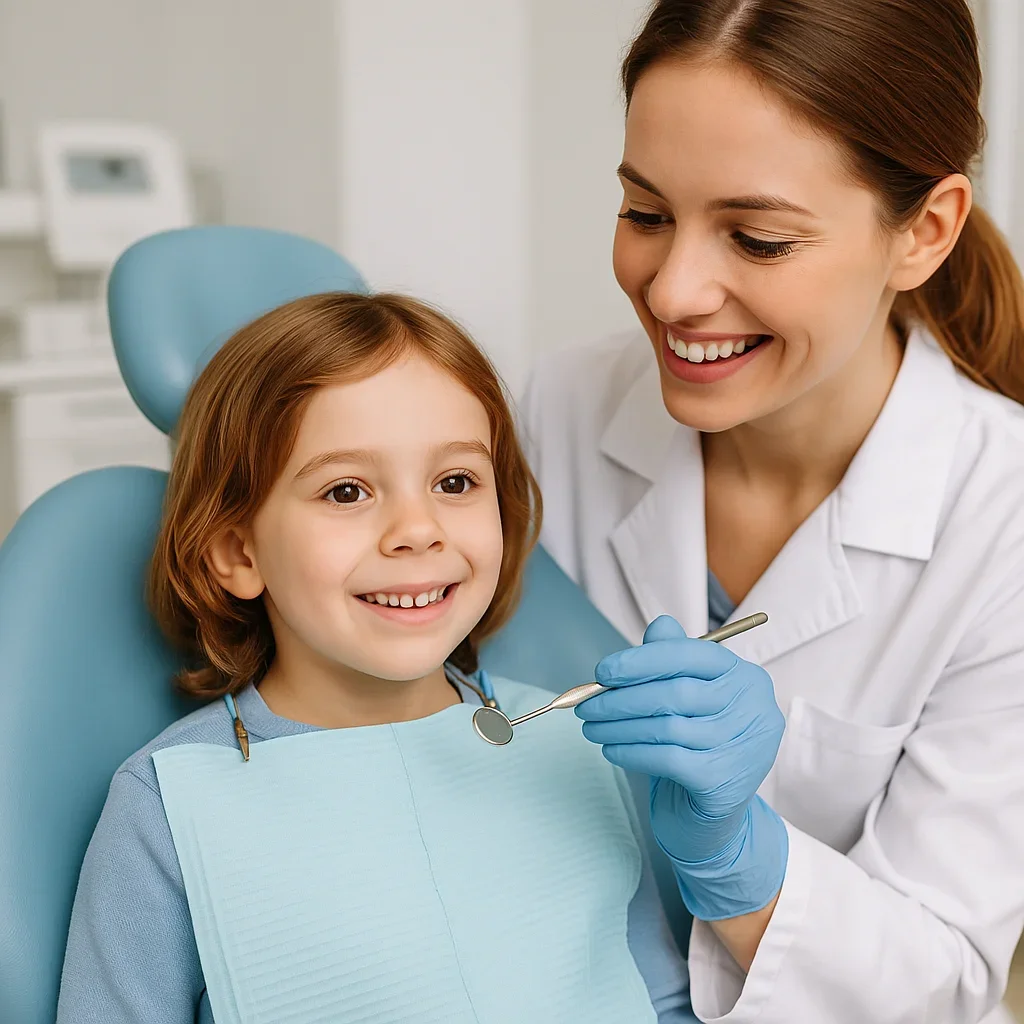
How Your First Dentist Visit Builds Confidence and a Lifetime of Healthy Smiles 😁
Your first dentist appointment is not just about cleaning teeth or checking for cavities — it’s the foundation for a confident smile and a positive lifelong relationship with oral care. Many people underestimate the psychological and emotional benefits that come from this first encounter. A great first dentist experience can transform fear into trust, hesitation into routine, and uncertainty into empowerment. In this section, we’ll explore how your first dental visit impacts your mental well-being, long-term health, and daily self-confidence — plus, what you can do to ensure it becomes the beginning of a lifetime of bright, healthy smiles. 🦷
The Emotional Impact of a Positive First Dentist Experience
The first dentist visit often sets the tone for how you perceive dental care for the rest of your life. A comfortable, reassuring environment can eliminate the stigma many adults associate with dentistry. When a dentist takes time to explain procedures, listen to concerns, and treat you with empathy, it builds trust and reduces anxiety. This positive emotional foundation encourages regular visits — one of the most critical habits for maintaining lifelong oral health. By contrast, a negative or rushed experience can create avoidance behaviors that lead to neglected care and costly problems down the road.
How Comfort and Communication Build Trust
- Open Dialogue: The best first dentist appointments include two-way communication. Patients feel heard, respected, and informed.
- Gentle Approach: Modern techniques and numbing options make procedures virtually painless.
- Personalized Attention: When your dentist takes time to understand your background and dental history, it fosters long-term loyalty and confidence.
Small gestures — like explaining what tools do, providing breaks, or offering reassurance — go a long way in easing anxiety. These elements transform what might have been a stressful appointment into a positive and empowering one.
The Connection Between Oral Health and Self-Confidence
One of the most profound outcomes of visiting your first dentist is the boost in self-confidence that follows. Healthy teeth and gums directly influence how you smile, speak, and interact socially. Research consistently shows that people who maintain good oral hygiene are perceived as more approachable, successful, and confident. Conversely, dental neglect can lead to bad breath, discoloration, or missing teeth — all of which affect self-esteem and mental health. Your first dental cleaning can have an immediate, visible impact, removing stains, polishing enamel, and revitalizing your overall appearance.
Confidence Beyond Appearance
The confidence you gain from your first dentist appointment isn’t just cosmetic — it’s emotional and psychological. Knowing that your oral health is being professionally monitored removes the burden of uncertainty. You’ll smile more often, eat more comfortably, and feel reassured that your health is under control. This empowerment leads to better social connections, improved speech clarity, and even higher workplace confidence. 🌟
Education: The Core of Lifelong Dental Success
Your first dentist visit is also an educational experience. Dentists don’t just treat problems — they teach prevention. During this appointment, your dentist or hygienist explains proper brushing and flossing techniques, the role of nutrition, and how lifestyle choices affect oral health. You might learn how sugar, smoking, or acidic beverages impact enamel or discover new tools like interdental brushes and mouth rinses that enhance your daily routine.
Personalized Advice You’ll Carry Forever
Each patient’s mouth is different, and your first dentist provides tailored recommendations. Whether it’s adjusting fluoride levels, managing sensitivity, or preventing grinding (bruxism), your dentist helps you create a personalized home care plan. These lessons form habits that extend far beyond your dental chair — influencing diet, hygiene, and even sleep quality.
How a Dentist Helps Overcome Dental Anxiety
Many people approach their first dentist visit with fear. This anxiety often stems from childhood experiences or cultural misconceptions about pain and discomfort. Modern dentistry, however, is built around comfort. From sedation options to gentle communication, today’s dental care is designed to ease your mind. Dentists now use distraction tools like relaxing music, ceiling TVs, or aroma diffusers to create a spa-like atmosphere. This attention to patient comfort transforms your perception of dental care from fearful to empowering.
Techniques Used to Reduce Fear
- Tell-Show-Do Method: The dentist explains each step, demonstrates it gently, then performs it calmly.
- Guided Breathing: Encouraging deep breaths reduces tension during the first dentist appointment.
- Gradual Exposure: For severe anxiety, short visits that increase in duration help patients adapt comfortably.
Overcoming dental fear early ensures consistent care, preventing the need for emergency treatments later on. Clinics like Redent Klinik Contact Page specialize in gentle, patient-centered dentistry that focuses on creating positive experiences from day one.
The Long-Term Relationship Between Dentist and Patient
Your relationship with your first dentist doesn’t end after the first cleaning — it evolves into a partnership based on trust, communication, and mutual commitment to health. Regular checkups allow your dentist to track changes, adapt treatment plans, and detect conditions before they worsen. Over time, this familiarity leads to more comfortable appointments and faster, more accurate diagnoses. Your dentist becomes someone who understands not just your teeth, but your overall lifestyle and preferences, enabling holistic care that fits your needs.
Benefits of Staying with the Same Dentist
- Consistent record-keeping and progress tracking.
- Better understanding of your anxiety levels, comfort preferences, and medical history.
- Stronger communication and trust between patient and provider.
These benefits emphasize why choosing the right first dentist is so crucial — they may become your lifelong oral health partner.
Creating Healthy Habits That Last a Lifetime
Everything you learn and experience during your first dentist visit contributes to sustainable oral hygiene habits. By returning every six months, you reinforce these positive routines. Patients who follow this rhythm experience fewer cavities, lower dental costs, and better overall health outcomes. Small daily actions — brushing twice, flossing once, and eating a balanced diet — are more effective when reinforced through regular professional feedback. Consistency builds discipline, and discipline ensures a radiant smile that lasts a lifetime. 🪥
Conclusion: Your First Dentist Visit is the Beginning of a Healthier You
Your first dentist appointment is more than an introduction — it’s the foundation of confidence, health, and longevity. It helps you establish trust, learn preventive habits, and feel empowered about your smile. Every future visit builds upon this first experience, strengthening your commitment to self-care and overall well-being. A positive start leads to a healthier lifestyle, lower medical costs, and the lifelong confidence that comes from a smile you’re proud to show. 😄
To begin this journey with expert care and compassion, reach out to the Redent Klinik Contact Page. For evidence-based dental advice and resources, visit the American Dental Association. Remember — your first dentist visit is the first step toward a lifetime of smiles, confidence, and health.