
Maintaining a healthy and confident smile goes far beyond brushing your teeth twice a day. Regular visits to a teeth cleaning dentist are essential for preventing cavities, gum disease, and other oral health issues that daily home care simply cannot address. A professional dental cleaning does much more than polish your teeth — it removes stubborn plaque, tartar, and bacteria that can silently damage your gums and enamel. 🦷
When you visit a teeth cleaning dentist, you’re not just investing in aesthetics but also in your long-term health. Studies show that oral health is closely connected to heart health, diabetes control, and even cognitive function. By scheduling routine cleanings every six months, you can significantly reduce your risk of serious health complications linked to untreated dental problems.
Understanding the Role of a Teeth Cleaning Dentist
A teeth cleaning dentist is a licensed professional specializing in preventive dental care. Their goal is to help you maintain optimal oral hygiene through professional cleaning, gum evaluation, and early detection of potential issues. During a standard cleaning session, your dentist uses specialized tools to remove hardened plaque (tartar) that forms even with regular brushing. This process, called scaling, prevents bacteria from settling below the gum line — a primary cause of gum inflammation and periodontal disease.
The cleaning process also includes polishing, which smooths the surface of your teeth and makes it harder for new plaque to stick. Your dental cleaning specialist may also perform a fluoride treatment or recommend mouthwash to strengthen enamel and prevent sensitivity. Each of these steps ensures that your smile not only looks great but stays strong and healthy from the inside out.
Why Routine Dental Cleanings Are So Important
Even with diligent home care, plaque can accumulate in areas your toothbrush cannot reach. Over time, this buildup hardens into tartar, which can only be removed by a teeth cleaning dentist. If left untreated, tartar contributes to gum inflammation, recession, and bone loss — key indicators of periodontal disease. Regular cleanings help stop this chain reaction before it starts.
Additionally, professional cleanings help detect early signs of oral cancer, tooth decay, and misalignment. Dentists are trained to spot abnormalities that you might not notice in your mirror. By catching these problems early, treatments become simpler, more affordable, and less invasive. In other words, visiting your dentist twice a year is not an expense — it’s an investment in both your health and your wallet. 💡
What Happens If You Skip a Professional Cleaning?
Skipping your dental cleaning appointments can lead to more than just bad breath. Without regular visits to a teeth cleaning dentist, plaque buildup begins to attack your enamel, leading to cavities and gum infections. This can result in bleeding gums, chronic bad breath, and even tooth loss. Moreover, bacteria from infected gums can enter the bloodstream, increasing the risk of systemic issues such as cardiovascular disease and respiratory infections.
Patients who neglect regular dental visits often find themselves requiring deep cleanings or even periodontal surgery later on. These procedures are more expensive and time-consuming compared to routine cleanings. Prevention truly is the best cure when it comes to oral health — and your teeth cleaning dentist is your best ally in maintaining it.
The Health Connection: Oral Hygiene and Whole-Body Wellness
Your mouth is the gateway to your body. Bacteria that thrive in plaque and tartar can easily travel through the bloodstream and affect major organs. That’s why visiting a teeth cleaning dentist plays a crucial role in maintaining overall wellness. Research published by the American Dental Association confirms that people who receive professional cleanings regularly have lower rates of heart disease and stroke compared to those who skip them.
Additionally, proper oral hygiene has been linked to better digestion and immune function. Healthy gums and teeth ensure that chewing is efficient, which aids in proper nutrient absorption. A clean mouth also helps prevent harmful bacteria from spreading into your digestive or respiratory systems.
What Makes a Good Teeth Cleaning Dentist?
Choosing the right dental professional is just as important as scheduling your visits. A skilled teeth cleaning dentist will not only clean your teeth but also educate you about proper home care. Look for clinics that use advanced tools such as ultrasonic scalers and digital X-rays for precise, comfortable cleanings. Communication also matters — the best dentists take time to explain what they’re doing, why it’s necessary, and how it contributes to your overall health.
At Redent Klinik, patients benefit from modern facilities and experienced professionals who focus on patient comfort and hygiene excellence. If you’d like to book a consultation, you can reach the clinic directly through this link: Redent Klinik Contact Page.
Final Thoughts: Invest in Your Smile
In today’s fast-paced world, it’s easy to postpone dental appointments. But regular cleanings with a qualified teeth cleaning dentist should never be neglected. They are essential for maintaining fresh breath, strong teeth, and overall wellness. Think of your biannual cleaning as a simple habit that protects one of your most valuable assets — your smile. 😁
So, whether you’re due for your next appointment or haven’t seen a dentist in years, make today the day you take action. Schedule your visit, ask questions, and stay proactive about your oral health. Your teeth — and your future self — will thank you.
Why Regular Visits to a Teeth Cleaning Dentist Matter
Many people underestimate the importance of visiting a teeth cleaning dentist regularly. While brushing and flossing at home are vital daily habits, they are simply not enough to remove hardened tartar, deep-seated bacteria, and plaque buildup beneath the gumline. Regular professional cleanings go far beyond what your toothbrush can accomplish, helping to prevent cavities, gum infections, and even systemic diseases linked to oral bacteria. 🦷
The Science Behind Dental Plaque and Tartar
Every time you eat, the bacteria in your mouth feed on sugars and starches, creating a sticky film called plaque. If plaque isn’t removed promptly through brushing and flossing, it hardens into tartar — a rough, calcified substance that can only be removed by a teeth cleaning dentist. Tartar buildup provides an ideal breeding ground for bacteria, leading to gum inflammation, tooth decay, and even bone loss in severe cases.
Once tartar forms, no amount of home care can remove it. Even the most advanced electric toothbrushes and antiseptic mouthwashes cannot replace the precision tools and professional expertise of a dental cleaning specialist. During a professional cleaning, ultrasonic scalers and curettes are used to gently dislodge tartar and polish the teeth, leaving your smile smooth and healthy.
The Connection Between Oral Health and Overall Wellness
Regular visits to a teeth cleaning dentist are not just about keeping your teeth white — they’re about protecting your overall health. Numerous studies from the American Dental Association and other health authorities show a strong correlation between gum health and chronic diseases such as heart disease, diabetes, and Alzheimer’s. Bacteria from untreated gum infections can enter the bloodstream, triggering inflammation throughout the body and increasing the risk of serious medical conditions.
By maintaining routine cleanings, you effectively reduce the bacterial load in your mouth, preventing it from entering your system. A healthy mouth often translates to a healthier body, which is why your dentist is often considered your first line of defense against more than just cavities.
How Often Should You Visit Your Teeth Cleaning Dentist?
Most experts recommend visiting your teeth cleaning dentist at least twice a year — every six months — for standard cleaning and examination. However, if you have certain risk factors like smoking, gum disease, or diabetes, your dentist might suggest more frequent visits. Regular appointments ensure early detection of problems, preventing small issues from becoming major treatments later on.
Children and teenagers also benefit significantly from routine cleanings. Developing teeth are more prone to plaque accumulation, and early dental visits help establish lifelong oral hygiene habits. Many families find it beneficial to schedule cleanings together, turning it into a shared wellness routine.
Benefits of Routine Dental Cleanings
Visiting your teeth cleaning dentist regularly offers numerous benefits beyond a bright smile. Here are the most impactful ones:
- Prevention of cavities: Regular plaque removal prevents enamel erosion and decay.
- Gum disease prevention: Professional scaling reduces inflammation and protects the gumline.
- Fresh breath: Removing bacteria and debris eliminates the main cause of halitosis.
- Early detection: Dentists can spot signs of oral cancer or systemic diseases early.
- Improved confidence: A polished smile makes you feel better and more self-assured. 😁
What Happens During a Routine Cleaning Appointment
When you sit in the dental chair for your cleaning, your teeth cleaning dentist follows a precise step-by-step process designed for maximum effectiveness and comfort:
- Examination: The dentist checks for signs of decay, gum disease, and overall oral health.
- Scaling: Plaque and tartar are removed from above and below the gumline using ultrasonic instruments.
- Polishing: Your teeth are polished to remove surface stains and smooth rough areas.
- Flossing: The dentist thoroughly flosses your teeth to remove remaining debris.
- Fluoride treatment: A fluoride gel or varnish may be applied to strengthen enamel and prevent decay.
This entire process typically takes 45–60 minutes, but the long-term health benefits last for months. Patients often report a feeling of freshness and smoothness immediately after the session.
Skipping Cleanings: The Hidden Dangers
Neglecting regular visits to your teeth cleaning dentist can have serious consequences. Plaque buildup eventually leads to gingivitis, characterized by bleeding gums and tenderness. If ignored, this progresses to periodontitis — a more severe form of gum disease that causes bone loss and tooth mobility. Once this stage is reached, treatment becomes more complicated and expensive.
In addition, tartar accumulation near the gumline can cause chronic bad breath and visible yellowing of the teeth. Patients who skip cleanings often need deep scaling, root planing, or even surgical intervention to restore their oral health. The cost and discomfort of these treatments far outweigh the minor effort required for routine maintenance.
Real-World Cost Comparison 💰
To illustrate, consider the following cost range for preventive care versus neglect:
| Treatment Type | Average Cost (USD) |
|---|---|
| Regular Cleaning (every 6 months) | $80 – $150 |
| Deep Cleaning / Scaling | $200 – $400 per quadrant |
| Periodontal Surgery | $1,000 – $3,000+ |
As you can see, preventive visits to a teeth cleaning dentist are far more cost-effective than restorative treatments. A few hundred dollars a year can save you thousands in the long run — not to mention the pain, time, and emotional stress associated with severe dental procedures.
When to Schedule Your Next Appointment
If you haven’t visited your teeth cleaning dentist in over six months, now is the perfect time to schedule an appointment. Don’t wait for discomfort or sensitivity to appear — by then, it might be too late to prevent more extensive damage. The earlier you take control of your oral hygiene, the better your chances of maintaining a radiant, healthy smile for life.
For those in Turkey or seeking professional dental care abroad, Redent Klinik Contact Page is a trusted destination offering comprehensive cleaning and preventive care with modern equipment and experienced dentists. 🌟
Conclusion: Prevention Is Always Better Than Cure
Ultimately, regular visits to a teeth cleaning dentist form the foundation of lifelong oral health. They prevent small problems from turning into major issues, improve your appearance, and support your overall wellbeing. By committing to a consistent cleaning schedule and practicing good home care, you can ensure that your smile stays bright, your gums stay strong, and your confidence remains unshakable. Remember — healthy teeth are the first step toward a healthier you.
What to Expect During a Professional Teeth Cleaning Appointment
If you’ve ever wondered what exactly happens during a dental cleaning, you’re not alone. Many patients visit a teeth cleaning dentist for years without fully understanding the step-by-step process behind the gleaming results. Knowing what to expect can help reduce anxiety, build trust, and ensure you make the most of every appointment. This detailed guide walks you through every phase of a professional dental cleaning — from the initial check-up to the final polish — so you can walk in confidently and walk out with a healthier, brighter smile. 😁
Step 1: The Initial Examination
Your appointment with a teeth cleaning dentist typically begins with a comprehensive oral examination. The dentist or dental hygienist uses a small mirror to inspect your teeth and gums for signs of inflammation, tartar buildup, cavities, or other irregularities. If you’ve been experiencing any discomfort, bleeding gums, or bad breath, this is the time to mention it. Early detection allows your dentist to create a personalized cleaning plan and prevent minor issues from escalating into serious oral diseases.
During this phase, some clinics also perform digital X-rays to detect problems below the surface, such as bone loss, impacted teeth, or hidden decay. The dentist then discusses the findings with you and explains what type of cleaning is required — whether a standard prophylaxis or a more intensive deep cleaning procedure. 🩺
Step 2: Plaque and Tartar Removal (Scaling)
The most crucial part of your visit to a teeth cleaning dentist is scaling. This process involves using specialized instruments to remove plaque and tartar from your teeth, especially in hard-to-reach areas. Even with consistent brushing and flossing, plaque can solidify into tartar (also called calculus) within 24 to 72 hours. Once hardened, it adheres tightly to enamel and must be removed with professional tools.
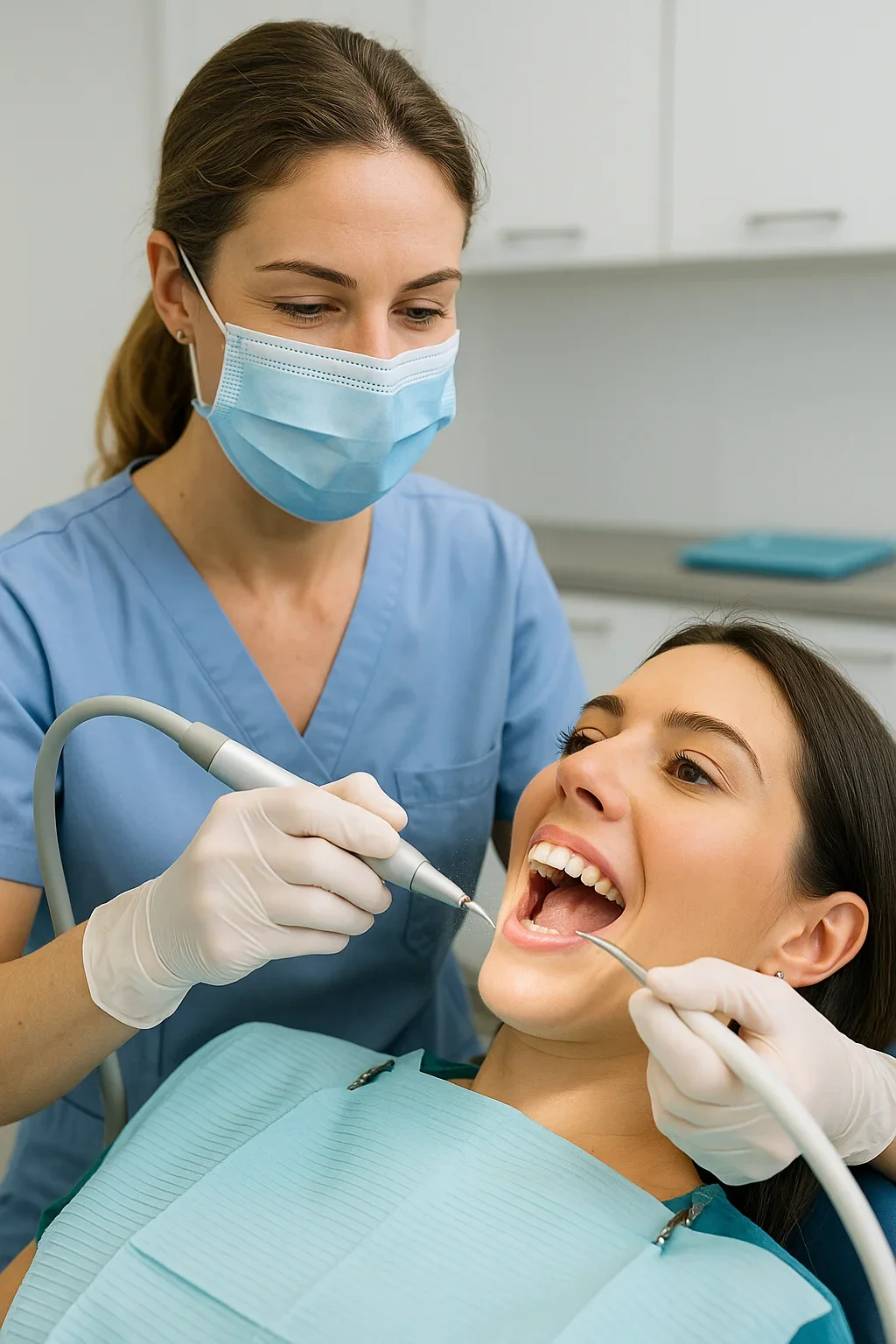
Most modern dental clinics use ultrasonic scalers — devices that emit gentle vibrations combined with a water spray to break down tartar without damaging the enamel. This technique is highly efficient, minimizing discomfort while achieving deep cleanliness. Manual scaling tools may also be used for precision in tight spots or along the gumline. The result? Teeth that feel noticeably smoother and cleaner.
What You Might Feel During Scaling
It’s normal to feel slight pressure or tickling sensations during scaling, but it should not be painful. If you have sensitive teeth or gums, inform your teeth cleaning dentist beforehand; they can apply a numbing gel or adjust the pressure to ensure comfort. In general, the process is quick, safe, and essential for preventing gum inflammation and bacterial growth beneath the surface.
Step 3: Polishing the Teeth
After all the tartar and plaque have been removed, your teeth cleaning dentist will polish your teeth using a rotating brush and a special gritty paste called prophylaxis paste. This paste gently buffs away minor stains caused by coffee, tea, wine, or smoking. Polishing not only enhances brightness but also smooths the surface of your teeth, making it harder for plaque to accumulate in the future. ✨
Some clinics use air-polishing systems, which spray a fine powder mixture of air and water to remove stubborn stains even more effectively. This process leaves your mouth feeling exceptionally fresh and your teeth shining like new.
Step 4: Expert Flossing and Rinsing
Even if you floss daily, professional flossing by a teeth cleaning dentist or hygienist can reach areas that home flossing may miss. They use precise techniques to remove debris and residue between your teeth. This step ensures no bacteria or cleaning paste remains trapped, reducing the risk of future irritation or decay. After flossing, your mouth is rinsed thoroughly — sometimes with a fluoride or antibacterial solution — leaving your gums refreshed and healthy.
Step 5: Fluoride Treatment for Enamel Protection
One of the final stages of a professional cleaning is fluoride treatment, which strengthens enamel and provides long-term protection against cavities. The teeth cleaning dentist may apply fluoride as a gel, foam, or varnish. It is brushed onto the teeth and left for a few minutes to bond with the enamel. This invisible barrier helps remineralize weakened areas and protects against acid attacks from food and bacteria.
Fluoride treatments are especially beneficial for patients who consume acidic drinks or have a history of dental decay. Children and teenagers often receive fluoride at every cleaning appointment to support proper enamel development.
Step 6: Dental Health Evaluation and Recommendations
Once your teeth are clean and protected, your teeth cleaning dentist will discuss your overall oral health status. This includes personalized tips for brushing, flossing, diet, and mouthwash use. If early signs of gum disease or enamel erosion are present, your dentist may recommend special toothpaste or more frequent cleanings. Some patients may also be referred for deep cleaning or scaling and root planing if pockets of infection are detected under the gums.
Your dentist will likely advise scheduling your next cleaning within six months, or sooner if you have ongoing issues. Consistent follow-up care ensures that your mouth stays healthy and any developing problems are addressed early.
What to Expect After a Teeth Cleaning Appointment
After your visit to the teeth cleaning dentist, your mouth will feel exceptionally clean, and your breath will be noticeably fresher. You might experience mild sensitivity to hot or cold foods for a day or two, but this is temporary and normal. Dentists usually recommend avoiding coffee, red wine, or dark sauces for 24 hours after cleaning to maintain your teeth’s brightness.
If you had deeper cleaning or scaling, your dentist might provide an antibacterial rinse or prescription mouthwash to prevent infection. Gentle brushing and warm saltwater rinses can also help soothe your gums. Remember: good aftercare maintains the benefits of professional cleaning much longer.
At-Home Maintenance Tips 🪥
- Brush twice a day with fluoride toothpaste.
- Floss daily to remove plaque between teeth.
- Use an antibacterial mouthwash to reduce bacteria buildup.
- Limit sugary snacks and acidic drinks that weaken enamel.
- Drink plenty of water to wash away food particles.
Scheduling Your Appointment at a Trusted Clinic
If you’re looking for a reliable place to get your teeth cleaned, choose an experienced teeth cleaning dentist who uses modern techniques and ensures patient comfort. At Redent Klinik Contact Page, patients receive advanced preventive care and personalized attention. The clinic’s dental professionals use state-of-the-art ultrasonic scalers and polishing systems to ensure safe and effective cleaning for all ages. 🌿
Final Thoughts
Knowing what happens during a professional dental cleaning helps you take charge of your oral health. Regular visits to a teeth cleaning dentist are a simple yet powerful way to prevent decay, improve your confidence, and protect your overall health. When combined with daily care at home, professional cleanings are your best defense against gum disease and bad breath — and your path to a lasting, radiant smile. 🌟
Deep Cleaning vs. Regular Cleaning: Which One Do You Need?
When you visit a teeth cleaning dentist, one of the first things they’ll determine is whether you need a regular dental cleaning (also called prophylaxis) or a deep cleaning (also known as scaling and root planing). While both procedures aim to maintain oral hygiene and prevent gum disease, they differ in purpose, technique, and depth of treatment. Understanding these differences helps you make informed decisions about your oral health and avoid unnecessary discomfort or costs. 🦷
What Is a Regular Dental Cleaning?
A regular cleaning performed by a teeth cleaning dentist focuses primarily on the visible surfaces of your teeth and the area just above the gumline. It’s a preventive procedure recommended every six months for patients with healthy gums and no signs of periodontal disease. During this cleaning, the dentist or hygienist removes soft plaque, hard tartar, and surface stains that accumulate over time.
Regular cleanings help maintain oral freshness, prevent cavities, and keep your gums pink and firm. The procedure typically takes about 45–60 minutes and is pain-free for most patients. Afterward, your teeth feel smoother, your breath fresher, and your smile noticeably brighter. ✨
What Is a Deep Dental Cleaning?
In contrast, a deep cleaning goes beyond the surface. It’s a therapeutic procedure performed by a teeth cleaning dentist when a patient shows signs of gum disease, such as bleeding, swelling, or gum recession. Deep cleaning involves two key steps: scaling and root planing.
- Scaling: The removal of plaque and tartar from both above and below the gumline, reaching the pockets where bacteria thrive.
- Root Planing: The smoothing of the tooth roots to help gums reattach to teeth and prevent future bacterial buildup.
Because it targets deeper layers, a deep cleaning may require local anesthesia to minimize discomfort. Some patients need two or more appointments to complete the process, depending on the extent of infection. Afterward, the gums gradually heal, tighten around the teeth, and restore overall oral health.
When Does a Dentist Recommend Deep Cleaning?
Your teeth cleaning dentist might recommend deep cleaning if you have:
- Gums that bleed during brushing or flossing
- Chronic bad breath despite good hygiene
- Visible gum recession or loose teeth
- Deep periodontal pockets (measured by dental probes)
- Persistent plaque buildup along the gumline
Deep cleaning helps stop the progression of gum disease and prevents tooth loss. However, it’s not needed for everyone — which is why regular check-ups with your teeth cleaning dentist are crucial for early detection.
Key Differences Between Deep and Regular Cleaning
| Feature | Regular Cleaning | Deep Cleaning |
|---|---|---|
| Purpose | Preventive care and maintenance | Treatment for gum disease |
| Depth | Above the gumline | Below the gumline (into periodontal pockets) |
| Anesthesia | Not required | Often required for comfort |
| Frequency | Every 6 months | As recommended by dentist (usually once every 1–2 years for severe cases) |
| Healing Time | Immediate return to normal | May take several days for gums to recover |
| Cost (USD) | $80 – $150 | $200 – $400 per quadrant |
As seen above, a regular cleaning is a preventive habit, while a deep cleaning is corrective. The key is early detection — the sooner your teeth cleaning dentist identifies gum issues, the less invasive and costly your treatment will be.
How Deep Cleaning Helps Restore Oral Health
When bacteria infect the gums, they create pockets that separate the gums from the teeth. These pockets harbor even more bacteria, worsening inflammation and tissue destruction. Deep cleaning eliminates this cycle by removing the infection’s source. After the procedure, your gums begin to reattach to your teeth, restoring their natural shape and health.
A skilled teeth cleaning dentist may also prescribe antibiotics or antibacterial rinses to support healing. Within a few weeks, most patients notice significant improvements — reduced bleeding, firmer gums, and fresher breath. Regular follow-up visits ensure that the gums stay healthy and that plaque doesn’t return.
Possible Side Effects and Aftercare
It’s normal to experience mild tenderness, swelling, or slight bleeding for a few days after deep cleaning. To promote healing, your teeth cleaning dentist will recommend:
- Brushing gently with a soft-bristled toothbrush
- Rinsing with warm saltwater twice daily
- Avoiding spicy or crunchy foods for a few days
- Using prescribed mouthwash to control bacteria
- Drinking plenty of water and avoiding smoking 🚭
These steps help gums heal faster and prevent reinfection. Within one to two weeks, most patients resume their normal oral care routines comfortably.
Which Cleaning Is Right for You?
The only way to determine whether you need a deep or regular cleaning is to visit a qualified teeth cleaning dentist. They’ll examine your gums, measure pocket depths, and assess your oral health history. For healthy individuals, a routine cleaning every six months is usually sufficient. However, if you’ve been diagnosed with gingivitis or early periodontitis, a deep cleaning may be necessary to restore gum health.
Skipping cleanings can make gum disease worse, eventually leading to tooth loss and even jawbone deterioration. Therefore, it’s essential to act promptly if your dentist recommends deep cleaning. Prevention always costs less and hurts less than treatment.
Professional Cleaning at Redent Klinik
At Redent Klinik Contact Page, patients receive both preventive and deep cleaning services from experienced specialists. Using the latest dental technology, the clinic ensures safe, painless, and thorough results. Whether you’re due for a routine polish or require more advanced periodontal care, Redent Klinik’s team provides personalized solutions to protect your smile for years to come.
Conclusion: Stay Consistent, Stay Healthy
Both deep cleaning and regular cleaning play vital roles in maintaining oral health. A teeth cleaning dentist helps you determine the best option based on your current condition, risk factors, and lifestyle. Regular visits ensure plaque doesn’t harden into tartar, while timely deep cleanings treat gum infections before they cause lasting damage. By staying consistent with your dental care, you’re not just protecting your teeth — you’re investing in your long-term health and confidence. 💪
How Often Should You Visit a Teeth Cleaning Dentist? 🦷
One of the most common questions patients ask their teeth cleaning dentist is, “How often should I schedule a cleaning?” While most people assume a single yearly visit is enough, dental experts worldwide — including the American Dental Association — recommend professional cleanings at least twice a year. However, the ideal frequency depends on individual health factors, lifestyle habits, and genetic predispositions. Understanding the right schedule for your teeth can make a remarkable difference in maintaining lifelong oral health and preventing costly treatments later. 😁
The Standard Recommendation: Every Six Months
For most adults, visiting a teeth cleaning dentist every six months strikes the perfect balance between prevention and maintenance. This biannual schedule allows your dentist to remove tartar buildup, check for cavities, and identify early signs of gum disease. Since tartar can form even with consistent brushing and flossing, semiannual cleanings are the most effective way to keep your gums healthy and your teeth strong.
During these visits, your dentist also performs an oral cancer screening and examines the alignment of your teeth and jaw. These quick check-ups can detect hidden issues early, saving you time, money, and discomfort in the long term. Think of it as routine maintenance for your smile — just like servicing your car to prevent bigger problems down the road. 🚗✨
Why Some People Need More Frequent Cleanings
Not everyone has the same dental needs. Some patients benefit from visiting their teeth cleaning dentist every three to four months, especially if they have conditions that increase the risk of plaque buildup or gum inflammation. You might fall into this category if you have:
- Gum disease or gingivitis: Patients with periodontal problems require more frequent cleanings to control bacteria and prevent further bone loss.
- Smoking habits: Tobacco use accelerates tartar formation and stains teeth, requiring more regular professional cleanings.
- Diabetes: High blood sugar affects gum health, making diabetic patients more prone to infections.
- Orthodontic braces or retainers: These devices trap food particles and bacteria, increasing plaque accumulation.
- Pregnancy: Hormonal changes can lead to “pregnancy gingivitis,” which requires extra monitoring and care.
In these cases, your teeth cleaning dentist will personalize your cleaning schedule based on your oral health condition and response to treatment. Frequent visits ensure that bacteria and tartar don’t have a chance to accumulate and harm your gums.
Children and Teens: Starting the Right Habits Early
Establishing a regular dental routine early in life can prevent future oral problems. Pediatric dentists recommend that children see a teeth cleaning dentist every six months starting from their first birthday or as soon as their first tooth appears. Early visits help detect cavities, monitor proper tooth development, and teach children the value of oral hygiene. 🧒
Teenagers, who often consume sugary drinks or wear braces, may also need more frequent visits. During adolescence, hormonal changes can increase the risk of gum inflammation, making professional cleanings essential for long-term health.
Preventing Dental Anxiety in Children
Regular visits also make dental check-ups less intimidating. When kids see their teeth cleaning dentist regularly, they become familiar with the environment and staff, reducing anxiety. This builds trust and establishes a positive lifelong relationship with dental care professionals.
Seniors and Adults: Adapting Frequency with Age
As we age, our oral health needs evolve. Older adults are more susceptible to dry mouth, gum recession, and tooth sensitivity. For seniors, a teeth cleaning dentist may recommend quarterly cleanings to maintain gum health and prevent infections. Additionally, medications can alter saliva flow, increasing the risk of cavities — another reason why consistent cleanings are crucial.
Even if you wear dentures, regular dental visits remain essential. Your dentist checks for signs of oral cancer, bone loss, and gum irritation under prosthetic devices. Maintaining this routine ensures not only comfort but also safety.
The Risks of Skipping Dental Cleanings
Skipping cleanings for months or years can have serious consequences. Without professional care from a teeth cleaning dentist, tartar builds up beneath the gumline, leading to chronic inflammation known as periodontitis. Over time, this can cause irreversible damage — including gum recession, loose teeth, and even tooth loss.
Moreover, bacteria from infected gums can enter the bloodstream, potentially contributing to heart disease, respiratory infections, and diabetes complications. Therefore, neglecting your dental cleanings isn’t just bad for your mouth — it can affect your entire body. 💔
Financial Implications of Infrequent Visits
Preventive cleanings are far more affordable than restorative procedures. Here’s a quick cost comparison that shows why consistency saves money:
| Procedure | Average Cost (USD) |
|---|---|
| Routine Cleaning (Every 6 Months) | $80 – $150 |
| Deep Cleaning / Scaling | $250 – $400 per quadrant |
| Tooth Extraction or Surgery | $500 – $2,000+ |
By visiting your teeth cleaning dentist regularly, you avoid expensive restorative procedures and maintain your smile’s natural health for life.
Customizing Your Cleaning Schedule
Ultimately, the best cleaning frequency depends on your personal oral health and lifestyle. Your teeth cleaning dentist will evaluate several factors such as plaque buildup rate, gum sensitivity, diet, and medical conditions. For most healthy adults, twice-yearly visits are ideal. For those with ongoing dental issues, three to four visits per year may be necessary to control infection and preserve bone structure.
Remember, every mouth is unique. Open communication with your dentist ensures you get the exact level of care you need — no more, no less.
Redent Klinik: Personalized Cleaning Care for Every Patient
If you’re unsure how often to schedule your appointments, consult the specialists at Redent Klinik Contact Page. The clinic’s team of professionals designs custom dental cleaning plans based on your oral condition, lifestyle, and goals. Whether you’re a first-time patient or maintaining ongoing periodontal therapy, Redent Klinik ensures optimal care using advanced technology and compassionate service. 🌿
Conclusion: Consistency Is the Key to Oral Wellness
Visiting a teeth cleaning dentist regularly isn’t just about having a dazzling smile — it’s about preventing disease, maintaining confidence, and protecting your long-term health. The rule is simple: cleanings every six months for most people, more often for those with special dental needs. By following this schedule, you’re ensuring that your teeth, gums, and overall body stay healthy for years to come. Your smile deserves it! 😄
The Hidden Benefits of Professional Dental Cleaning for Your Health
Many people visit a teeth cleaning dentist primarily for cosmetic reasons — to remove stains and achieve a brighter smile. However, professional dental cleaning offers far more profound health benefits than most realize. Beyond polishing your teeth, these visits play a vital role in preventing disease, supporting heart and brain health, and improving your immune system. A clean mouth is the foundation of overall wellness. Let’s explore in detail how regular dental cleanings can positively impact your entire body. 🌿
1. Reducing the Risk of Gum Disease
The most immediate benefit of visiting a teeth cleaning dentist is the prevention of gum disease. Plaque, a sticky film of bacteria, constantly forms on your teeth. If it’s not removed, it hardens into tartar, which irritates your gums and causes inflammation known as gingivitis. Left untreated, gingivitis can progress to periodontitis — a severe infection that can destroy bone and tissue, eventually leading to tooth loss.
During a professional cleaning, your dentist removes plaque and tartar from above and below the gumline. This not only stops existing infections but also prevents new bacteria from invading your gum pockets. Regular cleanings help your gums stay firm, pink, and healthy — the essential foundation for a lifetime of strong teeth. 🦷
2. Improving Cardiovascular Health
Few patients realize that oral hygiene and heart health are deeply connected. Studies published by the American Dental Association and cardiology journals show that people with gum disease are more likely to suffer from heart disease, stroke, and high blood pressure. The bacteria from infected gums can enter the bloodstream and trigger inflammation in the arteries, increasing the risk of plaque buildup and blood clots.
By visiting your teeth cleaning dentist regularly, you significantly reduce the bacterial load in your mouth and, consequently, in your bloodstream. This helps lower inflammation markers throughout your body, protecting your heart and arteries. In fact, patients who maintain consistent oral care have been shown to have healthier cholesterol levels and lower risks of cardiovascular events.
3. Enhancing the Immune System
Your immune system constantly works to fight off bacteria — including those found in your mouth. When your oral hygiene is poor, your immune system is forced to combat chronic inflammation, diverting energy from other essential bodily defenses. A teeth cleaning dentist helps by removing harmful pathogens from the mouth, allowing your immune system to function more efficiently.
For individuals with autoimmune conditions or compromised immunity, regular dental cleanings are even more important. Reducing oral bacteria lessens systemic inflammation and supports faster recovery from illness or infection. A clean mouth is, quite literally, a lighter workload for your body’s defense system.
4. Supporting Brain and Cognitive Health 🧠
Recent medical research has found a direct link between oral bacteria and cognitive diseases such as Alzheimer’s and dementia. Bacteria from gum infections can travel through the bloodstream to the brain, where they may trigger inflammation or plaque formation in neural tissues. By visiting your teeth cleaning dentist consistently, you can help protect not only your smile but also your mental clarity and long-term brain function.
In one study, patients who received regular cleanings had a significantly lower risk of developing cognitive decline compared to those who skipped appointments. These findings highlight that oral hygiene isn’t just cosmetic — it’s neurological prevention.
5. Preventing Respiratory Infections
Bacteria in the mouth can easily travel to the lungs, especially in older adults or those with weakened immune systems. This can cause respiratory infections like pneumonia or bronchitis. A professional teeth cleaning dentist helps reduce this bacterial reservoir, protecting your airways from harmful pathogens. Cleanings are particularly beneficial for seniors, hospital patients, and individuals with chronic respiratory diseases.
In healthcare settings, doctors increasingly recommend professional dental care as part of respiratory therapy prevention programs. Clean gums and teeth can literally mean easier breathing and better overall oxygenation.
6. Boosting Self-Confidence and Mental Wellbeing
There’s no denying the psychological impact of a radiant smile. After a session with your teeth cleaning dentist, your teeth feel smoother, look brighter, and your breath is noticeably fresher. These improvements can significantly enhance your self-esteem, helping you smile, speak, and interact with others more confidently.
Psychologists note that confidence in your smile can influence social interactions, job interviews, and even personal relationships. In short, a clean mouth makes you feel better — both emotionally and physically. 😁
7. Early Detection of Serious Health Issues
Professional cleanings also serve as a form of preventive screening. A trained teeth cleaning dentist can detect early signs of oral cancer, diabetes-related gum changes, vitamin deficiencies, and even hormonal imbalances. Many systemic diseases first manifest in the mouth, and identifying them early can lead to faster treatment and better outcomes.
During your cleaning, your dentist examines the tongue, inner cheeks, throat, and gums for unusual spots or swelling. Regular visits ensure that no symptom goes unnoticed.
Common Conditions Detected During Dental Visits:
- Oral cancer lesions or lumps
- Diabetic gum sensitivity and slow healing
- Vitamin deficiencies causing gum bleeding
- Stress-related bruxism (teeth grinding)
These early detections can literally save lives — another reason why your cleaning appointment is more than just a polish.
8. Saving Money and Avoiding Costly Treatments 💰
Neglecting regular cleanings often leads to expensive dental procedures later, such as fillings, root canals, or implants. Preventive care through a teeth cleaning dentist minimizes these risks and saves you significant money over time. Here’s a quick comparison that illustrates this clearly:
| Treatment | Purpose | Average Cost (USD) |
|---|---|---|
| Regular Cleaning | Prevention and maintenance | $100 – $150 |
| Root Canal Treatment | To treat deep infection | $800 – $1,500 |
| Dental Implant | To replace missing tooth | $2,000 – $4,000+ |
As the table shows, regular visits are a smart financial investment in your oral health. The small cost of preventive care can save thousands of dollars in future dental bills.
9. Improving Digestion and Nutrition
Good oral health supports efficient digestion. Chewing is the first step in breaking down food, and if your gums or teeth are unhealthy, it can affect your ability to chew properly. A teeth cleaning dentist ensures your teeth are strong and pain-free, allowing you to enjoy a balanced diet without discomfort.
When you chew thoroughly, your body absorbs nutrients more effectively — supporting everything from energy levels to skin health. It’s another reason why oral care is truly holistic care.
10. Where to Get Comprehensive Cleaning and Preventive Care
For patients seeking both aesthetic and medical dental care, Redent Klinik Contact Page offers professional teeth cleaning, gum therapy, and preventive consultations. Their expert teeth cleaning dentist team focuses on long-term wellness, using gentle techniques and modern tools to ensure maximum comfort and hygiene. Whether you’re due for your first cleaning or want a full health-focused dental plan, Redent Klinik provides everything you need for a healthier smile and body.
Final Thoughts
The benefits of professional dental cleaning extend far beyond a beautiful smile. Visiting a teeth cleaning dentist regularly helps prevent gum disease, protects your heart and lungs, supports brain function, and strengthens immunity. It’s one of the simplest, most effective steps you can take to safeguard your overall health. By investing in your oral hygiene today, you’re investing in your future wellbeing — one clean, confident smile at a time. 🌟
How Much Does a Teeth Cleaning Cost in 2025? 💰
Cost is one of the most common factors people consider when deciding whether to visit a teeth cleaning dentist. In 2025, dental cleaning prices vary widely depending on location, clinic reputation, level of treatment required, and whether additional procedures like X-rays or deep cleaning are necessary. However, investing in preventive cleanings saves you far more money in the long term by avoiding serious dental problems and expensive corrective treatments. Let’s take a closer look at the cost breakdown, influencing factors, and how you can get the best value for your dental care. 🦷
Average Cost of Professional Dental Cleaning in 2025
The typical price range for a standard dental cleaning by a teeth cleaning dentist in 2025 falls between $100 and $200 for adults, depending on your city and dentist’s expertise. Pediatric cleanings are slightly cheaper, usually between $70 and $150. These fees usually include a basic oral examination, scaling, and polishing. Some clinics also include fluoride treatment and plaque evaluation in the same session.
However, if you require a deep cleaning or scaling and root planing due to gum disease, costs rise significantly. Deep cleanings are often charged per quadrant (one-fourth of the mouth) and can range from $250 to $450 per quadrant. Therefore, a full-mouth deep cleaning might total between $800 and $1,600.
Sample Cost Table for 2025 (U.S. Average)
| Type of Cleaning | Procedure Description | Average Cost (USD) |
|---|---|---|
| Standard Cleaning | Routine preventive cleaning and polishing | $100 – $200 |
| Deep Cleaning (Scaling and Root Planing) | Treatment for gum disease, per quadrant | $250 – $450 |
| Child Cleaning | Routine cleaning for kids under 12 | $70 – $150 |
| Fluoride Treatment | Protective enamel treatment | $30 – $60 |
| Comprehensive Exam + X-rays | Full oral examination and digital imaging | $75 – $150 |
Factors That Influence the Cost
Several factors determine how much your visit to a teeth cleaning dentist will cost. Understanding these helps you make informed decisions and anticipate additional expenses if necessary.
- Location: Urban areas or major cities generally have higher costs than rural regions because of overhead expenses and clinic reputation.
- Type of Cleaning: Routine cleanings are cheaper, while deep cleanings for gum disease are more labor-intensive and thus cost more.
- Experience of the Dentist: A highly skilled teeth cleaning dentist with advanced certifications or specialized equipment may charge higher fees, but the quality and precision are superior.
- Dental Technology: Clinics that use ultrasonic scalers, laser cleaning tools, or AI-assisted diagnostics may include a technology fee in their pricing.
- Insurance Coverage: Many dental insurance plans cover two cleanings per year at no cost to the patient, though deep cleanings might require partial payment.
- Geographic Region: Prices in the U.S., U.K., and Western Europe are higher than in countries like Turkey, where dental tourism offers competitive packages.
Cost of Teeth Cleaning in Turkey vs. the United States
Turkey has become a top destination for dental tourism, offering high-quality care at affordable prices. At a reputable clinic like Redent Klinik Contact Page, patients can expect professional cleaning starting from $50 to $90 for a standard session. Even deep cleaning procedures typically cost between $150 and $300 — a fraction of the prices in Western countries.
Many international patients choose to visit a teeth cleaning dentist in Turkey due to the combination of affordable costs, advanced dental technology, and English-speaking specialists. Clinics often provide all-inclusive packages that cover cleaning, consultation, panoramic X-rays, and sometimes even whitening treatments. ✈️🇹🇷
Are Deep Cleanings Worth the Higher Cost?
Although deep cleanings are more expensive, they’re essential for patients with gum disease. Neglecting treatment can lead to infections, bone loss, and tooth loss, all of which are far more expensive to fix. A teeth cleaning dentist performing deep cleaning removes harmful bacteria from beneath the gums, allowing them to heal and preventing disease progression. Think of it as repairing the foundation of your house — it’s an investment in long-term stability.
Patients often notice dramatic improvements within a few weeks, including reduced gum bleeding, fresher breath, and stronger teeth. When combined with regular maintenance visits, deep cleanings can save thousands of dollars in future dental surgeries.
Insurance and Payment Options
If you have dental insurance, check your policy for coverage details. Most plans cover two preventive cleanings per year and partial reimbursement for periodontal treatments. Your teeth cleaning dentist can help you file claims or provide cost estimates before starting treatment. For uninsured patients, many clinics offer flexible payment plans, student discounts, or annual dental membership programs that reduce costs.
Some clinics also partner with financing services that allow you to pay over time with low interest. Always ask your dentist’s office about available financial options — preventive care should be accessible to everyone, regardless of budget.
Pro Tip for Budget-Friendly Cleanings
Consider scheduling your cleaning at dental schools or community health centers. Students supervised by licensed dentists often perform cleanings at a reduced rate, providing professional-level results for half the price. Additionally, maintaining consistent home care — brushing twice daily, flossing, and using mouthwash — reduces the need for frequent professional intervention, saving you money in the long term.
Long-Term Value: Prevention Saves More Than It Costs
Skipping professional cleanings to save money is a costly mistake. Without regular care from a teeth cleaning dentist, plaque and tartar buildup can lead to severe gum infections and tooth decay, eventually requiring expensive root canals or implants. Preventive cleanings not only keep your smile bright but also protect your heart, lungs, and immune system — delivering priceless health benefits.
To put it simply: a $100 cleaning twice a year can prevent $5,000 worth of dental restoration in the future. When you look at it that way, visiting your dentist regularly is not an expense — it’s a wise investment in your health and confidence. 💎
Conclusion: Affordable Care Starts with Prevention
The cost of visiting a teeth cleaning dentist in 2025 depends on your needs, location, and oral health status. However, one thing remains consistent — preventive care is always cheaper than treatment. Whether you choose a local dentist or travel abroad to trusted clinics like Redent Klinik, make sure you schedule your cleanings regularly. A small investment today ensures a lifetime of strong, healthy, and radiant smiles tomorrow. 🌟
Common Myths About Dental Cleaning and the Truth Behind Them
Even though visiting a teeth cleaning dentist is one of the most important steps for maintaining oral health, many people still believe in myths that prevent them from seeking professional care. Misconceptions like “cleanings damage enamel” or “I don’t need cleaning if I brush daily” can lead to long-term oral problems and unnecessary fear. In this section, we will debunk the most common myths about dental cleanings and reveal the scientific truth behind each one. 🦷✨
1. Myth: Teeth Cleaning Damages Tooth Enamel
One of the most widespread fears patients express at a teeth cleaning dentist is that scraping or polishing will wear down their enamel. In reality, professional cleaning techniques are designed to remove plaque and tartar without harming your teeth. The instruments used are precise and safe for dental surfaces.
Enamel — the hard outer layer of your teeth — is incredibly durable. The ultrasonic and manual tools used by dentists only target deposits of hardened tartar, not the tooth itself. Additionally, polishing pastes contain mild abrasives formulated to smooth enamel, not erode it. In fact, a proper cleaning can make your enamel stronger by removing acids and bacteria that weaken it.
Truth:
Professional cleanings performed by a trained teeth cleaning dentist are completely safe. The process does not damage enamel but actually helps preserve it by preventing decay and demineralization. Regular cleanings are your best defense against enamel erosion — not a cause of it. 🛡️
2. Myth: Brushing and Flossing Are Enough
While daily brushing and flossing are essential, they are not enough to remove all the plaque and tartar that accumulate on your teeth. Some deposits are too hard or too deep below the gumline to be reached with home care tools. A teeth cleaning dentist uses specialized instruments and ultrasonic scalers to eliminate bacteria that household methods cannot reach.
Over time, plaque hardens into tartar, which can only be removed by a professional. Ignoring these hidden buildups can lead to gum disease, bad breath, and even tooth loss. Think of at-home care as maintenance — and professional cleaning as a necessary deep clean for your smile. 🧼
Truth:
Brushing and flossing prevent daily buildup, but professional cleanings are essential to remove hardened tartar and protect your gums. Both habits complement each other and should never be considered substitutes.
3. Myth: Dental Cleanings Are Painful
Many people delay appointments with their teeth cleaning dentist because they fear pain or discomfort. However, modern dental technology has made cleanings virtually painless. Ultrasonic scalers use gentle vibrations and water to loosen plaque, while high-precision hand tools allow dentists to clean efficiently and comfortably.
If your gums are sensitive or inflamed, you might feel slight pressure or tenderness, but this is temporary and far less uncomfortable than untreated gum infections. Your dentist can also apply numbing gels or use laser-assisted cleaning techniques to ensure complete comfort.
Truth:
Professional cleanings are not painful. Any mild discomfort is temporary and far outweighed by the benefits of clean, healthy teeth. The more regularly you visit your dentist, the easier and faster the cleaning process becomes. 🌸
4. Myth: Cleanings Make Teeth Sensitive
Some patients believe that professional cleaning increases sensitivity to hot or cold foods. In most cases, any temporary sensitivity after cleaning is due to exposed tooth roots or gum inflammation — not the cleaning itself. Your teeth cleaning dentist uses gentle techniques that actually reduce sensitivity in the long term by removing plaque and bacteria that irritate the nerves.
Additionally, professional fluoride treatment applied after cleaning strengthens the enamel and seals microscopic pores that cause sensitivity. This effect not only prevents future discomfort but also helps restore balance to the mouth’s pH levels.
Truth:
Temporary sensitivity may occur in some patients, but it’s a sign of healing, not harm. Regular cleanings and proper fluoride use reduce long-term sensitivity and protect nerve endings from bacterial attack.
5. Myth: Dental Cleanings Are Only for Cosmetic Purposes
Another misconception is that a teeth cleaning dentist visit is purely for aesthetic reasons. While it’s true that cleanings make your teeth look brighter, the real goal is disease prevention. Removing tartar and bacteria helps prevent gum disease, infections, and bad breath. Cleanings also allow your dentist to detect early signs of oral cancer, cavities, or bone loss before they become serious.
In short, cleanings are a vital part of preventive medicine — not just cosmetic dentistry. Skipping them can compromise your overall health and lead to systemic inflammation affecting your heart, lungs, and metabolism.
Truth:
Dental cleaning is a medical necessity. Regular visits to your teeth cleaning dentist maintain oral and overall health while keeping your smile bright and confident. 🌟
6. Myth: Frequent Cleanings Can Loosen Teeth
Some patients worry that frequent cleanings might make their teeth loose. This myth comes from a misunderstanding. When tartar buildup pushes gums away from teeth, it creates false support. Once the tartar is removed by a teeth cleaning dentist, the gums begin to heal and shrink back to their natural position, temporarily giving the impression of looseness.
In truth, it’s the opposite — cleanings restore the natural attachment between the gums and teeth. They help stabilize your teeth, not loosen them. Over time, regular cleanings actually strengthen the structures that hold your teeth in place.
Truth:
Teeth don’t become loose because of cleaning; they become firm and healthier once the gums recover from inflammation. Regular cleaning ensures gum tissue heals properly and strengthens tooth stability. 💪
7. Myth: Dental Cleanings Are Too Expensive
Another common misconception is that visiting a teeth cleaning dentist is costly. While prices vary by region, cleanings are one of the most affordable dental procedures and save significant costs over time. Preventive care is always cheaper than restorative treatments such as fillings, root canals, or implants.
Most insurance plans cover two cleanings per year, and even without insurance, the cost of a cleaning is minimal compared to future dental repairs. Additionally, clinics like Redent Klinik Contact Page offer international-quality services at highly competitive rates, making preventive care accessible to everyone.
Truth:
Regular cleanings are an affordable way to prevent expensive treatments later. A small investment in preventive care ensures lifelong oral health and confidence. 💰
8. Myth: Whitening and Cleaning Are the Same Thing
Many patients confuse professional cleaning with whitening treatments. While both improve appearance, they serve different purposes. A teeth cleaning dentist focuses on removing tartar, stains, and plaque, while whitening involves bleaching agents that lighten the tooth color.
In fact, professional cleaning should always come before whitening. Removing surface stains ensures the whitening treatment works evenly and lasts longer. Whitening without prior cleaning can leave uneven results and risk gum irritation.
Truth:
Dental cleaning and whitening complement each other but are not the same. Cleaning is for health, whitening is for aesthetics — both together create a stunning, healthy smile. 😁
9. Myth: If My Teeth Don’t Hurt, I Don’t Need Cleaning
One of the most harmful myths is that you only need to visit a teeth cleaning dentist when you have pain. Oral diseases like gum infection or early decay often develop silently without pain until they reach an advanced stage. By the time discomfort appears, treatment becomes more complex and costly.
Regular cleanings allow dentists to detect and treat issues early — before symptoms appear. Preventive visits every six months can stop cavities, gum disease, and infections before they cause pain or tooth loss.
Truth:
Pain-free does not mean disease-free. Routine dental checkups and cleanings are crucial even when your mouth feels fine. Prevention is always better than cure. 🩺
Final Thoughts: Don’t Let Myths Cost You Your Smile
Misconceptions about dental cleaning discourage people from visiting their dentist and maintaining optimal oral health. In reality, a teeth cleaning dentist uses safe, modern, and effective methods to protect your teeth and gums. By separating fact from fiction, you empower yourself to make informed health decisions that benefit both your mouth and body. Trust science, not myths — your smile deserves the truth. 🌿
For accurate information and professional guidance, visit the American Dental Association or contact the experts at Redent Klinik Contact Page for personalized care.
At-Home Care After Visiting a Teeth Cleaning Dentist
After visiting your teeth cleaning dentist, you might feel refreshed, smooth, and ready to show off your sparkling smile. However, the period after a professional cleaning is just as important as the cleaning itself. Proper aftercare ensures that the benefits of your appointment last longer and that your teeth and gums remain healthy and strong. This comprehensive guide explains what to do after a dental cleaning, which foods to avoid, how to manage mild sensitivity, and how to maintain that professional-level shine between visits. 🦷✨
1. Immediate Aftercare: What to Expect Right After Your Appointment
It’s normal to experience slight gum tenderness or tooth sensitivity after your cleaning, especially if it’s been a while since your last visit. Your teeth cleaning dentist removes tartar and plaque buildup that may have caused gum inflammation, so mild soreness is a natural response to healing. Avoid eating or drinking for at least 30 minutes after your cleaning if fluoride or protective varnish was applied to your teeth.
Tips for the First 24 Hours:
- Avoid extremely hot or cold foods that may irritate sensitive teeth.
- Skip hard or sticky foods like nuts, caramel, and chips for a day.
- Do not smoke or use tobacco products for at least 24 hours — they delay gum recovery.
- Rinse your mouth gently with warm salt water to soothe gums.
- Brush and floss gently using a soft-bristled toothbrush.
These small steps help minimize discomfort and allow your gums to recover quickly while maintaining the cleanliness achieved by your teeth cleaning dentist.
2. Managing Tooth Sensitivity After Cleaning
Some patients experience mild tooth sensitivity for one or two days after a professional cleaning. This happens because the removal of tartar exposes previously covered areas of enamel and gums. However, sensitivity is temporary and a sign that your mouth is adjusting to its cleaner state.
Your teeth cleaning dentist may recommend using a desensitizing toothpaste containing fluoride and potassium nitrate to block nerve signals. Additionally, avoid whitening products and acidic foods for a few days, as they can aggravate sensitivity. Drinking water at room temperature and avoiding citrus juices can also help stabilize your oral environment.
Foods to Avoid During the First 48 Hours:
- Citrus fruits and juices (lemons, oranges, grapefruit)
- Tomato-based sauces
- Vinegar and pickled foods
- Carbonated drinks and sodas
- Ice-cold desserts or boiling-hot coffee
By following your dentist’s advice and giving your mouth time to adapt, you can minimize discomfort and protect your enamel after cleaning.
3. Establishing an Effective Oral Hygiene Routine
Maintaining the results of your professional cleaning requires a consistent at-home care routine. Your teeth cleaning dentist has removed plaque and tartar buildup, but new plaque can start forming within 24 hours. To prevent this, follow these steps daily:
- Brush twice a day using fluoride toothpaste for at least two minutes per session.
- Floss once daily to remove debris between teeth that brushing misses.
- Rinse with an antibacterial mouthwash to eliminate bacteria and freshen breath.
- Replace your toothbrush every 3 months or after recovering from an illness.
- Drink plenty of water throughout the day to wash away food particles and neutralize acids.
Consistency is key. Even the best professional cleaning won’t last if you don’t maintain good habits at home. With a solid daily routine, you can extend the benefits of your teeth cleaning dentist visit and reduce the need for more frequent appointments.
4. What to Eat After Dental Cleaning
After a cleaning, your teeth and gums are most receptive to nutrients and minerals that strengthen enamel and promote healing. Eating the right foods can help replenish minerals and reduce inflammation. Here are some dentist-approved post-cleaning foods:
- Soft foods: Yogurt, oatmeal, scrambled eggs, and smoothies are gentle on sensitive gums.
- Calcium-rich options: Milk, cheese, and leafy greens help rebuild enamel and strengthen bones.
- Protein sources: Chicken, fish, and tofu support gum healing and cell repair.
- Crunchy fruits and vegetables: Once sensitivity subsides, apples, carrots, and celery act as natural toothbrushes, cleaning your teeth between meals.
Be sure to stay hydrated — water flushes out bacteria and reduces dry mouth, which can lead to plaque buildup. Avoid dark-colored beverages such as coffee, tea, and red wine immediately after cleaning to prevent staining newly polished enamel.
5. Recognizing Signs That Require a Follow-Up
While most post-cleaning effects are temporary, it’s important to monitor your mouth for unusual symptoms. Contact your teeth cleaning dentist if you experience:
- Persistent bleeding or gum swelling beyond 48 hours
- Severe pain or sensitivity lasting more than three days
- Loose teeth or changes in bite alignment
- White patches, sores, or lumps on gums or cheeks
These signs may indicate underlying gum disease or infection that needs prompt attention. Regular communication with your dentist ensures early intervention and long-term protection of your oral health.
6. The Importance of Regular Maintenance Visits
Even if your teeth feel clean after a visit, plaque begins forming again within 24–48 hours. Regular checkups every six months allow your teeth cleaning dentist to detect and remove buildup before it causes damage. These visits also help monitor changes in your mouth, such as enamel wear, gum recession, or early decay, which can be treated before they worsen.
For patients with gum disease, diabetes, or orthodontic braces, more frequent cleanings — every three to four months — may be recommended. Think of it as preventive maintenance, ensuring your smile stays strong, healthy, and radiant all year long. 🌟
7. Professional Aftercare Products and Tools
Your teeth cleaning dentist might suggest certain products tailored to your needs. These can include:
- Fluoride mouth rinses to strengthen enamel and reduce cavity risk.
- Electric toothbrushes with oscillating heads for deeper cleaning.
- Interdental brushes for cleaning between braces or dental implants.
- Desensitizing toothpaste to reduce nerve irritation.
Using dentist-recommended tools ensures that your oral hygiene remains professional-grade even at home. Combined with good technique, these products prolong the benefits of your cleaning and keep your gums in optimal condition.
8. Avoiding Bad Habits That Reverse Cleaning Benefits
Certain daily habits can undo the effects of professional cleaning. Your teeth cleaning dentist may warn against:
- Smoking or vaping — these stain enamel and damage gum tissue.
- Chewing ice or using teeth as tools — this causes chips and cracks.
- Skipping nightly brushing — plaque hardens overnight when neglected.
- Frequent snacking — constant sugar exposure promotes bacterial growth.
Breaking these habits helps maintain your newly cleaned smile and prevents plaque from returning quickly. Every good habit contributes to long-term oral health and overall well-being. 💪
9. Building a Long-Term Relationship with Your Dentist
Regular communication with your teeth cleaning dentist ensures personalized care and early detection of problems. Share updates about
Choosing the Right Teeth Cleaning Dentist: Tips for Patients
Finding the right teeth cleaning dentist is one of the most important decisions you can make for your oral and overall health. Not all dentists offer the same level of expertise, technology, or care. The perfect dental professional not only keeps your teeth sparkling clean but also ensures that your gums, enamel, and overall mouth health are maintained in the long term. In this guide, we’ll explore everything you need to consider when choosing the right dentist — from qualifications and clinic hygiene to patient communication and cost transparency. 🦷✨
1. Check Qualifications and Professional Experience
The first step in choosing a teeth cleaning dentist is verifying their credentials. Look for dentists who have obtained degrees from accredited dental schools and maintain memberships with recognized professional bodies such as the American Dental Association. Experience also matters — dentists with several years in preventive and cosmetic dentistry are often more skilled in handling various dental conditions.
A reliable dentist continues education through seminars and certifications in the latest dental technologies. This ensures that you benefit from modern, minimally invasive techniques during your cleaning and exams.
Pro Tip:
Don’t hesitate to ask your dentist about their professional background or any specialized training they’ve received in scaling, periodontal therapy, or preventive care. A transparent dentist will always be happy to share their expertise.
2. Evaluate the Clinic’s Hygiene Standards
Cleanliness is non-negotiable in dental care. When visiting a clinic, take note of sterilization practices, cleanliness of dental instruments, and the overall environment. A good teeth cleaning dentist follows strict sterilization protocols to ensure patient safety. Modern clinics use disposable equipment where appropriate and maintain separate zones for used and sterilized tools.
Additionally, the air quality and scent of the clinic can indicate how well it’s maintained. If everything appears organized, sanitized, and welcoming, that’s usually a sign that the team takes hygiene seriously — a top priority for any reputable dental practice.
What to Look For:
- Gloves and masks are changed between patients.
- Instruments are sealed in sterilized pouches before use.
- Surfaces are disinfected after every appointment.
- The clinic follows OSHA or equivalent health safety standards.
3. Advanced Equipment and Modern Techniques
Dental technology evolves quickly, and the best teeth cleaning dentist keeps up with it. Look for clinics equipped with ultrasonic scalers, digital X-rays, intraoral cameras, and laser cleaning tools. These technologies not only make cleanings faster and more precise but also minimize discomfort and improve diagnostic accuracy.
Advanced practices also use AI-supported imaging systems to detect issues early — such as plaque buildup, gum recession, and micro-cavities — long before they become painful or expensive to fix. Choosing a dentist who invests in these innovations ensures you’re receiving top-quality care with every visit.
4. Assess Communication and Comfort Level
Comfort and trust are critical when building a relationship with your teeth cleaning dentist. A good dentist listens carefully to your concerns, explains procedures clearly, and answers questions patiently. They should never rush consultations or make you feel anxious about treatment costs or discomfort.
During your first visit, notice how the dentist and staff communicate. Do they provide detailed explanations? Are they friendly and empathetic? The ideal clinic combines professionalism with warmth, making every visit a pleasant experience.
Key Questions to Ask:
- “How often should I visit for cleaning?”
- “Do you offer desensitizing treatments for sensitive teeth?”
- “What kind of technology do you use during cleanings?”
- “Can you show me before-and-after photos of your work?”
Clear answers to these questions show that your dentist values transparency and personalized care.
5. Read Reviews and Testimonials
In today’s digital age, online reviews are a powerful way to gauge patient satisfaction. Check Google, Yelp, and dental directories for feedback about your chosen teeth cleaning dentist. Look for consistent praise about professionalism, cleanliness, pain-free procedures, and transparent pricing.
Don’t just focus on star ratings — read individual comments to understand the real patient experience. Reputable clinics will often display testimonials on their websites and social media pages. Positive reviews are a sign that the clinic values long-term relationships and patient satisfaction.
6. Consider Accessibility and Location
Convenience plays a major role in maintaining regular dental visits. Choose a teeth cleaning dentist located near your home or workplace to make scheduling appointments easier. Clinics that offer extended hours or weekend appointments demonstrate flexibility and patient-centered service.
If you rely on public transport or parking, ensure the clinic has accessible options. Consistency is key — a nearby dentist increases the likelihood that you’ll stick to your six-month cleaning schedule. 🚗🚌
7. Compare Pricing and Transparency
Before committing to a clinic, request a breakdown of cleaning and examination costs. A trustworthy teeth cleaning dentist will provide clear, upfront pricing without hidden fees. Ask whether the clinic accepts insurance, offers installment plans, or has membership programs for regular patients.
Transparent pricing builds trust and helps you plan your dental care budget effectively. Remember, low-cost options aren’t always better — focus on the value and quality of care rather than the cheapest price tag. Your oral health is an investment that yields lifelong returns. 💰
8. Look for Personalized Treatment Plans
No two patients have identical dental needs. A high-quality teeth cleaning dentist assesses your oral health comprehensively before recommending treatments. They consider factors like plaque buildup, gum condition, diet, and medical history to design a tailored care plan.
Personalized treatment ensures that your dental cleanings are effective and that preventive strategies target your specific risk areas. This customized approach helps prevent future complications and maximizes oral health outcomes.
9. Importance of Long-Term Follow-Up and Preventive Care
Great dental care doesn’t end when you leave the chair. The right teeth cleaning dentist provides follow-up reminders, educational materials, and ongoing support to help you maintain your results. They encourage consistent visits, monitor progress, and adjust treatment as needed.
Prevention-focused dentists also teach you about nutrition, brushing techniques, and lifestyle changes that impact your dental health. This proactive partnership builds trust and ensures that your smile remains healthy for years to come.
10. Why Redent Klinik Is a Top Choice for Dental Cleaning in Turkey
When it comes to professional and affordable dental care, Redent Klinik Contact Page stands out as one of the most trusted clinics in Turkey. Their teeth cleaning dentist team uses advanced technology, gentle techniques, and personalized care to ensure every patient leaves with a cleaner, healthier smile. From routine checkups to deep cleanings and preventive consultations, Redent Klinik offers comprehensive oral care in a comfortable, modern environment. 🌿
Final Thoughts: Your Smile Deserves Expert Hands
Choosing the right teeth cleaning dentist can make the difference between routine maintenance and transformative care. The ideal dentist combines experience, empathy, technology, and transparency to help you achieve and maintain optimal oral health. Don’t rush your decision — research, ask questions, and trust your instincts. A good dentist doesn’t just clean your teeth; they protect your confidence, health, and happiness for a lifetime. 😁
For trusted, high-quality care, visit the American Dental Association for certified dentist listings or contact Redent Klinik for personalized dental cleaning and preventive care solutions.