
Finding the right dentist for crowns is one of the most important steps in restoring damaged, weak, or unattractive teeth. Dental crowns are custom-made restorations that cover the visible part of a tooth to improve its strength, appearance, and function. Whether you have a cracked tooth, severe decay, discoloration, or a worn-down tooth, a skilled dentist for crowns can help restore your smile and improve your oral health. 👑
A professional dentist for crowns evaluates the condition of your teeth, recommends the best crown material, prepares the tooth, and ensures that the final restoration fits comfortably and naturally. Modern dentistry offers several crown options, including porcelain crowns, ceramic crowns, zirconia crowns, and porcelain-fused-to-metal crowns. Each option has unique advantages depending on your needs, budget, and cosmetic goals.
Many patients visit a dentist for crowns because they experience tooth sensitivity, pain while chewing, or visible tooth damage. In some cases, crowns are necessary after root canal treatment because the treated tooth becomes weaker over time. A trusted cosmetic dentist or restorative dental specialist can determine whether a crown is the best solution for protecting your tooth long-term.
One major benefit of choosing an experienced dentist for crowns is the ability to achieve a natural-looking smile. Modern crown technology allows dentists to match the shape, color, and size of surrounding teeth almost perfectly. High-quality dental crowns can blend seamlessly with your natural smile, making them nearly impossible to notice. 😊
The process usually starts with a consultation and dental examination. During this visit, the dentist for crowns may take X-rays or digital scans to evaluate the tooth structure and surrounding gums. If the tooth is severely damaged or infected, additional treatment may be needed before the crown procedure begins. The dentist then reshapes the tooth to create enough space for the crown placement.
Temporary crowns are commonly used while the permanent crown is being fabricated in a dental laboratory. Your dentist for crowns will ensure that the temporary crown protects the prepared tooth and allows you to eat and speak comfortably. Once the permanent crown is ready, the dentist carefully bonds it into place and checks the bite alignment.
Dental crown materials have improved significantly over the years. Porcelain and ceramic crowns are popular because they closely resemble natural teeth. Zirconia crowns are known for exceptional durability and strength, making them ideal for molars and patients who grind their teeth. A knowledgeable dentist for crowns can explain which material best fits your lifestyle and dental condition.
Patients often wonder how long crowns last. With proper oral hygiene and regular dental checkups, crowns can last between 10 and 15 years or even longer. Brushing twice daily, flossing, avoiding extremely hard foods, and visiting a dentist for crowns regularly can help extend the lifespan of your restoration.
Cost is another important factor for many people seeking a dentist for crowns. Prices vary depending on the material used, the complexity of treatment, and the clinic location. In the United States, crown prices may range from approximately:
- Porcelain crowns: $800 – $3,000 per tooth
- Zirconia crowns: $1,000 – $3,500 per tooth
- Porcelain-fused-to-metal crowns: $800 – $2,500 per tooth
- Gold crowns: $1,200 – $3,500 per tooth
Many international patients also search for a reliable dentist for crowns abroad because dental tourism can provide affordable treatment without compromising quality. Clinics with advanced technology, experienced dental professionals, and modern sterilization standards are often preferred by patients seeking smile restoration.
Choosing the right dental clinic is essential for long-term success. Reading patient reviews, checking before-and-after photos, and confirming the dentist’s experience with crown procedures can help you make a confident decision. The American Dental Association also provides useful information about restorative dental treatments and oral health standards.
If you are considering treatment, contacting a professional clinic is the best way to receive personalized recommendations. You can learn more about consultation options through the Redent Klinik Contact Page. A qualified dentist for crowns can evaluate your smile, discuss your treatment goals, and create a customized plan that improves both function and appearance.
Ultimately, working with an experienced dentist for crowns can dramatically improve your confidence, comfort, and oral health. Dental crowns are one of the most effective restorative solutions available today because they protect weak teeth, restore chewing ability, and create a more attractive smile. Whether you need a single crown or multiple restorations, selecting the right dental professional is the key to achieving durable and beautiful results. 🦷✨
What Does a Dentist for Crowns Actually Do?
A dentist for crowns specializes in restoring damaged, weak, broken, or cosmetically imperfect teeth using custom-made dental crowns. Dental crowns are protective caps that completely cover the visible part of a tooth above the gumline. These restorations improve both appearance and functionality while protecting the natural tooth underneath. Many people visit a dentist for crowns when they have cracked teeth, severe cavities, worn enamel, or teeth weakened after root canal treatment. 🦷
The role of a dentist for crowns goes beyond simply placing a crown. The dentist carefully examines oral health, evaluates the condition of the tooth structure, selects the most appropriate crown material, designs the treatment plan, and ensures that the final restoration looks natural and functions comfortably. Modern restorative dentistry combines aesthetics with durability, allowing patients to restore their smiles confidently.
Why Patients Visit a Dentist for Crowns
There are several reasons why someone may need a dentist for crowns. One of the most common reasons is tooth damage caused by decay or trauma. When a tooth becomes too weak for a regular filling, a dental crown provides full protection and long-term stability.
Patients may also seek a dentist for crowns for cosmetic improvements. Discolored, misshapen, or uneven teeth can often be corrected with carefully designed crowns that blend naturally with the rest of the smile. Cosmetic dentistry has evolved significantly, and many crowns today are almost indistinguishable from natural teeth.
Other common reasons include:
- Protecting a tooth after root canal therapy
- Restoring broken or chipped teeth
- Strengthening worn-down teeth
- Replacing large failing fillings
- Improving smile symmetry
- Supporting dental bridges
- Completing dental implant restorations
The Initial Consultation Process
During the first visit, a dentist for crowns performs a complete oral examination. This may include digital X-rays, photographs, and 3D scans of the teeth. The purpose of this evaluation is to determine whether the tooth can support a crown and whether any additional treatments are necessary beforehand.
Oral Health Assessment
A professional dentist for crowns carefully checks for gum disease, infections, tooth decay, and bite alignment issues. If untreated problems are present, they must usually be resolved before crown placement. Healthy gums and stable tooth roots are essential for long-lasting results.
Customized Treatment Planning
Every patient has different dental needs. A skilled dentist for crowns creates a customized treatment plan based on the tooth location, chewing forces, cosmetic expectations, and budget. Front teeth often require highly aesthetic porcelain or ceramic crowns, while molars may benefit from stronger zirconia restorations.
Preparing the Tooth for a Crown
Once treatment begins, the dentist for crowns reshapes the affected tooth to create enough space for the crown. This step is important because the crown must fit naturally without feeling bulky or uncomfortable.
Local anesthesia is usually used to ensure patient comfort during the preparation process. After reshaping the tooth, the dentist takes impressions or digital scans. These scans are then sent to a dental laboratory where the permanent crown is fabricated with precision technology.
Many modern clinics use advanced CAD/CAM systems that allow a dentist for crowns to create highly accurate restorations. Some dental offices even provide same-day crowns using digital milling systems. ⏱️
Temporary Crowns and Final Placement
While the permanent crown is being manufactured, the dentist for crowns places a temporary crown to protect the prepared tooth. Temporary crowns help patients maintain normal eating and speaking functions until the final appointment.
At the second visit, the dentist removes the temporary crown and carefully checks the permanent restoration for:
- Color matching
- Shape and appearance
- Bite alignment
- Comfort and fit
- Gum compatibility
Once everything fits correctly, the dentist for crowns bonds the crown securely using dental cement. Proper placement is essential because poorly fitted crowns may cause discomfort, sensitivity, or bite problems over time.
Materials Used by a Dentist for Crowns
A knowledgeable dentist for crowns offers multiple material options depending on the patient’s goals and oral condition. Common crown materials include:
- Porcelain Crowns: Highly aesthetic and ideal for front teeth
- Zirconia Crowns: Extremely strong and durable
- Ceramic Crowns: Natural-looking and metal-free
- Porcelain-Fused-to-Metal Crowns: Combination of durability and aesthetics
- Gold Crowns: Long-lasting and resistant to wear
The right dentist for crowns explains the pros and cons of each material before treatment begins. This helps patients make informed decisions that suit both their cosmetic expectations and functional needs.
How a Dentist for Crowns Supports Long-Term Oral Health
Beyond aesthetics, a dentist for crowns plays a major role in preserving long-term oral health. Crowns prevent weakened teeth from fracturing further and help maintain proper chewing ability. Without treatment, damaged teeth may worsen and eventually require extraction.
Regular follow-up appointments are important after crown placement. A trusted dentist for crowns monitors the condition of the crown, checks gum health, and ensures the restoration continues functioning properly over the years.
Patients should also maintain excellent oral hygiene habits, including brushing twice daily, flossing carefully around crowns, and avoiding excessive pressure from hard foods or teeth grinding. 😁
If you are considering restorative treatment, visiting an experienced dentist for crowns is one of the best ways to protect your smile and improve your confidence. You can learn more about available treatment options through the Redent Klinik Contact Page. For additional oral health information, patients may also visit the American Dental Association.
Ultimately, a professional dentist for crowns helps patients restore damaged teeth safely and effectively while improving smile aesthetics and overall dental function. With modern technology, high-quality materials, and personalized care, dental crowns remain one of the most reliable restorative treatments available today. ✨
Signs You May Need a Dentist for Crowns
Many people delay dental treatment because they are unsure whether their symptoms are serious enough to require professional care. However, recognizing the early signs that you may need a dentist for crowns can help prevent severe damage, discomfort, and expensive restorative procedures later. Dental crowns are designed to restore weakened or damaged teeth, protect oral health, and improve smile aesthetics. When placed by an experienced dentist for crowns, crowns can restore both the strength and appearance of natural teeth for many years. 🦷
A crown is essentially a custom-made cap that completely covers the visible portion of a tooth. It strengthens the tooth structure while also improving shape, alignment, and color. Patients often visit a dentist for crowns when they experience tooth fractures, severe decay, cosmetic imperfections, or sensitivity that cannot be resolved with simple fillings.
Persistent Tooth Pain and Sensitivity
One of the most common signs that you may need a dentist for crowns is persistent tooth pain or sensitivity. Teeth that react strongly to hot drinks, cold foods, or pressure during chewing may indicate structural weakness or internal damage.
Sensitivity After Large Fillings
Large dental fillings can weaken the remaining tooth structure over time. When too much natural tooth material has been lost, the tooth may become vulnerable to cracks and fractures. In these situations, a dentist for crowns may recommend a crown to reinforce and protect the tooth from additional damage.
Pain While Chewing
Discomfort while chewing can also signal a cracked or compromised tooth. A skilled dentist for crowns can evaluate whether the tooth requires crown coverage to stabilize the structure and eliminate pain during normal function.
Cracked, Chipped, or Broken Teeth
Teeth can crack or chip due to accidents, sports injuries, grinding, or biting hard foods. Small chips may sometimes be repaired with bonding, but larger fractures often require treatment from a dentist for crowns.
Cracks are particularly dangerous because they may extend deeper into the tooth over time. Without treatment, bacteria can enter the inner tooth structure and lead to infection or nerve damage. Dental crowns help seal and protect fractured teeth before more serious complications develop.
Some patients notice visible lines or small fractures on their teeth, while others only experience occasional pain or pressure sensitivity. An experienced dentist for crowns uses digital imaging and clinical examinations to identify hidden damage that may not be visible to the patient.
Severely Worn Teeth
Tooth wear is another major reason patients seek a dentist for crowns. Teeth naturally wear down over time, but excessive grinding, acid erosion, or clenching can accelerate the process dramatically.
Bruxism and Teeth Grinding
Patients who grind their teeth at night often experience flattened or shortened teeth. Over time, enamel becomes thinner and teeth lose their natural shape. A dentist for crowns may use crowns to rebuild the teeth and restore proper bite alignment.
Acid Erosion Damage
Acidic foods, soft drinks, and acid reflux can gradually weaken tooth enamel. Severely eroded teeth may become sensitive, fragile, and cosmetically unattractive. Crowns can provide long-term protection and improve smile appearance for patients with significant enamel loss.
Teeth After Root Canal Treatment
Root canal therapy removes infected tissue from inside a tooth, but it can also leave the tooth more brittle. This is why many endodontists and restorative specialists recommend visiting a dentist for crowns after root canal treatment.
A crown protects the treated tooth from breaking under chewing pressure. Molars and premolars especially benefit from crown coverage because they handle strong bite forces every day. Without a crown, a root canal-treated tooth may eventually fracture and require extraction.
Cosmetic Concerns and Smile Improvement
Not all patients visit a dentist for crowns because of pain or structural problems. Many people choose crowns to improve cosmetic appearance and increase confidence. Modern cosmetic dentistry can dramatically transform stained, misshapen, or uneven teeth using highly aesthetic crown materials. 😁
Discolored Teeth
Some tooth discoloration cannot be corrected with whitening treatments alone. Teeth darkened by trauma, medications, or internal damage may require porcelain or ceramic crowns for full cosmetic restoration.
Misshapen Teeth
Uneven or poorly shaped teeth can affect smile symmetry. A professional dentist for crowns carefully designs crowns that create a balanced and natural-looking smile while preserving facial harmony.
Large Cavities and Weak Tooth Structure
When decay becomes too extensive for a standard filling, a dentist for crowns may recommend full coverage restoration. Large cavities can weaken the tooth so severely that simple fillings no longer provide enough support.
Crowns distribute chewing forces evenly across the tooth and help prevent future fractures. In many cases, early treatment with crowns allows patients to preserve natural teeth that might otherwise require extraction.
How a Dentist for Crowns Diagnoses the Problem
An experienced dentist for crowns uses multiple diagnostic tools to evaluate oral health conditions. These may include:
- Digital X-rays
- 3D imaging technology
- Intraoral cameras
- Bite analysis
- Physical tooth examinations
- Gum health assessments
Accurate diagnosis is essential because not every damaged tooth automatically requires a crown. A trustworthy dentist for crowns always recommends the most conservative and effective treatment possible.
Why Early Treatment Matters
Ignoring symptoms such as pain, cracks, or severe wear can lead to infections, tooth loss, and more complex procedures later. Visiting a dentist for crowns early often helps patients avoid emergency dental problems and expensive restorative work.
Dental crowns are designed to strengthen vulnerable teeth while restoring natural appearance and chewing ability. Modern materials like zirconia and porcelain provide durable and highly aesthetic results that can last for many years with proper care.
If you notice symptoms such as tooth sensitivity, visible fractures, worn enamel, or chewing discomfort, scheduling an evaluation with a qualified dentist for crowns is an important step toward protecting your oral health. You can contact experienced dental professionals through the Redent Klinik Contact Page. For additional information about restorative dentistry and oral care standards, patients may also visit the American Dental Association.
Ultimately, understanding the warning signs that indicate you may need a dentist for crowns can help you take action before dental problems become more serious. Early diagnosis, professional treatment planning, and high-quality crown placement can restore comfort, improve confidence, and preserve your natural teeth for the future. ✨
Different Types of Dental Crowns Explained
Choosing the right type of dental crown is one of the most important decisions patients make when visiting a dentist for crowns. Modern dentistry offers several crown materials, each designed to meet different aesthetic, functional, and durability needs. A qualified dentist for crowns carefully evaluates factors such as tooth location, bite pressure, cosmetic expectations, oral habits, and budget before recommending the most suitable crown type.
Dental crowns are custom restorations that fully cover damaged or weakened teeth. They restore strength, improve appearance, and protect the remaining natural tooth structure. Today’s crown technology allows patients to enjoy highly natural-looking results while maintaining long-term durability. Understanding the different types of crowns can help patients feel more confident during treatment planning. 👑
Porcelain Crowns
Porcelain crowns are among the most popular choices offered by a dentist for crowns because they closely resemble natural teeth. Their translucent appearance allows them to reflect light similarly to natural enamel, making them an excellent option for visible front teeth.
Advantages of Porcelain Crowns
- Excellent cosmetic appearance
- Natural color matching
- Metal-free structure
- Suitable for front teeth restorations
- Biocompatible with gum tissues
A cosmetic dentist for crowns often recommends porcelain crowns for patients who prioritize smile aesthetics. These crowns are highly effective for restoring chipped, stained, or uneven front teeth.
Potential Limitations
Although porcelain crowns look beautiful, they may not always be the strongest option for patients who grind their teeth heavily. In some cases, a dentist for crowns may suggest stronger alternatives for back molars that endure significant chewing pressure.
Zirconia Crowns
Zirconia crowns have become increasingly popular due to their exceptional strength and durability. Many patients seeking long-lasting restorations choose zirconia when visiting a dentist for crowns.
Zirconia is a highly durable ceramic material capable of withstanding strong bite forces. These crowns are often recommended for molars and patients with bruxism, which is the habit of grinding or clenching teeth during sleep.
Benefits of Zirconia Crowns
- Extremely durable and fracture-resistant
- Long-lasting performance
- Suitable for heavy chewing pressure
- Biocompatible material
- Less tooth reduction may be required
A skilled dentist for crowns may also recommend zirconia crowns for dental implants because of their strength and stability.
Aesthetic Improvements in Modern Zirconia
Earlier zirconia crowns sometimes appeared overly opaque compared to natural teeth. However, modern zirconia materials now provide improved translucency and aesthetics. Today, many patients can achieve both strength and attractive cosmetic results with zirconia restorations. ✨
Ceramic Crowns
Ceramic crowns are another highly aesthetic option commonly used by a dentist for crowns. These crowns are entirely metal-free and ideal for patients with metal allergies or sensitivities.
Ceramic crowns are particularly effective for front teeth because they mimic the natural texture and appearance of enamel. Many restorative dentistry specialists prefer ceramic materials for cosmetic smile enhancement procedures.
Why Patients Choose Ceramic Crowns
- Natural appearance
- No metal components
- Excellent gum compatibility
- Ideal for visible smile areas
- Reduced risk of dark gum lines
Patients seeking highly cosmetic outcomes often consult a dentist for crowns specifically for ceramic crown treatment.
Porcelain-Fused-to-Metal Crowns
Porcelain-fused-to-metal crowns, also called PFM crowns, combine a metal substructure with an outer porcelain layer. This design provides both durability and improved appearance.
For many years, PFM crowns were one of the standard restoration options used by a dentist for crowns. Although newer all-ceramic materials have become more popular, PFM crowns are still widely used in certain situations.
Advantages of PFM Crowns
- Strong metal foundation
- Good chewing resistance
- More affordable than some premium materials
- Suitable for front and back teeth
Potential Drawbacks
Over time, some patients may notice a dark metal line near the gums as gum tissues naturally recede. A modern dentist for crowns often discusses this possibility during treatment planning.
Gold Crowns
Gold crowns are one of the oldest and most durable crown options available in restorative dentistry. Although they are less commonly chosen for cosmetic reasons, many experienced professionals still consider gold restorations extremely reliable.
A dentist for crowns may recommend gold crowns for back molars where aesthetics are less important and maximum durability is desired.
Benefits of Gold Crowns
- Excellent longevity
- Minimal wear on opposing teeth
- Highly resistant to fracture
- Strong under heavy bite pressure
Some gold crowns can last several decades with proper care and maintenance.
Same-Day Crowns and Digital Dentistry
Modern digital technology has transformed the experience of visiting a dentist for crowns. Many clinics now offer same-day crowns using CAD/CAM systems. These systems allow the dentist to scan, design, and fabricate the crown within a single appointment.
Benefits of Same-Day Crown Technology
- Fewer dental visits
- No temporary crown needed
- Fast restoration process
- Digital precision and accuracy
Patients who want efficient treatment often prefer clinics with advanced digital dentistry capabilities.
How a Dentist for Crowns Chooses the Right Material
An experienced dentist for crowns carefully evaluates several factors before recommending a crown material. These include:
- Location of the tooth
- Bite strength and grinding habits
- Smile visibility
- Budget considerations
- Cosmetic expectations
- Allergies or sensitivities
- Long-term durability needs
No single crown type is perfect for every patient. The best choice depends on individual oral health conditions and treatment goals.
Average Crown Costs by Material
The cost of treatment with a dentist for crowns varies based on material and complexity. Approximate prices may include:
- Porcelain crowns: $800 – $3,000
- Zirconia crowns: $1,000 – $3,500
- Ceramic crowns: $900 – $3,200
- PFM crowns: $800 – $2,500
- Gold crowns: $1,200 – $3,500
Patients should always discuss full treatment costs and available options with their dentist for crowns before starting the procedure.
If you are considering restorative treatment, consulting an experienced dentist for crowns can help you determine which crown material best matches your oral health needs and cosmetic goals. You can learn more about treatment planning and consultation services through the Redent Klinik Contact Page. Additional information about restorative dental care is also available from the American Dental Association.
Ultimately, understanding the different types of crowns allows patients to make informed decisions about their smile restoration. A knowledgeable dentist for crowns combines advanced materials, personalized planning, and modern dental technology to create restorations that look natural, function comfortably, and last for many years. 😁
How a Dentist for Crowns Performs the Procedure
Understanding how the dental crown procedure works can help patients feel more comfortable and confident before treatment. A professional dentist for crowns follows a detailed and carefully planned process to restore damaged teeth while ensuring long-lasting results. Dental crown procedures combine restorative dentistry, cosmetic planning, and advanced dental technology to strengthen teeth and improve smile appearance. 🦷
Whether a patient needs treatment because of decay, fractures, worn enamel, or cosmetic concerns, a qualified dentist for crowns customizes the procedure according to the condition of the tooth and the patient’s overall oral health. Modern techniques make the process more comfortable, precise, and efficient than ever before.
The Initial Examination and Consultation
The first step when visiting a dentist for crowns is a complete dental evaluation. During this consultation, the dentist examines the affected tooth and surrounding tissues to determine whether a crown is the most suitable treatment option.
Digital X-Rays and Imaging
A skilled dentist for crowns typically uses digital X-rays or 3D imaging technology to evaluate the internal structure of the tooth, root condition, bone support, and gum health. These images help identify infections, fractures, or deep decay that may not be visible during a standard examination.
Discussion of Treatment Goals
Patients often have different reasons for seeking a dentist for crowns. Some want to restore chewing function, while others focus primarily on cosmetic improvement. During the consultation, the dentist discusses:
- The condition of the damaged tooth
- Available crown materials
- Expected treatment timeline
- Estimated costs
- Smile aesthetics
- Long-term durability expectations
This personalized approach allows the dentist for crowns to design a treatment plan that fits the patient’s oral health needs and cosmetic preferences.
Preparing the Tooth for the Crown
Once treatment begins, the dentist for crowns prepares the tooth by removing damaged or decayed tissue and reshaping the tooth structure. This step creates enough space for the crown to fit properly without affecting the patient’s bite.
Local Anesthesia for Comfort
To ensure patient comfort, local anesthesia is typically administered before the tooth preparation process begins. Modern restorative dentistry focuses heavily on pain-free treatment experiences, and most patients report minimal discomfort during the procedure.
Tooth Reshaping Process
The amount of reshaping required depends on the crown material and the condition of the tooth. A dentist for crowns carefully removes a small amount of enamel so the final restoration can sit naturally alongside surrounding teeth.
If the tooth has extensive damage or lacks sufficient structure, the dentist may build up the tooth using restorative materials before crown placement.
Taking Impressions or Digital Scans
After tooth preparation, the dentist for crowns takes highly accurate impressions or digital scans of the teeth. These records are essential because the crown must fit precisely to ensure comfort, chewing efficiency, and long-term success.
Traditional Impressions
Some dental clinics still use traditional impression materials placed in trays to capture the shape of the teeth and bite alignment.
Modern Digital Scanning Technology
Many advanced clinics now use digital intraoral scanners. These devices create detailed 3D images of the teeth without the need for traditional impression materials. Digital technology improves precision and patient comfort while reducing waiting times.
A modern dentist for crowns often prefers digital workflows because they provide highly accurate crown fabrication and more predictable outcomes. 💻
Temporary Crown Placement
Because permanent crowns are usually fabricated in a dental laboratory, patients often wear temporary crowns between appointments. The dentist for crowns places a temporary restoration to protect the prepared tooth from sensitivity and damage.
Purpose of Temporary Crowns
- Protect exposed tooth structure
- Maintain tooth position
- Allow comfortable chewing
- Preserve smile appearance
- Reduce sensitivity
Temporary crowns are generally worn for one to two weeks while the final crown is being created.
Fabrication of the Permanent Crown
The impressions or digital scans are sent to a dental laboratory where technicians fabricate the permanent restoration. A dentist for crowns works closely with the laboratory to ensure proper shape, color matching, and bite alignment.
Modern crown materials include:
- Porcelain crowns
- Zirconia crowns
- Ceramic crowns
- Porcelain-fused-to-metal crowns
- Gold crowns
The chosen material depends on aesthetics, strength requirements, and tooth location.
Final Crown Placement Appointment
Once the permanent crown is ready, the patient returns to the dentist for crowns for final placement. This appointment is extremely important because the dentist carefully checks every detail before permanently bonding the crown.
Checking Fit and Bite
The dentist examines:
- Crown fit against the tooth
- Contact with neighboring teeth
- Bite alignment
- Comfort during chewing
- Appearance and color matching
If necessary, small adjustments are made to ensure a perfect fit.
Permanent Bonding
Once everything is confirmed, the dentist for crowns permanently bonds the crown using strong dental cement. Proper bonding is essential because it secures the crown while protecting the underlying tooth from bacteria and damage.
Same-Day Crown Procedures
Some clinics offer same-day crown treatment using CAD/CAM technology. In these cases, the dentist for crowns scans, designs, and mills the crown inside the clinic during a single appointment.
Benefits of Same-Day Crowns
- No temporary crowns required
- Fewer dental visits
- Faster treatment completion
- High digital accuracy
Patients with busy schedules often appreciate the convenience of same-day restorative dentistry solutions.
Recovery and Aftercare
After the procedure, patients may experience mild sensitivity for a few days, especially around the gums. A professional dentist for crowns provides detailed aftercare instructions to ensure proper healing and long-term success.
Tips for Protecting Your Crown
- Brush twice daily
- Floss carefully around the crown
- Avoid chewing hard objects
- Wear a night guard if grinding teeth
- Attend regular dental checkups
With proper care, crowns placed by an experienced dentist for crowns can last 10–15 years or even longer.
Patients interested in restorative dentistry can learn more through the Redent Klinik Contact Page. Additional educational resources about oral health and dental restorations are also available from the American Dental Association.
Ultimately, understanding how a dentist for crowns performs the procedure helps patients feel more prepared and confident about treatment. From digital diagnostics to final placement, every stage of the process is carefully designed to restore oral health, improve smile aesthetics, and provide durable long-term results. 😁✨
Benefits of Choosing an Experienced Dentist for Crowns
Selecting an experienced dentist for crowns is one of the most important decisions patients can make when restoring damaged or weakened teeth. Dental crowns are long-term restorations that affect not only oral health but also smile appearance, chewing function, speech, and overall confidence. A highly qualified dentist for crowns combines technical skill, cosmetic expertise, and advanced dental technology to provide durable and natural-looking results. 🦷✨
Although many dental clinics offer crown procedures, the quality of treatment can vary significantly depending on the dentist’s experience, training, and attention to detail. Patients who choose a trusted dentist for crowns often experience better comfort, improved aesthetics, fewer complications, and longer-lasting restorations.
Accurate Diagnosis and Treatment Planning
One major advantage of visiting an experienced dentist for crowns is accurate diagnosis. Before recommending treatment, the dentist carefully evaluates the tooth structure, gum condition, bite alignment, and overall oral health.
Identifying Underlying Problems
Sometimes tooth pain or damage may involve deeper issues such as infections, fractures, or gum disease. A knowledgeable dentist for crowns uses digital X-rays, intraoral cameras, and 3D imaging technology to identify hidden problems before crown placement begins.
This comprehensive approach reduces the risk of treatment failure and ensures the crown is placed on a healthy and stable foundation.
Customized Treatment Plans
Every patient has unique oral health needs. A professional dentist for crowns develops individualized treatment plans based on factors such as:
- Tooth location
- Bite pressure
- Grinding habits
- Smile design goals
- Budget considerations
- Material preferences
Customized planning allows patients to achieve restorations that are both functional and aesthetically pleasing.
Natural-Looking Cosmetic Results
One of the biggest reasons patients seek a dentist for crowns is to improve smile appearance. Modern crowns are designed to replicate the natural color, texture, and translucency of real teeth.
Advanced Smile Design Techniques
An experienced cosmetic dentist for crowns carefully analyzes facial symmetry, tooth proportions, gum contours, and smile balance before creating the final restoration. This attention to detail helps ensure the crown blends naturally with surrounding teeth.
Precise Color Matching
Color matching is especially important for front teeth. A skilled dentist for crowns works closely with dental laboratories to select shades that match the patient’s natural enamel. The result is a restoration that looks realistic and attractive. 😁
Long-Lasting and Durable Restorations
Proper crown placement significantly affects durability. A qualified dentist for crowns ensures the crown fits precisely against the prepared tooth and surrounding gums. Poorly fitted crowns can lead to discomfort, decay, gum irritation, or bite problems.
Importance of Precision
Even small errors in crown fabrication or placement can affect long-term success. Experienced restorative dentists focus on:
- Accurate bite alignment
- Strong crown bonding
- Proper tooth preparation
- Healthy gum integration
- Balanced chewing pressure
When performed correctly, treatment from a professional dentist for crowns can last 10–15 years or even longer with proper care.
Access to Modern Dental Technology
Experienced clinics often invest in advanced dental technology to improve treatment precision and patient comfort. A modern dentist for crowns may use digital workflows and computer-assisted systems to create highly accurate restorations.
Digital Scanning Technology
Traditional dental impressions can sometimes feel uncomfortable. Many advanced clinics now use digital scanners that create detailed 3D models of the teeth quickly and accurately.
CAD/CAM Same-Day Crowns
Some clinics offer same-day crown systems that allow the dentist for crowns to design and fabricate the restoration during a single appointment. This technology reduces waiting times and eliminates the need for temporary crowns.
Improved Patient Comfort and Safety
Experienced dental professionals understand how to minimize discomfort during restorative procedures. A caring dentist for crowns prioritizes patient comfort through modern anesthesia techniques, gentle treatment methods, and clear communication.
Reducing Dental Anxiety
Many patients feel nervous before crown procedures. A compassionate dentist for crowns explains each stage of treatment carefully, helping patients feel more relaxed and informed throughout the process.
Sterilization and Safety Standards
High-quality clinics follow strict sterilization and infection-control protocols. This protects patients and ensures safer treatment outcomes.
Better Functional Results
Dental crowns must do more than look attractive. They also need to function properly during chewing and speaking. An experienced dentist for crowns carefully adjusts the bite to ensure balanced pressure distribution.
Improper bite alignment can cause:
- Jaw discomfort
- Headaches
- Crown fractures
- Tooth sensitivity
- Uneven wear
A properly fitted crown restores comfortable chewing function while protecting the natural tooth underneath.
Guidance on Crown Material Selection
Different crown materials offer different advantages. A trusted dentist for crowns helps patients choose the best material based on aesthetics, durability, and oral habits.
Common Crown Materials
- Porcelain crowns for cosmetic beauty
- Zirconia crowns for strength
- Ceramic crowns for metal-free restorations
- Porcelain-fused-to-metal crowns for balance
- Gold crowns for exceptional longevity
The right recommendation from a dentist for crowns ensures the restoration matches the patient’s long-term needs.
Long-Term Oral Health Protection
An experienced dentist for crowns not only restores damaged teeth but also helps preserve long-term oral health. Crowns strengthen weakened teeth and reduce the risk of fractures or tooth loss.
Without timely treatment, damaged teeth may continue deteriorating and eventually require extraction. Crown placement helps patients maintain natural teeth and avoid more invasive procedures later.
Average Costs and Value of Expert Treatment
Although treatment from a highly experienced dentist for crowns may sometimes cost more initially, quality restorations often provide better long-term value because they reduce the likelihood of repairs or replacement.
- Porcelain crowns: $800 – $3,000
- Zirconia crowns: $1,000 – $3,500
- Ceramic crowns: $900 – $3,200
- Gold crowns: $1,200 – $3,500
Choosing treatment based solely on low price may increase the risk of poorly fitted or short-lasting restorations.
If you are considering restorative treatment, consulting a trusted dentist for crowns is essential for achieving safe, durable, and natural-looking results. Patients can learn more about available treatment options through the Redent Klinik Contact Page. Additional oral health guidance and restorative dentistry information are also available through the American Dental Association.
Ultimately, choosing an experienced dentist for crowns provides significant advantages in terms of comfort, aesthetics, functionality, and long-term oral health. With proper diagnosis, advanced technology, personalized treatment planning, and high-quality materials, modern dental crowns can restore both confidence and smile function for many years. 🌟
How Long Dental Crowns Last and How to Care for Them
One of the most common questions patients ask a dentist for crowns is how long dental crowns actually last. Dental crowns are designed to be durable, long-term restorations that protect weakened teeth while restoring appearance and function. However, the lifespan of a crown depends on several important factors, including the material used, oral hygiene habits, bite pressure, lifestyle choices, and the skill of the dentist for crowns who performs the treatment. 🦷
With proper care, crowns can remain functional and aesthetically pleasing for many years. In many cases, patients enjoy their restorations for more than a decade without significant problems. Understanding how to maintain crowns correctly helps reduce the risk of complications and prolongs the life of the restoration.
Average Lifespan of Dental Crowns
The average crown placed by an experienced dentist for crowns typically lasts between 10 and 15 years. However, some crowns may remain in excellent condition for 20 years or longer when patients follow proper oral hygiene routines and attend regular dental checkups.
Lifespan by Crown Material
Different materials offer different levels of durability. A qualified dentist for crowns helps patients select materials that match their needs and lifestyle.
- Porcelain Crowns: Approximately 10–15 years
- Zirconia Crowns: Often 15–20 years or longer
- Ceramic Crowns: Around 10–15 years
- Porcelain-Fused-to-Metal Crowns: Approximately 10–15 years
- Gold Crowns: Sometimes 20 years or more
The longevity of treatment also depends heavily on the quality of placement. An experienced dentist for crowns ensures proper bite alignment, secure bonding, and accurate fitting, which all contribute to longer-lasting restorations.
Factors That Affect Crown Longevity
Several habits and oral health conditions can influence how long a crown lasts. A professional dentist for crowns carefully evaluates these factors during treatment planning and follow-up visits.
Oral Hygiene Habits
Good oral hygiene is essential even after receiving a dental crown. Although the crown itself cannot decay, the natural tooth structure underneath remains vulnerable to cavities and gum disease.
Patients should:
- Brush teeth twice daily
- Use fluoride toothpaste
- Floss carefully around the crown
- Use antibacterial mouthwash if recommended
- Visit a dentist for crowns regularly for cleanings
Poor oral hygiene may lead to decay near the crown margins, potentially requiring replacement of the restoration.
Teeth Grinding and Clenching
Bruxism, or teeth grinding, places excessive pressure on dental restorations. Patients who grind their teeth often visit a dentist for crowns because existing crowns become chipped, cracked, or worn prematurely.
In these cases, dentists may recommend a custom night guard to protect both natural teeth and restorations while sleeping.
Diet and Lifestyle Choices
Chewing ice, biting hard candies, opening packages with teeth, or consuming highly acidic foods regularly may shorten the lifespan of crowns. A knowledgeable dentist for crowns advises patients about habits that can damage restorations over time.
Signs That a Crown May Need Replacement
Even high-quality restorations eventually wear down. Patients should watch for symptoms that may indicate the need to revisit a dentist for crowns.
Common Warning Signs
- Persistent tooth sensitivity
- Pain during chewing
- Loose crown sensation
- Visible cracks or chips
- Swollen gums around the crown
- Dark lines near the gumline
- Bad odor or unpleasant taste
These symptoms may indicate decay beneath the crown, cement failure, or structural damage that requires professional evaluation.
Daily Care Tips for Crown Maintenance
A professional dentist for crowns usually provides detailed aftercare instructions following treatment. Consistent maintenance is one of the best ways to maximize the lifespan of crowns.
Proper Brushing Techniques
Patients should use a soft-bristled toothbrush and gentle circular motions to clean around the crown margins. Aggressive brushing can irritate gums and contribute to gum recession over time.
Flossing Around Crowns
Flossing remains extremely important after crown placement. A dentist for crowns often recommends carefully sliding floss out rather than snapping it upward to avoid placing stress on the restoration.
Using Mouthguards
For patients who play contact sports or grind their teeth, protective mouthguards can significantly reduce the risk of crown fractures.
Importance of Regular Dental Checkups
Routine dental visits are essential for monitoring the condition of crowns and overall oral health. During these appointments, a dentist for crowns examines the crown margins, gum tissues, bite alignment, and surrounding teeth.
Professional cleanings help remove plaque and tartar that cannot be eliminated through brushing alone. Early detection of small problems often prevents expensive repairs later.
Can Crowns Be Repaired?
Minor cosmetic damage may sometimes be repaired, depending on the material and severity of the issue. However, extensive fractures or underlying tooth decay often require full crown replacement.
An experienced dentist for crowns determines whether repair or replacement is the most appropriate solution after evaluating the restoration.
How Proper Placement Affects Durability
The quality of crown placement plays a major role in long-term success. A poorly fitted restoration may trap bacteria, irritate gums, or create uneven bite pressure. This is why selecting a trusted dentist for crowns is so important.
Accurate impressions, precise bonding, and careful bite adjustments all contribute to better crown longevity and patient comfort.
Cost of Replacing Dental Crowns
If a crown eventually requires replacement, costs can vary depending on the material and complexity of treatment. Approximate replacement costs with a dentist for crowns may include:
- Porcelain crowns: $800 – $3,000
- Zirconia crowns: $1,000 – $3,500
- Ceramic crowns: $900 – $3,200
- Gold crowns: $1,200 – $3,500
Maintaining crowns properly helps reduce the likelihood of early replacement and additional expenses.
If you want to learn more about crown maintenance or restorative dentistry options, you can contact specialists through the Redent Klinik Contact Page. Additional information about oral health care and dental restorations is also available through the American Dental Association.
Ultimately, dental crowns placed by a qualified dentist for crowns can provide many years of reliable protection and beautiful aesthetics. By practicing excellent oral hygiene, avoiding harmful habits, attending regular dental visits, and following professional advice, patients can maximize the lifespan of their crowns while maintaining healthy and confident smiles for the future. 😁🌟
Cost of Treatment With a Dentist for Crowns
One of the first questions many patients ask a dentist for crowns is how much treatment will cost. Dental crowns are considered one of the most effective restorative dentistry solutions for damaged, weak, or cosmetically imperfect teeth, but prices can vary significantly depending on several factors. Understanding the costs involved helps patients plan treatment more confidently and make informed decisions about their oral health. 🦷💰
The total cost of treatment with a dentist for crowns depends on the crown material, the complexity of the case, the location of the clinic, the experience of the dentist, and whether additional procedures are needed before crown placement. Although crown treatment can seem expensive initially, it often provides long-term value by protecting teeth and preventing more serious dental problems in the future.
Average Cost of Dental Crowns
In the United States and many other countries, the price of treatment with a dentist for crowns can vary widely. High-quality materials and advanced dental technology generally increase costs, but they may also improve aesthetics and durability.
Typical Price Ranges by Crown Type
- Porcelain Crowns: $800 – $3,000 per tooth
- Zirconia Crowns: $1,000 – $3,500 per tooth
- Ceramic Crowns: $900 – $3,200 per tooth
- Porcelain-Fused-to-Metal Crowns: $800 – $2,500 per tooth
- Gold Crowns: $1,200 – $3,500 per tooth
A skilled dentist for crowns explains the advantages and disadvantages of each material before treatment begins. Patients should consider not only price but also aesthetics, strength, and expected lifespan.
Factors That Influence Crown Costs
Several important factors affect the total price charged by a dentist for crowns. Understanding these variables can help patients better evaluate treatment estimates.
Type of Crown Material
Material selection is one of the biggest cost factors. Porcelain and ceramic crowns are often more expensive because they provide highly aesthetic, natural-looking results. Zirconia crowns may cost more due to their durability and advanced manufacturing process.
A professional dentist for crowns recommends materials based on the location of the tooth, cosmetic goals, bite pressure, and oral habits.
Complexity of the Case
Some patients require additional procedures before crown placement. These treatments may increase the total cost.
Examples include:
- Root canal treatment
- Tooth buildup procedures
- Gum treatment
- Extraction of damaged teeth
- Dental implant placement
If extensive preparation is needed, the overall treatment cost with a dentist for crowns will naturally increase.
Experience and Reputation of the Dentist
Highly experienced restorative or cosmetic dentists may charge more for crown procedures. However, choosing a qualified dentist for crowns often improves long-term outcomes and reduces the risk of complications or replacement costs later.
Patients should remember that extremely low prices may sometimes reflect lower-quality materials or less precise treatment.
Location of the Dental Clinic
Dental treatment prices vary by region and country. Clinics located in major cities or luxury dental centers often charge higher fees than smaller practices.
For this reason, some patients travel abroad to visit a dentist for crowns in countries where high-quality treatment is available at lower prices.
Dental Tourism and Affordable Crown Treatment
Dental tourism has become increasingly popular among patients seeking affordable restorative dentistry. Many international clinics now provide advanced treatment options with experienced professionals and modern technology.
Why Patients Travel for Crown Treatment
- Lower treatment costs
- Access to modern clinics
- Shorter waiting times
- Comprehensive smile makeover packages
- Experienced restorative specialists
Patients considering international treatment should carefully research the qualifications and reputation of the dentist for crowns before making decisions.
Does Dental Insurance Cover Crowns?
Insurance coverage for treatment with a dentist for crowns depends on the patient’s policy and the reason for treatment. In many cases, insurance providers partially cover crowns if they are considered medically necessary.
Situations Often Covered by Insurance
- Restoration after severe decay
- Protection after root canal treatment
- Repair of broken teeth
- Structural reinforcement
Purely cosmetic crowns may not always qualify for insurance coverage. Patients should check with their provider before starting treatment.
Out-of-Pocket Expenses
Even when insurance contributes, patients may still have deductibles, copayments, or material upgrade fees. A transparent dentist for crowns usually provides a detailed treatment estimate before the procedure begins.
Why High-Quality Crowns Are Worth the Investment
Although crown procedures may seem costly initially, they often prevent more serious and expensive dental issues later. A properly placed crown by an experienced dentist for crowns protects weakened teeth and reduces the risk of fractures or tooth loss.
Long-Term Value
High-quality crowns can:
- Restore comfortable chewing
- Improve smile appearance
- Strengthen damaged teeth
- Reduce sensitivity
- Prevent additional restorative procedures
Many patients find that investing in treatment from a skilled dentist for crowns improves both confidence and quality of life for many years.
How to Avoid Unexpected Costs
Patients can reduce financial surprises by asking detailed questions during consultations. Important topics include:
- Total treatment cost
- Laboratory fees
- Material options
- Temporary crown costs
- Warranty or replacement policies
- Follow-up appointment fees
A trustworthy dentist for crowns explains all costs clearly and helps patients understand the full treatment plan before beginning.
Financing and Payment Options
Many dental clinics offer financing plans to help patients manage treatment costs more comfortably. Flexible payment solutions allow patients to receive necessary restorative care without delaying treatment.
Patients should discuss financing availability directly with the dentist for crowns during consultation appointments.
Balancing Cost, Quality, and Longevity
Choosing crown treatment based solely on the lowest price is not always the best long-term strategy. The quality of materials, precision of crown placement, and experience of the dentist for crowns significantly affect durability and comfort.
Poorly fitted crowns may lead to complications such as gum irritation, bite problems, fractures, or early replacement. High-quality treatment often reduces the likelihood of future dental expenses.
If you are considering restorative dentistry, you can learn more about consultation options through the Redent Klinik Contact Page. Additional oral health and restorative treatment information is also available through the American Dental Association.
Ultimately, understanding the cost of treatment with a dentist for crowns allows patients to plan confidently and choose the best solution for their oral health needs. While prices vary depending on materials and complexity, high-quality crown treatment remains one of the most valuable investments patients can make to restore comfort, protect natural teeth, and achieve a healthier, more attractive smile. 😁✨
How to Choose the Best Dentist for Crowns Near You
Choosing the right dentist for crowns is one of the most important steps in achieving successful restorative dental treatment. Dental crowns are long-term restorations that protect damaged teeth, improve chewing function, and enhance smile appearance. Because crowns affect both oral health and aesthetics, selecting a qualified and experienced dentist for crowns can make a major difference in treatment quality, comfort, and durability. 🦷
Many dental clinics advertise crown procedures, but not all providers offer the same level of expertise, technology, or patient care. Patients should carefully evaluate several important factors before deciding which dentist for crowns is best for their needs.
Check the Dentist’s Experience and Qualifications
One of the first things patients should evaluate is the professional experience of the dentist for crowns. Crown procedures require precision, cosmetic understanding, and restorative expertise. Dentists who regularly perform crown treatments often achieve more predictable and natural-looking results.
Why Experience Matters
An experienced dentist for crowns understands how to:
- Create accurate bite alignment
- Select suitable crown materials
- Design natural-looking restorations
- Prevent long-term complications
- Handle complex restorative cases
Patients should ask how many crown procedures the dentist performs each year and whether the clinic specializes in restorative or cosmetic dentistry.
Continuing Education and Certifications
Modern dentistry changes rapidly with new technologies and materials. A skilled dentist for crowns stays updated through continuing education courses, advanced training programs, and professional certifications.
Membership in professional organizations and participation in advanced restorative dentistry training often indicate strong professional commitment.
Read Patient Reviews and Testimonials
Patient reviews provide valuable insight into the quality of care offered by a dentist for crowns. Reading testimonials can help patients understand the experiences of others who received similar treatments.
What to Look for in Reviews
- Natural-looking crown results
- Comfort during treatment
- Friendly communication
- Long-lasting restorations
- Clean clinic environment
- Professional staff behavior
Consistently positive feedback about crown procedures is often a strong indicator of quality restorative care.
Before-and-After Photos
Many cosmetic dentistry clinics provide before-and-after galleries. Reviewing these images allows patients to evaluate the aesthetic work of the dentist for crowns and assess whether the results appear natural and balanced. 😁
Evaluate the Technology Used in the Clinic
Advanced dental technology improves treatment precision, efficiency, and comfort. A modern dentist for crowns often uses digital systems that enhance crown design and placement accuracy.
Digital Imaging and Scanning
Digital intraoral scanners create highly accurate 3D models of the teeth without uncomfortable impression materials. This technology improves crown fit and reduces the risk of errors.
CAD/CAM Same-Day Crown Systems
Some clinics offer same-day crowns using CAD/CAM technology. These systems allow the dentist for crowns to scan, design, and fabricate restorations during a single appointment.
Benefits may include:
- Fewer appointments
- No temporary crowns
- Faster treatment completion
- Improved convenience
Review Available Crown Material Options
A qualified dentist for crowns should provide multiple crown material options based on the patient’s oral condition and cosmetic goals.
Common Crown Materials
- Porcelain crowns
- Zirconia crowns
- Ceramic crowns
- Porcelain-fused-to-metal crowns
- Gold crowns
The best dentist for crowns explains the advantages, disadvantages, durability, and appearance of each material clearly before treatment begins.
Assess Communication and Patient Care
Good communication is essential during restorative treatment. Patients should feel comfortable asking questions and discussing concerns with the dentist for crowns.
Clear Treatment Explanations
A trustworthy dentist explains:
- The condition of the tooth
- Recommended treatment options
- Procedure steps
- Expected recovery process
- Potential risks
- Total treatment costs
Patients should avoid clinics that pressure them into treatment without proper explanations or detailed evaluations.
Comfort and Anxiety Management
Dental anxiety is common among patients seeking restorative procedures. A compassionate dentist for crowns creates a calm environment and uses modern techniques to improve patient comfort during treatment.
Compare Costs Carefully
Price is naturally an important consideration when choosing a dentist for crowns, but the cheapest option is not always the best long-term value.
Typical Crown Price Ranges
- Porcelain crowns: $800 – $3,000
- Zirconia crowns: $1,000 – $3,500
- Ceramic crowns: $900 – $3,200
- PFM crowns: $800 – $2,500
- Gold crowns: $1,200 – $3,500
Extremely low prices may indicate lower-quality materials or rushed procedures. A skilled dentist for crowns prioritizes precision, durability, and patient safety rather than simply offering the cheapest treatment.
Look for Strong Hygiene and Safety Standards
Cleanliness and sterilization protocols are essential in every dental clinic. A professional dentist for crowns follows strict infection-control procedures to protect patient health.
Important Signs of a High-Quality Clinic
- Modern sterilization systems
- Clean treatment rooms
- Protective equipment usage
- Professional staff organization
- Transparent safety procedures
Patients should feel comfortable asking about sterilization standards during consultations.
Consider Long-Term Follow-Up Care
The relationship with a dentist for crowns should not end after the procedure is completed. Long-term follow-up care is important for maintaining healthy restorations.
Importance of Maintenance Visits
Regular dental checkups help detect:
- Early crown wear
- Bite alignment issues
- Gum irritation
- Decay near crown margins
- Teeth grinding damage
A reliable dentist for crowns provides ongoing support and maintenance recommendations to help crowns last as long as possible.
Questions to Ask During a Consultation
Before choosing a dentist for crowns, patients may benefit from asking several important questions:
- Which crown material do you recommend?
- How long should the crown last?
- Do you use digital scanning technology?
- Will I need a temporary crown?
- What happens if the crown becomes damaged?
- Are financing options available?
Clear answers help patients feel more confident about their treatment decisions.
If you are looking for professional restorative care, you can learn more about consultation options through the Redent Klinik Contact Page. Additional oral health guidance and restorative dentistry information are also available through the American Dental Association.
Ultimately, selecting the best dentist for crowns requires careful research, thoughtful comparison, and attention to both technical skill and patient care. An experienced dentist using modern technology and high-quality materials can provide restorations that improve oral health, strengthen damaged teeth, and create a confident, natural-looking smile for many years. 🌟
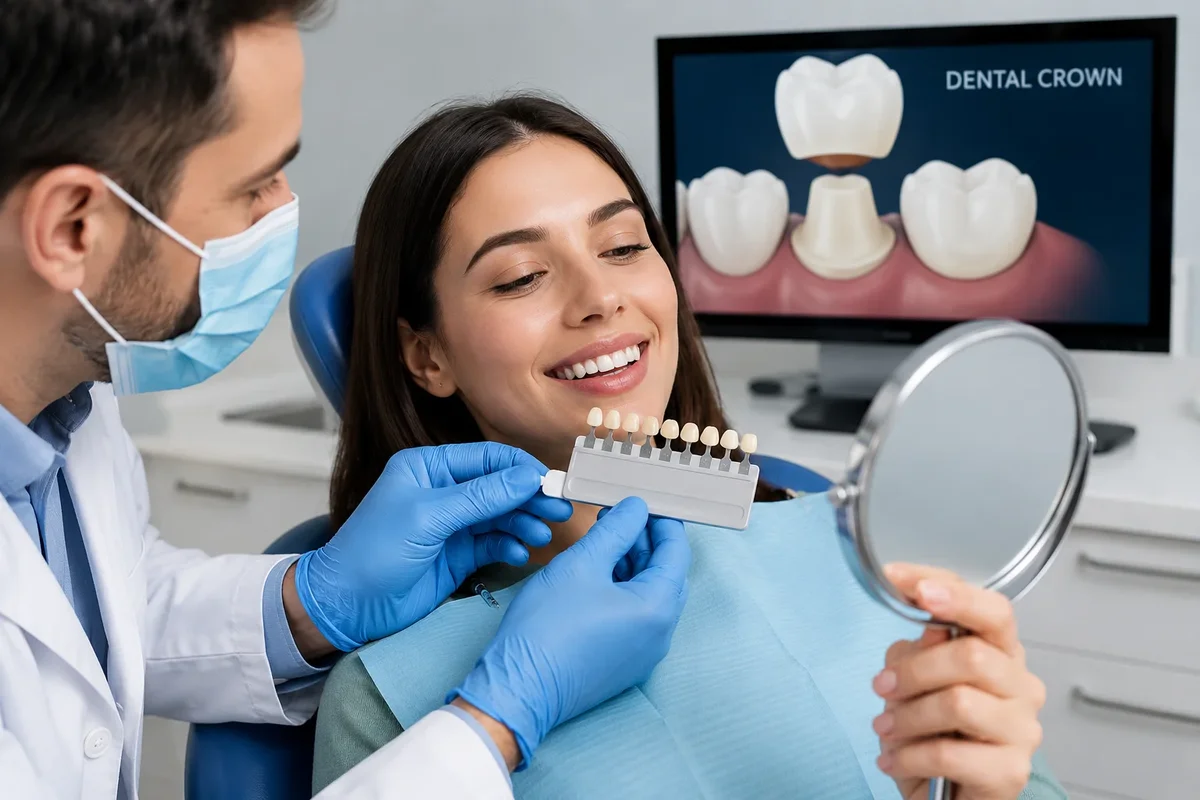
Frequently Asked Questions About Dentist for Crowns
Patients considering restorative dental treatment often have many questions before visiting a dentist for crowns. Dental crowns are one of the most common and effective solutions for restoring damaged teeth, improving smile aesthetics, and protecting weakened tooth structures. However, many people are unsure about the procedure, recovery process, costs, durability, and overall experience. Understanding the answers to common questions can help patients feel more comfortable and prepared before treatment begins. 🦷
What Is a Dental Crown?
A dental crown is a custom-made restoration that completely covers the visible part of a damaged or weakened tooth. A professional dentist for crowns uses crowns to restore tooth strength, shape, appearance, and functionality.
Crowns are commonly recommended for:
- Broken or cracked teeth
- Severe tooth decay
- Worn enamel
- Teeth after root canal treatment
- Large failing fillings
- Cosmetic smile improvements
Modern crowns are designed to look natural while providing long-term durability.
How Long Does the Crown Procedure Take?
The treatment timeline depends on the type of clinic and technology used by the dentist for crowns. Traditional crown procedures usually require two appointments.
Traditional Crown Timeline
- First visit: Tooth preparation and temporary crown placement
- Second visit: Permanent crown bonding
The laboratory fabrication process often takes one to two weeks.
Same-Day Crowns
Some clinics use CAD/CAM systems that allow the dentist for crowns to create and place the crown during a single appointment. Same-day crowns reduce treatment time and eliminate the need for temporary restorations. ⏱️
Is the Crown Procedure Painful?
Most patients report minimal discomfort during treatment with a dentist for crowns. Local anesthesia is typically used during tooth preparation to ensure comfort.
After the procedure, mild sensitivity or gum soreness may occur for a few days, but this usually improves quickly. A caring dentist for crowns provides aftercare instructions to help patients recover comfortably.
How Long Do Dental Crowns Last?
The lifespan of a crown depends on oral hygiene, crown material, bite pressure, and overall dental care. A properly placed restoration by an experienced dentist for crowns often lasts between 10 and 15 years or longer.
Average Lifespan by Material
- Porcelain crowns: 10–15 years
- Zirconia crowns: 15–20 years or more
- Ceramic crowns: 10–15 years
- Gold crowns: 20 years or longer
Regular dental visits and proper oral hygiene help maximize crown longevity.
What Is the Best Material for Dental Crowns?
The best material depends on the patient’s oral health needs and cosmetic goals. A knowledgeable dentist for crowns explains the advantages and disadvantages of each option.
Popular Crown Materials
- Porcelain: Excellent aesthetics for front teeth
- Zirconia: Exceptional durability and strength
- Ceramic: Natural appearance and metal-free
- PFM Crowns: Balance of strength and aesthetics
- Gold: Extremely durable for molars
A professional dentist for crowns helps patients choose materials based on bite force, appearance, and long-term durability expectations.
Can Dental Crowns Look Natural?
Yes. Modern cosmetic dentistry allows a dentist for crowns to create highly aesthetic restorations that blend naturally with surrounding teeth.
How Natural Results Are Achieved
- Precise color matching
- Customized tooth shaping
- Digital smile design
- High-quality ceramic materials
- Advanced dental laboratory techniques
Today’s crowns often look nearly identical to natural teeth. 😁
Can a Crown Fall Off?
Although uncommon, crowns can occasionally loosen or detach. Reasons may include:
- Weak dental cement
- Tooth decay beneath the crown
- Excessive grinding pressure
- Poor crown fit
- Trauma or accidents
If a crown becomes loose, patients should contact their dentist for crowns immediately for evaluation and repair.
How Much Does Treatment Cost?
The cost of treatment with a dentist for crowns varies depending on material selection, case complexity, and clinic location.
Average Price Ranges
- Porcelain crowns: $800 – $3,000
- Zirconia crowns: $1,000 – $3,500
- Ceramic crowns: $900 – $3,200
- PFM crowns: $800 – $2,500
- Gold crowns: $1,200 – $3,500
Some insurance plans partially cover treatment when crowns are medically necessary.
Do Crowns Require Special Care?
Dental crowns do not require unusual maintenance, but patients should follow excellent oral hygiene habits. A professional dentist for crowns typically recommends:
- Brushing twice daily
- Flossing around the crown
- Avoiding chewing hard objects
- Using a night guard if grinding teeth
- Attending regular dental checkups
Proper care helps crowns remain functional and attractive for many years.
Can Crowns Whiten Like Natural Teeth?
No. Crown materials do not respond to whitening products the same way natural enamel does. Patients considering teeth whitening should discuss treatment timing with the dentist for crowns before crown placement.
Many cosmetic dentists recommend whitening surrounding teeth first so the final crown can be matched to the brighter smile shade.
Who Is a Good Candidate for Crowns?
Most adults with damaged or weakened teeth may benefit from treatment with a dentist for crowns. Good candidates often include patients with:
- Cracked teeth
- Large fillings
- Cosmetic smile concerns
- Severe tooth wear
- Root canal-treated teeth
- Broken dental structures
A detailed examination helps determine whether crowns are the best solution.
What Happens if a Crown Is Delayed?
Delaying treatment may allow damage to worsen. Weak teeth can crack further, develop infections, or become impossible to restore. A qualified dentist for crowns often recommends early intervention to preserve natural tooth structure and avoid more invasive procedures.
How Important Is Choosing the Right Dentist?
The success of crown treatment depends heavily on the skill and experience of the dentist for crowns. Proper tooth preparation, accurate impressions, bite adjustments, and high-quality materials all affect the final outcome.
Patients should look for:
- Positive patient reviews
- Modern technology
- Experience with restorative dentistry
- Transparent communication
- Before-and-after treatment examples
If you are considering restorative dental treatment, you can learn more about consultation services through the Redent Klinik Contact Page. Additional educational resources about oral health and restorative dentistry are also available through the American Dental Association.
Ultimately, visiting a qualified dentist for crowns can restore damaged teeth, improve smile confidence, and protect long-term oral health. By understanding the most frequently asked questions about crowns, patients can make more informed decisions and feel better prepared for successful restorative treatment. 🌟