
🦷 Being a dental hygienist is one of the most rewarding and respected careers in modern healthcare. Dental hygienists play a critical role in helping patients maintain healthy teeth and gums while also educating them about long-term oral hygiene habits. For many people considering a healthcare career, being a dental hygienist offers the perfect balance of patient interaction, professional growth, stable income, and flexible work opportunities.
In today’s fast-growing dental industry, being a dental hygienist means much more than simply cleaning teeth. Dental hygienists work closely with dentists to prevent oral diseases, detect early signs of dental problems, and improve overall patient wellness. Since oral health is directly connected to general health, professionals involved in being a dental hygienist contribute significantly to preventing conditions such as gum disease, infections, diabetes complications, and cardiovascular issues.
Many students are attracted to being a dental hygienist because the profession combines science, communication, and hands-on clinical work. Unlike some medical careers that require many years of education, becoming a dental hygienist usually takes less time while still providing strong career opportunities. This makes being a dental hygienist appealing to individuals seeking a faster path into the healthcare field.
What Is a Dental Hygienist?
A dental hygienist is a licensed oral healthcare professional who specializes in preventive dental care. The responsibilities involved in being a dental hygienist include cleaning teeth, removing plaque and tartar, taking dental X-rays, examining patients for signs of oral disease, applying fluoride treatments, and educating patients about proper dental care routines.
Professionals involved in being a dental hygienist often work in dental clinics, orthodontic offices, periodontal practices, hospitals, and community health centers. Some experienced hygienists even work in education, research, or public health programs.
Daily tasks related to being a dental hygienist may include:
- Performing professional teeth cleanings ✨
- Monitoring gum health
- Taking digital dental radiographs
- Teaching proper brushing and flossing techniques
- Documenting patient records
- Assisting dentists during procedures
- Educating patients about preventive oral care
Because of these responsibilities, being a dental hygienist requires both technical knowledge and excellent interpersonal communication skills.
Why Many People Choose Being a Dental Hygienist
One major reason people are interested in being a dental hygienist is job stability. The dental field continues to grow as more individuals prioritize preventive oral healthcare. According to industry reports and professional organizations such as the American Dental Association, preventive dentistry has become increasingly important worldwide.
Another advantage of being a dental hygienist is work-life balance. Many dental hygienists have flexible schedules and may work part-time or full-time depending on their personal preferences. This flexibility attracts parents, students, and individuals seeking a balanced professional lifestyle.
Financial stability is another important factor. Salaries for professionals involved in being a dental hygienist vary depending on experience, education, and location. In the United States, average annual salaries commonly range between:
Estimated Dental Hygienist Salaries:
- Entry-level: $55,000–$70,000 per year
- Mid-level experience: $70,000–$90,000 per year
- Highly experienced professionals: $90,000–$110,000+ per year
These numbers demonstrate why being a dental hygienist is considered both financially and professionally rewarding.
Skills Needed for Being a Dental Hygienist
Success in being a dental hygienist depends on several important skills. Since hygienists work directly with patients every day, communication skills are extremely valuable. Many patients experience dental anxiety, so professionals involved in being a dental hygienist must help patients feel calm and comfortable.
Important skills include:
- Attention to detail 🔍
- Manual dexterity
- Compassion and empathy
- Critical thinking
- Organization skills
- Strong understanding of oral anatomy
- Professional communication
Additionally, being a dental hygienist requires physical stamina because hygienists often spend long hours working in clinical environments while maintaining proper posture.
The Educational Path
The educational journey for being a dental hygienist usually begins with completing an accredited dental hygiene program. Most programs offer associate degrees, although bachelor’s and master’s degree options are also available.
Students studying for being a dental hygienist typically learn subjects such as:
- Dental anatomy
- Periodontology
- Radiography
- Patient care techniques
- Infection control
- Pharmacology
- Nutrition and oral health
After graduation, licensing examinations are required before officially entering the profession. Licensing standards vary depending on the country or state.
The Future of Being a Dental Hygienist
The future outlook for being a dental hygienist remains highly positive. Advances in digital dentistry, preventive care, and patient education continue creating new opportunities for skilled dental professionals. Many dental clinics now use advanced imaging technology, laser treatments, and digital record systems, making being a dental hygienist increasingly technology-focused.
As oral healthcare awareness grows worldwide, the demand for preventive services also increases. This means individuals interested in being a dental hygienist can expect strong long-term career prospects.
Patients today also value education and personalized care more than ever before. Therefore, professionals involved in being a dental hygienist are becoming essential healthcare educators within modern dental practices.
If you are considering dental treatment, oral care advice, or professional consultation, you can also visit the Redent Klinik Contact Page for additional information and support.
🌟 Ultimately, being a dental hygienist offers a meaningful opportunity to improve people’s health, build patient confidence, and create healthier smiles every single day. The profession combines science, compassion, communication, and healthcare expertise into one highly respected career path that continues to grow worldwide.
What Does Being a Dental Hygienist Really Mean?
🦷 For many people exploring careers in healthcare, being a dental hygienist represents a meaningful opportunity to help others while building a stable and rewarding professional future. However, many individuals do not fully understand what being a dental hygienist actually involves on a daily basis. This profession goes far beyond cleaning teeth. Dental hygienists are preventive oral healthcare specialists who work closely with dentists and patients to maintain healthy smiles and improve overall wellness.
At its core, being a dental hygienist means focusing on prevention, education, and patient care. Dental hygienists are often the first professionals patients interact with during a dental appointment. They evaluate oral health conditions, perform professional cleanings, identify early warning signs of dental problems, and educate patients about proper oral hygiene techniques.
The Core Responsibilities of Being a Dental Hygienist
The responsibilities involved in being a dental hygienist require a combination of clinical knowledge, technical precision, and communication skills. Every day can be different depending on the clinic, patient needs, and treatment plans.
Common duties associated with being a dental hygienist include:
- Performing dental cleanings ✨
- Removing plaque and tartar buildup
- Taking dental X-rays
- Examining gums for signs of disease
- Educating patients about oral hygiene
- Applying fluoride treatments
- Recording patient health histories
- Assisting with preventive dental care plans
Because preventive dentistry is becoming increasingly important, being a dental hygienist now involves a larger educational role than ever before. Patients frequently ask questions about gum disease, whitening, braces, implants, and long-term oral health maintenance.
Why Preventive Care Is Important
One of the most valuable aspects of being a dental hygienist is helping patients avoid serious oral health problems before they become severe. Preventive care reduces the risk of cavities, gum disease, tooth loss, and infections.
Dental hygienists also educate patients about the connection between oral health and overall body health. Studies continue to show links between poor oral hygiene and conditions such as:
- Heart disease ❤️
- Diabetes complications
- Respiratory infections
- Pregnancy complications
- Chronic inflammation
For this reason, being a dental hygienist plays a major role in protecting both oral and general health. Hygienists often encourage patients to improve brushing techniques, floss regularly, and schedule routine dental visits.
A Closer Look at Daily Clinical Work
Daily life related to being a dental hygienist is both active and patient-focused. A typical day may involve seeing multiple patients with different oral health concerns. Some patients require routine maintenance cleanings, while others may need deep periodontal therapy or extensive preventive education.
Patient Communication
Strong communication skills are essential for success in being a dental hygienist. Many patients feel nervous during dental visits, so hygienists must create a calm and supportive environment.
Professionals involved in being a dental hygienist frequently explain:
- Proper brushing methods
- Flossing techniques
- Gum disease prevention
- Post-treatment care instructions
- Dietary habits that affect oral health
This educational component makes being a dental hygienist highly interactive and rewarding.
Technical Precision
Another important part of being a dental hygienist involves technical accuracy. Dental hygienists use specialized tools to remove tartar and plaque while carefully protecting sensitive oral tissues.
Modern dental practices also rely on advanced technology, including:
- Digital radiography
- Ultrasonic cleaning devices
- Intraoral cameras 📷
- Laser-assisted periodontal treatments
- Electronic patient records
As technology evolves, being a dental hygienist continues becoming more advanced and specialized.
The Human Side of Being a Dental Hygienist
Although technical skills are critical, the emotional side of being a dental hygienist is equally important. Many patients arrive with anxiety, fear, or embarrassment regarding their oral health condition. Dental hygienists often provide reassurance and emotional support throughout the appointment.
Some patients may have avoided dental visits for years due to fear or financial concerns. In these situations, professionals experienced in being a dental hygienist help patients regain confidence and rebuild healthy oral care habits without judgment.
This compassionate approach is one reason why being a dental hygienist is viewed as a deeply fulfilling healthcare career.
Career Environments for Dental Hygienists
Many people assume being a dental hygienist only involves working in private dental clinics, but career opportunities are actually much broader.
Dental hygienists may work in:
- General dental practices
- Orthodontic clinics
- Pediatric dental offices
- Periodontal specialty centers
- Hospitals 🏥
- Universities and teaching institutions
- Public health organizations
- Research facilities
These varied career paths make being a dental hygienist highly flexible and adaptable to different interests and lifestyles.
Salary and Financial Stability
Financial security is another reason many people pursue being a dental hygienist. Salaries vary depending on experience, location, certifications, and workplace type.
Estimated Annual Earnings for Dental Hygienists:
- New graduates: $55,000–$70,000
- Experienced professionals: $75,000–$95,000
- Specialized or highly experienced hygienists: $100,000+
Because demand for preventive oral healthcare continues growing, being a dental hygienist remains one of the more stable professions within healthcare.
The Future Outlook of the Profession
The future of being a dental hygienist looks highly promising due to increasing awareness about oral health and preventive care. Modern dentistry now focuses heavily on early detection and patient education, making hygienists essential members of every dental team.
Organizations such as the American Dental Association continue promoting preventive dentistry and public oral health awareness. This ongoing industry growth creates long-term opportunities for professionals interested in being a dental hygienist.
Additionally, more patients today seek cosmetic and preventive treatments, including whitening, gum therapy, orthodontic care, and implant maintenance. These trends continue expanding the responsibilities connected to being a dental hygienist.
If you would like professional guidance regarding dental care or preventive oral treatments, you can visit the Redent Klinik Contact Page for additional information.
🌟 Ultimately, being a dental hygienist means helping people achieve healthier smiles, improving patient confidence, and supporting long-term wellness through preventive oral healthcare. It is a profession that combines science, patient communication, compassion, and modern healthcare technology into one highly respected career path.
A Day in the Life of Being a Dental Hygienist
🦷 Understanding the daily reality of being a dental hygienist helps many students and healthcare professionals decide whether this career path matches their interests and goals. While many people assume the profession only involves cleaning teeth, the truth is that being a dental hygienist requires communication, technical expertise, patient education, clinical precision, and emotional intelligence every single day.
The routine associated with being a dental hygienist can vary depending on the type of dental office, the number of patients scheduled, and the treatments being performed. Some dental hygienists work in general dentistry practices, while others specialize in pediatric dentistry, orthodontics, periodontics, or cosmetic dentistry.
No matter the workplace setting, being a dental hygienist involves helping patients maintain healthy smiles and preventing oral health problems before they become serious.
Starting the Day in a Dental Clinic
A typical morning related to being a dental hygienist usually begins before patients arrive. Dental hygienists prepare treatment rooms, sterilize instruments, review patient charts, and organize the day’s schedule.
Preparation is extremely important because being a dental hygienist requires strict infection control standards and efficient time management. Every dental tool must be properly disinfected and safely organized before appointments begin.
Reviewing Patient Histories
Before seeing each patient, professionals involved in being a dental hygienist carefully review medical histories and previous dental records. This step is essential because oral health is closely connected to overall health.
Dental hygienists may check for:
- Changes in medications 💊
- Diabetes or heart conditions
- Pregnancy status
- Allergies
- Previous gum disease treatments
- Smoking or tobacco use
These details help professionals involved in being a dental hygienist provide safer and more personalized patient care.
Patient Appointments Throughout the Day
The majority of the work involved in being a dental hygienist revolves around patient appointments. During a busy workday, a dental hygienist may treat multiple patients with different oral health needs.
Some patients visit for regular six-month cleanings, while others require more advanced periodontal therapy. This variety keeps being a dental hygienist interesting and dynamic.
Professional Teeth Cleaning
One of the most recognized aspects of being a dental hygienist is performing professional dental cleanings. During this process, hygienists remove plaque, tartar, and stains from teeth using specialized dental instruments.
Professional cleanings help prevent:
- Cavities
- Gingivitis
- Periodontal disease
- Bad breath
- Tooth loss
Because preventive care is central to being a dental hygienist, these appointments are extremely valuable for long-term oral health.
Taking Dental X-Rays
Another important task associated with being a dental hygienist is taking digital dental X-rays. Radiographs help dentists identify problems that may not be visible during a regular examination.
X-rays can reveal:
- Bone loss
- Tooth decay
- Impacted teeth
- Infections
- Jaw abnormalities
Technology has significantly improved modern dentistry, and being a dental hygienist now often includes working with advanced imaging systems and digital records.
Patient Education and Communication
Education is one of the most important responsibilities involved in being a dental hygienist. Many patients do not fully understand how daily habits affect oral health. Dental hygienists spend a large portion of their day teaching patients proper oral hygiene techniques.
Professionals involved in being a dental hygienist commonly explain:
- Correct brushing methods 🪥
- How to floss properly
- The importance of regular cleanings
- How diet impacts oral health
- Ways to reduce plaque buildup
- Gum disease prevention strategies
This educational role makes being a dental hygienist highly interactive and personally rewarding.
Handling Dental Anxiety
Many patients experience fear or anxiety during dental visits. An important part of being a dental hygienist involves helping nervous patients feel calm and comfortable.
Some individuals may have avoided dental care for years due to previous bad experiences or embarrassment about their oral health. Dental hygienists often provide emotional support and reassurance during treatment.
Compassion and patience are essential qualities for success in being a dental hygienist. Creating a welcoming environment can dramatically improve a patient’s confidence and willingness to continue dental care.
Physical and Mental Demands
Although rewarding, being a dental hygienist can also be physically demanding. Dental hygienists spend long hours sitting or standing while maintaining careful posture during treatments.
Physical Challenges
Common physical demands connected to being a dental hygienist include:
- Neck and back strain
- Hand and wrist fatigue
- Repetitive hand movements
- Maintaining ergonomic positioning
Many dental hygienists use ergonomic chairs, stretching routines, and proper positioning techniques to reduce discomfort.
Mental Focus
Attention to detail is another critical aspect of being a dental hygienist. Hygienists must remain focused throughout procedures to ensure patient safety and treatment quality.
Even small errors can affect patient comfort or treatment outcomes, which is why being a dental hygienist requires concentration and precision.
Work Schedules and Flexibility
One major advantage of being a dental hygienist is flexibility. Many clinics offer part-time, full-time, or flexible scheduling options. Some hygienists work only a few days per week, while others maintain full clinical schedules.
This flexibility makes being a dental hygienist attractive for parents, students, and individuals seeking work-life balance.
Common Work Schedule Options:
- Part-time clinical work
- Full-time office schedules
- Weekend appointments
- Temporary or traveling hygienist positions
- Public health and educational roles
Career Satisfaction and Patient Impact
One reason many professionals enjoy being a dental hygienist is the direct impact they have on patients’ lives. Helping someone improve their oral health often increases their confidence, comfort, and overall well-being.
Patients frequently return to the same hygienist for years because they trust the guidance and care they receive. These long-term relationships make being a dental hygienist emotionally fulfilling for many healthcare professionals.
Organizations like the American Dental Association continue emphasizing preventive dentistry and patient education, further strengthening the importance of being a dental hygienist within modern healthcare.
If you would like more information about professional dental services, preventive oral care, or consultation options, you can visit the Redent Klinik Contact Page.
🌟 Ultimately, a typical day related to being a dental hygienist combines clinical care, patient communication, preventive treatment, technology, and compassion. Every appointment provides an opportunity to improve oral health, educate patients, and create healthier smiles for the future.
Essential Skills Needed for Being a Dental Hygienist
🦷 Success in being a dental hygienist depends on much more than technical dental knowledge. While clinical skills are certainly important, professionals involved in being a dental hygienist also need strong communication abilities, emotional intelligence, physical stamina, organization skills, and attention to detail. The profession requires a unique balance between healthcare expertise and patient-centered care.
Many people considering being a dental hygienist focus primarily on salary or job stability, but understanding the essential skills required for long-term success is equally important. Dental hygienists work directly with patients every day, meaning they must combine professionalism with compassion and technical precision.
Because preventive dentistry continues growing worldwide, the expectations surrounding being a dental hygienist are also expanding. Modern dental hygienists now play an important role in education, technology, preventive healthcare, and patient wellness.
Communication Skills in Being a Dental Hygienist
One of the most important abilities related to being a dental hygienist is communication. Dental hygienists spend a large portion of their day speaking directly with patients about oral health concerns, treatment recommendations, and preventive care techniques.
Clear communication is critical because patients often feel nervous or confused during dental visits. Professionals involved in being a dental hygienist must explain procedures in a calm, understandable, and supportive way.
Patient Education
A major responsibility connected to being a dental hygienist is educating patients about proper oral hygiene practices. Hygienists frequently teach:
- Correct brushing techniques 🪥
- How to floss effectively
- The importance of regular dental visits
- Dietary habits that affect oral health
- How smoking impacts gum health
- Ways to prevent cavities and gum disease
Strong educational skills make being a dental hygienist more impactful because patients are more likely to improve their oral health when instructions are explained clearly.
Building Patient Trust
Trust is essential in dentistry. Many patients experience fear or anxiety during appointments, so professionals involved in being a dental hygienist must create a welcoming and reassuring environment.
Good communication helps patients feel:
- Comfortable
- Respected
- Safe
- Confident in treatment recommendations
Over time, strong patient relationships become one of the most rewarding parts of being a dental hygienist.
Technical Skills and Clinical Precision
Clinical expertise is another essential component of being a dental hygienist. Dental hygienists perform delicate procedures that require steady hands, accuracy, and close attention to detail.
Important technical responsibilities include:
- Removing plaque and tartar
- Taking dental X-rays 📷
- Applying fluoride treatments
- Evaluating gum health
- Recording periodontal measurements
- Recognizing signs of oral disease
Because oral tissues are highly sensitive, being a dental hygienist requires careful hand movements and excellent manual dexterity.
Attention to Detail
Small details can make a major difference in patient care. Professionals involved in being a dental hygienist must notice subtle changes in gum color, plaque buildup, tooth wear, and oral abnormalities.
Attention to detail helps hygienists identify:
- Early gum disease
- Signs of oral cancer
- Tooth decay
- Enamel erosion
- Inflammation or infection
Early detection is one reason why being a dental hygienist plays such an important role in preventive healthcare.
Compassion and Empathy
Another crucial quality associated with being a dental hygienist is empathy. Patients often arrive at dental clinics feeling embarrassed, anxious, or fearful about their oral health condition.
Dental hygienists must remain patient, understanding, and nonjudgmental. Compassionate care improves patient trust and encourages individuals to continue receiving necessary dental treatment.
Professionals experienced in being a dental hygienist frequently work with:
- Children 👶
- Elderly patients
- Patients with dental anxiety
- Individuals with special healthcare needs
- People recovering from serious oral health problems
This emotional aspect makes being a dental hygienist deeply rewarding for people who enjoy helping others.
Physical Stamina and Ergonomics
Many people underestimate the physical demands involved in being a dental hygienist. Dental hygienists often spend hours sitting or standing while maintaining precise posture during treatments.
Common Physical Challenges
Professionals involved in being a dental hygienist may experience:
- Neck strain
- Back discomfort
- Hand fatigue
- Shoulder tension
- Repetitive motion stress
Maintaining proper ergonomics is essential for long-term career health. Many clinics now emphasize posture training and ergonomic equipment for professionals involved in being a dental hygienist.
Time Management and Organization
Busy dental clinics require excellent organization skills. A major part of being a dental hygienist involves balancing patient care with scheduling efficiency.
Dental hygienists must:
- Prepare treatment rooms
- Maintain sterilization standards
- Complete patient documentation
- Stay on schedule ⏰
- Coordinate with dentists and assistants
Strong organizational skills help professionals involved in being a dental hygienist maintain smooth daily operations while still providing quality patient care.
Adaptability and Technology Skills
Modern dentistry continues evolving rapidly. Therefore, being a dental hygienist now requires comfort with advanced dental technologies and digital systems.
Today’s dental hygienists often work with:
- Digital imaging software
- Electronic health records
- Laser-assisted treatments
- Ultrasonic cleaning systems
- Intraoral cameras
Technology continues improving preventive dentistry, making being a dental hygienist more advanced than ever before.
Continuous Learning and Professional Growth
Healthcare constantly changes, which means being a dental hygienist requires ongoing education and professional development. Dental hygienists regularly update their knowledge regarding:
- Infection control standards
- Preventive care techniques
- Dental materials
- Patient communication methods
- New oral health research
Organizations such as the American Dental Association provide valuable educational resources that support professionals interested in being a dental hygienist.
Financial and Career Benefits
The wide range of skills required for being a dental hygienist often leads to strong career stability and competitive salaries.
Estimated Salary Ranges:
- Entry-level dental hygienists: $55,000–$70,000
- Experienced professionals: $75,000–$95,000
- Specialized or advanced positions: $100,000+
These earning opportunities make being a dental hygienist attractive for individuals seeking a healthcare profession with long-term financial potential.
If you are interested in preventive dental care or professional oral health services, you can visit the Redent Klinik Contact Page for more information.
🌟 Ultimately, success in being a dental hygienist depends on combining clinical expertise with compassion, communication, organization, and adaptability. These essential skills allow dental hygienists to improve oral health, support patient confidence, and contribute significantly to modern healthcare every single day.
Education and Certifications for Being a Dental Hygienist
🎓 One of the most important steps toward being a dental hygienist is completing the proper education and certification requirements. While many healthcare careers require years of advanced medical school training, being a dental hygienist offers a more accessible educational pathway while still providing strong career opportunities, financial stability, and professional respect.
Understanding the educational process involved in being a dental hygienist is essential for students who are considering this rewarding healthcare profession. Dental hygienists must develop strong scientific knowledge, technical abilities, patient communication skills, and clinical experience before entering the workforce.
Because dental hygienists work directly with patients and perform preventive oral healthcare procedures, formal training and licensing are mandatory in most countries and regions. The educational journey related to being a dental hygienist combines classroom instruction, laboratory practice, and hands-on clinical experience.
Why Education Matters in Being a Dental Hygienist
Education plays a critical role in being a dental hygienist because oral healthcare professionals must understand both dental science and patient safety. Hygienists are responsible for identifying oral health concerns, preventing infections, educating patients, and assisting dentists with treatment planning.
Without proper education, professionals involved in being a dental hygienist would not have the necessary skills to safely perform clinical procedures or recognize early signs of oral disease.
Dental hygiene programs teach students how to:
- Perform professional teeth cleanings 🦷
- Take dental X-rays
- Evaluate gum health
- Prevent cross-contamination
- Educate patients about oral care
- Recognize oral abnormalities
- Use advanced dental technologies
These educational foundations are essential for long-term success in being a dental hygienist.
Educational Pathways for Being a Dental Hygienist
There are several educational routes available for individuals interested in being a dental hygienist. The most common option is completing an accredited dental hygiene program through a college or university.
Associate Degree Programs
The majority of people pursuing being a dental hygienist begin with an associate degree in dental hygiene. These programs typically take about two to three years to complete.
Associate degree programs usually include:
- Classroom lectures
- Clinical laboratory training
- Supervised patient care
- Dental science courses
- General education subjects
This pathway provides the minimum education required for entering many dental hygiene careers.
Bachelor’s Degree Programs
Some individuals interested in being a dental hygienist choose to pursue a bachelor’s degree instead of an associate degree. Bachelor’s programs often provide more advanced education and may create additional career opportunities in:
- Public health
- Teaching and education 📚
- Research
- Healthcare administration
- Corporate dental industries
Advanced education can also help professionals involved in being a dental hygienist qualify for leadership positions later in their careers.
Important Subjects Studied
The educational process related to being a dental hygienist includes a wide range of scientific and clinical subjects. Students must understand oral anatomy, disease prevention, infection control, and patient management.
Common courses include:
- Dental anatomy
- Periodontology
- Radiography
- Oral pathology
- Nutrition and oral health
- Pharmacology
- Patient communication
- Clinical dental hygiene
Because being a dental hygienist combines science with patient care, students must develop both technical expertise and interpersonal skills.
Clinical Training and Hands-On Experience
One of the most important parts of being a dental hygienist education is clinical training. Students work with real patients under the supervision of licensed instructors and dental professionals.
Clinical experience helps students learn how to:
- Perform cleanings safely
- Manage patient anxiety
- Use dental instruments correctly
- Apply infection control procedures
- Document patient records accurately
This hands-on training is essential because being a dental hygienist requires confidence, precision, and practical experience before entering professional practice.
Licensing Requirements
After completing formal education, individuals pursuing being a dental hygienist must obtain professional licensure. Licensing requirements vary depending on the country or state, but most regions require candidates to pass written and clinical examinations.
Written Examinations
Written exams test the scientific and theoretical knowledge required for being a dental hygienist. Topics commonly include:
- Oral anatomy
- Infection control
- Dental ethics
- Periodontal disease
- Patient safety
Clinical Examinations
Clinical exams evaluate practical abilities related to being a dental hygienist. Candidates may be required to demonstrate cleaning techniques, patient evaluation skills, and infection control procedures.
Passing these exams confirms that professionals involved in being a dental hygienist can safely provide patient care.
Continuing Education and Professional Development
Learning does not end after graduation. Modern dentistry changes rapidly, which means being a dental hygienist requires ongoing professional education.
Dental hygienists regularly complete continuing education courses related to:
- Advanced preventive care
- New dental technologies
- Patient communication techniques
- Updated infection control standards
- Cosmetic dental procedures ✨
Organizations such as the American Dental Association offer valuable educational resources and professional guidance for individuals interested in being a dental hygienist.
The Cost of Education
The cost of preparing for being a dental hygienist depends on the school, program length, and country. Tuition fees can vary significantly between community colleges, universities, and private institutions.
Estimated Educational Costs:
- Community college programs: $5,000–$20,000
- University bachelor’s programs: $20,000–$60,000+
- Books, instruments, uniforms, and clinical supplies: additional costs may apply
Although educational expenses can be significant, many people view being a dental hygienist as a worthwhile investment because of strong salary potential and career stability.
Career Opportunities After Graduation
After completing education and licensing, professionals involved in being a dental hygienist can pursue opportunities in many healthcare environments.
Common workplaces include:
- General dental clinics
- Orthodontic offices
- Pediatric dental practices
- Hospitals 🏥
- Public health organizations
- Dental schools
- Research institutions
The flexibility and variety available in being a dental hygienist make the profession attractive for many healthcare professionals.
If you would like information about preventive oral care or professional dental services, you can visit the Redent Klinik Contact Page.
🌟 Ultimately, the educational journey involved in being a dental hygienist prepares professionals to provide safe, effective, and compassionate patient care. Through formal education, clinical training, licensing, and continuous learning, dental hygienists develop the expertise necessary to improve oral health and support healthier communities.
The Benefits and Challenges of Being a Dental Hygienist
🦷 Like every healthcare profession, being a dental hygienist comes with both rewarding advantages and real-world challenges. Many people are attracted to this career because of the strong salary potential, flexible schedules, and meaningful patient interactions. However, being a dental hygienist also requires physical stamina, emotional resilience, continuous learning, and the ability to work efficiently in a fast-paced clinical environment.
Understanding both the positive and demanding sides of being a dental hygienist is important for anyone considering this career path. While the profession offers excellent long-term opportunities, success depends on preparation, dedication, and a genuine passion for helping others improve their oral health.
The Main Benefits of Being a Dental Hygienist
There are many reasons why healthcare professionals choose being a dental hygienist as a long-term career. The profession provides a unique combination of healthcare involvement, financial stability, work-life balance, and patient-centered care.
Strong Career Stability
One major advantage of being a dental hygienist is job security. Preventive dental care continues becoming more important worldwide, increasing the demand for qualified dental hygienists.
As awareness about oral health grows, more patients are scheduling routine cleanings and preventive treatments. This ongoing demand means professionals involved in being a dental hygienist often enjoy stable employment opportunities.
Dental hygienists may work in:
- General dental clinics
- Orthodontic offices
- Periodontal specialty centers
- Pediatric dental practices 👶
- Hospitals
- Public health programs
- Educational institutions
The variety of career environments available makes being a dental hygienist highly flexible.
Competitive Salary Potential
Another attractive aspect of being a dental hygienist is earning potential. Compared to many careers requiring similar educational timelines, dental hygiene often offers strong income opportunities.
Estimated Salary Ranges:
- Entry-level dental hygienists: $55,000–$70,000 annually
- Experienced professionals: $75,000–$95,000 annually
- Specialized or advanced positions: $100,000+ annually
Because of these financial benefits, being a dental hygienist is often viewed as a stable and rewarding healthcare profession.
Flexible Work Schedules
Flexibility is another major reason why many individuals choose being a dental hygienist. Dental hygienists frequently have access to part-time, full-time, or customized schedules.
Some professionals involved in being a dental hygienist work:
- Three or four days per week
- Part-time schedules
- Temporary clinic assignments
- Weekend appointments
- Traveling hygienist positions ✈️
This flexibility allows many people to maintain a healthier work-life balance while still enjoying a stable healthcare career.
Emotional Rewards of Being a Dental Hygienist
One of the most fulfilling parts of being a dental hygienist is helping patients improve their health and confidence. Oral health problems can negatively affect self-esteem, comfort, and overall wellness.
Dental hygienists frequently help patients:
- Reduce gum disease
- Improve oral hygiene habits
- Prevent tooth loss
- Gain confidence in their smile 😁
- Overcome dental anxiety
Many patients develop long-term trust with their hygienists, making being a dental hygienist emotionally rewarding and personally meaningful.
Making a Difference in Preventive Healthcare
Preventive care is central to being a dental hygienist. By identifying oral health problems early, hygienists help patients avoid serious complications later.
Preventive treatments may reduce the risk of:
- Periodontal disease
- Severe tooth decay
- Dental infections
- Oral surgery needs
- Long-term oral health complications
This healthcare contribution gives professionals involved in being a dental hygienist a strong sense of purpose.
The Physical Challenges of Being a Dental Hygienist
Although rewarding, being a dental hygienist can also be physically demanding. Dental hygienists often work in fixed positions for long periods while performing repetitive hand movements.
Common Physical Strain
Professionals involved in being a dental hygienist may experience:
- Neck pain
- Back discomfort
- Shoulder tension
- Hand and wrist fatigue
- Eye strain 👀
Maintaining proper ergonomics is extremely important for long-term success in being a dental hygienist. Many hygienists use ergonomic seating, stretching routines, and posture training to minimize physical stress.
Mental and Emotional Challenges
Another challenge connected to being a dental hygienist involves managing stress and patient emotions. Dental clinics can be busy environments with tight schedules and anxious patients.
Managing Patient Anxiety
Many patients fear dental procedures. Professionals involved in being a dental hygienist must remain calm, compassionate, and patient even when individuals are nervous or emotional.
This emotional responsibility can sometimes become mentally exhausting, especially during busy workdays.
Time Pressure and Productivity
Dental clinics often schedule appointments closely together, which means being a dental hygienist requires strong time management skills.
Dental hygienists must balance:
- Patient care quality
- Accurate documentation
- Clinic schedules ⏰
- Infection control procedures
- Communication with dentists and staff
Handling these responsibilities efficiently is one of the more demanding aspects of being a dental hygienist.
The Importance of Continuing Education
Modern dentistry evolves rapidly, so being a dental hygienist requires continuous professional development. Hygienists regularly update their knowledge regarding:
- New preventive treatments
- Dental technologies
- Infection control guidelines
- Digital imaging systems
- Patient education strategies
Organizations such as the American Dental Association provide educational resources that support professionals involved in being a dental hygienist.
Balancing the Pros and Cons
For many healthcare professionals, the advantages of being a dental hygienist strongly outweigh the challenges. The career offers:
- Strong salary potential
- Professional respect
- Work flexibility
- Meaningful patient relationships
- Long-term career demand
- Opportunities for growth 📈
At the same time, individuals considering being a dental hygienist should realistically prepare for physical demands, busy schedules, and ongoing education requirements.
Long-Term Career Satisfaction
Despite the challenges, many professionals remain highly satisfied with being a dental hygienist because the profession allows them to directly improve patients’ health and quality of life.
Helping someone restore healthy gums, improve oral hygiene habits, or feel confident smiling again creates strong personal fulfillment.
If you would like professional preventive dental care or additional oral health guidance, you can visit the Redent Klinik Contact Page.
🌟 Ultimately, being a dental hygienist offers a powerful combination of career stability, patient impact, flexibility, and healthcare involvement. Although the profession includes physical and emotional challenges, many hygienists find the opportunity to improve lives and support healthier smiles deeply rewarding over the long term.
How Being a Dental Hygienist Impacts Patient Health
🦷 One of the most meaningful aspects of being a dental hygienist is the direct impact professionals have on patient health and overall well-being. Many people mistakenly believe dental hygienists only clean teeth, but the reality is that being a dental hygienist involves preventive healthcare, patient education, disease detection, and long-term oral health management.
Dental hygienists play a critical role in helping patients maintain healthy gums, strong teeth, and improved confidence. Because oral health is closely connected to overall physical health, the work involved in being a dental hygienist can also influence broader medical conditions such as heart disease, diabetes, and respiratory infections.
Modern dentistry increasingly focuses on prevention rather than simply treating dental problems after they become severe. This shift has made being a dental hygienist more important than ever within the healthcare system.
The Connection Between Oral Health and Overall Health
One reason being a dental hygienist is so valuable is because oral health affects the entire body. Poor oral hygiene can contribute to inflammation, bacterial infections, and systemic health complications.
Dental hygienists often educate patients about the connection between oral health and conditions such as:
- Heart disease ❤️
- Diabetes complications
- Respiratory infections
- Stroke risk
- Pregnancy complications
- Immune system disorders
By helping patients improve oral hygiene habits, professionals involved in being a dental hygienist contribute to both dental wellness and overall physical health.
Preventing Gum Disease
One of the primary responsibilities connected to being a dental hygienist is preventing and managing gum disease. Gum disease, also known as periodontal disease, is one of the most common oral health conditions worldwide.
If left untreated, gum disease can lead to:
- Bleeding gums
- Bone loss
- Tooth mobility
- Chronic infections
- Tooth loss 😟
Professionals involved in being a dental hygienist carefully monitor gum health during routine appointments. They measure gum pockets, remove plaque and tartar buildup, and educate patients about proper oral hygiene techniques.
Early Detection Saves Patients
Early diagnosis is one of the most powerful tools associated with being a dental hygienist. Many oral diseases begin silently without obvious pain or discomfort.
Dental hygienists may notice:
- Swollen gums
- Bone loss visible on X-rays
- Changes in oral tissues
- Signs of infection
- Suspicious oral lesions
Detecting these problems early allows patients to receive treatment before conditions become severe.
Improving Patient Education
Patient education is another major way being a dental hygienist positively impacts health outcomes. Many people do not realize how daily habits affect their teeth and gums.
Dental hygienists spend time teaching patients:
- Correct brushing techniques 🪥
- Proper flossing habits
- How diet influences oral health
- Why routine dental visits matter
- Ways to reduce plaque buildup
- How smoking damages oral tissues
This educational role makes being a dental hygienist extremely valuable in preventive healthcare.
Encouraging Better Daily Habits
Many patients improve their oral hygiene routines after speaking with a dental hygienist. Professionals involved in being a dental hygienist often motivate individuals to make healthier choices that protect both oral and overall health.
Simple changes such as brushing more effectively or reducing sugar intake can significantly improve long-term dental outcomes.
Helping Patients Overcome Dental Anxiety
Fear of dental treatment prevents many people from seeking proper care. An important emotional aspect of being a dental hygienist involves helping patients feel comfortable and supported during appointments.
Dental hygienists often spend more one-on-one time with patients than dentists do. This allows professionals involved in being a dental hygienist to build trust and reduce patient anxiety.
Compassionate communication can help patients:
- Feel more relaxed 😌
- Attend appointments regularly
- Follow treatment recommendations
- Improve long-term oral hygiene habits
This emotional support has a major influence on patient health and treatment success.
Supporting Children and Families
Another important role connected to being a dental hygienist involves educating children and families about preventive oral care.
Teaching Children Healthy Habits
Professionals involved in being a dental hygienist often teach children how to properly brush and floss at an early age. Developing good oral hygiene habits during childhood can reduce the risk of cavities and gum disease later in life.
Dental hygienists may also provide guidance regarding:
- Healthy nutrition 🍎
- Fluoride use
- Orthodontic care
- Thumb-sucking habits
- Cavity prevention
By educating families early, being a dental hygienist helps support healthier generations.
The Role of Technology in Patient Care
Modern technology has significantly improved the healthcare impact of being a dental hygienist. Today’s dental hygienists use advanced tools and digital systems that improve diagnosis, treatment accuracy, and patient communication.
Common technologies include:
- Digital X-rays
- Intraoral cameras 📷
- Ultrasonic cleaning devices
- Laser periodontal therapy
- Electronic patient records
These technologies help professionals involved in being a dental hygienist deliver safer, faster, and more effective care.
Long-Term Patient Relationships
One unique aspect of being a dental hygienist is the opportunity to build long-term relationships with patients. Many patients visit the same hygienist for years, creating trust and continuity of care.
These ongoing relationships allow dental hygienists to:
- Monitor oral health changes over time
- Track gum disease progression
- Encourage preventive habits
- Identify early warning signs
- Provide personalized oral care recommendations
This continuity makes being a dental hygienist highly effective in preventive healthcare.
The Public Health Importance of Dental Hygienists
Beyond individual clinics, being a dental hygienist also contributes to public health. Dental hygienists often participate in:
- Community oral health programs
- School dental screenings
- Public education campaigns
- Preventive healthcare initiatives
Organizations such as the American Dental Association continue supporting preventive dentistry and oral health education, highlighting the growing importance of being a dental hygienist within healthcare systems worldwide.
If you are interested in professional preventive dental care or oral health consultation, you can visit the Redent Klinik Contact Page.
🌟 Ultimately, being a dental hygienist has a powerful impact on patient health by preventing disease, improving oral hygiene habits, supporting emotional comfort, and promoting long-term wellness. Through preventive care, patient education, and compassionate communication, dental hygienists help create healthier smiles and healthier lives every single day.
Career Growth Opportunities in Being a Dental Hygienist
📈 One of the biggest advantages of being a dental hygienist is the wide variety of long-term career growth opportunities available within the dental and healthcare industries. Many people initially choose being a dental hygienist because of stable salaries and flexible schedules, but over time they discover the profession also offers leadership roles, specialization options, teaching opportunities, and advanced healthcare careers.
The dental industry continues evolving rapidly due to new technologies, preventive healthcare trends, and increasing patient awareness. Because of these changes, professionals involved in being a dental hygienist now have more career paths than ever before.
Whether someone wants to remain in clinical practice or move into education, research, management, or public health, being a dental hygienist can create numerous opportunities for long-term professional development.
Advancing Clinical Skills
For many professionals, career growth in being a dental hygienist begins by improving clinical expertise and gaining additional certifications. As hygienists gain experience, they often become more skilled in advanced preventive treatments and specialized patient care.
Experienced professionals involved in being a dental hygienist may focus on:
- Periodontal therapy
- Laser-assisted treatments ✨
- Orthodontic hygiene care
- Pediatric preventive dentistry
- Implant maintenance
- Whitening procedures
Developing specialized clinical knowledge allows professionals involved in being a dental hygienist to expand their responsibilities and improve patient outcomes.
Continuing Education and Certifications
Continuing education plays a major role in career advancement related to being a dental hygienist. Many hygienists complete advanced certification courses to stay current with modern dental technologies and treatment methods.
Popular continuing education topics include:
- Advanced periodontal care
- Digital imaging systems
- Pain management techniques
- Oral cancer screening
- Infection control updates
- Patient communication strategies
Because dentistry changes rapidly, lifelong learning is an essential part of being a dental hygienist.
Leadership Opportunities
As professionals gain experience, being a dental hygienist can lead to leadership and supervisory positions within dental clinics and healthcare organizations.
Clinical Management Roles
Experienced dental hygienists may eventually become:
- Lead hygienists
- Clinical supervisors
- Office managers 🏥
- Dental operations coordinators
- Patient care directors
These leadership roles allow professionals involved in being a dental hygienist to guide clinic operations, mentor new staff, and improve patient care systems.
Mentoring New Professionals
Another rewarding aspect of career growth in being a dental hygienist involves mentoring students and newly licensed hygienists.
Experienced hygienists often help others develop:
- Clinical confidence
- Patient communication skills
- Treatment efficiency
- Infection control habits
- Professional ethics
Mentorship helps strengthen the dental profession while also creating additional professional satisfaction for those involved in being a dental hygienist.
Teaching and Academic Careers
Education is another important growth opportunity connected to being a dental hygienist. Many experienced hygienists choose to work in colleges, universities, or training institutions.
Teaching roles may involve:
- Classroom instruction 📚
- Clinical supervision
- Curriculum development
- Student mentoring
- Research projects
Professionals interested in education often pursue bachelor’s or master’s degrees to expand their academic qualifications while continuing their careers related to being a dental hygienist.
Public Health and Community Dentistry
Some professionals choose to use their experience in being a dental hygienist to improve oral health within communities and public healthcare systems.
Community Health Programs
Dental hygienists working in public health may participate in:
- School oral health programs
- Preventive care initiatives
- Community screenings
- Healthcare awareness campaigns
- Government dental programs
This type of work allows professionals involved in being a dental hygienist to positively impact larger populations and improve access to preventive dental care.
Working with Underserved Populations
Public health dental hygienists often work with:
- Children
- Low-income families
- Elderly patients 👴
- Rural communities
- Patients with limited access to dental care
These opportunities make being a dental hygienist especially meaningful for individuals passionate about community healthcare and prevention.
Research and Corporate Opportunities
Career growth in being a dental hygienist is not limited to clinical settings. Some hygienists move into research, product development, or corporate dental industries.
Corporate roles may include:
- Dental product education
- Sales consulting
- Research coordination
- Clinical training
- Professional speaking engagements 🎤
These careers allow professionals involved in being a dental hygienist to combine clinical expertise with business, education, or technology.
Technology and the Future of Dental Hygiene
Technology continues creating new opportunities within being a dental hygienist. Modern dentistry increasingly relies on digital systems and advanced treatment methods.
Dental hygienists now work with:
- Digital radiography
- Laser therapy systems
- Artificial intelligence tools
- Electronic patient records
- Advanced preventive equipment
Professionals who stay updated with new technology often experience stronger career advancement opportunities in being a dental hygienist.
Financial Growth and Salary Potential
Career advancement often increases earning potential related to being a dental hygienist. Additional certifications, experience, and leadership responsibilities may significantly improve salary opportunities.
Estimated Career Salary Progression:
- New dental hygienist: $55,000–$70,000 annually
- Experienced hygienist: $75,000–$95,000 annually
- Specialized or leadership positions: $100,000+ annually
These financial opportunities are one reason many healthcare professionals remain committed to being a dental hygienist for the long term.
Professional Recognition and Respect
As preventive healthcare becomes more important worldwide, the professional respect associated with being a dental hygienist continues growing. Dental hygienists are now viewed as essential healthcare providers who contribute significantly to patient wellness.
Organizations such as the American Dental Association continue supporting the advancement of preventive dentistry and oral healthcare education.
This growing recognition creates even more opportunities for professionals involved in being a dental hygienist.
Long-Term Career Satisfaction
One reason many professionals remain passionate about being a dental hygienist is the ability to continuously grow throughout their careers. Whether through specialization, education, leadership, or public health, dental hygienists can continue developing professionally for many years.
If you would like professional oral healthcare guidance or preventive dental services, you can visit the Redent Klinik Contact Page.
🌟 Ultimately, being a dental hygienist offers far more than a single clinical role. The profession provides opportunities for leadership, specialization, education, research, public health involvement, and long-term career growth. With continuous learning and dedication, dental hygienists can build highly rewarding careers that positively impact both patients and the future of oral healthcare.
Salary Expectations and Workplace Options for Dental Hygienists
💼 One of the most attractive aspects of being a dental hygienist is the combination of strong earning potential and flexible workplace opportunities. Many individuals interested in healthcare careers choose being a dental hygienist because the profession offers financial stability, professional respect, and the ability to work in a variety of clinical and non-clinical environments.
As preventive dental care becomes increasingly important worldwide, the demand for qualified dental hygienists continues growing. This demand creates excellent salary opportunities and allows professionals involved in being a dental hygienist to choose from multiple career settings based on their goals, lifestyle, and interests.
Whether someone prefers working in a private dental clinic, hospital, educational institution, or public health organization, being a dental hygienist provides numerous career options that can support both personal satisfaction and long-term financial growth.
Average Salary Expectations for Dental Hygienists
The salary associated with being a dental hygienist can vary depending on several important factors, including:
- Location 🌍
- Experience level
- Educational background
- Special certifications
- Type of dental office
- Full-time or part-time work schedule
In many countries, dental hygiene is considered one of the better-paying healthcare careers that does not require extensive medical school education.
Entry-Level Salaries
Professionals beginning their careers in being a dental hygienist often start with competitive salaries compared to many other healthcare support roles.
Estimated Entry-Level Earnings:
- $55,000–$70,000 annually
- $28–$40 per hour depending on region
Even at the beginning of their careers, professionals involved in being a dental hygienist often benefit from stable income opportunities and growing industry demand.
Experienced Dental Hygienist Salaries
As professionals gain more clinical experience, salary opportunities connected to being a dental hygienist typically increase significantly.
Estimated Experienced Professional Salaries:
- $75,000–$95,000 annually
- Higher hourly rates for specialized care
- Additional income from advanced certifications
Professionals who specialize in periodontal care, implant maintenance, or advanced preventive treatments may earn even higher salaries while working in being a dental hygienist.
Advanced and Specialized Career Earnings
Some individuals pursuing being a dental hygienist continue advancing into leadership, education, corporate consulting, or specialized clinical roles.
Advanced Career Salary Potential:
- $100,000+ annually in leadership or specialized positions
- Higher earnings in large metropolitan areas
- Additional consulting or teaching income opportunities
These salary possibilities make being a dental hygienist financially attractive for long-term career planning.
Factors That Influence Salary
Several important factors affect earnings related to being a dental hygienist.
Geographic Location
Location plays a major role in salary levels for professionals involved in being a dental hygienist. Urban areas and regions with higher living costs often offer larger salaries.
For example, dental hygienists working in major cities may earn significantly more than those working in smaller towns or rural areas.
Experience and Skill Level
Experience is another major factor influencing income connected to being a dental hygienist. Professionals with advanced skills, strong patient management abilities, and specialized certifications often receive higher compensation.
Additional expertise in areas such as:
- Periodontal therapy
- Laser treatments ✨
- Orthodontic hygiene care
- Implant maintenance
- Pediatric preventive care
can significantly improve career opportunities related to being a dental hygienist.
Workplace Options for Dental Hygienists
Another major benefit of being a dental hygienist is workplace flexibility. Dental hygienists are not limited to only one type of clinical environment.
General Dental Practices
The most common workplace for professionals involved in being a dental hygienist is a general dental clinic. These offices focus on preventive care, routine cleanings, and long-term patient relationships.
In general practices, dental hygienists typically:
- Perform cleanings
- Take X-rays
- Educate patients
- Assist with preventive care plans
- Monitor gum health
This environment allows professionals involved in being a dental hygienist to work closely with patients over many years.
Specialty Dental Clinics
Some professionals choose specialized career paths related to being a dental hygienist. Specialty practices may include:
- Orthodontics 😁
- Periodontics
- Pediatric dentistry
- Cosmetic dentistry
- Oral surgery clinics
These workplaces often involve more advanced procedures and specialized patient care.
Hospitals and Public Health Clinics
Professionals involved in being a dental hygienist may also work in hospitals, government healthcare systems, or public health organizations.
Public health positions often focus on:
- Community dental education
- Preventive care programs
- School screenings
- Healthcare outreach initiatives
This type of work allows individuals involved in being a dental hygienist to impact larger communities and improve access to oral healthcare.
Flexible Work Schedules
One of the biggest lifestyle advantages of being a dental hygienist is scheduling flexibility. Many clinics offer part-time or customized work schedules.
Professionals involved in being a dental hygienist may choose:
- Full-time positions
- Part-time schedules
- Temporary clinic assignments
- Weekend work options
- Traveling hygienist opportunities ✈️
This flexibility makes being a dental hygienist appealing for individuals seeking work-life balance.
Benefits Beyond Salary
In addition to income, professionals involved in being a dental hygienist may receive benefits such as:
- Health insurance
- Retirement plans
- Paid vacation time
- Continuing education support
- Professional development opportunities
These additional benefits increase the overall value of being a dental hygienist as a long-term healthcare career.
The Future Demand for Dental Hygienists
The future outlook for being a dental hygienist remains highly positive due to increased awareness about preventive oral healthcare.
Organizations such as the American Dental Association continue emphasizing the importance of routine dental care and preventive treatment.
As more people prioritize oral health, professionals involved in being a dental hygienist are expected to remain in strong demand across many healthcare settings.
Choosing the Right Career Environment
Every workplace offers different experiences related to being a dental hygienist. Some professionals enjoy the fast pace of busy urban clinics, while others prefer smaller community practices with long-term patient relationships.
Choosing the right environment depends on personal goals, lifestyle preferences, and career ambitions.
If you are interested in preventive oral healthcare or professional dental consultation, you can visit the Redent Klinik Contact Page.
🌟 Ultimately, being a dental hygienist offers strong salary potential, career flexibility, and diverse workplace opportunities. Whether working in private clinics, hospitals, specialty offices, or public health programs, dental hygienists continue playing a critical role in improving oral health and supporting healthier communities worldwide.
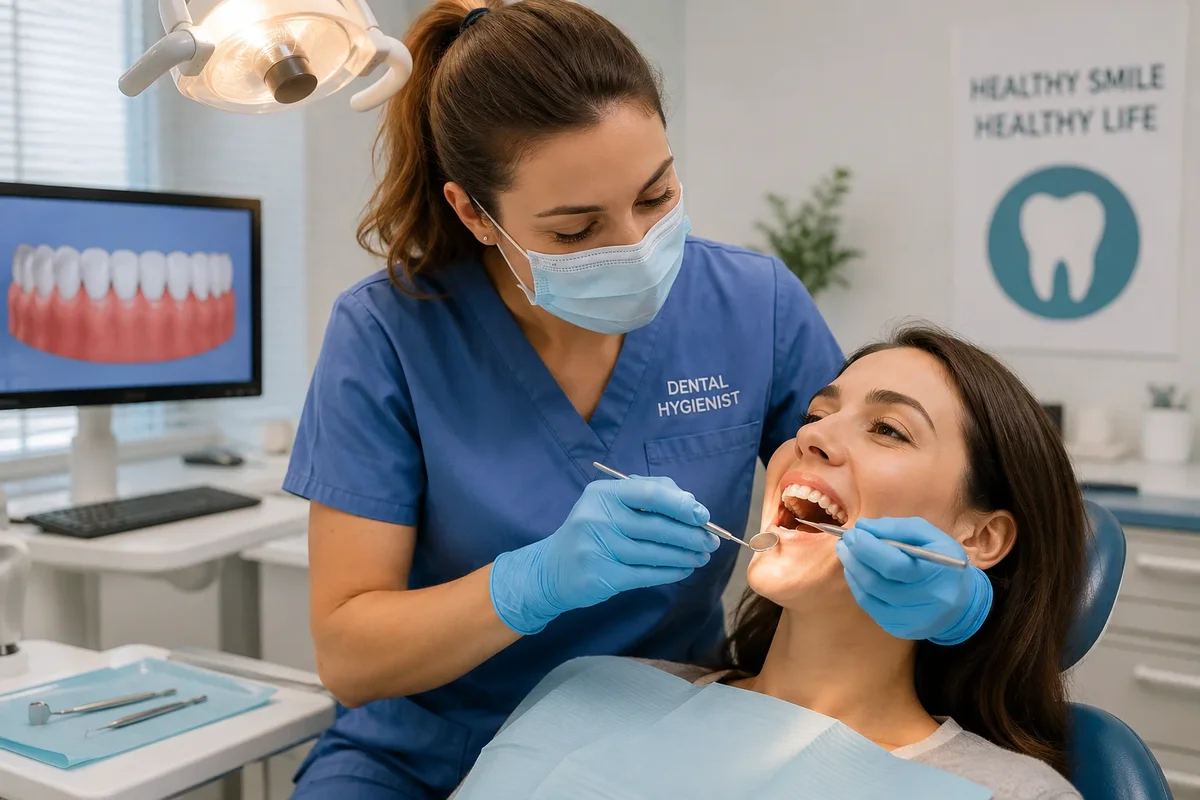
Why Being a Dental Hygienist Is a Rewarding Healthcare Career
🌟 For many healthcare professionals, being a dental hygienist is far more than simply a job. It is a career built around helping people improve their health, confidence, and quality of life every day. From preventive care and patient education to emotional support and long-term healthcare relationships, being a dental hygienist offers a unique combination of professional stability and personal fulfillment.
In modern dentistry, dental hygienists are essential members of the healthcare team. They work closely with dentists to prevent disease, educate patients, and create healthier smiles. Because oral health is directly connected to overall health, the impact of being a dental hygienist extends far beyond the dental chair.
For individuals seeking a career that combines science, communication, compassion, and long-term growth, being a dental hygienist continues to stand out as one of the most rewarding healthcare professions available today.
Helping Patients Improve Their Health
One of the most satisfying aspects of being a dental hygienist is the opportunity to directly improve patient health. Dental hygienists help patients prevent serious oral diseases while encouraging healthier daily habits.
Professionals involved in being a dental hygienist regularly assist patients with:
- Preventing cavities 🦷
- Reducing gum disease
- Improving oral hygiene routines
- Maintaining dental restorations
- Preventing tooth loss
- Managing bad breath and plaque buildup
These improvements may seem simple, but they can significantly affect a person’s comfort, confidence, and overall wellness.
The Connection Between Oral Health and Confidence
Many patients feel self-conscious about their teeth or oral health condition. Through preventive care and patient education, professionals involved in being a dental hygienist help individuals regain confidence in their smiles.
Patients who improve their oral health often experience:
- Better self-esteem 😊
- More confidence in social situations
- Improved professional confidence
- Greater comfort while eating and speaking
Seeing these positive transformations is one reason why being a dental hygienist can feel deeply meaningful.
Building Long-Term Patient Relationships
Another rewarding aspect of being a dental hygienist is developing long-term relationships with patients. Many patients visit the same dental office for years, allowing hygienists to become trusted healthcare providers.
Professionals involved in being a dental hygienist often get to know:
- Families across generations
- Children as they grow older 👶
- Patients recovering from oral health problems
- Individuals overcoming dental anxiety
These ongoing relationships create a sense of trust and continuity that makes being a dental hygienist emotionally rewarding.
Supporting Nervous Patients
Dental anxiety is extremely common. Many patients avoid dental visits because of fear, embarrassment, or previous negative experiences.
Professionals involved in being a dental hygienist often play a key role in helping anxious patients feel calm and supported. Through patience, empathy, and communication, dental hygienists help patients become more comfortable with dental care.
Helping someone overcome fear and finally receive necessary treatment can be one of the most fulfilling parts of being a dental hygienist.
Professional Stability and Career Security
Beyond emotional satisfaction, being a dental hygienist also provides excellent professional stability. Preventive oral healthcare continues growing worldwide, increasing the demand for qualified dental hygienists.
Because regular dental cleanings and preventive treatments are essential for long-term health, professionals involved in being a dental hygienist are expected to remain in high demand for many years.
Financial Benefits
The financial advantages connected to being a dental hygienist also contribute to career satisfaction. Compared to many healthcare careers requiring similar education timelines, dental hygiene often offers strong salary opportunities.
Estimated Salary Expectations:
- Entry-level hygienists: $55,000–$70,000 annually
- Experienced professionals: $75,000–$95,000 annually
- Specialized or leadership positions: $100,000+ annually
These salary opportunities make being a dental hygienist financially attractive while still allowing professionals to work in a patient-centered healthcare environment.
Work-Life Balance and Flexibility
One reason many healthcare professionals enjoy being a dental hygienist is the flexibility the career often provides. Dental hygienists may have access to part-time schedules, flexible hours, or temporary assignments.
Some professionals involved in being a dental hygienist choose:
- Part-time work schedules
- Three- or four-day workweeks
- Traveling hygienist opportunities ✈️
- Public health positions
- Educational roles
This flexibility allows many individuals to balance career responsibilities with family life and personal goals.
Continuous Learning and Growth
Modern dentistry evolves rapidly, making being a dental hygienist a career filled with ongoing learning opportunities.
Dental hygienists regularly continue their education in areas such as:
- Advanced preventive treatments
- Digital dental technology
- Periodontal therapy
- Patient communication
- Laser-assisted procedures ✨
This continuous professional development helps keep being a dental hygienist intellectually engaging and professionally exciting.
Technology and Innovation
Modern dental practices now use advanced tools such as:
- Digital radiography
- Intraoral cameras 📷
- Electronic patient records
- Laser treatment systems
- Ultrasonic cleaning technology
Professionals involved in being a dental hygienist often enjoy learning and working with these evolving technologies.
Contributing to Preventive Healthcare
Preventive healthcare is one of the most important reasons why being a dental hygienist is highly respected within modern medicine.
Dental hygienists help reduce the risk of:
- Gum disease
- Oral infections
- Tooth loss
- Chronic oral inflammation
- Complications related to systemic health conditions
By identifying problems early and educating patients, professionals involved in being a dental hygienist help prevent more serious medical and dental complications later.
Professional Respect and Recognition
The healthcare industry increasingly recognizes the value of preventive oral care. Organizations such as the American Dental Association continue emphasizing the critical role dental hygienists play in public health and patient education.
As awareness about oral health grows worldwide, professionals involved in being a dental hygienist continue receiving greater professional recognition and career opportunities.
A Career with Long-Term Purpose
Ultimately, what makes being a dental hygienist truly rewarding is the ability to positively affect people’s lives every day. Whether helping a patient overcome dental fear, improve oral hygiene habits, or restore confidence in their smile, dental hygienists make meaningful contributions to healthcare.
The profession combines science, compassion, communication, education, and preventive care into one career path that continues growing in importance worldwide.
If you are interested in professional preventive dental services or oral healthcare consultation, you can visit the Redent Klinik Contact Page.
🌟 In the end, being a dental hygienist offers much more than financial stability or career flexibility. It provides the opportunity to improve health, build trust with patients, support preventive healthcare, and create healthier smiles every day. For individuals passionate about helping others while building a respected healthcare career, being a dental hygienist remains one of the most fulfilling professions in modern dentistry.