
Choosing a dentist study program is one of the most important decisions for students who dream of building a successful career in oral healthcare. 🦷 A dentist study path combines science, patient care, technology, and hands-on clinical education to prepare future dental professionals for real-world practice. Whether someone wants to become a cosmetic dentist, orthodontist, oral surgeon, or general dental practitioner, a strong dentist study foundation is essential for long-term success.
The main purpose of a dentist study program is to teach students how to diagnose, prevent, and treat oral health problems safely and effectively. Modern dental education focuses not only on technical procedures but also on communication skills, patient comfort, ethics, and digital dentistry innovations. As oral health becomes increasingly connected to overall body health, the importance of a high-quality dentist study experience continues to grow worldwide.
Students entering a dentist study program usually begin with basic science courses such as biology, chemistry, anatomy, and physiology. These subjects help students understand the structure of the human body and how oral conditions affect general health. Later, the dentist study curriculum becomes more specialized, introducing dental anatomy, oral pathology, prosthodontics, periodontics, and restorative dentistry.
One of the most exciting parts of a dentist study journey is the transition from classroom learning to clinical practice. During clinical training, students work directly with patients under professional supervision. This stage allows future dentists to gain confidence while learning procedures such as fillings, crowns, teeth cleaning, dental implants, root canal treatments, and smile design techniques. 😊 Clinical practice is considered one of the most valuable components of every dentist study program because it develops practical skills that cannot be learned from textbooks alone.
Another major advantage of a modern dentist study experience is exposure to advanced dental technology. Today’s dental schools often use digital scanners, 3D imaging systems, CAD/CAM technology, laser dentistry tools, and virtual simulation systems. These innovations improve treatment precision and help students adapt to the future of dentistry. Many universities now integrate digital dentistry into the core dentist study curriculum because patients increasingly expect modern treatment solutions.
The duration of a dentist study program varies depending on the country and specialization goals. In many regions, undergraduate preparation plus dental school may take between 5 and 8 years. Students who continue into advanced specialties such as orthodontics or oral surgery may spend additional years in residency programs. Despite the long educational process, many students consider a dentist study investment worthwhile because dentistry offers strong career stability, professional respect, and financial opportunities.
Tuition fees for a dentist study program can differ significantly between universities and countries. Below is a general estimate of annual tuition costs for international dental education:
| Country | Average Annual Tuition |
|---|---|
| United States | $35,000 – $90,000 |
| United Kingdom | $25,000 – $65,000 |
| Canada | $20,000 – $55,000 |
| Turkey | $8,000 – $25,000 |
| Germany | $1,000 – $15,000 |
Before selecting a university, students should carefully research accreditation standards, internship opportunities, laboratory facilities, and international recognition. A reputable dentist study program should provide both strong theoretical education and extensive practical experience. Students should also consider factors such as campus technology, faculty expertise, and patient diversity during their decision-making process.
Many people believe a dentist study program focuses only on teeth, but the reality is much broader. Dental students learn about facial structure, jaw function, oral diseases, infection control, pain management, and even psychological communication with anxious patients. This comprehensive healthcare training makes dentistry one of the most multidisciplinary medical professions available today.
Success in a dentist study environment requires dedication, patience, precision, and strong interpersonal communication. Students must develop excellent hand coordination, problem-solving abilities, and attention to detail. Time management is also critical because dental education often includes lectures, laboratory sessions, exams, and clinical responsibilities simultaneously.
In addition to technical knowledge, ethics and patient trust remain central to every dentist study experience. Dental professionals are responsible for improving both oral health and patient confidence. A healthy smile can positively influence self-esteem, social interaction, and overall quality of life. This human-centered aspect makes the dentist study journey deeply rewarding for many future dentists.
Students interested in learning more about professional dental standards and education can review resources provided by the American Dental Association. International students who are considering dental treatments, education opportunities, or consultation services may also visit the Redent Klinik Contact Page for additional information.
Today, the global demand for highly trained dentists continues to increase due to rising awareness of oral health, cosmetic dentistry trends, and aging populations. Because of this demand, completing a high-quality dentist study program can open doors to international career opportunities in private clinics, hospitals, research centers, universities, and specialized dental practices. 🏥
Ultimately, a successful dentist study path is much more than academic education. It is a professional journey that combines healthcare knowledge, medical science, patient communication, and modern technology into one rewarding career. For motivated students who are passionate about helping others and improving smiles, investing in a comprehensive dentist study experience can lead to lifelong professional fulfillment and personal growth.
What Is a Dentist Study and Why Is It Important?
A dentist study program is a specialized educational pathway designed to prepare students for professional careers in dentistry and oral healthcare. 🦷 The purpose of a dentist study curriculum is not only to teach students how to treat teeth but also to help them understand the relationship between oral health and the entire human body. Modern dentistry requires deep scientific knowledge, excellent communication skills, practical experience, and the ability to work with advanced medical technologies.
Today, a dentist study journey is considered one of the most respected healthcare education paths in the world. Dentists play a critical role in preventing oral diseases, diagnosing dental problems, improving patient confidence, and supporting overall health. Since poor oral hygiene can contribute to heart disease, diabetes complications, infections, and other systemic health issues, the importance of a high-quality dentist study program continues to increase every year.
The Main Purpose of a Dentist Study Program
The primary goal of a dentist study program is to transform students into skilled dental professionals capable of providing safe and effective oral healthcare. Students learn how to identify oral diseases, create treatment plans, perform dental procedures, and educate patients about preventive care. During the dentist study process, students also develop strong ethical values and patient communication skills.
A professional dentist study curriculum combines theoretical education with practical clinical training. Students spend years studying anatomy, physiology, pathology, microbiology, pharmacology, and oral medicine before entering hands-on patient treatment stages. This balance between science and practice makes the dentist study experience highly demanding but extremely rewarding.
Key Objectives of Dentist Study Education
- Understanding oral anatomy and dental structure
- Learning preventive dental care methods
- Developing patient communication skills 😊
- Practicing restorative and cosmetic procedures
- Using modern digital dentistry technologies
- Building ethical and professional responsibility
- Managing dental emergencies safely
Why Dentist Study Is Essential in Modern Healthcare
The healthcare industry increasingly recognizes the connection between oral health and overall wellness. Because of this, the value of a strong dentist study background has become more important than ever. Dentists are often the first professionals to detect early signs of serious health conditions such as diabetes, osteoporosis, oral cancer, and autoimmune disorders.
A comprehensive dentist study education prepares students to understand these connections and provide holistic patient care. Oral healthcare professionals help patients maintain healthy gums, prevent infections, restore damaged teeth, and improve both appearance and self-confidence. 😁
In addition, cosmetic dentistry has become increasingly popular worldwide. Treatments such as veneers, teeth whitening, dental implants, and smile design procedures have increased patient demand for highly skilled dental professionals. This growing demand means that completing a modern dentist study program can lead to excellent career opportunities across many countries.
Core Subjects Included in Dentist Study
Every dentist study program contains a wide range of scientific and clinical subjects. These courses are carefully designed to help students gain both foundational knowledge and advanced treatment skills. The exact curriculum may vary between universities, but most programs include similar core subjects.
| Subject | Purpose |
|---|---|
| Anatomy | Understanding body and facial structures |
| Oral Pathology | Studying oral diseases and abnormalities |
| Periodontics | Treating gum diseases |
| Orthodontics | Correcting tooth alignment issues |
| Prosthodontics | Replacing missing teeth |
| Dental Radiology | Using imaging systems for diagnosis |
| Pharmacology | Learning medication management |
These courses help students develop the scientific foundation needed for professional dental practice. A strong dentist study education ensures graduates can confidently diagnose and treat many oral health conditions.
Practical Clinical Experience in Dentist Study
One of the most valuable parts of any dentist study program is clinical training. During this phase, students begin treating real patients under the supervision of experienced dental professionals. Clinical experience helps students improve technical abilities, communication skills, and treatment confidence.
In modern dentist study programs, students may perform procedures such as:
- Dental fillings
- Professional teeth cleaning
- Tooth extractions
- Root canal treatments
- Dental crown preparation
- Dental implant planning
- Smile design procedures
This hands-on experience allows future dentists to apply theoretical knowledge in real clinical environments. Without clinical training, a dentist study program would remain incomplete.
Technology and Innovation in Dentist Study
Technology has transformed the modern dentist study experience dramatically. Today’s dental schools often use advanced digital systems that improve learning efficiency and treatment precision. Students learn how to use intraoral scanners, digital X-rays, 3D printing systems, CAD/CAM restorations, and laser dentistry equipment.
These innovations help students become comfortable with modern treatment techniques before entering professional practice. As digital dentistry continues evolving, universities increasingly integrate technological training directly into the dentist study curriculum.
Examples of Modern Dental Technologies
- 3D imaging and CBCT scans
- Digital smile design software
- CAD/CAM crown production systems
- Laser gum treatment devices
- Artificial intelligence diagnostic tools
- Virtual simulation training systems
Students who complete a technology-focused dentist study program may have advantages in competitive dental markets worldwide.
Career Opportunities After Dentist Study
A completed dentist study program opens the door to many professional opportunities. Graduates may work in private clinics, hospitals, academic institutions, public health centers, or specialized dental practices. Some dentists continue advanced specialization training in orthodontics, pediatric dentistry, oral surgery, or prosthodontics.
The demand for qualified dentists remains strong in many countries due to increasing awareness of oral health and cosmetic dentistry trends. This means a successful dentist study journey can lead to financial stability, professional respect, and international career possibilities. 🌍
Students who want to explore professional dental standards and educational guidelines can review information from the American Dental Association. Patients and international visitors seeking dental consultation services may also visit the Redent Klinik Contact Page for more details.
Ultimately, a dentist study program represents much more than academic learning. It is a life-changing educational journey that combines healthcare science, patient care, modern technology, and practical skills into one respected profession. For students passionate about helping others and improving smiles, choosing a comprehensive dentist study pathway can provide both personal satisfaction and long-term professional success.
How Long Does a Dentist Study Program Take?
One of the most common questions students ask before beginning a dentist study journey is how long the educational process will take. 🦷 The answer depends on several factors, including the country, university structure, specialization goals, and licensing requirements. In general, a complete dentist study pathway may take between 5 and 10 years when undergraduate preparation, dental school, clinical training, and specialization programs are included.
A dentist study program is considered one of the most academically demanding healthcare education paths because students must combine scientific theory with practical clinical skills. Unlike many other professions, dentistry requires hands-on precision, patient communication abilities, and advanced medical understanding. For this reason, universities design dentist study programs carefully to ensure students become fully prepared for professional practice.
Typical Stages of a Dentist Study Program
Most dentist study programs follow several major educational stages. These stages gradually develop the student’s scientific knowledge, technical skills, and clinical confidence.
| Education Stage | Average Duration |
|---|---|
| Pre-Dental or Undergraduate Education | 2–4 Years |
| Dental School | 4–5 Years |
| Clinical Internship | 1–2 Years |
| Specialization Training | 2–6 Years |
Each phase of a dentist study curriculum serves a unique purpose. Early stages focus heavily on biological sciences, while later stages emphasize patient care and clinical procedures.
Undergraduate Preparation Before Dentist Study
In many countries, students cannot immediately enter a professional dentist study program after high school. Instead, they first complete undergraduate or pre-dental education. This phase usually lasts between two and four years and focuses on foundational sciences such as:
- Biology
- Chemistry
- Physics
- Anatomy
- Physiology
- Biochemistry
This scientific preparation is extremely important because the advanced stages of a dentist study program require deep medical understanding. Strong undergraduate performance may also improve acceptance chances into competitive dental schools.
Some countries, however, allow students to enter a dentist study program directly after secondary education. European and Turkish universities, for example, often offer integrated dental education programs lasting approximately five years.
Dental School Duration and Structure
The central stage of a dentist study journey is dental school itself. Dental school usually takes four to five years depending on the educational system. During this period, students receive both classroom instruction and practical laboratory training.
First Years of Dentist Study
The early years of a dentist study program focus mainly on theory and laboratory practice. Students learn about oral anatomy, microbiology, pathology, pharmacology, and dental materials. They also practice procedures using simulation models before treating real patients.
During these years, many students experience intense workloads because dentist study schedules often combine lectures, laboratory sessions, exams, and technical assignments simultaneously. 📚
Clinical Years of Dentist Study
The later years of a dentist study curriculum emphasize direct patient care. Students begin treating patients under the supervision of experienced dental professionals. Clinical practice allows future dentists to perform procedures such as:
- Dental fillings
- Tooth extractions
- Professional cleaning
- Crown preparation
- Root canal treatment
- Dental implant planning
- Orthodontic evaluations
These clinical experiences are among the most valuable parts of every dentist study program because they help students gain confidence and practical treatment skills.
Specialization After Dentist Study
After completing general dental education, some graduates choose to continue advanced specialization programs. Specialized dentist study pathways require additional years of training and clinical experience.
| Specialization | Average Additional Years |
|---|---|
| Orthodontics | 2–3 Years |
| Oral Surgery | 4–6 Years |
| Pediatric Dentistry | 2–3 Years |
| Periodontics | 2–3 Years |
| Prosthodontics | 2–4 Years |
These advanced dentist study programs provide highly focused training for complex procedures and specialized patient care. Specialists often earn higher incomes and may work in advanced hospital or private practice settings.
Factors That Affect Dentist Study Duration
The exact timeline of a dentist study program depends on multiple variables. Some students complete their education more quickly, while others may need additional years due to research, specialization, licensing exams, or internship requirements.
Important Factors Include:
- Country-specific education systems
- University curriculum structure
- Internship requirements
- Specialization goals
- Research participation
- Licensing examination preparation
- Part-time or full-time enrollment
Students considering an international dentist study program should carefully review local licensing rules and accreditation standards before selecting a university.
Why Dentist Study Takes So Long
Many students wonder why a dentist study program requires such extensive education. The answer is simple: dentistry combines healthcare science with precise technical procedures that directly impact patient safety and quality of life.
Dentists must understand infection control, anesthesia, oral disease diagnosis, radiology, restorative techniques, and emergency management. Because patients trust dental professionals with both health and appearance, every dentist study curriculum must meet extremely high educational standards.
Additionally, modern dental technology continues evolving rapidly. Today’s dentist study programs often include digital imaging, CAD/CAM systems, laser dentistry, and 3D treatment planning technologies. Keeping up with these innovations requires continuous education and practical training. 💻
Career Rewards After Dentist Study
Although the educational process is long, many students consider the dentist study journey highly rewarding. Dentistry offers strong career stability, excellent earning potential, flexible work environments, and opportunities to improve patient confidence and health.
Graduates of a professional dentist study program may work in private clinics, hospitals, universities, research institutions, or specialized dental centers worldwide. Some dentists even open their own practices after gaining clinical experience.
Students interested in learning more about professional dental standards and educational pathways can review official resources from the American Dental Association. Patients or international visitors seeking dental consultation services may also explore the Redent Klinik Contact Page for additional support and information.
Ultimately, the duration of a dentist study program reflects the complexity and responsibility of the dental profession itself. Every year of education helps students develop scientific knowledge, clinical expertise, ethical awareness, and patient communication skills. For motivated individuals passionate about healthcare and smile transformation, investing time into a complete dentist study journey can lead to a highly respected and fulfilling career. 😁
Essential Subjects Covered in a Dentist Study Curriculum
A professional dentist study curriculum is carefully designed to prepare students for the complex responsibilities of modern dentistry. 🦷 Dentistry is far more than treating cavities or cleaning teeth. A complete dentist study program combines medical science, technical skill development, patient communication, ethics, and advanced clinical education. Students who enter a dentist study pathway quickly discover that the curriculum is extensive, challenging, and highly detailed.
The subjects included in a dentist study program are organized to help students gradually build both theoretical understanding and practical expertise. During the early stages, students focus heavily on scientific foundations. Later, the curriculum shifts toward clinical dentistry, patient management, and specialized treatment procedures.
Basic Science Subjects in Dentist Study
The first phase of a dentist study curriculum usually focuses on medical and biological sciences. These subjects provide the scientific foundation required for understanding oral health and disease mechanisms.
Anatomy and Human Structure
Anatomy is one of the most important subjects in every dentist study program. Students learn about muscles, bones, nerves, blood vessels, facial structures, and oral tissues. Dental professionals must fully understand head and neck anatomy because even small treatment errors can affect sensitive nerves or surrounding tissues.
Within the dentist study curriculum, anatomy courses often include:
- Head and neck anatomy
- Dental anatomy
- Jaw structure analysis
- Facial muscle systems
- Nerve pathways
This knowledge helps future dentists perform procedures safely and accurately.
Physiology and Body Functions
Physiology teaches students how the human body functions normally. A strong understanding of physiology is essential during every dentist study process because oral health is directly connected to systemic health.
Students learn about:
- Blood circulation
- Immune system responses
- Respiratory function
- Pain perception
- Healing mechanisms
This scientific background allows dental students to understand how oral diseases affect overall patient wellness.
Biochemistry and Microbiology
Biochemistry and microbiology are also major components of a dentist study curriculum. Students examine bacteria, viruses, infections, and chemical reactions inside the body. Since many dental conditions are caused by bacterial activity, understanding microbiology is critical for successful treatment planning.
Modern dentist study programs also teach infection control protocols to help students protect both themselves and their patients. 😷
Specialized Dental Subjects in Dentist Study
After completing basic sciences, students begin advanced dental subjects specifically related to oral healthcare and clinical dentistry.
Oral Pathology
Oral pathology focuses on diagnosing oral diseases and abnormalities. During this stage of a dentist study program, students learn to identify signs of infections, tumors, cysts, oral cancer, and gum diseases.
Oral pathology is extremely important because dentists are often the first healthcare professionals to notice early disease symptoms. A strong dentist study foundation in pathology can help save lives through early diagnosis.
Periodontics
Periodontics focuses on gum health and supporting structures around teeth. Students in a dentist study curriculum learn how to diagnose and treat periodontal diseases such as gingivitis and periodontitis.
Topics may include:
- Gum disease prevention
- Scaling and root planing
- Periodontal surgery basics
- Bone loss management
- Implant tissue health
Healthy gums are essential for long-term oral health, making periodontics a vital component of every dentist study program.
Prosthodontics and Restorative Dentistry
Restorative dentistry teaches students how to repair damaged or missing teeth. Prosthodontics is a major specialty within the dentist study curriculum that focuses on dental crowns, bridges, dentures, and implants.
Students practice procedures such as:
- Dental crown preparation
- Bridge placement
- Denture fabrication
- Implant-supported restorations
- Smile reconstruction
These procedures require excellent technical precision and artistic ability because modern dentistry combines healthcare with aesthetics. 😁
Clinical Training in Dentist Study
One of the most critical stages of a dentist study curriculum is clinical practice. Clinical training allows students to treat real patients under supervision while applying their classroom knowledge in practical situations.
Simulation Laboratory Training
Before entering clinical environments, students in a dentist study program often train in simulation laboratories. They use dental mannequins and practice models to improve hand coordination and technical accuracy.
Simulation exercises may include:
- Tooth preparation
- Dental filling techniques
- Injection practice
- Crown impressions
- Emergency management scenarios
These simulation stages help students gain confidence before working with patients.
Patient Care Experience
During advanced stages of a dentist study curriculum, students begin supervised patient treatment. This stage is essential for developing professional confidence and communication skills.
Clinical responsibilities may include:
- Patient examinations
- Dental radiographs
- Treatment planning
- Preventive care education
- Minor restorative procedures
Hands-on experience is one of the most valuable aspects of every dentist study program because it transforms theoretical knowledge into real-world expertise.
Technology and Digital Dentistry Subjects
Modern dentist study programs increasingly focus on advanced dental technologies. Digital dentistry has transformed the profession, and universities now train students using modern systems and equipment.
Important Technology Topics Include:
- Digital smile design
- CAD/CAM restorations
- 3D imaging systems
- Laser dentistry
- Intraoral scanning
- Artificial intelligence diagnostics
Students who complete a technology-focused dentist study curriculum may gain advantages in competitive dental markets worldwide. 💻
Ethics and Communication in Dentist Study
In addition to scientific and technical subjects, every dentist study program also emphasizes ethics and patient communication. Dentists must build trust, explain treatments clearly, and manage patient anxiety professionally.
Courses related to communication may teach students:
- Patient psychology
- Professional ethics
- Informed consent procedures
- Medical documentation standards
- Conflict resolution skills
These soft skills are just as important as clinical knowledge because patient comfort and trust strongly influence treatment success.
Why a Comprehensive Dentist Study Curriculum Matters
A complete dentist study curriculum ensures future dental professionals are fully prepared for the responsibilities of modern healthcare. Dentistry requires scientific knowledge, technical skill, artistic precision, and compassionate patient care all at the same time.
Students interested in international educational standards and professional guidelines may review official resources from the American Dental Association. Individuals seeking consultation or advanced dental treatment information may also visit the Redent Klinik Contact Page.
Ultimately, the subjects covered during a dentist study journey shape students into highly trained healthcare professionals capable of improving oral health, restoring smiles, and supporting overall patient wellness. The combination of science, technology, patient communication, and clinical experience makes a modern dentist study curriculum one of the most comprehensive healthcare education pathways available today.
Best Skills Students Need for a Successful Dentist Study
A successful dentist study journey requires much more than academic intelligence alone. 🦷 While scientific knowledge is extremely important, students must also develop technical precision, communication abilities, emotional resilience, and professional discipline. Modern dentistry combines healthcare science, artistry, patient care, and advanced technology, making the required skill set highly diverse.
Students entering a dentist study program quickly realize that success depends on both theoretical understanding and practical performance. Dental education is demanding because students are responsible for learning complex medical concepts while simultaneously developing hands-on clinical expertise. The most successful students in a dentist study curriculum are often those who balance technical skill development with strong interpersonal abilities.
Academic Skills Needed in Dentist Study
One of the first requirements for succeeding in a dentist study program is strong academic preparation. Dental education includes advanced science courses that require discipline and analytical thinking.
Scientific Understanding
A dentist study curriculum includes subjects such as anatomy, physiology, microbiology, pathology, pharmacology, and biochemistry. Students must understand how oral conditions affect the entire human body. This requires excellent comprehension skills and the ability to retain large amounts of medical information.
Students with strong backgrounds in biology and chemistry often adapt more easily to the scientific demands of a dentist study program. However, determination and consistent study habits are equally important for long-term success.
Critical Thinking and Problem Solving
Every dentist study student must develop strong problem-solving abilities. Dentists constantly evaluate symptoms, interpret diagnostic images, and create personalized treatment plans for patients.
Critical thinking is especially important when:
- Diagnosing oral diseases
- Managing dental emergencies
- Selecting treatment options
- Analyzing radiographs
- Handling patient complications
A successful dentist study experience teaches students how to make accurate clinical decisions under pressure.
Manual Dexterity and Technical Skills
Dentistry is one of the few healthcare professions that requires extreme hand precision and fine motor coordination. During a dentist study program, students spend countless hours practicing delicate procedures in simulation laboratories and clinical environments.
Why Hand Coordination Matters
Dental procedures are often performed in very small areas inside the mouth. Future dentists must learn how to control instruments accurately while maintaining patient comfort and safety.
Technical skills developed during a dentist study program include:
- Tooth preparation techniques
- Dental filling placement
- Crown shaping
- Dental impression accuracy
- Implant placement planning
- Orthodontic adjustments
Students with strong hand-eye coordination may initially adapt more quickly to practical exercises, but continuous practice remains essential throughout the dentist study process.
Patience and Precision
Precision is critical in every stage of a dentist study curriculum. Small technical errors can affect treatment outcomes significantly. For this reason, dental students must develop patience and attention to detail.
Many dental schools require students to repeat procedures multiple times during simulation training to improve technical consistency. This repetitive practice strengthens muscle memory and increases treatment accuracy. 😊
Communication Skills in Dentist Study
Excellent communication abilities are another essential part of every successful dentist study journey. Dentists work directly with patients every day, and many patients experience anxiety or fear before treatment.
Patient Communication
Students in a dentist study program learn how to explain procedures clearly, answer patient questions professionally, and build trust. Effective communication helps reduce patient stress and improves treatment cooperation.
Important communication skills include:
- Active listening
- Clear treatment explanations
- Empathy and emotional support
- Professional body language
- Managing anxious patients
Strong interpersonal communication is often one of the biggest factors influencing patient satisfaction in modern dentistry.
Teamwork and Collaboration
A dentist study environment also teaches students how to work effectively with healthcare teams. Dentists frequently collaborate with dental assistants, hygienists, orthodontists, oral surgeons, and laboratory technicians.
Students who develop teamwork abilities during their dentist study education often transition more successfully into professional clinical environments.
Time Management Skills in Dentist Study
Time management is another critical ability for students enrolled in a dentist study program. Dental education schedules are extremely demanding and often include:
- Lectures
- Laboratory sessions
- Clinical training
- Research projects
- Patient case studies
- Practical examinations
Without strong organizational skills, students may struggle to balance the academic and practical demands of a dentist study curriculum.
Study Discipline and Consistency
Consistency is often more important than short-term intense studying during a dentist study journey. Successful students usually maintain regular study schedules and review material continuously rather than waiting until exams approach.
Good time management habits may include:
- Creating structured study plans
- Prioritizing clinical responsibilities
- Reviewing lecture notes daily
- Balancing practical and theoretical learning
- Maintaining healthy sleep routines
These habits help reduce stress and improve long-term academic performance.
Emotional Resilience and Stress Management
A dentist study program can be emotionally demanding because students face academic pressure, clinical responsibilities, and patient expectations simultaneously. Emotional resilience helps students remain focused during stressful periods.
Handling Pressure During Dentist Study
Dental students may experience pressure from exams, patient treatments, technical evaluations, and competitive academic environments. Learning how to manage stress effectively is essential for maintaining both mental health and academic performance.
Healthy stress management strategies during a dentist study journey may include:
- Regular physical exercise
- Healthy nutrition
- Proper sleep schedules
- Social support systems
- Mindfulness and relaxation techniques
Students who maintain emotional balance often perform better clinically and academically.
Technology Skills in Modern Dentist Study
Modern dentist study programs increasingly focus on digital dentistry technologies. Future dentists must feel comfortable using advanced systems and software throughout their careers.
Important Digital Dentistry Skills
- Digital X-ray interpretation
- 3D imaging analysis
- CAD/CAM restoration design
- Intraoral scanner operation
- Digital smile design software
- Electronic patient record systems
Technology continues transforming dentistry rapidly, so adaptability and continuous learning are extremely valuable during every dentist study program. 💻
Professional Ethics and Responsibility
Professional ethics remain central to every successful dentist study education. Dentists are responsible for patient safety, health outcomes, and professional integrity. Students must learn how to maintain ethical standards throughout their careers.
Topics commonly covered during a dentist study curriculum include:
- Patient confidentiality
- Informed consent
- Professional honesty
- Ethical treatment planning
- Clinical responsibility
Ethical decision-making helps build long-term patient trust and professional credibility.
Students interested in official professional standards and educational guidance can explore resources provided by the American Dental Association. Patients seeking consultation or advanced oral healthcare information may also visit the Redent Klinik Contact Page.
Ultimately, success in a dentist study program depends on a combination of academic intelligence, technical precision, emotional resilience, communication ability, and ethical professionalism. Students who develop these essential skills during their dentist study journey are better prepared to become confident, compassionate, and highly successful dental professionals in the future. 😁
Clinical Training and Practical Experience in Dentist Study
Clinical training is one of the most important stages of every dentist study program. 🦷 While theoretical education provides scientific knowledge, practical experience transforms students into skilled dental professionals capable of treating real patients safely and confidently. Without clinical exposure, a dentist study curriculum would remain incomplete because dentistry is a hands-on medical profession that requires technical precision, communication skills, and real-world decision-making abilities.
Modern dentist study programs are carefully structured to combine classroom learning with supervised patient care. Students spend years studying anatomy, pathology, radiology, pharmacology, and oral disease management before entering clinical practice. Once they begin treating patients, they apply everything learned during the earlier stages of their dentist study journey.
Why Clinical Training Matters in Dentist Study
The primary purpose of clinical training in a dentist study program is to help students develop confidence and competence in real treatment situations. Classroom lectures alone cannot fully prepare future dentists for patient interaction, emergency management, or technical procedures.
Clinical experience allows students to:
- Apply scientific knowledge in practice
- Improve technical hand skills
- Learn patient communication
- Develop treatment planning abilities
- Manage clinical stress effectively
- Understand ethical responsibilities
These experiences are essential because modern dentistry requires much more than academic understanding. Every successful dentist study pathway must include extensive practical education.
Simulation Laboratories in Dentist Study
Before treating real patients, students in a dentist study curriculum usually begin with simulation laboratory training. Simulation laboratories provide controlled environments where students practice dental procedures using mannequins, models, and digital systems.
Purpose of Simulation Training
Simulation training helps students improve hand coordination, instrument control, and procedural accuracy before entering clinical settings. Dental procedures require exceptional precision because even small mistakes may affect patient safety or treatment outcomes.
During simulation stages of a dentist study program, students may practice:
- Tooth preparation techniques
- Dental filling placement
- Crown impressions
- Root canal access preparation
- Injection techniques
- Dental radiography positioning
This early practical exposure helps students gain confidence gradually while reducing anxiety before patient interaction. 😊
Modern Technology in Simulation Labs
Many universities now integrate advanced technology directly into the dentist study simulation process. Digital systems improve training quality and help students become familiar with modern clinical equipment.
Examples include:
- Virtual reality dental simulators
- 3D imaging systems
- Digital intraoral scanners
- CAD/CAM training software
- Laser dentistry simulation tools
Technology-focused dentist study programs often provide students with valuable advantages when entering professional practice.
First Patient Interactions During Dentist Study
One of the most exciting and stressful moments in a dentist study journey is the first real patient interaction. Under professional supervision, students begin performing examinations, creating treatment plans, and completing simple procedures.
Learning Patient Communication
Patient communication is a major component of clinical dentist study education. Students must learn how to explain procedures clearly, reduce anxiety, and build trust with patients.
Strong communication skills are important because many dental patients experience fear or nervousness before treatment. Students in a dentist study program often receive training in:
- Patient interviewing
- Medical history evaluation
- Treatment explanation techniques
- Managing anxious patients
- Professional communication ethics
These soft skills are just as important as technical procedures in modern dental practice.
Supervised Clinical Procedures
As students progress through their dentist study curriculum, they gradually perform more advanced procedures under supervision. Clinical instructors monitor every stage carefully to ensure patient safety and educational quality.
Common supervised procedures include:
- Professional teeth cleaning
- Dental fillings
- Tooth extractions
- Dental crown preparation
- Root canal treatment
- Preventive oral care education
Clinical supervisors provide direct feedback that helps students improve their technical precision and decision-making abilities.
Treatment Planning Skills in Dentist Study
Treatment planning is another major focus of clinical dentist study education. Dentists must evaluate patient conditions carefully before selecting appropriate treatment methods.
Diagnostic Skills
Students in a dentist study program learn how to analyze:
- Dental radiographs
- Oral examination findings
- Gum health conditions
- Bite alignment issues
- Facial symmetry
- Patient medical history
Accurate diagnosis is essential because successful treatment depends on identifying the root cause of oral problems.
Comprehensive Patient Care
A modern dentist study curriculum teaches students to approach treatment comprehensively rather than focusing only on individual teeth. Dentists must consider:
- Overall oral health
- Patient comfort
- Long-term treatment stability
- Functional improvement
- Aesthetic outcomes 😁
This patient-centered approach improves treatment quality and long-term satisfaction.
Emergency Management in Dentist Study
Emergency preparation is another essential component of clinical dentist study education. Dental professionals may encounter medical emergencies such as allergic reactions, bleeding complications, infections, or sudden pain episodes.
Students are trained to:
- Recognize emergency symptoms
- Manage bleeding safely
- Administer local anesthesia correctly
- Control infection risks
- Respond to medical complications
Emergency training helps future dentists remain calm and professional during stressful clinical situations.
Ethics and Professionalism During Dentist Study
Clinical education in a dentist study program also emphasizes ethical responsibility and professionalism. Students learn that patient trust is one of the most valuable aspects of healthcare practice.
Important Ethical Principles Include:
- Patient confidentiality
- Informed consent
- Honest treatment recommendations
- Professional conduct
- Patient safety prioritization
Ethical education helps students understand their long-term responsibilities as healthcare professionals.
Challenges Students Face During Clinical Dentist Study
Clinical training can be emotionally and physically demanding. Students often balance lectures, exams, patient appointments, and laboratory work simultaneously.
Common challenges during a dentist study program include:
- Managing patient anxiety
- Improving technical precision
- Handling academic pressure
- Balancing time effectively
- Developing confidence gradually
Despite these challenges, clinical experience is often considered the most rewarding stage of the dentist study journey because students finally begin helping real patients directly.
Career Preparation Through Clinical Dentist Study
Clinical education prepares students for real-world dental careers by exposing them to diverse patient cases and treatment scenarios. Graduates who complete a strong clinical dentist study program often feel more confident entering private practice, hospitals, or specialized clinics.
Students interested in professional dental standards and educational guidelines can review official information provided by the American Dental Association. Patients or international visitors seeking consultation and oral healthcare support may also visit the Redent Klinik Contact Page.
Ultimately, clinical training represents the heart of every successful dentist study program. It transforms theoretical knowledge into practical expertise while helping students develop technical skill, patient communication, ethical professionalism, and treatment confidence. Through supervised clinical experience, future dentists become prepared to improve oral health, restore smiles, and provide high-quality patient care throughout their careers. 🌍
Costs, Tuition Fees, and Financial Planning for Dentist Study
A dentist study program is one of the most valuable educational investments a student can make, but it is also one of the most financially demanding. 🦷 Tuition fees, laboratory expenses, clinical equipment, accommodation, and licensing costs can create significant financial pressure throughout the educational journey. For this reason, proper financial planning is an essential part of every successful dentist study experience.
The total cost of a dentist study program varies greatly depending on the country, university reputation, specialization goals, and living expenses. Some countries offer relatively affordable dental education, while others require major long-term financial commitments. Students considering international dental education should carefully evaluate all expected costs before beginning a dentist study pathway.
Average Tuition Fees for Dentist Study
Tuition fees are usually the largest expense during a dentist study program. Dental education often costs more than many other university degrees because it requires laboratories, simulation technology, clinical facilities, and advanced medical equipment.
| Country | Average Annual Tuition | Program Duration |
|---|---|---|
| United States | $35,000 – $90,000 | 4–8 Years |
| United Kingdom | $25,000 – $65,000 | 5 Years |
| Canada | $20,000 – $55,000 | 4–6 Years |
| Australia | $30,000 – $75,000 | 5–7 Years |
| Turkey | $8,000 – $25,000 | 5 Years |
| Germany | $1,000 – $15,000 | 5–6 Years |
These numbers are approximate and may vary depending on the institution. Prestigious universities with advanced clinical facilities often charge higher tuition fees for their dentist study programs.
Additional Expenses During Dentist Study
Tuition alone does not represent the full financial reality of a dentist study journey. Students must also prepare for many additional costs that continue throughout dental school.
Laboratory and Equipment Costs
Dental students frequently purchase specialized equipment and materials for practical training. During a dentist study curriculum, students may need:
- Dental instruments
- Protective equipment
- Laboratory kits
- Simulation models
- Clinical uniforms
- Digital software subscriptions
These equipment-related costs can reach thousands of dollars during a complete dentist study program.
Books and Educational Resources
Scientific textbooks and digital educational platforms are another major expense during a dentist study process. Modern dental education requires updated medical references and specialized learning materials.
Students may spend:
- $500–$2,000 annually on textbooks 📚
- $300–$1,500 on digital software and online platforms
- Additional costs for examination preparation resources
Some universities include educational materials within tuition fees, but many students still purchase supplemental resources to strengthen their dentist study preparation.
Living Expenses
Accommodation and daily living costs significantly affect the total financial burden of a dentist study program. Students studying abroad often face additional expenses such as:
- Rent and housing
- Transportation
- Food and groceries
- Health insurance
- Internet and utilities
- Visa and residency fees
Living expenses vary dramatically between countries and cities. Major urban centers with prestigious universities often have much higher costs of living.
Financial Challenges During Dentist Study
A dentist study program is academically demanding, which can make part-time employment difficult for many students. Clinical schedules, laboratory sessions, and exam preparation require extensive time commitments.
Limited Work Opportunities
Many dental students struggle to balance employment with the intense demands of a dentist study curriculum. Clinical training often includes full-day patient treatment sessions, leaving limited time for outside work.
Because of this challenge, students commonly rely on:
- Family financial support
- Student loans
- Scholarship programs
- Government grants
- University financial aid
Proper budgeting and financial planning are essential for reducing stress during a dentist study journey.
Stress Related to Educational Debt
Educational debt is a major concern for many students enrolled in a dentist study program. In countries with high tuition costs, graduates may finish dental school with significant financial obligations.
Despite this challenge, many students still consider a dentist study investment worthwhile because dentistry offers strong long-term earning potential and professional stability.
Scholarships and Financial Aid for Dentist Study
Fortunately, many universities and organizations provide financial support opportunities for students pursuing a dentist study program.
Common Financial Aid Options
- Merit-based scholarships
- Government-funded education grants
- International student scholarships
- Research assistant programs
- Need-based tuition assistance
- Private healthcare education loans
Students should research financial aid opportunities early because scholarship competition for dentist study programs can be very intense.
Tips for Reducing Dentist Study Costs
There are several strategies students can use to manage the financial demands of a dentist study pathway more effectively.
- Choose universities with lower living costs
- Apply for multiple scholarships
- Use second-hand textbooks
- Share accommodation with other students
- Create monthly budgeting plans
- Research government support programs
Good financial management can reduce stress and allow students to focus more effectively on their dentist study education.
Return on Investment After Dentist Study
Although the financial demands are significant, a completed dentist study program may provide excellent long-term career rewards. Dentistry is considered one of the most financially stable healthcare professions worldwide.
Potential Career Benefits
- Strong earning potential 💰
- Career stability
- Flexible work environments
- Opportunities for specialization
- Private clinic ownership possibilities
- International career opportunities
Experienced dentists, especially specialists, may earn substantial incomes depending on location and practice type. Cosmetic dentistry, implantology, orthodontics, and oral surgery are among the most financially rewarding fields after completing a dentist study pathway.
Technology Costs in Modern Dentist Study
Modern dentist study programs increasingly include digital dentistry technologies that may add additional expenses. Students often gain experience with:
- 3D imaging systems
- Digital intraoral scanners
- CAD/CAM software
- Laser dentistry equipment
- Virtual simulation tools
While these technologies may increase educational costs, they also improve training quality and prepare students for the future of dentistry.
Planning Financially for a Successful Dentist Study Journey
Financial planning is one of the smartest steps students can take before beginning a dentist study program. Careful budgeting helps reduce stress and improves long-term academic focus.
Students interested in educational guidelines and professional dental standards may review official information from the American Dental Association. Patients or international visitors seeking professional dental consultation may also visit the Redent Klinik Contact Page.
Ultimately, while a dentist study program requires significant financial investment, it also offers substantial professional rewards and career opportunities. Students who prepare carefully, manage expenses wisely, and remain focused throughout their dentist study journey may build highly successful and fulfilling careers in modern dentistry. 😁
Career Opportunities After Completing a Dentist Study
Completing a dentist study program opens the door to a wide range of professional opportunities in healthcare, education, research, and private practice. 🦷 Dentistry is considered one of the most respected and stable professions worldwide because oral healthcare remains essential for people of all ages. Graduates who successfully finish a dentist study journey often enjoy strong career flexibility, financial stability, and the ability to positively impact patient health and confidence.
A modern dentist study curriculum prepares students for far more than routine dental procedures. Today’s dentists work with advanced digital technologies, cosmetic treatments, surgical procedures, and multidisciplinary healthcare teams. As global awareness of oral health continues increasing, the demand for highly trained dental professionals remains strong in many countries.
General Dentistry Careers After Dentist Study
The most common career path after completing a dentist study program is becoming a general dentist. General dentists diagnose, prevent, and treat a wide variety of oral health conditions.
Responsibilities of General Dentists
General dentists perform many essential dental procedures and help patients maintain long-term oral health. Daily responsibilities after a dentist study education may include:
- Routine oral examinations
- Dental fillings
- Teeth cleaning procedures
- Crown and bridge placement
- Root canal treatment
- Preventive oral care education
- Emergency dental treatment
General dentistry offers excellent flexibility because professionals may work in private clinics, hospitals, or community healthcare centers.
Advantages of General Dentistry
Many graduates choose general practice after completing a dentist study program because it provides:
- Stable patient demand
- Flexible working schedules
- Opportunities for clinic ownership
- Long-term patient relationships 😊
- Strong income potential
General dentists also have opportunities to continue learning advanced procedures throughout their careers.
Specialization Opportunities After Dentist Study
Some graduates continue advanced education after their dentist study program by entering dental specialization training. Specialization allows dentists to focus on specific treatment areas requiring advanced expertise.
Popular Dental Specialties
| Specialty | Main Focus | Additional Training |
|---|---|---|
| Orthodontics | Tooth alignment and braces | 2–3 Years |
| Oral Surgery | Surgical dental procedures | 4–6 Years |
| Pediatric Dentistry | Dental care for children | 2–3 Years |
| Periodontics | Gum disease treatment | 2–3 Years |
| Prosthodontics | Dental restorations and implants | 2–4 Years |
| Endodontics | Root canal treatment | 2–3 Years |
Specialization after a dentist study program may lead to higher earning potential and access to advanced clinical opportunities.
Cosmetic Dentistry Careers
Cosmetic dentistry has become one of the fastest-growing fields following a dentist study education. Patients increasingly seek aesthetic treatments to improve smile appearance and self-confidence.
Popular Cosmetic Procedures
- Teeth whitening
- Smile design
- Porcelain veneers
- Dental bonding
- Clear aligner treatments
- Full smile rehabilitation 😁
Cosmetic dentistry combines healthcare science with artistic skill. Dentists who enjoy aesthetics and patient transformation often find this career path highly rewarding after completing a dentist study program.
Academic and Research Careers in Dentist Study
Not every graduate chooses clinical practice after a dentist study journey. Some dentists pursue careers in teaching, scientific research, or university education.
Dental Education Careers
Dental educators teach future generations of students in universities and dental schools. Academic professionals may lecture in:
- Dental anatomy
- Oral pathology
- Radiology
- Restorative dentistry
- Clinical techniques
Teaching allows professionals to contribute directly to the future development of the dental industry.
Research Opportunities
Research careers after a dentist study program may involve developing new treatment methods, materials, and technologies. Dental researchers contribute to innovations such as:
- Digital dentistry systems
- Advanced implant materials
- Laser treatment techniques
- Artificial intelligence diagnostics
- Preventive oral health strategies
Scientific research helps improve patient outcomes and shapes the future of modern dentistry.
International Career Opportunities After Dentist Study
A major advantage of completing a dentist study program is the possibility of international career mobility. Qualified dentists are needed worldwide due to growing oral healthcare awareness and aging populations.
Working Abroad
Many graduates use their dentist study education to pursue careers in different countries. However, licensing requirements often vary between regions.
Common requirements may include:
- Language proficiency exams
- Licensing examinations
- Clinical competency evaluations
- Additional certification programs
Countries with high demand for dental professionals may offer strong career growth opportunities for internationally trained dentists.
Dental Tourism Industry
The global dental tourism industry has also created new opportunities after completing a dentist study program. Many clinics now treat international patients seeking affordable, high-quality care.
Dental tourism often focuses on:
- Dental implants
- Smile makeovers
- Cosmetic dentistry
- Full-mouth rehabilitation
Clinics specializing in international patient care often value dentists with strong communication skills and advanced clinical experience.
Technology Careers Related to Dentist Study
Modern dentistry increasingly depends on advanced digital systems, creating technology-related career paths for graduates of a dentist study program.
Digital Dentistry Opportunities
Professionals may work with:
- CAD/CAM systems
- Digital smile design software
- 3D imaging technologies
- Dental implant planning systems
- Artificial intelligence diagnostics 💻
Technology-focused careers are becoming more important as digital dentistry continues evolving rapidly.
Private Clinic Ownership After Dentist Study
Many dentists eventually open their own clinics after gaining experience through clinical practice. A dentist study program often provides students with foundational business knowledge in addition to healthcare training.
Benefits of Clinic Ownership
- Professional independence
- Flexible scheduling
- Long-term financial growth
- Brand development opportunities
- Direct patient relationship building
However, clinic ownership also requires business management, marketing, financial planning, and leadership abilities.
Long-Term Career Stability After Dentist Study
One of the biggest advantages of completing a dentist study program is long-term career stability. Oral healthcare remains an essential medical service regardless of economic conditions.
People continue needing preventive care, emergency treatment, restorative procedures, and cosmetic improvements throughout their lives. This consistent demand helps maintain strong employment opportunities for graduates of a dentist study program.
Students interested in professional dental standards and career guidance can review official information provided by the American Dental Association. Individuals seeking professional dental consultation or international treatment information may also visit the Redent Klinik Contact Page.
Ultimately, completing a dentist study journey provides access to diverse and rewarding career opportunities across many sectors of healthcare and education. Whether graduates choose clinical practice, specialization, research, teaching, or private clinic ownership, a strong dentist study foundation can support long-term professional success, financial stability, and the ability to improve patients’ health and confidence worldwide. 🌍
Modern Technology and Innovation in Dentist Study Programs
Modern technology has completely transformed the structure and quality of every advanced dentist study program. 🦷 In the past, dental education relied heavily on textbooks, manual impressions, and traditional laboratory methods. Today, however, digital dentistry, artificial intelligence, 3D imaging, and virtual simulation systems have become essential parts of a modern dentist study curriculum.
Technology plays a major role in improving both education and patient care. Universities now integrate advanced digital systems into their dentist study programs to help students develop stronger diagnostic abilities, more precise clinical skills, and better treatment planning strategies. As dental technology continues evolving rapidly, students who graduate from a technology-focused dentist study program often gain important advantages in competitive healthcare environments.
The Digital Transformation of Dentist Study
The digital transformation of dentistry has significantly changed how students learn during a dentist study journey. Educational institutions increasingly replace older manual systems with digital platforms that improve learning efficiency and treatment accuracy.
Why Technology Matters in Dentist Study
Technology improves the educational experience by helping students visualize complex oral structures, simulate procedures safely, and analyze patient conditions more accurately. A modern dentist study curriculum uses technology to:
- Improve diagnostic precision
- Enhance clinical safety
- Accelerate treatment planning
- Reduce technical errors
- Strengthen student confidence
- Prepare students for future dental practice
These innovations help future dentists provide safer and more efficient patient care.
3D Imaging and Digital Radiology in Dentist Study
One of the most important technological developments in modern dentist study programs is digital imaging. Traditional X-rays are increasingly being replaced by advanced digital radiology systems and 3D imaging technologies.
CBCT and 3D Scanning Technology
Cone Beam Computed Tomography (CBCT) systems allow students in a dentist study program to view highly detailed three-dimensional images of oral structures. These systems improve diagnostic accuracy for:
- Dental implant planning
- Orthodontic evaluations
- Jawbone analysis
- Oral surgery preparation
- Root canal treatment planning
3D imaging helps students better understand complex anatomical structures while reducing treatment risks.
Benefits of Digital Radiology
Digital radiology offers many advantages within a dentist study curriculum:
- Lower radiation exposure
- Faster image processing
- Improved diagnostic clarity
- Easy digital storage
- Enhanced patient communication 😊
Students trained with digital imaging systems often adapt more quickly to modern professional dental environments.
CAD/CAM Technology in Dentist Study
CAD/CAM systems have become one of the most revolutionary innovations in modern dentist study programs. CAD stands for Computer-Aided Design, while CAM refers to Computer-Aided Manufacturing.
How CAD/CAM Systems Work
Students in a dentist study curriculum use CAD/CAM systems to digitally design and produce restorations such as:
- Dental crowns
- Bridges
- Veneers
- Implant restorations
Instead of relying entirely on traditional impressions and laboratory techniques, dentists can now create digital restorations with high precision.
Advantages of CAD/CAM Training
Learning CAD/CAM systems during a dentist study journey provides several professional benefits:
- Faster treatment workflows
- More accurate restorations
- Improved patient comfort
- Reduced laboratory delays
- Enhanced aesthetic outcomes 😁
Digital restoration systems are now widely used in modern clinics worldwide.
Virtual Reality and Simulation in Dentist Study
Virtual reality and simulation technologies are transforming practical education within many dentist study programs. These systems allow students to practice procedures in highly realistic environments before treating real patients.
Simulation Laboratory Technology
Simulation laboratories often include:
- Digital dental mannequins
- Virtual drilling systems
- Haptic feedback technology
- Procedure tracking software
- Interactive case simulations
These technologies help students improve hand coordination, treatment accuracy, and procedural confidence.
Benefits of Virtual Training
Virtual simulation systems improve the overall quality of a dentist study program by allowing repeated practice without patient risk.
Major benefits include:
- Safer skill development
- Reduced student anxiety
- Immediate instructor feedback
- Improved technical repetition
- Better preparation for clinical practice
Students often feel more confident entering real patient treatment after completing extensive simulation training.
Artificial Intelligence in Dentist Study
Artificial intelligence (AI) is becoming increasingly important within modern dentist study education. AI systems can analyze large amounts of clinical data quickly and assist with diagnostic evaluations.
Applications of AI in Dentistry
AI technologies used in a dentist study environment may include:
- Radiograph interpretation
- Cavity detection
- Orthodontic planning
- Smile design analysis
- Predictive treatment modeling
These systems help students understand how technology may support future dental decision-making processes.
Future Impact of AI on Dentist Study
As artificial intelligence continues developing, many universities are integrating AI education directly into their dentist study curriculum. Future dentists may increasingly rely on AI-assisted systems to improve efficiency and treatment precision. 💻
Laser Dentistry in Modern Dentist Study
Laser technology has also become an important part of many advanced dentist study programs. Dental lasers can be used for soft tissue procedures, gum treatment, cavity preparation, and teeth whitening.
Benefits of Laser Dentistry
- Reduced bleeding during procedures
- Improved patient comfort
- Faster healing times
- Lower infection risks
- Minimized tissue damage
Students who gain laser dentistry experience during a dentist study program may have additional professional advantages in cosmetic and surgical dentistry fields.
Digital Patient Communication Systems
Technology has also improved patient communication within modern dental practice. A dentist study curriculum now often includes training in digital patient management systems.
Examples of Digital Communication Tools
- Electronic patient records
- Digital treatment presentations
- 3D smile simulations
- Online consultation platforms
- Appointment management software
These systems improve organization, patient education, and clinical efficiency.
Challenges of Technology in Dentist Study
Although technology offers many advantages, integrating advanced systems into a dentist study curriculum also creates challenges.
Common Challenges Include:
- High equipment costs
- Continuous software updates
- Learning curve for new systems
- Technical maintenance requirements
- Need for ongoing professional education
Despite these challenges, digital innovation remains essential for the future of dental education and clinical practice.
The Future of Technology in Dentist Study
The future of every dentist study program will likely become even more technology-driven. Emerging innovations may include robotic dentistry, advanced AI diagnostics, fully digital workflows, and personalized treatment simulations.
Students interested in professional standards and digital dentistry developments can review official educational resources from the American Dental Association. Individuals seeking modern dental consultation or treatment information may also explore the Redent Klinik Contact Page.
Ultimately, technology and innovation are reshaping every aspect of the modern dentist study experience. Digital systems improve education quality, treatment precision, patient communication, and clinical efficiency. Students who embrace technological advancement during their dentist study journey are better prepared for the rapidly evolving future of modern dentistry. 🌍
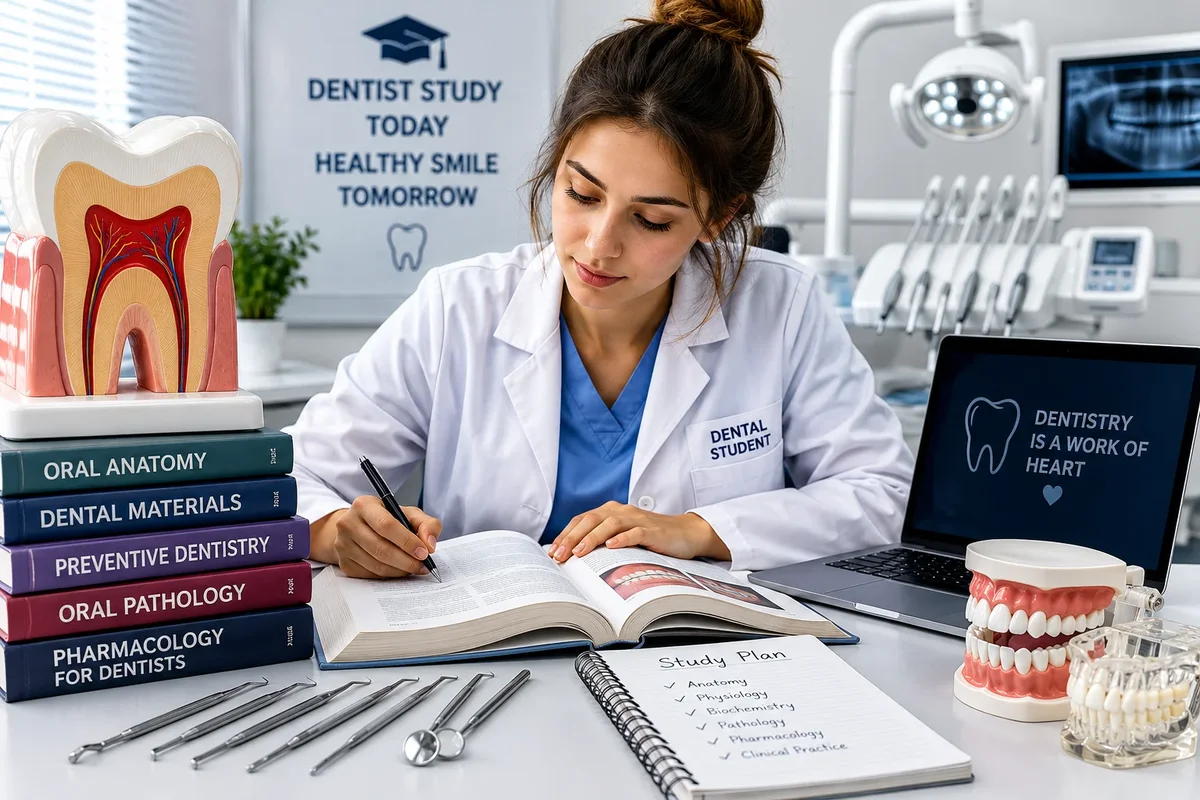
Tips to Succeed in a Competitive Dentist Study Journey
A successful dentist study journey requires dedication, discipline, patience, and continuous self-improvement. 🦷 Dental education is highly competitive because students must master scientific knowledge, technical skills, patient communication, and clinical decision-making simultaneously. Many students enter a dentist study program with strong academic backgrounds, but long-term success often depends more on consistency, resilience, and effective learning strategies.
The modern dentist study environment is demanding because dentistry combines healthcare science with practical precision. Students are expected to perform well in lectures, laboratory sessions, clinical practice, and examinations while maintaining professional behavior and patient safety standards. For this reason, developing effective habits early during a dentist study program can significantly improve both academic performance and long-term career success.
Build Strong Study Habits During Dentist Study
One of the most important factors for success in a dentist study program is maintaining consistent study habits. Dental education involves large amounts of scientific information that must be understood and retained over many years.
Create a Structured Study Schedule
Students who succeed in a dentist study curriculum usually follow organized study plans rather than relying on last-minute exam preparation. Creating a structured weekly schedule helps balance lectures, practical training, and personal responsibilities.
Effective study schedules often include:
- Daily lecture review sessions
- Regular anatomy practice
- Laboratory preparation time
- Clinical case analysis
- Short review sessions before sleep
Consistency is critical because a dentist study program builds knowledge gradually over time.
Use Active Learning Techniques
Active learning methods can improve understanding and long-term memory during a dentist study process. Instead of only reading textbooks repeatedly, students should actively engage with educational material.
Helpful active learning techniques include:
- Flashcards for anatomy and terminology
- Clinical case discussions
- Group study sessions
- Teaching concepts to classmates
- Practice quizzes and simulations
These strategies improve retention and help students apply knowledge in clinical environments.
Develop Excellent Time Management Skills
Time management is one of the biggest challenges during a dentist study journey. Dental students often balance lectures, laboratory sessions, patient care, assignments, and exams at the same time.
Prioritize Important Tasks
Students in a dentist study program should learn how to prioritize responsibilities effectively. Urgent clinical duties and upcoming examinations often require immediate attention.
Time management strategies may include:
- Using digital planners or calendars
- Breaking large tasks into smaller goals
- Setting realistic daily objectives
- Avoiding unnecessary distractions
- Planning study sessions in advance
Strong organization reduces stress and improves productivity throughout the dentist study process.
Balance Study and Rest
Although hard work is essential, burnout can negatively affect performance during a dentist study program. Students should balance academic responsibilities with proper sleep, nutrition, exercise, and mental relaxation. 😊
Healthy routines support concentration, emotional stability, and long-term academic success.
Improve Practical Skills Early in Dentist Study
Dentistry is a hands-on profession, so technical skill development is extremely important during every dentist study curriculum.
Practice Manual Dexterity
Dental procedures require excellent hand coordination and precision. Students can strengthen manual skills by practicing technical exercises regularly.
Activities that may improve manual dexterity during a dentist study journey include:
- Simulation laboratory exercises
- Wax carving practice
- Dental model preparation
- Precision handcraft activities
- Microscope-assisted procedures
Frequent repetition helps students improve control and procedural confidence.
Learn From Clinical Feedback
Clinical instructors provide valuable feedback throughout a dentist study program. Successful students actively listen to corrections and continuously refine their techniques.
Accepting constructive criticism professionally helps students improve more quickly in clinical settings.
Strengthen Communication Skills in Dentist Study
Communication is one of the most important non-technical skills in modern dentistry. During a dentist study program, students learn how to interact professionally with patients, instructors, and healthcare teams.
Build Patient Confidence
Many patients experience anxiety before dental treatment. Students who communicate calmly and professionally during a dentist study clinical experience often build stronger patient trust.
Important communication abilities include:
- Active listening
- Clear treatment explanations
- Professional body language
- Empathy and emotional support
- Managing nervous patients
Strong communication improves patient satisfaction and treatment cooperation.
Work Effectively With Teams
Modern dentistry depends heavily on teamwork. A dentist study environment teaches students how to collaborate with:
- Dental assistants
- Hygienists
- Orthodontists
- Laboratory technicians
- Clinical instructors
Professional collaboration is essential for efficient patient care.
Manage Stress Effectively During Dentist Study
A dentist study program can be emotionally demanding due to academic pressure, patient responsibility, and practical evaluations.
Recognize Common Sources of Stress
Dental students often experience stress related to:
- Examinations
- Clinical performance evaluations
- Patient treatment responsibilities
- Technical procedure difficulties
- Time management challenges
Understanding these stress sources helps students develop healthier coping strategies.
Healthy Stress Management Techniques
Successful students in a dentist study curriculum often use healthy methods to maintain emotional balance.
- Regular physical activity 🏃
- Healthy sleep schedules
- Balanced nutrition
- Mindfulness exercises
- Social support from classmates
- Short relaxation breaks during study sessions
Maintaining mental health is essential for long-term academic and professional success.
Stay Updated With Modern Dental Technology
Technology evolves rapidly in modern dentistry, making continuous learning essential during every dentist study journey.
Important Technologies Students Should Learn
- Digital radiology systems
- CAD/CAM technology
- 3D imaging software
- Digital smile design tools
- Artificial intelligence diagnostics 💻
Students who stay updated with technological innovations often adapt more successfully to modern clinical environments.
Build Professional Networks During Dentist Study
Networking can provide valuable opportunities throughout a dentist study program and future dental career.
Ways to Build Professional Connections
- Attending dental conferences
- Joining student organizations
- Participating in workshops
- Building relationships with instructors
- Collaborating with classmates
Professional connections may later help students find mentorship, internships, and career opportunities.
Maintain Motivation Throughout Dentist Study
A dentist study journey is long and demanding, so maintaining motivation is extremely important. Students should regularly remind themselves why they chose dentistry and focus on long-term career goals.
Helping patients improve oral health and self-confidence can provide strong emotional motivation during difficult academic periods. 😁
Long-Term Benefits of Dentist Study
- Career stability
- Strong earning potential
- Professional respect
- Ability to improve lives
- Opportunities for specialization
- International career flexibility
Students interested in educational standards and professional guidance may review official information provided by the American Dental Association. Individuals seeking consultation or oral healthcare information may also visit the Redent Klinik Contact Page.
Ultimately, succeeding in a dentist study program requires much more than intelligence alone. Strong study habits, technical precision, communication abilities, stress management, and continuous self-improvement all contribute to long-term success. Students who remain disciplined, adaptable, and motivated throughout their dentist study journey are better prepared to become highly skilled and respected dental professionals in the future. 🌍