
Losing teeth can affect nearly every part of daily life, from eating and speaking to self-confidence and overall health. Many people delay treatment because they worry about the cost of dentures and related dental procedures. Fortunately, there are many modern solutions for funding for dentures, making treatment more accessible and affordable than ever before. Whether you need full dentures, partial dentures, implant-supported dentures, or immediate dentures, understanding your financial options can help you restore your smile without unnecessary stress. 😊
Today, funding for dentures is available through dental clinics, insurance plans, healthcare financing companies, government programs, charitable organizations, and flexible payment systems. Patients are no longer limited to paying the full amount upfront. Instead, many clinics now provide monthly installment plans, low-interest financing, or customized treatment packages that make dentures easier to manage financially.
One of the first things patients should understand is that the total price of dentures can vary significantly. The cost depends on several factors, including the type of denture, the materials used, the complexity of the case, tooth extractions, oral surgery requirements, and whether dental implants are involved. Basic removable dentures are generally more affordable, while premium implant-supported dentures can cost substantially more due to surgical procedures and advanced materials.
Because treatment costs vary so much, researching funding for dentures before starting treatment is extremely important. Some patients qualify for insurance reimbursement, while others may benefit from medical credit programs or dental financing companies. In some cases, nonprofit organizations and community dental clinics also provide financial assistance for low-income individuals, seniors, or patients with disabilities.
Dental insurance is one of the most common methods used for funding for dentures. Many insurance providers partially cover denture treatment, especially when tooth loss affects oral function and overall health. However, coverage limits, waiting periods, and annual maximums often apply. Before beginning treatment, patients should carefully review their insurance plan and ask the clinic for a detailed treatment estimate.
Another popular option for funding for dentures involves healthcare financing companies that specialize in dental procedures. These companies allow patients to divide treatment costs into manageable monthly payments. Depending on credit approval and promotional terms, some plans may even offer interest-free periods for qualified patients. This can significantly reduce the financial burden associated with replacing missing teeth.
Many modern dental clinics also understand that affordability matters. As a result, they offer in-house financing solutions specifically designed for patients seeking funding for dentures. Some clinics provide customized payment schedules, while others bundle consultations, impressions, fittings, and adjustments into one affordable package. Patients should always ask about available payment plans during their initial consultation.
Here is a general overview of average denture pricing in the United States:
| Denture Type | Average Cost Range |
|---|---|
| Basic Full Dentures | $600 – $1,500 |
| Premium Full Dentures | $2,000 – $4,000 |
| Partial Dentures | $700 – $2,500 |
| Implant-Supported Dentures | $4,000 – $25,000 |
| Tooth Extractions | $75 – $650 per tooth |
These prices demonstrate why many patients actively search for funding for dentures before moving forward with treatment. Proper financial planning helps patients avoid delaying care, which can often lead to worsening oral health problems over time.
Another important factor to consider is the long-term value of dentures. Replacing missing teeth can improve chewing ability, speech clarity, facial structure, nutrition, and self-esteem. Many patients report significant emotional and social benefits after receiving properly fitted dentures. For this reason, investing in funding for dentures is often viewed as an investment in overall quality of life rather than simply a cosmetic procedure.
Patients researching affordable tooth replacement solutions should also compare different treatment types. In some situations, partial dentures may be sufficient instead of full dentures. Others may qualify for overdentures or flexible removable prosthetics that cost less than implant-supported systems. A professional dental examination is necessary to determine the most appropriate treatment option.
Choosing an experienced clinic is equally important when considering funding for dentures. An experienced dental team can explain every available financial option, provide transparent pricing, and help patients create realistic treatment plans. Good communication reduces confusion and allows patients to feel more confident throughout the process.
If you are considering treatment abroad or looking for personalized care options, you can contact the dental professionals through the Redent Klinik Contact Page. Consulting directly with experienced professionals may help you better understand treatment timelines, payment structures, and suitable denture solutions for your individual needs.
Patients should also rely on trusted dental organizations for accurate oral health information. The American Dental Association provides educational resources about dentures, oral hygiene, restorative dentistry, and patient care standards. Accessing reliable information helps patients make safer and more informed financial decisions.
When exploring funding for dentures, patients should avoid rushing into treatment without comparing multiple options. Taking time to review financing plans, insurance benefits, clinic experience, and total treatment costs can prevent financial surprises later. It is also wise to ask about future maintenance costs, denture relines, repairs, and replacement timelines.
Ultimately, modern funding for dentures solutions have made high-quality dental care accessible to a much larger number of patients. Whether you use insurance coverage, installment plans, dental loans, or clinic financing, there are now many ways to restore your smile comfortably and affordably. Missing teeth should never prevent someone from smiling confidently, eating properly, or enjoying everyday life. With proper planning and professional guidance, achieving a healthy and functional smile is entirely possible. 😁
Dental Insurance Options That Help With Funding for Dentures
For many patients, dental insurance is one of the most effective ways to reduce the cost of replacing missing teeth. Since dentures can involve examinations, extractions, impressions, fittings, adjustments, and follow-up visits, the overall expense may become difficult to manage without financial support. This is why understanding insurance-based funding for dentures is extremely important before beginning treatment. Patients who carefully review their coverage options often save hundreds or even thousands of dollars on restorative dental care. 😊
Dental insurance plans vary significantly depending on the provider, monthly premium, annual maximum benefit, waiting periods, and coverage percentage. Some plans focus mainly on preventive care, while others provide stronger restorative benefits that may include partial coverage for dentures. Before choosing a policy, patients should compare what each plan offers regarding funding for dentures, especially for major restorative procedures.
How Dental Insurance Covers Dentures
Most traditional dental insurance plans classify dentures as a “major restorative treatment.” This means the insurance provider usually covers a percentage of the total cost rather than paying the full amount. In many cases, insurance companies cover between 30% and 70% of approved denture expenses after deductibles and waiting periods are completed.
Coverage percentages depend heavily on the specific insurance policy. Some providers only cover basic removable dentures, while others contribute toward premium prosthetics or implant-supported overdentures. Patients looking for reliable funding for dentures should always request a pre-treatment estimate from both the clinic and the insurance provider.
Common Insurance Coverage Examples
| Procedure | Typical Insurance Coverage |
|---|---|
| Initial Consultation | 80% – 100% |
| Basic Full Dentures | 40% – 60% |
| Partial Dentures | 40% – 70% |
| Denture Repairs | 50% – 80% |
| Implant-Supported Dentures | Varies widely |
Patients should remember that annual benefit limits may apply. For example, a policy with a $1,500 yearly maximum may not fully cover extensive restorative treatment. Therefore, combining insurance with additional funding for dentures solutions such as installment plans or healthcare financing may still be necessary.
Waiting Periods and Limitations
One of the most important aspects of dental insurance is the waiting period. Many insurance providers require patients to maintain active coverage for six to twelve months before major restorative procedures become eligible for reimbursement. This means patients who need immediate treatment may not receive instant financial assistance.
Patients researching funding for dentures should also understand frequency limitations. Some policies only cover denture replacement once every five to seven years. If dentures need replacement earlier due to damage, wear, or fit issues, additional out-of-pocket costs may apply.
Another limitation involves cosmetic upgrades. Premium denture materials, advanced esthetic customization, or implant-retained systems may not qualify for full insurance reimbursement. Clinics usually explain which parts of treatment are considered medically necessary versus cosmetic enhancements.
Medicare, Medicaid, and Government Assistance
Government-supported healthcare programs may also help with funding for dentures, depending on the patient’s location and eligibility status. In the United States, traditional Medicare generally does not cover routine dentures. However, certain Medicare Advantage plans may include dental benefits that contribute toward restorative treatments.
Medicaid coverage varies by state. Some state programs provide partial or full assistance for dentures when tooth loss affects nutrition, speech, or overall health. Low-income seniors and disabled individuals may especially benefit from these programs.
Patients should contact local healthcare offices to determine whether public healthcare programs can assist with funding for dentures. Eligibility rules often depend on income level, age, disability status, and medical necessity.
Flexible Spending Accounts and Health Savings Accounts
Another overlooked method of funding for dentures involves using tax-advantaged healthcare accounts. Flexible Spending Accounts (FSAs) and Health Savings Accounts (HSAs) allow patients to use pre-tax income for qualified medical and dental expenses.
These accounts help reduce the effective overall cost of dentures because patients pay using untaxed income. Many people combine FSA or HSA funds with insurance reimbursement and monthly financing programs to create a more manageable payment structure.
Benefits of Using HSA or FSA Funds
- Lower taxable income
- Reduced out-of-pocket dental expenses
- Easy reimbursement process
- Can often be combined with insurance benefits
- Useful for denture repairs and adjustments
Using healthcare savings accounts strategically can significantly improve access to affordable funding for dentures without relying entirely on loans or high-interest credit cards.
Choosing the Right Insurance Plan
Patients comparing dental insurance plans should evaluate more than just monthly premiums. Some low-cost plans provide very limited restorative coverage, while slightly more expensive policies offer better long-term value for denture patients.
When searching for strong funding for dentures support, patients should examine the following factors carefully:
- Annual coverage maximum
- Waiting period duration
- Coverage percentage for dentures
- Implant denture eligibility
- Network clinic availability
- Deductible requirements
- Replacement frequency limits
Asking the dental clinic to verify benefits before treatment begins can prevent unexpected financial surprises later. Experienced clinics often communicate directly with insurance providers to estimate reimbursement amounts accurately.
Combining Insurance With Clinic Financing
Many patients discover that combining insurance coverage with clinic financing creates the most realistic solution for funding for dentures. Insurance may reduce part of the cost, while monthly payment plans handle the remaining balance gradually over time.
Modern dental clinics increasingly recognize the importance of affordability. Some practices offer customized financing programs with low monthly payments, flexible terms, and transparent pricing. Patients interested in learning more about available financing options can visit the Redent Klinik Contact Page to speak directly with experienced dental professionals.
Reliable oral health information is also available through the American Dental Association, which provides educational resources about dentures, restorative dentistry, and patient treatment planning.
Ultimately, understanding insurance-based funding for dentures helps patients make informed financial decisions while restoring oral function and confidence. By combining insurance benefits, healthcare savings accounts, payment plans, and professional guidance, patients can often access high-quality denture treatment much more affordably than expected. 😁
Government Programs and Grants for Funding for Dentures
Many people struggling with missing teeth delay treatment because they believe dentures are financially out of reach. However, government programs, nonprofit organizations, public healthcare systems, and charitable dental initiatives may help eligible individuals receive affordable or even free dental care. Understanding these resources is essential for patients searching for reliable funding for dentures. In many situations, financial assistance programs can dramatically reduce the burden of restorative dental treatment while improving overall health and quality of life. 😊
Tooth loss affects much more than appearance alone. Missing teeth can interfere with chewing, digestion, speech, facial support, and emotional confidence. In severe cases, untreated tooth loss may contribute to nutritional deficiencies and declining overall health. Because of these concerns, some public healthcare systems recognize dentures as medically important rather than purely cosmetic. This recognition has increased the availability of programs related to funding for dentures in certain regions and communities.
Medicaid Programs for Denture Assistance
One of the most common public healthcare options connected to funding for dentures in the United States is Medicaid. Medicaid is a government-supported healthcare program designed primarily for low-income individuals and families. Dental benefits vary significantly by state, but some Medicaid programs provide partial or full coverage for dentures when treatment is considered medically necessary.
Eligibility usually depends on income level, disability status, age, pregnancy, or other qualifying medical conditions. In states with expanded dental benefits, Medicaid may cover:
- Dental examinations
- Tooth extractions
- Basic full dentures
- Partial dentures
- Denture repairs and relines
- Emergency oral surgery
Patients searching for funding for dentures should contact their local Medicaid office or dental clinic to determine what benefits are available in their area. Some clinics even have dedicated staff members who help patients verify eligibility and complete paperwork.
Important Medicaid Limitations
Although Medicaid can provide valuable assistance, there are often restrictions. Certain states only cover one denture replacement every several years, while others may exclude premium materials or implant-supported dentures entirely. Waiting lists can also exist in some areas due to limited public funding.
Even with these limitations, Medicaid remains an important source of funding for dentures for patients who would otherwise struggle to access restorative dental care.
Medicare and Supplemental Dental Plans
Traditional Medicare generally does not include routine denture coverage. However, some Medicare Advantage plans offer expanded dental benefits that contribute toward restorative treatments. Seniors researching funding for dentures should carefully compare Medicare Advantage policies because coverage levels vary widely.
Certain plans may provide annual allowances for dentures, preventive care, extractions, or oral surgery. While the reimbursement may not fully cover premium prosthetics, it can significantly reduce out-of-pocket expenses.
Older adults are among the largest groups seeking funding for dentures because tooth loss becomes more common with age. For this reason, comparing supplemental dental insurance plans can be highly beneficial for retirees managing fixed incomes.
Veterans Assistance Programs
Veterans may qualify for dental care benefits through the U.S. Department of Veterans Affairs (VA). Depending on disability status, service-related conditions, and eligibility classification, some veterans receive complete or partial dental coverage that includes dentures.
VA dental benefits related to funding for dentures may include:
- Comprehensive oral examinations
- Extractions and oral surgery
- Complete or partial dentures
- Denture adjustments and maintenance
- Implant-supported restorations in qualifying cases
Veterans should contact their local VA office or dental clinic to review eligibility requirements and available treatment options.
Dental Schools and University Clinics
Dental schools are another valuable source of affordable funding for dentures. Universities with dental programs often provide reduced-cost treatment performed by supervised dental students. Although appointments may take longer than private practice visits, patients can often receive high-quality care at significantly lower prices.
Dental school clinics commonly offer:
- Affordable dentures
- Reduced-cost tooth extractions
- Denture repairs
- Comprehensive treatment planning
- Implant consultations
For uninsured patients searching for economical funding for dentures, university dental clinics can be an excellent solution.
Advantages of Dental School Clinics
- Lower treatment costs
- Access to supervised care
- Modern educational facilities
- Comprehensive oral examinations
- Flexible payment structures
Many patients are surprised by the quality and professionalism available at accredited dental teaching institutions.
Nonprofit Organizations and Charitable Programs
Several nonprofit organizations help individuals access funding for dentures, especially those experiencing financial hardship. Some charities organize free dental care events, while others partner with volunteer dentists to provide restorative treatment for vulnerable populations.
Programs may focus on:
- Low-income seniors
- Disabled individuals
- Veterans
- Domestic violence survivors
- Individuals recovering from medical hardship
Examples of organizations that may assist with denture-related care include local community health clinics, Mission of Mercy events, dental foundations, and nonprofit oral healthcare initiatives.
Patients should regularly check community healthcare announcements because free or discounted dental treatment events sometimes operate only during limited periods each year.
Community Health Centers
Community health centers funded by local governments or nonprofit healthcare systems may also provide low-cost dental care and funding for dentures. These clinics often use sliding-scale pricing based on household income, allowing patients to pay reduced fees according to financial circumstances.
Community dental clinics may provide:
- Affordable examinations
- Low-cost dentures
- Emergency dental services
- Preventive oral healthcare
- Basic restorative treatment
For uninsured individuals, these clinics may represent one of the most accessible solutions for obtaining affordable dentures safely.
Combining Grants With Payment Plans
In many cases, patients combine government assistance with other forms of funding for dentures such as monthly financing, healthcare credit, or in-house clinic payment plans. This blended approach often makes treatment more manageable while reducing immediate financial pressure.
Experienced dental clinics understand that affordability matters greatly to patients. Clinics may help patients explore grant opportunities, insurance verification, and financing alternatives simultaneously. Individuals interested in discussing treatment costs and available financial solutions can visit the Redent Klinik Contact Page for more information about personalized dental care options.
Patients should also consult trusted professional organizations such as the American Dental Association to access accurate educational resources about dentures, oral health, and restorative dentistry standards.
Ultimately, modern public healthcare initiatives and charitable programs have expanded access to funding for dentures for many individuals who once believed treatment was impossible to afford. Whether through Medicaid, veterans benefits, university clinics, nonprofit organizations, or community healthcare centers, there are now more opportunities than ever to restore oral function, confidence, and long-term quality of life. 😁
How Dental Clinics Offer Flexible Funding for Dentures
Modern dental clinics understand that many patients postpone treatment because they are worried about affordability. Dentures are an important investment in oral health, appearance, speech, nutrition, and daily comfort, but the total treatment cost can feel overwhelming for some individuals. To solve this problem, many clinics now provide flexible funding for dentures through customized payment systems, financing partnerships, installment plans, and affordable treatment packages. These financial solutions allow patients to begin treatment faster without waiting years to save the full amount upfront. 😊
Flexible funding for dentures has become increasingly common because clinics recognize that missing teeth affect much more than cosmetic appearance alone. Patients with tooth loss often struggle with chewing difficulties, facial changes, speech issues, and declining confidence. By offering affordable payment solutions, clinics help patients access restorative treatment before oral health complications become more severe.
Why Clinics Offer Financing Options
Dental clinics that provide funding for dentures understand that affordability plays a major role in treatment decisions. Without financing, many patients delay care for months or even years. Unfortunately, postponing treatment can lead to additional complications such as gum deterioration, jawbone loss, poor nutrition, and worsening oral infections.
Flexible financing benefits both patients and clinics because it improves treatment accessibility while allowing practices to provide comprehensive restorative care. Instead of requiring one large upfront payment, clinics divide treatment costs into smaller monthly amounts that are easier to manage financially.
Benefits of Flexible Denture Financing
- Immediate access to treatment
- Reduced financial stress
- Predictable monthly payments
- Customized payment schedules
- Improved long-term oral health
- Better quality of life and confidence
Patients researching funding for dentures should always ask clinics directly about available payment programs during the consultation process.
In-House Payment Plans
One of the most common forms of funding for dentures is the in-house payment plan. In this arrangement, the dental clinic itself allows the patient to spread treatment costs across multiple months rather than paying the entire balance immediately.
Some clinics require a small initial deposit followed by fixed monthly installments. Others provide completely customized schedules based on the patient’s financial situation. This flexibility helps make denture treatment more realistic for patients managing limited budgets.
In-house financing is especially attractive because approval requirements are often simpler compared to traditional bank loans or external healthcare credit providers. Patients with limited credit history may still qualify for treatment through clinic-managed payment arrangements.
Typical In-House Financing Structure
| Treatment Cost | Initial Payment | Monthly Payment Example |
|---|---|---|
| $1,500 | $300 | $100/month |
| $3,000 | $500 | $208/month |
| $5,000 | $1,000 | $333/month |
These examples vary by clinic, financing duration, and treatment complexity, but they demonstrate how funding for dentures can become significantly more manageable through installment systems.
Third-Party Healthcare Financing Companies
Many dental clinics also partner with healthcare financing providers that specialize in medical and dental treatment loans. These companies help patients obtain funding for dentures through structured financing plans that may include low-interest or temporary interest-free periods.
Third-party financing companies often provide:
- Quick online approval processes
- Extended repayment terms
- Flexible monthly installments
- Special promotional financing offers
- Immediate treatment approval
Patients should carefully review financing agreements before signing. Interest rates, repayment periods, and late payment fees can vary substantially between providers.
Responsible financial planning is important when using external funding for dentures solutions. Patients should choose payment amounts that fit comfortably within their monthly budget to avoid unnecessary financial pressure later.
Bundled Denture Treatment Packages
Another increasingly popular option for funding for dentures involves bundled treatment packages. Instead of charging separately for every appointment and procedure, some clinics combine multiple services into one predictable price.
Bundled packages may include:
- Initial consultation
- Digital imaging and impressions
- Tooth extractions
- Temporary dentures
- Final dentures
- Adjustment appointments
- Follow-up care
This pricing structure helps patients understand total treatment costs upfront while simplifying the financing process. Predictable pricing reduces confusion and allows patients to organize their budget more effectively.
Low-Cost Denture Membership Programs
Some clinics also offer membership plans designed for uninsured patients seeking affordable funding for dentures. These membership systems function similarly to discount programs and may provide reduced pricing on restorative procedures in exchange for an annual fee.
Membership programs sometimes include:
- Free annual examinations
- Discounted dentures
- Reduced extraction fees
- Lower repair costs
- Priority scheduling
Although these programs are not traditional insurance, they can significantly reduce out-of-pocket expenses for patients requiring extensive restorative treatment.
How Clinics Evaluate Financing Eligibility
When applying for funding for dentures, clinics or financing companies may review several factors before approval. Common evaluation criteria include:
- Income stability
- Credit history
- Employment status
- Outstanding debt levels
- Initial deposit availability
However, not all clinics use strict credit requirements. Many practices prioritize patient accessibility and work individually with patients to create manageable financing arrangements.
Patients should never assume they are automatically ineligible for funding for dentures. Asking directly about available options often reveals more flexibility than expected.
Questions Patients Should Ask Before Financing
Before committing to any financing agreement, patients should fully understand all treatment and payment details. Important questions include:
- What is the total treatment cost?
- Are adjustments included?
- What happens if dentures require repairs?
- Are there hidden fees?
- What interest rates apply?
- How long is the repayment period?
- What are the cancellation policies?
Transparent communication helps patients make informed financial decisions while avoiding unexpected expenses later.
Finding the Right Clinic for Affordable Denture Care
Choosing the right provider is one of the most important parts of successful funding for dentures. Patients should look for experienced clinics that combine professional restorative care with clear financing policies and patient-centered communication.
Clinics offering personalized financing consultations often help patients compare insurance benefits, payment plans, and treatment alternatives more effectively. Individuals interested in learning about affordable restorative treatment options can visit the Redent Klinik Contact Page to explore available services and financial guidance.
Patients can also access educational oral health information through the American Dental Association, which provides trusted resources regarding dentures, restorative procedures, and oral healthcare standards.
Ultimately, flexible clinic-based funding for dentures has transformed access to restorative dentistry for millions of patients. Through installment plans, healthcare financing, bundled packages, and affordable membership systems, modern clinics now make it much easier for patients to restore their smile, oral function, and confidence without overwhelming financial stress. 😁
Personal Loans and Payment Plans for Denture Financing
For many patients, personal loans and structured payment plans have become practical solutions for managing the cost of restorative dental treatment. Dentures can significantly improve daily comfort, appearance, nutrition, and confidence, but the financial side of treatment often causes hesitation. Fortunately, modern financial tools have expanded access to affordable funding for dentures, allowing patients to begin treatment immediately while paying gradually over time. 😊
Personal loans, healthcare credit systems, and monthly installment plans are now among the most common methods used for funding for dentures. These financing solutions are especially useful for individuals who do not have comprehensive dental insurance or who require extensive restorative treatment beyond their annual coverage limits.
Because denture costs vary depending on materials, treatment complexity, extractions, and implant requirements, flexible financing options help patients avoid delaying care due to financial concerns. In many cases, postponing treatment may lead to worsening oral health problems, additional tooth loss, gum deterioration, and increased long-term expenses.
What Are Personal Loans for Dentures?
Personal loans are borrowed funds provided by banks, credit unions, online lenders, or healthcare financing companies that patients use to cover medical or dental expenses. Patients approved for these loans receive a lump sum that can immediately pay for denture treatment, while repayment occurs through fixed monthly installments.
Many people use personal loans specifically for funding for dentures because these loans provide quick access to treatment without requiring years of savings beforehand. Depending on the lender, repayment periods may range from several months to several years.
Common Features of Denture Financing Loans
- Fixed monthly payments
- Predictable repayment schedules
- Fast approval processes
- Flexible loan amounts
- Immediate treatment access
- Potential low-interest promotional periods
Patients considering funding for dentures through personal loans should compare lenders carefully to find the most favorable repayment terms and interest rates.
Healthcare Credit Financing
Healthcare financing companies specialize specifically in medical and dental expenses. Many dental clinics partner directly with these companies to help patients secure funding for dentures quickly and conveniently.
Healthcare credit systems differ slightly from traditional personal loans because they are designed specifically for treatment-related costs. Some financing providers offer promotional interest-free periods for qualified patients if balances are repaid within a certain timeframe.
These programs often provide:
- Online application systems
- Same-day approval decisions
- Short-term and long-term financing
- Interest-free promotional plans
- High approval flexibility
Healthcare credit financing has become increasingly popular because it allows patients to prioritize oral health while maintaining manageable monthly budgets.
Monthly Payment Plans Through Dental Clinics
Many clinics now provide internal payment systems that allow patients to divide treatment costs into affordable installments. This approach has become one of the most patient-friendly forms of funding for dentures because clinics can customize payment structures according to individual financial situations.
Instead of requiring the full treatment amount upfront, clinics may request:
- A small initial deposit
- Monthly installment agreements
- Automatic recurring payments
- Flexible repayment schedules
In-house financing programs often involve fewer approval barriers than traditional bank loans, making them highly accessible for patients with limited credit history.
Example of Monthly Denture Financing
| Total Treatment Cost | Deposit | Estimated Monthly Payment |
|---|---|---|
| $2,000 | $400 | $133/month |
| $4,500 | $900 | $300/month |
| $8,000 | $1,500 | $541/month |
These examples illustrate how funding for dentures can transform a large immediate expense into smaller, more manageable monthly payments.
Interest Rates and Financial Considerations
Patients exploring funding for dentures should carefully review financing agreements before committing to treatment. Interest rates can vary greatly depending on:
- Credit score
- Loan duration
- Lender policies
- Promotional offers
- Debt-to-income ratio
Lower monthly payments may appear attractive initially, but extending repayment periods can increase the total amount paid over time due to accumulated interest.
Patients should always calculate:
- Total repayment cost
- Interest charges
- Late payment penalties
- Early repayment options
- Automatic payment requirements
Responsible financial planning ensures that funding for dentures remains sustainable and does not create unnecessary long-term financial pressure.
Who Benefits Most From Denture Financing?
Flexible financing solutions benefit many different patient groups searching for funding for dentures. Common examples include:
- Uninsured individuals
- Retirees on fixed incomes
- Patients requiring full-mouth restoration
- Individuals needing urgent extractions
- Patients seeking implant-supported dentures
- People with annual insurance maximum limitations
For these patients, financing often makes the difference between delaying treatment and restoring oral health immediately.
Comparing Loan Options Carefully
Not all financing programs are equally beneficial. Patients should compare multiple lenders and clinics before choosing a funding for dentures solution. Important comparison factors include:
- Approval requirements
- Interest rates
- Repayment flexibility
- Hidden administrative fees
- Promotional financing conditions
- Customer service quality
Patients should avoid rushing into high-interest agreements without fully understanding repayment obligations.
Warning Signs to Watch For
- Extremely high interest rates
- Unclear contract language
- Large penalty fees
- Aggressive sales pressure
- Lack of transparent pricing
Reliable dental clinics prioritize patient education and financial transparency rather than pressuring patients into expensive financing arrangements.
Combining Loans With Insurance and Savings
Many patients combine multiple financial tools to create the most affordable funding for dentures strategy. For example, insurance coverage may reduce part of the cost while a personal loan or clinic financing plan handles the remaining balance.
Patients may also combine:
- Dental insurance benefits
- Healthcare savings accounts (HSA/FSA)
- Personal savings
- Monthly financing plans
- Government assistance programs
This combination approach often minimizes interest costs while maximizing financial flexibility.
Choosing a Trusted Dental Clinic
Choosing an experienced dental clinic is just as important as selecting the right financing method. Clinics that specialize in restorative dentistry often help patients understand available funding for dentures solutions more clearly and provide transparent cost breakdowns.
Patients interested in personalized treatment planning and financing guidance can explore available options through the Redent Klinik Contact Page. Speaking directly with experienced dental professionals can help patients understand both clinical and financial aspects of denture treatment.
Educational oral health resources are also available through the American Dental Association, which provides trusted information regarding restorative dentistry, dentures, and oral healthcare standards.
Ultimately, modern loan programs and flexible installment systems have made funding for dentures significantly more accessible than in previous decades. With careful planning, responsible borrowing, and professional guidance, patients can restore their smile, improve oral function, and regain confidence without overwhelming financial stress. 😁
Affordable Denture Alternatives and Cost-Saving Solutions
Many patients searching for affordable tooth replacement solutions assume that traditional dentures are their only option. However, modern restorative dentistry now offers a wide range of alternatives and cost-saving strategies that may reduce overall expenses while still restoring oral function and appearance effectively. Understanding these alternatives is important for patients researching funding for dentures, especially those working within a limited budget. 😊
Tooth replacement treatment should never be approached as a one-size-fits-all solution. Every patient has different oral health conditions, financial situations, bone structure, and cosmetic goals. Some individuals may benefit from conventional removable dentures, while others may qualify for more affordable partial solutions or simplified restorative techniques.
By comparing treatment options carefully, patients can often reduce costs significantly while still achieving a healthy and functional smile. This is why exploring alternatives plays a major role in effective funding for dentures planning.
Traditional Full Dentures
Traditional removable full dentures remain one of the most affordable tooth replacement methods available today. These prosthetics are designed to replace all missing teeth in the upper jaw, lower jaw, or both.
For patients seeking economical funding for dentures, conventional dentures are often the first recommended option because they generally require fewer surgical procedures than implant-supported restorations.
Advantages of Traditional Dentures
- Lower initial treatment cost
- Widely available treatment
- Non-surgical solution
- Shorter treatment timeline
- Suitable for many age groups
Although traditional dentures are more affordable initially, patients should still consider long-term maintenance expenses such as relines, repairs, and replacements over time.
Partial Dentures as a Lower-Cost Alternative
For patients who still have several healthy natural teeth remaining, partial dentures may provide a more affordable restorative solution than complete dentures. Partial prosthetics fill gaps created by missing teeth while preserving the remaining natural structure.
Partial dentures can significantly reduce treatment costs because fewer replacement teeth and less extensive fabrication are required. This makes them a valuable option for patients looking for practical funding for dentures strategies.
When Partial Dentures May Be Appropriate
- Several healthy teeth remain
- Bone support is still stable
- Patients want removable appliances
- Budget limitations exist
- Implant treatment is not preferred
Maintaining natural teeth whenever possible may also help preserve jawbone stability and improve chewing efficiency.
Immediate Dentures and Temporary Solutions
Immediate dentures are temporary prosthetics placed directly after tooth extraction. While they may not be the final permanent solution, they allow patients to maintain appearance and oral function during the healing period.
For some patients, temporary dentures create additional flexibility when organizing funding for dentures. Instead of paying for premium permanent prosthetics immediately, patients may use temporary appliances while gradually preparing financially for long-term restorative treatment.
This phased approach can reduce immediate financial pressure and provide additional time for insurance claims, financing approvals, or savings accumulation.
Implant-Supported Overdentures
Although implant-supported dentures are usually more expensive initially, overdentures may sometimes provide better long-term value for certain patients. Overdentures use dental implants for improved stability while requiring fewer implants than fully fixed restorations.
Patients considering advanced funding for dentures options may explore overdentures because they offer:
- Improved chewing stability
- Reduced denture movement
- Better speech comfort
- Enhanced jawbone preservation
- Long-term functional benefits
While the initial cost is higher, overdentures may reduce future adjustment and replacement needs compared to conventional removable dentures.
Average Implant Overdenture Costs
| Treatment Type | Estimated Cost Range |
|---|---|
| Conventional Full Dentures | $600 – $4,000 |
| Partial Dentures | $700 – $2,500 |
| Implant Overdentures | $4,000 – $15,000 |
| Full Fixed Implant Restoration | $15,000 – $30,000+ |
These price differences demonstrate why careful financial planning is essential when researching funding for dentures.
Dental Tourism and International Treatment Options
Some patients reduce treatment expenses by considering dental tourism. International clinics in countries with lower operating costs may offer dentures and restorative procedures at more affordable prices compared to certain local markets.
Patients researching international funding for dentures opportunities should still prioritize:
- Clinic reputation
- Dentist qualifications
- Sterilization standards
- Transparent pricing
- Follow-up care availability
Lower prices should never come at the expense of patient safety or treatment quality.
Low-Cost Materials Versus Premium Materials
The materials used to create dentures can significantly affect total treatment costs. Basic acrylic dentures are generally more affordable, while premium prosthetics may include advanced esthetic layering, stronger materials, or highly customized designs.
Patients exploring funding for dentures should discuss material options carefully with their dentist. In many cases, mid-range materials provide excellent durability and appearance without the highest premium costs.
Factors That Influence Denture Pricing
- Material quality
- Laboratory customization
- Number of missing teeth
- Implant requirements
- Extraction procedures
- Digital scanning technology
- Follow-up appointments
Understanding these pricing factors helps patients compare treatment proposals more accurately.
How Preventive Care Reduces Long-Term Costs
Preventive oral healthcare can also lower future expenses related to funding for dentures. Regular dental examinations and early treatment of gum disease or tooth decay may help preserve remaining natural teeth longer.
Patients who maintain good oral hygiene often experience:
- Fewer emergency procedures
- Reduced extraction costs
- Better denture fit
- Improved long-term oral stability
- Lower repair and maintenance expenses
Even patients already wearing dentures should continue attending regular dental visits to monitor gum health and appliance condition.
Comparing Treatment Plans Carefully
Patients should always compare multiple clinics and treatment proposals before choosing a funding for dentures solution. Lower prices may not always include adjustments, relines, or follow-up care. Transparent communication and detailed treatment planning are essential.
Questions patients should ask include:
- What services are included in the price?
- Are adjustments included?
- How long will dentures last?
- Are repairs covered?
- What financing options are available?
Experienced dental clinics help patients understand both the clinical and financial aspects of restorative treatment clearly. Individuals interested in learning more about treatment planning and financing support can visit the Redent Klinik Contact Page for additional guidance.
Patients can also access trusted educational information through the American Dental Association, which provides valuable oral healthcare resources regarding dentures and restorative dentistry.
Ultimately, there are many effective alternatives and strategies available for patients researching funding for dentures. By comparing treatment types, exploring phased care approaches, considering partial restorations, and using flexible financing systems, patients can often restore their smile affordably while still receiving safe and high-quality dental care. 😁
Average Denture Prices and What Affects the Total Cost
One of the most important questions patients ask before starting restorative treatment is how much dentures actually cost. Understanding pricing helps patients prepare financially and compare available treatment options more confidently. Since denture costs vary widely depending on several clinical and cosmetic factors, learning what influences pricing is essential when researching funding for dentures. 😊
The total cost of dentures is not determined by a single factor alone. Pricing depends on the type of denture, material quality, laboratory customization, oral health condition, surgical procedures, clinic experience, and geographic location. Some patients may only require simple removable prosthetics, while others need extensive oral surgery, bone preparation, or implant-supported restorations.
For this reason, patients should always request a detailed treatment plan before committing to any funding for dentures solution. Transparent pricing helps prevent unexpected expenses and allows patients to organize financing more effectively.
Average Cost of Full Dentures
Traditional full dentures are among the most common restorative options for patients missing all teeth in the upper or lower jaw. These prosthetics are removable appliances designed to restore chewing function, speech, and appearance.
The cost of conventional full dentures can vary significantly depending on material quality and customization level. Patients researching affordable funding for dentures often begin by comparing basic and premium denture categories.
Estimated Full Denture Pricing
| Denture Type | Estimated Cost Range |
|---|---|
| Basic Full Dentures | $600 – $1,500 |
| Mid-Range Full Dentures | $1,500 – $3,000 |
| Premium Full Dentures | $3,000 – $8,000 |
Basic dentures generally use simpler materials and standard designs, while premium prosthetics often involve advanced esthetic detailing, stronger materials, and improved comfort.
Cost of Partial Dentures
Partial dentures are commonly recommended for patients who still have several healthy natural teeth remaining. These removable appliances replace missing teeth while preserving the remaining dental structure.
Partial dentures may represent a more affordable option for patients exploring funding for dentures because they typically require less material and fewer restorative procedures compared to complete full-mouth replacement.
Average Partial Denture Costs
- Acrylic partial dentures: $700 – $1,500
- Metal framework partial dentures: $1,500 – $3,000
- Flexible partial dentures: $1,000 – $2,500
The choice of material and design can significantly affect durability, comfort, and esthetic appearance.
Implant-Supported Denture Costs
Implant-supported dentures are more advanced restorations that attach to dental implants surgically placed into the jawbone. These systems provide greater stability and chewing performance than traditional removable dentures.
Although implant-supported solutions are more expensive initially, some patients consider them a worthwhile long-term investment when planning funding for dentures. Improved comfort and durability may reduce future maintenance issues and improve quality of life.
Typical Implant Denture Price Ranges
| Implant Treatment Type | Estimated Cost Range |
|---|---|
| Implant Overdentures | $4,000 – $15,000 |
| All-on-4 Restorations | $15,000 – $30,000+ |
| Single Implant With Crown | $3,000 – $6,000 |
Implant-supported restorations require surgical placement, healing time, imaging, and advanced prosthetic fabrication, which contribute to higher total costs.
Additional Procedures That Affect Pricing
Many patients do not realize that dentures often involve additional treatments before the prosthetics can be created successfully. These procedures can significantly influence total funding for dentures requirements.
Common Additional Expenses
- Tooth extractions
- Bone grafting
- Digital X-rays and scans
- Oral surgery
- Denture relines
- Temporary dentures
- Follow-up adjustments
For example, patients with severe gum disease or damaged teeth may require multiple extractions before denture fabrication can begin. Surgical procedures naturally increase total treatment costs.
How Materials Affect Denture Prices
The materials used during denture fabrication strongly influence both price and durability. Patients searching for affordable funding for dentures should understand the difference between standard and premium materials.
Basic acrylic dentures are generally less expensive but may wear down more quickly over time. Premium prosthetics may include:
- High-impact acrylic materials
- Natural-looking gum shading
- Advanced tooth layering
- Improved stain resistance
- Enhanced fracture resistance
Higher-quality materials often improve esthetics, comfort, and long-term durability.
Geographic Location and Clinic Experience
Denture pricing can also vary depending on geographic location and clinic expertise. Clinics located in large metropolitan areas often have higher operational costs, which may increase treatment prices.
Similarly, highly experienced prosthodontists or implant specialists may charge more due to advanced training and specialized expertise. While lower-cost providers may seem attractive initially, patients should always prioritize treatment quality and long-term safety when considering funding for dentures.
Factors That Influence Regional Pricing
- Local cost of living
- Laboratory expenses
- Technology availability
- Specialist expertise
- Clinic reputation
- Patient demand
Comparing treatment proposals carefully can help patients identify fair pricing without sacrificing care quality.
Maintenance and Long-Term Costs
Patients should also understand that dentures involve long-term maintenance expenses. Over time, gum tissue and jawbone naturally change shape, causing dentures to loosen or become less comfortable.
Long-term funding for dentures planning should include potential future costs such as:
- Denture relines
- Repairs
- Replacement dentures
- Professional cleaning
- Implant maintenance
- Adjustment appointments
Most dentures eventually require replacement after several years due to normal wear and oral tissue changes.
How Insurance and Financing Reduce Costs
Many patients reduce overall expenses through insurance benefits, payment plans, healthcare credit, or government assistance programs. Combining multiple financial solutions often creates the most manageable funding for dentures strategy.
Experienced clinics frequently help patients:
- Verify insurance coverage
- Estimate reimbursement amounts
- Apply for financing
- Create installment plans
- Compare treatment alternatives
Patients interested in personalized treatment planning and financing support can learn more through the Redent Klinik Contact Page. Professional guidance can help simplify both the clinical and financial aspects of restorative care.
Additional oral healthcare information is also available through the American Dental Association, which offers trusted educational resources regarding dentures and restorative dentistry.
Ultimately, understanding denture pricing helps patients make informed decisions regarding funding for dentures. By comparing treatment options carefully, asking detailed financial questions, and exploring available financing solutions, patients can restore their smile confidently while managing costs more effectively. 😁
How to Choose the Best Clinic for Funding for Dentures
Choosing the right dental clinic is one of the most important decisions patients make when planning restorative treatment. While affordability matters greatly, treatment quality, professional experience, transparency, and long-term support are equally important. Patients researching funding for dentures should focus not only on price but also on the clinic’s ability to provide safe, comfortable, and reliable dental care. 😊
Modern dental clinics now offer many different financing options, payment structures, and denture solutions. However, not every clinic provides the same level of expertise, communication, or patient-centered care. Selecting the right provider can significantly improve both the financial and clinical outcome of treatment.
Patients searching for effective funding for dentures should compare clinics carefully and ask detailed questions before committing to treatment. A trustworthy clinic explains all costs clearly, discusses realistic treatment expectations, and helps patients understand available financing solutions.
Why Clinic Selection Matters
Dentures affect many aspects of daily life, including eating, speaking, smiling, and facial support. Poorly designed dentures can cause discomfort, instability, sore spots, difficulty chewing, and emotional frustration. For this reason, choosing a highly qualified dental team is just as important as finding affordable funding for dentures.
An experienced clinic carefully evaluates:
- Jawbone condition
- Gum health
- Bite alignment
- Facial structure
- Speech patterns
- Cosmetic appearance
Comprehensive treatment planning helps ensure that dentures fit comfortably and function effectively over the long term.
Look for Transparent Pricing
One of the biggest warning signs in restorative dentistry is unclear or incomplete pricing. Patients seeking funding for dentures should always request a written treatment estimate that explains exactly what is included.
Important Questions About Pricing
- Are consultations included?
- Do prices include tooth extractions?
- Are follow-up adjustments covered?
- Will temporary dentures be required?
- Are denture relines included?
- What maintenance costs may occur later?
Transparent clinics explain all treatment stages and financial responsibilities before work begins. Patients should avoid providers that pressure them into treatment without clear documentation.
Evaluate Financing Options Carefully
Financial flexibility is an essential part of modern funding for dentures. Good clinics typically offer multiple payment solutions that help patients manage treatment costs comfortably.
These financing options may include:
- Monthly installment plans
- Healthcare credit financing
- Insurance coordination
- In-house financing
- Discount membership programs
- Flexible treatment scheduling
Patients should compare repayment terms, interest rates, deposits, and approval requirements carefully before selecting a financing program.
Signs of Patient-Friendly Financing
- Clear repayment schedules
- No hidden fees
- Reasonable monthly payments
- Transparent contracts
- Flexible financing terms
- Personalized financial guidance
Clinics that prioritize patient education usually create a more comfortable and trustworthy experience.
Check Professional Qualifications
Patients researching funding for dentures should also investigate the clinic’s professional credentials and restorative experience. Denture fabrication requires careful planning, technical skill, and long-term follow-up care.
Important qualifications may include:
- Prosthodontic training
- Restorative dentistry experience
- Implant dentistry expertise
- Continuing education certifications
- Modern digital dentistry technology
Clinics specializing in restorative dentistry often achieve better functional and cosmetic outcomes because they regularly manage complex tooth replacement cases.
Review Before-and-After Results
Visual examples of previous treatments can help patients evaluate the quality of a clinic’s work. Patients exploring funding for dentures should ask to see before-and-after cases involving similar oral conditions.
High-quality dentures should demonstrate:
- Natural tooth appearance
- Balanced smile design
- Proper facial support
- Comfortable fit
- Functional bite alignment
Reviewing real patient outcomes often provides more confidence during the treatment selection process.
Read Patient Reviews and Testimonials
Patient feedback can provide valuable insight into the overall clinic experience. Reviews often reveal information about communication quality, appointment organization, financial transparency, and long-term patient satisfaction.
Patients searching for reliable funding for dentures should pay attention to reviews mentioning:
- Denture comfort
- Payment flexibility
- Friendly staff communication
- Post-treatment support
- Clean facilities
- Emergency care responsiveness
Although no clinic receives perfect reviews consistently, repeated complaints about hidden fees or poor communication should be taken seriously.
Technology and Modern Treatment Methods
Advanced dental technology can improve both treatment accuracy and patient comfort. Clinics using modern equipment may provide more precise impressions, better-fitting dentures, and faster treatment timelines.
Helpful Modern Technologies
- Digital smile design
- 3D imaging systems
- Digital impressions
- Computer-guided implant planning
- Advanced dental laboratories
Modern technology may also reduce future adjustment needs, helping patients maximize the value of their funding for dentures.
Importance of Follow-Up Care
Denture treatment does not end after appliance delivery. Regular follow-up appointments are essential for monitoring comfort, fit, gum health, and oral function.
Good clinics offering funding for dentures typically include ongoing support such as:
- Adjustment appointments
- Denture relines
- Repair services
- Oral hygiene guidance
- Long-term maintenance planning
Patients should always ask how follow-up care is managed and whether additional fees may apply later.
Comparing Domestic and International Clinics
Some patients compare clinics internationally to reduce treatment expenses. Dental tourism can sometimes provide more affordable funding for dentures, especially when treatment costs are significantly higher in certain countries.
However, international treatment requires careful research regarding:
- Clinic accreditation
- Dentist qualifications
- Sterilization standards
- Language communication
- Travel expenses
- Follow-up care availability
Lower pricing alone should never outweigh patient safety and treatment quality.
Communication and Patient Comfort
One of the most overlooked factors when selecting a clinic is communication quality. Patients should feel comfortable asking questions about both treatment and funding for dentures. A professional clinic listens carefully, explains procedures clearly, and creates realistic expectations.
Good communication reduces anxiety and helps patients feel more confident throughout the restorative process.
Patients interested in learning more about personalized restorative treatment and flexible financing options can visit the Redent Klinik Contact Page. Speaking directly with experienced dental professionals can help simplify treatment planning and financial decision-making.
Additional oral healthcare information is available through the American Dental Association, which provides trusted educational resources regarding dentures and restorative dentistry standards.
Ultimately, choosing the right clinic is a critical step in successful funding for dentures planning. By focusing on professional experience, transparent pricing, financing flexibility, patient reviews, and long-term support, patients can achieve high-quality restorative results while managing costs responsibly and confidently. 😁
Common Mistakes to Avoid When Searching for Funding for Dentures
Finding affordable restorative dental treatment can feel overwhelming for many patients, especially when comparing insurance plans, financing programs, clinics, and denture types simultaneously. While there are now many solutions available for funding for dentures, patients sometimes make costly mistakes that increase expenses, delay treatment, or reduce overall satisfaction with the final results. Understanding these common problems can help patients make safer, smarter, and more confident decisions throughout the treatment process. 😊
Because dentures affect appearance, nutrition, speech, oral health, and daily comfort, financial planning should always be approached carefully. Patients searching for funding for dentures should focus on long-term value rather than simply choosing the cheapest immediate option. A lower initial price may sometimes lead to poor-quality appliances, hidden fees, or expensive future repairs.
Choosing Clinics Based Only on Price
One of the most common mistakes patients make when exploring funding for dentures is selecting a clinic solely because it advertises the lowest price. While affordability is important, extremely low pricing can sometimes indicate lower-quality materials, rushed treatment processes, inexperienced providers, or limited follow-up care.
Poorly fitted dentures may cause:
- Painful sore spots
- Difficulty chewing
- Speech problems
- Jaw discomfort
- Frequent breakage
- Reduced confidence
Patients should balance affordability with professional expertise, clinic reputation, and long-term treatment quality.
What Patients Should Compare Instead
- Provider experience
- Included services
- Adjustment policies
- Material quality
- Follow-up support
- Financing transparency
Reliable funding for dentures should always involve both reasonable pricing and dependable clinical care.
Ignoring Hidden Costs
Another major mistake involves overlooking additional treatment expenses. Many patients focus only on the advertised denture price without realizing that other procedures may significantly affect total costs.
Additional treatments commonly include:
- Tooth extractions
- Digital imaging
- Bone grafting
- Temporary dentures
- Denture relines
- Follow-up adjustments
- Repair services
Patients researching funding for dentures should always request a full written treatment estimate before starting care. Transparent pricing helps prevent financial surprises later.
Questions Patients Should Ask
- Are adjustments included?
- Will temporary dentures be necessary?
- How much do repairs cost?
- Are relines covered?
- What future maintenance is expected?
Detailed financial discussions reduce confusion and improve budgeting accuracy.
Failing to Compare Financing Options
Some patients accept the first financing offer they receive without comparing alternative payment solutions. However, financing terms can vary significantly depending on the lender, clinic, or healthcare credit provider.
Responsible funding for dentures planning should involve reviewing:
- Interest rates
- Monthly payment amounts
- Repayment duration
- Hidden administrative fees
- Early repayment policies
- Late payment penalties
Lower monthly payments may appear attractive initially but could increase total repayment costs over time if interest rates are high.
Delaying Treatment Too Long
Many people postpone restorative treatment because they feel financially unprepared. Unfortunately, delaying care may worsen oral health conditions and increase total future expenses.
Untreated tooth loss can contribute to:
- Jawbone deterioration
- Shifting remaining teeth
- Gum tissue changes
- Digestive difficulties
- Nutritional problems
- Reduced facial support
Patients searching for funding for dentures should remember that early treatment often reduces long-term complications and costs.
Many clinics now offer flexible financing systems specifically designed to prevent patients from delaying important oral healthcare.
Ignoring Insurance Limitations
Patients sometimes misunderstand their dental insurance benefits and assume dentures will be fully covered. In reality, many insurance plans include annual maximums, waiting periods, replacement limitations, and partial reimbursement structures.
Before finalizing funding for dentures, patients should verify:
- Coverage percentages
- Waiting periods
- Annual benefit limits
- Approved providers
- Implant denture eligibility
- Replacement frequency rules
Direct communication between the clinic and insurance provider often helps prevent misunderstandings regarding reimbursement.
Common Insurance Misunderstandings
- Assuming implants are fully covered
- Ignoring waiting periods
- Misunderstanding annual limits
- Overlooking deductibles
- Using out-of-network providers unknowingly
Careful insurance verification is an essential part of successful funding for dentures planning.
Choosing the Wrong Denture Type
Another common mistake involves selecting denture types based only on short-term cost rather than long-term functionality. Some patients may benefit more from partial dentures, overdentures, or implant-supported systems depending on their oral condition.
Patients should discuss:
- Comfort expectations
- Chewing performance
- Bone preservation goals
- Long-term maintenance
- Cosmetic preferences
- Future replacement needs
Proper treatment planning ensures that funding for dentures supports both immediate affordability and long-term satisfaction.
Overlooking Follow-Up Care
Denture treatment does not end after appliance delivery. Regular adjustments and maintenance are essential for long-term comfort and oral health.
Patients who ignore follow-up appointments may experience:
- Poor denture fit
- Gum irritation
- Speech difficulties
- Chewing discomfort
- Appliance instability
Reliable clinics offering funding for dentures typically provide ongoing support and maintenance guidance. Patients should ask whether adjustment appointments are included in the total treatment cost.
Using Unsafe DIY Solutions
Some individuals attempt unsafe do-it-yourself denture repairs or purchase low-quality online appliances to avoid treatment expenses. Unfortunately, these shortcuts may create serious oral health problems and increase long-term costs.
Risks of DIY Denture Solutions
- Poor fit and instability
- Gum injuries
- Bacterial infections
- Difficulty chewing
- Jaw joint problems
- Damage to remaining teeth
Professional restorative care is always safer and more effective than unregulated alternatives.
Not Asking Enough Questions
Many patients feel uncomfortable discussing financial concerns during consultations. However, open communication is essential for successful funding for dentures planning.
Patients should never hesitate to ask:
- What financing options exist?
- What happens if repairs are needed?
- How long will dentures last?
- Are payment plans available?
- What maintenance costs should be expected?
Good clinics welcome financial discussions and help patients understand every stage of treatment clearly.
Choosing Trusted Professional Guidance
Patients who carefully research clinics, financing plans, and treatment options usually experience better outcomes overall. Professional guidance simplifies both clinical and financial decision-making.
Individuals interested in learning more about treatment planning and flexible funding for dentures solutions can visit the Redent Klinik Contact Page for additional support and information.
Trusted educational resources are also available through the American Dental Association, which provides detailed information regarding restorative dentistry, oral health, and dentures.
Ultimately, avoiding these common mistakes can make funding for dentures significantly more manageable and less stressful. By comparing clinics carefully, understanding financing terms, verifying insurance coverage, and prioritizing long-term oral health, patients can achieve safer, more comfortable, and more affordable restorative dental treatment. 😁
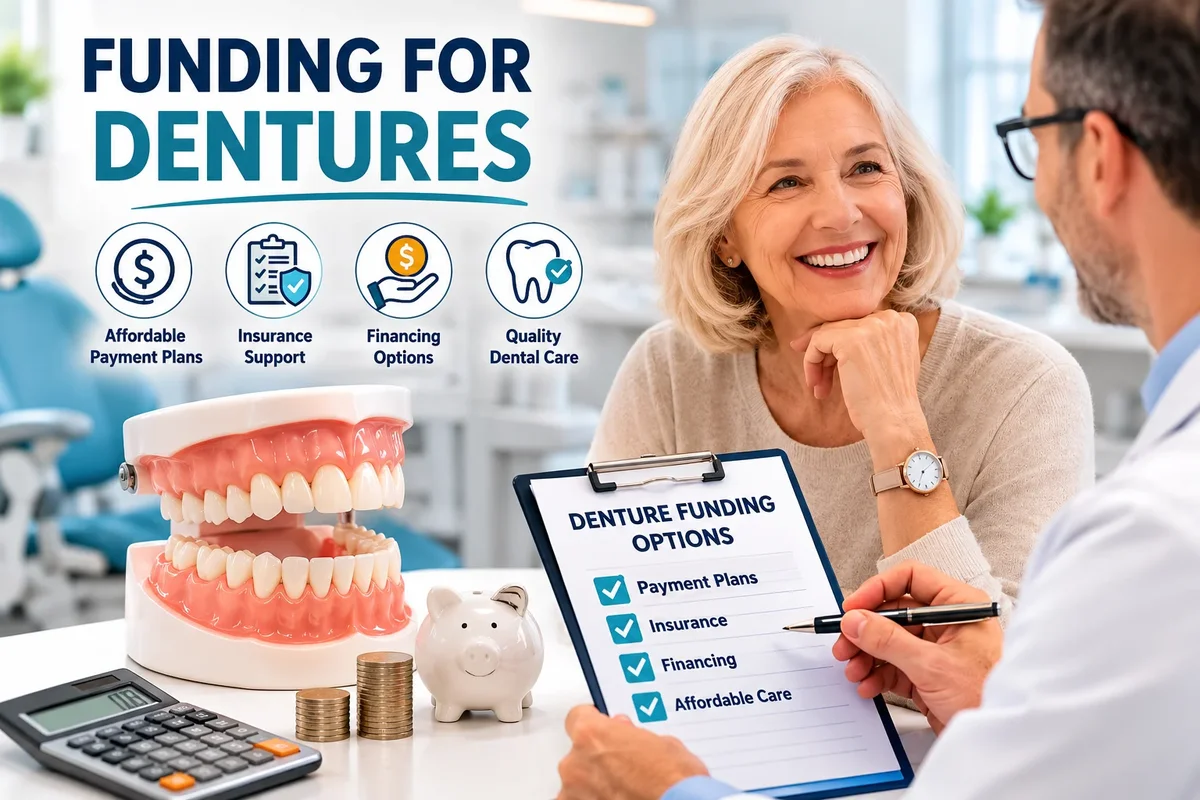
Final Tips for Successfully Managing Funding for Dentures
Planning restorative dental treatment can feel emotionally and financially challenging, especially for patients dealing with extensive tooth loss. However, modern financing systems, insurance programs, healthcare credit solutions, and affordable clinic payment plans have made dentures more accessible than ever before. Patients who approach the process carefully, ask the right questions, and compare treatment options thoughtfully are often able to find practical and sustainable funding for dentures solutions that fit their needs comfortably. 😊
Throughout the restorative process, patients should remember that dentures are not only cosmetic appliances. Properly fitted dentures improve chewing ability, speech clarity, facial support, nutrition, self-confidence, and overall quality of life. Investing time into researching the best funding for dentures strategy can therefore have lasting benefits for both oral health and emotional well-being.
Start With a Comprehensive Dental Consultation
One of the most important first steps in successful funding for dentures planning is scheduling a detailed dental consultation. A professional examination allows the dentist to evaluate oral health conditions, identify necessary procedures, and create a personalized treatment plan.
Without a proper examination, patients may underestimate total treatment costs or overlook important procedures such as:
- Tooth extractions
- Bone grafting
- Gum treatment
- Implant preparation
- Denture relines
- Temporary restorations
A complete treatment estimate helps patients organize financing more accurately and avoid unexpected expenses later.
Benefits of Professional Treatment Planning
- Accurate pricing estimates
- Personalized denture recommendations
- Improved financial preparation
- Clear treatment timelines
- Long-term oral health planning
Careful planning creates a much smoother experience for patients searching for reliable funding for dentures.
Compare Multiple Financing Options
Patients should never feel pressured to accept the very first financing offer they receive. Comparing multiple payment solutions is one of the smartest ways to improve funding for dentures affordability.
Potential financing methods may include:
- Dental insurance reimbursement
- Healthcare financing companies
- Clinic installment plans
- Personal loans
- Health savings accounts
- Government assistance programs
- Dental school clinics
Combining several financing resources often produces the most manageable overall payment structure.
Key Factors to Compare
| Financing Factor | Why It Matters |
|---|---|
| Interest Rate | Affects total repayment cost |
| Monthly Payment | Impacts long-term affordability |
| Repayment Period | Changes financial flexibility |
| Hidden Fees | Can increase unexpected expenses |
| Approval Requirements | Determines financing eligibility |
Careful financial comparison helps patients avoid unnecessary debt while maximizing access to affordable funding for dentures.
Prioritize Long-Term Value Over Short-Term Savings
Many patients naturally focus on finding the lowest possible price. However, choosing dentures based only on cost may sometimes create future problems involving comfort, durability, appearance, or maintenance expenses.
High-quality restorative care may provide:
- Better chewing performance
- Improved speech clarity
- Enhanced cosmetic appearance
- Greater durability
- Fewer future repairs
- Improved confidence
Patients exploring funding for dentures should focus on overall treatment value rather than simply selecting the cheapest immediate option.
Understand Long-Term Maintenance Costs
Dentures require long-term care and occasional maintenance. Gum tissues and jawbone structures naturally change over time, which may affect appliance fit.
Patients planning funding for dentures should budget for future maintenance such as:
- Denture relines
- Professional cleanings
- Repairs
- Replacement dentures
- Adjustment appointments
- Implant maintenance
Ignoring maintenance may lead to discomfort, oral irritation, instability, or additional restorative problems later.
Average Denture Lifespan
- Basic dentures: 5–7 years
- Premium dentures: 7–10 years
- Implant-supported dentures: potentially longer with proper care
Long-term planning helps patients manage restorative treatment more confidently.
Protect Your Oral Health After Treatment
Even after dentures are placed successfully, maintaining excellent oral hygiene remains extremely important. Patients using dentures should continue attending regular dental examinations to monitor gum health and appliance condition.
Healthy habits after funding for dentures treatment include:
- Daily denture cleaning
- Regular dental checkups
- Proper denture storage
- Healthy nutrition
- Avoiding tobacco products
- Monitoring fit changes
Proper maintenance improves denture longevity and helps reduce future repair expenses.
Know When Implant-Supported Dentures May Be Worth It
While implant-supported dentures usually involve higher initial costs, they may provide better long-term stability and comfort for some patients. Individuals exploring advanced funding for dentures options should discuss implant-supported restorations carefully with their dentist.
Potential advantages include:
- Improved chewing efficiency
- Reduced denture movement
- Better jawbone preservation
- Enhanced comfort
- Long-term functional benefits
Although implants are more expensive initially, they may reduce future maintenance challenges in some cases.
Communication Is Essential
One of the most valuable tips for successful funding for dentures planning is maintaining open communication with the dental team. Patients should feel comfortable discussing:
- Budget concerns
- Insurance questions
- Payment flexibility
- Treatment expectations
- Alternative options
- Future maintenance needs
Professional clinics understand that affordability matters and often work closely with patients to create realistic financing strategies.
Work With Trusted Dental Professionals
Reliable restorative treatment requires both professional expertise and transparent financial guidance. Patients interested in personalized treatment planning and flexible funding for dentures options can visit the Redent Klinik Contact Page for more information about available services and financing support.
Patients should also continue learning through trusted educational organizations such as the American Dental Association, which provides valuable resources regarding dentures, oral health, and restorative dentistry standards.
Final Thoughts on Funding for Dentures
Modern dentistry has created far more opportunities for affordable restorative treatment than ever before. Through insurance benefits, clinic financing, government assistance, healthcare credit systems, and customized payment plans, effective funding for dentures is now accessible to a much wider range of patients.
By researching treatment options carefully, comparing financing methods, choosing experienced clinics, and prioritizing long-term oral health, patients can restore their smile confidently and comfortably. Dentures are more than simply a cosmetic improvement—they are an investment in daily comfort, nutrition, confidence, and overall quality of life. With proper planning and professional guidance, achieving a healthy and functional smile is entirely possible. 😁