
🦷 Invisalign medical treatment has become one of the most preferred orthodontic solutions for patients who want a straighter smile without the discomfort and appearance of traditional metal braces. Many people searching for invisalign medical options are looking for a discreet, comfortable, and modern way to improve their teeth alignment while maintaining confidence during daily life. Invisalign medical systems use clear aligners that are custom-made to gradually move teeth into the correct position over time.
The popularity of invisalign medical procedures continues to grow because patients can remove the aligners while eating, brushing, and flossing. Unlike traditional braces that use metal wires and brackets, invisalign medical aligners are nearly invisible, making them an attractive option for adults, teenagers, and professionals who want orthodontic treatment without noticeable hardware. Clear aligner therapy is now widely recommended by orthodontists and cosmetic dentists for correcting mild to moderate dental alignment issues.
Modern invisalign medical technology works through a series of transparent trays that are individually designed using advanced digital scanning systems. Each aligner applies gentle pressure to specific teeth, encouraging gradual movement. During invisalign medical treatment, patients usually wear aligners for 20–22 hours daily and change them every one to two weeks depending on the treatment plan prepared by the dentist.
😊 One major reason why invisalign medical treatment is so successful is the advanced planning process. Dentists use 3D imaging and digital smile simulations to show patients how their smile may look after treatment. This allows patients to understand every stage of their invisalign medical journey before starting. Many clinics also provide digital treatment previews, helping patients feel more confident about their decision.
People often choose invisalign medical treatment to solve several orthodontic problems, including:
- Crooked teeth
- Gaps between teeth
- Overbite
- Underbite
- Crowded teeth
- Crossbite
- Minor relapse after braces
Because invisalign medical systems are removable, maintaining oral hygiene becomes much easier compared to fixed braces. Patients can brush and floss normally without trying to clean around brackets and wires. Better oral hygiene during orthodontic care may help reduce the risk of plaque buildup and gum irritation.
Another important advantage of invisalign medical treatment is comfort. Traditional braces can sometimes cause irritation to the cheeks and gums because of metal components. Clear aligners are made from smooth medical-grade plastic materials designed to fit comfortably over teeth. Although some mild pressure may occur when switching to a new aligner tray, most patients report less discomfort compared to conventional braces.
📋 The duration of invisalign medical treatment varies depending on the complexity of the case. Some patients complete treatment within 6 months, while others may require 12–24 months. Consistency is extremely important because failing to wear aligners for the recommended number of hours may delay results. Orthodontists regularly monitor invisalign medical progress through follow-up appointments to ensure teeth are moving correctly.
Patients considering invisalign medical treatment frequently ask about costs. Prices may vary depending on country, clinic reputation, dentist expertise, and treatment complexity. Based on current dental market averages, invisalign medical treatment may range between:
Estimated Invisalign Medical Prices
- Minor corrections: $2,000 – $3,500
- Moderate alignment cases: $3,500 – $5,500
- Complex orthodontic treatment: $5,500 – $8,000+
Some dental insurance providers partially cover invisalign medical treatment if orthodontic benefits are included in the insurance policy. Patients should always verify coverage details with both their insurer and dental clinic before beginning treatment.
🌍 Patients traveling abroad for dental tourism also search for invisalign medical clinics that combine affordability with high-quality care. Countries such as Turkey have become popular destinations for cosmetic dentistry and orthodontic procedures because patients may receive professional treatment at more competitive prices compared to many Western countries. Individuals interested in personalized consultation and treatment planning can visit the Redent Klinik Contact Page for more information.
It is also important to choose a qualified provider for invisalign medical procedures. Patients should verify dentist certifications, clinic technology, before-and-after cases, and patient reviews. Reliable information about oral health standards and orthodontic care can also be found through trusted organizations such as the American Dental Association.
🪥 Daily care during invisalign medical treatment is relatively simple. Patients should rinse aligners regularly, clean them gently using recommended cleaning products, and avoid consuming colored beverages while wearing aligners. Coffee, tea, wine, and smoking may stain trays and affect appearance. Aligners should always be removed before meals to prevent damage.
One common misconception about invisalign medical treatment is that it only works for simple cosmetic issues. In reality, advanced aligner systems can now correct many orthodontic concerns that previously required braces. However, severe jaw alignment problems may still require traditional orthodontics or combined surgical approaches. An experienced orthodontist can determine whether invisalign medical treatment is suitable after a detailed examination.
✨ Overall, invisalign medical treatment offers a modern, discreet, and highly effective solution for patients seeking improved smile aesthetics and better dental function. With digital planning, comfortable aligners, flexible wearability, and predictable results, invisalign medical systems continue to transform orthodontic care worldwide. Patients who follow professional recommendations carefully often achieve impressive long-term smile improvements while enjoying a more comfortable orthodontic experience.
What Is Invisalign Medical and How Does It Work?
🦷 Invisalign medical treatment is one of the most advanced orthodontic systems used today to straighten teeth without traditional metal braces. Patients searching for invisalign medical solutions are usually interested in achieving a healthier, more attractive smile while maintaining comfort and discretion during treatment. Invisalign medical aligners are transparent trays created specifically for each patient using modern digital technology and customized orthodontic planning.
Unlike conventional braces that use brackets and wires, invisalign medical systems rely on a sequence of removable clear aligners. These aligners apply controlled pressure to gradually shift teeth into their ideal position over time. Every set of invisalign medical trays is carefully engineered to move certain teeth step by step according to the treatment plan designed by the orthodontist or cosmetic dentist.
How Invisalign Medical Technology Works
The invisalign medical process begins with a comprehensive dental examination. Dentists evaluate the patient’s oral health, bite condition, jaw alignment, and overall tooth positioning before deciding whether invisalign medical treatment is appropriate. Modern clinics often use 3D intraoral scanners instead of traditional dental impressions. These scanners create highly detailed digital images of the teeth and gums.
📋 After the digital scan is completed, specialized software generates a complete invisalign medical treatment simulation. This digital plan shows how the teeth are expected to move during each phase of treatment. Patients can often preview their future smile before the first aligner is even produced.
Customized Aligner Production
Every invisalign medical aligner is individually manufactured based on the patient’s unique dental structure. Medical-grade thermoplastic materials are used to create clear trays that fit tightly around the teeth. The aligners are designed to be smooth and comfortable while still delivering enough pressure to move teeth efficiently.
Patients usually receive several sets of invisalign medical trays at once. Each aligner is worn for approximately one to two weeks before switching to the next set. The gradual sequence of tray changes allows steady and controlled orthodontic movement.
Conditions Invisalign Medical Can Treat
Many people incorrectly assume invisalign medical treatment only works for cosmetic improvements. In reality, modern clear aligner systems can successfully address multiple orthodontic concerns, including:
- Crowded teeth
- Gaps between teeth
- Overbite
- Underbite
- Crossbite
- Open bite
- Mild to moderate jaw alignment problems
- Relapse after previous braces treatment
😊 Because invisalign medical systems continue evolving with advanced orthodontic technology, many cases that once required traditional braces may now be treated using clear aligners. However, severe skeletal issues may still require additional orthodontic procedures or oral surgery.
The Daily Invisalign Medical Routine
Successful invisalign medical treatment depends heavily on patient discipline. Orthodontists generally recommend wearing aligners for 20–22 hours daily. Aligners should only be removed during meals, brushing, flossing, or drinking beverages other than water.
Patients who fail to wear their invisalign medical trays consistently may experience delayed results or poor tooth movement. Since the aligners are removable, treatment success largely depends on maintaining the recommended wear schedule.
Eating and Drinking Rules
One of the biggest advantages of invisalign medical aligners is dietary freedom. Unlike traditional braces, there are no restrictions on crunchy or sticky foods because aligners are removed before eating. However, patients should avoid drinking coffee, tea, soda, or wine while wearing invisalign medical trays because staining and damage may occur.
🪥 Oral hygiene is also much easier during invisalign medical treatment. Patients can brush and floss normally without navigating around wires and brackets. Maintaining good oral hygiene helps reduce plaque buildup, bad breath, and gum inflammation throughout treatment.
Benefits of Invisalign Medical Treatment
There are several reasons why invisalign medical systems have become increasingly popular worldwide. Patients often prefer clear aligners because they offer both aesthetic and practical advantages.
- Nearly invisible appearance
- Removable aligners for easier cleaning
- Improved comfort compared to metal braces
- Fewer emergency orthodontic visits
- Customized digital treatment planning
- Better confidence during social interactions
- Simplified oral hygiene routines
✨ Adults and professionals especially appreciate invisalign medical treatment because aligners are difficult to notice during meetings, photos, or social events. Teenagers also benefit from the confidence provided by discreet orthodontic care.
How Long Invisalign Medical Treatment Takes
The duration of invisalign medical treatment depends on the complexity of the dental problem being corrected. Minor cosmetic alignment issues may require only 6–8 months, while more advanced orthodontic corrections may take 18–24 months or longer.
Orthodontists monitor invisalign medical progress through regular appointments, usually every 6–8 weeks. During these visits, dentists evaluate tooth movement and provide additional aligner sets if treatment is progressing correctly.
Estimated Invisalign Medical Treatment Timeline
- Minor alignment issues: 6–8 months
- Moderate crowding or spacing: 12–18 months
- Complex orthodontic corrections: 18–24+ months
Invisalign Medical Costs and Financial Planning
💰 Invisalign medical treatment costs vary depending on geographic location, clinic expertise, and case complexity. Patients should understand that highly experienced orthodontists may charge more due to advanced technology and specialized training.
Estimated invisalign medical pricing may include:
- Basic treatment: $2,000 – $3,500
- Moderate cases: $3,500 – $5,500
- Complex orthodontic correction: $5,500 – $8,000+
Some dental insurance plans partially cover invisalign medical procedures if orthodontic benefits are included. Flexible monthly payment plans are also commonly available at many clinics.
🌍 Patients considering dental tourism for invisalign medical treatment may explore international clinics offering advanced orthodontic care at competitive prices. Individuals seeking professional consultation and personalized treatment options may visit the Redent Klinik Contact Page for further guidance.
For additional oral health information and orthodontic recommendations, patients can also review educational resources provided by the American Dental Association.
Overall, invisalign medical treatment provides an innovative, discreet, and highly effective orthodontic solution for patients who want straighter teeth without the inconvenience of traditional braces. With proper planning, consistent aligner use, and professional supervision, invisalign medical systems can deliver impressive long-term improvements in both smile appearance and dental function.
Who Is the Ideal Candidate for Invisalign Medical Treatment?
🦷 Invisalign medical treatment has become one of the most requested orthodontic solutions for patients seeking straighter teeth without traditional metal braces. However, not every patient is automatically the perfect candidate for invisalign medical aligners. Understanding who benefits most from invisalign medical treatment helps patients make informed decisions and achieve the best possible long-term results.
The ideal invisalign medical candidate is typically someone with healthy teeth and gums who wants to correct mild to moderate orthodontic problems using a discreet and comfortable system. Invisalign medical aligners are especially popular among adults, teenagers, and working professionals who prefer a less noticeable orthodontic treatment option.
Patients With Mild to Moderate Alignment Problems
Most invisalign medical systems work exceptionally well for correcting common orthodontic concerns that do not require aggressive jaw repositioning or complex surgical intervention. Patients with manageable dental alignment issues often achieve excellent results through consistent aligner use.
Common Conditions Suitable for Invisalign Medical
- Crooked teeth
- Minor tooth rotations
- Spacing problems
- Small gaps between teeth
- Mild overbite
- Mild underbite
- Moderate crowding
- Relapse after braces treatment
😊 Many patients who previously had braces but noticed shifting over time are ideal invisalign medical candidates. Clear aligners can effectively reposition teeth that have gradually moved after earlier orthodontic treatment.
Adults Seeking Discreet Orthodontic Care
Adults represent one of the largest groups choosing invisalign medical treatment today. Many adult patients avoided braces earlier in life or experienced relapse years after orthodontic treatment. Invisalign medical aligners allow adults to improve their smiles without affecting their professional or social confidence.
Because invisalign medical trays are transparent and removable, adults can continue participating in business meetings, presentations, events, and social activities comfortably. The discreet appearance of clear aligners is often one of the strongest reasons adults prefer invisalign medical systems over metal braces.
Professional Benefits for Adults
✨ Professionals in customer-facing industries such as healthcare, business, hospitality, education, and media frequently choose invisalign medical treatment because aligners are barely noticeable. Many patients appreciate being able to smile confidently during treatment without visible brackets and wires.
Additionally, invisalign medical systems often require fewer emergency orthodontic visits compared to traditional braces because there are no broken brackets or protruding wires to repair.
Teenagers Eligible for Invisalign Medical Treatment
Teenagers may also benefit greatly from invisalign medical aligners if they are responsible enough to wear trays consistently. Many orthodontists now offer specialized invisalign medical systems designed specifically for younger patients.
Teen aligners may include compliance indicators that help monitor wear time. Since invisalign medical treatment requires aligners to remain in the mouth for 20–22 hours daily, responsibility and discipline are extremely important for treatment success.
👨👩👧 Parents often prefer invisalign medical systems because teenagers can continue enjoying sports, music activities, and social events more comfortably compared to traditional braces.
Patients With Healthy Gums and Teeth
Before starting invisalign medical treatment, dentists carefully evaluate oral health conditions. Patients with active gum disease, severe tooth decay, or untreated infections may need dental treatment before beginning orthodontic care.
Why Oral Health Matters
Healthy gums provide proper support for tooth movement during invisalign medical treatment. If gum disease is present, orthodontic movement may worsen oral health problems or lead to instability. Dentists may recommend:
- Professional teeth cleaning
- Periodontal treatment
- Cavity restoration
- Root canal treatment if necessary
- Improved oral hygiene routines
🪥 Patients committed to maintaining strong oral hygiene habits are generally ideal invisalign medical candidates because aligners require regular cleaning and responsible daily care.
Patients Committed to Wearing Aligners Properly
One of the most important factors for invisalign medical success is patient cooperation. Since the aligners are removable, treatment depends heavily on consistent wear time. Ideal candidates are individuals willing to follow instructions carefully.
Orthodontists usually recommend wearing invisalign medical aligners for at least 20–22 hours each day. Patients who frequently remove trays or forget to wear them may experience:
- Delayed treatment progress
- Poor tooth movement
- Increased discomfort
- Additional aligner costs
- Longer treatment duration
📋 Responsible patients who understand the importance of compliance typically achieve faster and more predictable invisalign medical results.
Who May Not Be an Ideal Invisalign Medical Candidate?
Although invisalign medical treatment can solve many orthodontic concerns, some patients may require alternative solutions. Severe skeletal problems or advanced orthodontic conditions sometimes respond better to traditional braces or surgical orthodontics.
Cases That May Need Alternative Treatment
- Severe jaw misalignment
- Major tooth rotations
- Significant bite abnormalities
- Advanced periodontal disease
- Extremely crowded teeth
- Patients unwilling to wear aligners consistently
In these situations, orthodontists may still combine invisalign medical systems with additional orthodontic procedures for improved results.
How Dentists Determine Invisalign Medical Eligibility
Modern dental clinics use advanced imaging technology to evaluate whether invisalign medical treatment is appropriate. During the consultation process, dentists typically perform:
- Digital intraoral scans
- X-rays
- Bite analysis
- Jaw evaluation
- Smile assessment
- Medical and dental history review
😊 After analyzing these records, orthodontists create a customized invisalign medical treatment plan based on the patient’s specific needs and smile goals.
Typical Invisalign Medical Candidate Profile
- Healthy gums and teeth
- Mild to moderate orthodontic issues
- Good oral hygiene habits
- Responsible aligner use
- Desire for discreet treatment
- Commitment to follow-up visits
Cost Considerations for Ideal Candidates
💰 Invisalign medical treatment costs may vary depending on treatment complexity and duration. Patients with minor alignment problems usually require fewer aligners and shorter treatment times, resulting in lower costs.
Estimated invisalign medical price ranges include:
- Minor cases: $2,000 – $3,500
- Moderate cases: $3,500 – $5,500
- Complex corrections: $5,500 – $8,000+
Patients interested in personalized orthodontic consultations and treatment planning may visit the Redent Klinik Contact Page for professional guidance and detailed information about invisalign medical procedures.
For additional oral health recommendations and orthodontic education, patients may also review trusted resources from the American Dental Association.
✨ Overall, invisalign medical treatment is ideal for patients seeking a comfortable, modern, and nearly invisible orthodontic solution. Individuals who maintain good oral health, wear aligners responsibly, and follow professional recommendations carefully often achieve highly successful smile transformations with invisalign medical systems.
Benefits of Invisalign Medical Compared to Traditional Braces
🦷 Invisalign medical treatment has transformed modern orthodontics by offering patients a more comfortable, discreet, and flexible alternative to traditional braces. Many individuals researching invisalign medical options are specifically comparing clear aligners with conventional metal braces before making a final treatment decision. Understanding the major benefits of invisalign medical systems helps patients choose the orthodontic solution that best fits their lifestyle, oral health needs, and cosmetic expectations.
Traditional braces have been used successfully for decades to correct dental alignment issues. However, invisalign medical technology provides several modern advantages that appeal to both adults and teenagers who want effective orthodontic treatment without the visible appearance and restrictions associated with metal braces.
Discreet Appearance and Improved Confidence
One of the most important advantages of invisalign medical treatment is the nearly invisible appearance of the aligners. Unlike traditional braces that use noticeable brackets and wires, invisalign medical trays are made from transparent medical-grade plastic materials that fit directly over the teeth.
😊 Many patients feel self-conscious wearing traditional braces, especially adults in professional or social environments. Invisalign medical aligners allow patients to continue smiling confidently during work meetings, social events, presentations, and photographs without drawing attention to their orthodontic treatment.
Why Adults Prefer Invisalign Medical
Adults are among the fastest-growing groups choosing invisalign medical treatment because they want orthodontic correction without affecting their professional image. People working in industries such as healthcare, business, sales, hospitality, education, and media often appreciate the discreet appearance of clear aligners.
Traditional braces may sometimes affect confidence during communication, while invisalign medical aligners remain subtle and difficult for others to notice.
Greater Comfort Compared to Metal Braces
Comfort is another major reason patients prefer invisalign medical systems over traditional orthodontics. Conventional braces include metal brackets and wires that may irritate the cheeks, lips, and gums, especially after adjustments.
✨ Invisalign medical aligners are designed with smooth edges and customized digital precision, reducing the risk of oral irritation. While patients may still feel mild pressure during tooth movement, many report significantly less discomfort compared to braces.
No Broken Brackets or Sharp Wires
One common issue with traditional braces involves broken brackets or protruding wires that can cause pain and require emergency dental visits. Invisalign medical systems eliminate these problems because there are no metal components attached directly to the teeth.
Patients using invisalign medical aligners generally experience:
- Less gum irritation
- Reduced cheek soreness
- Fewer orthodontic emergencies
- Smoother adjustment periods
- Improved overall comfort
Removable Aligners for Daily Convenience
Unlike traditional braces that remain fixed to the teeth, invisalign medical aligners are removable. This flexibility provides major lifestyle benefits that many orthodontic patients highly value.
Easier Eating Experience
🍎 Traditional braces require dietary restrictions because certain foods may damage brackets and wires. Sticky candies, popcorn, hard nuts, and crunchy snacks often need to be avoided during braces treatment.
With invisalign medical aligners, patients simply remove the trays before meals and continue eating their favorite foods normally. There are no significant dietary limitations because nothing is permanently attached to the teeth.
Better Oral Hygiene Maintenance
Maintaining oral hygiene is much easier during invisalign medical treatment compared to traditional braces. Patients can brush and floss normally after removing the aligners. In contrast, cleaning around metal brackets and wires may be difficult and time-consuming.
🪥 Improved oral hygiene during invisalign medical treatment may help reduce:
- Plaque accumulation
- Gum inflammation
- Tooth staining
- Bad breath
- Cavity risk
Patients with braces often require special flossing tools or interdental brushes, while invisalign medical users maintain a more natural oral care routine.
Advanced Digital Treatment Planning
Modern invisalign medical systems rely on highly advanced digital technology to plan tooth movement accurately. Orthodontists use 3D intraoral scanners and specialized software to create detailed treatment simulations before aligners are produced.
Smile Preview Technology
📋 One exciting feature of invisalign medical treatment is the ability to preview expected smile results digitally. Patients can often see simulated before-and-after images during their consultation. This technology improves communication and helps patients understand the treatment process clearly.
Traditional braces generally do not offer the same level of digital treatment visualization at the beginning of care.
Fewer Orthodontic Appointments
Traditional braces usually require frequent adjustments every few weeks to tighten wires and monitor movement. Invisalign medical treatment often involves fewer office visits because patients receive multiple aligner sets at once.
This convenience benefits:
- Busy professionals
- University students
- Parents with limited schedules
- International dental tourism patients
🌍 Patients traveling abroad for invisalign medical treatment may especially appreciate reduced appointment frequency because it minimizes travel requirements.
Predictable and Controlled Tooth Movement
Invisalign medical systems are carefully engineered using computer-guided tooth movement planning. Each aligner is designed to apply gentle force to specific teeth at each treatment stage.
Because of this precise planning, invisalign medical treatment often provides highly predictable results when patients follow instructions consistently.
Importance of Compliance
Although invisalign medical aligners offer many advantages, patient discipline remains essential. Aligners should typically be worn for 20–22 hours daily. Patients who frequently remove trays may experience slower progress.
However, responsible patients often achieve excellent results with invisalign medical systems while enjoying a more flexible orthodontic experience.
Major Invisalign Medical Advantages
- Nearly invisible appearance
- Enhanced comfort
- Removable aligners
- Easier brushing and flossing
- No food restrictions
- Fewer emergency appointments
- Advanced digital planning
- Improved confidence during treatment
Cost Comparison Between Invisalign Medical and Braces
💰 Invisalign medical treatment may sometimes cost slightly more than traditional braces depending on treatment complexity and clinic technology. However, many patients consider the comfort, convenience, and cosmetic benefits worthwhile.
Estimated invisalign medical price ranges include:
- Mild cases: $2,000 – $3,500
- Moderate cases: $3,500 – $5,500
- Advanced orthodontic correction: $5,500 – $8,000+
Some dental insurance providers partially cover invisalign medical treatment if orthodontic benefits are included. Monthly payment plans are also commonly available at many dental clinics.
Patients interested in advanced orthodontic consultations and customized invisalign medical treatment planning may visit the Redent Klinik Contact Page for more information.
For additional oral health guidance and orthodontic education, patients can review resources provided by the American Dental Association.
✨ Overall, invisalign medical treatment offers numerous advantages over traditional braces, including better aesthetics, increased comfort, improved oral hygiene, and greater daily convenience. Patients seeking a modern orthodontic experience often find invisalign medical systems to be an excellent balance between functionality, appearance, and lifestyle flexibility.
Step-by-Step Invisalign Medical Treatment Process
🦷 Invisalign medical treatment follows a highly organized and digitally planned process designed to move teeth gradually into proper alignment. Many patients searching for invisalign medical information want to understand exactly what happens from the first consultation until the final results. Knowing each stage of invisalign medical treatment helps patients feel more confident, prepared, and motivated throughout the orthodontic journey.
Unlike traditional braces that rely on fixed metal brackets and wires, invisalign medical systems use customized transparent aligners created specifically for each patient. Every stage of treatment is carefully monitored by dental professionals to ensure safe, predictable, and effective tooth movement.
Initial Invisalign Medical Consultation
The invisalign medical process always begins with a detailed orthodontic consultation. During this first appointment, the dentist or orthodontist evaluates the patient’s oral health, bite structure, jaw alignment, and smile goals.
What Happens During the First Visit?
📋 The dentist typically performs several important evaluations before recommending invisalign medical treatment:
- Comprehensive oral examination
- Digital intraoral scanning
- Dental X-rays
- Bite analysis
- Photographs of the teeth and smile
- Medical and dental history review
Modern clinics often use advanced digital scanners instead of traditional dental impressions. These scanners create highly detailed 3D images of the patient’s teeth, making invisalign medical treatment planning more accurate and comfortable.
😊 During the consultation, patients can discuss their expectations, cosmetic concerns, treatment goals, and budget considerations. Orthodontists also explain whether invisalign medical systems are suitable for the patient’s specific orthodontic needs.
Digital Treatment Planning and Smile Simulation
One of the most advanced features of invisalign medical technology is digital treatment simulation. After the oral scans are completed, specialized orthodontic software creates a step-by-step plan showing how the teeth are expected to move throughout treatment.
3D Smile Preview Technology
✨ Many patients enjoy seeing a preview of their future smile before starting invisalign medical treatment. This digital simulation demonstrates:
- Expected tooth movement
- Estimated treatment duration
- Final smile alignment goals
- Bite improvement projections
This stage is extremely important because it allows orthodontists to customize invisalign medical aligners precisely for the patient’s needs. The software calculates controlled tooth movements for every aligner stage.
Production of Invisalign Medical Aligners
Once the treatment plan is finalized, the invisalign medical aligners are manufactured using medical-grade thermoplastic materials. Each aligner is custom-made to fit tightly and comfortably over the patient’s teeth.
Patients usually receive several sets of invisalign medical trays at once. Every aligner in the sequence is slightly different and designed to continue gradual tooth movement.
How Often Aligners Are Changed
🪥 Most patients wear each invisalign medical aligner for approximately one to two weeks before switching to the next tray in the series. The exact timing depends on:
- Orthodontic complexity
- Patient compliance
- Speed of tooth movement
- Dentist recommendations
Patients are generally instructed to wear invisalign medical trays for 20–22 hours daily to maintain effective progress.
Attachment Placement and Tooth Movement Assistance
Some invisalign medical cases require small tooth-colored attachments bonded temporarily to the teeth. These tiny attachments help aligners grip certain teeth more effectively and improve complex movements.
What Are Invisalign Medical Attachments?
Attachments are small composite shapes placed on selected teeth to assist with:
- Rotating teeth
- Vertical tooth movement
- Bite correction
- Complex alignment adjustments
😊 Although attachments may sound intimidating, they are usually very small and difficult to notice. They play an important role in improving invisalign medical treatment precision.
Daily Invisalign Medical Wear Routine
Consistency is one of the most critical factors for successful invisalign medical treatment. Because aligners are removable, patients must follow instructions carefully to achieve predictable results.
Daily Responsibilities During Treatment
Patients undergoing invisalign medical treatment should:
- Wear aligners 20–22 hours daily
- Remove aligners before eating
- Brush teeth after meals
- Clean aligners regularly
- Avoid staining beverages while wearing trays
- Attend scheduled orthodontic checkups
🍎 One major advantage of invisalign medical systems is dietary freedom. Since aligners are removable, patients can continue eating foods that are normally restricted during traditional braces treatment.
Regular Monitoring Appointments
Orthodontists monitor invisalign medical progress through scheduled follow-up visits, usually every 6–8 weeks. During these appointments, dentists evaluate how the teeth are moving and provide additional aligner sets.
Why Follow-Up Visits Matter
Regular invisalign medical checkups help ensure:
- Teeth are moving correctly
- Aligners fit properly
- No oral health complications occur
- Treatment remains on schedule
- Adjustments are made if necessary
📅 Compared to traditional braces, invisalign medical treatment often requires fewer emergency appointments because there are no broken brackets or protruding wires.
Completion of Invisalign Medical Treatment
Once the final invisalign medical aligner has been completed, the orthodontist evaluates the final results. If minor refinements are necessary, additional aligners may be created to perfect the smile.
Retention Phase After Treatment
After invisalign medical treatment ends, patients usually receive retainers to maintain the new tooth positions. Wearing retainers consistently is essential because teeth naturally tend to shift over time.
✨ Retainers may be removable or fixed depending on the orthodontist’s recommendations and the complexity of the original case.
Typical Invisalign Medical Process Timeline
- Initial consultation: 1 visit
- Digital scans and planning: 1–2 weeks
- Aligner manufacturing: 2–4 weeks
- Active treatment: 6–24 months
- Retention phase: Long-term maintenance
Invisalign Medical Costs Throughout Treatment
💰 Invisalign medical treatment costs depend on case complexity, treatment duration, and clinic expertise. More advanced orthodontic cases may require additional aligners and longer monitoring periods.
Estimated invisalign medical pricing may include:
- Minor alignment cases: $2,000 – $3,500
- Moderate treatment plans: $3,500 – $5,500
- Complex orthodontic corrections: $5,500 – $8,000+
Patients seeking personalized orthodontic evaluations and advanced invisalign medical consultation may visit the Redent Klinik Contact Page for additional information.
For professional oral health recommendations and orthodontic education, patients may also explore resources provided by the American Dental Association.
🌍 Overall, the invisalign medical treatment process combines digital technology, customized planning, and gradual tooth movement to create a modern orthodontic experience. Patients who follow instructions carefully and maintain regular dental supervision often achieve highly successful smile transformations with invisalign medical aligners.
Invisalign Medical Costs, Insurance, and Payment Options
💰 Invisalign medical treatment is considered one of the most advanced orthodontic solutions available today, but many patients are naturally concerned about pricing, insurance coverage, and payment flexibility before starting treatment. Understanding invisalign medical costs in detail helps patients plan financially and make informed decisions about their oral health investment.
The total price of invisalign medical treatment depends on several important factors, including the complexity of the orthodontic problem, treatment duration, clinic location, dentist expertise, and the number of aligners required. While invisalign medical systems may sometimes cost more than traditional braces, many patients consider the comfort, aesthetics, and convenience worth the investment.
Average Invisalign Medical Treatment Costs
The cost of invisalign medical treatment varies significantly from one patient to another because every orthodontic case is unique. Minor cosmetic corrections usually require fewer aligners and shorter treatment times, while complex orthodontic cases may involve advanced bite correction and longer monitoring periods.
Estimated Invisalign Medical Price Ranges
Typical Invisalign Medical Pricing
- Minor alignment corrections: $2,000 – $3,500
- Moderate orthodontic cases: $3,500 – $5,500
- Complex bite and alignment issues: $5,500 – $8,000+
📋 These price estimates usually include:
- Initial consultation
- Digital 3D scans
- Customized aligners
- Regular orthodontic checkups
- Treatment monitoring
- Final retainers in some clinics
However, some clinics may charge separately for retainers, refinements, or additional aligners if treatment extends beyond the original plan.
Factors That Affect Invisalign Medical Costs
Several important variables influence invisalign medical pricing. Patients should understand these factors when comparing orthodontic clinics or evaluating treatment proposals.
Case Complexity
🦷 Patients with severe crowding, bite problems, or significant tooth movement needs generally require more aligners and longer treatment durations. As a result, advanced invisalign medical cases are usually more expensive.
Minor cosmetic alignment issues typically involve fewer aligners and shorter treatment timelines, reducing the total invisalign medical cost.
Orthodontist Experience and Technology
Highly experienced orthodontists and cosmetic dentists may charge higher fees due to advanced expertise, digital technology, and proven treatment success rates. Clinics using modern 3D scanning systems and digital smile simulation software often provide more precise invisalign medical treatment planning.
😊 Many patients consider experienced providers worth the additional cost because accurate treatment planning may improve efficiency and long-term outcomes.
Geographic Location
Invisalign medical treatment prices can vary dramatically depending on the country and city where treatment is performed. Orthodontic care in major metropolitan areas often costs more due to higher operational expenses.
🌍 Dental tourism destinations such as Turkey have become increasingly popular for invisalign medical treatment because patients may receive high-quality orthodontic care at more affordable prices compared to some Western countries.
Does Insurance Cover Invisalign Medical Treatment?
Dental insurance coverage for invisalign medical treatment depends on the individual insurance policy. Some insurance plans classify clear aligners as orthodontic treatment and partially cover expenses, while others exclude cosmetic procedures.
Orthodontic Insurance Benefits
Patients should carefully review their dental insurance policy before starting invisalign medical treatment. Important questions to ask include:
- Does the plan include orthodontic coverage?
- Is invisalign medical treatment specifically covered?
- What percentage of costs are reimbursed?
- Is there a lifetime orthodontic maximum?
- Are adult orthodontic treatments included?
📄 Some insurance providers may cover a portion of invisalign medical treatment similarly to traditional braces. Orthodontic benefits often range from $1,000 to $3,000 depending on the policy.
Flexible Spending Accounts and Health Savings Accounts
In some countries, invisalign medical treatment may qualify for payment through:
- Flexible Spending Accounts (FSA)
- Health Savings Accounts (HSA)
- Medical reimbursement programs
These financial tools may help reduce the overall out-of-pocket cost of invisalign medical treatment using pre-tax funds.
Monthly Payment Plans for Invisalign Medical
💳 Many orthodontic clinics understand that invisalign medical treatment represents a significant financial investment. To make treatment more accessible, clinics often provide flexible payment options.
Common Financing Options
- Interest-free monthly installments
- Third-party dental financing
- Extended payment plans
- Low down payment programs
- Customized financing agreements
Monthly invisalign medical payment plans may range from approximately $100 to $300 per month depending on the total treatment cost and financing duration.
😊 Flexible financing allows many patients to begin invisalign medical treatment immediately rather than delaying orthodontic care for financial reasons.
Are Invisalign Medical Systems Worth the Cost?
Patients often compare invisalign medical treatment costs with traditional braces before deciding which orthodontic option to choose. While clear aligners may sometimes cost slightly more, many patients believe the benefits justify the investment.
Advantages That Add Value
✨ Invisalign medical treatment offers several unique benefits that many patients prioritize:
- Nearly invisible appearance
- Improved comfort
- Removable aligners
- Easier oral hygiene
- No food restrictions
- Advanced digital planning
- Greater confidence during treatment
Adults and professionals especially value invisalign medical systems because they allow orthodontic treatment without dramatically affecting appearance or daily activities.
Additional Costs Patients Should Consider
Although many invisalign medical treatment plans include most standard services, patients should still ask about possible extra expenses.
Potential Additional Fees
- Replacement aligners for lost trays
- Additional refinement aligners
- Retainers after treatment
- Professional cleanings before treatment
- Cavity or gum disease treatment
- Emergency orthodontic visits
🪥 Maintaining excellent oral hygiene during invisalign medical treatment helps reduce the likelihood of additional dental procedures and unexpected costs.
How to Choose the Right Invisalign Medical Clinic
Choosing a qualified invisalign medical provider is extremely important for both treatment quality and financial value. Patients should compare:
- Dentist experience
- Technology used
- Before-and-after cases
- Patient reviews
- Financing options
- Transparency of pricing
Patients seeking advanced orthodontic evaluations and customized invisalign medical treatment planning may visit the Redent Klinik Contact Page for additional information and consultation support.
For trusted oral health education and orthodontic guidance, patients can also review professional resources from the American Dental Association.
🌟 Overall, invisalign medical treatment represents a long-term investment in both oral health and smile aesthetics. With flexible financing options, possible insurance support, and modern orthodontic technology, invisalign medical systems continue to provide patients with an effective and highly appealing alternative to traditional braces.
How Long Does Invisalign Medical Treatment Usually Take?
🦷 One of the most common questions patients ask before starting invisalign medical treatment is how long the process will take. Treatment duration is an important factor because patients want to understand when they can expect visible improvements and final smile results. Invisalign medical systems are designed to gradually move teeth into their correct positions using customized clear aligners, but the exact timeline varies depending on several individual factors.
Although some patients may achieve results within a few months, others with more complex orthodontic conditions may require longer invisalign medical treatment periods. Understanding the typical timeline and factors that affect treatment duration helps patients set realistic expectations and stay motivated throughout the orthodontic journey.
Average Invisalign Medical Treatment Timeline
In general, invisalign medical treatment can range from approximately 6 months to 24 months depending on case complexity. Minor cosmetic corrections usually require shorter treatment times, while severe bite problems or significant crowding may require longer orthodontic planning.
Typical Invisalign Medical Duration by Case Type
Estimated Invisalign Medical Treatment Times
- Minor alignment corrections: 6–8 months
- Moderate crowding or spacing: 12–18 months
- Complex orthodontic corrections: 18–24+ months
📋 Every invisalign medical treatment plan is customized according to the patient’s dental structure, smile goals, and orthodontic needs. Orthodontists use advanced digital planning software to estimate treatment duration before aligners are even produced.
Factors That Affect Invisalign Medical Treatment Time
Several important variables influence how long invisalign medical treatment will take. Patients who understand these factors are more likely to follow instructions carefully and achieve efficient results.
Complexity of Orthodontic Problems
Patients with mild cosmetic issues often complete invisalign medical treatment much faster than those with advanced bite abnormalities. Minor spacing or slight tooth rotations require less movement compared to severe crowding or jaw alignment corrections.
Orthodontic problems that may increase invisalign medical treatment duration include:
- Severe crowding
- Large gaps between teeth
- Deep overbite
- Crossbite
- Open bite
- Complex tooth rotations
- Previous orthodontic relapse
😊 More complicated invisalign medical cases may also require additional aligners called refinements after the initial treatment phase.
Patient Compliance and Wear Time
One of the biggest factors influencing invisalign medical treatment speed is patient cooperation. Since aligners are removable, treatment success depends heavily on consistent wear.
Orthodontists usually recommend wearing invisalign medical trays for 20–22 hours daily. Patients who frequently remove aligners or forget to wear them may experience delayed tooth movement and extended treatment timelines.
How Poor Compliance Affects Invisalign Medical Progress
- Slower tooth movement
- Poor aligner fit
- Additional refinements
- Increased treatment cost
- Longer orthodontic duration
🪥 Responsible patients who follow invisalign medical instructions carefully often achieve faster and more predictable smile improvements.
How Often Invisalign Medical Aligners Are Changed
Most invisalign medical systems involve changing aligners every one to two weeks. Each new tray applies gentle pressure that continues moving the teeth step by step.
Why Aligner Changes Matter
Every invisalign medical aligner is specifically designed for a certain stage of tooth movement. Changing trays according to the orthodontist’s instructions helps maintain steady progress.
✨ Some advanced invisalign medical treatment plans may involve accelerated aligner schedules depending on the patient’s response to treatment and the orthodontist’s evaluation.
When Patients Start Seeing Results
Many patients notice visible improvements relatively early during invisalign medical treatment. Small alignment changes may become noticeable within the first few months, especially in mild cosmetic cases.
Early Changes Patients Often Notice
- Slight tooth straightening
- Improved smile symmetry
- Reduced crowding
- Closing of small gaps
- Better bite comfort
😊 Seeing gradual improvements motivates many invisalign medical patients to remain consistent with aligner wear and oral hygiene routines.
Regular Monitoring During Invisalign Medical Treatment
Orthodontists monitor invisalign medical progress through regular follow-up appointments, usually every 6–8 weeks. During these visits, dentists evaluate tooth movement, check aligner fit, and provide additional trays if necessary.
What Happens During Follow-Up Appointments?
📅 Invisalign medical monitoring appointments may include:
- Checking aligner fit
- Evaluating tooth movement
- Assessing oral hygiene
- Monitoring gum health
- Providing additional aligners
- Making treatment adjustments if needed
Compared to traditional braces, invisalign medical systems often require fewer emergency appointments because there are no brackets or wires that may break unexpectedly.
Can Invisalign Medical Treatment Be Accelerated?
Some patients ask whether invisalign medical treatment can be completed faster. While orthodontic tooth movement must occur safely and gradually, certain factors may help optimize efficiency.
Ways to Improve Invisalign Medical Efficiency
- Wearing aligners consistently
- Changing trays on schedule
- Maintaining excellent oral hygiene
- Attending all follow-up appointments
- Using attachments properly
- Following orthodontist instructions carefully
⚡ Some clinics may also recommend special orthodontic acceleration technologies designed to support faster invisalign medical tooth movement, although suitability varies between patients.
What Happens After Invisalign Medical Treatment?
Once active invisalign medical treatment is completed, patients usually enter the retention phase. Retainers are essential because teeth naturally tend to shift over time.
The Importance of Retainers
Retainers help maintain the results achieved during invisalign medical treatment. Orthodontists may recommend:
- Nighttime retainer wear
- Full-time retainer use initially
- Long-term maintenance monitoring
✨ Patients who wear retainers consistently are more likely to preserve their straight smile results for many years.
Cost and Timeline Relationship
💰 Longer invisalign medical treatment plans generally involve more aligners, additional appointments, and increased orthodontic complexity. As a result, treatment duration often directly affects total cost.
Estimated invisalign medical pricing by complexity may include:
- Short-term cosmetic cases: $2,000 – $3,500
- Moderate orthodontic treatment: $3,500 – $5,500
- Extended complex treatment: $5,500 – $8,000+
Patients interested in customized invisalign medical treatment evaluations and professional orthodontic consultation may visit the Redent Klinik Contact Page for more information.
For trusted oral health education and orthodontic guidance, patients may also explore resources from the American Dental Association.
🌟 Overall, invisalign medical treatment timelines vary according to individual orthodontic needs, patient compliance, and treatment complexity. With consistent aligner wear, regular dental supervision, and proper oral care, many patients achieve highly successful smile transformations within a predictable and manageable timeframe using invisalign medical systems.
Daily Care Tips for Invisalign Medical Aligners
🦷 Proper daily care is one of the most important factors for successful invisalign medical treatment. Although invisalign medical aligners are designed to be convenient and removable, patients must still follow consistent hygiene and maintenance routines to protect both their oral health and the effectiveness of treatment. Neglecting aligner care may lead to staining, unpleasant odors, plaque buildup, tooth decay, gum irritation, and delayed orthodontic progress.
Patients searching for invisalign medical guidance often want practical advice about how to clean aligners, maintain oral hygiene, avoid damage, and keep treatment progressing smoothly. Establishing strong daily habits can significantly improve both comfort and long-term smile results during invisalign medical treatment.
Why Daily Invisalign Medical Care Matters
Unlike traditional braces, invisalign medical aligners are removable, which gives patients greater flexibility and easier hygiene management. However, because the trays remain in the mouth for 20–22 hours daily, bacteria and plaque can quickly accumulate if cleaning routines are ignored.
😊 Proper invisalign medical maintenance helps prevent:
- Bad breath
- Tooth staining
- Plaque accumulation
- Gum inflammation
- Cavities
- Aligner discoloration
- Oral infections
Patients who consistently maintain good invisalign medical hygiene often experience more comfortable treatment and healthier smiles throughout the orthodontic process.
How to Clean Invisalign Medical Aligners Properly
Cleaning invisalign medical aligners daily is essential because saliva, bacteria, and food particles can accumulate on the trays throughout the day.
Recommended Cleaning Routine
🪥 Orthodontists usually recommend cleaning invisalign medical aligners every morning and evening using gentle methods that protect the plastic material.
Effective cleaning steps include:
- Rinse aligners with lukewarm water
- Use a soft toothbrush
- Clean gently with clear antibacterial soap
- Rinse thoroughly before reinserting
- Store aligners safely when not in use
Patients should avoid using hot water because excessive heat may warp invisalign medical trays and affect their fit.
Cleaning Products to Avoid
⚠️ Certain products may damage invisalign medical aligners or cause discoloration. Patients should avoid:
- Toothpaste with abrasive particles
- Boiling water
- Colored mouthwashes
- Bleach or harsh chemicals
- Alcohol-based cleaners
Abrasive cleaning methods may scratch invisalign medical aligners, making them more visible and less comfortable.
Brushing and Flossing During Invisalign Medical Treatment
One major advantage of invisalign medical systems is the ability to maintain a more natural oral hygiene routine compared to traditional braces. Since aligners are removable, patients can brush and floss normally.
Importance of Brushing After Meals
🍎 Patients should always brush their teeth before reinserting invisalign medical aligners after eating. Food particles trapped between the teeth and aligners may increase the risk of:
- Cavities
- Plaque buildup
- Tooth discoloration
- Bad breath
- Gum irritation
If brushing immediately is not possible, patients should at least rinse their mouth thoroughly before placing invisalign medical trays back into position.
Daily Flossing Routine
Flossing is extremely important during invisalign medical treatment because healthy gums support effective tooth movement. Patients should floss at least once daily to remove plaque and food debris from between the teeth.
✨ Maintaining strong oral hygiene habits helps ensure invisalign medical treatment progresses safely and efficiently.
Eating and Drinking Rules With Invisalign Medical Aligners
One of the most attractive features of invisalign medical treatment is the absence of strict food restrictions. Since aligners are removable, patients may continue eating most foods normally.
Foods and Drinks to Be Careful With
Although invisalign medical trays are removed during meals, patients should still be cautious about certain beverages and habits.
Patients should avoid drinking while wearing aligners:
- Coffee
- Tea
- Red wine
- Soda
- Energy drinks
- Colored juices
☕ These beverages may stain invisalign medical aligners and increase bacterial growth inside the trays. Water is generally the safest drink while aligners are being worn.
How to Store Invisalign Medical Aligners Safely
Many patients accidentally damage or lose invisalign medical aligners because they fail to store them properly. Orthodontists typically provide protective cases for safe storage.
Common Storage Mistakes
📦 Patients should never:
- Wrap aligners in napkins during meals
- Leave aligners exposed to heat
- Place trays in pockets or bags unprotected
- Allow pets access to aligners
Pets are surprisingly attracted to invisalign medical trays because of saliva residue, and damaged aligners may require expensive replacements.
Managing Discomfort During Invisalign Medical Treatment
Mild pressure or tightness is common when switching to new invisalign medical aligners. This sensation usually indicates that the trays are actively moving the teeth.
Tips to Reduce Mild Discomfort
- Switch to new aligners before bedtime
- Use orthodontic chewies if recommended
- Drink cold water
- Maintain consistent wear time
- Use dentist-approved pain relief if necessary
😊 Most invisalign medical discomfort improves within a few days after changing to a new aligner set.
Travel Tips for Invisalign Medical Patients
Patients traveling during invisalign medical treatment should prepare carefully to avoid interruptions.
Recommended Travel Essentials
- Extra aligner case
- Travel toothbrush and toothpaste
- Dental floss
- Cleaning supplies
- Previous aligner set for emergencies
🌍 Invisalign medical treatment is often considered convenient for travelers because aligners are removable and require fewer orthodontic emergency visits compared to traditional braces.
When to Contact the Orthodontist
Although invisalign medical treatment is generally smooth and predictable, patients should contact their dentist if they experience:
- Cracked aligners
- Severe pain
- Poor aligner fit
- Lost trays
- Persistent gum irritation
- Unexpected tooth movement concerns
📋 Early communication with the orthodontist helps prevent treatment delays and ensures invisalign medical progress remains on track.
Essential Daily Invisalign Medical Habits
- Wear aligners 20–22 hours daily
- Brush after every meal
- Floss daily
- Clean aligners morning and night
- Avoid staining drinks while wearing trays
- Store aligners safely
- Attend regular orthodontic checkups
Costs of Replacing Damaged Invisalign Medical Aligners
💰 Patients should understand that lost or damaged invisalign medical trays may require replacement fees depending on clinic policy and treatment stage.
Estimated replacement costs may include:
- Single replacement aligner: $100 – $400
- Replacement retainers: $200 – $600
- Additional refinement aligners: Variable pricing
Patients interested in professional invisalign medical consultations and personalized orthodontic support may visit the Redent Klinik Contact Page for additional guidance.
For trusted oral health information and orthodontic recommendations, patients may also review educational resources provided by the American Dental Association.
🌟 Overall, maintaining excellent daily care routines during invisalign medical treatment is essential for achieving healthy, predictable, and aesthetically pleasing results. Patients who consistently clean their aligners, protect their oral health, and follow orthodontic instructions carefully are far more likely to enjoy a smooth and successful invisalign medical experience.
Common Problems and Solutions During Invisalign Medical Treatment
🦷 Invisalign medical treatment is widely recognized as a comfortable, discreet, and highly effective orthodontic solution. However, like any dental procedure, invisalign medical systems may occasionally involve challenges or temporary issues during treatment. Understanding the most common invisalign medical problems and knowing how to solve them can help patients maintain confidence, protect their oral health, and achieve successful long-term results.
Most invisalign medical complications are minor and manageable when addressed early. Patients who follow orthodontic instructions carefully and communicate regularly with their dentist usually experience smooth treatment progress with minimal disruptions.
Mild Discomfort and Pressure
One of the most common experiences during invisalign medical treatment is mild pressure or soreness, especially when switching to a new set of aligners. This sensation occurs because the trays are actively applying force to move the teeth gradually.
Why Invisalign Medical Aligners Cause Pressure
😊 Mild discomfort is generally considered a normal sign that invisalign medical treatment is working correctly. As teeth begin shifting into new positions, temporary sensitivity may occur.
Patients commonly notice:
- Tightness during the first few days of a new aligner
- Mild chewing sensitivity
- Temporary gum pressure
- Minor speech adjustments initially
Solutions for Invisalign Medical Discomfort
Patients can reduce discomfort during invisalign medical treatment by:
- Switching to new aligners before bedtime
- Drinking cold water
- Using orthodontic chewies if recommended
- Maintaining consistent aligner wear
- Taking dentist-approved pain relievers if necessary
✨ In most cases, invisalign medical discomfort improves significantly within several days after changing aligners.
Speech Changes During Invisalign Medical Treatment
Some patients experience slight speech changes when beginning invisalign medical treatment. Because the aligners cover the teeth, the tongue may need a short adjustment period.
Temporary Lisp or Pronunciation Difficulty
📋 Patients may initially notice:
- Slight lisping
- Difficulty pronouncing certain sounds
- Minor speech changes during conversations
Fortunately, most patients adapt quickly to invisalign medical aligners after several days of regular wear.
How to Improve Speech Faster
Helpful strategies include:
- Speaking slowly at first
- Reading aloud daily
- Practicing difficult words
- Wearing aligners consistently
🗣️ Frequent aligner removal may actually slow adaptation, so consistent invisalign medical wear is important for faster adjustment.
Lost or Damaged Invisalign Medical Aligners
Because invisalign medical trays are removable, patients occasionally lose or damage them. This is especially common when aligners are wrapped in napkins during meals or left exposed in unsafe environments.
Common Causes of Lost Aligners
- Accidentally throwing trays away
- Pets chewing aligners
- Heat damage
- Improper storage
- Cracking from excessive force
🐶 Many orthodontists report that pets are surprisingly attracted to invisalign medical aligners because of saliva scent.
What to Do if Aligners Are Lost
If invisalign medical trays are lost or damaged, patients should contact their orthodontist immediately. Depending on treatment stage, the dentist may recommend:
- Wearing the previous aligner temporarily
- Advancing to the next aligner early
- Ordering a replacement tray
Quick action helps prevent unwanted tooth movement changes during invisalign medical treatment.
Aligners Feeling Loose or Not Fitting Properly
Some patients notice that invisalign medical aligners suddenly feel loose or fail to fit correctly. Several factors may contribute to this issue.
Possible Causes of Poor Invisalign Medical Fit
- Inconsistent aligner wear
- Warped trays from hot water
- Incorrect tray sequence
- Rapid tooth movement changes
- Manufacturing defects in rare cases
🪥 Patients should always verify they are wearing the correct invisalign medical tray according to the orthodontist’s schedule.
How Orthodontists Solve Fit Problems
Orthodontists may solve invisalign medical fit issues by:
- Using chewies to improve seating
- Adjusting treatment timing
- Ordering refinement aligners
- Repeating digital scans if necessary
Consistent communication with the orthodontist helps invisalign medical treatment remain accurate and efficient.
Stained Invisalign Medical Aligners
One important aesthetic concern during invisalign medical treatment involves aligner discoloration. Transparent trays may become yellow or cloudy if patients fail to clean them properly.
Common Causes of Staining
- Coffee consumption
- Tea drinking
- Smoking
- Colored beverages
- Poor aligner hygiene
☕ Patients should avoid drinking anything except water while wearing invisalign medical aligners to maintain transparency.
Preventing Aligner Discoloration
Patients can keep invisalign medical trays clear by:
- Cleaning aligners daily
- Brushing after meals
- Removing trays before beverages
- Avoiding tobacco products
- Using approved cleaning products
Bad Breath During Invisalign Medical Treatment
Bad breath may occasionally occur during invisalign medical treatment if oral hygiene is neglected. Because aligners remain in the mouth for long periods, bacteria may accumulate quickly.
How to Prevent Bad Breath
✨ Strong oral hygiene habits are essential during invisalign medical treatment. Patients should:
- Brush after every meal
- Floss daily
- Clean aligners regularly
- Stay hydrated
- Use alcohol-free mouthwash if recommended
Maintaining healthy gums and clean invisalign medical trays significantly reduces odor and bacterial buildup.
Delayed Invisalign Medical Progress
Some patients become frustrated when invisalign medical treatment seems slower than expected. Delays are often caused by inconsistent aligner wear or complex tooth movement patterns.
Reasons Treatment May Slow Down
- Not wearing aligners long enough
- Skipping aligner stages
- Missed orthodontic appointments
- Complex bite correction
- Biological differences in tooth movement
📅 Orthodontists monitor invisalign medical progress regularly to identify delays and adjust treatment if necessary.
Gum Irritation or Dry Mouth
Although invisalign medical aligners are generally more comfortable than braces, some patients experience mild gum irritation or temporary dry mouth during early treatment stages.
Solutions for Gum and Mouth Irritation
- Stay hydrated throughout the day
- Use orthodontic wax if recommended
- Maintain gentle oral hygiene
- Allow time for adaptation
😊 Most invisalign medical patients adjust naturally after the initial treatment phase.
Most Common Invisalign Medical Problems
- Mild pressure or soreness
- Temporary speech changes
- Lost or damaged aligners
- Staining of trays
- Bad breath
- Poor aligner fit
- Delayed progress
- Minor gum irritation
Costs Associated With Invisalign Medical Problems
💰 Certain invisalign medical complications may involve additional costs if replacement trays or refinements are needed.
Possible additional expenses may include:
- Replacement aligners: $100 – $400
- Additional refinement trays: Variable pricing
- Emergency orthodontic visits: Depending on clinic policy
Patients interested in professional invisalign medical guidance and customized orthodontic treatment planning may visit the Redent Klinik Contact Page for more information.
For trusted oral health recommendations and orthodontic education, patients can also review professional resources from the American Dental Association.
🌟 Overall, most invisalign medical problems are temporary, manageable, and easily corrected with proper care and professional supervision. Patients who follow orthodontic instructions carefully, maintain excellent oral hygiene, and communicate regularly with their dentist often complete invisalign medical treatment successfully with minimal complications.
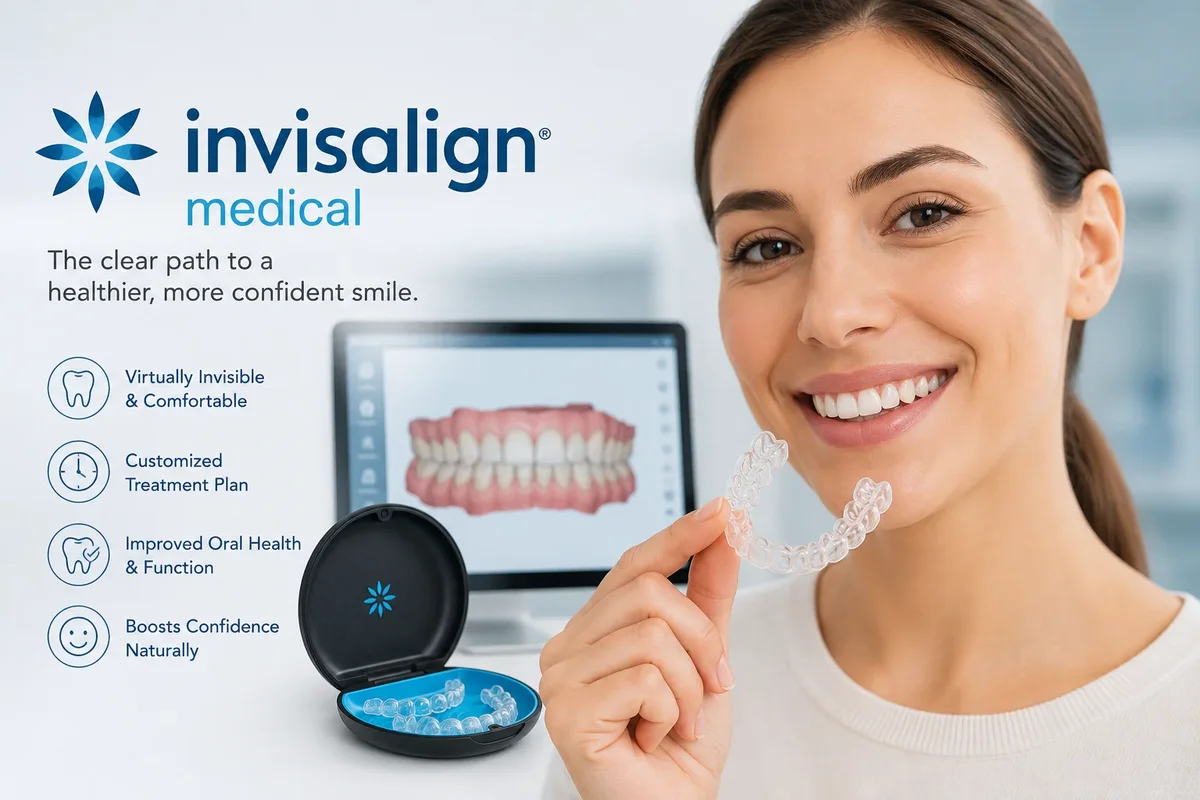
How to Choose the Best Clinic for Invisalign Medical Care
🦷 Choosing the right clinic for invisalign medical treatment is one of the most important decisions patients make during their orthodontic journey. While invisalign medical systems use advanced technology and customized aligners, treatment success still depends heavily on the skill, experience, and planning ability of the orthodontist or cosmetic dentist. Selecting a qualified invisalign medical provider can significantly improve treatment accuracy, comfort, safety, and long-term smile results.
Many patients searching for invisalign medical clinics focus only on pricing, but choosing orthodontic care based solely on cost may lead to disappointing results or extended treatment times. Patients should instead evaluate clinic quality, dentist experience, technology, patient reviews, hygiene standards, and communication before beginning invisalign medical treatment.
Why Choosing the Right Invisalign Medical Clinic Matters
Although invisalign medical aligners are manufactured using digital systems, treatment planning and orthodontic expertise remain critical. Every patient has unique dental anatomy, bite relationships, jaw positioning, and smile goals.
😊 Experienced invisalign medical providers understand how to:
- Create accurate treatment plans
- Predict tooth movement effectively
- Monitor orthodontic progress
- Handle complications early
- Improve smile aesthetics naturally
Poor treatment planning may lead to delayed progress, bite problems, unsatisfactory cosmetic outcomes, or the need for additional orthodontic correction.
Check the Orthodontist’s Invisalign Medical Experience
One of the first things patients should evaluate is the dentist’s experience with invisalign medical treatment. Not all dental professionals have the same level of orthodontic expertise.
Questions Patients Should Ask
📋 During the consultation, patients should ask:
- How many invisalign medical cases have you completed?
- Do you treat complex orthodontic problems?
- Can I see before-and-after photos?
- Do you use advanced digital scanning technology?
- What happens if refinements are needed?
Clinics with extensive invisalign medical experience are generally better equipped to manage challenging cases and provide more predictable outcomes.
Orthodontist vs General Dentist
Some invisalign medical treatments are performed by general dentists, while others are handled by orthodontists who specialize specifically in tooth movement and bite correction.
✨ Patients with severe crowding, complex bite problems, or advanced orthodontic needs may benefit from choosing a specialist with extensive invisalign medical orthodontic experience.
Evaluate the Technology Used by the Clinic
Modern invisalign medical treatment relies heavily on advanced digital technology. Clinics using updated equipment may provide more precise planning, improved comfort, and faster treatment efficiency.
Important Technology Features
- 3D intraoral scanners
- Digital smile simulations
- Computerized treatment planning
- Advanced orthodontic imaging
- Modern sterilization systems
🖥️ Digital scanning technology eliminates the discomfort associated with traditional dental impressions and improves invisalign medical planning accuracy.
Review Before-and-After Invisalign Medical Cases
Before committing to invisalign medical treatment, patients should review actual clinical results from previous patients. Reputable clinics often display before-and-after galleries showing smile transformations.
What to Look for in Smile Results
Patients should evaluate:
- Smile symmetry
- Natural-looking alignment
- Bite improvement
- Consistency of treatment quality
- Cases similar to their own condition
😊 Reviewing successful invisalign medical outcomes helps patients better understand the clinic’s treatment capabilities and aesthetic standards.
Read Patient Reviews and Testimonials
Online reviews and patient testimonials provide valuable insight into invisalign medical clinic quality. Real patient experiences often reveal important information about communication, professionalism, treatment satisfaction, and customer care.
Important Review Topics
- Staff friendliness
- Appointment organization
- Treatment success
- Clinic cleanliness
- Comfort during treatment
- Transparency of pricing
🌟 Consistently positive invisalign medical reviews usually indicate a reliable and patient-focused orthodontic clinic.
Understand Invisalign Medical Pricing Clearly
Patients should always request a detailed explanation of invisalign medical costs before starting treatment. Transparent pricing helps avoid unexpected financial surprises later.
What Should Be Included in Pricing?
💰 A complete invisalign medical treatment quote may include:
- Initial consultation
- Digital scans and imaging
- Customized aligners
- Regular checkup appointments
- Refinement aligners if necessary
- Retainers after treatment
Estimated invisalign medical treatment prices often include:
Estimated Invisalign Medical Costs
- Minor cosmetic corrections: $2,000 – $3,500
- Moderate orthodontic treatment: $3,500 – $5,500
- Complex bite correction cases: $5,500 – $8,000+
Patients should also ask whether payment plans or insurance assistance are available for invisalign medical treatment.
Consider Clinic Hygiene and Safety Standards
Cleanliness and sterilization are extremely important when choosing an invisalign medical clinic. Modern orthodontic clinics should follow strict infection control protocols.
Signs of a Professional Invisalign Medical Clinic
- Clean treatment rooms
- Organized equipment
- Modern sterilization procedures
- Professional staff appearance
- Updated dental technology
🪥 High hygiene standards help protect patients and contribute to a safer invisalign medical treatment experience.
Communication and Patient Support
Strong communication is another critical factor when selecting an invisalign medical provider. Patients should feel comfortable asking questions and discussing concerns openly with the orthodontic team.
Why Communication Matters
Good invisalign medical clinics usually provide:
- Detailed treatment explanations
- Realistic expectations
- Clear pricing information
- Prompt responses to questions
- Support during emergencies
📞 Patients often feel more confident throughout invisalign medical treatment when the clinic maintains excellent communication and personalized care.
Dental Tourism and International Invisalign Medical Clinics
🌍 Many international patients now travel abroad for invisalign medical treatment because some countries offer advanced orthodontic care at more affordable prices. Turkey, for example, has become a major dental tourism destination for cosmetic dentistry and orthodontics.
Patients considering international invisalign medical treatment should verify:
- Dentist credentials
- Clinic certifications
- Technology standards
- Patient reviews
- Follow-up care policies
- Communication availability
Questions to Ask Before Starting Invisalign Medical Treatment
📋 Before committing to invisalign medical care, patients should prepare several important consultation questions:
- How long will treatment take?
- Will attachments be necessary?
- What happens if aligners are lost?
- How many follow-up visits are required?
- Will retainers be included?
- What results should I realistically expect?
Thorough consultation discussions help patients choose the most suitable invisalign medical provider confidently.
Patients interested in advanced orthodontic consultation and personalized invisalign medical treatment planning may visit the Redent Klinik Contact Page for further information.
For additional oral health education and professional orthodontic guidance, patients can also explore trusted resources from the American Dental Association.
✨ Overall, selecting the best invisalign medical clinic requires careful evaluation of orthodontic experience, technology, communication, patient reviews, pricing transparency, and hygiene standards. Patients who choose experienced invisalign medical providers and follow professional guidance carefully often achieve highly successful smile transformations with long-lasting orthodontic results.