
Are you struggling with missing teeth, difficulty chewing, or feeling self-conscious about your smile? A dentist for dentures can completely transform your quality of life — restoring not only your smile but also your confidence and ability to enjoy food again. 🦷 In this detailed guide, we’ll explore how professional denture care works, why seeing a qualified dentist for dentures matters, and what you can expect during each stage of the process. Whether you’ve lost a few teeth or need a full set, understanding the role of a denture specialist will help you make the right decision for your oral health.
To begin, it’s important to know that a dentist for dentures is not just a general dentist. These professionals specialize in designing, fitting, and maintaining artificial teeth that look natural and feel comfortable. They understand how bone structure, gum health, and bite alignment affect how your dentures fit and function. Visiting a qualified dental specialist ensures that your dentures will be custom-made for your mouth, providing a natural look and a secure fit. A well-trained dentist for dentures focuses on precision and comfort — qualities that make a huge difference in your daily life. 😁
Modern dentures have advanced significantly compared to older generations. Thanks to innovations in dental technology, today’s dentures are lighter, stronger, and more natural-looking than ever before. Materials like high-grade acrylics, flexible polymers, and even implant-supported bases have revolutionized how dentures feel inside the mouth. A dentist for dentures uses 3D scanning, digital impressions, and computer-aided design to ensure a perfect fit. This eliminates the bulky, uncomfortable feeling that many people associate with traditional dentures. In fact, with the help of digital dentistry, the process has become faster, more precise, and more affordable. 🦾
When you visit a dentist for dentures, your journey usually starts with a comprehensive oral examination. The dentist evaluates your gum health, bone density, and any remaining natural teeth to determine the best treatment plan. Depending on your condition, they may recommend full dentures, partial dentures, or implant-supported options. During this initial visit, you can discuss your expectations, lifestyle, and aesthetic goals — ensuring your new dentures not only restore function but also enhance your appearance. Many patients report feeling “like themselves again” once their dentures are fitted correctly, and that emotional transformation is just as important as the physical one.
Another essential part of choosing the right dentist for dentures is understanding how they personalize treatment. Every mouth is unique — and so are your needs. Some patients prefer flexible partial dentures that adapt to the shape of their gums, while others benefit from fixed implant-supported dentures that provide a permanent, stable bite. Your dentist will explain the advantages and limitations of each option in detail, helping you make an informed choice. Personalized treatment planning is key to long-term comfort, durability, and oral health stability.
Comfort and appearance are the two top priorities for any dentist for dentures. The dentist carefully selects the color, shape, and size of your artificial teeth to match your natural smile and facial features. A properly fitted denture not only restores function but also gives you a youthful look by supporting your lips and cheeks. This facial harmony is often overlooked, but it’s one of the most valuable results of professional denture care. Patients who once avoided social events or photos often rediscover their confidence after treatment — that’s the true power of visiting an expert.
Beyond cosmetic benefits, dentures play a critical role in maintaining oral health. Without proper support from teeth, your jawbone may begin to shrink, leading to facial sagging and discomfort. A skilled dentist for dentures designs appliances that evenly distribute chewing pressure, minimizing bone loss and gum irritation. They also provide guidance on daily cleaning routines, using gentle cleansers and soaking solutions to keep your dentures free from bacteria and stains. By following their advice, you can extend the life of your dentures and prevent common issues like odor, gum sores, and misalignment.
For those seeking professional guidance or ready to start their denture journey, you can easily reach out through the Redent Klinik Contact Page to schedule a personalized consultation. A trustworthy dental team will walk you through every step — from initial impressions to final fittings — ensuring that your smile transformation is as smooth as possible. Choosing a reliable dentist for dentures is an investment in your comfort, health, and happiness.
Finally, it’s always a good idea to confirm that your dentist follows the latest standards and ethical practices recommended by the American Dental Association. Professional accreditation ensures that your care meets the highest safety and hygiene requirements. It also guarantees that your dentist for dentures stays up to date with evolving technologies and treatment techniques, giving you the best possible results for years to come.
In conclusion, visiting a dentist for dentures is one of the best decisions you can make if you’re missing teeth or struggling with discomfort. These dental professionals combine art, science, and technology to help you regain your confidence, improve your bite, and enjoy life again — one smile at a time. 🌟
1. What Does a Dentist for Dentures Actually Do?
A dentist for dentures is a specialized dental professional dedicated to helping patients replace missing teeth with custom-made artificial restorations that look, feel, and function like natural teeth. While many general dentists can provide basic denture services, those who focus primarily on dentures possess advanced knowledge of oral anatomy, bite mechanics, and aesthetic design. Their expertise ensures that patients not only regain their ability to chew and speak properly but also achieve a natural-looking smile that boosts self-confidence. 😁
Understanding the Role of a Dentist for Dentures
The primary role of a dentist for dentures is to restore oral function and aesthetics after tooth loss. This includes creating dentures that fit comfortably, function efficiently, and complement the patient’s facial structure. They begin by assessing the health of the gums and any remaining teeth to determine the most suitable type of dentures — full, partial, or implant-supported. Their approach is personalized because every patient’s oral structure and needs are unique. 🦷
Unlike over-the-counter dental products, professional dentures are custom-fitted using precise measurements and impressions of your mouth. The dentist for dentures takes these impressions and collaborates with dental technicians to craft dentures that perfectly match the contours of your gums. This process eliminates the discomfort and instability commonly experienced with poorly fitted dentures. The result is a restoration that enhances both comfort and confidence in daily activities like eating, talking, and smiling.
The Step-by-Step Process of Denture Creation
The journey with a dentist for dentures involves several crucial steps, each designed to ensure accuracy and satisfaction. Let’s break it down:
1️⃣ Initial Consultation and Examination
During the first appointment, the dentist for dentures performs a comprehensive oral evaluation. They examine the condition of your gums, jawbone, and any existing teeth. X-rays or 3D scans may be used to assess bone density and alignment. Based on this information, the dentist will recommend the most appropriate denture type for your needs — complete dentures for full tooth loss or partial dentures if some natural teeth remain.
2️⃣ Taking Impressions and Measurements
After your oral health is assessed, the dentist takes detailed impressions of your mouth using high-quality dental materials or digital scanning technology. These impressions capture every curve and contour of your gums. This data is used to design dentures that fit precisely, ensuring stability and minimizing sore spots. A dentist for dentures prioritizes comfort and precision to achieve a natural feel that adapts to your mouth effortlessly.
3️⃣ Trial Fittings and Adjustments
Before your final dentures are made, a trial version is created from wax or acrylic. You’ll test this prototype to evaluate its fit, appearance, and bite. The dentist for dentures carefully checks how your upper and lower jaws align and whether your speech sounds natural. Adjustments are made as needed until the ideal balance is achieved. This collaborative process ensures that the final set of dentures will not only fit perfectly but also meet your aesthetic expectations.
4️⃣ Final Fitting and Education
Once your dentures are fabricated, you return for the final fitting. The dentist for dentures verifies that the dentures sit comfortably and securely. They also teach you how to insert and remove them properly, how to clean them, and how to handle any initial soreness or adaptation challenges. This hands-on education is essential because proper care directly affects the longevity of your dentures.
Specialized Tools and Techniques
A dentist for dentures uses modern technologies such as digital scanning, computer-aided design (CAD), and 3D printing to create highly accurate and durable dentures. These innovations reduce human error and allow for finer adjustments. Additionally, some specialists use intraoral scanners instead of traditional molds, eliminating discomfort and increasing precision. The materials used—such as acrylic resin, flexible nylon, or zirconia—are chosen based on your specific requirements for durability, aesthetics, and comfort.
Advanced dentist for dentures clinics may also offer implant-supported dentures. This approach combines traditional denture design with the stability of dental implants inserted into the jawbone. The result is a secure, natural-feeling restoration that doesn’t slip or move during eating or speaking. Implant dentures represent the future of tooth replacement and are ideal for patients seeking a permanent, worry-free solution. 🔩
Holistic Benefits of Visiting a Dentist for Dentures
Seeing a dentist for dentures offers more than cosmetic improvements. It also restores essential oral functions and overall health. Missing teeth can cause problems such as jawbone loss, speech difficulties, and digestive issues due to improper chewing. Dentures correct these problems, allowing you to enjoy a wider variety of foods and maintain balanced nutrition. Moreover, a confident smile positively impacts mental well-being and social interactions.
Patients often report dramatic boosts in self-esteem after getting dentures. The ability to smile freely and eat comfortably again leads to improved emotional health and a better quality of life. Additionally, modern dentures crafted by a skilled dentist for dentures are designed to mimic the translucency and color of natural teeth, creating a seamless and realistic appearance.
Why Choose a Professional Over DIY or Cheap Alternatives?
While low-cost or mail-order dentures may seem tempting, they often lead to poor fit, gum irritation, and speech problems. A professional dentist for dentures customizes every aspect to suit your oral anatomy, ensuring long-term comfort and durability. Incorrectly fitted dentures can even accelerate bone loss and cause chronic pain. Therefore, choosing a certified dental professional is a wise and cost-effective decision in the long run.
If you are considering dentures, consulting an expert through the Redent Klinik Contact Page can help you explore personalized treatment options. Redent Klinik’s experienced team provides state-of-the-art dental care that aligns with global standards established by the American Dental Association. You can expect compassionate, detail-oriented service from the first consultation to the final fitting.
In conclusion, a dentist for dentures is far more than someone who simply makes false teeth. They are artisans of oral restoration, combining technical precision, artistic vision, and medical expertise to give you back the smile and comfort you deserve. Whether you need partial, full, or implant-supported dentures, their goal is to help you live confidently, eat happily, and smile proudly once again. 🌟
2. Types of Dentures: Which One Is Right for You?
When you visit a dentist for dentures, one of the first discussions you’ll have is about the type of dentures that best fit your oral condition, lifestyle, and budget. Modern dentistry offers a variety of denture solutions, from removable partials to implant-supported full dentures. Each option serves a unique purpose, and choosing the right one can make a major difference in your comfort and confidence. Understanding these types in detail will help you and your dentist for dentures make an informed decision that perfectly aligns with your needs. 🦷
Understanding the Main Categories of Dentures
A professional dentist for dentures typically divides denture types into two broad categories: complete dentures and partial dentures. Each category can then be further customized depending on whether the dentures are removable, fixed, or supported by implants. Let’s explore each one in detail to see what makes them unique.
1️⃣ Complete (Full) Dentures
Complete dentures are designed for patients who have lost all of their natural teeth in either the upper or lower jaw—or both. A dentist for dentures begins by taking precise measurements of your mouth and gums to ensure a snug, secure fit. These dentures rest directly on your gums, providing full coverage of the arch. Modern full dentures are crafted from lightweight acrylic materials that closely resemble natural gum tissue and teeth. They can be easily removed for cleaning and sleeping, offering convenience and hygiene benefits. 😁
Within the category of complete dentures, there are two primary types:
- Conventional Full Dentures: Made after the remaining teeth are removed and the gums have fully healed. This process can take several weeks, but it ensures a perfect final fit.
- Immediate Full Dentures: Prepared in advance and placed immediately after tooth extraction. While convenient, they often require later adjustments as the gums heal and change shape.
A skilled dentist for dentures will carefully evaluate your healing process and gum condition before recommending which type is best for you.
2️⃣ Partial Dentures
Partial dentures are an excellent option if you still have some natural teeth remaining. They fill in the gaps created by missing teeth, preventing the remaining ones from shifting out of position. A dentist for dentures customizes the partial denture to blend seamlessly with your existing teeth, both in color and shape. Partial dentures typically use a lightweight metal or flexible acrylic base that clasps onto the remaining natural teeth for stability. This design provides both strength and comfort while maintaining a natural look.
There are two popular types of partial dentures:
- Cast Metal Partial Dentures: Highly durable and long-lasting, made with a metal framework that supports acrylic teeth.
- Flexible Partial Dentures: Made from soft, lightweight materials such as nylon; these dentures are ideal for patients who want a more comfortable and aesthetic option.
When designed by a professional dentist for dentures, partials can improve chewing efficiency and speech, restoring balance to your bite and appearance.
3️⃣ Implant-Supported Dentures
Implant-supported dentures represent one of the most advanced and permanent solutions in modern prosthodontics. In this approach, a dentist for dentures works alongside an implant specialist to place titanium posts into the jawbone. These implants act as artificial tooth roots that securely anchor the denture in place. Once the implants heal and integrate with the bone, the dentures are attached to them using special connectors called abutments.
The result is exceptional stability—your dentures won’t move or slip, even when eating hard foods. Many patients describe implant-supported dentures as feeling almost identical to natural teeth. Because they stimulate the jawbone, they also help prevent bone loss, a common issue after tooth extraction. This makes them an excellent long-term investment for both oral health and aesthetics. 💪
Specialized and Cosmetic Denture Options
Aside from the main categories, your dentist for dentures may also recommend specialized options depending on your lifestyle or cosmetic preferences. Some of these include:
- Overdentures: Placed over remaining natural roots or implants to enhance stability and comfort.
- Economy Dentures: Budget-friendly solutions with a more basic design—though they may lack the custom fit of premium options.
- Custom Cosmetic Dentures: Designed for patients seeking a perfectly natural, aesthetic look that matches facial symmetry and gum tone.
Each of these options is tailored by your dentist for dentures to meet individual needs. While economy dentures are a fast and affordable solution, premium custom dentures offer higher precision, comfort, and aesthetic appeal.
How to Choose the Right Type of Denture
Selecting the ideal denture type is a collaborative process between you and your dentist for dentures. Factors such as the number of missing teeth, gum condition, bone density, lifestyle habits, and budget all play an important role. During consultation, your dentist will take digital scans or impressions, discuss available materials, and simulate the final result using 3D modeling. This step ensures you understand what your new smile will look like before any procedure begins.
💡 Expert Tip:
Patients who value stability and long-term function often choose implant-supported dentures, while those seeking quick and affordable results may prefer traditional full or partial dentures. Regardless of your choice, visiting a qualified dentist for dentures guarantees that your restoration will be crafted with accuracy, comfort, and care.
Cost Considerations and Professional Guidance
Pricing can vary depending on the complexity and material of your dentures. For example, complete acrylic dentures may cost between $1,000 and $3,000 per arch, while implant-supported dentures can range from $5,000 to $15,000. It’s always best to discuss detailed cost breakdowns with your dentist for dentures during consultation. Transparent pricing and post-care support help ensure that you receive the best long-term value for your investment. 💰
For accurate estimates or to explore your denture options, you can schedule a consultation via the Redent Klinik Contact Page. Clinics that adhere to the high standards of the American Dental Association guarantee professional excellence and hygiene compliance.
In summary, understanding the different types of dentures helps you take control of your oral health decisions. A dentist for dentures evaluates your needs carefully, offering customized solutions that restore function, comfort, and aesthetics. Whether you opt for full, partial, or implant-supported dentures, the right choice will help you eat, speak, and smile with renewed confidence. 🌟
3. How the Denture Fitting Process Works Step by Step
When you decide to visit a dentist for dentures, understanding the fitting process from start to finish is essential for a smooth experience and long-term satisfaction. The procedure is detailed and methodical, combining precision dentistry with artistic design to ensure the final dentures fit comfortably, look natural, and function perfectly. In this section, we’ll walk through every stage of the denture fitting process so you’ll know exactly what to expect during your journey to a confident smile. 🦷
Step 1: Initial Consultation and Oral Assessment
Your journey with a dentist for dentures begins with a comprehensive evaluation. During this first appointment, the dentist examines your oral tissues, remaining teeth (if any), and jawbone health. This step determines whether you are a candidate for full dentures, partial dentures, or implant-supported dentures. The dentist may also take panoramic X-rays or 3D scans to assess bone density and gum condition.
This assessment is crucial because gum health directly affects how well dentures will fit and how long they will last. A professional dentist for dentures will look for signs of gum disease, bone resorption, or infection that must be treated before fitting dentures. Addressing these issues beforehand ensures that your new dentures rest on a healthy, stable foundation.
Step 2: Taking Impressions of Your Mouth
Once your oral health is confirmed, the dentist for dentures takes detailed impressions of your mouth using specialized dental materials or digital scanners. Traditional methods involve using a soft putty-like material that captures the shape of your gums, teeth, and ridges. However, modern clinics often use 3D digital scanning for greater precision and comfort. This digital data helps create an exact replica of your mouth, which is sent to a dental lab where the dentures will be fabricated.
Impressions are critical to achieving a perfect fit. Even a small error in measurements can cause discomfort or movement when chewing. A skilled dentist for dentures ensures every detail—such as the alignment of your bite and the contour of your gum line—is accurately recorded to prevent future adjustments.
Step 3: Creating a Wax Model or Prototype
Before crafting the final dentures, your dentist for dentures will have a wax model or prototype created. This step allows you to preview the design and provide feedback on comfort, color, and appearance. The wax model includes artificial teeth set in a soft base that mimics your gum line. You’ll be asked to wear this temporary model so the dentist can check your bite, speech, and facial alignment.
This stage is also where artistic skills come into play. A professional dentist for dentures pays close attention to details like tooth size, shade, and symmetry to ensure the final result complements your facial structure. Adjustments are made based on your feedback until both you and your dentist are satisfied with the fit and appearance.
Why This Step Is Crucial
The wax try-in process is essential because it allows real-time correction before the final denture is produced. Many patients appreciate this step because it eliminates surprises later on. With today’s digital tools, a dentist for dentures can even show a 3D simulation of how your smile will look after treatment—making the experience interactive and reassuring. 😄
Step 4: Fabrication of the Final Denture
Once the prototype is approved, the dental lab begins creating your permanent dentures using advanced materials such as acrylic resin, porcelain, or flexible polymers. The lab technicians follow the exact specifications provided by your dentist for dentures. Every tooth is carefully placed to ensure proper bite alignment and a natural look. The gum-colored base is polished to perfection to provide a lifelike appearance and smooth feel inside your mouth.
At this stage, modern dentistry may involve 3D printing or computer-aided manufacturing (CAM) to achieve ultra-precise results. These techniques reduce human error and allow for faster production times. A dentist for dentures ensures the materials used are biocompatible, durable, and comfortable for long-term use.
Step 5: The Final Fitting Appointment
The moment you’ve been waiting for — your final fitting! During this session, your dentist for dentures places the finished dentures into your mouth and checks how they feel when you bite, speak, and smile. Minor pressure points or tight spots are identified and adjusted on the spot to ensure a snug yet comfortable fit.
The dentist will also verify that your dentures support your facial muscles correctly. A well-fitted denture should restore fullness to your lips and cheeks without creating unnatural bulges. Patients often experience an immediate boost in confidence once they see their new, natural-looking smile. 🌟
Step 6: Education and Post-Fitting Instructions
After the fitting, your dentist for dentures will guide you on how to care for and maintain your dentures. This includes instructions on how to clean them daily, which cleaning products to use, and how to handle them safely to prevent damage. You’ll also receive guidance on eating and speaking during the adjustment period. For most people, adapting to new dentures takes a few weeks. Your dentist may schedule a follow-up visit after one or two weeks to check progress and make any necessary refinements.
Post-Fitting Care Tips
- Remove and rinse dentures after eating to eliminate food particles.
- Brush them daily using a soft denture brush and non-abrasive cleanser.
- Soak them overnight in a mild cleaning solution to keep them moist.
- Visit your dentist for dentures every six months for professional adjustments and oral checkups.
Step 7: Adjustments and Long-Term Maintenance
Even with the best craftsmanship, your mouth’s shape may naturally change over time, especially as the bone and gums shift slightly. A dentist for dentures offers periodic relining or rebasing services to adjust your dentures for an optimal fit. Neglecting regular maintenance can lead to sore spots, gum irritation, and reduced stability. Routine checkups ensure your dentures continue to fit securely and remain in excellent condition for years to come.
The Importance of Professional Guidance
Attempting to self-adjust dentures or using over-the-counter adhesives excessively can damage both the denture and your gums. That’s why consistent visits to a qualified dentist for dentures are vital. These professionals have specialized tools to correct alignment issues and prevent complications like fungal infections or pressure ulcers.
For those interested in starting their denture journey, scheduling a consultation via the Redent Klinik Contact Page ensures professional guidance every step of the way. Clinics that operate under the ethical standards of the American Dental Association follow strict hygiene and safety protocols, giving patients peace of mind and dependable results.
In conclusion, the denture fitting process is a collaborative journey that blends science, art, and personalized care. With the help of a dedicated dentist for dentures, you can enjoy a comfortable, natural-looking smile that restores both function and confidence. Each step—from consultation to aftercare—plays a vital role in ensuring your new smile lasts for years to come. 💖
4. Benefits of Visiting a Professional Dentist for Dentures
Choosing a qualified dentist for dentures can completely transform your oral health, confidence, and overall well-being. While some people may view dentures as a simple tooth replacement, the reality is that properly fitted and maintained dentures—crafted by a professional—provide far-reaching benefits that affect speech, digestion, facial aesthetics, and even mental health. In this section, we’ll explore the top advantages of trusting your smile to an experienced dentist for dentures and how their expertise ensures long-term comfort and satisfaction. 🦷
1️⃣ Superior Fit and Comfort
One of the most significant benefits of visiting a dentist for dentures is achieving a precise and comfortable fit. Ill-fitting dentures can lead to mouth sores, irritation, and difficulty speaking or eating. A professional dentist uses high-quality impressions, digital scans, and 3D modeling to ensure the dentures perfectly match your mouth’s anatomy. This attention to detail helps eliminate slipping, rubbing, and the embarrassing “clicking” sound often associated with poorly made dentures.
In addition, an expert dentist for dentures carefully considers bite alignment and jaw movement. When the bite is properly balanced, you can chew more efficiently and enjoy your favorite foods without discomfort. A precise fit also reduces gum pressure and prevents inflammation, allowing your oral tissues to remain healthy and pain-free. 😊
2️⃣ Natural Appearance and Confidence Boost
Today’s dentures are designed to look more natural than ever before. A professional dentist for dentures selects tooth color, size, and shape that complement your facial structure and skin tone. They use advanced materials that mimic the translucency of natural enamel, resulting in a lifelike smile that blends seamlessly with your appearance.
Many patients experience a dramatic confidence boost after receiving well-designed dentures. Smiling, speaking, and laughing in public becomes second nature again. The psychological impact is immense—restoring self-esteem and eliminating the embarrassment of missing teeth. When your smile looks real and feels secure, social interactions become effortless and enjoyable. 🌟
3️⃣ Improved Chewing and Digestion
Missing teeth can make it difficult to chew food properly, leading to digestive issues and poor nutrition. By visiting a dentist for dentures, you regain the ability to chew efficiently and comfortably. This improvement allows you to enjoy a varied, balanced diet with fruits, vegetables, and proteins that promote overall health.
Because professional dentures distribute chewing pressure evenly across the gums and jaw, they prevent discomfort and make mealtime more pleasant. A skilled dentist for dentures ensures that the bite alignment supports natural jaw motion, minimizing strain and maximizing functionality. Proper digestion begins with proper chewing—and dentures designed by an expert make this possible again. 🍎
4️⃣ Long-Term Oral Health Preservation
Beyond aesthetics and comfort, seeing a dentist for dentures protects your long-term oral health. Missing teeth can cause jawbone shrinkage and gum tissue deterioration over time. Professionally fitted dentures counteract these effects by maintaining proper spacing and supporting facial muscles.
A dentist for dentures also helps prevent remaining natural teeth from shifting out of place, which can lead to misalignment and uneven wear. Regular checkups ensure that your dentures continue to fit properly as your mouth changes, reducing the risk of bone loss and oral discomfort. Preventive care like this keeps your mouth healthy and youthful-looking for years. 💪
5️⃣ Enhanced Speech Clarity
Tooth loss can severely affect how you pronounce words, especially sounds like “s,” “f,” and “th.” Professionally made dentures restore your ability to speak clearly and naturally. A dentist for dentures ensures that the tongue and lips interact correctly with the denture surface, improving articulation and confidence in communication. After a short adjustment period, most patients find that their speech returns to normal—or even improves compared to before.
The dentist also provides specific guidance on speaking exercises to help you adapt quickly. Practicing words and reading aloud can accelerate this adjustment process, helping you regain your natural voice with ease. 🗣️
6️⃣ Reduced Risk of Pain and Oral Complications
Ill-fitting or low-quality dentures can cause mouth sores, gum inflammation, and jaw pain. However, a qualified dentist for dentures ensures that your prosthetics are tailored to minimize friction and pressure points. They use soft lining materials and precision adjustments to create maximum comfort.
Furthermore, your dentist will educate you on proper cleaning routines to prevent infections and fungal growth, such as oral thrush. Regular professional maintenance appointments allow early detection of issues like cracks or wear, ensuring your dentures remain in excellent condition. 🧼
7️⃣ Facial Support and Anti-Aging Benefits
One lesser-known benefit of seeing a dentist for dentures is facial rejuvenation. Tooth loss can cause the lower face to collapse inward, making you appear older. Properly designed dentures restore fullness to your lips and cheeks, giving your face a lifted, youthful appearance. They act as a natural support system that maintains your facial proportions and prevents sagging skin.
With advanced techniques, your dentist for dentures can even tailor the vertical dimension of the dentures (the distance between upper and lower jaws) to optimize your facial profile and comfort. This subtle but powerful enhancement contributes to a more youthful, energetic look without surgery. ✨
8️⃣ Personalized Follow-Up and Continuous Support
A reputable dentist for dentures doesn’t stop caring once the dentures are fitted. They provide ongoing support, adjustments, and guidance to ensure your comfort over time. As your gums and bone structure naturally change, the dentist will perform relining or rebasing procedures to maintain a perfect fit.
Regular visits also allow for professional cleaning and inspections to extend the lifespan of your dentures. These follow-ups prevent problems before they escalate, saving you time, discomfort, and additional expenses. 🩺
9️⃣ Access to the Latest Technology and Materials
Another advantage of visiting a modern dentist for dentures is access to cutting-edge dental technology. Advanced tools such as digital scanners, CAD/CAM systems, and 3D printing enable dentists to produce dentures with exceptional precision and speed. These innovations reduce adjustment time and ensure long-lasting results.
High-quality materials like zirconia, flexible nylon, and hybrid polymers are used to create lightweight, durable, and stain-resistant dentures. A professional dentist for dentures chooses materials based on your unique needs—balancing aesthetics, function, and cost to deliver the best possible outcome.
10️⃣ Professional Ethics and Safety Standards
Finally, working with a certified dentist for dentures ensures that your treatment meets strict safety and hygiene standards. Clinics that follow the guidelines of the American Dental Association maintain sterilized environments and ethical patient care protocols. This commitment minimizes risks and ensures consistent, high-quality results.
If you’re ready to experience these benefits firsthand, you can schedule a personalized consultation via the Redent Klinik Contact Page. Here, expert dentists will analyze your oral condition, discuss your expectations, and design a custom treatment plan tailored to your lifestyle.
In summary, visiting a dentist for dentures goes far beyond cosmetic improvement—it’s an investment in health, confidence, and longevity. From superior comfort to natural aesthetics, improved digestion, and better speech, professional denture care offers life-changing advantages that enhance both your smile and your everyday well-being. 🌈
5. Common Problems and How a Dentist for Dentures Solves Them
Even with the best craftsmanship, dentures can occasionally cause challenges for patients—especially during the initial adjustment period. However, with the help of a skilled dentist for dentures, these issues can be resolved quickly and effectively. Understanding common denture problems and their professional solutions is crucial for maintaining long-term comfort and oral health. In this section, we’ll explore the most frequent concerns faced by denture wearers and explain how an experienced dentist for dentures addresses each one using modern tools, personalized care, and expert knowledge. 🦷
1️⃣ Soreness and Gum Irritation
One of the most common complaints among new denture wearers is soreness or irritation of the gums. This typically occurs when the denture rubs against soft tissue or doesn’t fit perfectly. A dentist for dentures diagnoses the cause through a careful visual inspection and may use pressure indicator paste to identify exact irritation points.
The solution usually involves minor adjustments to the inner surface of the denture. The dentist smooths or reshapes specific areas to relieve pressure and ensure even weight distribution across the gums. For patients with persistent soreness, a soft lining material may be added to cushion the gums and enhance comfort. The dentist also recommends a gentle saltwater rinse and a short rest period without dentures to allow healing. 🌿
2️⃣ Slipping, Looseness, and Poor Fit
Over time, dentures may start to feel loose or slip while talking or eating. This is often caused by gradual changes in gum and bone structure, which naturally occur as the mouth adapts. A qualified dentist for dentures can fix this problem through a procedure known as relining or rebasing. During relining, the dentist adds a new layer of material to the inner surface of the denture, ensuring a tighter fit. Rebasing involves replacing the entire base while keeping the same artificial teeth.
For patients experiencing extreme looseness, implant-supported dentures might be recommended. In these cases, a dentist for dentures collaborates with an implant specialist to anchor the denture using titanium posts embedded in the jawbone. This approach guarantees long-term stability and eliminates slipping altogether. 🔩
3️⃣ Difficulty Speaking Clearly
Speech difficulties—such as slurring or whistling sounds—are common when adjusting to new dentures. This happens because the tongue and lips must adapt to the altered shape of the mouth. A dentist for dentures addresses this by making subtle adjustments to denture thickness and shape, ensuring that pronunciation feels more natural.
The dentist may also guide patients through speech exercises. Reading aloud and practicing tongue placement help restore clear articulation. Within a few weeks, most patients notice that their speech returns to normal or even improves compared to before they had dentures. 🗣️
4️⃣ Trouble Chewing and Biting
Another frequent issue is difficulty eating certain foods, especially hard or sticky ones. This can occur if the dentures don’t align properly or if the bite pressure is uneven. A dentist for dentures examines how your upper and lower dentures meet and adjusts the occlusion (bite alignment) accordingly. Even a slight modification can dramatically improve chewing efficiency and comfort.
The dentist may recommend starting with soft foods and gradually introducing firmer textures as you adjust. They might also provide special tips, such as cutting food into smaller pieces and chewing slowly on both sides of the mouth. With time and professional guidance, you can return to enjoying all your favorite meals without discomfort. 🍽️
5️⃣ Clicking or Popping Sounds
If your dentures make clicking sounds while speaking or eating, it’s often due to an improper bite or poor suction. A skilled dentist for dentures can easily correct this problem by adjusting the occlusal balance or recontouring the denture base for improved stability. They may also suggest a mild adhesive to enhance suction during the adaptation period.
However, it’s important to note that frequent clicking shouldn’t be ignored—it signals an underlying fit issue that could worsen over time. Regular visits to your dentist for dentures ensure that minor alignment problems are resolved before they become more serious. 👂
6️⃣ Bad Breath or Unpleasant Taste
Improper denture hygiene can lead to bacterial buildup, resulting in bad breath or an unpleasant taste. A dentist for dentures educates patients on proper cleaning techniques to prevent this issue. They recommend using a soft-bristle brush, non-abrasive cleanser, and soaking solution designed specifically for dentures. Dentures should never be cleaned with regular toothpaste, as it can scratch the surface and harbor bacteria.
In some cases, bad odor may also indicate oral thrush (a fungal infection). The dentist prescribes antifungal rinses or medication to restore balance to the mouth’s microbiome. Maintaining consistent cleaning habits and scheduling periodic checkups with your dentist for dentures helps keep your smile fresh and healthy. 🌸
7️⃣ Fractured or Broken Dentures
Dentures can crack or break if dropped, bitten on something hard, or exposed to boiling water during cleaning. When this happens, it’s important to contact a dentist for dentures immediately—do not attempt to repair them with glue or over-the-counter kits. DIY fixes can cause misalignment and further damage the appliance.
A professional dentist uses specialized repair materials to restore the denture’s structure and function safely. In severe cases, a replacement or rebasing procedure may be necessary. Your dentist for dentures will also analyze why the fracture occurred, ensuring the new design is reinforced to prevent future damage. 🔧
8️⃣ Bone Loss and Facial Changes
After tooth loss, the jawbone naturally shrinks due to a lack of stimulation. This process, called resorption, can cause the dentures to loosen over time. A dentist for dentures monitors these changes during regular visits and offers solutions such as relining, bone graft recommendations, or implant-supported options to maintain bone health.
By addressing bone loss early, the dentist helps preserve your facial structure and prevent the “sunken” look often associated with long-term denture use. Regular evaluations are essential for ensuring your dentures continue to support your face and function correctly. 💀
9️⃣ Allergic Reactions and Sensitivity
Although rare, some patients may develop allergic reactions to certain denture materials, such as acrylic or metal. A dentist for dentures can identify these sensitivities through allergy testing and recommend alternative materials like hypoallergenic resins or flexible thermoplastic bases. This ensures complete comfort and eliminates irritation or inflammation.
Preventive Tip:
Always inform your dentist for dentures about any previous reactions to dental materials or adhesives. This helps them select the safest options for your individual case. 🌿
10️⃣ Psychological Adjustment and Confidence Issues
Adapting to dentures is not only a physical process but also an emotional one. Some patients feel anxious or self-conscious after tooth loss. A compassionate dentist for dentures provides reassurance, support, and realistic expectations throughout the process. They help patients focus on the long-term benefits—like a restored smile, better health, and renewed confidence.
Gradually, as comfort increases, patients report greater self-esteem and social confidence. The transformation is not just dental—it’s psychological, empowering people to smile freely again. 💖
Professional Support and Aftercare
Most denture problems are completely manageable when addressed early by a skilled dentist for dentures. Regular checkups every six months ensure ongoing comfort and optimal oral health. During these visits, your dentist cleans, polishes, and evaluates your dentures for wear, offering maintenance to keep them in peak condition.
For personalized care and expert adjustments, you can reach out to Redent Klinik Contact Page. Clinics following standards set by the American Dental Association uphold strict hygiene and ethical care practices, ensuring safe and professional treatment.
In conclusion, while challenges with dentures are common, a skilled dentist for dentures can resolve them efficiently through precision, empathy, and advanced techniques. From sore spots and speech difficulties to bone loss prevention, professional intervention guarantees a comfortable and confident smile that lasts for years. 🌟
6. How Much Do Dentures Cost in 2025? 💰
One of the most common questions people ask their dentist for dentures is about pricing. Dentures are a significant investment—not only in your smile but in your long-term oral health, comfort, and confidence. The cost of dentures in 2025 depends on several factors such as the type, material, customization level, and whether dental implants are involved. Understanding the pricing structure helps patients make informed decisions and plan their treatment more effectively. Let’s break down what determines denture costs and what you can expect from a professional dentist for dentures this year. 🦷
1️⃣ Factors That Affect the Cost of Dentures
A dentist for dentures evaluates multiple variables before estimating the total price. These include:
- Type of Denture: Full, partial, or implant-supported dentures each come with different price points.
- Materials Used: Acrylic, flexible nylon, porcelain, and zirconia vary in durability and appearance.
- Customization Level: Basic dentures cost less, while premium or cosmetic dentures designed to match facial features cost more.
- Clinic Location: Dental prices differ by region and local cost of living.
- Additional Procedures: Extractions, bone grafts, or implant placements increase the overall cost.
- Aftercare Services: Relining, adjustments, and cleaning appointments may be included in the total package.
A skilled dentist for dentures always provides a transparent, itemized cost breakdown before beginning treatment. This ensures there are no hidden fees and helps patients select the most suitable option based on their goals and budget.
2️⃣ Average Denture Prices in 2025
Prices have evolved slightly over the years due to advancements in dental technology and materials. Below are the average denture costs reported by leading clinics and verified dental associations in 2025:
🧾 Estimated Denture Costs (2025)
- Basic Complete Dentures: $1,000 – $2,000 per arch
- Mid-Range Custom Dentures: $2,500 – $4,000 per arch
- Premium Cosmetic Dentures: $4,000 – $7,000 per arch
- Partial Dentures: $800 – $2,500 depending on materials
- Implant-Supported Dentures: $6,000 – $15,000 total (includes implants)
These ranges reflect pricing in reputable dental practices adhering to global standards like those recommended by the American Dental Association. Remember, prices can vary slightly based on country, clinic reputation, and the experience of your dentist for dentures.
3️⃣ The Value of Quality Over Low-Cost Alternatives
While it might be tempting to choose cheaper dentures, they often come with significant downsides—poor fit, unnatural appearance, and reduced durability. A professional dentist for dentures emphasizes quality and precision, which leads to greater comfort, longer lifespan, and better aesthetics.
Economy dentures may need frequent adjustments or replacements, costing more in the long run. On the other hand, premium dentures designed by a skilled dentist for dentures can last up to 10 years or longer with proper maintenance. Think of dentures as an investment—quality craftsmanship improves your daily comfort, confidence, and oral health. 💎
4️⃣ Insurance Coverage and Financing Options
Most dental insurance plans cover part of the cost for dentures, especially when tooth loss is due to medical necessity rather than cosmetic choice. Your dentist for dentures can help file claims and provide necessary documentation to your insurance company.
Here’s what you should know:
- Insurance typically covers 40–70% of the cost of conventional dentures.
- Implant-supported dentures may require a supplemental plan or higher-tier coverage.
- Some clinics offer in-house financing or monthly payment plans for affordability.
Before starting treatment, a dentist for dentures will discuss all available payment and financing options to ensure transparency and comfort. Many clinics even offer free consultations to provide cost estimates based on your needs. 💬
5️⃣ Implant-Supported Dentures: Are They Worth It?
Although implant-supported dentures are more expensive upfront, they offer unmatched comfort and longevity. A dentist for dentures explains that these restorations prevent bone loss, improve chewing power, and remain stable even during speaking or eating.
When you factor in the long-term benefits—fewer replacements, reduced bone resorption, and superior function—the value outweighs the initial investment. Patients who choose implant-supported dentures often report higher satisfaction and improved quality of life compared to traditional removable dentures. 🔩
6️⃣ Hidden Costs and How to Avoid Them
Beware of clinics that advertise “one-size-fits-all” dentures at extremely low prices. These offers may not include essential services such as follow-up adjustments, relining, or aftercare. A reputable dentist for dentures provides complete transparency and includes all necessary appointments in the total treatment package.
To avoid hidden fees, always request an itemized treatment plan before committing. The best dental clinics will also offer warranties for their dentures, covering defects or material issues within the first year. 🧾
7️⃣ Why Prices May Vary Between Dentists
Not all dentist for dentures professionals charge the same because of differences in experience, technology, and materials used. A highly qualified prosthodontist with years of specialized training may charge more but will deliver superior results in comfort, aesthetics, and longevity.
In contrast, low-cost providers might use outdated techniques or cheaper materials, resulting in poor fit or discomfort. Always check credentials, patient reviews, and before-and-after photos to ensure you’re receiving care from a reliable expert. 🩺
8️⃣ Tips for Getting the Best Value
💡 Expert Recommendations:
- Choose clinics that use 3D scanning and digital fitting for accuracy.
- Ask your dentist for dentures about material lifespan and warranty coverage.
- Schedule periodic relining every 1–2 years to maintain fit and comfort.
- Compare treatment plans—not just prices—to understand total long-term value.
9️⃣ How to Get an Accurate Estimate
To get a precise cost tailored to your needs, it’s best to schedule a direct consultation. You can easily do this by visiting the Redent Klinik Contact Page. At Redent Klinik, your dentist for dentures will perform a detailed evaluation and provide a personalized estimate that includes all phases—from impressions to aftercare.
10️⃣ Final Thoughts
In 2025, denture prices reflect not just the materials and labor involved but also the expertise and care of your dentist for dentures. While costs vary, investing in professional-quality dentures ensures durability, comfort, and natural aesthetics that truly enhance your lifestyle. Whether you choose traditional, partial, or implant-supported dentures, prioritizing skill and precision will always deliver the best results. 🌟
7. How to Care for Your Dentures and Keep Them Looking New
Proper maintenance is the key to ensuring your dentures stay fresh, functional, and natural-looking for years. A professional dentist for dentures always emphasizes that dentures, like natural teeth, require consistent cleaning, handling, and routine checkups to preserve their fit and appearance. Without the right care, dentures can stain, warp, or harbor harmful bacteria. In this detailed section, we’ll explore how to clean, store, and protect your dentures effectively, along with expert tips from an experienced dentist for dentures to keep your smile bright and healthy. 🦷
1️⃣ Daily Cleaning Routine for Dentures
Just like natural teeth, dentures need daily cleaning to remove food particles, plaque, and bacteria. A dentist for dentures recommends brushing dentures at least twice a day—morning and night—using a soft-bristled denture brush and non-abrasive cleanser.
🧼 Step-by-Step Cleaning Guide:
- Rinse after eating: Remove and rinse your dentures with lukewarm water to eliminate debris and food particles. Avoid hot water, as it can warp the material.
- Brush gently: Use a denture-specific brush and mild soap or a denture cleanser. Never use toothpaste—it’s too abrasive and can scratch the surface.
- Soak overnight: Keep dentures moist by soaking them in a dentist-approved cleaning solution overnight. This helps kill bacteria and maintain shape.
- Rinse before use: Before placing dentures back in your mouth, rinse thoroughly to remove any cleaning solution residue that might irritate your gums.
Cleaning not only improves comfort and hygiene but also extends the lifespan of your dentures. A skilled dentist for dentures will recommend specific cleansers and tools suited to your denture material type—acrylic, flexible polymer, or porcelain.
2️⃣ Handling and Storage Tips
Handling dentures carefully prevents cracks, chips, and warping. A professional dentist for dentures always advises removing them over a soft surface—like a folded towel or a sink filled with water—to prevent accidental drops.
🧩 Best Practices for Denture Storage:
- Always store dentures in water or denture solution when not in use. Dry dentures can shrink or lose shape.
- Never wrap dentures in paper towels or tissues—they can accidentally be thrown away.
- Keep dentures away from pets; dogs, in particular, are notorious for chewing on them!
- Store dentures at room temperature. Avoid hot environments that could distort the structure.
Your dentist for dentures may also provide a custom storage case to protect them from contamination and maintain hygiene standards. Proper storage is especially important during travel to prevent physical damage or bacterial growth. ✈️
3️⃣ Maintaining Gum and Oral Health
Caring for your mouth is just as vital as caring for your dentures. A dentist for dentures advises cleaning your gums, tongue, and the roof of your mouth daily with a soft toothbrush or damp cloth. This prevents plaque buildup, promotes circulation, and reduces the risk of oral infections.
If you have partial dentures, brush and floss your natural teeth as usual. Neglecting oral hygiene can lead to gum irritation and tooth decay, which affect how dentures fit and feel. Regular visits to your dentist for dentures ensure that your mouth remains healthy and ready to support long-term denture use. 🪥
4️⃣ Dealing with Stains and Odors
Over time, dentures may develop stains from coffee, tea, tobacco, or certain foods. A dentist for dentures recommends soaking them in a non-abrasive whitening solution once or twice a week. Never use bleach, as it can weaken the material and damage the color.
To combat odor, rinse dentures thoroughly after each meal and soak them nightly. Some professional cleaning tablets also neutralize odor-causing bacteria effectively. If persistent odor remains, it may indicate trapped bacteria or ill-fitting dentures—both of which can be resolved by visiting your dentist for dentures for cleaning and adjustment. 🌿
5️⃣ Avoiding Common Mistakes
Many patients unintentionally shorten the lifespan of their dentures by making small but harmful mistakes. According to an experienced dentist for dentures, here are the top errors to avoid:
- Using toothpaste or household cleaners on dentures.
- Ignoring overnight soaking, leading to material dryness and cracking.
- Using hot water for cleaning, which distorts the shape.
- Skipping regular dental checkups and professional cleaning.
- Trying DIY adjustments instead of consulting a professional.
Following the right habits ensures your dentures remain strong, odor-free, and visually appealing for years. 💪
6️⃣ Regular Professional Checkups
Even well-maintained dentures require periodic adjustments. Your dentist for dentures will recommend visiting every six months for professional evaluation. During these visits, the dentist checks for wear, cracks, or looseness and performs ultrasonic cleaning to remove stubborn plaque or calculus.
Routine visits also allow the dentist to monitor gum and bone health. As the mouth changes shape naturally over time, dentures may need relining or rebasing to maintain a perfect fit. Regular maintenance prevents painful sore spots and ensures consistent comfort. 🩺
7️⃣ When to Replace Your Dentures
On average, dentures last between five and ten years. However, this depends on care quality, material, and daily use. A dentist for dentures may recommend replacement if your dentures:
- Feel loose or unstable.
- Cause sore spots or frequent irritation.
- Have visible cracks, stains, or wear.
- Make chewing or speaking difficult.
Ignoring these signs can lead to gum inflammation or jaw discomfort. Replacing worn dentures not only restores comfort but also rejuvenates your facial aesthetics, helping you look and feel more youthful. 🌟
8️⃣ Caring for Implant-Supported Dentures
If you wear implant-supported dentures, your cleaning routine will differ slightly. A dentist for dentures advises using a soft brush to clean around the implant attachments and gumline. Daily flossing or using an interdental brush prevents plaque buildup around the metal posts.
Additionally, professional cleanings every six months help maintain implant stability and prevent peri-implantitis (gum inflammation around implants). Proper hygiene extends the lifespan of both the implants and the dentures they support. 🔩
9️⃣ Using Professional Cleaning Services
Some clinics offer in-office denture polishing and deep-cleaning services. A dentist for dentures can use ultrasonic cleaners to remove stubborn calculus, polish the surface, and restore the original shine. These sessions are especially helpful for long-term denture wearers who want their appliances to look brand-new again.
🔟 Where to Get Expert Guidance
For personalized maintenance tips, regular cleanings, or relining services, you can contact the dental experts via the Redent Klinik Contact Page. Clinics that follow professional standards set by the American Dental Association ensure safety, hygiene, and top-quality denture care for every patient.
In conclusion, caring for your dentures is an essential part of maintaining a confident smile and healthy mouth. With the help of a professional dentist for dentures, you can enjoy long-lasting results, prevent common issues, and keep your dentures as beautiful and functional as the day they were made. 🌈
8. What to Expect During Your Visit to a Dentist for Dentures
Visiting a dentist for dentures can feel overwhelming for first-time patients, but understanding what happens during the consultation and treatment process makes it far easier to relax. Each stage of denture creation—from initial assessment to final fitting—is carefully planned to ensure comfort, precision, and long-term success. A skilled dentist for dentures not only restores your smile but also rebuilds your confidence and oral function with meticulous attention to detail. Let’s explore what you can expect during every phase of your journey toward a perfect new smile. 🦷
1️⃣ Step One: Comprehensive Oral Examination
Your first appointment begins with a detailed oral examination. The dentist for dentures evaluates your gum health, jawbone structure, and any remaining natural teeth. Digital X-rays or 3D scans are often used to assess bone density and identify any hidden issues such as infections or bone loss.
This initial assessment allows the dentist for dentures to decide whether you need additional treatments—like extractions or bone grafts—before proceeding. They’ll also discuss your expectations, lifestyle, and budget to design a treatment plan tailored to your needs. 🩺
2️⃣ Step Two: Discussing Denture Options
After the examination, the dentist for dentures explains the different types of dentures suitable for your situation:
- Complete Dentures: For patients who have lost all teeth in one or both arches.
- Partial Dentures: For those with some remaining natural teeth, secured with clasps or precision attachments.
- Implant-Supported Dentures: Attached to titanium implants embedded in the jawbone for superior stability.
- Immediate Dentures: Temporary dentures placed right after tooth extraction for immediate functionality.
The dentist for dentures will explain the advantages, maintenance, and costs of each option to help you make an informed choice. They may also show before-and-after photos or 3D visual simulations of what your new smile could look like. 😁
3️⃣ Step Three: Taking Impressions and Measurements
Once you choose the type of denture, the dentist for dentures takes detailed impressions of your gums and jaw using advanced digital scanners or traditional molds. These impressions are crucial for achieving a snug, natural fit.
Additionally, your dentist records your bite alignment, jaw movement, and lip line to ensure the dentures complement your facial structure. They may use wax rims to determine how your upper and lower jaws align—this helps in designing dentures that restore proper chewing efficiency and speech clarity. 📏
4️⃣ Step Four: Try-In Appointment (Wax Model Fitting)
Before creating the final set of dentures, the dentist for dentures provides a wax trial version for fitting. This “try-in” allows you to preview how your dentures will look and feel. At this stage, adjustments to tooth color, size, and shape can still be made.
Your dentist for dentures will assess bite comfort, smile symmetry, and speech patterns to ensure optimal results. You’re encouraged to give feedback—this collaboration ensures that the final dentures match your preferences and personality. 💬
5️⃣ Step Five: Final Fabrication and Fitting
After approval, the wax model is sent to a dental lab for final fabrication. Using high-quality materials like acrylic resin or flexible polymers, the dentures are crafted to mimic natural gums and teeth. The dentist for dentures ensures the final product is smooth, strong, and perfectly contoured for your mouth.
During the fitting session, the dentist checks the alignment, bite pressure, and comfort level. Minor adjustments may be made on the spot to eliminate sore spots and ensure proper suction. This precision fitting process is essential to prevent slipping and maximize chewing efficiency. 🧩
6️⃣ Step Six: Learning How to Use Your New Dentures
Once your dentures are placed, the dentist for dentures will guide you through the adaptation period. You’ll receive detailed instructions on how to insert, remove, and clean your dentures safely. They’ll also provide a list of soft foods to eat during the first week and techniques for improving speech clarity.
Many patients experience mild soreness or extra saliva production initially—these are temporary and subside as your mouth adjusts. A professional dentist for dentures monitors this phase closely and schedules follow-up visits to fine-tune the fit as needed. 🍲
7️⃣ Step Seven: Follow-Up Visits and Adjustments
After receiving your dentures, you’ll return for follow-up appointments. The dentist for dentures will check for any pressure points, soreness, or alignment issues. Adjustments are made gradually to ensure ongoing comfort.
Follow-up care also includes professional cleaning, polishing, and relining if necessary. Over time, your gum and bone shape may change slightly, so periodic adjustments are essential for maintaining fit and functionality. 🔧
8️⃣ Step Eight: Long-Term Maintenance Guidance
Before concluding the treatment process, your dentist for dentures provides personalized care guidelines. This includes daily cleaning routines, overnight soaking, and recommendations for professional cleanings every six months. You’ll also receive advice on avoiding staining foods and maintaining gum health.
Many dentists also educate patients about when to replace their dentures—typically every 7–10 years—to preserve oral health and appearance. These long-term care habits prevent discomfort and keep your dentures looking natural for years. 🌟
9️⃣ Step Nine: Emotional and Psychological Support
Getting dentures is not just a dental procedure—it’s a major emotional step. A compassionate dentist for dentures understands the importance of helping patients adapt both physically and mentally. They provide reassurance and guidance to help you regain confidence in eating, smiling, and speaking naturally.
Many patients report improved self-esteem and social comfort after completing the process. Knowing what to expect from start to finish removes anxiety and empowers you to embrace your new smile. 💖
🔟 Step Ten: Scheduling Your Appointment
When you’re ready to begin your denture journey, you can easily book an appointment through the Redent Klinik Contact Page. Here, a professional dentist for dentures will provide a comprehensive consultation, explain every step in detail, and ensure a personalized approach tailored to your oral health goals.
Clinics that adhere to the American Dental Association standards guarantee safe, ethical, and patient-centered care throughout every phase of denture treatment. 🏥
In conclusion, visiting a dentist for dentures is a transformative experience. From the first consultation to long-term care, every step is designed to restore your smile, function, and confidence. Understanding what to expect eliminates uncertainty and allows you to approach your appointment with optimism, knowing that a beautiful, functional smile is within reach. 🌈
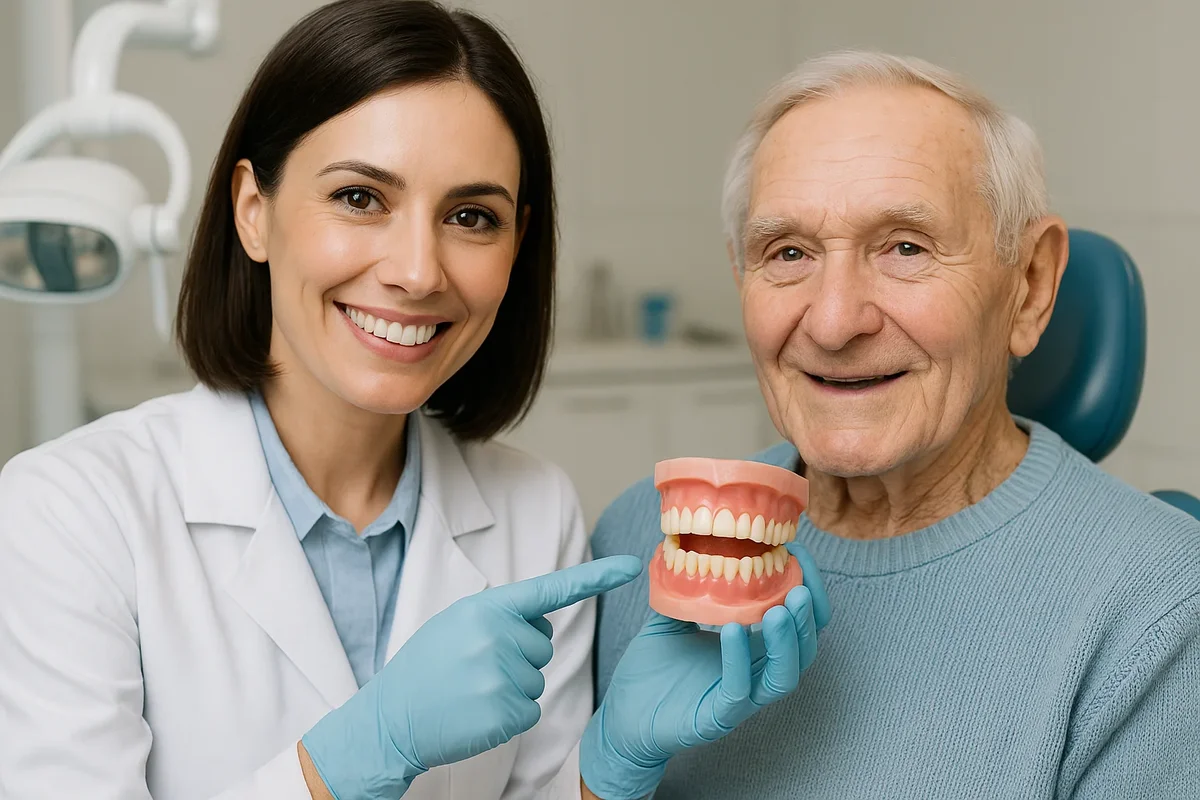
9. Choosing the Right Dentist for Dentures: A Complete Guide
Selecting the best dentist for dentures can make the difference between a comfortable, confident smile and years of frustration. Dentures are not a one-size-fits-all solution—they require skill, experience, and artistic precision to ensure a perfect fit and natural appearance. In this final section, we’ll walk you through the key factors to consider when choosing a qualified dentist for dentures, the questions to ask during your consultation, and how to evaluate their professionalism, technology, and patient care. 🦷
1️⃣ Qualifications and Experience
The first step in choosing the right dentist for dentures is verifying their credentials. Look for a licensed prosthodontist or general dentist who has specialized training in restorative and prosthetic dentistry. Prosthodontists receive advanced education focusing on the design, construction, and fitting of dentures and dental implants.
Experience is equally important. A seasoned dentist for dentures understands complex bite mechanics, jaw alignment, and gum health—allowing them to craft dentures that are both functional and aesthetically pleasing. Don’t hesitate to ask how many years of experience they have and request before-and-after photos of their previous patients. 📚
🔍 Pro Tip:
Check whether your dentist is a member of reputable organizations like the American Dental Association or similar national dental associations. Membership indicates adherence to strict ethical and professional standards.
2️⃣ Technology and Equipment
Modern dental technology has revolutionized denture design. When selecting a dentist for dentures, find out if their clinic uses digital tools such as intraoral scanners, 3D printing, and CAD/CAM systems. These technologies eliminate manual errors and ensure that your dentures are designed with millimeter precision.
A technologically advanced dentist for dentures can also create digital mock-ups of your future smile before fabrication. This allows you to preview and approve the design before committing, reducing the chance of dissatisfaction later. 💻
3️⃣ Personalized Treatment Approach
Each patient’s oral structure, facial proportions, and lifestyle are unique. The best dentist for dentures understands this and offers personalized care. They will take the time to analyze your jawline, gum condition, and aesthetic preferences rather than rushing through the process.
During your consultation, a compassionate dentist for dentures will listen to your goals—whether you prioritize comfort, cost, or cosmetic appeal—and recommend the most suitable denture type. This patient-centered approach ensures that your final dentures fit seamlessly and enhance your natural features. 🌟
4️⃣ Communication and Transparency
Clear communication is essential when choosing your dentist for dentures. You should feel comfortable asking questions and discussing concerns. A good dentist will explain every step of the process—from impressions to adjustments—and provide honest, realistic expectations.
Transparent pricing is another key factor. The dentist for dentures should provide a detailed cost breakdown that includes materials, lab fees, and aftercare services. Hidden charges or vague estimates are red flags. Always ensure that everything is documented before starting treatment. 💬
5️⃣ Patient Reviews and Testimonials
One of the easiest ways to assess a dentist for dentures is through patient feedback. Online reviews, testimonials, and word-of-mouth recommendations offer valuable insight into real patient experiences. Look for consistent praise regarding comfort, professionalism, and post-treatment care.
Pay special attention to comments about fit quality, appearance, and long-term durability of the dentures. If multiple patients report satisfaction over several years, it’s a strong indicator that the dentist for dentures provides high-quality, lasting results. ⭐
6️⃣ Comfort, Atmosphere, and Staff
Your comfort extends beyond the dental chair. The overall environment and friendliness of the dental staff matter greatly. A welcoming clinic with supportive staff helps reduce anxiety and makes your visits more pleasant.
When you meet your dentist for dentures, observe whether they take time to answer questions thoroughly and whether the clinic feels clean, modern, and organized. A professional environment is a strong reflection of their commitment to patient care and hygiene standards. 🏥
7️⃣ Aftercare and Follow-Up Services
The best dentist for dentures provides ongoing care even after your dentures are fitted. Routine adjustments, relining, and maintenance appointments ensure continued comfort and function. Avoid clinics that consider their job done once the dentures are delivered.
Ask about aftercare policies, warranty coverage, and available support in case your dentures become loose or damaged. A reliable dentist for dentures will always prioritize your long-term satisfaction and oral health, not just the initial procedure. 🔧
8️⃣ Cost vs. Value
While it’s important to consider affordability, the cheapest option isn’t always the best. A highly skilled dentist for dentures may charge more initially, but you’ll save in the long run due to fewer adjustments, repairs, and replacements. Quality dentures last longer, fit better, and look more natural.
Think of it as an investment in your confidence and comfort. A trusted dentist for dentures will provide options that balance cost-effectiveness and quality, ensuring you get the best value for your budget. 💰
9️⃣ Red Flags to Watch Out For
🚫 Warning Signs:
- Unrealistically low prices or “same-day dentures” without proper fitting sessions.
- Lack of professional credentials or reluctance to share experience details.
- Minimal consultation time or dismissive answers to questions.
- No aftercare or follow-up support once dentures are fitted.
- Outdated technology or poorly maintained clinic facilities.
If you notice any of these red flags, it’s best to keep searching for a qualified dentist for dentures who prioritizes safety, precision, and long-term patient satisfaction. ⚠️
🔟 Where to Find Reliable Dental Experts
For trusted, professional care, you can schedule a consultation with the specialists through the Redent Klinik Contact Page. Redent Klinik is known for combining advanced technology, skilled dentists, and compassionate service to provide exceptional denture solutions. The clinic adheres to global best practices and standards defined by the American Dental Association, ensuring your safety and comfort at every step.
Final Thoughts
Choosing the right dentist for dentures is one of the most important decisions you can make for your oral health. It’s about more than replacing teeth—it’s about restoring your ability to eat, speak, and smile confidently. Take time to research credentials, review testimonials, and visit clinics in person to ensure you find the perfect professional fit. 🌈
When you invest in an experienced and compassionate dentist for dentures, you’re not just getting new teeth—you’re regaining your quality of life, confidence, and the joy of a natural, radiant smile that lasts. ✨