
Modern dentistry has transformed how we achieve perfect smiles, and one of the most revolutionary advancements in orthodontics is teeth invisible braces 🦷. These innovative aligners allow patients to straighten their teeth discreetly without the discomfort and aesthetic concerns of traditional metal braces. Whether you’re a teenager worried about social confidence or an adult seeking a more subtle treatment, invisible braces can help you achieve a beautifully aligned smile without anyone even noticing.
Unlike the conventional metal brackets and wires that have been used for decades, teeth invisible braces are made from clear, medical-grade plastic materials that are custom-molded to fit each individual’s teeth perfectly. They apply gentle, consistent pressure to move teeth into their desired position over time. Each set of aligners is worn for about two weeks before switching to the next one, gradually transforming your smile. 😁
Understanding How Teeth Invisible Braces Work
The principle behind teeth invisible braces is simple yet highly effective. These braces consist of a series of clear aligners designed through advanced 3D digital imaging technology. Your dentist or orthodontist will first take a digital scan of your teeth to create a precise treatment plan that outlines the step-by-step movement of your teeth. Using this plan, customized aligners are produced, ensuring perfect comfort and alignment.
Each aligner slightly adjusts the position of your teeth, bringing them closer to their final, straightened placement. You’ll typically wear each aligner for 20–22 hours per day and only remove them while eating, brushing, or flossing. Over time, your smile becomes straighter, healthier, and more confident—without the metallic look of traditional braces. This is what makes teeth invisible braces a top choice for aesthetic-conscious patients.
Advantages of Invisible Braces Over Metal Braces
One of the biggest reasons people prefer teeth invisible braces is their near-invisibility. They’re made from transparent material, so most people won’t even notice you’re wearing them. Additionally, they are removable—meaning you can enjoy your favorite meals without restrictions, unlike metal braces that require avoiding sticky or hard foods. 🍎
Invisible braces are also more comfortable, as there are no wires or brackets that can irritate your gums or cheeks. Their smooth design reduces the risk of mouth sores, making them ideal for long-term use. Moreover, they make oral hygiene much easier; since you can remove them, you can brush and floss normally without any obstruction. These conveniences significantly contribute to better dental health during treatment.
The Science and Technology Behind Teeth Invisible Braces
Behind the sleek design of teeth invisible braces lies impressive technology. Using 3D imaging, artificial intelligence, and computer simulations, your orthodontist can predict tooth movements with remarkable accuracy. Each aligner is created to exert just the right amount of force to reposition your teeth effectively and safely. Over months, this carefully monitored process brings your teeth into ideal alignment with maximum precision and comfort.
Moreover, some modern systems integrate smart tracking technology, allowing both the dentist and patient to monitor progress through an app. This not only makes treatment more transparent but also reduces the need for frequent in-office visits. It’s orthodontics perfectly tailored for the digital age! 📱
Confidence and Lifestyle Benefits
Many adults hesitate to pursue orthodontic treatment because of social or professional concerns. With teeth invisible braces, those worries disappear. You can smile, speak, and attend meetings without feeling self-conscious. These aligners blend seamlessly into your natural look, making them an excellent choice for professionals, students, and public figures.
Additionally, because they are removable, you can take them out for special occasions like weddings, photo shoots, or interviews—ensuring complete flexibility in your daily life. The comfort and freedom offered by invisible braces go far beyond aesthetics; they genuinely improve the user’s confidence and quality of life.
Oral Health Impact
Unlike metal braces, teeth invisible braces promote better oral hygiene since food particles do not get trapped easily. You can brush and floss normally, reducing the chances of cavities, gum inflammation, and bad breath during treatment. Keeping your teeth clean while straightening them ensures a healthier mouth and more radiant results by the end of the treatment.
Professional Guidance and Support
Before starting treatment, it’s crucial to consult with a qualified dental specialist who can design a personalized treatment plan for you. At Redent Klinik Contact Page, patients receive expert consultations, detailed digital scans, and guidance throughout their entire journey to a perfect smile. Experienced professionals ensure that your aligners fit comfortably and that your treatment progresses according to plan. 💬
References and Trusted Sources
For more detailed professional information about orthodontic safety standards, visit the official American Dental Association website. This organization sets high standards for dental care worldwide and provides reliable resources for patients considering teeth invisible braces.
In conclusion, teeth invisible braces are more than just a cosmetic solution—they represent a fusion of technology, comfort, and confidence. Whether you’re looking to correct crowding, spacing, or bite alignment, invisible braces can give you the flawless smile you deserve. They offer all the effectiveness of traditional braces with none of the inconvenience, making them one of the best dental innovations of the 21st century. 🌟
What Are Teeth Invisible Braces and How Do They Work?
Orthodontic treatment has evolved dramatically over the past few decades, moving from traditional metal brackets to sleek, comfortable, and nearly invisible options. Among these, teeth invisible braces stand out as one of the most advanced and patient-friendly innovations in dental care. They are designed to align teeth discreetly using cutting-edge digital technology and high-quality clear materials. For anyone seeking a straighter smile without the inconvenience of metal wires, these braces represent the perfect blend of aesthetics and functionality. 😁
Understanding the Concept of Teeth Invisible Braces
Teeth invisible braces are transparent aligners made from smooth, medical-grade plastic that fit snugly over your teeth. Unlike traditional braces that rely on metal brackets and wires to push or pull teeth into position, invisible braces apply gentle and consistent pressure to gradually shift your teeth into alignment. The process is entirely customized, meaning each aligner is tailored specifically for your mouth and dental structure.
These braces are removable, allowing you to take them out when eating, drinking, or brushing your teeth. However, for the best results, most orthodontists recommend wearing them for 20–22 hours per day. Over time, you progress through a series of aligners—each one slightly adjusted to move your teeth closer to their ideal positions. This system ensures predictable, comfortable, and aesthetic results without interrupting your daily life.
The Step-by-Step Working Mechanism of Teeth Invisible Braces
The journey to a beautiful smile with teeth invisible braces begins with a detailed consultation and 3D digital scan. Here’s how the process works step by step:
1. Digital Assessment and Treatment Planning
At your first visit, your orthodontist or dentist takes high-resolution 3D scans or digital impressions of your teeth. These scans are then uploaded to advanced software that maps out the entire treatment plan. Using this technology, your dentist can visualize how your teeth will move during each stage of treatment. This simulation helps patients understand exactly what to expect before the process even begins.
2. Custom Aligner Fabrication
Once the digital plan is finalized, your teeth invisible braces are custom-manufactured using BPA-free, medical-grade thermoplastic. Each set of aligners is produced to fit your teeth perfectly, ensuring comfort and precision. You’ll typically receive several sets at once, each to be worn for approximately two weeks. Every new aligner represents a subtle change in tooth position, gradually achieving the desired result.
3. Continuous Monitoring and Adjustments
During the treatment, you’ll have periodic checkups to ensure your teeth are moving as planned. Some systems, such as AI-based tracking applications, allow for remote progress monitoring. This technology ensures minimal in-person visits while maintaining professional supervision throughout the process. 📱
Comfort, Convenience, and Aesthetics
One of the major advantages of teeth invisible braces is their comfort. Unlike metal braces that can irritate gums or cheeks, invisible aligners are smooth and gentle. Since they are custom-fitted, you won’t experience the sharp edges or mouth sores that often accompany traditional braces. Moreover, because they are clear, they are virtually invisible to others, allowing you to smile confidently even during treatment.
Another advantage is their removability. You can eat whatever you want—no need to worry about popcorn, nuts, or sticky candies getting trapped. Maintaining oral hygiene is also easier, as you can brush and floss your teeth without obstruction. These factors make invisible braces a lifestyle-friendly option for both teenagers and adults who value convenience and appearance.
Effectiveness of Teeth Invisible Braces
Many people wonder if invisible braces are as effective as traditional ones. The answer is yes—when used correctly and under professional supervision, teeth invisible braces can successfully correct most mild to moderate orthodontic issues such as crowding, gaps, crossbite, overbite, and underbite. The key lies in consistent wear and adherence to your orthodontist’s instructions. Over time, your teeth will move precisely according to the digital treatment plan, providing predictable results.
Timeframe and Results
The total duration of treatment depends on the complexity of your case. Most patients complete their journey with teeth invisible braces in 6 to 18 months. Simpler cases, such as minor crowding or spacing, can even show visible improvement within a few weeks. The results are long-lasting when paired with post-treatment retainers to maintain the achieved alignment. ✨
Who Can Benefit from Teeth Invisible Braces?
Invisible braces are ideal for anyone looking to straighten their teeth discreetly. They are especially popular among adults and professionals who prefer a subtle orthodontic option. Teenagers also benefit greatly, as invisible braces boost confidence and reduce social anxiety often associated with traditional braces. However, not all dental cases are suitable for this type of treatment—severe bite or jaw misalignments may still require conventional orthodontics. Your dentist will determine suitability during the consultation phase.
Professional Care and Guidance
Choosing the right clinic is essential to achieve optimal results. At Redent Klinik Contact Page, patients undergo a thorough consultation process where digital scans, bite analysis, and personalized treatment plans are developed. The experienced team provides comprehensive monitoring and guidance throughout the entire journey, ensuring that your teeth invisible braces deliver exceptional results safely and efficiently. 🦷
Trusted Resources for Further Learning
For authoritative information about orthodontic care and safety standards, you can visit the American Dental Association. This respected organization offers educational materials that help patients understand dental treatments, including invisible aligners and their long-term benefits.
In summary, teeth invisible braces combine advanced digital technology, precision design, and user-friendly convenience to revolutionize modern orthodontics. They provide a comfortable, aesthetic, and effective solution for achieving beautifully aligned teeth without metal brackets. For individuals seeking confidence, flexibility, and top-tier results, invisible braces are truly the future of smile transformation. 🌟
Benefits of Choosing Teeth Invisible Braces Over Traditional Braces
When it comes to straightening your teeth, comfort, appearance, and convenience matter just as much as results. That’s why teeth invisible braces have become one of the most preferred orthodontic treatments worldwide. They offer the same (and often better) results as traditional metal braces but without the discomfort, dietary restrictions, or aesthetic concerns. In this section, we’ll explore every major advantage of choosing invisible braces, helping you understand why millions of people are making the switch to this modern dental innovation. 🦷
1. Aesthetics: The Clear Advantage
The biggest reason patients choose teeth invisible braces is their near-invisibility. Made from high-quality, transparent materials, these aligners are almost undetectable when worn. You can smile, talk, and attend social events without feeling self-conscious. For adults in professional environments or teenagers concerned about appearance, this discretion makes invisible braces a life-changing solution. 😁
Why Appearance Matters
Traditional metal braces can make some patients hesitant to smile, laugh, or speak in public. In contrast, invisible braces offer a natural look that boosts confidence throughout the treatment process. They blend seamlessly with your teeth, ensuring that your orthodontic journey remains your secret until the big reveal—a perfectly aligned smile!
2. Comfort and Convenience
Unlike metal brackets that can irritate your lips, cheeks, and gums, teeth invisible braces are smooth and comfortable. They are made from soft thermoplastic material that fits your teeth precisely, minimizing any discomfort. Since there are no wires or brackets, there’s no risk of painful cuts or sores in your mouth. You can speak clearly, eat comfortably, and live your life normally without worrying about constant adjustments or broken wires.
Custom-Fitted for Every Patient
Each aligner is custom-made using 3D digital scanning technology. This ensures that your teeth invisible braces fit snugly and deliver consistent pressure to guide your teeth into alignment gradually. The tailored design not only enhances comfort but also improves treatment efficiency.
3. Better Oral Hygiene and Dental Health
Maintaining good oral hygiene during orthodontic treatment can be challenging, especially with traditional braces. Food particles and plaque easily get trapped around metal brackets and wires, increasing the risk of cavities and gum inflammation. In contrast, teeth invisible braces are completely removable, allowing you to brush and floss normally. 🪥
Simple Cleaning Routine
Cleaning your aligners is quick and easy. You can rinse them under lukewarm water, use a mild cleaning solution, or gently brush them with a soft toothbrush. Since you remove them before eating, there’s no risk of food buildup—keeping both your teeth and aligners fresh and hygienic.
4. Fewer Dental Visits
Traditional braces often require frequent adjustments every 4–6 weeks. Each appointment involves tightening wires and checking brackets, which can be time-consuming. With teeth invisible braces, you typically receive several sets of aligners at once, allowing you to change them at home according to your treatment plan. Most patients only need to visit their dentist every 8–12 weeks for progress checks. This saves both time and travel—especially for busy professionals or students. 🗓️
5. No Dietary Restrictions
Anyone who has worn metal braces knows the frustration of avoiding hard or sticky foods. Popcorn, nuts, gum, and chewy candies can easily damage brackets or wires. Fortunately, teeth invisible braces eliminate those restrictions. Since aligners are removable, you can enjoy all your favorite meals—just take them out before eating, then brush your teeth before putting them back in. 🍎
6. Predictable and Digitally Planned Results
Another major advantage of teeth invisible braces is the accuracy of treatment planning. Your dentist uses digital 3D imaging and AI-based simulation software to map out the exact movement of each tooth. Before treatment begins, you’ll see a virtual preview of your expected results. This transparency gives patients confidence and helps ensure predictable outcomes.
Technology That Works for You
Modern systems like Invisalign® and similar clear aligner technologies utilize smart tracking features. Some even allow remote progress monitoring through apps, minimizing in-person visits. These features enhance precision and convenience while maintaining close communication with your dental provider.
7. Pain-Free Adjustments and Gentle Movements
Traditional braces use metal wires that are periodically tightened to apply pressure, often causing soreness or headaches. In contrast, teeth invisible braces work through gradual force distribution across your teeth, minimizing discomfort. Each new aligner feels slightly tight for the first day or two, then comfortably settles as your teeth adjust. This makes treatment more tolerable for all age groups, especially those with sensitive gums or lower pain thresholds.
8. Improved Speech and Self-Confidence
Since invisible braces are thin and lightweight, they have minimal impact on speech. Within a few days, most users adapt completely, speaking clearly without a lisp or awkwardness. The confidence boost that comes with wearing an almost invisible dental appliance can’t be overstated—it helps people interact naturally in both personal and professional settings. 🌟
9. Long-Term Health and Aesthetic Benefits
Straighter teeth are not just about looks—they contribute significantly to oral health. Misaligned teeth can lead to uneven wear, jaw strain, gum disease, and difficulty cleaning between teeth. By correcting alignment with teeth invisible braces, you not only enhance your smile but also improve chewing efficiency and reduce the risk of future dental issues. The benefits continue long after the treatment ends.
10. Professional Supervision and Support
When you choose teeth invisible braces from a trusted provider like Redent Klinik Contact Page, you gain access to continuous professional care and expert monitoring. The clinic’s team ensures that every step of your journey is safe, effective, and perfectly tailored to your needs. Patients also receive ongoing advice on post-treatment maintenance and retainers to preserve their results for life.
External Reference for Further Reading
For authoritative insights into orthodontic safety and innovations, you can visit the American Dental Association. This trusted source provides detailed information about dental treatments and advancements, including the effectiveness and safety of clear aligner systems.
In summary, teeth invisible braces combine innovation, aesthetics, and comfort in a way that traditional braces simply cannot. They provide a seamless orthodontic experience that prioritizes your lifestyle, hygiene, and confidence. For anyone looking to straighten their teeth discreetly, safely, and effectively, invisible braces represent the future of modern dentistry. 💎
Who Is the Perfect Candidate for Teeth Invisible Braces?
Choosing the right orthodontic treatment depends on various factors such as age, dental health, and personal lifestyle. While teeth invisible braces have become an increasingly popular option, not everyone is an ideal candidate. Understanding who can benefit most from invisible braces helps ensure successful results and a smooth treatment journey. In this section, we’ll explore eligibility, age considerations, dental conditions, and lifestyle suitability for those considering invisible aligners. 🦷
Understanding the Ideal Candidate Profile
Teeth invisible braces are designed for patients who want to straighten their teeth discreetly and comfortably. The perfect candidate is someone who has mild to moderate alignment issues—such as crowding, spacing, or slight bite irregularities—and is committed to wearing the aligners as prescribed. Since the success of this treatment depends heavily on patient compliance, those who can consistently wear aligners for 20–22 hours a day achieve the best results. ⏰
Key Eligibility Criteria
- Patients with permanent teeth (typically ages 13 and above)
- Individuals with mild to moderate misalignment
- People without severe bite problems (such as deep overbites or skeletal discrepancies)
- Adults seeking a professional and aesthetic orthodontic option
- Patients who maintain good oral hygiene habits
Anyone who meets these criteria is likely to benefit from teeth invisible braces, provided they follow the treatment plan diligently. However, orthodontic evaluation is still essential to determine suitability.
Dental Issues That Invisible Braces Can Correct
Many people believe that teeth invisible braces can only fix small cosmetic imperfections, but the truth is that modern systems can handle a wide variety of dental issues. Here are some of the most common conditions that can be effectively treated with invisible aligners:
1. Crowded Teeth
When there isn’t enough space in your mouth for teeth to align properly, they can overlap or twist. Invisible braces gradually reposition each tooth, creating more space and improving both function and aesthetics.
2. Gaps and Spacing
Excess spacing between teeth not only affects your smile’s appearance but can also lead to food getting stuck, increasing the risk of gum disease. Teeth invisible braces close these gaps by gently bringing teeth closer together for a seamless smile.
3. Overbite and Underbite
These bite problems occur when the upper or lower teeth extend too far beyond each other. While severe cases might require traditional orthodontics, mild to moderate bites can often be corrected with invisible aligners designed to move teeth into balanced positions. 🦷
4. Crossbite and Open Bite
Crossbites (when some upper teeth sit inside the lower teeth) and open bites (when front teeth don’t touch when the mouth is closed) can cause uneven wear and jaw discomfort. Teeth invisible braces use targeted force distribution to align these teeth precisely.
Age Considerations: Teens vs. Adults
Both teenagers and adults can benefit from teeth invisible braces, but their motivations and lifestyles differ slightly. Let’s break it down:
For Teenagers
Teens often prefer invisible braces for aesthetic reasons—they don’t want visible metal braces during important school years. Many aligner brands even offer versions with blue wear indicators to help track daily usage and ensure consistent wear. With proper discipline, teens can achieve excellent results without sacrificing confidence. 🎓
For Adults
Adults appreciate invisible braces for their subtle design and minimal disruption to professional life. Since many adults have mild orthodontic relapse (teeth shifting after previous braces), invisible aligners offer a perfect solution for touch-up treatments. Their convenience and discreetness make them ideal for people balancing work, family, and social responsibilities.
Who Should Avoid Invisible Braces?
Although teeth invisible braces are suitable for most people, some cases require different orthodontic approaches. Patients with severe skeletal malocclusion, large jaw discrepancies, or extremely rotated teeth might need traditional braces or surgical intervention. Additionally, individuals who struggle to wear aligners consistently may not achieve the desired results. 🦷
Special Considerations
- Patients with untreated gum disease should first receive periodontal care before starting treatment.
- Children whose jawbones are still developing are generally advised to wait until full dental maturity.
- Heavy smokers may experience staining of aligners, affecting both aesthetics and hygiene.
Importance of a Professional Consultation
Before deciding on treatment, a dental professional should evaluate your oral condition through a comprehensive exam and digital scan. Clinics like Redent Klinik Contact Page provide personalized consultations to assess alignment complexity, gum health, and jaw position. This ensures that your teeth invisible braces treatment plan is tailored precisely to your needs for the best long-term results. 💬
Lifestyle Suitability and Commitment
Invisible braces are perfect for those who value flexibility and hygiene. However, success depends on responsibility and daily discipline. Since aligners are removable, it’s up to the patient to wear them consistently. Forgetting or neglecting to wear them can delay results or compromise the final outcome. That’s why the perfect candidate is someone committed, organized, and motivated to follow instructions closely.
Real-Life Tip
Experts recommend setting reminders or pairing aligner changes with routine activities—like brushing your teeth or drinking morning coffee—to maintain consistency. The more consistent you are, the faster you’ll see progress!
Long-Term Benefits of Being an Ideal Candidate
Patients who fit the ideal profile for teeth invisible braces often experience smoother treatment, fewer complications, and faster results. Their dental health improves dramatically, as proper alignment enhances cleaning efficiency and reduces wear on tooth enamel. Moreover, the psychological benefits of an improved smile—enhanced confidence, better social interaction, and higher self-esteem—cannot be understated. 🌟
Additional Information and Reliable Sources
For more insights into orthodontic standards and best practices, refer to the American Dental Association, a globally recognized authority in dental care and safety. Their resources explain the latest advancements and patient suitability criteria for modern orthodontic treatments like invisible aligners.
In summary, teeth invisible braces are ideal for individuals seeking an effective, comfortable, and discreet orthodontic solution. Whether you’re a teen wanting to smile confidently in photos or an adult aiming for professional polish, invisible braces can transform your smile—provided you’re dedicated to following your treatment plan. With the right guidance and consistent wear, the results are not only beautiful but long-lasting. 💎
How Long Does Teeth Invisible Braces Treatment Take?
One of the most common questions people ask before starting orthodontic treatment is, “How long will it take?” The answer depends on several factors, including your dental condition, lifestyle, and consistency in wearing aligners. For most patients, teeth invisible braces treatments last between 6 and 18 months — but every case is unique. Understanding how treatment duration is determined and what influences progress helps patients set realistic expectations and achieve the best results. ⏱️
Average Duration of Teeth Invisible Braces Treatment
In general, the typical timeline for teeth invisible braces is shorter than that of traditional metal braces. While conventional braces often require 18–24 months to complete, invisible braces can deliver visible improvements in as little as a few weeks and full results in under a year for many patients. Mild cases, such as minor spacing or slight crowding, might take as little as 4–6 months, whereas more complex cases can extend to 18–24 months.
Example Timeline
- Mild Alignment Issues: 4–6 months
- Moderate Crowding or Gaps: 8–12 months
- Complex Bite Corrections: 12–18+ months
During this time, patients switch to a new set of aligners approximately every two weeks. Each new aligner brings the teeth closer to their desired position using gentle, controlled pressure. This sequential approach ensures both comfort and precision throughout the process. 🦷
Factors That Influence Treatment Duration
The timeline for teeth invisible braces treatment isn’t one-size-fits-all. Several elements can either accelerate or extend your progress, depending on individual habits and dental structure.
1. Severity of Misalignment
The more significant the alignment issue, the longer the treatment typically takes. Simple adjustments such as small gaps can be resolved quickly, while complex cases involving rotations or bite corrections require more stages of aligners.
2. Consistency of Wear
Invisible braces only work when worn as instructed. Patients are advised to wear them for 20–22 hours daily. Taking them out too often or forgetting to reinsert them after meals can slow down progress, potentially adding months to the overall treatment time. ⏳
3. Age and Bone Density
Younger patients often experience slightly faster results because their jawbones are still adaptable. However, adults can also achieve excellent results with teeth invisible braces, provided they follow the treatment plan carefully. The difference is minimal, but compliance plays a more crucial role than age itself.
4. Type of Aligner System
Not all aligners are created equal. Some brands use advanced technology like SmartTrack™ materials or AI-based movement tracking, which can reduce treatment time while maintaining accuracy. Consulting a clinic that offers premium systems—like the one available through Redent Klinik Contact Page—ensures you get the latest innovation and efficiency. 🧠
5. Regular Dental Checkups
Routine follow-ups are essential for tracking your progress and making necessary adjustments. Skipping appointments may lead to unnoticed issues, delaying your final results. Some modern clinics also provide virtual monitoring, allowing orthodontists to track movement remotely and reduce in-office visits without compromising effectiveness.
Milestones During Treatment
To better understand how your teeth invisible braces journey unfolds, here’s what to expect at different stages:
Stage 1: Initial Fitting and Adjustment (Week 1–2)
After your first set of aligners is fitted, you might experience mild pressure or tightness. This means the braces are working correctly. You’ll quickly adapt to wearing them throughout the day and night.
Stage 2: Mid-Treatment Progress (Month 2–6)
By this stage, noticeable improvements occur. Teeth become visibly straighter, and any initial discomfort fades completely. It’s important to maintain hygiene and continue wearing aligners diligently to keep progress steady.
Stage 3: Refinement and Final Adjustments (Month 6–12+)
For more complex corrections, additional “refinement” aligners might be required to perfect final positioning. These fine-tune small gaps or minor rotations, ensuring a flawless finish before the retention phase begins. ✨
How to Speed Up Teeth Invisible Braces Results
While you can’t rush biology, you can optimize your treatment with good habits and consistent follow-up. Here are proven tips to help you achieve results faster without compromising quality:
- Wear aligners at least 22 hours daily, removing them only for meals or brushing.
- Clean your aligners regularly to avoid bacterial buildup and discoloration.
- Use orthodontist-approved acceleration devices that gently vibrate to stimulate tooth movement (when recommended).
- Stay hydrated—dry mouth can reduce aligner comfort and efficiency.
- Always follow your dentist’s instructions closely for scheduled aligner changes.
Post-Treatment Phase: The Retainer Stage
Once your teeth invisible braces treatment is complete, you’ll move to the retention phase. This stage is crucial for maintaining your new smile. Retainers prevent teeth from shifting back to their old positions. Most orthodontists recommend wearing them full-time for the first few months, then only at night. 💤
Importance of Retention
Skipping the retainer phase can reverse months of progress. Consistent use helps preserve alignment for life, ensuring that your investment in invisible braces delivers lasting results. Your dentist will provide
How Long Does Teeth Invisible Braces Treatment Take?
One of the most common questions people ask before starting orthodontic treatment is, “How long will it take?” The answer depends on several factors, including your dental condition, lifestyle, and consistency in wearing aligners. For most patients, teeth invisible braces treatments last between 6 and 18 months — but every case is unique. Understanding how treatment duration is determined and what influences progress helps patients set realistic expectations and achieve the best results. ⏱️
Average Duration of Teeth Invisible Braces Treatment
In general, the typical timeline for teeth invisible braces is shorter than that of traditional metal braces. While conventional braces often require 18–24 months to complete, invisible braces can deliver visible improvements in as little as a few weeks and full results in under a year for many patients. Mild cases, such as minor spacing or slight crowding, might take as little as 4–6 months, whereas more complex cases can extend to 18–24 months.
Example Timeline
- Mild Alignment Issues: 4–6 months
- Moderate Crowding or Gaps: 8–12 months
- Complex Bite Corrections: 12–18+ months
During this time, patients switch to a new set of aligners approximately every two weeks. Each new aligner brings the teeth closer to their desired position using gentle, controlled pressure. This sequential approach ensures both comfort and precision throughout the process. 🦷
Factors That Influence Treatment Duration
The timeline for teeth invisible braces treatment isn’t one-size-fits-all. Several elements can either accelerate or extend your progress, depending on individual habits and dental structure.
1. Severity of Misalignment
The more significant the alignment issue, the longer the treatment typically takes. Simple adjustments such as small gaps can be resolved quickly, while complex cases involving rotations or bite corrections require more stages of aligners.
2. Consistency of Wear
Invisible braces only work when worn as instructed. Patients are advised to wear them for 20–22 hours daily. Taking them out too often or forgetting to reinsert them after meals can slow down progress, potentially adding months to the overall treatment time. ⏳
3. Age and Bone Density
Younger patients often experience slightly faster results because their jawbones are still adaptable. However, adults can also achieve excellent results with teeth invisible braces, provided they follow the treatment plan carefully. The difference is minimal, but compliance plays a more crucial role than age itself.
4. Type of Aligner System
Not all aligners are created equal. Some brands use advanced technology like SmartTrack™ materials or AI-based movement tracking, which can reduce treatment time while maintaining accuracy. Consulting a clinic that offers premium systems—like the one available through Redent Klinik Contact Page—ensures you get the latest innovation and efficiency. 🧠
5. Regular Dental Checkups
Routine follow-ups are essential for tracking your progress and making necessary adjustments. Skipping appointments may lead to unnoticed issues, delaying your final results. Some modern clinics also provide virtual monitoring, allowing orthodontists to track movement remotely and reduce in-office visits without compromising effectiveness.
Milestones During Treatment
To better understand how your teeth invisible braces journey unfolds, here’s what to expect at different stages:
Stage 1: Initial Fitting and Adjustment (Week 1–2)
After your first set of aligners is fitted, you might experience mild pressure or tightness. This means the braces are working correctly. You’ll quickly adapt to wearing them throughout the day and night.
Stage 2: Mid-Treatment Progress (Month 2–6)
By this stage, noticeable improvements occur. Teeth become visibly straighter, and any initial discomfort fades completely. It’s important to maintain hygiene and continue wearing aligners diligently to keep progress steady.
Stage 3: Refinement and Final Adjustments (Month 6–12+)
For more complex corrections, additional “refinement” aligners might be required to perfect final positioning. These fine-tune small gaps or minor rotations, ensuring a flawless finish before the retention phase begins. ✨
How to Speed Up Teeth Invisible Braces Results
While you can’t rush biology, you can optimize your treatment with good habits and consistent follow-up. Here are proven tips to help you achieve results faster without compromising quality:
- Wear aligners at least 22 hours daily, removing them only for meals or brushing.
- Clean your aligners regularly to avoid bacterial buildup and discoloration.
- Use orthodontist-approved acceleration devices that gently vibrate to stimulate tooth movement (when recommended).
- Stay hydrated—dry mouth can reduce aligner comfort and efficiency.
- Always follow your dentist’s instructions closely for scheduled aligner changes.
Post-Treatment Phase: The Retainer Stage
Once your teeth invisible braces treatment is complete, you’ll move to the retention phase. This stage is crucial for maintaining your new smile. Retainers prevent teeth from shifting back to their old positions. Most orthodontists recommend wearing them full-time for the first few months, then only at night. 💤
Importance of Retention
Skipping the retainer phase can reverse months of progress. Consistent use helps preserve alignment for life, ensuring that your investment in invisible braces delivers lasting results. Your dentist will provide a customized retainer plan designed specifically for your smile’s needs.
Lifestyle Considerations During Treatment
Invisible braces are designed for flexibility, but certain lifestyle habits can impact how fast you see results. For example, smoking or consuming heavily pigmented drinks like coffee or red wine can stain aligners, requiring replacements and potentially extending treatment time. Maintaining a healthy diet, good hydration, and regular brushing all contribute to smoother progress and better oral health overall.
Trusted Professional Advice and Resources
Consulting with an experienced orthodontist is essential to estimate your treatment duration accurately. Clinics such as Redent Klinik Contact Page use advanced scanning and digital simulations to predict how long your teeth invisible braces treatment will take before you even begin. This gives patients peace of mind and a clear roadmap from start to finish.
For more detailed insights about orthodontic care and safety guidelines, refer to the American Dental Association, a trusted authority in dental science and patient education. Their resources provide evidence-based information on aligner technology and proper care practices.
In conclusion, teeth invisible braces offer a fast, predictable, and comfortable path to a beautiful smile. The treatment timeline depends largely on your commitment and dental complexity, but with consistent wear and professional guidance, achieving a perfect smile is well within reach. Whether your case takes six months or eighteen, the end result—a confident, radiant smile—is absolutely worth the wait. 🌟
Step-by-Step Process: From Consultation to Perfect Teeth
Starting a journey toward a straighter smile with teeth invisible braces involves a well-organized and personalized process. Each step is designed to ensure accuracy, comfort, and long-term success. By understanding what happens at each stage, you can prepare better, stay motivated, and appreciate how modern orthodontics blends science, technology, and artistry to create a flawless smile. 🦷
1. Initial Consultation and Assessment
The process begins with an in-depth consultation with a qualified orthodontist or dentist. During this appointment, your dental health, jaw structure, and bite alignment are carefully evaluated. The specialist determines whether teeth invisible braces are the right choice for your needs.
What Happens During the Consultation?
At this stage, your dentist will:
- Take high-resolution photos and X-rays of your teeth and jaw
- Discuss your smile goals and expectations
- Explain the treatment options and projected timeline
- Assess for conditions like gum disease or cavities before treatment begins
Clinics like Redent Klinik Contact Page provide detailed evaluations using advanced 3D imaging tools to ensure an accurate diagnosis. This is the foundation for creating your personalized treatment plan.
2. Digital Scanning and 3D Imaging
Once you’re approved for treatment, your dentist performs a digital scan of your teeth. This is a quick, non-invasive process that replaces traditional, messy impressions. The scan produces a detailed 3D model of your mouth, which becomes the blueprint for your teeth invisible braces.
Benefits of 3D Scanning
3D scanning technology allows your orthodontist to:
- Visualize each tooth’s movement digitally before treatment begins
- Predict the outcome with incredible accuracy
- Show you a virtual preview of your future smile
- Ensure aligners fit perfectly for comfort and precision
This technological precision is one reason why invisible braces are so effective—they combine orthodontic expertise with cutting-edge digital design. 💻
3. Custom Aligner Design and Production
After your scan is complete, a series of clear aligners are custom-fabricated to match your treatment plan. Each aligner is slightly different, designed to move your teeth incrementally. On average, patients receive between 15 and 40 aligners depending on case complexity.
Material and Quality Control
Your teeth invisible braces are made from smooth, medical-grade thermoplastic materials that are both durable and comfortable. These materials are BPA-free and hypoallergenic, ensuring safety for long-term wear. Quality control ensures each aligner is cut precisely for optimal fit and function.
4. First Fitting Appointment
During your next visit, you’ll receive your first set of aligners. The dentist checks how they fit and ensures you understand how to insert, remove, and clean them properly. You’ll also receive instructions on how often to change them—usually every 10 to 14 days. 🗓️
5. Regular Progress Monitoring
Throughout your teeth invisible braces journey, your dentist will schedule follow-up visits every 6–8 weeks. These appointments are crucial for monitoring progress, making refinements, and ensuring your teeth move according to plan. Some clinics also use remote tracking systems, allowing you to upload photos and receive feedback digitally for convenience. 📱
6. Mid-Treatment Adjustments and Refinements
In some cases, small adjustments are necessary to perfect the smile. Refinement aligners are custom-made to address tiny gaps or rotations that may remain after the initial set. These adjustments ensure a symmetrical and balanced result.
Attachments and Enhancements
Your orthodontist may also use small, tooth-colored attachments during treatment to guide movement more precisely. These are barely visible and are removed at the end of the process.
7. Completion and Final Evaluation
Once you’ve completed your full set of aligners, a final evaluation ensures your smile matches the planned result. Your dentist will compare before-and-after images, ensuring all teeth are aligned and the bite is correct. The transformation at this point is both functional and aesthetic—your smile looks great and feels comfortable. 🌟
8. Retention Phase: Preserving the Results
After finishing with teeth invisible braces, you’ll transition into wearing retainers. These are crucial for maintaining alignment. Typically, retainers are worn full-time for the first few months and only at night afterward. They ensure your teeth stay in their new positions permanently.
9. Long-Term Smile Maintenance
Maintaining your new smile requires regular dental checkups, proper oral hygiene, and occasional retainer wear. Continue visiting your dentist every six months for cleaning and monitoring. Adopting these habits ensures your new smile stays as perfect as the day your treatment ended. 🦷
Trusted Reference
For verified dental care guidelines and orthodontic insights, refer to the American Dental Association. Their resources provide evidence-based recommendations for aligner maintenance and dental wellness.
In conclusion, the step-by-step journey with teeth invisible braces combines personalization, technology, and expert supervision. From consultation to final evaluation, every stage plays a vital role in crafting your perfect smile. With dedication and guidance from a trusted clinic, achieving straight, confident teeth has never been easier or more precise. 💎
How Much Do Teeth Invisible Braces Cost? (Full Price Breakdown)
Cost is one of the most important factors when deciding on orthodontic treatment. The price of teeth invisible braces can vary depending on factors like case complexity, brand, clinic reputation, and geographic location. While they may seem like an investment, their comfort, aesthetics, and long-term results make them worth every penny. Let’s explore what goes into the pricing structure, what affects cost, and how you can make the treatment more affordable. 💰
Average Cost of Teeth Invisible Braces
On average, teeth invisible braces cost between $2,500 and $7,000 globally. However, the exact price can differ by region:
- United States: $3,000 – $7,000
- United Kingdom: £2,000 – £5,000
- Turkey: $1,800 – $3,000 (on average, much more affordable 🇹🇷)
- Europe: €2,500 – €5,500
These figures include the aligners, clinic consultations, 3D scans, and follow-up visits. Treatments performed at reputable clinics such as Redent Klinik Contact Page offer comprehensive packages with transparent pricing and expert care. 🌟
Factors Influencing the Cost
1. Case Complexity
The more complex the alignment issue, the higher the cost. Patients with severe crowding, large gaps, or bite issues may require additional aligners or attachments, extending both treatment duration and total expense.
2. Type and Brand of Aligner
Different brands of teeth invisible braces have varying price points. Premium systems like Invisalign® or ClearCorrect® often use proprietary materials and tracking software, leading to slightly higher costs but faster and more predictable results.
3. Geographic Location
Prices vary significantly by country. Dental tourism destinations like Turkey offer high-quality treatments at a fraction of Western costs due to lower operating expenses, not reduced quality. This makes international clinics like Redent Klinik an attractive choice for cost-conscious patients seeking world-class care.
4. Dentist Expertise and Technology
Experienced orthodontists using cutting-edge digital scanners and AI planning software may charge more. However, their precision often leads to fewer revisions and faster results, saving both time and money in the long run.
Additional Costs to Consider
When budgeting for teeth invisible braces, factor in the following:
- Initial consultation or 3D scanning fees (if not included in package)
- Retainers after treatment ($100–$400 per set)
- Replacement aligners in case of loss or damage
- Follow-up appointments and refinements
Insurance and Payment Options
Many dental insurance plans now cover part of the cost of teeth invisible braces, especially when prescribed for medical reasons like bite correction. You can also explore flexible financing options, including monthly payment plans and 0% interest installments offered by modern dental clinics.
Example Monthly Payment Plans
Here’s a typical breakdown of financing options available at top clinics:
- 12-Month Plan: $250–$500/month
- 24-Month Plan: $150–$300/month
- 36-Month Plan: $100–$200/month
These affordable plans make teeth invisible braces accessible to more patients without compromising quality or results. 💳
Cost Comparison: Invisible vs. Traditional Braces
Traditional metal braces typically range from $2,000 to $6,000. While they may be slightly cheaper, the additional comfort, aesthetics, and convenience of invisible braces justify the difference. You’re paying for more than just aligners—you’re investing in lifestyle comfort and confidence.
Key Advantages for Value
- Discreet and removable design
- No dietary restrictions
- Fewer in-office adjustments
- Better hygiene and comfort
- Predictable, digitally guided results
Why Investing in Quality Matters
Choosing cheaper, unverified aligner brands online might seem tempting, but they often lack professional supervision and customization. Poorly fitted aligners can damage your teeth and gums. Investing in professional-grade teeth invisible braces under dentist supervision ensures safety, comfort, and successful outcomes.
Getting the Best Value with Redent Klinik
At Redent Klinik Contact Page, pricing is transparent and tailored to each patient’s case. Packages often include consultation, X-rays, digital scanning, follow-ups, and retainers—all within one affordable price range. The clinic’s experience with international patients also ensures smooth communication, making it one of the best choices for dental tourism in Turkey. 🇹🇷
Trusted External Source
To confirm safety and ethical standards in dental pricing, visit the American Dental Association. Their official resources offer valuable guidance on cost transparency and treatment standards.
In conclusion, while teeth invisible braces may represent a higher upfront investment, the benefits—discretion, comfort, hygiene, and precision—make them a smart long-term choice. With flexible payment options and advanced technology, achieving a perfect smile is now more accessible than ever. Investing in your smile is investing in confidence, health, and happiness. 💎
Teeth Invisible Braces vs. Clear Aligners: What’s the Difference?
When researching orthodontic options, many people come across terms like teeth invisible braces and “clear aligners” and assume they are the same. While both share the goal of straightening teeth discreetly, subtle differences in design, material, and treatment approach can make one more suitable than the other depending on your dental needs. Understanding these distinctions will help you make a well-informed decision that leads to a perfect, confident smile. 😁
Defining the Two Treatments
What Are Teeth Invisible Braces?
Teeth invisible braces generally refer to orthodontic systems that function similarly to traditional braces but are made from transparent or tooth-colored materials. They are fixed appliances that remain attached to your teeth throughout the treatment. Unlike metal braces, they are designed to be less noticeable while still offering powerful corrective capabilities for complex dental issues.
What Are Clear Aligners?
Clear aligners, on the other hand, are a removable series of custom-made trays that fit snugly over your teeth. Each aligner is designed to move your teeth gradually until they reach their desired position. Brands like Invisalign®, ClearCorrect®, and Spark® are some of the most recognized types of clear aligners used worldwide. 🌍
Comparing Design and Functionality
Fixed vs. Removable
The most significant difference between teeth invisible braces and clear aligners lies in how they are worn. Invisible braces are fixed and cannot be removed by the patient, whereas clear aligners are fully removable. This gives aligners the advantage of flexibility and convenience, especially during eating or oral hygiene routines.
Material Composition
Invisible braces use ceramic or sapphire crystal brackets that blend naturally with the tooth color, whereas aligners are made from medical-grade thermoplastic material. Both are designed for aesthetics, but aligners provide a smoother, more comfortable experience since there are no wires or brackets involved.
Effectiveness in Treating Orthodontic Cases
Both treatments are effective, but the choice depends on the complexity of your dental condition. Teeth invisible braces can handle more advanced cases, including severe bite issues, significant rotations, or vertical tooth movements that aligners might struggle to correct. Aligners, however, are ideal for mild to moderate alignment problems like spacing and crowding. 🦷
Advanced Cases and Precision Control
Invisible braces provide orthodontists with greater control over tooth movement because each bracket can be adjusted individually. This makes them a preferred choice for patients needing complex correction. Clear aligners rely on programmed movements, which are incredibly precise but limited to what the trays can physically achieve.
Comfort and Lifestyle Differences
Comfort plays a crucial role in treatment satisfaction. Since teeth invisible braces are fixed, patients may initially feel mild irritation from brackets and wires. Clear aligners, however, are smooth and less likely to cause discomfort. Moreover, aligners can be removed for special occasions, photo shoots, or important events — giving users complete freedom.
Eating and Drinking Flexibility
Patients with invisible braces must avoid certain hard or sticky foods to prevent damage to brackets. Aligners eliminate this restriction completely because they are removed before eating. You can enjoy any food you like, as long as you brush before reinserting your trays. 🍎
Maintenance and Oral Hygiene
Maintaining oral hygiene is easier with clear aligners because they can be removed during brushing and flossing. With teeth invisible braces, cleaning requires special tools like interdental brushes and water flossers to remove plaque around brackets and wires. Regular cleaning is essential for both systems to prevent staining or gum problems.
Cleaning Clear Aligners
Aligners should be cleaned daily using lukewarm water and a gentle cleanser. Hot water should be avoided as it can warp the plastic. Aligners are also transparent, so proper cleaning keeps them invisible and odor-free throughout treatment.
Treatment Duration and Results
Both systems aim to achieve a straight smile, but treatment times vary slightly. Clear aligners generally require 6 to 18 months, while teeth invisible braces can take 12 to 24 months, especially for complex cases. The fixed nature of braces allows continuous correction, which can sometimes be faster for more advanced misalignments.
Monitoring and Adjustments
With invisible braces, patients visit their orthodontist every 4–6 weeks for adjustments. Clear aligner patients typically switch trays every 10–14 days and attend checkups every 6–8 weeks. Some modern systems use digital tracking apps, allowing virtual monitoring to reduce in-person visits. 📱
Aesthetic and Psychological Impact
For many adults and teenagers, aesthetics are the main reason for choosing clear aligners over braces. The nearly invisible nature of aligners allows users to maintain confidence in social and professional settings. However, ceramic braces also offer a discreet alternative for patients who prefer a fixed yet subtle appearance.
Cost and Accessibility
Clear aligners typically cost between $2,500 and $7,000, depending on the brand and complexity of treatment. Teeth invisible braces often fall within a similar range, though they may vary based on materials used and duration. Patients seeking high-quality yet affordable options often turn to international clinics such as Redent Klinik Contact Page, where expert orthodontists offer both systems with advanced digital planning at competitive prices.
Which Option Is Right for You?
Choosing between these two options depends on your dental needs, budget, and lifestyle. If you have a busy schedule and prefer flexibility, clear aligners may be ideal. However, if your case is complex and requires precise tooth movement, teeth invisible braces could be more effective. A thorough consultation with an orthodontist is the best way to determine which treatment aligns with your goals. 🦷
Professional Guidance and Reliable Sources
For more in-depth information about dental safety, aligner materials, and orthodontic innovations, refer to the American Dental Association. Their research-backed insights help patients make informed decisions when comparing treatment options.
In conclusion, while both teeth invisible braces and clear aligners deliver beautiful smiles discreetly, they cater to different needs and preferences. Invisible braces offer superior control for complex movements, while aligners provide comfort and flexibility for everyday life. Whichever you choose, both represent the future of modern, aesthetic orthodontic care. 🌟
Common Myths About Teeth Invisible Braces You Should Stop Believing
Despite their growing popularity, teeth invisible braces are often surrounded by misconceptions. Many patients hesitate to begin treatment due to misinformation spread online or through word of mouth. Understanding the facts can help you make confident, well-informed decisions about your dental health. In this section, we will debunk the most common myths about invisible braces and explain the truth behind each one—based on science, experience, and modern orthodontic advancements. 🦷
Myth 1: Teeth Invisible Braces Are Only for Teenagers
One of the most widespread misconceptions is that teeth invisible braces are designed exclusively for teenagers. While teenagers do make up a large portion of users, these aligners are equally effective for adults of all ages. In fact, more than 30% of orthodontic patients today are adults seeking discreet ways to improve their smiles.
Reality:
Invisible braces are custom-made for each patient regardless of age. As long as you have healthy gums and fully developed permanent teeth, you can benefit from this treatment. Adults especially love them because they fit seamlessly into professional and social environments without drawing attention.
Myth 2: Invisible Braces Are Not as Effective as Metal Braces
Another common myth claims that teeth invisible braces are less effective than traditional metal braces. This misconception stems from older aligner technologies that lacked precision. However, with advancements in 3D scanning and AI-based movement prediction, modern invisible braces can correct nearly all mild to moderate alignment and bite issues.
Reality:
When supervised by a qualified orthodontist, invisible braces are just as effective as metal braces for most cases. They are capable of addressing crowding, spacing, overbites, underbites, and even crossbites. For complex dental issues, dentists may combine attachments or other techniques to enhance results.
Myth 3: The Treatment Is Painful
Many patients fear that wearing teeth invisible braces will be painful. The truth is, any orthodontic treatment that moves teeth will involve mild pressure, but invisible braces are specifically designed for comfort. They use gentle, consistent force instead of sharp wire tightening, significantly reducing discomfort.
Reality:
Most users experience only slight tightness during the first 24–48 hours after switching to a new aligner set. This sensation is a positive sign that the aligners are working. The smooth plastic material minimizes gum irritation, making them far more comfortable than metal alternatives. 🌟
Myth 4: Teeth Invisible Braces Take Longer to Work
Some people believe that invisible braces are slower than traditional braces because they are removable. However, this is a misunderstanding. In many cases, teeth invisible braces actually deliver faster results because each aligner stage is digitally planned for efficiency and precision.
Reality:
On average, treatment lasts between 6 and 18 months—comparable or even shorter than the timeline for metal braces. Since aligners apply constant pressure without needing adjustments, teeth move smoothly and predictably toward the desired position. ⏱️
Myth 5: You Can Skip Dentist Visits During Treatment
Some patients assume they can simply wear their aligners without ongoing dental checkups. This is false and potentially risky. Regular visits ensure that your teeth invisible braces are progressing correctly and that your gums and teeth remain healthy throughout treatment.
Reality:
Checkups every 6–8 weeks allow orthodontists to monitor progress and make necessary refinements. Advanced clinics like Redent Klinik Contact Page also offer virtual monitoring tools for convenience—allowing patients to share updates remotely while still receiving professional oversight.
Myth 6: Invisible Braces Can Damage Teeth
Some people worry that aligners can weaken enamel or cause decay. This only happens when proper hygiene isn’t followed. Teeth invisible braces are safe, but because they cover your teeth for long hours, cleaning becomes crucial.
Reality:
When you brush and floss regularly, your enamel stays strong. Aligners should be cleaned daily using mild soap or specialized cleaning tablets. Avoid sugary drinks while wearing them to prevent plaque buildup. Proper care ensures both oral health and the longevity of the aligners. 🪥
Myth 7: Invisible Braces Are Too Expensive
Cost concerns often discourage people from exploring this treatment. While teeth invisible braces might seem expensive upfront, they often prove more cost-effective in the long run compared to traditional braces, considering comfort, time savings, and reduced dental complications.
Reality:
Modern clinics offer flexible payment plans and insurance coverage options. Additionally, dental tourism destinations like Turkey—home to advanced clinics such as Redent Klinik—provide world-class treatment at affordable rates, making invisible braces accessible to more people than ever before. 💳
Myth 8: You Have to Wear Them Forever
Some assume that aligners must be worn indefinitely. This confusion likely arises from the recommendation to wear retainers after treatment.
Reality:
Once your teeth invisible braces treatment is complete, you’ll transition to a retainer phase. Retainers maintain your teeth’s new positions and are usually worn only at night after the first few months. They ensure long-term stability without constant daily wear.
Myth 9: Results Are Not Permanent
People sometimes believe that results from invisible braces don’t last. This is incorrect—results are permanent if retainers are used as directed and oral care is maintained.
Reality:
Invisible braces create lasting changes in tooth position. Just as with any orthodontic treatment, long-term results depend on maintaining your new alignment with retainers and routine checkups. Proper retention means your new smile can last a lifetime. 💎
Myth 10: All Aligners Are the Same
Not all aligners offer the same quality or precision. Some online companies offer mail-order systems without professional monitoring, which can lead to poor results or dental complications.
Reality:
Choosing certified orthodontic providers ensures safety and accuracy. Clinics that use professional-grade aligners—like those offered at Redent Klinik Contact Page—provide personalized care with 3D scanning and expert supervision. Always choose a provider that offers dentist-managed aligners for optimal outcomes.
Trusted Educational Source
To learn more about verified dental care standards and aligner safety, visit the American Dental Association. Their evidence-based guidelines clarify misconceptions and promote proper orthodontic practices.
In conclusion, teeth invisible braces are safe, efficient, and suitable for people of all ages. The myths surrounding them often stem from outdated information or confusion with non-professional aligner systems. With modern technology and expert supervision, invisible braces offer a reliable path to a beautiful, confident smile—without compromise. 🌟
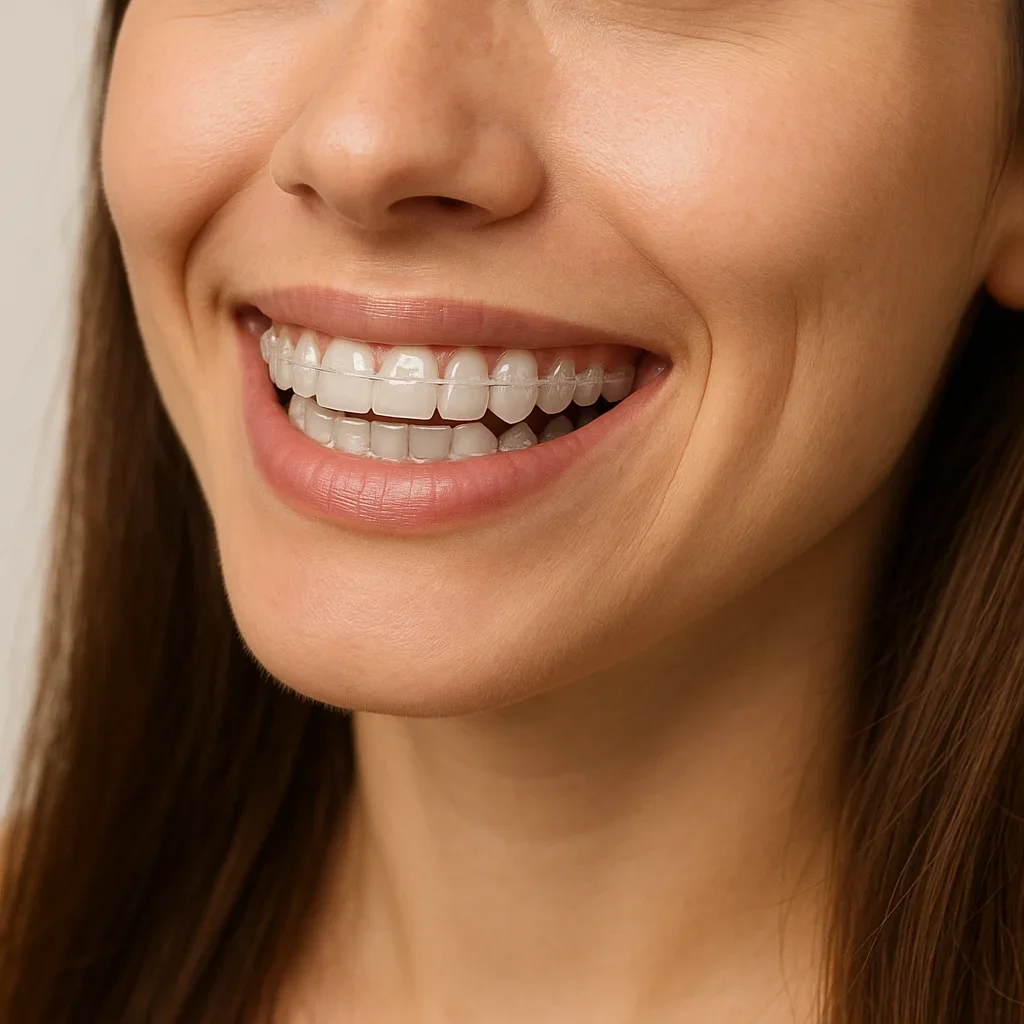
Maintaining and Caring for Your Teeth Invisible Braces
Completing your orthodontic journey successfully with teeth invisible braces requires consistent care and maintenance. Proper hygiene ensures the aligners remain clear, odor-free, and effective in gently guiding your teeth to their final position. Neglecting care can cause discoloration, bacterial buildup, or delayed results. In this detailed guide, we’ll walk through the best practices for cleaning, maintaining, and storing your aligners, as well as essential oral hygiene tips during treatment. 🪥
Why Care and Maintenance Matter
Although teeth invisible braces are designed for convenience, they spend most of the day in your mouth—up to 22 hours daily. That means they come into close contact with saliva, bacteria, and food residue. Without proper cleaning, your aligners can become cloudy, smell unpleasant, and even contribute to tooth decay or gum irritation. Regular maintenance keeps them transparent, hygienic, and effective throughout your treatment. 🌟
Daily Cleaning Routine for Aligners
Step 1: Rinse After Removal
Every time you remove your teeth invisible braces—whether for meals or brushing—rinse them immediately under lukewarm water. This helps wash away saliva and prevents bacterial buildup. Avoid hot water, as high temperatures can warp the plastic material, affecting the aligner’s fit and performance.
Step 2: Use a Soft Toothbrush
Gently brush your aligners using a soft-bristled toothbrush and clear, fragrance-free soap. Avoid toothpaste, as its abrasives can scratch and cloud the aligners, reducing their invisibility. Dedicated aligner-cleaning brushes are ideal for reaching all corners without causing damage.
Step 3: Deep Clean Once a Day
Once a day, soak your aligners in a specialized cleaning solution or use effervescent tablets made for dental appliances. These remove odor, plaque, and bacteria buildup. Always follow product instructions, and rinse thoroughly before reinserting the aligners. 🧼
Do’s and Don’ts of Aligner Care
Do’s:
- Rinse your aligners every time you take them out.
- Brush and floss your teeth before reinserting them.
- Store them in a protective case when not in use.
- Clean them with mild soap or dentist-recommended solutions.
- Stay hydrated to avoid dry mouth and bacterial growth.
Don’ts:
- Never use toothpaste or harsh chemicals for cleaning.
- Avoid soaking them in mouthwash (most contain alcohol or dyes).
- Do not eat or drink (except water) while wearing your aligners.
- Never wrap them in tissue—this leads to accidental disposal.
- Don’t skip daily cleaning; bacteria can grow within hours. ❌
Maintaining Oral Hygiene During Treatment
Oral hygiene is just as important as aligner care. Because teeth invisible braces are worn nearly all day, trapped food particles can accelerate plaque formation and bad breath if oral care is neglected.
Brush and Floss Regularly
Brush your teeth at least twice daily using a soft-bristle toothbrush and fluoride toothpaste. Floss at least once per day to remove food particles between teeth. Water flossers are particularly effective and convenient for those with tight spacing.
Rinse with Mouthwash
Use an alcohol-free mouthwash to eliminate bacteria and freshen breath. Avoid colored mouthwashes that may stain your aligners. Instead, choose clear, anti-bacterial formulas designed for orthodontic patients. 💧
Proper Storage Practices
When not wearing your teeth invisible braces, always keep them in their protective case. Leaving them exposed can invite bacteria, dust, or even damage from pets and heat. Many aligners come with ventilated cases that maintain cleanliness while allowing airflow.
Handling Aligners Safely
Always wash your hands thoroughly before handling your aligners. Avoid bending or twisting them when inserting or removing, as this can cause microcracks that affect their effectiveness. Follow your dentist’s guidance for proper removal technique to prevent accidental damage. 🖐️
Dealing with Stains or Discoloration
Over time, aligners may develop minor discoloration due to exposure to certain foods, drinks, or improper cleaning. To keep your teeth invisible braces crystal clear:
- Avoid coffee, tea, and red wine while wearing aligners.
- Brush your teeth after consuming pigmented foods or beverages.
- Use whitening toothpaste (for teeth only) to maintain a bright smile.
- Replace stained aligners promptly if discoloration affects visibility.
Regular Checkups and Professional Maintenance
Professional monitoring is essential for long-term success. During follow-up visits, your orthodontist checks both progress and hygiene. Clinics like Redent Klinik Contact Page provide professional cleanings and ultrasonic aligner maintenance to ensure they remain pristine. Some clinics even offer in-house polishing services for patients wearing aligners long-term. 🦷
Why Checkups Matter
Skipping checkups can lead to unnoticed plaque buildup, fit issues, or delayed progress. Your dentist may also recommend new hygiene tools or aligner care accessories that improve your overall experience. Keeping a consistent appointment schedule ensures that your teeth invisible braces treatment remains on track.
Avoiding Common Mistakes During Care
Even small errors in maintenance can reduce aligner lifespan or compromise results. Common mistakes include exposing aligners to heat, eating with them in, or failing to brush after meals. Another overlooked habit is forgetting to wear them long enough—this can cause setbacks or require additional trays.
Consistency Is Key
To achieve optimal results, wear aligners for 20–22 hours daily and follow care instructions religiously. Think of maintenance as an investment in your treatment’s success. The more you care for your aligners, the more invisible and effective they remain. ✨
Maintaining Confidence and Freshness
Clean aligners not only keep your smile bright but also boost confidence in social settings. Fresh aligners feel comfortable, fit better, and help you maintain oral freshness throughout the day. Combining proper hygiene with regular dental visits guarantees both health and aesthetic benefits.
Trusted Dental Resource
For verified guidelines on orthodontic appliance hygiene, visit the American Dental Association. Their research-backed resources offer expert advice on maintaining dental health during aligner treatment.
In conclusion, maintaining teeth invisible braces is simple but essential. With consistent cleaning, proper storage, and regular checkups, your aligners will remain invisible, effective, and hygienic throughout treatment. By following these steps daily, you’ll not only protect your investment but also ensure your journey toward a perfect smile is smooth, comfortable, and rewarding. 🌟