
Finding the right dentist for special needs adults is one of the most important steps in ensuring long-term oral health and overall well-being. Unlike general dental care, a dentist for special needs adults is trained to understand the physical, cognitive, emotional, and behavioral challenges that many individuals may face during dental visits. These professionals provide tailored care, creating a safe and comfortable environment where patients feel respected and understood 😊.
A dentist for special needs adults focuses on individuals who may have conditions such as autism spectrum disorder, Down syndrome, cerebral palsy, intellectual disabilities, anxiety disorders, or mobility limitations. These conditions often require a more personalized approach to dental care. Instead of a one-size-fits-all method, a dentist for special needs adults adapts techniques, communication styles, and treatment plans based on each patient’s unique needs.
One of the key roles of a dentist for special needs adults is to reduce fear and anxiety. Dental visits can be overwhelming, especially for individuals who are sensitive to sounds, lights, or unfamiliar environments. A specialized dental professional understands these triggers and works to minimize them. For example, a dentist for special needs adults may use quieter tools, dim lighting, or allow extra time for the patient to adjust to the surroundings.
In addition, a dentist for special needs adults often collaborates with caregivers, family members, and healthcare providers. This teamwork ensures that the patient receives consistent and supportive care both inside and outside the dental clinic. Caregivers play a crucial role in maintaining oral hygiene routines, and a dentist for special needs adults provides guidance on brushing techniques, diet, and preventive measures tailored to the individual.
Another important aspect is communication. A dentist for special needs adults uses simple language, visual aids, or even demonstration techniques to explain procedures. This helps build trust and makes the patient feel more comfortable. In some cases, alternative communication methods such as sign language or communication boards may be used by a dentist for special needs adults to ensure clear understanding.
Preventive care is a major focus for a dentist for special needs adults. Regular check-ups, cleanings, fluoride treatments, and early detection of dental issues can prevent more complex problems in the future. Many adults with special needs are at a higher risk for oral health issues such as gum disease, tooth decay, or bruxism (teeth grinding). A skilled dentist for special needs adults recognizes these risks and implements proactive strategies to manage them effectively.
Accessibility is another factor that sets a dentist for special needs adults apart. Clinics are often designed to accommodate wheelchairs, mobility aids, and sensory sensitivities. From adjustable dental chairs to barrier-free entrances, every detail is considered to ensure comfort and ease of access. A dentist for special needs adults understands that physical accessibility is just as important as emotional comfort.
It’s also worth noting that sedation dentistry may be an option offered by a dentist for special needs adults when necessary. For patients with severe anxiety or difficulty remaining still, mild sedation can make procedures safer and more manageable. However, this is always carefully evaluated based on the patient’s medical history and needs.
If you are searching for a trusted clinic, you can visit the Redent Klinik Contact Page to learn more about professional dental services tailored to individual needs. Additionally, for authoritative dental guidelines and standards, you can refer to the American Dental Association, which provides valuable insights into specialized dental care.
In summary, a dentist for special needs adults is not just a dental professional but a compassionate caregiver who prioritizes comfort, safety, and personalized treatment. By choosing the right dentist for special needs adults, patients and caregivers can ensure a positive dental experience that supports long-term oral health 🦷. This specialized care bridges the gap between standard dentistry and the unique requirements of individuals, making dental visits more accessible, less stressful, and ultimately more effective.
What Is a Dentist for Special Needs Adults?
A dentist for special needs adults is a dental professional who has specialized training and experience in treating individuals with physical, developmental, cognitive, or emotional conditions that require a modified approach to oral healthcare. Unlike general dentists, a dentist for special needs adults focuses on creating personalized treatment plans that address not only dental issues but also the unique challenges that may affect a patient’s ability to receive care comfortably and safely 😊.
This type of dental care falls under what is often called special care dentistry, a field recognized by organizations such as the American Dental Association. A dentist for special needs adults understands that every patient is different and may require adjustments in communication, environment, or treatment techniques.
Who Needs a Dentist for Special Needs Adults?
A dentist for special needs adults serves a wide range of individuals, including those with:
- Autism spectrum disorders
- Down syndrome
- Cerebral palsy
- Intellectual disabilities
- Severe anxiety or dental phobia
- Mobility impairments
- Chronic medical conditions
For these individuals, visiting a standard dental clinic can be overwhelming or even impossible without proper support. A dentist for special needs adults ensures that these patients receive the same level of care as anyone else, but in a way that respects their limitations and comfort levels.
How Is a Dentist for Special Needs Adults Different?
The primary difference lies in the approach. A dentist for special needs adults does not simply perform dental procedures; they adapt every step of the process. This includes the initial consultation, examination, treatment planning, and follow-up care.
Customized Communication Techniques
A dentist for special needs adults uses clear, simple language and may incorporate visual aids or demonstrations. For patients with communication difficulties, alternative methods such as picture boards or caregiver assistance are often used. This ensures that the patient understands what is happening and feels more at ease.
Extended Appointment Times
Unlike standard appointments, a dentist for special needs adults often schedules longer sessions. This allows time for the patient to become familiar with the environment, ask questions, and proceed at a comfortable pace without feeling rushed.
Environment Adaptation
A clinic run by a dentist for special needs adults may include sensory-friendly features such as reduced noise levels, dim lighting, and calming decor. These adjustments are essential for patients who are sensitive to sensory stimuli.
What Services Does a Dentist for Special Needs Adults Provide?
A dentist for special needs adults offers a full range of dental services, including preventive, restorative, and emergency care. However, these services are delivered with special consideration for the patient’s condition.
Preventive Care
Preventive treatments such as cleanings, fluoride applications, and oral hygiene education are a core part of what a dentist for special needs adults provides. These services help reduce the risk of cavities and gum disease, which are more common in individuals with limited ability to maintain oral hygiene independently.
Restorative Treatments
When dental issues arise, a dentist for special needs adults performs procedures such as fillings, crowns, or extractions. These treatments are carefully planned to minimize discomfort and stress.
Sedation Options
For patients who cannot tolerate standard procedures, a dentist for special needs adults may offer sedation dentistry. Options range from mild sedation to more advanced techniques, depending on the patient’s needs and medical history.
Why Choosing the Right Dentist Matters
Selecting the right dentist for special needs adults can significantly impact a patient’s oral health and overall quality of life. A positive dental experience builds trust, reduces anxiety, and encourages regular visits. Over time, this leads to better oral hygiene and fewer complications.
If you are looking for a reliable and patient-focused clinic, you can explore the Redent Klinik Contact Page to find professional support tailored to individual needs.
The Role of Caregivers and Family Members
A dentist for special needs adults often works closely with caregivers and family members. They provide guidance on daily oral care routines, dietary habits, and strategies to maintain good dental health at home. This collaboration ensures continuity of care and helps prevent future dental issues.
Caregivers are also encouraged to communicate openly with the dentist for special needs adults, sharing any concerns or changes in the patient’s condition. This information allows the dentist to adjust treatment plans accordingly.
Long-Term Benefits of Specialized Dental Care
Regular visits to a dentist for special needs adults offer long-term benefits that go beyond oral health. Improved dental care can enhance nutrition, speech, self-esteem, and overall well-being. Patients who receive consistent care are less likely to experience pain, infections, or emergency situations.
In conclusion, a dentist for special needs adults plays a crucial role in bridging the gap between standard dental services and the unique needs of individuals requiring extra support. By choosing a qualified dentist for special needs adults, patients and caregivers can ensure a safe, respectful, and effective dental care experience 🦷.
Why Specialized Dental Care Matters for Adults with Disabilities
Choosing a dentist for special needs adults is not just a preference—it is often a necessity. Adults with disabilities frequently face unique challenges that make standard dental care insufficient or even inaccessible. A dentist for special needs adults understands these complexities and provides tailored care that ensures safety, comfort, and long-term oral health outcomes 🦷.
Many individuals with disabilities experience barriers such as communication difficulties, heightened anxiety, physical limitations, or sensory sensitivities. These factors can make routine dental visits stressful or even traumatic. A dentist for special needs adults addresses these issues by adapting every aspect of care, from the environment to the treatment approach.
Higher Risk of Oral Health Problems
Adults with special needs often have a higher risk of developing oral health issues. A dentist for special needs adults is trained to recognize and manage these risks effectively.
Common Risk Factors
- Difficulty maintaining daily oral hygiene routines
- Side effects of medications causing dry mouth
- Dietary restrictions or preferences high in sugar
- Limited access to regular dental care
A dentist for special needs adults develops preventive strategies that address these challenges. For example, they may recommend specialized toothbrushes, fluoride treatments, or customized hygiene plans.
Impact of Untreated Dental Issues
Without proper care, untreated dental problems can lead to pain, infections, and even systemic health issues. A dentist for special needs adults ensures early detection and treatment, reducing the risk of complications and improving overall quality of life.
Emotional and Psychological Benefits
Dental anxiety is common among adults with disabilities, and negative past experiences can worsen this fear. A dentist for special needs adults focuses on creating a positive and supportive environment.
Building Trust and Confidence
Through patience and empathy, a dentist for special needs adults helps patients feel safe. This trust encourages regular visits, which are essential for maintaining oral health.
Reducing Anxiety
Techniques such as gradual exposure, clear communication, and calming environments are used by a dentist for special needs adults to reduce stress. Some clinics even offer sensory-friendly spaces to make visits more comfortable 😊.
Improved Access to Care
Accessibility is a major concern for many individuals with disabilities. A dentist for special needs adults ensures that their clinic is designed to accommodate different needs.
Physical Accessibility
Facilities may include wheelchair ramps, adjustable dental chairs, and accessible restrooms. A dentist for special needs adults ensures that physical barriers do not prevent patients from receiving care.
Flexible Scheduling
Appointments may be scheduled during quieter times to reduce sensory overload. A dentist for special needs adults often allows longer appointment slots to avoid rushing the patient.
Customized Treatment Approaches
Every patient is unique, and a dentist for special needs adults creates individualized treatment plans that consider medical history, behavioral needs, and personal preferences.
Behavioral Management Techniques
A dentist for special needs adults may use techniques such as positive reinforcement, distraction, or step-by-step guidance to help patients remain calm during procedures.
Use of Sedation When Necessary
In cases where standard approaches are not sufficient, a dentist for special needs adults may recommend sedation dentistry. This ensures that treatments can be completed safely and comfortably.
Support for Caregivers and Families
A dentist for special needs adults works closely with caregivers and family members to ensure continuity of care. They provide practical advice on maintaining oral hygiene at home and managing potential challenges.
For example, caregivers may receive guidance on brushing techniques, dietary adjustments, and recognizing early signs of dental problems. This collaborative approach makes a dentist for special needs adults an essential partner in the patient’s overall healthcare journey.
Long-Term Health Benefits
Regular visits to a dentist for special needs adults contribute to long-term health and well-being. Good oral health is linked to better nutrition, improved speech, and enhanced self-esteem.
Moreover, maintaining oral hygiene reduces the risk of systemic conditions such as heart disease and diabetes complications. A dentist for special needs adults plays a key role in preventing these issues through consistent care and monitoring.
Professional Standards and Guidelines
Specialized dental care follows established guidelines to ensure safety and effectiveness. Organizations like the American Dental Association provide standards that a dentist for special needs adults adheres to, ensuring high-quality care.
Finding the Right Support
If you are seeking compassionate and professional care, visiting the Redent Klinik Contact Page is a great starting point. A qualified dentist for special needs adults can make a significant difference in the patient’s dental experience and overall health.
In conclusion, specialized dental care is essential for adults with disabilities because it addresses their unique needs in a comprehensive and respectful way. A dentist for special needs adults not only treats dental issues but also improves quality of life by ensuring comfort, dignity, and long-term health 🌟.
Key Qualities to Look for in a Dentist for Special Needs Adults
Choosing the right dentist for special needs adults can make a profound difference in the quality of care, comfort, and long-term oral health of the patient. Not all dental professionals are equipped with the skills and experience required to treat individuals with diverse physical, cognitive, or emotional needs. Therefore, understanding the key qualities of a dentist for special needs adults is essential for patients, caregivers, and families who want to ensure the best possible dental experience 😊.
A highly qualified dentist for special needs adults goes beyond technical expertise. They combine clinical knowledge with compassion, patience, and adaptability. This unique blend of skills allows them to create a supportive environment where patients feel safe and respected.
Experience and Specialized Training
One of the most important qualities of a dentist for special needs adults is specialized training in treating patients with disabilities. This training may include education in behavioral management, sedation techniques, and working with patients who have complex medical conditions.
Understanding Diverse Conditions
A dentist for special needs adults must be familiar with conditions such as autism, Down syndrome, cerebral palsy, and mental health disorders. Each condition presents unique challenges, and the dentist must know how to adapt treatment accordingly.
Continuous Education
The field of special care dentistry is constantly evolving. A dedicated dentist for special needs adults stays updated with the latest techniques, tools, and guidelines, often following standards set by organizations like the American Dental Association.
Strong Communication Skills
Effective communication is a cornerstone of successful treatment. A dentist for special needs adults must be able to explain procedures in a clear, simple, and reassuring way.
Patient-Centered Communication
Every patient has different communication abilities. A dentist for special needs adults may use visual aids, gestures, or step-by-step explanations to ensure understanding.
Collaboration with Caregivers
Caregivers often provide valuable insights into the patient’s needs and preferences. A dentist for special needs adults listens carefully to caregivers and incorporates their input into the treatment plan.
Patience and Empathy
Patience is not optional—it is essential. A dentist for special needs adults understands that procedures may take longer and that patients may need extra time to feel comfortable.
Creating a Calm Environment
A calm and supportive atmosphere helps reduce anxiety. A dentist for special needs adults uses gentle tones, slow movements, and reassuring language to build trust.
Respecting Individual Needs
Empathy means recognizing and respecting each patient’s unique challenges. A dentist for special needs adults ensures that patients are treated with dignity and understanding at all times.
Adaptability and Flexibility
No two patients are the same, and a dentist for special needs adults must be flexible in their approach. This includes adjusting treatment plans, appointment schedules, and techniques based on the patient’s condition.
Customized Treatment Plans
A dentist for special needs adults develops individualized care plans that consider medical history, behavioral needs, and personal preferences.
Flexible Scheduling
Appointments may be scheduled at times when the clinic is less busy. A dentist for special needs adults ensures that the patient has enough time to feel comfortable without being rushed.
Accessibility and Clinic Design
The physical environment of the clinic is another critical factor. A dentist for special needs adults ensures that the facility is accessible and welcoming.
Physical Accessibility Features
- Wheelchair-friendly entrances and hallways
- Adjustable dental chairs
- Accessible restrooms
A well-designed clinic allows a dentist for special needs adults to provide care without physical barriers.
Sensory-Friendly Environment
Many patients are sensitive to noise, light, or smells. A dentist for special needs adults may reduce lighting, use quieter equipment, and create a soothing atmosphere to minimize discomfort.
Use of Advanced Techniques and Technology
Modern technology plays a significant role in improving patient care. A dentist for special needs adults often uses advanced tools to make procedures more efficient and less invasive.
Sedation Dentistry
For patients with severe anxiety or difficulty remaining still, a dentist for special needs adults may offer sedation options. These are carefully selected based on the patient’s medical history.
Minimally Invasive Procedures
Using modern techniques, a dentist for special needs adults can perform treatments with minimal discomfort and faster recovery times.
Commitment to Preventive Care
Prevention is always better than treatment. A dentist for special needs adults emphasizes regular check-ups, cleanings, and education to maintain oral health.
Caregivers are often guided on proper brushing techniques, diet choices, and early signs of dental issues. This proactive approach ensures that a dentist for special needs adults helps prevent complications before they arise.
Building Long-Term Relationships
Trust is built over time, and a dentist for special needs adults focuses on developing long-term relationships with patients and their families.
Regular visits to the same dentist for special needs adults create familiarity, reduce anxiety, and improve cooperation during procedures. This consistency leads to better overall outcomes.
Where to Find a Qualified Dentist
If you are looking for a reliable and compassionate provider, consider visiting the Redent Klinik Contact Page. Choosing the right dentist for special needs adults ensures that patients receive care tailored to their unique needs.
In conclusion, selecting a dentist for special needs adults requires careful consideration of multiple factors, including experience, communication skills, empathy, and accessibility. By focusing on these qualities, patients and caregivers can ensure a positive dental experience that supports long-term oral health and overall well-being 🌟.
Common Dental Challenges Faced by Special Needs Adults
Understanding the common dental challenges faced by individuals is essential when choosing a dentist for special needs adults. Adults with disabilities often encounter unique oral health issues that require specialized attention, patience, and expertise. A qualified dentist for special needs adults recognizes these challenges early and implements preventive and treatment strategies tailored to each individual 🦷.
These challenges are not only physical but also behavioral and environmental. A dentist for special needs adults must consider all these factors when diagnosing and treating oral health conditions. Without proper care, these issues can worsen over time, leading to pain, infections, and reduced quality of life.
Difficulty Maintaining Oral Hygiene
One of the most common issues addressed by a dentist for special needs adults is difficulty with daily oral hygiene routines. Many individuals may struggle with brushing and flossing due to limited motor skills or cognitive challenges.
Limited Dexterity
Conditions such as cerebral palsy or arthritis can make it hard to hold a toothbrush or perform precise movements. A dentist for special needs adults often recommends adaptive tools such as electric toothbrushes or modified handles to improve effectiveness.
Lack of Routine Consistency
Some individuals may find it difficult to maintain consistent hygiene habits. A dentist for special needs adults works with caregivers to establish simple, repeatable routines that promote better oral health.
Higher Risk of Tooth Decay and Gum Disease
A dentist for special needs adults frequently encounters higher rates of cavities and periodontal disease among patients. This is often due to a combination of poor oral hygiene, dietary habits, and medication side effects.
Dietary Factors
Soft or sugary foods are often easier to consume for individuals with certain conditions. However, these foods increase the risk of decay. A dentist for special needs adults provides guidance on healthier dietary choices that support oral health.
Medication Side Effects
Many medications cause dry mouth, reducing saliva production. Saliva plays a crucial role in protecting teeth, so its absence can lead to rapid decay. A dentist for special needs adults may recommend saliva substitutes or fluoride treatments to counteract this issue.
Bruxism (Teeth Grinding)
Teeth grinding is another common problem managed by a dentist for special needs adults. This condition can cause significant damage to teeth and jaw structures over time.
Causes of Bruxism
Stress, anxiety, or neurological conditions can contribute to bruxism. A dentist for special needs adults identifies the underlying causes and develops appropriate interventions.
Treatment Options
Custom mouthguards, behavioral therapy, or stress management techniques may be recommended by a dentist for special needs adults to protect teeth and reduce grinding.
Sensory Sensitivities
Many individuals experience heightened sensitivity to sounds, lights, and textures. A dentist for special needs adults must carefully manage these sensitivities to ensure a comfortable experience.
Dental Environment Challenges
The noise of dental equipment or bright lights can be overwhelming. A dentist for special needs adults may use quieter tools and dim lighting to reduce discomfort.
Oral Sensitivity
Some patients are highly sensitive to touch inside the mouth. A dentist for special needs adults uses gentle techniques and gradual exposure to help patients adapt.
Communication Barriers
Effective communication is essential for successful treatment, yet it can be challenging in some cases. A dentist for special needs adults adapts communication methods to suit each patient’s abilities.
Understanding Patient Needs
A dentist for special needs adults may use visual aids, gestures, or caregiver input to ensure clear understanding. This helps reduce anxiety and improves cooperation.
Building Trust
Trust is built through consistent, respectful communication. A dentist for special needs adults takes the time to establish rapport, making future visits easier.
Behavioral Challenges During Treatment
Some patients may have difficulty remaining still or following instructions during procedures. A dentist for special needs adults uses specialized techniques to manage these situations.
Behavioral Management Techniques
Positive reinforcement, distraction, and step-by-step explanations are commonly used by a dentist for special needs adults to guide patients through procedures.
Sedation Options
In certain cases, sedation may be necessary to ensure safety and comfort. A dentist for special needs adults carefully evaluates each patient before recommending this option.
Limited Access to Dental Care
Access to appropriate dental care can be a significant challenge. A dentist for special needs adults often works in clinics designed to accommodate physical and sensory needs.
Transportation and Mobility Issues
Traveling to a dental clinic may be difficult for some individuals. A dentist for special needs adults may offer flexible scheduling or accessible facilities to address these barriers.
Availability of Specialized Services
Not all clinics provide specialized care. Finding a qualified dentist for special needs adults is essential for receiving appropriate treatment.
Importance of Early Intervention
Early detection and treatment of dental issues can prevent more serious complications. A dentist for special needs adults emphasizes regular check-ups and preventive care.
Caregivers are encouraged to monitor oral health and seek professional advice when needed. For personalized support, you can visit the Redent Klinik Contact Page to connect with experienced professionals.
Professional Guidelines and Support
Specialized dental care follows established standards to ensure safety and effectiveness. Resources from the American Dental Association provide valuable guidance for both patients and professionals.
In conclusion, the challenges faced by individuals highlight the importance of choosing a qualified dentist for special needs adults. By addressing these issues with expertise and compassion, a dentist for special needs adults helps improve oral health, comfort, and overall quality of life 🌟.
How Dentists Adapt Treatments for Special Needs Patients
A dentist for special needs adults does far more than provide routine dental care—they carefully adapt every aspect of treatment to suit the individual needs of each patient. These adaptations are essential because many adults face physical, cognitive, sensory, or emotional challenges that can make standard dental procedures difficult or even impossible. A skilled dentist for special needs adults recognizes these barriers and implements customized strategies to ensure safe, comfortable, and effective care 😊.
The goal of a dentist for special needs adults is not only to treat dental problems but also to create a positive and stress-free experience. This involves adjusting communication, modifying the clinical environment, and tailoring treatment techniques to meet each patient’s unique requirements.
Individualized Treatment Planning
Every patient is different, and a dentist for special needs adults begins with a comprehensive assessment. This includes reviewing medical history, understanding behavioral patterns, and identifying specific challenges.
Medical and Behavioral Evaluation
A dentist for special needs adults carefully evaluates existing medical conditions, medications, and any behavioral triggers. This ensures that treatments are safe and appropriate.
Customized Care Plans
Based on the evaluation, a dentist for special needs adults develops a tailored treatment plan. This may include shorter appointments, specific techniques, or alternative procedures designed to minimize discomfort and anxiety.
Communication Adaptations
Effective communication is essential for successful dental care. A dentist for special needs adults uses various techniques to ensure patients understand what is happening and feel comfortable.
Simple and Clear Language
A dentist for special needs adults avoids complex terminology and explains procedures in a step-by-step manner. This helps reduce confusion and builds trust.
Visual and Demonstration Tools
Visual aids, models, or demonstrations are often used by a dentist for special needs adults to make explanations easier to understand. These tools are especially helpful for patients with cognitive challenges.
Environmental Modifications
The dental clinic environment can significantly impact a patient’s comfort level. A dentist for special needs adults makes adjustments to create a calming atmosphere.
Sensory-Friendly Settings
Bright lights, loud noises, and strong smells can be overwhelming. A dentist for special needs adults may reduce lighting, use quieter equipment, and minimize sensory triggers.
Familiarization Visits
Some patients benefit from visiting the clinic before their appointment. A dentist for special needs adults may offer these sessions to help patients become comfortable with the environment.
Behavioral Management Techniques
Managing patient behavior is a key part of treatment. A dentist for special needs adults uses specialized techniques to encourage cooperation and reduce anxiety.
Positive Reinforcement
Praising and rewarding patients for cooperation helps build confidence. A dentist for special needs adults uses positive reinforcement to create a supportive experience.
Gradual Desensitization
Procedures may be introduced slowly over multiple visits. A dentist for special needs adults allows patients to adjust at their own pace, reducing fear and resistance.
Use of Specialized Equipment
Modern tools and equipment play a crucial role in adapting treatments. A dentist for special needs adults often uses technology designed to improve comfort and efficiency.
Adaptive Dental Tools
Specialized instruments can make procedures easier and less invasive. A dentist for special needs adults selects tools that minimize discomfort and reduce treatment time.
Positioning Aids
For patients with mobility challenges, positioning aids help maintain comfort during procedures. A dentist for special needs adults ensures proper support throughout the treatment.
Sedation and Pain Management
In some cases, sedation is necessary to ensure a safe and stress-free experience. A dentist for special needs adults carefully evaluates each patient before recommending sedation options.
Types of Sedation
Options may include mild sedation, oral sedatives, or more advanced techniques. A dentist for special needs adults chooses the safest and most effective method based on the patient’s condition.
Monitoring and Safety
Patient safety is always a priority. A dentist for special needs adults closely monitors vital signs and ensures that all procedures are conducted in a controlled environment.
Collaboration with Caregivers
Caregivers play a vital role in the treatment process. A dentist for special needs adults works closely with them to ensure continuity of care.
Pre-Visit Preparation
Caregivers can help prepare patients for appointments by explaining what to expect. A dentist for special needs adults may provide guidance on how to do this effectively.
Post-Treatment Care
After the visit, caregivers are given instructions on maintaining oral hygiene and managing any discomfort. A dentist for special needs adults ensures that care continues at home.
Flexible Appointment Scheduling
Time management is another important factor. A dentist for special needs adults often offers flexible scheduling to accommodate patient needs.
Longer Appointment Times
Extended appointments allow patients to proceed at a comfortable pace. A dentist for special needs adults ensures that there is no pressure or rush.
Quiet Hours
Scheduling appointments during less busy times reduces stress. A dentist for special needs adults creates a शांत and supportive environment for treatment.
Access to Professional Support
For those seeking specialized care, visiting the Redent Klinik Contact Page can help connect patients with experienced professionals. A qualified dentist for special needs adults ensures that every aspect of care is tailored to individual needs.
Additionally, guidelines from the American Dental Association support best practices in adapting dental treatments for diverse patient populations.
In conclusion, adapting treatments is a fundamental responsibility of a dentist for special needs adults. Through personalized care, effective communication, and specialized techniques, a dentist for special needs adults ensures that every patient receives high-quality dental care in a safe and comfortable environment 🌟.
Preparing for a Dental Visit: Tips for Caregivers and Patients
Preparing for a dental visit is a crucial step when working with a dentist for special needs adults. Proper preparation can significantly reduce anxiety, improve cooperation, and ensure a smoother and more successful appointment. Adults with special needs often require additional support before, during, and after their visit, and both caregivers and patients play an important role in this process 😊.
A dentist for special needs adults often emphasizes preparation because it helps build trust and familiarity. When patients know what to expect, they are more likely to feel comfortable and confident during the visit. Caregivers can take proactive steps to make the experience positive and stress-free.
Understanding the Patient’s Needs
Before visiting a dentist for special needs adults, it is important to understand the specific needs and triggers of the patient. Each individual is unique, and identifying potential challenges in advance allows for better planning.
Identify Sensory Triggers
Many individuals are sensitive to bright lights, loud noises, or unfamiliar smells. A dentist for special needs adults can adjust the environment, but caregivers should communicate these sensitivities beforehand.
Recognize Behavioral Patterns
Understanding how the patient reacts to stress or new environments helps the dentist for special needs adults tailor the approach. For example, some patients may need more time to adapt, while others may respond well to structured routines.
Pre-Visit Communication with the Dentist
Clear communication with the dentist for special needs adults before the appointment is essential. This ensures that the dental team is fully prepared to meet the patient’s needs.
Share Medical and Behavioral Information
Caregivers should provide detailed information about medical conditions, medications, and any previous dental experiences. A dentist for special needs adults uses this information to create a safe and effective treatment plan.
Discuss Appointment Strategies
Some clinics offer pre-visit consultations or virtual tours. A dentist for special needs adults may suggest these options to help the patient become familiar with the environment.
Preparing the Patient Mentally and Emotionally
Mental preparation is just as important as physical readiness. A dentist for special needs adults often recommends simple strategies to help patients feel more comfortable.
Use Visual Aids and Social Stories
Visual guides or short stories explaining the dental visit can help patients understand what will happen. A dentist for special needs adults may provide these materials or suggest creating them at home.
Practice at Home
Role-playing dental procedures, such as opening the mouth or sitting still, can make the actual visit less intimidating. A dentist for special needs adults often encourages this type of preparation.
Choosing the Right Appointment Time
Timing can greatly influence the success of the visit. A dentist for special needs adults typically offers flexible scheduling options.
Select Quiet Hours
Appointments during less busy times reduce sensory overload. A dentist for special needs adults may recommend early morning or late afternoon slots.
Allow Extra Time
Rushing can increase anxiety. A dentist for special needs adults often schedules longer appointments to ensure a relaxed and comfortable experience.
What to Bring to the Appointment
Bringing familiar items can help create a sense of security. A dentist for special needs adults encourages patients to have comfort objects during their visit.
Comfort Items
Items such as a favorite toy, blanket, or headphones can help reduce stress. A dentist for special needs adults understands the importance of these items in creating a calming environment.
Medical Documentation
Having updated medical records and a list of medications ensures that the dentist for special needs adults can provide safe and appropriate care.
During the Dental Visit
The role of caregivers continues during the appointment. A dentist for special needs adults often works closely with them to ensure the patient’s comfort.
Stay Calm and Supportive
Patients often mirror the emotions of their caregivers. Remaining calm helps the dentist for special needs adults maintain a positive atmosphere.
Follow the Dentist’s Guidance
The dental team may suggest specific techniques to help the patient stay relaxed. A dentist for special needs adults uses proven methods to guide the process.
Post-Visit Care and Reinforcement
After the appointment, positive reinforcement is key. A dentist for special needs adults encourages celebrating the patient’s cooperation and success.
Reward and Praise
Simple rewards or verbal praise can reinforce positive behavior. A dentist for special needs adults often recommends this approach to build confidence for future visits.
Follow Aftercare Instructions
Caregivers should carefully follow any instructions provided by the dentist for special needs adults to ensure proper healing and ongoing oral health.
Accessing Professional Support
If you are preparing for a dental visit and need expert guidance, visiting the Redent Klinik Contact Page can help you connect with experienced professionals. A qualified dentist for special needs adults will ensure that every step of the process is handled with care and expertise.
For additional professional guidelines, the American Dental Association provides valuable resources on patient preparation and dental care standards.
In conclusion, proper preparation is essential when visiting a dentist for special needs adults. By understanding patient needs, communicating effectively, and creating a supportive environment, caregivers and patients can ensure a positive dental experience. A well-prepared visit not only reduces stress but also builds trust and encourages long-term oral health habits 🌟.
Communication Techniques Used by Special Care Dentists
Effective communication is one of the most critical components of successful treatment when working with a dentist for special needs adults. Many adults face challenges related to speech, comprehension, anxiety, or sensory processing, which can make traditional communication methods ineffective. A skilled dentist for special needs adults understands these barriers and applies specialized communication strategies to ensure that patients feel safe, understood, and involved in their care 😊.
A dentist for special needs adults does not rely on a single communication style. Instead, they adapt their approach based on the individual’s cognitive abilities, emotional state, and personal preferences. This flexibility is key to building trust and ensuring a positive dental experience.
Patient-Centered Communication Approach
At the core of every interaction is a patient-centered philosophy. A dentist for special needs adults focuses on understanding the patient as a whole person, not just their dental needs.
Listening and Observation
A dentist for special needs adults carefully observes body language, facial expressions, and behavioral cues. These non-verbal signals often provide valuable insight into how the patient is feeling.
Respectful Interaction
Respect and empathy are essential. A dentist for special needs adults ensures that patients are addressed directly, even when caregivers are present, promoting dignity and independence.
Simplified Verbal Communication
Complex medical terminology can be confusing and intimidating. A dentist for special needs adults uses simple, clear language to explain procedures and instructions.
Short and Clear Instructions
Breaking down instructions into small, manageable steps helps patients understand what is expected. A dentist for special needs adults may say, “Open your mouth” or “We are going to clean your teeth now,” instead of using technical terms.
Repetition and Reinforcement
Repeating key points ensures understanding. A dentist for special needs adults may reinforce instructions multiple times in a calm and reassuring tone.
Use of Visual Aids and Demonstrations
Visual communication can be highly effective, especially for individuals with cognitive or language difficulties. A dentist for special needs adults often incorporates visual tools into their practice.
Picture Cards and Diagrams
Picture cards showing dental procedures can help patients understand what will happen. A dentist for special needs adults uses these tools to reduce uncertainty and anxiety.
Demonstration Techniques
Showing how a procedure is performed, either on a model or through demonstration, helps patients feel more prepared. A dentist for special needs adults often demonstrates brushing or cleaning techniques before starting treatment.
Non-Verbal Communication Methods
Non-verbal communication is just as important as verbal interaction. A dentist for special needs adults uses body language, gestures, and facial expressions to convey reassurance.
Calm Body Language
Slow movements and relaxed posture help create a calming environment. A dentist for special needs adults avoids sudden actions that might startle the patient.
Eye Contact and Facial Expressions
Maintaining gentle eye contact and using friendly facial expressions helps build trust. A dentist for special needs adults uses these cues to communicate warmth and understanding.
Alternative Communication Tools
For patients with limited verbal abilities, alternative communication methods are essential. A dentist for special needs adults is often trained to use these tools effectively.
Communication Boards
Boards with symbols or pictures allow patients to express their needs and feelings. A dentist for special needs adults may use these tools to ask simple questions and receive responses.
Sign Language and Assistive Devices
In some cases, a dentist for special needs adults may use basic sign language or digital communication devices to interact with patients.
Behavioral Communication Strategies
Behavioral techniques are closely linked to communication. A dentist for special needs adults uses these strategies to guide patient behavior during treatment.
Tell-Show-Do Method
This technique involves explaining a procedure, demonstrating it, and then performing it. A dentist for special needs adults uses this method to build confidence and reduce fear.
Positive Reinforcement
Praising patients for cooperation encourages positive behavior. A dentist for special needs adults uses rewards and encouragement to motivate patients.
Collaboration with Caregivers
Caregivers play a vital role in communication. A dentist for special needs adults works closely with them to understand the patient’s preferences and communication style.
Pre-Appointment Discussions
Caregivers can provide valuable insights before the visit. A dentist for special needs adults uses this information to plan effective communication strategies.
During the Appointment
Caregivers may assist in calming the patient or explaining instructions. A dentist for special needs adults ensures that this collaboration is smooth and supportive.
Importance of Consistency
Consistency in communication helps build trust over time. A dentist for special needs adults maintains the same approach across visits to create familiarity.
Regular visits to the same dentist for special needs adults allow patients to become comfortable with the communication style, reducing anxiety and improving cooperation.
Access to Professional Care
If you are looking for a clinic that prioritizes effective communication, you can visit the Redent Klinik Contact Page to connect with experienced professionals. A qualified dentist for special needs adults ensures that communication is clear, respectful, and tailored to individual needs.
For additional guidance, the American Dental Association provides resources on patient communication and care standards.
In conclusion, communication techniques are a fundamental aspect of care provided by a dentist for special needs adults. By using a combination of verbal, non-verbal, and alternative methods, a dentist for special needs adults ensures that patients feel understood and supported throughout their dental journey 🌟.
Cost of Dental Care for Special Needs Adults: What to Expect
Understanding the financial aspect of treatment is essential when choosing a dentist for special needs adults. Dental care costs can vary significantly depending on the complexity of the patient’s needs, the type of procedures required, and the level of specialized care involved. A professional dentist for special needs adults not only focuses on treatment quality but also helps patients and caregivers navigate costs, insurance options, and long-term planning 😊.
Unlike standard dental care, visits to a dentist for special needs adults may involve additional time, specialized equipment, or sedation, all of which can influence the overall cost. However, understanding these factors in advance allows patients and caregivers to make informed decisions and avoid unexpected expenses.
Factors That Influence Cost
The cost of visiting a dentist for special needs adults depends on several key factors. Each patient’s situation is unique, and pricing reflects the level of care required.
Complexity of the Condition
Patients with more complex medical or behavioral conditions may require longer appointments or specialized techniques. A dentist for special needs adults often spends additional time ensuring comfort and safety, which can increase costs.
Type of Dental Treatment
Routine check-ups are generally more affordable than advanced procedures. A dentist for special needs adults may provide a wide range of services, from preventive care to restorative treatments, each with different pricing structures.
Use of Sedation or Specialized Equipment
In some cases, sedation dentistry is necessary. A dentist for special needs adults may recommend sedation to ensure a safe and stress-free experience, which adds to the overall cost.
Average Price Ranges
While prices can vary by location and clinic, here are general estimates you might expect when visiting a dentist for special needs adults:
Preventive Care Costs
- Dental examination: $50 – $150
- Professional cleaning: $75 – $200
- Fluoride treatment: $20 – $50
A dentist for special needs adults emphasizes preventive care to reduce the need for more expensive treatments in the future.
Restorative Treatment Costs
- Fillings: $100 – $300 per tooth
- Dental crowns: $800 – $1,500
- Tooth extraction: $150 – $400
These procedures are often necessary when dental issues are not addressed early. A dentist for special needs adults ensures that treatments are performed safely and effectively.
Sedation Dentistry Costs
- Nitrous oxide (laughing gas): $50 – $150
- Oral sedation: $150 – $500
- IV sedation: $500 – $1,500+
Not every patient requires sedation, but when it is needed, a dentist for special needs adults carefully evaluates the safest option.
Insurance and Financial Assistance
Many patients rely on insurance or assistance programs to cover dental expenses. A dentist for special needs adults often helps patients explore these options.
Dental Insurance Coverage
Most dental insurance plans cover preventive care and part of restorative treatments. A dentist for special needs adults can provide detailed cost breakdowns and assist with insurance claims.
Government and Support Programs
In some regions, government programs or nonprofit organizations provide financial assistance. A dentist for special needs adults may guide patients toward these resources.
Long-Term Cost Benefits of Specialized Care
Although specialized dental care may seem more expensive initially, it often leads to long-term savings. A dentist for special needs adults focuses on prevention and early intervention, reducing the need for costly emergency treatments.
Preventing Major Dental Issues
Regular visits to a dentist for special needs adults help detect problems early, preventing more serious and expensive conditions.
Improving Overall Health
Good oral health is linked to overall well-being. A dentist for special needs adults helps reduce the risk of systemic health issues, which can also have financial implications.
Budgeting and Planning for Care
Planning ahead is essential when managing dental expenses. A dentist for special needs adults often provides treatment plans that outline costs over time.
Flexible Payment Options
Many clinics offer payment plans or financing options. A dentist for special needs adults works with patients to make care more accessible.
Prioritizing Treatments
When budgets are limited, a dentist for special needs adults helps prioritize urgent treatments while scheduling less critical procedures for later.
Choosing the Right Clinic
Selecting the right provider ensures that you receive value for your investment. A dentist for special needs adults combines expertise, compassion, and transparency in pricing.
If you are looking for a trusted clinic, you can visit the Redent Klinik Contact Page to learn more about available services and personalized care options.
Professional Guidelines and Transparency
Reputable clinics follow established standards for pricing and treatment. Resources from the American Dental Association provide guidance on fair practices and patient rights.
In conclusion, the cost of visiting a dentist for special needs adults depends on multiple factors, including the complexity of care and the services required. By understanding these costs and exploring available options, patients and caregivers can make informed decisions. A qualified dentist for special needs adults ensures that high-quality care is both accessible and effective, supporting long-term oral health and overall well-being 🌟.
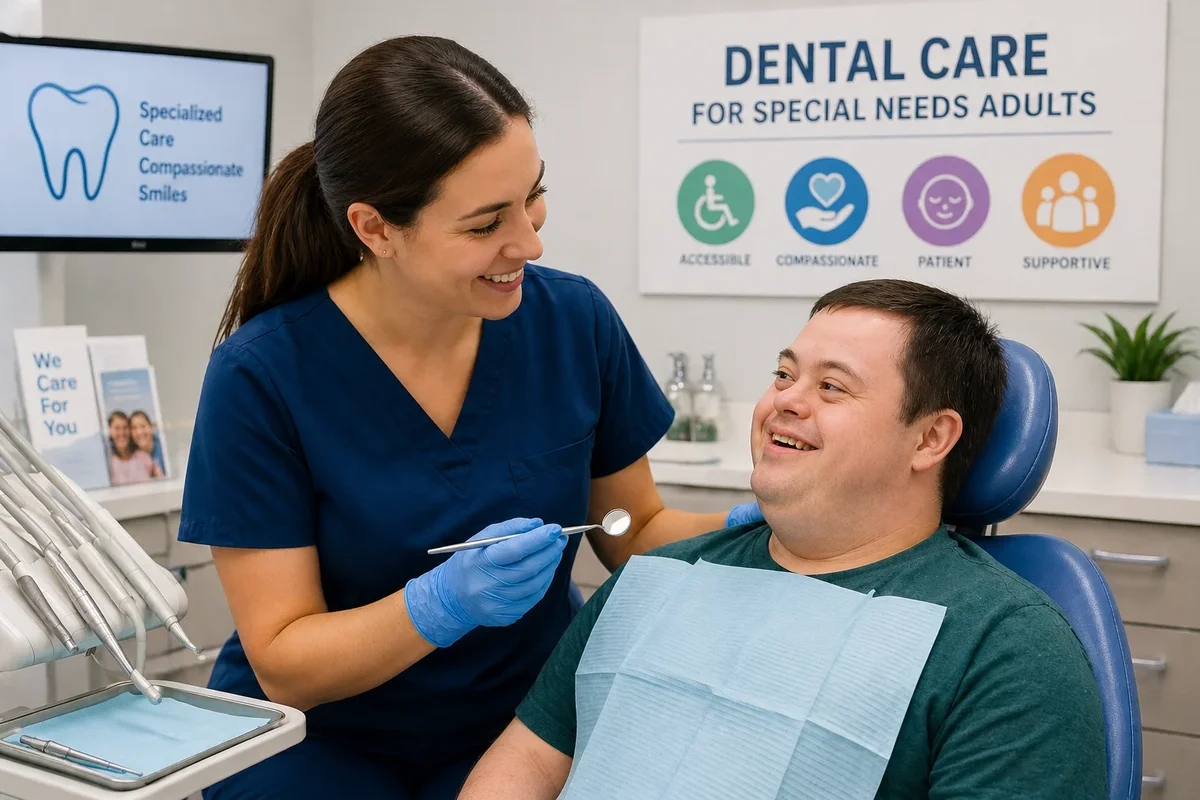
How to Find the Best Dentist for Special Needs Adults Near You
Finding the right dentist for special needs adults can feel overwhelming, especially when you are trying to ensure comfort, safety, and high-quality care. Not every clinic is equipped to meet the unique needs of adults with physical, cognitive, or emotional challenges. That is why it is essential to follow a structured approach when searching for a reliable dentist for special needs adults in your area 😊.
A well-qualified dentist for special needs adults provides more than clinical treatment—they create an inclusive, supportive, and adaptable environment. By knowing what to look for and where to search, you can significantly improve the chances of finding the right provider.
Start with Specialized Research
The first step in finding a dentist for special needs adults is conducting focused research. General dental directories may not always highlight specialists in this field.
Use Targeted Search Terms
Searching online using specific phrases like “dentist for special needs adults near me” or “special care dentist for adults” can help narrow down relevant options. These targeted searches lead to clinics that explicitly offer specialized services.
Check Professional Organizations
Trusted organizations such as the American Dental Association provide directories and resources that can help you locate a qualified dentist for special needs adults. These platforms often include verified professionals who meet established standards.
Evaluate Experience and Qualifications
Not all dentists have the same level of expertise. A dentist for special needs adults should have proven experience and training in handling diverse patient needs.
Look for Specialized Training
A reputable dentist for special needs adults often has additional certifications or continuing education in special care dentistry. This training ensures they are prepared to manage complex cases.
Review Patient Testimonials
Reading reviews from other patients or caregivers can provide valuable insight. Positive feedback about a dentist for special needs adults often highlights patience, communication skills, and overall patient satisfaction.
Assess Clinic Accessibility
Accessibility is a key factor when choosing a dentist for special needs adults. The clinic should be designed to accommodate both physical and sensory needs.
Physical Accessibility Features
- Wheelchair ramps and wide doorways
- Accessible parking spaces
- Adjustable dental chairs
A dentist for special needs adults ensures that patients can navigate the clinic comfortably and safely.
Sensory-Friendly Environment
Some clinics offer quiet rooms, dim lighting, and reduced noise levels. A dentist for special needs adults understands how important these adjustments are for patients with sensory sensitivities.
Schedule an Initial Consultation
Before committing to a clinic, it is highly recommended to meet the dentist for special needs adults in person. This allows you to evaluate their approach and communication style.
Observe Interaction with Patients
During the consultation, pay attention to how the dentist for special needs adults interacts with the patient. Are they patient, calm, and respectful? These qualities are essential for building trust.
Ask Important Questions
Some useful questions include:
- What experience do you have with special needs patients?
- Do you offer sedation options?
- How do you handle emergencies?
A knowledgeable dentist for special needs adults will provide clear and reassuring answers.
Consider Location and Convenience
Proximity to the clinic can make a significant difference in maintaining regular visits. A conveniently located dentist for special needs adults reduces travel stress and improves consistency in care.
Transportation Options
Check whether the clinic is easily accessible by public transport or has adequate parking. A dentist for special needs adults often considers these factors when designing patient-friendly services.
Flexible Scheduling
Many clinics offer flexible appointment times. A dentist for special needs adults may provide early morning or quiet-hour appointments to reduce stress.
Evaluate Communication and Support
Effective communication is essential for a positive experience. A dentist for special needs adults should be able to communicate clearly with both patients and caregivers.
Clear Treatment Plans
A dentist for special needs adults provides detailed explanations of procedures, costs, and expected outcomes. This transparency helps build trust.
Caregiver Involvement
Caregivers should feel included in the process. A dentist for special needs adults encourages collaboration and values caregiver input.
Explore Trusted Clinics
If you are searching for a reliable provider, consider visiting the Redent Klinik Contact Page. A professional dentist for special needs adults can offer personalized care tailored to individual needs.
Long-Term Relationship Building
Finding the right dentist for special needs adults is not just about one visit—it is about building a long-term relationship. Consistency helps patients feel more comfortable and improves cooperation over time.
Regular Follow-Ups
Routine visits to the same dentist for special needs adults create familiarity and reduce anxiety. This leads to better oral health outcomes.
Trust and Comfort
A trusted dentist for special needs adults becomes a reliable partner in maintaining oral health. Patients are more likely to attend appointments and follow recommendations when they feel comfortable.
Final Thoughts
Finding the best dentist for special needs adults requires careful research, evaluation, and communication. By focusing on experience, accessibility, and patient-centered care, you can ensure a positive dental experience. A qualified dentist for special needs adults not only improves oral health but also enhances overall quality of life 🌟.