
A dentist hygiene appointment is one of the most important yet often underestimated parts of maintaining long-term oral health. Many people associate dental visits only with pain, cavities, or emergency treatments, but preventive care is actually the foundation of a healthy smile. A dentist hygiene appointment focuses on professional cleaning, early detection of oral issues, and personalized guidance to help you protect your teeth and gums before problems arise 😊
At its core, a dentist hygiene appointment is designed to remove plaque and tartar that regular brushing and flossing cannot eliminate. Even the most disciplined oral care routine at home has limitations. Over time, bacteria form biofilm on the teeth, which hardens into tartar if not professionally removed. This buildup is a major cause of gum disease, bad breath, and tooth decay. That’s why scheduling a dentist hygiene appointment regularly is not optional—it’s essential.
Another key reason a dentist hygiene appointment matters is prevention. Gum disease often develops silently, without obvious pain in its early stages. During a dentist hygiene appointment, dental professionals carefully examine your gums, measure pocket depths, and look for early signs of inflammation or bleeding. Catching these issues early can prevent advanced periodontal disease, which is one of the leading causes of tooth loss in adults worldwide.
A dentist hygiene appointment also plays a critical role in overall health, not just oral health. Scientific research has shown strong links between gum disease and systemic conditions such as heart disease, diabetes, and respiratory infections. By maintaining healthy gums through regular dentist hygiene appointments, you reduce harmful bacteria in your mouth that can enter the bloodstream and affect other parts of the body 🫀
For patients who haven’t seen a dentist in a long time, the first dentist hygiene appointment can feel intimidating. However, modern dental clinics focus on comfort, communication, and patient education. A dentist hygiene appointment is not rushed; it is a structured and careful process tailored to your needs. Whether you have sensitive teeth, dental anxiety, or existing restorations, the appointment is adapted to ensure safety and comfort.
One of the most valuable aspects of a dentist hygiene appointment is education. Dental hygienists don’t just clean your teeth—they teach you how to care for them better. You’ll receive personalized advice on brushing techniques, flossing methods, interdental brushes, and even diet choices that impact oral health. This guidance turns a dentist hygiene appointment into a long-term investment rather than a one-time service.
People often delay booking a dentist hygiene appointment because they feel their teeth “look fine.” Unfortunately, appearance can be misleading. Plaque accumulation, early cavities, and gum inflammation may not be visible or painful yet. A dentist hygiene appointment uses professional tools and trained eyes to detect problems long before they become serious—and expensive.
It’s also important to understand that a dentist hygiene appointment is different from cosmetic cleaning. While your teeth will look and feel noticeably cleaner after the visit ✨, the primary goal is medical prevention. Removing bacteria below the gumline, polishing enamel surfaces, and checking oral tissues all contribute to protecting your natural teeth for as long as possible.
For international patients or those seeking a trusted dental provider, clinics that emphasize preventive care often achieve better long-term outcomes. If you are considering scheduling a dentist hygiene appointment or want expert guidance tailored to your needs, you can easily reach out through the Redent Klinik Contact Page to get professional support.
Globally recognized dental organizations strongly recommend regular hygiene visits. According to guidance supported by the American Dental Association, preventive dental care—including routine dentist hygiene appointments—is fundamental to reducing oral disease and maintaining overall wellness.
In summary, a dentist hygiene appointment is far more than a simple cleaning. It is a proactive health measure that protects your teeth, gums, and general well-being. By committing to regular dentist hygiene appointments, you take control of your oral health, reduce future treatment needs, and enjoy the confidence that comes with a clean, healthy smile 😁
What Is a Dentist Hygiene Appointment?
A dentist hygiene appointment is a preventive dental visit focused on keeping your teeth, gums, and mouth healthy before serious problems develop. Unlike emergency dental visits that address pain or damage, a dentist hygiene appointment is proactive. Its primary goal is to prevent cavities, gum disease, bad breath, and long-term tooth loss through professional care and education 😊
Many patients mistakenly believe a dentist hygiene appointment is “just a cleaning,” but this is only a small part of the process. In reality, a dentist hygiene appointment is a structured clinical procedure that combines examination, diagnosis, professional cleaning, and personalized oral health guidance. It plays a foundational role in modern dentistry and is strongly recommended for patients of all ages.
Core Purpose of a Dentist Hygiene Appointment
The main purpose of a dentist hygiene appointment is to control bacterial buildup in the mouth. Even with excellent brushing and flossing habits, plaque accumulates in areas that are difficult to reach at home. Over time, this plaque hardens into tartar (calculus), which cannot be removed without professional instruments. A dentist hygiene appointment targets these deposits to protect both teeth and gums.
Another essential purpose of a dentist hygiene appointment is early detection. Dental professionals assess the health of your gums, look for signs of decay, check existing fillings or crowns, and screen for oral conditions that may not yet cause symptoms. Early intervention during a dentist hygiene appointment can prevent complex and costly treatments later.
Who Performs a Dentist Hygiene Appointment?
A dentist hygiene appointment is typically performed by a licensed dental hygienist, working closely with a dentist. The hygienist focuses on cleaning, gum health assessment, and patient education, while the dentist may review findings, perform examinations, or recommend additional treatment if needed.
This team-based approach ensures that your dentist hygiene appointment is both thorough and medically sound. It also allows more time for patient communication, which is especially helpful for individuals who feel anxious about dental visits or have specific concerns.
Is a Dentist Hygiene Appointment the Same for Everyone?
No two dentist hygiene appointments are exactly the same. While the core steps are similar, the depth and frequency of care depend on your oral health status. Patients with healthy gums may require a standard preventive dentist hygiene appointment, while those with gum disease may need more intensive cleanings.
Factors that influence how a dentist hygiene appointment is performed include:
- History of gum disease or bleeding gums
- Smoking or tobacco use
- Diabetes or systemic health conditions
- Orthodontic appliances or dental implants
- Quality of daily oral hygiene habits
Medical Importance of a Dentist Hygiene Appointment
A dentist hygiene appointment is medically important because oral health is closely connected to overall health. Chronic gum inflammation allows bacteria to enter the bloodstream, increasing the risk of cardiovascular disease, complications with diabetes, and other systemic conditions. Regular dentist hygiene appointments help control this bacterial load and support whole-body wellness 🧠
Additionally, oral cancer screenings are often part of a dentist hygiene appointment. Early detection of abnormal tissue changes can be life-saving, highlighting the importance of not skipping these visits.
Educational Value of a Dentist Hygiene Appointment
One of the most overlooked benefits of a dentist hygiene appointment is patient education. During the visit, you receive tailored advice on brushing techniques, flossing methods, and product recommendations based on your unique oral anatomy. This guidance helps you maintain the results of your dentist hygiene appointment long after you leave the clinic.
For example, patients with crowded teeth may be shown how to use interdental brushes, while those with sensitive gums may receive recommendations for gentler cleaning tools. This individualized approach transforms a dentist hygiene appointment into an ongoing partnership in your oral health.
Why Skipping a Dentist Hygiene Appointment Is Risky
Skipping a dentist hygiene appointment may not cause immediate discomfort, but the consequences build silently. Plaque and tartar continue to accumulate, gum inflammation worsens, and early decay can progress unnoticed. By the time symptoms appear, treatment is often more invasive and expensive.
Consistent dentist hygiene appointments act as a protective barrier, catching problems early and preserving your natural teeth for as long as possible. From both a medical and financial perspective, preventive care is always the smarter choice 💡
In essence, a dentist hygiene appointment is a cornerstone of lifelong oral health. It combines prevention, education, and early diagnosis into a single visit that supports not only a healthier smile, but a healthier life overall.
Why Regular Dentist Hygiene Appointments Are Essential for Oral Health
Scheduling a dentist hygiene appointment on a regular basis is one of the most effective ways to protect your oral health over a lifetime. While daily brushing and flossing are essential habits, they are not enough on their own. A dentist hygiene appointment provides professional care that reaches areas your toothbrush simply cannot, helping prevent issues before they become serious 😊
Many dental problems develop slowly and without pain. Cavities, gum inflammation, and early periodontal disease can progress quietly for months or even years. A routine dentist hygiene appointment acts as an early warning system, allowing dental professionals to identify and address these concerns long before they require complex treatment.
Preventing Gum Disease Through a Dentist Hygiene Appointment
One of the primary reasons regular dentist hygiene appointments are essential is gum disease prevention. Gingivitis, the earliest stage of gum disease, is caused by plaque buildup along the gumline. Without intervention, gingivitis can progress into periodontitis, a severe condition that damages bone and supporting tissues.
During a dentist hygiene appointment, plaque and hardened tartar are carefully removed from above and below the gumline. This process reduces inflammation, allows the gums to heal, and significantly lowers the risk of advanced periodontal disease. Consistent dentist hygiene appointments are the most reliable way to keep your gums healthy and strong.
Protecting Teeth From Cavities and Enamel Damage
A dentist hygiene appointment is also critical for cavity prevention. Plaque contains acids produced by bacteria that feed on sugars in your diet. These acids slowly erode tooth enamel, leading to decay. Even small areas of plaque left behind daily can cause damage over time.
Professional cleaning during a dentist hygiene appointment removes these harmful deposits and polishes the enamel, making it more resistant to future plaque buildup. This added protection is especially important for individuals prone to cavities or those with dental restorations such as crowns and fillings.
The Long-Term Impact of Skipping Dentist Hygiene Appointments
Skipping a dentist hygiene appointment may seem harmless in the short term, but the long-term consequences can be significant. Without professional cleanings, tartar accumulates, gum pockets deepen, and bacteria multiply. Over time, this can lead to:
- Chronic gum disease and tooth loss
- Persistent bad breath (halitosis)
- Increased need for fillings, root canals, or extractions
- Higher dental treatment costs in the future
Regular dentist hygiene appointments help you avoid these outcomes by maintaining a clean, balanced oral environment.
Dentist Hygiene Appointment and Overall Health Connection
Oral health does not exist in isolation. Research has shown strong links between gum disease and systemic conditions such as heart disease, diabetes, and respiratory infections. Inflammation in the gums allows bacteria to enter the bloodstream, potentially affecting other organs.
By attending routine dentist hygiene appointments, you actively reduce the bacterial burden in your mouth. This simple preventive step supports not only healthier teeth and gums, but also better overall health 🫀
Consistency Matters More Than Perfection
Many patients believe that occasional deep cleanings are enough, but consistency is key. A dentist hygiene appointment works best when scheduled at regular intervals, typically every six months, unless otherwise recommended. Frequent appointments prevent buildup from reaching harmful levels and allow dental professionals to monitor changes over time.
Even patients with excellent home care benefit from regular dentist hygiene appointments. Small adjustments in brushing technique or early detection of wear patterns can make a big difference when addressed early.
Building a Preventive Dental Routine
A dentist hygiene appointment is most effective when combined with good daily habits. Brushing twice a day, flossing once daily, and maintaining a balanced diet all support the work done during your appointment. Dental professionals often use a dentist hygiene appointment as an opportunity to fine-tune your routine for better results.
Ultimately, regular dentist hygiene appointments are an investment in your health, comfort, and confidence. They reduce the risk of disease, preserve your natural teeth, and help you maintain a bright, healthy smile for years to come 😁
When viewed as a preventive health strategy rather than a reactive visit, the value of a dentist hygiene appointment becomes clear. Consistency, professional care, and early intervention together form the strongest defense against oral disease.
What Happens During a Dentist Hygiene Appointment Step by Step
A dentist hygiene appointment follows a structured, clinical process designed to clean your teeth thoroughly, assess gum health, and prevent future dental problems. Understanding each step can reduce anxiety and help you get the most value from your visit. While the exact sequence may vary slightly by clinic and individual needs, the core elements of a dentist hygiene appointment remain consistent and evidence-based 😊
Initial Review and Medical History Update
Your dentist hygiene appointment usually begins with a brief review of your medical and dental history. This step is essential because changes in your overall health—such as diabetes, pregnancy, medications, or smoking habits—can directly affect your oral health. Dental professionals rely on this information to tailor the dentist hygiene appointment safely and effectively.
During this phase, you may also discuss any symptoms like bleeding gums, sensitivity, bad breath, or discomfort. Sharing concerns openly ensures the dentist hygiene appointment addresses your specific needs rather than following a one-size-fits-all approach.
Comprehensive Oral Examination
Next, a detailed oral examination is performed as part of the dentist hygiene appointment. The dental hygienist checks your teeth, gums, tongue, and soft tissues for signs of decay, inflammation, infection, or abnormal changes. Gum pocket measurements may be taken to assess periodontal health and detect early gum disease.
This examination stage of a dentist hygiene appointment is critical for early diagnosis. Problems identified here can often be managed conservatively, avoiding more invasive procedures later.
Professional Scaling: Removing Plaque and Tartar
Scaling is the core cleaning step of a dentist hygiene appointment. Using specialized instruments, the hygienist removes plaque and tartar from tooth surfaces and below the gumline. Tartar cannot be removed with regular brushing, which is why a dentist hygiene appointment is essential even for patients with excellent oral hygiene.
Depending on your oral health, this step may involve hand instruments, ultrasonic scalers, or a combination of both. Modern tools make the dentist hygiene appointment more comfortable and efficient than ever before.
Is Scaling Painful During a Dentist Hygiene Appointment?
Most patients experience only mild discomfort during scaling, especially if gums are inflamed. However, dental professionals adjust techniques to ensure comfort. If sensitivity is a concern, numbing gels or breaks can be provided. A well-managed dentist hygiene appointment should never feel overwhelming.
Polishing and Surface Smoothing
After scaling, the dentist hygiene appointment continues with polishing. A special polishing paste and rotating brush are used to smooth tooth surfaces and remove surface stains caused by coffee, tea, or smoking. Polishing not only improves appearance but also makes it harder for plaque to reattach.
This step often leaves patients feeling a noticeable difference immediately after the dentist hygiene appointment—teeth feel smoother, cleaner, and fresher ✨
Flossing and Rinsing
Flossing is performed to remove any remaining debris between teeth. This step during a dentist hygiene appointment ensures that no plaque is left behind in tight spaces. A thorough rinse follows to clear loosened particles and prepare the mouth for final checks.
Final Evaluation and Dentist Review
In many cases, the dentist joins the appointment after cleaning to review findings. This evaluation may include checking for cavities, assessing bite alignment, or recommending X-rays if needed. The dentist hygiene appointment thus combines preventive care with diagnostic oversight.
If any concerns are identified, treatment options are discussed clearly, allowing you to make informed decisions without pressure.
Personalized Advice After a Dentist Hygiene Appointment
The final stage of a dentist hygiene appointment focuses on education. You’ll receive tailored advice on brushing techniques, flossing tools, mouthwash use, and dietary habits. These recommendations are based on what was observed during your appointment.
This guidance transforms a dentist hygiene appointment into a long-term oral health strategy rather than a single isolated visit.
Why Each Step Matters
Every step of a dentist hygiene appointment serves a specific purpose—from detection and cleaning to prevention and education. Skipping or rushing any part reduces the effectiveness of the visit. A complete dentist hygiene appointment ensures your mouth is healthy today and protected for the future.
By understanding what happens during a dentist hygiene appointment step by step, patients feel more confident, prepared, and motivated to maintain regular visits. Knowledge turns preventive care into a positive experience 😁
How Often Should You Book a Dentist Hygiene Appointment?
One of the most common questions patients ask is how often a dentist hygiene appointment should be scheduled. While many people assume that once a year is enough, dental professionals agree that the ideal frequency depends on individual oral health needs. A dentist hygiene appointment is not a one-size-fits-all service; it should be personalized based on risk factors, lifestyle, and existing dental conditions 😊
Understanding the correct timing for a dentist hygiene appointment can make a significant difference in preventing dental problems and maintaining long-term oral health. Regular visits allow dental professionals to monitor changes, remove harmful buildup, and intervene early when necessary.
The General Recommendation for a Dentist Hygiene Appointment
For individuals with healthy teeth and gums, most dentists recommend a dentist hygiene appointment every six months. This interval is considered optimal for preventing plaque and tartar accumulation from reaching harmful levels. A twice-yearly dentist hygiene appointment also aligns with preventive care guidelines used worldwide.
However, this recommendation serves as a baseline rather than a strict rule. During each dentist hygiene appointment, your dental team evaluates your oral health and may adjust the frequency to better suit your needs.
Who Needs More Frequent Dentist Hygiene Appointments?
Some individuals benefit from more frequent dentist hygiene appointments, typically every three to four months. These shorter intervals help control ongoing issues and reduce the risk of complications.
You may need more frequent dentist hygiene appointments if you have:
- Gum disease or a history of periodontal problems
- Diabetes or conditions affecting immune response
- Smoking or tobacco use habits
- Dental implants, bridges, or orthodontic appliances
- Chronic plaque buildup despite good home care
In these cases, a dentist hygiene appointment becomes a critical part of disease management rather than routine maintenance.
Children and Dentist Hygiene Appointment Frequency
Children also benefit greatly from regular dentist hygiene appointments. Early visits help establish healthy habits, monitor tooth development, and prevent cavities. Most children should attend a dentist hygiene appointment every six months, although those with a higher cavity risk may need more frequent care.
Introducing children to dentist hygiene appointments early helps reduce dental anxiety and builds a positive relationship with oral care 🦷
Adults, Aging, and Dentist Hygiene Appointments
As we age, oral health needs change. Gum recession, dry mouth, and wear on enamel become more common. A dentist hygiene appointment plays a crucial role in managing these changes and preventing tooth loss.
Older adults may require more frequent dentist hygiene appointments due to reduced saliva flow or medication side effects. Regular monitoring ensures problems are addressed before they affect quality of life.
What Happens If You Delay a Dentist Hygiene Appointment?
Delaying a dentist hygiene appointment often leads to increased plaque buildup, gum inflammation, and a higher risk of decay. What could have been managed easily during a routine dentist hygiene appointment may progress into a condition requiring deeper cleaning or restorative treatment.
From a preventive standpoint, consistent dentist hygiene appointments save time, discomfort, and expense over the long term.
Personalized Scheduling Based on Risk Assessment
The most accurate way to determine how often you need a dentist hygiene appointment is through professional assessment. Dental hygienists evaluate factors such as gum pocket depth, bleeding, plaque levels, and overall oral hygiene effectiveness.
Based on this evaluation, a customized dentist hygiene appointment schedule is created. This personalized approach ensures you receive the right level of care—no more and no less—at the right time.
Consistency Is the Key to Long-Term Benefits
Whether your dentist hygiene appointment is scheduled every three, four, or six months, consistency matters more than frequency alone. Regular attendance allows dental professionals to track trends, reinforce good habits, and intervene early when needed.
Ultimately, booking a dentist hygiene appointment at the right intervals is an investment in your health. With proper timing and professional guidance, dentist hygiene appointments help preserve natural teeth, maintain healthy gums, and support overall well-being for years to come 😁
Dentist Hygiene Appointment Benefits Beyond Clean Teeth
Many people believe a dentist hygiene appointment is only about making teeth look cleaner and brighter. While that fresh, polished feeling is certainly a bonus, the true value of a dentist hygiene appointment goes far beyond appearance. These appointments deliver powerful health benefits that protect not only your smile but your overall well-being 😊
Understanding the deeper advantages of a dentist hygiene appointment helps patients appreciate why consistent preventive care is so strongly recommended by dental professionals worldwide.
Early Detection of Hidden Dental Problems
One of the most important benefits of a dentist hygiene appointment is early detection. Dental issues rarely start with pain. Cavities, gum disease, enamel erosion, and even oral infections can develop silently. During a dentist hygiene appointment, trained professionals look for subtle warning signs that are easy to miss at home.
By identifying problems early, a dentist hygiene appointment can prevent small issues from becoming complex treatments such as root canals, extractions, or periodontal surgery. Early detection saves time, discomfort, and long-term costs.
Gum Health and Bone Preservation
Healthy gums are the foundation of strong teeth. A dentist hygiene appointment plays a critical role in protecting the gums and the bone structure that supports your teeth. When plaque and tartar accumulate under the gumline, they trigger inflammation that can lead to bone loss.
Through professional cleaning and gum assessment, a dentist hygiene appointment helps stop this process early. Maintaining gum health through regular dentist hygiene appointments significantly reduces the risk of tooth mobility and tooth loss later in life.
Why Gum Health Affects More Than Your Mouth
Chronic gum inflammation has been linked to serious systemic conditions such as heart disease, stroke, and diabetes complications. A dentist hygiene appointment reduces oral bacteria and inflammation, which lowers the risk of these bacteria entering the bloodstream.
This makes a dentist hygiene appointment an important part of preventive healthcare, not just dental care 🫀
Improved Breath and Oral Comfort
Persistent bad breath is often caused by bacteria trapped in plaque and tartar. A dentist hygiene appointment removes these odor-causing deposits from areas brushing cannot reach. As a result, patients often notice long-lasting fresher breath after their appointment.
In addition to breath improvement, a dentist hygiene appointment can reduce gum tenderness, swelling, and sensitivity. Healthier tissues lead to greater comfort during daily activities such as eating and speaking.
Support for Dental Restorations and Implants
Patients with crowns, bridges, veneers, or dental implants benefit greatly from regular dentist hygiene appointments. These restorations require special care to prevent plaque buildup around their edges.
A dentist hygiene appointment helps extend the lifespan of dental work by keeping surrounding tissues healthy. This protective role is especially important for dental implants, where gum inflammation can lead to implant failure if not managed properly.
Dentist Hygiene Appointment and Long-Term Cost Savings
Although some patients view a dentist hygiene appointment as an expense, it is more accurately an investment. Preventive care reduces the likelihood of costly treatments later. Addressing gum disease early or preventing cavities through routine dentist hygiene appointments can save thousands over a lifetime.
From a financial perspective, regular dentist hygiene appointments are one of the most cost-effective healthcare decisions you can make.
Personalized Oral Health Education
Another powerful benefit of a dentist hygiene appointment is personalized education. Dental hygienists assess your brushing technique, flossing habits, and lifestyle factors that influence oral health. Based on these observations, they provide tailored advice to improve your routine.
This guidance transforms a dentist hygiene appointment into an ongoing partnership. Small changes—such as adjusting brushing pressure or using the right interdental tools—can dramatically improve results between visits.
Confidence and Quality of Life Benefits
A healthy mouth contributes directly to self-confidence. Clean teeth, healthy gums, and fresh breath improve social interactions and overall comfort. A dentist hygiene appointment supports these benefits by maintaining a clean, balanced oral environment.
Patients who attend regular dentist hygiene appointments often report feeling more confident about their smile and more motivated to maintain good oral habits 😁
Preventive Care That Adds Up Over Time
The benefits of a dentist hygiene appointment are cumulative. Each visit builds upon the last, reinforcing healthy tissues, monitoring changes, and preventing disease progression. Skipping appointments interrupts this protective cycle.
Ultimately, a dentist hygiene appointment offers far more than clean teeth. It delivers early detection, disease prevention, systemic health support, financial savings, and improved quality of life. When viewed through this broader lens, the true value of consistent dentist hygiene appointments becomes undeniable.
Dentist Hygiene Appointment vs Regular Dental Check-Up
Many patients use the terms interchangeably, but a dentist hygiene appointment and a regular dental check-up are not the same—even though they often happen on the same day. Understanding the difference between these two visits helps patients make better decisions about their oral health and appreciate why both are essential parts of preventive dental care 😊
While both visits aim to maintain oral health, a dentist hygiene appointment focuses on prevention and maintenance, whereas a dental check-up is primarily diagnostic. Together, they form a complete oral health strategy.
The Primary Focus of a Dentist Hygiene Appointment
A dentist hygiene appointment is centered on cleaning, gum health, and prevention. The main goal is to remove plaque, tartar, and bacteria that contribute to cavities and gum disease. During a dentist hygiene appointment, dental hygienists spend extended time cleaning above and below the gumline, polishing teeth, and educating patients.
In addition to cleaning, a dentist hygiene appointment includes a detailed assessment of gum health. Measurements of gum pockets, bleeding points, and inflammation are recorded to track changes over time. This makes the dentist hygiene appointment especially important for preventing periodontal disease.
The Purpose of a Regular Dental Check-Up
A regular dental check-up is usually performed by a dentist and focuses on diagnosing dental problems. During a check-up, the dentist examines teeth for cavities, checks existing restorations, evaluates bite alignment, and reviews X-rays if needed.
While a dental check-up may only take a few minutes, it plays a critical role in identifying structural or medical issues that require treatment. However, without a dentist hygiene appointment, many problems detected during a check-up are more likely to develop in the first place.
Why One Cannot Replace the Other
Skipping a dentist hygiene appointment and relying only on dental check-ups is a common mistake. A check-up can identify problems, but it does not remove the root cause—plaque and bacteria. Likewise, a dentist hygiene appointment without periodic dentist evaluations may miss deeper structural issues.
For optimal oral health, both visits are necessary. The dentist hygiene appointment prevents disease, while the dental check-up ensures early diagnosis and proper treatment planning.
Time Spent and Level of Detail
A dentist hygiene appointment typically lasts longer than a dental check-up. Hygiene visits often take 30 to 60 minutes, depending on individual needs. This time allows for thorough cleaning, gum assessment, and patient education.
In contrast, a dental check-up is often shorter, focusing on examination rather than cleaning. This difference highlights why a dentist hygiene appointment cannot be replaced by a quick check-up alone.
Who You See During Each Visit
During a dentist hygiene appointment, you primarily work with a dental hygienist trained in preventive care and patient education. During a regular dental check-up, the dentist evaluates findings and provides diagnoses or treatment recommendations.
This team-based approach ensures comprehensive care. The dentist hygiene appointment gathers valuable information that helps the dentist make informed decisions during the check-up.
How They Work Best Together
When combined, a dentist hygiene appointment and a dental check-up provide complete preventive and diagnostic care. Many clinics schedule them back-to-back to maximize efficiency and patient convenience.
For example, issues identified during a dentist hygiene appointment—such as bleeding gums or suspicious areas—can be immediately reviewed by the dentist. This seamless collaboration improves outcomes and reduces delays in care.
Patient Experience and Comfort
Patients often feel more relaxed during a dentist hygiene appointment because the focus is on cleaning and education rather than treatment. This positive experience builds trust and encourages regular attendance.
Over time, consistent dentist hygiene appointments reduce the likelihood of needing invasive procedures, making future dental check-ups simpler and less stressful 😌
Which One Do You Need More Often?
Most patients require a dentist hygiene appointment every three to six months, depending on their oral health. Dental check-ups are often recommended annually or semi-annually.
Your dental team determines the ideal schedule based on your risk factors, health history, and clinical findings.
In summary, a dentist hygiene appointment and a regular dental check-up serve different but equally important purposes. Understanding the distinction empowers patients to prioritize preventive care, reduce future dental problems, and maintain a healthy, confident smile for life 😁
Common Myths and Fears About a Dentist Hygiene Appointment
Despite its importance, a dentist hygiene appointment is often surrounded by myths, misunderstandings, and unnecessary fears. These misconceptions cause many people to delay or avoid preventive dental care altogether, which can lead to more serious oral health problems over time. Understanding the truth behind these myths helps patients approach a dentist hygiene appointment with confidence and peace of mind 😊
Modern dentistry has evolved significantly, and today’s dentist hygiene appointment is far more comfortable, patient-focused, and effective than many people expect.
Myth 1: A Dentist Hygiene Appointment Is Painful
One of the most common fears is that a dentist hygiene appointment will be painful. In reality, most patients experience little to no discomfort. Modern instruments, ultrasonic scalers, and gentle techniques make the cleaning process efficient and comfortable.
Any sensitivity felt during a dentist hygiene appointment is usually due to existing gum inflammation—not the procedure itself. As gum health improves with regular visits, discomfort typically decreases rather than increases.
What If You Have Sensitive Teeth or Gums?
Dental hygienists are trained to adapt the dentist hygiene appointment to individual comfort levels. If you have sensitivity, numbing gels, pauses, and alternative tools can be used. Open communication ensures your dentist hygiene appointment is as comfortable as possible.
Myth 2: I Brush and Floss Well, So I Don’t Need a Dentist Hygiene Appointment
Even with excellent home care, plaque still accumulates in hard-to-reach areas. Once plaque hardens into tartar, it cannot be removed with brushing or flossing alone. A dentist hygiene appointment is the only way to remove these deposits safely.
Brushing and flossing support your oral health daily, but they do not replace the deep cleaning and professional evaluation provided during a dentist hygiene appointment.
Myth 3: Bleeding Gums Mean I Should Avoid a Dentist Hygiene Appointment
Many people believe bleeding gums are a reason to postpone a dentist hygiene appointment. In fact, bleeding is a sign that you need one urgently. Bleeding gums indicate inflammation caused by bacterial buildup.
A dentist hygiene appointment removes the cause of inflammation, allowing gums to heal. Avoiding care only worsens the problem over time.
Fear of Bad News During a Dentist Hygiene Appointment
Some patients fear discovering cavities or gum disease during a dentist hygiene appointment. While this fear is understandable, early detection is always beneficial. Identifying problems early often means simpler, less invasive treatment.
A dentist hygiene appointment is a preventive opportunity—not a judgment. Dental professionals focus on solutions, education, and long-term health rather than blame.
Anxiety and Past Dental Experiences
Negative past experiences can shape how people feel about a dentist hygiene appointment. Modern dental practices prioritize patient comfort, communication, and trust. Hygienists explain each step and check in frequently, helping anxious patients feel more at ease 😌
Letting your dental team know about anxiety allows them to adjust pacing, explain procedures, and create a calmer environment.
Myth 4: Dentist Hygiene Appointments Are Only for Adults
Another misconception is that a dentist hygiene appointment is unnecessary for children or teenagers. In reality, early preventive care helps establish healthy habits, prevent cavities, and monitor proper tooth development.
Children who attend regular dentist hygiene appointments are more likely to maintain good oral health into adulthood.
Fear of Cost or Time Commitment
Some patients avoid a dentist hygiene appointment due to concerns about cost or time. However, preventive care is far less expensive and time-consuming than restorative treatments required when problems go untreated.
A routine dentist hygiene appointment often prevents the need for fillings, root canals, or gum surgery—saving both money and time in the long run.
The Truth About Modern Dentist Hygiene Appointments
Today’s dentist hygiene appointment is designed to be gentle, educational, and empowering. Dental professionals work with patients to create a positive experience that supports lifelong oral health.
By separating fact from fiction, patients can approach a dentist hygiene appointment with confidence rather than fear. Understanding what truly happens during the visit helps remove anxiety and encourages consistent preventive care.
Ultimately, most people find that once they attend regular dentist hygiene appointments, their fears fade, comfort improves, and oral health outcomes become noticeably better. Knowledge and experience are the most effective tools for overcoming dental myths and fears 😁
Aftercare Tips to Maximize Your Dentist Hygiene Appointment Results
A dentist hygiene appointment does not end when you leave the dental chair. What you do afterward plays a crucial role in maintaining the benefits of the professional cleaning and protecting your oral health until your next visit. Proper aftercare helps extend the results of your dentist hygiene appointment, keeps bacteria under control, and supports healthy gums and teeth long term 😊
By following a few simple but effective habits after your dentist hygiene appointment, you can significantly improve comfort, reduce inflammation, and prevent plaque from rebuilding too quickly.
What to Expect Immediately After a Dentist Hygiene Appointment
After a dentist hygiene appointment, it is normal for your teeth to feel smoother and cleaner than usual. Some patients may experience mild gum sensitivity or slight bleeding, especially if there was inflammation before the visit. This response is temporary and typically resolves within 24 to 48 hours.
Drinking water after a dentist hygiene appointment helps flush away remaining debris and supports saliva production, which naturally protects your teeth.
Eating and Drinking After a Dentist Hygiene Appointment
It’s generally safe to eat shortly after a dentist hygiene appointment unless your dental professional advises otherwise. However, avoiding very hot, cold, acidic, or sugary foods for the first few hours can help minimize sensitivity.
Choosing soft foods and drinking plenty of water allows gums to recover comfortably after your dentist hygiene appointment.
Optimal Brushing and Flossing After Your Appointment
Maintaining proper oral hygiene after a dentist hygiene appointment is essential. Brush your teeth twice daily using a soft-bristled toothbrush and gentle pressure. Aggressive brushing can irritate gums that are healing after professional cleaning.
Flossing once a day is equally important. Your dentist hygiene appointment removes deep plaque, but flossing prevents new buildup between teeth. This daily habit reinforces the results of your dentist hygiene appointment and keeps gums healthy.
Choosing the Right Products After a Dentist Hygiene Appointment
Your dental hygienist may recommend specific toothpaste, mouthwash, or interdental tools based on your oral health needs. Using these products as advised helps control bacteria and reduce sensitivity after a dentist hygiene appointment.
A fluoride toothpaste strengthens enamel, while antibacterial mouth rinses can help soothe gums and prevent infection.
Managing Sensitivity and Gum Tenderness
If you experience mild sensitivity after a dentist hygiene appointment, using toothpaste designed for sensitive teeth can provide relief. Avoid whitening products for a few days, as they may increase discomfort.
Warm saltwater rinses can also help calm irritated gums and promote healing following a dentist hygiene appointment.
Lifestyle Habits That Support Long-Lasting Results
Your daily habits significantly influence how long the benefits of a dentist hygiene appointment last. Limiting sugary snacks, acidic beverages, and smoking reduces plaque buildup and gum inflammation.
Staying hydrated and eating a balanced diet rich in vitamins and minerals supports gum health and enamel strength, enhancing the long-term impact of your dentist hygiene appointment.
Why Smoking Undermines a Dentist Hygiene Appointment
Smoking slows gum healing and encourages plaque accumulation. Quitting or reducing tobacco use dramatically improves the effectiveness of a dentist hygiene appointment and lowers the risk of gum disease.
Patients who avoid smoking after their dentist hygiene appointment often notice better gum comfort and fresher breath.
Monitoring Changes After a Dentist Hygiene Appointment
Pay attention to how your mouth feels in the days following your dentist hygiene appointment. Reduced bleeding, fresher breath, and healthier-looking gums are positive signs. If discomfort persists beyond a few days, contacting your dental provider is recommended.
Monitoring changes helps ensure that your dentist hygiene appointment achieved its intended results and alerts you to any issues requiring follow-up.
Scheduling Your Next Dentist Hygiene Appointment
One of the most important aftercare steps is planning your next dentist hygiene appointment before leaving the clinic. Consistent scheduling helps prevent plaque from reaching harmful levels again.
Your dental team may recommend a specific interval based on your gum health and risk factors. Following this schedule maximizes the cumulative benefits of regular dentist hygiene appointments.
Turning Aftercare Into a Long-Term Routine
Aftercare should not be viewed as a short-term task. The habits you practice after each dentist hygiene appointment become part of your daily routine, supporting oral health year-round.
When professional care and daily habits work together, the results of a dentist hygiene appointment last longer, comfort improves, and future dental issues become far less likely 😁
In conclusion, proper aftercare transforms a dentist hygiene appointment from a single visit into a powerful preventive strategy. By caring for your teeth and gums consistently after each appointment, you protect your smile, enhance comfort, and invest in lifelong oral health.
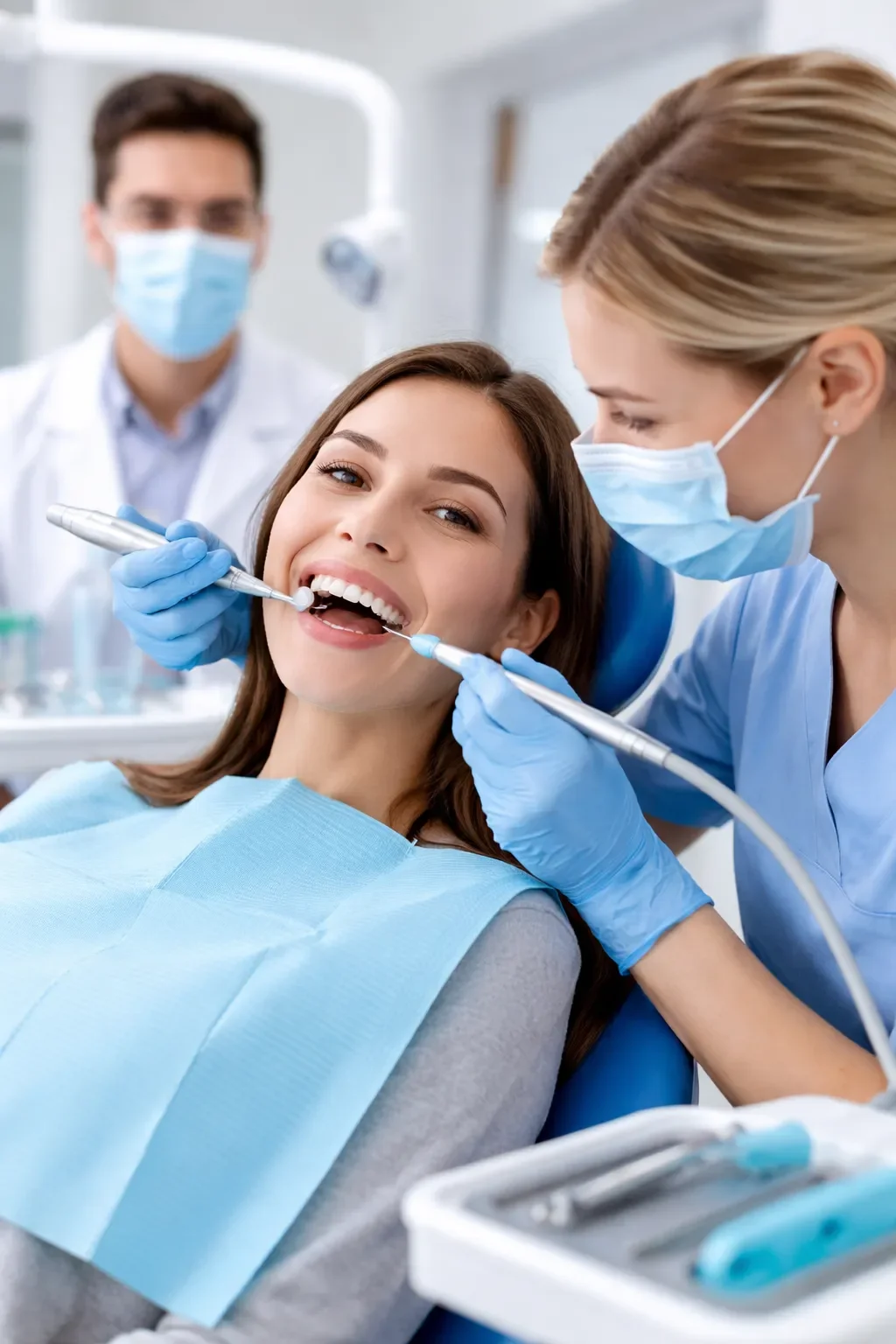
Preparing for Your First Dentist Hygiene Appointment
Your first dentist hygiene appointment can feel unfamiliar, especially if it has been a long time since your last dental visit or if you are attending a new clinic. Proper preparation helps reduce anxiety, improves comfort, and ensures you get the maximum benefit from your dentist hygiene appointment. Knowing what to do beforehand turns the visit into a smooth and positive experience 😊
Preparation is not complicated, but small steps before your dentist hygiene appointment can make a noticeable difference in how the appointment feels and how effective it is.
What to Do Before Your Dentist Hygiene Appointment
Before your dentist hygiene appointment, maintain your regular oral hygiene routine. Brush and floss as you normally would, but avoid aggressive brushing right before the visit, as this can irritate the gums. Clean teeth help dental professionals focus on deeper areas during your dentist hygiene appointment.
It is also helpful to eat a light meal beforehand unless advised otherwise. Attending a dentist hygiene appointment on an empty stomach may increase discomfort, especially if you feel anxious.
Gathering Important Information
Bring a list of any medications you are taking and be ready to discuss your medical history. Certain conditions—such as diabetes, heart disease, or pregnancy—can influence how a dentist hygiene appointment is performed.
If you have dental insurance or previous dental records, bringing them to your dentist hygiene appointment can streamline the process and reduce stress.
Communicating Concerns and Expectations
Open communication is one of the most important aspects of preparing for a dentist hygiene appointment. If you have dental anxiety, sensitive teeth, or past negative experiences, let the dental team know in advance.
Dental professionals are trained to adjust the dentist hygiene appointment to your comfort level. Clear communication allows them to slow the pace, explain steps in detail, or provide comfort options when needed.
Preparing Mentally for a Dentist Hygiene Appointment
Anxiety is common before a dentist hygiene appointment, especially for first-time patients. Understanding that the visit is preventive—not corrective—can help ease fear. The goal is to protect your oral health, not to judge past habits.
Practicing slow breathing, listening to music, or scheduling the dentist hygiene appointment at a time of day when you feel most relaxed can also help.
What Not to Do Before a Dentist Hygiene Appointment
Avoid smoking or consuming alcohol before your dentist hygiene appointment, as these can irritate gums and affect healing. It’s also best to avoid sugary snacks right before the visit, as they feed oral bacteria.
These small adjustments improve the accuracy and comfort of your dentist hygiene appointment.
What Happens If Issues Are Found?
Some patients worry that preparing for a dentist hygiene appointment means bracing for bad news. In reality, identifying issues early is one of the greatest benefits of the visit. If plaque buildup, gum inflammation, or early decay is found, your dental team will explain options clearly.
A dentist hygiene appointment often prevents problems from progressing further, making treatment simpler and less invasive.
After the First Dentist Hygiene Appointment
After your first dentist hygiene appointment, you may notice immediate improvements such as fresher breath, smoother teeth, and healthier-feeling gums. These positive changes reinforce the value of preventive care.
Your dental team will usually recommend a schedule for future dentist hygiene appointments based on your individual risk factors and gum health.
Setting the Foundation for Lifelong Oral Health
Your first dentist hygiene appointment is the starting point of a long-term oral health routine. Establishing regular visits early helps prevent disease, reduces anxiety over time, and builds trust with your dental care providers.
Patients who prepare properly for their dentist hygiene appointment are more likely to maintain consistent care, experience better outcomes, and enjoy healthier smiles throughout life 😁
In summary, preparing for your first dentist hygiene appointment is about information, communication, and mindset. With the right preparation, a dentist hygiene appointment becomes a comfortable, empowering step toward lasting oral and overall health.