
A hygiene dentist appointment is one of the most important yet underestimated steps in maintaining long-term oral and overall health. Many people only think about visiting the dentist when they feel pain or notice a visible problem, but preventive dental care starts long before discomfort appears. A hygiene dentist appointment focuses on prevention, early detection, and professional cleaning that simply cannot be achieved with home care alone.
At its core, a hygiene dentist appointment is designed to remove plaque and tartar buildup, assess gum health, and prevent serious dental conditions such as cavities, gingivitis, and periodontal disease. Even if you brush twice a day and floss regularly, there are areas in the mouth that are difficult to clean thoroughly. Over time, bacteria accumulate in these areas, leading to inflammation and damage if left untreated.
One of the main reasons a hygiene dentist appointment is essential is its role in early diagnosis. Dental hygienists are trained to spot early warning signs of gum disease, enamel erosion, and even oral infections before they progress. Catching these issues early can save patients from complex procedures later on. In many cases, a simple hygiene dentist appointment can prevent the need for fillings, root canal treatments, or tooth extractions.
Another important benefit of a hygiene dentist appointment is gum health evaluation. Gum disease often progresses silently, meaning you may not feel pain until the condition is advanced. During a hygiene dentist appointment, the hygienist measures gum pockets, checks for bleeding or inflammation, and evaluates how well your gums support your teeth. This proactive approach significantly reduces the risk of tooth loss over time.
A hygiene dentist appointment also plays a key role in maintaining fresh breath and a confident smile 😊. Persistent bad breath is often caused by bacteria trapped beneath the gum line or hardened tartar deposits. Professional cleaning during a hygiene dentist appointment removes these odor-causing elements, leaving your mouth feeling cleaner and healthier than daily brushing alone can achieve.
From a medical perspective, regular hygiene dentist appointments contribute to overall health, not just oral hygiene. Research has shown strong links between gum disease and systemic conditions such as heart disease, diabetes, and respiratory infections. By keeping inflammation under control through routine hygiene dentist appointments, patients may reduce their risk of developing or worsening these conditions.
For patients who feel anxious about dental visits, understanding the purpose of a hygiene dentist appointment can make the experience much more comfortable. These appointments are typically non-invasive, focused on cleaning and education rather than treatment. Many patients find that once they attend a hygiene dentist appointment regularly, their fear decreases because there are fewer unexpected dental problems.
Education is another critical component of a hygiene dentist appointment. During the visit, patients receive personalized advice on brushing techniques, flossing habits, and lifestyle factors that affect oral health. This guidance helps patients improve their daily routines and get the most value from each hygiene dentist appointment.
If you are unsure where to book your next hygiene dentist appointment or would like professional guidance tailored to your needs, you can reach out via the Redent Klinik Contact Page. Professional clinics prioritize preventive care and patient education to help you maintain a healthy smile for life.
It is also important to rely on trusted dental organizations when learning about preventive oral care. The American Dental Association emphasizes that routine dental hygiene visits are a cornerstone of lifelong oral health. Their guidelines support the idea that consistent hygiene dentist appointments are one of the most effective ways to protect teeth and gums.
In summary, a hygiene dentist appointment is far more than a simple cleaning. It is a preventive health measure that protects your teeth, gums, and overall well-being. By attending regular hygiene dentist appointments, you invest in early detection, professional care, and long-term confidence in your smile 😁. Making this appointment a routine part of your healthcare schedule is one of the smartest decisions you can make for your oral health.
What Is a Hygiene Dentist Appointment and Why It’s Essential
A hygiene dentist appointment is a preventive dental visit focused on maintaining oral health rather than treating pain or damage. Unlike emergency or restorative dental visits, this type of appointment is proactive. Its main goal is to stop dental problems before they begin, helping patients preserve healthy teeth and gums throughout their lives.
Many people mistakenly believe that brushing and flossing at home are enough. While daily oral hygiene is critical, it cannot fully replace the professional care provided during a hygiene dentist appointment. Certain areas of the mouth are difficult to reach, and over time plaque hardens into tartar, which cannot be removed with a toothbrush. This is where professional dental hygiene becomes essential.
Understanding the Purpose of a Hygiene Dentist Appointment
The primary purpose of a hygiene dentist appointment is to remove plaque and tartar buildup that can lead to cavities and gum disease. Plaque is a sticky film of bacteria that forms on teeth daily. If not removed, it hardens into tartar, increasing the risk of inflammation and infection. A hygiene dentist appointment ensures these harmful deposits are removed safely and effectively.
Another key purpose of a hygiene dentist appointment is monitoring oral health changes over time. Dental hygienists track gum measurements, tooth surfaces, and soft tissues at each visit. This allows them to identify subtle changes early, long before symptoms become noticeable to the patient.
Preventive Care vs. Reactive Dental Treatment
Preventive care is significantly more effective and less stressful than reactive treatment. A hygiene dentist appointment focuses on prevention, while reactive care often involves fillings, root canals, or extractions. By attending regular hygiene dentist appointments, patients reduce the likelihood of complex and costly procedures in the future.
From a long-term perspective, preventive hygiene visits help maintain natural teeth for as long as possible. Tooth loss is often the result of untreated gum disease, which can be largely prevented through consistent hygiene dentist appointments.
Why Hygiene Dentist Appointments Are Medically Important
A hygiene dentist appointment is not only important for oral health but also for overall health. Scientific research has established a connection between gum inflammation and systemic conditions such as cardiovascular disease, diabetes, and weakened immune response. Bacteria from infected gums can enter the bloodstream, potentially affecting other organs.
By reducing bacterial load and inflammation during a hygiene dentist appointment, patients support their body’s overall health. This is especially important for individuals with chronic conditions, as oral infections can worsen existing health issues.
The Role of Professional Dental Hygienists
Dental hygienists are highly trained professionals who specialize in preventive care. During a hygiene dentist appointment, they perform detailed cleanings, evaluate gum health, and educate patients on proper oral care techniques. Their expertise allows them to identify risk factors that patients may not notice themselves.
Education is a major component of every hygiene dentist appointment. Hygienists provide personalized advice based on each patient’s oral condition, lifestyle, and habits. This individualized approach makes hygiene dentist appointments far more effective than generic oral care advice.
Psychological and Lifestyle Benefits
Beyond physical health, a hygiene dentist appointment also offers psychological benefits 😊. Knowing that your teeth and gums are professionally monitored reduces anxiety about unexpected dental problems. Patients who attend regular hygiene dentist appointments often report greater confidence in their smiles and social interactions.
Additionally, fresh breath and cleaner teeth improve daily comfort and self-esteem. These seemingly small improvements can have a meaningful impact on personal and professional life.
Why Skipping Hygiene Dentist Appointments Is Risky
Skipping a hygiene dentist appointment may seem harmless, especially if there is no pain. However, many dental diseases progress silently. Gum disease, in particular, can advance without noticeable symptoms until significant damage has occurred. Missing hygiene dentist appointments increases the risk of late diagnosis and complicated treatment.
Over time, neglecting routine hygiene dentist appointments can lead to chronic inflammation, bone loss, and eventual tooth loss. Regular visits act as a safety net, catching issues early when they are easiest to manage.
In conclusion, a hygiene dentist appointment is an essential part of preventive healthcare. It protects oral health, supports overall wellness, and helps patients avoid unnecessary dental problems. By understanding what a hygiene dentist appointment is and why it matters, patients can make informed decisions that benefit their health now and in the future 😁.
How Often Should You Book a Hygiene Dentist Appointment?
One of the most common questions patients ask is how frequently they should schedule a hygiene dentist appointment. While the general recommendation is often “every six months,” the reality is more nuanced. The ideal frequency of a hygiene dentist appointment depends on individual oral health, lifestyle habits, and underlying medical conditions.
Understanding how often to attend a hygiene dentist appointment is essential because timing directly affects prevention. Too infrequent visits allow plaque, tartar, and inflammation to build up, while appropriately timed hygiene dentist appointments help keep oral health stable and predictable.
The Standard Recommendation for a Hygiene Dentist Appointment
For patients with generally healthy teeth and gums, most dental professionals recommend a hygiene dentist appointment every six months. This schedule allows dental hygienists to remove plaque before it hardens excessively and to identify early signs of decay or gum disease.
A six-month hygiene dentist appointment cycle also aligns with how quickly plaque and tartar typically accumulate in the average mouth. Even with excellent brushing and flossing habits, professional cleaning twice a year helps maintain a clean oral environment and prevents long-term complications.
Why Six Months Is Not a One-Size-Fits-All Rule
Although six months is common, it is not a universal rule. Some patients may need a hygiene dentist appointment more frequently, while others may safely extend the interval slightly. Oral health is highly individual, and recommendations should always be personalized.
Factors such as saliva composition, tooth alignment, and previous dental history all influence how quickly plaque builds up. This is why dental professionals reassess hygiene dentist appointment frequency at each visit.
Who Needs More Frequent Hygiene Dentist Appointments?
Certain groups benefit from more frequent hygiene dentist appointments, often every three to four months. Patients with gum disease, for example, require closer monitoring because bacteria can recolonize under the gums quickly. Regular hygiene dentist appointments help control inflammation and prevent disease progression.
Smokers and tobacco users also often need more frequent hygiene dentist appointments. Tobacco increases plaque buildup and reduces blood flow to the gums, making infections harder to detect and heal. A shorter interval between hygiene dentist appointments helps counteract these effects.
Medical Conditions That Affect Appointment Frequency
Systemic health conditions can significantly influence how often a hygiene dentist appointment is needed. Patients with diabetes, weakened immune systems, or hormonal changes may experience faster gum deterioration. For these individuals, more frequent hygiene dentist appointments are an important preventive strategy.
Pregnancy is another situation where oral health can change rapidly. Hormonal fluctuations can increase gum sensitivity and inflammation, making hygiene dentist appointments particularly valuable during this period.
Can You Go Less Often Than Every Six Months?
Some patients with excellent oral hygiene, low cavity risk, and no history of gum disease may be advised to extend the interval between hygiene dentist appointments slightly. However, this decision should only be made after professional evaluation.
Even patients with strong home care routines should not skip hygiene dentist appointments entirely. Regular professional assessments ensure that hidden issues are not developing below the surface.
The Risks of Waiting Too Long Between Appointments
Delaying a hygiene dentist appointment increases the risk of tartar accumulation, gum inflammation, and undetected decay. Once tartar hardens, it cannot be removed at home and requires professional instruments. The longer it remains, the more damage it can cause.
Skipping hygiene dentist appointments often leads to a cycle of worsening oral health, followed by more intensive treatments later. Preventive care through regular hygiene dentist appointments is far less stressful and more cost-effective in the long run.
How Your Dentist Determines the Right Schedule
Dental professionals assess several factors to determine the ideal hygiene dentist appointment schedule. These include gum measurements, bleeding levels, plaque buildup, and past dental treatments. Based on these findings, they recommend a personalized hygiene dentist appointment plan.
This individualized approach ensures that each hygiene dentist appointment provides maximum benefit. Over time, the schedule may be adjusted as oral health improves or changes.
In summary, the frequency of a hygiene dentist appointment should never be guessed or based solely on general advice. While twice a year works well for many people, others need more frequent care. Regular evaluations and personalized recommendations ensure that each hygiene dentist appointment supports long-term oral health, comfort, and confidence 😊.
Step-by-Step Breakdown of a Typical Hygiene Dentist Appointment
A hygiene dentist appointment follows a structured, methodical process designed to clean your teeth thoroughly, evaluate your oral health, and prevent future problems. Knowing exactly what happens during a hygiene dentist appointment can ease anxiety and help patients understand why each step matters. While the experience may vary slightly between clinics, the core stages remain consistent and purpose-driven.
This step-by-step breakdown explains what you can expect from the moment you sit in the chair to the moment you leave with a cleaner, healthier smile 😊.
Initial Assessment and Medical History Review
Every hygiene dentist appointment begins with a review of your medical and dental history. The hygienist may ask about changes in medications, recent illnesses, or lifestyle factors such as smoking or stress. These details are important because overall health directly affects oral health.
During this phase of the hygiene dentist appointment, the hygienist also asks about symptoms like bleeding gums, sensitivity, or discomfort. Even minor concerns help guide the rest of the appointment and ensure nothing is overlooked.
Visual Examination of Teeth and Gums
Next, the hygienist performs a visual examination of your teeth, gums, tongue, and soft tissues. This part of the hygiene dentist appointment helps identify visible plaque buildup, gum redness, swelling, or signs of irritation.
This early inspection sets the foundation for the cleaning process and helps determine whether additional attention is needed in specific areas.
Gum Pocket Measurements and Periodontal Evaluation
A critical step in a hygiene dentist appointment is measuring the gum pockets around each tooth. Using a small probe, the hygienist checks how firmly the gums attach to the teeth. Healthy gums have shallow pockets, while deeper pockets may indicate gum disease.
This measurement process may cause mild discomfort for some patients, but it is essential. Tracking pocket depth over time allows the hygienist to monitor changes and adjust the hygiene dentist appointment schedule if necessary.
Why Gum Measurements Matter
Gum disease often progresses without pain. Measuring gum pockets during a hygiene dentist appointment is one of the most effective ways to detect early periodontal issues before they become serious.
Early detection through routine hygiene dentist appointments can prevent bone loss and long-term tooth instability.
Professional Scaling: Removing Plaque and Tartar
Scaling is the most recognizable part of a hygiene dentist appointment. Using specialized instruments, the hygienist removes plaque and hardened tartar from the tooth surfaces and along the gum line. This process targets areas that brushing and flossing cannot reach.
Some patients may hear scraping sounds or feel pressure during scaling, but the procedure is safe and controlled. Modern hygiene dentist appointments may use ultrasonic tools to gently break down tartar with minimal discomfort.
Above-Gum and Below-Gum Cleaning
A thorough hygiene dentist appointment includes cleaning both above and slightly below the gum line. Bacteria below the gums are a major cause of inflammation and gum disease, making this step especially important.
Removing these deposits helps gums heal and reduces the risk of infection between hygiene dentist appointments.
Polishing and Surface Smoothing
After scaling, the hygienist polishes the teeth using a rotating brush and a mildly abrasive paste. This step in the hygiene dentist appointment smooths tooth surfaces, making it harder for plaque to stick.
Polishing also removes surface stains caused by coffee, tea, or food, leaving teeth looking brighter and feeling smoother.
Flossing and Final Rinse
Professional flossing follows polishing to remove any remaining debris between the teeth. This step reinforces proper flossing technique and ensures no residue is left behind after the hygiene dentist appointment.
A final rinse clears the mouth and prepares it for any additional treatments.
Optional Fluoride Treatment and Protective Care
Some hygiene dentist appointments include fluoride treatment, especially for patients prone to cavities or sensitivity. Fluoride strengthens enamel and provides extra protection between visits.
The hygienist may recommend or skip this step based on individual needs discussed earlier in the hygiene dentist appointment.
Personalized Oral Hygiene Guidance
The final and often most valuable part of a hygiene dentist appointment is education. The hygienist discusses findings, demonstrates improved brushing or flossing techniques, and offers personalized advice.
This guidance ensures that the benefits of the hygiene dentist appointment continue at home, maximizing long-term results.
In conclusion, a hygiene dentist appointment is a carefully structured process with each step serving a clear purpose. From assessment to cleaning to education, every stage works together to protect oral health. Understanding this process helps patients approach each hygiene dentist appointment with confidence, comfort, and appreciation for preventive care 😁.
Professional Teeth Cleaning vs. Regular Brushing at Home
Many patients believe that diligent brushing and flossing at home can replace a hygiene dentist appointment. While home oral care is essential, it cannot fully replicate the depth, precision, and preventive power of professional teeth cleaning. Understanding the difference between a hygiene dentist appointment and daily brushing helps explain why both are necessary for long-term oral health.
Daily brushing and flossing are your first line of defense, but a hygiene dentist appointment is the safety net that catches what home care misses. These two approaches work together, not in competition.
What Regular Brushing and Flossing Can Achieve
Brushing twice a day and flossing once daily are fundamental habits that remove food particles and fresh plaque from tooth surfaces. When done correctly, these habits significantly reduce cavity risk and help maintain fresh breath.
However, even the most disciplined routine has limitations. Toothbrush bristles cannot reach deep gum pockets, tight interproximal spaces, or irregular tooth surfaces effectively. Over time, plaque in these areas hardens into tartar, which brushing alone cannot remove. This is where a hygiene dentist appointment becomes essential.
Common Mistakes in Home Oral Care
Many people unknowingly brush too hard, too quickly, or miss key areas. Improper technique can leave plaque behind or even damage enamel and gums. A hygiene dentist appointment helps identify these issues and correct them before they cause harm.
Without professional feedback, small mistakes in daily care can accumulate into significant oral health problems.
What Makes a Hygiene Dentist Appointment Different
A hygiene dentist appointment goes far beyond surface-level cleaning. Dental hygienists use specialized instruments to remove hardened tartar from above and below the gum line. This level of cleaning cannot be achieved at home, regardless of the quality of toothbrush or toothpaste used.
During a hygiene dentist appointment, hygienists also evaluate gum health, measure pocket depths, and assess risk factors that brushing alone cannot reveal. This diagnostic element is a major distinction between professional care and home routines.
Deep Cleaning Where Toothbrushes Can’t Reach
Bacteria beneath the gum line are one of the leading causes of gum disease. A hygiene dentist appointment targets these hidden areas, reducing inflammation and preventing long-term damage.
Without periodic professional intervention, these bacteria continue to grow unchecked, even in mouths that appear clean on the surface.
The Role of Polishing and Surface Smoothing
Another unique benefit of a hygiene dentist appointment is professional polishing. After tartar removal, teeth are polished to smooth the enamel surface. Smooth surfaces make it harder for plaque to adhere, extending the benefits of the cleaning.
Brushing at home cleans but does not polish enamel in the same way. This difference explains why teeth often feel noticeably smoother after a hygiene dentist appointment.
Monitoring and Prevention vs. Maintenance
Home care focuses on maintenance, while a hygiene dentist appointment emphasizes prevention and monitoring. Hygienists track changes over time, comparing current findings with previous visits. This ongoing assessment helps catch problems early.
Regular brushing cannot identify early gum disease, enamel erosion, or subtle changes in oral tissues. A hygiene dentist appointment fills this gap by providing professional oversight.
Why You Need Both for Optimal Oral Health
Skipping daily brushing while relying on a hygiene dentist appointment would quickly lead to plaque buildup between visits. Likewise, brushing perfectly but skipping hygiene dentist appointments allows tartar and hidden bacteria to accumulate.
Optimal oral health depends on the combination of consistent home care and routine hygiene dentist appointments. Together, they create a balanced system that protects teeth and gums from both visible and hidden threats.
Long-Term Consequences of Skipping Professional Cleanings
Patients who rely solely on home care often develop gum disease without realizing it. Over time, this can lead to bone loss, tooth mobility, and tooth loss. Regular hygiene dentist appointments dramatically reduce these risks.
Preventive professional care is always easier, more comfortable, and more affordable than treating advanced dental disease.
Education and Skill Improvement
A hygiene dentist appointment is also an educational experience. Hygienists demonstrate improved brushing and flossing techniques tailored to your specific needs. This guidance helps patients make the most of their daily routines.
Without this professional input, many patients continue ineffective habits for years without realizing it.
In summary, regular brushing and flossing are essential daily practices, but they are not a substitute for a hygiene dentist appointment. Professional cleanings provide deep removal of tartar, early detection of disease, and personalized guidance that home care alone cannot offer. When combined, these approaches create a powerful defense for lifelong oral health 😊.
Common Tools and Techniques Used During a Hygiene Dentist Appointment
A hygiene dentist appointment relies on a combination of specialized tools and refined techniques designed to clean teeth thoroughly while protecting gum tissue. Many patients are curious—or even anxious—about the instruments used during a hygiene dentist appointment. Understanding what these tools are and why they are used can significantly reduce fear and increase trust in the process.
Every instrument used during a hygiene dentist appointment serves a specific purpose: removing plaque and tartar, protecting enamel, assessing gum health, and improving long-term oral hygiene. These tools are carefully selected to be effective yet minimally invasive.
Manual Scaling Instruments
One of the most recognizable tools in a hygiene dentist appointment is the manual scaler. These handheld instruments have fine, curved tips designed to remove plaque and hardened tartar from tooth surfaces and along the gum line.
During a hygiene dentist appointment, the hygienist uses manual scalers with controlled, precise movements. This technique allows them to clean specific areas without damaging enamel or irritating gums. Manual scaling is especially effective for stubborn tartar deposits that require tactile sensitivity.
Why Manual Scaling Is Still Important
Despite advances in dental technology, manual scaling remains a core part of a hygiene dentist appointment. It provides excellent control and allows hygienists to feel the texture of the tooth surface, ensuring complete tartar removal.
This hands-on technique is particularly useful around tight spaces, dental restorations, and uneven tooth surfaces.
Ultrasonic Scalers and Modern Technology
Many modern hygiene dentist appointments also use ultrasonic scalers. These devices use high-frequency vibrations and a stream of water to break down tartar and flush bacteria away from the gums.
Ultrasonic tools make the hygiene dentist appointment more efficient and comfortable for many patients. The vibration loosens tartar quickly, reducing the amount of manual scraping needed.
Benefits of Ultrasonic Cleaning
Ultrasonic scaling shortens appointment time and is especially helpful for patients with heavy tartar buildup or gum disease. The water spray also helps cool the tooth surface and rinse away debris during the hygiene dentist appointment.
For sensitive patients, ultrasonic tools can often feel gentler than prolonged manual scaling.
Periodontal Probes for Gum Health Assessment
A periodontal probe is a thin measuring instrument used during a hygiene dentist appointment to assess gum health. The hygienist gently inserts the probe between the tooth and gum to measure pocket depth.
These measurements are essential for detecting early gum disease. Tracking changes over time allows dental professionals to adjust the hygiene dentist appointment schedule and treatment approach as needed.
Monitoring Changes Over Time
Consistent use of periodontal probes during each hygiene dentist appointment creates a reliable record of gum health. Even small changes can signal the need for closer monitoring or preventive action.
Polishing Tools and Abrasive Pastes
After plaque and tartar removal, polishing tools are used during a hygiene dentist appointment to smooth the tooth surfaces. A rotating rubber cup combined with a mildly abrasive paste removes surface stains and leftover debris.
This step not only improves appearance but also makes it harder for plaque to adhere to teeth between hygiene dentist appointments.
Why Polishing Matters
Smoother enamel surfaces reduce bacterial attachment, helping patients maintain cleaner teeth for longer. Polishing also leaves teeth feeling noticeably smoother, which many patients associate with a successful hygiene dentist appointment 😊.
Professional Floss and Interdental Tools
Flossing during a hygiene dentist appointment is performed with professional-grade floss and techniques. Hygienists ensure that debris between teeth is completely removed, especially in areas patients often miss at home.
In some cases, interdental brushes or specialized tools are used to clean wider spaces or around dental work.
Protective and Comfort Aids
A hygiene dentist appointment may also include protective tools such as saliva ejectors to keep the mouth dry and comfortable. These aids allow hygienists to work efficiently while keeping patients relaxed.
Some clinics offer topical numbing gels for sensitive areas, ensuring that the hygiene dentist appointment remains as comfortable as possible.
Education Tools and Demonstration Models
Beyond cleaning, a hygiene dentist appointment includes education. Hygienists often use mirrors, diagrams, or models to demonstrate proper brushing and flossing techniques.
These tools help patients understand their own oral health and improve daily habits between hygiene dentist appointments.
In conclusion, the tools and techniques used during a hygiene dentist appointment are carefully designed to deliver thorough cleaning, accurate assessment, and lasting prevention. From manual scalers to ultrasonic devices and educational aids, each element plays a vital role. Understanding these tools helps patients feel more comfortable, informed, and confident during every hygiene dentist appointment 😁.
Benefits of Regular Hygiene Dentist Appointments for Oral Health
Scheduling a hygiene dentist appointment on a regular basis is one of the most effective ways to protect your oral health over the long term. While many people associate these visits only with clean teeth, the benefits of a hygiene dentist appointment extend far beyond appearance. From disease prevention to early detection and overall comfort, these appointments play a central role in maintaining a healthy mouth.
Understanding the full range of benefits helps patients see a hygiene dentist appointment not as an optional visit, but as a foundational part of preventive healthcare.
Prevention of Cavities and Tooth Decay
One of the primary benefits of a hygiene dentist appointment is the prevention of cavities. Plaque contains bacteria that produce acids when they interact with sugars in food. These acids slowly erode enamel, leading to decay.
During a hygiene dentist appointment, plaque and hardened tartar are removed before they can cause irreversible damage. This preventive cleaning significantly reduces the likelihood of cavities developing between visits.
Why Early Plaque Removal Matters
Once plaque turns into tartar, it becomes a rough surface that attracts even more bacteria. A hygiene dentist appointment interrupts this cycle early, protecting enamel and reducing acid exposure.
Improved Gum Health and Reduced Inflammation
Gum disease is one of the most common oral health problems worldwide, and it often develops without obvious symptoms. Regular hygiene dentist appointments help keep gums healthy by removing bacteria that cause inflammation.
During each hygiene dentist appointment, gum tissues are evaluated for bleeding, swelling, and pocket depth. This ongoing monitoring allows early-stage gum disease to be managed before it progresses.
Lower Risk of Tooth Loss
Healthy gums are essential for keeping teeth stable. Untreated gum disease can lead to bone loss and eventual tooth loss. By attending routine hygiene dentist appointments, patients greatly reduce this risk.
Early Detection of Dental Problems
Another major benefit of a hygiene dentist appointment is early detection. Hygienists are trained to recognize subtle changes that may indicate cavities, gum disease, enamel erosion, or oral infections.
Identifying problems early often means simpler, less invasive solutions. A small issue discovered during a hygiene dentist appointment can be treated before it becomes painful or costly.
Fresher Breath and Cleaner Feel
Persistent bad breath is frequently caused by bacteria trapped under the gum line or around tartar deposits. A hygiene dentist appointment removes these odor-causing bacteria, resulting in noticeably fresher breath 😊.
Patients often report that their mouth feels cleaner and more comfortable for weeks after a hygiene dentist appointment, reinforcing the value of professional care.
Support for Overall Health
The benefits of a hygiene dentist appointment extend beyond the mouth. Research has shown links between oral inflammation and systemic conditions such as heart disease, diabetes, and respiratory infections.
By reducing bacterial load and inflammation through regular hygiene dentist appointments, patients may also support their overall health and immune system.
Especially Important for High-Risk Patients
For individuals with diabetes, cardiovascular conditions, or weakened immunity, maintaining oral health is particularly important. Regular hygiene dentist appointments help minimize infection risks that could affect general health.
Cost and Time Savings Over the Long Term
Preventive care is almost always more affordable than restorative treatment. A hygiene dentist appointment helps patients avoid fillings, root canals, and extractions that require more time, discomfort, and expense.
By investing in regular hygiene dentist appointments, patients often save money and avoid complex dental procedures later in life.
Increased Confidence and Quality of Life
Healthy teeth and gums contribute to confidence in social and professional situations. Knowing that your oral health is regularly monitored through hygiene dentist appointments reduces anxiety about unexpected dental problems.
A clean, healthy smile can positively impact self-esteem, communication, and overall quality of life.
Personalized Guidance for Better Home Care
Each hygiene dentist appointment includes tailored advice based on your specific needs. Hygienists provide feedback on brushing technique, flossing habits, and lifestyle factors that affect oral health.
This personalized guidance helps patients improve daily routines, making each hygiene dentist appointment more effective over time.
In summary, the benefits of regular hygiene dentist appointments go far beyond clean teeth. They protect against disease, support overall health, save time and money, and improve confidence. By making a hygiene dentist appointment a consistent part of your healthcare routine, you take a proactive step toward lifelong oral wellness 😁.
Hygiene Dentist Appointment for Gum Disease Prevention
A hygiene dentist appointment plays a critical role in preventing gum disease, one of the most common and destructive oral health conditions. Gum disease often begins silently, without pain or obvious symptoms, which is why preventive care through a hygiene dentist appointment is so important. By the time discomfort appears, significant damage may already have occurred.
Understanding how a hygiene dentist appointment helps prevent gum disease allows patients to appreciate why consistency and early intervention are essential for long-term oral health.
Understanding Gum Disease and How It Develops
Gum disease, also known as periodontal disease, begins when plaque bacteria accumulate along and beneath the gum line. If not removed, these bacteria trigger inflammation, causing gums to become red, swollen, and prone to bleeding.
In its earliest stage, called gingivitis, gum disease is reversible. A timely hygiene dentist appointment can remove the bacteria causing inflammation and allow the gums to heal completely. Without professional care, gingivitis can progress to periodontitis, a more serious condition that damages bone and connective tissue.
Why Gum Disease Is Often Missed
One of the dangers of gum disease is that it often progresses without pain. Many patients assume their gums are healthy because they do not hurt. A hygiene dentist appointment is often the only way to detect early signs before irreversible damage occurs.
How a Hygiene Dentist Appointment Stops Gum Disease Early
A hygiene dentist appointment directly targets the root cause of gum disease: bacterial plaque and tartar. Professional cleaning removes these deposits from areas that brushing and flossing cannot reach, especially below the gum line.
During a hygiene dentist appointment, the hygienist also evaluates gum pocket depth. Deeper pockets indicate that bacteria have begun to damage the supporting structures of the teeth. Identifying this early allows for intervention before bone loss occurs.
Scaling and Bacterial Control
Scaling during a hygiene dentist appointment removes hardened tartar that harbors bacteria. This reduces inflammation and gives the gums a chance to reattach more tightly to the teeth.
Consistent scaling through regular hygiene dentist appointments is one of the most effective methods for controlling gum disease progression.
The Importance of Regular Monitoring
Preventing gum disease is not a one-time effort. A hygiene dentist appointment provides ongoing monitoring that tracks changes in gum health over time. Measurements and observations from each visit create a clear picture of improvement or decline.
This monitoring allows dental professionals to adjust hygiene dentist appointment frequency and recommend additional care if needed.
Who Is at Higher Risk for Gum Disease?
Some individuals are more susceptible to gum disease and benefit greatly from regular hygiene dentist appointments. Smokers, for example, often have reduced blood flow to the gums, masking early symptoms.
Patients with diabetes, hormonal changes, or genetic predisposition also face higher risk. For these groups, a hygiene dentist appointment is not optional—it is essential preventive care.
Stress and Lifestyle Factors
Chronic stress, poor nutrition, and inadequate sleep can weaken the immune system, making gums more vulnerable to infection. A hygiene dentist appointment helps counteract these risks by maintaining a cleaner oral environment.
Preventing Tooth Loss Through Early Action
Advanced gum disease is a leading cause of tooth loss in adults. Once bone supporting the teeth is destroyed, it cannot be fully regenerated. Regular hygiene dentist appointments help prevent this outcome by addressing problems early.
Patients who maintain consistent hygiene dentist appointments are far more likely to keep their natural teeth throughout life.
Education as a Preventive Tool
A hygiene dentist appointment also includes education on proper brushing, flossing, and interdental cleaning. Many cases of gum disease are linked to ineffective home care techniques.
Personalized instruction during a hygiene dentist appointment empowers patients to protect their gums daily, enhancing the preventive effect of professional care.
Long-Term Benefits of Prevention
Preventing gum disease through regular hygiene dentist appointments leads to healthier gums, stronger teeth, and fewer dental interventions. It also reduces discomfort, treatment time, and long-term costs.
Most importantly, it protects overall health by reducing chronic inflammation linked to systemic diseases.
In conclusion, a hygiene dentist appointment is one of the most powerful tools available for gum disease prevention. Through professional cleaning, monitoring, and education, these appointments stop problems before they become irreversible. Making a hygiene dentist appointment a routine habit is one of the smartest decisions you can make for your oral and overall health 😊.
Preparing for Your Hygiene Dentist Appointment: Tips for Patients
A hygiene dentist appointment is most effective when patients arrive prepared, informed, and relaxed. While these appointments are routine and preventive, small steps taken before and after a hygiene dentist appointment can significantly improve comfort, results, and long-term oral health outcomes. Preparation is not about complexity—it is about awareness and smart habits.
Knowing how to prepare helps patients feel more confident and ensures that each hygiene dentist appointment delivers maximum benefit.
What to Do Before Your Hygiene Dentist Appointment
Preparation for a hygiene dentist appointment begins even before you leave home. Simple actions can make the visit smoother and more productive.
Maintain Your Normal Oral Hygiene Routine
It may seem obvious, but brushing and flossing as usual before a hygiene dentist appointment is important. This does not replace professional cleaning, but it allows the hygienist to clearly see areas that need attention.
However, avoid aggressive brushing right before the appointment. Brushing too hard can irritate gums, making them more sensitive during the hygiene dentist appointment.
Eat Lightly and Stay Hydrated
Eating a light meal before your hygiene dentist appointment is recommended. Arriving extremely hungry can increase discomfort, while heavy meals may leave debris that affects comfort.
Drinking water helps keep your mouth hydrated, which can make the hygiene dentist appointment more comfortable and efficient.
Share Medical Updates Honestly
Always inform the dental team about changes in medications, health conditions, or pregnancy. These factors can influence gum sensitivity, bleeding, and treatment approach during a hygiene dentist appointment.
Accurate information allows hygienists to tailor care to your specific needs.
Managing Anxiety Before the Appointment
Dental anxiety is common, even for routine hygiene dentist appointments. Understanding what will happen and communicating concerns in advance can make a big difference.
Communicate Sensitivity or Past Discomfort
If you have experienced sensitivity or discomfort during a previous hygiene dentist appointment, let the hygienist know. Adjustments in technique, tools, or pacing can greatly improve comfort.
Modern hygiene dentist appointments are highly adaptable to patient comfort levels.
What to Expect on the Day of Your Hygiene Dentist Appointment
Arriving a few minutes early helps reduce stress and allows time to update paperwork. Being relaxed improves the overall experience of the hygiene dentist appointment.
Wear comfortable clothing and avoid scheduling the appointment immediately before a stressful commitment if possible.
Aftercare: What to Do Following a Hygiene Dentist Appointment
Proper aftercare helps extend the benefits of a hygiene dentist appointment and keeps gums healthy between visits.
Mild Sensitivity Is Normal
Some patients experience mild gum tenderness or tooth sensitivity after a hygiene dentist appointment, especially if tartar buildup was significant. This usually resolves within a day.
Using a soft toothbrush and avoiding extremely hot or cold foods temporarily can help.
Follow Personalized Recommendations
Hygienists often provide specific advice after a hygiene dentist appointment, such as improved flossing techniques or product recommendations. Following this guidance maximizes long-term benefits.
Preparing Children and First-Time Patients
For children or first-time visitors, preparation is especially important. Explaining a hygiene dentist appointment in simple, positive terms helps reduce fear.
Reassure them that the appointment is about cleaning and prevention, not pain.
How Preparation Improves Long-Term Results
Patients who actively prepare for each hygiene dentist appointment tend to experience better outcomes. Reduced anxiety, clearer communication, and better home care habits all contribute to improved oral health.
Over time, these habits lead to shorter, more comfortable hygiene dentist appointments and fewer dental issues overall.
Consistency Is the Best Preparation
The most important preparation for a hygiene dentist appointment is consistency. Attending appointments regularly prevents heavy buildup, reduces sensitivity, and makes each visit easier.
When hygiene dentist appointments become routine, preparation feels natural rather than stressful.
In conclusion, preparing for a hygiene dentist appointment does not require major effort, but it does require awareness. Simple steps before and after the visit improve comfort, results, and confidence. By approaching each hygiene dentist appointment prepared and informed, patients take an active role in protecting their oral health and ensuring a positive dental experience 😊.
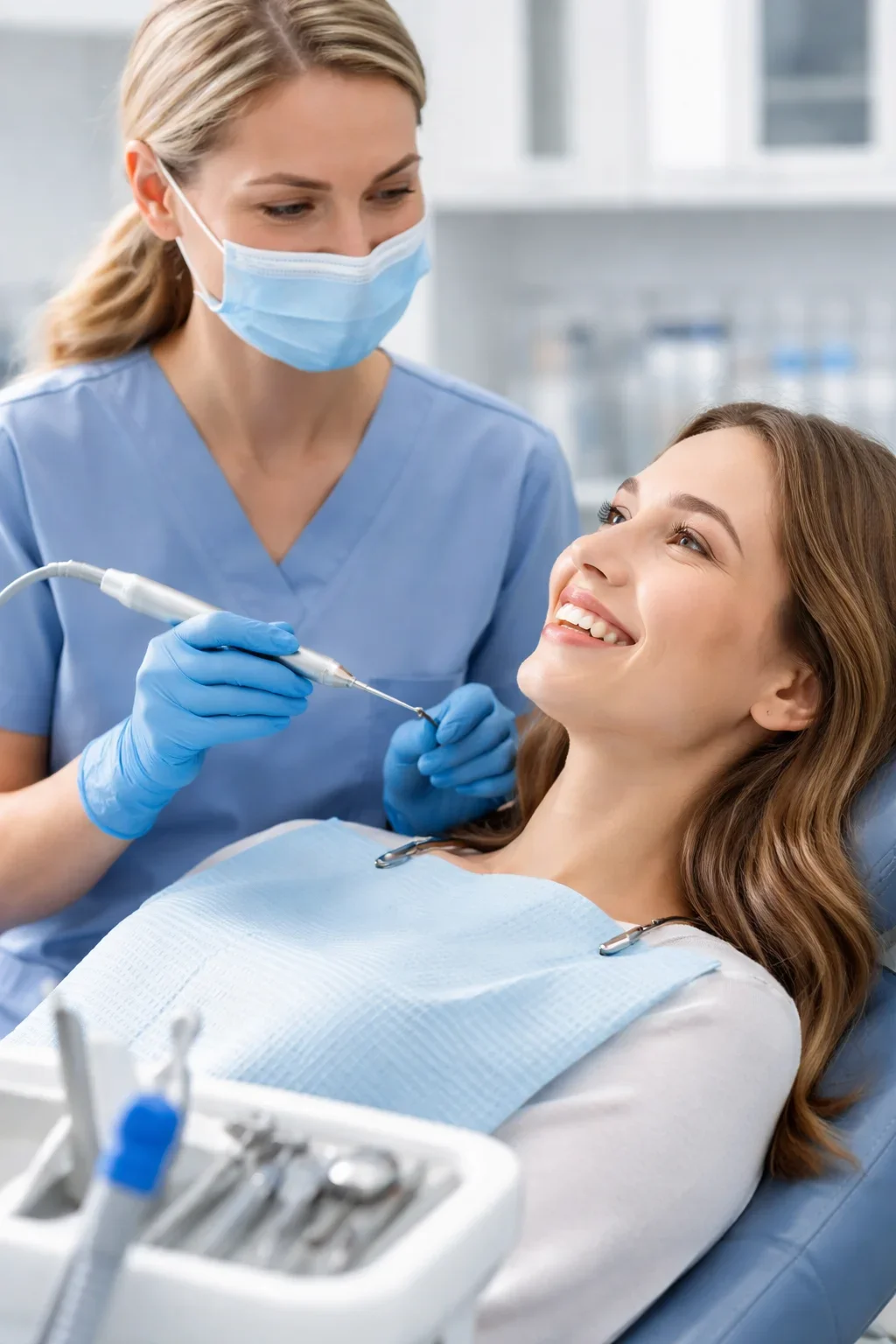
Frequently Asked Questions About a Hygiene Dentist Appointment
A hygiene dentist appointment often raises many questions, especially for patients who are new to preventive dental care or returning after a long break. Understanding what to expect, what is normal, and what is not can help patients feel confident and informed. This section addresses the most common and important questions about a hygiene dentist appointment in a clear and reassuring way.
Does a Hygiene Dentist Appointment Hurt?
For most patients, a hygiene dentist appointment is not painful. The majority of people experience only mild pressure or vibration during cleaning. Sensitivity may occur if there is significant tartar buildup or gum inflammation, but this is usually temporary.
Modern techniques and tools are designed to make a hygiene dentist appointment as comfortable as possible. If discomfort occurs, hygienists can adjust their approach immediately.
What If I Have Sensitive Teeth or Gums?
If you have sensitivity, inform the hygienist before the hygiene dentist appointment begins. Sensitivity is very common and easy to manage with gentler techniques, ultrasonic scaling adjustments, or short breaks.
Patients who attend regular hygiene dentist appointments often notice that sensitivity decreases over time as gum health improves.
How Long Does a Hygiene Dentist Appointment Take?
A standard hygiene dentist appointment typically lasts between 30 and 60 minutes. The exact duration depends on factors such as plaque buildup, gum health, and whether additional assessments are needed.
Patients who attend hygiene dentist appointments regularly usually require less time because buildup is minimal.
Is Bleeding During a Hygiene Dentist Appointment Normal?
Mild bleeding during a hygiene dentist appointment can be normal, especially if gums are inflamed or if it has been a long time since the last visit. Bleeding is often a sign of gingivitis rather than a problem caused by the cleaning itself.
With consistent hygiene dentist appointments and improved home care, bleeding typically decreases or disappears entirely.
When Is Bleeding a Concern?
Persistent or heavy bleeding may indicate more advanced gum disease. A hygiene dentist appointment helps identify the cause early and prevent progression.
Can I Eat or Drink After a Hygiene Dentist Appointment?
In most cases, patients can eat and drink immediately after a hygiene dentist appointment. If fluoride treatment is applied, you may be advised to wait 30 minutes before eating or drinking.
After a hygiene dentist appointment, avoiding very hot, cold, or sugary foods for a short time can help minimize sensitivity.
How Is a Hygiene Dentist Appointment Different From a Dental Checkup?
A hygiene dentist appointment focuses primarily on professional cleaning, gum health assessment, and preventive care. A dental checkup, on the other hand, involves diagnosis and treatment planning by a dentist.
In many clinics, both services are scheduled together, but they serve different purposes. The hygiene dentist appointment supports prevention, while the dentist focuses on treatment if needed.
Do I Still Need a Hygiene Dentist Appointment If I Brush and Floss Well?
Yes. Even excellent brushing and flossing cannot remove hardened tartar or fully clean below the gum line. A hygiene dentist appointment provides professional-level care that home routines cannot replace.
Patients with good oral hygiene often benefit the most because hygiene dentist appointments help maintain their healthy baseline.
How Soon Will I Notice Benefits?
Many patients notice immediate benefits after a hygiene dentist appointment, including fresher breath, smoother teeth, and a cleaner feeling 😊.
Long-term benefits such as reduced gum inflammation and fewer cavities become more noticeable with consistent hygiene dentist appointments over time.
Is a Hygiene Dentist Appointment Safe During Pregnancy?
Yes, a hygiene dentist appointment is safe and strongly recommended during pregnancy. Hormonal changes can increase the risk of gum inflammation, making preventive care especially important.
Always inform the dental team if you are pregnant so the hygiene dentist appointment can be tailored appropriately.
What Happens If I Skip My Hygiene Dentist Appointment?
Skipping a hygiene dentist appointment increases the risk of plaque buildup, gum disease, and undetected dental problems. Issues that could have been prevented early may require more complex treatment later.
Regular hygiene dentist appointments act as preventive checkpoints that protect both oral and overall health.
How Do I Know If I Need More Frequent Appointments?
Your hygienist determines hygiene dentist appointment frequency based on gum measurements, bleeding, plaque levels, and medical history. Some patients benefit from appointments every three to four months.
Following professional recommendations ensures optimal results from each hygiene dentist appointment.
In summary, a hygiene dentist appointment is a safe, comfortable, and essential part of preventive healthcare. By understanding the answers to these common questions, patients can approach each hygiene dentist appointment with confidence, clarity, and peace of mind. Staying informed helps turn routine visits into powerful tools for lifelong oral health 😁.