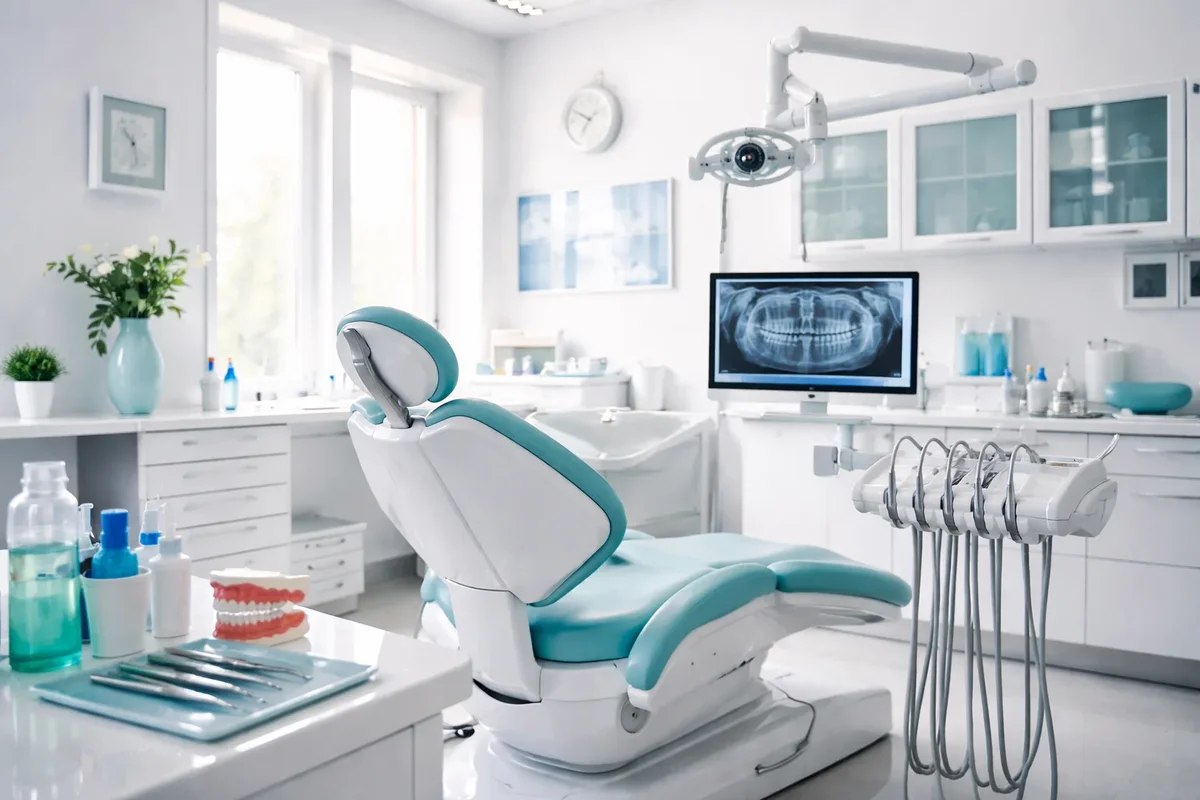
Dentist Offices: What to Expect, Services, and How to Choose the Best One

dentist offices

When people search for information about dentist offices, they usually want clear answers to important questions: What happens during a visit? What services are available? How do you choose the right clinic? And most importantly, how can you make sure your oral health is in safe hands? 😊 In today’s world, dentist offices are more than just places where cavities are treated. They are modern healthcare environments designed to protect, restore, and enhance your smile while ensuring comfort and safety.

Dentist offices play a vital role in preventive care. Regular check-ups help detect issues such as tooth decay, gum disease, enamel erosion, and even early signs of oral cancer before they become serious problems. Preventive dentistry not only saves money in the long run but also protects your overall health. Studies show that oral health is closely linked to heart disease, diabetes, and other systemic conditions. That’s why visiting dentist offices regularly is a key part of maintaining total body wellness.

Modern dentist offices typically offer a comprehensive range of services under one roof. These include routine cleanings, digital X-rays, fillings, crowns, bridges, dental implants, orthodontic evaluations, cosmetic treatments like teeth whitening, and sometimes even advanced procedures such as full-mouth rehabilitation. Many clinics have evolved into fully equipped dental care centers, making it convenient for patients to receive multiple treatments without being referred elsewhere.

Another important aspect of dentist offices is patient education. A quality dental clinic doesn’t just treat problems—it helps prevent them. Dentists and hygienists take time to explain proper brushing and flossing techniques, recommend appropriate dental products, and discuss dietary habits that impact oral health. This guidance empowers patients to take control of their own care between visits.

Comfort and patient experience are also priorities in modern dentist offices. From welcoming reception areas to advanced pain-management techniques, clinics aim to reduce anxiety and create a positive environment. Many dentist offices now offer amenities such as digital entertainment systems, sedation options, and transparent treatment plans to make patients feel informed and relaxed.

Safety is another cornerstone of reputable dentist offices. Strict sterilization protocols, disposable materials where appropriate, and adherence to infection-control guidelines ensure a clean and secure setting. Organizations like the American Dental Association provide standards and guidelines that reputable dentist offices follow to maintain high-quality care. Knowing that your clinic complies with these professional standards can give you peace of mind.

When evaluating dentist offices, it’s important to consider qualifications and expertise. Dentists complete extensive education and clinical training before practicing. Many also pursue continuing education to stay updated on the latest techniques and technologies. This ongoing professional development ensures that dentist offices provide evidence-based, modern treatments rather than outdated procedures.

Accessibility and communication also define great dentist offices. Clear appointment scheduling, transparent pricing discussions, and responsive customer service all contribute to a positive experience. If you ever have questions about treatments, costs, or follow-up care, a reliable clinic should be easy to contact. For example, if you would like to reach a professional team for personalized guidance, you can visit the Redent Klinik Contact Page to connect directly with a dental expert.

Additionally, dentist offices often provide customized treatment plans tailored to individual needs. No two patients are the same. Factors such as age, medical history, lifestyle, and aesthetic goals influence recommended treatments. Personalized care ensures better outcomes and higher patient satisfaction.

In summary, dentist offices are comprehensive healthcare environments focused on prevention, diagnosis, treatment, and patient education. They combine clinical expertise, advanced technology, strict hygiene standards, and compassionate care to protect your smile. Whether you need a routine cleaning, cosmetic enhancement, or complex restorative treatment, choosing the right dentist offices ensures you receive safe, effective, and long-lasting dental care. 🦷✨ Regular visits not only improve your oral health but also contribute to your overall well-being—making dentist offices an essential part of your healthcare journey.

Services Offered by Modern Dentist Offices

Understanding the full range of services provided by modern dentist offices is essential for anyone looking to maintain or improve their oral health. Today, dentist offices are not limited to basic cleanings and cavity fillings. They function as comprehensive oral healthcare centers, offering preventive, restorative, cosmetic, and even surgical treatments under one roof. This broad spectrum of care ensures that patients can receive complete treatment plans without needing to visit multiple locations. 🦷

Preventive Services in Dentist Offices

Prevention is the foundation of all reputable dentist offices. Preventive care focuses on avoiding dental problems before they develop into serious conditions. Routine check-ups, professional cleanings, fluoride treatments, and dental sealants are all part of this approach. During regular visits to dentist offices, dental professionals remove plaque and tartar buildup that daily brushing cannot eliminate. They also evaluate gum health and screen for early signs of tooth decay or oral disease.

Routine Exams and Digital Diagnostics

Modern dentist offices utilize digital X-rays and intraoral cameras to detect issues that may not be visible to the naked eye. These technologies allow for accurate diagnosis while minimizing radiation exposure. Early detection of cavities, gum disease, and bone loss significantly improves treatment outcomes. By visiting dentist offices every six months, patients reduce the risk of costly and invasive procedures in the future.

Restorative Treatments Available in Dentist Offices

When damage occurs, dentist offices provide restorative solutions designed to rebuild both function and aesthetics. Common restorative treatments include fillings, crowns, bridges, root canal therapy, and dental implants. Whether a tooth is chipped, cracked, decayed, or missing, dentist offices offer options to restore oral health effectively.

Dental Fillings and Crowns

For minor decay, dentist offices typically use tooth-colored composite fillings that blend naturally with surrounding teeth. In cases of severe damage, a dental crown may be recommended. Crowns protect weakened teeth and restore their original shape and strength. Prices can vary depending on materials used. For example, in the United States, composite fillings may range from $150 to $300 per tooth, while crowns often range from $800 to $1,500 per tooth depending on material and location.

Dental Implants and Tooth Replacement

One of the most advanced services provided by dentist offices is dental implant placement. Implants are considered the gold standard for replacing missing teeth because they integrate with the jawbone and provide long-term stability. Implant treatment can range from $3,000 to $5,000 per tooth in many regions, though prices vary based on complexity and additional procedures such as bone grafting. Dentist offices offering implant services often include 3D imaging for precise planning and optimal results.

Cosmetic Dentistry in Dentist Offices

Beyond medical necessity, many dentist offices provide cosmetic dentistry services aimed at enhancing smiles. Treatments such as professional teeth whitening, veneers, bonding, and smile makeovers are increasingly popular. Cosmetic procedures not only improve appearance but also boost self-confidence. ✨

Teeth whitening in dentist offices typically costs between $300 and $700, depending on the system used. Porcelain veneers, which correct discoloration and minor misalignment, may cost between $900 and $2,500 per tooth. These treatments are customized to match each patient’s facial structure and aesthetic goals.

Orthodontic and Alignment Services

Many modern dentist offices also provide orthodontic evaluations and treatments, including clear aligners and traditional braces. Straightening teeth improves not only appearance but also bite function and long-term oral health. Some dentist offices collaborate with orthodontic specialists to ensure comprehensive care.

Emergency Dental Care in Dentist Offices

Unexpected dental issues such as severe tooth pain, broken teeth, or infections require immediate attention. Reputable dentist offices offer emergency appointments to address urgent concerns. Prompt treatment prevents complications and reduces discomfort. Having access to dentist offices that provide emergency care can make a significant difference during stressful situations.

Patient Education and Ongoing Care

Quality dentist offices emphasize patient education. They guide patients on proper brushing techniques, flossing habits, dietary recommendations, and long-term maintenance strategies. Organizations like the American Dental Association establish guidelines that many dentist offices follow to ensure high standards of care.

Additionally, if you are considering personalized consultation or treatment planning, you may reach out directly through the Redent Klinik Contact Page for professional guidance.

In conclusion, dentist offices provide far more than simple dental check-ups. From preventive services to advanced restorative procedures and cosmetic enhancements, dentist offices serve as comprehensive oral health centers. By offering personalized care, modern technology, and patient-focused service, dentist offices ensure that individuals of all ages receive the treatment they need for a healthy, confident smile. 😊

How to Choose the Right Dentist Offices for Your Needs

Choosing among the many dentist offices available in your area can feel overwhelming. With so many clinics advertising advanced technology, affordable prices, and patient-friendly environments, how do you determine which option truly fits your needs? The right choice is not just about proximity—it’s about quality of care, experience, safety standards, transparency, and comfort. Selecting the best dentist offices requires careful evaluation of several important factors that directly influence your oral health outcomes. 🦷

Check Qualifications and Professional Credentials

One of the first steps in evaluating dentist offices is reviewing the qualifications of the dental professionals. Licensed dentists complete extensive academic training and clinical practice before opening or joining dentist offices. Beyond basic licensing, many pursue continuing education courses in cosmetic dentistry, implantology, orthodontics, or restorative treatments. This ongoing education ensures that dentist offices stay current with modern techniques and evidence-based practices.

Professional Memberships and Standards

Reputable dentist offices often follow guidelines established by recognized organizations such as the American Dental Association. Membership in professional associations indicates a commitment to maintaining ethical standards, updated clinical protocols, and high-quality patient care. When researching dentist offices, look for certifications, affiliations, and transparent information about training.

Evaluate Services Offered by Dentist Offices

Not all dentist offices provide the same range of services. Some focus mainly on preventive and general dentistry, while others offer specialized procedures such as dental implants, cosmetic treatments, or orthodontic care. Choosing dentist offices that provide comprehensive services under one roof can save time and ensure continuity of care.

If you anticipate needing restorative or cosmetic procedures in the future, selecting dentist offices equipped with advanced diagnostic tools and in-house treatment options is beneficial. Comprehensive dentist offices eliminate the need for referrals and provide a more seamless patient experience.

Assess Technology and Equipment

Modern dentist offices invest in advanced technology to enhance accuracy, comfort, and treatment outcomes. Digital X-rays, 3D imaging systems, laser dentistry, and intraoral scanners are now common in high-quality dentist offices. These tools improve diagnostic precision and reduce patient discomfort.

Why Technology Matters

Advanced equipment allows dentist offices to detect dental issues earlier and plan treatments more effectively. For example, digital impressions replace traditional molds, offering greater comfort and accuracy. When evaluating dentist offices, ask about the technologies they use and how those tools benefit patients.

Consider Hygiene and Safety Standards

Strict sterilization and infection-control protocols are non-negotiable in trustworthy dentist offices. Clean treatment rooms, properly packaged instruments, and visible sanitation procedures indicate professionalism. Reputable dentist offices comply with local health regulations and follow industry best practices to ensure patient safety.

If you feel uncertain about cleanliness during your visit to dentist offices, it is appropriate to ask about their sterilization procedures. Transparent communication builds trust and confidence.

Review Patient Experience and Communication

Excellent dentist offices prioritize patient comfort and communication. From friendly front-desk staff to clear explanations of treatment plans, positive interaction is essential. Dentist offices that provide detailed consultations, written treatment estimates, and flexible scheduling demonstrate respect for patients’ time and financial planning.

Online reviews can also offer insight into the reputation of dentist offices. Look for consistent feedback regarding professionalism, cleanliness, punctuality, and results. While no clinic is perfect, repeated positive experiences often indicate reliability.

Understand Pricing and Payment Options

Cost transparency is another key factor when selecting dentist offices. Dental treatment prices vary depending on procedure complexity and geographic location. For example, routine cleanings in the United States may range from $100 to $250, while crowns can range between $800 and $1,500 per tooth. Dentist offices that clearly explain pricing, insurance coverage, and financing options help patients make informed decisions.

Some dentist offices offer installment payment plans or collaborate with financing providers to make treatments more accessible. Always request a detailed cost breakdown before beginning treatment.

Accessibility and Location

Convenience plays a significant role in maintaining regular dental visits. Dentist offices located near your home or workplace encourage consistent check-ups and reduce the likelihood of postponing appointments. Additionally, check whether dentist offices offer emergency appointments and flexible hours.

If you are seeking personalized assistance or would like to discuss your specific needs, you can connect directly through the Redent Klinik Contact Page to receive professional guidance.

Trust Your Comfort and Instincts

Finally, your personal comfort matters. The best dentist offices create welcoming environments where patients feel respected and heard. A consultation appointment can help you evaluate how comfortable you feel with the dental team. Trustworthy dentist offices answer questions patiently, explain procedures clearly, and ensure that you understand every step of your treatment plan. 😊

In conclusion, selecting the right dentist offices involves evaluating credentials, services, technology, hygiene standards, pricing transparency, and patient experience. By carefully assessing these factors, you can confidently choose dentist offices that align with your oral health goals and provide safe, effective, and long-lasting care. Making an informed choice today ensures a healthier smile for years to come.

Technology and Equipment Used in Advanced Dentist Offices

The evolution of technology has dramatically transformed modern dentist offices. Today, patients expect more than traditional tools and manual techniques. Advanced dentist offices integrate digital systems, precision instruments, and innovative treatment solutions to deliver faster, safer, and more comfortable care. Understanding the technology used in dentist offices helps patients appreciate the value of modern dentistry and make informed decisions about where to receive treatment. 🦷✨

Digital Imaging Systems in Dentist Offices

One of the most significant advancements in dentist offices is the use of digital imaging technology. Traditional film X-rays have largely been replaced by digital radiography. Digital X-rays reduce radiation exposure by up to 80% compared to conventional systems, making dentist offices safer for patients of all ages.

3D Cone Beam Computed Tomography (CBCT)

Advanced dentist offices often use 3D cone beam CT scans for detailed evaluation of the jawbone, sinuses, and nerve pathways. This technology is especially important for implant planning, complex extractions, and orthodontic assessments. By providing a three-dimensional view, dentist offices can design precise treatment plans that reduce risks and improve long-term outcomes.

In implant dentistry, for example, CBCT imaging allows dentist offices to determine exact implant placement, avoiding vital structures and ensuring optimal stability. This level of precision significantly increases success rates.

Intraoral Scanners and Digital Impressions

Modern dentist offices increasingly rely on intraoral scanners to create digital impressions. Unlike traditional molds that can be uncomfortable and messy, digital impressions are fast and highly accurate. Patients simply open their mouths while the dentist scans the teeth using a small handheld device.

These digital files are used to design crowns, bridges, veneers, and aligners with remarkable precision. Dentist offices equipped with this technology can often provide same-day restorations, reducing the number of visits required.

CAD/CAM Systems in Dentist Offices

Computer-Aided Design and Computer-Aided Manufacturing (CAD/CAM) technology allows dentist offices to fabricate dental restorations in-house. With this system, a crown can be designed digitally and milled from ceramic material within hours. This eliminates the need for temporary crowns and multiple appointments.

Benefits of Same-Day Restorations

Patients appreciate the convenience offered by dentist offices using CAD/CAM systems. Not only does it save time, but it also enhances accuracy and durability. The precise fit of digitally designed restorations reduces the risk of complications and improves patient comfort.

Laser Dentistry in Modern Dentist Offices

Laser technology has become increasingly common in advanced dentist offices. Dental lasers are used for gum contouring, cavity treatment, periodontal therapy, and even teeth whitening. Laser procedures often reduce bleeding, swelling, and discomfort compared to traditional methods.

For patients who experience dental anxiety, dentist offices that offer laser treatments may provide a more comfortable alternative. In many cases, procedures can be performed with minimal anesthesia.

Advanced Sterilization and Safety Equipment

Technology in dentist offices is not limited to treatment devices. Infection control systems have also advanced significantly. Modern sterilization equipment, including autoclaves and ultrasonic cleaners, ensures that all instruments are properly disinfected. Many dentist offices follow strict protocols recommended by the American Dental Association to maintain high hygiene standards.

Additionally, air purification systems and sealed instrument packaging further enhance safety. When visiting dentist offices, visible sterilization practices provide reassurance that your health is protected.

Patient Comfort Technologies

Comfort is another area where dentist offices have improved significantly. Ergonomic dental chairs, noise-reducing handpieces, and digital entertainment systems help create a more relaxing environment. Some dentist offices even offer sedation options for patients with severe dental anxiety.

Advanced anesthesia delivery systems also improve patient experience by administering numbing agents more precisely and comfortably. These innovations demonstrate how dentist offices prioritize both efficiency and patient satisfaction.

Artificial Intelligence and Treatment Planning

Artificial intelligence (AI) is beginning to play a role in dentist offices. AI-powered diagnostic tools analyze digital images to identify early signs of decay, bone loss, or pathology. While dentists always make final decisions, AI assists dentist offices in improving diagnostic accuracy and reducing human error.

Digital treatment planning software also allows patients to visualize expected results before procedures begin. For example, smile design software used in cosmetic dentist offices helps patients see potential outcomes of veneers or orthodontic treatment.

Communication and Digital Records

Modern dentist offices use electronic health records (EHR) to securely store patient information. Digital records improve coordination between specialists and streamline appointment scheduling. Patients benefit from faster check-ins, clearer documentation, and easier follow-up communication.

If you would like to explore advanced dental technology or schedule a consultation, you can visit the Redent Klinik Contact Page for more information.

In summary, technology has revolutionized dentist offices by enhancing precision, safety, efficiency, and comfort. From digital imaging and CAD/CAM systems to laser treatments and AI diagnostics, dentist offices now provide a level of care that was unimaginable decades ago. Choosing dentist offices equipped with advanced technology ensures that you receive modern, reliable, and patient-centered dental treatment. 😊

Costs and Payment Options in Dentist Offices

Understanding the financial aspect of treatment is one of the most common concerns patients have when researching dentist offices. While quality care is essential, affordability and transparency are equally important. Modern dentist offices recognize this and aim to provide clear pricing structures, flexible payment options, and detailed treatment plans that allow patients to make informed decisions. 🦷💳

The cost of services in dentist offices varies depending on location, technology, materials used, and the complexity of the procedure. Urban dentist offices may have slightly higher pricing compared to smaller towns due to overhead costs and demand. However, reputable dentist offices always explain the value behind their pricing, including expertise, equipment, sterilization standards, and long-term results.

Common Treatment Costs in Dentist Offices

Below are general price ranges for common procedures in many dentist offices across the United States. These figures are approximate and may vary:

Routine and Preventive Care

  • Dental exam: $50 – $200
  • Professional cleaning: $100 – $250
  • Digital X-rays: $75 – $200
  • Fluoride treatment: $20 – $50

Preventive services are typically the most affordable treatments in dentist offices and are often partially or fully covered by dental insurance. Regular check-ups in dentist offices help prevent more expensive procedures later.

Restorative Procedures

  • Composite filling: $150 – $300 per tooth
  • Porcelain crown: $800 – $1,500 per tooth
  • Root canal therapy: $700 – $1,500 depending on tooth type
  • Dental bridge: $2,000 – $5,000
  • Dental implant: $3,000 – $5,000 per tooth

These procedures reflect the advanced technology and materials used in modern dentist offices. For example, dental implants involve surgical placement, imaging, and custom restoration, which explains the higher investment.

Insurance Coverage in Dentist Offices

Many dentist offices accept a wide range of dental insurance plans. Insurance typically covers preventive care at a higher percentage—sometimes up to 100%—while restorative treatments may be covered at 50% to 80%, depending on the plan.

Before scheduling treatment, patients should confirm whether dentist offices are in-network or out-of-network with their insurance provider. In-network dentist offices usually offer negotiated rates, reducing out-of-pocket expenses.

Flexible Payment Plans and Financing

To improve accessibility, many dentist offices provide flexible financing options. These may include:

  • Monthly installment payment plans
  • Third-party healthcare financing services
  • Interest-free short-term payment options
  • Discount plans for uninsured patients

Flexible financing allows patients to receive necessary treatment without delaying care. Responsible dentist offices understand that postponing treatment often leads to more complex and costly procedures in the future.

Transparency and Written Treatment Plans

Reputable dentist offices provide detailed written treatment plans before beginning any major procedure. These documents outline costs, materials used, and estimated timelines. Transparency builds trust and prevents unexpected expenses.

When evaluating dentist offices, ask for a full cost breakdown and clarification of what is included. For example, implant pricing in dentist offices may or may not include abutments and crowns. Clear communication ensures financial confidence.

Comparing Value Rather Than Price Alone

While it may be tempting to choose dentist offices based solely on lower pricing, value should always be considered. High-quality materials, experienced clinicians, and advanced technology often justify slightly higher costs. Poorly performed procedures can result in additional corrective treatment, increasing long-term expenses.

Long-Term Cost Efficiency

For example, investing in a durable crown from reputable dentist offices may last 10–15 years or more. Cheaper alternatives may fail prematurely, requiring replacement. Evaluating long-term durability helps patients understand the real value offered by dentist offices.

International and Cross-Border Treatment Options

Some patients explore international dentist offices for cost savings, particularly for complex procedures such as implants or full-mouth rehabilitation. While costs may be lower in certain regions, it is essential to evaluate credentials, hygiene standards, and follow-up care options carefully.

If you are considering professional consultation or would like personalized cost information, you may contact experts directly through the Redent Klinik Contact Page.

Guidelines and Ethical Pricing Standards

Professional organizations like the American Dental Association provide ethical guidance and standards that many dentist offices follow. These standards encourage transparency, patient education, and fair billing practices.

In conclusion, dentist offices today strive to balance quality care with financial accessibility. From preventive cleanings to complex restorative procedures, understanding pricing structures, insurance coverage, and financing options empowers patients to make confident decisions. By choosing dentist offices that prioritize transparency and long-term value, you ensure not only a healthier smile but also a financially responsible approach to dental care. 😊

Hygiene and Safety Standards in Professional Dentist Offices

When choosing among different dentist offices, one of the most critical factors to evaluate is hygiene and safety. Cleanliness is not just about appearance—it is about infection control, sterilization protocols, and adherence to strict medical guidelines. Professional dentist offices operate under detailed safety standards designed to protect both patients and staff. 🦷🛡️ Understanding these standards helps you feel confident and secure every time you schedule an appointment.

Why Hygiene Is a Top Priority in Dentist Offices

Dental procedures often involve close contact with saliva, blood, and soft tissues. Because of this, dentist offices must maintain rigorous infection-control systems. Without proper sterilization and sanitation procedures, there is a risk of cross-contamination. That is why reputable dentist offices invest heavily in sterilization equipment, disposable materials, and ongoing staff training.

Professional dentist offices follow guidelines established by recognized authorities such as the American Dental Association. These guidelines outline how instruments must be cleaned, disinfected, packaged, and sterilized before reuse. Compliance with these standards ensures that dentist offices provide a safe environment for every patient.

Sterilization Procedures in Modern Dentist Offices

Sterilization is the backbone of safety in dentist offices. All reusable instruments must undergo a multi-step cleaning process before being used again. This process typically includes ultrasonic cleaning, chemical disinfection, and heat sterilization using an autoclave.

Autoclave Sterilization Systems

An autoclave uses high-pressure steam at elevated temperatures to eliminate bacteria, viruses, and spores. Advanced dentist offices regularly monitor and test their autoclaves to ensure effectiveness. Instruments are sealed in sterile packaging before use, which patients may even see opened in front of them during appointments. This visible step reassures patients that dentist offices take safety seriously.

Disposable and Single-Use Materials

Many dentist offices use disposable gloves, masks, suction tips, needles, and protective barriers to minimize contamination risks. These materials are discarded after each patient. Responsible dentist offices never compromise on single-use items because doing so would endanger patient health.

Surface Disinfection and Environmental Safety

Beyond instruments, dentist offices must also disinfect all surfaces between patients. Dental chairs, light handles, countertops, and equipment controls are cleaned with medical-grade disinfectants. Protective plastic barriers are often placed over frequently touched surfaces to add an extra layer of safety.

Modern dentist offices also use high-efficiency air filtration systems. These systems reduce airborne contaminants and improve overall air quality within treatment rooms. Enhanced ventilation became especially important in recent years, reinforcing how dentist offices adapt to evolving health challenges.

Personal Protective Equipment (PPE) in Dentist Offices

Dental professionals wear protective gear including gloves, masks, eye shields, and gowns. PPE protects both the patient and the dental team. Reputable dentist offices ensure that all staff members are properly trained in wearing and disposing of protective equipment.

When you visit dentist offices, you may notice staff washing hands frequently or using hand sanitizer before and after treatment. Strict hand hygiene protocols are mandatory in well-managed dentist offices.

Waterline and Equipment Maintenance

Another important safety measure in dentist offices involves maintaining clean dental unit waterlines. These waterlines deliver water during procedures and must be regularly flushed and disinfected. Advanced dentist offices follow maintenance schedules to prevent microbial buildup.

Additionally, equipment calibration and routine maintenance ensure that devices function correctly. Well-maintained equipment reduces procedural risks and supports high treatment accuracy.

Staff Training and Ongoing Compliance

Safety in dentist offices depends not only on equipment but also on well-trained personnel. Dental teams receive ongoing training in infection control protocols and emergency procedures. Continuous education ensures that dentist offices remain compliant with current health regulations.

Many dentist offices conduct internal audits and documentation checks to verify that sterilization logs and safety records are up to date. This level of accountability strengthens patient trust.

Emergency Preparedness in Dentist Offices

Professional dentist offices are prepared for medical emergencies. Clinics maintain emergency kits containing oxygen, medications, and monitoring devices. Staff are trained in basic life support (BLS) and emergency response protocols.

This preparedness ensures that dentist offices can respond quickly if unexpected situations arise during treatment.

How Patients Can Evaluate Hygiene in Dentist Offices

Patients can observe several signs of strong hygiene standards when visiting dentist offices. Look for clean reception areas, properly sealed instrument packages, visible hand hygiene practices, and organized treatment rooms. Do not hesitate to ask questions about sterilization processes—trustworthy dentist offices welcome transparency.

If you would like to consult with a professional team that prioritizes safety and hygiene, you can reach out via the Redent Klinik Contact Page for personalized information.

In conclusion, hygiene and safety standards are foundational to professional dentist offices. From autoclave sterilization and disposable materials to air filtration systems and staff training, dentist offices implement comprehensive protocols to protect patient health. By choosing dentist offices that demonstrate visible cleanliness, regulatory compliance, and transparent communication, you ensure a safe and confident dental experience. 😊

Emergency Care in Dentist Offices: What You Should Know

Dental emergencies can happen unexpectedly, and knowing how dentist offices handle urgent situations can make a significant difference in outcomes. Whether it is a severe toothache, a broken tooth, swelling, infection, or trauma caused by an accident, professional dentist offices are equipped to respond quickly and effectively. Understanding how emergency services work in dentist offices helps patients stay calm and act promptly when time is critical. ⏰🦷

What Qualifies as a Dental Emergency?

Many people are unsure whether their condition requires immediate attention. Reputable dentist offices generally classify the following situations as emergencies:

  • Severe or persistent tooth pain
  • Knocked-out (avulsed) tooth
  • Cracked or broken tooth causing pain
  • Abscess or swelling in the gums or face
  • Uncontrolled bleeding after dental procedures
  • Lost crowns or fillings causing sensitivity

Professional dentist offices encourage patients to call immediately if they experience intense discomfort or signs of infection. Early intervention in dentist offices can prevent complications and reduce long-term damage.

How Dentist Offices Handle Severe Tooth Pain

One of the most common reasons patients contact dentist offices is severe tooth pain. This discomfort may result from deep decay, infection, or nerve inflammation. During emergency visits, dentist offices perform a rapid assessment using digital imaging and clinical examination.

Immediate Pain Relief and Diagnosis

Modern dentist offices provide immediate pain management through local anesthesia, anti-inflammatory medication, or temporary protective restorations. Once the cause is identified, dentist offices outline treatment options such as root canal therapy, extraction, or restorative repair.

The cost of emergency exams in dentist offices typically ranges between $100 and $250, depending on complexity and imaging requirements. Additional procedures, such as root canal treatment, may range from $700 to $1,500.

Handling Knocked-Out or Broken Teeth

When a tooth is knocked out, time is critical. Dentist offices recommend placing the tooth in milk or saline solution and seeking care immediately. If treated within 30 to 60 minutes, dentist offices may successfully reimplant the tooth.

For fractured teeth, dentist offices evaluate the depth of the crack. Minor fractures may be repaired with bonding, while severe breaks may require crowns or other restorative procedures.

Managing Dental Infections and Abscesses

Infections are among the most serious emergencies addressed by dentist offices. An untreated abscess can spread and affect overall health. Symptoms may include swelling, fever, bad taste in the mouth, and severe pain.

Urgent Treatment Protocols

Professional dentist offices manage infections by draining abscesses, prescribing antibiotics, and addressing the root cause. Follow-up care is crucial to prevent recurrence. Trusted dentist offices follow guidelines recommended by organizations such as the American Dental Association to ensure appropriate treatment standards.

Emergency Appointments and Availability

Many dentist offices reserve specific time slots for emergency patients. Some dentist offices offer same-day appointments, extended evening hours, or weekend services to accommodate urgent needs. When researching dentist offices, it is wise to confirm their emergency care policies in advance.

Reliable dentist offices provide clear communication channels so patients can reach staff quickly during urgent situations. If you require immediate assistance or professional guidance, you may contact specialists through the Redent Klinik Contact Page.

Costs and Insurance for Emergency Visits

Emergency visits in dentist offices may involve additional fees compared to routine appointments. However, many insurance plans partially cover emergency exams and medically necessary treatments. Dentist offices typically provide cost estimates before proceeding with major procedures.

Some dentist offices also offer payment plans to ensure urgent care remains accessible. Addressing emergencies promptly in dentist offices often prevents more expensive procedures later.

Preventing Future Dental Emergencies

While dentist offices are prepared to manage urgent situations, prevention remains the best strategy. Regular check-ups, wearing mouthguards during sports, avoiding hard foods that may crack teeth, and maintaining strong oral hygiene habits reduce the risk of emergencies.

Consistent visits to dentist offices allow professionals to detect early warning signs before they escalate. Preventive care not only protects oral health but also minimizes unexpected stress and costs.

Why Prepared Dentist Offices Make a Difference

Not all clinics are equally equipped for urgent situations. Well-prepared dentist offices maintain emergency kits, digital diagnostic tools, sterilized surgical instruments, and trained staff ready to act swiftly. Their ability to combine clinical expertise with rapid response ensures better patient outcomes.

In conclusion, dentist offices play a vital role in managing dental emergencies. From severe pain and trauma to infections and broken restorations, dentist offices provide immediate diagnosis, relief, and treatment planning. Choosing dentist offices that offer structured emergency protocols, flexible scheduling, and transparent communication ensures you are protected when unexpected dental issues arise. 😊

Family-Friendly Dentist Offices and Pediatric Care

Choosing family-oriented dentist offices is one of the most important decisions parents can make for their children’s long-term oral health. A welcoming environment, patient-centered communication, and age-appropriate treatment approaches define high-quality dentist offices that serve both adults and children. Family-focused dentist offices are designed to make dental care accessible, educational, and comfortable for patients of all ages. 👨‍👩‍👧‍👦🦷

Unlike specialty-only clinics, family dentist offices provide comprehensive care in one location. This means parents and children can schedule appointments together, simplifying routines and encouraging consistent preventive visits. Regular visits to dentist offices from an early age help children develop positive dental habits and reduce anxiety about future treatments.

The Importance of Early Dental Visits

Professional guidelines recommend that children visit dentist offices by their first birthday or within six months after their first tooth erupts. Early visits allow dentist offices to monitor tooth development, identify potential issues, and guide parents on proper oral hygiene practices.

Preventive Pediatric Services

Family dentist offices typically provide preventive treatments specifically tailored for children, including:

  • Fluoride applications to strengthen enamel
  • Dental sealants to protect molars from decay
  • Routine cleanings adapted for young patients
  • Growth and bite assessments

These services in dentist offices help prevent cavities, which remain one of the most common childhood health concerns. Preventive care in dentist offices reduces the likelihood of complex restorative treatments later in life.

Creating a Child-Friendly Environment in Dentist Offices

High-quality family dentist offices focus on creating a welcoming atmosphere. Bright décor, friendly staff, and clear communication help children feel safe and relaxed. Pediatric-friendly dentist offices often use simple explanations and visual aids to educate young patients about brushing, flossing, and healthy eating habits.

Positive early experiences in dentist offices significantly influence how children perceive dental care as adults. A calm and supportive approach builds trust and encourages lifelong oral health responsibility.

Orthodontic Monitoring in Family Dentist Offices

Many family dentist offices monitor jaw development and tooth alignment as children grow. Early detection of misalignment allows dentist offices to recommend timely orthodontic intervention if necessary.

Interceptive Orthodontics

Some dentist offices provide early-stage orthodontic treatments known as interceptive orthodontics. This approach guides jaw growth and prevents severe alignment issues. While full braces or clear aligners may come later, early monitoring in dentist offices supports optimal outcomes.

Comprehensive Care for Adults and Seniors

Family dentist offices do not focus solely on children. They provide preventive, restorative, and cosmetic services for adults and seniors as well. From routine cleanings and crowns to implants and periodontal therapy, family dentist offices manage every stage of oral health.

This continuity of care allows dentist offices to maintain complete dental records over many years, improving diagnostic accuracy and treatment planning. Families benefit from having a trusted dental team familiar with their medical histories.

Education and Parental Guidance

Education is a core component of family dentist offices. Dental professionals guide parents on topics such as thumb-sucking habits, teething discomfort, and proper brushing techniques. Dentist offices also provide advice on reducing sugar consumption and choosing child-friendly oral care products.

Organizations like the American Dental Association emphasize preventive education as a cornerstone of pediatric dental care. Responsible dentist offices follow these professional recommendations to ensure evidence-based guidance.

Costs and Insurance for Family Care

Routine pediatric visits in dentist offices typically range from $80 to $200, depending on the services included. Many dental insurance plans cover preventive pediatric care at a high percentage. Family dentist offices often provide package plans or family discounts to improve affordability.

Before scheduling appointments, parents should verify insurance acceptance with dentist offices and request detailed cost breakdowns for additional treatments if needed.

Accessibility and Communication

Reliable family dentist offices offer flexible scheduling to accommodate school and work hours. Evening and weekend appointments make it easier for families to maintain consistent care.

If you are seeking professional guidance or would like to schedule a consultation for your family, you may contact experts directly through the Redent Klinik Contact Page for personalized support.

In conclusion, family-friendly dentist offices play a vital role in establishing lifelong oral health habits. By providing preventive services, child-focused environments, orthodontic monitoring, and comprehensive care for all ages, dentist offices ensure that every family member receives appropriate treatment. Choosing supportive and well-equipped dentist offices creates a foundation for healthy smiles that last a lifetime. 😊

Tips for Getting the Most Out of Your Visit to Dentist Offices

Visiting dentist offices regularly is one of the most important steps you can take to maintain a healthy smile. However, simply scheduling an appointment is not enough. To truly benefit from professional care, patients should prepare properly, communicate clearly, and follow post-treatment recommendations. High-quality dentist offices provide expert guidance, but active patient participation makes a significant difference in treatment outcomes. 😊🦷

Whether you are visiting dentist offices for a routine cleaning, restorative procedure, or cosmetic consultation, understanding how to maximize each appointment ensures better results and long-term oral health success.

Prepare Before Visiting Dentist Offices

Preparation begins before you step into dentist offices. Make a list of symptoms, concerns, or changes you have noticed in your oral health. If you are experiencing sensitivity, bleeding gums, jaw discomfort, or cosmetic concerns, documenting them helps dentist offices perform a more targeted evaluation.

Update Medical History

Modern dentist offices require updated medical information at each visit. Inform your dental team about any medications, allergies, or health conditions such as diabetes or heart disease. Certain medical factors can influence treatment planning and anesthesia decisions. Transparent communication allows dentist offices to provide safer and more personalized care.

Arrive Early and Be Ready to Communicate

Arriving a few minutes early at dentist offices ensures that paperwork is completed without stress. This also gives you time to ask questions before treatment begins. Reputable dentist offices encourage open dialogue and patient involvement in decision-making.

If you feel anxious, inform the team. Many dentist offices offer comfort options, including sedation dentistry or calming techniques, to help patients feel relaxed.

Ask Questions During Your Appointment

One of the best ways to maximize your experience in dentist offices is to ask detailed questions. For example:

  • What is the cause of this issue?
  • Are there alternative treatment options?
  • What are the long-term benefits and risks?
  • How long will the results last?

Trustworthy dentist offices will explain procedures clearly and provide visual aids such as digital X-rays or intraoral images to help you understand your condition.

Understand Your Treatment Plan and Costs

Before beginning major procedures, dentist offices typically provide written treatment plans outlining costs, timelines, and materials used. Review these details carefully. For example, crowns may range from $800 to $1,500 per tooth, while dental implants may cost between $3,000 and $5,000 depending on complexity.

Insurance and Payment Discussions

Clarify insurance coverage and payment options with dentist offices before proceeding. Transparent discussions prevent misunderstandings and allow you to plan financially. Ethical standards recommended by the American Dental Association encourage dentist offices to maintain honest billing practices.

Follow Post-Treatment Instructions Carefully

Aftercare is crucial for successful outcomes. Dentist offices provide detailed instructions following procedures such as extractions, root canals, or implant placement. Ignoring these guidelines can compromise healing.

For example, after implant surgery in dentist offices, patients are typically advised to avoid hard foods and maintain meticulous oral hygiene. Following these instructions ensures long-term stability and reduces complications.

Maintain Consistent Follow-Up Visits

Consistency is key to maximizing care in dentist offices. Routine check-ups every six months allow early detection of potential issues. Preventive visits are often more affordable than emergency treatments and protect long-term oral health.

Dentist offices use follow-up appointments to monitor previous treatments, assess gum health, and provide professional cleaning that removes plaque buildup not eliminated by daily brushing.

Practice Strong Home Oral Care Habits

The work done in dentist offices must be supported by daily oral hygiene at home. Brush twice daily with fluoride toothpaste, floss regularly, and limit sugary snacks. Dentist offices may recommend specific products tailored to your needs.

By combining professional care from dentist offices with disciplined home habits, patients significantly reduce the risk of cavities and gum disease.

Build a Long-Term Relationship with Dentist Offices

Establishing a long-term relationship with reliable dentist offices enhances continuity of care. Over time, your dental team becomes familiar with your history, preferences, and risk factors. This familiarity improves treatment accuracy and comfort.

If you would like personalized consultation or have specific questions about your dental care, you can connect directly through the Redent Klinik Contact Page for professional assistance.

In conclusion, maximizing your visits to dentist offices requires preparation, communication, financial clarity, and consistent follow-up. Dentist offices provide expertise, advanced technology, and preventive strategies—but patient engagement completes the partnership. By actively participating in your dental care journey, you ensure healthier teeth, stronger gums, and a confident smile for years to come. 😊

dentist offices

The Future of Dentist Offices: Innovation, Digital Care, and Patient-Centered Dentistry

The landscape of dentist offices is continuously evolving. What once consisted of basic equipment and routine procedures has transformed into a highly advanced, technology-driven healthcare environment. Today, dentist offices are embracing innovation, digital workflows, and personalized treatment approaches to deliver faster, safer, and more comfortable care. Understanding the future direction of dentist offices helps patients anticipate improvements that will redefine oral healthcare in the coming years. 🚀🦷

Modern dentist offices are no longer focused solely on treating cavities or performing extractions. They are becoming integrated health hubs that combine preventive care, digital precision, cosmetic enhancement, and patient education into a seamless experience. The future of dentist offices centers on innovation, efficiency, and stronger patient relationships.

Digital Transformation in Dentist Offices

One of the most significant advancements shaping dentist offices is digital transformation. Paper records are rapidly being replaced by electronic health systems that streamline patient data management. Digital scheduling, online appointment booking, and automated reminders make dentist offices more accessible and organized.

Teledentistry and Virtual Consultations

Teledentistry is emerging as an important feature in progressive dentist offices. Through secure video consultations, patients can receive preliminary evaluations, follow-up guidance, and treatment discussions without visiting the clinic physically. While complex procedures still require in-person care, teledentistry allows dentist offices to provide convenient remote support.

This digital accessibility enhances patient engagement and ensures that dentist offices remain responsive to modern lifestyle demands.

Artificial Intelligence and Smart Diagnostics

Artificial intelligence (AI) is playing an increasingly important role in dentist offices. AI-powered diagnostic software analyzes digital X-rays and 3D scans to detect early signs of decay, bone loss, or pathology. Although final decisions remain with the dentist, AI tools in dentist offices improve accuracy and reduce oversight risks.

Smart analytics also help dentist offices create more predictable treatment plans, improving long-term success rates for procedures such as implants and orthodontics.

Minimally Invasive Dentistry

The future of dentist offices emphasizes minimally invasive techniques. Advances in laser dentistry, air abrasion, and precision instruments allow dentist offices to preserve more natural tooth structure during treatment.

Benefits of Conservative Treatments

Minimally invasive approaches reduce discomfort, shorten recovery times, and improve overall patient satisfaction. Dentist offices that adopt these techniques focus on prevention and preservation rather than aggressive intervention.

3D Printing and In-House Production

3D printing technology is becoming increasingly common in advanced dentist offices. This innovation allows clinics to produce crowns, surgical guides, aligners, and temporary restorations in-house. Faster production means fewer appointments and quicker results for patients.

By integrating 3D printing systems, dentist offices enhance customization and precision while reducing laboratory turnaround times.

Sustainability and Eco-Friendly Dentist Offices

Environmental responsibility is another emerging priority in dentist offices. Digital documentation reduces paper waste, and energy-efficient equipment lowers environmental impact. Some dentist offices are adopting eco-friendly sterilization systems and biodegradable materials.

Sustainable practices not only benefit the environment but also reflect ethical responsibility within modern dentist offices.

Personalized and Preventive Care Models

Future dentist offices are shifting toward personalized preventive care models. Genetic testing, saliva diagnostics, and advanced risk assessments help dentist offices tailor preventive strategies to each patient’s unique biology.

Instead of reacting to problems, dentist offices increasingly focus on predicting and preventing them. This proactive approach reduces long-term costs and improves patient health outcomes.

Enhanced Patient Communication and Transparency

Communication remains central to the future of dentist offices. Digital smile design software allows patients to preview cosmetic outcomes before committing to treatment. Transparent pricing discussions and written treatment plans build trust between patients and dentist offices.

Organizations like the American Dental Association continue to guide professional standards, ensuring that innovation in dentist offices aligns with ethical practice and patient safety.

Financial Accessibility and Modern Payment Systems

Technology also influences financial systems in dentist offices. Online payment portals, flexible installment options, and digital insurance verification simplify administrative processes. By reducing financial barriers, dentist offices improve access to essential dental care.

If you are interested in modern dental solutions or personalized consultation, you can explore professional support through the Redent Klinik Contact Page for further guidance.

The Human Touch in High-Tech Dentist Offices

Despite rapid technological progress, the human element remains essential. Compassionate communication, patient empathy, and trust cannot be replaced by machines. Successful dentist offices combine advanced tools with personalized care to ensure comfort and understanding.

In conclusion, the future of dentist offices is defined by digital innovation, minimally invasive treatments, sustainability, AI-driven diagnostics, and patient-centered care. As technology continues to advance, dentist offices will become even more efficient, precise, and accessible. By choosing forward-thinking dentist offices that embrace innovation while maintaining ethical standards, patients secure a healthier, brighter smile for the future. 😊