
Periodontal offices are specialized dental facilities focused exclusively on the prevention, diagnosis, and treatment of gum disease and supporting bone structures around the teeth. While general dentists provide comprehensive oral care, periodontal offices concentrate specifically on the health of your gums, periodontal ligaments, and jawbone. This distinction is crucial because gum health directly affects not only your smile but also your overall systemic health. If you are experiencing bleeding gums, gum recession, loose teeth, or persistent bad breath, periodontal offices are the most appropriate place to seek advanced evaluation and treatment.
Many patients are unaware that periodontal offices handle conditions that extend beyond simple gingivitis. These clinics are led by periodontists—dentists who complete additional years of specialized training after dental school. Their expertise includes managing advanced gum disease (periodontitis), performing surgical procedures, placing dental implants, and regenerating lost bone tissue. Because of this advanced training, periodontal offices are equipped with modern diagnostic tools and precision instruments designed specifically for gum therapy and regenerative procedures.
One of the main reasons people search for periodontal offices is due to symptoms that general cleanings cannot resolve. Bleeding during brushing, swelling, tenderness, gum pockets, or shifting teeth often indicate deeper periodontal problems. In such cases, periodontal offices provide detailed periodontal charting, digital X-rays, and sometimes 3D imaging to assess bone levels and infection severity. Early detection in periodontal offices can prevent tooth loss and avoid more invasive treatments later.
Another essential aspect of periodontal offices is their role in managing chronic inflammation. Periodontitis is not just a local infection; it has been linked to systemic conditions such as diabetes, cardiovascular disease, and pregnancy complications. According to research supported by the American Dental Association, maintaining healthy gums is a key factor in overall health. Periodontal offices often collaborate with general dentists and physicians to ensure comprehensive patient care.
Patients who require dental implants frequently visit periodontal offices because periodontists are highly trained in implant placement and bone grafting. When bone loss occurs due to advanced gum disease, periodontal offices can perform regenerative procedures that rebuild the foundation necessary for implants. These treatments may include guided tissue regeneration, bone grafts, and soft tissue grafts. The ability to restore both function and aesthetics makes periodontal offices a vital part of advanced dental care.
Preventive care is equally important within periodontal offices. Many patients assume they only need to visit once a serious issue arises, but regular periodontal maintenance appointments can prevent disease progression. Unlike routine cleanings performed in general dental settings, maintenance visits in periodontal offices involve deep pocket evaluation, subgingival cleaning, and careful monitoring of attachment levels. These appointments are customized based on individual risk factors such as smoking, genetics, diabetes, or previous periodontal treatment history.
Another key benefit of periodontal offices is patient education. Gum disease is often painless in its early stages, which makes it dangerous because patients may delay treatment. Periodontal offices emphasize awareness by explaining how plaque biofilm develops under the gumline and how daily oral hygiene habits affect periodontal stability. Patients are guided on proper brushing techniques, interdental cleaning methods, and lifestyle adjustments that protect gum health long term.
Modern periodontal offices also prioritize comfort and minimally invasive techniques. Laser-assisted periodontal therapy, microsurgical instruments, and sedation options help reduce discomfort and recovery time. These technological advancements ensure that visiting periodontal offices is no longer associated with fear or extensive downtime. Instead, treatments are increasingly efficient, precise, and patient-friendly.
If you are unsure whether you need specialized gum care, scheduling a consultation with periodontal offices is a proactive step. Many clinics provide comprehensive evaluations that determine whether conservative treatment or advanced intervention is necessary. You can also contact a trusted clinic directly through the Redent Klinik Contact Page to receive personalized guidance about your gum health concerns.
In summary, periodontal offices serve as specialized centers dedicated to protecting the foundation of your teeth. From early gingivitis management to complex regenerative surgeries, periodontal offices play a critical role in preserving natural teeth and supporting long-term oral stability. If you value a healthy smile and strong gums, understanding the purpose and benefits of periodontal offices empowers you to make informed decisions about your dental care. Prioritizing gum health today can prevent extensive procedures tomorrow, making periodontal offices an essential partner in lifelong oral wellness. 🦷✨
What Are Periodontal Offices and How Do They Differ from General Dentists?
When patients begin researching advanced gum treatment, one of the most common questions is how periodontal offices differ from general dental clinics. Although both professionals focus on oral health, periodontal offices specialize exclusively in the structures that support your teeth—namely the gums, bone, and connective tissues. Understanding this distinction is essential if you want to receive the most appropriate and effective care for gum disease, gum recession, or dental implant needs.
General dentists provide preventive care, fillings, crowns, and basic cleanings. However, periodontal offices are dedicated to diagnosing and treating complex gum-related conditions. If your symptoms include bleeding gums, persistent inflammation, deep periodontal pockets, loose teeth, or advanced bone loss, periodontal offices are specifically equipped to manage these issues at a much deeper clinical level.
Advanced Education and Specialized Training
One of the primary differences between general dental practices and periodontal offices is education. After completing dental school, periodontists undergo an additional 2–3 years of intensive specialty training focused solely on periodontal disease, implant placement, and surgical techniques. This advanced education allows periodontal offices to treat moderate to severe periodontitis cases that may exceed the scope of general dentistry.
During their specialty training, periodontists learn advanced surgical procedures such as gum grafting, bone grafting, guided tissue regeneration, sinus lifts, and dental implant surgery. Because of this, periodontal offices are often the referral destination when a general dentist identifies complex gum problems requiring specialized intervention.
Expertise in Managing Severe Gum Disease
While a general dentist can treat mild gingivitis, periodontal offices are uniquely qualified to manage advanced periodontitis. This includes cases involving significant attachment loss, deep periodontal pockets, and progressive bone deterioration. Patients who delay treatment often find that periodontal offices are essential for stabilizing their oral health and preventing tooth loss.
Technology and Equipment in Periodontal Offices
Another major distinction is the advanced technology used in periodontal offices. Because their focus is narrow but highly specialized, these clinics invest in diagnostic and surgical tools tailored specifically for gum health. This includes digital periodontal charting systems, cone-beam computed tomography (CBCT) scans, laser-assisted therapy devices, and microsurgical instruments.
For example, CBCT imaging allows periodontal offices to evaluate bone structure in three dimensions before placing dental implants. Laser technology enables minimally invasive gum procedures with reduced bleeding and faster healing times. These technological advantages make periodontal offices particularly effective for precision-based treatments.
Minimally Invasive Surgical Techniques
Modern periodontal offices frequently use microsurgical approaches that require smaller incisions and promote quicker recovery. Patients often experience less discomfort compared to traditional surgical methods. This commitment to innovation is one reason many patients actively seek periodontal offices when advanced gum care is needed.
Comprehensive Evaluation and Risk Assessment
Unlike routine dental visits, initial consultations at periodontal offices are extremely thorough. Periodontists assess pocket depth, gum recession levels, bone height, tooth mobility, bite alignment, and systemic risk factors such as diabetes or smoking habits. This detailed assessment ensures that treatment plans are customized rather than generalized.
Additionally, periodontal offices often evaluate genetic predisposition and inflammatory risk markers when determining long-term maintenance strategies. Because gum disease can be chronic and recurrent, this proactive approach is crucial for sustainable results.
Collaboration with General Dentists
It is important to note that periodontal offices do not replace general dentists. Instead, they work collaboratively. Many patients are referred to periodontal offices by their regular dentist for specialized procedures, then return to their general dentist for ongoing restorative or cosmetic care once periodontal stability is achieved. This partnership ensures continuity and comprehensive oral management.
For patients considering dental implants, periodontal offices frequently coordinate with restorative dentists who design crowns and prosthetics after implant placement. This teamwork guarantees both functional and aesthetic success.
Focus on Long-Term Maintenance
Another key difference lies in follow-up care. After active treatment, periodontal offices typically recommend periodontal maintenance visits every 3–4 months rather than the standard 6-month cleaning interval. These maintenance sessions are more detailed and include subgingival cleaning, pocket reassessment, and inflammation monitoring.
Patients who commit to consistent care in periodontal offices significantly reduce their risk of reinfection and future tooth loss. Preventive monitoring is one of the strongest advantages of choosing specialized gum care providers.
When Should You Choose Periodontal Offices?
You should consider periodontal offices if you experience:
- Bleeding or swollen gums that do not improve
- Gum recession or exposed tooth roots
- Persistent bad breath despite good hygiene
- Loose or shifting teeth
- Advanced bone loss on dental X-rays
- Need for dental implants or bone grafting
Early intervention at periodontal offices can prevent extensive surgical procedures in the future. Even if symptoms appear mild, professional evaluation can reveal hidden progression beneath the gumline.
In summary, periodontal offices differ from general dentists through advanced specialization, cutting-edge technology, surgical expertise, and detailed maintenance protocols. Their exclusive focus on gum and bone health makes them indispensable for patients with moderate to severe periodontal concerns. By understanding these distinctions, patients can confidently choose periodontal offices when specialized gum care is necessary, ensuring stronger support for their teeth and long-term oral stability. 🦷✨
Common Conditions Treated in Periodontal Offices
Periodontal offices are specifically designed to diagnose, manage, and treat a wide range of gum and supporting bone conditions. While many people associate dental visits with cavities or cleanings, the reality is that gum disease is one of the most common oral health problems worldwide. Periodontal offices focus entirely on the tissues that hold your teeth in place, making them the most appropriate setting for managing inflammation, infection, and structural damage affecting the gums and jawbone.
Understanding the most common conditions treated in periodontal offices helps patients recognize when specialized care is necessary. Early detection and timely intervention are critical because untreated periodontal disease can lead to tooth mobility, bone destruction, and even tooth loss. In many cases, patients are referred to periodontal offices by general dentists once signs of advanced gum disease become evident.
Gingivitis: The Earliest Stage of Gum Disease
Gingivitis is the mildest and most reversible form of gum disease treated in periodontal offices. It typically presents with redness, swelling, tenderness, and bleeding during brushing or flossing. Although gingivitis does not involve permanent bone loss, it can progress if left untreated.
Periodontal offices manage gingivitis through professional deep cleaning, plaque removal below the gumline, and personalized oral hygiene education. Patients are often surprised to learn that gingivitis may exist without significant pain, which is why early evaluation in periodontal offices is essential. With proper care and consistent follow-up, gingivitis can be completely reversed.
Chronic Periodontitis: Progressive Gum and Bone Damage
Chronic periodontitis is one of the most common conditions addressed in periodontal offices. Unlike gingivitis, periodontitis involves the breakdown of supporting bone and connective tissue. This stage creates periodontal pockets—spaces between the gum and tooth where bacteria accumulate.
Signs of Chronic Periodontitis
- Persistent gum bleeding
- Receding gums
- Loose or shifting teeth
- Deep periodontal pockets
- Bone loss visible on X-rays
Periodontal offices treat chronic periodontitis using scaling and root planing, antimicrobial therapy, and in more severe cases, surgical intervention. The goal is to eliminate infection, reduce pocket depth, and stabilize the supporting structures of the teeth.
Aggressive Periodontitis
Aggressive periodontitis progresses rapidly and often affects younger patients. Periodontal offices are particularly important in these cases because early and decisive treatment can prevent extensive bone loss. Genetic predisposition and immune response factors may contribute to this condition.
Specialists in periodontal offices carefully evaluate risk factors and may use advanced regenerative procedures to rebuild lost bone and tissue. Because this form of disease advances quickly, frequent monitoring in periodontal offices is crucial for maintaining stability.
Gum Recession and Root Exposure
Gum recession is another common concern treated in periodontal offices. It occurs when the gum tissue pulls away from the tooth, exposing the root surface. This can lead to tooth sensitivity, aesthetic concerns, and increased risk of root decay.
Causes of Gum Recession
- Periodontal disease
- Aggressive brushing
- Thin gum biotype
- Orthodontic movement
- Smoking
Periodontal offices offer soft tissue grafting procedures to restore gum coverage and protect exposed roots. Modern microsurgical techniques used in periodontal offices allow for predictable results and improved cosmetic outcomes.
Peri-Implantitis Around Dental Implants
As dental implants become more common, periodontal offices increasingly treat peri-implantitis—a condition similar to periodontitis that affects the tissues surrounding implants. Without proper maintenance, inflammation around implants can lead to bone loss and implant failure.
Periodontal offices use specialized instruments and antimicrobial therapies to control infection around implants. In advanced cases, surgical cleaning and regenerative techniques may be required to preserve implant stability.
Bone Loss and Structural Defects
Bone loss is a defining feature of advanced gum disease and a primary reason patients visit periodontal offices. When bacteria destroy supporting bone, teeth lose their stability. Periodontal offices perform bone grafting procedures to regenerate lost bone and rebuild the foundation of the teeth.
These regenerative procedures often involve biocompatible graft materials and membrane techniques that stimulate natural healing. By addressing bone defects early, periodontal offices help prevent further structural compromise.
Gum Abscesses and Acute Infections
Acute periodontal abscesses are painful infections that require immediate care in periodontal offices. Symptoms may include swelling, pus discharge, severe discomfort, and fever. Prompt drainage and infection control are critical to prevent the spread of bacteria.
Periodontal offices provide targeted treatment to eliminate the infection source and preserve surrounding tissues. Delaying care can result in rapid tissue destruction, making emergency evaluation essential.
Functional and Aesthetic Concerns
Beyond disease management, periodontal offices also address cosmetic and functional issues related to gum contour and symmetry. Procedures such as crown lengthening or gum reshaping improve smile aesthetics while maintaining periodontal health.
Patients seeking comprehensive smile improvement often combine restorative dentistry with treatments performed in periodontal offices. This integrated approach ensures both beauty and structural stability.
In conclusion, periodontal offices manage a broad spectrum of conditions—from mild gingivitis to complex bone regeneration cases. Their specialized focus on gum and supporting tissue health makes them essential for preventing tooth loss and preserving long-term oral function. By recognizing early symptoms and seeking care in periodontal offices, patients can protect their smiles and maintain strong, healthy foundations for years to come. 🦷✨
Services You Can Expect at Modern Periodontal Offices
Modern periodontal offices provide a wide range of advanced treatments designed to protect, restore, and regenerate the structures that support your teeth. Unlike general dental clinics that focus on overall oral care, periodontal offices specialize in managing gum tissue, periodontal ligaments, and jawbone health. This specialization allows periodontal offices to deliver highly targeted therapies for both early-stage and advanced periodontal disease.
Patients who visit periodontal offices often do so because they require more than routine cleaning. Whether you are dealing with gum inflammation, bone loss, implant placement, or aesthetic gum concerns, periodontal offices offer comprehensive treatment plans tailored to your individual needs. Below is a detailed overview of the primary services you can expect when visiting modern periodontal offices.
Comprehensive Periodontal Examination
The foundation of care in periodontal offices begins with a thorough evaluation. This includes periodontal charting to measure pocket depths, digital X-rays to assess bone levels, and sometimes 3D CBCT imaging for complex cases. Periodontal offices carefully analyze gum attachment levels, tooth mobility, inflammation severity, and systemic health factors such as diabetes or smoking.
Risk Assessment and Personalized Treatment Planning
Periodontal offices do not apply one-size-fits-all solutions. Instead, specialists develop customized treatment plans based on disease severity and patient risk factors. This individualized approach ensures long-term stability and prevents recurrence of gum disease.
Scaling and Root Planing (Deep Cleaning)
One of the most common procedures performed in periodontal offices is scaling and root planing. This non-surgical deep cleaning removes plaque and tartar from beneath the gumline. Unlike routine cleanings, this treatment focuses on eliminating bacteria from periodontal pockets.
Scaling removes hardened deposits, while root planing smooths the tooth surface to discourage bacterial reattachment. Periodontal offices may use ultrasonic instruments and local anesthesia to maximize comfort. For many patients with moderate gum disease, this therapy is the first critical step toward healing.
Laser-Assisted Periodontal Therapy
Many modern periodontal offices incorporate laser technology into treatment protocols. Laser-assisted therapy targets infected tissue while preserving healthy gum structures. This minimally invasive technique often results in reduced bleeding, less discomfort, and faster recovery times.
Laser procedures are particularly beneficial for patients who are anxious about traditional surgical interventions. By integrating advanced technology, periodontal offices enhance precision and patient comfort.
Periodontal Surgery
When non-surgical treatments are insufficient, periodontal offices may recommend surgical procedures. Flap surgery, for example, allows specialists to access deep pockets and thoroughly remove infection. This procedure reduces pocket depth and promotes reattachment of gum tissue.
Bone Grafting and Regenerative Procedures
Bone loss caused by advanced periodontitis can compromise tooth stability. Periodontal offices offer regenerative treatments such as bone grafting and guided tissue regeneration. These procedures stimulate new bone growth and restore structural support.
By rebuilding lost tissue, periodontal offices help prevent tooth loss and create a stable foundation for future restorative work.
Gum Grafting for Recession
Gum recession exposes tooth roots, increasing sensitivity and risk of decay. Periodontal offices perform soft tissue grafts to restore gum coverage and improve aesthetics. Modern microsurgical techniques used in periodontal offices provide natural-looking, long-lasting results.
This procedure not only enhances appearance but also protects root surfaces from further damage.
Dental Implant Placement
Periodontal offices are highly experienced in dental implant surgery. Because periodontists specialize in bone and soft tissue management, they are uniquely qualified to place implants with precision. Before placement, periodontal offices evaluate bone density and may perform grafting if necessary.
Implants placed in periodontal offices are carefully planned to ensure long-term success and functional integration with surrounding structures.
Peri-Implantitis Treatment
Inflammation around dental implants, known as peri-implantitis, is another condition managed in periodontal offices. Specialized cleaning techniques and antimicrobial therapies are used to preserve implant stability. Early intervention in periodontal offices significantly improves prognosis.
Periodontal Maintenance Programs
After active treatment, periodontal offices emphasize maintenance care. Unlike standard six-month cleanings, maintenance visits are typically scheduled every three to four months. These sessions involve deep pocket monitoring and subgingival cleaning to prevent reinfection.
Regular follow-up in periodontal offices ensures that treated areas remain stable and disease does not return.
Aesthetic and Functional Procedures
In addition to disease management, periodontal offices offer cosmetic procedures such as crown lengthening and gum contouring. These treatments improve smile symmetry and prepare teeth for restorative work. Many patients choose periodontal offices for aesthetic refinement alongside medical treatment.
In summary, periodontal offices provide a comprehensive range of services—from preventive evaluations to advanced regenerative surgery. Their focused expertise, advanced technology, and personalized care protocols make periodontal offices essential for protecting gum health and preserving natural teeth. By seeking specialized care in periodontal offices, patients benefit from precise diagnosis, effective treatment, and long-term oral stability. 🦷✨
When Should You Visit Periodontal Offices?
Many patients are unsure about the right time to seek specialized gum care. While routine dental visits are essential for maintaining oral health, there are specific situations where periodontal offices become the most appropriate choice. Understanding when to visit periodontal offices can prevent minor gum problems from progressing into advanced periodontal disease. Because gum conditions often develop silently, recognizing early warning signs is critical for protecting both your teeth and overall health.
Periodontal offices focus exclusively on the supporting structures of the teeth—gums, bone, and connective tissues. If these structures begin to weaken, early intervention at periodontal offices can significantly improve outcomes. Waiting too long may result in irreversible damage, bone loss, or even tooth loss. Below are detailed scenarios that indicate it may be time to schedule a consultation at periodontal offices.
Persistent Bleeding Gums
One of the most common early signs that you should visit periodontal offices is consistent bleeding during brushing or flossing. Occasional minor bleeding may occur due to irritation, but persistent bleeding often indicates inflammation beneath the gumline. Periodontal offices can evaluate whether the issue is simple gingivitis or early-stage periodontitis.
Why Bleeding Should Never Be Ignored
Bleeding is a sign of infection and inflammation. Periodontal offices perform detailed pocket measurements and diagnostic imaging to determine the depth and severity of the problem. Early treatment at periodontal offices can reverse inflammation before bone involvement occurs.
Gum Recession and Exposed Roots
If your teeth appear longer than before or you experience increased sensitivity, gum recession may be present. Periodontal offices are specialists in diagnosing the underlying cause of recession, whether it stems from periodontal disease, aggressive brushing, or genetic predisposition.
Soft tissue grafting procedures offered in periodontal offices can restore lost gum tissue and protect exposed roots. Seeking care early prevents further tissue loss and aesthetic concerns.
Loose or Shifting Teeth
Tooth mobility is a serious indicator that supporting bone may be compromised. Periodontal offices assess bone levels using digital X-rays or 3D imaging. If bone loss is detected, periodontal offices can implement regenerative procedures to stabilize teeth and prevent further deterioration.
Ignoring tooth mobility may result in permanent tooth loss. Timely evaluation at periodontal offices increases the likelihood of saving natural teeth.
Chronic Bad Breath (Halitosis)
Persistent bad breath that does not improve with routine cleaning can signal deep bacterial infection. Periodontal offices treat the underlying periodontal pockets where odor-causing bacteria thrive. Specialized cleaning techniques in periodontal offices eliminate subgingival plaque that regular brushing cannot reach.
Family History of Periodontal Disease
Genetics play a significant role in gum disease susceptibility. If close family members have experienced tooth loss due to gum disease, visiting periodontal offices proactively is highly recommended. Periodontal offices can create customized preventive plans tailored to your risk profile.
High-Risk Patients
- Individuals with diabetes
- Smokers or former smokers
- Patients with autoimmune conditions
- Those experiencing hormonal changes (pregnancy, menopause)
For high-risk individuals, periodontal offices often recommend more frequent maintenance visits to monitor inflammation and attachment levels.
Before or After Dental Implant Placement
Patients considering dental implants should consult periodontal offices to evaluate bone density and gum health. Periodontal offices specialize in implant placement and bone grafting procedures when necessary. Additionally, if inflammation develops around an existing implant (peri-implantitis), periodontal offices provide targeted treatment to preserve implant stability.
After a Referral from a General Dentist
General dentists frequently refer patients to periodontal offices when they detect advanced pocket depths or bone loss. Referral does not necessarily mean surgery is required; it simply ensures that a specialist evaluates the condition thoroughly.
Uncontrolled Systemic Conditions Linked to Gum Disease
Research has shown connections between periodontal disease and systemic health issues such as heart disease and diabetes. Periodontal offices often collaborate with medical professionals to manage inflammation that may impact overall health. Patients with uncontrolled diabetes, in particular, benefit greatly from regular monitoring in periodontal offices.
As Part of Long-Term Maintenance
Even after successful treatment, patients should continue maintenance care in periodontal offices. These visits typically occur every three to four months and involve deep cleaning, pocket reassessment, and infection control. Consistent monitoring in periodontal offices prevents relapse and ensures long-term stability.
In conclusion, you should visit periodontal offices whenever signs of gum inflammation, recession, mobility, or chronic infection appear. Early diagnosis in periodontal offices significantly improves treatment outcomes and protects natural teeth. Whether you are experiencing symptoms or simply want a preventive evaluation due to risk factors, periodontal offices provide specialized expertise that supports lifelong gum health. Prioritizing professional care today can prevent complex procedures tomorrow and help maintain a strong, healthy smile. 🦷✨
How to Choose the Right Periodontal Offices Near You
Choosing among periodontal offices can feel overwhelming, especially if you have recently been diagnosed with gum disease or advised to seek specialized care. Because periodontal offices focus exclusively on the health of your gums and supporting bone, selecting the right clinic plays a major role in the success of your treatment. A well-qualified specialist, modern technology, and a patient-centered approach can significantly improve outcomes and long-term stability.
When evaluating periodontal offices, it is important to look beyond location and price. Gum health is directly linked to tooth preservation and overall systemic health, so your decision should be based on expertise, experience, and quality of care. Below is a detailed guide to help you confidently choose among available periodontal offices in your area.
Verify Credentials and Specialist Training
The first and most important factor when comparing periodontal offices is the specialist’s education and certification. Periodontists complete additional years of advanced training after dental school. This specialized education focuses on diagnosing and treating gum disease, performing surgical procedures, and placing dental implants.
Board Certification and Professional Memberships
Look for periodontal offices where the specialist is board-certified or actively involved in professional organizations. Membership in respected associations demonstrates a commitment to continuing education and adherence to high clinical standards. Reputable periodontal offices often highlight their credentials and advanced training transparently on their websites or during consultation.
Evaluate Technology and Treatment Methods
Modern periodontal offices invest in advanced diagnostic and treatment technology. Digital X-rays, 3D CBCT imaging, laser-assisted therapy, and microsurgical instruments improve accuracy and patient comfort. When visiting periodontal offices for consultation, ask about the tools and techniques they use.
Clinics that utilize minimally invasive surgical methods typically offer faster healing times and reduced discomfort. Technologically advanced periodontal offices are better equipped to manage complex cases such as severe bone loss or implant placement.
Review Experience with Your Specific Condition
Not all periodontal offices treat identical conditions with the same frequency. Some may focus heavily on implant placement, while others specialize in regenerative procedures or cosmetic gum surgery. During your consultation, ask how often the clinic treats cases similar to yours.
Experience with Advanced Periodontitis
If you have been diagnosed with moderate or severe periodontitis, ensure that the periodontal offices you are considering have experience managing deep pockets, bone grafting, and long-term maintenance care. Experience directly influences predictability and long-term success.
Patient Reviews and Testimonials
Online reviews provide valuable insight into patient satisfaction and overall experience. Look for periodontal offices with consistently positive feedback regarding professionalism, communication, cleanliness, and post-treatment care. While no clinic will have perfect reviews, a strong overall reputation reflects reliability.
Reading testimonials can also give you confidence about comfort levels, especially if you feel anxious about surgical procedures. Many patients report that periodontal offices prioritize gentle care and thorough explanations.
Consultation and Communication Style
The consultation process reveals much about how periodontal offices operate. A reputable clinic will perform a comprehensive examination, explain findings clearly, and outline all available treatment options. Transparent communication builds trust and ensures that you understand the benefits, risks, and expected outcomes.
During your visit, notice whether the team in the periodontal offices answers your questions patiently and provides clear guidance. Effective communication reduces uncertainty and improves treatment compliance.
Cost Transparency and Financial Options
While expertise is essential, financial transparency is also important when choosing among periodontal offices. Treatment costs vary depending on procedure complexity and geographic location. Below is a general estimate of common services in periodontal offices (these ranges may vary by region):
- Scaling and Root Planing: $200–$400 per quadrant
- Gum Grafting: $600–$1,200 per site
- Bone Grafting: $500–$3,000 depending on complexity
- Dental Implant Placement: $1,500–$3,500 per implant (excluding crown)
Reliable periodontal offices provide detailed cost breakdowns and discuss insurance coverage before beginning treatment. Many also offer financing options to make care more accessible.
Maintenance and Follow-Up Care
Long-term success in periodontal offices depends heavily on maintenance programs. Ask how frequently follow-up visits are scheduled and what those visits include. Quality periodontal offices typically recommend maintenance appointments every three to four months after active treatment.
Customized Maintenance Plans
Each patient’s risk profile is different. Periodontal offices that customize recall intervals and preventive strategies demonstrate a commitment to sustainable results rather than short-term solutions.
Collaboration with General Dentists
Effective periodontal offices maintain strong communication with referring general dentists. This collaboration ensures coordinated care for restorative procedures, crowns, or implant-supported prosthetics. Integrated teamwork improves both functional and aesthetic outcomes.
Comfort, Cleanliness, and Patient Experience
Finally, evaluate the overall environment of the periodontal offices you visit. Clean facilities, professional staff, and modern equipment reflect attention to quality and patient safety. Comfort amenities and sedation options can also enhance your experience during surgical procedures.
In conclusion, choosing the right periodontal offices requires careful consideration of credentials, experience, technology, cost transparency, and communication. Taking time to research and attend consultations ensures that you receive specialized care tailored to your needs. The right periodontal offices will not only treat existing gum conditions but also guide you toward long-term oral stability and improved overall health. 🦷✨
Costs and Insurance Coverage in Periodontal Offices
Understanding the financial aspects of treatment is an important part of planning specialized gum care. Many patients hesitate to visit periodontal offices because they are uncertain about pricing, insurance coverage, and long-term costs. However, delaying treatment for gum disease often leads to more complex and expensive procedures later. Periodontal offices provide advanced care that protects the foundation of your teeth, making early intervention both medically and financially wise.
The cost of services in periodontal offices varies depending on several factors, including the severity of the condition, the complexity of the procedure, geographic location, and the technology used. Because periodontal offices focus on specialized treatments such as bone grafting, gum surgery, and implant placement, pricing may differ from standard general dental procedures.
Average Treatment Costs in Periodontal Offices
Below are general cost ranges commonly associated with procedures performed in periodontal offices. These figures are estimates based on U.S. averages and may vary depending on region and clinical complexity:
- Comprehensive Periodontal Evaluation: $100 – $300
- Scaling and Root Planing (Deep Cleaning): $200 – $400 per quadrant
- Laser Periodontal Therapy: $800 – $1,500 per area
- Gum Grafting (per site): $600 – $1,200
- Bone Grafting: $500 – $3,000 depending on material and extent
- Dental Implant Placement: $1,500 – $3,500 per implant (excluding crown)
These prices reflect the specialized expertise and advanced equipment used in periodontal offices. While the initial investment may seem significant, proper treatment prevents progressive bone loss and tooth replacement costs that could be much higher in the future.
Factors That Influence Pricing
Not all periodontal offices charge identical fees because several variables influence pricing structures.
Severity of Periodontal Disease
Mild gingivitis may require only non-surgical treatment, while advanced periodontitis might involve surgery and regenerative procedures. The more severe the condition, the more comprehensive the care required in periodontal offices.
Technology and Materials Used
Modern periodontal offices that utilize laser-assisted therapy, digital imaging, or high-quality grafting materials may have slightly higher fees due to increased precision and improved outcomes.
Geographic Location
Urban periodontal offices often have higher operational costs compared to rural practices, which can influence treatment pricing.
Insurance Coverage for Periodontal Offices
Many dental insurance plans provide partial coverage for services performed in periodontal offices, especially when procedures are deemed medically necessary. Coverage percentages typically range from 50% to 80% for non-surgical treatments like scaling and root planing.
For surgical procedures such as gum grafting or bone grafting, coverage may vary depending on policy limitations and annual maximums. Dental implant placement may be partially covered under some plans, while others classify it as a major procedure with limited reimbursement.
Understanding Annual Maximums
Most dental insurance plans have an annual maximum benefit, often between $1,000 and $2,000. Because advanced treatments in periodontal offices may exceed this limit, patients sometimes phase treatment over multiple benefit years.
Medical Insurance and Periodontal Treatment
In certain cases, medical insurance may contribute to coverage when periodontal treatment is connected to systemic health conditions such as diabetes or medically necessary surgery. Periodontal offices sometimes coordinate with medical providers when applicable.
Flexible Payment Options
To make care more accessible, many periodontal offices offer flexible payment arrangements. These may include:
- Monthly financing plans
- Third-party healthcare credit programs
- In-house installment options
- Discount plans for uninsured patients
Reputable periodontal offices provide detailed cost breakdowns before initiating treatment, allowing patients to make informed decisions without unexpected financial surprises.
Why Investing in Periodontal Offices Saves Money Long-Term
Untreated gum disease can lead to tooth loss, bone deterioration, and extensive restorative needs. Replacing a missing tooth with a bridge or implant often costs more than early intervention in periodontal offices. By addressing infection promptly, patients reduce the risk of expensive restorative procedures later.
Additionally, maintaining gum health may reduce the risk of systemic complications linked to chronic inflammation. This broader health benefit adds further value to professional care provided in periodontal offices.
Cost vs. Value: Choosing Quality Over Price
When evaluating periodontal offices, cost should not be the only deciding factor. Experience, advanced training, and modern technology significantly impact long-term outcomes. Lower fees may not always reflect the same level of specialization or precision.
Choosing high-quality periodontal offices ensures proper diagnosis, effective treatment, and durable results. Patients who prioritize expertise often experience fewer complications and better long-term stability.
In conclusion, while services in periodontal offices involve specialized costs, they represent an investment in preserving natural teeth and protecting overall health. With insurance support, financing options, and transparent communication, periodontal offices make advanced gum care accessible and manageable. Addressing periodontal issues early not only improves oral stability but also reduces long-term financial burden, making timely treatment a wise and proactive decision. 🦷✨
Preventive Care Tips Recommended by Periodontal Offices
Preventive care is the foundation of long-term gum health, and periodontal offices consistently emphasize that prevention is far more effective—and less invasive—than treatment after disease progression. While periodontal offices specialize in managing advanced gum disease, their ultimate goal is to help patients avoid severe conditions in the first place. By following evidence-based preventive strategies recommended by periodontal offices, patients can significantly reduce the risk of inflammation, bone loss, and tooth instability.
Gum disease often begins silently, without pain or obvious symptoms. Because of this, periodontal offices focus heavily on patient education and proactive maintenance. The following preventive care tips are commonly advised by periodontal offices to maintain strong, healthy gums and prevent periodontal disease from developing or returning.
Maintain Proper Daily Oral Hygiene
Consistent home care is the first line of defense against gum disease. Periodontal offices stress the importance of brushing at least twice daily using a soft-bristled toothbrush. Gentle brushing techniques protect the gumline while effectively removing plaque.
Correct Brushing Technique
Periodontal offices recommend holding the toothbrush at a 45-degree angle toward the gumline and using small circular motions. Aggressive horizontal brushing can contribute to gum recession, which is frequently treated in periodontal offices.
Flossing and Interdental Cleaning
Flossing daily removes plaque between teeth where toothbrush bristles cannot reach. Many periodontal offices also suggest interdental brushes or water flossers for patients with wider spaces or dental restorations. Proper interdental cleaning significantly reduces bacterial buildup below the gumline.
Schedule Regular Maintenance Visits
Even with excellent home care, professional monitoring remains essential. Periodontal offices typically recommend maintenance appointments every three to four months for patients with a history of gum disease. These visits include deep cleaning beneath the gumline, pocket depth measurements, and evaluation of tissue stability.
Unlike standard six-month cleanings, maintenance care in periodontal offices is specifically tailored to control subgingival bacteria and prevent recurrence of infection. Regular professional care greatly lowers the risk of disease progression.
Control Risk Factors
Periodontal offices often evaluate lifestyle and systemic factors that influence gum health. Managing these risks plays a major role in prevention.
Smoking Cessation
Smoking significantly increases the risk of periodontal disease and reduces healing capacity. Periodontal offices strongly encourage quitting tobacco products to improve treatment outcomes and long-term stability.
Diabetes Management
Uncontrolled diabetes weakens immune response and makes patients more susceptible to infection. Periodontal offices frequently coordinate with medical professionals to ensure blood sugar levels are controlled, as stable glucose levels improve gum health outcomes.
Adopt a Balanced Diet
Nutrition directly affects tissue healing and immune response. Periodontal offices recommend diets rich in vitamins C and D, calcium, and antioxidants. Limiting sugary foods reduces plaque formation and bacterial growth.
Hydration is also important. Drinking water helps wash away food particles and maintains saliva production, which naturally protects against bacterial accumulation.
Recognize Early Warning Signs
One of the most critical preventive measures promoted by periodontal offices is early recognition of symptoms. Warning signs include:
- Bleeding during brushing or flossing
- Persistent gum redness or swelling
- Bad breath that does not improve
- Gum recession or tooth sensitivity
- Loose or shifting teeth
Prompt consultation with periodontal offices at the first sign of symptoms allows for conservative treatment before advanced bone loss occurs.
Use Antimicrobial Products When Recommended
In certain cases, periodontal offices may recommend antimicrobial mouth rinses or prescription products to reduce bacterial load. These products are typically used as adjuncts to mechanical cleaning, not replacements for brushing and flossing.
Protect Gums During Orthodontic Treatment
Patients undergoing orthodontic treatment should pay special attention to gum health. Brackets and wires can trap plaque, increasing the risk of inflammation. Periodontal offices often provide guidance on enhanced cleaning techniques for orthodontic patients.
Maintain Long-Term Commitment
Perhaps the most important advice from periodontal offices is consistency. Gum disease is often a chronic condition that requires lifelong management. Even after successful treatment, skipping maintenance visits can allow bacteria to repopulate periodontal pockets.
Patients who remain committed to follow-up care in periodontal offices typically experience stable results and reduced risk of tooth loss. Preventive care is not a short-term effort but an ongoing partnership between patient and specialist.
In summary, periodontal offices strongly emphasize preventive strategies to protect gum and bone health. Through proper hygiene, routine maintenance visits, risk factor control, and early symptom recognition, patients can maintain healthy periodontal structures for life. By following the expert guidance provided in periodontal offices, individuals not only preserve their natural teeth but also support overall systemic wellness. Prevention remains the most powerful tool for long-term oral stability and confident smiles. 🦷✨
Why Professional Standards Matter in Periodontal Offices
Professional standards are the foundation of safe, predictable, and long-lasting treatment outcomes in periodontal offices. Because periodontal offices manage complex gum and bone conditions, strict adherence to clinical protocols, sterilization procedures, and evidence-based treatment guidelines is essential. Patients who choose reputable periodontal offices benefit not only from specialized expertise but also from structured systems designed to ensure safety, accuracy, and long-term success.
Unlike routine dental visits, treatments performed in periodontal offices often involve surgical procedures, regenerative techniques, and implant placement. These interventions require precise planning and controlled environments. High professional standards in periodontal offices reduce complications, improve healing, and enhance patient confidence throughout the treatment journey.
Commitment to Evidence-Based Dentistry
Reputable periodontal offices rely on evidence-based clinical research when designing treatment plans. This means procedures are not chosen arbitrarily but are supported by scientific data and long-term success studies. Professional periodontal offices continuously update their protocols based on current guidelines and peer-reviewed research.
Continuous Education and Advanced Training
Periodontists working in quality periodontal offices regularly attend continuing education programs and advanced training workshops. Ongoing education ensures that periodontal offices remain aligned with the latest surgical techniques, regenerative materials, and minimally invasive technologies.
This commitment to professional growth directly impacts patient outcomes. When periodontal offices invest in continuing education, patients benefit from safer procedures and improved predictability.
Sterilization and Infection Control Protocols
Strict sterilization procedures are non-negotiable in periodontal offices. Because gum treatments often involve surgical access to deeper tissues, maintaining a sterile environment is critical to prevent infection. Professional periodontal offices follow comprehensive infection control standards, including instrument sterilization, surface disinfection, and use of protective barriers.
Advanced periodontal offices also implement digital documentation systems to track sterilization cycles and ensure compliance with health regulations. These measures protect both patients and staff while maintaining a high level of clinical integrity.
Precision in Diagnosis and Treatment Planning
Accurate diagnosis is central to effective care in periodontal offices. Measuring pocket depths, assessing attachment levels, and analyzing bone structure require technical skill and standardized procedures. Professional periodontal offices utilize calibrated instruments and digital charting systems to ensure consistency.
Use of Advanced Imaging Technology
Many periodontal offices incorporate 3D CBCT imaging for complex cases. This technology provides a detailed view of bone density and anatomical structures before surgical intervention. Precision imaging allows periodontal offices to minimize risks and plan procedures with greater accuracy.
Ethical Treatment Recommendations
High professional standards in periodontal offices also involve ethical decision-making. Responsible specialists recommend treatments based on necessity rather than financial motivation. Transparent discussions about risks, benefits, and alternatives reflect integrity within periodontal offices.
Patients should feel confident that periodontal offices prioritize their long-term oral health rather than unnecessary procedures. Clear communication builds trust and ensures informed consent before treatment begins.
Long-Term Maintenance and Accountability
Professional periodontal offices do not consider treatment complete after surgery or deep cleaning. Structured maintenance programs are integral to preserving results. Follow-up visits allow periodontal offices to monitor healing, detect early recurrence, and adjust care strategies when needed.
Customized Recall Intervals
Every patient’s risk profile differs. Periodontal offices with high standards customize recall intervals based on factors such as smoking, systemic conditions, and previous bone loss. Personalized maintenance plans reflect a proactive approach to preventing relapse.
Collaboration and Referral Networks
Quality periodontal offices maintain open communication with general dentists and other healthcare providers. Coordinated care ensures that restorative procedures, orthodontic treatments, and implant restorations align with periodontal stability.
When periodontal offices collaborate effectively, patients experience seamless transitions between phases of treatment, improving overall efficiency and outcomes.
Patient Education and Empowerment
Another hallmark of professional periodontal offices is comprehensive patient education. Specialists take time to explain diagnoses, demonstrate proper oral hygiene techniques, and discuss lifestyle factors that influence gum health. Empowered patients are more likely to follow maintenance recommendations and achieve stable results.
Transparency in Costs and Expectations
Professional periodontal offices provide detailed treatment plans and cost estimates before initiating procedures. Transparent financial discussions reduce uncertainty and strengthen trust. Clear expectations regarding healing time, potential discomfort, and maintenance requirements also reflect ethical practice standards.
In conclusion, professional standards significantly influence the quality and safety of care delivered in periodontal offices. From evidence-based protocols and sterilization procedures to ethical recommendations and long-term maintenance, these standards ensure predictable outcomes and patient confidence. Choosing periodontal offices that prioritize professionalism protects not only your gums and teeth but also your overall well-being. When high clinical standards guide every step of treatment, patients can trust that their oral health is in capable and responsible hands. 🦷✨
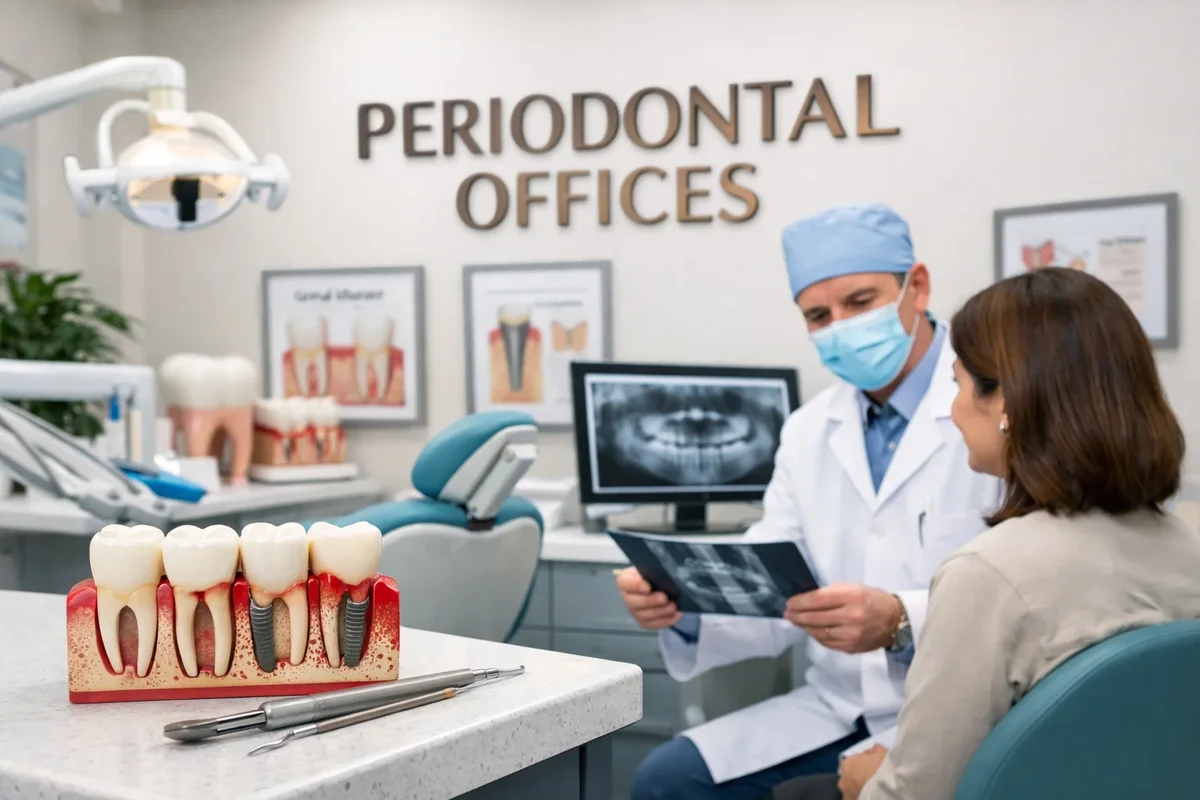
The Long-Term Benefits of Choosing Specialized Periodontal Offices
Choosing specialized periodontal offices is not only about treating current gum problems; it is a strategic decision that influences your long-term oral health, overall wellness, and financial stability. While many patients initially visit periodontal offices due to symptoms such as bleeding gums or bone loss, the extended benefits of specialized care often go far beyond immediate treatment. Periodontal offices focus on preserving the foundation of your teeth, which ultimately protects your smile for decades.
Gum disease is progressive and often silent. Without expert intervention, mild inflammation can advance into severe bone destruction. Periodontal offices provide structured, evidence-based care that interrupts this progression early. By addressing issues at their source, periodontal offices prevent complications that would otherwise require complex restorative solutions.
Preservation of Natural Teeth
One of the most significant long-term advantages of periodontal offices is the preservation of natural teeth. Tooth loss frequently results from untreated periodontitis rather than decay. When supporting bone and tissue deteriorate, teeth become unstable. Specialized periodontal offices implement treatments such as scaling and root planing, flap surgery, and regenerative procedures to stabilize affected areas.
Preventing Advanced Bone Loss
Bone grafting and guided tissue regeneration performed in periodontal offices can restore structural support. By rebuilding lost bone, periodontal offices help maintain tooth stability and prevent extractions. Saving natural teeth not only maintains chewing efficiency but also preserves facial structure and jaw alignment.
Improved Overall Health Outcomes
Scientific research has established connections between periodontal disease and systemic health conditions, including cardiovascular disease and diabetes. By controlling inflammation in periodontal offices, patients may reduce inflammatory burden throughout the body. Chronic gum infection contributes to systemic inflammation, and professional management in periodontal offices plays a protective role.
Patients with diabetes, for example, often experience improved glycemic control when gum inflammation is properly managed. This interrelationship highlights why periodontal offices are critical not only for oral health but also for broader medical well-being.
Long-Term Financial Savings
Although treatment in periodontal offices may require initial investment, it frequently prevents more expensive restorative procedures later. Replacing a missing tooth with an implant, bridge, or denture often costs significantly more than early gum therapy.
Cost Comparison Over Time
- Early scaling and root planing: $200–$400 per quadrant
- Advanced tooth replacement: $3,000–$6,000 per tooth (implant with crown)
By stabilizing gum health early in periodontal offices, patients reduce the likelihood of complex restorative costs. Preventive and maintenance care ultimately lowers cumulative expenses.
Enhanced Aesthetic Stability
Healthy gums frame your smile. Recession, inflammation, and bone loss can compromise aesthetics. Periodontal offices provide cosmetic gum procedures such as soft tissue grafting and contouring that improve smile harmony.
Long-term aesthetic stability is achieved when periodontal offices maintain proper tissue architecture around teeth and implants. Patients who prioritize gum health often experience improved confidence and satisfaction with their smile.
Predictable Dental Implant Success
Dental implants require healthy bone and stable gum tissue. Periodontal offices specialize in preparing the mouth for implant placement and ensuring proper integration. Without adequate periodontal support, implant failure risk increases.
Ongoing Implant Maintenance
After placement, periodontal offices monitor implants for peri-implantitis, a condition similar to gum disease. Regular maintenance visits reduce complications and extend implant lifespan. Specialized follow-up care significantly improves long-term implant success rates.
Customized Maintenance Programs
Long-term stability depends on structured recall appointments. Periodontal offices typically recommend maintenance every three to four months for patients with prior disease. These visits involve subgingival cleaning, pocket monitoring, and inflammation assessment.
Consistent monitoring in periodontal offices prevents recurrence of infection and allows early detection of subtle changes before they become serious issues.
Reduced Risk of Emergency Situations
Patients who neglect periodontal care may experience sudden abscesses, severe pain, or rapid tooth mobility. Regular follow-up in periodontal offices minimizes the likelihood of emergency interventions. Preventive oversight ensures small concerns are addressed before escalating.
Strengthened Collaboration with General Dentistry
Periodontal offices work closely with restorative dentists to coordinate crowns, bridges, orthodontics, and cosmetic treatments. Healthy periodontal foundations enhance the durability of all subsequent dental procedures. This interdisciplinary collaboration improves long-term treatment success.
Peace of Mind and Confidence
Perhaps one of the most overlooked benefits of periodontal offices is peace of mind. Knowing that a specialist monitors your gum health reduces anxiety about tooth loss or hidden infection. Professional guidance fosters confidence in daily oral care routines and long-term planning.
In conclusion, the long-term benefits of choosing specialized periodontal offices extend far beyond immediate symptom relief. From preserving natural teeth and protecting systemic health to improving aesthetics and reducing financial burden, periodontal offices play a central role in lifelong oral stability. By investing in expert gum care today, patients create a strong, healthy foundation that supports their smile for years to come. 🦷✨