
Experiencing sudden dental pain can be frightening, especially when it happens outside regular office hours. Many people immediately search for a dentist open emergency service because they need fast relief and professional treatment. Whether the issue involves a severe toothache, a broken tooth, a lost crown, facial swelling, or a dental injury caused by an accident, knowing where to find a dentist open emergency provider can help prevent further complications and protect your oral health.
A dentist open emergency clinic is specifically designed to treat urgent dental conditions that require immediate attention. Unlike routine dental appointments, emergency services focus on diagnosing and addressing problems that cannot safely wait for a scheduled visit. The primary goals are to relieve pain, stop bleeding, control infection, preserve teeth, and restore normal oral function as quickly as possible.
One of the most common reasons patients seek a dentist open emergency appointment is intense tooth pain. Severe toothaches are often caused by advanced tooth decay, dental abscesses, cracked teeth, infected nerves, or gum disease. While over-the-counter pain medication may provide temporary relief, it does not address the underlying cause. Ignoring severe dental pain can allow the problem to worsen, potentially leading to more invasive treatment in the future.
Dental trauma is another major reason people search for a dentist open emergency clinic. Accidents during sports activities, falls, workplace incidents, and vehicle collisions can result in chipped, fractured, loosened, or completely knocked-out teeth. In many situations, receiving treatment within the first hour significantly improves the chances of saving the natural tooth. Emergency dentists are trained to evaluate traumatic injuries and provide immediate care to minimize long-term damage.
Infections are among the most serious dental emergencies. If you notice swelling in your face, jaw, or gums, accompanied by pain, fever, or difficulty swallowing, it may indicate a dental abscess. In such cases, contacting a dentist open emergency provider immediately is essential. Untreated dental infections can spread to surrounding tissues and, in rare situations, become life-threatening. Prompt diagnosis and treatment help prevent complications while relieving discomfort.
Many people are unsure whether damaged dental restorations require urgent attention. A lost filling, broken crown, or damaged bridge may not always seem serious, but these issues can expose sensitive tooth structures and increase the risk of infection. Consulting a dentist open emergency clinic allows a professional to determine whether immediate treatment is necessary and helps protect the affected tooth from further damage.
When choosing a dentist open emergency service, it is important to look for a clinic with experienced dental professionals, modern diagnostic equipment, and a strong reputation for patient care. Reading reviews, checking qualifications, and confirming availability can help you make a confident decision during a stressful situation. Many emergency dental clinics offer same-day appointments, extended evening hours, and weekend availability to accommodate urgent cases.
During an emergency visit, the dental team will begin by evaluating your symptoms and reviewing your medical history. Digital X-rays or other diagnostic tools may be used to identify hidden problems that are not visible during a visual examination. Once the cause of the issue is determined, the dentist open emergency provider will explain the available treatment options and recommend the most appropriate course of action.
Treatment may vary depending on the condition. Common emergency procedures include draining dental abscesses, performing root canal therapy, repairing fractured teeth, replacing lost restorations, treating oral injuries, and extracting teeth that cannot be saved. The immediate focus is often on eliminating pain and stabilizing the condition before additional restorative treatment is planned.
Cost concerns sometimes prevent patients from seeking timely care. However, delaying treatment often leads to more extensive and expensive procedures later. Emergency dental care is an investment in both oral and overall health. Many clinics provide flexible payment options and can explain insurance coverage before treatment begins. Understanding these options can reduce anxiety and encourage patients to seek care when they need it most.
Preventing dental emergencies is always preferable to treating them. Maintaining excellent oral hygiene, attending regular dental checkups, wearing protective mouthguards during sports, and avoiding habits such as chewing ice or hard objects can significantly reduce the likelihood of needing a dentist open emergency appointment. Preventive care allows dentists to identify potential issues early, often before they become painful emergencies.
If a dental emergency occurs, staying calm and acting quickly can make a substantial difference in the outcome. Contact a dentist open emergency clinic as soon as possible, follow any instructions provided by the dental team, and seek immediate care when symptoms are severe. Fast action often helps save natural teeth, reduce pain, and prevent complications.
For patients seeking professional dental guidance, the Redent Klinik Contact Page offers a convenient way to reach experienced dental professionals. Additional oral health resources and educational information can be found through the American Dental Association, one of the most trusted organizations in dentistry.
Ultimately, understanding the role of a dentist open emergency service helps patients make informed decisions during unexpected situations. Whether dealing with severe pain, trauma, infection, or a damaged restoration, prompt treatment can protect your smile, preserve oral function, and support long-term dental health. Being prepared and knowing where to turn for help ensures that you can respond confidently whenever a dental emergency arises. 🦷😊
How to Find a Dentist Open Emergency Services Near You Quickly
When sudden dental pain strikes, every minute can feel overwhelming. Whether you are experiencing a severe toothache, a broken tooth, a dental abscess, or an injury that causes bleeding, finding a dentist open emergency service quickly becomes a top priority. Many people are unsure where to begin when searching for urgent dental care, especially outside normal office hours. Understanding the most effective ways to locate a dentist open emergency provider can help you receive treatment faster, reduce discomfort, and potentially save your natural teeth.
The first step is to remain calm and assess the severity of your situation. Not every dental problem requires immediate treatment, but symptoms such as intense pain, swelling, uncontrolled bleeding, facial trauma, or a knocked-out tooth often indicate the need for a dentist open emergency appointment. Quick action improves treatment outcomes and may prevent additional complications.
Why Speed Matters During a Dental Emergency
Many dental emergencies worsen when treatment is delayed. For example, a dental infection can spread beyond the affected tooth, while a knocked-out tooth may only be successfully replanted if professional care is received within a limited timeframe. This is why locating a dentist open emergency clinic as soon as possible is essential.
Patients who act quickly often benefit from:
- Faster pain relief
- Reduced risk of infection spreading
- Higher chances of saving damaged teeth
- Lower likelihood of requiring extensive treatment later
- Improved overall oral health outcomes
When faced with a serious dental problem, searching for a reliable dentist open emergency service should be one of your first priorities.
Use Online Search Tools Effectively
The internet has made finding emergency healthcare services easier than ever. Search engines can quickly identify nearby clinics offering urgent dental care. When searching online, use specific phrases related to your situation rather than generic terms. Look for clinics that clearly state they provide dentist open emergency services and display their hours of operation.
Important details to review include:
- Business hours and emergency availability
- Patient reviews and ratings
- Location and travel time
- Available contact information
- Emergency treatment services offered
Reading recent patient experiences can help determine whether a particular dentist open emergency clinic responds quickly and provides quality care.
Check Google Business Profiles
Google Business Profiles often display whether a clinic is currently open, along with phone numbers, directions, reviews, and photos. This information can save valuable time during an emergency. Many dentist open emergency providers also include updates regarding holiday hours and after-hours availability.
Contact Your Regular Dentist First
Even if your regular dentist is closed, many practices maintain emergency phone lines or voicemail systems that provide instructions for urgent situations. Some offices partner with local dentist open emergency clinics and can direct patients to trusted providers.
Your existing dentist may already have access to your treatment history, making referrals more efficient. This can be particularly helpful if your emergency involves recent dental work, implants, crowns, bridges, or ongoing treatment.
Know Which Symptoms Require Immediate Attention
Understanding which symptoms justify emergency treatment helps you make informed decisions. Consider contacting a dentist open emergency clinic immediately if you experience:
- Severe, persistent tooth pain
- Facial swelling
- A knocked-out tooth
- Broken or fractured teeth
- Uncontrolled oral bleeding
- Dental abscesses
- Jaw injuries
- Sudden loss of a dental restoration causing severe pain
These situations often require professional evaluation and treatment as quickly as possible.
What Information Should You Have Ready?
Before contacting a dentist open emergency provider, gather key information about your condition. Being prepared allows the dental team to assess the urgency of your situation more accurately.
Helpful details include:
- Description of symptoms
- When the problem started
- Pain level
- Any swelling or bleeding
- Relevant medical conditions
- Current medications
- Dental insurance information if available
Providing clear information helps the clinic determine how quickly you need to be seen and what preparations may be necessary before your arrival.
Emergency Dental Care During Nights and Weekends
Dental emergencies rarely happen at convenient times. Tooth pain can begin late at night, and accidents frequently occur during weekends, holidays, or sporting activities. Many dentist open emergency clinics offer extended hours specifically to address these situations.
Some emergency dental centers operate seven days a week, while others provide on-call services for urgent cases. Knowing where local emergency clinics are located before a problem occurs can save valuable time when treatment becomes necessary.
Choosing a Trusted Emergency Dental Provider
Not all clinics offer the same level of emergency care. When evaluating a potential dentist open emergency provider, consider factors such as experience, technology, patient reviews, and treatment capabilities. Clinics equipped with digital imaging, modern diagnostic tools, and experienced emergency dentists are often better prepared to manage complex situations.
For ongoing support and professional guidance, patients can also reach out through the Redent Klinik Contact Page. Additional oral health education is available through the American Dental Association.
Final Thoughts
Finding a dentist open emergency service quickly can significantly impact the outcome of a dental emergency. Whether you are dealing with a painful infection, dental trauma, or sudden tooth damage, prompt treatment helps relieve discomfort and protect your oral health. By knowing where to search, understanding which symptoms require urgent attention, and preparing essential information ahead of time, you can respond confidently when unexpected dental problems occur. A trusted dentist open emergency provider can often mean the difference between saving a tooth and facing more complex treatment later. 🦷🚑
Common Dental Emergencies That Require Immediate Treatment
Dental emergencies can occur unexpectedly and often involve significant pain, bleeding, swelling, or damage to the teeth and surrounding tissues. While some oral health issues can wait a few days for a routine appointment, others require immediate professional care. Understanding which conditions require urgent attention can help patients seek treatment quickly and avoid serious complications. In many cases, finding a dentist open emergency service is the fastest way to protect your oral health and prevent permanent damage.
Many people underestimate the seriousness of dental emergencies. Unfortunately, delaying treatment can transform a manageable problem into a complex condition that requires extensive care. A qualified dentist open emergency provider can evaluate symptoms, identify the underlying cause, and provide timely treatment designed to relieve pain and preserve oral function.
Severe Toothaches and Persistent Dental Pain
One of the most common reasons patients seek a dentist open emergency appointment is severe tooth pain. While minor sensitivity may not require immediate treatment, intense or persistent pain often signals a deeper problem. Common causes include advanced tooth decay, infected dental pulp, cracked teeth, gum disease, or dental abscesses.
Symptoms that may indicate a serious issue include:
- Throbbing pain that does not improve
- Pain that worsens when chewing
- Sensitivity to hot or cold temperatures
- Swelling around the tooth
- Pain that radiates into the jaw or ear
If severe discomfort interferes with daily activities or sleep, contacting a dentist open emergency clinic should be a priority. Prompt treatment can address the underlying cause before additional damage occurs.
Dental Abscesses and Oral Infections
A dental abscess is one of the most serious conditions treated by a dentist open emergency provider. An abscess is a pocket of infection that develops around the tooth root or gum tissue. Left untreated, the infection can spread to surrounding structures and potentially affect overall health.
Warning Signs of a Dental Abscess
- Severe tooth pain
- Facial swelling
- Pus drainage near the tooth
- Bad taste in the mouth
- Fever
- Swollen lymph nodes
- Difficulty swallowing
These symptoms should never be ignored. Immediate evaluation by a dentist open emergency professional is essential to prevent the infection from worsening.
Knocked-Out Teeth
A completely knocked-out tooth is a true dental emergency. Quick action significantly increases the likelihood of saving the tooth. If possible, carefully pick up the tooth by the crown rather than the root, gently rinse it if dirty, and attempt to place it back into the socket. If that is not possible, keep the tooth moist in milk or a tooth preservation solution while seeking care.
The sooner a patient reaches a dentist open emergency clinic, the greater the chance that the tooth can be successfully reimplanted. In many cases, treatment within the first hour offers the best prognosis.
Broken, Cracked, or Fractured Teeth
Teeth can fracture for many reasons, including accidents, sports injuries, falls, or biting hard objects. Some cracks may only affect the outer enamel, while others extend into deeper layers of the tooth and expose sensitive tissues.
A dentist open emergency provider can determine the severity of the fracture and recommend appropriate treatment options, which may include bonding, crowns, root canal therapy, or other restorative procedures.
Common symptoms include:
- Sharp pain while chewing
- Sensitivity to temperature changes
- Visible cracks or missing tooth fragments
- Bleeding around the tooth
Uncontrolled Oral Bleeding
Bleeding that continues after trauma or dental procedures may require immediate professional care. While minor bleeding often resolves with pressure, excessive or prolonged bleeding can indicate more serious tissue damage.
If bleeding does not stop after applying firm pressure for several minutes, contact a dentist open emergency clinic immediately. Professional treatment may be necessary to identify and manage the source of the bleeding.
Lost Fillings, Crowns, and Dental Restorations
Although not every lost restoration is considered a critical emergency, some situations require urgent attention. When a filling or crown falls out, the exposed tooth structure becomes vulnerable to bacteria, sensitivity, and further damage.
If significant pain accompanies the loss of a restoration, a dentist open emergency appointment may be necessary. Temporary dental repair materials can sometimes provide short-term protection until professional treatment is available.
Jaw Injuries and Facial Trauma
Accidents involving the mouth, jaw, or facial bones often require immediate evaluation. A dentist open emergency provider can assess dental injuries and determine whether additional medical care is needed.
Potential warning signs include:
- Difficulty opening or closing the mouth
- Jaw pain
- Misaligned bite
- Facial swelling
- Numbness
- Loose teeth following trauma
Prompt evaluation helps prevent long-term complications and supports proper healing.
When to Seek Emergency Dental Care Immediately
You should contact a dentist open emergency clinic without delay if you experience severe pain, facial swelling, a knocked-out tooth, uncontrolled bleeding, signs of infection, or traumatic dental injuries. These situations often require urgent intervention to protect both oral and overall health.
Patients seeking professional advice can contact specialists through the Redent Klinik Contact Page. Additional educational resources regarding dental emergencies and oral health are available through the American Dental Association.
Conclusion
Recognizing the symptoms of a true dental emergency allows patients to seek care before problems become more serious. Conditions such as severe toothaches, abscesses, knocked-out teeth, fractures, infections, and facial trauma often require immediate professional attention. A trusted dentist open emergency provider can deliver rapid diagnosis, pain relief, and effective treatment when every minute matters. Knowing which situations require urgent care helps ensure the best possible outcome while protecting your smile for the future. 🦷🚨
Signs You Should Contact a Dentist Open Emergency Clinic Right Away
Knowing when to seek immediate dental care can make the difference between saving a tooth and facing more extensive treatment later. Many people are uncertain whether their symptoms require urgent attention or if they can safely wait for a routine appointment. Unfortunately, delaying care when serious symptoms are present may allow infections to spread, pain to worsen, or dental injuries to become more difficult to treat. Understanding the warning signs that require prompt evaluation by a dentist open emergency provider can help protect both your oral health and your overall well-being.
While not every dental problem is considered an emergency, certain symptoms should never be ignored. If you experience severe pain, swelling, trauma, or signs of infection, contacting a dentist open emergency clinic as soon as possible is often the safest decision. Emergency dental professionals are trained to quickly identify the cause of the problem and provide treatment designed to relieve discomfort and prevent complications.
Severe Tooth Pain That Does Not Improve
Persistent or intense tooth pain is one of the most common reasons patients seek a dentist open emergency appointment. While occasional sensitivity may not require urgent treatment, severe pain often signals a more serious underlying problem.
Common causes include:
- Advanced tooth decay
- Dental abscesses
- Cracked teeth
- Infected dental pulp
- Severe gum disease
- Traumatic dental injuries
If the pain is strong enough to interfere with eating, sleeping, working, or daily activities, you should contact a dentist open emergency provider immediately. Pain is your body’s warning signal that something requires professional attention.
Facial Swelling or Gum Swelling
Swelling in the gums, jaw, cheek, or face should always be taken seriously. In many cases, swelling indicates the presence of infection. A dental infection that remains untreated can spread beyond the affected tooth and potentially affect surrounding tissues.
Why Swelling Can Be Dangerous
Swelling may indicate:
- A dental abscess
- Advanced gum infection
- An infected wisdom tooth
- Trauma-related tissue damage
- Spread of bacterial infection
If facial swelling is accompanied by fever, difficulty swallowing, difficulty breathing, or severe pain, seeking care from a dentist open emergency clinic becomes even more important. These symptoms may indicate a rapidly progressing infection that requires immediate treatment.
Bleeding That Does Not Stop
Minor bleeding after brushing, flossing, or dental treatment may not always indicate an emergency. However, persistent bleeding that does not stop after applying pressure can be a serious concern.
Situations requiring a dentist open emergency evaluation include:
- Bleeding following dental trauma
- Continuous bleeding after tooth extraction
- Oral injuries caused by accidents
- Unexplained bleeding from the gums
Uncontrolled bleeding should never be ignored because it may indicate significant tissue injury or other underlying health concerns.
A Knocked-Out Tooth
A tooth that has been completely knocked out is one of the clearest reasons to contact a dentist open emergency provider immediately. Time is critical in these situations. The chances of successfully saving and reattaching the tooth decrease significantly as time passes.
If a tooth is knocked out:
- Handle it by the crown, not the root.
- Rinse gently if dirty.
- Attempt to place it back into the socket if possible.
- Keep it moist in milk if reinsertion is not possible.
- Seek care from a dentist open emergency clinic immediately.
Fast treatment often provides the best opportunity for preserving the natural tooth.
Signs of a Dental Abscess
A dental abscess is a serious infection that requires urgent professional care. Many patients first notice severe throbbing pain, swelling, or a bad taste in the mouth. However, symptoms can vary depending on the location and severity of the infection.
Common Abscess Symptoms
- Severe toothache
- Pus drainage
- Bad breath
- Facial swelling
- Fever
- Tender lymph nodes
- Pain while chewing
Any of these symptoms warrant immediate evaluation by a dentist open emergency professional. Delayed treatment can allow the infection to spread further.
Broken, Cracked, or Loose Teeth
Dental trauma can result in visible fractures, hidden cracks, or loosened teeth. Even if pain is minimal, damage to internal tooth structures may still exist. A dentist open emergency provider can perform a thorough examination and determine the extent of the injury.
Prompt treatment may help:
- Preserve tooth structure
- Prevent infection
- Reduce pain
- Restore function
- Avoid more extensive procedures later
Difficulty Opening the Mouth or Jaw Pain
Jaw injuries should never be ignored, particularly after accidents or impacts to the face. Difficulty opening the mouth, pain while chewing, or a sudden change in bite alignment may indicate damage that requires urgent evaluation.
A dentist open emergency clinic can assess dental injuries while determining whether additional medical treatment may also be necessary.
When in Doubt, Contact an Emergency Dentist
Many patients hesitate because they are unsure whether their situation qualifies as an emergency. In reality, it is always better to consult a dentist open emergency provider if you are concerned about severe symptoms. Dental professionals can evaluate your condition and advise whether immediate treatment is required.
Patients seeking expert guidance can contact professionals through the Redent Klinik Contact Page. Additional educational information regarding urgent oral health conditions is available through the American Dental Association.
Final Thoughts
Recognizing the warning signs of a dental emergency can prevent serious complications and improve treatment outcomes. Severe pain, swelling, uncontrolled bleeding, infections, knocked-out teeth, and traumatic injuries should all prompt immediate contact with a dentist open emergency provider. Acting quickly often reduces discomfort, preserves natural teeth, and minimizes the need for more complex treatment. When symptoms suggest an urgent problem, seeking care from a qualified dentist open emergency clinic is one of the most important steps you can take to protect your oral health. 🦷⚠️
What to Do Before Reaching an Emergency Dentist
When a dental emergency occurs, many people panic and focus solely on finding a dentist open emergency clinic as quickly as possible. While locating urgent dental care should certainly be a priority, the actions you take before arriving at the clinic can significantly influence the outcome of your treatment. Whether you are dealing with a severe toothache, a broken tooth, facial swelling, a knocked-out tooth, or uncontrolled bleeding, knowing what to do before seeing a dentist open emergency provider can help reduce pain, minimize damage, and improve the chances of successful treatment.
The period between the onset of a dental emergency and your arrival at a dentist open emergency clinic is often critical. Proper first-aid measures can stabilize the situation and help prevent complications while professional care is being arranged.
Stay Calm and Assess the Situation
The first and most important step is to remain calm. Dental emergencies can be stressful and painful, but panic often makes it more difficult to think clearly. Take a few moments to assess your symptoms and determine the nature of the problem.
Ask yourself the following questions:
- Is there severe pain?
- Is there active bleeding?
- Has a tooth been knocked out?
- Is there facial swelling?
- Did the injury result from trauma?
- Are there signs of infection?
Understanding the severity of the issue will help you communicate effectively when contacting a dentist open emergency clinic.
Contact a Dentist Open Emergency Provider Immediately
Once you recognize that urgent care may be necessary, contact a dentist open emergency clinic as soon as possible. Describe your symptoms clearly and follow any instructions provided by the dental team. Many emergency dental professionals can advise you on temporary measures that may help until you arrive.
Providing accurate information allows the clinic to prepare for your visit and determine the urgency of your situation. If the emergency involves significant trauma or swelling, a dentist open emergency provider may prioritize your appointment accordingly.
Managing Severe Tooth Pain
Tooth pain is one of the most common reasons patients seek a dentist open emergency appointment. While professional treatment is necessary to address the underlying cause, several temporary measures may help reduce discomfort.
Safe Pain Management Tips
- Rinse your mouth gently with warm salt water.
- Remove trapped food particles using dental floss.
- Apply a cold compress to the outside of the face.
- Use over-the-counter pain relievers according to instructions.
- Avoid very hot or cold foods if sensitivity is present.
Never place aspirin directly against the gums or tooth, as this can cause tissue irritation or chemical burns.
What to Do If a Tooth Is Knocked Out
A knocked-out tooth is one of the most time-sensitive situations treated by a dentist open emergency provider. Quick action dramatically increases the possibility of saving the tooth.
If a tooth is completely dislodged:
- Locate the tooth immediately.
- Pick it up by the crown, not the root.
- Rinse gently with clean water if necessary.
- Do not scrub or remove attached tissue fragments.
- Attempt to place the tooth back into the socket.
- If reinsertion is not possible, store it in milk.
- Travel directly to a dentist open emergency clinic.
The first hour after the injury is often critical for successful reimplantation.
Handling Broken or Cracked Teeth
Broken or cracked teeth may expose sensitive inner structures and increase the risk of infection. Before reaching a dentist open emergency clinic, rinse the mouth with warm water and save any broken fragments if possible.
A cold compress can help reduce swelling and discomfort. Avoid chewing on the affected side of the mouth and refrain from consuming hard foods until professional treatment is received.
Managing Swelling and Possible Infections
Facial swelling often indicates infection or significant inflammation. While waiting for your appointment with a dentist open emergency provider, apply a cold compress externally to help reduce swelling.
Important warning signs include:
- Fever
- Difficulty swallowing
- Difficulty breathing
- Rapidly increasing swelling
- Severe facial pain
If these symptoms occur, immediate evaluation by a dentist open emergency professional is essential. In severe cases, additional medical care may also be required.
Controlling Oral Bleeding
Bleeding caused by trauma or dental procedures can sometimes be managed temporarily before reaching a dentist open emergency clinic. Place clean gauze over the affected area and apply gentle but firm pressure.
If gauze is unavailable, a clean cloth may be used. Continue applying pressure for several minutes without repeatedly checking the area. Persistent bleeding that does not improve should always be evaluated by a dentist open emergency provider.
Prepare Important Information Before Arrival
Gathering relevant information before visiting a dentist open emergency clinic can help streamline the evaluation process.
Helpful details include:
- Medical conditions
- Current medications
- Known allergies
- Dental insurance information
- Description of symptoms
- Time the emergency began
Providing complete information allows the dental team to make informed treatment decisions more efficiently.
Items to Bring With You
Depending on the nature of the emergency, you may wish to bring:
- Any broken tooth fragments
- A knocked-out tooth stored properly
- Current medication list
- Identification
- Insurance documentation
- Emergency contact information
These items can help facilitate prompt treatment when you arrive at the dentist open emergency clinic.
Professional Support During a Dental Emergency
Patients who need urgent assistance can contact experienced professionals through the Redent Klinik Contact Page. Additional educational resources regarding emergency oral care are available through the American Dental Association.
Conclusion
The actions you take before reaching a dentist open emergency provider can significantly influence treatment success and recovery. Remaining calm, managing symptoms appropriately, protecting damaged teeth, controlling bleeding, and seeking immediate professional care are all important steps. Whether dealing with pain, trauma, infection, or swelling, following proper first-aid measures while traveling to a dentist open emergency clinic can help preserve your oral health and improve the overall outcome of your treatment. 🦷🚑
Emergency Toothache Relief and Pain Management Tips
A severe toothache can be one of the most painful and disruptive health problems a person experiences. The discomfort may develop suddenly or gradually, but once it becomes intense, daily activities such as eating, sleeping, concentrating, and even speaking can become difficult. One of the most common reasons people search for a dentist open emergency clinic is to find immediate relief from debilitating tooth pain. While professional treatment is necessary to resolve the underlying cause, there are several safe and effective strategies that can help manage symptoms before reaching a dentist open emergency provider.
It is important to understand that tooth pain is usually a symptom rather than the actual problem. The discomfort often indicates infection, inflammation, trauma, decay, or damage within the tooth or surrounding tissues. A dentist open emergency clinic can diagnose the exact cause and provide definitive treatment, but temporary pain management techniques can make the waiting period more manageable.
Common Causes of Emergency Tooth Pain
Understanding what causes severe toothaches helps explain why professional treatment is so important. Many dental conditions can trigger significant pain and may require evaluation by a dentist open emergency provider.
Common causes include:
- Deep tooth decay
- Dental abscesses
- Cracked or fractured teeth
- Exposed tooth roots
- Advanced gum disease
- Impacted wisdom teeth
- Damaged dental restorations
- Traumatic dental injuries
Although home remedies may reduce discomfort temporarily, only a qualified dentist open emergency professional can identify and treat the underlying condition.
Rinse With Warm Salt Water
One of the simplest and safest ways to relieve tooth discomfort before visiting a dentist open emergency clinic is a warm saltwater rinse. Saltwater helps cleanse the mouth, reduce inflammation, and remove food particles that may be irritating sensitive tissues.
How to Prepare a Saltwater Rinse
- Mix half a teaspoon of salt into a glass of warm water.
- Swish gently for 30 seconds.
- Spit out the solution.
- Repeat several times daily if necessary.
This method is especially useful for gum irritation, mild infections, and food impaction around painful teeth.
Apply a Cold Compress
Swelling often accompanies severe dental pain. Applying a cold compress to the outside of the cheek near the painful area can help reduce inflammation and numb discomfort while waiting to see a dentist open emergency provider.
A cold compress may help:
- Reduce swelling
- Decrease inflammation
- Provide temporary pain relief
- Limit tissue irritation following trauma
Apply the cold pack for approximately 15 to 20 minutes at a time with short breaks between applications.
Use Over-the-Counter Pain Medication Responsibly
Non-prescription pain relievers can provide temporary symptom control until a dentist open emergency appointment becomes available. However, medications should always be used according to manufacturer instructions and medical guidance.
Commonly used pain relief options include:
- Acetaminophen
- Ibuprofen
- Naproxen sodium
Patients with medical conditions, allergies, pregnancy, or medication interactions should consult a healthcare professional before taking any medication. A dentist open emergency provider can offer additional recommendations based on individual circumstances.
Keep the Area Clean
Poor oral hygiene can worsen existing pain and inflammation. Even during a dental emergency, it remains important to maintain cleanliness around the affected area whenever possible.
Before visiting a dentist open emergency clinic:
- Brush gently around the painful tooth.
- Use dental floss carefully.
- Avoid aggressive scrubbing.
- Rinse after meals.
- Remove trapped food particles.
Reducing bacterial buildup may help minimize irritation while awaiting professional treatment.
Avoid Common Mistakes That Can Make Pain Worse
Many patients unintentionally worsen their symptoms by relying on outdated or unsafe home remedies. If you are planning to visit a dentist open emergency provider, avoid actions that could increase tissue damage.
Practices to Avoid
- Placing aspirin directly on gums
- Using extremely hot compresses
- Ignoring swelling or fever
- Chewing hard foods on the painful side
- Attempting self-treatment of abscesses
- Delaying professional care
These approaches can aggravate the problem and potentially complicate future treatment.
Managing Pain From a Broken Tooth
A fractured or cracked tooth often causes sharp pain, especially when chewing. Before reaching a dentist open emergency clinic, rinse the mouth gently and save any broken fragments if possible.
Additional recommendations include:
- Avoid biting with the affected tooth.
- Consume soft foods.
- Use a cold compress if swelling is present.
- Protect sharp edges with temporary dental wax if available.
Prompt evaluation by a dentist open emergency professional helps prevent further damage and infection.
When Pain Signals a Serious Emergency
Not every toothache requires immediate treatment, but certain symptoms indicate the need for urgent evaluation by a dentist open emergency provider.
Seek immediate care if pain is accompanied by:
- Facial swelling
- Fever
- Pus drainage
- Difficulty swallowing
- Difficulty breathing
- Traumatic injury
- Uncontrolled bleeding
These symptoms may indicate a severe infection or other condition requiring prompt professional intervention.
How Emergency Dentists Treat Severe Toothaches
When you arrive at a dentist open emergency clinic, the dental team will identify the source of the pain through examination and diagnostic imaging. Treatment may include:
- Drainage of abscesses
- Root canal therapy
- Temporary restorations
- Permanent fillings
- Crown placement
- Tooth extraction when necessary
- Prescription medications
The primary objective of a dentist open emergency visit is to eliminate pain while addressing the underlying cause of the problem.
Professional Resources and Support
If you are experiencing severe tooth pain and require professional guidance, you can contact experienced dental professionals through the Redent Klinik Contact Page. Additional oral health education and emergency care information are available through the American Dental Association.
Conclusion
Emergency tooth pain should never be ignored. While temporary measures such as saltwater rinses, cold compresses, and appropriate pain medication can provide short-term relief, lasting treatment requires professional care. A qualified dentist open emergency provider can diagnose the source of the problem, relieve discomfort, and prevent complications before they become more serious. Acting quickly and seeking help from a trusted dentist open emergency clinic remains the most effective way to protect your oral health and restore comfort. 🦷💙
Broken, Chipped, or Knocked-Out Teeth: Immediate Action Steps
Dental injuries involving broken, chipped, cracked, loosened, or completely knocked-out teeth are among the most alarming situations patients face. These incidents often happen unexpectedly during sports activities, falls, vehicle accidents, workplace injuries, or even while eating hard foods. In many cases, the first reaction is panic. However, understanding the correct steps to take before reaching a dentist open emergency clinic can significantly improve the outcome of treatment. Fast and appropriate action may help save a natural tooth, reduce pain, minimize complications, and protect long-term oral health.
When dealing with dental trauma, time matters. A qualified dentist open emergency provider has the expertise and equipment necessary to evaluate the injury, stabilize damaged tissues, and determine the most effective treatment plan. The actions taken immediately after the injury often influence whether a tooth can be preserved successfully.
Understanding Different Types of Dental Trauma
Not all dental injuries are the same. Some affect only the outer enamel, while others involve deeper tooth structures, surrounding gums, supporting bone, or even the jaw.
Common traumatic dental injuries include:
- Minor enamel chips
- Large tooth fractures
- Cracked teeth
- Partially dislodged teeth
- Completely knocked-out teeth
- Root fractures
- Soft tissue injuries
- Jaw-related trauma
Regardless of severity, any significant dental injury should be evaluated by a dentist open emergency professional as soon as possible.
What to Do If a Tooth Is Chipped
A chipped tooth may seem minor, but even small fractures can expose sensitive structures and increase the risk of future complications. Some chips only affect the enamel, while others reach deeper layers that require urgent care from a dentist open emergency clinic.
Immediate Steps for a Chipped Tooth
- Rinse your mouth with warm water.
- Collect any broken fragments if possible.
- Avoid chewing on the affected side.
- Apply a cold compress if swelling occurs.
- Contact a dentist open emergency provider for evaluation.
Even painless chips should be examined because internal damage may not be immediately visible.
How to Respond to a Broken Tooth
Broken teeth frequently involve larger portions of tooth structure and may expose the dentin or dental pulp. This often results in pain, sensitivity, and an increased risk of infection.
Before reaching a dentist open emergency clinic:
- Rinse the mouth gently.
- Save any tooth fragments.
- Avoid consuming hard foods.
- Use dental wax to cover sharp edges if available.
- Apply a cold compress to reduce swelling.
Prompt treatment from a dentist open emergency provider may involve bonding, crowns, root canal therapy, or other restorative procedures depending on the extent of the damage.
Knocked-Out Teeth Require Immediate Action
A completely knocked-out tooth is one of the most urgent situations treated by a dentist open emergency clinic. The likelihood of saving the tooth depends heavily on how quickly treatment is received.
The first hour following the injury is often considered the most important period for successful reimplantation.
Step-by-Step Instructions for a Knocked-Out Tooth
- Locate the tooth immediately.
- Handle it only by the crown.
- Do not touch the root surface.
- Gently rinse if contaminated.
- Do not scrub the tooth.
- If possible, place it back into the socket.
- If reinsertion is not possible, store it in milk.
- Travel directly to a dentist open emergency clinic.
Quick action dramatically improves the chances that the tooth can be preserved.
What If the Tooth Is Loose but Not Knocked Out?
Sometimes trauma causes a tooth to become loose without completely leaving the socket. This condition still requires urgent evaluation by a dentist open emergency provider.
Do not attempt to reposition the tooth yourself unless instructed by a dental professional. Avoid chewing and minimize movement of the affected tooth until treatment is provided.
A dentist open emergency clinic may stabilize the tooth using splinting techniques while monitoring healing over time.
Managing Pain and Swelling After Dental Trauma
Pain and swelling frequently accompany traumatic dental injuries. While waiting to see a dentist open emergency professional, several measures may help reduce discomfort.
- Apply cold compresses externally.
- Use over-the-counter pain medication as directed.
- Consume soft foods.
- Avoid chewing near the injury.
- Maintain gentle oral hygiene.
These measures provide temporary relief but should never replace professional evaluation by a dentist open emergency provider.
When Soft Tissue Injuries Occur
Dental trauma often affects more than the teeth themselves. Injuries to the lips, cheeks, tongue, and gums are also common. Bleeding and swelling may occur immediately after the accident.
First Aid for Oral Soft Tissue Injuries
- Rinse gently with clean water.
- Apply clean gauze to bleeding areas.
- Use gentle pressure to control bleeding.
- Apply cold compresses externally.
- Seek evaluation from a dentist open emergency clinic.
Some soft tissue injuries may require stitches or additional treatment.
Potential Complications of Delayed Treatment
Postponing care after dental trauma can lead to serious consequences. Even when pain appears manageable, hidden damage may continue to develop beneath the surface.
Potential complications include:
- Tooth loss
- Infection
- Nerve damage
- Abscess formation
- Bite misalignment
- Bone loss
- Increased treatment complexity
This is why contacting a dentist open emergency provider promptly remains the safest approach after any significant injury.
How Emergency Dentists Treat Dental Trauma
Upon arrival at a dentist open emergency clinic, the dental team will evaluate the injury through clinical examination and diagnostic imaging. Treatment may vary depending on the type and severity of damage.
Possible treatments include:
- Dental bonding
- Crowns
- Splinting procedures
- Root canal treatment
- Reimplantation of knocked-out teeth
- Soft tissue repair
- Tooth extraction when necessary
The primary objective of a dentist open emergency visit is to preserve natural teeth whenever possible while restoring function and comfort.
Professional Resources and Support
If you experience dental trauma and require urgent guidance, professional assistance is available through the Redent Klinik Contact Page. Additional educational information about traumatic dental injuries and emergency care can be found through the American Dental Association.
Conclusion
Broken, chipped, loose, and knocked-out teeth should always be taken seriously. The actions taken immediately after the injury often determine the success of treatment and the likelihood of saving the affected tooth. By remaining calm, following proper first-aid procedures, and contacting a trusted dentist open emergency clinic without delay, patients can significantly improve their chances of a positive outcome. Prompt care from a qualified dentist open emergency provider remains the best strategy for preserving oral health following dental trauma. 🦷🚨
Emergency Dental Care Costs and Insurance Considerations
One of the most common concerns patients have during a dental emergency is the cost of treatment. When severe pain, swelling, infection, or dental trauma occurs, finding a dentist open emergency clinic quickly becomes the top priority. However, many individuals hesitate to seek care because they are uncertain about treatment expenses or insurance coverage. Understanding how emergency dental pricing works and what factors influence costs can help patients make informed decisions when visiting a dentist open emergency provider.
Emergency dental care is often focused on relieving pain, preventing complications, preserving teeth, and restoring oral function. The final cost depends on the severity of the condition, the type of treatment required, the clinic’s location, and whether additional procedures become necessary after the initial emergency visit. While emergency treatment may represent an unexpected expense, delaying care frequently leads to more complex and costly dental problems later.
What Determines Emergency Dental Costs?
The total cost of treatment at a dentist open emergency clinic varies based on several important factors. Some emergencies require only a simple examination and medication, while others involve advanced procedures, imaging, or restorative treatment.
Factors that commonly influence pricing include:
- Severity of the dental problem
- Type of emergency treatment required
- Diagnostic imaging needs
- Clinic location
- After-hours or weekend appointments
- Insurance coverage availability
- Follow-up treatment requirements
Most dentist open emergency providers will explain treatment options and associated costs before beginning major procedures whenever possible.
Typical Emergency Dental Services and Estimated Costs
The exact fees vary significantly depending on location and provider, but understanding typical price ranges can help patients prepare financially. A dentist open emergency clinic may perform a wide variety of procedures depending on the nature of the emergency.
Common Emergency Dental Procedures
| Emergency Service | Estimated Cost Range (USD) |
|---|---|
| Emergency Dental Examination | $75 – $250 |
| Dental X-Rays | $25 – $250 |
| Simple Tooth Extraction | $150 – $500 |
| Surgical Extraction | $300 – $1,000+ |
| Root Canal Treatment | $700 – $2,000+ |
| Temporary Crown Repair | $100 – $500 |
| Dental Abscess Treatment | $150 – $1,000+ |
| Emergency Tooth Reimplantation | $500 – $3,000+ |
These estimates are intended only as general references. A dentist open emergency provider can offer a more accurate treatment estimate after evaluating the specific condition.
Why Delaying Treatment Can Cost More
Some patients postpone treatment because they are worried about costs. Unfortunately, delaying care often results in more extensive procedures later. What begins as a small cavity may eventually require root canal treatment, crown placement, or extraction if left untreated.
Similarly, a minor infection can progress into a serious abscess requiring urgent intervention by a dentist open emergency clinic. Seeking prompt care frequently reduces both health risks and long-term financial costs.
Does Dental Insurance Cover Emergency Treatment?
Many dental insurance plans provide at least partial coverage for emergency dental care. The exact amount depends on the specific policy, annual limits, deductibles, and treatment categories involved.
A dentist open emergency provider can often assist patients in understanding available insurance benefits before treatment begins.
Insurance May Cover:
- Emergency examinations
- Diagnostic X-rays
- Necessary tooth extractions
- Root canal treatment
- Infection management
- Certain restorative procedures
Coverage percentages vary widely, so patients should verify benefits directly with their insurance provider whenever possible.
What If You Do Not Have Dental Insurance?
Many individuals seeking a dentist open emergency appointment do not currently have dental insurance. Fortunately, numerous clinics offer alternative payment solutions designed to make emergency treatment more accessible.
Potential options include:
- Flexible payment plans
- Monthly financing programs
- Healthcare credit services
- In-house membership plans
- Cash payment discounts
Patients should discuss available financial arrangements directly with the dentist open emergency clinic before treatment whenever possible.
Questions to Ask About Emergency Dental Costs
Before proceeding with treatment, it is helpful to ask several important questions. Clear communication allows patients to understand financial responsibilities and avoid unexpected expenses.
Questions may include:
- What is included in the emergency examination fee?
- Will additional imaging be required?
- What treatment options are available?
- Are payment plans offered?
- Does the clinic accept my insurance?
- Will follow-up appointments be necessary?
A reputable dentist open emergency provider will typically answer these questions openly and transparently.
The Value of Immediate Professional Care
Although emergency dental treatment may involve unexpected expenses, the value of prompt care should not be underestimated. Seeking treatment from a dentist open emergency clinic can prevent infection spread, preserve natural teeth, relieve severe pain, and reduce the need for more extensive future procedures.
In many situations, rapid intervention ultimately lowers overall healthcare costs while improving treatment outcomes.
Preparing Financially for Unexpected Dental Emergencies
While emergencies are unpredictable, maintaining an emergency healthcare fund can help reduce financial stress if urgent treatment becomes necessary. Routine preventive care also plays an important role in reducing the likelihood of needing a dentist open emergency appointment.
Regular dental visits allow problems to be identified early, often before they develop into painful emergencies requiring immediate intervention.
Professional Resources and Assistance
Patients seeking professional guidance regarding urgent dental treatment can contact experienced professionals through the Redent Klinik Contact Page. Additional information regarding oral health and dental care standards is available through the American Dental Association.
Conclusion
Emergency dental costs vary depending on the condition being treated, the procedures required, and individual insurance coverage. However, delaying treatment often leads to more severe health problems and higher expenses in the future. A trusted dentist open emergency provider can explain treatment options, discuss financial considerations, and help patients receive the care they need when urgent situations arise. Understanding insurance benefits, payment options, and typical emergency treatment costs allows patients to approach a dentist open emergency visit with greater confidence and peace of mind. 🦷💳
What Happens During an Emergency Dental Appointment?
Many patients feel anxious when they need urgent dental care, especially if they have never visited a dentist open emergency clinic before. Dental emergencies often occur unexpectedly and are frequently accompanied by severe pain, swelling, bleeding, trauma, or infection. During these stressful moments, understanding what happens during an emergency dental appointment can help reduce anxiety and allow patients to feel more prepared. A dentist open emergency provider follows a structured process designed to identify the problem quickly, relieve discomfort, and prevent further complications.
Although every case is unique, most emergency dental visits follow a similar sequence. The primary goals are to stabilize the condition, diagnose the cause of symptoms, provide immediate treatment when necessary, and develop a plan for long-term oral health restoration.
Initial Contact With the Emergency Dental Clinic
The emergency care process often begins before you arrive at the clinic. When contacting a dentist open emergency provider, the dental team will typically ask questions about your symptoms to determine the urgency of your situation.
Common questions may include:
- What symptoms are you experiencing?
- When did the problem begin?
- Are you experiencing severe pain?
- Is there swelling or bleeding?
- Have you experienced recent trauma?
- Do you have any medical conditions?
The answers help the dentist open emergency clinic prepare for your arrival and prioritize care if necessary.
Arrival and Emergency Evaluation
Once you arrive at the dentist open emergency clinic, the first step is usually an initial assessment. Emergency dental teams understand that patients are often in significant discomfort, so the evaluation process is typically focused on identifying the source of the problem as efficiently as possible.
During this stage, staff may collect:
- Medical history
- Current medications
- Allergy information
- Insurance details
- Description of symptoms
- Information regarding recent injuries
Providing accurate information helps the dentist open emergency provider make safe and effective treatment decisions.
Comprehensive Oral Examination
After reviewing your information, the emergency dentist will perform a detailed oral examination. The purpose is to determine the exact cause of pain, swelling, bleeding, or trauma.
The examination may include evaluation of:
- Teeth
- Gums
- Jaw structures
- Soft tissues
- Existing restorations
- Signs of infection
Even when symptoms appear obvious, a dentist open emergency professional will thoroughly assess the affected area to identify hidden damage that may not be immediately visible.
Why Examination Matters
Many dental emergencies have multiple contributing factors. For example, severe tooth pain may be caused by decay, infection, fractures, gum disease, or trauma. A comprehensive evaluation ensures that treatment addresses the actual cause rather than simply masking symptoms.
Diagnostic Imaging and X-Rays
In many cases, the dentist open emergency provider will recommend diagnostic imaging. Digital X-rays are commonly used because they allow the dentist to examine structures that cannot be seen during a visual inspection.
X-rays may help identify:
- Deep tooth decay
- Abscesses
- Cracked roots
- Bone loss
- Impacted teeth
- Jaw injuries
- Hidden fractures
Accurate diagnosis is one of the most important components of any successful dentist open emergency visit.
Pain Relief and Immediate Stabilization
Once the cause of the emergency has been identified, the next priority is typically relieving discomfort and stabilizing the condition. Most patients seek a dentist open emergency appointment because they need immediate relief from pain or swelling.
Depending on the diagnosis, treatment may involve:
- Drainage of infection
- Temporary restorations
- Dental bonding
- Medication prescriptions
- Root canal therapy
- Tooth stabilization
- Emergency extraction
The specific treatment plan will depend entirely on the nature and severity of the condition.
Treatment for Common Emergency Conditions
Every dentist open emergency clinic treats a wide range of urgent dental problems. Some of the most common conditions include severe toothaches, dental abscesses, fractured teeth, broken restorations, and traumatic injuries.
Examples of Emergency Treatments
- Repairing chipped or broken teeth
- Reimplanting knocked-out teeth
- Treating dental abscesses
- Managing facial swelling
- Replacing lost fillings
- Repairing damaged crowns
- Stopping oral bleeding
The goal of a dentist open emergency provider is always to preserve oral health while minimizing discomfort and preventing further damage.
Discussion of Long-Term Treatment Plans
Emergency treatment often focuses on immediate stabilization rather than complete restoration. Once the urgent problem has been addressed, the dentist open emergency provider may recommend additional treatment during future appointments.
Long-term treatment may involve:
- Permanent crowns
- Advanced restorative procedures
- Dental implants
- Orthodontic evaluation
- Periodontal treatment
- Comprehensive rehabilitation
Patients typically receive detailed instructions regarding next steps before leaving the clinic.
Post-Treatment Instructions and Recovery
After treatment, the dentist open emergency team will provide guidance to support recovery and reduce the risk of complications.
Instructions may include:
- Medication schedules
- Dietary recommendations
- Oral hygiene guidance
- Activity restrictions
- Warning signs to monitor
- Follow-up appointment information
Following these instructions carefully can help improve healing and treatment outcomes.
When Additional Medical Care May Be Needed
Although most emergencies can be managed by a dentist open emergency clinic, certain situations require collaboration with medical professionals. Severe facial trauma, significant infections, breathing difficulties, or suspected jaw fractures may require hospital evaluation in addition to dental care.
The emergency dentist will determine whether additional medical assessment is necessary.
Professional Resources and Emergency Support
Patients who need urgent dental guidance or wish to discuss emergency treatment options can contact professionals through the Redent Klinik Contact Page. Additional oral health resources and educational materials are available through the American Dental Association.
Conclusion
Understanding what happens during an emergency dental appointment can help reduce uncertainty during a stressful situation. From the initial evaluation and diagnostic imaging to pain relief and treatment planning, every step is designed to protect your oral health and address urgent concerns efficiently. A qualified dentist open emergency provider works quickly to identify the problem, relieve discomfort, and prevent complications. When dental emergencies occur, seeking prompt care from a trusted dentist open emergency clinic remains one of the most effective ways to safeguard your smile and overall well-being. 🦷🏥
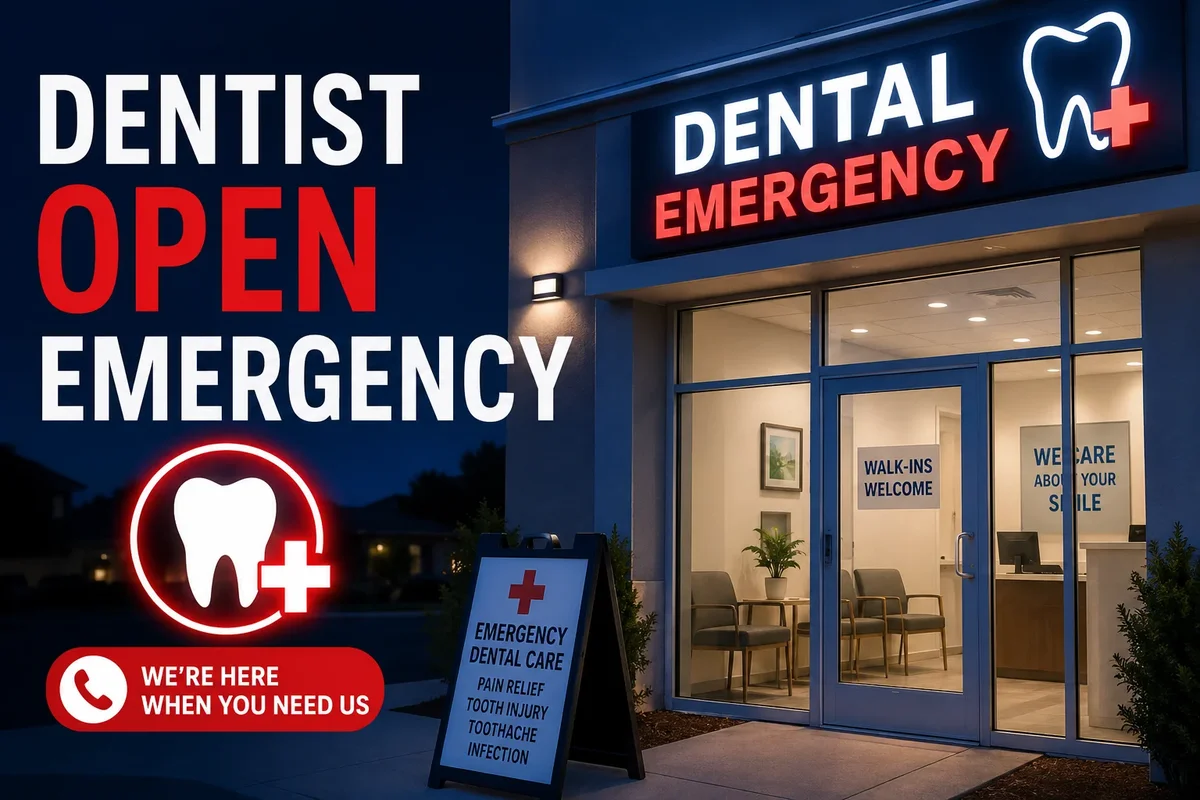
Preventing Future Dental Emergencies and Protecting Your Oral Health
While knowing how to find a dentist open emergency clinic is important, preventing dental emergencies altogether is even better. Many urgent dental problems are avoidable through proper oral hygiene, routine dental care, healthy habits, and early intervention. Although accidents can happen unexpectedly, a large percentage of emergency dental visits result from conditions that develop gradually over time. By understanding how dental emergencies occur and taking preventive measures, patients can significantly reduce the likelihood of needing a dentist open emergency appointment in the future.
Preventive dentistry focuses on maintaining healthy teeth, gums, and supporting structures before serious problems develop. Consistent care not only lowers the risk of pain and infection but also helps preserve natural teeth and reduce long-term treatment costs. A proactive approach to oral health remains one of the most effective strategies for avoiding unexpected visits to a dentist open emergency provider.
Maintain Excellent Daily Oral Hygiene
The foundation of dental emergency prevention begins at home. Poor oral hygiene allows plaque and bacteria to accumulate, increasing the risk of cavities, gum disease, infections, and tooth loss. Many patients who eventually require a dentist open emergency visit initially develop problems that could have been prevented through consistent oral care.
Essential daily habits include:
- Brushing twice daily with fluoride toothpaste
- Flossing every day
- Cleaning the tongue regularly
- Using antimicrobial mouthwash when appropriate
- Replacing toothbrushes every three to four months
Maintaining these habits consistently can significantly reduce the likelihood of developing conditions that require treatment from a dentist open emergency clinic.
Schedule Regular Dental Checkups
Routine dental examinations play a critical role in preventing emergencies. Dentists can identify early signs of decay, infection, fractures, gum disease, and other problems before they become painful or urgent.
Benefits of Routine Checkups
- Early cavity detection
- Professional cleaning
- Gum disease monitoring
- Oral cancer screening
- Evaluation of existing restorations
- Identification of hidden dental issues
Regular visits reduce the chance that untreated conditions will eventually require care from a dentist open emergency provider.
Protect Your Teeth During Sports and Physical Activities
Sports-related injuries are a common reason patients seek a dentist open emergency appointment. Contact sports, recreational activities, cycling, skating, and other physical pursuits can result in chipped, fractured, or knocked-out teeth.
One of the most effective preventive measures is wearing a properly fitted mouthguard. Mouthguards help absorb impact forces and protect both teeth and soft tissues.
Activities that commonly benefit from mouthguard use include:
- Football
- Basketball
- Hockey
- Martial arts
- Soccer
- Baseball
- Cycling
A custom mouthguard provided by your dentist often offers superior protection compared to over-the-counter alternatives.
Avoid Using Teeth as Tools
Many dental injuries occur because people use their teeth for tasks they were never designed to perform. Opening packages, tearing plastic, cracking nuts, or biting hard objects can result in fractures that eventually require treatment from a dentist open emergency clinic.
To reduce risk, avoid using teeth to:
- Open bottles
- Tear packaging
- Cut string
- Crack ice
- Chew pens
- Bite fingernails
These habits place unnecessary stress on tooth structure and increase the likelihood of damage.
Address Dental Problems Early
One of the biggest mistakes patients make is postponing treatment for minor dental concerns. Small cavities, occasional sensitivity, and minor chips may seem insignificant initially, but they can progress into painful emergencies if ignored.
Early intervention helps prevent:
- Advanced decay
- Dental abscesses
- Tooth fractures
- Root infections
- Gum disease progression
Seeking routine care promptly often eliminates the need for future visits to a dentist open emergency provider.
Manage Teeth Grinding and Clenching
Many people unknowingly grind or clench their teeth during sleep. This condition, known as bruxism, places significant pressure on teeth and can lead to cracks, fractures, worn enamel, jaw pain, and damaged restorations.
Signs of Bruxism
- Morning jaw soreness
- Frequent headaches
- Flattened teeth
- Tooth sensitivity
- Cracked dental restorations
If bruxism is present, your dentist may recommend a custom nightguard to help protect your teeth and reduce the risk of needing a dentist open emergency appointment.
Maintain a Tooth-Friendly Diet
Nutrition has a major impact on oral health. A balanced diet supports strong teeth and healthy gums, while excessive sugar consumption increases the risk of decay and infection.
Foods that support dental health include:
- Fresh vegetables
- Leafy greens
- Dairy products
- Lean proteins
- Nuts and seeds
- High-fiber fruits
Limiting sugary beverages and sticky snacks can help prevent the types of dental problems that frequently result in visits to a dentist open emergency clinic.
Create an Emergency Dental Plan
Even with excellent preventive care, accidents can still occur. Being prepared allows you to respond more effectively when emergencies arise.
Your emergency dental plan should include:
- Contact information for a trusted dentist open emergency provider
- Knowledge of nearby emergency clinics
- Basic dental first-aid supplies
- Insurance information
- Emergency contact numbers
Preparation can save valuable time when urgent treatment becomes necessary.
The Importance of Professional Guidance
Preventive dentistry works best when patients maintain an ongoing relationship with a trusted dental team. Professional monitoring allows potential problems to be addressed before they become emergencies requiring immediate intervention from a dentist open emergency clinic.
For professional dental guidance and support, patients can visit the Redent Klinik Contact Page. Additional educational resources regarding preventive oral health are available through the American Dental Association.
Conclusion
Preventing dental emergencies requires a combination of excellent oral hygiene, routine professional care, healthy lifestyle habits, and proactive treatment of developing problems. While access to a reliable dentist open emergency provider is essential when urgent situations occur, prevention remains the most effective strategy for protecting your smile. By maintaining regular dental visits, wearing protective equipment during sports, avoiding harmful habits, and addressing problems early, you can greatly reduce the likelihood of needing a dentist open emergency appointment and enjoy stronger, healthier teeth for years to come. 🦷✨