
A bright, confident smile is something many people desire, but for individuals who experience tooth sensitivity, achieving whiter teeth can feel challenging. Fortunately, whitening for sensitive teeth has become increasingly advanced, allowing people to improve the appearance of their smiles while minimizing discomfort. Understanding how whitening for sensitive teeth works, which products are safest, and what precautions should be taken can help you make informed decisions and achieve excellent results without unnecessary pain. 😊
Many people with sensitive teeth avoid whitening treatments because they fear increased discomfort. However, modern whitening for sensitive teeth solutions are specifically designed to address this concern. Unlike traditional whitening systems that may cause temporary irritation or heightened sensitivity, specialized treatments use gentler ingredients and advanced formulations to protect tooth enamel and reduce nerve stimulation.
To understand why whitening for sensitive teeth requires a different approach, it is important to know what causes tooth sensitivity in the first place. Tooth sensitivity often occurs when the protective enamel layer becomes thinner or when gum recession exposes the dentin underneath. Dentin contains microscopic tubules that connect directly to the tooth’s nerve center. When hot, cold, sweet, or acidic substances enter these tubules, discomfort may occur. Standard whitening treatments can temporarily increase this sensation, making specialized whitening methods a better choice for sensitive individuals.
The primary goal of whitening for sensitive teeth is to remove stains while minimizing irritation. Professional and at-home whitening systems designed for sensitive teeth typically contain lower concentrations of whitening agents such as hydrogen peroxide or carbamide peroxide. Some formulations also include desensitizing ingredients like potassium nitrate and fluoride, which help calm nerve responses and strengthen enamel during treatment.
One major advantage of modern whitening for sensitive teeth treatments is their ability to gradually brighten the smile while maintaining comfort. Instead of producing dramatic changes in a single session, these treatments often work progressively. This slower process helps reduce the risk of discomfort while still delivering noticeable improvements in tooth color.
There are several types of whitening for sensitive teeth options available today. Professional in-office whitening remains one of the most effective methods. Dentists can carefully monitor the treatment, protect the gums, and adjust whitening strength based on individual sensitivity levels. Professional supervision often provides a safer experience for patients who have previously experienced discomfort during whitening procedures.
For those who prefer home-based solutions, specially formulated whitening strips, whitening trays, whitening gels, and whitening toothpastes can be effective alternatives. These products are designed specifically for whitening for sensitive teeth and usually contain ingredients that reduce the likelihood of pain. Choosing products approved by the American Dental Association can provide additional confidence regarding safety and effectiveness.
It is important to remember that not all tooth discoloration responds equally to whitening treatments. Surface stains caused by coffee, tea, red wine, smoking, or certain foods often respond very well to whitening for sensitive teeth treatments. However, deeper intrinsic stains caused by medications, trauma, or developmental factors may require alternative cosmetic solutions such as veneers or bonding. A dental evaluation can help determine the most suitable option.
Before beginning any whitening for sensitive teeth treatment, maintaining good oral hygiene is essential. Brushing twice daily, flossing regularly, and attending routine dental checkups create a healthy foundation for successful whitening. Existing dental problems such as cavities, gum disease, or cracked teeth should be treated before whitening begins, as these conditions can contribute to increased sensitivity.
Many patients also benefit from using a desensitizing toothpaste for several weeks before starting a whitening for sensitive teeth program. These products help block pain signals traveling from the tooth surface to the nerve, making whitening procedures more comfortable. Combining preventive care with professional guidance often produces the best results.
Another factor that contributes to successful whitening for sensitive teeth is managing expectations. Whitening can significantly improve the appearance of stained teeth, but results vary depending on the original tooth color, lifestyle habits, and overall oral health. Consistency, patience, and following professional recommendations are key to achieving a brighter smile safely.
Individuals considering whitening for sensitive teeth should also understand the importance of post-treatment care. After whitening, teeth may be more vulnerable to staining for a short period. Limiting coffee, tea, dark-colored beverages, tobacco products, and strongly pigmented foods can help preserve results. Drinking water regularly and maintaining excellent oral hygiene habits further support long-lasting brightness.
Ultimately, whitening for sensitive teeth offers a practical and effective solution for people who want a brighter smile without excessive discomfort. Thanks to advances in cosmetic dentistry, sensitive teeth no longer have to prevent individuals from enjoying the confidence that comes with whiter teeth. Whether you choose professional treatment or a carefully selected at-home product, working with a qualified dental professional can help ensure safe, predictable, and satisfying results.
If you would like personalized guidance regarding whitening for sensitive teeth, treatment options, or smile enhancement procedures, you can reach out through the Redent Klinik Contact Page to discuss your needs with experienced dental professionals.
What Is Whitening for Sensitive Teeth and How Does It Work?
Many people dream of having a brighter smile, but tooth sensitivity can make cosmetic dental treatments feel intimidating. Fortunately, whitening for sensitive teeth has evolved significantly over the years, providing safer and more comfortable options for individuals who experience discomfort from hot, cold, sweet, or acidic foods. Understanding how whitening for sensitive teeth works can help patients choose the most effective treatment while protecting their oral health.
Unlike conventional whitening methods that may trigger temporary sensitivity, modern whitening for sensitive teeth systems are designed to minimize discomfort while still delivering noticeable stain removal. These treatments use carefully balanced whitening agents, enamel-supporting ingredients, and desensitizing compounds that help maintain comfort throughout the whitening process. As a result, individuals with sensitive teeth can achieve a brighter smile without sacrificing dental health.
Understanding Tooth Sensitivity Before Whitening
Before exploring how whitening for sensitive teeth works, it is important to understand why teeth become sensitive. Tooth sensitivity typically occurs when the protective enamel layer becomes worn or when gum recession exposes the dentin underneath. Dentin contains tiny microscopic channels called dentinal tubules that lead directly to the tooth’s nerve center.
When these tubules become exposed, external stimuli such as cold drinks, hot beverages, sugary foods, or acidic substances can reach the nerves more easily, causing discomfort or sharp pain. This is one reason why some people experience sensitivity during standard whitening treatments.
Several factors can contribute to tooth sensitivity, including:
- Enamel erosion from acidic foods and drinks
- Aggressive brushing habits
- Gum recession due to periodontal disease
- Teeth grinding (bruxism)
- Cracked or chipped teeth
- Previous dental procedures
- Natural variations in enamel thickness
Because these conditions increase vulnerability, specialized whitening for sensitive teeth approaches are often recommended instead of traditional whitening systems.
How Whitening Treatments Remove Stains
The primary goal of whitening for sensitive teeth is to remove discoloration from the enamel and dentin while reducing irritation. Most whitening systems rely on active ingredients such as hydrogen peroxide or carbamide peroxide. These compounds penetrate the tooth structure and break down stain molecules into smaller particles.
As stain molecules become less concentrated, teeth appear lighter and brighter. This process is effective against many common causes of discoloration, including:
- Coffee stains ☕
- Tea stains
- Red wine stains 🍷
- Tobacco discoloration 🚭
- Age-related yellowing
- Food pigmentation from berries and sauces
Traditional whitening products often use higher concentrations of bleaching agents. While effective, they may temporarily increase nerve sensitivity. Modern whitening for sensitive teeth formulas address this issue by modifying treatment intensity and incorporating protective ingredients.
What Makes Whitening for Sensitive Teeth Different?
The biggest difference between standard whitening treatments and whitening for sensitive teeth lies in the formulation. Sensitive whitening products are designed to reduce irritation while still delivering visible whitening results.
Common features include:
- Lower peroxide concentrations
- Gradual whitening technology
- Potassium nitrate for nerve calming
- Fluoride for enamel strengthening
- Hydrating ingredients that reduce tooth dehydration
- Shorter treatment sessions
Potassium nitrate is particularly beneficial because it helps reduce nerve excitability within the tooth. Fluoride supports remineralization, helping strengthen enamel and protect against future sensitivity.
The Role of Desensitizing Ingredients
One of the most important aspects of whitening for sensitive teeth is the inclusion of desensitizing agents. These ingredients work by blocking pain signals that travel from the tooth surface to the nerve endings.
Some commonly used desensitizing ingredients include:
- Potassium nitrate
- Fluoride
- Calcium phosphate
- Hydroxyapatite
- Arginine-based compounds
These ingredients not only improve comfort but may also enhance overall tooth strength. Many professional whitening protocols combine whitening and desensitization steps to maximize both safety and effectiveness.
Professional vs. At-Home Whitening for Sensitive Teeth
There are multiple approaches to whitening for sensitive teeth, each with unique advantages. Professional dental whitening offers customized care and close monitoring. Dentists can evaluate sensitivity levels, adjust whitening concentrations, and apply protective barriers to the gums and enamel.
Professional treatments often provide:
- Faster results
- Greater stain removal
- Customized treatment plans
- Enhanced safety for sensitive patients
At-home options are also available for individuals seeking convenience. Whitening strips, trays, gels, and toothpastes formulated for whitening for sensitive teeth can provide gradual improvements over several weeks. When used correctly, these products can be highly effective while maintaining comfort.
Who Is a Good Candidate?
Most adults with healthy teeth and gums may be suitable candidates for whitening for sensitive teeth. However, individuals with untreated cavities, severe gum disease, exposed roots, or cracked teeth should address these issues before whitening begins.
A dental examination helps identify any underlying conditions that could worsen sensitivity during treatment. Personalized recommendations often lead to better outcomes and a more comfortable whitening experience.
Benefits of Whitening for Sensitive Teeth
The popularity of whitening for sensitive teeth continues to grow because it allows patients to enjoy cosmetic improvements without significant discomfort. Key benefits include:
- Improved smile appearance 😁
- Reduced treatment-related sensitivity
- Enhanced self-confidence
- Safer whitening experience
- Protection of enamel health
- Long-lasting cosmetic results with proper care
For many individuals, a brighter smile can positively influence social interactions, professional confidence, and overall self-esteem.
Maintaining Results After Whitening
After completing a whitening for sensitive teeth treatment, proper maintenance helps preserve results. Patients should limit foods and beverages known to cause staining and continue practicing excellent oral hygiene.
Helpful maintenance habits include:
- Brushing twice daily
- Flossing every day
- Using sensitivity-friendly toothpaste
- Drinking water after consuming staining foods
- Scheduling regular dental cleanings
Individuals interested in professional guidance regarding whitening for sensitive teeth can consult dental experts through the Redent Klinik Contact Page. Additional oral health recommendations and evidence-based information can also be found through the American Dental Association.
Ultimately, whitening for sensitive teeth provides a practical solution for achieving a brighter smile while prioritizing comfort and dental health. Thanks to modern advancements in cosmetic dentistry, sensitive teeth no longer need to be a barrier to smile enhancement.
Why Sensitive Teeth React to Traditional Whitening Treatments
Many people are surprised when they experience discomfort after using a whitening product. While tooth whitening is generally considered safe when performed correctly, individuals with sensitive teeth often notice temporary pain, tingling, or increased sensitivity during and after treatment. Understanding why this happens is essential for choosing the safest approach to whitening for sensitive teeth and avoiding unnecessary discomfort.
Traditional whitening treatments are designed to remove stains by using bleaching agents that penetrate the tooth structure. While effective, these products may affect the inner layers of the tooth and temporarily increase nerve sensitivity. This is one reason why specialized whitening for sensitive teeth products have become increasingly popular among patients seeking both comfort and cosmetic improvement.
How Traditional Whitening Products Work
Most conventional whitening systems rely on hydrogen peroxide or carbamide peroxide to break apart stain molecules within the enamel and dentin. These ingredients are highly effective at improving tooth color because they can penetrate deep into the tooth structure and oxidize discoloration.
However, the same process that removes stains can sometimes irritate sensitive teeth. During whitening, peroxide molecules travel through microscopic pathways in the enamel and dentin. If the nerves inside the tooth are already vulnerable, this penetration may trigger temporary discomfort.
People who require whitening for sensitive teeth often have thinner enamel, exposed dentin, or pre-existing dental conditions that make them more susceptible to these effects.
The Structure of a Tooth and Its Connection to Sensitivity
To understand why sensitivity occurs, it is helpful to examine the anatomy of a tooth. Every tooth consists of several layers:
- Enamel: The hard outer protective layer.
- Dentin: The softer layer beneath the enamel.
- Pulp: The inner chamber containing nerves and blood vessels.
Dentin contains thousands of microscopic tubules that connect directly to the pulp. Under normal conditions, enamel shields these tubules from external stimuli. However, when enamel becomes worn or gum recession exposes the root surface, the dentin becomes vulnerable.
This vulnerability explains why individuals often seek whitening for sensitive teeth rather than standard whitening systems. Sensitive teeth require additional protection during the whitening process to minimize nerve stimulation.
What Happens During Whitening?
When whitening gel is applied, peroxide molecules travel through the enamel and dentin to reach stain compounds. During this process, fluid movement within the dentinal tubules may increase temporarily. According to the hydrodynamic theory of tooth sensitivity, this movement stimulates nerve endings inside the tooth, causing the characteristic sharp sensation many patients describe.
For healthy individuals, this discomfort is often mild and temporary. However, those considering whitening for sensitive teeth may experience more pronounced symptoms if underlying sensitivity already exists.
Common Causes of Tooth Sensitivity Before Whitening
Several factors increase the likelihood of sensitivity during whitening treatments. Understanding these risk factors can help patients and dentists select the most appropriate whitening for sensitive teeth strategy.
- Enamel erosion from acidic foods and drinks
- Frequent consumption of soda and sports drinks
- Aggressive tooth brushing
- Gum recession
- Teeth grinding (bruxism)
- Untreated cavities
- Cracked teeth
- Recent dental procedures
- Natural genetic predisposition
Individuals who have one or more of these factors often benefit from customized whitening for sensitive teeth protocols rather than standard over-the-counter whitening products.
Why Higher Peroxide Concentrations Can Cause Problems
Traditional whitening products often contain higher concentrations of bleaching agents to produce rapid results. While this approach can be effective for stain removal, stronger whitening gels are more likely to increase temporary sensitivity.
High peroxide concentrations may:
- Increase dentinal fluid movement
- Enhance nerve stimulation
- Cause temporary dehydration of the tooth
- Create short-term sensitivity to temperature changes
- Lead to discomfort during eating and drinking
Modern whitening for sensitive teeth systems frequently use lower concentrations combined with longer treatment times. This approach helps achieve whitening results while reducing sensitivity risks.
Tooth Dehydration and Sensitivity
One lesser-known factor contributing to whitening discomfort is temporary tooth dehydration. Whitening agents can reduce moisture within the enamel for a short period. This dehydration may make the teeth appear whiter immediately after treatment, but it can also contribute to temporary sensitivity.
Fortunately, teeth naturally rehydrate over time. Many specialized whitening for sensitive teeth products include ingredients that help maintain moisture balance and minimize this effect.
How Modern Whitening for Sensitive Teeth Solves These Problems
Advancements in cosmetic dentistry have significantly improved patient comfort. Today, many products designed for whitening for sensitive teeth contain ingredients that actively combat sensitivity while whitening takes place.
These may include:
- Potassium nitrate
- Fluoride
- Hydroxyapatite
- Calcium phosphate
- Arginine compounds
These ingredients help strengthen enamel, reduce nerve responses, and support remineralization. As a result, patients can often achieve excellent whitening results with significantly less discomfort.
Professional Whitening vs. Store-Bought Whitening
Professional dental whitening is often recommended for individuals with sensitivity because dentists can customize treatment strength and duration. During professional whitening for sensitive teeth, protective measures may include:
- Lower peroxide concentrations
- Desensitizing pre-treatment gels
- Protective gum barriers
- Shorter whitening sessions
- Customized whitening trays
Over-the-counter products can still be effective, but individuals with significant sensitivity should select products specifically formulated for whitening for sensitive teeth and follow instructions carefully.
Can Sensitivity After Whitening Be Prevented?
In many cases, yes. Patients can reduce discomfort by preparing their teeth before treatment and following proper aftercare guidelines.
Helpful prevention strategies include:
- Using desensitizing toothpaste for two weeks before whitening
- Avoiding extremely hot or cold foods immediately after treatment
- Limiting acidic beverages
- Following treatment schedules exactly as instructed
- Consulting a dentist before starting whitening
These steps make whitening for sensitive teeth significantly more comfortable and help protect long-term oral health.
When to Consult a Dentist
If whitening causes severe pain, prolonged discomfort, or unusual symptoms, professional evaluation is recommended. Persistent sensitivity may indicate an underlying dental issue such as decay, cracks, or gum disease that should be addressed before continuing whitening treatment.
Patients interested in safe and effective whitening for sensitive teeth can consult experienced dental professionals through the Redent Klinik Contact Page. Additional oral health guidance is available from the American Dental Association.
Understanding why sensitive teeth react to traditional whitening treatments empowers patients to make informed decisions. By selecting appropriate products and following professional recommendations, whitening for sensitive teeth can be both comfortable and highly effective, allowing individuals to achieve a brighter smile without unnecessary discomfort. 😁
Best Whitening Ingredients for Sensitive Teeth
Choosing the right whitening ingredients is one of the most important factors in achieving a brighter smile without discomfort. People who experience tooth sensitivity often worry that whitening treatments will make their symptoms worse. Fortunately, modern dental science has introduced several ingredients specifically designed to make whitening for sensitive teeth safer, more comfortable, and highly effective. Understanding how these ingredients work can help patients select products that deliver noticeable whitening results while protecting enamel and reducing irritation.
Not all whitening products are created equally. Some formulas focus primarily on rapid whitening, while others prioritize comfort and enamel protection. When selecting a product for whitening for sensitive teeth, it is essential to look beyond marketing claims and understand the science behind the ingredients. Certain compounds actively reduce nerve sensitivity, strengthen enamel, and support long-term oral health while removing stains.
Hydrogen Peroxide: The Gold Standard Whitening Agent
Hydrogen peroxide remains one of the most widely used ingredients in cosmetic dentistry. It is considered the gold standard for stain removal because of its ability to penetrate enamel and break down discoloration molecules.
In whitening for sensitive teeth, hydrogen peroxide is often used in lower concentrations than traditional whitening systems. This helps reduce the risk of irritation while still providing gradual whitening results.
Benefits of hydrogen peroxide include:
- Effective removal of surface and deep stains
- Fast whitening action
- Clinically proven results
- Compatibility with professional and at-home treatments
Although hydrogen peroxide is highly effective, excessive concentrations may increase temporary sensitivity. This is why many modern whitening for sensitive teeth products combine peroxide with protective ingredients.
Why Lower Concentrations Matter
Lower peroxide levels reduce the amount of irritation that reaches the nerve endings within the tooth. Instead of achieving dramatic whitening in a single session, sensitive whitening products gradually brighten teeth over several days or weeks. This slower approach is often far more comfortable while still delivering excellent cosmetic improvements.
Carbamide Peroxide: A Gentler Alternative
Carbamide peroxide is another commonly used whitening ingredient. When applied, it breaks down into hydrogen peroxide and urea, releasing whitening compounds more slowly over time.
This controlled release makes carbamide peroxide particularly useful for whitening for sensitive teeth. Because the active bleaching agent is delivered gradually, many patients experience less sensitivity compared to stronger whitening systems.
Advantages include:
- Long-lasting whitening action
- Reduced irritation risk
- Suitable for overnight whitening trays
- Consistent stain removal
Many dentist-supervised whitening programs rely on carbamide peroxide because it balances effectiveness and patient comfort.
Potassium Nitrate: The Sensitivity Fighter
One of the most important ingredients in whitening for sensitive teeth is potassium nitrate. Unlike whitening agents that remove stains, potassium nitrate focuses on reducing discomfort.
This ingredient works by calming nerve activity within the tooth. It helps block the transmission of pain signals from the dentin to the nerve center, reducing sensitivity caused by whitening treatments.
Benefits of potassium nitrate include:
- Reduced whitening-related sensitivity
- Improved treatment comfort
- Long-term sensitivity management
- Compatibility with daily use products
Many premium whitening toothpastes and whitening gels designed for whitening for sensitive teeth contain potassium nitrate as a primary desensitizing ingredient.
How Potassium Nitrate Protects Sensitive Teeth
Repeated exposure to potassium nitrate helps desensitize nerve endings inside the tooth. This allows patients to continue whitening treatments with significantly less discomfort. For individuals with a history of sensitivity, dentists often recommend using potassium nitrate toothpaste before starting any whitening regimen.
Fluoride: Strengthening and Protecting Enamel
Fluoride is widely recognized for its ability to prevent cavities, but it also plays an important role in whitening for sensitive teeth. By strengthening enamel and promoting remineralization, fluoride helps protect teeth from the temporary effects of whitening agents.
Benefits of fluoride include:
- Enamel reinforcement
- Reduced sensitivity
- Improved resistance to acid attacks
- Enhanced overall oral health
Many professional whitening systems include fluoride treatments immediately after whitening sessions to help restore enamel strength and reduce post-treatment sensitivity.
Hydroxyapatite: The Future of Enamel Repair
Hydroxyapatite has gained significant attention in modern dentistry due to its ability to mimic the natural mineral structure of enamel. This ingredient is increasingly found in products developed for whitening for sensitive teeth.
Hydroxyapatite works by filling microscopic defects in enamel and creating a smoother, stronger tooth surface. This process may reduce sensitivity while improving the appearance of teeth.
Benefits include:
- Enamel repair support
- Reduction of dentin exposure
- Improved tooth smoothness
- Enhanced comfort during whitening
Many experts view hydroxyapatite as one of the most promising innovations in sensitivity management.
Why Hydroxyapatite Is Growing in Popularity
Unlike some ingredients that only mask symptoms, hydroxyapatite helps rebuild weakened enamel areas. This makes it particularly attractive for patients seeking long-term solutions alongside whitening for sensitive teeth.
Calcium Phosphate and Remineralization Technology
Another beneficial ingredient often found in advanced whitening for sensitive teeth products is calcium phosphate. This mineral supports the natural remineralization process by helping replace lost enamel minerals.
Remineralization is essential because whitening treatments may temporarily alter the enamel surface. Calcium phosphate helps maintain structural integrity and promotes stronger, healthier teeth.
Key advantages include:
- Enhanced enamel recovery
- Reduced sensitivity risk
- Support for long-term tooth health
- Improved resistance to future damage
Ingredients to Be Cautious About
While many whitening ingredients are beneficial, some products may contain components that can increase sensitivity when used incorrectly. Individuals seeking whitening for sensitive teeth should exercise caution with:
- Very high peroxide concentrations
- Excessive abrasive polishing agents
- Unregulated whitening kits
- Frequent whitening use beyond recommendations
Using products exactly as directed helps reduce the likelihood of complications and protects long-term oral health.
How to Choose the Best Product
When selecting a whitening product, individuals interested in whitening for sensitive teeth should prioritize formulations that combine whitening and desensitizing ingredients. Products containing hydrogen peroxide or carbamide peroxide alongside potassium nitrate, fluoride, hydroxyapatite, or calcium phosphate often provide the best balance between effectiveness and comfort.
Consulting a dental professional can also help identify the most appropriate option based on individual sensitivity levels and whitening goals. Patients seeking personalized advice can contact specialists through the Redent Klinik Contact Page. Additional evidence-based oral health information is available through the American Dental Association.
Ultimately, successful whitening for sensitive teeth depends not only on removing stains but also on protecting enamel, minimizing discomfort, and supporting long-term oral health. By choosing scientifically proven ingredients and following professional recommendations, patients can achieve a brighter, healthier smile with confidence. ✨😁
Professional Whitening for Sensitive Teeth: What to Expect
For individuals who struggle with tooth sensitivity, professional dental whitening often provides the safest and most predictable path to a brighter smile. While many over-the-counter products promise quick results, professionally supervised whitening for sensitive teeth offers a customized approach that prioritizes both effectiveness and comfort. Understanding what happens before, during, and after treatment can help patients feel confident about the process and achieve optimal results with minimal discomfort.
Professional whitening for sensitive teeth differs significantly from standard whitening treatments. Dentists assess each patient’s oral health, identify potential sensitivity triggers, and create a treatment plan tailored to individual needs. This personalized approach reduces risks while maximizing whitening outcomes.
Why Professional Whitening Is Often Recommended for Sensitive Teeth
Many people with sensitive teeth hesitate to pursue whitening because they fear increased pain or discomfort. Professional dental whitening helps address these concerns through careful evaluation and treatment customization.
Unlike generic whitening kits, professional whitening for sensitive teeth treatments are designed around the patient’s specific dental condition. Dentists can determine whether sensitivity is caused by enamel erosion, gum recession, exposed dentin, teeth grinding, or other oral health issues.
Benefits of professional treatment include:
- Customized whitening strength
- Comprehensive dental examination
- Reduced risk of complications
- Professional monitoring throughout treatment
- Faster and more predictable results
- Advanced sensitivity management techniques
Because every patient’s situation is unique, professional supervision often leads to a more comfortable and successful whitening for sensitive teeth experience.
The Initial Consultation and Assessment
Before beginning treatment, a dentist typically performs a comprehensive oral examination. This step is essential because certain dental conditions may need to be treated before whitening can safely begin.
During the consultation, the dentist may evaluate:
- Current tooth color and stain severity
- Level of tooth sensitivity
- Presence of cavities
- Gum health
- Existing restorations such as crowns or veneers
- Enamel thickness
- Signs of teeth grinding
This assessment allows the dentist to determine the most appropriate whitening for sensitive teeth protocol while minimizing the risk of discomfort.
Identifying the Cause of Sensitivity
Not all sensitivity is the same. Some patients experience occasional discomfort from cold beverages, while others may have chronic sensitivity due to gum recession or enamel loss. Understanding the underlying cause helps the dentist adjust whitening methods accordingly.
For example, patients with exposed root surfaces may require additional desensitizing treatments before starting whitening for sensitive teeth. This personalized planning improves both safety and comfort.
Preparing for Professional Whitening
Preparation plays an important role in successful whitening for sensitive teeth. Many dentists recommend using desensitizing toothpaste containing potassium nitrate or fluoride for one to two weeks before treatment.
Additional preparation may include:
- Professional dental cleaning
- Treatment of cavities
- Management of gum inflammation
- Application of fluoride varnishes
- Enamel-strengthening therapies
These preventive measures help create the healthiest possible environment for whitening and reduce the likelihood of sensitivity during treatment.
What Happens During the Whitening Procedure?
The exact procedure may vary depending on the whitening system used, but most professional whitening for sensitive teeth treatments follow a similar process.
First, protective barriers are placed over the gums and soft tissues to prevent irritation. Next, a carefully selected whitening gel is applied to the teeth. For patients with sensitivity, dentists often choose lower peroxide concentrations or specialized whitening formulations.
The whitening agent is left on the teeth for a controlled period while the dentist monitors progress. Some systems may use activation lights or specialized technology to enhance stain removal.
Throughout the procedure, patient comfort remains a priority. If any discomfort develops, adjustments can be made immediately.
How Dentists Minimize Sensitivity During Treatment
One major advantage of professional whitening for sensitive teeth is access to advanced sensitivity management techniques. Dentists may use:
- Lower-strength whitening gels
- Shorter treatment sessions
- Fluoride applications
- Potassium nitrate treatments
- Customized whitening intervals
- Protective remineralization products
These strategies significantly improve patient comfort while still allowing effective stain removal.
Expected Results from Professional Whitening
Results vary depending on the type and severity of discoloration, but many patients notice visible improvements immediately after treatment. Professional whitening for sensitive teeth can often lighten teeth several shades while maintaining a comfortable treatment experience.
Common stains that respond well include:
- Coffee stains ☕
- Tea stains
- Tobacco discoloration 🚭
- Red wine stains 🍷
- Age-related yellowing
- Food-related staining
However, intrinsic stains caused by medications or developmental conditions may require alternative cosmetic procedures for optimal improvement.
What to Expect After Treatment
Following professional whitening for sensitive teeth, some patients may experience mild temporary sensitivity. This usually resolves within a few hours to a few days.
To protect results and minimize discomfort, dentists often recommend:
- Avoiding very hot or cold foods
- Limiting coffee, tea, and red wine
- Using sensitivity toothpaste
- Maintaining excellent oral hygiene
- Following personalized aftercare instructions
Many patients find that professional whitening causes significantly less discomfort than previous experiences with over-the-counter products.
The White Diet Period
For the first 24 to 48 hours after treatment, teeth may be more susceptible to staining. During this period, dentists often recommend a “white diet” consisting of light-colored foods such as:
- Chicken
- Rice
- Pasta
- Yogurt
- Milk
- Water
Avoiding strongly pigmented foods helps preserve the benefits of whitening for sensitive teeth and supports long-lasting results.
How Long Do Results Last?
The longevity of professional whitening for sensitive teeth depends on lifestyle habits, oral hygiene, and dietary choices. Many patients enjoy results lasting six months to three years with proper maintenance.
Factors that influence longevity include:
- Smoking habits
- Consumption of staining beverages
- Oral hygiene routine
- Professional dental cleanings
- Use of touch-up whitening treatments
Regular dental visits help maintain results and identify any emerging sensitivity concerns before they become problematic.
Is Professional Whitening Worth It for Sensitive Teeth?
For many patients, professional whitening for sensitive teeth provides the ideal balance between cosmetic improvement and comfort. The ability to customize treatment, manage sensitivity proactively, and achieve predictable results makes professional care a valuable option.
Individuals interested in exploring professional whitening for sensitive teeth treatments can contact experienced dental professionals through the Redent Klinik Contact Page. Additional oral health resources and professional recommendations are available from the American Dental Association.
Ultimately, professional whitening for sensitive teeth offers a safe, evidence-based solution for achieving a brighter smile while protecting dental health. With proper planning, modern whitening techniques allow even highly sensitive patients to enjoy significant cosmetic improvements comfortably and confidently. 😁✨
At-Home Whitening for Sensitive Teeth: Safe and Effective Options
Not everyone wants to visit a dental clinic for cosmetic whitening treatment. Fortunately, advances in oral care products have made at-home whitening for sensitive teeth more accessible, safer, and more effective than ever before. Individuals who experience sensitivity can now choose from a wide range of specially formulated products designed to brighten teeth while minimizing discomfort. Understanding the available options, their benefits, and their limitations can help patients make informed decisions and achieve a whiter smile safely from the comfort of home.
At-home whitening for sensitive teeth differs significantly from traditional whitening products. Many modern formulations contain lower concentrations of whitening agents combined with desensitizing ingredients that help protect enamel and reduce nerve irritation. This allows individuals with sensitive teeth to gradually improve tooth color without experiencing severe discomfort.
Why Many People Choose At-Home Whitening
There are several reasons why individuals prefer at-home whitening for sensitive teeth. Convenience is often the most significant factor. Patients can whiten their teeth according to their own schedule without needing multiple dental appointments.
Additional advantages include:
- Easy application
- Flexible treatment schedules
- Lower overall cost
- Wide product availability
- Gradual whitening progression
- Greater control over treatment frequency
For many people with mild to moderate staining, at-home whitening for sensitive teeth can provide excellent cosmetic improvements when used correctly.
Whitening Toothpaste for Sensitive Teeth
Whitening toothpaste is often the simplest entry point into whitening for sensitive teeth. These products are designed to remove surface stains while helping manage sensitivity through specialized ingredients.
Many whitening toothpastes contain:
- Potassium nitrate
- Fluoride
- Hydroxyapatite
- Mild polishing agents
- Low-abrasion cleaning compounds
Unlike stronger bleaching systems, whitening toothpaste generally focuses on removing external stains rather than deeply altering tooth color. While results may be gradual, whitening toothpaste can be a comfortable option for people with sensitive teeth.
Who Benefits Most from Whitening Toothpaste?
Whitening toothpaste works best for individuals with mild discoloration caused by coffee, tea, tobacco, or food pigments. Patients seeking dramatic whitening may require additional whitening for sensitive teeth methods, but toothpaste remains an excellent maintenance tool after professional treatment.
Whitening Strips Designed for Sensitive Teeth
Whitening strips are among the most popular at-home whitening products available today. Specialized strips formulated for whitening for sensitive teeth contain lower concentrations of whitening agents and are designed to minimize irritation.
Benefits include:
- Simple application
- Minimal mess
- Consistent whitening coverage
- Convenient daily use
- Visible results within a few weeks
Patients should always follow manufacturer instructions carefully. Excessive use or prolonged application can increase sensitivity, even when using products intended for whitening for sensitive teeth.
Custom Whitening Trays
Custom whitening trays represent one of the most effective at-home solutions for whitening for sensitive teeth. These trays are often provided by a dentist and are designed specifically to fit the patient’s teeth.
Advantages include:
- Even gel distribution
- Reduced gum irritation
- Customized whitening concentrations
- Enhanced comfort
- Improved whitening consistency
Because custom trays provide greater control over treatment, they are frequently recommended for patients who have experienced sensitivity with store-bought products.
Professional Guidance Improves Results
Although custom trays are used at home, they are often part of a professionally supervised whitening for sensitive teeth plan. Dentists can adjust gel strength and treatment schedules to optimize comfort while achieving desired whitening outcomes.
Whitening Gels and Pens
Whitening gels and whitening pens have become increasingly popular due to their portability and ease of use. Many products specifically developed for whitening for sensitive teeth contain lower peroxide concentrations and sensitivity-reducing ingredients.
Benefits include:
- Targeted application
- Convenient touch-ups
- Portable design
- Quick treatment sessions
- Ease of use while traveling
These products are often used as maintenance tools after more comprehensive whitening treatments.
Key Ingredients to Look For
When choosing an at-home product for whitening for sensitive teeth, ingredient selection is critical. Effective products typically combine whitening agents with enamel-protecting compounds.
Beneficial ingredients include:
- Potassium nitrate
- Fluoride
- Hydroxyapatite
- Calcium phosphate
- Low-concentration hydrogen peroxide
- Carbamide peroxide
These ingredients help reduce discomfort while supporting long-term oral health.
Ingredients That May Cause Problems
Individuals seeking whitening for sensitive teeth should be cautious about products containing highly abrasive ingredients or excessively strong peroxide concentrations. Overuse of aggressive whitening systems can worsen sensitivity and potentially damage enamel.
Always choose products from reputable manufacturers and consult a dental professional if you are uncertain about product safety.
How to Reduce Sensitivity During At-Home Whitening
Several simple strategies can make whitening for sensitive teeth more comfortable and effective.
- Use sensitivity toothpaste before treatment
- Follow product instructions carefully
- Avoid overusing whitening products
- Take breaks between treatments if discomfort occurs
- Maintain good hydration
- Limit acidic foods and beverages
Many patients find that combining these precautions with sensitivity-friendly whitening products significantly improves their experience.
Realistic Expectations for At-Home Whitening
One of the most important aspects of successful whitening for sensitive teeth is maintaining realistic expectations. At-home treatments generally produce more gradual results compared to professional in-office whitening.
Factors affecting results include:
- Severity of staining
- Type of discoloration
- Product strength
- Consistency of use
- Dietary habits
- Oral hygiene practices
Patience is essential. Most individuals notice improvements over several weeks rather than overnight.
When At-Home Whitening May Not Be Enough
Although at-home whitening for sensitive teeth can be highly effective for many people, some cases require professional evaluation. Deep intrinsic stains, severe discoloration, and complex dental conditions may not respond adequately to over-the-counter products.
If results are unsatisfactory or sensitivity persists, a dental consultation is recommended. Professional guidance can help determine whether advanced whitening procedures or alternative cosmetic treatments are more appropriate.
Patients interested in personalized advice regarding whitening for sensitive teeth can contact dental professionals through the Redent Klinik Contact Page. Additional oral health information and recommendations are available from the American Dental Association.
Ultimately, at-home whitening for sensitive teeth offers a practical and effective option for individuals seeking a brighter smile without compromising comfort. By selecting appropriate products, following instructions carefully, and maintaining realistic expectations, many people can safely achieve noticeable whitening results while protecting their dental health. ✨😁
Common Mistakes That Increase Tooth Sensitivity During Whitening
Many people begin their whitening journey with excitement, hoping to achieve a brighter and more attractive smile. However, improper whitening habits can quickly turn that experience into one marked by discomfort and increased tooth sensitivity. Understanding the most common mistakes associated with whitening treatments is essential for anyone considering whitening for sensitive teeth. By avoiding these errors, individuals can improve whitening results while protecting their oral health and minimizing unnecessary discomfort.
Tooth sensitivity during whitening is often temporary, but certain behaviors can significantly increase its severity. Even products specifically designed for whitening for sensitive teeth can cause discomfort if used incorrectly. Fortunately, most whitening-related sensitivity can be prevented through proper product selection, careful application, and adherence to professional recommendations.
Using Whitening Products Too Frequently
One of the most common mistakes people make is using whitening products more often than recommended. Many individuals assume that increasing treatment frequency will accelerate results. Unfortunately, overuse often produces the opposite effect.
Excessive whitening can lead to:
- Increased tooth sensitivity
- Temporary enamel dehydration
- Gum irritation
- Heightened nerve stimulation
- Reduced comfort during future treatments
Even when using products intended for whitening for sensitive teeth, exceeding recommended treatment schedules can overwhelm the protective mechanisms built into the formula.
Why Patience Produces Better Results
Whitening is a gradual process. Teeth need time to respond safely to bleaching agents. Most professional and at-home systems are carefully designed to balance effectiveness with comfort. Following instructions allows whitening for sensitive teeth treatments to work efficiently without unnecessary irritation.
Ignoring Existing Dental Problems
Another major mistake involves starting whitening treatments without addressing underlying dental issues. Cavities, cracked teeth, worn enamel, and gum disease can all increase the likelihood of discomfort during whitening.
Before beginning whitening for sensitive teeth, it is important to ensure that the mouth is healthy. Whitening agents can penetrate compromised areas more easily, leading to increased nerve stimulation and discomfort.
Common conditions that should be treated first include:
- Dental decay
- Broken fillings
- Cracked enamel
- Gingivitis
- Periodontal disease
- Exposed tooth roots
A professional dental examination helps identify these issues and ensures a safer whitening experience.
Choosing Products with Excessively High Peroxide Levels
Many consumers are attracted to products that promise dramatic whitening results in the shortest possible time. However, stronger does not always mean better, especially when it comes to whitening for sensitive teeth.
High-concentration peroxide products can:
- Increase sensitivity
- Cause gum irritation
- Lead to temporary discomfort when eating or drinking
- Promote enamel dehydration
Individuals with sensitive teeth generally benefit from lower-concentration products that work gradually while preserving comfort.
The Importance of Product Selection
Not every whitening product is appropriate for sensitive individuals. Choosing formulations specifically designed for whitening for sensitive teeth often results in a more comfortable and successful treatment experience. Products containing potassium nitrate, fluoride, or hydroxyapatite may help reduce discomfort while supporting enamel health.
Skipping Desensitizing Preparation
Many people begin whitening immediately without preparing their teeth beforehand. This oversight can significantly increase sensitivity during treatment.
Prior to starting whitening for sensitive teeth, dentists frequently recommend:
- Using sensitivity toothpaste for one to two weeks
- Applying fluoride treatments
- Improving oral hygiene habits
- Addressing minor dental concerns
These preventive measures help strengthen enamel and reduce nerve responsiveness, creating a more comfortable whitening experience.
Applying Whitening Products Incorrectly
Improper application is another common source of discomfort. Whether using whitening strips, trays, gels, or pens, following instructions carefully is essential.
Application mistakes may include:
- Using excessive amounts of whitening gel
- Leaving products on longer than recommended
- Applying whitening agents directly to irritated gums
- Using damaged or poorly fitting trays
Such errors can increase irritation and reduce the effectiveness of whitening for sensitive teeth treatments.
More Product Does Not Mean Better Whitening
A common misconception is that larger amounts of whitening gel produce faster results. In reality, excessive gel often increases the risk of gum irritation without significantly improving whitening effectiveness. Following manufacturer guidelines remains the safest approach.
Consuming Acidic Foods During Whitening
Dietary choices can also affect sensitivity levels. Acidic foods and beverages may weaken enamel temporarily and make teeth more susceptible to discomfort during whitening.
Examples include:
- Citrus fruits 🍋
- Soft drinks
- Sports drinks
- Vinegar-based foods
- Energy drinks
During whitening for sensitive teeth, limiting acidic intake can help protect enamel and improve comfort.
Brushing Too Aggressively
Many people believe vigorous brushing improves oral cleanliness. Unfortunately, aggressive brushing can contribute to enamel wear and gum recession, both of which increase sensitivity.
Individuals pursuing whitening for sensitive teeth should use:
- Soft-bristled toothbrushes
- Gentle circular brushing motions
- Non-abrasive toothpaste
- Appropriate brushing pressure
Protecting enamel is essential for maintaining long-term whitening results and reducing discomfort.
Ignoring Post-Whitening Care
Proper aftercare is just as important as the whitening process itself. Some individuals achieve excellent whitening results but then neglect post-treatment recommendations.
Important aftercare practices include:
- Avoiding staining foods and drinks
- Using sensitivity toothpaste
- Maintaining regular oral hygiene
- Staying hydrated
- Attending routine dental checkups
Following these guidelines helps maximize the benefits of whitening for sensitive teeth while minimizing sensitivity.
The Critical First 48 Hours
The first two days following whitening are particularly important. During this period, teeth may be more porous and vulnerable to staining. Avoiding coffee, tea, red wine, tobacco products, and highly pigmented foods helps protect whitening results and reduce irritation.
Failing to Seek Professional Advice
Perhaps the most significant mistake is attempting to manage severe sensitivity without professional guidance. While many cases of sensitivity are mild and temporary, persistent discomfort may indicate an underlying dental issue that requires treatment.
Patients considering whitening for sensitive teeth should consult a dental professional if they experience:
- Severe pain
- Prolonged sensitivity
- Visible tooth damage
- Gum recession
- Unexpected whitening complications
Professional evaluation can help identify the cause of symptoms and ensure safe treatment moving forward.
Individuals seeking personalized guidance regarding whitening for sensitive teeth can contact experienced dental professionals through the Redent Klinik Contact Page. Additional evidence-based oral health recommendations are available from the American Dental Association.
Ultimately, avoiding these common mistakes can dramatically improve the comfort and effectiveness of whitening for sensitive teeth. By selecting appropriate products, following instructions carefully, and maintaining good oral health practices, individuals can enjoy a brighter smile while minimizing the risk of unnecessary sensitivity. 😁✨
How to Reduce Discomfort While Whitening Sensitive Teeth
One of the biggest concerns people have before starting a whitening treatment is the possibility of increased tooth sensitivity. While modern products and professional techniques have made whitening safer than ever, some individuals still experience temporary discomfort during the whitening process. Fortunately, there are several proven strategies that can significantly improve comfort and make whitening for sensitive teeth a much more pleasant experience. By understanding the causes of sensitivity and applying preventive measures, patients can enjoy the benefits of a brighter smile without unnecessary pain.
The good news is that sensitivity associated with whitening for sensitive teeth is usually temporary and manageable. In most cases, discomfort occurs because whitening agents temporarily penetrate the enamel and dentin layers of the tooth, stimulating the nerve endings inside. Proper preparation, product selection, and aftercare can dramatically reduce these effects.
Understand the Source of Whitening Sensitivity
Before discussing solutions, it is important to understand why sensitivity develops during whitening. Most whitening systems use peroxide-based ingredients that break down stain molecules within the tooth structure. While effective, these ingredients can temporarily increase fluid movement within dentinal tubules, triggering nerve responses.
People who seek whitening for sensitive teeth often already have conditions that make them more vulnerable to discomfort, including:
- Thin enamel
- Gum recession
- Exposed dentin
- Teeth grinding
- Minor enamel cracks
- Previous dental procedures
Recognizing these factors allows patients to take proactive steps before whitening begins.
Use Desensitizing Toothpaste Before Whitening
One of the most effective ways to reduce discomfort during whitening for sensitive teeth is to begin using a desensitizing toothpaste several weeks before treatment.
These products commonly contain ingredients such as:
- Potassium nitrate
- Stannous fluoride
- Hydroxyapatite
- Arginine compounds
These ingredients help block pain signals from reaching the nerves and strengthen the enamel surface. Many dentists recommend daily use for at least one to two weeks before starting any whitening regimen.
Why Early Preparation Matters
Preparing teeth before treatment allows desensitizing ingredients to build up their protective effects over time. This often results in a significantly more comfortable whitening for sensitive teeth experience compared to beginning treatment without preparation.
Choose Whitening Products Specifically Designed for Sensitive Teeth
Not all whitening products are suitable for individuals with sensitivity concerns. Specialized formulations developed for whitening for sensitive teeth typically contain lower peroxide concentrations and additional protective ingredients.
Features to look for include:
- Potassium nitrate
- Fluoride
- Hydroxyapatite
- Calcium phosphate
- Low-concentration hydrogen peroxide
- Carbamide peroxide formulas
These products are designed to deliver gradual whitening while minimizing irritation.
Reduce Treatment Frequency if Necessary
Some individuals mistakenly believe that more frequent whitening leads to better results. In reality, excessive whitening sessions often increase sensitivity without significantly improving outcomes.
When using products for whitening for sensitive teeth, consider:
- Following recommended schedules
- Taking breaks between treatments
- Reducing application time if discomfort develops
- Consulting a dentist before increasing usage frequency
Allowing teeth time to recover between treatments often improves both comfort and long-term results.
Listen to Your Teeth
If discomfort increases during whitening, do not ignore it. Temporary pauses in treatment can help sensitive teeth recover and prevent more significant irritation from developing.
Maintain Proper Hydration
Hydration is often overlooked when discussing whitening for sensitive teeth, yet it plays an important role in oral health. Whitening treatments can temporarily dehydrate teeth, contributing to sensitivity.
Drinking adequate water throughout the day helps:
- Support natural saliva production
- Maintain oral moisture balance
- Reduce dry mouth symptoms
- Promote enamel protection
Water also helps rinse away staining compounds and supports long-term whitening maintenance.
Avoid Extreme Temperatures During Treatment
Hot coffee, ice-cold drinks, and temperature extremes can aggravate sensitive teeth during whitening. Patients undergoing whitening for sensitive teeth often experience greater comfort when they avoid foods and beverages that trigger sensitivity.
Examples include:
- Ice water
- Hot tea
- Very hot soups
- Frozen desserts
- Boiling beverages
Choosing foods and drinks closer to room temperature can significantly reduce discomfort during active whitening periods.
Temperature Awareness Can Make a Big Difference
Many patients report noticeable improvements in comfort simply by avoiding temperature extremes while undergoing whitening for sensitive teeth treatments.
Protect Enamel Through Gentle Oral Care
Healthy enamel serves as the tooth’s primary defense against sensitivity. Individuals pursuing whitening for sensitive teeth should prioritize gentle oral hygiene practices.
Recommended habits include:
- Using a soft-bristled toothbrush
- Avoiding aggressive brushing
- Using low-abrasion toothpaste
- Flossing carefully
- Maintaining regular dental cleanings
Protecting enamel helps reduce discomfort while supporting whitening effectiveness.
Use Fluoride and Remineralization Products
Fluoride treatments and remineralizing products can provide additional protection during whitening for sensitive teeth. These products help restore minerals lost from enamel and strengthen tooth surfaces.
Common remineralization ingredients include:
- Fluoride
- Hydroxyapatite
- Calcium phosphate
- Bioactive glass compounds
Many dentists recommend these products both before and after whitening to reduce sensitivity and support long-term enamel health.
Professional Whitening May Offer Greater Comfort
For some individuals, professionally supervised whitening for sensitive teeth provides the most comfortable option. Dentists can customize treatment intensity, apply protective agents, and monitor patient responses throughout the procedure.
Professional care may include:
- Customized whitening gels
- Protective gum barriers
- Fluoride applications
- Desensitizing treatments
- Personalized whitening schedules
These measures often allow sensitive patients to achieve better whitening results with less discomfort.
When Professional Advice Is Recommended
If sensitivity becomes severe, prolonged, or interferes with daily activities, a dental consultation is recommended. Persistent discomfort may indicate an underlying issue that requires professional evaluation before whitening continues.
Long-Term Comfort and Whitening Success
The key to successful whitening for sensitive teeth is balancing cosmetic improvement with oral health protection. Whitening should never come at the expense of enamel integrity or patient comfort.
Patients interested in personalized guidance regarding whitening for sensitive teeth can consult experienced professionals through the Redent Klinik Contact Page. Additional evidence-based oral health information can be found through the American Dental Association.
Ultimately, reducing discomfort during whitening for sensitive teeth is achievable for most individuals through proper preparation, smart product selection, and careful aftercare. By taking a proactive approach, patients can enjoy a brighter smile while maintaining excellent oral comfort and long-term dental health. 😁✨
Foods and Drinks to Avoid After Whitening for Sensitive Teeth
Achieving a brighter smile through whitening for sensitive teeth is an exciting accomplishment, but maintaining those results requires careful attention during the days and weeks following treatment. One of the most important aspects of post-whitening care involves understanding which foods and beverages may negatively affect newly whitened teeth. Sensitive teeth require special consideration because the whitening process can temporarily increase enamel permeability, making teeth more susceptible to staining and discomfort. By making smart dietary choices, patients can protect both their whitening results and their overall oral health.
Many people invest significant time and effort into whitening for sensitive teeth only to unknowingly consume foods and drinks that compromise their results. Understanding why certain substances should be avoided can help extend the longevity of whitening treatments while minimizing sensitivity-related issues.
Why Teeth Are More Vulnerable After Whitening
Following whitening for sensitive teeth, the enamel surface may remain temporarily more porous than usual. During this period, stain-causing pigments can penetrate the tooth structure more easily. This is particularly important during the first 24 to 48 hours after treatment, often referred to as the “critical whitening window.”
In addition to increased stain susceptibility, sensitive teeth may react more strongly to acidic, extremely hot, or extremely cold substances. This combination makes post-whitening dietary choices especially important.
Several factors contribute to this temporary vulnerability:
- Enamel dehydration during whitening
- Temporary opening of microscopic enamel pores
- Increased dentin sensitivity
- Exposure of nerve pathways to external stimuli
Proper aftercare supports the long-term success of whitening for sensitive teeth while helping patients remain comfortable during recovery.
Coffee: One of the Biggest Whitening Enemies
Coffee is one of the most common causes of tooth discoloration worldwide. While many people enjoy their daily coffee routine, consuming coffee immediately after whitening for sensitive teeth can significantly increase the risk of staining.
Coffee presents two challenges:
- Dark pigments that readily stain enamel
- Acidic properties that may increase sensitivity
Patients are often advised to avoid coffee for at least 48 hours after whitening. When coffee is reintroduced, drinking water afterward may help reduce staining potential.
If You Must Drink Coffee
For individuals who cannot completely avoid coffee, using a straw when possible and rinsing the mouth with water immediately afterward may help reduce staining risks. However, limiting consumption remains the safest option following whitening for sensitive teeth.
Tea and Herbal Beverages
Many people assume tea is safer than coffee, but certain teas can stain teeth just as effectively. Black tea, green tea, and some herbal blends contain pigments known as tannins that contribute to discoloration.
After whitening for sensitive teeth, it is wise to avoid:
- Black tea
- Green tea
- Dark herbal teas
- Fruit-infused teas with strong pigments
Lighter-colored herbal infusions may be less problematic, but caution is still recommended during the initial recovery period.
Red Wine and Dark Alcoholic Beverages
Red wine is particularly notorious for causing tooth stains. It combines deep pigmentation with acidity, creating a double challenge for recently whitened teeth.
After whitening for sensitive teeth, red wine can:
- Penetrate porous enamel
- Accelerate stain formation
- Increase tooth sensitivity
- Contribute to enamel erosion
Dark-colored alcoholic beverages such as certain cocktails and liquors may present similar concerns and should be avoided during the immediate post-whitening period.
Clear Beverages Are Safer Choices
If alcohol is consumed after whitening for sensitive teeth, lighter-colored options are generally less likely to stain. However, moderation remains important because many alcoholic drinks are acidic and may aggravate sensitivity.
Dark-Colored Foods That Can Cause Staining
Many highly pigmented foods can compromise whitening results. During the first several days after whitening for sensitive teeth, patients should be especially cautious with foods known for their staining potential.
Common examples include:
- Blueberries 🫐
- Blackberries
- Cherries 🍒
- Beets
- Soy sauce
- Balsamic vinegar
- Tomato-based sauces 🍅
- Curry dishes
The pigments responsible for their vibrant colors can attach to enamel and reduce whitening effectiveness.
Acidic Foods That Increase Sensitivity
Even foods that do not directly stain teeth can contribute to discomfort after whitening for sensitive teeth. Acidic foods may temporarily soften enamel and increase nerve sensitivity.
Examples include:
- Lemons 🍋
- Oranges
- Grapefruits
- Pineapple
- Pickled foods
- Vinegar-based dressings
Reducing acidic food intake during recovery helps protect enamel and improves overall comfort.
The Relationship Between Acid and Sensitivity
Acids can temporarily weaken enamel surfaces, making dentinal tubules more exposed. For individuals recovering from whitening for sensitive teeth, this may result in heightened sensitivity to temperature changes and sweet foods.
Carbonated Drinks and Soft Drinks
Carbonated beverages deserve special attention because they combine acidity with, in many cases, strong coloring agents. Dark sodas are particularly problematic after whitening for sensitive teeth.
Potential concerns include:
- Enamel erosion
- Increased staining
- Enhanced sensitivity
- Sugar-related oral health risks
Water remains the healthiest beverage choice during whitening recovery.
Foods and Drinks That Are Generally Safe
Fortunately, many foods support recovery and help preserve whitening results. Dentists often recommend following a temporary “white diet” after whitening for sensitive teeth.
Safer options include:
- Water 💧
- Milk
- Plain yogurt
- Chicken
- Turkey
- White fish
- Rice
- Pasta
- Cauliflower
- Bananas 🍌
These foods are less likely to stain teeth and generally pose minimal risk to sensitive enamel.
How Long Should Dietary Restrictions Last?
The most critical period following whitening for sensitive teeth is usually the first 24 to 48 hours. However, some dental professionals recommend being cautious with staining substances for up to one week, especially for patients with significant sensitivity.
Long-term whitening success depends on maintaining healthy habits even after this initial period. Limiting stain-producing foods and beverages can help extend whitening results for months or even years.
Building Long-Term Habits for Lasting Results
Maintaining whitening results involves more than avoiding certain foods immediately after treatment. Consistent oral hygiene, regular dental cleanings, and mindful dietary choices all contribute to long-term success.
Helpful habits include:
- Drinking water after meals
- Brushing twice daily
- Flossing regularly
- Using sensitivity-friendly toothpaste
- Attending routine dental visits
Patients seeking professional guidance regarding whitening for sensitive teeth can consult experienced dental professionals through the Redent Klinik Contact Page. Additional evidence-based oral health information is available through the American Dental Association.
Ultimately, understanding which foods and drinks to avoid after whitening for sensitive teeth is essential for protecting your investment in a brighter smile. With proper dietary choices and consistent oral care, patients can preserve whitening results, reduce sensitivity, and enjoy a healthier, more confident smile for the long term. 😁✨
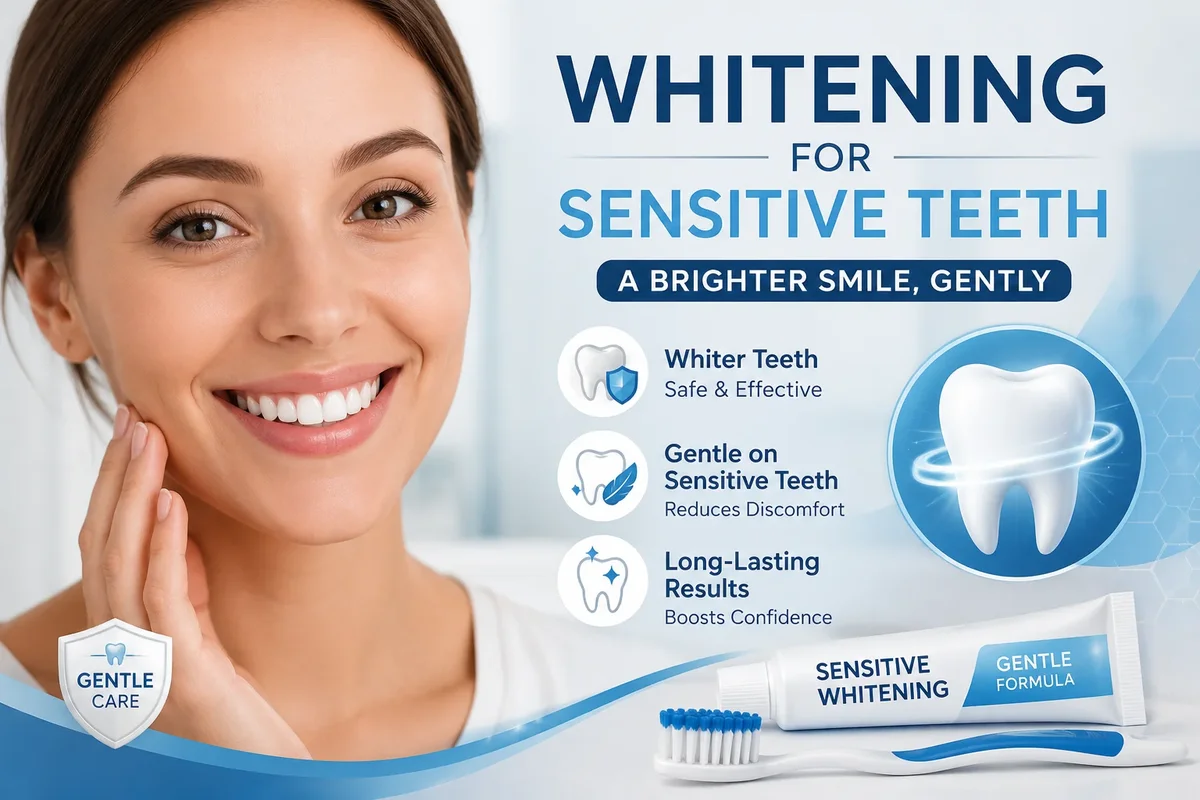
Long-Term Maintenance Tips for a Brighter and Healthier Smile
Achieving a whiter smile is only the first step in the journey toward long-lasting dental confidence. Once a successful whitening for sensitive teeth treatment has been completed, maintaining those results becomes the next priority. Many people focus heavily on whitening itself but underestimate the importance of long-term maintenance. Without proper care, stains can gradually return, sensitivity may worsen, and the benefits of whitening can diminish over time. Fortunately, a combination of good oral hygiene, smart dietary habits, professional dental care, and sensitivity management can help preserve a bright smile for years.
Whether whitening was performed professionally or at home, consistent maintenance plays a crucial role in maximizing the longevity of whitening for sensitive teeth. The goal is not only to maintain a brighter appearance but also to protect enamel, prevent sensitivity, and support overall oral health.
Maintain Excellent Daily Oral Hygiene
The foundation of long-term success after whitening for sensitive teeth is a strong oral hygiene routine. Plaque buildup, food debris, and bacterial accumulation contribute to discoloration over time. Consistent cleaning helps prevent new stains from developing.
A healthy routine should include:
- Brushing twice daily
- Flossing every day
- Cleaning the tongue regularly
- Using an antibacterial mouthwash when recommended
- Replacing toothbrushes every three months
Regular oral hygiene not only preserves whitening results but also helps protect against cavities and gum disease.
Choose the Right Toothpaste
Individuals who have undergone whitening for sensitive teeth should select toothpaste carefully. Products containing potassium nitrate, fluoride, or hydroxyapatite can help manage sensitivity while supporting enamel strength.
Highly abrasive whitening toothpastes should be used cautiously because excessive abrasion may contribute to enamel wear and increased sensitivity over time.
Continue Using Sensitivity-Friendly Products
Sensitivity does not always disappear immediately after whitening. Many patients benefit from continuing to use products specifically formulated for whitening for sensitive teeth even after treatment is complete.
Helpful products may include:
- Desensitizing toothpaste
- Fluoride rinses
- Hydroxyapatite-based oral care products
- Remineralizing gels
These products help maintain enamel health and reduce the risk of future discomfort.
Watch Your Diet Carefully
Diet has a direct impact on the longevity of whitening for sensitive teeth. Many common foods and beverages contain pigments that gradually stain enamel. Others contain acids that weaken enamel and increase sensitivity.
Common stain-causing substances include:
- Coffee ☕
- Tea
- Red wine 🍷
- Dark sodas
- Tobacco products 🚭
- Soy sauce
- Balsamic vinegar
- Dark berries 🫐
While complete avoidance is not always necessary, moderation is highly beneficial for maintaining whitening results.
The Importance of Water
One of the simplest ways to protect results after whitening for sensitive teeth is by drinking water throughout the day. Water helps wash away pigments, neutralize acids, and support saliva production.
Rinsing with water immediately after consuming stain-causing foods can significantly reduce discoloration risks.
Schedule Regular Professional Dental Cleanings
Routine dental cleanings remain one of the most effective methods for preserving the benefits of whitening for sensitive teeth. Even with excellent home care, plaque and tartar gradually accumulate in areas that are difficult to clean thoroughly.
Professional cleanings provide:
- Removal of surface stains
- Plaque and tartar elimination
- Early detection of oral health problems
- Improved gum health
- Support for long-term whitening maintenance
Most patients benefit from professional cleanings every six months, although individual recommendations may vary.
Avoid Tobacco Products
Tobacco is one of the most significant contributors to tooth discoloration. Smoking and other tobacco products can rapidly reverse the results achieved through whitening for sensitive teeth.
Tobacco use contributes to:
- Yellow and brown staining
- Persistent discoloration
- Increased plaque buildup
- Gum disease risk
- Oral cancer risk
Patients who avoid tobacco generally maintain whitening results for significantly longer periods.
Whitening Results Last Longer Without Tobacco
Research consistently demonstrates that smokers often require more frequent whitening touch-ups than non-smokers. Eliminating tobacco use supports both cosmetic and overall oral health goals.
Consider Periodic Touch-Up Treatments
Even with excellent care, teeth naturally accumulate stains over time. Many patients choose periodic maintenance treatments to preserve the benefits of whitening for sensitive teeth.
Touch-up options may include:
- Professional whitening maintenance sessions
- Custom whitening trays
- Whitening strips formulated for sensitive teeth
- Dentist-approved whitening gels
Touch-up schedules vary depending on lifestyle habits, dietary choices, and individual whitening goals.
Protect Enamel for Long-Term Success
Enamel health is essential for maintaining the results of whitening for sensitive teeth. Strong enamel not only supports whitening longevity but also reduces sensitivity and protects against cavities.
Helpful enamel-protection strategies include:
- Limiting acidic foods and beverages
- Using fluoride products
- Avoiding aggressive brushing
- Wearing a night guard if you grind your teeth
- Maintaining regular dental checkups
Protecting enamel is one of the most effective long-term investments in oral health.
Grinding and Clenching Can Affect Whitening Results
Bruxism, or teeth grinding, can contribute to enamel wear and increased sensitivity. Patients who grind their teeth may benefit from protective night guards to preserve both enamel and the success of whitening for sensitive teeth.
Monitor Changes in Sensitivity
Although modern whitening for sensitive teeth treatments are designed to minimize discomfort, sensitivity levels can change over time. Persistent or worsening sensitivity may indicate an underlying dental issue that requires professional attention.
Potential warning signs include:
- Sharp pain when eating
- Temperature sensitivity
- Visible gum recession
- Cracked teeth
- Persistent discomfort after whitening
Early evaluation helps prevent minor issues from developing into more significant problems.
Build Sustainable Habits for a Lifetime Smile
The most successful patients view whitening for sensitive teeth as part of a broader commitment to oral health rather than a one-time cosmetic procedure. Long-term habits consistently produce the best outcomes.
These habits include:
- Daily oral hygiene
- Healthy dietary choices
- Routine professional care
- Enamel protection
- Sensitivity management
- Responsible whitening maintenance
Patients seeking personalized guidance regarding whitening for sensitive teeth and long-term smile care can contact experienced dental professionals through the Redent Klinik Contact Page. Additional oral health recommendations and evidence-based resources are available through the American Dental Association.
Ultimately, maintaining the results of whitening for sensitive teeth requires consistency, patience, and proper care. By combining excellent oral hygiene with healthy lifestyle choices and professional dental support, patients can enjoy a brighter, healthier, and more confident smile for many years to come. 😁✨