
Dentist tourism has transformed the way people access dental care around the world. In recent years, millions of patients have traveled internationally to receive high-quality dental treatments at significantly lower costs than they would pay in their home countries. The rapid growth of dentist tourism is driven by rising healthcare expenses, long waiting times, and the desire for advanced dental procedures that combine affordability with excellent clinical standards. As a result, dentist tourism has become a major segment of the global medical travel industry.
At its core, dentist tourism refers to traveling to another country specifically for dental treatment. Unlike traditional vacations, the primary purpose of the trip is oral healthcare, although many patients also enjoy sightseeing and relaxation during their stay. Dentist tourism commonly includes treatments such as dental implants, crowns, veneers, bridges, root canal therapy, orthodontics, teeth whitening, and full-mouth rehabilitation. These procedures can often be completed at a fraction of the cost compared to countries with higher healthcare expenses.
One of the biggest reasons patients choose dentist tourism is the opportunity to save money without sacrificing quality. In countries such as the United States, Canada, the United Kingdom, and Australia, dental procedures can be extremely expensive. A single dental implant may cost several thousand dollars, while a complete smile makeover can reach tens of thousands of dollars. Through dentist tourism, patients frequently find the same treatments available for 50% to 80% less. These savings can be substantial, especially for individuals requiring multiple procedures.
However, cost is not the only factor contributing to the popularity of dentist tourism. Many international dental clinics have invested heavily in modern equipment and advanced treatment technologies. Digital smile design, 3D imaging systems, CAD/CAM restorations, laser dentistry, and computer-guided implant surgery are commonly available in leading dentist tourism destinations. These technological advancements allow dentists to provide accurate diagnoses, precise treatment planning, and predictable outcomes for patients traveling from abroad.
Another advantage of dentist tourism is faster access to treatment. In some healthcare systems, patients may wait weeks or months for specialist appointments. Dentist tourism often allows patients to schedule consultations and procedures within a much shorter timeframe. Many clinics catering to international visitors have streamlined processes that make treatment planning efficient and convenient. This accessibility is one reason why dentist tourism continues to gain popularity among patients seeking timely dental care.
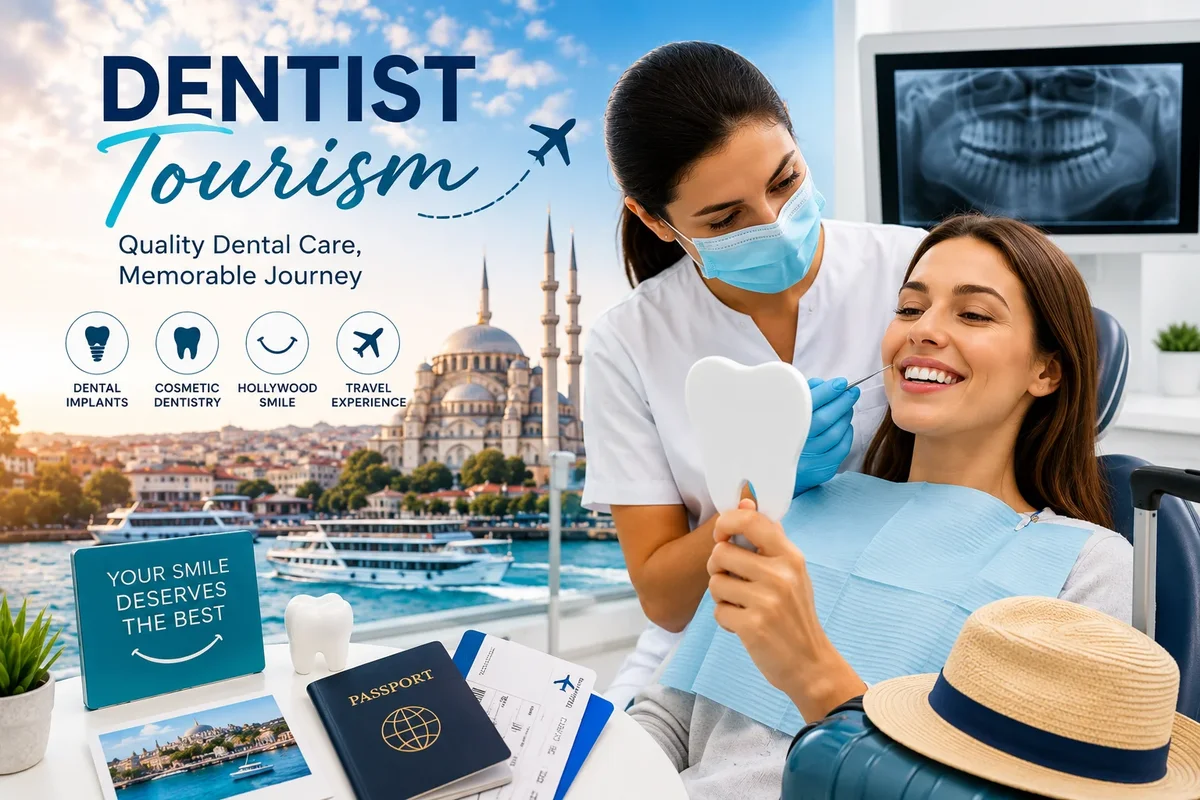
Many people considering dentist tourism also appreciate the opportunity to combine healthcare with travel. Popular destinations offer beautiful landscapes, cultural attractions, and world-class hospitality. Patients can recover comfortably while exploring historical sites, enjoying local cuisine, or relaxing in scenic environments. This combination of dental care and travel creates a unique experience that differs significantly from receiving treatment in a local clinic. For many individuals, dentist tourism turns an otherwise stressful healthcare experience into a positive and memorable journey. 🌍✈️😁
Turkey has become one of the world’s leading destinations for dentist tourism. The country attracts thousands of international patients every year due to its highly qualified dentists, modern clinics, competitive pricing, and strategic geographic location. Cities such as Istanbul, Antalya, and Izmir are particularly well known for dentist tourism services. Patients frequently choose Turkey for dental implants, veneers, smile makeovers, and complex restorative procedures because they can access high-quality treatment while enjoying a comfortable travel experience.
When evaluating dentist tourism options, safety should always be a top priority. Patients should research dental clinics thoroughly before making any commitments. Important considerations include dentist qualifications, clinic accreditation, patient reviews, before-and-after case studies, infection control standards, and treatment guarantees. Reputable dentist tourism providers are transparent about their credentials and are willing to answer detailed questions regarding treatment plans and expected outcomes.
Communication is another critical aspect of successful dentist tourism. Many clinics serving international patients employ multilingual coordinators who assist with scheduling, travel arrangements, and treatment explanations. Effective communication helps ensure that patients fully understand their procedures, costs, recovery expectations, and long-term maintenance requirements. A positive dentist tourism experience often depends on clear and open communication between the patient and dental team.
Patients considering dentist tourism should also understand that travel planning plays an important role in treatment success. Depending on the procedure, multiple visits may be necessary. Dental implant treatments, for example, sometimes require healing periods between stages. Patients should discuss timelines carefully with their chosen clinic and ensure they can accommodate any necessary follow-up visits. Proper planning contributes significantly to a successful dentist tourism experience.
Researching treatment costs is another essential step. While dentist tourism can offer remarkable savings, patients should request detailed treatment estimates before traveling. These estimates should clearly outline procedure costs, diagnostic fees, materials used, accommodation arrangements, and any potential additional expenses. Transparent pricing helps patients make informed decisions and avoid unexpected costs during their dentist tourism journey.
Many patients find reassurance by consulting trusted organizations that provide educational resources about oral health and dental care standards. The American Dental Association offers valuable information that can help individuals better understand various dental procedures and treatment considerations. Combining professional guidance with thorough research can significantly improve the overall dentist tourism experience.
As the global healthcare landscape continues to evolve, dentist tourism is expected to remain a popular solution for individuals seeking affordable and high-quality dental care. Advances in technology, improved international accessibility, and increasing patient awareness continue to drive growth within the sector. Whether a patient requires a single implant, cosmetic veneers, or a complete oral rehabilitation, dentist tourism provides access to professional treatment options that may otherwise be financially challenging in their home country.
Ultimately, dentist tourism represents more than simply traveling for dental care. It is an opportunity to improve oral health, restore confidence, access advanced treatment technologies, and potentially save thousands of dollars. By carefully researching destinations, selecting reputable clinics, and planning treatment appropriately, patients can benefit greatly from the advantages that dentist tourism offers. For those exploring treatment opportunities abroad, the Redent Klinik Contact Page can provide additional information and professional assistance in planning a personalized dental care journey.
What Is Dentist Tourism and Why Is It Growing Worldwide?
Dentist tourism has become one of the most significant developments in modern healthcare and international travel. The term dentist tourism describes the practice of traveling to another country to receive dental treatment while often combining the experience with a vacation or cultural visit. Over the last two decades, dentist tourism has evolved from a niche concept into a global industry worth billions of dollars. Patients from North America, Europe, Australia, and the Middle East increasingly choose dentist tourism because it allows them to access high-quality dental care at considerably lower prices than those available in their home countries.
The growth of dentist tourism is driven by several factors, including rising healthcare costs, increased international travel accessibility, advancements in dental technology, and greater awareness of treatment options abroad. Today, dentist tourism is no longer viewed as an alternative solution only for people seeking lower prices. Instead, many patients see dentist tourism as a practical way to obtain excellent dental care from experienced professionals while enjoying a comfortable travel experience.
The Definition of Dentist Tourism
At its simplest, dentist tourism refers to traveling outside one’s home country specifically to receive dental treatment. Patients may travel short distances across borders or fly thousands of miles to access specialized care. Dentist tourism covers a wide range of treatments, including dental implants, veneers, crowns, bridges, orthodontics, root canal treatments, full-mouth restorations, and cosmetic smile makeovers.
Unlike emergency dental travel, dentist tourism is usually planned well in advance. Patients research clinics, compare treatment options, review credentials, and schedule appointments before beginning their journey. This preparation helps ensure that the dentist tourism experience is efficient and successful.
Many dentist tourism destinations have developed dedicated services for international patients. These services often include airport transfers, accommodation assistance, treatment coordinators, translation services, and post-treatment support. Such conveniences make dentist tourism accessible even for individuals who have never traveled abroad for healthcare before.
Why Dentist Tourism Is Becoming More Popular
The increasing popularity of dentist tourism can largely be attributed to affordability. Dental procedures in countries such as the United States, Canada, and the United Kingdom can be extremely expensive. Patients requiring multiple implants or complex restorative treatments may face costs that exceed their budgets.
Through dentist tourism, patients frequently discover that they can receive equivalent or even superior treatment while spending significantly less. Savings often range between 50% and 80%, depending on the destination and procedure. These financial benefits have made dentist tourism an attractive option for retirees, families, and working professionals alike.
However, affordability alone does not explain the growth of dentist tourism. Modern international clinics often invest heavily in advanced technologies, highly trained specialists, and patient-centered care. As a result, many patients choose dentist tourism not only because of cost savings but also because of the quality of care available abroad.
Improved Global Transportation
One reason dentist tourism has expanded rapidly is the accessibility of international travel. Budget airlines, expanded flight networks, and online travel platforms have made global travel easier and more affordable than ever before. Patients can now reach leading dentist tourism destinations within a few hours and often combine treatment with leisure activities.
This convenience has transformed dentist tourism into a realistic option for millions of people. What once seemed complicated and risky is now considered manageable and routine for many patients seeking dental care.
Advances in Dental Technology
Modern dentist tourism destinations often feature state-of-the-art dental facilities equipped with cutting-edge technologies. Digital impressions, 3D imaging systems, computer-guided implant surgery, CAD/CAM restorations, and laser dentistry are commonly available in clinics that specialize in dentist tourism.
These technologies improve treatment accuracy, reduce procedure times, enhance patient comfort, and contribute to better long-term outcomes. As a result, patients increasingly trust dentist tourism providers to deliver excellent clinical results.
Which Countries Lead the Dentist Tourism Industry?
Several countries have established themselves as major destinations for dentist tourism. Turkey, Hungary, Mexico, Thailand, Poland, and Spain consistently attract international patients due to their combination of affordability and quality.
Turkey has emerged as one of the most recognized destinations for dentist tourism. Modern clinics, internationally trained dentists, competitive pricing, and strong tourism infrastructure have positioned the country as a leader in the field. Patients frequently travel to Turkey for dental implants, cosmetic dentistry, and comprehensive smile restoration treatments.
Mexico remains popular among North American patients because of its proximity to the United States and significantly lower treatment costs. Similarly, Hungary has long been recognized as a leading dentist tourism destination within Europe.
The Role of Quality Standards in Dentist Tourism
A major reason for the continued growth of dentist tourism is the increasing emphasis on quality assurance. Reputable clinics understand that international patients require confidence before traveling abroad for treatment. Consequently, many dentist tourism providers maintain international accreditations, strict sterilization protocols, and transparent treatment planning processes.
Patients researching dentist tourism opportunities often review dentist qualifications, clinic certifications, patient testimonials, and before-and-after treatment cases. These resources help build trust and support informed decision-making.
Organizations such as the American Dental Association provide valuable educational information that can help patients better understand dental procedures and treatment standards when evaluating dentist tourism options.
The Future of Dentist Tourism
The future of dentist tourism appears exceptionally promising. As healthcare costs continue to rise in many countries, more individuals are expected to explore international treatment options. Advances in digital communication, virtual consultations, artificial intelligence, and treatment planning software will likely make dentist tourism even more convenient and accessible.
Patients can now communicate directly with clinics, share dental scans electronically, and receive preliminary treatment plans before traveling. These innovations reduce uncertainty and improve the overall dentist tourism experience.
Ultimately, dentist tourism is growing worldwide because it successfully addresses several key patient priorities: affordability, quality, convenience, access to advanced technology, and personalized care. As awareness continues to increase, dentist tourism is expected to remain one of the fastest-growing sectors within global healthcare travel. For patients seeking a combination of exceptional dental treatment and meaningful cost savings, dentist tourism offers a compelling solution that continues to gain momentum across the world.
Top Benefits of Choosing Dentist Tourism for Dental Treatment
Dentist tourism has become increasingly popular among patients seeking affordable, high-quality dental care outside their home countries. While cost savings are often the first advantage people associate with dentist tourism, the reality is that the benefits extend far beyond financial considerations. Modern dentist tourism combines advanced dental technology, highly qualified professionals, shorter waiting times, and the opportunity to travel, creating a unique healthcare experience that appeals to millions of patients worldwide.
For many individuals, dentist tourism represents an opportunity to receive treatments that may otherwise be financially inaccessible. However, the value of dentist tourism lies not only in affordability but also in convenience, treatment quality, patient-centered care, and access to specialized procedures. Understanding these benefits can help patients make informed decisions when considering dental care abroad.
Significant Cost Savings Without Sacrificing Quality
The most widely recognized advantage of dentist tourism is the potential for substantial cost savings. Dental treatments can be extremely expensive in countries such as the United States, Canada, Australia, and the United Kingdom. Procedures such as dental implants, porcelain veneers, crowns, and full-mouth restorations often require investments that many patients find difficult to afford.
Through dentist tourism, patients frequently save between 50% and 80% on major dental procedures. These savings are possible because operating costs, labor expenses, and healthcare overhead are often lower in popular dentist tourism destinations. Importantly, lower costs do not necessarily indicate lower quality. Many dentist tourism clinics operate with modern facilities, advanced technologies, and internationally trained dentists.
Examples of Potential Savings
While costs vary depending on location and treatment complexity, dentist tourism can provide remarkable value. A dental implant that may cost $3,000 to $5,000 in some countries can often be completed for significantly less in established dentist tourism destinations. Similar savings may apply to veneers, crowns, bridges, and smile makeover treatments.
For patients requiring multiple procedures, the cumulative financial benefits of dentist tourism can be substantial, even after accounting for travel and accommodation expenses.
Access to Advanced Dental Technology
Another major advantage of dentist tourism is access to cutting-edge dental technologies. Leading clinics that specialize in dentist tourism understand the expectations of international patients and invest heavily in modern equipment. This commitment to innovation allows them to deliver efficient, precise, and predictable treatment outcomes.
Technologies commonly available through dentist tourism providers include:
- 3D cone beam computed tomography (CBCT)
- Digital smile design software
- CAD/CAM restoration systems
- Computer-guided implant placement
- Laser dentistry equipment
- Digital intraoral scanners
- Advanced sterilization systems
These technologies improve treatment planning, reduce procedural risks, and enhance patient comfort. Many patients participating in dentist tourism are pleasantly surprised by the sophistication of the clinics they visit.
Highly Qualified Dental Professionals
A common misconception is that dentist tourism involves compromising on professional expertise. In reality, many dentist tourism destinations have highly educated dentists who receive international training and regularly attend global conferences and continuing education programs.
Many dentists working within the dentist tourism sector are experienced in treating international patients and managing complex restorative or cosmetic cases. Their expertise often extends to advanced implantology, prosthodontics, cosmetic dentistry, and full-mouth rehabilitation.
As competition within the dentist tourism industry increases, clinics continually invest in staff training and professional development to maintain high standards of care.
Shorter Waiting Times
In several countries, patients may wait weeks or even months for specialist consultations and treatment appointments. Long waiting periods can delay necessary dental care and prolong discomfort.
One of the significant benefits of dentist tourism is rapid access to treatment. Clinics catering to international patients often offer flexible scheduling and efficient treatment planning. Many dentist tourism patients can arrange consultations and procedures within a relatively short timeframe.
This convenience is particularly valuable for individuals seeking urgent restorative treatment, cosmetic improvements, or dental implant procedures.
Efficient Treatment Scheduling
Many dentist tourism clinics are designed specifically to accommodate international travelers. Treatment plans are often structured to maximize efficiency while maintaining high-quality standards. As a result, procedures that might require multiple visits over several months in one country can sometimes be completed within a condensed timeframe abroad.
Personalized Patient Care
Patient experience has become a central focus within the dentist tourism industry. Clinics recognize that international visitors require additional support throughout their treatment journey. Consequently, many dentist tourism providers offer comprehensive patient services that go beyond traditional dental care.
These services may include:
- Virtual consultations before travel
- Dedicated treatment coordinators
- Airport transportation assistance
- Accommodation recommendations
- Multilingual support
- Post-treatment follow-up care
Such personalized attention helps create a smooth and comfortable dentist tourism experience from initial consultation through final recovery.
The Opportunity to Combine Treatment with Travel
One of the most unique aspects of dentist tourism is the ability to combine healthcare with international travel. Patients can improve their oral health while simultaneously experiencing new cultures, attractions, and destinations.
Popular dentist tourism destinations often offer beautiful scenery, rich history, excellent cuisine, and modern hospitality infrastructure. Patients frequently use recovery periods to explore local landmarks, relax at resorts, or enjoy cultural activities. 🌍✈️🦷
This combination of treatment and travel transforms dentist tourism into a more positive and enjoyable experience compared to traditional dental care.
Access to Comprehensive Smile Transformations
Many patients turn to dentist tourism because it allows them to pursue extensive treatment plans that may be financially challenging at home. Full smile makeovers, multiple implants, complete restorations, and advanced cosmetic procedures become more accessible through dentist tourism.
These treatments can significantly improve both oral function and self-confidence. Patients often report enhanced quality of life following successful dentist tourism experiences, particularly when extensive restorative work is involved.
Growing Global Trust in Dentist Tourism
The increasing popularity of dentist tourism reflects growing confidence in international dental care providers. Online reviews, patient testimonials, virtual consultations, and transparent treatment planning have helped build trust among prospective patients.
Many reputable clinics openly share treatment outcomes, patient stories, and professional credentials, making it easier for individuals to evaluate their options before committing to dentist tourism.
Educational resources provided by organizations such as the American Dental Association also help patients better understand dental procedures and make informed treatment decisions.
Ultimately, dentist tourism offers a compelling combination of affordability, quality, convenience, advanced technology, and personalized care. Whether a patient requires a single procedure or a complete smile transformation, dentist tourism can provide access to professional treatment solutions while delivering substantial value. For individuals considering international dental care, consulting experienced providers through the Redent Klinik Contact Page can be an important first step toward achieving optimal oral health and long-lasting results.
How to Choose the Best Destination for Dentist Tourism
Selecting the right destination is one of the most important decisions anyone can make when considering dentist tourism. While the promise of lower costs and high-quality care attracts millions of patients each year, not all destinations offer the same standards, services, or patient experience. Successful dentist tourism requires careful research, realistic expectations, and a clear understanding of what factors contribute to excellent treatment outcomes. Choosing the best location can significantly impact treatment quality, safety, convenience, and overall satisfaction.
The global dentist tourism industry has expanded rapidly, creating numerous options for international patients. Countries such as Turkey, Hungary, Mexico, Thailand, Spain, Poland, and the United Arab Emirates have developed strong reputations within dentist tourism. However, the ideal destination varies depending on the patient’s treatment needs, budget, travel preferences, and personal priorities.
Evaluate the Quality of Dental Care
The first and most important factor when choosing a dentist tourism destination is the quality of dental care available. Saving money should never come at the expense of safety or treatment outcomes. Patients should prioritize clinics that maintain high professional standards, modern facilities, and experienced dental teams.
Researching clinic credentials is essential. Look for dentists who have completed advanced training, participate in continuing education programs, and have experience treating international patients. Many reputable dentist tourism providers openly share information about their qualifications, certifications, and treatment success rates.
Before selecting a destination, patients should also review before-and-after photos, independent patient testimonials, and online reviews. These resources provide valuable insight into the quality of care delivered by dentist tourism clinics.
Importance of International Standards
Leading dentist tourism clinics often follow internationally recognized sterilization and infection-control protocols. Modern equipment, digital diagnostics, and strict patient safety procedures contribute to better treatment outcomes and increased patient confidence.
Choosing a destination known for maintaining high healthcare standards can reduce risks and improve the overall dentist tourism experience.
Consider the Types of Treatments Available
Different dentist tourism destinations may specialize in different types of dental procedures. Some countries have become globally recognized for dental implants, while others are known for cosmetic dentistry, orthodontics, or full-mouth rehabilitation.
Before choosing a destination, patients should determine which treatments they require and verify that clinics in the selected location have extensive experience performing those procedures. Dentist tourism is most successful when patients match their specific treatment needs with a destination that has demonstrated expertise in that area.
For example, a patient seeking a complete smile makeover may prioritize cosmetic dentistry expertise, while someone requiring multiple implants may focus on destinations with strong reputations in implantology.
Compare Travel Accessibility
Accessibility plays a major role in successful dentist tourism planning. Even if a destination offers exceptional treatment quality, long and complicated travel arrangements may create unnecessary stress.
Patients should consider factors such as:
- Flight availability
- Travel duration
- Visa requirements
- Airport proximity to clinics
- Transportation infrastructure
- Language accessibility
Many successful dentist tourism destinations have developed strong transportation networks specifically to accommodate international patients. Easy access can simplify treatment planning and improve overall convenience.
Importance of Follow-Up Visits
Some dental treatments require multiple appointments or follow-up visits. Dental implants, for example, may involve separate stages that occur months apart. Choosing a dentist tourism destination with convenient travel options can make future visits easier and more affordable.
This practical consideration is often overlooked but can significantly influence long-term satisfaction.
Analyze Overall Treatment Costs
Cost remains one of the primary motivations behind dentist tourism, but patients should evaluate total expenses rather than focusing solely on treatment prices. The lowest treatment quote does not always represent the best value.
When comparing dentist tourism destinations, consider:
- Procedure costs
- Accommodation expenses
- Flight prices
- Local transportation
- Meals and daily expenses
- Potential follow-up visits
In many cases, a destination with slightly higher treatment costs may offer greater overall value due to superior quality, shorter treatment times, or lower travel expenses.
Comprehensive cost evaluation helps patients make informed dentist tourism decisions without unexpected financial surprises.
Review Communication and Patient Support Services
Effective communication is essential in dentist tourism. Patients should feel comfortable discussing treatment plans, asking questions, and understanding all aspects of their care.
Many leading dentist tourism clinics provide multilingual treatment coordinators who assist patients before, during, and after treatment. These coordinators help manage appointments, travel logistics, accommodation arrangements, and post-treatment follow-up.
Strong communication reduces misunderstandings and contributes to a smoother dentist tourism experience.
Virtual Consultations
Many dentist tourism providers now offer virtual consultations before patients travel. During these sessions, dentists can review photographs, X-rays, and treatment goals while providing preliminary recommendations.
Virtual consultations help patients evaluate clinics and build trust before committing to international travel.
Assess the Destination’s Reputation
Established dentist tourism destinations often benefit from years of positive patient experiences and industry recognition. Countries that consistently attract international patients typically invest heavily in healthcare infrastructure and tourism services.
Researching a destination’s reputation can provide valuable insights into the quality and reliability of available dental care. Patients should seek independent reviews, online forums, video testimonials, and professional recommendations when evaluating dentist tourism options.
Destinations with strong reputations tend to offer greater transparency and accountability, which can enhance patient confidence.
Consider Comfort and Recovery Environment
Recovery is an important part of any dental treatment journey. The best dentist tourism destinations provide not only excellent clinical care but also comfortable environments where patients can rest and recover.
Factors such as climate, accommodation quality, local attractions, and hospitality services can positively influence the overall experience. Many dentist tourism patients appreciate the opportunity to recover in scenic destinations while enjoying cultural experiences and relaxation opportunities. 🌴😁
A pleasant recovery environment can contribute to reduced stress and improved overall satisfaction.
Why Turkey Is a Leading Choice for Dentist Tourism
Turkey has emerged as one of the most popular destinations for dentist tourism due to its combination of affordability, quality, accessibility, and hospitality. Modern clinics equipped with advanced technologies, highly trained dentists, and competitive pricing continue to attract patients from across Europe, North America, and the Middle East.
Many international patients choose Turkey because it offers comprehensive treatment packages, multilingual support, and convenient travel connections. These advantages have positioned Turkey at the forefront of global dentist tourism.
Organizations such as the American Dental Association provide educational resources that can help patients better understand dental procedures when researching dentist tourism opportunities.
Ultimately, selecting the best destination for dentist tourism requires balancing quality, safety, cost, convenience, and patient support. Thorough research and careful planning can help patients identify a destination that meets their needs while maximizing the benefits of international dental care. Individuals seeking personalized guidance and professional treatment planning can learn more through the Redent Klinik Contact Page, where experienced professionals can provide detailed information tailored to specific treatment goals.
Popular Dental Procedures Available Through Dentist Tourism
One of the main reasons dentist tourism has become a global phenomenon is the wide range of dental procedures available to international patients. Modern dental clinics that specialize in dentist tourism offer comprehensive treatment options that address both functional and cosmetic dental concerns. From routine restorative procedures to complex full-mouth rehabilitations, dentist tourism provides access to advanced treatments that are often significantly more affordable than those available in many patients’ home countries.
Today, dentist tourism is no longer limited to basic dental care. Patients travel internationally for highly specialized procedures performed by experienced professionals using advanced technology. This combination of affordability, expertise, and accessibility has made dentist tourism a preferred choice for individuals seeking both essential dental treatment and aesthetic smile improvements.
Dental Implants: The Most Requested Dentist Tourism Procedure
Dental implants are among the most popular treatments associated with dentist tourism. Missing teeth can affect oral health, chewing function, speech, and self-confidence. Dental implants provide a long-term solution by replacing missing tooth roots with titanium posts that support crowns, bridges, or dentures.
Many patients pursue dentist tourism specifically for implant treatment because implant costs can be extremely high in countries such as the United States, Canada, and the United Kingdom. Through dentist tourism, patients often receive the same high-quality implant systems and advanced surgical techniques at a substantially lower cost.
Modern dentist tourism clinics commonly utilize digital planning software, 3D imaging, and computer-guided implant placement to improve precision and treatment outcomes. These technologies contribute to high success rates and increased patient satisfaction.
Full-Arch Implant Solutions
In addition to single implants, many dentist tourism providers offer advanced full-arch restoration solutions such as All-on-4 and All-on-6 treatments. These procedures allow patients with extensive tooth loss to restore an entire arch using a limited number of strategically placed implants.
For many international patients, dentist tourism makes these transformative procedures financially accessible while maintaining high clinical standards.
Porcelain Veneers and Smile Makeovers
Cosmetic dentistry represents another major area of growth within dentist tourism. Patients seeking brighter, more symmetrical smiles frequently travel abroad for porcelain veneers and complete smile makeover treatments.
Porcelain veneers are thin custom-made shells bonded to the front surfaces of teeth. They can improve the appearance of discoloration, minor misalignment, gaps, worn enamel, and irregular tooth shapes. Because cosmetic procedures are often not covered by insurance, dentist tourism offers a cost-effective pathway for achieving aesthetic goals.
Smile makeovers frequently combine multiple cosmetic treatments, including veneers, teeth whitening, gum contouring, and crowns. Through dentist tourism, patients can often complete these comprehensive treatment plans at a fraction of domestic costs.
Digital Smile Design Technology
Many dentist tourism clinics utilize digital smile design systems that allow patients to preview potential treatment outcomes before procedures begin. This technology enhances communication and helps ensure that treatment results align with patient expectations.
The integration of advanced cosmetic planning tools has contributed significantly to the growing popularity of dentist tourism among patients seeking aesthetic improvements.
Dental Crowns and Bridges
Dental crowns and bridges remain essential restorative treatments within the dentist tourism industry. Crowns are used to strengthen damaged teeth, while bridges replace one or more missing teeth by anchoring artificial teeth to adjacent natural teeth or implants.
Patients often choose dentist tourism for these procedures because high-quality materials such as zirconia and porcelain can be obtained at significantly lower costs compared to many domestic markets.
Modern dentist tourism clinics frequently employ CAD/CAM technology to design and manufacture restorations with exceptional precision. This allows for improved fit, durability, and aesthetics.
Teeth Whitening Treatments
Professional teeth whitening is another popular service available through dentist tourism. While whitening procedures are less expensive than major restorative treatments, many patients choose to include them as part of broader smile enhancement plans.
Professional whitening systems used in dentist tourism clinics typically produce faster and more noticeable results than over-the-counter alternatives. Many patients schedule whitening procedures alongside veneers, crowns, or other cosmetic treatments to maximize smile aesthetics.
The convenience of combining multiple procedures during a single dentist tourism trip adds to the appeal of international dental care.
Orthodontic Treatments
Orthodontic care has also become increasingly accessible through dentist tourism. Patients seeking straighter teeth can often choose from traditional braces, ceramic braces, lingual braces, and clear aligner systems.
Advancements in digital orthodontics have enabled many dentist tourism providers to offer sophisticated treatment planning and monitoring solutions. In some cases, patients can begin treatment abroad and continue monitoring remotely after returning home.
This flexibility has made dentist tourism an attractive option for individuals seeking orthodontic improvements without excessive financial burden.
Clear Aligner Therapy
Clear aligners have become particularly popular among adult patients participating in dentist tourism. Their discreet appearance and convenience make them a preferred alternative to traditional braces for many individuals.
Many clinics specializing in dentist tourism provide customized aligner treatment plans supported by advanced digital scanning technologies.
Root Canal Therapy and Endodontic Procedures
Root canal treatment is another common reason patients pursue dentist tourism. Severe tooth infections can cause significant pain and may require prompt intervention to preserve natural teeth.
Experienced dentist tourism providers utilize modern endodontic equipment, including digital imaging and rotary instrumentation systems, to improve treatment efficiency and patient comfort.
Because root canal therapy can be costly in some countries, dentist tourism offers an affordable solution without compromising treatment quality.
Full-Mouth Rehabilitation
Among the most complex procedures available through dentist tourism is full-mouth rehabilitation. This comprehensive approach combines multiple restorative and cosmetic treatments to rebuild oral health, function, and appearance.
Patients requiring extensive treatment often find dentist tourism particularly appealing because the overall savings can be substantial. Procedures may include implants, crowns, bridges, veneers, periodontal therapy, and bite correction.
Full-mouth rehabilitation requires detailed planning and multidisciplinary expertise, which many leading dentist tourism clinics are equipped to provide.
The Growing Appeal of Comprehensive Dental Travel
The diversity of procedures available through dentist tourism continues to drive industry growth. Patients appreciate the ability to access advanced treatments, modern technology, and experienced professionals while reducing overall treatment costs.
Organizations such as the American Dental Association provide educational information that can help patients better understand various dental procedures before pursuing treatment abroad.
Whether seeking dental implants, veneers, orthodontics, crowns, whitening, or full-mouth restoration, dentist tourism offers an increasingly attractive solution for individuals pursuing high-quality oral healthcare. By carefully selecting reputable providers and understanding available treatment options, patients can maximize the benefits of dentist tourism while achieving long-lasting improvements in both oral health and smile aesthetics. Individuals interested in personalized treatment recommendations can obtain professional guidance through the Redent Klinik Contact Page before beginning their dental travel journey.
Understanding Costs and Savings in Dentist Tourism
One of the primary reasons patients choose dentist tourism is the opportunity to reduce dental treatment expenses while maintaining access to high-quality care. Around the world, dental costs vary dramatically due to differences in labor expenses, operational costs, healthcare systems, taxation, insurance structures, and economic conditions. As a result, dentist tourism has become an increasingly attractive option for individuals seeking advanced dental procedures without the financial burden often associated with treatment in their home countries.
However, understanding the true financial benefits of dentist tourism requires more than simply comparing treatment prices. Patients should evaluate total costs, treatment quality, travel expenses, and long-term value. A comprehensive understanding of how pricing works within dentist tourism helps patients make informed decisions and avoid unexpected surprises during their dental journey.
Why Dental Costs Differ Between Countries
The significant cost differences that drive dentist tourism are largely the result of varying economic conditions. In countries such as the United States, Canada, Australia, and the United Kingdom, dental clinics often face high operating expenses. These expenses include staff salaries, facility costs, insurance premiums, regulatory compliance requirements, and administrative overhead.
By contrast, many popular dentist tourism destinations operate within economies where labor and facility costs are lower. This enables clinics to offer competitive pricing while still investing in modern technology, highly trained staff, and quality materials.
Importantly, lower treatment costs do not necessarily indicate lower standards of care. Many dentist tourism clinics maintain international treatment protocols and utilize the same globally recognized implant systems, restorative materials, and digital technologies found in leading clinics worldwide.
Economic Factors Influencing Pricing
Several factors contribute to lower pricing in dentist tourism destinations:
- Lower labor costs
- Reduced property and facility expenses
- Favorable exchange rates
- Lower administrative overhead
- Competitive healthcare markets
- Government support for medical travel sectors
These factors collectively allow dentist tourism providers to offer significant savings while remaining financially sustainable.
Typical Cost Savings Through Dentist Tourism
The amount patients can save through dentist tourism varies depending on the treatment, destination, and clinic selected. Nevertheless, substantial savings are often possible, particularly for complex procedures involving multiple teeth.
Common estimates suggest that dentist tourism patients may save between 50% and 80% compared to treatment costs in higher-cost countries. The greatest savings are typically associated with treatments such as dental implants, veneers, crowns, bridges, and full-mouth restorations.
Illustrative Price Comparisons
Although exact pricing varies by provider and location, approximate examples may include:
- Single dental implant: $3,000–$5,000 in some Western countries versus $600–$1,500 in leading dentist tourism destinations
- Porcelain veneer: $1,000–$2,500 per tooth versus $150–$500 per tooth
- Zirconia crown: $1,200–$2,500 versus $180–$500
- Full-mouth restoration: $20,000–$60,000 versus $5,000–$15,000
These examples demonstrate why dentist tourism continues to attract patients seeking comprehensive dental treatment.
Evaluating Total Treatment Costs
When assessing dentist tourism opportunities, patients should avoid focusing solely on advertised procedure prices. A complete financial evaluation should consider all expenses associated with the trip.
Important cost categories include:
- Dental treatment fees
- Diagnostic imaging costs
- Medication expenses
- Flights and transportation
- Accommodation
- Meals and daily expenses
- Potential follow-up visits
- Travel insurance
Even after including these additional costs, dentist tourism often remains substantially more affordable than receiving treatment domestically.
The Value of Treatment Packages
Many clinics specializing in dentist tourism offer comprehensive treatment packages designed specifically for international patients. These packages frequently simplify budgeting and reduce logistical challenges.
Typical dentist tourism packages may include:
- Initial consultation
- Treatment planning
- Diagnostic imaging
- Dental procedures
- Airport transfers
- Hotel accommodations
- Patient coordination services
Package-based pricing provides greater transparency and allows patients to estimate total expenses more accurately before traveling.
Transparency Matters
Reputable dentist tourism providers clearly explain what is included in their treatment packages. Patients should always request written treatment plans and itemized cost estimates before making commitments.
Transparent communication helps prevent misunderstandings and contributes to a more positive dentist tourism experience.
Long-Term Financial Benefits
While immediate savings are important, the long-term value of treatment should also be considered. High-quality dental work can provide many years of functionality and aesthetic improvement. Choosing experienced professionals and reliable materials often leads to better long-term outcomes and fewer future complications.
The best dentist tourism decisions are based not only on affordability but also on durability, clinical expertise, and patient satisfaction. Low-cost treatment that requires extensive corrective work later may ultimately become more expensive.
For this reason, patients should balance price considerations with quality assessments when evaluating dentist tourism opportunities.
Understanding Hidden Costs and Risks
Although dentist tourism can provide significant savings, patients should remain aware of potential hidden costs. Incomplete treatment plans, unexpected complications, additional procedures, or repeat visits may increase overall expenses.
Careful planning can help minimize these risks. Patients should ask detailed questions about treatment timelines, warranty policies, follow-up care, and possible additional fees before traveling.
Experienced dentist tourism providers are generally transparent regarding potential risks and associated costs.
Comparing Value Rather Than Price Alone
The lowest price does not always represent the best dentist tourism option. Patients should evaluate the overall value offered by each provider. Factors such as clinical expertise, technology, patient support, safety standards, communication quality, and treatment guarantees can significantly influence treatment outcomes.
Many successful dentist tourism experiences result from selecting clinics that offer an excellent balance between affordability and quality rather than simply choosing the cheapest option available.
The Economic Future of Dentist Tourism
As global healthcare costs continue to rise, dentist tourism is expected to remain an attractive solution for patients seeking affordable treatment. Improvements in transportation, communication technologies, and international healthcare standards are likely to further strengthen the industry.
Patients can now participate in virtual consultations, receive digital treatment plans, and compare clinics worldwide before making decisions. These developments have increased transparency and confidence within the dentist tourism market.
Educational resources from organizations such as the American Dental Association can help patients better understand treatment options and financial considerations when evaluating dentist tourism opportunities.
Ultimately, dentist tourism offers a powerful combination of affordability, accessibility, and quality. By understanding how treatment pricing works, evaluating total costs carefully, and selecting reputable providers, patients can achieve significant financial savings while receiving professional dental care. Individuals seeking personalized treatment estimates and guidance can contact specialists through the Redent Klinik Contact Page to begin planning a successful dentist tourism journey that balances both quality and value.
How to Evaluate the Quality and Safety of Overseas Dental Clinics
One of the most important aspects of a successful dentist tourism experience is selecting a dental clinic that prioritizes quality, safety, and patient care. While the cost savings associated with dentist tourism are often attractive, treatment quality should always be the primary consideration. A well-chosen clinic can provide excellent results, while poor decision-making may lead to complications, dissatisfaction, and additional expenses. For this reason, every patient considering dentist tourism should understand how to properly evaluate overseas dental clinics before committing to treatment.
The global growth of dentist tourism has led to the development of thousands of clinics that cater specifically to international patients. While many of these facilities maintain exceptional standards, not all clinics operate at the same level. Careful research and thorough evaluation are essential to ensuring a safe and successful dentist tourism journey.
Verify Dentist Qualifications and Experience
The first step in evaluating any dentist tourism provider is reviewing the qualifications of the dental team. Patients should investigate where the dentists received their education, whether they have completed advanced training programs, and how much experience they have performing the procedures being considered.
Experienced dentists often publish information about their education, certifications, memberships, and areas of specialization. Patients pursuing dentist tourism should look for professionals with extensive experience in implant dentistry, cosmetic dentistry, prosthodontics, oral surgery, or other relevant specialties.
Many reputable dentist tourism clinics also participate in continuing education programs and international dental conferences, demonstrating their commitment to staying current with evolving treatment methods and technologies.
Review Clinical Experience With International Patients
Experience treating international patients is particularly valuable in dentist tourism. Dentists who regularly work with overseas visitors often have a deeper understanding of treatment planning, travel logistics, language barriers, and post-treatment follow-up requirements.
Clinics with established dentist tourism programs are typically better equipped to provide seamless care from consultation through recovery.
Examine Clinic Accreditation and Certifications
Accreditation is another critical factor when evaluating dentist tourism destinations. Independent certifications can provide reassurance that a clinic meets recognized standards for patient safety, infection control, and quality management.
While accreditation systems vary by country, patients should seek clinics that operate under strict healthcare regulations and maintain transparent quality assurance procedures.
Many dentist tourism providers openly display certifications and memberships on their websites. Reviewing these credentials can help patients identify clinics committed to maintaining professional standards.
Importance of Regulatory Compliance
Reputable dentist tourism clinics comply with national healthcare regulations and regularly undergo inspections or audits. Compliance with these standards helps ensure patient safety and treatment consistency.
Patients should not hesitate to ask clinics directly about their certifications, safety protocols, and quality assurance procedures.
Evaluate Technology and Equipment
Modern technology plays a significant role in successful dentist tourism outcomes. Advanced diagnostic and treatment equipment contributes to greater accuracy, efficiency, and patient comfort.
When researching dentist tourism clinics, patients should look for facilities that utilize:
- Digital X-ray systems
- 3D cone beam computed tomography (CBCT)
- Digital intraoral scanners
- CAD/CAM restoration technology
- Computer-guided implant systems
- Laser dentistry equipment
- Modern sterilization technologies
Access to these technologies often indicates a clinic’s commitment to high-quality care and ongoing investment in clinical excellence.
Read Independent Patient Reviews
Patient reviews are among the most valuable resources available to individuals considering dentist tourism. Testimonials provide real-world insights into treatment quality, communication, professionalism, facility cleanliness, and overall patient satisfaction.
When reviewing feedback, patients should look for detailed accounts rather than generic comments. Reviews that discuss specific procedures, recovery experiences, and long-term results often provide the most useful information.
Multiple review platforms should be consulted whenever possible. Consistent positive feedback across various sources may indicate a trustworthy dentist tourism provider.
Analyze Before-and-After Cases
Many leading dentist tourism clinics publish before-and-after treatment galleries. These visual examples allow prospective patients to evaluate the clinic’s work and assess whether treatment outcomes align with their expectations.
High-quality case documentation often reflects both technical expertise and transparency.
Assess Communication Quality
Clear communication is essential in dentist tourism. Patients must fully understand their diagnosis, treatment options, costs, timelines, and expected outcomes before traveling abroad.
Clinics that respond promptly, answer questions thoroughly, and provide detailed treatment plans demonstrate professionalism and patient-centered care. Poor communication during the planning stage may indicate potential challenges later in the process.
Many successful dentist tourism clinics employ multilingual patient coordinators who help facilitate communication and ensure a smooth treatment experience.
Understand Infection Control and Sterilization Protocols
Patient safety depends heavily on proper infection control procedures. When evaluating dentist tourism providers, patients should inquire about sterilization methods, equipment maintenance, and hygiene protocols.
Modern clinics typically follow rigorous sterilization standards designed to prevent cross-contamination and protect patient health.
Questions regarding infection control should be welcomed by reputable dentist tourism providers, as transparency is a key component of professional healthcare delivery.
Safety Should Never Be Compromised
While affordability is a major advantage of dentist tourism, safety should always take precedence over cost considerations. Selecting the cheapest clinic without thoroughly evaluating quality standards can increase the risk of complications and unsatisfactory outcomes.
Investing time in research often leads to better treatment experiences and greater long-term value.
Review Treatment Guarantees and Follow-Up Policies
Reliable dentist tourism clinics frequently provide warranties or guarantees for specific procedures such as implants, crowns, or veneers. These policies demonstrate confidence in treatment quality and offer additional reassurance to patients.
Patients should also understand the clinic’s approach to follow-up care. In the event that adjustments or additional support are required, clear post-treatment protocols can significantly improve the dentist tourism experience.
Virtual follow-up consultations have become increasingly common and allow patients to maintain communication with their providers after returning home.
Use Trusted Educational Resources
Patients researching dentist tourism can benefit from consulting authoritative educational resources. Organizations such as the American Dental Association provide valuable information regarding dental procedures, patient rights, treatment planning, and oral healthcare standards.
Combining independent research with professional guidance helps patients make informed decisions when selecting dentist tourism providers.
Making a Confident Dentist Tourism Decision
Ultimately, evaluating the quality and safety of overseas dental clinics requires careful attention to qualifications, technology, accreditation, communication, patient reviews, and clinical standards. Dentist tourism can provide exceptional value when patients choose reputable providers that prioritize safety and long-term treatment success.
By thoroughly researching potential clinics and asking detailed questions before committing to treatment, patients can significantly reduce risks while maximizing the benefits of dentist tourism. Individuals seeking professional guidance and personalized treatment planning can learn more through the Redent Klinik Contact Page, where experienced dental professionals can provide detailed information regarding safe and effective international dental care options.
Travel Planning Tips for a Successful Dentist Tourism Experience
Careful preparation is one of the most important factors in achieving a successful dentist tourism experience. While dentist tourism offers significant advantages such as reduced treatment costs, access to advanced procedures, and the opportunity to travel internationally, proper planning ensures that patients can fully benefit from these opportunities while minimizing stress and potential complications. Successful dentist tourism involves much more than simply booking a flight and scheduling a dental appointment. It requires thorough research, clear communication, realistic expectations, and detailed travel coordination.
Patients who approach dentist tourism with a well-organized plan often report smoother treatment experiences, better outcomes, and greater overall satisfaction. Understanding the key elements of travel planning can help individuals maximize the benefits of dentist tourism while avoiding common mistakes.
Start Planning Several Months in Advance
One of the best strategies for successful dentist tourism is to begin planning early. Depending on the complexity of the treatment, patients may need time to gather dental records, compare clinics, arrange consultations, and coordinate travel logistics.
Many dentist tourism providers offer virtual consultations that allow patients to discuss treatment options before committing to travel. Taking advantage of these consultations can help patients understand timelines, costs, and procedural requirements.
Early planning also provides more flexibility when booking flights and accommodations, often resulting in lower overall travel expenses.
Gather Dental Records Before Traveling
Before beginning a dentist tourism journey, patients should collect relevant dental records whenever possible. Existing X-rays, treatment histories, diagnostic reports, and previous dental work information can help the treating dentist develop a more accurate treatment plan.
Providing these records before travel may allow the clinic to perform a preliminary evaluation and identify any potential issues in advance. This preparation can improve efficiency and reduce the likelihood of unexpected treatment modifications.
Many dentist tourism clinics request digital copies of dental records during the initial consultation phase, making it easy to share information electronically.
Digital Communication Simplifies Planning
Advances in technology have significantly improved dentist tourism planning. Patients can now send photographs, radiographs, and medical histories securely online. This allows dental professionals to assess treatment needs before the patient arrives.
Digital communication reduces uncertainty and helps both patients and providers prepare more effectively.
Choose Accommodation Carefully
Accommodation selection is an important aspect of dentist tourism planning. While some procedures involve minimal recovery time, others may require patients to rest comfortably for several days following treatment.
When selecting accommodations, patients should consider:
- Distance from the dental clinic
- Accessibility and transportation options
- Quiet and comfortable recovery environments
- Availability of nearby pharmacies
- Access to restaurants and essential services
- Medical assistance if needed
Many dentist tourism providers maintain partnerships with hotels and serviced apartments specifically designed for international patients.
Understand Treatment Timelines
A critical component of successful dentist tourism is understanding how long treatment will take. Different procedures require different timelines, and some treatments involve multiple stages.
For example, cosmetic procedures such as veneers may be completed during a single visit, while dental implant treatment may require several appointments over a period of months. Patients should discuss expected timelines thoroughly with their chosen dentist tourism provider before booking travel arrangements.
Understanding treatment schedules helps prevent unnecessary stress and ensures sufficient time for both treatment and recovery.
Allow Extra Recovery Time
One common mistake in dentist tourism is scheduling return flights too soon after treatment. Although many procedures involve minimal downtime, patients should allow additional recovery time whenever possible.
Extra recovery days provide opportunities for follow-up evaluations and reduce pressure if minor adjustments become necessary.
Prepare Financially for the Entire Trip
While dentist tourism can provide substantial savings, patients should budget carefully to avoid financial surprises. Treatment costs represent only one portion of the overall expense.
Comprehensive budgeting should include:
- Dental procedure fees
- Flights
- Accommodation
- Transportation
- Meals
- Travel insurance
- Medications
- Emergency contingency funds
Many experienced dentist tourism patients recommend allocating a small financial buffer to accommodate unexpected situations.
Understand Local Travel Requirements
International travel regulations can vary significantly depending on the destination. Patients planning dentist tourism should verify passport validity, visa requirements, vaccination recommendations, and entry regulations well before departure.
Failure to meet travel requirements can disrupt treatment schedules and create unnecessary complications. Reputable dentist tourism providers often assist patients by supplying relevant travel information and guidance.
Staying informed about local regulations contributes to a smoother overall experience.
Communicate Clearly With the Dental Clinic
Strong communication is one of the most important elements of successful dentist tourism. Patients should feel comfortable discussing concerns, asking questions, and clarifying expectations throughout the planning process.
Important topics to discuss include:
- Treatment options
- Estimated costs
- Procedure timelines
- Potential risks
- Recovery expectations
- Warranty policies
- Follow-up care procedures
Effective communication helps ensure that both patient and provider share the same expectations regarding treatment outcomes.
Confirm Every Detail Before Departure
Before traveling, patients should confirm appointment schedules, accommodation arrangements, transportation services, and payment methods. Reviewing these details can prevent misunderstandings and improve overall dentist tourism efficiency.
Many successful dentist tourism experiences result from careful attention to logistical planning before departure.
Plan for Post-Treatment Care
Aftercare is an important component of dentist tourism. Patients should understand how to care for their teeth following treatment and know whom to contact if questions arise after returning home.
Many dentist tourism clinics offer virtual follow-up consultations and ongoing support for international patients. These services help ensure continuity of care and provide reassurance during recovery.
Patients should also discuss long-term maintenance requirements for procedures such as implants, veneers, crowns, and orthodontic treatments.
Combining Travel and Dental Care Successfully
One of the unique advantages of dentist tourism is the opportunity to combine healthcare with travel. Many patients use their recovery period to explore cultural attractions, enjoy local cuisine, and experience new destinations. 🌍✈️😁
However, treatment should remain the primary focus. Patients should balance sightseeing activities with adequate rest and recovery to support optimal healing.
Organizations such as the American Dental Association provide valuable educational resources that can help patients better understand dental procedures and treatment planning considerations before pursuing dentist tourism.
Ultimately, successful dentist tourism depends on thoughtful preparation, clear communication, realistic expectations, and careful travel coordination. By planning thoroughly and working with reputable providers, patients can enjoy the financial, clinical, and personal benefits that dentist tourism offers. Individuals seeking assistance with treatment planning and travel coordination can obtain professional guidance through the Redent Klinik Contact Page, helping ensure a smooth and rewarding international dental care experience.
Potential Risks and Challenges of Dentist Tourism
While dentist tourism offers many advantages, including significant cost savings, access to modern dental treatments, and shorter waiting times, it is important for patients to understand that every medical or dental procedure carries potential risks. Dentist tourism can be highly successful when properly planned, but informed decision-making requires a realistic understanding of the challenges that may arise before, during, and after treatment. Patients who carefully evaluate potential risks are better prepared to minimize complications and maximize the benefits of dentist tourism.
The growing popularity of dentist tourism has encouraged many clinics around the world to improve their services and attract international patients. However, not all providers operate at the same level of quality, and differences in regulations, communication, treatment planning, and follow-up care can create challenges if patients do not conduct adequate research. Understanding these potential concerns is an essential part of responsible dentist tourism planning.
Variations in Clinical Standards
One of the primary concerns associated with dentist tourism is the variation in healthcare standards between countries and clinics. While many dentist tourism destinations offer exceptional care, some facilities may not meet the same standards that patients expect in their home countries.
Differences may exist in areas such as:
- Clinic accreditation requirements
- Infection control protocols
- Sterilization procedures
- Staff training standards
- Regulatory oversight
- Patient safety policies
For this reason, patients considering dentist tourism should thoroughly investigate clinic credentials, certifications, and professional reputation before making a final decision.
Importance of Due Diligence
Careful research is the most effective way to reduce risks associated with dentist tourism. Reviewing independent patient testimonials, verifying qualifications, and requesting detailed treatment information can help identify reputable providers.
Patients should never base dentist tourism decisions solely on price, as quality and safety should always remain top priorities.
Communication Challenges
Language barriers can occasionally present challenges during dentist tourism experiences. Even when clinics provide multilingual staff, misunderstandings may occur if treatment plans, expectations, or recovery instructions are not communicated clearly.
Effective communication is critical because patients must fully understand:
- The proposed treatment plan
- Expected outcomes
- Potential risks
- Recovery requirements
- Long-term maintenance needs
- Financial obligations
Patients should feel comfortable asking questions and requesting clarification whenever necessary throughout the dentist tourism process.
Virtual Consultations Can Help
Many dentist tourism providers now offer virtual consultations before travel. These sessions allow patients to establish communication, discuss treatment details, and address concerns before arriving at the clinic.
Early communication often helps reduce misunderstandings and improves overall patient confidence.
Limited Follow-Up Care After Returning Home
One of the unique challenges associated with dentist tourism is the distance between patients and their treating dentists after procedures are completed. Unlike local treatment, international dental care may make follow-up visits more complicated.
If adjustments, repairs, or additional evaluations become necessary, patients may need to coordinate remotely or potentially return to the treatment destination. This consideration is particularly important for complex procedures such as dental implants, full-mouth restorations, and extensive cosmetic work.
Before committing to dentist tourism, patients should discuss follow-up protocols and understand how post-treatment concerns will be managed.
Importance of Warranty Policies
Many reputable dentist tourism clinics offer warranties for certain procedures. Patients should carefully review these policies and understand what is covered, how claims are handled, and whether travel expenses would be reimbursed if additional treatment becomes necessary.
Clear warranty information provides additional reassurance and helps patients make informed decisions.
Travel-Related Challenges
Travel itself introduces potential complications that do not exist when receiving local dental treatment. Flight delays, visa issues, unexpected illnesses, and logistical disruptions can occasionally affect dentist tourism plans.
Patients should allow flexibility in their schedules and avoid booking return flights immediately after major procedures. Additional recovery time can reduce stress and provide opportunities for follow-up evaluations if needed.
Travel insurance may also offer protection against certain unforeseen circumstances that could impact dentist tourism arrangements.
Differences in Treatment Expectations
Patients pursuing dentist tourism sometimes arrive with expectations that differ from what is clinically achievable. Cosmetic dentistry, smile makeovers, and full-mouth rehabilitation procedures often involve subjective aesthetic preferences.
To avoid disappointment, patients should discuss goals thoroughly with their dental team and review realistic treatment outcomes before procedures begin.
Many successful dentist tourism experiences result from clear communication regarding both the possibilities and limitations of treatment.
Reviewing Before-and-After Cases
Examining previous treatment cases can help patients develop realistic expectations. Reputable dentist tourism providers typically maintain extensive galleries that demonstrate actual clinical outcomes.
These examples allow patients to better understand what can reasonably be achieved through treatment.
Potential Additional Costs
Although dentist tourism is generally associated with substantial savings, unforeseen expenses can occasionally arise. Additional diagnostic procedures, unexpected complications, extended accommodations, or treatment modifications may increase total costs.
Patients should request detailed treatment plans and maintain a financial contingency fund to accommodate unexpected situations. Comprehensive budgeting is an important component of responsible dentist tourism planning.
Understanding all potential expenses before travel can help minimize financial surprises.
Health and Medical Considerations
Not every patient is an ideal candidate for dentist tourism. Individuals with complex medical conditions, compromised immune systems, severe dental infections, or ongoing health concerns may require special consideration.
Before pursuing dentist tourism, patients should provide complete medical histories and discuss any relevant health issues with their chosen dental team. Comprehensive evaluations help ensure that treatment plans are appropriate and safe.
In some cases, coordination between medical and dental professionals may be necessary.
How to Minimize Risks in Dentist Tourism
Despite these challenges, most risks associated with dentist tourism can be reduced through careful planning and informed decision-making. Patients can improve their chances of success by:
- Researching clinics thoroughly
- Verifying qualifications and credentials
- Reviewing patient testimonials
- Requesting detailed treatment plans
- Understanding warranty policies
- Allowing sufficient recovery time
- Maintaining open communication
- Preparing financially for contingencies
These strategies help create safer and more predictable dentist tourism experiences.
Balancing Risks and Benefits
Every healthcare decision involves weighing potential risks against expected benefits. For many patients, dentist tourism provides access to high-quality treatment that would otherwise be financially challenging or unavailable. When patients select reputable providers and approach the process responsibly, the advantages of dentist tourism often outweigh the potential challenges.
Educational resources provided by organizations such as the American Dental Association can help patients better understand dental procedures, treatment planning, and patient safety considerations.
Ultimately, dentist tourism can be a highly rewarding experience when approached with careful preparation and realistic expectations. By understanding potential risks and proactively addressing them, patients can enjoy the financial savings, treatment quality, and travel opportunities that make dentist tourism an increasingly popular choice worldwide. Individuals seeking personalized guidance and professional treatment planning can contact experienced specialists through the Redent Klinik Contact Page before beginning their international dental care journey.
Why Turkey Has Become a Leading Destination for Dentist Tourism
Over the past decade, Turkey has established itself as one of the world’s most popular destinations for dentist tourism. Thousands of international patients travel to Turkey every month seeking affordable, high-quality dental care combined with exceptional hospitality and modern healthcare infrastructure. The remarkable growth of dentist tourism in Turkey is not the result of a single factor but rather a combination of competitive pricing, advanced technology, highly trained dental professionals, convenient accessibility, and a strong reputation for patient satisfaction.
Today, Turkey is widely recognized as one of the most trusted countries for dentist tourism. Patients from the United Kingdom, Germany, France, the United States, Canada, Australia, and many other countries frequently choose Turkey for procedures ranging from dental implants and veneers to complete smile makeovers and full-mouth restorations. Understanding why Turkey has become a leader in dentist tourism can help patients make informed decisions when considering treatment abroad.
Exceptional Value for Money
One of the primary reasons Turkey attracts so many dentist tourism patients is the exceptional value it offers. Dental treatment costs in Turkey are often significantly lower than those found in many Western countries, while treatment quality remains highly competitive.
Several economic factors contribute to this affordability, including lower operational expenses, favorable exchange rates, and competitive healthcare markets. These advantages allow Turkish clinics to provide advanced dental treatments at prices that are often 50% to 80% lower than those available in some patients’ home countries.
For individuals requiring extensive treatment plans involving implants, crowns, veneers, or full-mouth rehabilitation, dentist tourism in Turkey can result in substantial savings without compromising treatment quality.
Affordable Comprehensive Treatment Plans
Many dentist tourism clinics in Turkey offer comprehensive treatment packages that include consultations, diagnostics, procedures, accommodation assistance, airport transfers, and patient coordination services. These packages simplify planning and provide additional value for international visitors.
The ability to access complete treatment solutions at competitive prices has contributed significantly to Turkey’s reputation within the dentist tourism industry.
Highly Skilled Dental Professionals
Another major reason for Turkey’s success in dentist tourism is the expertise of its dental professionals. Many Turkish dentists receive extensive education and advanced clinical training. Numerous practitioners participate in international conferences, continuing education programs, and specialized certification courses to remain current with evolving treatment methods.
Many clinics serving dentist tourism patients focus heavily on advanced implantology, prosthodontics, cosmetic dentistry, oral surgery, and smile design. This concentration of expertise allows clinics to manage both routine and highly complex cases successfully.
Patients pursuing dentist tourism often discover that Turkish dentists possess substantial experience treating international patients with diverse treatment needs and expectations.
Advanced Technology and Modern Clinics
The rapid growth of dentist tourism has encouraged substantial investment in dental technology throughout Turkey. Leading clinics frequently feature state-of-the-art equipment designed to improve diagnostic accuracy, treatment efficiency, and patient comfort.
Technologies commonly available in dentist tourism clinics include:
- 3D cone beam computed tomography (CBCT)
- Digital smile design systems
- CAD/CAM restoration technology
- Digital intraoral scanners
- Computer-guided implant surgery
- Laser dentistry equipment
- Advanced sterilization systems
These technological capabilities allow dentist tourism providers in Turkey to deliver predictable treatment outcomes while maintaining high clinical standards.
Focus on Innovation
Competition within the dentist tourism sector encourages Turkish clinics to continuously invest in innovation. Patients benefit from modern treatment approaches that often reduce procedure times, improve accuracy, and enhance overall treatment experiences.
This commitment to technological advancement strengthens Turkey’s position as a leading dentist tourism destination.
Strategic Geographic Location
Turkey’s location between Europe, Asia, and the Middle East makes it highly accessible for international patients. Major cities such as Istanbul, Antalya, Ankara, and Izmir are served by extensive international flight networks connecting hundreds of destinations worldwide.
Convenient travel access has become a major advantage for dentist tourism patients. Shorter travel times reduce logistical challenges and make follow-up visits more manageable when necessary.
For many European patients, Turkey is only a few hours away by air, making dentist tourism both practical and convenient.
Strong Hospitality and Patient Support
Turkey has long been recognized for its hospitality industry, and this tradition extends into the dentist tourism sector. Clinics specializing in international patients frequently provide comprehensive support services designed to simplify the treatment experience.
Common services include:
- Multilingual patient coordinators
- Airport transportation assistance
- Hotel recommendations
- Treatment scheduling support
- Virtual consultations
- Post-treatment follow-up communication
These services help patients feel comfortable throughout their dentist tourism journey and contribute to high levels of patient satisfaction.
Personalized International Care
Many dentist tourism providers in Turkey have developed specialized departments dedicated exclusively to international patients. This patient-centered approach improves communication, reduces stress, and creates a more seamless treatment experience.
The emphasis on personalized care has become one of the defining characteristics of successful dentist tourism in Turkey.
Combining Dental Care With Tourism
Another factor driving Turkey’s popularity in dentist tourism is its rich cultural heritage and diverse tourism opportunities. Patients often appreciate the ability to combine dental treatment with sightseeing, relaxation, and cultural exploration.
Turkey offers:
- Historical landmarks
- Beautiful coastlines
- Luxury resorts
- World-famous cuisine
- Vibrant city life
- Unique cultural experiences
Many dentist tourism patients use recovery periods to enjoy local attractions, creating a more enjoyable overall experience. 🌍✈️😁
International Reputation and Growing Trust
The continued growth of dentist tourism in Turkey has been supported by positive patient experiences and strong international word-of-mouth recommendations. Thousands of successful treatment outcomes have helped establish Turkey’s reputation as a reliable destination for dental care.
Online reviews, patient testimonials, before-and-after galleries, and social media discussions provide prospective patients with valuable information when evaluating dentist tourism options.
As awareness continues to grow, Turkey remains one of the most frequently recommended destinations for international dental treatment.
The Future of Dentist Tourism in Turkey
The future of dentist tourism in Turkey appears exceptionally promising. Continued investments in technology, education, patient services, and healthcare infrastructure are likely to strengthen the country’s leadership position within the global market.
Educational resources provided by organizations such as the American Dental Association can help patients better understand treatment options and evaluate international dental care opportunities responsibly.
Ultimately, Turkey’s success in dentist tourism results from a powerful combination of affordability, quality, expertise, accessibility, hospitality, and innovation. These strengths continue to attract patients from around the world seeking advanced dental care at exceptional value. Individuals interested in learning more about treatment options in Turkey can obtain personalized guidance through the Redent Klinik Contact Page, where experienced professionals can provide detailed information and support for every stage of the dentist tourism journey.
Disclosure: this page may contain affiliate links. We may earn a commission if you use them, at no extra cost to you.