
🦷 Maintaining excellent oral health requires more than simply brushing and flossing every day. Preventive dental care is one of the most effective ways to avoid serious oral health problems, and the role of an independent dental hygienist has become increasingly important in modern dentistry. As more regions allow dental hygienists to practice with greater autonomy, patients are gaining access to convenient, preventive-focused oral healthcare services. Understanding the role of an independent dental hygienist can help individuals make informed decisions about their dental care and appreciate the value these professionals bring to the healthcare system.
An independent dental hygienist is a licensed oral healthcare professional who provides preventive dental services without requiring direct supervision from a dentist in jurisdictions where independent practice is permitted. Unlike traditional dental hygienists who typically work within a dental office under a dentist’s direction, an independent dental hygienist may own and operate a private practice, mobile clinic, community-based service, or preventive care facility. Their primary mission is to help patients prevent oral diseases before they become severe enough to require complex treatment.
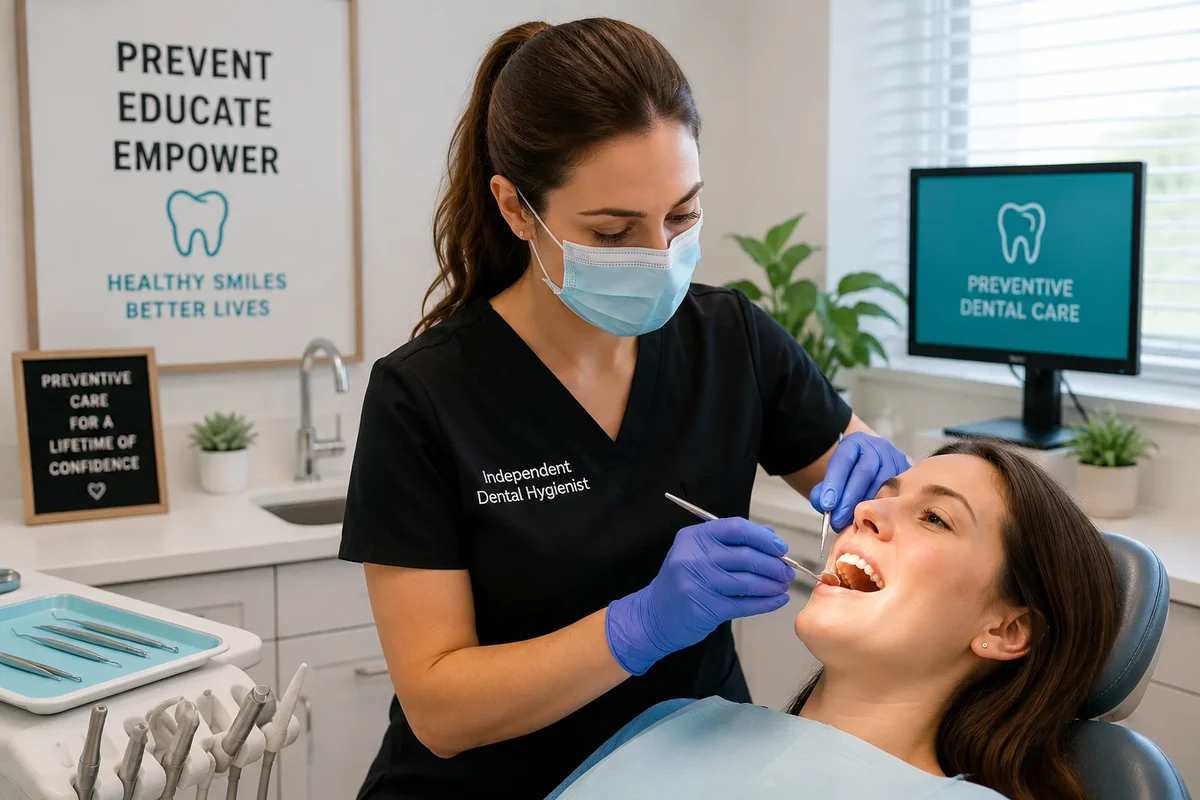
The work of an independent dental hygienist focuses heavily on prevention and education. Preventive dental care is often the first line of defense against common oral health conditions such as tooth decay, gingivitis, and periodontal disease. Through regular assessments, professional cleanings, and personalized guidance, an independent dental hygienist helps patients maintain healthier smiles while reducing the likelihood of future dental complications.
One of the most important responsibilities of an independent dental hygienist is performing comprehensive oral health evaluations. During these appointments, the hygienist examines the condition of the gums, checks for plaque and tartar accumulation, assesses oral hygiene habits, and identifies signs of potential dental concerns. Although an independent dental hygienist does not typically perform restorative procedures such as fillings, crowns, bridges, or extractions, they are highly trained to recognize abnormalities and recommend referrals when additional dental treatment is necessary.
Education is another key component of what makes an independent dental hygienist valuable. Many patients struggle with maintaining proper oral hygiene because they are unaware of the most effective techniques. An independent dental hygienist spends time teaching patients how to brush correctly, floss effectively, select appropriate oral care products, and make dietary choices that support healthy teeth and gums. This educational approach empowers individuals to take a proactive role in protecting their oral health.
Accessibility is one of the major reasons why the independent dental hygienist profession continues to grow. Many communities face shortages of dental providers, particularly in rural and underserved areas. By operating independently, an independent dental hygienist can deliver preventive services directly to populations that might otherwise have limited access to oral healthcare. Mobile clinics, nursing homes, schools, community health centers, and long-term care facilities frequently benefit from the services provided by an independent dental hygienist.
Patients often appreciate the personalized approach offered by an independent dental hygienist. Because preventive care is their primary focus, appointments may involve more detailed discussions about oral health goals, risk factors, and lifestyle habits. This patient-centered model allows the independent dental hygienist to tailor recommendations according to each individual’s specific needs, resulting in improved treatment outcomes and stronger patient relationships.
Professional qualifications are essential for every independent dental hygienist. Before practicing independently, these professionals must complete accredited dental hygiene education programs, pass national and regional licensing examinations, and meet continuing education requirements. In some locations, additional certifications or permits may be required before a dental hygienist can establish an independent practice. These regulations help ensure that every independent dental hygienist delivers safe, ethical, and evidence-based care.
Another benefit of seeing an independent dental hygienist is the emphasis on early disease detection. Regular preventive appointments can reveal signs of gum disease, oral infections, dry mouth, enamel erosion, and other issues before they become serious. Early identification allows patients to receive timely intervention, potentially avoiding extensive treatment and higher costs in the future. This proactive approach highlights why preventive care remains one of the most valuable aspects of modern dentistry.
The role of an independent dental hygienist also extends beyond oral health alone. Scientific research increasingly shows strong connections between oral health and overall health. Poor oral hygiene has been associated with conditions such as diabetes, cardiovascular disease, respiratory infections, and pregnancy complications. By helping patients maintain healthy gums and teeth, an independent dental hygienist contributes to broader health outcomes and overall well-being.
Many patients choose an independent dental hygienist because of the flexibility these professionals often provide. Independent practices may offer extended hours, mobile services, community outreach programs, and more convenient scheduling options. This flexibility can make preventive dental care easier to access for busy professionals, older adults, caregivers, and individuals with transportation challenges.
In addition to preventive cleanings, an independent dental hygienist may provide fluoride treatments, dental sealants, periodontal maintenance, oral cancer screenings, patient education sessions, and risk assessments. These services help support long-term oral health and reinforce the importance of prevention over treatment. Many healthcare experts view the expansion of independent dental hygiene services as a positive step toward improving public health outcomes.
Patients seeking trustworthy information about oral health can explore resources from the American Dental Association. Individuals interested in learning more about professional dental care options can also visit the Redent Klinik Contact Page for further guidance.
✅ In conclusion, an independent dental hygienist plays a critical role in preventive dentistry by providing professional cleanings, oral health assessments, patient education, and early disease detection. Through increased accessibility, personalized care, and a strong focus on prevention, the independent dental hygienist helps patients maintain healthier smiles while supporting overall health. As the demand for preventive healthcare continues to grow, the importance of the independent dental hygienist is expected to expand even further, making these professionals an essential part of modern oral healthcare.
What Is an Independent Dental Hygienist?
Education, Licensing, and Professional Requirements
How an Independent Dental Hygienist Differs from Traditional Dental Hygienists
Services Commonly Provided by an Independent Dental Hygienist
Benefits of Choosing an Independent Dental Hygienist
Who Can Benefit Most from Independent Dental Hygiene Care?
Challenges and Limitations of Independent Dental Hygiene Practice
The Future of the Independent Dental Hygienist Profession
How to Find a Qualified Independent Dental Hygienist
Disclosure: this page may contain affiliate links. We may earn a commission if you use them, at no extra cost to you.