
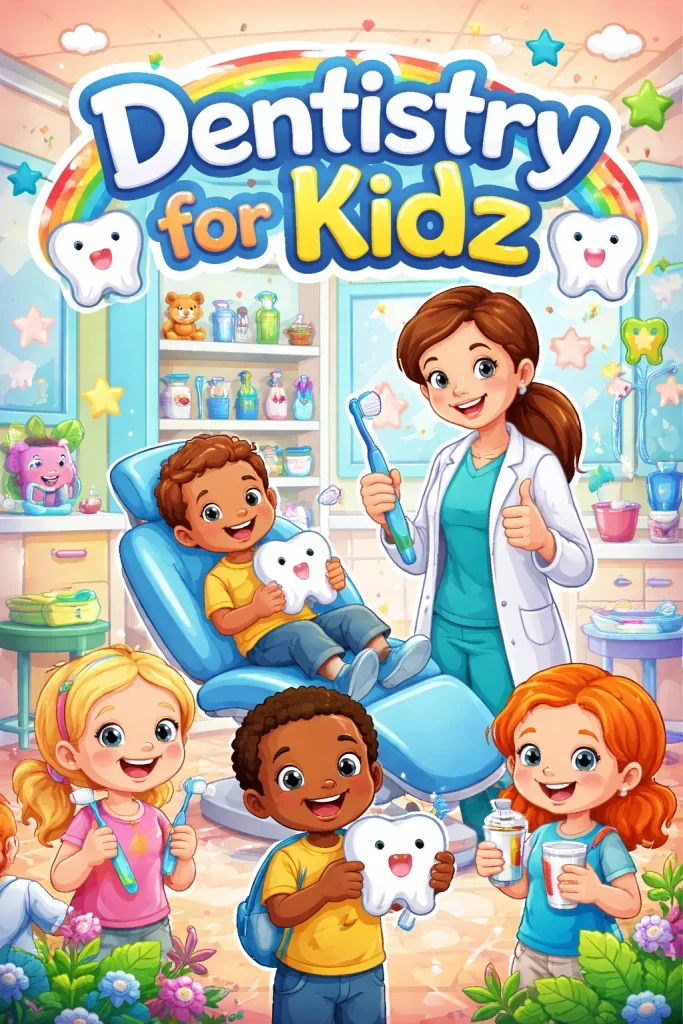
Dentistry for kidz is a specialized and essential branch of dental care that focuses entirely on the oral health needs of infants, children, and adolescents. Unlike general dentistry, dentistry for kidz is designed around the emotional, physical, and developmental stages of children, ensuring that dental visits are not only effective but also positive and stress-free 😊. Parents often underestimate how early oral health influences a child’s overall well-being, confidence, and long-term dental habits. This guide aims to fully explain why dentistry for kidz is so important and how it shapes healthy smiles for life.
At its core, dentistry for kidz goes beyond simply treating cavities. It emphasizes prevention, education, and early intervention. Children’s teeth begin developing long before the first tooth erupts, and problems can arise much earlier than many parents expect. Early childhood tooth decay is one of the most common chronic conditions worldwide, yet it is largely preventable with proper dentistry for kidz practices. Regular dental visits help identify risks early, apply protective treatments, and guide families toward healthier routines.
One of the most important aspects of dentistry for kidz is creating a child-friendly environment. Dental anxiety often starts in childhood, usually due to fear of unfamiliar tools, sounds, or past negative experiences. Clinics that focus on dentistry for kidz use gentle language, playful explanations, and age-appropriate techniques to help children feel safe and comfortable 🧸. This positive experience builds trust and encourages children to view dental care as a normal and beneficial part of life.
Education is another pillar of dentistry for kidz. Pediatric-focused dental care teaches children how to brush and floss correctly while also educating parents on proper oral hygiene routines at home. Dentists explain the importance of limiting sugary snacks, choosing tooth-friendly foods, and maintaining consistent oral care habits. These lessons, introduced early through dentistry for kidz, often stay with children into adulthood, reducing the risk of serious dental problems later in life.
Dentistry for kidz also plays a critical role in monitoring growth and development. As children grow, their jaws, bite alignment, and tooth eruption patterns change rapidly. Regular check-ups allow dental professionals to track these changes and identify potential issues such as crowding, misalignment, or bite problems early. Early detection through dentistry for kidz can reduce the need for more complex treatments in the future and support healthier facial and dental development.
Preventive treatments are a major focus within dentistry for kidz. Fluoride applications, dental sealants, and professional cleanings are commonly used to protect young teeth from decay. These treatments are safe, effective, and specifically tailored to children’s needs. Dentistry for kidz prioritizes prevention because protecting baby teeth is just as important as caring for permanent teeth. Healthy primary teeth help with speech development, proper chewing, and guiding permanent teeth into the correct positions.
Another key benefit of dentistry for kidz is early diagnosis of oral health conditions that may affect a child’s overall health. Issues such as enamel defects, gum inflammation, or habits like thumb sucking and teeth grinding can be identified and managed early. By addressing these concerns promptly, dentistry for kidz supports not only oral health but also a child’s comfort, nutrition, and self-esteem 😄.
Parents play an essential role in successful dentistry for kidz. Dental professionals work closely with families to create personalized care plans that suit each child’s age and risk level. If you are looking for professional guidance or want to schedule a child-friendly dental consultation, you can easily reach out through the Redent Klinik Contact Page. Access to experienced dental care ensures that children receive consistent and high-quality support throughout their development.
Trustworthy guidelines and research also support the principles of dentistry for kidz. Organizations such as the American Dental Association emphasize early dental visits, preventive care, and education as the foundation of lifelong oral health. Following evidence-based recommendations ensures that dentistry for kidz remains safe, effective, and aligned with the latest scientific standards.
In summary, dentistry for kidz is not optional—it is a fundamental investment in a child’s future health. From preventing tooth decay and guiding proper development to building confidence and healthy habits, dentistry for kidz provides comprehensive care tailored to young patients. When children learn early that dental visits are positive and beneficial, they are far more likely to maintain excellent oral health throughout their lives 🌟.
What Is Dentistry for Kidz and Why It Matters Early
Dentistry for kidz is a specialized approach to dental care that focuses on the unique oral health needs of children from infancy through adolescence. It combines preventive care, education, early diagnosis, and gentle treatment methods to support healthy dental development at every stage of childhood 🦷. Understanding what dentistry for kidz truly involves helps parents make informed decisions that protect their child’s smile not just today, but for life.
Understanding the Concept of Dentistry for Kidz
Unlike general dentistry, dentistry for kidz is designed around the biological and emotional development of children. A child’s mouth is constantly changing—baby teeth erupt, fall out, and are replaced by permanent teeth, while the jaw and facial structures continue to grow. Dentistry for kidz addresses these changes proactively, ensuring that each phase of development is properly monitored and supported.
Dentistry for kidz also recognizes that children are not simply “small adults.” Their teeth have thinner enamel, their gums are more sensitive, and their cooperation levels vary by age. This is why techniques, tools, and communication styles used in dentistry for kidz are adapted specifically for children. Dentists trained in dentistry for kidz use simple language, visual aids, and positive reinforcement to make dental care approachable and engaging 😊.
Why Early Dental Care Is So Important
One of the biggest misconceptions among parents is that baby teeth are not important because they will eventually fall out. In reality, dentistry for kidz places great emphasis on early dental care because primary teeth play a crucial role in a child’s overall health. They help with proper chewing, clear speech development, and maintaining space for permanent teeth.
When early dental care is neglected, children are at higher risk of developing cavities, infections, and pain that can affect eating, sleeping, and learning. Dentistry for kidz focuses on prevention to avoid these issues before they become serious. Early dental visits allow professionals to detect potential problems and intervene at the right time, often with simpler and less invasive treatments.
Preventing Early Childhood Tooth Decay
Early childhood tooth decay is one of the most common dental problems in young children. Dentistry for kidz addresses this issue by educating parents about proper feeding habits, bottle use, and oral hygiene routines. For example, prolonged exposure to sugary drinks or improper nighttime feeding habits can significantly increase the risk of decay.
Through dentistry for kidz, families learn how to clean a baby’s gums even before the first tooth appears, how to introduce brushing at the right time, and how fluoride and sealants can protect young teeth. These preventive strategies are simple but extremely effective when applied early.
The Long-Term Impact of Dentistry for Kidz
The benefits of dentistry for kidz extend far beyond childhood. Children who receive consistent, positive dental care early in life are more likely to maintain good oral hygiene habits as adults. Regular dental visits become a normal part of their routine rather than something to fear or avoid.
Dentistry for kidz also helps identify orthodontic concerns early. Issues such as crowding, crossbites, or jaw alignment problems can often be detected years before all permanent teeth erupt. Early guidance through dentistry for kidz can reduce the complexity, duration, and cost of future orthodontic treatments.
Building Confidence and Reducing Dental Anxiety
A major goal of dentistry for kidz is to create positive dental experiences that build confidence. Fear of the dentist often begins in childhood and can persist into adulthood if not addressed early. Dentistry for kidz clinics are designed to be welcoming, colorful, and friendly, helping children associate dental visits with care rather than fear 🌈.
By using gentle techniques and clear explanations, dentistry for kidz helps children understand what is happening during their visit. This sense of control and understanding reduces anxiety and encourages cooperation, making future visits easier for both the child and the dental team.
The Role of Parents in Dentistry for Kidz
Successful dentistry for kidz is a partnership between dental professionals and parents. Dentists provide expert guidance, but daily habits at home play a critical role in maintaining oral health. Parents are educated on brushing techniques, flossing routines, diet choices, and the importance of regular check-ups.
When parents actively support dentistry for kidz at home, children are more likely to develop strong oral hygiene habits. Consistency between professional care and home routines reinforces the importance of dental health and helps children understand that caring for their teeth is a shared responsibility.
In conclusion, dentistry for kidz matters early because it lays the foundation for lifelong oral health. By focusing on prevention, education, emotional comfort, and developmental monitoring, dentistry for kidz ensures that children grow up with healthy teeth, confident smiles, and positive attitudes toward dental care 🌟.
When Should Children First Visit a Dentistry for Kidz Clinic?
One of the most common questions parents ask is when their child should first see a dentist. Dentistry for kidz professionals strongly agree that early dental visits are essential for building a healthy foundation. The general recommendation is that a child’s first visit to a dentistry for kidz clinic should occur by their first birthday or within six months after the first tooth erupts 🦷. While this may seem early, these initial visits play a crucial role in prevention, education, and long-term oral health.
The Importance of the First Dental Visit
The first appointment in dentistry for kidz is usually simple, gentle, and educational. It is not about complex treatments but about familiarizing the child and parents with the dental environment. During this visit, the dentist examines the child’s mouth to ensure that teeth and gums are developing normally. Dentistry for kidz specialists also look for early signs of tooth decay, oral habits, or developmental concerns that may require attention.
Early visits help normalize dental care from a young age. Children who begin dentistry for kidz appointments early are far more likely to feel comfortable during future visits. This early familiarity reduces anxiety and builds trust, which is essential for cooperative behavior as children grow older 😊.
Why Waiting Can Cause Problems
Delaying a child’s first visit to a dentistry for kidz clinic can increase the risk of undetected dental issues. Tooth decay can develop quickly in young children, especially if sugary drinks, snacks, or improper brushing habits are involved. Without early monitoring, small problems can become painful conditions requiring more invasive treatment.
Dentistry for kidz focuses on prevention rather than reaction. Early visits allow dental professionals to guide parents before problems arise, helping them avoid common mistakes such as improper bottle use or delayed brushing routines.
What Happens During the First Dentistry for Kidz Appointment?
A first dentistry for kidz visit is designed to be calm and reassuring. The dentist gently checks the child’s teeth, gums, bite, and jaw development. Parents receive guidance on brushing techniques, fluoride use, and age-appropriate oral hygiene practices. This visit is also an opportunity to ask questions and address concerns related to teething, thumb sucking, or pacifier use.
Education is a major focus of early dentistry for kidz appointments. Parents learn how diet affects oral health and which habits support strong teeth. This guidance helps families create routines that protect their child’s smile from the very beginning.
Creating a Positive First Impression
Making the first visit enjoyable is a key goal of dentistry for kidz. Dentists often use friendly language, toys, and positive reinforcement to ensure that children feel safe and relaxed 🎈. A positive first experience sets the tone for a lifetime of healthy dental habits.
Parents can support this process by speaking positively about the dentist and avoiding words that might create fear. When dentistry for kidz is introduced as a normal and helpful experience, children are more likely to cooperate and feel confident.
How Often Should Children Visit a Dentistry for Kidz Clinic?
After the initial visit, dentistry for kidz experts generally recommend check-ups every six months. These regular appointments allow dentists to monitor growth, clean teeth, apply preventive treatments, and reinforce good habits. For children with higher risk factors, more frequent visits may be recommended.
Consistent visits to a dentistry for kidz clinic help ensure that any changes or concerns are addressed promptly. This ongoing care supports healthy development and reduces the likelihood of emergencies or advanced dental issues.
Parental Role in Scheduling Early Visits
Parents play a vital role in prioritizing early dentistry for kidz care. Scheduling timely appointments, maintaining daily oral hygiene routines, and following professional advice all contribute to successful outcomes. Parents who actively engage in their child’s dental care help reinforce the importance of oral health at home.
If you are unsure when to schedule your child’s first appointment or need professional guidance, reaching out to a trusted dental clinic is an excellent first step. Early action through dentistry for kidz ensures that children receive the support they need during critical stages of development.
In summary, the ideal time for a child’s first visit to a dentistry for kidz clinic is earlier than many parents expect. These early appointments focus on prevention, education, and comfort rather than treatment. By starting early and maintaining regular visits, dentistry for kidz helps children grow up with healthy teeth, positive dental experiences, and confident smiles 🌟.
Common Treatments Offered in Dentistry for Kidz
Dentistry for kidz includes a wide range of treatments specifically designed to meet the dental needs of children at every stage of development. These treatments focus on prevention, early intervention, and gentle care to ensure that children maintain healthy teeth and gums while developing positive attitudes toward dental visits 😊. Understanding the common treatments offered in dentistry for kidz helps parents feel confident and prepared when seeking care for their children.
Preventive Treatments in Dentistry for Kidz
Prevention is the foundation of dentistry for kidz. Rather than waiting for problems to develop, pediatric-focused dental care emphasizes protecting teeth before damage occurs. Preventive treatments are safe, effective, and tailored to children’s unique dental structures.
Professional Dental Cleanings
Regular dental cleanings are one of the most common services in dentistry for kidz. Even with good brushing habits at home, plaque and bacteria can build up in hard-to-reach areas. Professional cleanings gently remove plaque, tartar, and stains while keeping gums healthy.
During cleanings, dentistry for kidz professionals also educate children on proper brushing and flossing techniques. These visits reinforce healthy habits and help children understand why oral hygiene is important in a fun and age-appropriate way 🪥.
Fluoride Treatments
Fluoride is a key component of dentistry for kidz because it strengthens tooth enamel and helps prevent cavities. Fluoride treatments are quick, painless, and especially beneficial for children who are still developing strong teeth.
Dentistry for kidz specialists carefully monitor fluoride exposure to ensure it is safe and appropriate for each child’s age and risk level. When used correctly, fluoride significantly reduces the likelihood of tooth decay.
Dental Sealants
Dental sealants are another important preventive tool in dentistry for kidz. Sealants are thin, protective coatings applied to the chewing surfaces of back teeth, where cavities are most likely to form. These areas often have deep grooves that are difficult for children to clean effectively.
By sealing these grooves, dentistry for kidz clinics help block bacteria and food particles, greatly reducing the risk of decay. Sealants are long-lasting and provide strong protection during the years when children are most vulnerable to cavities.
Restorative Treatments in Dentistry for Kidz
Even with excellent preventive care, some children may still develop dental issues. Dentistry for kidz offers gentle restorative treatments that address problems while preserving as much natural tooth structure as possible.
Tooth-Colored Fillings
When cavities occur, dentistry for kidz often uses tooth-colored fillings to restore damaged teeth. These fillings blend naturally with the tooth, making them aesthetically pleasing and comfortable for children.
The procedure is performed with care and patience, using techniques designed to minimize discomfort. Dentistry for kidz prioritizes a calm and reassuring experience to help children feel safe during treatment 😌.
Pulp Therapy for Baby Teeth
In cases where decay reaches the inner part of a baby tooth, pulp therapy may be necessary. Dentistry for kidz uses this treatment to remove infected tissue while preserving the remaining tooth. Saving baby teeth is important because they maintain space for permanent teeth and support proper development.
Pulp therapy is carefully explained to parents and performed using child-friendly techniques. Dentistry for kidz ensures that children remain comfortable throughout the process.
Orthodontic Monitoring and Early Intervention
Dentistry for kidz also includes monitoring a child’s bite and jaw development. While full orthodontic treatment may come later, early evaluations can identify potential issues such as crowding, misalignment, or bite problems.
Space Maintainers
If a child loses a baby tooth too early, dentistry for kidz may recommend a space maintainer. This small appliance keeps space open for the permanent tooth, preventing alignment issues later on.
Space maintainers are simple but effective tools used in dentistry for kidz to support proper dental development and reduce the need for complex orthodontic treatments in the future.
Managing Dental Emergencies in Dentistry for Kidz
Accidents can happen, especially with active children. Dentistry for kidz clinics are equipped to handle dental emergencies such as chipped teeth, knocked-out teeth, or sudden pain. Quick response and proper care can make a significant difference in outcomes.
Parents are encouraged to contact a dentistry for kidz clinic immediately if an emergency occurs. Prompt treatment helps relieve pain, prevent infection, and protect the child’s smile.
Education as Part of Every Treatment
One of the unique aspects of dentistry for kidz is that education is woven into every treatment. Dentists take time to explain procedures, demonstrate proper hygiene techniques, and answer questions from both children and parents.
This educational approach empowers families to take an active role in oral health. When children understand why treatments are necessary, they are more likely to cooperate and maintain good habits at home 🧠.
In conclusion, the treatments offered in dentistry for kidz are comprehensive, gentle, and focused on long-term health. From preventive care and restorations to orthodontic monitoring and emergency treatment, dentistry for kidz ensures that children receive the specialized care they need to grow up with healthy, confident smiles 🌟.
How Dentistry for Kidz Helps Prevent Tooth Decay
Preventing tooth decay is one of the primary goals of dentistry for kidz, and it is also one of the areas where early and consistent dental care makes the greatest difference. Tooth decay in children is common, but it is largely preventable when the right strategies are applied at the right time 🦷. Dentistry for kidz focuses on identifying risk factors early, educating families, and applying preventive treatments that protect young teeth during critical stages of development.
Why Tooth Decay Is So Common in Children
Children are naturally more vulnerable to tooth decay for several reasons. Their enamel is thinner than that of adults, making it easier for acids and bacteria to damage teeth. In addition, children often consume sugary snacks and drinks more frequently and may not yet have the motor skills needed for thorough brushing.
Dentistry for kidz addresses these challenges by combining professional care with parent and child education. Rather than relying solely on treatment after decay occurs, dentistry for kidz emphasizes stopping cavities before they start. This proactive approach significantly reduces pain, stress, and the need for invasive procedures later in life.
The Role of Oral Bacteria
Tooth decay begins when bacteria in the mouth feed on sugars and produce acids that weaken tooth enamel. In dentistry for kidz, dentists closely monitor plaque buildup and teach families how to control harmful bacteria through daily oral hygiene and regular professional cleanings.
By addressing bacterial growth early, dentistry for kidz helps maintain a healthy balance in the mouth and lowers the risk of cavities developing in both baby teeth and permanent teeth.
Preventive Strategies Used in Dentistry for Kidz
Dentistry for kidz uses a combination of clinical treatments and lifestyle guidance to prevent tooth decay. These strategies are tailored to each child’s age, habits, and risk level, ensuring effective and personalized care.
Routine Dental Check-Ups and Cleanings
Regular check-ups are a cornerstone of dentistry for kidz. During these visits, dentists examine the teeth for early signs of decay that may not yet be visible to parents. Professional cleanings remove plaque and tartar that brushing alone cannot eliminate.
These routine appointments also allow dentistry for kidz professionals to reinforce proper brushing and flossing techniques, helping children gradually improve their oral hygiene skills 🪥.
Fluoride as a Protective Tool
Fluoride plays a critical role in preventing tooth decay, and it is widely used in dentistry for kidz. Fluoride strengthens enamel and makes teeth more resistant to acid attacks. Professional fluoride applications are especially beneficial for children at higher risk of cavities.
Dentistry for kidz carefully evaluates fluoride exposure to ensure it is safe and effective. When combined with fluoride toothpaste at home, these treatments offer powerful protection against decay.
Dental Sealants for Extra Defense
Dental sealants are another highly effective preventive measure used in dentistry for kidz. Sealants are applied to the chewing surfaces of molars, where food particles and bacteria often become trapped. These areas are particularly prone to cavities in children.
By sealing these grooves, dentistry for kidz creates a smooth surface that is easier to clean and far less likely to develop decay. Sealants can last for years and provide ongoing protection during the most cavity-prone stages of childhood.
The Importance of Diet in Preventing Tooth Decay
Diet plays a major role in oral health, and dentistry for kidz places strong emphasis on nutritional guidance. Frequent consumption of sugary snacks, juices, and sticky foods increases the risk of cavities. Dentistry for kidz professionals educate parents on choosing tooth-friendly alternatives and limiting sugar exposure.
Healthy snacks such as fruits, vegetables, cheese, and yogurt support strong teeth and gums. Dentistry for kidz encourages balanced eating habits that benefit both oral health and overall well-being 🍎.
Teaching Healthy Habits at Home
While professional care is essential, daily habits at home ultimately determine a child’s risk of tooth decay. Dentistry for kidz works closely with parents to establish effective routines, including brushing twice a day with fluoride toothpaste and introducing flossing at the appropriate age.
Parents are also advised to supervise brushing until children develop the skills needed to clean their teeth thoroughly. This teamwork between families and dentistry for kidz professionals creates consistent protection against decay.
Early Detection Makes a Lasting Difference
One of the greatest advantages of dentistry for kidz is early detection. Small areas of demineralization can often be reversed with fluoride and improved hygiene if caught early. Without regular monitoring, these early warning signs may go unnoticed until cavities form.
By prioritizing early detection and prevention, dentistry for kidz helps children avoid pain, infection, and more complex treatments. This proactive approach supports healthy development and builds confidence in both children and parents 😊.
In conclusion, dentistry for kidz plays a vital role in preventing tooth decay through education, preventive treatments, and ongoing support. By addressing risk factors early and reinforcing healthy habits, dentistry for kidz helps children maintain strong, healthy smiles that last a lifetime 🌟.
The Role of Pediatric Dentists in Dentistry for Kidz
Pediatric dentists play a central and highly specialized role in dentistry for kidz. Their training, approach, and clinical focus are specifically designed to meet the oral health needs of children from infancy through adolescence. While general dentists can treat children, dentistry for kidz is most effective when guided by professionals who understand the unique physical, emotional, and developmental stages of childhood 🦷. Pediatric dentists do far more than treat teeth—they help shape lifelong attitudes toward oral health.
Specialized Training Behind Dentistry for Kidz
Pediatric dentists undergo additional years of specialized education beyond dental school. This advanced training focuses on child development, behavior management, growth patterns, and pediatric-specific dental conditions. Dentistry for kidz benefits greatly from this expertise because children’s mouths change rapidly, and early decisions can have long-term effects.
Through their specialized training, pediatric dentists learn how to diagnose and manage issues that are unique to children, such as early childhood tooth decay, enamel defects, and developmental abnormalities. Dentistry for kidz relies on this deep understanding to deliver care that is both safe and developmentally appropriate.
Understanding Growth and Development
One of the most important responsibilities in dentistry for kidz is monitoring how a child’s teeth, jaw, and facial structures develop over time. Pediatric dentists track tooth eruption patterns, spacing, and bite alignment during regular visits. These observations help identify potential problems early, when intervention is simpler and more effective.
By closely monitoring growth, dentistry for kidz helps reduce the risk of future orthodontic complications and supports balanced facial development.
Behavior Management and Emotional Care
A defining feature of dentistry for kidz is the ability to manage children’s behavior and emotions during dental visits. Many children feel anxious or fearful when visiting the dentist, especially during early appointments. Pediatric dentists are trained to use age-appropriate communication, positive reinforcement, and gentle techniques to create a calm environment 😊.
Dentistry for kidz focuses on building trust rather than forcing cooperation. By explaining procedures in simple terms and allowing children to feel involved, pediatric dentists help reduce fear and encourage confidence. This emotional support is just as important as the clinical care itself.
Creating a Child-Friendly Environment
Clinics that specialize in dentistry for kidz are designed with children in mind. Bright colors, playful decor, and welcoming staff help create a space where children feel comfortable. Pediatric dentists understand that a positive environment can significantly influence a child’s perception of dental care.
This supportive setting helps children associate dentistry for kidz with safety and care rather than discomfort, making future visits smoother and more successful.
Preventive Leadership in Dentistry for Kidz
Pediatric dentists are leaders in preventive dental care. Dentistry for kidz emphasizes preventing problems before they begin, and pediatric dentists guide families through this process with clear, practical advice. They educate parents on brushing, flossing, fluoride use, and dietary choices that support healthy teeth.
In dentistry for kidz, prevention is not a one-time discussion but an ongoing conversation. Pediatric dentists adjust guidance as children grow, ensuring that care strategies evolve alongside developmental changes.
Individual Risk Assessment
Every child has different oral health risks based on genetics, diet, habits, and environment. Dentistry for kidz involves personalized risk assessments that help pediatric dentists tailor preventive strategies to each child’s needs.
For children at higher risk of cavities, dentistry for kidz may involve more frequent check-ups, additional fluoride treatments, or dietary counseling. This personalized approach maximizes protection and minimizes future complications.
Managing Complex and Special Cases
Another critical role of pediatric dentists in dentistry for kidz is caring for children with special healthcare needs. These children may have medical, physical, or developmental conditions that require modified dental approaches. Pediatric dentists are trained to adapt treatments and communication methods to ensure safe and effective care.
Dentistry for kidz prioritizes inclusivity, ensuring that every child—regardless of their challenges—receives compassionate and appropriate dental care.
Guiding Parents Through Each Stage
Pediatric dentists serve as trusted advisors for parents navigating their child’s oral health journey. Dentistry for kidz includes guidance on teething, thumb sucking, pacifier use, and transitioning from baby teeth to permanent teeth.
Parents often have many questions, and dentistry for kidz provides reliable, evidence-based answers. This partnership helps parents feel confident in supporting their child’s oral health at home.
Building Lifelong Healthy Attitudes
Perhaps the most lasting impact of pediatric dentists in dentistry for kidz is the role they play in shaping lifelong attitudes toward dental care. Children who grow up with positive dental experiences are more likely to continue regular dental visits and maintain good oral hygiene as adults.
By combining clinical excellence with emotional understanding, dentistry for kidz helps children develop confidence, trust, and respect for their oral health. These early experiences lay the groundwork for healthy smiles that last a lifetime 🌟.
In summary, pediatric dentists are the cornerstone of dentistry for kidz. Their specialized training, preventive focus, and child-centered approach ensure that dental care is effective, gentle, and developmentally appropriate. Through their work, dentistry for kidz supports not only healthy teeth but also confident, well-informed children.
Making Dentistry for Kidz a Stress-Free Experience for Children
Creating a calm, positive, and reassuring dental experience is a core mission of dentistry for kidz. Many children feel anxious about dental visits due to unfamiliar environments, strange sounds, or fear of discomfort. Dentistry for kidz addresses these concerns intentionally by combining child-centered communication, gentle techniques, and supportive environments that help children feel safe and understood 😊. When dental care is stress-free, children are more cooperative, outcomes improve, and healthy habits are more likely to last into adulthood.
Why Children Experience Dental Anxiety
Dental anxiety in children often stems from uncertainty rather than actual pain. Young patients may not understand what will happen during an appointment, and their imagination can fill in the gaps. Past medical experiences, parental anxiety, or stories from peers can also influence how children perceive dentistry for kidz.
Dentistry for kidz recognizes that fear is a natural response and addresses it with empathy rather than pressure. By acknowledging emotions and explaining procedures in simple, friendly terms, dental teams help children feel more in control of the situation.
The Impact of Early Experiences
Early dental experiences shape how children view oral care for years to come. A negative first visit can create long-term avoidance, while a positive experience builds trust. Dentistry for kidz prioritizes gentle introductions, short appointments, and encouragement to ensure that early visits leave children feeling confident and proud 🌟.
Communication Techniques Used in Dentistry for Kidz
Clear, age-appropriate communication is one of the most effective tools in dentistry for kidz. Dentists and staff use child-friendly language to explain procedures without overwhelming or frightening young patients. For example, tools may be described using playful terms, and steps are explained one at a time.
This transparent approach helps children understand what to expect and reduces fear of the unknown. Dentistry for kidz emphasizes honesty while keeping explanations simple and reassuring.
Positive Reinforcement and Encouragement
Positive reinforcement is widely used in dentistry for kidz to motivate cooperation and build confidence. Praising a child for sitting still, opening their mouth, or asking questions reinforces good behavior and helps them feel successful.
Small rewards, verbal praise, or stickers can turn a dental visit into a positive memory. Dentistry for kidz uses encouragement not as a distraction, but as a way to empower children and recognize their efforts.
Child-Friendly Dental Environments
The physical environment plays a major role in making dentistry for kidz stress-free. Pediatric-focused clinics are designed to be welcoming rather than intimidating. Bright colors, playful decor, and friendly staff help children relax as soon as they enter the clinic 🎨.
Waiting areas often include toys, books, or screens to keep children occupied and comfortable. These thoughtful details help dentistry for kidz feel more like a friendly visit than a medical appointment.
Gentle Technology and Techniques
Modern dentistry for kidz often incorporates technology designed to minimize discomfort. Smaller instruments, quieter tools, and minimally invasive techniques help reduce sensory overload. When children experience less noise and vibration, their anxiety naturally decreases.
Dentistry for kidz also adapts appointment length and pacing to suit each child’s tolerance level, ensuring that visits remain manageable and positive.
The Role of Parents in a Stress-Free Experience
Parents play a crucial role in shaping how children perceive dentistry for kidz. Children often mirror their parents’ attitudes, so remaining calm and positive is essential. Speaking about dental visits as routine and helpful rather than stressful sets the right tone.
Dentistry for kidz professionals often guide parents on how to prepare their child for appointments. Simple explanations, avoiding negative words, and emphasizing the benefits of dental care all contribute to a smoother experience.
Supporting Children Before and After Visits
Preparation before an appointment can significantly reduce anxiety. Reading child-friendly books about dental visits or role-playing at home can make dentistry for kidz feel familiar. After the visit, acknowledging the child’s effort and bravery reinforces positive associations.
This consistency between home and clinic strengthens the effectiveness of dentistry for kidz and helps children feel supported throughout the process.
Building Long-Term Comfort with Dentistry for Kidz
The ultimate goal of dentistry for kidz is not just a single successful visit, but long-term comfort with dental care. Regular, positive experiences help children understand that dental visits are a normal and beneficial part of life.
As children grow older, this comfort translates into better cooperation, improved oral hygiene, and a greater willingness to seek care when needed. Dentistry for kidz lays the foundation for these outcomes by prioritizing emotional well-being alongside clinical excellence.
In conclusion, making dentistry for kidz stress-free requires a thoughtful combination of communication, environment, technology, and parental support. When children feel safe and respected, dental care becomes a positive experience rather than a source of fear. Dentistry for kidz proves that with the right approach, healthy smiles can grow in confidence as well as strength 😄.
Diet, Nutrition, and Their Impact on Dentistry for Kidz
Diet and nutrition play a powerful role in the success of dentistry for kidz. What children eat and drink every day directly affects the strength of their teeth, the health of their gums, and their overall risk of developing cavities 🦷. While professional dental care is essential, dentistry for kidz recognizes that true prevention begins at home, especially at the dining table. Understanding how nutrition influences oral health allows parents to make choices that actively support their child’s smile.
How Food Choices Affect Children’s Teeth
Teeth are constantly exposed to substances that can either strengthen or weaken them. Sugars and refined carbohydrates feed harmful bacteria in the mouth, which then produce acids that attack tooth enamel. In dentistry for kidz, this process is a major focus because children’s enamel is thinner and more vulnerable than that of adults.
Frequent snacking on sugary foods or sipping sweetened drinks throughout the day creates prolonged acid exposure. Dentistry for kidz emphasizes that it is not just the amount of sugar that matters, but how often teeth are exposed to it. Reducing this exposure is a key step in preventing decay.
The Hidden Sugars Parents Often Miss
Many foods marketed as “healthy” for children may still contain hidden sugars. Fruit juices, flavored yogurts, breakfast cereals, and packaged snacks can significantly increase cavity risk. Dentistry for kidz professionals help parents learn how to read labels and identify hidden sugars that may harm oral health.
By becoming more aware of these hidden sources, families can make smarter choices that align with the goals of dentistry for kidz.
Tooth-Friendly Foods Encouraged in Dentistry for Kidz
Dentistry for kidz strongly promotes a balanced diet rich in nutrients that support strong teeth and gums. Calcium, phosphorus, vitamin D, and protein all play important roles in dental development. Foods rich in these nutrients help strengthen enamel and support healthy bone structure.
Dairy products such as milk, cheese, and yogurt are particularly beneficial. Cheese, for example, helps neutralize acids in the mouth and stimulates saliva production. Dentistry for kidz often recommends including these foods as part of daily meals 🧀.
Fruits and Vegetables for Natural Protection
Crunchy fruits and vegetables like apples, carrots, and celery help clean teeth naturally by stimulating saliva and gently scrubbing tooth surfaces. Saliva is a natural defense against cavities, as it washes away food particles and neutralizes acids.
Dentistry for kidz encourages whole fruits over fruit juices, as whole fruits contain fiber and require chewing, which benefits oral health. These small dietary choices can have a big impact over time.
The Role of Drinks in Dentistry for Kidz
What children drink is just as important as what they eat. Sugary beverages such as soda, sports drinks, and sweetened teas are major contributors to tooth decay. Dentistry for kidz advises limiting these drinks as much as possible.
Water is the best choice for hydration and oral health. Fluoridated water, in particular, supports strong enamel and helps prevent cavities. Dentistry for kidz often highlights water as the safest and most tooth-friendly drink for children 💧.
Milk and Oral Health
Milk provides calcium and vitamin D, both essential for developing teeth. While milk contains natural sugars, it does not pose the same cavity risk as sugary drinks when consumed as part of meals. Dentistry for kidz supports milk as a healthy beverage option when balanced with proper oral hygiene.
Snacking Habits and Their Dental Impact
Frequent snacking is common in children, but it can increase cavity risk if not managed carefully. Each snack exposes teeth to acids, and without enough time for saliva to neutralize these acids, enamel can weaken.
Dentistry for kidz recommends structured meal and snack times rather than constant grazing. Offering tooth-friendly snacks such as cheese, nuts (when age-appropriate), vegetables, or yogurt helps reduce the risk of decay.
How Dentistry for Kidz Guides Families on Nutrition
Education is a core component of dentistry for kidz. Dental professionals work closely with parents to provide personalized dietary advice based on each child’s habits and risk factors. These discussions are practical and focused on realistic changes that families can maintain.
Dentistry for kidz understands that perfection is not the goal. Instead, the focus is on balance, awareness, and consistency. Even small improvements in diet can lead to significant long-term benefits for oral health.
Linking Nutrition with Daily Oral Hygiene
Good nutrition works best when combined with proper oral hygiene. Dentistry for kidz reinforces that brushing twice a day with fluoride toothpaste and flossing regularly help counteract the effects of occasional sugary foods.
This combined approach—smart nutrition and consistent hygiene—creates a strong defense against cavities and gum problems.
Long-Term Benefits of Healthy Eating in Dentistry for Kidz
Children who develop healthy eating habits early are more likely to maintain strong teeth throughout their lives. Dentistry for kidz uses nutrition as a preventive tool, helping children avoid unnecessary dental treatments and discomfort.
By understanding the connection between diet and oral health, families become active partners in dentistry for kidz. These habits not only protect teeth but also support overall growth, energy levels, and well-being 🌟.
In conclusion, diet and nutrition are fundamental to the success of dentistry for kidz. Through informed food choices, mindful snacking, and proper hydration, parents can significantly reduce their child’s risk of dental problems. When combined with professional care, good nutrition helps dentistry for kidz achieve its ultimate goal: healthy, confident smiles that last a lifetime.
How Parents Can Support Dentistry for Kidz at Home
Professional dental care is essential, but the daily habits practiced at home are what truly determine the long-term success of dentistry for kidz. Parents play the most influential role in shaping their child’s oral health routines, attitudes, and consistency. Dentistry for kidz is most effective when it extends beyond the dental clinic and becomes part of everyday family life 🏡. With the right guidance and commitment, parents can actively protect their child’s smile and reinforce the benefits of professional care.
Establishing Daily Oral Hygiene Routines
One of the most important ways parents can support dentistry for kidz is by establishing consistent daily oral hygiene routines. Brushing twice a day with fluoride toothpaste is the foundation of cavity prevention. For younger children, parents should brush their teeth for them or supervise closely to ensure proper technique.
Dentistry for kidz emphasizes that children often lack the fine motor skills needed for effective brushing until around age seven or eight. Until then, parental involvement is crucial. Making brushing a shared activity rather than a chore helps children see it as a normal and positive part of their day 😊.
Choosing the Right Toothbrush and Toothpaste
Selecting age-appropriate dental products is an important part of dentistry for kidz. Soft-bristled toothbrushes designed for children are gentle on gums and easier for small hands to use. Toothpaste should contain fluoride in amounts suitable for the child’s age.
Dentistry for kidz professionals often recommend using only a smear of toothpaste for toddlers and a pea-sized amount for older children. These small details help maximize protection while ensuring safety.
Introducing Flossing at the Right Time
Flossing is often overlooked in children, yet it plays a vital role in dentistry for kidz. Once two teeth touch, flossing becomes necessary to remove plaque and food particles that brushing cannot reach.
Parents should begin flossing their child’s teeth and gradually teach them how to do it independently. Dentistry for kidz encourages making flossing simple and stress-free, using child-friendly floss picks if needed.
Creating Positive Attitudes Toward Oral Care
Children learn by observing their parents. When parents demonstrate good oral hygiene habits, children are more likely to follow. Dentistry for kidz thrives in households where dental care is presented as a positive, routine activity rather than an obligation.
Avoid using dental visits or brushing as a threat or punishment. Instead, emphasize the benefits of healthy teeth, such as being able to eat comfortably, smile confidently, and avoid discomfort. Dentistry for kidz is as much about mindset as it is about technique 🌟.
Using Fun and Motivation
Adding fun elements to oral care routines can make a big difference. Singing songs during brushing, using timers, or letting children choose their toothbrush can increase engagement. Dentistry for kidz supports these small motivational tools because they encourage consistency.
Reward systems, such as sticker charts for regular brushing, can also reinforce positive behavior without creating pressure.
Supporting Healthy Eating Habits at Home
As discussed in dentistry for kidz, diet plays a significant role in oral health. Parents can support dental care by offering balanced meals, limiting sugary snacks, and encouraging water as the primary drink.
Consistency matters more than perfection. Dentistry for kidz acknowledges that occasional treats are part of childhood, but maintaining healthy daily habits significantly reduces cavity risk.
Monitoring Oral Habits and Changes
Parents are often the first to notice changes in their child’s mouth. Dentistry for kidz encourages parents to watch for signs such as tooth discoloration, swelling, sensitivity, or complaints of pain. Early attention to these signs can prevent more serious issues.
Habits such as thumb sucking, pacifier use, or teeth grinding should also be monitored. Dentistry for kidz professionals can provide guidance on when intervention may be necessary.
Encouraging Open Communication
Children should feel comfortable talking about their teeth and any discomfort they experience. Dentistry for kidz benefits greatly when parents encourage open communication and take concerns seriously.
This openness helps ensure that potential problems are addressed promptly and reinforces trust between the child, parent, and dental team.
Keeping Up With Regular Dental Visits
Home care and professional care go hand in hand. Parents support dentistry for kidz by scheduling regular dental check-ups and following professional recommendations. These visits reinforce what children learn at home and allow dentists to monitor progress.
Consistency in appointments helps children understand that dental care is an ongoing process, not something done only when problems arise.
Building Lifelong Habits Through Dentistry for Kidz
The habits children learn at home often stay with them into adulthood. Dentistry for kidz is most successful when parents actively guide, model, and support good oral health behaviors every day.
By prioritizing routine care, positive attitudes, and healthy choices, parents help ensure that dentistry for kidz delivers lasting benefits. These efforts result in stronger teeth, fewer dental problems, and confident smiles that grow alongside the child 😄.
In conclusion, parents are the cornerstone of successful dentistry for kidz at home. Through daily routines, encouragement, and consistency, families can reinforce professional care and protect their child’s oral health for years to come.
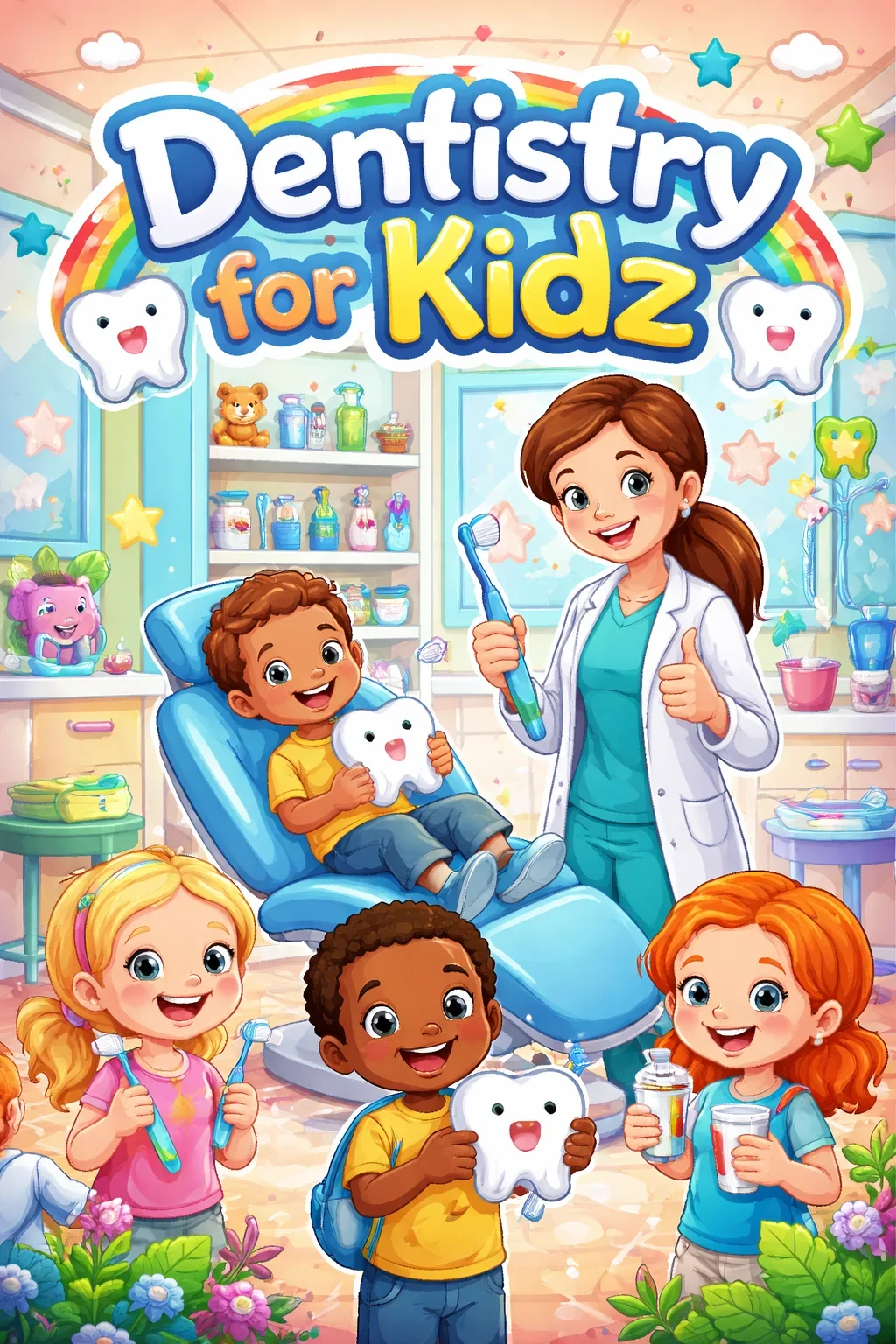
Choosing the Right Dentistry for Kidz Clinic
Selecting the right clinic is one of the most important decisions parents can make when it comes to dentistry for kidz. The quality of the clinic, the experience of the dental team, and the overall environment all play a major role in how children perceive dental care and how effective that care will be over time 🦷. Dentistry for kidz is not just about treating teeth; it is about building trust, comfort, and long-term oral health habits. Choosing the right clinic ensures that children receive consistent, compassionate, and developmentally appropriate care.
Why the Right Clinic Matters in Dentistry for Kidz
Children’s dental needs are very different from those of adults. A clinic that truly specializes in dentistry for kidz understands these differences and adapts every aspect of care accordingly. From appointment scheduling to treatment approaches, pediatric-focused clinics are designed to meet children where they are emotionally and developmentally.
When children feel comfortable and understood, they are more likely to cooperate during visits and less likely to develop dental anxiety. Dentistry for kidz thrives in environments where children feel safe, respected, and encouraged 😊.
Key Qualities to Look for in a Dentistry for Kidz Clinic
There are several essential factors parents should consider when choosing a dentistry for kidz clinic. These qualities help ensure that children receive high-quality care in a positive setting.
Specialized Pediatric Expertise
One of the most important factors is whether the clinic focuses specifically on dentistry for kidz or includes pediatric dentists on staff. Pediatric-trained professionals have additional education in child development, behavior management, and pediatric oral health conditions.
This expertise allows dentistry for kidz clinics to provide care that is tailored to children’s unique needs, from infancy through adolescence.
Child-Friendly Environment
A welcoming atmosphere is a hallmark of effective dentistry for kidz. Clinics designed for children often feature bright colors, playful decor, and friendly staff who know how to communicate with young patients.
These details may seem small, but they make a big difference in reducing anxiety and helping children feel relaxed. Dentistry for kidz is most successful when the environment supports emotional comfort as well as clinical care 🌈.
Communication and Parent Involvement
Clear communication is essential in dentistry for kidz. Parents should feel informed and confident about their child’s care plan. A good clinic takes time to explain diagnoses, treatment options, and preventive strategies in a way that is easy to understand.
Dentistry for kidz works best when parents are active partners in the process. Clinics that encourage questions and provide practical guidance help families support oral health at home.
Transparency and Trust
Trust is built through honesty and transparency. Dentistry for kidz clinics should clearly explain what treatments are recommended and why they are necessary. This openness helps parents make informed decisions and feel comfortable with the care their child receives.
When trust is established, children also sense that confidence, which contributes to a more positive dental experience.
Preventive Focus and Long-Term Care
A strong emphasis on prevention is a key indicator of high-quality dentistry for kidz. Clinics should prioritize regular check-ups, cleanings, fluoride treatments, and sealants rather than focusing only on restorative care.
Dentistry for kidz aims to prevent problems before they become painful or complex. Clinics that invest time in education and early intervention help children maintain healthier teeth over the long term.
Handling Emergencies and Special Needs
Accidents and unexpected dental issues can happen, especially with active children. A reliable dentistry for kidz clinic should be equipped to handle emergencies promptly and calmly.
Additionally, children with special healthcare needs may require modified approaches. Clinics experienced in dentistry for kidz are better prepared to adapt treatments and communication styles to ensure safe and effective care for every child.
Location, Accessibility, and Consistency
Practical considerations also matter when choosing a dentistry for kidz clinic. A conveniently located clinic makes it easier to maintain regular visits, which are essential for ongoing care.
Consistency is another important factor. Seeing the same dental team over time helps children build familiarity and trust. Dentistry for kidz benefits greatly from long-term relationships between families and dental professionals.
Making the Final Decision
Choosing the right dentistry for kidz clinic is a decision that affects a child’s oral health for years to come. Parents are encouraged to research, ask questions, and even schedule an introductory visit to assess the clinic’s approach.
Observing how staff interact with children, how explanations are given, and how the environment feels can provide valuable insight. Dentistry for kidz should feel supportive, patient, and reassuring from the very first visit.
Building a Lifelong Partnership Through Dentistry for Kidz
The ideal dentistry for kidz clinic becomes a long-term partner in a child’s health journey. Through regular visits, preventive care, and open communication, children learn that dental care is a normal and positive part of life.
This partnership supports healthy habits, reduces fear, and helps children grow into adults who value their oral health. Dentistry for kidz, when delivered by the right clinic, creates confident smiles that last a lifetime 🌟.
In conclusion, choosing the right dentistry for kidz clinic requires thoughtful consideration of expertise, environment, communication, and preventive focus. When parents select a clinic that truly understands children, they set the stage for successful dental care and lifelong oral health.
Disclosure: this page may contain affiliate links. We may earn a commission if you use them, at no extra cost to you.