
The concept of dentistry number plays a critical role in modern dental care, yet many patients are unfamiliar with what it truly means. If you have ever visited a dentist and heard numbers being called out during an examination, you may have wondered what those numbers represent. In reality, the dentistry number system is a universal method used by dental professionals to identify and document each tooth accurately. This system ensures clear communication, reduces errors, and allows for precise diagnosis and treatment planning.
At its core, a dentistry number refers to a specific identifier assigned to each tooth in the mouth. Instead of describing a tooth as “the upper left molar,” dentists rely on a standardized dentistry number to avoid confusion. This becomes especially important in complex procedures such as implants, root canals, or orthodontic treatments. Without a proper dentistry number system, it would be extremely difficult to maintain accurate dental records or communicate effectively between dental professionals.
There are different systems used globally, but they all serve the same purpose: to provide a clear and consistent dentistry number for every tooth. For example, in the United States, the Universal Numbering System is widely used, while many European countries rely on the FDI (Fédération Dentaire Internationale) system. Regardless of the method, the goal is to standardize how each dentistry number is assigned and interpreted.
Understanding your own dentistry number can empower you as a patient. When your dentist explains that there is an issue with a specific tooth, knowing the corresponding dentistry number allows you to better understand your condition and treatment plan. This knowledge also becomes useful when seeking a second opinion or reviewing your dental records.
In addition, the dentistry number system is essential for maintaining organized dental records. Each treatment, diagnosis, or observation is linked to a specific dentistry number, ensuring that no detail is overlooked. This level of precision is crucial for long-term oral health, especially for patients undergoing multiple procedures over time.
Another important aspect of the dentistry number is its role in digital dentistry. With the advancement of dental technology, patient records are now stored electronically. Each dentistry number is integrated into digital charts, X-rays, and treatment plans, making it easier for dentists to track changes and provide personalized care. This digital integration improves efficiency and enhances patient outcomes.
Patients often feel more confident when they understand the terminology used during their dental visits. By learning about the dentistry number, you can actively participate in discussions about your oral health. This not only improves communication with your dentist but also helps you make informed decisions regarding your treatment options.
If you ever have questions about your dental chart or want clarification about a specific dentistry number, it is always a good idea to consult your dental provider. You can easily reach out through the Redent Klinik Contact Page to get personalized guidance and professional support.
Moreover, organizations like the American Dental Association emphasize the importance of standardized systems such as the dentistry number to ensure consistency and quality in dental care worldwide. These standards help dentists deliver accurate diagnoses and effective treatments across different regions and practices.
In conclusion, the dentistry number is far more than just a set of numbers. It is a foundational element of modern dentistry that supports accurate communication, efficient record-keeping, and high-quality patient care. By understanding how the dentistry number works, you can take a more active role in your dental health journey and feel more confident during every dental visit. 😊
What Is Dentistry Number and Why It Matters
The term dentistry number refers to a standardized system used by dental professionals to identify each tooth in the human mouth. While this may sound simple, the dentistry number system is one of the most essential tools in modern dentistry. It allows dentists, hygienists, and specialists to communicate clearly, avoid confusion, and ensure that every diagnosis and treatment is accurate. Without a reliable dentistry number, even routine dental procedures could become prone to errors.
Each dentistry number corresponds to a specific tooth position. Instead of describing teeth using vague terms like “upper right tooth,” dentists rely on a universal dentistry number to pinpoint the exact tooth. This system becomes especially critical during procedures such as fillings, extractions, implants, and orthodontic treatments. The use of a consistent dentistry number ensures that both the dental team and the patient are always referring to the same tooth.
The Core Purpose of Dentistry Number Systems
The main goal of a dentistry number system is to eliminate ambiguity. In a clinical setting, precision is everything. Imagine a scenario where a dentist needs to treat a decayed tooth. If the wrong tooth is identified due to poor communication, it could lead to unnecessary procedures and serious complications. The dentistry number prevents such risks by providing a clear, structured reference system.
Additionally, the dentistry number plays a vital role in documentation. Every dental visit, treatment plan, and observation is recorded using the dentistry number. This creates a detailed history of a patient’s oral health, making it easier to track progress and identify recurring issues. Over time, this organized system contributes to better long-term care.
Why Patients Should Understand Dentistry Number
While the dentistry number system is primarily used by professionals, patients can greatly benefit from understanding it as well. When your dentist explains that a specific dentistry number requires attention, knowing what that means allows you to follow along more easily. This improves communication and helps you feel more confident about your treatment decisions.
For example, if your dentist mentions that your “dentistry number 14” needs a filling, understanding the dentistry number helps you visualize exactly which tooth is affected. This clarity reduces anxiety and builds trust between you and your dental provider.
The Role of Dentistry Number in Treatment Planning
Treatment planning relies heavily on the accuracy of the dentistry number. Whether it’s a simple cleaning or a complex full-mouth restoration, every step is mapped out using specific dentistry number references. This ensures that no detail is overlooked and that each tooth receives the appropriate care.
For instance, in implant dentistry, identifying the correct dentistry number is crucial for placing the implant in the right position. A small mistake in identifying the dentistry number could result in functional and aesthetic issues. Therefore, dentists rely on this system to achieve precise and predictable outcomes.
Dentistry Number and Digital Dentistry
With the rise of digital technology, the importance of the dentistry number has increased even further. Modern dental software uses the dentistry number to organize patient records, X-rays, and treatment histories. Each image and note is tagged with a specific dentistry number, making it easy to access and review information quickly.
This digital integration allows dentists to compare past and present conditions of a tooth, monitor changes, and adjust treatment plans accordingly. The dentistry number acts as a consistent reference point across all digital platforms, ensuring seamless communication and data accuracy.
Why Dentistry Number Matters for Global Standards
The dentistry number system is not limited to a single country. It is recognized worldwide, although different regions may use slightly different numbering methods. Despite these variations, the purpose remains the same: to create a universal language in dentistry. This is particularly important for patients who travel abroad for dental treatments, as their records can still be understood through the dentistry number system.
Global organizations and dental associations emphasize the importance of standardized dentistry number systems to maintain consistency and quality in care. This ensures that regardless of where you receive treatment, your dental information remains clear and interpretable.
In summary, the dentistry number is a fundamental component of dental practice. It enhances communication, improves accuracy, and supports effective treatment planning. By understanding the significance of the dentistry number, both patients and professionals can work together more efficiently to achieve optimal oral health outcomes. 😊
How Dentistry Number Systems Are Used Worldwide
The dentistry number system is not limited to a single country or region—it is a globally recognized method used by dental professionals to identify teeth accurately. However, while the purpose of the dentistry number remains consistent worldwide, the specific systems used can vary depending on geographic location. Understanding how the dentistry number is applied internationally is essential for both patients and professionals, especially in an era where dental tourism and global healthcare are increasingly common.
At its core, the dentistry number provides a universal language that allows dentists from different countries to communicate effectively. Whether a patient is receiving treatment in Europe, the United States, or Asia, the dentistry number ensures that dental records are clear and interpretable. This is particularly important when patients seek second opinions or transfer their records between clinics.
Main Dentistry Number Systems Used Around the World
There are three primary systems used globally to assign a dentistry number to each tooth. While they differ in structure, they all aim to achieve the same goal: precise identification of teeth.
1. Universal Numbering System
The Universal Numbering System is widely used in the United States. In this system, each tooth is assigned a unique dentistry number from 1 to 32 for permanent teeth. The numbering starts from the upper right third molar and continues clockwise around the mouth. Primary (baby) teeth are labeled with letters instead of numbers.
This system is straightforward and easy to use, making it popular among American dental professionals. However, when communicating internationally, the Universal dentistry number system may require conversion to other formats.
2. FDI World Dental Federation System
The FDI system, also known as the two-digit system, is one of the most widely accepted dentistry number methods globally. It is commonly used in Europe, Asia, and many other regions. In this system, each tooth is identified by a two-digit dentistry number. The first digit indicates the quadrant of the mouth, while the second digit represents the tooth’s position within that quadrant.
For example, the upper right central incisor would have a specific dentistry number that clearly identifies both its location and type. This system is highly logical and is often preferred for international communication because of its clarity and consistency.
3. Palmer Notation Method
The Palmer Notation Method is another system used to assign a dentistry number, particularly in orthodontics and in the United Kingdom. Instead of using only numbers, this system combines numbers or letters with symbols to indicate the quadrant.
Each tooth is given a dentistry number from 1 to 8 within its quadrant, along with a specific symbol that shows its position. While this system is very precise, it is less commonly used in digital records due to the complexity of its symbols.
Why Multiple Dentistry Number Systems Exist
The existence of multiple dentistry number systems can be attributed to historical and regional differences in dental education and practice. Each system was developed to meet the needs of a specific region, and over time, they became standardized within those areas. Despite these differences, the underlying concept of the dentistry number remains the same.
Importantly, modern dental professionals are often trained to understand multiple dentistry number systems. This allows them to convert between systems بسهولة and ensures that patient care is not compromised when records are shared internationally.
Dentistry Number in Dental Tourism
Dental tourism has grown significantly in recent years, with patients traveling to countries like Turkey for high-quality and cost-effective treatments. In such cases, the dentistry number becomes even more important. When a patient arrives with existing dental records, the dentist must interpret the dentistry number correctly to continue treatment seamlessly.
Clinics that specialize in international patients often use the FDI dentistry number system because of its global acceptance. This ensures that patients receive consistent care regardless of where their previous treatments were performed.
Example of Dentistry Number Conversion
To better understand how the dentistry number works across systems, consider this example: a tooth labeled as “#8” in the Universal system corresponds to a different dentistry number in the FDI system. Dentists use conversion charts to match these numbers accurately, ensuring that there is no confusion during treatment.
This ability to translate the dentistry number between systems is essential for maintaining accuracy and avoiding mistakes.
The Future of Dentistry Number Systems
As dentistry continues to evolve, there is a growing emphasis on standardization. Digital dentistry, electronic health records, and global collaboration are driving the need for a unified dentistry number system. While multiple systems still exist, the FDI method is increasingly being adopted as the global standard.
In the future, advancements in technology may further streamline how the dentistry number is used. Artificial intelligence, 3D imaging, and digital workflows will rely heavily on accurate dentistry number identification to deliver precise and efficient care.
In conclusion, the dentistry number is a universal tool that bridges gaps between different dental systems worldwide. By understanding how the dentistry number is used globally, patients can feel more confident when seeking treatment abroad, and professionals can ensure consistent, high-quality care across borders. 🌍😊
Why Dentistry Number Is Important for Dental Treatments
The dentistry number system is one of the most essential foundations of modern dental treatments. While many patients may not fully understand its importance, every dental procedure—from routine cleanings to advanced implant surgeries—relies heavily on the accuracy of the dentistry number. This system ensures that each tooth is identified correctly, allowing dentists to plan and execute treatments with precision and confidence.
Without a standardized dentistry number, dental treatments would be significantly more prone to errors. Imagine a scenario where a dentist needs to perform a root canal but misidentifies the tooth due to unclear communication. The use of a clear dentistry number eliminates such risks by providing a universal reference that every dental professional understands.
Precision in Diagnosis Using Dentistry Number
Accurate diagnosis is the first step in any successful dental treatment, and the dentistry number plays a key role in this process. During an examination, dentists assess each tooth individually and record their findings using the appropriate dentistry number. This ensures that any issues—such as cavities, infections, or gum disease—are linked to the correct tooth.
For example, if decay is detected in a molar, the dentist will document it using the specific dentistry number assigned to that tooth. This level of detail allows for targeted treatment and prevents confusion when reviewing patient records later.
Reducing Clinical Errors
One of the most significant benefits of the dentistry number is its ability to reduce clinical errors. By clearly identifying each tooth, the system minimizes the risk of performing procedures on the wrong tooth. This is especially important in complex treatments such as extractions, crowns, or implants, where precision is critical.
The dentistry number acts as a safety mechanism, ensuring that every member of the dental team is aligned. From the dentist to the assistant, everyone relies on the same dentistry number to confirm the treatment area.
Enhancing Treatment Planning and Communication
Effective treatment planning depends on clear and accurate information. The dentistry number allows dentists to map out procedures in a structured way, ensuring that each step is carefully planned. Whether it’s a single filling or a full-mouth rehabilitation, the dentistry number provides a framework for organizing treatment.
Communication is another area where the dentistry number proves invaluable. Dentists often collaborate with specialists such as orthodontists, periodontists, and oral surgeons. Using a standardized dentistry number, they can share information seamlessly, ensuring that all professionals involved are on the same page.
Improving Patient Understanding
Patients also benefit from the clarity provided by the dentistry number. When a dentist explains a treatment plan, referencing the dentistry number helps patients understand exactly which tooth is affected. This transparency builds trust and allows patients to feel more involved in their care.
For instance, if a dentist explains that a crown is needed on a specific dentistry number, the patient can easily identify the tooth and better understand the necessity of the procedure.
Dentistry Number in Advanced Procedures
Advanced dental treatments rely heavily on the accuracy of the dentistry number. In procedures such as dental implants, orthodontics, and cosmetic dentistry, even the smallest mistake in identifying the correct tooth can lead to complications.
In implant dentistry, for example, the correct placement of an implant depends on identifying the precise dentistry number. This ensures proper alignment, functionality, and aesthetics. Similarly, in orthodontics, the dentistry number helps track tooth movement and monitor progress throughout the treatment.
Role in Digital Dentistry and Imaging
Modern dental technology has further increased the importance of the dentistry number. Digital X-rays, 3D scans, and treatment planning software all rely on accurate dentistry number identification. Each image is labeled with a specific dentistry number, allowing dentists to analyze conditions in detail and plan treatments more effectively.
This integration of the dentistry number into digital systems enhances accuracy and efficiency. Dentists can quickly access patient data, compare past and current conditions, and make informed decisions based on precise information.
Long-Term Impact on Oral Health
The dentistry number system is not just important for immediate treatments—it also plays a crucial role in long-term oral health management. By maintaining detailed records linked to each dentistry number, dentists can monitor changes over time and identify potential issues վաղ before they become serious.
This proactive approach allows for early intervention, which can prevent more complex and costly treatments in the future. The dentistry number ensures that every detail is documented and easily accessible, supporting better overall care.
In conclusion, the dentistry number is a vital component of dental treatments. It enhances accuracy, improves communication, and supports effective treatment planning. By understanding the importance of the dentistry number, patients can appreciate the precision and care that goes into every dental procedure. Ultimately, this system helps ensure safer, more efficient, and more successful outcomes for all dental treatments. 😊
Common Dentistry Number Charts and Their Meaning
The dentistry number system becomes much easier to understand when you explore how it is visually represented in charts. A dentistry number chart is a structured diagram of the mouth that assigns a unique identifier to each tooth. These charts are used daily by dental professionals to document conditions, plan treatments, and communicate findings clearly. For patients, learning how a dentistry number chart works can significantly improve understanding during dental visits and reduce confusion.
A typical dentistry number chart displays the upper and lower jaws, dividing the mouth into quadrants. Each tooth within these quadrants is labeled with a specific dentistry number. These charts are used in both paper records and digital systems, ensuring that every observation is accurately linked to the correct tooth. The consistent use of a dentistry number chart helps maintain precise records and supports effective long-term care.
Understanding the Structure of a Dentistry Number Chart
A dentistry number chart is usually organized into four main sections: upper right, upper left, lower left, and lower right. Each section contains a set of teeth, and every tooth is assigned a unique dentistry number. This structure ensures that no two teeth share the same identifier.
In the Universal system, the dentistry number chart starts with tooth number 1 in the upper right corner and continues sequentially across the upper arch to number 16. The numbering then continues from 17 to 32 along the lower arch. This straightforward layout makes it easy for dentists to quickly locate any dentistry number during examinations and procedures.
Quadrants and Their Role
Each quadrant in a dentistry number chart plays an important role in identifying tooth location. In systems like the FDI method, the first digit of the dentistry number represents the quadrant, while the second digit identifies the tooth within that quadrant. This dual-digit approach provides a highly organized and logical way to interpret dental charts.
Understanding quadrants helps patients visualize where a specific dentistry number is located. For example, if a dentist refers to a tooth in the upper left quadrant, the patient can immediately narrow down the area even before identifying the exact dentistry number.
Types of Dentistry Number Charts Used in Clinics
Different dental practices may use slightly different styles of dentistry number charts, depending on their preferred numbering system and technology. However, the core purpose remains the same: accurate identification and documentation.
1. Printed Dentistry Number Charts
Traditional clinics often use printed dentistry number charts during examinations. Dentists mark conditions such as cavities, missing teeth, or restorations directly on the chart. Each note is associated with a specific dentistry number, ensuring that the information is clear and easy to reference later.
Although digital systems are becoming more common, printed dentistry number charts are still widely used due to their simplicity and accessibility.
2. Digital Dentistry Number Charts
Modern dental practices rely heavily on digital dentistry number charts. These charts are integrated into dental software, allowing dentists to record, update, and access patient information بسرعة and efficiently. Each tooth’s condition is linked to its corresponding dentistry number, creating a detailed and organized record.
Digital charts also allow for the inclusion of images, X-rays, and treatment histories, all associated with the correct dentistry number. This enhances diagnostic accuracy and improves treatment planning.
How to Interpret Dentistry Number Chart Symbols
A dentistry number chart does not only display numbers—it also includes symbols and color codes to represent different conditions. For example, a specific color may indicate a filling, while another symbol might represent decay or a crown. Each of these markings is linked to a particular dentistry number, making it easy for dentists to understand the patient’s oral health at a glance.
Learning to interpret these symbols can help patients better understand their dental records. When you know what each marking means in relation to a dentistry number, you can follow your dentist’s explanations more easily and feel more confident about your treatment plan.
Common Chart Markings
Some common markings you might see on a dentistry number chart include:
- Colored areas indicating fillings or restorations
- Lines or marks showing cracks or fractures
- Symbols representing missing teeth or implants
- Notes about gum health linked to a specific dentistry number
Each of these elements is tied to a dentistry number, ensuring that every detail is accurately recorded and easy to interpret.
Why Dentistry Number Charts Are Essential for Patients
For patients, understanding a dentistry number chart can make dental visits much less intimidating. Instead of hearing unfamiliar numbers, you can recognize how each dentistry number corresponds to a specific tooth. This knowledge allows you to ask informed questions and participate actively in your care.
Additionally, when reviewing your dental records or seeking a second opinion, a clear understanding of the dentistry number chart ensures that you can interpret the information accurately. This is especially important for complex treatments that involve multiple teeth.
In conclusion, dentistry number charts are a powerful tool that simplifies communication, enhances accuracy, and supports effective dental care. By learning how these charts work and what each dentistry number represents, you can gain a deeper understanding of your oral health and feel more confident in every dental interaction. 😊
How to Read a Dentistry Number Chart Easily
For many patients, looking at a dentistry number chart for the first time can feel overwhelming. The combination of numbers, symbols, and diagrams may seem complex, but once you understand the basics, reading a dentistry number chart becomes surprisingly simple. Learning how to interpret a dentistry number chart not only helps you understand your dental condition better but also allows you to communicate more effectively with your dentist.
A dentistry number chart is essentially a map of your mouth. Each tooth is assigned a unique dentistry number, and every detail about that tooth—whether it’s healthy, treated, or requires attention—is recorded next to that number. By breaking down the structure step by step, you can easily learn how to navigate any dentistry number chart.
Step-by-Step Guide to Understanding Dentistry Number Charts
The first step in reading a dentistry number chart is identifying the layout. Most charts are divided into two main arches: the upper jaw (maxilla) and the lower jaw (mandible). Each arch is further divided into left and right sections, forming four quadrants. Every tooth within these quadrants has its own dentistry number.
Once you understand this structure, the next step is to locate the specific dentistry number mentioned by your dentist. For example, if your dentist refers to a particular dentistry number, you can look at the chart and find its exact position in your mouth.
Recognizing Tooth Positions
Each dentistry number corresponds to a specific type of tooth, such as incisors, canines, premolars, or molars. By learning the general order of these teeth, you can quickly identify what kind of tooth a dentistry number represents. This makes it easier to understand your dental condition and the recommended treatment.
For example, front teeth usually have lower dentistry number values in certain systems, while molars at the back have higher numbers. Recognizing this pattern helps you interpret the chart more efficiently.
Understanding Different Dentistry Number Systems
As discussed earlier, there are multiple systems used to assign a dentistry number. The most common ones include the Universal system, the FDI system, and the Palmer notation. When reading a chart, it’s important to know which dentistry number system is being used.
In the Universal system, each tooth has a single number from 1 to 32. In the FDI system, each dentistry number consists of two digits, indicating both the quadrant and the tooth position. Understanding which system your dentist uses will make it much easier to read the dentistry number chart correctly.
Quick Tip for Patients
If you’re unsure which dentistry number system is being used, don’t hesitate to ask your dentist. A quick explanation can help you avoid confusion and ensure that you’re interpreting the chart accurately.
Interpreting Symbols and Colors in Dentistry Number Charts
In addition to numbers, a dentistry number chart includes various symbols and colors that represent different dental conditions. These markings provide valuable information about the health of each tooth associated with a specific dentistry number.
For example, a blue marking may indicate an existing filling, while a red marking could represent decay or a treatment that needs to be done. Each symbol is linked to a particular dentistry number, allowing dentists to quickly assess the overall condition of your teeth.
Common Chart Indicators
- Colored sections showing restorations or fillings
- Lines or marks indicating cracks or fractures
- Symbols for crowns, bridges, or implants linked to a dentistry number
- Notes about gum health associated with a specific dentistry number
By understanding these indicators, you can gain a clearer picture of your oral health and the treatments you may need.
How Dentistry Number Charts Help in Treatment Discussions
When your dentist explains your treatment plan, they will often refer to specific dentistry number values. Being able to read the chart allows you to follow along and understand exactly which teeth are involved. This makes discussions more productive and helps you make informed decisions about your care.
For instance, if your dentist recommends a crown for a particular dentistry number, you can immediately locate that tooth on the chart and visualize the treatment area. This clarity reduces uncertainty and builds confidence in the treatment process.
Improving Patient Confidence
Understanding the dentistry number chart can significantly improve your confidence during dental visits. Instead of feeling overwhelmed by technical terms, you can actively engage in conversations and ask relevant questions about your oral health.
Practical Tips to Master Dentistry Number Charts
Mastering a dentistry number chart doesn’t require advanced knowledge—just a bit of practice and attention. Here are some simple tips to help you become more comfortable:
- Ask your dentist to show you your chart and explain each dentistry number
- Take a photo of your chart for future reference
- Learn the basic layout of tooth positions
- Familiarize yourself with common symbols and markings
By applying these tips, you can quickly become confident in reading any dentistry number chart.
In conclusion, learning how to read a dentistry number chart is an invaluable skill for any patient. It enhances your understanding, improves communication with your dentist, and allows you to take a more active role in your oral health. With a little practice, the dentistry number system becomes a simple and powerful tool that helps you navigate your dental journey with ease. 😊
Tips to Remember Dentistry Number for Patients
For many patients, remembering a dentistry number can initially feel confusing. With so many teeth and different numbering systems, it may seem overwhelming to keep track of each dentistry number. However, with the right approach and a few simple strategies, anyone can learn to recognize and remember a dentistry number with ease. Understanding these tips not only improves your confidence but also enhances your communication with your dentist.
The key to mastering the dentistry number system is breaking it down into manageable parts. Instead of trying to memorize all teeth at once, focus on patterns, positions, and logical groupings. Once you understand how a dentistry number is structured, it becomes much easier to recall.
Start with Understanding the Basic Structure
The first step to remembering any dentistry number is understanding the layout of your mouth. Teeth are divided into four quadrants: upper right, upper left, lower left, and lower right. Each quadrant contains a set of teeth, and each tooth has a unique dentistry number.
By visualizing your mouth in these four sections, you can quickly narrow down the location of a dentistry number. For example, if you know the tooth is in the upper left quadrant, you have already reduced the number of possibilities significantly.
Use Mirror Practice
One of the most effective ways to remember a dentistry number is to practice in front of a mirror. Look at your teeth and try to match each tooth with its corresponding dentistry number. This visual connection strengthens your memory and makes it easier to recall the information later.
Repeating this exercise regularly helps reinforce your understanding of the dentistry number system.
Learn Common Patterns in Dentistry Number Systems
Most dentistry number systems follow a logical pattern. For example, front teeth usually have lower numbers, while back teeth (molars) have higher numbers. Recognizing this pattern can help you estimate a dentistry number even if you are not completely sure.
In systems like the FDI method, the first digit of the dentistry number represents the quadrant, and the second digit represents the tooth position. This structured approach makes it easier to understand and remember each dentistry number.
Create Simple Memory Associations
Associating a dentistry number with something familiar can improve recall. For instance, you can link a specific dentistry number to a personal experience, such as a tooth that had a filling or a dental procedure. These associations make the dentistry number more meaningful and easier to remember.
Use Repetition and Practice
Repetition is one of the most powerful tools for memorizing a dentistry number. The more you practice, the more familiar the system becomes. Try reviewing your dental chart and identifying each dentistry number regularly.
You can also ask your dentist to quiz you on different dentistry number positions during your visits. This interactive approach reinforces your learning and helps you retain the information more effectively.
Practice with Real Dental Charts
Looking at actual dental charts is an excellent way to improve your understanding of the dentistry number. By studying these charts, you can see how each dentistry number is used in real-life scenarios. This practical experience makes it easier to remember and apply the system.
Focus on Frequently Used Dentistry Numbers
You don’t need to memorize every dentistry number at once. Start by focusing on the teeth that are most commonly discussed during dental visits. These might include molars that are prone to decay or front teeth that are more visible.
By becoming familiar with these frequently referenced dentistry number values, you can build a strong foundation and gradually expand your knowledge.
Ask Questions During Your Appointment
Whenever your dentist mentions a dentistry number, take the opportunity to ask questions. Clarify which tooth is being discussed and why it is important. This active engagement helps reinforce your memory and ensures that you fully understand the dentistry number being referenced.
Use Digital Tools and Apps
In today’s digital age, there are many tools available to help you learn and remember a dentistry number. Interactive apps, online charts, and educational videos can make the learning process more engaging and effective.
These tools often include visual aids and quizzes that allow you to practice identifying each dentistry number. By using these resources, you can reinforce your understanding in a fun and interactive way.
Combine Visual and Audio Learning
Some people learn better through visuals, while others prefer audio explanations. Combining both methods can enhance your ability to remember a dentistry number. For example, watching a video that explains the system while following along with a chart can improve retention.
Why Remembering Dentistry Number Matters
Remembering a dentistry number is not just about memorization—it’s about empowerment. When you understand the dentistry number, you can actively participate in discussions about your oral health. This leads to better communication, more informed decisions, and improved treatment outcomes.
Additionally, being familiar with the dentistry number can reduce anxiety during dental visits. Instead of feeling confused, you can confidently follow your dentist’s explanations and understand exactly what is happening.
In conclusion, remembering a dentistry number is a valuable skill that can greatly enhance your dental experience. By using simple techniques such as visualization, repetition, and pattern recognition, you can quickly master the dentistry number system. With practice and patience, what once seemed complex will become second nature, allowing you to take full control of your oral health journey. 😊
How Dentistry Number Affects Your Dental Records
The dentistry number system plays a crucial role in how your dental records are created, maintained, and interpreted over time. Every visit to the dentist generates valuable information about your oral health, and each detail is carefully linked to a specific dentistry number. This ensures that your records are accurate, organized, and easy to understand for any dental professional who may review them in the future.
Dental records are not just simple notes—they are comprehensive documents that include diagnoses, treatments, X-rays, and progress updates. Each of these elements is connected to a particular dentistry number, allowing dentists to track the condition of every tooth individually. Without the dentistry number, maintaining such detailed and precise records would be extremely difficult.
The Role of Dentistry Number in Record Accuracy
Accuracy is one of the most important aspects of dental records, and the dentistry number ensures that each entry corresponds to the correct tooth. When a dentist identifies an issue, such as a cavity or infection, it is recorded alongside the relevant dentistry number. This eliminates any ambiguity and ensures that future treatments are based on correct information.
For example, if a filling is placed on a specific tooth, the procedure is documented under that tooth’s dentistry number. This allows dentists to quickly identify which tooth has been treated and monitor its condition over time.
Preventing Documentation Errors
The use of a standardized dentistry number significantly reduces the risk of documentation errors. In busy dental practices, where multiple patients are treated daily, clear and consistent records are essential. The dentistry number acts as a reliable reference point, ensuring that all information is accurately recorded and easily retrievable.
This level of precision is especially important when patients visit different clinics or specialists. The dentistry number ensures that all professionals can interpret the records correctly, regardless of where the treatment was performed.
Dentistry Number in Digital Dental Records
With the advancement of technology, most dental records are now stored digitally. The dentistry number is integrated into these digital systems, allowing for efficient organization and quick access to patient information. Each digital entry—whether it’s an X-ray, treatment note, or prescription—is linked to a specific dentistry number.
This digital integration makes it easier for dentists to review your history, compare past and present conditions, and plan future treatments. The dentistry number ensures that all data is structured and easy to navigate, improving both accuracy and efficiency.
Integration with Imaging and Diagnostics
Modern diagnostic tools, such as digital X-rays and 3D scans, rely heavily on the dentistry number. Each image is labeled with the corresponding dentistry number, allowing dentists to analyze specific teeth in detail. This precise labeling enhances diagnostic accuracy and supports more effective treatment planning.
For instance, if an X-ray reveals an issue in a particular tooth, the dentist can immediately identify it using the dentistry number and take appropriate action.
Tracking Treatment History with Dentistry Number
One of the greatest advantages of the dentistry number system is its ability to track treatment history over time. Every procedure, from cleanings to complex surgeries, is recorded under the relevant dentistry number. This creates a detailed timeline of each tooth’s condition and treatment.
By reviewing this history, dentists can identify patterns, monitor progress, and make informed decisions about future care. The dentistry number ensures that no detail is overlooked, contributing to better long-term outcomes.
Supporting Preventive Care
Preventive care is a key aspect of maintaining oral health, and the dentistry number plays an important role in this process. By tracking changes in each tooth, dentists can identify potential issues early and recommend preventive measures. This proactive approach helps avoid more serious problems and reduces the need for extensive treatments.
The dentistry number allows dentists to focus on specific teeth that may be at risk, ensuring that preventive care is targeted and effective.
Dentistry Number and Patient Communication
The dentistry number also improves communication between dentists and patients. When discussing your dental records, your dentist can refer to specific dentistry number values to explain your condition clearly. This helps you understand your oral health and the treatments you may need.
For example, if your dentist explains that a certain dentistry number requires attention, you can easily identify the tooth and follow the explanation. This clarity builds trust and allows you to make informed decisions about your care.
Facilitating Second Opinions
If you seek a second opinion, your dental records—organized by dentistry number—can be easily shared with another professional. The standardized dentistry number ensures that the new dentist can interpret your records accurately and provide appropriate recommendations.
Legal and Administrative Importance of Dentistry Number
Dental records are not only important for treatment but also for legal and administrative purposes. The dentistry number ensures that all records are precise and verifiable. In case of insurance claims or legal inquiries, having accurate documentation linked to each dentistry number is essential.
This level of detail protects both the patient and the dental provider, ensuring transparency and accountability.
In conclusion, the dentistry number is a fundamental element of dental records. It ensures accuracy, supports effective treatment planning, and enhances communication between patients and professionals. By understanding how the dentistry number affects your dental records, you can appreciate the importance of this system and feel more confident in the care you receive. 😊
Common Mistakes Patients Make with Dentistry Number
While the dentistry number system is designed to simplify dental communication, many patients still struggle to understand and use it correctly. Misunderstanding a dentistry number can lead to confusion, miscommunication, and even anxiety during dental visits. By recognizing the most common mistakes patients make with a dentistry number, you can avoid these pitfalls and feel more confident when discussing your oral health.
The dentistry number is a precise system, and even small errors in interpretation can create misunderstandings. However, with the right knowledge and awareness, these mistakes are easy to avoid.
Confusing Different Dentistry Number Systems
One of the most common mistakes is confusing different dentistry number systems. As mentioned earlier, there are multiple systems used worldwide, such as the Universal system and the FDI system. A dentistry number in one system does not correspond directly to the same number in another system.
For example, a tooth identified by a specific dentistry number in the Universal system may have a completely different dentistry number in the FDI system. Patients who are unaware of this difference may misunderstand their diagnosis or treatment plan.
How to Avoid This Mistake
Always ask your dentist which dentistry number system is being used. This simple step can prevent confusion and ensure that you correctly interpret the information provided.
Misidentifying Tooth Positions
Another frequent mistake is misidentifying the location of a tooth associated with a dentistry number. Patients often assume that they know which tooth is being referenced, but without understanding the structure of the dentistry number, they may be incorrect.
This can lead to misunderstandings about which tooth requires treatment. For instance, a patient might think the dentist is referring to a front tooth when, in reality, the dentistry number corresponds to a molar.
Visualizing the Dentistry Number Chart
To avoid this mistake, it’s helpful to visualize a dentistry number chart. By understanding how teeth are arranged and numbered, you can accurately identify the tooth being discussed. Practicing with a chart can make it easier to match each dentistry number to its correct position.
Ignoring the Importance of Dentistry Number in Records
Some patients overlook the importance of the dentistry number in their dental records. They may focus only on the treatment itself and ignore the specific dentistry number associated with it. This can make it difficult to track their dental history or understand future recommendations.
The dentistry number is essential for maintaining accurate records, and ignoring it can lead to gaps in understanding your oral health.
Stay Informed About Your Records
Make it a habit to review your dental records and pay attention to each dentistry number. Ask your dentist to explain any entries you don’t understand. This will help you stay informed and engaged in your care.
Assuming Dentistry Number Is Not Important
Another common mistake is assuming that the dentistry number is only relevant for dentists and not important for patients. In reality, understanding the dentistry number can greatly improve your dental experience.
When you understand the dentistry number, you can follow your dentist’s explanations more easily and make informed decisions about your treatment. Ignoring this system means missing out on valuable information about your oral health.
Be an Active Participant
Take an active role in your dental care by learning about the dentistry number. This knowledge empowers you to ask better questions and understand your treatment plan more clearly.
Relying Only on Memory
Many patients try to remember a dentistry number without using any visual aids or references. While this may work for a short time, it often leads to confusion, especially when dealing with multiple teeth.
The dentistry number system is detailed, and relying solely on memory can result in mistakes. It’s easy to mix up numbers or forget which tooth they refer to.
Use Charts and Notes
Instead of relying only on memory, use a dentistry number chart or take notes during your dental visits. This will help you keep track of important information and avoid confusion.
Not Asking Questions About Dentistry Number
Some patients hesitate to ask questions about the dentistry number, either because they feel embarrassed or assume it’s too complicated. This can lead to misunderstandings and missed opportunities to learn.
Remember, your dentist is there to help you. If you don’t understand a dentistry number, it’s important to ask for clarification.
Communicate Openly
Open communication is key to avoiding mistakes with the dentistry number. Don’t hesitate to ask your dentist to explain the system or show you how it works. This will improve your understanding and confidence.
Overlooking Dentistry Number in Treatment Planning
Finally, some patients overlook the role of the dentistry number in treatment planning. They may focus on the procedure itself without understanding which teeth are involved. This can make it difficult to follow the treatment process.
The dentistry number provides a clear roadmap for your treatment, and understanding it helps you stay informed at every stage.
Follow Your Treatment Plan Carefully
Pay attention to each dentistry number mentioned in your treatment plan. This will help you understand the sequence of procedures and ensure that you are fully aware of what to expect.
In conclusion, avoiding common mistakes with the dentistry number is essential for a smooth and effective dental experience. By understanding the system, asking questions, and using visual aids, you can eliminate confusion and take control of your oral health. The dentistry number is a powerful tool—when used correctly, it enhances communication, improves accuracy, and supports better dental outcomes. 😊
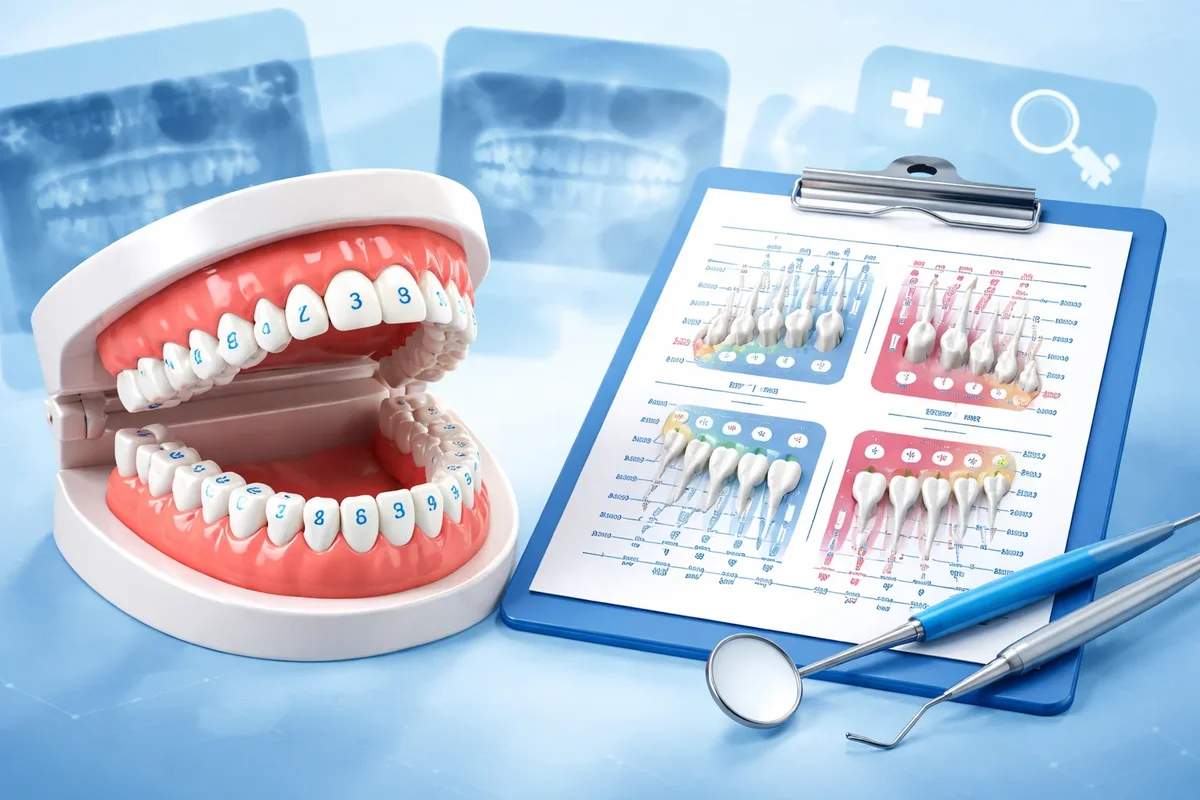
Future of Dentistry Number Systems in Modern Dentistry
The dentistry number system has been a cornerstone of dental practice for decades, but as technology continues to evolve, its role is becoming even more significant. The future of the dentistry number is closely tied to advancements in digital dentistry, artificial intelligence, and global standardization. These innovations are transforming how dental professionals use the dentistry number, making it more efficient, accurate, and integrated into modern healthcare systems.
In the coming years, the dentistry number will not only remain relevant but will also become more advanced. Its integration with digital tools and global databases will enhance communication, improve patient outcomes, and streamline dental workflows.
Digital Transformation and Dentistry Number
One of the most significant changes in modern dentistry is the shift toward digital systems. The dentistry number is now deeply embedded in digital dental records, imaging software, and treatment planning tools. Each tooth is identified by its unique dentistry number, allowing for precise tracking and documentation.
Digital platforms enable dentists to access patient information instantly, with every detail linked to a specific dentistry number. This improves efficiency and reduces the likelihood of errors. As digital dentistry continues to grow, the importance of the dentistry number will only increase.
Cloud-Based Dental Records
Cloud technology is revolutionizing how dental records are stored and shared. In cloud-based systems, every entry is connected to a dentistry number, ensuring that data is organized and accessible from anywhere. This allows dentists to collaborate more effectively and provide better care, even across different locations.
For patients, this means that their dental history—organized by dentistry number—can be easily transferred between clinics, making treatments more seamless and efficient.
Artificial Intelligence and Dentistry Number
Artificial intelligence (AI) is playing an increasingly important role in dentistry, and the dentistry number is central to this transformation. AI systems analyze dental images, detect issues, and suggest treatments—all based on data linked to specific dentistry number values.
For example, AI can examine X-rays and identify potential problems in a tooth associated with a particular dentistry number. This enhances diagnostic accuracy and allows for early intervention, improving patient outcomes.
Predictive Analytics
AI-powered predictive analytics uses historical data connected to the dentistry number to forecast future dental issues. By analyzing patterns, these systems can identify which teeth are at risk and recommend preventive measures. This proactive approach helps maintain oral health and reduces the need for extensive treatments.
Global Standardization of Dentistry Number
As dentistry becomes more globalized, there is a growing need for a unified dentistry number system. Currently, different regions use different methods, which can create challenges in international communication. However, efforts are being made to standardize the dentistry number worldwide.
The FDI system is increasingly being recognized as a global standard due to its logical structure and ease of use. A unified dentistry number system would simplify record sharing, improve collaboration, and ensure consistency in dental care across borders.
Benefits of Standardization
Standardizing the dentistry number offers several benefits, including:
- Improved communication between international dental professionals
- Seamless transfer of patient records
- Reduced risk of misinterpretation
- Enhanced patient safety and care quality
These advantages highlight the importance of moving toward a global dentistry number system.
Integration with Advanced Imaging Technologies
Advanced imaging technologies, such as 3D scanning and digital radiography, rely heavily on the dentistry number. Each image is labeled with a specific dentistry number, allowing dentists to analyze individual teeth in detail.
In the future, these technologies will become even more sophisticated, providing highly detailed visualizations of each tooth. The dentistry number will serve as the key reference point, ensuring that all data is accurately linked and easily accessible.
3D Treatment Planning
3D treatment planning is becoming increasingly common in procedures such as implants and orthodontics. Dentists use digital models of the mouth, with each tooth identified by its dentistry number, to plan treatments with precision. This technology improves accuracy and leads to better outcomes.
Patient-Centered Innovations in Dentistry Number
The future of the dentistry number is not only about technology—it’s also about improving the patient experience. New tools and applications are being developed to help patients understand their dental records more easily.
For example, mobile apps may allow patients to view their dental charts, with each dentistry number clearly explained. This empowers patients to take a more active role in their oral health and make informed decisions about their care.
Interactive Dental Education
Interactive educational tools can help patients learn about the dentistry number in a simple and engaging way. By combining visuals, explanations, and real-time feedback, these tools make it easier to understand complex concepts.
This increased understanding leads to better communication between patients and dentists, ultimately improving treatment outcomes.
The Long-Term Impact of Dentistry Number Evolution
As the dentistry number system continues to evolve, its impact on dental care will be profound. From improved diagnostics to enhanced patient engagement, the dentistry number will remain a central element of modern dentistry.
In the long term, the integration of the dentistry number with advanced technologies will lead to more personalized and efficient care. Dentists will be able to deliver treatments with greater precision, while patients will benefit from clearer communication and better outcomes.
In conclusion, the future of the dentistry number is bright and full of potential. As technology advances and global standards are established, the dentistry number will continue to play a vital role in shaping the future of dental care. By understanding and embracing these changes, both patients and professionals can look forward to a more efficient, accurate, and patient-centered dental experience. 😊