
Removing composite veneers is a specialized dental procedure that involves safely taking off tooth-colored resin layers that were previously applied to improve the appearance of teeth. Many patients initially choose composite veneers for their affordability, quick application, and natural look. However, over time, there are several valid reasons why removing composite veneers becomes necessary. Understanding the process, benefits, and implications of removing composite veneers is essential for making informed decisions about your dental health 😊.
Composite veneers are made from a resin material that is bonded directly to the tooth surface. Unlike porcelain veneers, which are fabricated in a laboratory, composite veneers are sculpted directly on your teeth by a dentist. While they are less invasive than porcelain alternatives, they still require maintenance and may not last forever. This is where removing composite veneers comes into play. Patients often seek removing composite veneers due to discoloration, wear and tear, damage, or simply the desire to upgrade to a more durable solution.
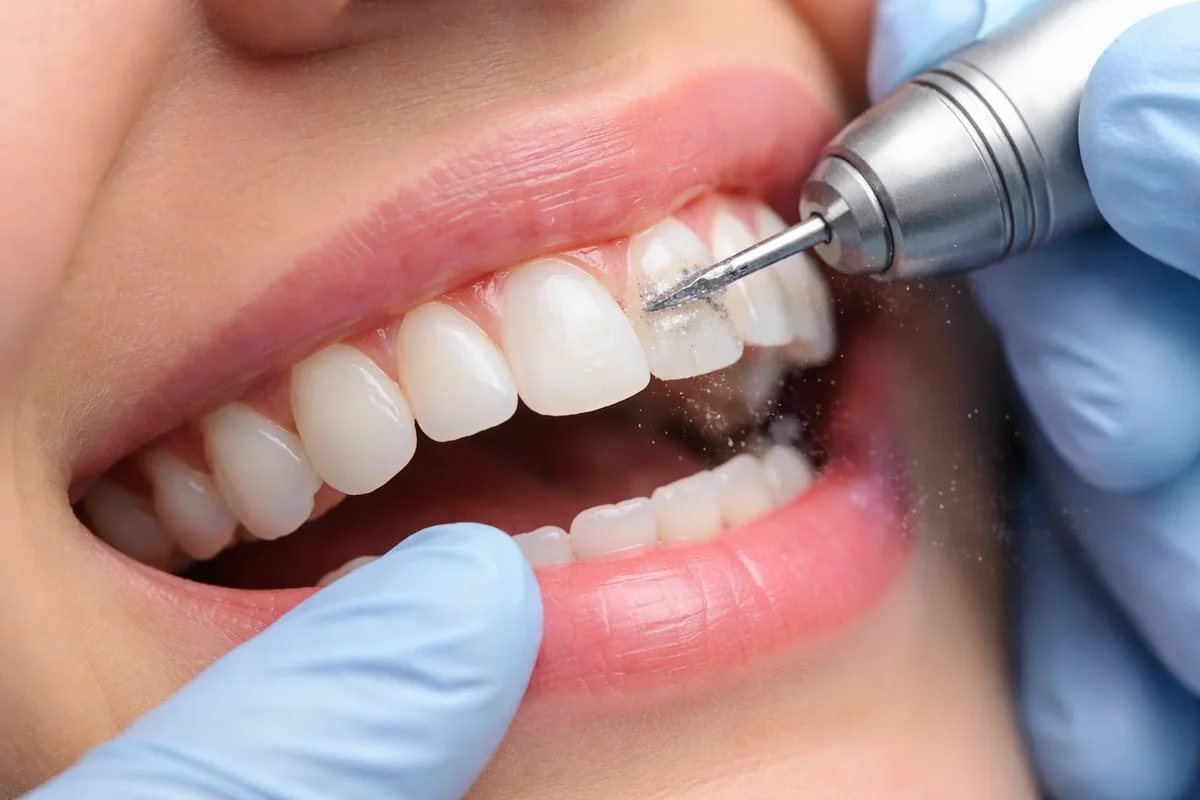
One of the most important aspects of removing composite veneers is that it must be performed by a qualified dental professional. Attempting to remove veneers at home or through unverified methods can damage your natural teeth. Dentists use specialized tools such as fine dental burs and polishing instruments to carefully eliminate the composite material without harming the enamel. The goal during removing composite veneers is to preserve as much of the natural tooth structure as possible.
There are several reasons why patients consider removing composite veneers. Over time, composite materials can stain due to coffee, tea, smoking, or certain foods. Even with excellent oral hygiene, discoloration may occur. In such cases, removing composite veneers allows for a fresh start, either by replacing them or opting for a different cosmetic solution. Additionally, some patients experience chipping or cracking, making removing composite veneers a necessary step to restore both function and aesthetics.
Another common reason for removing composite veneers is dissatisfaction with the appearance. Cosmetic trends and personal preferences change over time. What once looked appealing may no longer match a patient’s expectations. Removing composite veneers gives patients the flexibility to redesign their smile according to current preferences or to achieve a more natural look.
From a clinical perspective, removing composite veneers is also recommended if there are underlying dental issues such as decay, gum problems, or improper bonding. In such cases, removing composite veneers allows the dentist to treat the root cause before applying new restorations. This ensures long-term oral health rather than simply masking the problem.
It is also important to understand that removing composite veneers does not always mean leaving the teeth untreated. After removing composite veneers, dentists often recommend follow-up procedures such as polishing, whitening, or placing new veneers. Each case is unique, and the treatment plan depends on the condition of the natural teeth after removing composite veneers.
Patients often worry about whether removing composite veneers will damage their teeth. When performed correctly, removing composite veneers is a safe procedure that minimally affects the enamel. Dentists are trained to differentiate between composite material and natural tooth structure, ensuring precision during the process. This makes removing composite veneers a reliable option for those seeking to update or correct their smile.
Another key factor to consider is the longevity of results after removing composite veneers. If patients choose to replace them, modern dental materials offer improved durability and aesthetics. Alternatively, some patients prefer to maintain their natural teeth after removing composite veneers, especially if the original tooth structure is still in good condition.
Maintaining oral hygiene is crucial both before and after removing composite veneers. Brushing, flossing, and regular dental check-ups help prolong the health of your teeth and any future restorations. Dentists may also recommend professional cleaning sessions to keep your smile bright and healthy after removing composite veneers.
For those considering this procedure, consulting a professional clinic is essential. You can get personalized advice and treatment planning through the Redent Klinik Contact Page. Additionally, reliable information about dental procedures and oral health can be found on trusted platforms like the American Dental Association.
In conclusion, removing composite veneers is a safe, effective, and often necessary dental procedure for maintaining both aesthetics and oral health. Whether due to discoloration, damage, or changing preferences, removing composite veneers provides patients with the opportunity to refresh their smile and address any underlying dental concerns. By working with a skilled dentist and following proper aftercare, you can achieve optimal results and enjoy a confident, healthy smile for years to come 😁.
What Is Removing Composite Veneers and Why Is It Done?
Removing composite veneers is a professional dental procedure focused on carefully eliminating resin-based layers that were previously applied to improve the appearance of teeth. These veneers are popular due to their affordability and quick application, but over time, many patients begin considering removing composite veneers for functional, aesthetic, or health-related reasons. Understanding exactly what removing composite veneers involves and why it becomes necessary is essential for making the right dental decision 😊.
Understanding the Basics of Removing Composite Veneers
Composite veneers are made from a tooth-colored resin that is bonded directly onto the enamel. Unlike porcelain veneers, which are fabricated in a lab, composite veneers are sculpted chairside by a dentist. While they are minimally invasive, removing composite veneers requires precision and expertise. The process involves using specialized dental tools to gently remove the composite material while preserving the natural tooth structure.
The goal of removing composite veneers is not just to take off the visible material but also to ensure that the enamel underneath remains intact and healthy. Dentists carefully polish the surface after removing composite veneers to restore the natural texture of the tooth. This makes removing composite veneers a delicate but highly controlled procedure.
Main Reasons for Removing Composite Veneers
There are several common reasons why patients seek removing composite veneers. One of the most frequent causes is discoloration. Composite materials tend to stain over time due to exposure to coffee, tea, smoking, and certain foods. Even with good oral hygiene, these stains can become noticeable, prompting patients to consider removing composite veneers.
Another major reason for removing composite veneers is physical damage. Chips, cracks, or wear can occur over the years, especially if patients grind their teeth or bite into hard foods. In such cases, removing composite veneers becomes necessary to restore both function and aesthetics.
Additionally, some patients opt for removing composite veneers simply because they are no longer satisfied with the appearance. Cosmetic preferences evolve, and what once looked attractive may no longer meet personal expectations. Removing composite veneers allows for a fresh redesign of the smile, often with improved techniques and materials.
Medical and Functional Reasons
Beyond cosmetic concerns, removing composite veneers may also be required for medical reasons. If there is decay forming beneath the veneer, it is crucial to remove the composite material to treat the underlying issue. Similarly, gum irritation or improper bonding may necessitate removing composite veneers to prevent further complications.
In some cases, removing composite veneers helps dentists reassess the overall oral health condition. It allows them to detect hidden issues that might not be visible when the veneers are still in place. This makes removing composite veneers not only a cosmetic procedure but also a preventive dental measure.
Benefits of Removing Composite Veneers
There are several benefits associated with removing composite veneers. First and foremost, it allows patients to restore the natural appearance of their teeth. After removing composite veneers, many patients choose to polish or whiten their teeth for a refreshed look.
Another advantage of removing composite veneers is the opportunity to upgrade to more durable options, such as porcelain veneers. These alternatives offer better stain resistance and longevity. Therefore, removing composite veneers can be the first step toward a long-term smile transformation.
Additionally, removing composite veneers improves oral hygiene. Old or damaged veneers can trap plaque and bacteria, increasing the risk of cavities and gum disease. By removing composite veneers, patients can maintain a cleaner and healthier oral environment.
Is Removing Composite Veneers Always Necessary?
Not every case requires removing composite veneers. If the veneers are still in good condition and the patient is satisfied with their appearance, there may be no need for intervention. However, regular dental check-ups are essential to evaluate whether removing composite veneers is recommended.
Dentists assess factors such as the integrity of the bonding, the presence of stains, and the condition of the underlying tooth. If any issues are detected, removing composite veneers may be advised to prevent further damage. This proactive approach ensures long-term dental health.
Professional Guidance Is Essential
Removing composite veneers should always be performed by an experienced dental professional. Attempting to remove them without proper tools or knowledge can lead to enamel damage and sensitivity. Dentists use precise instruments and techniques to ensure that removing composite veneers is safe and effective.
If you are considering removing composite veneers, it is important to consult a trusted clinic. You can get expert advice and personalized treatment planning through the Redent Klinik Contact Page. For additional information about dental standards and best practices, you can also visit the American Dental Association.
In summary, removing composite veneers is a versatile dental procedure that serves both cosmetic and medical purposes. Whether due to staining, damage, or changing preferences, removing composite veneers allows patients to regain control over their smile and oral health. With professional care and proper planning, the results of removing composite veneers can be both safe and highly satisfying 😁.
When Should You Consider Removing Composite Veneers?
Deciding the right time for removing composite veneers is a crucial step in maintaining both the health and aesthetics of your smile. While composite veneers are a popular and effective cosmetic solution, they are not permanent. Over time, various factors can influence their condition, making removing composite veneers a necessary and beneficial procedure. Understanding when removing composite veneers is appropriate helps prevent long-term dental issues and ensures your smile stays attractive and healthy 😊.
Visible Signs That Indicate Removing Composite Veneers
One of the most obvious reasons for removing composite veneers is visible deterioration. Composite resin is not as resistant to staining as porcelain, which means discoloration is common over time. If your veneers appear yellow, dull, or uneven in color, removing composite veneers may be the best solution to restore a brighter and more natural smile.
Another clear indicator is physical damage. Chips, cracks, or worn edges can develop due to daily use, teeth grinding, or biting hard objects. In such cases, removing composite veneers is essential to prevent further damage to the underlying tooth. Ignoring these signs can lead to more serious complications, including tooth sensitivity and structural weakening.
Changes in Shape and Fit
Over time, composite veneers can lose their original shape due to wear. This may result in uneven edges or a bulky appearance. When veneers no longer fit properly or feel comfortable, removing composite veneers becomes necessary. A dentist can then reshape or replace them for a more natural look and improved comfort.
Oral Health Concerns Requiring Removal
Removing composite veneers is not always about aesthetics. In many cases, it is recommended due to underlying oral health issues. For example, if decay develops beneath the veneer, the composite material must be removed to treat the cavity effectively. Removing composite veneers in such situations allows the dentist to access the affected area and prevent the spread of infection.
Gum problems are another reason for removing composite veneers. Poorly fitted or aged veneers can irritate the gums, leading to inflammation or even gum recession. By removing composite veneers, dentists can address these issues and ensure proper gum health.
Hidden Dental Problems
Sometimes, problems beneath the veneer are not immediately visible. Removing composite veneers allows dentists to conduct a thorough examination of the tooth structure. This can reveal issues such as micro-leakage, bonding failures, or early-stage decay. Early detection through removing composite veneers helps prevent more complex treatments later.
Aesthetic and Lifestyle Reasons
In addition to health concerns, many patients choose removing composite veneers for aesthetic reasons. Cosmetic trends evolve, and personal preferences change. What once looked appealing may now seem outdated or unnatural. Removing composite veneers gives patients the opportunity to redesign their smile according to modern standards or personal taste.
Some individuals also opt for removing composite veneers because they want a more durable solution. Composite veneers typically last 4–7 years, whereas alternatives like porcelain veneers can last significantly longer. Removing composite veneers allows patients to upgrade to longer-lasting materials that require less maintenance.
Longevity and Maintenance Factors
Even with excellent care, composite veneers have a limited lifespan. Regular exposure to food, beverages, and daily wear gradually affects their quality. Dentists often recommend evaluating veneers after several years to determine whether removing composite veneers is necessary.
Maintenance habits also play a role. Patients who grind their teeth (bruxism) or neglect oral hygiene may need removing composite veneers sooner. In contrast, those who maintain good habits may extend the life of their veneers but will still eventually require removing composite veneers as part of routine dental care.
Professional Evaluation Is Key
The decision for removing composite veneers should always be based on a professional dental assessment. Dentists evaluate factors such as veneer integrity, bonding strength, and the condition of the natural tooth. They may use imaging techniques to determine whether removing composite veneers is the best course of action.
If you are unsure whether you need removing composite veneers, consulting a professional clinic is the safest approach. You can receive expert guidance through the Redent Klinik Contact Page. Additionally, trusted organizations like the American Dental Association provide valuable information about dental health and treatment standards.
Preventive Approach to Dental Care
Considering removing composite veneers at the right time is part of a preventive dental strategy. Waiting too long can lead to complications such as decay, gum disease, or structural damage. By proactively choosing removing composite veneers when needed, patients can avoid more invasive procedures in the future.
In summary, removing composite veneers should be considered when there are visible signs of wear, underlying health issues, or changing aesthetic preferences. Whether for functional or cosmetic reasons, removing composite veneers ensures that your smile remains both healthy and visually appealing. With proper timing and professional care, this procedure can significantly improve your overall dental experience and confidence 😁.
Step-by-Step Process of Removing Composite Veneers
The procedure of removing composite veneers is a precise and carefully controlled dental process designed to eliminate bonded resin material while preserving the natural tooth structure. Many patients feel anxious about removing composite veneers because they are unsure what happens during the procedure. However, understanding each step in detail can significantly reduce anxiety and help you feel more confident before visiting your dentist 😊.
Initial Consultation and Assessment
The first step in removing composite veneers always begins with a comprehensive dental examination. Your dentist evaluates the current condition of your veneers, checks for discoloration, cracks, or bonding issues, and examines the health of your natural teeth and gums. During this stage, removing composite veneers is discussed in terms of necessity, expectations, and possible outcomes.
Digital imaging or X-rays may be used to assess what lies beneath the veneers. This ensures that removing composite veneers is done safely, especially if there are hidden issues like decay or weakened enamel. A customized treatment plan is then created, tailored to your specific dental needs.
Treatment Planning and Patient Preparation
Before removing composite veneers begins, your dentist will explain the procedure step by step. In most cases, local anesthesia is optional because removing composite veneers is generally painless. However, if the patient has sensitive teeth or anxiety, anesthesia can be applied for added comfort.
The dentist may also clean the teeth before starting the procedure. This ensures better visibility and allows for more precise removing composite veneers.
Removing the Composite Material
The core step of removing composite veneers involves carefully eliminating the resin material bonded to the tooth surface. Dentists use specialized dental burs or fine polishing instruments to gently break down and remove the composite layer. This part of removing composite veneers requires high precision because the dentist must distinguish between the composite material and the natural enamel.
Modern dental tools allow for controlled and minimally invasive removing composite veneers. The process is gradual, ensuring that only the composite is removed while the underlying tooth remains intact. This makes removing composite veneers a safe and predictable procedure when performed by a professional.
Layer-by-Layer Removal Technique
Instead of removing the veneer all at once, dentists typically use a layer-by-layer technique. This method ensures greater accuracy and minimizes the risk of enamel damage. By slowly removing composite veneers in thin layers, the dentist can monitor progress closely and stop once the natural tooth surface is reached.
This careful approach is one of the reasons why removing composite veneers is considered a conservative dental procedure.
Surface Cleaning and Polishing
Once the composite material has been fully removed, the dentist proceeds with cleaning and polishing the tooth surface. Removing composite veneers often leaves minor residue or roughness, which needs to be smoothed out. Special polishing tools are used to restore the natural shine and texture of the enamel.
This step is crucial because it ensures that the tooth surface is clean, healthy, and ready for any future treatments. Whether the patient chooses to leave the teeth natural or apply new veneers, proper finishing after removing composite veneers is essential.
Evaluation of the Natural Teeth
After removing composite veneers, the dentist conducts a detailed evaluation of the exposed teeth. This helps determine whether additional treatments are needed. For example, if discoloration is present, teeth whitening may be recommended. If structural issues are found, restorative procedures might be necessary.
Removing composite veneers provides a unique opportunity to reassess the overall condition of your teeth. It allows dentists to identify problems that may have been hidden under the veneers.
Optional Follow-Up Treatments
Many patients choose to undergo additional cosmetic or restorative procedures after removing composite veneers. These may include:
- Teeth whitening for a brighter smile
- Application of new composite or porcelain veneers
- Dental bonding for minor corrections
- Orthodontic adjustments if alignment is needed
Each of these options can enhance the final results after removing composite veneers, depending on the patient’s goals.
Post-Procedure Care Instructions
After removing composite veneers, patients are usually given specific care instructions. These may include avoiding staining foods, maintaining proper oral hygiene, and scheduling follow-up visits. Proper care ensures that the results of removing composite veneers are long-lasting and that your teeth remain healthy.
If you are planning this procedure, you can consult professionals through the Redent Klinik Contact Page to receive personalized recommendations. For additional clinical guidelines, the American Dental Association offers reliable and up-to-date information.
How Long Does the Procedure Take?
The duration of removing composite veneers depends on the number of teeth involved and the complexity of the case. Typically, removing composite veneers for a single tooth can take
Step-by-Step Process of Removing Composite Veneers
The procedure of removing composite veneers is a precise and carefully controlled dental process designed to eliminate bonded resin material while preserving the natural tooth structure. Many patients feel anxious about removing composite veneers because they are unsure what happens during the procedure. However, understanding each step in detail can significantly reduce anxiety and help you feel more confident before visiting your dentist 😊.
Initial Consultation and Assessment
The first step in removing composite veneers always begins with a comprehensive dental examination. Your dentist evaluates the current condition of your veneers, checks for discoloration, cracks, or bonding issues, and examines the health of your natural teeth and gums. During this stage, removing composite veneers is discussed in terms of necessity, expectations, and possible outcomes.
Digital imaging or X-rays may be used to assess what lies beneath the veneers. This ensures that removing composite veneers is done safely, especially if there are hidden issues like decay or weakened enamel. A customized treatment plan is then created, tailored to your specific dental needs.
Treatment Planning and Patient Preparation
Before removing composite veneers begins, your dentist will explain the procedure step by step. In most cases, local anesthesia is optional because removing composite veneers is generally painless. However, if the patient has sensitive teeth or anxiety, anesthesia can be applied for added comfort.
The dentist may also clean the teeth before starting the procedure. This ensures better visibility and allows for more precise removing composite veneers.
Removing the Composite Material
The core step of removing composite veneers involves carefully eliminating the resin material bonded to the tooth surface. Dentists use specialized dental burs or fine polishing instruments to gently break down and remove the composite layer. This part of removing composite veneers requires high precision because the dentist must distinguish between the composite material and the natural enamel.
Modern dental tools allow for controlled and minimally invasive removing composite veneers. The process is gradual, ensuring that only the composite is removed while the underlying tooth remains intact. This makes removing composite veneers a safe and predictable procedure when performed by a professional.
Layer-by-Layer Removal Technique
Instead of removing the veneer all at once, dentists typically use a layer-by-layer technique. This method ensures greater accuracy and minimizes the risk of enamel damage. By slowly removing composite veneers in thin layers, the dentist can monitor progress closely and stop once the natural tooth surface is reached.
This careful approach is one of the reasons why removing composite veneers is considered a conservative dental procedure.
Surface Cleaning and Polishing
Once the composite material has been fully removed, the dentist proceeds with cleaning and polishing the tooth surface. Removing composite veneers often leaves minor residue or roughness, which needs to be smoothed out. Special polishing tools are used to restore the natural shine and texture of the enamel.
This step is crucial because it ensures that the tooth surface is clean, healthy, and ready for any future treatments. Whether the patient chooses to leave the teeth natural or apply new veneers, proper finishing after removing composite veneers is essential.
Evaluation of the Natural Teeth
After removing composite veneers, the dentist conducts a detailed evaluation of the exposed teeth. This helps determine whether additional treatments are needed. For example, if discoloration is present, teeth whitening may be recommended. If structural issues are found, restorative procedures might be necessary.
Removing composite veneers provides a unique opportunity to reassess the overall condition of your teeth. It allows dentists to identify problems that may have been hidden under the veneers.
Optional Follow-Up Treatments
Many patients choose to undergo additional cosmetic or restorative procedures after removing composite veneers. These may include:
- Teeth whitening for a brighter smile
- Application of new composite or porcelain veneers
- Dental bonding for minor corrections
- Orthodontic adjustments if alignment is needed
Each of these options can enhance the final results after removing composite veneers, depending on the patient’s goals.
Post-Procedure Care Instructions
After removing composite veneers, patients are usually given specific care instructions. These may include avoiding staining foods, maintaining proper oral hygiene, and scheduling follow-up visits. Proper care ensures that the results of removing composite veneers are long-lasting and that your teeth remain healthy.
If you are planning this procedure, you can consult professionals through the Redent Klinik Contact Page to receive personalized recommendations. For additional clinical guidelines, the American Dental Association offers reliable and up-to-date information.
How Long Does the Procedure Take?
The duration of removing composite veneers depends on the number of teeth involved and the complexity of the case. Typically, removing composite veneers for a single tooth can take 30 to 60 minutes, while full smile cases may require multiple sessions. Despite this, the procedure is generally efficient and does not involve lengthy recovery times.
Why Professional Expertise Matters
Removing composite veneers is not a DIY process. Attempting to remove veneers without proper training can lead to irreversible damage, including enamel loss and tooth sensitivity. Professional dentists have the expertise and tools necessary to perform removing composite veneers safely and effectively.
In conclusion, the step-by-step process of removing composite veneers is structured, safe, and designed to protect your natural teeth. From initial consultation to final polishing, each stage plays a vital role in achieving optimal results. With expert care and proper planning, removing composite veneers can be a smooth and rewarding experience that enhances both your dental health and confidence 😁.
Costs of Removing Composite Veneers: What to Expect
Understanding the financial aspect of removing composite veneers is an important part of planning your dental treatment. While many patients focus on the aesthetic and clinical benefits, the cost of removing composite veneers can vary significantly depending on several factors. These include the number of teeth involved, the complexity of the procedure, the clinic’s location, and whether additional treatments are required afterward. Having a clear idea of pricing helps you make informed decisions and avoid unexpected expenses 😊.
Average Cost of Removing Composite Veneers
The cost of removing composite veneers typically ranges between $50 to $300 per tooth in many countries. However, this is a general estimate and may vary based on the clinic and the expertise of the dentist. In countries known for dental tourism, such as Turkey, removing composite veneers can often be more affordable while still maintaining high-quality standards.
Below is a general cost overview for removing composite veneers:
- Single tooth removal: $50 – $150
- Multiple teeth (4–8 veneers): $200 – $800
- Full smile (8–16 veneers): $500 – $2,000
These prices typically cover only the procedure of removing composite veneers. Additional treatments such as polishing, whitening, or new veneers may increase the total cost.
Why Prices Vary
The cost of removing composite veneers is influenced by several factors. One major factor is the complexity of the case. If the veneers are thick, heavily bonded, or damaged, removing composite veneers may take more time and precision, which can increase the price.
Another factor is the dentist’s experience. Highly skilled cosmetic dentists may charge higher fees for removing composite veneers due to their expertise and advanced techniques. Additionally, clinic location plays a role. Dental clinics in major cities or premium areas often have higher costs compared to smaller or less central locations.
Additional Costs to Consider
When planning for removing composite veneers, it is essential to consider potential additional costs. In many cases, removing composite veneers is only one part of a broader treatment plan. After the procedure, patients may require follow-up treatments to achieve the desired results.
Common additional costs include:
- Teeth polishing: $50 – $150
- Teeth whitening: $150 – $400
- New composite veneers: $250 – $600 per tooth
- Porcelain veneers: $800 – $2,500 per tooth
These additional treatments can significantly affect the overall budget. Therefore, discussing a full treatment plan with your dentist before removing composite veneers is highly recommended.
Consultation Fees
Some clinics may charge a consultation fee before removing composite veneers, while others offer free consultations as part of their service. This initial visit is important because it allows the dentist to assess your condition and provide a personalized cost estimate.
Is Removing Composite Veneers Covered by Insurance?
In most cases, removing composite veneers is considered a cosmetic procedure, which means it is not typically covered by dental insurance. However, if removing composite veneers is necessary due to medical reasons—such as decay, gum disease, or structural damage—partial coverage may be possible.
It is always advisable to check with your insurance provider to determine whether removing composite veneers qualifies for reimbursement under your policy.
Cost vs. Value: Is It Worth It?
While the cost of removing composite veneers may seem like an added expense, it is important to consider the long-term value. Removing composite veneers can prevent further dental issues, improve oral hygiene, and enhance the overall appearance of your smile.
In many cases, delaying removing composite veneers can lead to more serious problems, such as decay or gum disease, which require more expensive treatments. Therefore, investing in timely removing composite veneers can actually save money in the long run.
How to Save Money on Removing Composite Veneers
There are several ways to reduce the cost of removing composite veneers without compromising quality. One option is to choose clinics that offer package deals, especially if multiple teeth are involved. Dental tourism is another popular option, as countries like Turkey provide high-quality services at competitive prices.
Additionally, maintaining good oral hygiene can extend the lifespan of your veneers, delaying the need for removing composite veneers. Regular dental check-ups also help detect issues early, reducing the overall cost of treatment.
Choosing the Right Clinic
Selecting a reputable clinic is essential when considering removing composite veneers. While lower prices may be tempting, quality and expertise should always be the priority. A poorly performed procedure can lead to enamel damage and additional costs for corrective treatments.
For professional guidance and a personalized cost estimate, you can visit the Redent Klinik Contact Page. Additionally, you can explore general dental care standards through the American Dental Association.
Final Thoughts on Pricing
In summary, the cost of removing composite veneers depends on multiple factors, including the number of teeth, procedure complexity, and follow-up treatments. While prices vary, understanding the breakdown of costs helps you plan effectively and avoid surprises.
Removing composite veneers is not just an expense—it is an investment in your oral health and confidence. By choosing the right clinic and understanding all associated costs, you can ensure a smooth and satisfying experience while achieving the smile you desire 😁.
Aftercare Tips Following Removing Composite Veneers
After completing the procedure of removing composite veneers, proper aftercare becomes essential to protect your natural teeth and maintain long-term oral health. While removing composite veneers is generally safe and minimally invasive, the teeth may be slightly sensitive or more vulnerable immediately afterward. By following the right care routine, you can ensure optimal healing and achieve the best possible results 😊.
Immediate Care After Removing Composite Veneers
Right after removing composite veneers, your dentist will usually polish your teeth to restore their natural surface. At this stage, it is normal to experience mild sensitivity, especially when consuming hot or cold foods. This sensitivity is temporary and can be managed with proper care.
For the first 24 to 48 hours after removing composite veneers, it is recommended to avoid extremely hot, cold, or acidic foods. These can trigger discomfort and irritate the exposed enamel. Soft foods such as yogurt, soup, and mashed vegetables are ideal during this period.
Managing Sensitivity
To reduce sensitivity after removing composite veneers, dentists often recommend using desensitizing toothpaste. These products help block nerve signals and gradually reduce discomfort. Additionally, avoiding sudden temperature changes in food and drinks can make the transition period more comfortable.
Oral Hygiene Routine After Removing Composite Veneers
Maintaining excellent oral hygiene is crucial after removing composite veneers. Without the protective layer of composite material, your natural teeth require extra care to stay healthy and strong. Brushing your teeth at least twice a day with a soft-bristled toothbrush is essential.
Flossing daily is equally important, as it removes plaque and food particles between teeth. After removing composite veneers, bacteria can accumulate more easily if oral hygiene is neglected. Using an alcohol-free mouthwash can also help keep your mouth clean without causing irritation.
Choosing the Right Products
After removing composite veneers, it is advisable to use non-abrasive toothpaste. Abrasive formulas can wear down the enamel and increase sensitivity. Fluoride-based products are highly recommended because they strengthen enamel and protect against cavities.
Dietary Recommendations
Your diet plays a significant role in maintaining the results of removing composite veneers. Certain foods and beverages can stain or weaken your natural teeth. To preserve your smile, it is best to limit the consumption of coffee, tea, red wine, and sugary snacks.
Instead, focus on a balanced diet rich in calcium, vitamins, and minerals. Foods like dairy products, leafy greens, and nuts help strengthen teeth and support overall oral health. Drinking plenty of water also helps wash away food particles and maintain a clean oral environment after removing composite veneers.
Avoiding Harmful Habits
After removing composite veneers, it is important to avoid habits that can damage your teeth. Nail-biting, chewing ice, and using your teeth as tools can lead to chips or cracks. If you grind your teeth at night (bruxism), your dentist may recommend wearing a night guard to protect your teeth.
Smoking is another habit to avoid, as it can stain your teeth and negatively affect gum health. Eliminating such habits ensures that the benefits of removing composite veneers are long-lasting.
Follow-Up Appointments
Regular dental check-ups are essential after removing composite veneers. Your dentist will monitor your teeth to ensure that there are no underlying issues such as decay or sensitivity problems. Follow-up visits also provide an opportunity to discuss further cosmetic treatments if desired.
If you are considering additional procedures after removing composite veneers, you can consult experts through the Redent Klinik Contact Page. For general oral health guidelines, you can also visit the American Dental Association.
Professional Cleaning
Scheduling professional cleanings every six months helps maintain oral hygiene and prevent plaque buildup. After removing composite veneers, these cleanings are especially important to keep your natural teeth in optimal condition.
Considering Further Cosmetic Options
Many patients choose to enhance their smile after removing composite veneers. Options such as teeth whitening, dental bonding, or porcelain veneers can provide improved aesthetics and durability. Discussing these options with your dentist ensures that you select the best treatment for your needs.
Removing composite veneers creates an opportunity to redesign your smile with more advanced and long-lasting solutions.
Long-Term Care and Maintenance
Long-term success after removing composite veneers depends on consistent care and healthy habits. Brushing, flossing, and regular dental visits should become part of your daily routine. Protecting your teeth from excessive force and avoiding staining substances will help maintain a bright and healthy smile.
In summary, aftercare following removing composite veneers is just as important as the procedure itself. By following proper hygiene practices, making smart dietary choices, and attending regular dental check-ups, you can ensure that your teeth remain strong and beautiful. Removing composite veneers is a step toward better oral health, and with the right care, the results can be both long-lasting and highly satisfying 😁.
Risks and Complications of Removing Composite Veneers
While removing composite veneers is generally considered a safe and routine dental procedure, it is still important to understand the potential risks and complications involved. Being informed about these possibilities helps patients set realistic expectations and take the necessary precautions before and after removing composite veneers. When performed by a skilled professional, complications are rare, but awareness is key to ensuring a smooth and successful outcome 😊.
Common Side Effects After Removing Composite Veneers
One of the most frequently reported effects after removing composite veneers is temporary tooth sensitivity. This occurs because the composite layer that once covered the tooth is no longer present, exposing the natural enamel. Patients may notice increased sensitivity to hot, cold, or sweet foods immediately after removing composite veneers.
Fortunately, this sensitivity is usually short-lived and can be managed with desensitizing toothpaste and proper oral care. Dentists often reassure patients that removing composite veneers does not inherently damage teeth when done correctly.
Mild Gum Irritation
Another minor side effect of removing composite veneers is gum irritation. During the procedure, the surrounding gum tissue may become slightly inflamed due to contact with dental tools. This condition typically resolves within a few days with proper oral hygiene and gentle care.
Potential Risks During the Procedure
Although removing composite veneers is a controlled process, there are certain risks associated with improper technique. One of the primary concerns is accidental enamel removal. If the dentist is not experienced, there is a possibility of removing a thin layer of natural enamel along with the composite material.
This is why choosing a qualified and experienced dentist is essential when considering removing composite veneers. Professionals use advanced tools and magnification techniques to ensure that only the composite material is removed while preserving the natural tooth structure.
Over-Polishing of Teeth
After removing composite veneers, the teeth are polished to restore their natural smoothness. However, excessive polishing can lead to enamel thinning. This risk is minimal when the procedure is performed correctly, but it highlights the importance of professional expertise in removing composite veneers.
Long-Term Complications
In rare cases, patients may experience long-term complications after removing composite veneers. These can include prolonged sensitivity, uneven tooth surfaces, or aesthetic concerns if the natural teeth were previously altered. Removing composite veneers may reveal underlying discoloration or irregularities that were hidden by the veneers.
Additionally, if there was pre-existing damage or decay beneath the veneers, removing composite veneers may expose these issues, requiring further treatment. While this may seem like a complication, it is actually beneficial because it allows dentists to address problems early.
Risk of Tooth Weakness
Another concern some patients have is whether removing composite veneers weakens the teeth. In most cases, removing composite veneers does not weaken teeth if the original enamel was preserved during the initial application. However, if the veneers were placed after enamel reduction, the teeth may feel slightly more vulnerable after removal.
This is why dentists often recommend protective treatments such as bonding or new veneers after removing composite veneers, depending on the condition of the teeth.
Aesthetic Challenges After Removal
After removing composite veneers, some patients may notice that their natural teeth do not look as uniform or bright as before. This is because veneers often mask imperfections such as discoloration, gaps, or uneven shapes. Removing composite veneers can reveal these underlying characteristics.
To address this, dentists may suggest additional cosmetic procedures such as teeth whitening or new veneers. Removing composite veneers is often just one step in achieving the desired smile transformation.
Psychological Concerns
It is also important to consider the psychological aspect of removing composite veneers. Some patients may feel self-conscious about their natural teeth after the veneers are removed. This adjustment period is normal, and discussing expectations with your dentist beforehand can help ease concerns.
How to Minimize Risks
The best way to minimize risks associated with removing composite veneers is to choose a reputable dental clinic and follow professional advice. A skilled dentist will use precise techniques and modern equipment to ensure a safe procedure.
Maintaining good oral hygiene before and after removing composite veneers also plays a crucial role in preventing complications. Regular check-ups allow dentists to monitor your dental health and address any issues early.
If you are planning this procedure, you can consult experienced professionals through the Redent Klinik Contact Page. For broader dental safety standards and guidelines, you can refer to the American Dental Association.
Importance of Post-Treatment Care
Following proper aftercare instructions is essential to avoid complications after removing composite veneers. This includes using recommended dental products, avoiding harmful habits, and attending follow-up appointments.
Final Thoughts on Risks
In conclusion, removing composite veneers is a safe and effective procedure when performed by a qualified dentist. While there are potential risks and complications, they are generally minor and manageable. Understanding these risks allows patients to approach removing composite veneers with confidence and realistic expectations.
By choosing the right professional, maintaining proper oral hygiene, and following post-procedure care guidelines, you can minimize risks and enjoy the benefits of removing composite veneers. Ultimately, this procedure plays a vital role in maintaining both the health and aesthetics of your smile 😁.
Alternatives to Removing Composite Veneers
While removing composite veneers is a common and effective solution for many dental concerns, it is not always the only option. In some cases, patients may benefit from alternative treatments that improve the appearance and function of their teeth without fully removing composite veneers. Understanding these alternatives can help you make a more informed decision based on your dental condition, aesthetic goals, and budget 😊.
When Alternatives May Be Better Than Removing Composite Veneers
Removing composite veneers is typically recommended when there is significant damage, discoloration, or underlying dental issues. However, if the veneers are still structurally sound and only have minor imperfections, alternatives may provide a less invasive solution. Dentists often evaluate whether removing composite veneers is truly necessary or if a more conservative approach can achieve the desired results.
In cases where the veneers are slightly stained or worn, treatments such as polishing or resurfacing can restore their appearance without the need for removing composite veneers. This approach saves time, reduces cost, and preserves the existing material.
Minor Repairs Instead of Full Removal
Small chips or cracks in composite veneers can often be repaired using additional bonding material. Instead of removing composite veneers entirely, dentists can fix localized damage and blend the repair seamlessly with the existing veneer. This makes it a practical alternative when the overall structure remains intact.
Polishing and Refinishing Composite Veneers
Polishing is one of the simplest alternatives to removing composite veneers. Over time, veneers can lose their shine and develop surface stains. Professional polishing can restore their smoothness and brightness, making them look almost new again.
Refinishing involves reshaping the surface slightly to improve symmetry and aesthetics. This technique is especially useful when patients are unhappy with minor cosmetic details but do not require full removing composite veneers.
Teeth Whitening Around Veneers
Although composite veneers themselves do not respond to whitening treatments, the natural teeth surrounding them can be whitened. This can create a more uniform appearance without removing composite veneers. However, this option works best when the veneers are still in good condition and match the desired shade after whitening.
If there is a significant color mismatch, removing composite veneers and replacing them may be a better long-term solution.
Replacing Instead of Removing Composite Veneers Permanently
In some cases, patients choose to replace their composite veneers rather than simply removing composite veneers and leaving the teeth untreated. This involves removing composite veneers and immediately applying new ones with improved materials and techniques.
Upgrading to Modern Composite Materials
Dental technology has advanced significantly, and newer composite materials offer better durability, stain resistance, and aesthetics. By replacing rather than permanently removing composite veneers, patients can achieve a more natural and long-lasting result.
Switching to Porcelain Veneers
One of the most popular alternatives after removing composite veneers is switching to porcelain veneers. Porcelain veneers are more resistant to staining and typically last longer than composite options. While this involves removing composite veneers as a first step, it is considered an upgrade rather than a simple removal.
Porcelain veneers provide a more polished and natural look, making them a preferred choice for patients seeking long-term cosmetic improvements.
Orthodontic Solutions Instead of Removing Composite Veneers
In some situations, the need for removing composite veneers arises due to alignment issues rather than veneer problems. In such cases, orthodontic treatments like clear aligners can correct the underlying issue without immediately removing composite veneers.
Once the alignment is corrected, patients can decide whether removing composite veneers is still necessary or if the improved positioning resolves their concerns.
Dental Bonding as an Alternative
Dental bonding is another option that can be used instead of removing composite veneers. This technique involves applying a thin layer of composite resin to correct minor imperfections. It is particularly useful for small gaps, chips, or discoloration.
Bonding can either complement existing veneers or replace the need for removing composite veneers altogether, depending on the situation.
Professional Consultation Is Essential
Choosing between removing composite veneers and alternative treatments requires professional guidance. Every patient’s dental condition is unique, and the best solution depends on factors such as enamel health, veneer condition, and aesthetic goals.
If you are unsure whether removing composite veneers is the right choice, you can consult experts through the Redent Klinik Contact Page. Additionally, reliable dental care information can be found at the American Dental Association.
Customized Treatment Planning
Dentists create personalized treatment plans that consider both functional and cosmetic aspects. This ensures that whether you proceed with removing composite veneers or choose an alternative, the results will meet your expectations.
Final Thoughts on Alternatives
In conclusion, while removing composite veneers is often necessary, it is not always the only solution. Alternatives such as polishing, repairs, bonding, or upgrading to new materials can provide excellent results with less intervention. Understanding these options allows patients to choose the most suitable path for their needs.
By consulting a qualified dentist and exploring all available treatments, you can determine whether removing composite veneers or an alternative approach will best enhance your smile. With the right decision, you can achieve both aesthetic satisfaction and long-term oral health 😁.
Expert Tips for a Smooth Removing Composite Veneers Experience
Achieving the best possible outcome from removing composite veneers requires more than just the procedure itself. Preparation, choosing the right professional, and following expert advice all play a significant role in ensuring a smooth and successful experience. Whether you are planning removing composite veneers for aesthetic reasons or due to dental concerns, these expert tips will help you navigate the process with confidence and clarity 😊.
Choose an Experienced Cosmetic Dentist
The most important factor in successful removing composite veneers is selecting a qualified and experienced dentist. Since removing composite veneers requires precision and attention to detail, working with a specialist in cosmetic dentistry significantly reduces risks and improves results.
Experienced dentists use advanced tools and techniques to differentiate between composite material and natural enamel. This ensures that removing composite veneers is performed safely without damaging the underlying tooth structure.
Check Credentials and Reviews
Before undergoing removing composite veneers, take time to research your dentist’s credentials, certifications, and patient reviews. Clinics with a strong reputation are more likely to deliver consistent and high-quality results.
Schedule a Detailed Consultation
A thorough consultation is essential before removing composite veneers. During this visit, your dentist will assess your oral health, discuss your expectations, and explain the procedure in detail. This is also the time to ask questions about removing composite veneers, including risks, costs, and aftercare.
Clear communication helps align your expectations with the actual outcome of removing composite veneers, reducing the chances of dissatisfaction.
Discuss Personalized Treatment Plans
Every patient is different, and removing composite veneers should never follow a one-size-fits-all approach. A personalized treatment plan ensures that your specific needs and goals are addressed effectively.
Prepare Your Teeth Before the Procedure
Proper preparation can make removing composite veneers smoother and more comfortable. Maintaining good oral hygiene before the appointment helps reduce bacteria and ensures a clean working environment for the dentist.
If there are existing dental issues such as cavities or gum inflammation, these should be treated before removing composite veneers. Addressing these problems in advance minimizes complications during the procedure.
Understand the Procedure and Set Realistic Expectations
One of the best ways to ensure a positive experience is to fully understand what removing composite veneers involves. Knowing that the procedure is generally painless and minimally invasive can help reduce anxiety.
It is also important to have realistic expectations. Removing composite veneers may reveal natural tooth imperfections such as slight discoloration or uneven surfaces. Discussing these possibilities with your dentist beforehand ensures that you are prepared for the outcome.
Ask About Follow-Up Options
After removing composite veneers, you may want additional treatments such as whitening or new veneers. Understanding these options in advance allows you to plan your smile transformation more effectively.
Follow Post-Procedure Care Instructions
After removing composite veneers, following your dentist’s aftercare instructions is crucial. Proper care helps prevent sensitivity, protects your enamel, and ensures long-lasting results.
Brushing with a soft toothbrush, using fluoride toothpaste, and avoiding staining foods are key steps in maintaining your teeth after removing composite veneers. Consistency in these habits will significantly improve your overall dental health.
Avoid Common Mistakes
There are several common mistakes patients should avoid when undergoing removing composite veneers. One of the biggest mistakes is attempting to remove veneers at home. This can lead to severe enamel damage and long-term dental problems.
Another mistake is neglecting follow-up visits. Regular dental check-ups allow your dentist to monitor your teeth and ensure that removing composite veneers has not led to any complications.
Do Not Ignore Sensitivity
If you experience prolonged sensitivity after removing composite veneers, do not ignore it. Consult your dentist promptly to address the issue and prevent further discomfort.
Maintain Long-Term Oral Health
Removing composite veneers is just one step in your dental journey. Maintaining long-term oral health requires consistent care and regular professional evaluations. Good habits such as brushing, flossing, and avoiding harmful behaviors will help preserve your natural teeth.
Additionally, scheduling routine dental cleanings ensures that your teeth remain healthy and free from plaque buildup after removing composite veneers.
Seek Professional Support When Needed
If you have any concerns before or after removing composite veneers, do not hesitate to seek professional advice. Early intervention can prevent minor issues from becoming major problems.
You can consult experienced professionals through the Redent Klinik Contact Page for personalized guidance. For general dental care standards and expert recommendations, the American Dental Association is a reliable resource.
Stay Informed and Proactive
Staying informed about your dental health empowers you to make better decisions. Understanding the process of removing composite veneers and following expert advice ensures a smoother experience and better results.
Final Thoughts
In conclusion, removing composite veneers can be a straightforward and rewarding procedure when approached correctly. By choosing a skilled dentist, preparing properly, and following expert tips, you can minimize risks and maximize results.
Removing composite veneers is not just about removing old materials—it is about improving your oral health and achieving a confident, natural smile. With the right guidance and care, your experience with removing composite veneers can be smooth, safe, and highly satisfying 😁.