
dess dental implants are widely recognized as a high-quality dental implant solution designed to replace missing teeth in a safe, durable, and biologically compatible way. For patients who want long-term oral health, natural aesthetics, and reliable chewing function, this implant system offers a modern answer backed by advanced engineering and clinical research. In this comprehensive guide, we will explore what makes this implant system unique, how it works, and why many dental professionals trust it for predictable, long-lasting results 😊.
At their core, dess dental implants are titanium-based fixtures surgically placed into the jawbone to act as artificial tooth roots. Once integrated with the bone, they provide a stable foundation for crowns, bridges, or full-arch restorations. Titanium is used because of its exceptional biocompatibility, meaning the human body readily accepts it without triggering allergic reactions or immune responses. This allows the implant to fuse naturally with the bone through a biological process called osseointegration.
One of the biggest advantages of dess dental implants is their precision manufacturing. These implants are produced using advanced CNC machining technology, ensuring accurate dimensions and consistent quality. This precision is crucial because even microscopic variations can affect implant stability, healing time, and long-term success. Thanks to their exact design, dentists can achieve optimal positioning, which improves bite alignment and overall comfort.
From a patient perspective, dess dental implants are designed to feel and function like natural teeth. Unlike removable dentures, implants are fixed permanently into the jawbone, eliminating slipping, clicking sounds, or discomfort while eating and speaking. This stability significantly improves quality of life, especially for patients who have struggled with traditional tooth replacement options.
Another critical benefit of dess dental implants is bone preservation. When a tooth is lost, the surrounding jawbone begins to shrink due to lack of stimulation. Over time, this bone loss can alter facial structure and cause a sunken appearance. Dental implants mimic natural tooth roots, stimulating the bone during chewing and helping maintain facial volume and jaw strength 💪.
Clinical success rates for dess dental implants are impressively high when placed by experienced professionals. According to standards supported by organizations like the American Dental Association, modern dental implant systems can achieve success rates above 95% when proper case planning and oral hygiene are maintained. This makes implants one of the most reliable procedures in modern dentistry.
Patients considering dess dental implants often ask about safety. These implants meet strict international quality and safety standards, including ISO certifications. The surface technology is specifically engineered to encourage faster bone attachment, reducing healing time and improving initial stability. This is especially important for patients who want quicker restoration timelines without compromising safety.
From an aesthetic standpoint, dess dental implants allow for highly natural-looking restorations. The implant itself remains hidden beneath the gum line, while the visible crown is custom-designed to match the color, shape, and size of surrounding teeth. The result is a seamless smile that looks and feels authentic 😁.
It is also important to highlight that dess dental implants are suitable for a wide range of cases, from single missing teeth to full-mouth rehabilitation. Whether a patient has lost a tooth due to trauma, decay, or gum disease, implants offer a versatile solution that can be tailored to individual needs.
If you are exploring whether dess dental implants are right for you, professional consultation is essential. A qualified dental clinic will evaluate bone density, gum health, and overall medical history before creating a personalized treatment plan. If you would like expert guidance or have questions about implant treatment, you can reach out through the Redent Klinik Contact Page to receive detailed information and professional support.
In summary, dess dental implants represent a modern, science-backed approach to tooth replacement that prioritizes safety, comfort, durability, and aesthetics. By combining advanced materials with precise engineering and proven biological principles, they offer patients a reliable path to restoring both oral health and confidence. As dental technology continues to evolve, implant systems like this remain at the forefront of long-term dental solutions 🌟.
What Are DESS Dental Implants and How Do They Work?
dess dental implants are advanced dental implant components designed to replace missing tooth roots and support long-lasting dental restorations. They are engineered with precision to integrate seamlessly with the jawbone and provide a stable base for crowns, bridges, or full-arch prosthetics. Understanding how this system works helps patients make informed decisions and feel confident about their treatment 😊.
The Core Structure of DESS Dental Implants
At a structural level, dess dental implants consist of three main elements: the implant fixture, the abutment, and the prosthetic restoration. The implant fixture is the titanium screw placed directly into the jawbone. Titanium is chosen because it is biocompatible, corrosion-resistant, and exceptionally strong, allowing it to withstand years of chewing forces without degradation.
Once the fixture is securely placed, an abutment is attached. This small connector links the implant to the visible tooth restoration. The abutment plays a critical role in distributing bite forces evenly and ensuring the final crown sits at the correct angle for both function and aesthetics. With dess dental implants, abutments are manufactured with high precision, which reduces micro-gaps and improves long-term stability.
How Osseointegration Makes DESS Dental Implants Stable
The success of dess dental implants relies heavily on a biological process known as osseointegration. After the implant fixture is placed into the jawbone, the surrounding bone cells gradually grow and bond directly to the implant surface. This creates a strong, permanent connection that mimics the function of a natural tooth root.
The surface technology used in dess dental implants is specifically designed to accelerate this process. Microscopic surface textures increase the contact area between bone and implant, encouraging faster and more secure integration. This is especially beneficial for patients who want reliable healing and long-term success without complications.
Why Titanium Is Essential for Osseointegration
Titanium’s unique ability to fuse with bone is one of the main reasons dess dental implants are so effective. Unlike other metals, titanium forms a stable oxide layer that the body accepts naturally. This minimizes inflammation and reduces the risk of implant rejection. For patients, this means a safer procedure and a higher likelihood of long-term implant survival 💪.
The Functional Role of DESS Dental Implants in Daily Life
From a functional standpoint, dess dental implants restore the ability to chew, speak, and smile with confidence. Because the implant is anchored in the bone, it provides stability similar to a natural tooth. This allows patients to eat a wide range of foods without discomfort or fear of movement, which is a common issue with removable dentures.
Speech is also improved with dess dental implants. Missing teeth or unstable prosthetics can affect pronunciation and clarity. Implants remain fixed in place, allowing the tongue and lips to move naturally during speech. Over time, most patients forget they even have implants because they feel so natural.
How DESS Dental Implants Support Long-Term Oral Health
One often overlooked benefit of dess dental implants is their positive impact on overall oral health. When a tooth is lost, neighboring teeth may shift into the empty space, leading to misalignment and bite problems. Implants prevent this movement by filling the gap and maintaining proper spacing.
Additionally, dess dental implants help preserve jawbone density. Natural tooth roots stimulate the bone during chewing, and implants replicate this stimulation. Without it, bone loss can occur over time, affecting facial structure and increasing the risk of further tooth loss. By maintaining bone volume, implants contribute to a healthier, more youthful appearance 😊.
DESS Dental Implants Compared to Traditional Tooth Replacement
Compared to bridges or dentures, dess dental implants offer superior stability and longevity. Traditional bridges require the alteration of adjacent healthy teeth, while implants stand independently. This preserves natural tooth structure and reduces the risk of future dental problems.
Unlike dentures, which may need frequent adjustments or replacement, dess dental implants are designed for long-term use. With proper oral hygiene and regular dental check-ups, they can last for decades, making them a cost-effective solution over time.
In summary, dess dental implants work by combining advanced materials, precise engineering, and natural biological processes to create a reliable tooth replacement solution. From osseointegration to daily function and long-term oral health benefits, they provide a comprehensive approach to restoring both form and function. Understanding how they work empowers patients to choose a solution that supports comfort, confidence, and lasting dental health 🌟.
Key Advantages of Choosing DESS Dental Implants
dess dental implants offer a wide range of advantages that make them a preferred choice for both dentists and patients seeking reliable, long-term tooth replacement. These benefits go beyond basic aesthetics and extend into functionality, oral health preservation, comfort, and long-term predictability. Understanding these advantages helps patients clearly see why this implant system stands out in modern dentistry 😊.
Exceptional Stability and Long-Term Reliability
One of the most significant advantages of dess dental implants is their exceptional stability. Because the implant is placed directly into the jawbone and integrates through osseointegration, it becomes a permanent part of the oral structure. This stability allows the implant to withstand normal biting and chewing forces without shifting or loosening over time.
Unlike removable dentures, which may move during eating or speaking, dess dental implants remain firmly anchored. This gives patients confidence in daily activities and eliminates the anxiety often associated with traditional tooth replacement options. Over the years, this stability translates into consistent performance and long-term reliability.
Natural Look and Feel
A major reason patients choose dess dental implants is their natural appearance. The implant itself is hidden beneath the gum line, while the visible crown is custom-designed to match the surrounding teeth in shape, size, and color. This ensures that the final result blends seamlessly with the natural smile.
Beyond appearance, dess dental implants also feel natural. Because they function like real tooth roots, they provide a realistic biting sensation. Patients often report that after a short adjustment period, they forget they even have an implant 😁.
Improved Confidence and Quality of Life
With dess dental implants, patients can smile, laugh, and speak without worrying about visible gaps or unstable prosthetics. This improvement in self-confidence has a powerful impact on social interactions and overall quality of life. Feeling secure about one’s smile often leads to greater emotional well-being.
Preservation of Jawbone and Facial Structure
Another critical advantage of dess dental implants is their ability to preserve jawbone density. When a natural tooth is lost, the jawbone in that area begins to resorb due to lack of stimulation. Over time, this bone loss can cause changes in facial shape, such as sagging or a sunken appearance.
dess dental implants mimic the role of natural tooth roots by stimulating the bone during chewing. This stimulation helps maintain bone volume and supports facial structure, contributing to a more youthful and healthy appearance 💪.
Protection of Surrounding Teeth
Traditional dental bridges often require grinding down adjacent healthy teeth to support the restoration. In contrast, dess dental implants are placed independently and do not rely on neighboring teeth for support. This preserves natural tooth structure and reduces the risk of future dental issues.
By maintaining proper spacing, dess dental implants also prevent nearby teeth from shifting into the empty space. This helps maintain correct bite alignment and reduces the likelihood of jaw pain or uneven tooth wear.
High Success Rates and Predictable Outcomes
Clinical studies and long-term data consistently show high success rates for dess dental implants when placed by experienced professionals. Their precise manufacturing and advanced surface design contribute to predictable healing and strong bone integration.
Because of this predictability, dess dental implants are suitable for a wide range of cases, including single-tooth replacements and complex restorations. Dentists can plan treatments with confidence, knowing that the implant system supports consistent results.
Designed for Modern Dental Techniques
dess dental implants are compatible with modern digital dentistry workflows, including guided surgery and CAD/CAM restorations. This compatibility allows for more accurate placement, reduced surgical trauma, and improved overall patient experience.
Long-Term Cost Effectiveness
While the initial investment for dess dental implants may be higher than some temporary solutions, their durability makes them cost-effective over time. Unlike dentures or bridges that may require frequent replacement or adjustment, implants are designed to last for many years with proper care.
Patients who choose dess dental implants often find that they save money in the long run by avoiding repeated dental procedures and maintenance costs associated with less durable options.
In conclusion, dess dental implants provide a combination of strength, aesthetics, oral health benefits, and long-term value that few other tooth replacement options can match. Their ability to restore function, preserve bone, and enhance confidence makes them a comprehensive solution for patients seeking a lasting and natural-feeling smile 🌟.
DESS Dental Implant Materials and Surface Technology
dess dental implants are distinguished in modern implant dentistry by the quality of their materials and the sophistication of their surface technology. These two elements play a decisive role in how well an implant integrates with the bone, how long it lasts, and how safely it functions inside the human body. For patients seeking predictable, long-term results, understanding the materials and surface design behind dess dental implants provides valuable insight into why they are trusted worldwide 😊.
High-Grade Titanium Used in DESS Dental Implants
The primary material used in dess dental implants is medical-grade titanium. This material has been used in dentistry and orthopedics for decades due to its outstanding biocompatibility, strength, and corrosion resistance. Medical-grade titanium is lightweight yet extremely durable, allowing it to withstand daily chewing forces without bending or fracturing.
One of the most important reasons titanium is used in dess dental implants is its ability to bond naturally with human bone. The body does not recognize titanium as a foreign threat, which significantly reduces the risk of allergic reactions or immune rejection. This makes titanium-based implants one of the safest tooth replacement solutions available today.
Why Material Purity Matters
The purity of titanium used in dess dental implants is carefully controlled. High-purity titanium minimizes impurities that could interfere with healing or long-term stability. This attention to material quality ensures consistent performance across different clinical cases and patient profiles.
Advanced Surface Treatment for Faster Osseointegration
Beyond the core material, the surface technology of dess dental implants is what truly sets them apart. The implant surface is specially treated to create a micro-textured structure. These microscopic irregularities increase the surface area, allowing bone cells to attach more easily and securely.
This enhanced surface promotes faster and stronger osseointegration, which is the biological process where bone grows directly onto the implant surface. With dess dental implants, improved osseointegration means better initial stability and a reduced risk of implant failure during the healing phase 💪.
Surface Roughness and Bone Response
The controlled roughness of dess dental implants is carefully engineered. If an implant surface is too smooth, bone cells may struggle to adhere properly. If it is too rough, it can increase the risk of bacterial accumulation. The balance achieved in this implant system supports healthy bone growth while maintaining good oral hygiene conditions.
Clinical experience shows that dess dental implants encourage a strong bone response even in patients with moderate bone density. This makes them suitable for a wide range of clinical situations, including cases where bone quality is not ideal.
Reduced Healing Time and Improved Stability
Thanks to their optimized surface design, dess dental implants often demonstrate faster healing times compared to older implant systems. Faster osseointegration allows dentists to move forward with restorative مراحل more confidently, while patients benefit from shorter treatment timelines.
Resistance to Corrosion and Oral Environment Stress
The oral cavity is a challenging environment, constantly exposed to moisture, temperature changes, and varying pH levels. dess dental implants are engineered to resist corrosion and chemical degradation under these conditions. The natural oxide layer that forms on titanium protects the implant from reacting with saliva or oral bacteria.
This corrosion resistance ensures that dess dental implants maintain their structural integrity and surface properties over many years. Long-term durability is especially important for patients seeking a permanent solution rather than a temporary fix 😊.
Compatibility with Modern Prosthetic Components
The material precision of dess dental implants also ensures excellent compatibility with abutments and prosthetic components. Precise manufacturing reduces micro-gaps between the implant and abutment, which lowers the risk of bacterial infiltration and inflammation around the implant site.
This tight fit contributes to healthier gum tissue and reduces the likelihood of peri-implant complications. As a result, dess dental implants support not only bone health but also long-term gum stability.
Long-Term Biocompatibility and Patient Safety
Patient safety is a top priority in implant dentistry, and dess dental implants are designed with this principle in mind. Their materials and surface treatments comply with international medical standards and are extensively tested for long-term use in the human body.
Because of their proven biocompatibility, dess dental implants are suitable for most patients, including those with sensitivities to other dental materials. This broad compatibility makes them a reliable option across diverse patient populations.
In summary, the success of dess dental implants is deeply rooted in their high-quality materials and advanced surface technology. From medical-grade titanium to carefully engineered surface textures, every detail is designed to support strong bone integration, long-term durability, and patient safety. These features work together to deliver predictable results and lasting oral health 🌟.
Who Is a Good Candidate for DESS Dental Implants?
dess dental implants are a versatile and reliable solution for tooth replacement, but not every patient is automatically an ideal candidate. Proper case selection is essential to achieve long-term success, comfort, and oral health stability. Understanding who benefits most from this implant system helps patients set realistic expectations and move forward with confidence 😊.
General Health Requirements for DESS Dental Implants
Overall health plays an important role in determining candidacy for dess dental implants. Patients should be in generally good systemic health, as certain medical conditions can affect healing and bone integration. Chronic illnesses that are well-controlled typically do not prevent implant treatment, but uncontrolled conditions may increase the risk of complications.
Successful placement of dess dental implants depends on the body’s ability to heal and support osseointegration. This is why a detailed medical history is always reviewed before treatment planning. When general health is stable, the likelihood of long-term implant success increases significantly.
Medications and Healing Considerations
Some medications can influence bone metabolism or healing speed. Patients considering dess dental implants should inform their dentist about all medications they are taking. This allows the dental team to adjust the treatment plan if necessary and ensure safe outcomes.
Jawbone Quality and Bone Density
A key factor in candidacy for dess dental implants is the condition of the jawbone. Because implants are anchored directly into bone, there must be sufficient bone volume and density to support the implant fixture. Patients who have experienced tooth loss for a long time may have some degree of bone loss.
The good news is that dess dental implants are designed to work well in a variety of bone conditions. In cases where bone volume is insufficient, additional procedures such as bone grafting can often make implant placement possible 💪.
Healthy Gums and Oral Environment
Gum health is another essential requirement for dess dental implants. Healthy gums provide a protective seal around the implant and help prevent infection. Patients with active gum disease must first undergo periodontal treatment before implants can be placed.
Once gum health is restored, dess dental implants can be placed successfully and maintained with proper oral hygiene. Long-term implant success depends heavily on keeping the surrounding tissues clean and inflammation-free.
Importance of Oral Hygiene Habits
Patients who maintain good oral hygiene routines are excellent candidates for dess dental implants. Regular brushing, flossing, and dental check-ups help protect both natural teeth and implants. Those willing to commit to proper care are more likely to enjoy long-lasting results 😊.
Lifestyle Factors That Affect Implant Success
Lifestyle habits can influence whether dess dental implants are the right choice. Smoking, for example, has been shown to negatively affect healing and bone integration. While smokers are not automatically excluded, quitting or reducing smoking significantly improves implant success rates.
Excessive alcohol consumption can also interfere with healing. Patients considering dess dental implants are often advised to moderate alcohol intake during the healing phase to support optimal outcomes.
Age and DESS Dental Implants
Age alone is not a limiting factor for dess dental implants. Adults of all ages can benefit from implants as long as their bone growth is complete and overall health is suitable. Many older adults choose implants to improve comfort, chewing ability, and quality of life.
Younger patients must have fully developed jawbones before receiving dess dental implants. Once growth is complete, implants can provide a stable and long-term solution that lasts for decades.
Types of Tooth Loss Suitable for DESS Dental Implants
dess dental implants are suitable for a wide range of tooth loss scenarios. They can replace a single missing tooth, multiple teeth, or even support full-arch restorations. Whether tooth loss resulted from decay, trauma, or gum disease, implants can restore both function and appearance.
This flexibility makes dess dental implants an attractive option for patients seeking a customized solution tailored to their specific dental needs.
Psychological Readiness and Expectations
An often overlooked aspect of candidacy for dess dental implants is psychological readiness. Patients should understand the treatment timeline, healing process, and maintenance requirements. Realistic expectations lead to higher satisfaction and better long-term commitment to care.
Patients who actively participate in their treatment decisions and follow professional advice tend to achieve the best outcomes with dess dental implants.
In summary, good candidates for dess dental implants are individuals with stable general health, sufficient or manageable bone conditions, healthy gums, and a commitment to oral hygiene. With proper evaluation and planning, many patients who initially believe they are not candidates can still benefit from this advanced implant solution. A thorough professional assessment ensures safe placement, predictable healing, and lasting results 🌟.
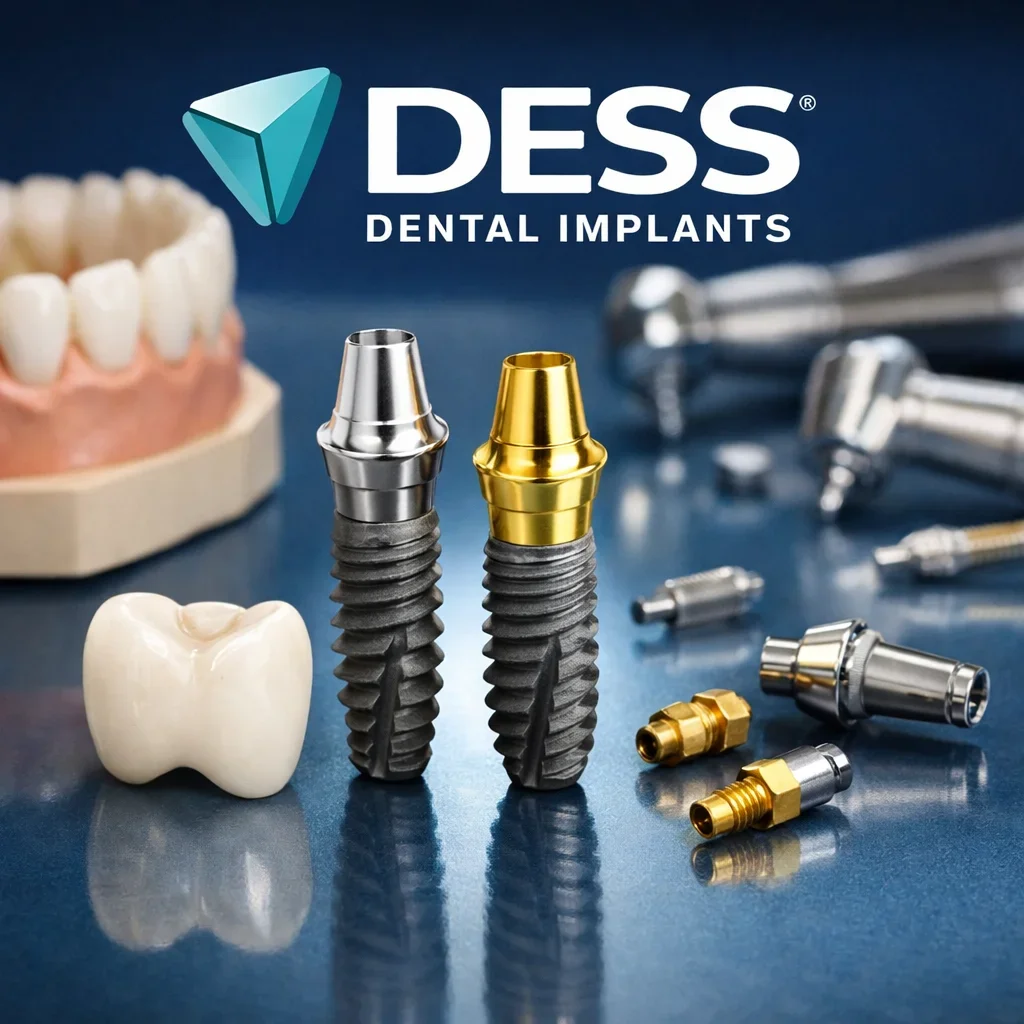
DESS Dental Implants vs Other Implant Brands
When patients research tooth replacement options, they often compare different implant brands to understand which solution offers the best balance of safety, durability, and long-term value. dess dental implants are frequently evaluated alongside other well-known implant systems, and this comparison helps highlight what truly sets them apart. By looking at design philosophy, materials, clinical flexibility, and patient outcomes, it becomes clear why many clinicians choose this system for predictable results 😊.
Design Philosophy and Precision Engineering
One of the defining differences between dess dental implants and many other implant brands lies in precision engineering. These implants are manufactured using advanced machining technologies that ensure consistent dimensions and a highly accurate fit between components. Precision matters because even minimal discrepancies can lead to mechanical stress, micro-movements, or long-term complications.
Some implant brands focus primarily on mass production, while dess dental implants emphasize compatibility, accuracy, and flexibility. This design philosophy supports smoother surgical placement and more predictable prosthetic outcomes.
Component Compatibility and Prosthetic Flexibility
Compared to many proprietary systems, dess dental implants are known for their wide compatibility with prosthetic components. This gives dentists greater flexibility when designing restorations, especially in complex cases. Other implant brands may restrict clinicians to a limited range of components, which can complicate treatment planning.
Material Quality and Surface Technology Comparison
Most modern implant brands use titanium, but not all titanium implants are equal. dess dental implants use high-grade, medical-quality titanium combined with advanced surface treatments designed to promote strong and fast osseointegration. While other brands may also use surface-treated titanium, the consistency and balance of surface roughness in this system is a key differentiator.
Some older or lower-cost implant brands may rely on smoother surfaces, which can slow bone integration. In contrast, dess dental implants are engineered to encourage stable bone attachment without increasing the risk of bacterial accumulation 💪.
Clinical Versatility Across Different Cases
Another advantage of dess dental implants compared to other implant brands is their versatility. They are suitable for single-tooth replacements, multiple missing teeth, and full-arch restorations. This adaptability allows dentists to use the same implant system across a wide range of clinical scenarios.
Some implant brands are optimized for very specific cases, which may require dentists to switch systems depending on the treatment plan. With dess dental implants, consistent protocols can be maintained, reducing complexity and improving efficiency for both clinicians and patients.
Performance in Challenging Bone Conditions
In patients with reduced bone density, implant performance becomes especially important. dess dental implants are designed to achieve strong primary stability even in less-than-ideal bone conditions. While other implant brands may require additional procedures or longer healing times, this system often allows for more predictable outcomes.
Long-Term Success Rates and Predictability
When comparing implant brands, long-term success rates are a critical factor. dess dental implants demonstrate high success and survival rates when placed correctly and maintained properly. Their precision fit and surface design reduce mechanical complications and biological risks over time.
Some implant brands may perform well initially but show higher rates of component wear or loosening years later. dess dental implants are engineered with long-term durability in mind, making them a reliable option for patients seeking a permanent solution 😊.
Patient Comfort and Experience
From the patient’s perspective, dess dental implants often provide a smoother overall experience. Precise placement and stable integration can lead to less post-operative discomfort and more predictable healing. While individual experiences vary, many patients report feeling more confident and comfortable with implants that feel natural and secure.
Compared to some implant brands that may require frequent adjustments, dess dental implants are designed to minimize complications and maintenance needs.
Cost, Value, and Long-Term Perspective
When evaluating dess dental implants versus other implant brands, cost should always be considered in relation to long-term value. Some implant systems may appear less expensive initially, but they may require additional procedures, component replacements, or maintenance over time.
dess dental implants focus on durability and compatibility, which can reduce the need for future interventions. Over the lifespan of the implant, this often translates into better value and fewer unexpected expenses.
Why Dentists Often Prefer DESS Dental Implants
Many dental professionals prefer dess dental implants because of their reliability, flexibility, and predictable results. The ability to plan treatments confidently and deliver consistent outcomes is a major advantage compared to implant brands with more limitations.
In summary, when comparing dess dental implants to other implant brands, the differences become clear in precision engineering, material quality, clinical versatility, and long-term success. While many implant systems can restore missing teeth, this implant solution stands out as a comprehensive option that balances safety, performance, and lasting value 🌟.
The DESS Dental Implant Treatment Process Step by Step
The treatment journey with dess dental implants is a carefully planned, multi-step process designed to ensure safety, precision, and long-term success. Each phase is tailored to the individual patient’s oral condition, bone structure, and aesthetic expectations. Understanding this step-by-step process helps patients feel more comfortable and prepared for what lies ahead 😊.
Initial Consultation and Digital Assessment
The first step in receiving dess dental implants is a comprehensive consultation. During this appointment, the dentist evaluates the patient’s oral health, medical history, and expectations. Advanced digital imaging techniques such as panoramic X-rays or 3D cone-beam CT scans are commonly used to assess bone density, nerve positions, and anatomical structures.
This detailed assessment allows the dental team to determine whether dess dental implants are suitable and to design a precise treatment plan. Accurate planning reduces risks, shortens healing time, and improves overall outcomes.
Personalized Treatment Planning
Based on diagnostic data, a customized plan is created for dess dental implants. This includes selecting the appropriate implant size, determining optimal placement angles, and deciding whether additional procedures such as bone grafting are required. Personalization is a key reason for the high success rates associated with this implant system.
Preparatory Procedures Before Implant Placement
Some patients may require preparatory treatments before receiving dess dental implants. These may include tooth extractions, treatment of gum disease, or bone augmentation. These steps ensure a healthy foundation for implant placement.
Although these preparatory procedures may extend the overall timeline, they significantly increase the long-term success of dess dental implants by creating an optimal oral environment 💪.
Surgical Placement of DESS Dental Implants
The surgical placement of dess dental implants is typically performed under local anesthesia, with sedation options available for anxious patients. The dentist creates a small opening in the gum tissue and carefully places the implant fixture into the jawbone according to the treatment plan.
Because dess dental implants are engineered with precision, the placement process is highly controlled and minimally invasive. Most patients report only mild discomfort following the procedure, which can be managed with standard post-operative care.
Primary Stability and Immediate Aftercare
Achieving primary stability is crucial during implant placement. dess dental implants are designed to achieve strong initial fixation, which supports successful healing. After surgery, patients receive detailed aftercare instructions to protect the implant site and promote recovery.
Healing Phase and Osseointegration
Following placement, dess dental implants undergo a healing phase during which osseointegration occurs. This process allows the bone to grow around and bond with the implant surface, creating a stable and permanent foundation.
The healing period can vary depending on bone quality and individual health factors, but the advanced surface technology of dess dental implants supports efficient and reliable integration 😊.
Abutment Placement and Soft Tissue Shaping
Once osseointegration is complete, an abutment is attached to the implant. This component connects the implant to the final restoration. With dess dental implants, abutments are designed for precise fit, reducing micro-movements and protecting surrounding tissues.
During this stage, the gum tissue is shaped to create a natural-looking emergence profile. Proper soft tissue management is essential for both aesthetics and long-term gum health.
Final Restoration and Functional Adjustment
The final step in the dess dental implants process is placing the custom-made crown, bridge, or prosthetic restoration. This restoration is designed to match the patient’s natural teeth in color, shape, and size.
After placement, the dentist checks bite alignment and makes necessary adjustments to ensure comfort and proper function. The result is a restoration that looks natural and performs like a real tooth 😁.
Post-Treatment Follow-Up and Maintenance
Regular follow-up visits are essential to monitor the health of dess dental implants. These appointments allow the dentist to assess bone stability, gum health, and overall function. With proper care and routine dental visits, implants can remain stable and functional for many years.
In summary, the treatment process for dess dental implants is a structured and patient-centered journey. From initial consultation to final restoration, each step is designed to maximize safety, comfort, and long-term success. By following this systematic approach, patients can achieve a durable, natural-looking smile that supports both oral health and confidence 🌟.
Healing Time, Osseointegration, and Long-Term Success
The long-term success of dess dental implants depends heavily on proper healing and successful osseointegration. This phase is where the implant transitions from a placed medical device into a fully integrated, functional part of the jawbone. Understanding healing timelines, biological processes, and factors affecting success helps patients follow the right steps and achieve durable results 😊.
What Happens During the Healing Phase?
After placement, dess dental implants enter a critical healing phase. During this time, the surrounding bone tissue begins to regenerate and attach directly to the implant surface. This biological bonding process is known as osseointegration and is the foundation of implant stability.
For most patients, initial soft tissue healing occurs within the first 7–14 days. Swelling and mild discomfort gradually subside, and normal daily activities can usually be resumed quickly. However, full osseointegration of dess dental implants typically takes several weeks to a few months, depending on individual conditions.
Average Healing Timeline
While healing times vary, many patients experience solid integration of dess dental implants within 8–12 weeks. In cases with lower bone density or additional procedures such as bone grafting, the healing phase may extend to 4–6 months. The advanced surface technology of this implant system is designed to support efficient and predictable integration 💪.
Osseointegration: The Key to Implant Stability
Osseointegration is the process that allows dess dental implants to function like natural tooth roots. Bone cells grow onto the implant’s micro-textured surface, creating a strong and direct connection without soft tissue interference. This bond is what allows implants to withstand chewing forces safely.
The surface design of dess dental implants plays a vital role here. By optimizing surface roughness at a microscopic level, these implants encourage bone cell attachment while minimizing bacterial adhesion. This balance supports both stability and long-term tissue health.
Factors That Influence Healing and Integration
Several factors can influence how well and how quickly dess dental implants heal. Bone quality is one of the most important. Dense, healthy bone generally integrates faster, while softer bone may require additional healing time.
General health also matters. Conditions that affect circulation or bone metabolism can influence the healing process. This is why personalized planning and professional evaluation are essential before placing dess dental implants.
Patient Compliance and Aftercare
Patient behavior during healing significantly impacts outcomes. Following post-operative instructions, maintaining oral hygiene, and attending follow-up visits all support successful integration of dess dental implants. Avoiding excessive pressure on the implant site during early healing is especially important 😊.
Short-Term vs Long-Term Success Rates
Short-term success of dess dental implants is measured by initial stability and absence of infection during healing. Long-term success, however, is defined by sustained bone support, healthy gums, and functional performance over many years.
Clinical experience shows that dess dental implants achieve excellent long-term survival rates when placed correctly and maintained properly. Their precise fit and durable materials reduce mechanical stress and biological complications over time.
Role of Maintenance in Long-Term Success
Even after full healing, dess dental implants require ongoing care. Regular dental check-ups allow early detection of potential issues such as gum inflammation or excessive bite forces. Professional cleaning helps maintain healthy tissues around the implant.
Good daily oral hygiene is equally important. Brushing, flossing, and using recommended oral care tools protect both natural teeth and dess dental implants from plaque buildup.
Signs of Healthy Implant Integration
Well-integrated dess dental implants feel stable, comfortable, and pain-free. There should be no mobility, persistent swelling, or discomfort. Healthy gum tissue around the implant is pink, firm, and free of bleeding.
Why DESS Dental Implants Support Long-Term Predictability
The combination of advanced materials, optimized surface technology, and precise engineering makes dess dental implants highly predictable in the long term. These features reduce the likelihood of complications and support consistent outcomes across different patient profiles.
In summary, healing time and osseointegration are central to the success of dess dental implants. With proper planning, patient cooperation, and routine maintenance, these implants can provide decades of stable function and natural aesthetics. Understanding the healing process empowers patients to take an active role in protecting their investment and enjoying a confident, healthy smile for years to come 🌟.
Maintenance, Care, and Lifespan of DESS Dental Implants
dess dental implants are designed to be a long-term, often lifelong solution for missing teeth, but their durability depends heavily on proper maintenance and daily care. While these implants are made from highly durable materials and engineered for stability, patient habits and professional follow-up play a crucial role in preserving their function and appearance. Understanding how to care for dess dental implants helps patients protect their investment and enjoy lasting oral health 😊.
Daily Oral Hygiene for DESS Dental Implants
Just like natural teeth, dess dental implants require consistent daily oral hygiene. Although implants themselves cannot decay, the surrounding gum tissue and bone are still vulnerable to plaque buildup and inflammation. Brushing at least twice a day with a soft-bristled toothbrush helps remove plaque from the implant crown and along the gum line.
Flossing is equally important for dess dental implants. Special implant-friendly floss or interdental brushes can clean hard-to-reach areas around the implant. These tools help prevent plaque accumulation that could lead to peri-implant diseases, which are inflammatory conditions affecting the tissues around implants.
Choosing the Right Oral Care Products
Using non-abrasive toothpaste is recommended for dess dental implants to protect the surface of the crown and surrounding tissues. Antibacterial mouth rinses may also be advised by dental professionals to reduce harmful bacteria and support gum health 💪.
Professional Dental Check-Ups and Cleanings
Regular dental visits are essential for maintaining dess dental implants. Professional check-ups allow dentists to monitor bone levels, gum health, and implant stability. Early detection of potential issues ensures that minor problems do not develop into serious complications.
Professional cleanings are tailored specifically for implants. Dental professionals use specialized instruments that clean effectively without scratching implant surfaces. This careful approach helps preserve both the implant and surrounding tissues over the long term.
Preventing Peri-Implant Disease
One of the most important aspects of maintaining dess dental implants is preventing peri-implant disease. This condition is similar to gum disease and occurs when plaque and bacteria cause inflammation around the implant. If left untreated, it can lead to bone loss and implant failure.
Good oral hygiene, regular dental visits, and healthy lifestyle habits significantly reduce the risk of peri-implant disease. Patients who actively care for their dess dental implants are far more likely to experience long-term success 😊.
Impact of Smoking and Lifestyle Choices
Smoking is a known risk factor for implant complications. It can impair blood flow to the gums and slow healing, increasing the risk of infection around dess dental implants. Reducing or quitting smoking greatly improves implant longevity and overall oral health.
Lifespan of DESS Dental Implants
With proper care, dess dental implants can last for many decades. The titanium implant fixture is designed to remain stable for life, while the visible crown may require replacement after many years due to normal wear. This long lifespan makes implants one of the most durable tooth replacement options available.
Studies and clinical experience show that well-maintained dess dental implants often function successfully for 20 years or more. Many patients enjoy lifelong benefits without the need for replacement of the implant itself.
Protecting DESS Dental Implants from Excessive Force
Although dess dental implants are strong, they are not indestructible. Excessive biting forces from teeth grinding or clenching can place stress on the implant and surrounding bone. Dentists may recommend a night guard for patients who grind their teeth to protect both implants and natural teeth.
A balanced bite and proper alignment further protect dess dental implants from uneven pressure. Regular bite evaluations help ensure that forces are distributed evenly during chewing.
Signs That Maintenance Is Needed
Healthy dess dental implants should feel stable and comfortable. Warning signs such as bleeding gums, persistent discomfort, swelling, or mobility should prompt an immediate dental visit. Early intervention often prevents serious complications and protects the implant’s long-term success.
Long-Term Value of Proper Implant Care
Maintaining dess dental implants is not only about oral health but also about preserving long-term value. Compared to temporary solutions that require frequent replacement, implants offer exceptional durability when properly cared for.
In conclusion, the maintenance, care, and lifespan of dess dental implants are closely linked. With daily oral hygiene, regular professional care, and healthy lifestyle choices, these implants can provide decades of reliable function and natural aesthetics. Patients who commit to proper care are rewarded with a confident smile, strong oral health, and long-lasting results 🌟.
Cost of DESS Dental Implants and Factors That Affect Pricing
The cost of dess dental implants is one of the most common questions patients ask when considering implant treatment. While dental implants are widely recognized as a premium, long-term solution, the final price can vary significantly depending on several medical, technical, and geographic factors. Understanding what influences the cost helps patients make informed decisions and evaluate the true value of dess dental implants 😊.
Average Cost Range of DESS Dental Implants
Globally, the cost of a single implant treatment using dess dental implants can vary widely. In general, implant prices may range from moderate to high compared to traditional tooth replacement options. This range typically reflects differences in clinic standards, professional expertise, and included services.
It is important to note that the price of dess dental implants usually includes more than just the implant itself. Comprehensive implant treatment often covers diagnostics, surgical placement, components, and follow-up care, all of which contribute to long-term success.
Why Implant Prices Vary Between Clinics
The same dess dental implants system may be offered at different prices depending on the clinic. Factors such as the dentist’s experience, use of advanced digital technology, and overall quality standards directly influence pricing. Clinics that invest in high-end equipment and strict sterilization protocols may charge more, but they often deliver higher predictability and safety.
Key Factors That Affect the Cost of DESS Dental Implants
Several core factors determine the total cost of dess dental implants. One of the most important is the patient’s oral condition. If the jawbone and gums are healthy, implant placement may be straightforward. However, if additional procedures are required, the overall cost may increase.
Preparatory treatments such as bone grafting, sinus lifting, or gum therapy are sometimes necessary before placing dess dental implants. These procedures create a stable foundation but also add to the total investment 💪.
Number of Implants and Type of Restoration
The number of dess dental implants needed plays a major role in pricing. Replacing a single tooth with one implant is less complex than restoring multiple missing teeth or a full arch. Full-arch solutions often require several implants and a more extensive prosthetic structure.
The type of final restoration also matters. A single crown, an implant-supported bridge, or a full-arch prosthesis each involve different materials and laboratory processes. These variations directly affect the overall cost of dess dental implants.
Material and Laboratory Quality
High-quality crowns and prosthetics designed to work with dess dental implants are custom-made in dental laboratories. The materials used, such as advanced ceramics, are chosen for durability and natural appearance. Higher-quality materials may increase cost but significantly enhance longevity and aesthetics 😊.
Geographic Location and Treatment Destination
The country and city where dess dental implants are placed strongly influence pricing. In some regions, treatment costs are higher due to operational expenses, labor costs, and regulatory requirements. In other locations, patients may access the same implant system at a more affordable price while still receiving high-quality care.
This is why many patients research implant treatment abroad, balancing cost savings with clinic reputation and professional standards. Regardless of location, the quality of planning and execution remains critical for successful dess dental implants.
What Is Included in the Total Implant Cost?
When evaluating prices, patients should always ask what is included in the quoted cost of dess dental implants. A comprehensive treatment package often includes consultation, imaging, implant placement, abutment, final restoration, and follow-up visits.
Lower initial prices may exclude essential steps or components, which can lead to unexpected expenses later. Transparent pricing helps patients accurately compare options and understand the true value of dess dental implants.
Long-Term Value vs Initial Cost
While the upfront cost of dess dental implants may seem higher than alternatives like dentures or bridges, their long-term value is often superior. Implants are designed for durability and stability, reducing the need for frequent replacements or adjustments.
Over time, patients who choose dess dental implants may spend less on ongoing dental treatments compared to those using temporary solutions.
Is Investing in DESS Dental Implants Worth It?
For many patients, dess dental implants represent an investment in long-term oral health, comfort, and confidence. They restore natural function, preserve jawbone structure, and provide a highly aesthetic result that can last for decades.
In conclusion, the cost of dess dental implants is influenced by multiple factors, including clinical needs, materials, location, and professional expertise. When evaluated from a long-term perspective, implants often provide exceptional value by combining durability, function, and quality of life. Making an informed decision with professional guidance ensures that patients receive safe, predictable, and satisfying results 🌟.