
Full plate dental implants are one of the most advanced and reliable solutions for people who have lost most or all of their teeth and want a long-term, fixed alternative to removable dentures. Unlike traditional dentures that rest on the gums and may slip, cause discomfort, or limit chewing ability, full plate dental implants are anchored directly into the jawbone, creating a stable and natural-feeling foundation for a complete set of teeth 😁. This treatment option has become increasingly popular among patients seeking comfort, aesthetics, and long-lasting oral health.
At their core, full plate dental implants are designed to replace an entire dental arch—either upper, lower, or both—using a strategic number of implants that support a full prosthetic plate. Instead of replacing each missing tooth with an individual implant, which can be costly and invasive, this method uses fewer implants to support a complete row of teeth. This approach not only reduces treatment time but also makes full plate dental implants more accessible for many patients.
One of the main reasons patients search for full plate dental implants is the desire for a permanent solution that looks, feels, and functions like natural teeth. With full plate dental implants, you can enjoy eating your favorite foods, speaking clearly, and smiling with confidence without worrying about movement or adhesives. Because the implants fuse with the jawbone through a process called osseointegration, they help preserve bone density and prevent the sunken facial appearance often associated with long-term tooth loss.
Another important aspect of full plate dental implants is their impact on overall oral health. When teeth are missing, the jawbone no longer receives the stimulation it needs, leading to gradual bone loss. Full plate dental implants restore this stimulation, helping maintain bone structure and facial support over time. This makes them not just a cosmetic solution, but also a functional and preventative one 🦷.
From a patient perspective, full plate dental implants offer unmatched stability compared to removable dentures. Dentures can rub against the gums, cause sore spots, and even accelerate bone loss. In contrast, implant-supported full-arch restorations remain firmly in place, providing a more natural bite force and significantly improving quality of life. Many patients report that after choosing full plate dental implants, they forget they are even wearing prosthetic teeth.
It is also worth noting that full plate dental implants can be customized to each individual’s needs. Factors such as bone density, gum health, facial structure, and aesthetic preferences are all taken into account during planning. Advanced imaging technologies allow dental professionals to design a precise treatment plan, ensuring that the full plate dental implants are positioned for optimal strength, balance, and appearance.
For those considering treatment abroad or seeking expert consultation, professional guidance is essential. A qualified dental clinic can assess whether full plate dental implants are suitable for your specific situation and explain the process in detail. If you are exploring your options or want personalized advice, you can reach out through the Redent Klinik Contact Page to receive professional support tailored to your needs.
Education and reliable information also play a key role when making decisions about dental implant treatments. Organizations such as the American Dental Association provide valuable resources on implant dentistry, safety standards, and long-term care. Reviewing authoritative sources can help patients feel more confident and informed when choosing full plate dental implants as their tooth replacement solution.
In summary, full plate dental implants represent a modern, durable, and patient-centered approach to full-mouth tooth replacement. They combine aesthetics, function, and oral health benefits into a single treatment option that can truly transform lives. Whether you are struggling with ill-fitting dentures or facing extensive tooth loss, full plate dental implants offer a proven path toward restoring your smile, confidence, and daily comfort 🌟.
What Are Full Plate Dental Implants and How Do They Work?
Full plate dental implants are a modern, implant-supported solution designed to replace an entire set of missing teeth in the upper jaw, lower jaw, or both. Instead of relying on removable appliances, full plate dental implants use titanium implant posts that are surgically placed into the jawbone to support a fixed prosthetic plate. This system provides stability, comfort, and functionality that closely mimics natural teeth 🦷.
Many patients confuse full plate dental implants with traditional dentures, but the two are fundamentally different. Dentures sit on top of the gums and depend on suction or adhesives, while full plate dental implants are anchored into the bone itself. This anchorage is what makes them a long-term, fixed solution rather than a temporary or removable one.
The Basic Structure of Full Plate Dental Implants
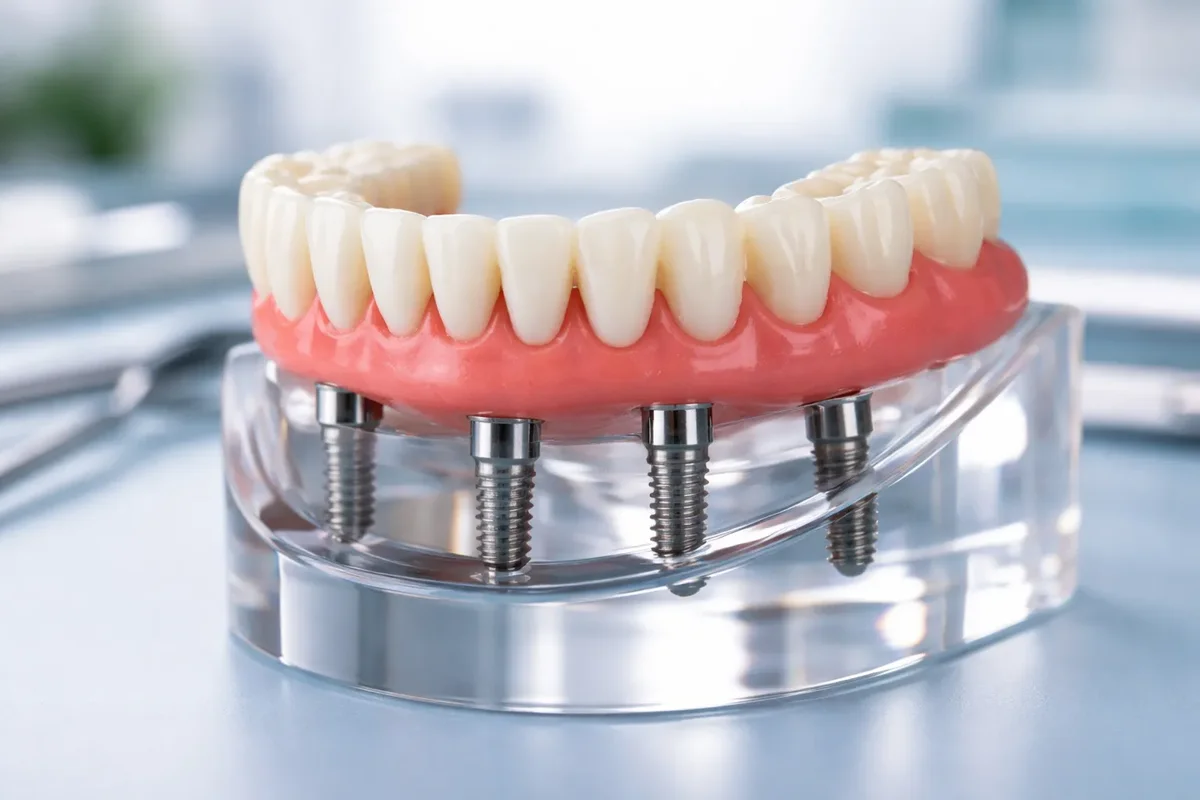
To understand how full plate dental implants work, it helps to break them down into their core components. Typically, a full-arch restoration is supported by four to six implants per jaw, depending on bone quality and anatomical factors. These implants act as artificial tooth roots and are made from biocompatible titanium, which allows them to fuse naturally with the bone.
Once the implants are placed, a custom-designed dental plate—sometimes referred to as a full-arch prosthesis—is securely attached. This plate contains a full set of prosthetic teeth that are carefully shaped and colored to match a natural smile. Because the foundation is solid, full plate dental implants allow patients to chew, speak, and smile with confidence 😄.
Implant Placement and Osseointegration
A critical concept behind full plate dental implants is osseointegration. This is the biological process in which the jawbone grows around and bonds with the implant surface. Over several weeks or months, the implant becomes a stable part of the jaw, capable of handling normal bite forces.
This process is what separates full plate dental implants from other tooth replacement options. By integrating with the bone, they help maintain bone density and prevent the gradual bone loss that often follows tooth loss. This also supports facial structure and helps avoid the aged, sunken appearance that can develop over time.
How Full Plate Dental Implants Restore Function
Functionality is one of the top reasons people choose full plate dental implants. Because the implants are fixed and stable, they restore up to 90% or more of natural chewing efficiency. This means patients can comfortably eat a wide range of foods, including firmer textures that are often difficult with dentures.
Speech is another major advantage. Loose dentures can shift while talking, leading to slurred or unclear speech. Full plate dental implants remain securely in place, allowing natural pronunciation and confidence in social situations. Many patients report a dramatic improvement in daily comfort and communication after treatment.
Customization and Treatment Planning
No two mouths are exactly the same, which is why full plate dental implants are always customized. Before treatment begins, detailed imaging such as 3D scans is used to evaluate bone density, nerve positions, and bite alignment. This planning phase ensures that full plate dental implants are placed in the most effective and safe positions.
The prosthetic plate itself is also personalized. Factors such as tooth shape, size, color, and smile line are carefully considered to create a natural-looking result. This level of customization is a key reason why full plate dental implants are often described as a life-changing solution rather than just a dental procedure 🌟.
Are Full Plate Dental Implants Fixed or Removable?
In most cases, full plate dental implants are fixed, meaning they cannot be removed by the patient. They are securely attached to the implants and function like permanent teeth. This fixed nature provides psychological comfort as well, since patients do not need to remove them for cleaning or worry about movement.
However, maintenance is still important. While full plate dental implants do not decay like natural teeth, proper oral hygiene and regular dental check-ups are essential to keep the surrounding gums and bone healthy. With good care, full plate dental implants can remain functional and attractive for many years.
In summary, full plate dental implants work by combining advanced implant technology with custom prosthetic design to replace an entire dental arch in a stable, natural, and long-lasting way. By anchoring directly into the jawbone, full plate dental implants restore function, preserve bone, and provide a level of comfort that traditional solutions simply cannot match.
Who Is a Good Candidate for Full Plate Dental Implants?
One of the most common questions patients ask before starting treatment is whether they are suitable for full plate dental implants. The good news is that many people who have lost most or all of their teeth can be candidates for this advanced solution. However, successful outcomes depend on several medical, dental, and lifestyle factors that must be carefully evaluated. Understanding candidacy helps patients set realistic expectations and move forward with confidence 😊.
Full plate dental implants are designed for individuals seeking a fixed, long-term alternative to removable dentures. They are especially appealing to patients who struggle with loose dentures, discomfort while chewing, or dissatisfaction with their smile. That said, being a good candidate for full plate dental implants is not just about missing teeth—it is about overall oral and general health.
General Health Requirements
Good general health is an important foundation for full plate dental implants. Because implant placement is a surgical procedure, candidates should be healthy enough to undergo minor oral surgery. Chronic conditions such as diabetes, heart disease, or autoimmune disorders do not automatically disqualify someone from full plate dental implants, but they must be well-managed.
Smoking is another factor that can affect candidacy. Heavy smoking may interfere with healing and osseointegration, the process that allows full plate dental implants to bond with the jawbone. While smokers can still receive treatment, dentists often recommend reducing or quitting smoking to improve long-term success rates.
Age Considerations
There is no strict upper age limit for full plate dental implants. Many patients in their 60s, 70s, and even 80s successfully receive implant-supported full-arch restorations. What matters more than age is bone health, healing ability, and overall medical stability.
On the other hand, very young patients whose jawbones are still developing are generally not ideal candidates for full plate dental implants. Implant placement typically requires fully matured bone structures to ensure long-term stability.
Jawbone Health and Bone Density
Adequate jawbone volume is one of the most critical factors when determining eligibility for full plate dental implants. Because the implants are anchored into the bone, there must be enough bone to support them securely. Patients who have been missing teeth for many years may experience bone loss, which can complicate treatment.
Fortunately, modern techniques often allow patients with reduced bone density to still receive full plate dental implants. Angled implant placement and strategic positioning can maximize existing bone, and in some cases, bone grafting may be recommended to improve outcomes.
Gum Health and Oral Hygiene
Healthy gums are essential for the success of full plate dental implants. Active gum disease or untreated infections must be addressed before implant placement. Inflammation around the gums can increase the risk of implant failure, so a clean and healthy oral environment is crucial.
Candidates should also be willing to maintain good oral hygiene habits. Although full plate dental implants are not susceptible to cavities, the surrounding tissues still require regular care. Daily cleaning and routine dental visits play a key role in long-term success 🪥.
Lifestyle and Personal Expectations
A good candidate for full plate dental implants is someone who understands the process and is committed to following professional guidance. This includes attending consultations, following post-operative instructions, and maintaining ongoing oral care. Patients who view full plate dental implants as a partnership between themselves and their dental team tend to achieve the best results.
Expectations also matter. Full plate dental implants can dramatically improve quality of life, but patients should understand that the process takes time. Healing periods and follow-up appointments are part of achieving a stable, natural-looking outcome.
Who May Need Additional Preparation?
Some patients may not be immediate candidates for full plate dental implants but can become suitable with proper preparation. For example, individuals with severe bone loss, untreated periodontal disease, or poorly controlled medical conditions may need preliminary treatments before implant placement.
These preparatory steps are common and do not mean full plate dental implants are out of reach. With comprehensive evaluation and planning, many patients who initially feel unsure about eligibility go on to successfully receive implant-supported full-arch restorations 🌟.
In conclusion, ideal candidates for full plate dental implants typically include adults with significant tooth loss, adequate bone structure or the potential for bone enhancement, good overall health, and realistic expectations. A personalized assessment is always necessary, but advances in implant dentistry have made full plate dental implants accessible to a wider range of patients than ever before.
Key Benefits of Choosing Full Plate Dental Implants Over Dentures
When comparing tooth replacement options, many patients find themselves deciding between traditional dentures and full plate dental implants. While dentures have been used for decades, modern implant technology has significantly changed expectations for comfort, function, and long-term oral health. Full plate dental implants offer a wide range of advantages that go far beyond aesthetics, making them a preferred solution for patients seeking stability and confidence 😊.
The primary difference lies in how the teeth are supported. Dentures rest on the gums, whereas full plate dental implants are anchored directly into the jawbone. This fundamental distinction leads to numerous benefits that impact daily life, long-term health, and overall satisfaction.
Superior Stability and Comfort
One of the most noticeable benefits of full plate dental implants is their exceptional stability. Because the implants are fixed into the jawbone, they do not shift, slip, or move while eating or speaking. This eliminates one of the most common frustrations associated with dentures, which often require adhesives and constant adjustment.
With full plate dental implants, patients can enjoy a secure bite that feels natural. There is no rubbing against the gums or pressure points that cause soreness. This level of comfort allows patients to go about their daily routines without constantly thinking about their teeth 😄.
Improved Chewing Efficiency
Chewing efficiency is another major advantage of full plate dental implants. Dentures typically restore only a fraction of natural bite force, making it difficult to eat firm or crunchy foods. In contrast, full plate dental implants can restore most of the natural chewing ability, allowing patients to enjoy a balanced and varied diet.
This improved function is not just about enjoyment—it also supports better nutrition. Being able to chew a wider range of foods contributes to overall health and well-being, especially for older adults.
Preservation of Jawbone and Facial Structure
One of the most important long-term benefits of full plate dental implants is their ability to preserve jawbone density. When teeth are lost, the jawbone no longer receives stimulation and begins to deteriorate over time. Dentures do not prevent this process, which can lead to changes in facial shape.
Full plate dental implants stimulate the bone in a way similar to natural tooth roots. This helps maintain bone volume and supports the facial structure, preventing the sunken appearance often seen in long-term denture wearers. As a result, patients not only feel better but often look younger and healthier 🌟.
Enhanced Speech and Confidence
Speech problems are a common complaint among denture users. Dentures can move slightly while talking, causing slurred words or clicking sounds. Full plate dental implants eliminate this issue by remaining firmly in place at all times.
Clear speech leads to greater confidence in social and professional situations. Patients with full plate dental implants often report feeling more comfortable laughing, talking, and engaging with others without fear of embarrassment.
Low Maintenance and Long-Term Reliability
Another key benefit of full plate dental implants is ease of maintenance. Unlike dentures, which must be removed for cleaning, implant-supported plates are cared for much like natural teeth. Regular brushing, flossing, and professional check-ups are usually sufficient to maintain oral health.
In terms of durability, full plate dental implants are designed to last for many years. While the prosthetic plate may need maintenance or replacement over time, the implants themselves can remain stable for decades with proper care. This makes full plate dental implants a reliable long-term investment in oral health.
Psychological and Lifestyle Benefits
Beyond physical advantages, full plate dental implants provide significant psychological benefits. Patients no longer need to worry about removing their teeth at night or dealing with embarrassing situations caused by loose dentures. This sense of permanence often leads to improved self-esteem and quality of life.
Many patients describe full plate dental implants as feeling like a part of themselves rather than a removable appliance. This emotional comfort plays a major role in overall satisfaction and long-term success.
In summary, full plate dental implants offer superior stability, improved function, bone preservation, and enhanced confidence compared to traditional dentures. For patients seeking a permanent, comfortable, and natural-feeling solution, full plate dental implants stand out as one of the most effective options available in modern dentistry.
The Full Plate Dental Implants Procedure Step by Step
Understanding the treatment journey is essential for anyone considering full plate dental implants. Patients often feel more confident and prepared when they know exactly what to expect before, during, and after the procedure. While every case is personalized, the process of full plate dental implants generally follows a clear and structured sequence designed to maximize safety, comfort, and long-term success 😊.
From the initial consultation to the final placement of the prosthetic plate, each step plays a crucial role in ensuring that full plate dental implants function naturally and remain stable for years. Below is a detailed, step-by-step explanation of how the procedure typically works.
Initial Consultation and Comprehensive Evaluation
The journey toward full plate dental implants always begins with a detailed consultation. During this appointment, the dentist evaluates oral health, medical history, and lifestyle factors that may influence treatment outcomes. Advanced imaging such as 3D scans and digital X-rays are used to assess bone density, nerve locations, and jaw structure.
This planning stage is critical because it determines how many implants are needed and where they should be placed. The goal is to create a strong, balanced foundation for the full prosthetic plate. A customized treatment plan ensures that full plate dental implants are tailored to both functional and aesthetic needs.
Treatment Planning and Digital Design
Modern dental clinics often use digital planning software to simulate implant placement and final results. This allows both the dentist and patient to visualize how the full plate dental implants will look and function. Adjustments can be made at this stage to optimize comfort, bite alignment, and smile appearance.
This level of precision significantly reduces surgical risks and helps achieve predictable outcomes, which is one of the reasons full plate dental implants have such high success rates 🌟.
Implant Placement Surgery
Once planning is complete, the implant placement procedure is scheduled. On the day of surgery, local anesthesia or sedation is used to ensure patient comfort. Titanium implants are then carefully inserted into the jawbone at predetermined positions.
The number of implants varies depending on individual anatomy, but typically four to six implants are sufficient to support full plate dental implants for one arch. The procedure is minimally invasive, and many patients are surprised by how manageable the experience is.
Immediate vs. Delayed Loading
In some cases, a temporary prosthetic plate can be attached on the same day as implant placement. This is often referred to as immediate loading. When bone quality and stability allow, patients can leave the clinic with fixed teeth right away.
In other situations, a healing period is recommended before attaching the final plate. This approach ensures optimal osseointegration and long-term stability for full plate dental implants.
Healing Phase and Osseointegration
After implant placement, the healing phase begins. During this time, the jawbone gradually bonds with the implants through osseointegration. This process is essential for the long-term success of full plate dental implants, as it creates a stable and durable foundation.
Healing times vary but generally range from a few weeks to several months. Patients may experience mild swelling or discomfort initially, which typically subsides quickly with proper care and guidance from the dental team.
Final Prosthetic Plate Placement
Once healing is complete, the final prosthetic plate is custom-made and securely attached to the implants. This plate is designed to look and feel as natural as possible, with careful attention to tooth shape, color, and alignment.
The final result is a fixed, stable set of teeth that function like natural ones. At this stage, full plate dental implants allow patients to eat, speak, and smile without limitations or concerns about movement 😄.
Post-Procedure Care and Follow-Up
After the procedure, regular follow-up appointments ensure that the implants and surrounding tissues remain healthy. Dentists provide detailed instructions on oral hygiene and maintenance to protect full plate dental implants over time.
With proper care, including daily cleaning and routine dental visits, full plate dental implants can provide long-lasting comfort and functionality. The step-by-step process may take time, but the result is a reliable and life-enhancing solution for full-arch tooth replacement.
In summary, the full plate dental implants procedure is a carefully planned and executed process that combines advanced technology with personalized care. Each step—from consultation to final placement—is designed to deliver a stable, natural-looking, and durable smile that can truly transform a patient’s quality of life.
Recovery Timeline and Healing After Full Plate Dental Implants
Recovery is a crucial part of the overall success of full plate dental implants. While the procedure itself is highly predictable, proper healing and aftercare play a major role in achieving long-term stability, comfort, and function. Patients often want to know how long recovery takes, what sensations are normal, and how daily life may be affected during the healing phase 😊.
The recovery process for full plate dental implants happens in stages. Some improvements, such as restored appearance and basic function, may be noticeable almost immediately, while deeper biological healing continues over time. Understanding this timeline helps patients remain patient and confident throughout the journey.
The First 24–72 Hours After Implant Placement
Immediately after surgery, it is normal to experience mild swelling, tenderness, and occasional bruising around the implant area. These symptoms are part of the body’s natural healing response. Most patients describe discomfort as manageable and significantly less severe than expected.
Pain is usually controlled with prescribed or over-the-counter medications, and cold compresses can help reduce swelling. During this early stage, patients are advised to rest, avoid strenuous activity, and follow dietary recommendations to protect the full plate dental implants.
Eating and Daily Activities
Soft foods are recommended during the first few days after surgery. This minimizes pressure on the implant sites and allows tissues to heal properly. Smooth soups, yogurt, mashed vegetables, and soft proteins are commonly suggested.
Most patients can return to light daily activities within a day or two. However, it is important to avoid excessive physical exertion that could interfere with healing around the full plate dental implants.
The First Few Weeks: Tissue Healing
As the initial swelling subsides, the gums begin to heal and adapt around the implants. During this period, patients may start to feel more comfortable speaking and chewing, especially if a temporary prosthetic plate is in place.
Maintaining excellent oral hygiene is critical at this stage. Gentle cleaning techniques and any recommended rinses help prevent infection and support healthy tissue formation around full plate dental implants 🪥.
Osseointegration Phase: The Foundation of Success
One of the most important stages in recovery is osseointegration, the process where the jawbone bonds with the implant surfaces. This phase can take several weeks to a few months, depending on bone quality, overall health, and adherence to aftercare instructions.
During osseointegration, the implants become a stable and permanent part of the jaw. This biological bond is what allows full plate dental implants to function like natural tooth roots, providing exceptional strength and durability.
What Patients Feel During Osseointegration
Unlike the immediate post-surgical phase, osseointegration is usually painless. Most patients do not feel any active changes happening, but this silent process is essential to long-term success. Follow-up appointments allow the dentist to monitor progress and ensure the implants are integrating correctly.
Transition to the Final Prosthetic Plate
Once healing is complete and the implants are fully integrated, the final prosthetic plate is placed. This is often one of the most exciting moments for patients receiving full plate dental implants, as it marks the completion of the treatment journey.
The final plate is designed for optimal comfort, aesthetics, and bite alignment. Patients typically notice a significant improvement in chewing ability, speech clarity, and overall confidence immediately after placement 😄.
Long-Term Healing and Adaptation
Even after the final prosthetic is attached, subtle adaptation continues. Muscles, bite patterns, and oral tissues adjust to the new structure. This period is generally smooth, and most patients quickly adapt to their full plate dental implants as if they were natural teeth.
Regular dental visits remain important to monitor implant health and surrounding tissues. With proper care, the implants remain stable, and the recovery phase transitions seamlessly into long-term function.
Tips for a Smooth Recovery
Successful healing after full plate dental implants depends on following professional advice. This includes maintaining oral hygiene, attending follow-up appointments, avoiding smoking, and adhering to dietary guidelines during recovery.
Patients who actively participate in their aftercare often experience faster healing and better long-term outcomes. The recovery process may require patience, but the result—a stable, natural-feeling smile—is well worth the effort 🌟.
In summary, recovery after full plate dental implants is a structured and manageable process. From initial healing to full osseointegration and final restoration, each stage supports the long-term success of the treatment. With proper care and guidance, patients can expect a smooth recovery and lasting benefits from their full plate dental implants.
Risks, Complications, and How to Minimize Them
Like any advanced dental procedure, full plate dental implants come with potential risks and complications. While success rates are very high when treatment is properly planned and performed, understanding possible challenges helps patients make informed decisions and approach treatment with realistic expectations. The good news is that most risks associated with full plate dental implants are rare, manageable, and often preventable with the right precautions 😊.
This section explains the most common risks linked to full plate dental implants, why they occur, and—most importantly—how patients and dental professionals work together to minimize them.
Common Surgical Risks
The implant placement phase of full plate dental implants is a surgical procedure, and like all surgeries, it carries some general risks. These may include temporary swelling, bruising, minor bleeding, or discomfort in the days following treatment. In most cases, these symptoms are mild and resolve quickly with appropriate aftercare.
In rare situations, infection may develop at the implant site. This is typically caused by bacteria entering the surgical area during or after the procedure. Strict sterilization protocols, antibiotics when necessary, and proper oral hygiene significantly reduce this risk for full plate dental implants.
Nerve and Sinus Considerations
In the lower jaw, improper implant placement may irritate nearby nerves, potentially causing temporary numbness or tingling. In the upper jaw, implants placed too close to the sinus cavities may cause sinus-related discomfort. These complications are uncommon and are largely avoided through detailed imaging and digital planning.
Advanced diagnostics allow clinicians to map anatomical structures precisely, ensuring that full plate dental implants are positioned safely and accurately.
Implant Failure and Osseointegration Issues
One of the most discussed concerns is implant failure, which occurs when an implant does not properly integrate with the jawbone. While this can sound alarming, it is important to note that the success rate of full plate dental implants is typically above 95% when placed by experienced professionals.
Factors that may interfere with osseointegration include poor bone quality, uncontrolled systemic conditions, smoking, and excessive bite forces during early healing. If an implant fails to integrate, it can usually be removed and replaced after healing, without compromising the overall treatment plan.
The Role of Bone Quality
Adequate bone density is essential for long-term implant stability. Patients with advanced bone loss may face a slightly higher risk of complications. However, modern implant techniques and strategic placement often allow full plate dental implants to succeed even in challenging bone conditions.
In some cases, preparatory procedures may be recommended to improve bone support before implant placement.
Gum-Related Complications
Healthy gums are critical for the success of full plate dental implants. Inflammation or infection of the surrounding gum tissue, sometimes referred to as peri-implant disease, can develop if oral hygiene is neglected.
Symptoms may include redness, swelling, bleeding, or discomfort around the implants. When detected early, these issues are usually reversible with professional care and improved home hygiene practices 🪥.
Prosthetic and Bite-Related Issues
Although the implants themselves are highly durable, the prosthetic plate attached to full plate dental implants may require adjustments over time. Bite imbalances, excessive grinding, or natural wear can place stress on the prosthetic components.
Regular dental check-ups allow for early detection of these issues. Bite adjustments or protective night guards may be recommended to protect full plate dental implants from excessive force.
How to Minimize Risks and Ensure Long-Term Success
The most effective way to reduce risks associated with full plate dental implants is careful planning and patient cooperation. Choosing an experienced dental team that uses advanced imaging and follows evidence-based protocols is essential.
Patients also play a vital role by following post-operative instructions, maintaining excellent oral hygiene, attending follow-up appointments, and avoiding habits such as smoking. These steps significantly improve healing and long-term stability.
Patient Education and Ongoing Care
Education empowers patients to recognize early warning signs and seek timely care. Understanding how to clean around the implants and prosthetic plate helps prevent complications before they become serious.
When properly planned, placed, and maintained, full plate dental implants are among the safest and most reliable solutions for full-arch tooth replacement 🌟.
In summary, while risks and complications can occur, they are relatively uncommon and usually manageable. With proper evaluation, modern technology, and patient commitment, full plate dental implants offer predictable outcomes and long-term success for those seeking a permanent smile restoration.
How Long Do Full Plate Dental Implants Last?
One of the most important questions patients ask before committing to treatment is how long full plate dental implants will last. Because this solution is considered a long-term investment in oral health, durability and lifespan are key concerns. The reassuring answer is that full plate dental implants are designed to be a permanent or near-permanent solution when properly planned, placed, and maintained 😊.
However, the lifespan of full plate dental implants is influenced by several factors, including the materials used, the patient’s oral hygiene habits, overall health, and ongoing professional care. Understanding these elements helps patients maximize the longevity of their implants and enjoy long-term confidence in their smile.
Implant Longevity: The Titanium Foundation
The implants used in full plate dental implants are typically made from medical-grade titanium. This material is highly biocompatible and has been used in medicine and dentistry for decades. When titanium implants successfully integrate with the jawbone, they can last for many decades and, in many cases, a lifetime.
Clinical studies consistently show very high long-term success rates for implant fixtures. Once osseointegration is complete and the implants are stable, the risk of late-stage failure is relatively low, especially when patients follow recommended care guidelines.
Why Osseointegration Matters
Osseointegration is the biological process that allows full plate dental implants to become part of the jawbone. This strong bond is what enables implants to withstand daily chewing forces without loosening. Poor integration can shorten implant lifespan, which is why careful planning and healing time are essential.
When osseointegration is successful, the implants function much like natural tooth roots, offering exceptional strength and long-term reliability 🌟.
Lifespan of the Prosthetic Plate
While the implant posts themselves are extremely durable, the prosthetic plate attached to full plate dental implants may not last as long as the implants. The prosthetic component is subject to daily wear from chewing, grinding, and speaking.
On average, a high-quality prosthetic plate may last 10 to 20 years before requiring refurbishment or replacement. This does not mean the entire system must be redone—often, the implants remain intact, and only the visible plate needs updating.
Factors That Affect Prosthetic Wear
Several factors influence how long the prosthetic plate of full plate dental implants lasts. These include bite strength, habits such as teeth grinding, and the materials used in fabrication. Advanced materials like reinforced acrylic or ceramic-based options can improve durability.
Regular dental check-ups allow for early detection of wear, helping extend the lifespan of the prosthetic and protect the underlying implants.
The Role of Oral Hygiene and Maintenance
Proper oral hygiene is one of the most critical factors affecting how long full plate dental implants last. Although implants do not decay, the surrounding gums and bone can become inflamed if plaque and bacteria accumulate.
Daily brushing, flossing around the implants, and using recommended cleaning tools help maintain healthy tissues. Professional cleanings and routine examinations further reduce the risk of complications that could compromise full plate dental implants 🪥.
Health and Lifestyle Factors
Overall health plays a significant role in implant longevity. Conditions such as uncontrolled diabetes or habits like heavy smoking can negatively impact healing and long-term stability. Patients who manage medical conditions effectively and follow healthy lifestyle practices tend to enjoy longer-lasting results.
Bite forces also matter. Patients who clench or grind their teeth may place additional stress on full plate dental implants. In such cases, dentists often recommend protective night guards to reduce wear and extend implant lifespan.
Professional Follow-Up and Long-Term Care
Ongoing professional care is essential to ensure the longevity of full plate dental implants. Regular follow-up visits allow dentists to monitor implant stability, gum health, and prosthetic condition.
Small adjustments or preventive interventions during these visits can prevent minor issues from developing into serious problems. This proactive approach is one of the reasons why many patients enjoy decades of success with full plate dental implants 😄.
Realistic Expectations for Patients
It is important for patients to understand that while full plate dental implants are designed for long-term use, they are not completely maintenance-free. Like natural teeth, they require consistent care and attention.
When patients actively participate in their oral health routine and maintain regular dental visits, full plate dental implants can provide a stable, functional, and attractive smile for many years—often for life.
In summary, full plate dental implants are among the most durable tooth replacement options available today. The implants themselves can last a lifetime, while the prosthetic plate may require maintenance or replacement over time. With proper care, healthy habits, and professional support, full plate dental implants offer an exceptionally long-lasting solution for full-arch tooth replacement.
Cost of Full Plate Dental Implants and Factors That Affect Pricing
The cost of full plate dental implants is one of the most researched and discussed topics by patients considering this treatment. Because full plate dental implants are a comprehensive, long-term solution rather than a temporary fix, pricing reflects advanced technology, professional expertise, and high-quality materials. Understanding what goes into the cost helps patients evaluate value rather than focusing solely on the initial number 😊.
It is important to note that there is no single fixed price for full plate dental implants. Costs can vary significantly depending on individual needs, clinical complexity, and the treatment approach used. Below, we break down the main factors that influence pricing and explain why full plate dental implants are often considered a worthwhile investment in long-term oral health.
What Is Included in the Cost of Full Plate Dental Implants?
When patients hear a quoted price for full plate dental implants, it typically includes much more than just the implants themselves. A complete treatment package often covers the initial consultation, diagnostic imaging, surgical placement of implants, temporary restorations if needed, the final prosthetic plate, and follow-up appointments.
Advanced imaging technologies, digital treatment planning, and customized prosthetic fabrication all contribute to the overall cost. These steps are essential to ensure precision, safety, and long-term success with full plate dental implants 🌟.
Implants, Materials, and Prosthetic Design
The quality of materials used has a direct impact on cost. Medical-grade titanium implants, high-strength abutments, and durable prosthetic plates are designed to last many years. Cheaper materials may reduce upfront cost but can increase the risk of complications or early replacement.
Customization also plays a role. Full plate dental implants are not mass-produced solutions; each prosthetic plate is designed to match the patient’s facial features, bite alignment, and aesthetic preferences.
Factors That Influence Pricing
Several key variables affect how much full plate dental implants cost for an individual patient. One of the most important factors is the number of implants required. While many full-arch restorations use four to six implants per jaw, some patients may need additional support based on bone quality.
Another factor is whether preparatory procedures are necessary. Treatments such as tooth extractions, treatment of gum disease, or bone enhancement can add to the overall cost but are sometimes essential for long-term success.
Geographic Location and Clinic Expertise
Prices for full plate dental implants can vary widely depending on the country and even the city where treatment is performed. Clinics in regions with higher operating costs may charge more, while clinics in other countries can offer the same quality of care at a more accessible price.
The experience and reputation of the dental team also influence cost. Highly trained implant specialists who use advanced techniques often charge more, reflecting their expertise and higher success rates.
Estimated Cost Ranges
While exact prices depend on individual circumstances, full plate dental implants are generally considered a premium dental treatment. In many regions, the cost for one full arch can range from several thousand to significantly higher amounts when premium materials and advanced protocols are used.
It is important for patients to compare what is included in each quote rather than focusing only on the headline price. A lower upfront cost may exclude essential components, while a higher quote may offer a more comprehensive and predictable treatment plan.
Long-Term Value vs Short-Term Cost
When evaluating the cost of full plate dental implants, it is essential to consider long-term value. Traditional dentures may appear less expensive initially, but they often require frequent adjustments, replacements, and adhesives over time.
Full plate dental implants, on the other hand, are designed for long-term use. With proper care, the implants themselves can last for decades, reducing the need for repeated expenses. Many patients find that the long-term financial and quality-of-life benefits outweigh the initial investment 😄.
Are Full Plate Dental Implants Worth the Cost?
For many patients, the answer is yes. Full plate dental implants provide stability, comfort, natural appearance, and improved oral health that alternative solutions cannot match. The ability to eat, speak, and smile without limitation has a profound impact on daily life.
Additionally, by preserving jawbone and facial structure, full plate dental implants help prevent future oral health problems that could require costly treatments later on.
Making an Informed Decision
The best way to understand the true cost of full plate dental implants is through a personalized consultation. A detailed evaluation allows the dental team to explain exactly what is included, why each step is necessary, and how the treatment is tailored to the patient’s needs.
In summary, the cost of full plate dental implants reflects a comprehensive, high-quality, and long-lasting solution for full-arch tooth replacement. While the initial investment may be higher than other options, the durability, functionality, and life-changing benefits make full plate dental implants a valuable choice for many patients seeking a permanent smile restoration 🌟.
Full Plate Dental Implants vs Other Full-Arch Tooth Replacement Options
When patients explore solutions for replacing an entire set of missing teeth, they often encounter several full-arch treatment options. Understanding how these options compare is essential for making an informed decision. Full plate dental implants are widely regarded as a premium solution, but how do they truly differ from alternatives such as traditional dentures or other implant-supported systems? This section offers a detailed comparison to help patients clearly see the advantages and limitations of each approach 😊.
Choosing the right treatment is not just about appearance—it affects comfort, oral health, long-term stability, and overall quality of life. Below, we examine how full plate dental implants compare to other commonly used full-arch tooth replacement methods.
Full Plate Dental Implants vs Traditional Dentures
Traditional dentures have been used for decades to replace missing teeth. They rest directly on the gums and rely on suction or adhesives to stay in place. While dentures can restore basic appearance, they often fall short in terms of comfort and function.
Full plate dental implants, by contrast, are anchored into the jawbone using titanium implants. This creates a fixed and stable foundation that does not move during eating or speaking. Patients with full plate dental implants typically experience far greater confidence and comfort compared to denture wearers.
Stability and Bone Health
One of the most significant differences is bone preservation. Dentures do not stimulate the jawbone, which can lead to progressive bone loss over time. This bone loss may cause dentures to become loose and require frequent adjustments.
Full plate dental implants actively stimulate the jawbone, helping maintain bone density and facial structure. This not only improves oral health but also helps prevent the aged, sunken appearance often associated with long-term denture use 🌟.
Full Plate Dental Implants vs Removable Implant Dentures
Some patients consider removable implant-supported dentures as a middle-ground option. These systems use implants for added stability but still require removal for cleaning. While they are more secure than traditional dentures, they do not offer the same level of permanence as full plate dental implants.
Full plate dental implants are typically fixed in place and function like natural teeth. Patients do not need to remove them daily, which many find more convenient and psychologically comforting.
Daily Convenience and Confidence
Removable implant dentures may still feel like a prosthetic appliance, especially during cleaning or handling. Full plate dental implants, on the other hand, are designed to feel like a permanent part of the mouth, allowing patients to forget they are wearing artificial teeth.
This sense of permanence often leads to higher satisfaction and improved quality of life 😄.
Full Plate Dental Implants vs Individual Dental Implants
Another alternative is replacing each missing tooth with an individual dental implant. While this approach can be effective for partial tooth loss, it becomes less practical when an entire arch is missing.
Placing an implant for every tooth requires more surgery, longer treatment time, and significantly higher costs. Full plate dental implants achieve similar functional and aesthetic results using fewer implants, making them a more efficient solution for full-arch restoration.
Efficiency and Treatment Duration
Because full plate dental implants use strategically placed implants to support a complete prosthetic plate, treatment is often faster and less invasive than placing multiple individual implants. This streamlined approach reduces recovery time and overall complexity.
Patients benefit from excellent function without the extended treatment timeline associated with replacing each tooth separately.
Full Plate Dental Implants vs Fixed Bridges on Natural Teeth
In some cases, dentists may recommend fixed bridges supported by remaining natural teeth. While this option can restore appearance, it requires reshaping healthy teeth to serve as anchors, which can compromise their long-term health.
Full plate dental implants do not rely on existing teeth for support. This preserves remaining natural teeth and distributes bite forces evenly across the jaw, reducing stress on any single area.
Which Option Offers the Best Long-Term Outcome?
When considering long-term outcomes, full plate dental implants consistently stand out. They offer superior stability, preserve bone health, restore natural chewing function, and provide a fixed solution that closely mimics real teeth.
While other options may be suitable in specific situations, many patients find that full plate dental implants offer the most comprehensive and future-proof solution for complete tooth loss.
Making the Right Choice for Your Needs
The best tooth replacement option depends on individual factors such as oral health, bone condition, lifestyle, and personal preferences. A professional consultation is essential to determine which solution aligns best with a patient’s goals.
In summary, when compared to dentures, removable implant options, individual implants, and fixed bridges, full plate dental implants provide unmatched stability, comfort, and long-term value. For patients seeking a permanent, natural-feeling solution, full plate dental implants represent one of the most advanced and satisfying choices available in modern dentistry 🌟.