
When patients begin orthodontic treatment, one of the first questions they ask is about the different types of braces brackets available. Braces are not just wires and rubber bands — the brackets themselves play a crucial role in how your teeth move, how comfortable your treatment feels, and how your smile looks during the process. Understanding the different types of braces brackets helps you make an informed decision that aligns with your lifestyle, aesthetic preferences, and orthodontic needs.
Braces brackets are the small attachments bonded directly to the surface of your teeth. They hold the archwire in place and guide controlled tooth movement over time. While the basic function remains the same, the different types of braces brackets vary significantly in material, design, visibility, friction levels, durability, and overall performance. Choosing the right bracket system can influence treatment time, comfort, maintenance requirements, and cost.
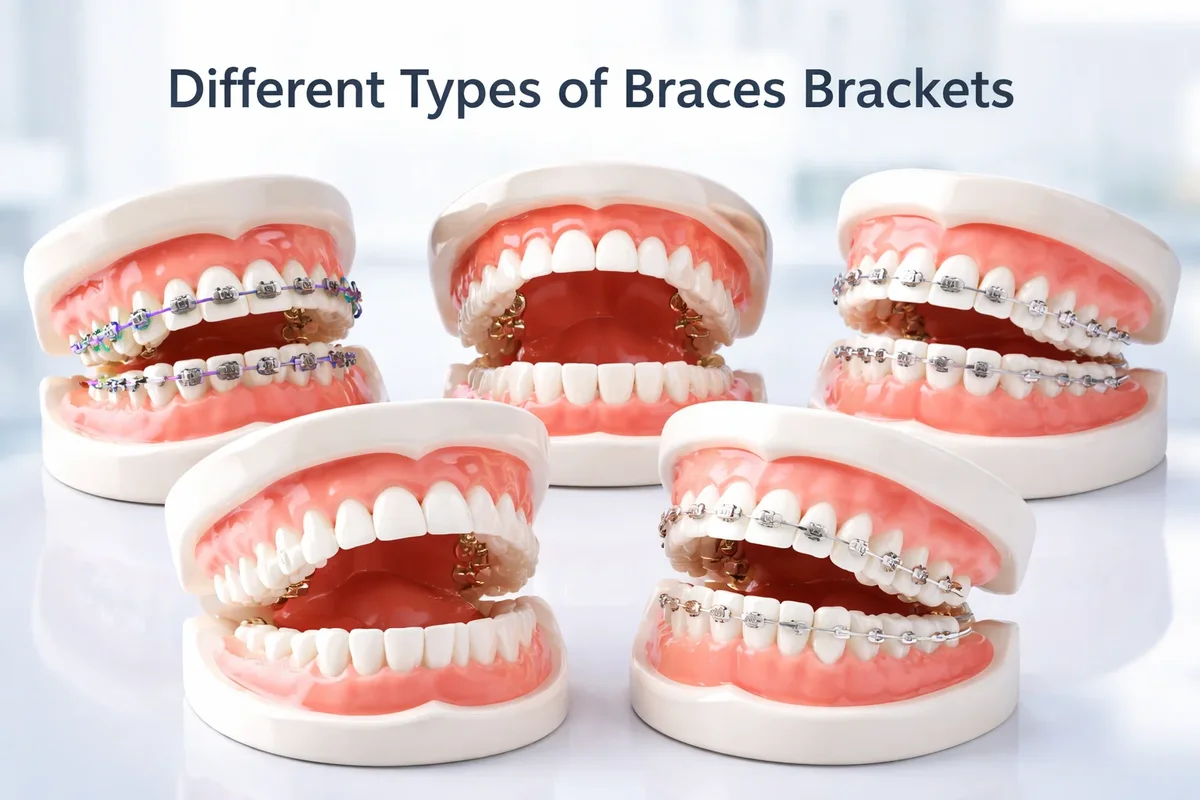
Orthodontic brackets are generally categorized based on their material and mechanical design. The most commonly discussed different types of braces brackets include traditional metal brackets, ceramic brackets, self-ligating brackets, lingual brackets, and aesthetic clear or sapphire brackets. Each type has advantages and limitations. For example, some prioritize durability and efficiency, while others focus on discretion and cosmetic appeal.
Metal brackets are often considered the standard option among the different types of braces brackets. They are made of high-grade stainless steel and are known for their strength and reliability. Ceramic brackets, on the other hand, blend more naturally with the tooth color, making them less noticeable. Self-ligating systems use a specialized clip instead of elastic ties, reducing friction and potentially shortening appointment times. Lingual brackets are placed behind the teeth, making them virtually invisible from the front.
Patients frequently compare the different types of braces brackets based on comfort. Modern orthodontics has significantly improved bracket design to minimize irritation and bulkiness. Smaller, smoother bracket profiles reduce friction against the lips and cheeks, improving the overall experience. In many cases, the differences between bracket systems may not dramatically change the final outcome — but they can influence the journey to that result.
Another important factor when evaluating the different types of braces brackets is oral hygiene. Some bracket designs are easier to clean than others. For example, traditional brackets with elastic ties may accumulate more plaque if oral hygiene is not maintained carefully. Self-ligating systems may offer slightly easier cleaning due to fewer components. Regardless of which option you choose, maintaining proper brushing and flossing habits is essential to avoid decalcification or gum inflammation during treatment.
Cost is also a significant consideration. Among the different types of braces brackets, traditional metal brackets are usually the most affordable option. Ceramic and lingual brackets tend to be more expensive due to their materials and customization requirements. While price varies by region and case complexity, understanding these differences helps patients plan financially and set realistic expectations.
From a clinical perspective, orthodontists select among the different types of braces brackets based on your bite alignment, crowding severity, jaw structure, and treatment goals. Some complex cases may benefit from the durability of metal brackets, while patients concerned about aesthetics may prefer ceramic or lingual options. Your orthodontist will evaluate which system delivers optimal control and efficiency for your specific case.
It is also important to remember that all different types of braces brackets aim to achieve the same ultimate goal: a properly aligned, functional, and healthy smile. The difference lies in the method, comfort level, visibility, and sometimes treatment speed. Advances in orthodontic materials and digital planning have made today’s bracket systems more comfortable and precise than ever before.
If you are unsure which of the different types of braces brackets suits you best, consulting a qualified orthodontist is the safest step. You can reach out directly through the Redent Klinik Contact Page to schedule a personalized evaluation. For additional educational resources about orthodontic standards and dental care, you may also visit the American Dental Association.
In summary, understanding the different types of braces brackets empowers you to participate actively in your treatment decisions. Whether you prioritize durability, aesthetics, comfort, or budget, modern orthodontics offers multiple solutions tailored to individual needs. With professional guidance and proper care, any of the different types of braces brackets can help you achieve a confident, healthy smile that lasts a lifetime. 😊
1. What Are the Different Types of Braces Brackets?
When patients begin orthodontic treatment, one of the first and most important questions they ask is: what exactly are the different types of braces brackets? Braces brackets are the small, precisely engineered attachments bonded to the front (or sometimes back) of each tooth. They act as anchors that hold the archwire in place and apply controlled pressure to gradually move teeth into proper alignment. While all brackets serve the same core function, the different types of braces brackets vary significantly in material, structure, aesthetics, comfort, and biomechanics.
The Basic Function of Braces Brackets
To understand the different types of braces brackets, it is essential to first understand their role in orthodontic mechanics. Each bracket has a slot designed to hold an archwire. The archwire applies continuous, gentle force to the teeth. As the wire attempts to return to its original shape, it guides teeth into better alignment. The bracket essentially transfers this force from the wire to the tooth.
Regardless of the system used, all different types of braces brackets must be securely bonded to enamel using specialized dental adhesive. Precision in placement is critical. Even slight positioning differences can influence the final tooth movement. Modern orthodontics uses advanced digital planning and bracket positioning techniques to maximize accuracy and predictability.
How Materials Define the Different Types of Braces Brackets
One of the primary distinctions among the different types of braces brackets is the material used in their construction. Material choice affects strength, visibility, friction, and patient comfort.
Metal Brackets
Traditional stainless-steel brackets remain the most widely used option among the different types of braces brackets. They are highly durable, resistant to staining, and extremely efficient in complex orthodontic cases. Modern versions are smaller and more comfortable than older designs.
Ceramic Brackets
Ceramic brackets are tooth-colored or translucent, making them less noticeable. Among the different types of braces brackets, they are often chosen by adults and image-conscious patients. While aesthetically appealing, they may be slightly more fragile than metal options.
Sapphire and Clear Brackets
Advanced clear brackets made from monocrystalline sapphire provide superior transparency. These premium options represent some of the most aesthetic different types of braces brackets, blending almost seamlessly with natural teeth.
Mechanical Design Differences
Beyond material, the different types of braces brackets also differ in mechanical design. Some systems require elastic ties (ligatures), while others use built-in clips.
Conventional Brackets
Traditional brackets use elastic ligatures to hold the wire in place. These elastics can be customized in various colors, making treatment more fun for younger patients. However, they may create slightly more friction compared to advanced systems.
Self-Ligating Brackets
Self-ligating brackets feature a built-in sliding mechanism instead of elastic ties. Among the different types of braces brackets, this design reduces friction and may allow smoother tooth movement. Some studies suggest they may shorten appointment times and improve hygiene due to fewer plaque-retentive components.
Lingual Systems: A Hidden Option
Another category within the different types of braces brackets is lingual brackets. These are bonded to the inner (tongue-side) surface of the teeth, making them virtually invisible from the front. While highly aesthetic, they require specialized training and can initially affect speech adaptation.
Comfort and Biocompatibility
Modern different types of braces brackets are designed with rounded edges and low-profile structures to minimize irritation to cheeks and lips. Biocompatible materials are used to reduce allergic reactions. For patients with nickel sensitivity, alternative bracket materials are available.
Cost Considerations
The price of orthodontic treatment varies depending on the different types of braces brackets selected. While exact costs depend on location and case complexity, here is a general estimate:
- Metal brackets: $3,000 – $6,000
- Ceramic brackets: $4,000 – $7,500
- Self-ligating systems: $3,500 – $7,000
- Lingual brackets: $8,000 – $13,000
These figures can vary significantly based on treatment duration and orthodontist expertise. For personalized cost details, you can contact the clinic directly via the Redent Klinik Contact Page.
Clinical Effectiveness and Professional Standards
All different types of braces brackets are capable of achieving excellent orthodontic results when properly planned and managed. The key factor is not only the bracket type but also the orthodontist’s skill and treatment strategy. According to professional guidelines from the American Dental Association, proper diagnosis, treatment planning, and patient compliance are essential for successful outcomes.
In conclusion, understanding the different types of braces brackets allows patients to actively participate in their treatment decisions. Whether you prioritize aesthetics, durability, reduced friction, or budget considerations, modern orthodontics offers tailored solutions. Each of the different types of braces brackets is designed to move teeth efficiently and safely toward a healthier, more confident smile. 😊
2. Metal Brackets: The Most Common Choice
Among the different types of braces brackets, metal brackets remain the most widely used and trusted option worldwide. For decades, stainless-steel brackets have formed the foundation of orthodontic treatment because of their strength, reliability, and efficiency. Although many patients initially worry about their visibility, modern metal brackets are significantly smaller, smoother, and more comfortable than older designs. When evaluating the different types of braces brackets, metal systems are often considered the gold standard for predictable results.
Why Metal Brackets Are So Popular
The popularity of metal brackets among the different types of braces brackets is primarily due to their durability. Made from high-grade stainless steel or medical-grade alloys, they can withstand significant orthodontic forces without breaking or deforming. This makes them ideal for treating complex cases involving severe crowding, rotations, bite misalignment, or jaw discrepancies.
Another reason metal brackets remain dominant among the different types of braces brackets is their cost-effectiveness. They are generally the most affordable bracket option, making orthodontic care more accessible to a broader range of patients. While cosmetic alternatives exist, metal systems provide outstanding clinical control at a lower price point.
Structure and Mechanics of Metal Brackets
To better understand how metal brackets function compared to other different types of braces brackets, it helps to examine their structure. Each metal bracket contains:
- A precisely engineered slot for the archwire
- Tie wings to hold elastic ligatures
- A mesh base for secure bonding to enamel
The archwire is threaded through the slot and secured with elastic ligatures (tiny rubber bands). As the wire attempts to return to its natural shape, it applies consistent pressure to the teeth. Among the different types of braces brackets, metal brackets often provide the strongest mechanical grip and torque control.
Elastic Ligatures and Customization
One unique feature of traditional metal brackets among the different types of braces brackets is the use of colored elastic ligatures. These small bands can be customized in various colors, which is especially popular among children and teenagers. While aesthetics may not be their primary advantage, personalization adds a fun element to treatment.
Efficiency in Complex Cases
Orthodontists frequently recommend metal brackets when patients have complicated alignment issues. Among the different types of braces brackets, metal systems allow for precise tooth control in all three dimensions: vertical, horizontal, and rotational. Their strength enables orthodontists to apply heavier forces when necessary without risking bracket fracture.
For patients requiring significant bite correction, including overbite, underbite, or crossbite adjustments, metal brackets are often the most efficient of the different types of braces brackets. They integrate well with additional appliances such as elastics, expanders, or power chains.
Comfort and Modern Improvements
Many people assume metal brackets are bulky or uncomfortable. However, advancements in orthodontic manufacturing have improved comfort significantly. Today’s metal brackets used among the different types of braces brackets feature low-profile designs with rounded edges to minimize irritation to lips and cheeks.
Initial soreness after adjustments is common with all different types of braces brackets, including metal systems. However, this discomfort typically subsides within a few days as teeth adapt to the new pressure.
Cost Overview
When comparing the different types of braces brackets, metal brackets are usually the most budget-friendly option. In the United States, average treatment costs with metal braces typically range between:
- $3,000 – $6,000 for comprehensive orthodontic treatment
These prices vary depending on treatment duration, case complexity, and geographic location. For a personalized evaluation and detailed cost breakdown, patients can visit the Redent Klinik Contact Page.
Advantages and Disadvantages
Advantages
- Most durable among the different types of braces brackets
- Highly effective for complex cases
- Cost-effective option
- Strong and resistant to breakage
Disadvantages
- More visible compared to ceramic or lingual systems
- Elastic ties may accumulate plaque if oral hygiene is poor
Professional Standards and Safety
Metal brackets are manufactured according to strict safety standards and are widely endorsed in orthodontic practice. Organizations like the American Dental Association emphasize that proper orthodontic supervision and hygiene are more important than bracket material alone. All different types of braces brackets, including metal ones, require consistent professional monitoring for optimal outcomes.
In conclusion, metal brackets remain one of the most reliable and efficient different types of braces brackets available today. Their strength, affordability, and proven track record make them a top choice for both orthodontists and patients. While they may not be the most discreet option, they deliver excellent clinical results and remain the backbone of modern orthodontic treatment. 😊
3. Ceramic Brackets: Aesthetic and Discreet Options
When patients explore the different types of braces brackets, ceramic brackets quickly become one of the most requested options — especially among adults and professionals who are concerned about appearance during treatment. Ceramic brackets are designed to blend naturally with the color of your teeth, offering a more discreet orthodontic solution while maintaining strong clinical performance. Among the different types of braces brackets, ceramic systems strike a balance between effectiveness and aesthetics.
What Are Ceramic Brackets Made Of?
Ceramic brackets are typically made from polycrystalline or monocrystalline aluminum oxide. This material is strong, biocompatible, and tooth-colored, making it significantly less visible than traditional metal brackets. While evaluating the different types of braces brackets, patients often choose ceramic systems because they are much less noticeable in photos and daily interactions.
Unlike stainless steel brackets, ceramic brackets are designed to mimic the natural translucency of enamel. This quality allows them to blend seamlessly with the teeth, particularly when paired with clear or tooth-colored archwires. Among the different types of braces brackets, ceramic options are often considered the most aesthetically appealing for front-facing orthodontic treatment.
How Ceramic Brackets Compare to Metal Brackets
Understanding how ceramic systems differ from other different types of braces brackets helps patients make informed decisions. While both metal and ceramic brackets perform the same essential function — holding the archwire to guide tooth movement — they differ in several key areas:
Visibility
Ceramic brackets are much less visible than metal brackets. Among the different types of braces brackets, this is their greatest advantage. Adults who prefer subtle orthodontic treatment often choose ceramic brackets for this reason.
Strength and Durability
Metal brackets are slightly more durable. Ceramic brackets are strong but can be more brittle under excessive force. However, modern manufacturing techniques have significantly improved their durability. When comparing the different types of braces brackets, ceramic systems are still highly reliable for most orthodontic cases.
Friction Levels
Ceramic brackets may create slightly more friction against the archwire compared to metal systems. However, advancements in bracket slot design have minimized this difference. Among the different types of braces brackets, friction differences are often clinically negligible when treatment is properly managed.
Who Is an Ideal Candidate for Ceramic Brackets?
Patients who prioritize appearance are the most common candidates. Adults in corporate settings, public-facing roles, or social environments often prefer ceramic options among the different types of braces brackets. Teenagers who feel self-conscious about wearing braces may also benefit from this aesthetic alternative.
Ceramic brackets are suitable for mild to moderately complex cases. However, in extremely severe alignment issues, orthodontists may recommend metal brackets for maximum durability. During your consultation, your orthodontist will assess which of the different types of braces brackets best suits your clinical needs.
Cost Considerations
Among the different types of braces brackets, ceramic systems are typically more expensive than traditional metal braces due to material costs and manufacturing precision. On average in the United States:
- Ceramic braces treatment cost: $4,000 – $7,500
Costs vary based on treatment duration and complexity. If you would like a customized estimate based on your case, you can schedule a consultation through the Redent Klinik Contact Page.
Maintenance and Oral Hygiene
Proper hygiene is essential with all different types of braces brackets, but ceramic brackets require special attention. While the brackets themselves do not stain, the elastic ligatures used with them may discolor over time if patients consume coffee, tea, or highly pigmented foods.
Regular brushing, flossing, and professional cleanings are critical. The American Dental Association recommends brushing at least twice daily and using interdental cleaning tools when wearing braces. This advice applies to all different types of braces brackets, including ceramic systems.
Advantages of Ceramic Brackets
1. Discreet Appearance
Among the different types of braces brackets, ceramic options are far less noticeable.
2. Effective Tooth Movement
They provide reliable orthodontic control comparable to other different types of braces brackets.
3. Biocompatible Material
Ceramic materials are well tolerated and suitable for patients with metal sensitivities.
Potential Disadvantages
- Slightly higher cost compared to metal systems
- More fragile than stainless steel brackets
- Elastic ties may stain if oral hygiene is not optimal
Despite these minor limitations, ceramic brackets remain one of the most popular different types of braces brackets for patients seeking aesthetic orthodontic treatment.
Final Thoughts on Ceramic Brackets
Ceramic brackets offer a sophisticated solution for patients who want effective orthodontic correction without drawing attention to their braces. Among the different types of braces brackets, they represent a strong combination of beauty and performance. While not entirely invisible, they provide a subtle and professional appearance throughout treatment.
Ultimately, the best choice among the different types of braces brackets depends on your personal goals, lifestyle, and orthodontic needs. With proper care and expert supervision, ceramic brackets can deliver excellent long-term results and a confident, beautifully aligned smile. 😊
4. Self-Ligating Brackets: Advanced Orthodontic Technology
Among the different types of braces brackets, self-ligating brackets represent one of the most innovative advancements in modern orthodontics. Unlike traditional systems that rely on elastic ligatures (rubber bands) to hold the archwire in place, self-ligating brackets use a built-in sliding mechanism or clip. This design eliminates the need for elastics and allows the archwire to move more freely within the bracket slot. When comparing the different types of braces brackets, self-ligating systems are often associated with reduced friction, improved hygiene, and enhanced patient comfort.
How Self-Ligating Brackets Work
To understand their benefits, it’s important to examine how self-ligating systems differ from other different types of braces brackets. Each bracket features a small metal or ceramic door that opens and closes over the archwire. This mechanism secures the wire without the need for elastic ties. Because there are fewer components, friction between the wire and bracket is reduced, potentially allowing teeth to move more smoothly.
Among the different types of braces brackets, self-ligating brackets are often categorized into two types:
Passive Self-Ligating Brackets
These brackets allow the archwire to slide freely within the slot. They are designed to minimize resistance and support lighter orthodontic forces during the early stages of treatment.
Active Self-Ligating Brackets
These apply gentle pressure onto the archwire, providing more control during detailed tooth positioning. When comparing the different types of braces brackets, active systems may offer more precise finishing adjustments.
Advantages of Self-Ligating Systems
Patients evaluating the different types of braces brackets often choose self-ligating systems because of several distinct advantages.
1. Reduced Friction
The absence of elastic ligatures reduces friction between the bracket and wire. Among the different types of braces brackets, this can potentially allow for more efficient tooth movement in certain cases.
2. Shorter Appointment Times
Because orthodontists do not need to remove and replace elastic ties, adjustment appointments are often quicker. While treatment duration varies depending on case complexity, many patients report more streamlined visits compared to traditional different types of braces brackets.
3. Improved Oral Hygiene
Elastic ties can trap food particles and plaque. Self-ligating brackets eliminate this component, making brushing and flossing easier. Among the different types of braces brackets, this feature is particularly appealing to adults concerned about gum health.
4. Enhanced Comfort
Many patients experience less pressure after adjustments because lighter forces can be used. Although mild soreness is normal with all different types of braces brackets, self-ligating systems are often described as slightly more comfortable during the early alignment phase.
Aesthetic Options Available
Self-ligating brackets are available in both metal and ceramic versions. This means patients can combine advanced mechanics with improved aesthetics. When exploring the different types of braces brackets, this flexibility makes self-ligating systems suitable for a wide range of preferences.
Cost Considerations
Among the different types of braces brackets, self-ligating systems typically fall between traditional metal braces and fully customized lingual braces in terms of cost. Average comprehensive treatment fees in the United States may range from:
- $3,500 – $7,000
Final pricing depends on treatment complexity, orthodontist expertise, and geographic location. For a personalized assessment, patients can schedule a consultation through the Redent Klinik Contact Page.
Are Self-Ligating Brackets Faster?
A common question when comparing the different types of braces brackets is whether self-ligating systems shorten overall treatment time. Research shows mixed results. While some studies suggest slightly improved efficiency in early alignment, final outcomes largely depend on patient compliance and orthodontic planning rather than bracket type alone.
The American Dental Association emphasizes that successful orthodontic treatment is determined by proper diagnosis, customized treatment planning, and consistent follow-up care. Regardless of the different types of braces brackets selected, professional supervision remains the key factor in achieving long-term results.
Who Should Consider Self-Ligating Brackets?
Self-ligating systems may be especially beneficial for patients who:
- Prefer fewer components for easier cleaning
- Want potentially shorter adjustment appointments
- Value modern orthodontic technology
- Seek an alternative within the different types of braces brackets that balances performance and comfort
Limitations to Consider
Although self-ligating brackets offer advantages, they are not necessarily superior in every case. Among the different types of braces brackets, the effectiveness of treatment ultimately depends on case complexity and orthodontist expertise. Some severe bite corrections may still benefit from conventional systems.
Final Thoughts on Self-Ligating Brackets
Self-ligating brackets represent a modern evolution within the different types of braces brackets. Their innovative design, reduced friction, and improved hygiene make them a popular choice for both teens and adults. While they may not drastically shorten treatment time in every situation, they offer meaningful comfort and convenience benefits.
When deciding among the different types of braces brackets, it is essential to consult an experienced orthodontist who can evaluate your specific dental structure and goals. With proper planning and consistent care, self-ligating brackets can deliver excellent results and help you achieve a beautifully aligned, confident smile. 😊
5. Lingual Brackets: Hidden Braces Behind the Teeth
Among the different types of braces brackets, lingual brackets stand out as the most discreet orthodontic solution available. Unlike traditional systems that are bonded to the front of the teeth, lingual brackets are attached to the inner (tongue-side) surface. This positioning makes them virtually invisible when you smile, talk, or laugh. For patients who want maximum aesthetics without compromising effectiveness, lingual systems are often the most appealing option within the different types of braces brackets.
What Are Lingual Brackets?
Lingual brackets are custom-made orthodontic attachments designed specifically for the inner contours of your teeth. Because the back surfaces of teeth vary more than the front surfaces, these brackets are typically fabricated using digital scans and advanced laboratory techniques. When comparing the different types of braces brackets, lingual systems require the highest level of customization and precision.
Each bracket is uniquely shaped to fit the anatomy of the individual tooth. This customization allows the orthodontist to deliver highly controlled tooth movement while keeping the appliance completely hidden from view. Among the different types of braces brackets, lingual braces are often chosen by professionals, public speakers, actors, and adults who prefer not to display visible orthodontic hardware.
How Lingual Brackets Work
Mechanically, lingual brackets function similarly to traditional metal brackets. They hold an archwire that applies consistent, gentle force to reposition the teeth over time. The main difference between lingual systems and other different types of braces brackets is their placement location rather than their orthodontic purpose.
Precision Placement
Due to limited visibility and access on the inner side of the teeth, lingual brackets require advanced training and experience for accurate placement. Among the different types of braces brackets, this technique is considered one of the most technically demanding for orthodontists.
Customized Archwires
Many lingual systems use specially designed archwires to match the patient’s customized bracket setup. This enhances precision and allows detailed control throughout treatment.
Advantages of Lingual Brackets
1. Complete Invisibility
Among all different types of braces brackets, lingual braces offer the highest level of discretion. Because they are placed behind the teeth, they are not visible from the front at all.
2. Effective for Complex Cases
Lingual systems can treat a wide range of orthodontic issues, including crowding, spacing, overbite, underbite, and crossbite. When properly planned, they are as clinically effective as other different types of braces brackets.
3. Ideal for Adults
Adults who want orthodontic treatment without visible brackets often prefer lingual options among the different types of braces brackets.
Challenges and Adaptation Period
Although lingual brackets are highly aesthetic, they come with a short adaptation period. Because they are placed near the tongue, some patients may initially experience mild speech changes or tongue irritation. These effects typically improve within a few weeks as the mouth adjusts.
Among the different types of braces brackets, lingual systems may require slightly more detailed cleaning techniques due to their position. Proper oral hygiene is essential to prevent plaque buildup and gum irritation.
Cost Considerations
Lingual braces are generally the most expensive option among the different types of braces brackets due to customization and technical complexity. Average comprehensive treatment costs in the United States may range from:
- $8,000 – $13,000
Pricing depends on case difficulty and treatment duration. For a personalized consultation and cost estimate, patients can visit the Redent Klinik Contact Page.
Maintenance and Oral Hygiene
Maintaining proper hygiene is critical with all different types of braces brackets, and lingual systems are no exception. Because they are positioned on the inner surfaces, patients must pay close attention while brushing and flossing. Using interdental brushes, water flossers, and fluoride toothpaste can significantly reduce the risk of decalcification.
The American Dental Association recommends consistent brushing twice daily and routine dental checkups throughout orthodontic treatment. This guidance applies equally to lingual systems and other different types of braces brackets.
Who Should Choose Lingual Brackets?
Lingual braces may be an ideal solution for patients who:
- Prioritize aesthetics above all else
- Work in public-facing professions
- Want comprehensive orthodontic correction without visible appliances
- Are comfortable with a brief adaptation period
While they are one of the most sophisticated different types of braces brackets, lingual systems require commitment to oral hygiene and regular orthodontic visits.
Final Thoughts on Lingual Brackets
Lingual brackets represent one of the most advanced and discreet solutions within the different types of braces brackets. They combine customization, precision, and invisibility in a way that few other orthodontic systems can match. Although they require specialized expertise and may involve higher costs, they deliver excellent results for patients who want orthodontic treatment without compromising appearance.
Ultimately, choosing among the different types of braces brackets depends on your lifestyle, treatment goals, and personal preferences. With expert planning and proper care, lingual braces can help you achieve a beautifully aligned smile — all while keeping your orthodontic journey completely hidden. 😊
6. Clear and Sapphire Brackets: Premium Cosmetic Solutions
When patients explore the different types of braces brackets, many are especially interested in options that combine high performance with superior aesthetics. Clear and sapphire brackets are considered premium cosmetic solutions within modern orthodontics. These advanced systems are designed to be nearly invisible while still delivering the controlled tooth movement required for effective treatment. Among the different types of braces brackets, clear and sapphire options are often chosen by adults and image-conscious teenagers who want their orthodontic treatment to remain as discreet as possible.
What Are Clear and Sapphire Brackets?
Clear brackets are typically made from advanced ceramic materials, while sapphire brackets are crafted from monocrystalline aluminum oxide. The difference lies in their transparency and light-reflecting properties. Sapphire brackets are more translucent than standard ceramic versions, making them one of the most visually subtle different types of braces brackets available today.
Both clear and sapphire systems function in the same way as other different types of braces brackets: they are bonded to the tooth surface and work together with an archwire to gradually reposition teeth. However, their cosmetic advantage is what truly sets them apart.
Why Patients Choose Clear and Sapphire Brackets
1. Superior Aesthetic Appeal
Among the different types of braces brackets, clear and sapphire systems offer exceptional cosmetic blending. They reflect light similarly to natural enamel, making them far less noticeable in everyday conversations, photographs, and professional settings.
2. Confidence During Treatment
Many adults hesitate to begin orthodontic treatment because of visible metal brackets. Clear and sapphire options within the different types of braces brackets allow patients to improve their smile alignment without feeling self-conscious during the process.
3. Effective Orthodontic Control
Despite their aesthetic design, these brackets provide strong bonding and reliable performance. When comparing the different types of braces brackets, clear and sapphire systems can treat mild to moderately complex orthodontic cases effectively.
Differences Between Clear and Sapphire Brackets
Although both are cosmetic options among the different types of braces brackets, there are subtle distinctions worth understanding.
Transparency
Sapphire brackets are more transparent than polycrystalline ceramic brackets. This makes them slightly less visible, especially under bright lighting.
Stain Resistance
The bracket material itself does not stain easily. However, elastic ligatures used with some of the different types of braces brackets may discolor over time. Choosing clear-coated wires and practicing good oral hygiene minimizes this issue.
Durability
While strong, ceramic and sapphire materials are slightly more brittle than stainless steel. Among the different types of braces brackets, metal options remain the most resistant to fracture, but modern clear systems are highly durable when used appropriately.
Cost of Clear and Sapphire Braces
Clear and sapphire brackets are typically more expensive than traditional metal braces. Among the different types of braces brackets, these premium cosmetic systems may cost:
- $4,500 – $8,000 for comprehensive treatment
Costs vary depending on treatment duration and case complexity. For an individualized treatment plan and detailed pricing, patients can visit the Redent Klinik Contact Page.
Oral Hygiene and Maintenance
Maintaining excellent oral hygiene is essential with all different types of braces brackets, including clear and sapphire systems. Because these brackets are designed to be discreet, plaque buildup or stained ligatures may become more noticeable if hygiene is neglected.
The American Dental Association recommends brushing twice daily with fluoride toothpaste and using interdental cleaning aids during orthodontic treatment. This guidance applies equally to all different types of braces brackets, ensuring long-term dental health.
Who Is the Ideal Candidate?
Clear and sapphire brackets are ideal for patients who:
- Prioritize aesthetics during orthodontic treatment
- Have mild to moderate alignment issues
- Work in professional or public-facing environments
- Are willing to invest in premium cosmetic options among the different types of braces brackets
However, for extremely complex cases requiring significant force application, orthodontists may recommend metal brackets instead. The final decision should always be based on a professional evaluation.
Advantages and Limitations
Advantages
- Highly discreet appearance
- Blend naturally with teeth
- Effective for most orthodontic corrections
- Boost patient confidence during treatment
Limitations
- Higher cost compared to metal systems
- Slightly more fragile than stainless steel
- Ligatures may stain without proper care
Final Considerations
Clear and sapphire brackets represent some of the most advanced cosmetic options within the different types of braces brackets. They combine orthodontic precision with subtle design, allowing patients to undergo treatment without drawing attention to their braces. While they may require a higher financial investment, many patients find the aesthetic benefits worthwhile.
Ultimately, choosing among the different types of braces brackets should involve a detailed consultation with an experienced orthodontist. With proper planning, care, and maintenance, clear and sapphire brackets can deliver outstanding long-term results — helping you achieve a beautifully aligned smile while maintaining confidence throughout your orthodontic journey. 😊
7. Comparing Different Types of Braces Brackets by Cost and Effectiveness
When patients evaluate orthodontic treatment options, one of the most important considerations is how the different types of braces brackets compare in terms of cost and effectiveness. While all systems are designed to straighten teeth and improve bite alignment, they vary in pricing, durability, aesthetics, comfort, and clinical efficiency. Understanding how the different types of braces brackets perform side by side helps patients make confident, informed decisions that align with both their dental needs and financial plans.
What Determines the Cost of Braces?
The cost of treatment with the different types of braces brackets depends on several factors:
- Case complexity (mild crowding vs. severe bite correction)
- Treatment duration
- Orthodontist’s experience and location
- Bracket material and technology
- Additional appliances (elastics, expanders, retainers)
While bracket type plays a role, it is not the only pricing factor. Still, among the different types of braces brackets, material and customization level significantly influence overall costs.
Cost Comparison Overview
Metal Brackets
Metal systems are typically the most affordable among the different types of braces brackets. Average comprehensive treatment costs range between $3,000 and $6,000. Their durability and efficiency make them a cost-effective solution for complex cases.
Ceramic Brackets
Ceramic options usually cost between $4,000 and $7,500. Among the different types of braces brackets, ceramic systems offer improved aesthetics but come with a slightly higher price due to material costs.
Self-Ligating Brackets
Self-ligating systems generally range from $3,500 to $7,000. When comparing the different types of braces brackets, these systems may reduce chair time during appointments, but overall treatment cost often overlaps with traditional systems.
Lingual Brackets
Lingual braces are the most expensive of the different types of braces brackets, typically costing between $8,000 and $13,000. Custom fabrication and technical complexity increase pricing.
Clear and Sapphire Brackets
These premium aesthetic options range from $4,500 to $8,000. Among the different types of braces brackets, sapphire brackets offer the highest level of transparency, which contributes to their premium pricing.
Effectiveness Comparison
Effectiveness is often misunderstood when discussing the different types of braces brackets. Many patients assume that more expensive systems work faster or produce better results. However, clinical success depends more on orthodontic planning and patient compliance than on bracket material alone.
Treatment Speed
Some manufacturers claim that certain different types of braces brackets, such as self-ligating systems, may reduce treatment time due to lower friction. Research results are mixed. While early alignment phases may move efficiently, total treatment duration typically depends on biological response and case complexity.
Complex Case Performance
Metal brackets remain the strongest option among the different types of braces brackets for severe bite corrections. Their durability allows orthodontists to apply greater force when necessary.
Aesthetic Performance
Clear, ceramic, sapphire, and lingual systems excel in cosmetic appeal. Among the different types of braces brackets, these options prioritize discretion while still achieving reliable alignment.
Long-Term Outcomes
All different types of braces brackets are capable of delivering excellent long-term results when used correctly. The final alignment, bite stability, and smile aesthetics depend on:
- Accurate diagnosis
- Customized treatment planning
- Consistent orthodontic adjustments
- Patient cooperation (wearing elastics, maintaining hygiene)
The American Dental Association emphasizes that professional supervision and proper maintenance are critical for successful orthodontic outcomes, regardless of the different types of braces brackets selected.
Balancing Budget and Aesthetics
When choosing among the different types of braces brackets, patients often weigh visibility against cost. For example:
- Metal brackets = most affordable, most visible
- Ceramic brackets = moderately priced, less visible
- Lingual brackets = most expensive, invisible
Patients should consider their lifestyle, profession, and comfort level. If budget is the primary concern, metal brackets offer outstanding value among the different types of braces brackets. If appearance is critical, ceramic or lingual systems may justify their higher price.
Financing Options
Many clinics offer installment plans to make treatment with the different types of braces brackets more manageable. Flexible payment structures allow patients to choose the bracket system that best meets their needs without immediate financial strain. For detailed payment information and consultation scheduling, patients can visit the Redent Klinik Contact Page.
Key Takeaways
When comparing the different types of braces brackets by cost and effectiveness, remember:
- All systems can produce excellent results.
- Higher cost does not automatically mean faster treatment.
- Material choice affects aesthetics and durability more than final outcome.
- Professional expertise is the most important success factor.
Ultimately, the best choice among the different types of braces brackets depends on your clinical needs, aesthetic preferences, and financial considerations. A thorough consultation with an experienced orthodontist ensures you select a system that balances efficiency, comfort, and long-term smile success. 😊
8. How Orthodontists Choose the Right Bracket System
When patients learn about the different types of braces brackets, a common follow-up question is: how does an orthodontist decide which system is best? While personal preference plays a role, the selection process is primarily based on clinical evaluation, diagnostic imaging, and long-term treatment goals. Choosing among the different types of braces brackets is not simply about aesthetics or cost — it involves a comprehensive assessment of dental structure, bite mechanics, and patient lifestyle.
Step 1: Comprehensive Orthodontic Examination
The decision-making process begins with a detailed orthodontic consultation. During this appointment, the orthodontist evaluates:
- Tooth alignment and crowding severity
- Bite relationship (overbite, underbite, crossbite)
- Jaw positioning and facial symmetry
- Gum health and bone support
- Patient age and growth stage
Based on this information, the orthodontist determines which of the different types of braces brackets will provide the most efficient and stable results. Advanced diagnostic tools such as digital X-rays, 3D scans, and photographic records further refine the treatment plan.
Step 2: Evaluating Case Complexity
Mild to Moderate Cases
For minor crowding or spacing issues, most of the different types of braces brackets can achieve successful outcomes. In these cases, aesthetic preferences often guide the final decision. Ceramic or clear brackets may be ideal for patients prioritizing discretion.
Severe or Complex Cases
In more complex orthodontic situations — such as significant bite misalignment or jaw discrepancies — durability becomes a key factor. Among the different types of braces brackets, metal brackets are frequently recommended due to their strength and precise torque control.
Step 3: Considering Patient Lifestyle
Orthodontists also consider lifestyle factors when recommending among the different types of braces brackets. For example:
- Public-facing professionals may prefer lingual or ceramic systems.
- Teenagers might enjoy customizable metal brackets with colored elastics.
- Patients concerned about hygiene may benefit from self-ligating systems.
Ultimately, selecting from the different types of braces brackets should align with both clinical requirements and the patient’s daily routine.
Step 4: Budget and Financial Planning
Cost is another practical consideration. While orthodontists focus on optimal treatment outcomes, they also help patients compare the financial differences among the different types of braces brackets. Metal brackets are generally more affordable, while lingual and sapphire systems involve higher customization costs.
Clinics often provide flexible payment plans. Patients interested in a personalized consultation can visit the Redent Klinik Contact Page to discuss treatment options and financing details.
Step 5: Biomechanics and Treatment Strategy
Orthodontic biomechanics play a critical role in choosing among the different types of braces brackets. The orthodontist considers how much force must be applied, how teeth need to rotate or shift, and how bite correction will be managed over time.
Friction Management
Self-ligating systems may reduce friction in certain phases of treatment. When comparing the different types of braces brackets, friction control can influence efficiency in the early alignment stage.
Torque and Precision
Bracket slot design affects how accurately teeth move in three dimensions. High-quality systems within the different types of braces brackets offer improved control over root positioning and final detailing.
Step 6: Patient Compliance and Oral Hygiene
Orthodontists also assess how well a patient can maintain oral hygiene. All different types of braces brackets require consistent brushing and flossing, but systems with fewer components may be easier to clean.
The American Dental Association highlights the importance of oral hygiene during orthodontic treatment. Poor hygiene can compromise results regardless of which of the different types of braces brackets is chosen.
Personalized Treatment Is Key
No single option among the different types of braces brackets is universally superior. The “best” choice depends entirely on the individual patient. A teenager with severe crowding may benefit most from durable metal brackets, while a working professional might prioritize the invisibility of lingual braces.
Orthodontists aim to balance four primary factors when selecting among the different types of braces brackets:
- Clinical effectiveness
- Patient comfort
- Aesthetic preferences
- Budget considerations
Final Thoughts
Choosing among the different types of braces brackets is a collaborative decision between patient and orthodontist. Comprehensive diagnostics, individualized treatment planning, and clear communication ensure that the selected system delivers optimal long-term results.
With professional guidance and consistent follow-up, any of the different types of braces brackets can successfully transform your smile. The key lies not only in the bracket material or design, but in the expertise behind its application and the commitment to maintaining oral health throughout the journey. 😊
9. Maintenance, Care, and Long-Term Results of Braces Brackets
Understanding the different types of braces brackets is only part of the orthodontic journey. Proper maintenance and daily care are equally important for achieving successful, long-lasting results. Regardless of which of the different types of braces brackets you choose — metal, ceramic, self-ligating, lingual, or sapphire — maintaining excellent oral hygiene and following your orthodontist’s instructions will directly impact your final smile outcome.
Why Maintenance Matters for All Bracket Systems
All different types of braces brackets create small areas where plaque and food particles can accumulate. Without proper cleaning, this buildup may lead to tooth discoloration, gum inflammation, cavities, or decalcification (white spot lesions). Brackets themselves do not cause decay, but improper hygiene around them can increase risk.
During orthodontic treatment, your teeth are constantly moving. Healthy gums and strong enamel are essential for safe movement. No matter which of the different types of braces brackets is bonded to your teeth, daily cleaning is non-negotiable.
Daily Oral Hygiene Routine
Brushing Technique
Patients wearing the different types of braces brackets should brush at least twice daily using fluoride toothpaste. A soft-bristled toothbrush or electric toothbrush is recommended. Brush at a 45-degree angle, cleaning above and below each bracket carefully.
Flossing and Interdental Cleaning
Flossing with braces may require floss threaders or orthodontic floss. Interdental brushes help clean tight spaces around brackets and wires. Regardless of the different types of braces brackets, flossing once daily significantly reduces plaque buildup.
Mouthwash Use
An antimicrobial or fluoride mouthwash can strengthen enamel and reduce bacteria. This extra step supports gum health during treatment with any of the different types of braces brackets.
Foods to Avoid
Certain foods can damage or dislodge brackets. While all different types of braces brackets are designed to be durable, avoiding hard, sticky, or overly crunchy foods protects your appliance and prevents emergency visits.
- Hard candies
- Ice cubes
- Sticky caramel or chewing gum
- Popcorn kernels
- Very crunchy nuts
Following these dietary precautions helps preserve the integrity of the different types of braces brackets and keeps treatment on schedule.
Regular Orthodontic Appointments
Routine checkups every 4–8 weeks allow your orthodontist to adjust the archwire, monitor progress, and ensure that the different types of braces brackets remain securely bonded. Missed appointments can delay treatment and compromise results.
The American Dental Association emphasizes consistent professional care during orthodontic treatment to prevent complications. This recommendation applies equally to all different types of braces brackets.
Handling Bracket Damage
If a bracket becomes loose or breaks, contact your orthodontist promptly. Although metal systems are the most durable among the different types of braces brackets, any bracket type can occasionally detach due to chewing habits or accidental impact.
Temporary orthodontic wax can reduce irritation until your appointment. For urgent concerns or scheduling assistance, patients may visit the Redent Klinik Contact Page.
Retention After Braces
Long-term success does not end when braces are removed. After completing treatment with any of the different types of braces brackets, patients must wear retainers to maintain alignment. Teeth naturally tend to shift over time, especially during the first year after treatment.
Types of Retainers
- Removable clear retainers
- Hawley retainers (wire and acrylic)
- Fixed bonded retainers
Your orthodontist will recommend the most suitable retainer option based on the same careful evaluation used when selecting among the different types of braces brackets.
Long-Term Results and Stability
When properly maintained, treatment with the different types of braces brackets produces stable, long-lasting improvements in bite alignment and smile aesthetics. Straight teeth are easier to clean, reducing the risk of gum disease and tooth decay over time.
Beyond cosmetic benefits, corrected bite alignment can:
- Improve chewing efficiency
- Reduce jaw strain
- Minimize uneven tooth wear
- Enhance overall oral health
These long-term health advantages apply regardless of which of the different types of braces brackets was used during treatment.
Final Thoughts on Maintenance and Longevity
The success of orthodontic treatment depends on more than just selecting among the different types of braces brackets. Daily hygiene, dietary awareness, consistent follow-up appointments, and proper retainer use all contribute to a healthy, aligned smile that lasts for years.
No matter which of the different types of braces brackets you choose, commitment and professional supervision are the true foundations of lasting orthodontic success. With proper care and attention, your beautifully aligned smile can remain stable and confident for a lifetime. 😊