
Choosing a good pediatric dentist is one of the most important health decisions you will make for your child. Early dental experiences shape how children feel about oral care for the rest of their lives. A positive first impression with a good pediatric dentist can build confidence, reduce anxiety, and establish healthy habits that last into adulthood. On the other hand, a stressful experience may create fear that becomes difficult to overcome. That is why parents must carefully evaluate their options before selecting a dental professional for their child.
A good pediatric dentist is not simply a dentist who treats children. Pediatric dentists receive additional specialized training after dental school, focusing on child psychology, growth and development, and behavior management techniques. This advanced education allows a good pediatric dentist to understand how children think, communicate, and respond to medical environments. As a result, appointments become more comfortable and engaging rather than intimidating.
One of the first steps in choosing a good pediatric dentist is verifying credentials and professional affiliations. For example, membership in respected organizations such as the American Dental Association indicates adherence to high professional standards and continuing education. A good pediatric dentist stays updated on the latest research, safety guidelines, and treatment techniques to ensure your child receives modern and effective care.
Location and accessibility also play a role. A conveniently located clinic makes regular visits easier, which is important because a good pediatric dentist will recommend routine check-ups every six months. These regular appointments help detect cavities, monitor tooth development, and provide preventive treatments such as fluoride applications and dental sealants. Consistency builds familiarity, and familiarity reduces fear. Over time, your child may even look forward to visiting their good pediatric dentist 😊.
Communication style is another essential factor. A good pediatric dentist knows how to speak in a way that children understand, using simple language and friendly explanations. Instead of saying “injection,” they might say “sleepy juice.” Instead of “drill,” they may describe it as a “tooth cleaner.” This approach transforms potentially frightening procedures into manageable experiences. Parents should observe whether the good pediatric dentist answers questions patiently and explains treatment plans clearly.
Safety and hygiene standards must never be overlooked. A good pediatric dentist maintains a clean, organized clinic and follows strict sterilization protocols. Modern digital X-rays, protective equipment, and child-sized tools are signs that the practice prioritizes safety. Additionally, a good pediatric dentist tailors equipment and techniques specifically for smaller mouths and developing teeth, ensuring comfort and accuracy.
Another key aspect is preventive education. A good pediatric dentist does not only treat problems but also teaches families how to avoid them. During visits, you should receive guidance on brushing techniques, flossing routines, nutrition, and thumb-sucking habits. A compassionate children’s dental specialist understands that prevention is always better than treatment. When parents and a good pediatric dentist work as a team, children benefit the most.
It is also helpful to read reviews and request recommendations from other parents. Testimonials can provide insight into how a good pediatric dentist interacts with children who have anxiety or special healthcare needs. Many practices offer an introductory consultation so you can evaluate the atmosphere before committing. During this visit, observe whether the waiting area is child-friendly and whether the staff greets young patients warmly.
If you are searching for guidance or want to schedule an appointment, you can visit the Redent Klinik Contact Page for more information. Connecting with a good pediatric dentist early ensures your child receives proper monitoring from the eruption of their first tooth through adolescence.
Ultimately, choosing a good pediatric dentist is about trust, expertise, and empathy. Look for specialized training, positive communication, preventive focus, and a welcoming environment. When you find a good pediatric dentist who meets these criteria, you are not just protecting your child’s smile—you are building a foundation for lifelong oral health 🦷✨. Making the right choice today can mean fewer dental problems, lower treatment costs, and greater confidence for your child in the future.
Why Choosing a Good Pediatric Dentist Matters for Lifelong Oral Health
Selecting a good pediatric dentist is not only about solving immediate dental concerns; it is about building a lifelong foundation for oral health. The early years of a child’s life are critical for developing healthy habits, preventing dental disease, and shaping attitudes toward healthcare. A good pediatric dentist understands how these formative experiences influence future dental behavior and works proactively to create positive, educational, and stress-free appointments.
Early Prevention and Healthy Development
A good pediatric dentist focuses heavily on prevention rather than treatment alone. Tooth decay remains one of the most common chronic childhood conditions worldwide. However, with proper guidance and routine care, it is largely preventable. During regular visits, a good pediatric dentist monitors tooth eruption patterns, jaw development, and bite alignment. Early detection of potential issues allows for timely intervention, often preventing more complex procedures later in life.
Fluoride treatments and dental sealants are two preventive tools commonly recommended by a good pediatric dentist. Sealants act as protective barriers on molars, reducing the risk of cavities in hard-to-clean grooves. Fluoride strengthens enamel and helps reverse early signs of decay. By implementing these preventive strategies, a good pediatric dentist significantly lowers the likelihood of painful infections or costly restorative treatments in the future.
Monitoring Growth and Orthodontic Indicators
Beyond cavity prevention, a good pediatric dentist carefully observes facial growth, spacing issues, and bite irregularities. Early orthodontic assessment can identify crowding or jaw misalignment before they worsen. Timely referrals or interceptive treatments guided by a good pediatric dentist may shorten overall orthodontic treatment time during adolescence.
Building Positive Dental Experiences
Children who feel comfortable at the dentist are more likely to maintain consistent oral care routines. A good pediatric dentist uses behavior guidance techniques designed specifically for young patients. Calm communication, positive reinforcement, and age-appropriate explanations help children feel secure. When a child associates dental visits with encouragement rather than fear, long-term compliance improves significantly.
An experienced good pediatric dentist also understands dental anxiety. Some children may feel nervous due to unfamiliar sounds or sensations. Through gentle introductions to instruments and step-by-step explanations, a good pediatric dentist gradually builds trust. Over time, this trust reduces avoidance behavior and promotes lifelong dental attendance.
Education for Parents and Children
Another major reason choosing a good pediatric dentist matters is education. Parents play a crucial role in maintaining their child’s oral hygiene, but professional guidance ensures they follow evidence-based recommendations. A good pediatric dentist provides tailored advice on brushing techniques, flossing schedules, thumb-sucking habits, and dietary choices.
Sugary snacks and acidic drinks are common contributors to early enamel damage. A good pediatric dentist educates families about limiting these risk factors while encouraging tooth-friendly alternatives. This preventive approach not only protects primary teeth but also safeguards permanent teeth as they erupt.
Encouraging Responsibility and Independence
As children grow, a good pediatric dentist gradually shifts the focus toward independence. Teaching children how to brush correctly and explaining why oral hygiene matters empowers them to take ownership of their health. This early sense of responsibility often carries into adulthood, reducing the risk of neglect.
Long-Term Cost Savings and Health Benefits
Investing in a good pediatric dentist can lead to significant long-term savings. Preventive visits are far more affordable than emergency treatments or extensive restorations. For example, in the United States, a routine pediatric dental check-up typically ranges between $80 and $200 without insurance, while fillings may cost $150 to $400 per tooth depending on complexity. Early prevention guided by a good pediatric dentist helps families avoid these higher expenses.
More importantly, oral health is directly connected to overall health. Untreated dental infections can affect nutrition, speech development, and self-esteem. A good pediatric dentist recognizes these broader health implications and works collaboratively with parents to maintain comprehensive well-being.
Professional Standards and Ongoing Education
A good pediatric dentist follows established professional standards and remains updated on evolving dental science. Organizations such as the American Dental Association provide clinical guidelines that ensure safe and effective treatment. By choosing a good pediatric dentist committed to continuing education, parents can feel confident their child receives modern, research-based care.
If you are seeking professional guidance or wish to schedule an appointment, you may explore the Redent Klinik Contact Page to connect with an experienced team. Partnering with a good pediatric dentist early in your child’s life establishes trust, reinforces preventive habits, and supports healthy development at every stage.
In conclusion, selecting a good pediatric dentist is an investment in your child’s future. From preventive treatments and growth monitoring to emotional comfort and education, every aspect contributes to lifelong oral health. A good pediatric dentist does more than clean teeth—they guide families toward a confident, healthy smile that lasts for decades 🦷✨.
Top 7 Qualities of a Good Pediatric Dentist Parents Should Look For
Finding a good pediatric dentist can feel overwhelming, especially with so many options available. However, knowing what qualities to prioritize makes the decision much easier. A good pediatric dentist is more than a clinician who treats cavities; they are a healthcare partner who supports your child’s physical, emotional, and developmental needs. Below are the seven most important qualities that define a truly good pediatric dentist and ensure your child receives exceptional care.
1. Specialized Training in Pediatric Dentistry
The first and most important quality of a good pediatric dentist is advanced education. After completing dental school, pediatric dentists undergo additional years of specialized training focused on infants, children, and adolescents. This training includes child psychology, growth patterns, and behavior management techniques. A good pediatric dentist understands the unique challenges that come with treating developing teeth and jaws, which differ significantly from adult dentistry.
2. Excellent Communication Skills
A good pediatric dentist knows how to communicate effectively with both children and parents. Explaining procedures in simple, friendly language helps children feel safe and informed. Instead of using technical terminology, a good pediatric dentist might describe tools in playful ways to reduce fear. Clear communication with parents is equally important, ensuring they understand treatment plans, preventive strategies, and follow-up instructions.
How Communication Reduces Anxiety
Dental anxiety often begins in childhood. A good pediatric dentist uses calm tones, positive reinforcement, and patience to build trust. When children feel heard and respected, they are far less likely to develop long-term fear of dental visits.
3. A Child-Friendly Environment
The atmosphere of a clinic says a lot about whether you are dealing with a good pediatric dentist. Bright colors, playful decorations, books, and toys create a welcoming space that feels less clinical. A good pediatric dentist designs the office to make children comfortable from the moment they walk in. Even small details, such as child-sized chairs and friendly staff, contribute to a positive experience.
4. Strong Focus on Prevention
Prevention is a hallmark of a good pediatric dentist. Rather than waiting for problems to arise, they emphasize routine check-ups, fluoride applications, and dental sealants. Preventive education also includes teaching proper brushing and flossing techniques. A good pediatric dentist empowers families with practical advice to reduce the risk of cavities and gum disease.
Guidance on Nutrition and Habits
Dietary counseling is another preventive measure. A good pediatric dentist explains how sugary snacks and acidic drinks impact enamel. They also address habits like thumb-sucking or prolonged pacifier use, which can influence bite alignment.
5. Patience and Compassion
Children can be unpredictable during appointments. A good pediatric dentist remains calm and understanding, even if a child feels nervous or uncooperative. Compassion builds trust, and trust creates smoother appointments over time. An empathetic approach ensures the child feels supported rather than pressured.
6. Commitment to Safety and Modern Technology
Another defining trait of a good pediatric dentist is adherence to strict hygiene and safety standards. Modern clinics use digital X-rays with lower radiation exposure and child-specific equipment for precision and comfort. A good pediatric dentist also follows guidelines set by professional organizations such as the American Dental Association, ensuring evidence-based care.
7. Transparent Pricing and Insurance Guidance
Financial transparency is essential when choosing a good pediatric dentist. Parents should feel comfortable discussing treatment costs and insurance coverage. In the United States, routine pediatric dental check-ups generally range from $80 to $200 without insurance. Sealants may cost between $30 and $60 per tooth, while fillings can range from $150 to $400 depending on complexity. A good pediatric dentist provides clear cost breakdowns and helps families understand their insurance benefits.
Flexible Payment Options
Some practices offer payment plans or family discounts. A good pediatric dentist understands that accessibility plays a role in consistent care and strives to accommodate different financial situations.
Bonus Quality: Positive Reviews and Recommendations
Reading testimonials from other parents can provide valuable insight into whether you have found a good pediatric dentist. Consistently positive feedback about friendliness, professionalism, and results often indicates high standards. If you would like to connect with a trusted team, you can visit the Redent Klinik Contact Page for more information.
Ultimately, choosing a good pediatric dentist means selecting someone who combines expertise, compassion, and preventive focus. When these seven qualities come together, children benefit from safe, comfortable, and effective dental care. A truly good pediatric dentist not only treats teeth but also nurtures confidence and lifelong healthy habits 🦷✨.
How a Good Pediatric Dentist Creates a Child-Friendly Environment
A good pediatric dentist understands that a child’s first impression of dental care can shape their attitude for life. For many children, a dental clinic can feel unfamiliar and intimidating. The sound of instruments, bright lights, and clinical smells may create anxiety. That is why a good pediatric dentist carefully designs every aspect of the environment to make young patients feel safe, relaxed, and even excited about their visit. Creating a child-friendly atmosphere is not just about decoration—it is a strategic approach rooted in psychology, communication, and compassionate care.
Welcoming Office Design and Atmosphere
From the moment families enter the clinic, a good pediatric dentist ensures the environment feels warm and inviting. Waiting areas often feature bright colors, playful wall art, books, toys, and sometimes interactive screens. These elements are not random; they serve to distract children from fear and create positive associations with dental visits. A good pediatric dentist knows that when children feel comfortable in the waiting room, they are more cooperative during treatment.
Child-sized furniture and friendly décor also help young patients feel that the space was created specifically for them. Unlike a general dental office designed primarily for adults, a clinic led by a good pediatric dentist reflects the needs and personalities of children. Even the treatment rooms may include cartoon themes or ceiling-mounted screens to keep children entertained during procedures.
Communication Tailored to Children
Beyond physical design, communication plays a vital role. A good pediatric dentist uses age-appropriate language to explain procedures in a reassuring way. Instead of technical terms, they might use playful descriptions that reduce fear. For example, a dental suction tool may be introduced as a “tiny vacuum cleaner.” This communication strategy builds trust and reduces uncertainty.
The “Tell-Show-Do” Technique
One of the most effective behavior guidance methods used by a good pediatric dentist is the “Tell-Show-Do” technique. First, the dentist explains what will happen. Then, they demonstrate the tool or procedure in a non-threatening way. Finally, they perform the treatment. This structured approach helps children feel informed and prepared. A good pediatric dentist understands that predictability lowers anxiety and encourages cooperation.
Positive Reinforcement and Encouragement
A good pediatric dentist consistently uses positive reinforcement to motivate children. Praising a child for opening their mouth wide or sitting still builds confidence. Small rewards such as stickers or certificates can make the experience memorable in a positive way. Over time, children begin to associate dental visits with achievement rather than fear.
Encouragement also extends to parents. A good pediatric dentist offers reassurance when children feel nervous and provides guidance on how parents can support calm behavior before and during appointments. This teamwork strengthens the overall experience and promotes smoother future visits.
Safe and Comfortable Equipment
Comfort is another key element of a child-friendly environment. A good pediatric dentist uses equipment specifically designed for small mouths and developing teeth. Digital X-rays reduce radiation exposure, and modern tools minimize discomfort. By prioritizing safety and precision, a good pediatric dentist ensures that procedures are efficient and gentle.
Professional standards also guide every aspect of safety. Reputable practices follow guidelines from organizations such as the American Dental Association, ensuring high levels of hygiene and ethical care. When parents see these standards upheld, they gain confidence in the good pediatric dentist they have chosen.
Supporting Children with Special Needs
A truly good pediatric dentist is prepared to accommodate children with special healthcare needs. Sensory sensitivities, developmental conditions, or behavioral challenges require patience and flexibility. Adjusting appointment times, using quieter tools, or allowing extra breaks are just a few ways a good pediatric dentist adapts to individual needs. This inclusive approach ensures every child receives compassionate and effective dental care.
Building Long-Term Trust
Trust does not develop in a single visit. A good pediatric dentist builds relationships over time through consistency and empathy. When children recognize familiar faces and routines, they feel secure. This sense of familiarity transforms dental visits into a normal part of healthcare rather than a stressful event.
Parents seeking a supportive and professional team can explore options through the Redent Klinik Contact Page. Establishing a connection with a good pediatric dentist early ensures that your child benefits from preventive care in a welcoming and structured setting.
In conclusion, a good pediatric dentist creates a child-friendly environment by combining thoughtful design, gentle communication, positive reinforcement, modern safety standards, and personalized care. These elements work together to transform dental visits into positive experiences. When children feel safe and respected, they develop healthy habits and confidence that last a lifetime 🦷✨. Choosing a good pediatric dentist who prioritizes comfort and understanding is one of the best investments you can make in your child’s long-term oral health.
What Services Does a Good Pediatric Dentist Provide?
A good pediatric dentist offers far more than routine cleanings. Pediatric dentistry is a specialized field focused on the unique oral health needs of infants, children, and adolescents. From preventive care to restorative treatments and emergency services, a good pediatric dentist provides comprehensive support at every stage of a child’s development. Understanding these services helps parents recognize the full value of choosing a qualified professional for their child’s long-term dental care.
Preventive Dental Care
Prevention is the foundation of pediatric dentistry. A good pediatric dentist emphasizes regular check-ups, professional cleanings, and early diagnosis of potential problems. Routine visits typically include plaque removal, fluoride treatments, and careful examination of tooth eruption patterns. These appointments allow a good pediatric dentist to identify small concerns before they become significant issues.
Fluoride Treatments and Sealants
Fluoride strengthens enamel and helps prevent cavities, which are common in childhood. A good pediatric dentist carefully determines whether fluoride treatments are appropriate based on your child’s risk factors. Dental sealants are another preventive tool frequently used by a good pediatric dentist. These thin protective coatings are applied to the chewing surfaces of molars, significantly reducing the risk of decay in hard-to-clean areas.
Diagnostic and Developmental Monitoring
Monitoring oral growth and development is another essential service provided by a good pediatric dentist. Children’s teeth and jaws are constantly changing. Through regular exams and digital X-rays, a good pediatric dentist evaluates spacing, alignment, and bite formation. Early detection of orthodontic concerns allows for timely referrals or interceptive treatments, potentially reducing the need for more complex procedures later.
Professional organizations such as the American Dental Association provide clinical guidelines that a good pediatric dentist follows to ensure safe and effective diagnostic practices. Digital imaging technology minimizes radiation exposure while offering accurate assessments.
Restorative Treatments
Despite preventive efforts, cavities and dental injuries can occur. A good pediatric dentist is trained to provide restorative care in a gentle and reassuring manner. Treatments may include tooth-colored fillings, crowns for severely decayed primary teeth, and pulp therapy when infections reach the inner tooth structure.
Managing Dental Anxiety During Treatment
A good pediatric dentist understands that restorative procedures can cause anxiety. Behavior guidance techniques, local anesthesia, and in some cases mild sedation options are carefully considered to ensure comfort and safety. The goal of a good pediatric dentist is to restore oral health while maintaining a positive emotional experience for the child.
Emergency Dental Care
Children are active, and accidents happen. A good pediatric dentist provides emergency services for issues such as chipped teeth, knocked-out teeth, or sudden toothaches. Prompt treatment is critical to prevent infection and preserve dental structures. Having access to a good pediatric dentist who can respond quickly offers peace of mind to parents.
Habit Counseling and Behavioral Guidance
Thumb-sucking, prolonged pacifier use, and teeth grinding can affect dental development. A good pediatric dentist offers counseling to address these habits in a supportive way. Rather than criticizing, a good pediatric dentist works collaboratively with families to create gradual and effective behavior changes that protect oral health.
Education and Preventive Guidance
Education is a core service that distinguishes a good pediatric dentist from a general provider. Parents receive guidance on brushing techniques, flossing routines, and proper nutrition. A good pediatric dentist explains how sugary snacks and acidic beverages increase cavity risk and suggests healthier alternatives.
If you are seeking comprehensive pediatric dental services, you may explore the Redent Klinik Contact Page to connect with an experienced team. Partnering with a good pediatric dentist ensures your child benefits from preventive education and professional care from infancy through adolescence.
Financial Considerations and Cost Transparency
Cost transparency is another important aspect of care. In the United States, routine pediatric check-ups generally range between $80 and $200 without insurance. Dental sealants may cost $30 to $60 per tooth, and fillings typically range from $150 to $400 depending on complexity. A good pediatric dentist provides clear explanations of fees and assists families in understanding insurance coverage. By investing in preventive services from a good pediatric dentist, families can reduce the likelihood of higher treatment expenses later.
In summary, a good pediatric dentist offers preventive, diagnostic, restorative, emergency, and educational services tailored specifically to children. From fluoride applications to emergency trauma care, every service is designed to support healthy development and positive dental experiences. Choosing a good pediatric dentist means securing comprehensive care that protects your child’s smile today and into the future 🦷✨.
How to Prepare Your Child for a Visit to a Good Pediatric Dentist
Preparing your child for a dental appointment is just as important as choosing a good pediatric dentist. Even when you have selected a highly qualified professional, a child’s mindset before the visit can significantly influence the overall experience. A good pediatric dentist creates a welcoming and supportive environment, but parents play a key role in building confidence and reducing anxiety before the appointment even begins. With thoughtful preparation, your child can approach their visit feeling calm, curious, and cooperative.
Start with Positive Conversations at Home
The way parents talk about dental visits has a strong impact on how children perceive them. When discussing an upcoming appointment with a good pediatric dentist, use simple and reassuring language. Avoid words that might sound frightening, such as “pain,” “needle,” or “hurt.” Instead, describe the visit as an opportunity to “count teeth,” “clean teeth,” or “check how strong your smile is.” A good pediatric dentist will continue this positive tone during the appointment, but setting the stage at home makes a significant difference.
It is also helpful to answer questions honestly while keeping explanations age-appropriate. If your child asks what will happen, explain that the good pediatric dentist will gently look at their teeth, possibly take pictures (X-rays), and help keep them healthy. Maintaining a calm attitude yourself reassures your child that visiting a good pediatric dentist is a normal and safe part of growing up.
Use Books and Role-Playing to Build Familiarity
Children often feel anxious about unfamiliar situations. Reading storybooks about visiting a good pediatric dentist can help normalize the experience. Many children’s books illustrate friendly dental professionals and positive clinic environments. Watching short, educational videos designed for kids can also reduce uncertainty.
Practice at Home
Role-playing is another effective technique. Pretend to be the good pediatric dentist and count your child’s teeth using a toothbrush or spoon as a “mirror.” Then allow your child to take turns playing dentist. This simple activity introduces them to what a good pediatric dentist does in a playful and non-threatening way. Familiarity reduces fear and increases cooperation during the real appointment.
Schedule Smartly and Plan Ahead
Timing matters when preparing for a visit to a good pediatric dentist. Schedule appointments at a time when your child is usually well-rested and in a good mood. Avoid booking visits during nap times or when your child may feel hungry. A tired or irritable child may struggle to cooperate, even with a patient good pediatric dentist.
Arriving early can also make the visit smoother. Rushing creates unnecessary stress, while arriving with extra time allows your child to explore the waiting area and feel comfortable before seeing the good pediatric dentist.
Encourage Healthy Habits Before the Appointment
Preparing for a dental visit is an excellent opportunity to reinforce daily oral hygiene habits. Remind your child that the good pediatric dentist will check how well they brush and floss. Turn brushing into a fun routine using music or reward charts. When children feel proud of their efforts, they are more confident during their appointment with a good pediatric dentist.
Avoid Bribes or Threats
While small rewards after the appointment can be motivating, avoid using bribes or threats. Statements like “If you don’t behave, the dentist will give you a shot” can create unnecessary fear. A good pediatric dentist focuses on encouragement and positive reinforcement, and parents should follow the same approach.
Build Trust Through Consistency
Consistency is essential for long-term comfort. Regular visits to a good pediatric dentist help children become familiar with the environment and staff. Over time, the clinic becomes a predictable and safe place rather than a source of stress. According to professional recommendations from organizations like the American Dental Association, children should begin dental visits by their first birthday and continue every six months unless advised otherwise by a good pediatric dentist.
If you are looking to schedule an appointment with a caring team, you can visit the Redent Klinik Contact Page for more information. Partnering with a good pediatric dentist ensures your child receives preventive care in a supportive and structured environment.
Stay Calm During the Visit
Children are highly sensitive to their parents’ emotions. If you remain relaxed and confident, your child is more likely to feel secure. A good pediatric dentist will guide both you and your child through each step of the visit. Trust the expertise of the good pediatric dentist and allow them to communicate directly with your child whenever possible. This interaction helps build independent trust between your child and the dental professional.
In conclusion, preparing your child for a visit to a good pediatric dentist involves positive communication, playful practice, thoughtful scheduling, and emotional support. When parents and a good pediatric dentist work together, dental appointments become smooth, educational, and even enjoyable experiences 🦷✨. By taking these steps, you help your child develop confidence, reduce anxiety, and establish healthy habits that last a lifetime.
Costs and Insurance: Understanding the Fees of a Good Pediatric Dentist
Choosing a good pediatric dentist involves more than evaluating qualifications and communication style—it also requires understanding the financial aspects of care. Parents naturally want high-quality treatment for their children, but they also need clarity about costs, insurance coverage, and payment options. A good pediatric dentist provides transparent pricing, explains treatment plans clearly, and helps families make informed financial decisions without compromising care.
Average Costs of Common Pediatric Dental Services
The cost of visiting a good pediatric dentist varies depending on location, complexity of treatment, and whether the child has dental insurance. In the United States, a routine pediatric dental exam typically ranges from $80 to $200 without insurance. Professional cleanings may cost between $70 and $150. These preventive visits are essential because a good pediatric dentist focuses on early detection and cavity prevention.
Preventive Treatments
Fluoride treatments generally cost between $20 and $50 per session. Dental sealants, which protect molars from decay, usually range from $30 to $60 per tooth. A good pediatric dentist often recommends sealants for children at higher risk of cavities, as they significantly reduce long-term treatment expenses.
Restorative Procedures
If cavities develop, fillings may cost between $150 and $400 per tooth, depending on the material used and the extent of decay. Stainless steel crowns for primary teeth may range from $300 to $600. A good pediatric dentist will explain why a particular treatment is necessary and outline the associated fees before proceeding.
How Insurance Impacts Costs
Dental insurance can significantly reduce out-of-pocket expenses when visiting a good pediatric dentist. Most pediatric dental insurance plans cover preventive services—such as exams, cleanings, and fluoride treatments—at 80% to 100%. Basic restorative procedures may be covered at 50% to 80%, depending on the policy.
A good pediatric dentist typically works closely with insurance providers and assists families in understanding benefits, deductibles, and annual coverage limits. Professional organizations like the American Dental Association offer guidelines and educational resources that many practices follow to maintain transparency and ethical billing standards. When selecting a good pediatric dentist, it is wise to confirm whether the practice is in-network with your insurance provider.
Flexible Payment Options
Financial flexibility is another important characteristic of a good pediatric dentist. Many clinics offer installment plans, credit-based financing, or family discounts to make care more accessible. Preventive dentistry is generally more affordable than emergency treatments, and a good pediatric dentist emphasizes routine visits to minimize unexpected expenses.
Health Savings Accounts (HSA) and Flexible Spending Accounts (FSA)
Parents may also use HSAs or FSAs to cover eligible dental costs. A good pediatric dentist can provide itemized receipts and documentation required for reimbursement. Understanding these options helps families budget more effectively for ongoing dental care.
The Long-Term Financial Benefits of Prevention
While initial visits to a good pediatric dentist may seem like a recurring expense, preventive care significantly reduces long-term costs. Early detection of cavities prevents infections that could require more complex procedures such as pulp therapy or extractions. By maintaining consistent appointments with a good pediatric dentist, parents can avoid emergency visits that are often more expensive and stressful.
In addition to financial savings, preventive care supports overall health. Untreated dental issues can lead to pain, missed school days, and complications that affect nutrition and speech development. A good pediatric dentist works proactively to protect both oral and general well-being, making preventive care a valuable investment rather than a simple expense.
Transparency and Communication About Fees
One of the defining qualities of a good pediatric dentist is clear communication about treatment costs. Before beginning any procedure, the dentist or administrative team should provide a detailed breakdown of fees, insurance coverage, and expected out-of-pocket expenses. This openness builds trust and ensures families feel comfortable proceeding with recommended care.
If you are looking for a trusted clinic that values transparency and preventive care, you can explore options through the Redent Klinik Contact Page. Connecting with a good pediatric dentist early helps families plan financially while securing high-quality treatment for their children.
Balancing Quality and Affordability
While cost is important, it should never be the only factor in choosing a good pediatric dentist. High-quality care, specialized training, and a child-friendly approach often justify reasonable fees. A good pediatric dentist combines professional expertise with financial transparency, ensuring parents feel confident about both the treatment and the investment.
In conclusion, understanding the costs and insurance options associated with a good pediatric dentist empowers families to make informed decisions. From routine exams to restorative treatments, clear communication and preventive focus help minimize expenses while maximizing oral health outcomes. By partnering with a good pediatric dentist, parents secure not only affordable care but also a strong foundation for their child’s lifelong smile 🦷✨.
Questions to Ask Before Selecting a Good Pediatric Dentist
Choosing a good pediatric dentist requires careful evaluation. While online reviews and recommendations are helpful, asking the right questions during a consultation provides deeper insight into the dentist’s qualifications, approach, and compatibility with your child’s needs. A good pediatric dentist welcomes questions and values open communication with parents. This transparency builds trust and ensures your child receives the highest standard of care.
What Are Your Qualifications and Experience?
One of the first questions to ask a good pediatric dentist concerns their education and training. Pediatric dentists complete additional years of specialized residency after dental school. This advanced training focuses on child development, behavior management, and treatment of infants through adolescents. A good pediatric dentist should be able to explain their background clearly and confidently.
You may also ask whether the good pediatric dentist participates in continuing education programs. Ongoing professional development ensures the dentist stays current with the latest research and technologies. Many reputable professionals follow guidelines from organizations like the American Dental Association, which promotes evidence-based standards in dentistry.
How Do You Handle Dental Anxiety?
Dental anxiety is common among children. A good pediatric dentist understands this and uses specialized techniques to reduce fear. Ask how the dentist introduces new procedures and whether they use the “Tell-Show-Do” method. A good pediatric dentist should describe how they create a calm and reassuring environment for young patients.
Are Sedation Options Available?
For children with severe anxiety or special healthcare needs, sedation options may sometimes be necessary. A good pediatric dentist will clearly explain when sedation is appropriate, what types are available, and how safety is ensured. Transparency in discussing sedation reflects the professionalism of a good pediatric dentist.
What Preventive Services Do You Emphasize?
Prevention is a hallmark of a good pediatric dentist. Ask about fluoride treatments, dental sealants, and oral hygiene education. A preventive-focused good pediatric dentist will provide detailed guidance on brushing, flossing, and dietary habits. They should also explain how often your child needs check-ups and why consistent visits matter.
How Do You Monitor Growth and Development?
Children’s teeth and jaws change rapidly. A good pediatric dentist carefully monitors alignment, spacing, and bite development. Asking about orthodontic assessments and early intervention strategies helps you understand how the good pediatric dentist plans for long-term oral health.
What Are the Costs and Insurance Policies?
Financial clarity is essential. Ask for a breakdown of fees for common procedures such as exams, cleanings, fillings, and sealants. A good pediatric dentist will provide transparent pricing and explain insurance coverage details. They should also inform you about payment plans or financing options if needed.
Preventive care is often covered at higher percentages by insurance providers, making regular visits to a good pediatric dentist both medically and financially beneficial. Clear answers about billing practices demonstrate the integrity of a good pediatric dentist.
How Do You Communicate With Parents?
Effective communication between parents and the good pediatric dentist is crucial. Ask how treatment plans are explained and whether parents are encouraged to ask questions during appointments. A good pediatric dentist should provide written instructions when necessary and ensure you understand follow-up care.
If you are looking for professional guidance or wish to connect with an experienced team, you can explore options through the Redent Klinik Contact Page. Partnering with a good pediatric dentist who values communication ensures a smooth and supportive experience.
How Is the Clinic Designed for Children?
Ask about the office environment. A good pediatric dentist typically creates a welcoming, child-friendly atmosphere with engaging décor and friendly staff. This design helps children feel comfortable and reduces stress. Observing the clinic during a visit can provide valuable insight into whether the good pediatric dentist prioritizes comfort and safety.
What Is Your Approach to Emergencies?
Accidents and dental injuries can occur unexpectedly. A good pediatric dentist should explain how emergency appointments are handled and how quickly the practice can respond. Knowing that a good pediatric dentist offers reliable emergency care provides peace of mind.
In conclusion, asking thoughtful questions helps you identify a truly good pediatric dentist who aligns with your child’s needs and your family’s expectations. From qualifications and preventive strategies to communication style and financial transparency, each answer offers insight into the dentist’s professionalism. By engaging in open dialogue with a good pediatric dentist, you establish a partnership that supports your child’s healthy smile for years to come 🦷✨.
How Often Should You Visit a Good Pediatric Dentist?
One of the most common questions parents ask is how frequently their child should see a good pediatric dentist. Establishing the right schedule is essential for maintaining healthy teeth, preventing cavities, and monitoring proper development. A good pediatric dentist does not simply treat problems when they arise; they focus on preventive care and early intervention. Regular visits create a structured routine that supports long-term oral health and helps children feel comfortable with dental care from an early age.
The Recommended Schedule for Routine Check-Ups
Most dental professionals, including those guided by the American Dental Association, recommend that children visit a good pediatric dentist every six months. These biannual visits allow the good pediatric dentist to clean teeth thoroughly, remove plaque buildup, and identify early signs of decay. While some children with higher cavity risk may require more frequent visits, twice-yearly appointments are generally sufficient for preventive care.
During each visit, a good pediatric dentist evaluates not only the teeth but also the gums, bite alignment, and jaw development. This comprehensive approach ensures that potential concerns are detected before they become serious problems.
The First Dental Visit: When Should It Happen?
Parents often wonder when to schedule the first appointment with a good pediatric dentist. Experts recommend that a child’s first dental visit occur by their first birthday or within six months after the first tooth erupts. Early visits help a good pediatric dentist monitor development and provide guidance on proper oral hygiene practices from infancy.
Why Early Visits Matter
Even primary (baby) teeth require professional monitoring. A good pediatric dentist checks for early childhood cavities, evaluates feeding habits, and advises parents on teething concerns. Establishing care with a good pediatric dentist at an early stage builds familiarity and reduces fear during future visits.
Adjusting Visit Frequency Based on Risk
Not every child has the same level of cavity risk. A good pediatric dentist may recommend more frequent visits if your child has a history of tooth decay, consumes a high-sugar diet, or has special healthcare needs. In such cases, appointments every three to four months may be necessary to maintain optimal oral health.
Conversely, children with strong oral hygiene habits and low risk factors may continue with standard six-month intervals. A good pediatric dentist tailors recommendations to each child’s individual needs, ensuring personalized care.
Orthodontic Monitoring During Growth
As children grow, their jaw and teeth alignment change significantly. A good pediatric dentist carefully monitors these changes during routine visits. Early signs of crowding, bite irregularities, or jaw misalignment can be detected years before braces may be needed. By regularly visiting a good pediatric dentist, parents gain valuable insight into whether early orthodontic intervention might benefit their child.
The Importance of Consistency
Consistency is key when building trust with a good pediatric dentist. Regular appointments allow children to become comfortable with the clinic environment, staff, and procedures. Over time, dental visits feel routine rather than stressful. A good pediatric dentist fosters this familiarity by maintaining a welcoming and supportive atmosphere.
Emergency Visits and Unexpected Situations
In addition to routine check-ups, a good pediatric dentist should be consulted immediately if your child experiences a dental emergency. Accidents such as chipped teeth, knocked-out teeth, or severe toothaches require prompt evaluation. Having an established relationship with a good pediatric dentist ensures faster access to emergency care and reduces potential complications.
Long-Term Benefits of Regular Visits
Regular appointments with a good pediatric dentist contribute to more than just cavity prevention. Consistent professional care supports proper speech development, healthy chewing habits, and overall confidence in smiling. When children grow accustomed to visiting a good pediatric dentist, they are more likely to continue routine dental care into adulthood.
If you are ready to establish a consistent schedule for your child, you can explore appointment options through the Redent Klinik Contact Page. Partnering with a good pediatric dentist early and maintaining regular visits ensures your child receives preventive guidance, developmental monitoring, and compassionate care.
In conclusion, most children should visit a good pediatric dentist every six months, beginning by their first birthday. However, frequency may vary depending on individual risk factors. By maintaining regular appointments with a good pediatric dentist, parents invest in preventive care, early detection, and a lifetime of healthy smiles 🦷✨.
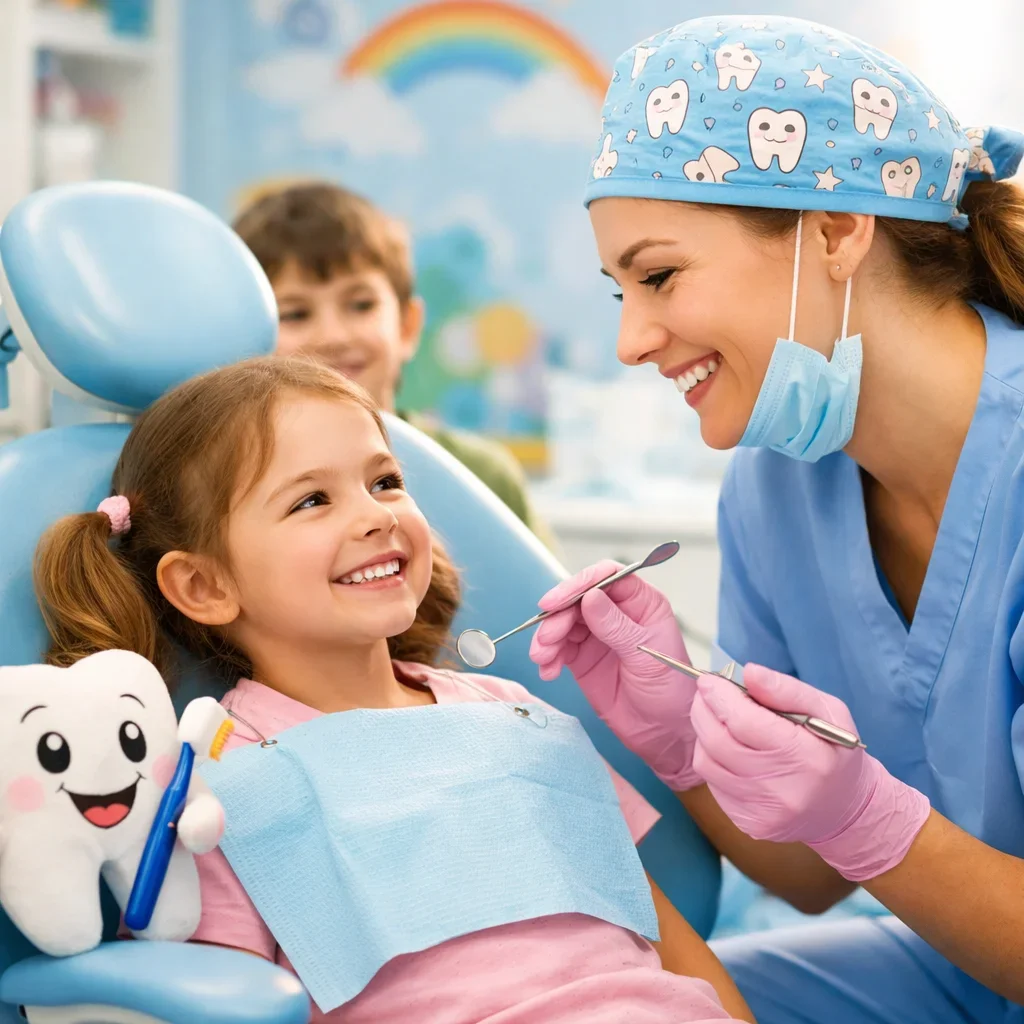
When to Change Your Current Dentist and Find a Good Pediatric Dentist
Even if your child is already seeing a dentist, there may come a time when you question whether it is the right fit. Choosing a good pediatric dentist is essential for your child’s comfort, safety, and long-term oral health. If certain red flags appear, it may be time to reconsider your current provider and look for a good pediatric dentist who better meets your family’s needs. Recognizing these signs early can prevent negative dental experiences and ensure your child continues receiving high-quality care.
Persistent Fear or Anxiety During Visits
Some children feel mild nervousness before appointments, which is completely normal. However, if your child consistently shows extreme fear, cries uncontrollably, or resists entering the clinic, this may indicate that the environment is not supportive enough. A good pediatric dentist specializes in managing dental anxiety through behavior guidance techniques and child-friendly communication. If your current provider does not use calming strategies or seems impatient, it may be time to transition to a good pediatric dentist who prioritizes emotional comfort.
Negative First Impressions
Children remember early experiences vividly. If your child had a painful or frightening visit and the dentist did not handle it sensitively, trust may have been damaged. A good pediatric dentist focuses on rebuilding confidence and creating positive associations. Changing to a good pediatric dentist who understands child psychology can make a significant difference.
Lack of Specialized Pediatric Training
Not all dentists who treat children have formal pediatric specialization. If your current provider does not have additional training in pediatric dentistry, you may want to consider finding a good pediatric dentist with advanced education in child development, growth monitoring, and preventive care. Pediatric specialists are better equipped to address unique concerns such as early orthodontic evaluation and behavior management.
Professional organizations such as the American Dental Association highlight the importance of evidence-based pediatric practices. A good pediatric dentist typically stays updated on current guidelines and modern treatment approaches.
Poor Communication With Parents
Clear communication is a key indicator of quality care. If your dentist does not fully explain treatment plans, costs, or preventive strategies, you may feel uncertain about your child’s oral health. A good pediatric dentist takes time to answer questions, provide educational guidance, and discuss long-term plans. Transparency builds trust between families and the good pediatric dentist.
Unclear Pricing or Insurance Information
Financial transparency matters. If you frequently encounter unexpected charges or unclear billing explanations, it may be wise to seek a good pediatric dentist who clearly outlines costs and insurance coverage. Preventive services such as routine exams, typically ranging from $80 to $200 without insurance, should be explained in advance. A good pediatric dentist ensures families understand financial expectations before treatment begins.
Outdated Equipment or Poor Hygiene Standards
Modern dental care relies on advanced technology and strict sterilization protocols. If the clinic appears outdated or hygiene practices seem questionable, this is a serious concern. A good pediatric dentist uses child-appropriate equipment, digital imaging with minimal radiation, and maintains a clean, organized environment. Safety and comfort are non-negotiable qualities of a good pediatric dentist.
Limited Preventive Focus
If your current dentist focuses mainly on treating cavities rather than preventing them, this could signal a need for change. A good pediatric dentist emphasizes fluoride treatments, dental sealants, dietary counseling, and oral hygiene education. Preventive care reduces the risk of future complications and supports overall health. Choosing a good pediatric dentist who values prevention can significantly lower long-term treatment needs.
Frequent Scheduling Challenges
Convenience also plays a role in consistent care. If it is difficult to secure appointments or emergency visits are not accommodated promptly, you may benefit from finding a good pediatric dentist with flexible scheduling and reliable availability. Prompt access to care ensures that urgent issues such as tooth injuries are addressed quickly.
How to Transition Smoothly
If you decide to change providers, inform your current clinic and request your child’s dental records. A good pediatric dentist will review previous treatment history to ensure continuity of care. Before committing, schedule a consultation with the new good pediatric dentist to assess the environment and communication style.
If you are searching for a compassionate and professional team, you can explore options through the Redent Klinik Contact Page. Establishing care with a good pediatric dentist who prioritizes comfort, prevention, and transparency ensures your child receives the support they deserve.
In conclusion, changing your current provider is sometimes necessary to protect your child’s oral health and emotional well-being. Persistent anxiety, lack of specialization, poor communication, outdated equipment, or unclear billing are valid reasons to seek a good pediatric dentist. By choosing a good pediatric dentist who aligns with your expectations and your child’s needs, you secure a healthier, more confident smile for the future 🦷✨.